Get Premium
Dark mode theme is available exclusively for premium users. Learn more about the benefits of subscribing.
No fees, cancel anytime.

 Dark Mode Ad-Free Browsing Unlimited Content
 Ad-Free Browsing Unlimited Content Dark Mode
Join 1.2 million Panda readers who get the best art, memes, and fun stories every week!
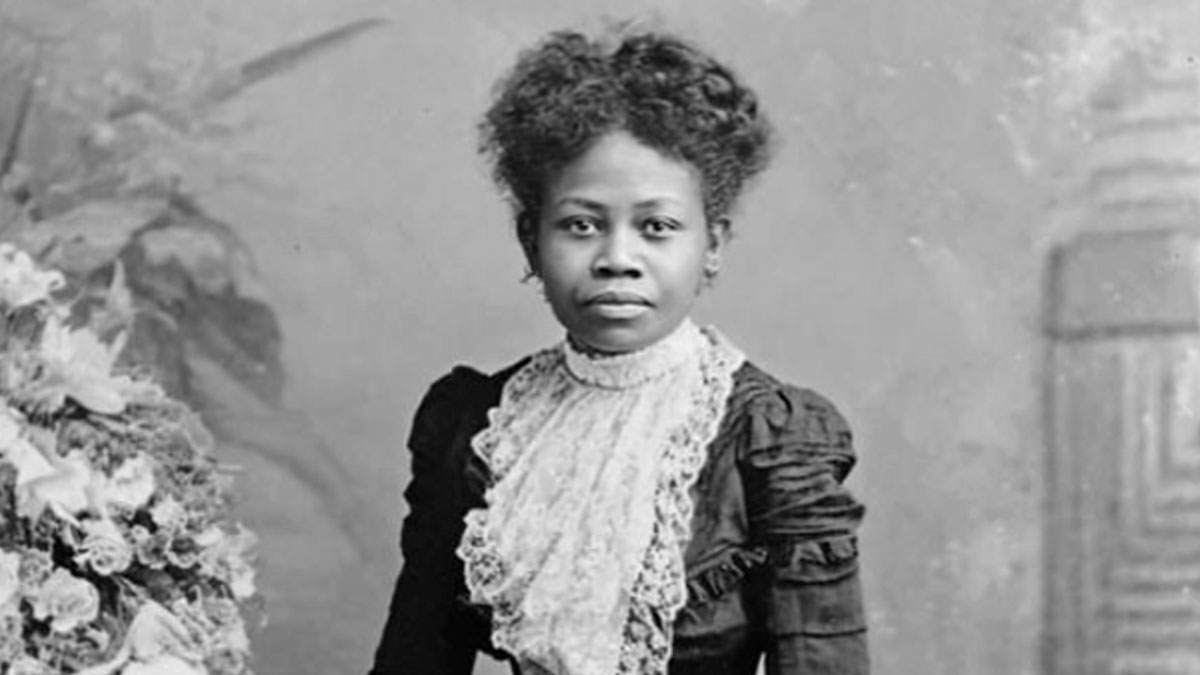


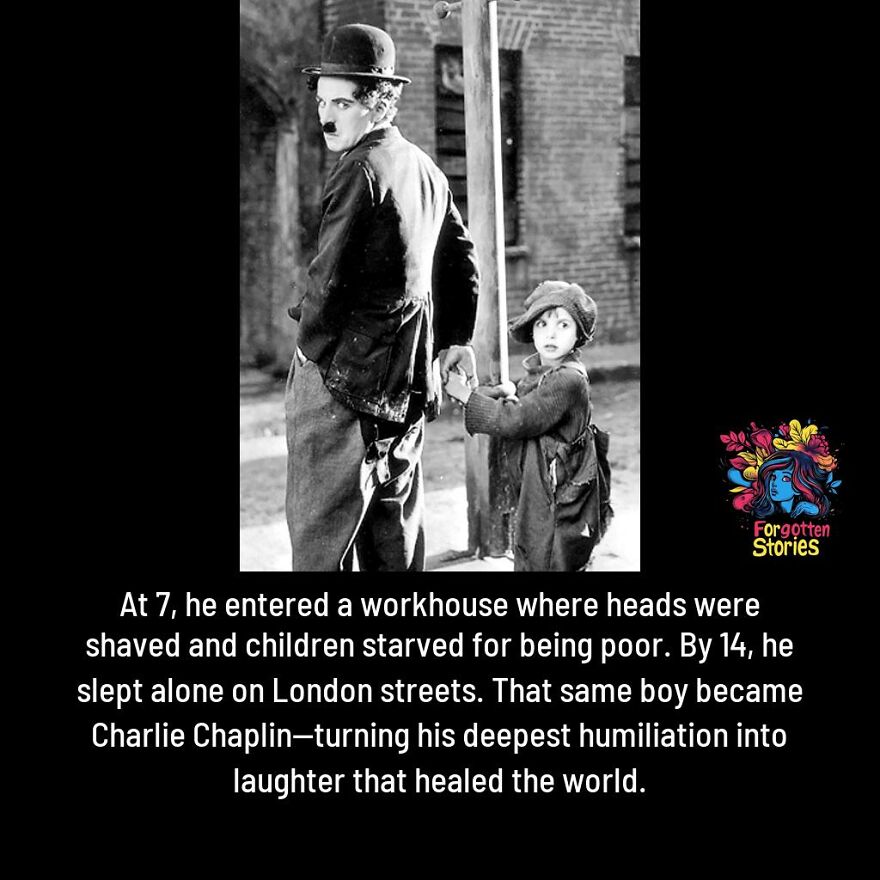
She was banned from attending class because of the color of her skin. She never gave up and at 51, became her university's first black graduate. They were denied bank loans simply because they were female, so they each scraped together $1,000 and opened America's first women-only bank. He slept alone on the streets of London as a young boy, and went on to turn his deepest humiliation into laughter that healed the world.
These are just some of the people you probably didn't read about in a history textbook. The stories that might even have been forgotten if they weren't immortalized in an inspiring corner of the internet dedicated to unearthing untold tales, hidden mysteries, and magical moments from past. The Facebook page Forgotten Stories is a treasure trove of uplifting and inspiring content. Ordinary people doing extraordinary things, against the odds. And we are all here for it!
Bored Panda has put together the best posts from the page in the name of keeping legacies alive and shining bright. Sit back, enjoy and don't forget to upvote your favorites.
This post may include affiliate links.
It's crazy to think there was a time in history when it was quite normal to be denied basic human rights purely because of the color of your skin. Education, for example, is not a privilege, it's a right.
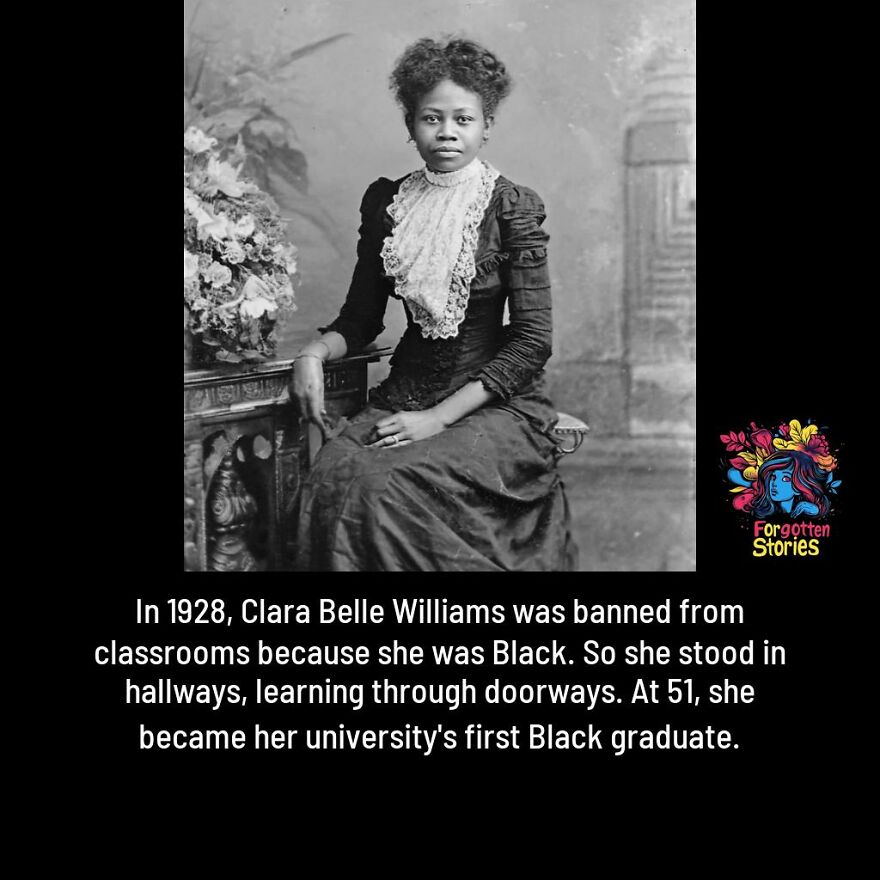
In 1928, a Texas-born teacher named Clara-Belle Drisdale enrolled at New Mexico College of Agriculture and Mechanical Arts (NMC-AMA), with the aim of furthering her education.
As a child, she'd attended a one-room schoolhouse and later, earned a scholarship for Prairie View State Normal and Industrial College where she graduated valedictorian in 1905. Drisdale went on to teach in segregated schools in Texas and also took summer classes at the University of Chicago.
Learning was nothing new to this bright woman...
Yet Drisdale faced numerous barriers after moving to New Mexico with her husband and children in the mid-1920s. NMC-AMA was an all-White institution back then. But a determined Drisdale enrolled anyway. Her professors refused to allow her into the lectures because she was Black, and the student was forced to take notes in the hallway.
Against all odds, she pushed through and earned a bachelor’s degree in English in 1937 at the age of 51. But what should have been a celebration was marred by more discrimination. According to the Texas State Historical Association, the university prevented her from walking with her class during the graduation ceremony.
"Many of her White classmates boycotted the ceremony because the university awarded a diploma to a Black person," adds that site.
Today, her story is an inspiration to others to never give up - no matter what life throws at you...
Fastforward a few decades later, and women were fighting a battle of a different kind. Despite the Equal Credit Opportunity Act being passed in 1974, many were still facing discrimination from banks.
"Bankers frequently told women that they needed their fathers, husbands, brothers, grandfathers, uncles or some related male to co-sign for their loans," explains the Denver Library's site, adding that getting credit as a woman was difficult, and near-impossible for some.
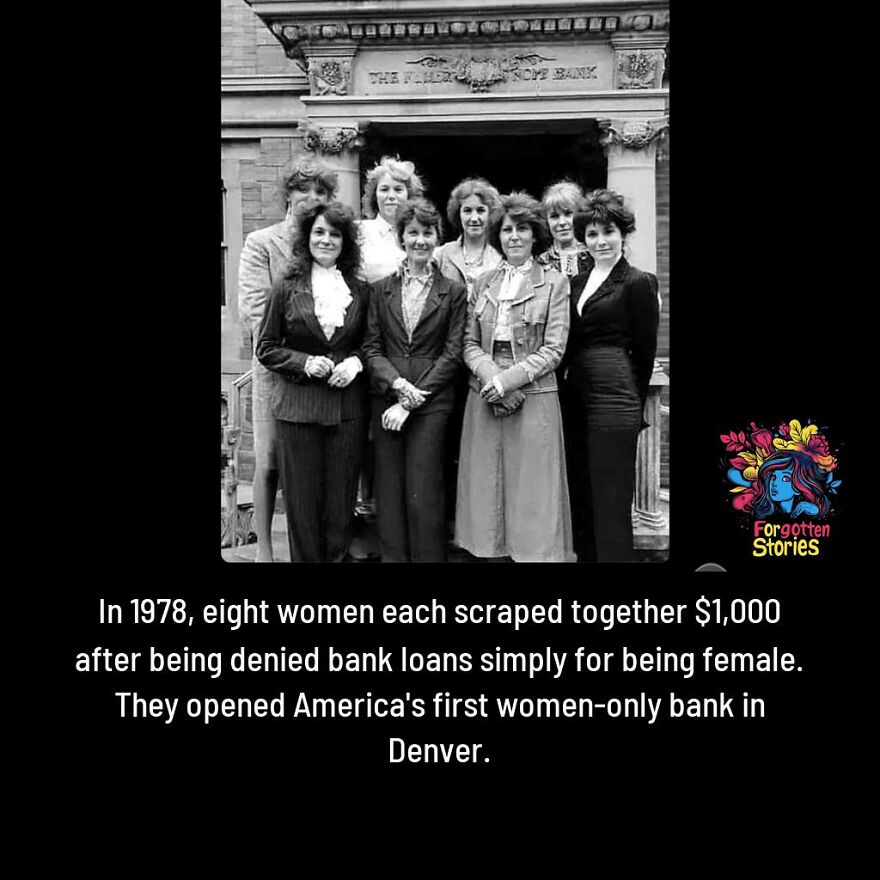
Enter a tenacious and determined group of women who decided "so far and no further." Among them, Wendy W. Davis, Loretta Norgren, Leslie Friedman Davis, Betty Sue Freedman, Beverly A. (Martinez) Grall, Barbara Grall, Barbara Welch Sudler, Edna Mosley, Carol Green, and Judith Foster. Along with others, they applied to open a women-only bank.
By July 1977, their application was approved. And a year later, on July 12, 1978, The Women's Bank officially became the second nationally chartered women's bank in the country, with the first in Washington, DC.
The Women's Bank opened for business at 8:30 a.m. on July 14 that year and the first day's deposits exceeded $1 million. "By 1982, The Women's Bank's boasted $20 million in deposits and low loan portfolio delinquency (under 1%, while the nationwide rate was 2.5%)," the Denver Library notes.
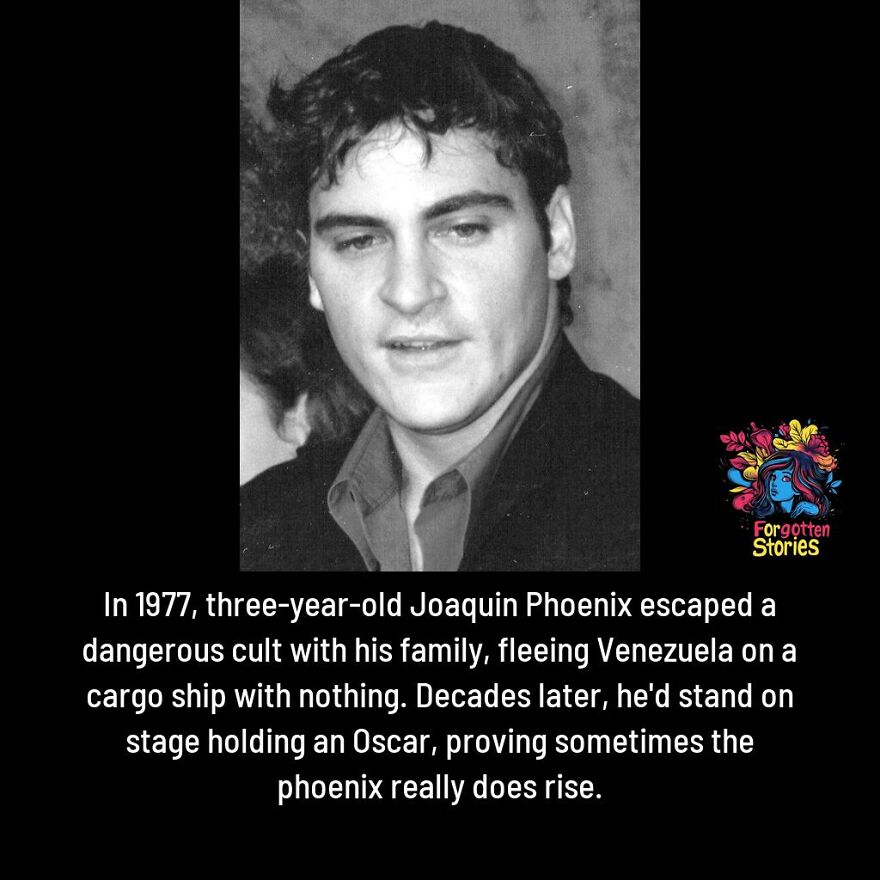
Someone familiar with making millions is Hollywood star Joaquin Phoenix. According to the Celebrity Net Worth site, the actor, director, producer and musician has a net worth of $80 million. But things could have turned out very different for him.
Born in Puerto Rico, Phoenix and his siblings found themselves living in extreme poverty while their parents preached for a "religious group" called The Children of God. The family later discovered that the group's leader, David Berg was a dangerous man, wanted by Interpol, and that The Children of God was a cult.
“I think my parents thought they’d found a community that shared their ideals. Cults rarely advertise themselves as such. It’s usually someone saying, ‘We’re like-minded people. This is a community,’ but I think the moment my parents realized there was something more to it, they got out,” Phoenix revealed in a 2014 interview with Playboy magazine.
The family managed to break away from The Children of God in 1977 and escaped to the United States, where Joaquin and his late brother, River would go on to become mega-stars in Hollywood.
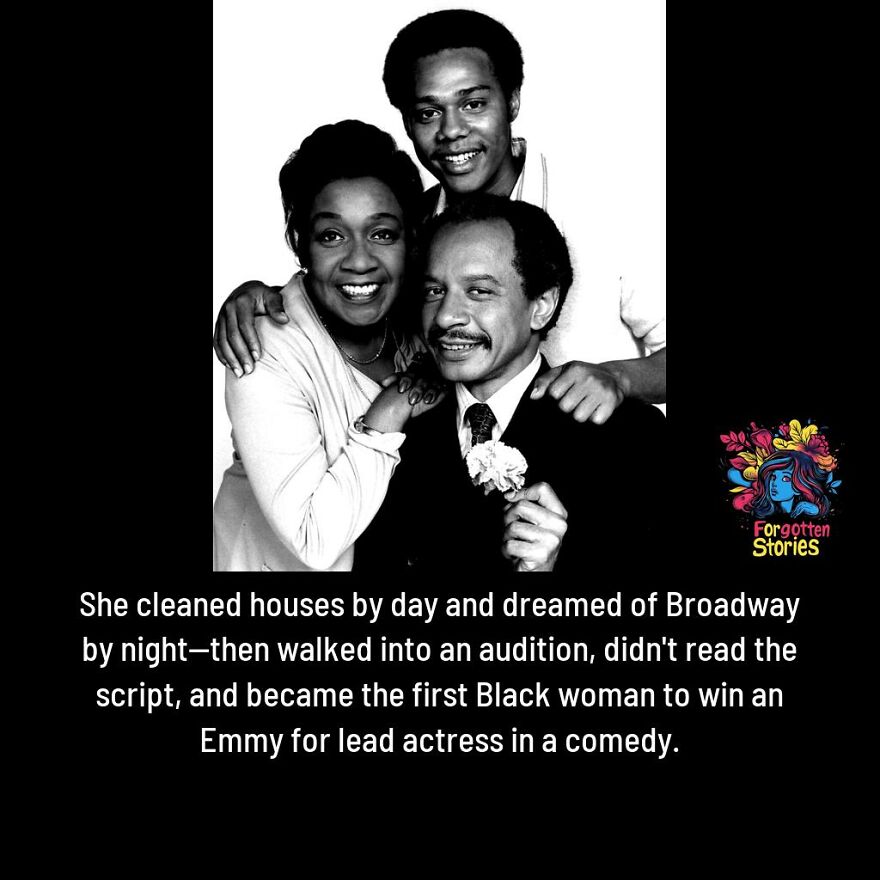
Isabel Sanford won a Primetime Emmy Award for Outstanding Lead Actress in a Comedy Series in 1981 for her iconic role as Louise "Weezy" Jefferson on The Jeffersons.
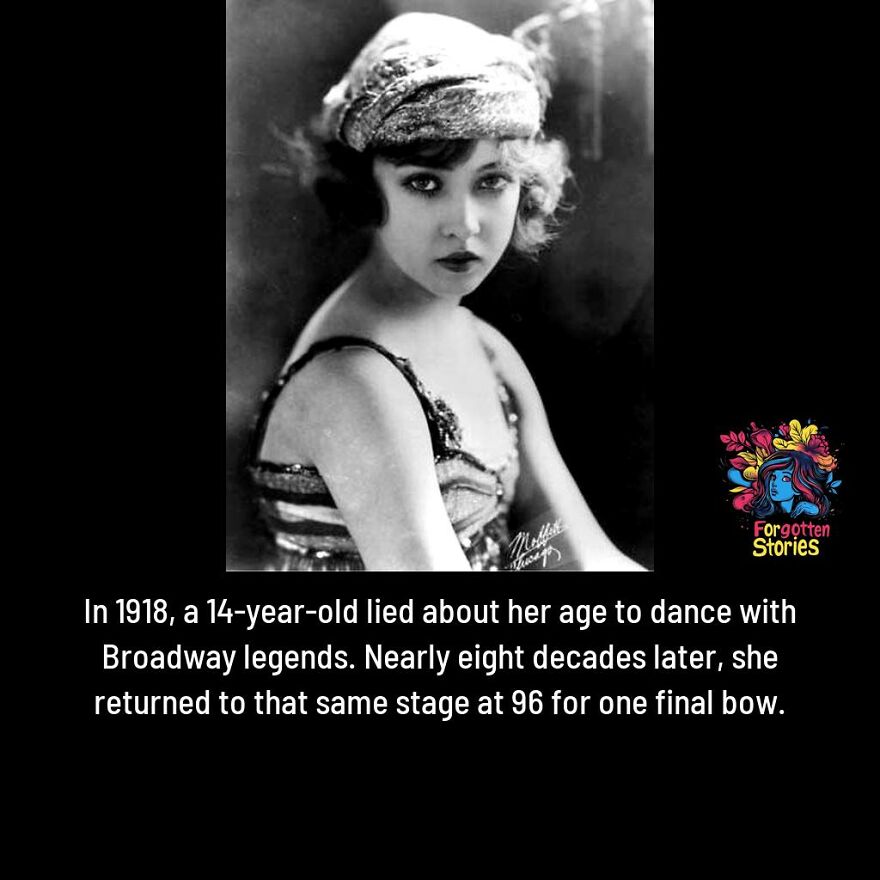
Doris Eaton Travis (1904–2010), a renowned American dancer and actress who was the last surviving "Ziegfeld Girl" from the famous Ziegfeld Follies Broadway revues.
It would be nice, Robyn, if you could go back in and tell us these people 's names!


Thank you so much to the kind folks who took the time in providing all that crucial info 🌞
It would be nice, Robyn, if you could go back in and tell us these people 's names!
Thank you so much to the kind folks who took the time in providing all that crucial info 🌞























 No fees, cancel anytime