Get Premium
Dark mode theme is available exclusively for premium users. Learn more about the benefits of subscribing.
No fees, cancel anytime.

 Dark Mode Ad-Free Browsing Unlimited Content
 Ad-Free Browsing Unlimited Content Dark Mode
Join 1.2 million Panda readers who get the best art, memes, and fun stories every week!
42submissions
1week left

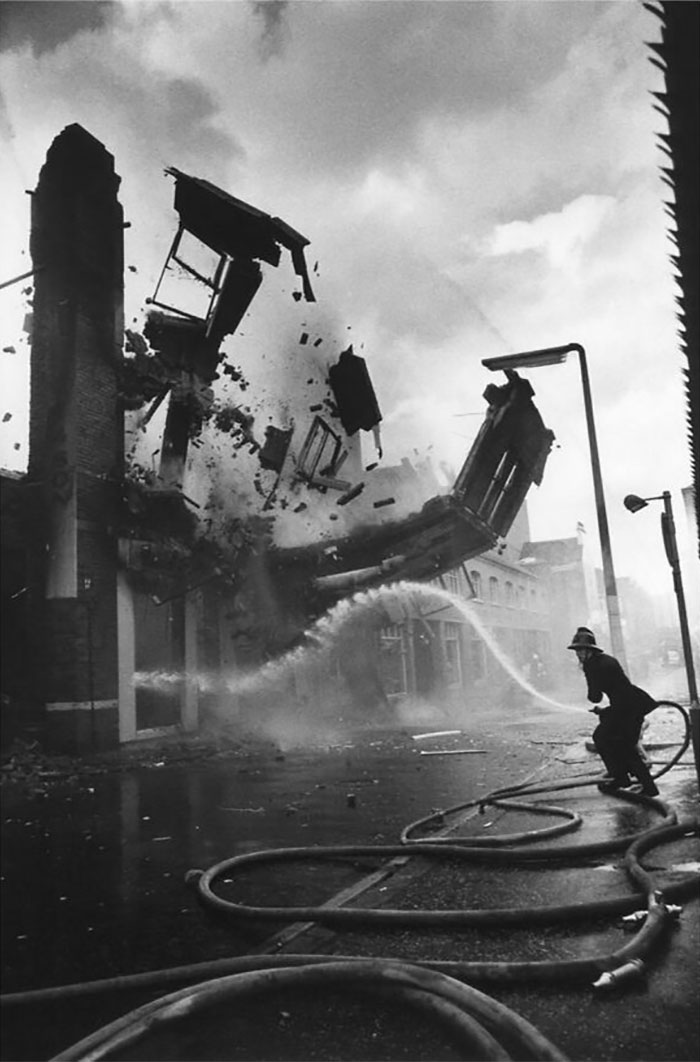
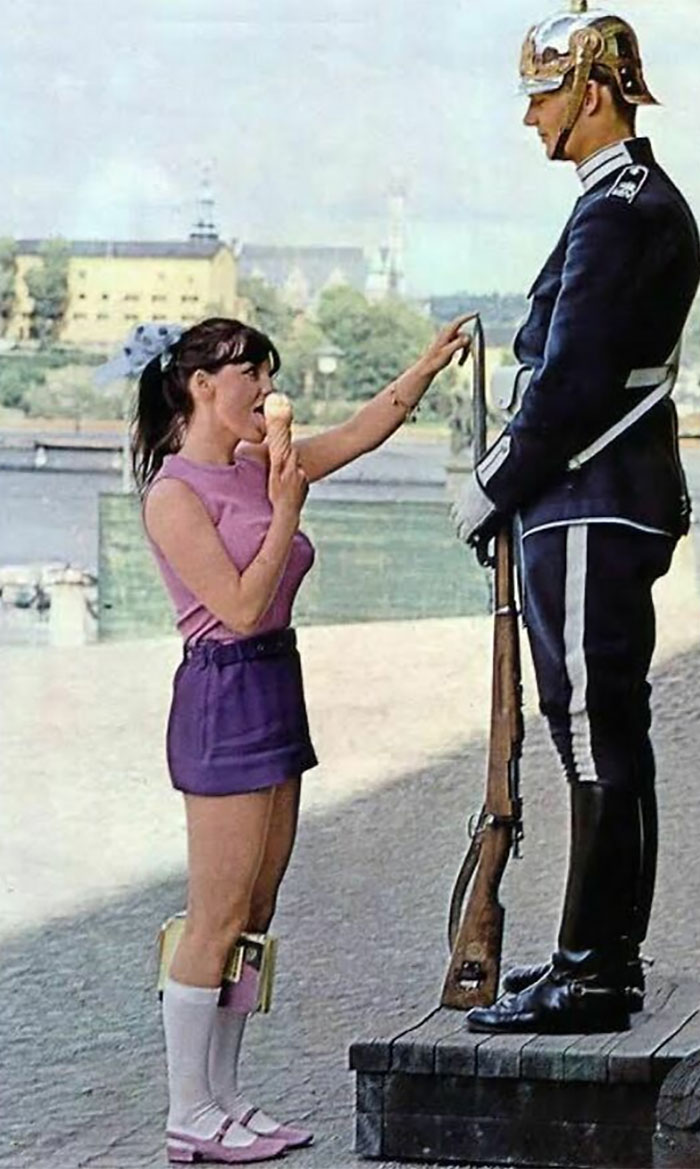
“A picture is worth a thousand words”—a phrase most of us have heard before. And for a reason. Photographs can capture loads of information in just a split second and immortalize it for years to come. By freezing moments, photographers enable us to travel to places and times we’ve never witnessed ourselves. They allow us to see the world exactly as it was, whether it was yesterday or a hundred years ago.
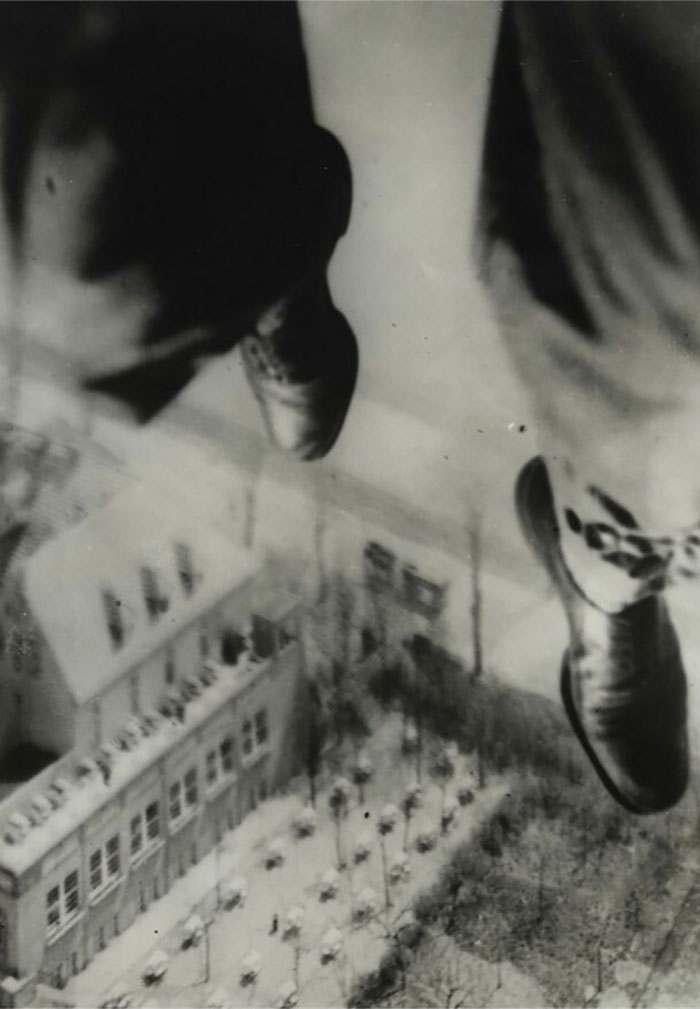
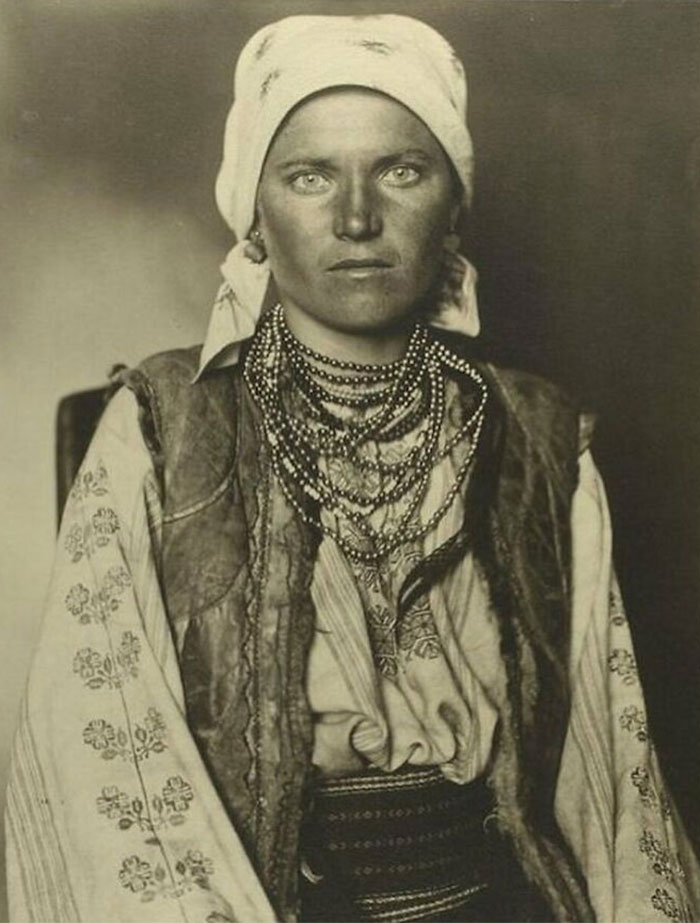
The Instagram account called Historical Pix boasts a beautiful collection of pictures from various points in time. Their uploads cover a multitude of topics, from war to technology, from sport to fashion; you name it, it’s there. As they themselves describe, “It's just history. The good, the bad, and the ugly.”
We have gathered some of the most impressive photographs shared by the account. Scroll down for the images and feel free to browse this list of historical pics or this one, if you’d like to see more.
Click here & follow us for more lists, facts, and stories.
This post may include affiliate links.
Photography allows us to travel all the way back to the 1820s—that’s when the first-ever picture was taken. The French scientist Joseph Nicéphore Niépce did that by using heliography—a process of applying sunlight to draw—and a pewter plate. Taking the picture took several hours, but the image, titled View from the Window at Le Gras, marked the beginning of modern photography.
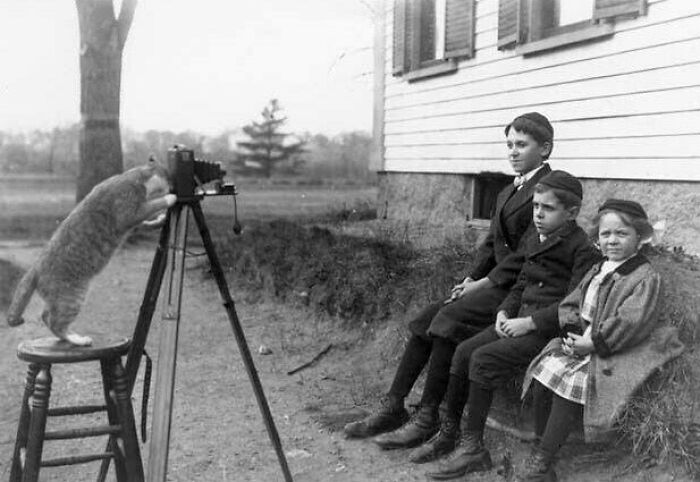
Back in the day, taking a picture required a bit more than a split second. Roughly until the 1840s, you would have had to stand still for 20 minutes for someone to photograph you. Can you imagine trying to take a family portrait or a picture of your cat under such circumstances?
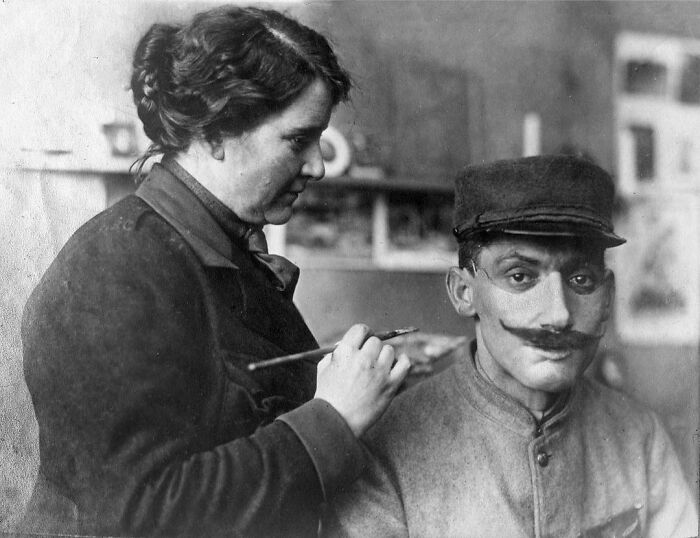
Ladd, Who Was Born In 1878 And Died In 1939, Worked With A Team Of Assistants At The American Red Cross In Paris To Create The Masks, Which Were Made Of Copper And Other Materials And Were Designed To Be Worn Over The Soldiers' Faces In Order To Restore Some Of Their Appearance And Self-Confidence. The Masks Were Highly Realistic And Were Often Painted To Match The Soldiers' Skin Tones. Ladd's Work Was Praised For Its Artistic And Technical Skill, As Well As For Its Humanitarian Purpose
Nowadays, you can take a picture in the blink of an eye. You can also do it nearly anywhere, anytime, as most people now use camera phones. Able to fit in your pocket, they are undeniably more convenient than dragging around large pieces of equipment or trying to force the world to stop for 20 minutes so you can take a photograph.
The cameras on phones developed in leaps and bounds over the years. The first one was the SCH-V200 model introduced by Samsung back in 2000. It allowed users to take up to 20 pictures at 0.35-megapixel resolution. Now, just over a couple of decades later, the average resolution of a phone camera is 12 megapixels, and the number of pictures one can store is way higher than 20.
According to Phototutorial, an average smartphone user has roughly 2,100 pictures on their device. The number is not that shocking, considering that people take nearly 93% of photos with their cellphones and only 7% use a camera.
Taking photographs was mostly a job for professionals years ago when it required working with certain chemicals. But now, more people can capture beautiful moments with the help of constantly developing technology.
Phototutorial also revealed that people worldwide take an astonishing number of 57,246 pictures per second, which equals roughly 5 billion per day. So far, 12.4 trillion photos have been taken throughout the years, some of them capturing significant historical events.
Some images portraying significant historical events or periods became known all over the world. For instance, the picture of a couple kissing taken by Alfred Eisenstaedt in 1945, titled V-J Day In Times Square. Or the Tank Man—a photo taken by Jeff Widener in 1989.
Some of the globally well-known images immortalized important moments of pop culture as well. One of the greatest examples of that was the cover for the Beatles’ Abbey Road album cover. It was taken by Iain MacMillan in August of 1969 as the band members were crossing Abbey Road in London.
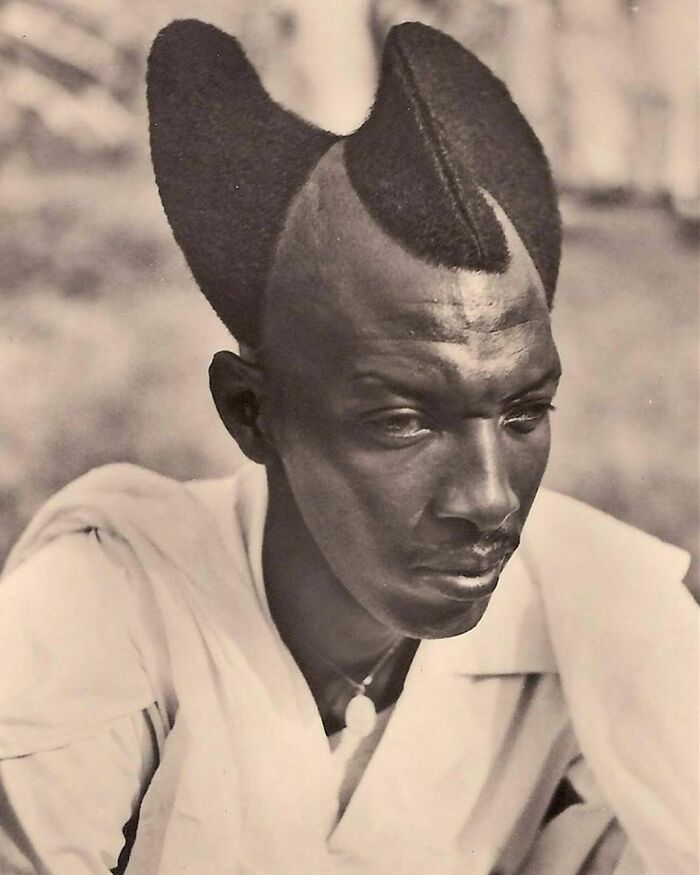
Amasunzu Hairstyle Is Traditionally Worn By Rwandan Men And Unmarried Women, With The Hair Styled Into Crests, Often Decorated With Beads And Cowrie Shells. It Is Frequently Described As Crescent-Shaped. The Style Is Associated With The Rwandan People's Cultural Identity And Has Been Passed Down Through Generations
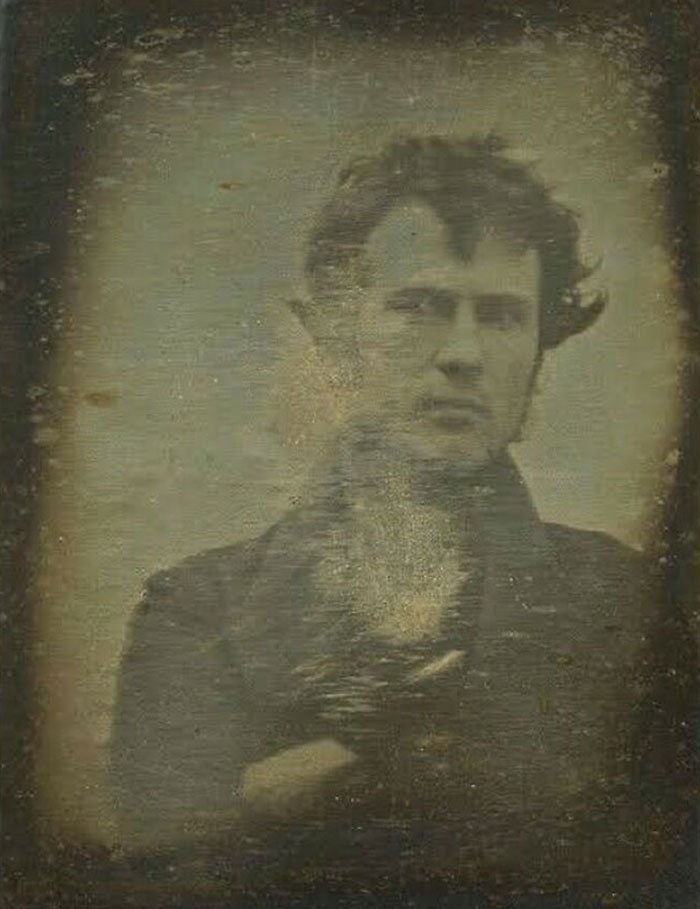
Certain historical pictures mark significant milestones in developing the process of photography itself. The first self-portrait, which could be considered the predecessor of the selfie, is a great example of that. Robert Cornelius, a chemist from Philadelphia, is believed to have taken the first portrait of such a kind back in 1839.
Whether it’s a portrait or not, you might have noticed that not many people would smile in photographs back in the day. Now, it is typical to put on a happy face for taking a picture (followed by a moment of awkward silence after everyone is done saying “cheeeeeeese”), but it wasn’t always like that, and there are several versions of why. Some say that it was based on poor dental hygiene, while others believe it was related to the time it took for one shot—smiling for 20 minutes straight can be quite a challenge.
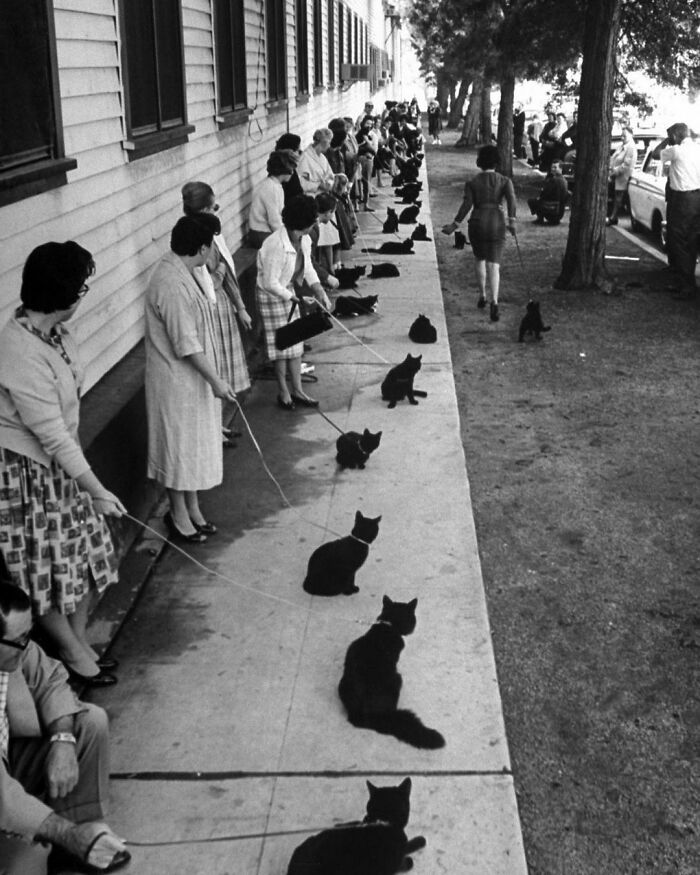
More Than 150 Cats Showed Up For The Audition. The Lead Role Was Filled By A Professionally Trained Black Cat. Additionally, Seven More Cats Were Chosen For Publicity Based On How “Mean” The Look In Their Eyes Was. Photography By Ralph Crane
Some pictures age like fine wine—they become even more influential or appreciated as time goes by. And most such images undoubtedly deserve an award. One of the greatest photo competitions is held by the World Press Photo Foundation. It attracts thousands of spectacular submissions each year that immortalize our life as it is—the good and the bad—for future generations to see. Needless to say, choosing a winner is never easy.
Some other photo competitions that present attention-worthy shots include but are definitely not limited to the International Photography, the Sony World Photography, and the Big Picture Natural World Photography awards. For those interested in the wonders one can do with a camera phone, the iPhone Photography Awards might be something worth delving deeper into.


























 No fees, cancel anytime


![Hong Kong, 1950s-60s By Fan [jerk]](https://static.boredpanda.com/blog/wp-content/uploads/2023/02/CRcCDr1Bo7M-png__700.jpg "Hong Kong, 1950s-60s By Fan [jerk]")