Get Premium
Dark mode theme is available exclusively for premium users. Learn more about the benefits of subscribing.
No fees, cancel anytime.

 Dark Mode Ad-Free Browsing Unlimited Content

 Ad-Free Browsing Unlimited Content Dark Mode

Join 1.2 million Panda readers who get the best art, memes, and fun stories every week!

There is no shortage of things to learn about the world, but some discoveries are so unexpected that they completely change the way we look at things. Think scientific findings to little-known facts about nature, history, and the human body, the truth is there's always something fascinating waiting to surprise us.
And sometimes, the most incredible things are the ones we never thought to question in the first place. The internet has made it easier than ever to stumble across information that makes us pause, scratch our heads, or immediately share it with someone else.
One such place is the Instagram page jerryscience, which has attracted over 900K followers with its fascinating facts and thought-provoking discoveries. Here are some of the most mind-blowing examples shared on the page, and chances are, you'll walk away knowing a few things you didn't before.
This post may include affiliate links.

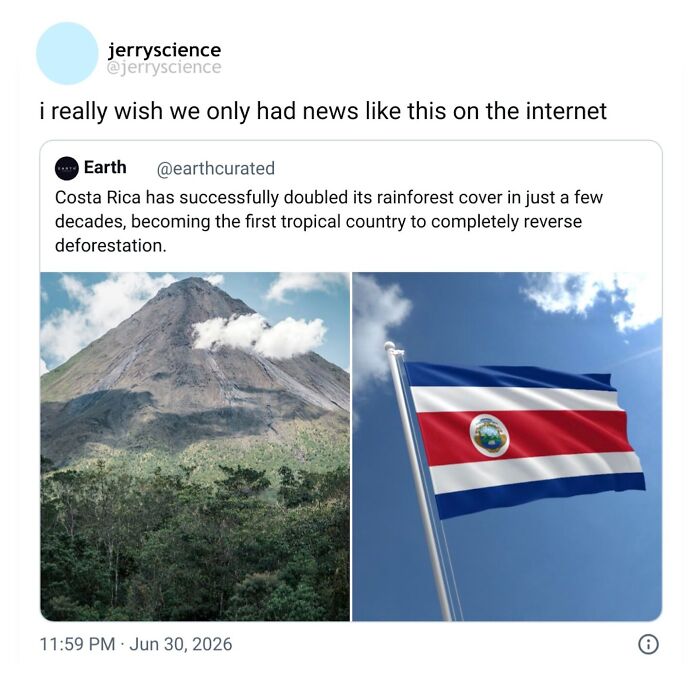
Costa Rica is such a cool country. In addition to this, it has the highest literacy rate and most college grads in Central America, and disbanded its military back in the 60s. I've visited there a couple times, and it is an achingly beautiful country with some of the warmest people I've ever met.

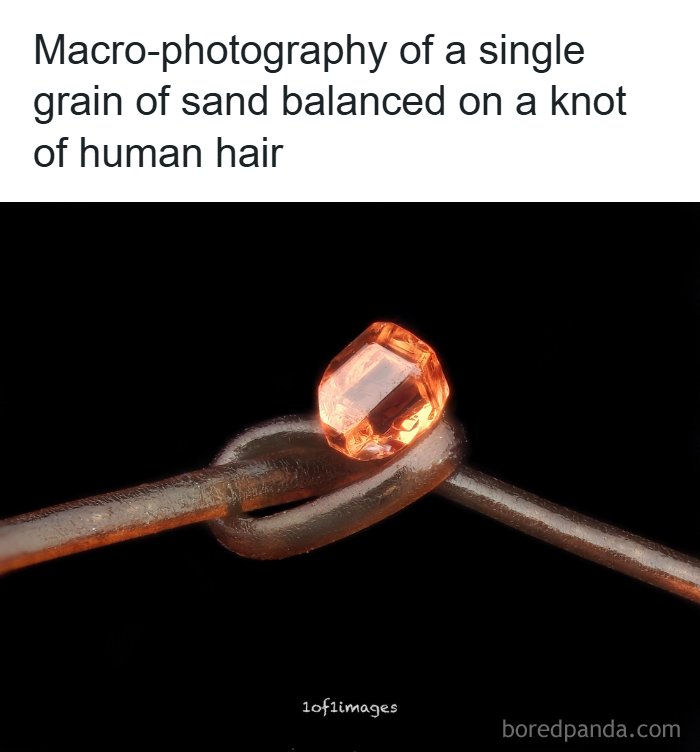
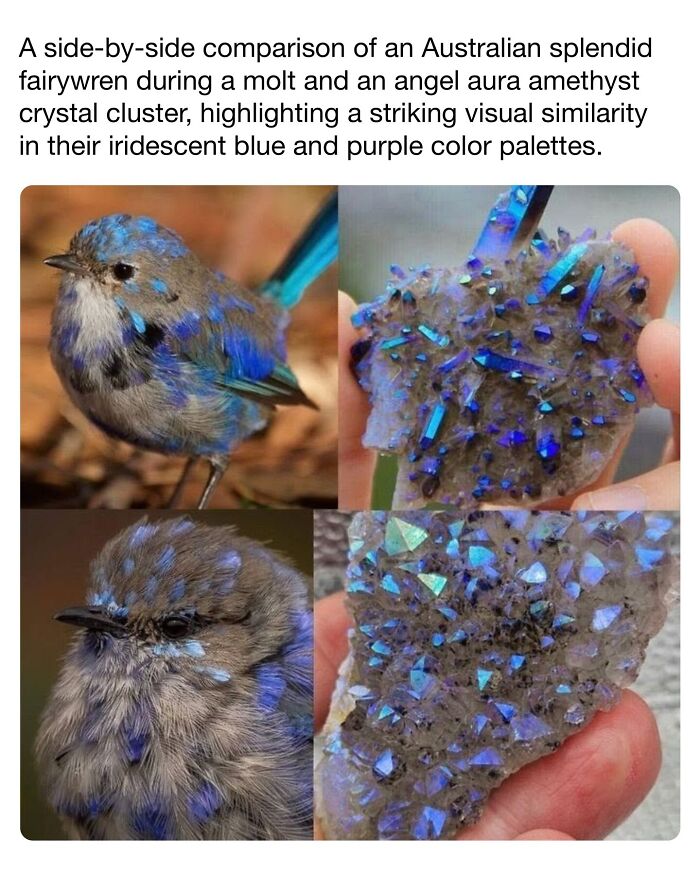
Why the facets? Why isn't it smoothed and pocked? It might be a sample of a very hard mineral and not quartz.
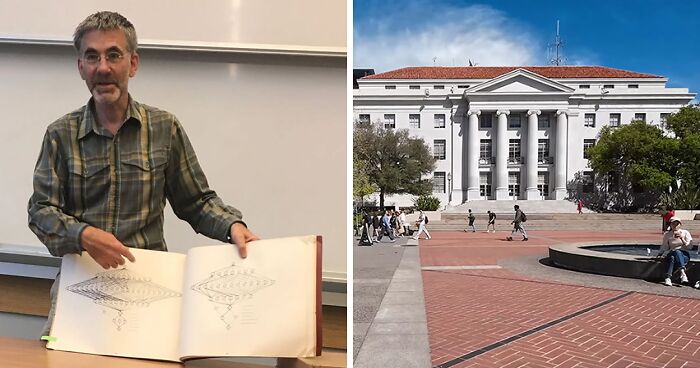
Science is often associated with laboratories, complicated experiments, and groundbreaking discoveries, but it is also present in the ordinary experiences people encounter every day. Understanding Science from the University of California, Berkeley, explains that simple observations can lead to fascinating questions about how the world works.
Changes in the color of the sky, familiar sounds that give us chills, or certain smells that suddenly bring back memories all have scientific explanations rooted in physics, chemistry, biology, and psychology. What makes these everyday occurrences interesting is that they encourage people to look beyond what they see on the surface and become curious about the processes behind them.
Developing this kind of curiosity does not require specialized knowledge or expensive equipment. Everyday activities, from preparing a meal to taking a walk outside, can become opportunities to observe patterns and understand how things work. Even the most familiar surroundings can reveal something unexpected when people pay closer attention.
Scientific thinking begins with asking questions, examining what happens, and remaining open to explanations that might challenge previous assumptions. This is also why learning about seemingly ordinary things can be so rewarding. The more people understand the processes happening around them, the more they realize that the world is filled with details they may have overlooked.

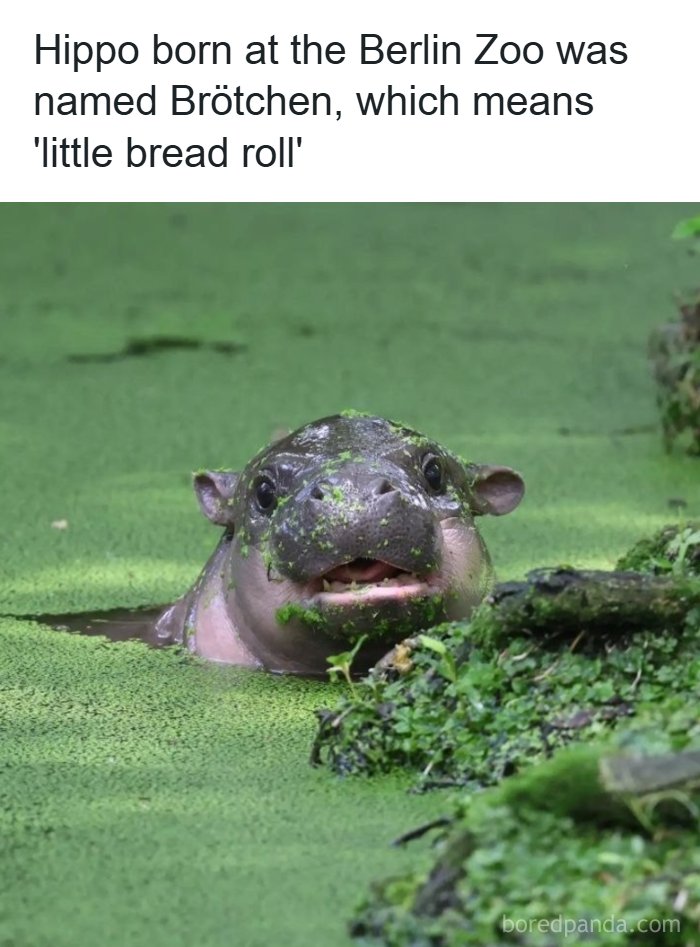
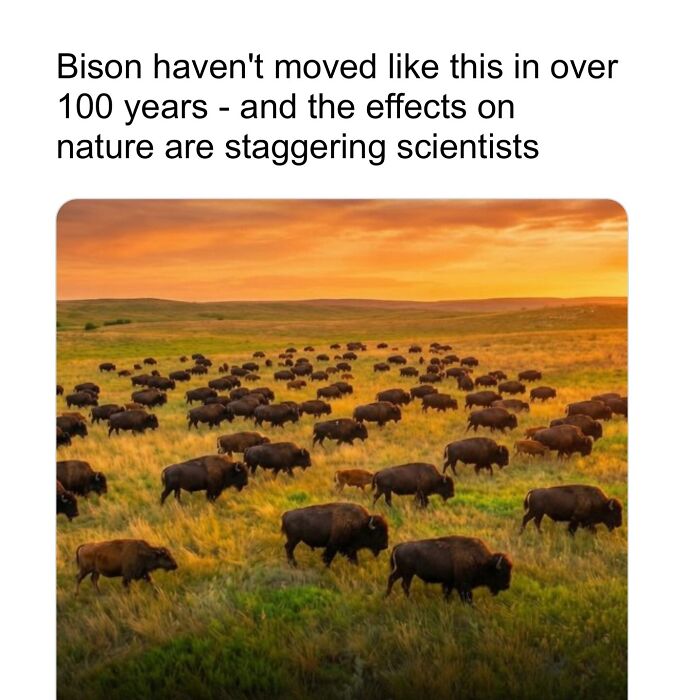
Ours at the Toronto Zoo, three months younger than Brötchen, is called Maple.
The human body is another excellent example of how much can happen without people realizing it. According to the BBC, even familiar experiences such as déjà vu reveal how complex the brain can be. This strange sensation, in which a completely new moment feels as though it has happened before, is generally understood as a memory-related illusion.
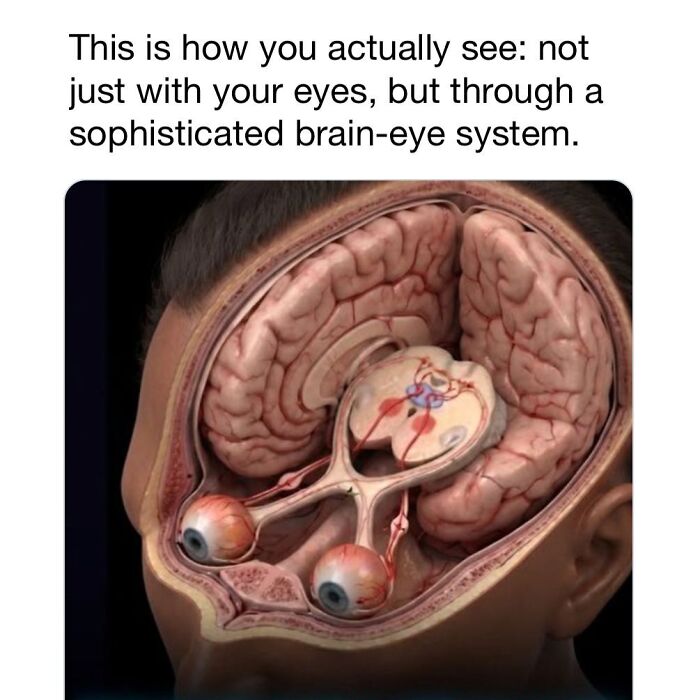
The brain produces a feeling of familiarity without retrieving an actual memory of the event. Optical illusions also demonstrate how our perception can be misleading. Rather than simply recording everything our eyes see, the brain actively interprets light, depth, movement, and surrounding details to construct an understanding of the world.

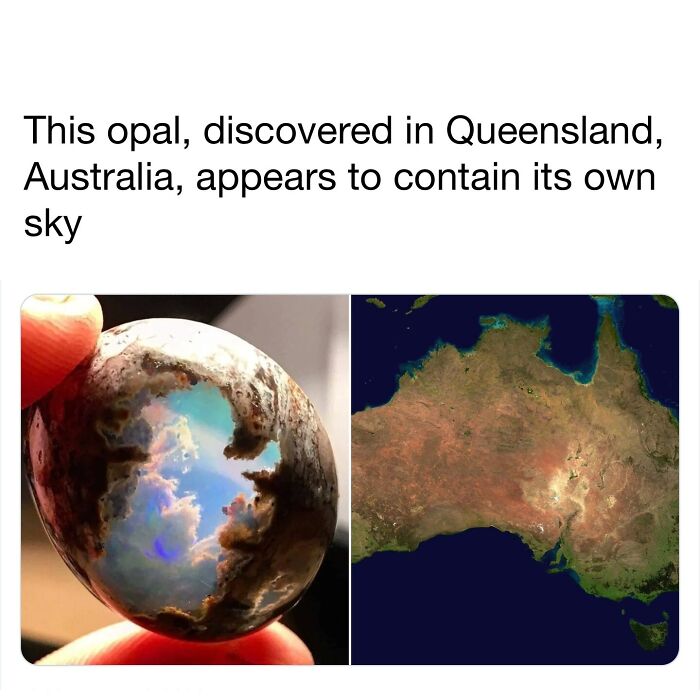
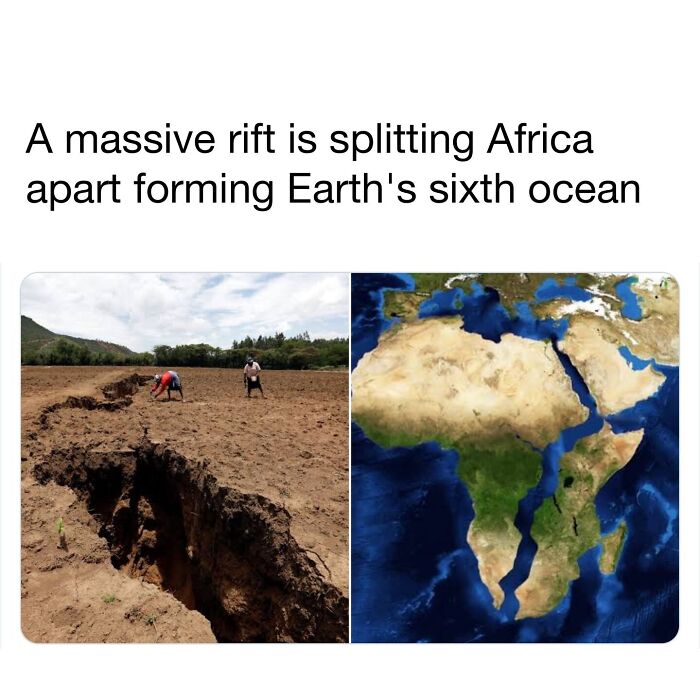
I don't see the Australia. there seems to be a duck coming out of the right side to the blue area. 🦆
Memory is equally fascinating because it does not work like a camera that records every experience exactly as it happened. Instead, the brain processes information, connects new experiences with existing knowledge, and reconstructs memories when they are recalled.
Meanwhile, the autonomic nervous system manages essential functions such as breathing, digestion, heartbeat, blood pressure, and body temperature without requiring conscious attention. These processes continue whether someone is sleeping, working, or simply reading a book.
There is an extraordinary amount of activity happening beneath the surface, demonstrating that even the most familiar parts of human life can hold surprising scientific explanations.

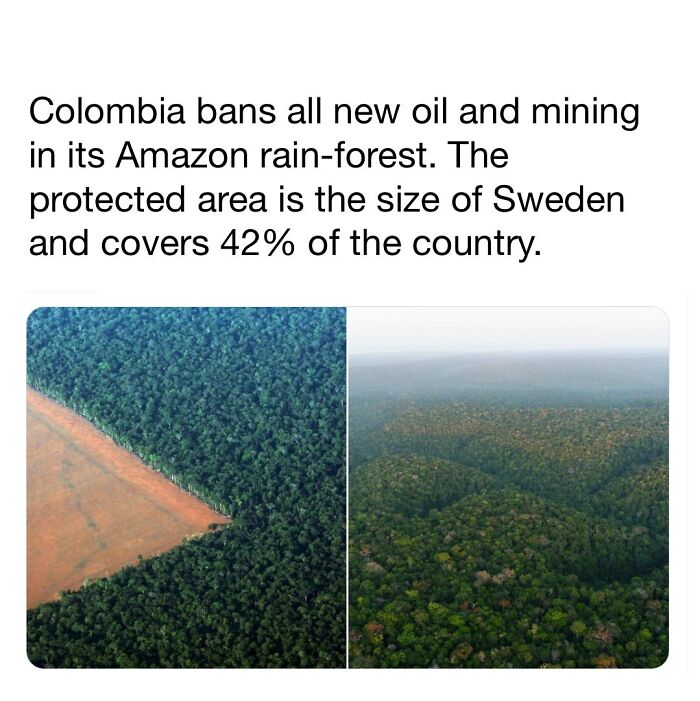
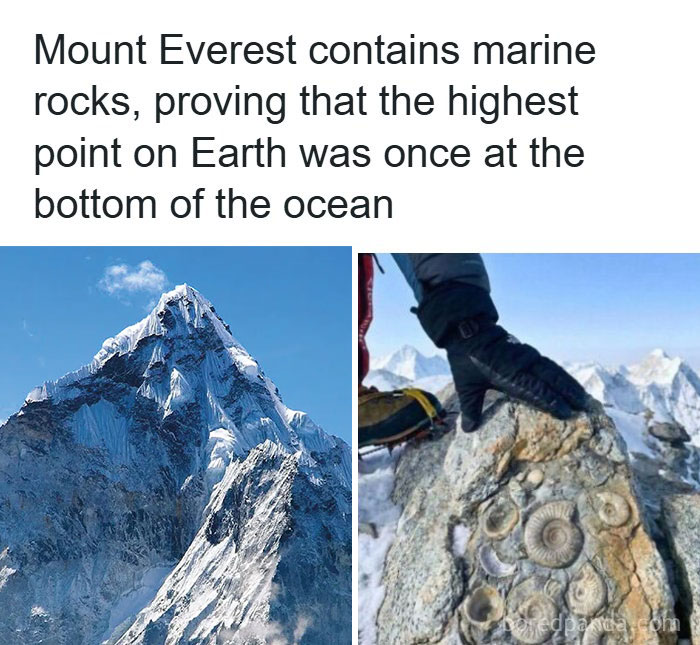
I learned that in school, 50 years ago, in Geography class. Now Geology is part of Natural Science.
Nature offers even more examples of abilities that seem almost impossible. NASA highlights how millions of years of evolution have allowed different species to develop remarkable adaptations.
Some animals can regenerate body parts, survive extreme environmental conditions, navigate across enormous distances, or camouflage themselves so effectively that they become almost invisible. These abilities are not simply unusual biological tricks; they are adaptations that help different organisms survive and reproduce.
Scientists have also learned that nature can offer valuable solutions to human problems. By studying features such as gecko feet, bird flight, and shark skin, researchers can develop new materials, technologies, medical applications, and even robots. This approach is known as biomimicry, which uses designs and processes found in nature as inspiration for innovation.
The mysteries of nature extend far beyond our planet, too. Astronomers have discovered thousands of planets orbiting stars outside our solar system, known as exoplanets. Some are enormous gas giants, while others are rocky worlds with characteristics that resemble planets closer to home.
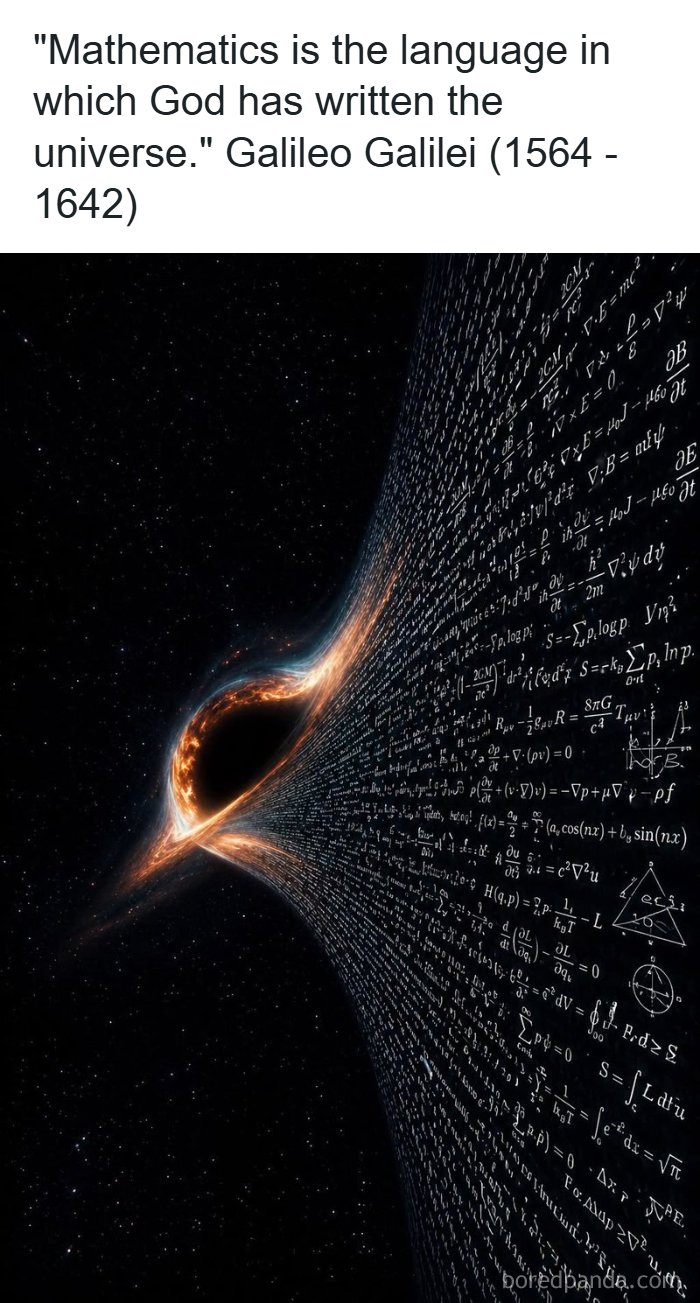
Black holes are another example of how unusual the universe can be. Their gravitational pull is so powerful that not even light can escape once it crosses their event horizon. Although scientists have made significant progress in studying these objects, many questions about their behavior remain unanswered.
Discoveries like these show how much there is still to learn about the universe and how new observations can continually expand our understanding of what is possible.

Spirit Bears, as named by the Haida Gwaii of Western British Columbia.
Interestingly, not every major scientific breakthrough comes from years of carefully planned experiments. As Mental Floss explains, some important discoveries began with unexpected accidents that researchers decided to investigate rather than dismiss. Penicillin, for instance, was discovered after Alexander Fleming noticed that mold growing in a contaminated Petri dish had prevented nearby bacteria from developing.
Wilhelm Röntgen discovered X-rays after observing an unexplained glow during an experiment, which eventually led to a technology that transformed medical imaging. Other familiar inventions also have surprising beginnings, including microwave cooking, Post-it Notes, Teflon, and vulcanized rubber. These examples demonstrate that an unexpected result can sometimes reveal something far more useful than the original experiment was intended to produce.

If this is true, I'm in big trouble -- I passed algebra only because our teacher was also the tennis coach...and easily distracted.

TIL. Wikipedia has an article about them: Guarana. The seeds are about the size of a coffee bean but contain up to 2-3 times as much caffeine. I wonder if that explains the wired, wide-eyed look of the fruit? 👀👀👀🤪
What makes these discoveries particularly interesting is that chance alone rarely explains their success. Someone still has to notice that something unusual has happened, question why it occurred, and investigate its potential. An unexpected observation might initially seem like a mistake, but closer examination can reveal an entirely new scientific possibility.
This is one of the reasons curiosity remains so important to scientific progress. Whether researchers are studying the human brain, examining unusual animal adaptations, exploring distant planets, or investigating an accidental chemical reaction, asking questions is often the first step toward understanding something new. And as these discoveries demonstrate, there is still plenty about the world that can surprise us, even in places we thought we already understood.
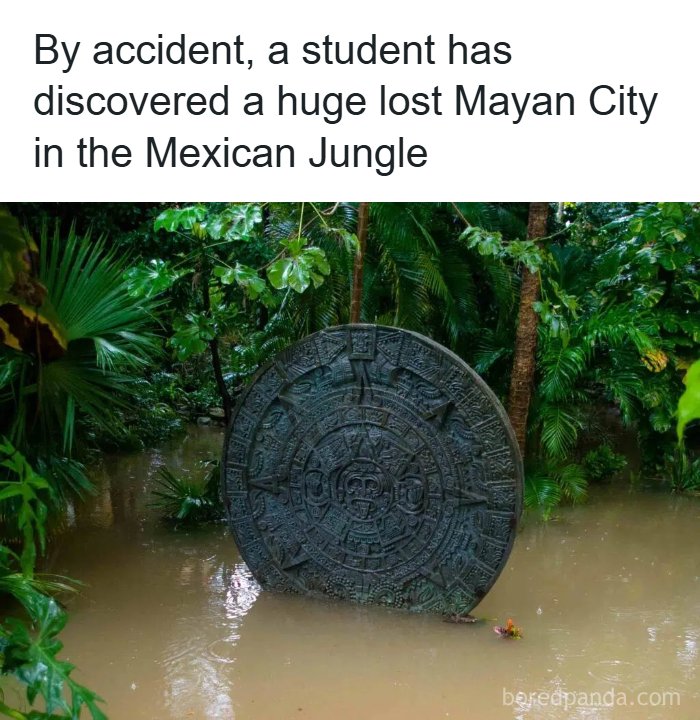
"Discovered in 2023 during archaeological excavations at the Roman gymnasium site in the ancient city of Amastris (modern-day Amasra, Bartın) in Turkey" according to my sources.
Perhaps the most exciting thing about science is that there is always something new to discover. What we consider common knowledge today may only be a small part of a much bigger picture, and discoveries that seem unbelievable now could eventually become part of everyday life. Sometimes, all it takes is one surprising fact to make us look at the world a little differently.
Which of these facts surprised you the most? If you could learn the explanation behind any everyday mystery, what would you want scientists to investigate? Share your thoughts and any fascinating facts you've come across in the comments!
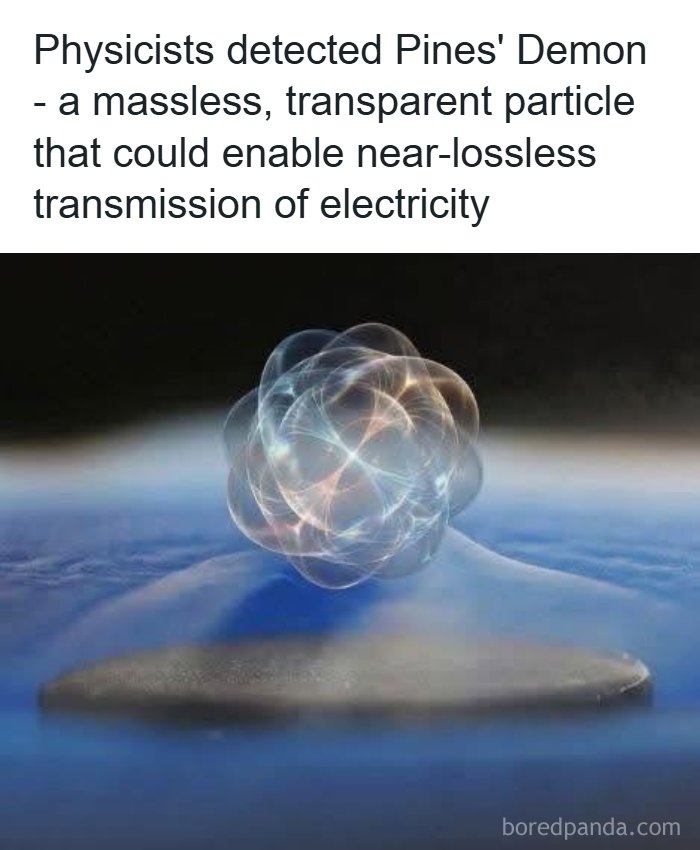
Okay, but what are the risks? Because so far, this sounds delightful.

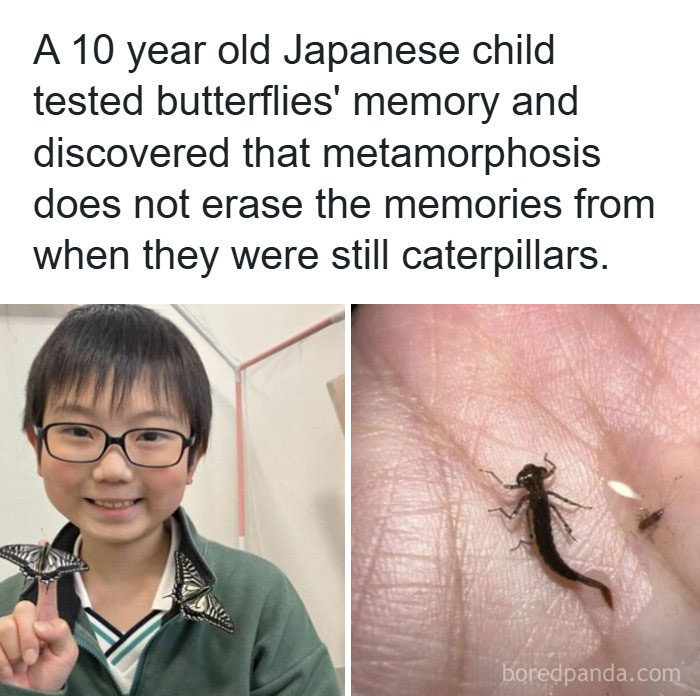
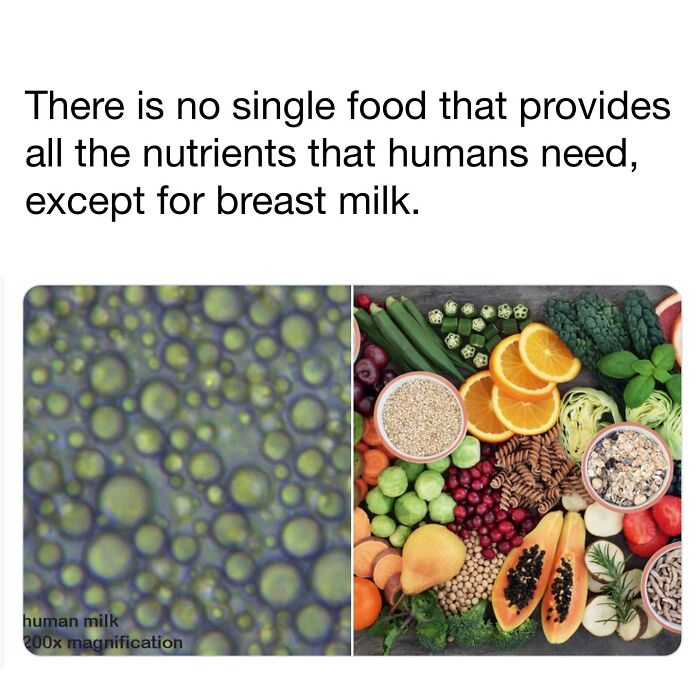
The 20 year old me is not looking forward to my mum breast feeding me
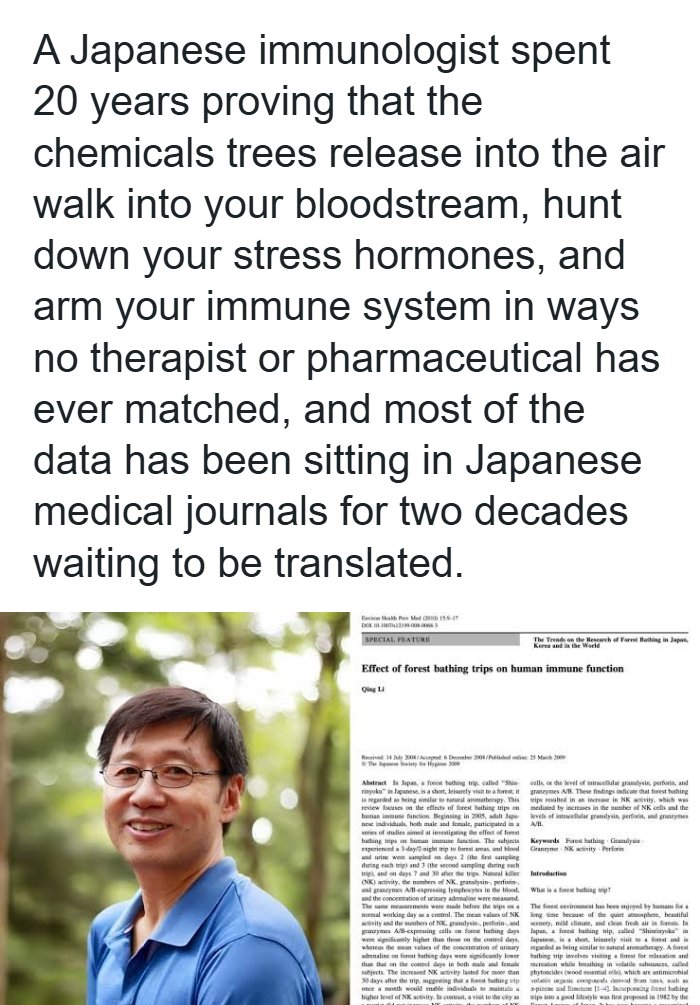
What a stunning pile of horsesh*it. 1. The guy is Chinese; 2. The screenshot clearly shows his ENGLISH-LANGUAGE article in the journal of Environmental Health and Preventive Medicine; 3. He has shown that spending time in a forest might lower cortisol levels a bit, not that "chemicals trees release walk into your bloodstream, hunt down your stress hormones, and arm your immune system". Just for the illiterates: "chemicals" don't walk, hunt, or arm. They are inanimate substances.
This is the shoddiest, saddest effort at an article I have ever seen. It makes some of the old Kardashian nonsense look professional. I haven't seen a site go downhill this fast since Cracked.
If this is the shoddiest and saddest you've ever seen, you must not have seen "74 People Share Terrifying Close Calls That Could Have Made Them Unsolved Mysteries" from earlier today.
Load More Replies...
Everybody can earn 500$+ daily... Start now making every month extra $26000-$35000 or more by just doing an easy online job from home. Last month i have earned and received $27,800 from this job by giving this only 3 hrs a a day.Every person can now get this job and start earning online by follow this site_______𝗡𝗲𝘁𝗽𝗮𝘆𝟭.𝗰𝗼𝗺
Load More Replies... Overall I liked this but according to other Pandas, many of these sound bites were pure fallacy. No one likes being hoodwinked.
This is the shoddiest, saddest effort at an article I have ever seen. It makes some of the old Kardashian nonsense look professional. I haven't seen a site go downhill this fast since Cracked.
If this is the shoddiest and saddest you've ever seen, you must not have seen "74 People Share Terrifying Close Calls That Could Have Made Them Unsolved Mysteries" from earlier today.
Load More Replies... Everybody can earn 500$+ daily... Start now making every month extra $26000-$35000 or more by just doing an easy online job from home. Last month i have earned and received $27,800 from this job by giving this only 3 hrs a a day.Every person can now get this job and start earning online by follow this site_______𝗡𝗲𝘁𝗽𝗮𝘆𝟭.𝗰𝗼𝗺
Load More Replies... Overall I liked this but according to other Pandas, many of these sound bites were pure fallacy. No one likes being hoodwinked.




































 No fees, cancel anytime