Get Premium
Dark mode theme is available exclusively for premium users. Learn more about the benefits of subscribing.
No fees, cancel anytime.

 Dark Mode Ad-Free Browsing Unlimited Content
 Ad-Free Browsing Unlimited Content Dark Mode
Join 1.2 million Panda readers who get the best art, memes, and fun stories every week!



It's hard not to doomscroll nowadays, no matter how hard we fight against it. There's just so much bad going on in the world that finding the good can feel like searching for a needle in a haystack. That's why it's so satisfying to discover online spaces dedicated to sharing the news and facts that don't always get top priority in mainstream media.
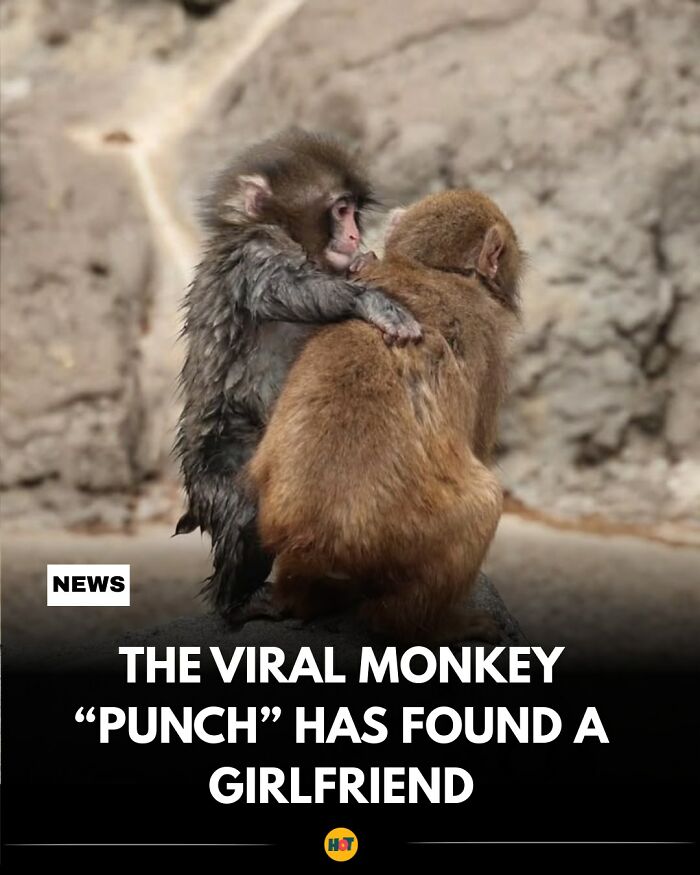
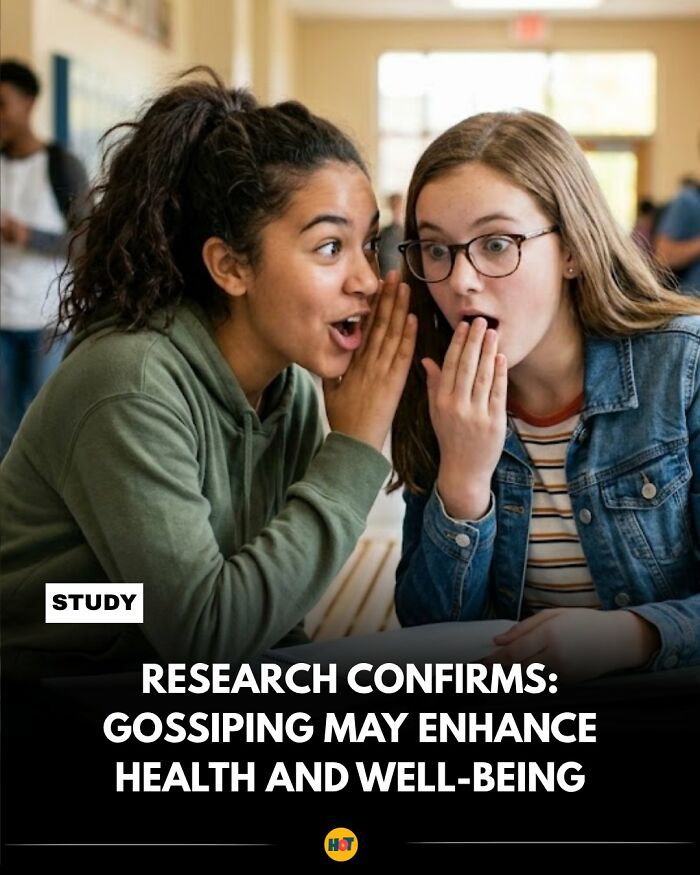
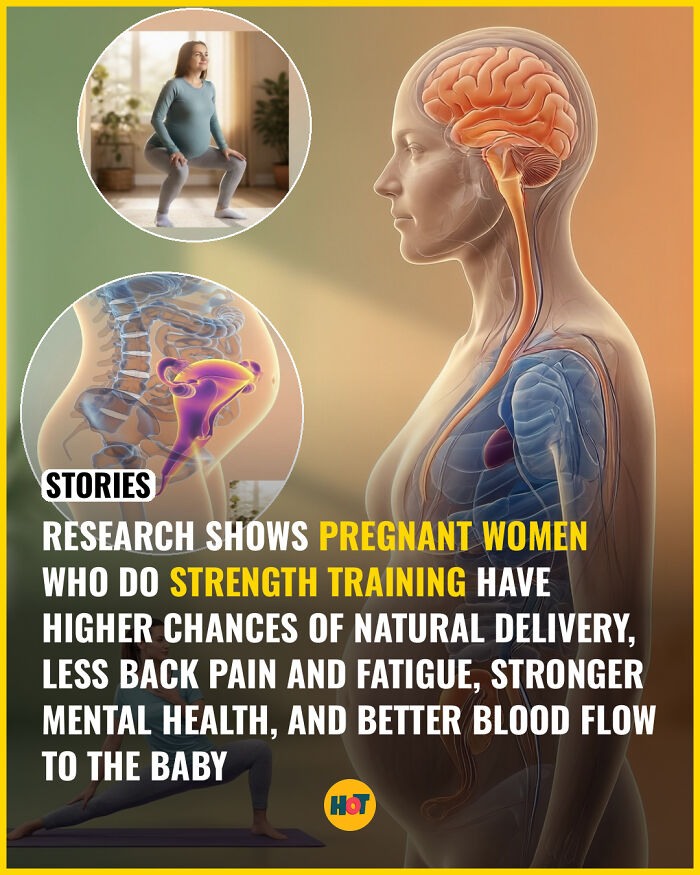
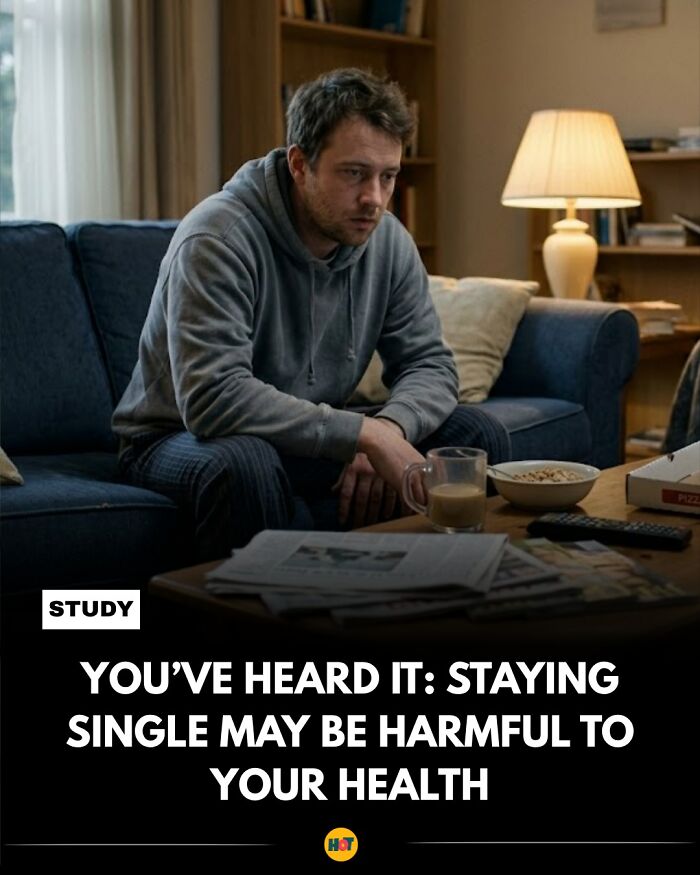
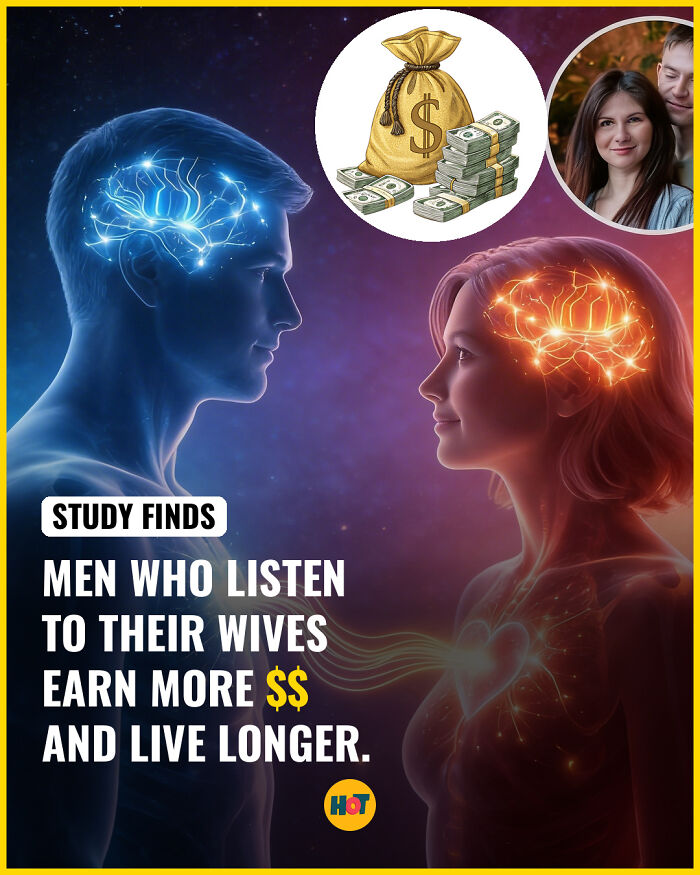
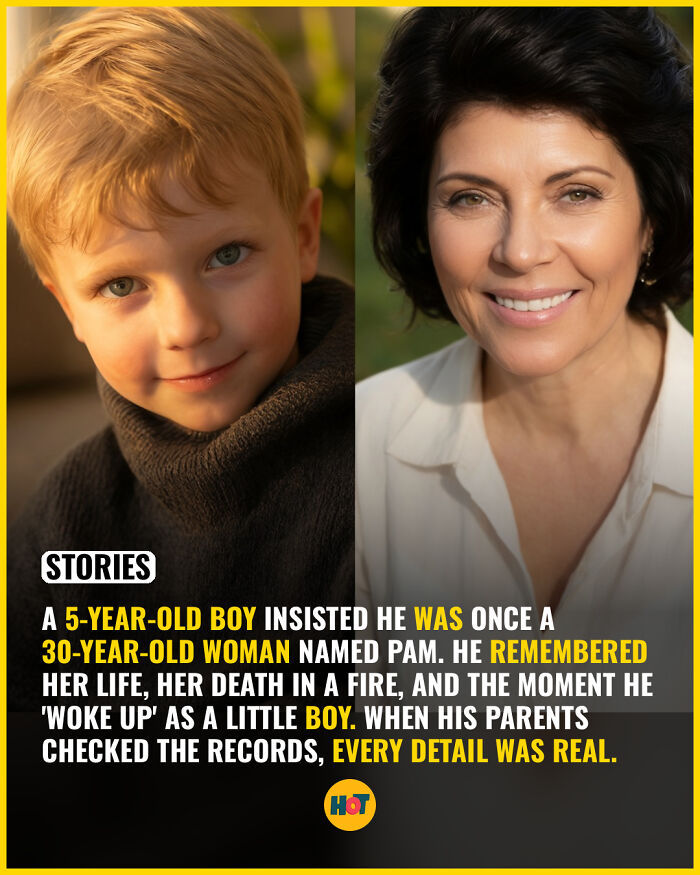
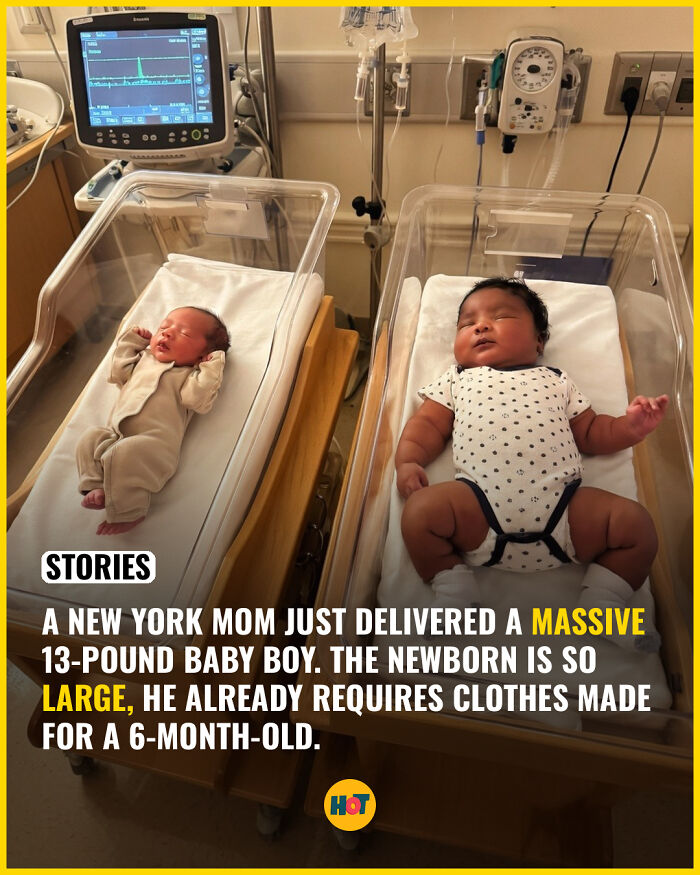
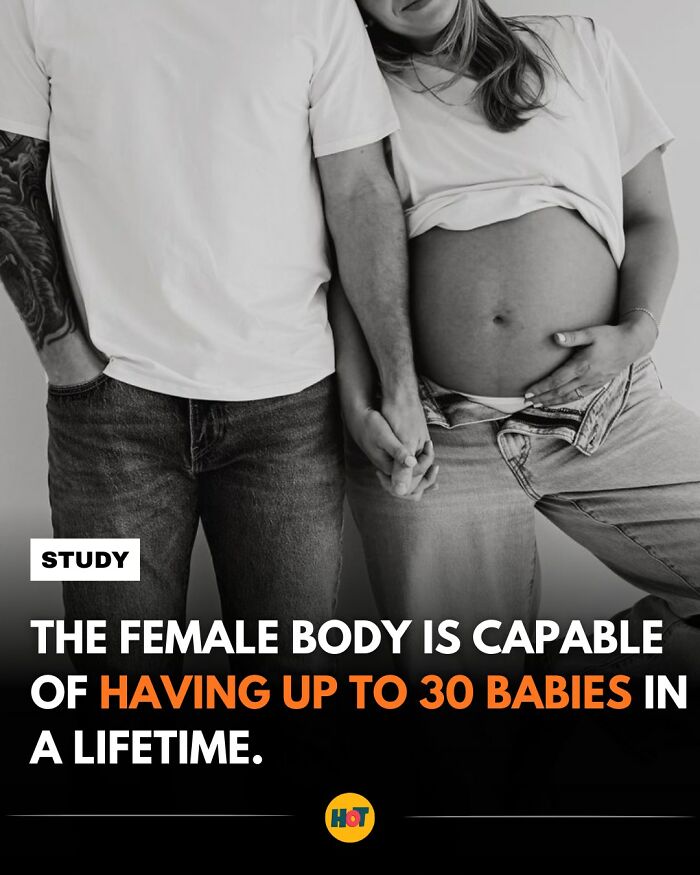
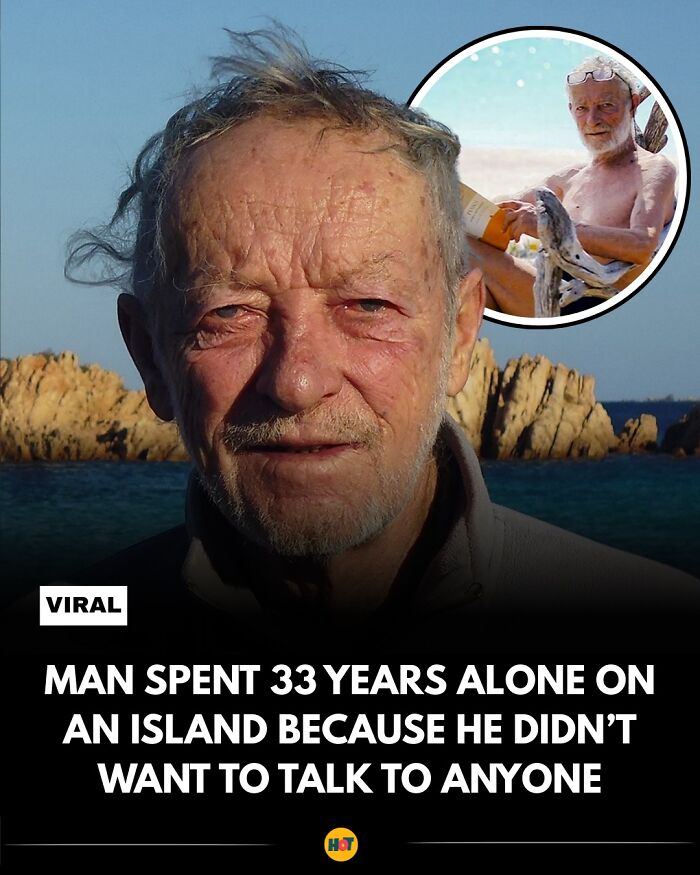
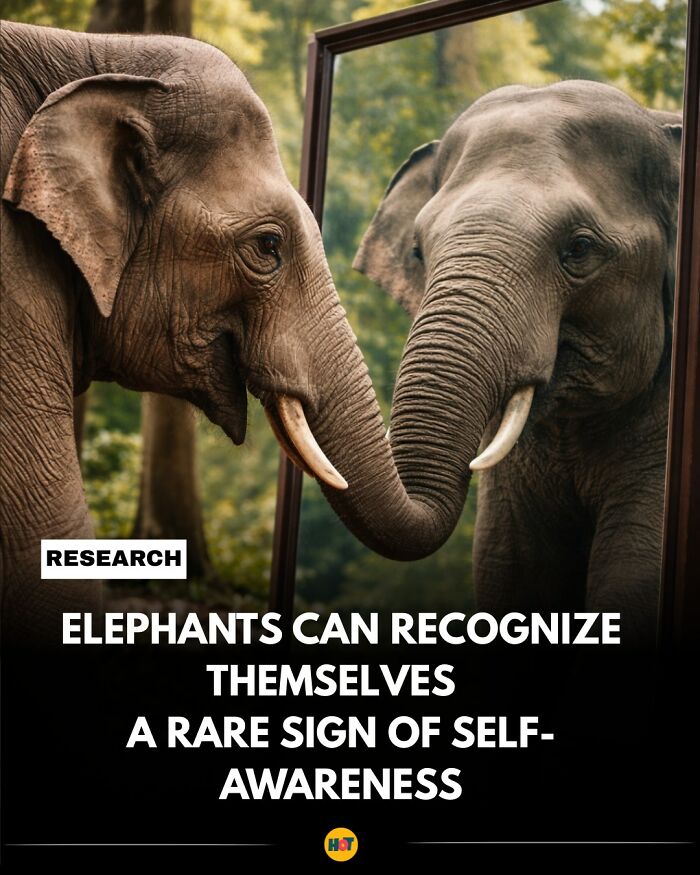
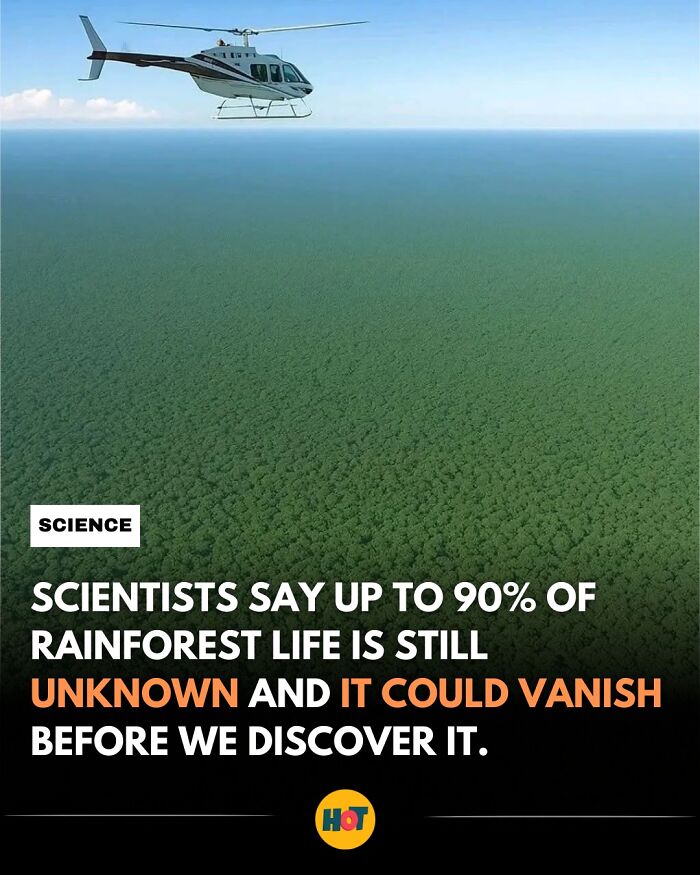
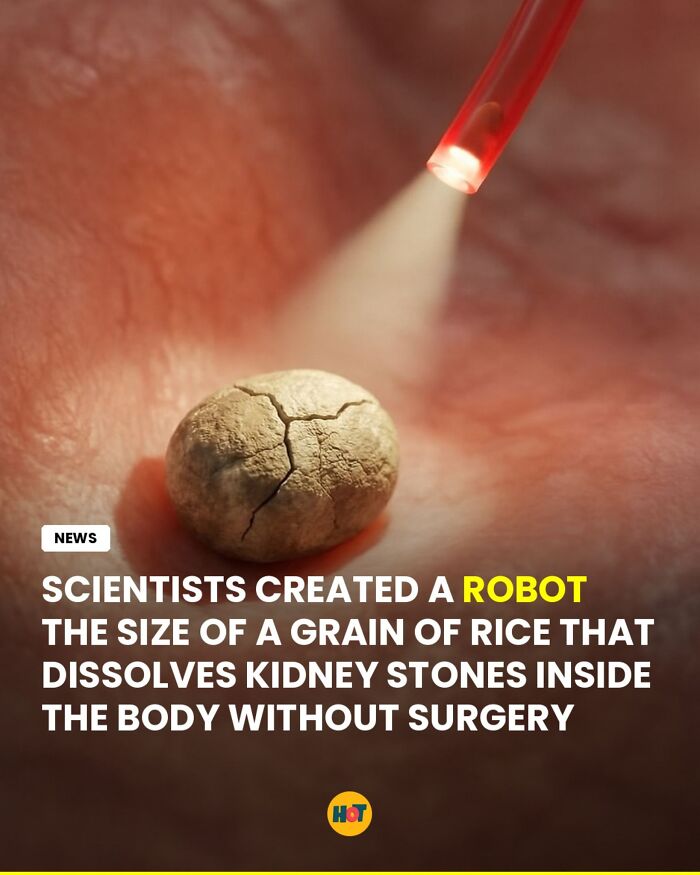
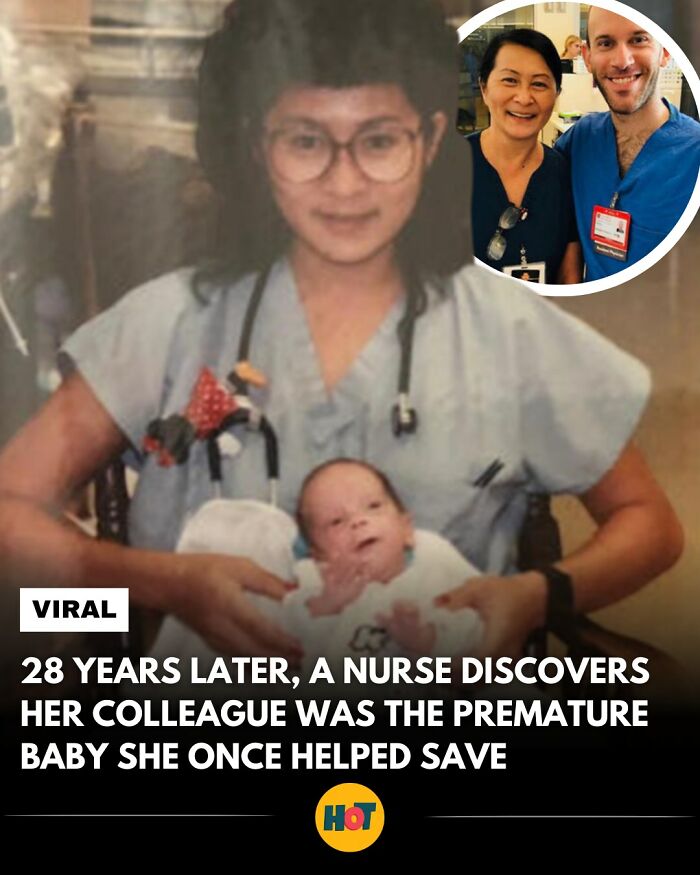
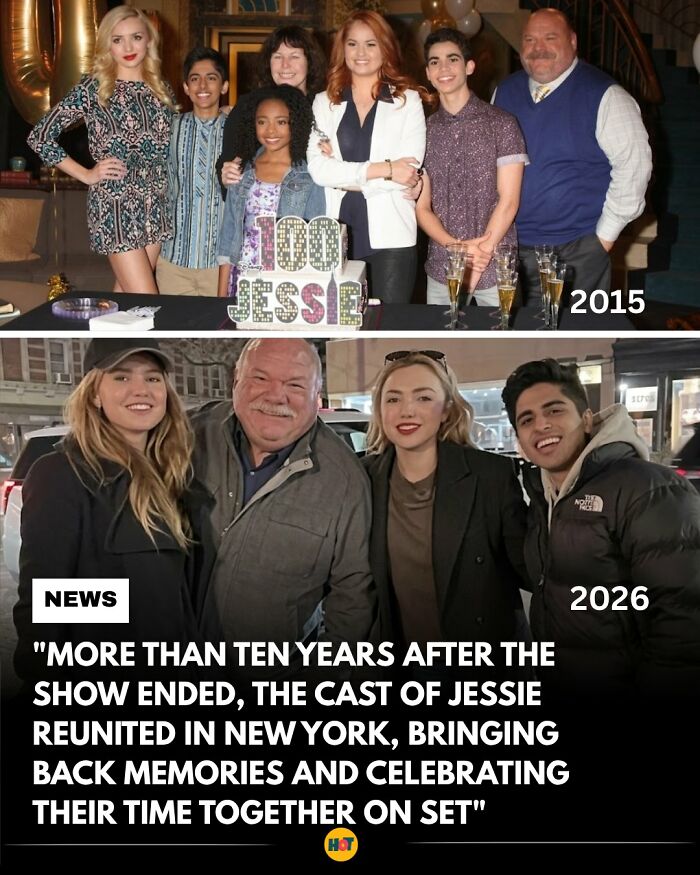
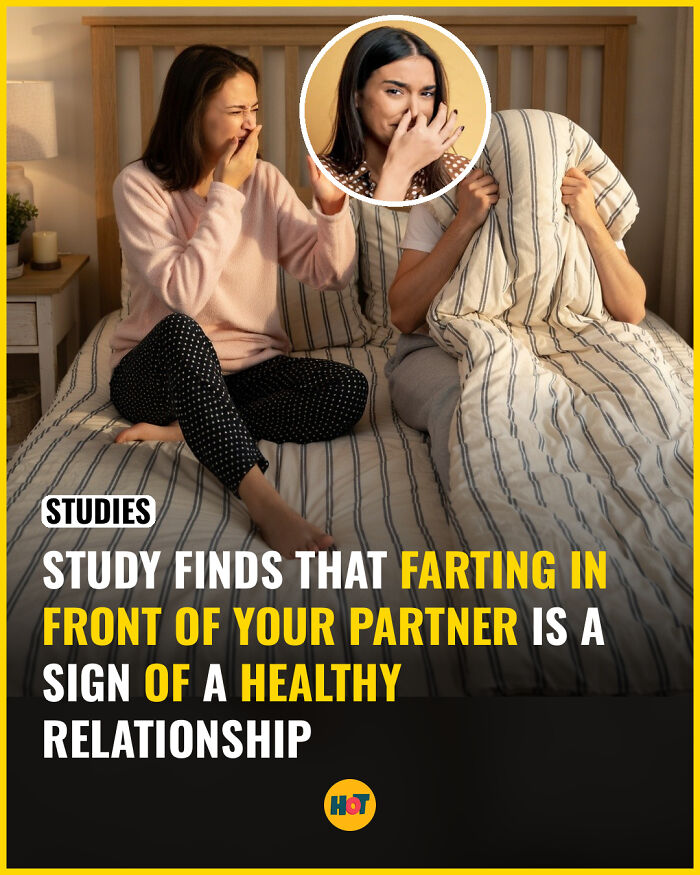
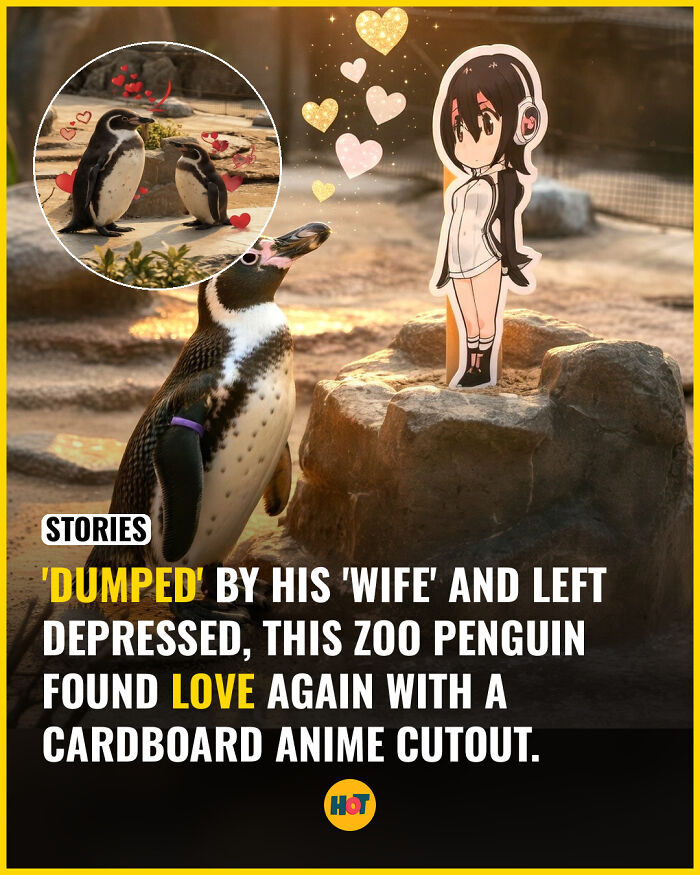
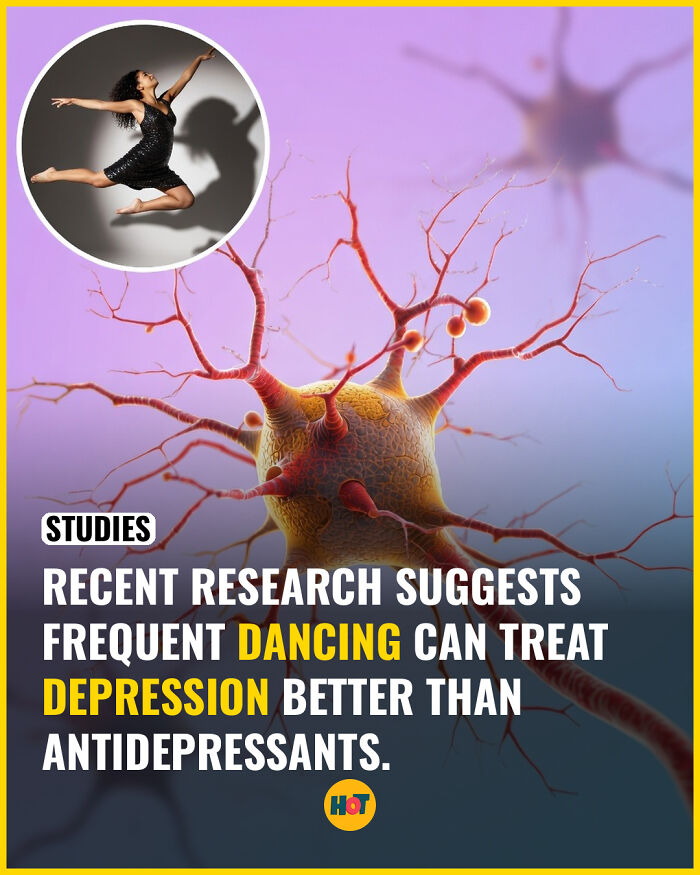
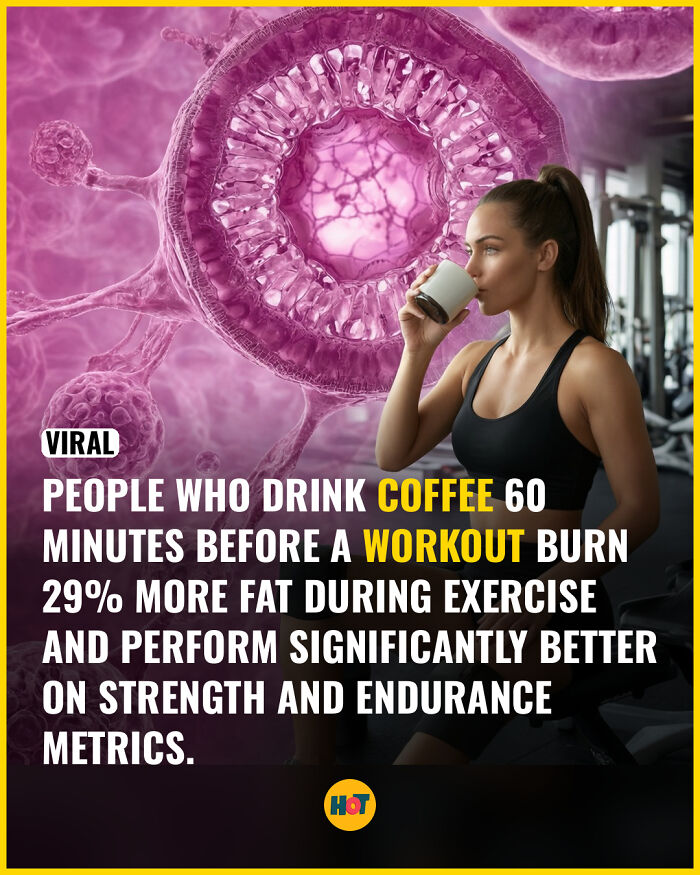
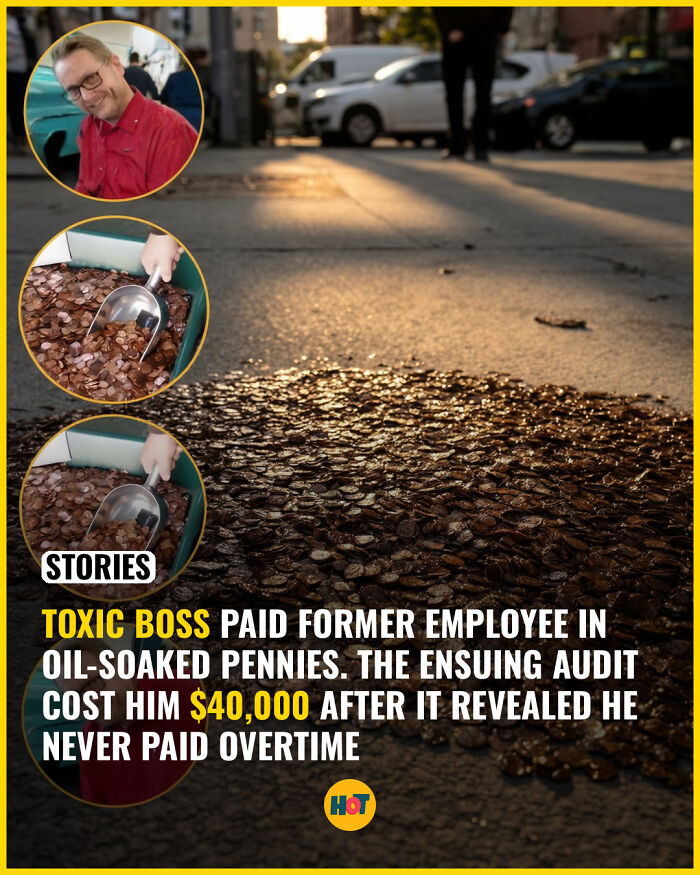
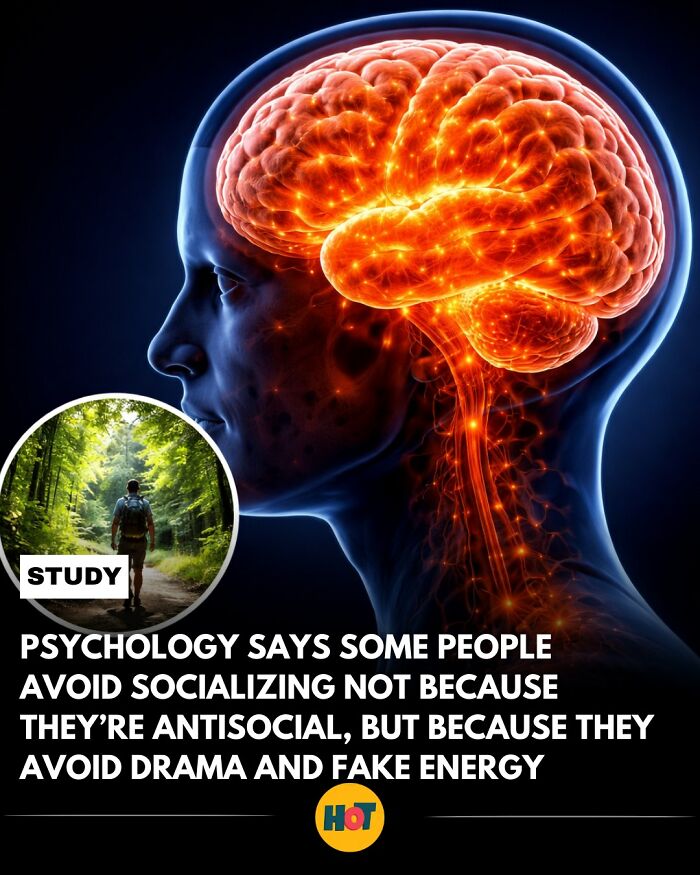
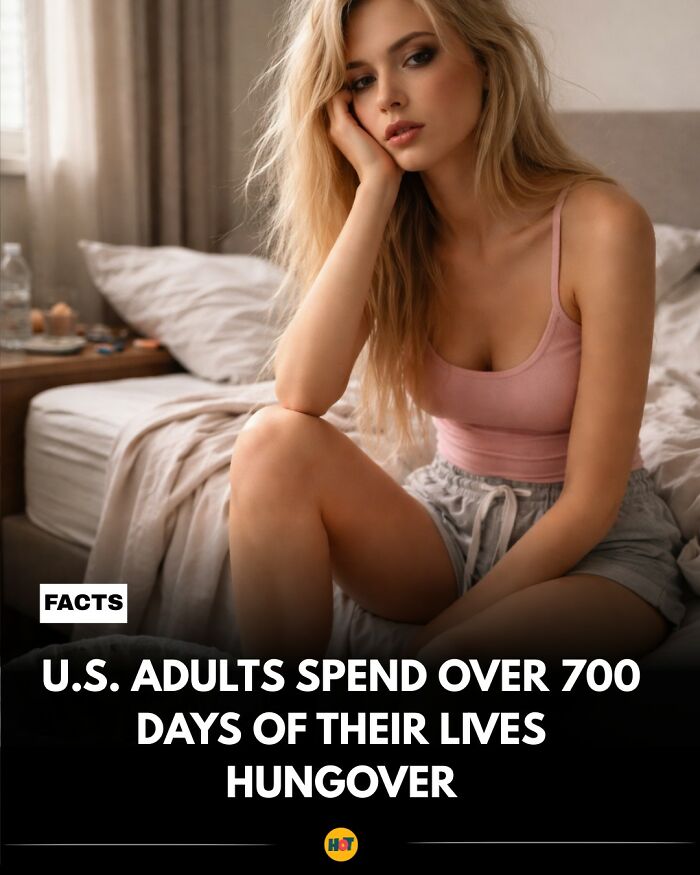
A Facebook page called Heaven of Tips does exactly that, and it has clocked up more than 800,000 followers as a result. It's a wall of easy-to-read, bite-size facts and stories, making it easy to get lost in a rabbit hole when visiting the page. There's the woman who married herself because she couldn't find a husband, and the viral monkey "Punch" who now has a girlfriend. There's health content, entertainment news, interesting research findings, and more.
Bored Panda has put together some of the best posts from the page for anyone who could use a welcome distraction from today's dreary news agenda. Take a deep, cleansing breath and keep scrolling. Don't forget to upvote your favorites.
This post may include affiliate links.
Would you much rather have content like this popping up on your feed than endless stories about war, politics, poverty and misery? Believe it or not, you have the power to change what you're fed on social media.
"What you click today shapes what you see tomorrow," says Dr. Lindsey Godwin, a conflict resolution expert who helps individuals and organizations move beyond the problems that plague us and toward the possibilities that propel us. According to Godwin and others, we can train our social media algorithms, and doing so can influence our emotions and mindset.
You've likely realized by now that getting caught up in doomscrolling can leave you in a state of anxiety, fear and even depression. Watching or reading happy content has the opposite effect.
"It’s easy to forget that what we see online isn’t random," Godwin notes. "It’s curated—often by algorithms designed to show us more of what we engage with."
In case you're unfamiliar with how algorithms work, Sprout Social likens them to virtual matchmakers. They're designed to match users with content that suits their interests.
"Just as matchmakers strive to make meaningful connections, algorithms analyze user behavior, interactions and interests to understand their content preferences and deliver personalized content," explains the site.
Simply put, if you want to see more positive content (or more interesting facts) on your timeline, you need to "tell" your social media platforms just that. You do this by seeking out that content and clicking on it until the cows come home.
Godwin reveals that she actively changed her algorithm after finding herself caught up in a cycle of doomscrolling. "I started clicking on videos of baby goats in pajamas. Dogs jumping into piles of leaves. Capybaras befriending ducks. You know, the good stuff," writes the expert, adding, "At first, it felt like tossing a handful of glitter into a tornado."
However, Godwin says that within a week she had accomplished her mission. Instead of dreary content, her social media feeds were inundated with "the happy stuff."
"One click at a time, I changed what the algorithm showed me," the expert revealed.
But changing your algorithm doesn't just alter what you see online; it can filter through to your daily life too. Why? Because you are what you eat...
"What we click on doesn't just reflect what we’re interested in—it shapes what we become interested in," explains Godwin. "If we aren’t mindful, our digital lives—and by extension, our emotional lives—can become an echo chamber of fear, anger, or despair without us even realizing."
Bored Panda has reported many times before that exposure to negative content can increase our stress levels, cause anxiety, sadness and leave us feeling hopeless about the state of the world. We also may find ourselves living on edge in fight or flight mode, constantly on high alert for threats.
The good news, says Godwin, is that just like we can change our algorithms, so too can we "change" our brain.
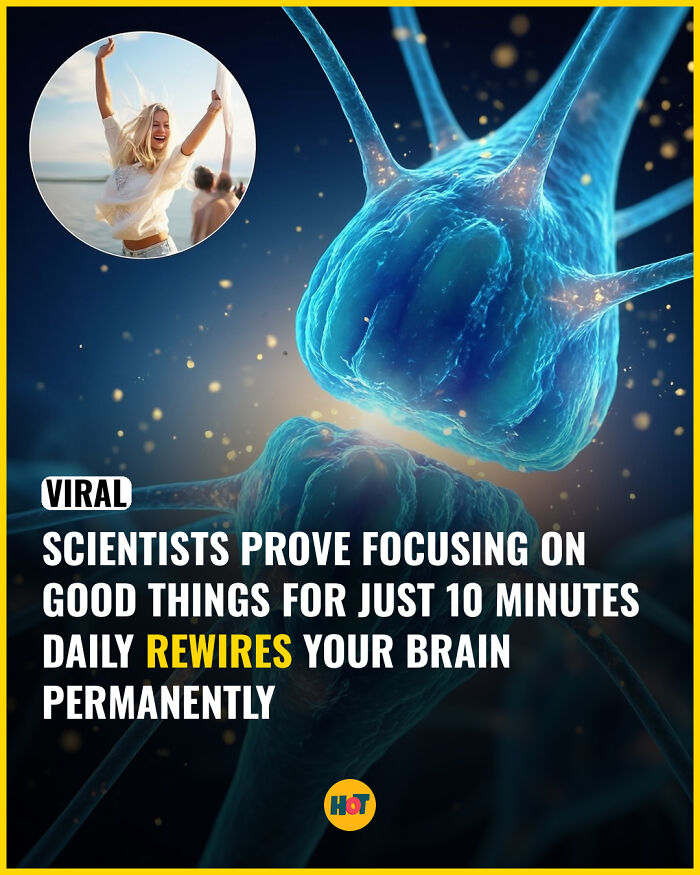
Neuroplasticity is the brain’s ability to rewire itself based on experience. "What we focus on, we strengthen" writes the expert. "If we can accidentally train our brains to expect the worst, we can also intentionally train them to notice hope, humor, and beauty."

An equal mix of information and misinformation here. Confuses correlation with causation. Uses weasel words. Facts are usually presented in a way that deliberately misleads. Try reading the book "straight and crooked thinking" before believing any of these.

An equal mix of information and misinformation here. Confuses correlation with causation. Uses weasel words. Facts are usually presented in a way that deliberately misleads. Try reading the book "straight and crooked thinking" before believing any of these.






























 No fees, cancel anytime