Get Premium
Dark mode theme is available exclusively for premium users. Learn more about the benefits of subscribing.
No fees, cancel anytime.

 Dark Mode Ad-Free Browsing Unlimited Content
 Ad-Free Browsing Unlimited Content Dark Mode
Join 1.2 million Panda readers who get the best art, memes, and fun stories every week!
21submissions
1week left
At first glance, it might not seem like it, but being an influencer can be hard. In such a competitive and fast-paced industry, a social media person must have a great brand strategy, be consistent, create original content, and be on top of every trend to keep their audience coming back for more. All while trying to maintain their shiny image so they would receive brand deals and earn a living.
However, to attract viewers, get clicks, and gain followers, some influencers go too far without realizing that what they’re doing is ignorant and sometimes even downright wrong. Unfortunately for them, their wrongdoings usually don’t go unnoticed and end up on the news for everyone to see and shame. And Instagram account Influencers In The Wild has done a great job at gathering some of the most shocking ones. Keep scrolling to find them, and don’t forget to let us know your thoughts down below.
Click here & follow us for more lists, facts, and stories.
This post may include affiliate links.
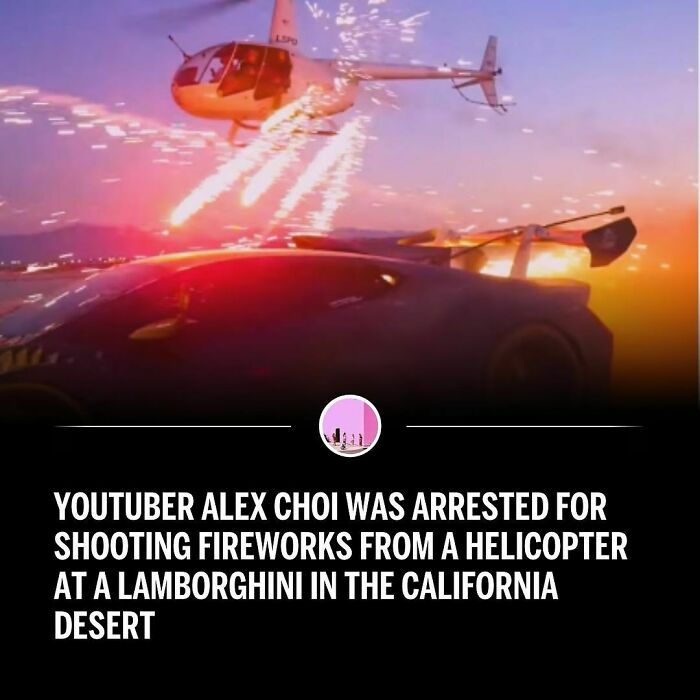
Suk Min Choi, a 24-year-old YouTuber, has been charged with causing the placement of an explosive or incendiary device on an aircraft for a video stunt where a helicopter fired fireworks at a Lamborghini in the California desert. Choi, known as ‘Alex Choi,’ orchestrated the production of the video, which lacked necessary permits and authorizations. The video, titled ‘Destroying a Lamborghini with Fireworks,’ showed two women in the helicopter targeting the luxury car. Choi faces up to 10 years in federal prison if convicted.

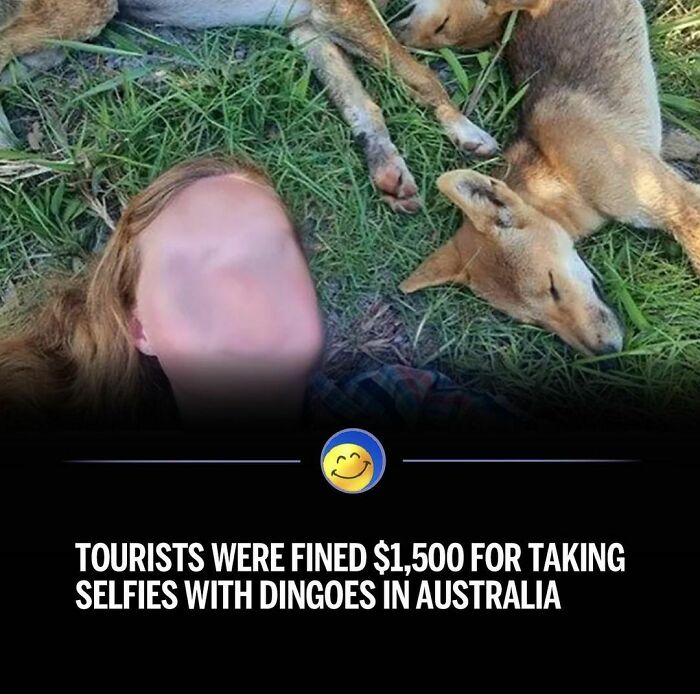
Petition to start calling influencers “dingoes” Two tourists were recently fined $1,500 each for taking selfies with dingoes. Australian authorities say the women were lucky not to be attacked during their photo-op.
An attack would have made for wildly compelling content though.....
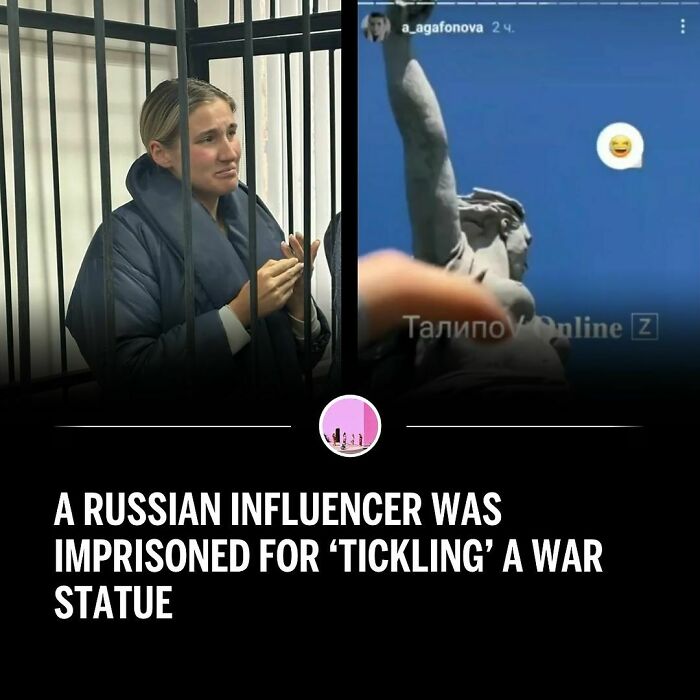
I think I might start The FAFO Awards Alena Agafonova, a 23-year-old Russian influencer, was reportedly imprisoned and sentenced to 10 months of labor for “tickling the breast” of a famous war statue. Additionally, she has been banned from using social media for two years.
Over the past 20 years, the influencer industry has grown from nothing to a $21 billion empire that has changed our culture and the way information is received, produced, marketed, and shared forever.
This industry was born in the early 2000s, when software such as WordPress and Blogger made self-publishing possible for anyone in the world who has a computer. Later, Facebook, YouTube, Tumblr, and X normalized regular people creating content online. The first social media companies introduced themselves as more authentic and democratic—a strategy that successfully continues to guide them today.
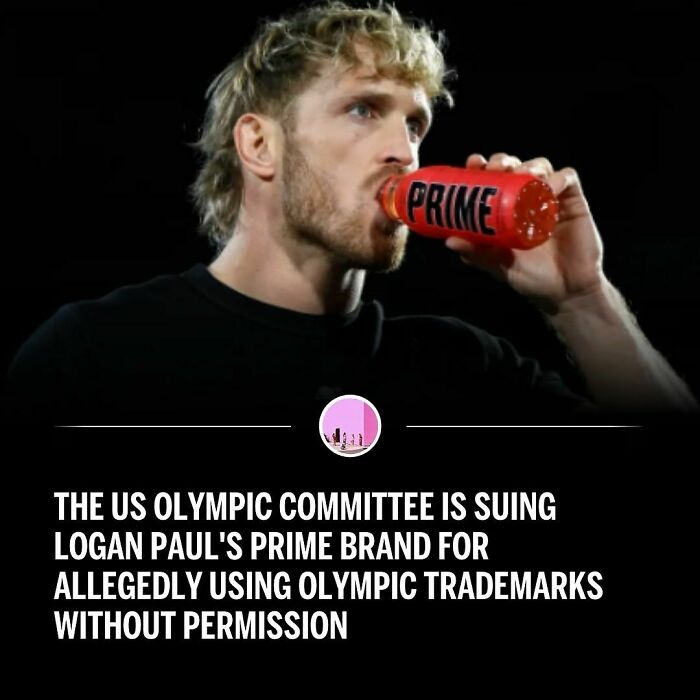
The US Olympic Committee has filed a trademark infringement lawsuit against Logan Paul’s Prime hydration drink brand days before the 2024 Paris Olympics. The lawsuit alleges that Prime used Olympic-related phrases without permission, potentially misleading the public and profiting from an unauthorized association with the Olympics.
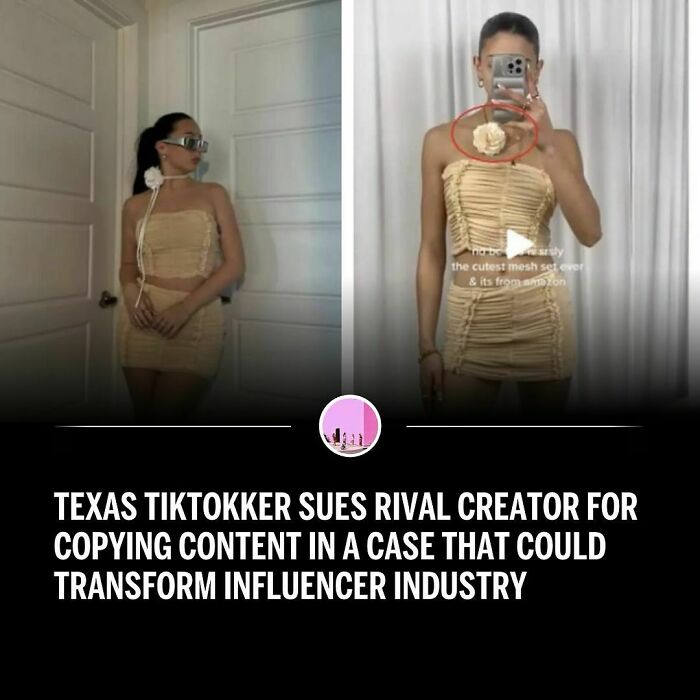
I’m sure the lawyers are happy A legal dispute between two social media influencers may have significant implications for the industry, according to legal experts. A Texas-based influencer with over 500,000 followers has initiated a lawsuit against another content creator, alleging the unauthorized duplication of her TikTok, Instagram, and Amazon Storefront posts. Sydney Nicole Gifford, 24, has accused Alyssa Sheil, 21, of copying her “neutral, beige and cream aesthetics” and promoting similar Amazon products. The lawsuit, filed in Texas, claims that Sheil’s posts featured “identical styling, tone, camera angle and/or text” to Gifford’s, with at least 30 instances of alleged duplication.
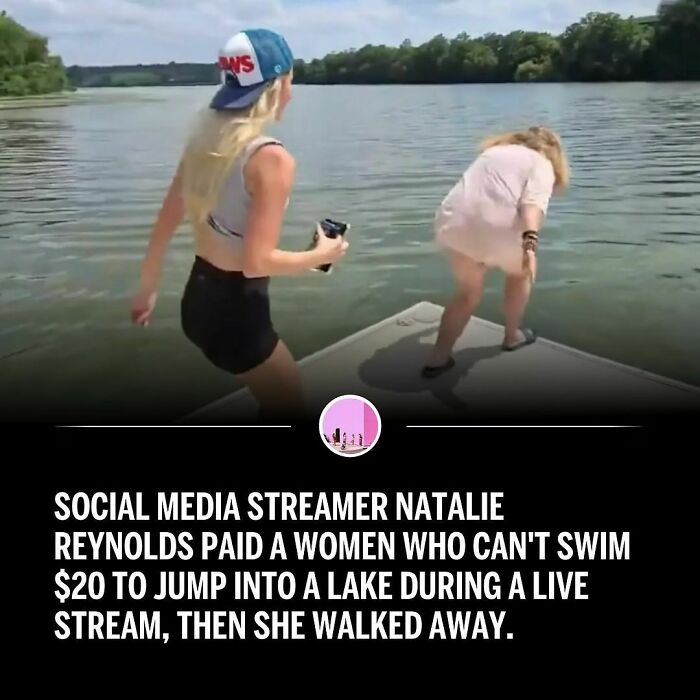
Social media influencer Natalie Reynolds is accused of coaxing a non-swimmer into jumping into Lady Bird Lake in Austin, Texas, during a live stream, then abandoning the scene when the woman cried for help. Reynolds paid the woman $20 as part of a scavenger hunt challenge. The woman, who expressed her inability to swim, dove into the lake and struggled in the water. Reynolds panicked and fled the scene, leaving the woman to struggle. Emergency responders were dispatched to the lake, and the woman was rescued. Reynolds defended her actions in a subsequent live stream, claiming she left at the behest of her team.
Interestingly, the 2008 financial crisis and the Great Recession that followed shortly after encouraged the industry's growth, as many unemployed people turned to blogging and social media to show they hadn’t gone anywhere. That’s what made them authentic and trustworthy—they were just like ‘the rest of us,’ struggling amidst economic and professional crises and trying to connect with others.
Marketers, of course, took advantage of this and began to monetize the relationship between early influencers and their followers. Suddenly, paying for a shout-out with money or free products became possible for brands, and sponsored content was born.
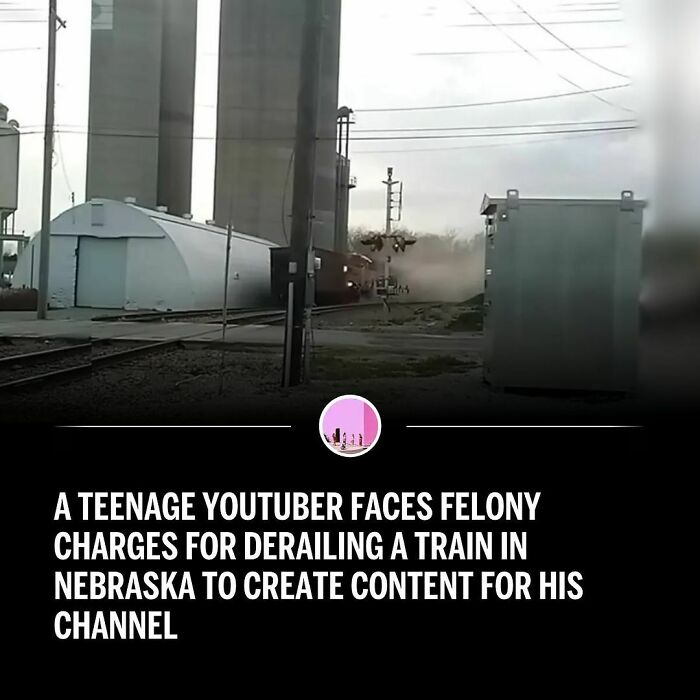
At this point, you should have to fill out a permit to open a social media account “A 17-year-old YouTuber from Bennet, Nebraska has been charged with two felony counts for allegedly causing a train derailment to create content for his YouTube channel. The incident occurred on April 21, 2024, resulting in over $350,000 in damages. The teen reportedly tampered with a switch, causing a BNSF train to collide with a damaged coal car on a repair track.”
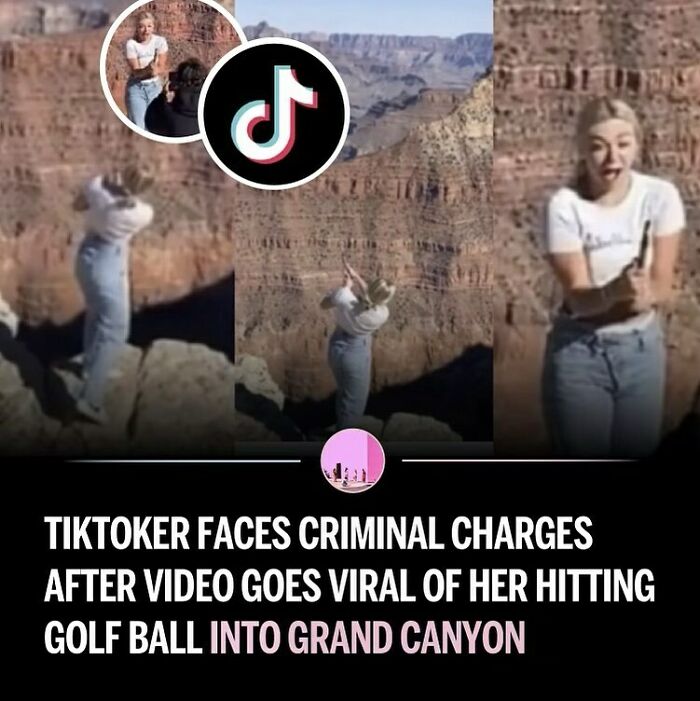
Was she watching old Seinfeld episodes?? TikTok star Katie Sigmond faces criminal charges for hitting a golf ball into the Grand Canyon. The now-viral video of the incident shows that when Sigmond swung to hit the ball, part of the club went flying. The national park addressed the video from its Facebook page saying, “Do we really need to say, ‘don’t hit golf balls into the Grand Canyon?’"
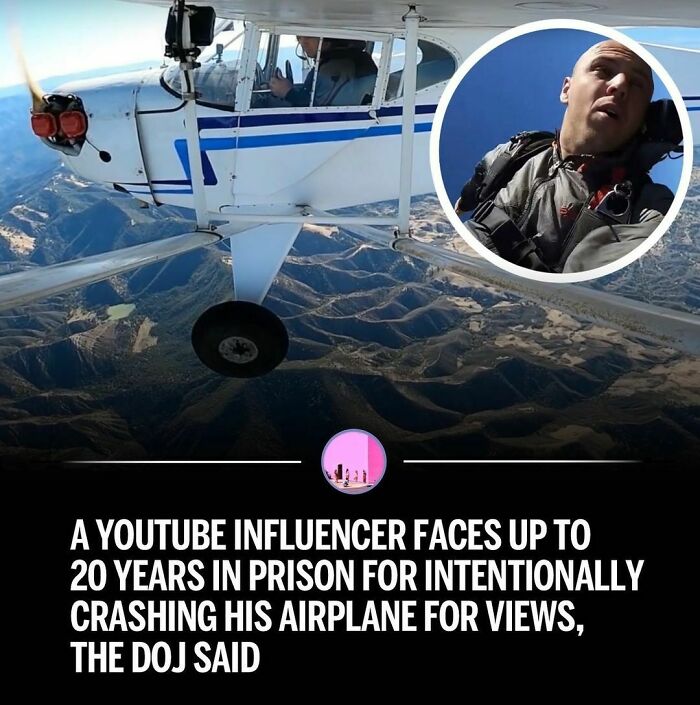
This kid [is bad] In November of 2021, YouTuber Trevor Jacob jumped out of a plane, allowing it to crash. He uploaded footage of the crash in a video titled “I Crashed My Plane.” According to the Department of Justice, Jacob recently pleaded guilty to one count of destruction and concealment with the intent to obstruct a federal investigation, a charge that could carry a sentence of 20 years in prison.
Posting a photo or video while promoting a product and getting money in exchange can certainly seem appealing. However, a group of researchers from Leuphana University of Lüneburg revealed that this industry is hard work and badly paid, if paid at all, that is.
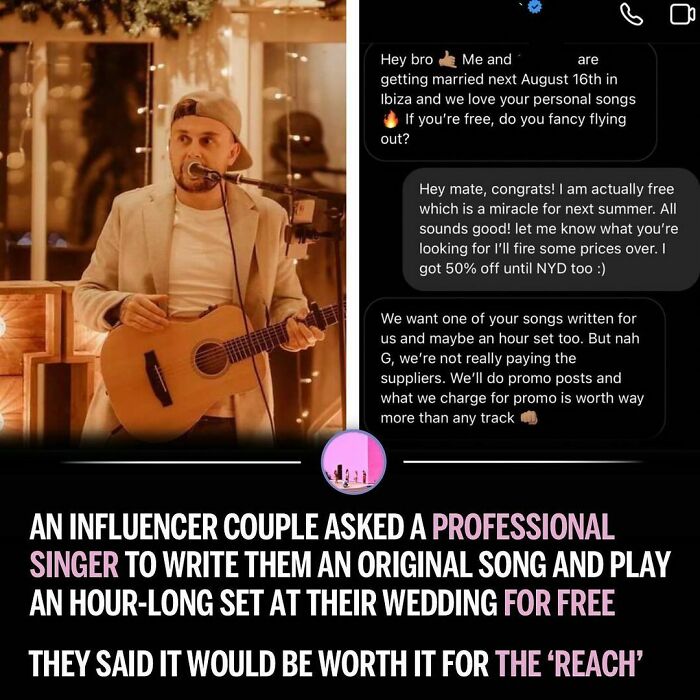
The first drawback the authors of this study mention is that career and pay are unpredictable, as contracts are often short and job protection is limited. Earnings for those who get paid can range anywhere from £10 to £10,000 for one post. On average, monthly salaries for micro-influencers (1,000 to 10,000 followers) are about £1,135 per month, while for “mega-influencers” (over 1 million followers), it’s £12,279.
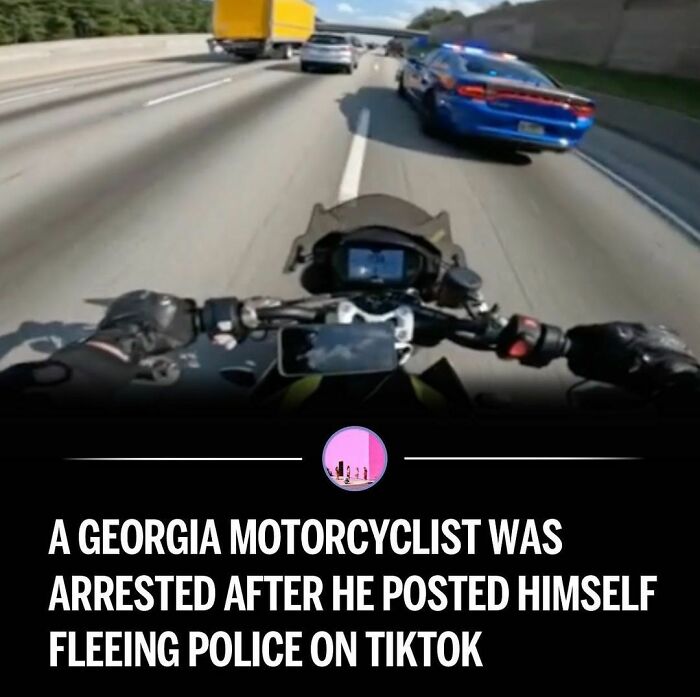
There’s stupid. And then there’s STUPID. “A 19-year-old Georgia motorcyclist who fled police posted footage of the chase on TikTok. The content was discovered by law enforcement and a warrant was issued for his arrest.”
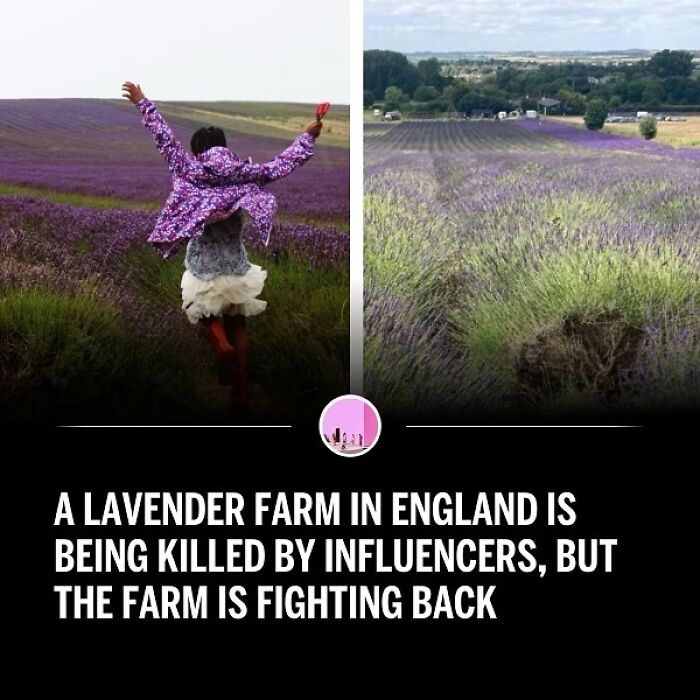
Hitchin Lavender, a farm in Hertfordshire, has urged visitors to stop damaging their lavender plants by sitting or lying on them for social media photos. Director Tim Hunter posted a video showing destroyed plants and pleaded for visitors to not ‘[end] our lavender’. The lavender fields have taken 10 years to cultivate, with some plants being 20 years old. While grateful for visitors, Hunter expressed concern about those who take photo opportunities ‘a bit too far’. The farm has put up signs advising proper behavior, but the increasing popularity has led to more damage for the sake of 10-second photos.
However, to earn this much on social media, people need to put in a lot of administrative and creative effort to attract followers. As one influencer from the study said, “Remember that you are wearing multiple hats—concept creator, set designer, stylist, lighting director, makeup artist, marketing specialist, and photographer—when you’re posting for any brand.”
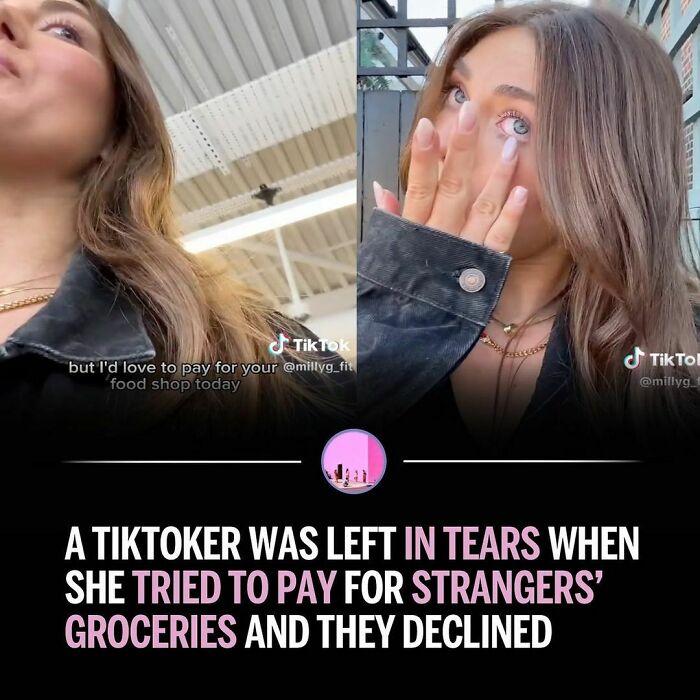
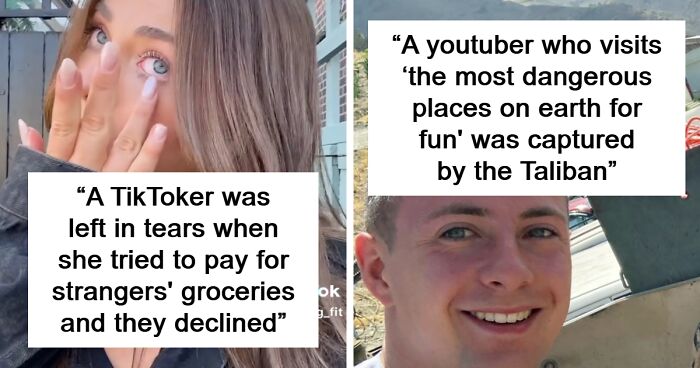
On our new board game, it’s a BIG deal if you do a good deed and don’t film it. To experience this and other influencer type moments, click the link in my bio. There’s other merch there too! Story below: TikToker Amelia Goldsmith filmed a video at the grocery store trying to buy a stranger’s groceries. When she approached shoppers at checkout, they did not understand why she was offering to pay for their food. Some appeared to be mildly offended. After no one accepted her offer, she bought items to add to a food bin at the store. At the end of the video, Goldsmith was in tears. “I’m just really overwhelmed right now, I don’t know what’s going on,” she said.
F@CK the losers taht do this for fake charity. Shame on you D-BAGS
Nowadays, some influencers have become brands themselves, creating images, videos, podcasts, and their own merchandise and products. Given their list of tasks, such work can be non-stop, especially keeping in mind that social media is open 24/7 and the need to maintain relationships with followers is constant.
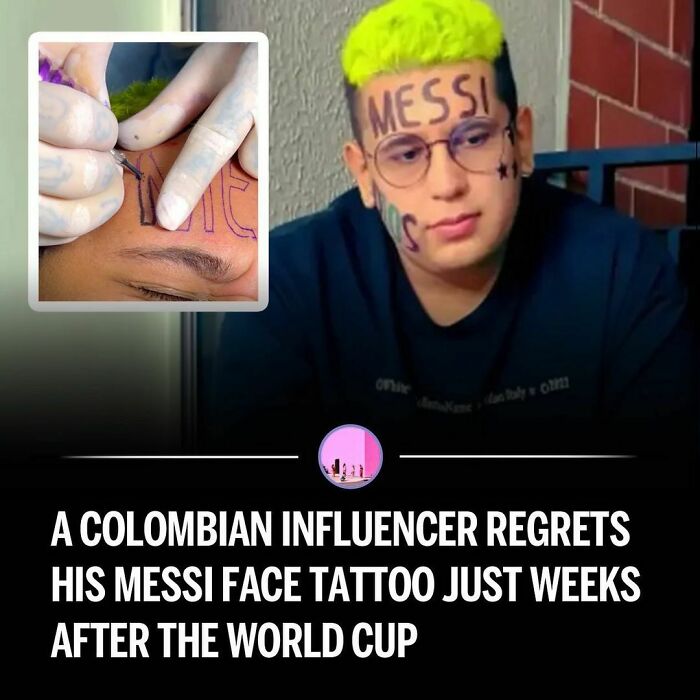
A Colombian influencer known as @mike_jambs got Messi’s name tattooed on his forehead after the World Cup. Just weeks after Argentina’s victory, he reportedly regrets getting the tattoo. “I regret having done the tattoo because instead of bringing me positive things, it’s led to lots of negative things, both personally and for my family,” he said in a video posted to Instagram.
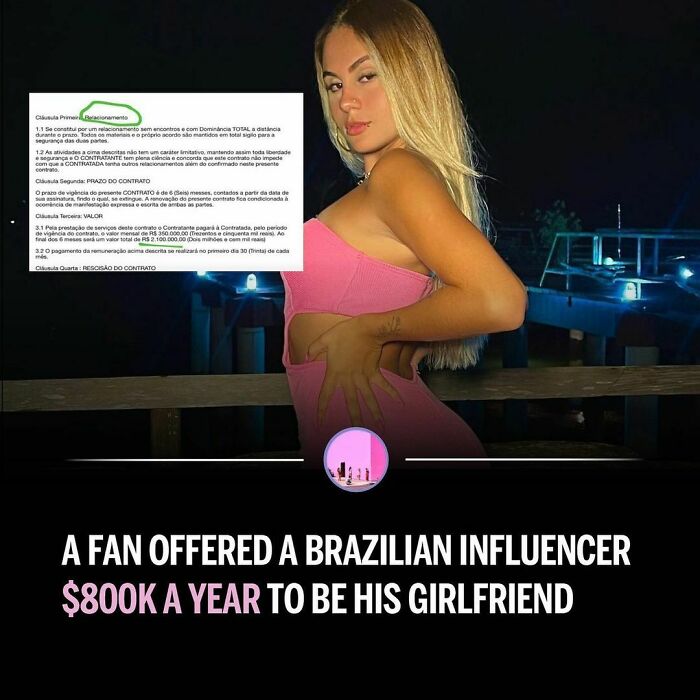
Isn’t there a name for this? “Brazilian influencer Lara Jucá shared a photo of a contract a fan sent her, offering $800,000 a year to be his girlfriend in a long-distance relationship while still being allowed to see other people.”
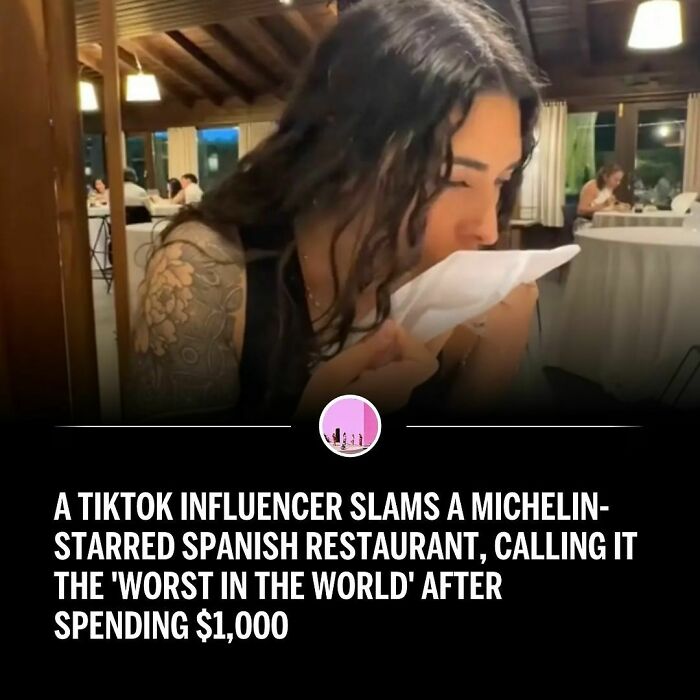
Can’t handle the spice? A travel influencer has criticized a renowned restaurant in Spain’s Basque Country, calling it “the worst meal” of her life after spending nearly $1,000. Chloe Jade Meltzer shared her experience in a series of videos on TikTok, which have garnered 8 million views.
For some, it’s all worth it, as most influencers started their social media journey as their passion project, wanting to share it with their audience. However, with so many controversies surrounding influencers, like donation embezzlement and spreading misinformation about forced and dangerous labor in fast fashion companies, experts believe the industry needs some guardrails.
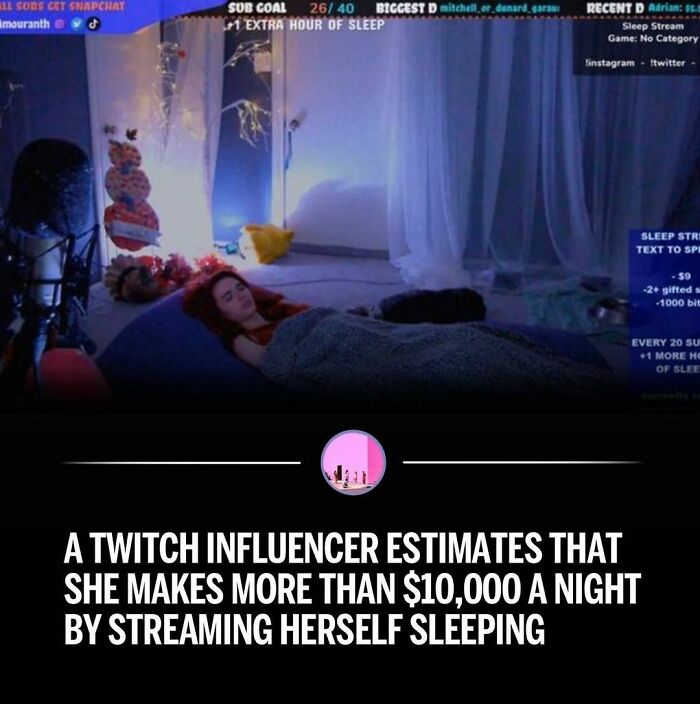
And I thought it was cool that I was getting $50 a month for letting my neighbor watch me sleep through my window 😤 “Twitch influencer Amouranth recently told The Iced Coffee Hour podcast that her most lucrative stream is her sleeping. She says that each sleep stream generates around $9,940 with additional revenue coming from conversions to her [only***s]. Her total monthly income is about $2 million, she estimates.”
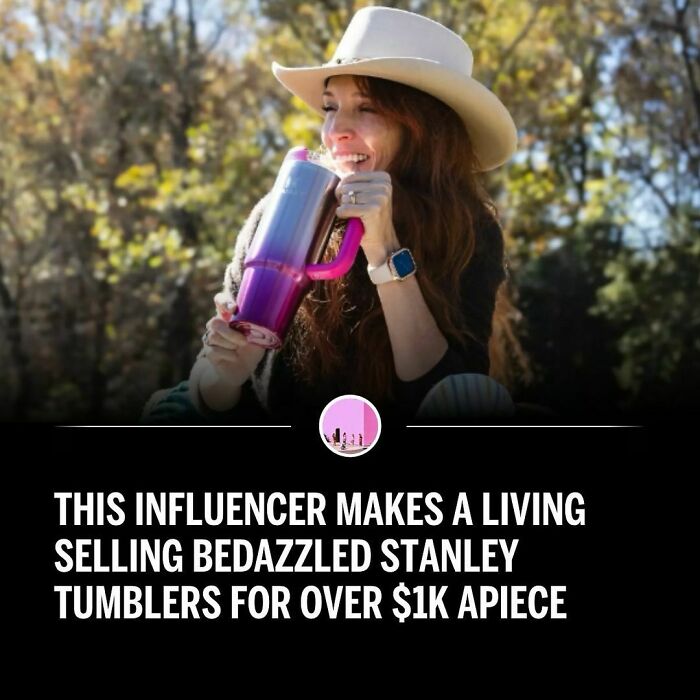
Ashley Kosko, 37, started collecting and posting bedazzled Stanley tumblers on TikTok in 2022. She now sells her “Bling Stanley Tumblers” online for up to $1100 each. Kosko says prices reflect the cost of rhinestones and the time to decorate the custom cup, which can take up to 50 hours apiece. She also has a personal collection of over 80 Stanley tumblers, worth $30k.
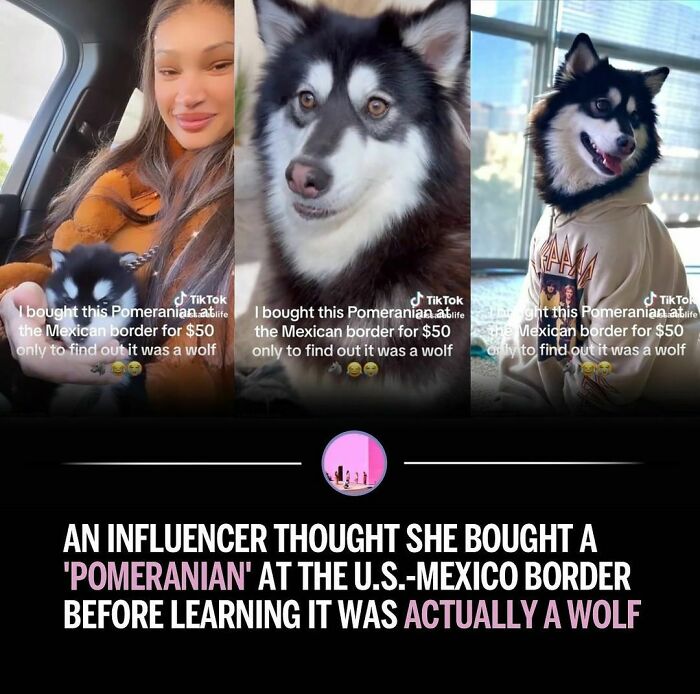
Cute dog though. Give it a couple thousand years, it’ll be a Pomeranian. Influencer Amanda Hamilton said in a recent TikTok video that she believed she had gotten a good deal on a Pomeranian at the U.S.-Mexico border. She purchased the animal for $50 and took it home only to realize it was actually a wolf.
As a response to the wrong influencer behavior, “cancel culture” has emerged. Those who get canceled usually struggle to progress in their careers and often lose large numbers of followers, as they’re boycotting the creator for something they said or did that was widely offensive.
You might also like: 34 “Not My Job” Moments Where People Did Bare Minimum
 No fees, cancel anytime