Get Premium
Dark mode theme is available exclusively for premium users. Learn more about the benefits of subscribing.
No fees, cancel anytime.

 Dark Mode Ad-Free Browsing Unlimited Content
 Ad-Free Browsing Unlimited Content Dark Mode
Join 1.2 million Panda readers who get the best art, memes, and fun stories every week!

While they might seem like a formality, marriage vows still do cover things like looking after each other, taking care of each other and, at the very least, being present. So discovering that your partner has decided to simply disappear without any warning is disconcerting to say the least.
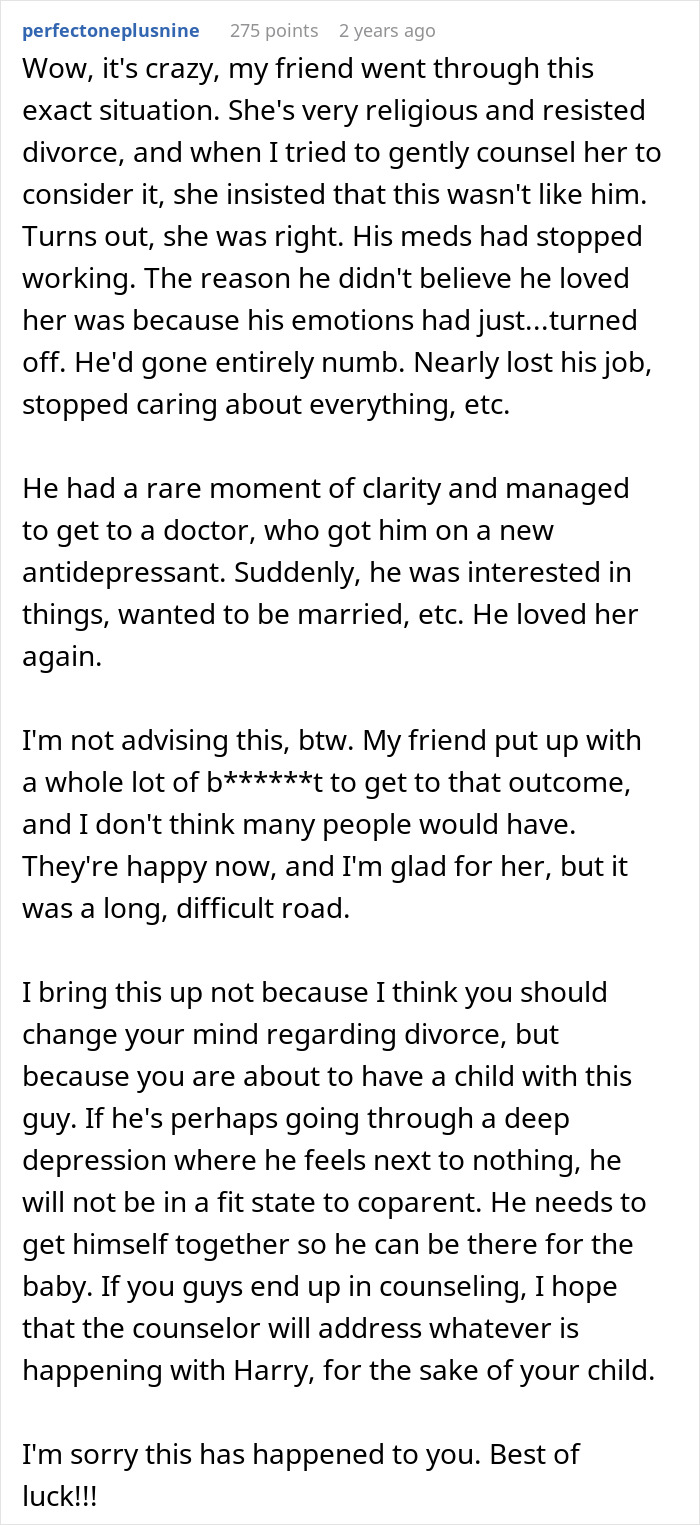
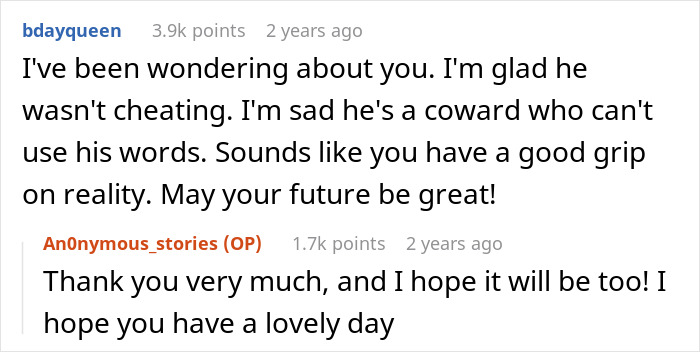
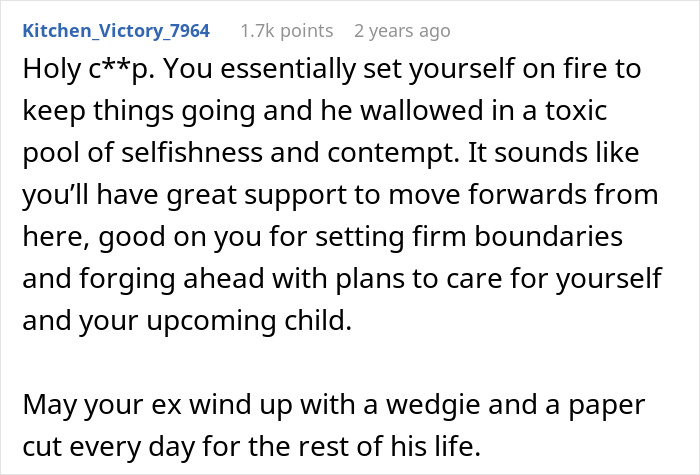
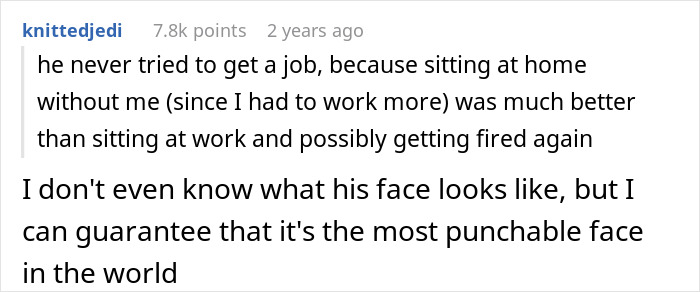
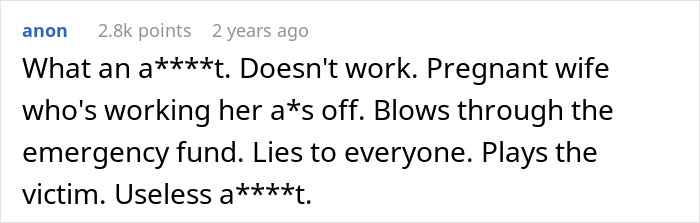
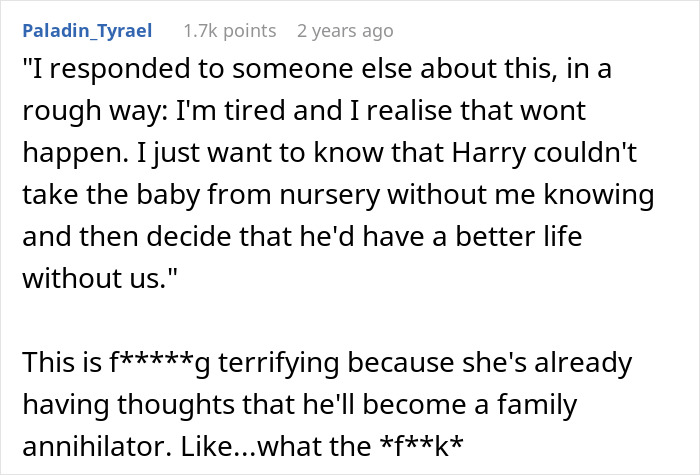
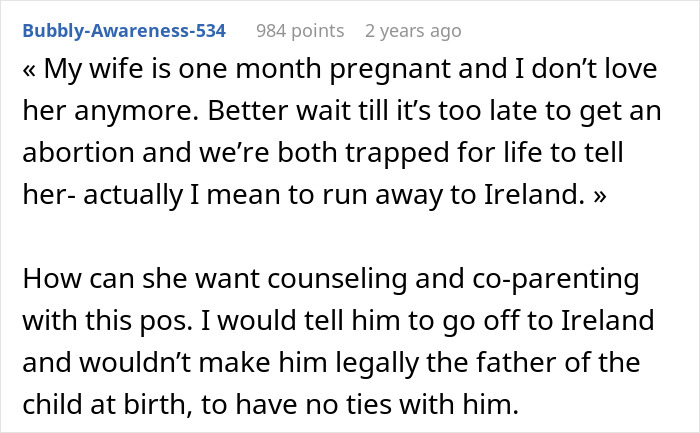
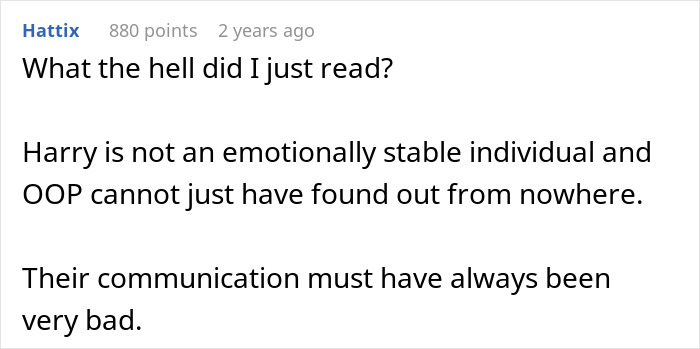
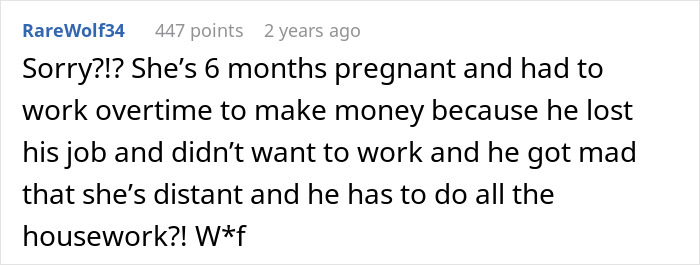
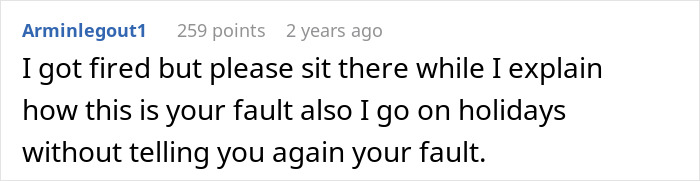
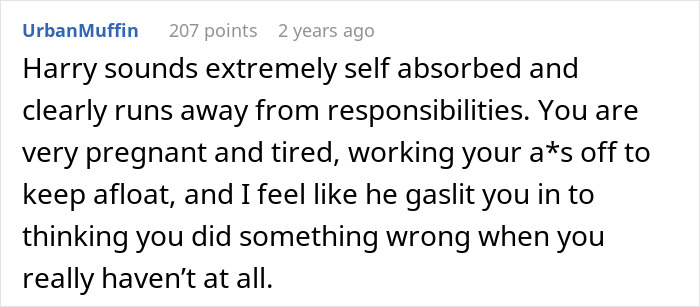
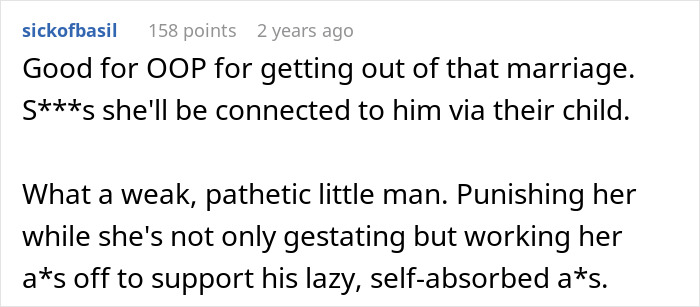
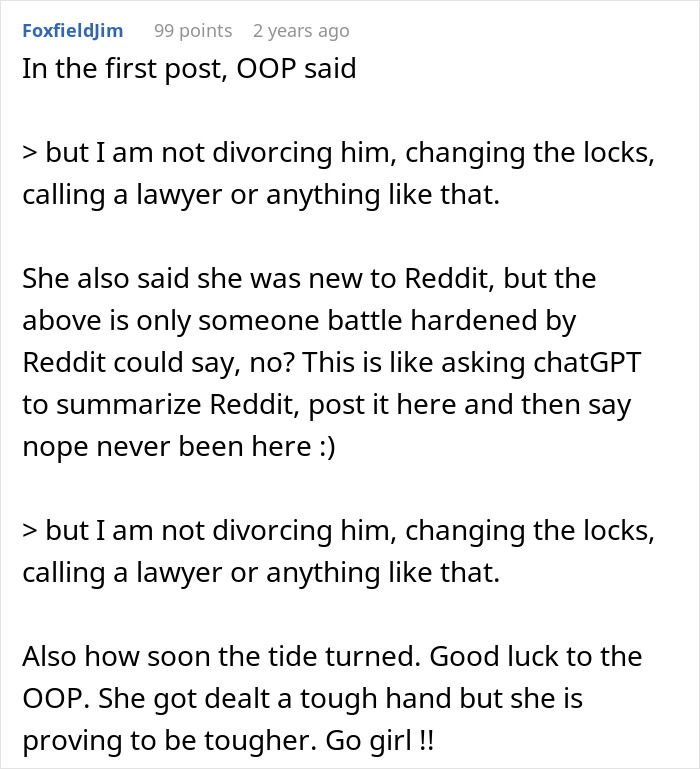
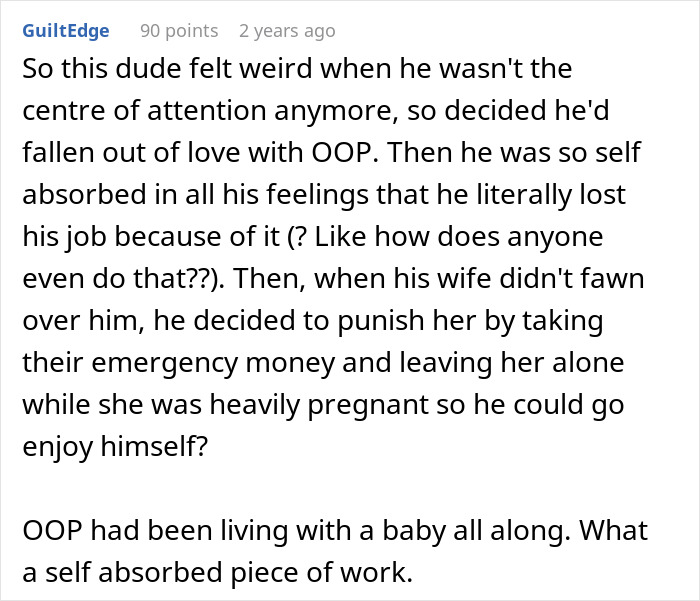
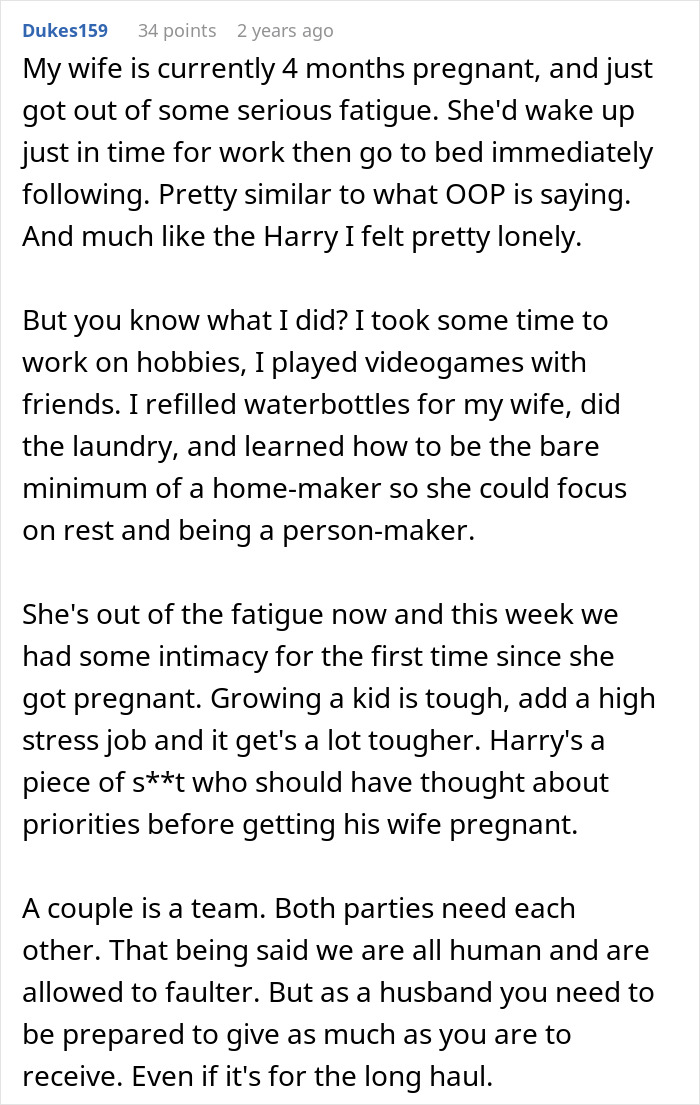
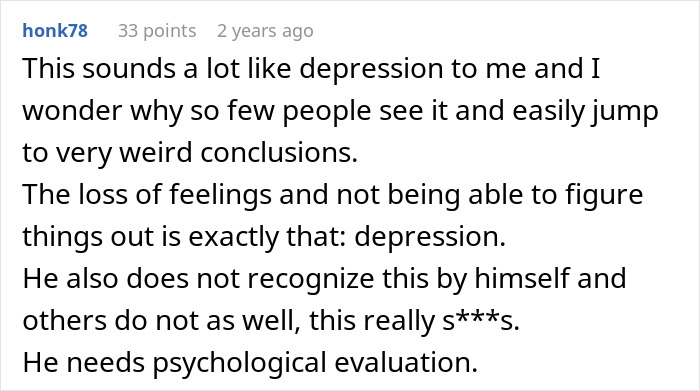
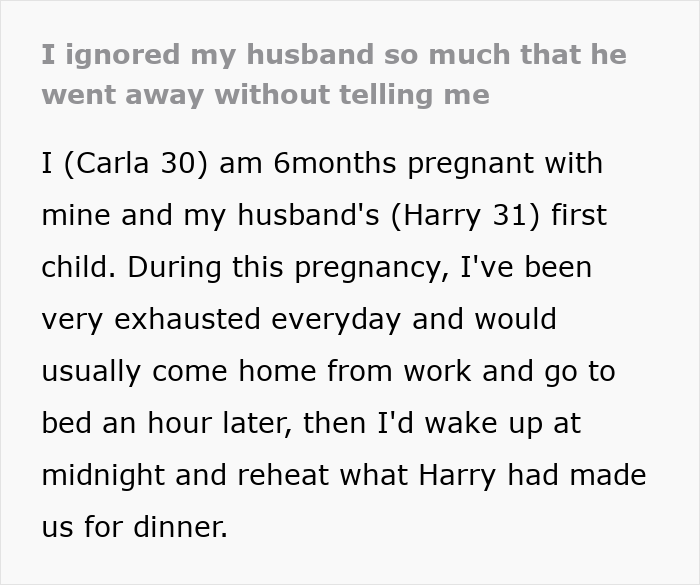
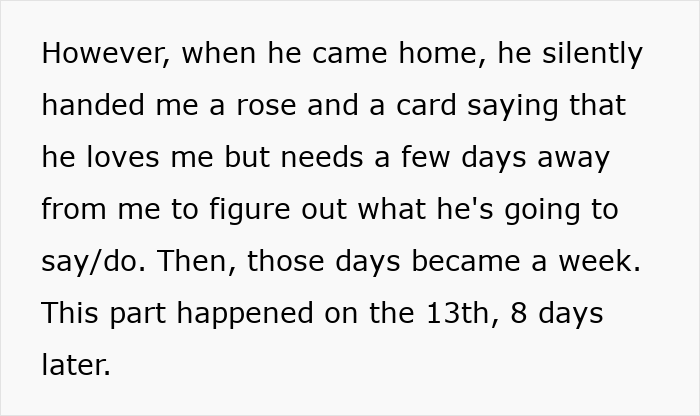
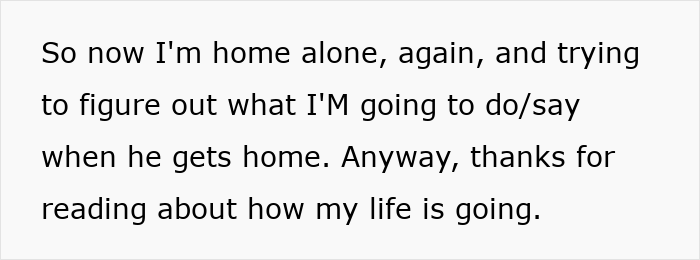
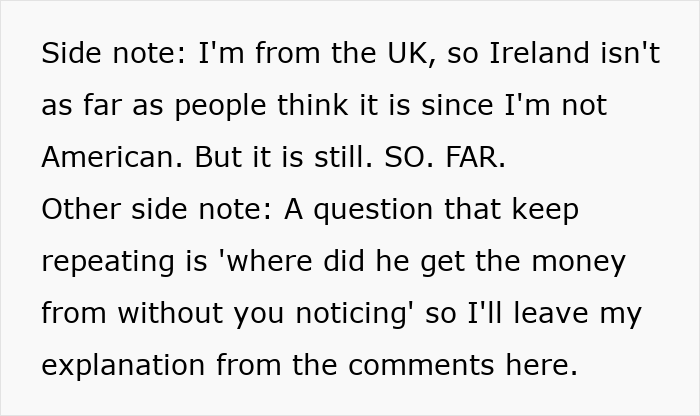
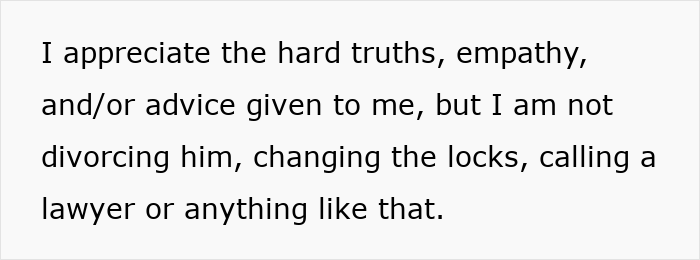
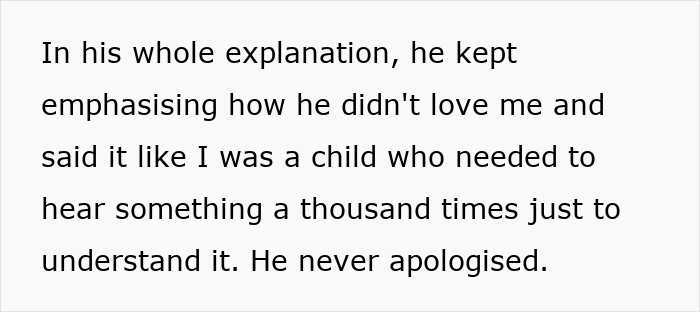
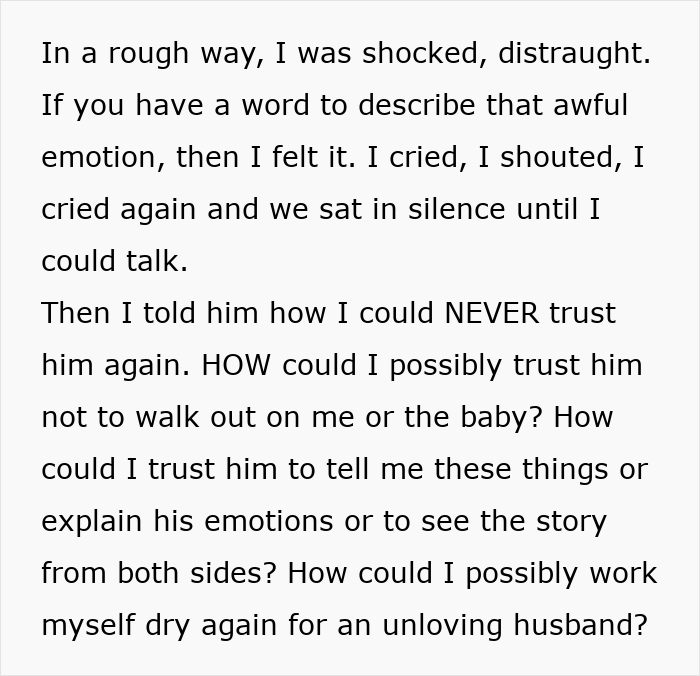
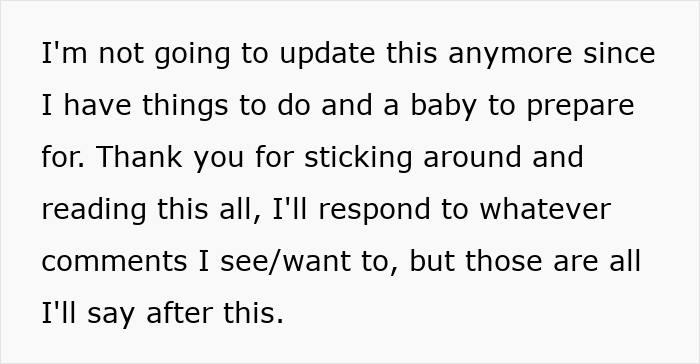
A pregnant woman went online to vent after finding that her husband had just gotten up and left, deciding to stay with a friend after saying he felt neglected in the relationship. People online shared their thoughts and reactions and later she came through with an update on how they handled this situation.
Image credits: eudial2224/Envato (not the actual photo)
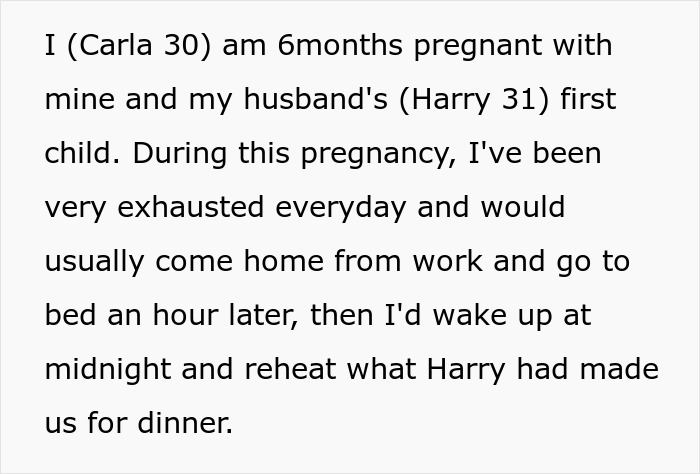
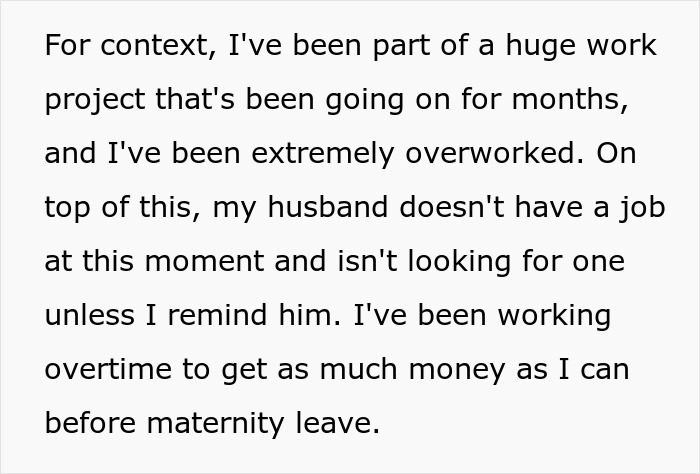
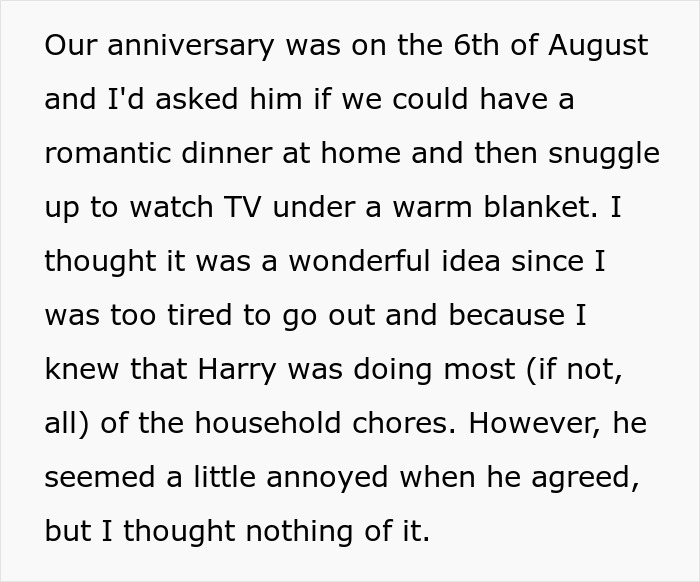
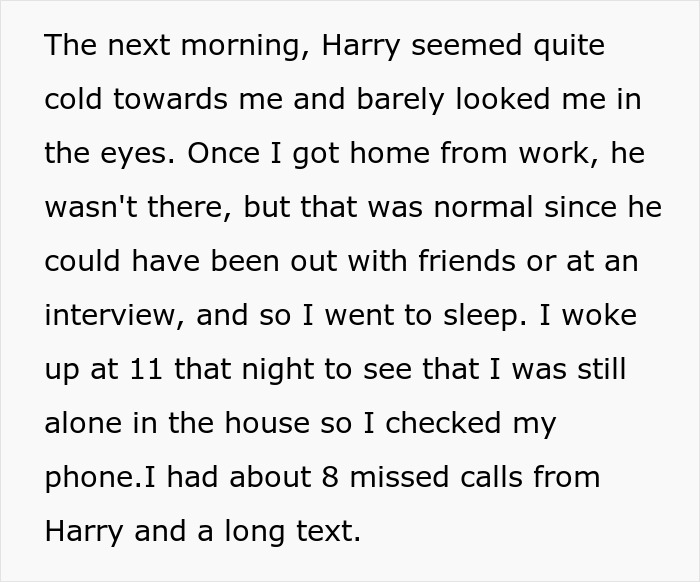
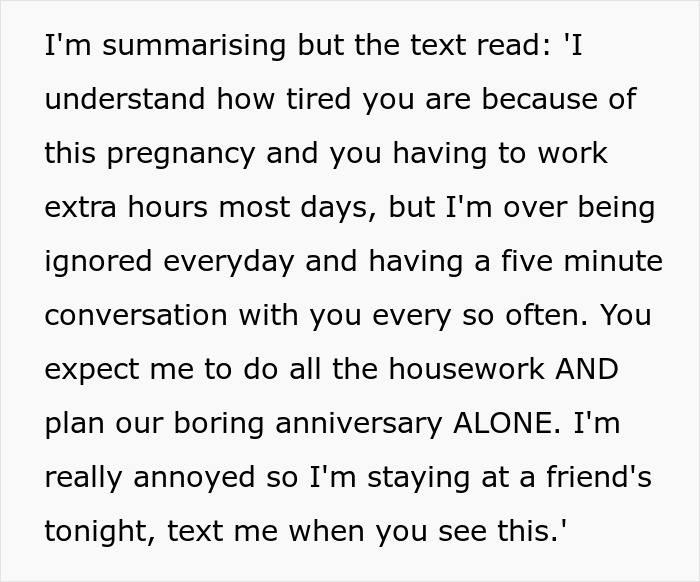
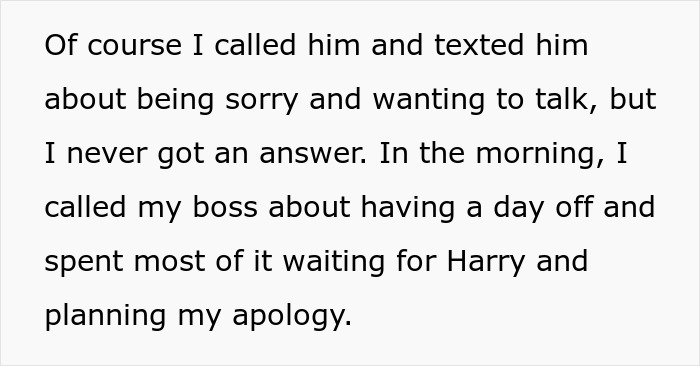
Image credits: romankosolapov/Envato (not the actual photo)
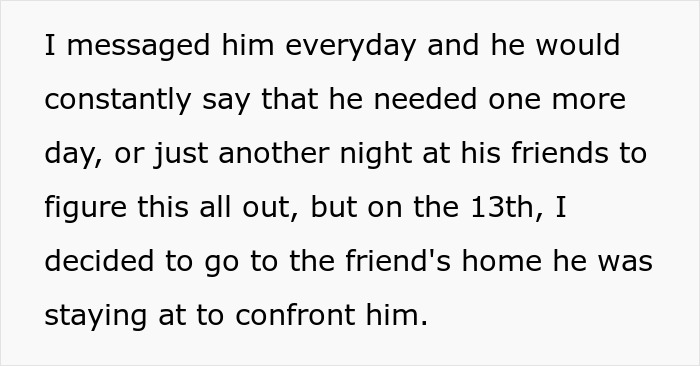
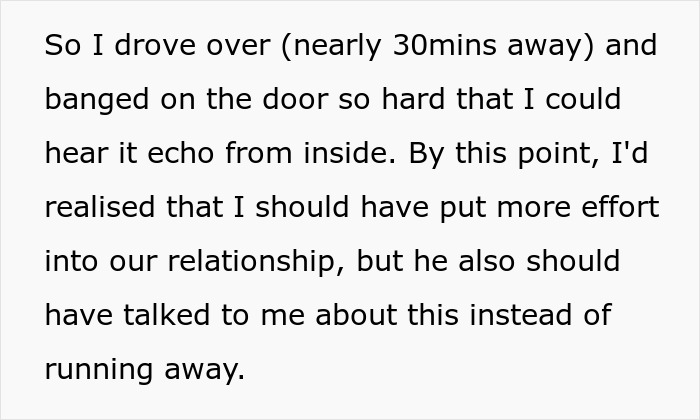
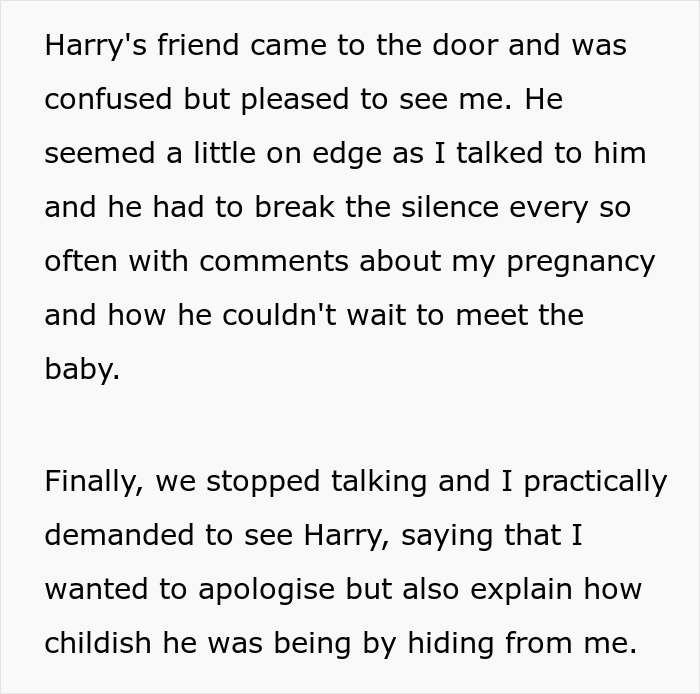
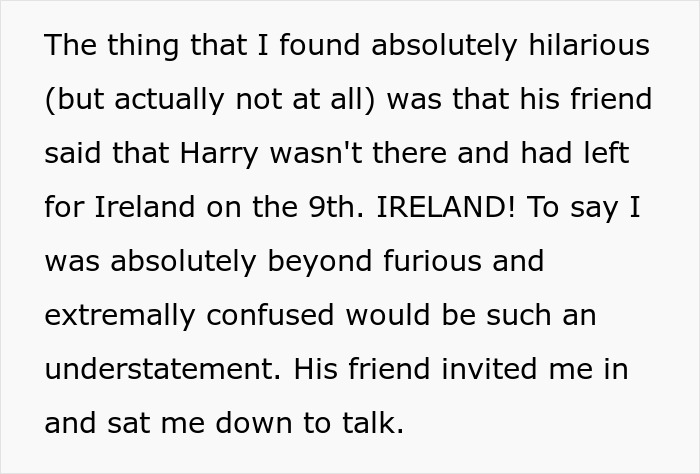
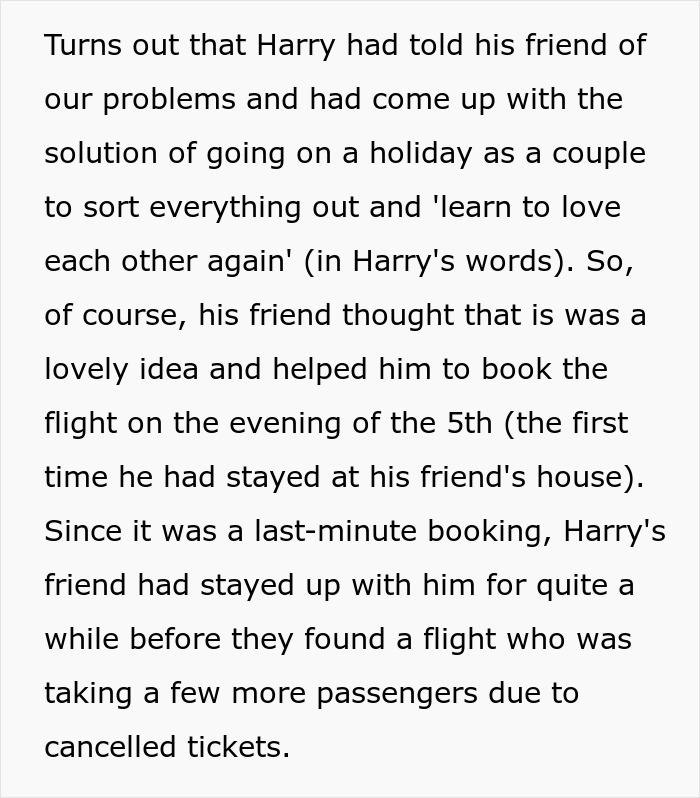
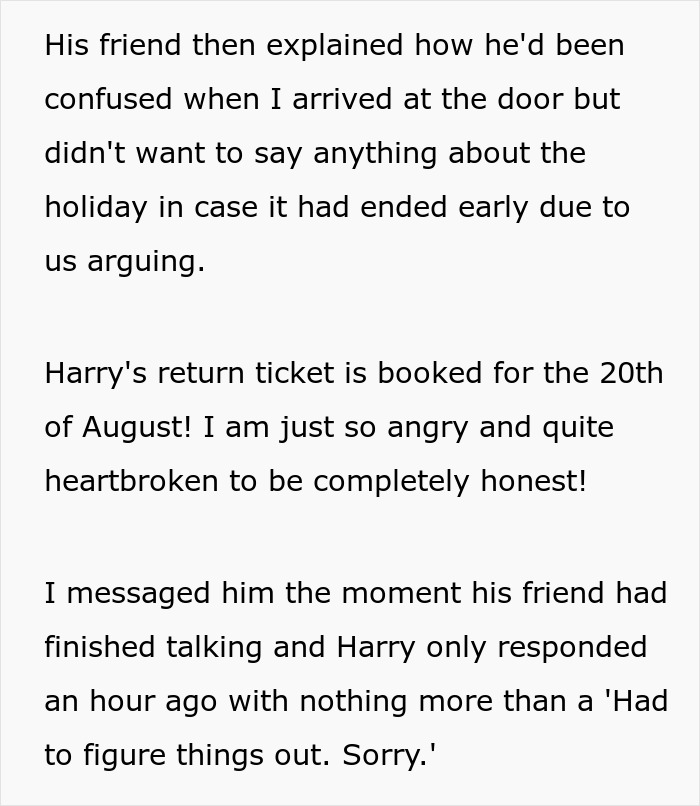
Image credits: Sangiao_photography/Envato (not the actual photo)
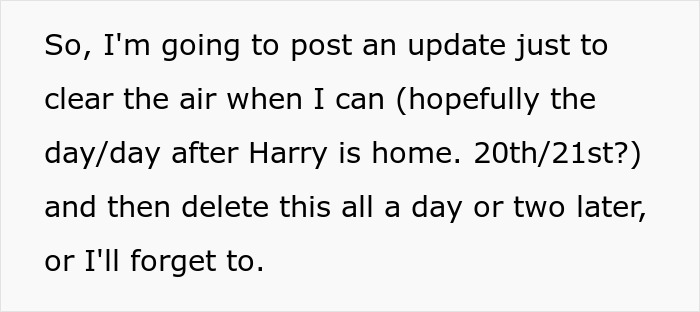
Image credits: An0nymous_stories
When a relationship hits a rough patch, most people picture a big argument as the moment things fall apart. But stories like this one show something quieter and, in a way, scarier. One partner doesn’t yell or demand a divorce. He just leaves the room, then the house, then the country, and only sends a text when he’s already gone. That kind of disappearing act isn’t random. Therapists who study stress responses say it’s one of four automatic reactions the nervous system reaches for when a person feels overwhelmed and unsafe, alongside fighting, freezing, and appeasing. According to HuffPost’s rundown of the four F’s, flight often looks like putting off hard conversations, staying conveniently busy, or developing a sudden urgent reason to be anywhere else. In modern life that rarely means literally running. Sometimes it means booking a flight to another country instead of finishing a sentence.
Image credits: Sophia Richards/Unsplash (not the actual photo)
Relationship researchers have a name for the quieter version of this too. John Gottman spent decades studying what predicts breakups, and he found that shutting down during conflict, known as stonewalling, is one of the strongest warning signs there is. GoodTherapy explains that stonewalling usually isn’t about not caring. It’s what happens when a person feels so emotionally flooded that engaging feels unbearable, so the nervous system just switches off the conversation instead. The problem is that from the other side, silence reads as rejection, and the partner left behind starts to feel like they’re arguing with a closed door.
A lot of this traces back to how people learned to handle closeness in the first place. Those with an avoidant attachment style tend to treat conflict as a threat rather than a normal part of loving someone. Dr. Lisa Arango’s writing on avoidant attachment describes how this pattern usually starts in childhood, when emotional needs went unmet often enough that a person learned to just handle things alone. As adults, the instinct kicks in exactly when a partner needs them to lean in. The more one person pushes for closeness or answers, the more the other person retreats, which only confirms the fear that closeness equals danger.
None of that happens in a vacuum, though. It usually builds on top of something else that’s been quietly wearing a relationship down, and one of the most common culprits is the mental load. Research summarized by Greater Good Berkeley shows that even in households where both partners work, women still tend to carry more of the invisible planning, remembering, and organizing that keeps a home running, and that imbalance takes a real toll on both people’s wellbeing. Psychology Today notes that resentment tends to build quietly when one partner keeps carrying most of that weight, especially once a pregnancy or new baby doubles the workload overnight. Read enough accounts like the one above and you notice the same pattern.
Image credits: Getty Images/Unsplash (not the actual photo)
One partner is stretched past their limit and barely has energy left for connection. The other partner feels like an afterthought and starts stewing on it alone instead of saying so, until the resentment reaches a point where staying and talking feels harder than leaving.
The frustrating part is that flight almost never solves what it’s running from. Avoiding a hard conversation might lower the temperature for a night, but the unresolved issue is still there when the person comes back, usually joined by a new one about the disappearing act itself. Trust takes a hit every time someone learns that their partner’s answer to a crisis is distance rather than a conversation. The healthier path, and the much less dramatic one, is learning to sit in the discomfort long enough to say the hard thing out loud, ideally with a couples counselor in the room if the pattern is old and well worn. Running away might feel like relief at the moment. It just tends to hand the same problem back later, with interest.

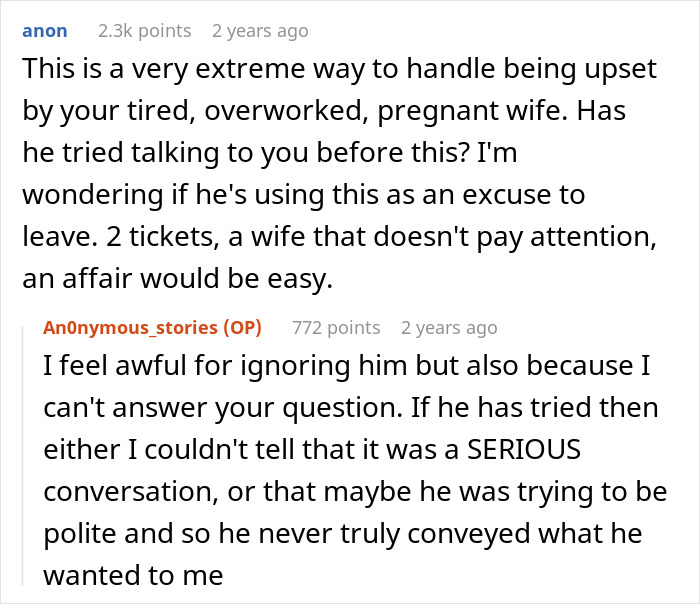

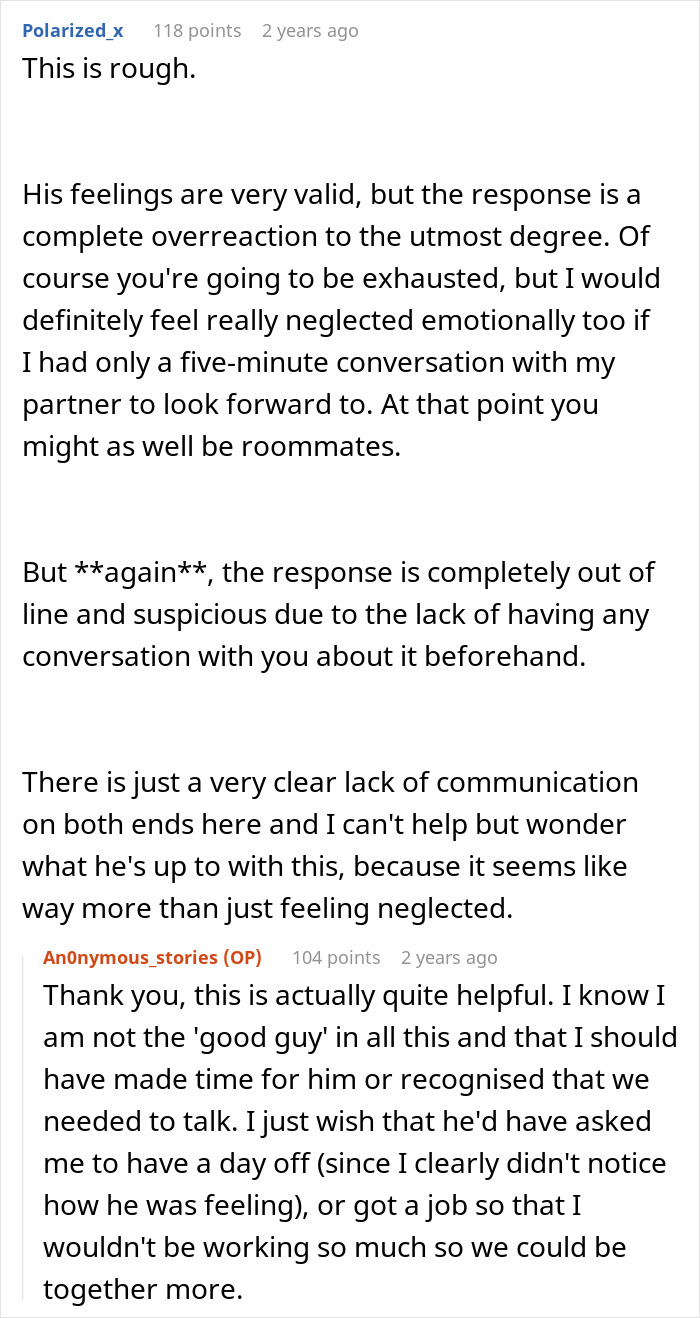
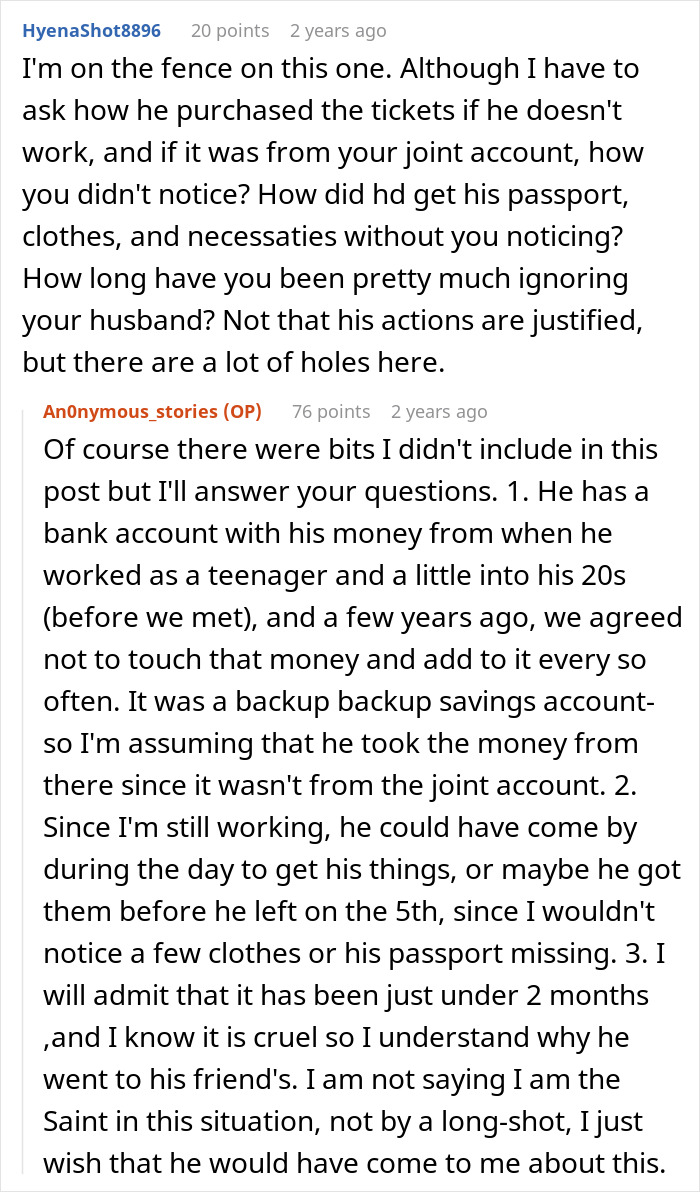
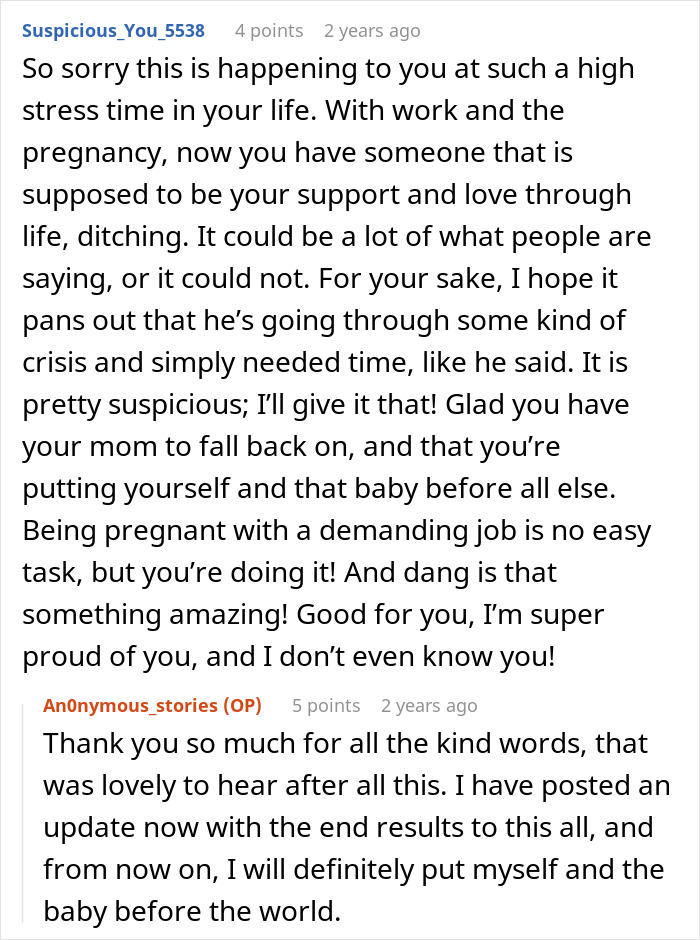

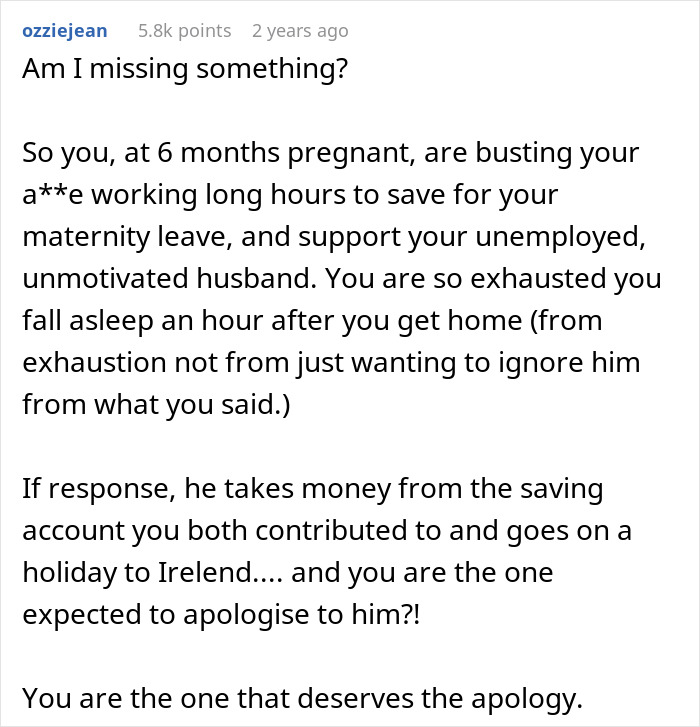



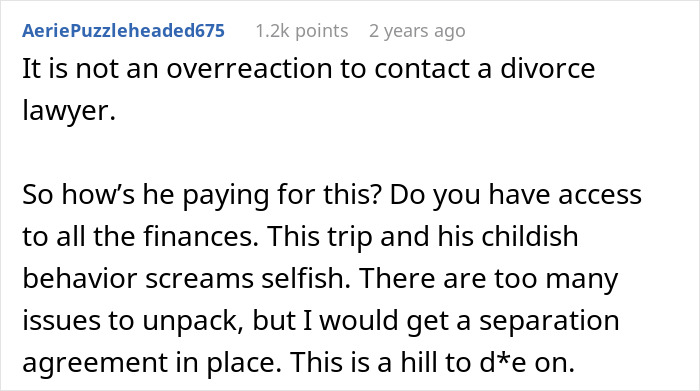
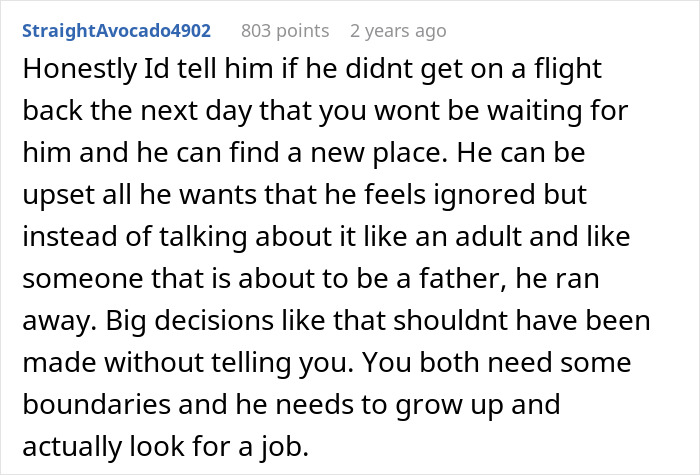
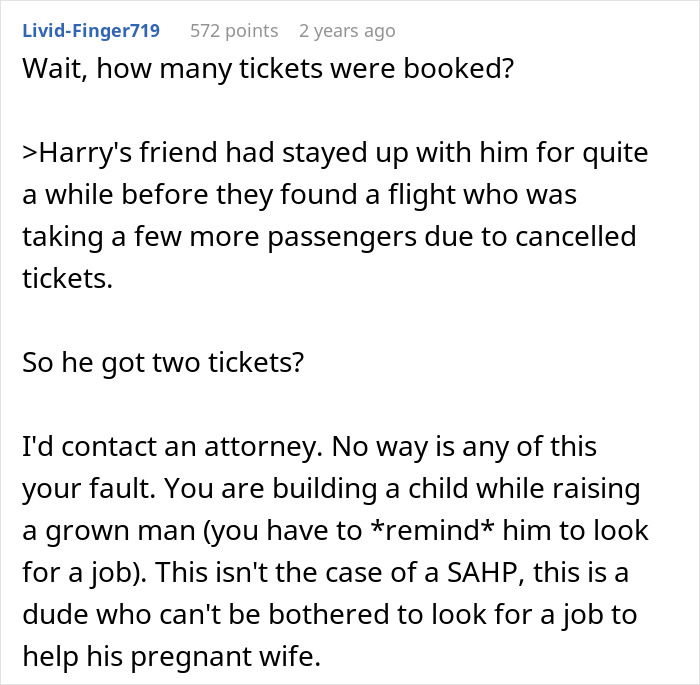


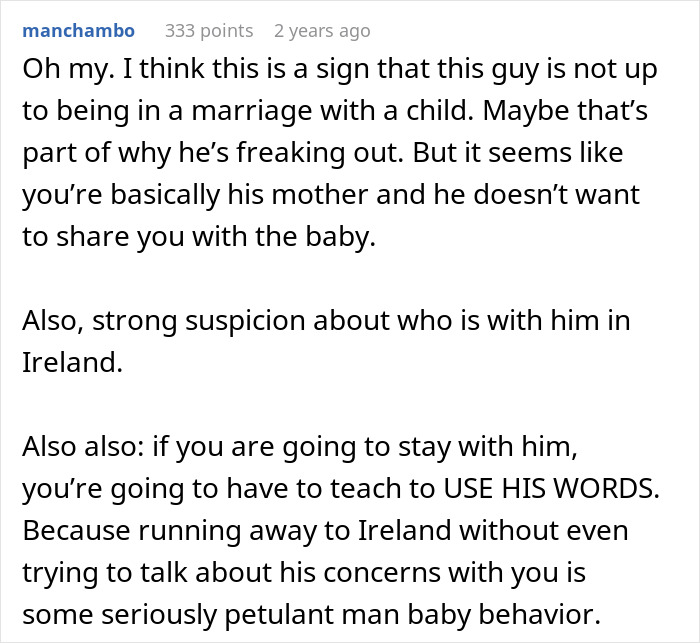
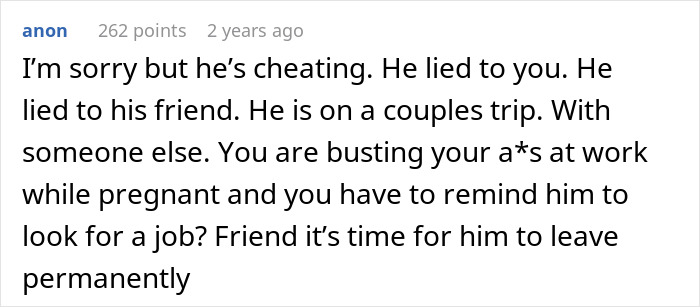
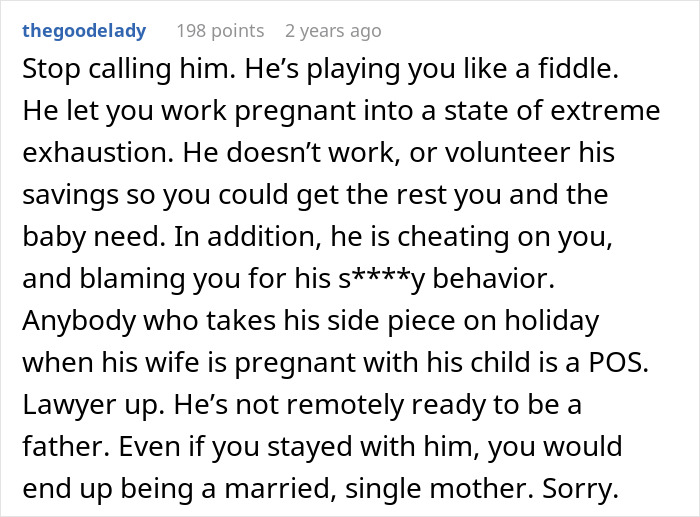
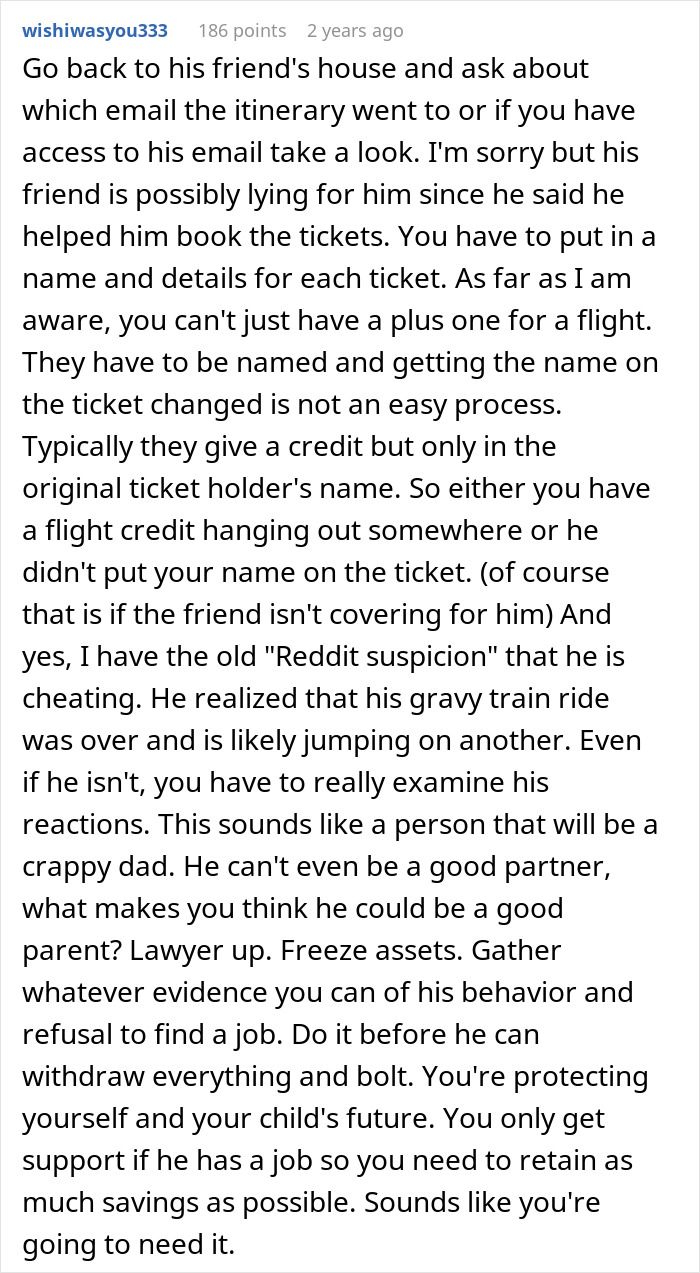

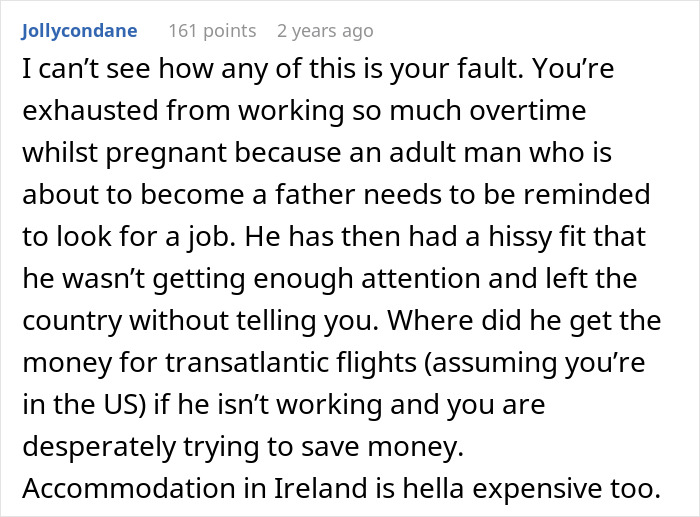
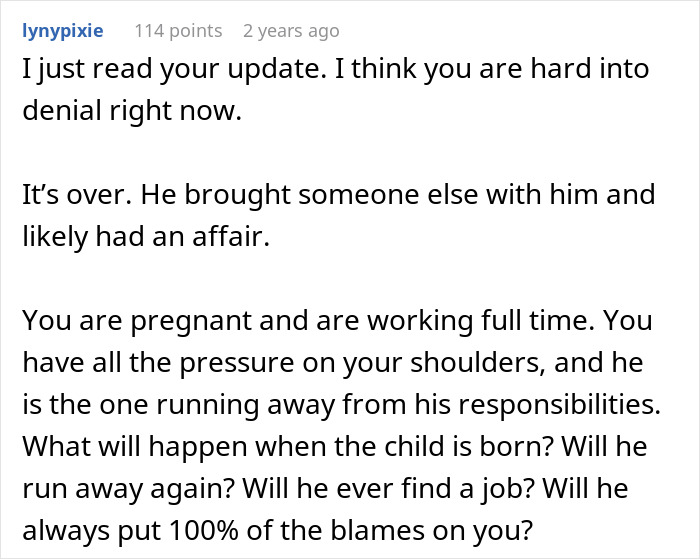
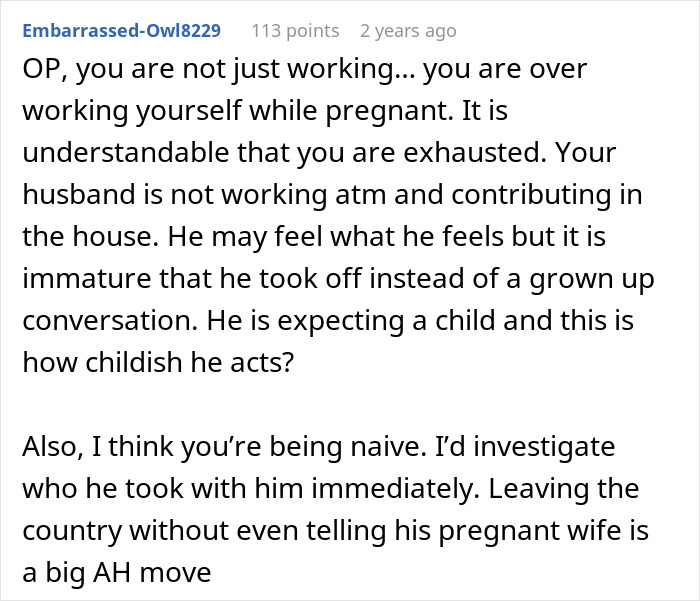
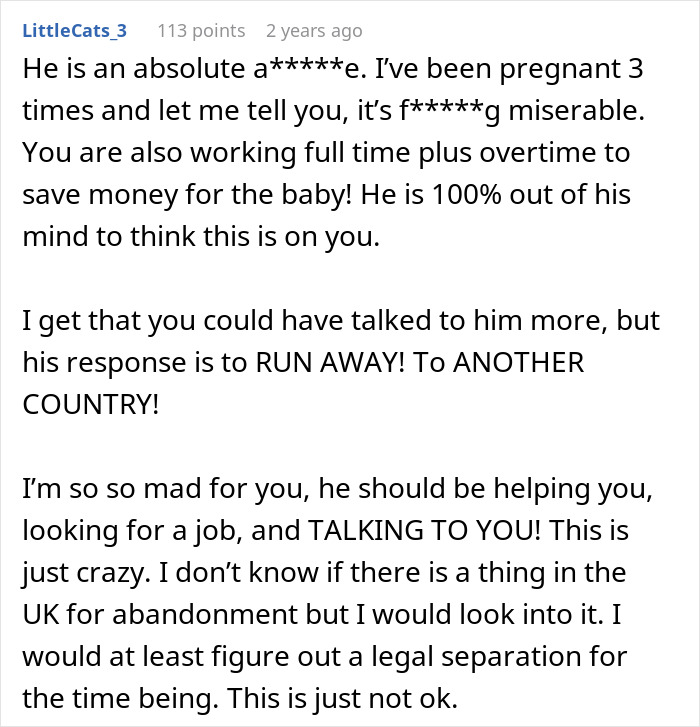
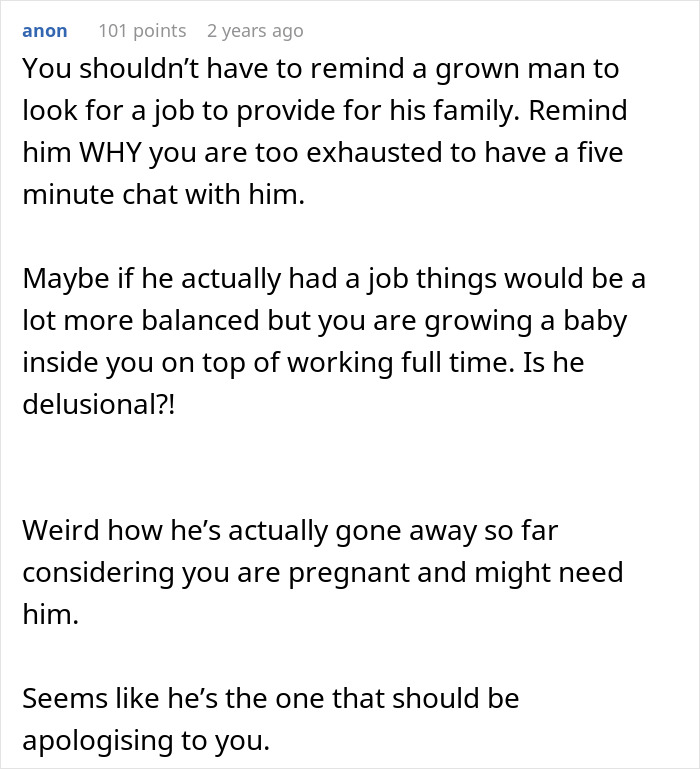

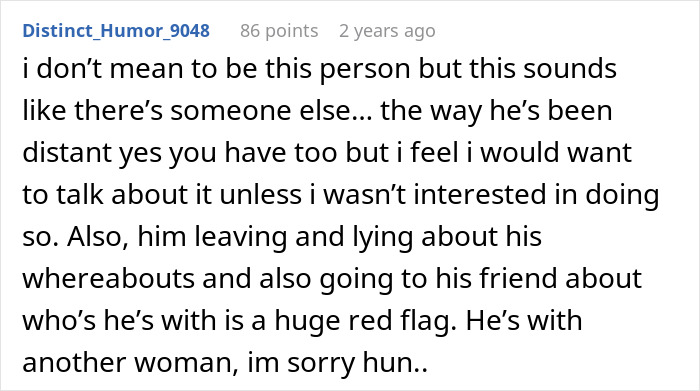
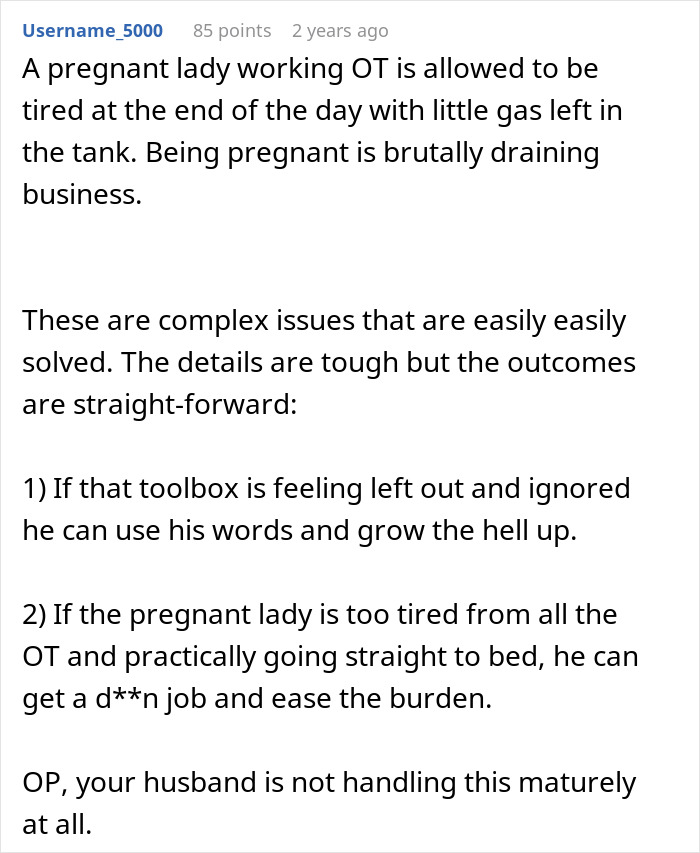
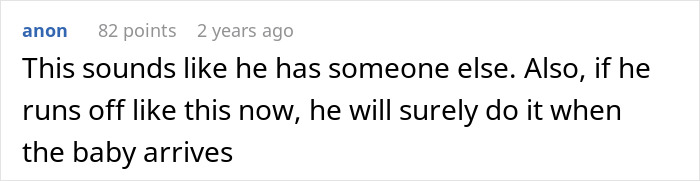
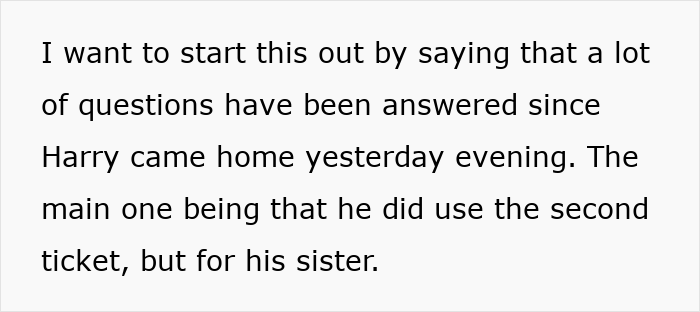
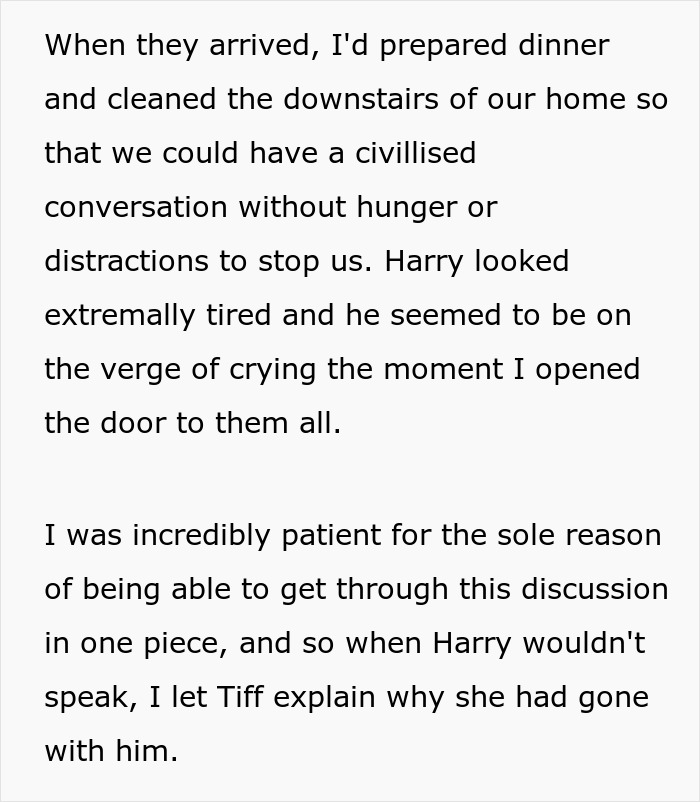
Image credits: wirestock/Envato (not the actual photo)
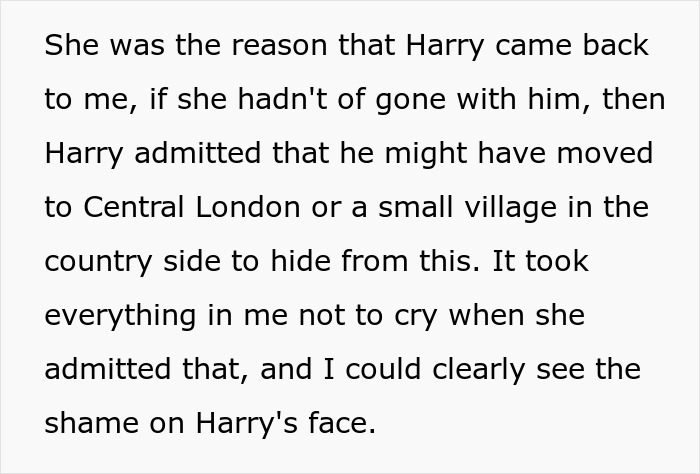
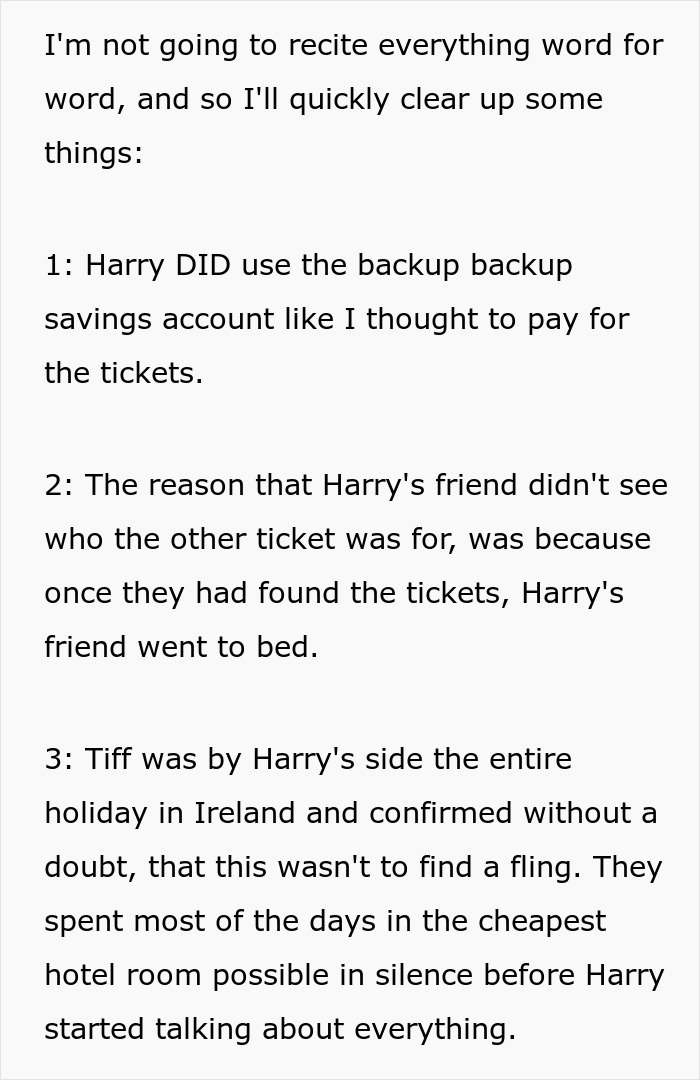

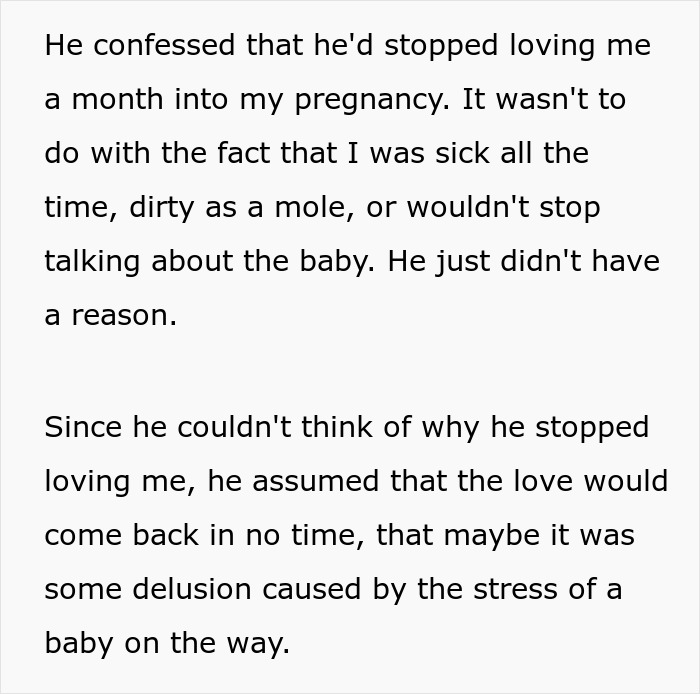
Image credits: africaimages/Envato (not the actual photo)
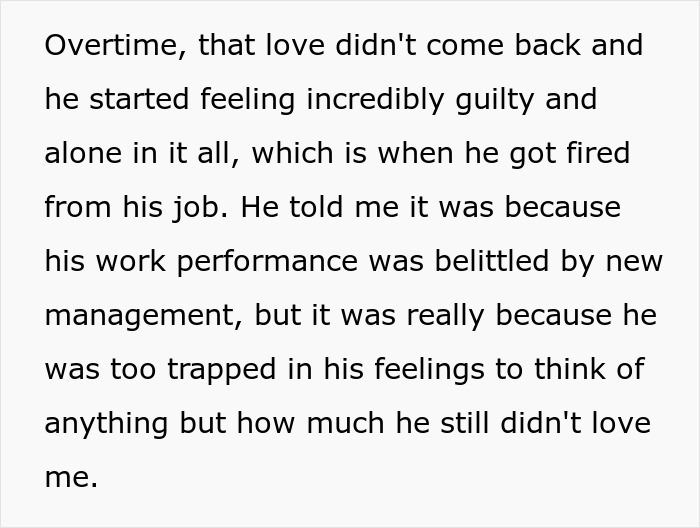
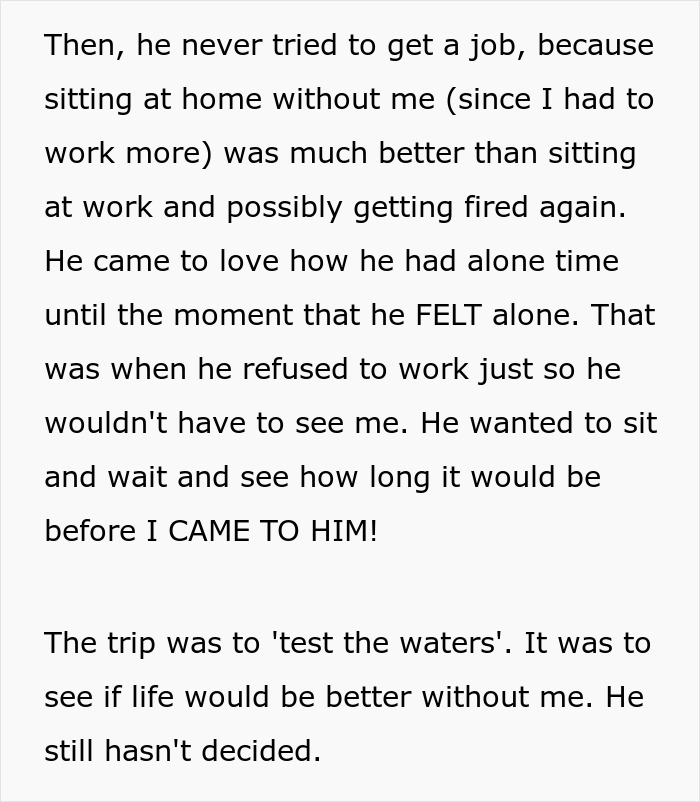
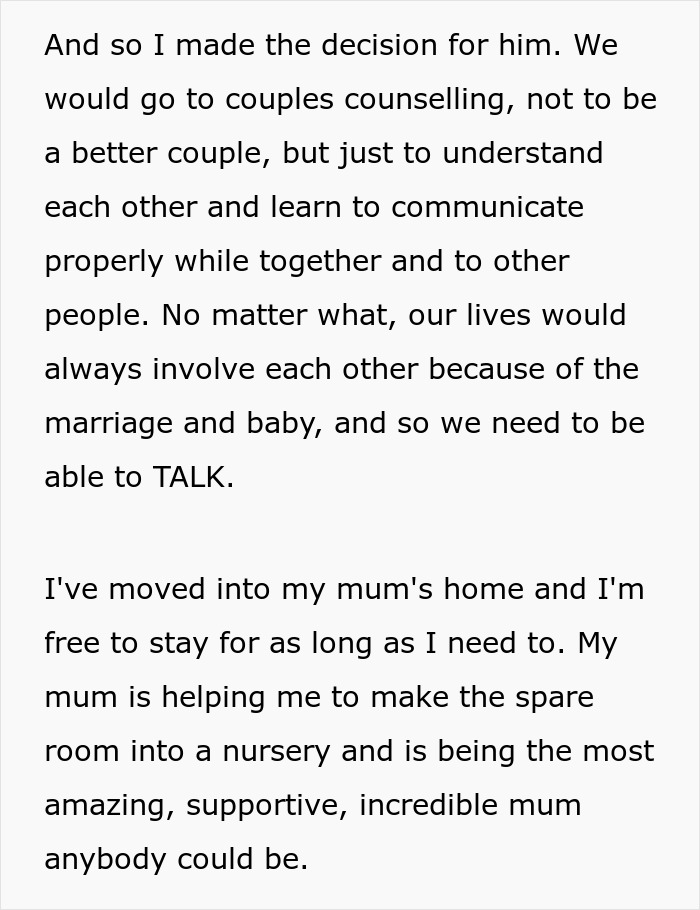
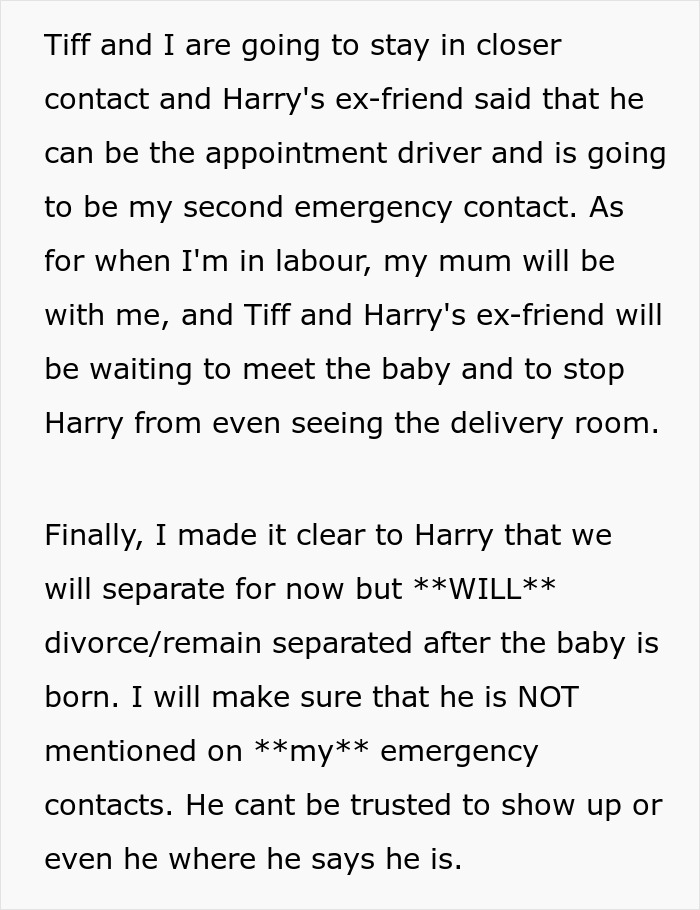
Image credits: An0nymous_stories

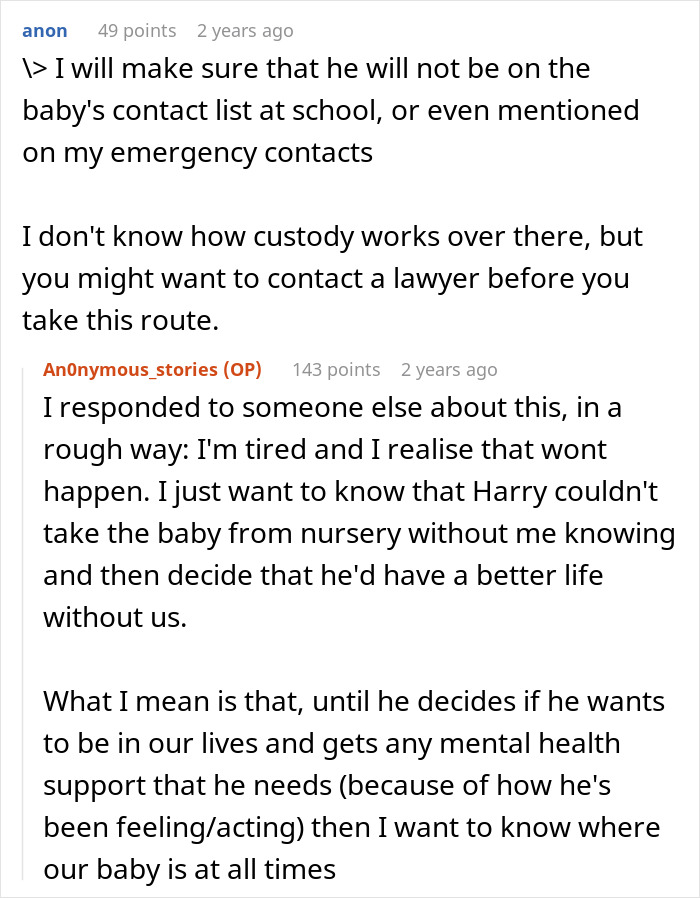

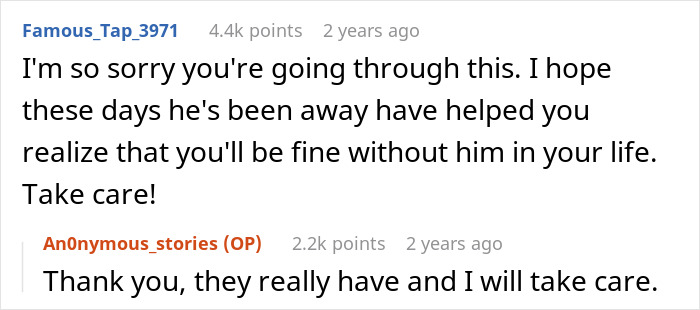
















By entering your email and clicking Subscribe, you're agreeing to let us send you customized marketing messages about us and our advertising partners. You are also agreeing to our Privacy Policy.
Thank you! You've successfully subscribed to newsletters!


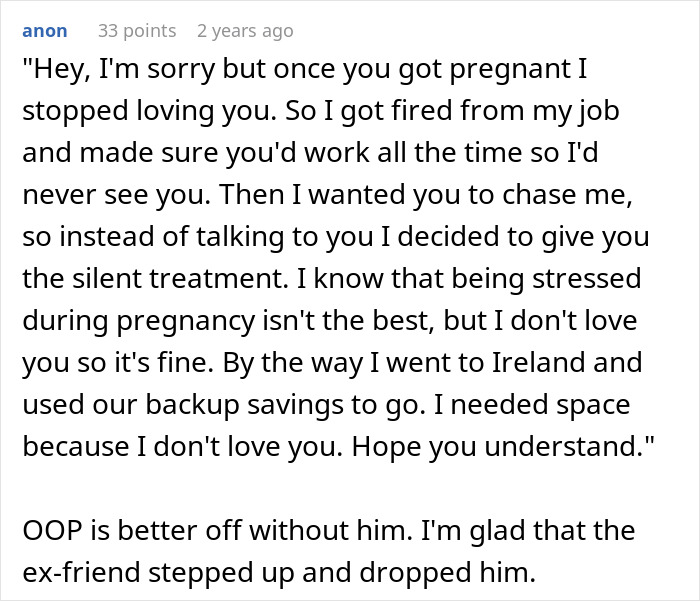
I doubt he even wanted her to get pregnant, based on his infuriating reaction.
Load More Replies...

































 No fees, cancel anytime













32
2