Get Premium
Dark mode theme is available exclusively for premium users. Learn more about the benefits of subscribing.
No fees, cancel anytime.

 Dark Mode Ad-Free Browsing Unlimited Content
 Ad-Free Browsing Unlimited Content Dark Mode
Join 1.2 million Panda readers who get the best art, memes, and fun stories every week!
Ancient Egypt has everything.
Mummies. Pyramids. Hieroglyphics. Gods with animal heads. Celebrity rulers. Desert aesthetics. It’s basically (another) film franchise waiting to happen.
But the more you think about it, the more you start wondering what was actually going on back then.
Let’s start with the pyramids.
Because… why that shape?
Somewhere, at some point, a person stood up and said, “Right. We’re going to build a giant triangle. Out of stone. In the desert.” And everyone else apparently nodded like this was completely reasonable.
You know when you buy furniture from IKEA and one panel doesn’t quite fit because the angles are weird? Now imagine that, but on a monument visible from space. I picture the designer pitching it as a joke, everyone laughing, and then centuries later realising, “Oh no. They took me seriously 😬”
And once you commit to a giant stone triangle, you can’t really back out. So you double down. You add secret passages. You add traps. You make it aggressively unwelcoming. Not just “please don’t enter,” but “if you enter, you will absolutely die, possibly by something involving spikes, darkness, or snakes.”
Now the mummies. You’re telling me this was the plan for the afterlife? Wrapped up, stiff, all organs removed smelling like resins? No nicer option? No silk? No accessories or “eternal glow”? Probably at some point someone must have raised a tentative hand and said, “What if we… didn’t?” And immediately got escorted out to meet a chest full of scorpions. Feedback culture was clearly not strong back then.
Pharaohs themselves were a whole different category.
Basically ancient celebrities, except with absolute power and zero criticism allowed.
Take Tutankhamun. A name that sounds like the first attempt at naming a Pokémon. Or Cleopatra, who feels like history’s first influencer. Signature hairstyle. Milk baths. Beauty routines so iconic we’re still talking about them thousands of years later. Self-care, but make it imperial.
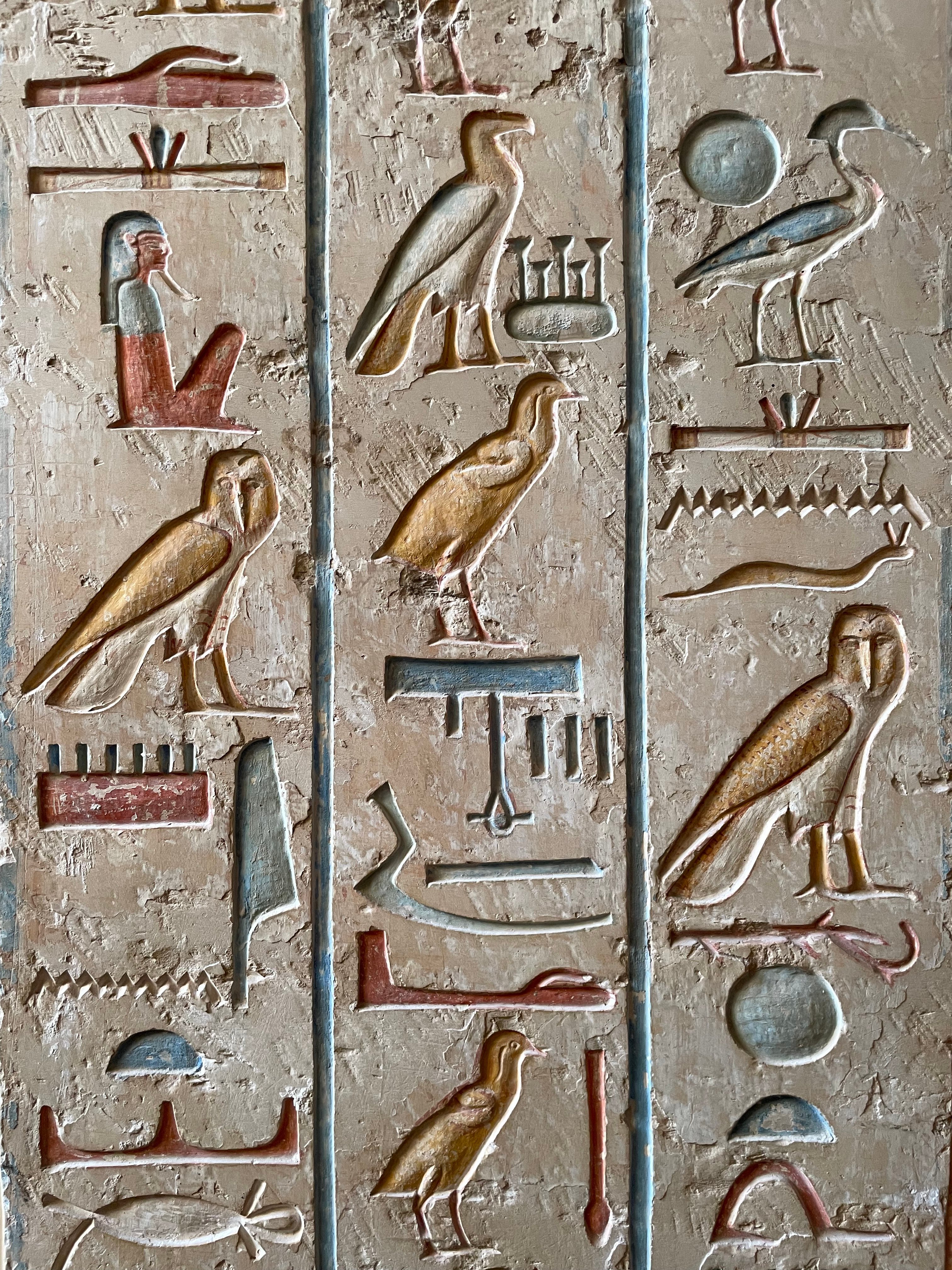
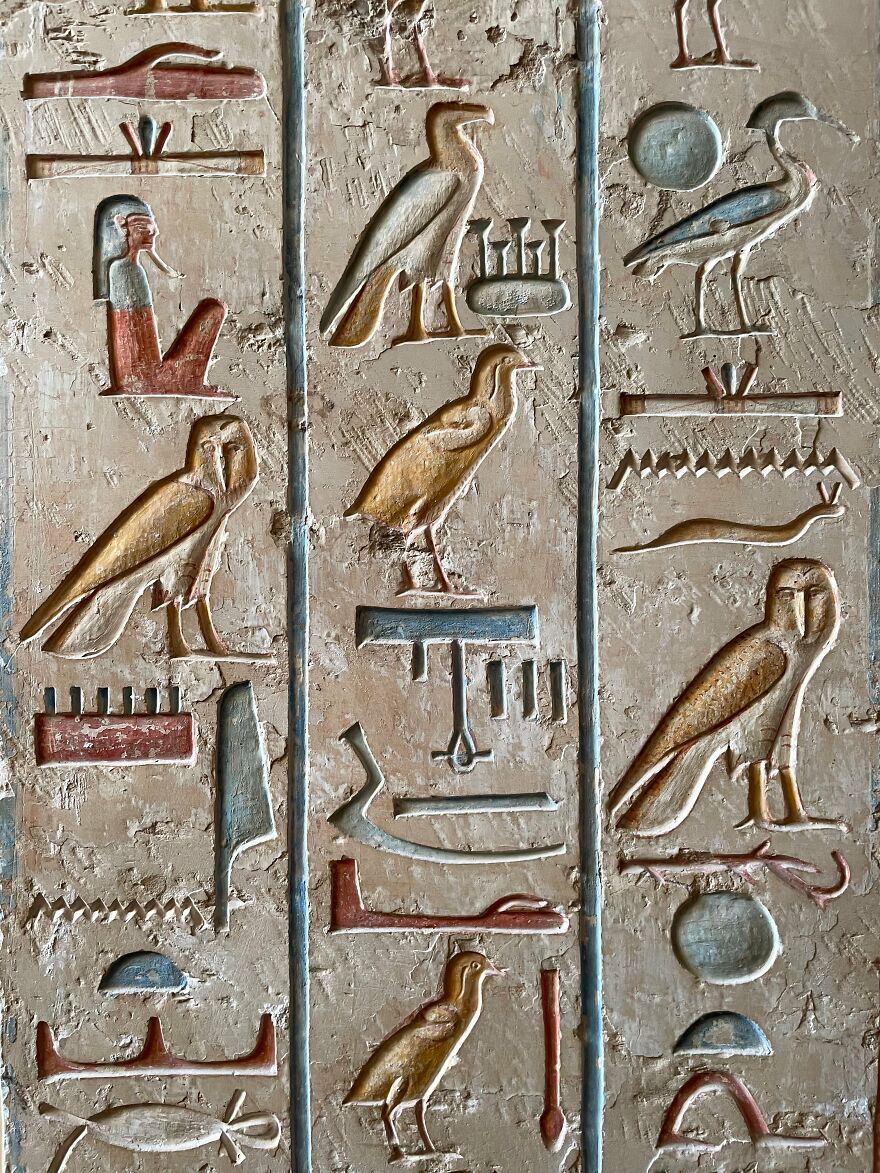
Of course, there was no Instagram, so they did the next best thing: they painted everything on walls. Entire lives and beliefs. Entire grocery lists, probably. And look, I’m not saying ancient Egyptians couldn’t draw. I’m just saying the hieroglyphics have strong “my three-year-old nephew explaining dinosaurs” energy. You can picture them proudly pointing at a wall like, Yes. This goose means “eternity”. Obviously.
And it’s not like they were short on time. These things took decades. Plenty of opportunity to stop halfway through and say, “Actually, this is unreadable 😵💫.” No one ever said, “Maybe we could simplify this with letters and numbers? Anything that doesn’t require a full degree to order bread? But no. They were fully committed. Again, possibly a language invented by the same pyramids designer.
But that’s the thing. Despite all the mystery, the grandeur, the mythology, ancient Egypt still feels deeply, reassuringly human. They haf overcomplicated solutions. Questionable design choices. Absolute confidence in ideas that make no sense in hindsight. People committing to plans and then refusing to admit they might be wrong.
As you’re reading this, I picture you nodding, slightly amused, slightly confused, maybe wondering how much of modern life will look exactly like this in 3,000 years. Someone in the future staring at our choices and saying, “Right. But… why?”
Because beneath the gold masks, the gods, and the monumental architecture, there it is.
The same thing we’ve always had.
Mystery. Ambition. Ego. And a quiet, timeless layer of absurdity.
More info: absurdsociety.fun





















 No fees, cancel anytime





0
0