Get Premium
Dark mode theme is available exclusively for premium users. Learn more about the benefits of subscribing.
No fees, cancel anytime.

 Dark Mode Ad-Free Browsing Unlimited Content
 Ad-Free Browsing Unlimited Content Dark Mode
Join 1.2 million Panda readers who get the best art, memes, and fun stories every week!

There are countless ways to impress your partner: learning their favorite song, cooking their comfort meal, or even surprising them with a thoughtful gesture. But one thing that’s never impressive? Lying. A relationship built on deception can quickly crumble, no matter how strong it once seemed. Love needs honesty to breathe, to grow, and to feel safe. Without it, even the most romantic gestures lose meaning. Truth, not pretense, is what truly wins hearts in the long run.
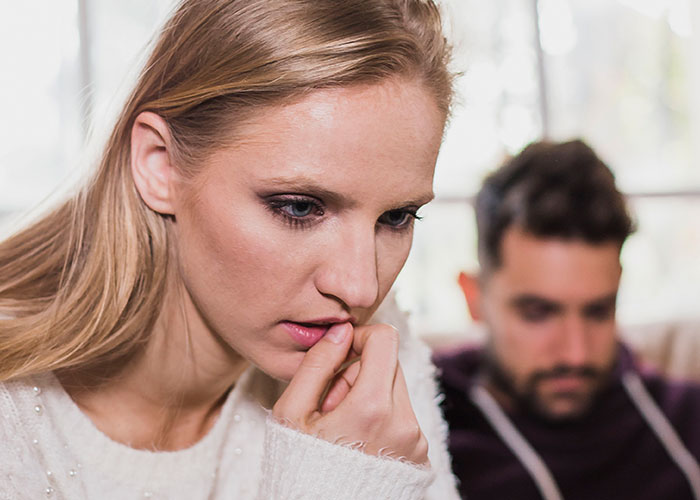
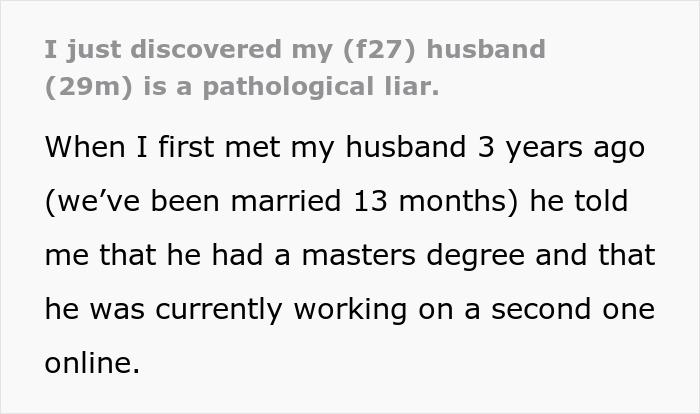
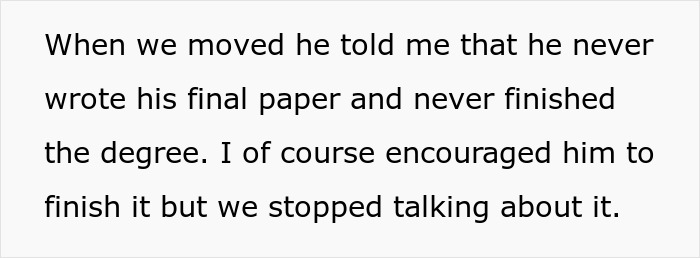
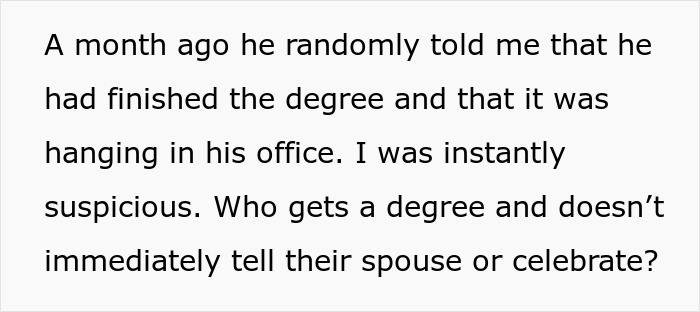
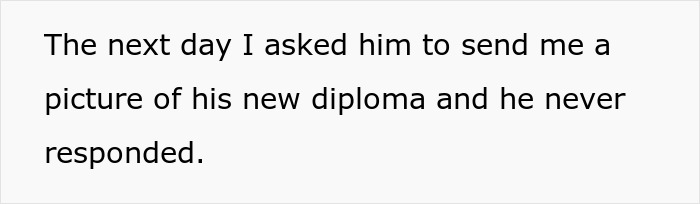
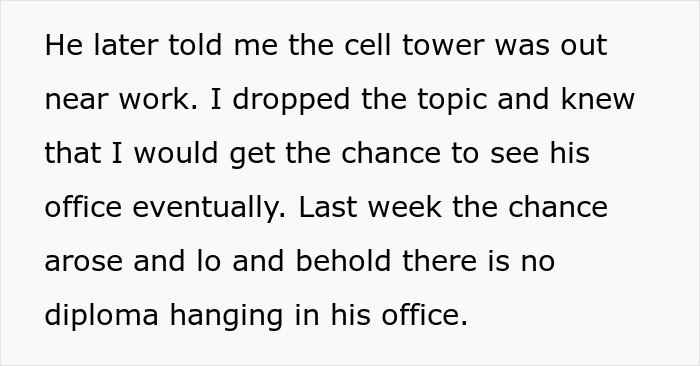
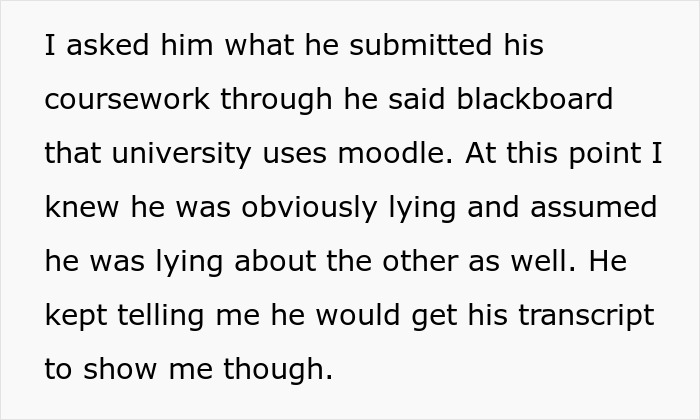
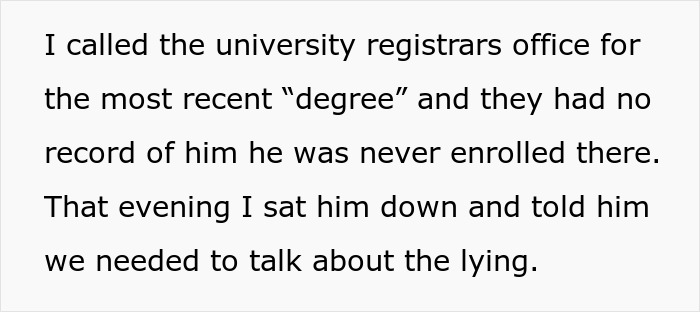
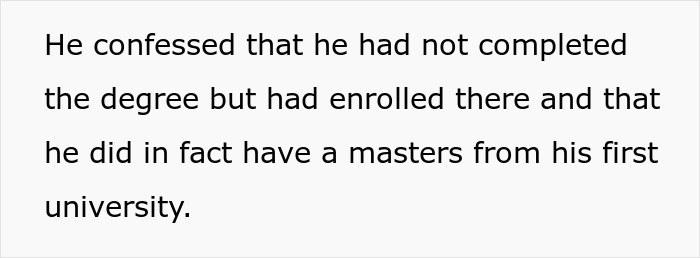
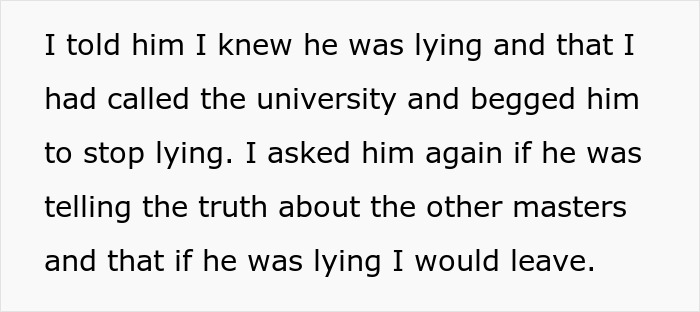
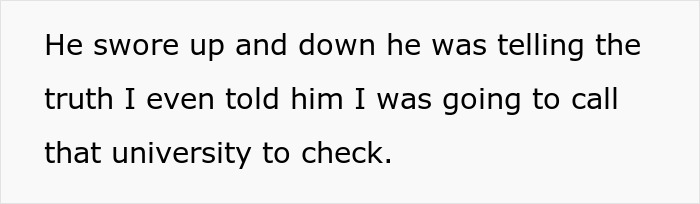
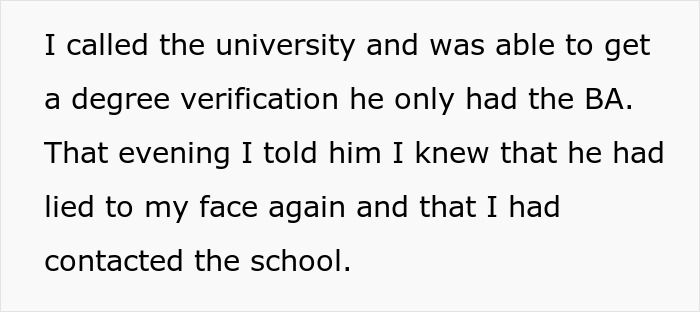
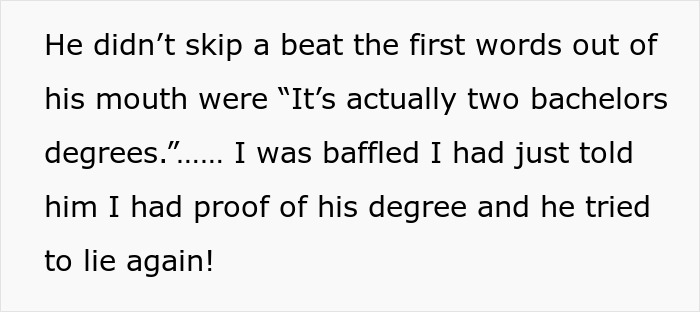
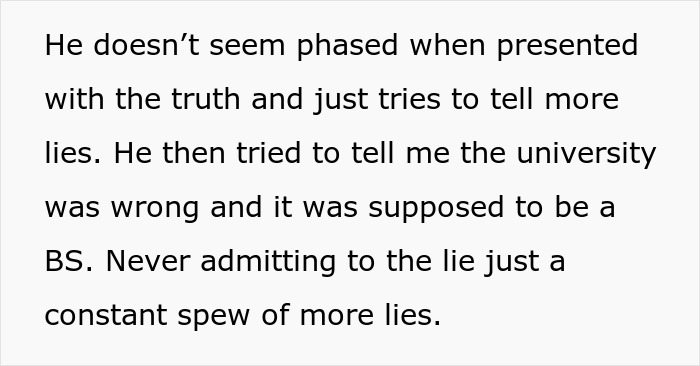
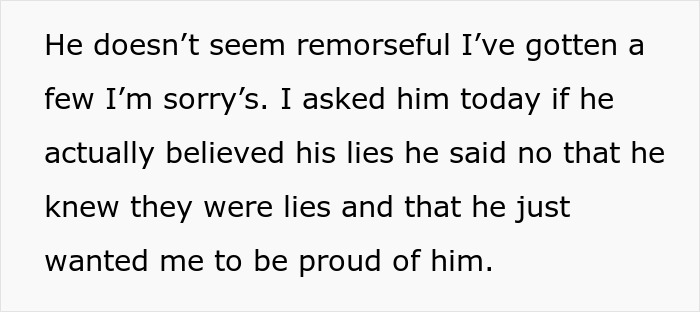
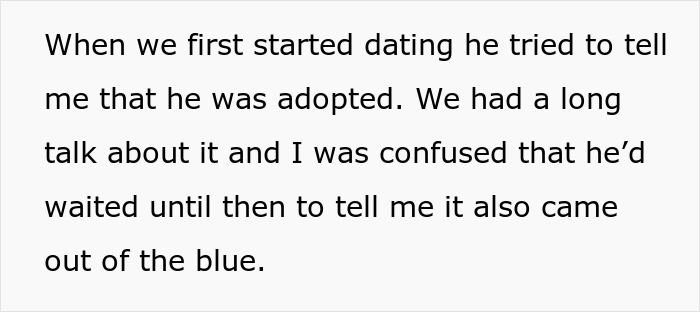
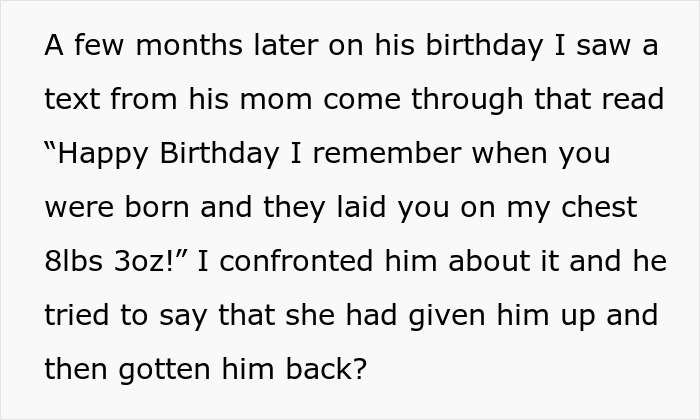
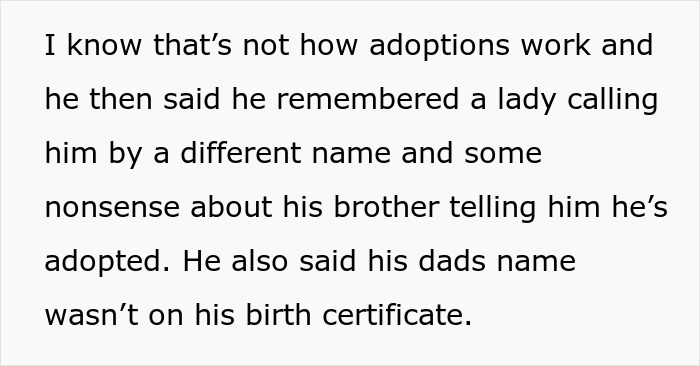
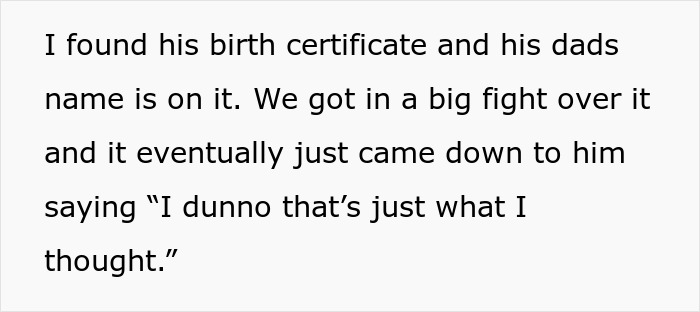
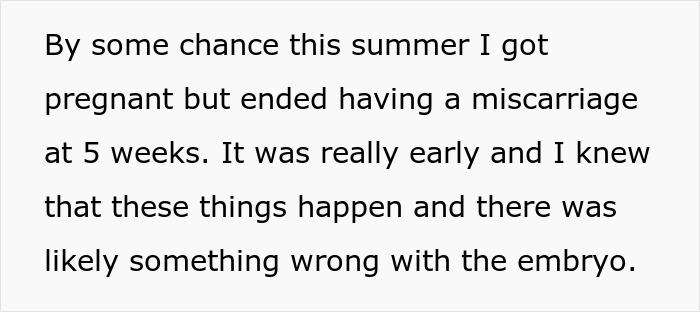
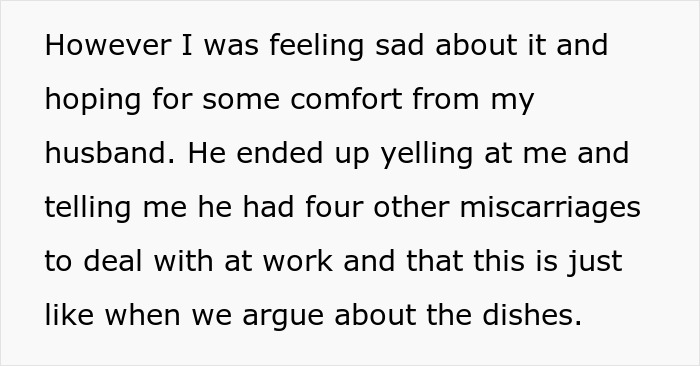
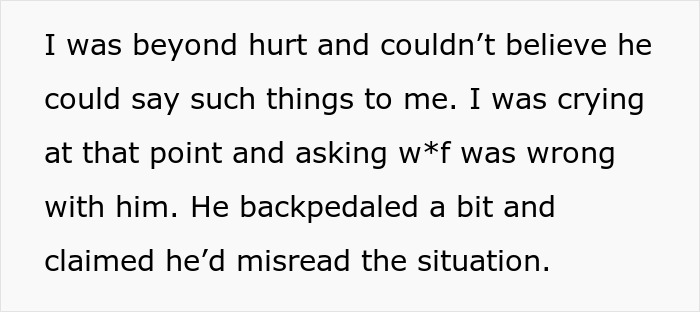
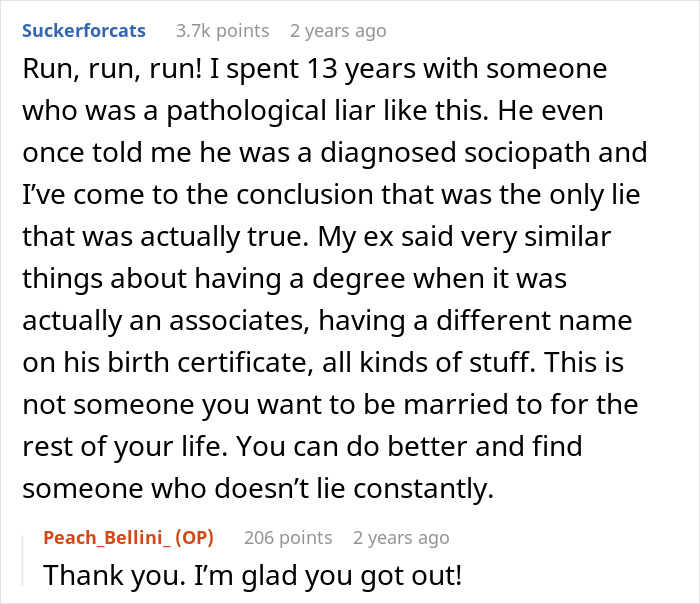
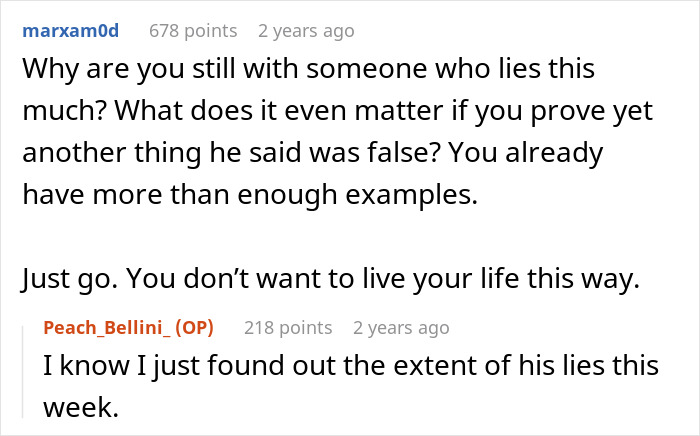
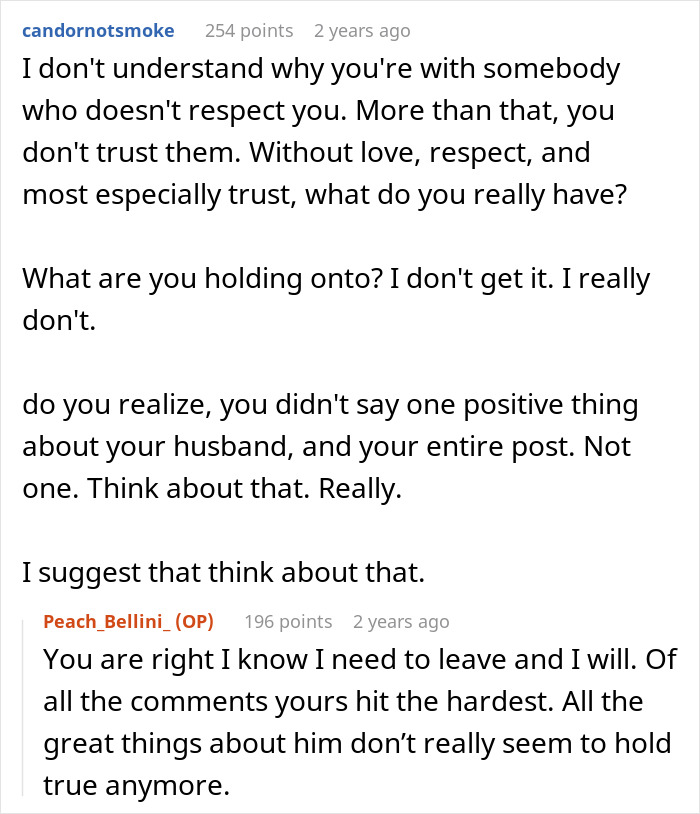
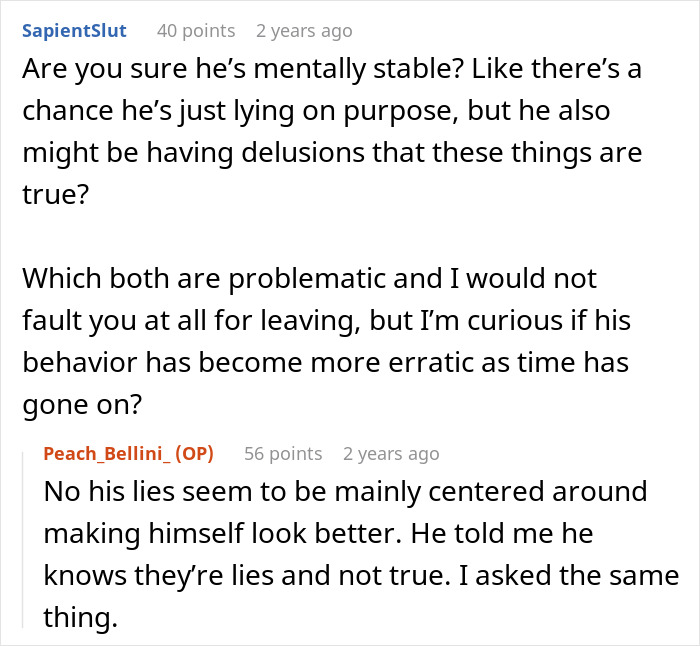
For instance, a woman opened up about how her husband repeatedly lied to her: first about his education, and later about nearly everything she questioned. Even when confronted with undeniable evidence, he continued to deny it, making her question the foundation of their marriage. What started as a simple inconsistency turned into a web of deceit that left her feeling betrayed and emotionally drained. Keep reading to see how their story unfolded, and what others had to say.
Image credits: freepik (not the actual photo)
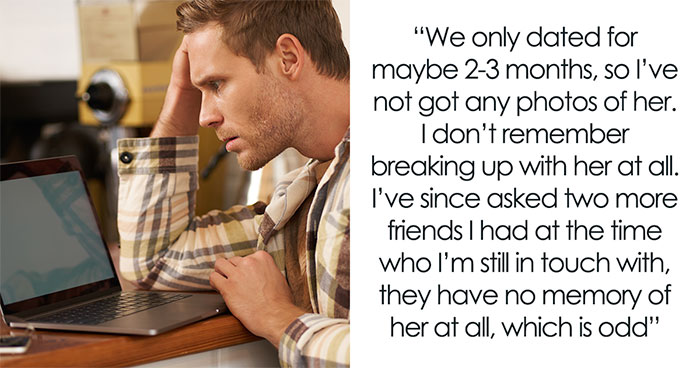
Image credits: The Yuri Arcurs Collection / freepik (not the actual photo)
Image credits: freepik (not the actual photo)
Image credits: wavebreakmedia_micro / freepik (not the actual photo)
Image credits: zinkevych / freepik (not the actual photo)
Image credits: zinkevych / freepik (not the actual photo)
Image credits: The Yuri Arcurs Collection / freepik (not the actual photo)
Image credits: Peach_Bellini_
Image credits: yanalya / freepik (not the actual photo)
Many of us tell white lies in everyday life, praising a gift we didn’t love or complimenting a colleague’s haircut just to be polite. These small social fibs often smooth interactions and avoid unnecessary tension. But in a relationship, where emotional intimacy and trust form the core, lies can be far more damaging. When you share your life with someone, truth becomes the foundation you both stand on. Even small deceptions can chip away at that base over time. In love, transparency isn’t optional, it’s essential.
Emotional honesty is one of the cornerstones of a healthy relationship. It means letting your partner see you for who you truly are: your fears, values, quirks, and vulnerabilities. When you’re building a future with someone, pretending to be someone else only delays the inevitable. It’s important to be clear about what you want in life, what matters to you, and where your boundaries lie. Real intimacy grows from openness, not perfection. Pretending or hiding parts of yourself might make things smoother in the short term but creates distance in the long run.
Honesty isn’t just about avoiding lies, it’s about being fully authentic in your communication. Deception can take subtle forms, like using vague language, avoiding clear answers, or deliberately withholding details. These gray areas often cause more confusion than outright lies because they create uncertainty. In a relationship, this kind of ambiguity can lead to misunderstandings that breed distrust. When one partner feels the other isn’t being forthright, it erodes emotional safety.
Withholding information or emotions from your partner is another form of dishonesty that can harm trust. When you choose not to share something important, you deny your partner the chance to make informed decisions about their life and the relationship. Imagine hiding a financial debt while planning to buy a home together, it’s not just about money, it’s about responsibility and respect. Secrets can create resentment and anxiety once discovered. In a partnership, both people deserve to stand on equal ground. Trust can’t survive when only one person has all the facts.
Your partner deserves honesty because it directly affects their ability to choose freely and act with full understanding. When you conceal truths that influence both of your lives, you rob them of the opportunity to make decisions based on reality. Trust relies on both partners being equally informed and emotionally secure. Deception, even if well-intentioned, removes that balance.
Image credits: freepik (not the actual photo)
If you start to suspect your partner might be lying, the first and most crucial step is open communication. Approach the situation calmly and express what’s been bothering you. Avoid accusations, instead, focus on how their behavior makes you feel. Often, misunderstandings arise from fear or miscommunication rather than malice. Talking things through keeps the relationship grounded in reality rather than assumption.
Try to listen with empathy and observe how your partner responds. Are they genuinely engaging with your concerns, or are they defensive and dismissive? Emotional honesty can’t exist without accountability. A sincere person will acknowledge your feelings and take responsibility for their actions. If they’re trying to rebuild trust, they’ll make an effort to explain and reassure. But if their responses feel evasive or inconsistent, it might be time to evaluate the deeper issues. Understanding why someone lies can help you decide whether the relationship can heal.
If you believe your partner’s apology is genuine, take time to process your emotions before deciding what comes next. Forgiveness doesn’t mean forgetting, it means choosing to move forward with awareness. Building back trust requires consistent honesty, effort, and accountability. Watch how they act, not just what they say. Trust is rebuilt through time and transparency. It’s okay to set boundaries or take space as you heal. True remorse is shown through change, not promises. A sincere partner will understand your need for reassurance and patience during the rebuilding process.
Ultimately, it’s your decision whether you want to continue the relationship after trust has been broken. Every situation is unique, what feels intolerable for one person might be manageable for another. The key is to listen to your instincts and emotional needs. You deserve honesty, respect, and stability in your partnership. If staying means constant doubt or pain, it might be time to walk away. Ending things isn’t a failure, it’s an act of self-respect. Love should make you feel safe, not uncertain. Choosing peace over chaos is always valid.
In this particular case, the woman caught her husband lying multiple times, even when faced with undeniable evidence. His refusal to take responsibility left her questioning everything: his character, his feelings, and the foundation of their marriage. It’s heartbreaking when someone you love repeatedly breaks your trust. Emotional detachment often follows because you no longer know what’s real. Her situation highlights how dishonesty can quietly destroy connection over time. Relationships can survive conflict, but not constant deceit. What would you do in her place — hold on, or finally let go?

By entering your email and clicking Subscribe, you're agreeing to let us send you customized marketing messages about us and our advertising partners. You are also agreeing to our Privacy Policy.
Thank you! You've successfully subscribed to newsletters!
13Kviews
Share on Facebook
Pathological liars will lie when they don't need to lie. Pathological liars will lie when you have proof they are lying. Pathological liars will lie about little things. Pathological liar lie about big things. Pathological lars lie so much they forget what they lied about and will tell a different lie about the same subject. Pathological liars will lie to anyone about anything. If a pathological liar is talking, they are telling a lie. Never trust a thing that comes out of the mouth of a pathological liar.

The biggest pathological liar in our lives got beaten to death in Leeds in 2021 I think. Guess he finally ran out of luck. This story is verifiable. I wish I was making it up. I'd already booted him when he made up a chemo emergency so we would bring him booze in the hospital where he self-admitted because cold turkey would have k****d him. I really cut him off then he lied about being in an accident and being "a bigger c*****e than [friend] who had had a stroke and is still wheelbound. He had some really good moments, tragic which path he chose.
Load More Replies...
Be carefull when confronting people that build that kind of fantasy about them and their life. Not far from were I live, a man (Jean-Claude Roman) k****d his wife and kids when he realised his lie of 15 years about being a doctor was about to blow up.
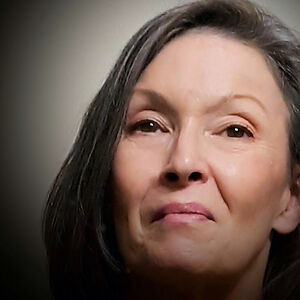
Yikes! If he invites you for dinner, be sure to be busy that evening … and the rest of your life! I read that he “pretended to be a medical doctor for the World Health Organization for 18 years,” and now I’m suspicious of *everyone*. If he can fake out the WHO, then I’m a sitting duck! 😳 I’m sad that Daniel Auteuil played him in a movie; that means I’ll eventually see it. 😞 Bonne chance, et été en sécurité!
Load More Replies...
My mother's sister was like this. She always used to boast about things that were my mother's achievements as her own as well as making up a lot of things she was supposedly successful at. The only people that believed her were her children (and they still do over 50 years later, despite the concrete evidence she was lying about almost everything). Sadly, I was the only one who pulled her up for it even as a child, everyone else either ignored it or pretended they believed her. I was a "trouble maker" because I "embarrassed her". Back then I didn't know how to argue that it was her that embarrassed herself, I just held the mirror up. I grew up knowing lying was bad, so, naturally, I called it out, despite always being told to keep the peace at family gatherings.
Pathological liars will lie when they don't need to lie. Pathological liars will lie when you have proof they are lying. Pathological liars will lie about little things. Pathological liar lie about big things. Pathological lars lie so much they forget what they lied about and will tell a different lie about the same subject. Pathological liars will lie to anyone about anything. If a pathological liar is talking, they are telling a lie. Never trust a thing that comes out of the mouth of a pathological liar.
The biggest pathological liar in our lives got beaten to death in Leeds in 2021 I think. Guess he finally ran out of luck. This story is verifiable. I wish I was making it up. I'd already booted him when he made up a chemo emergency so we would bring him booze in the hospital where he self-admitted because cold turkey would have k****d him. I really cut him off then he lied about being in an accident and being "a bigger c*****e than [friend] who had had a stroke and is still wheelbound. He had some really good moments, tragic which path he chose.
Load More Replies... Be carefull when confronting people that build that kind of fantasy about them and their life. Not far from were I live, a man (Jean-Claude Roman) k****d his wife and kids when he realised his lie of 15 years about being a doctor was about to blow up.
Yikes! If he invites you for dinner, be sure to be busy that evening … and the rest of your life! I read that he “pretended to be a medical doctor for the World Health Organization for 18 years,” and now I’m suspicious of *everyone*. If he can fake out the WHO, then I’m a sitting duck! 😳 I’m sad that Daniel Auteuil played him in a movie; that means I’ll eventually see it. 😞 Bonne chance, et été en sécurité!
Load More Replies... My mother's sister was like this. She always used to boast about things that were my mother's achievements as her own as well as making up a lot of things she was supposedly successful at. The only people that believed her were her children (and they still do over 50 years later, despite the concrete evidence she was lying about almost everything). Sadly, I was the only one who pulled her up for it even as a child, everyone else either ignored it or pretended they believed her. I was a "trouble maker" because I "embarrassed her". Back then I didn't know how to argue that it was her that embarrassed herself, I just held the mirror up. I grew up knowing lying was bad, so, naturally, I called it out, despite always being told to keep the peace at family gatherings.















 No fees, cancel anytime
















16
15