Get Premium
Dark mode theme is available exclusively for premium users. Learn more about the benefits of subscribing.
No fees, cancel anytime.

 Dark Mode Ad-Free Browsing Unlimited Content
 Ad-Free Browsing Unlimited Content Dark Mode
Join 1.2 million Panda readers who get the best art, memes, and fun stories every week!

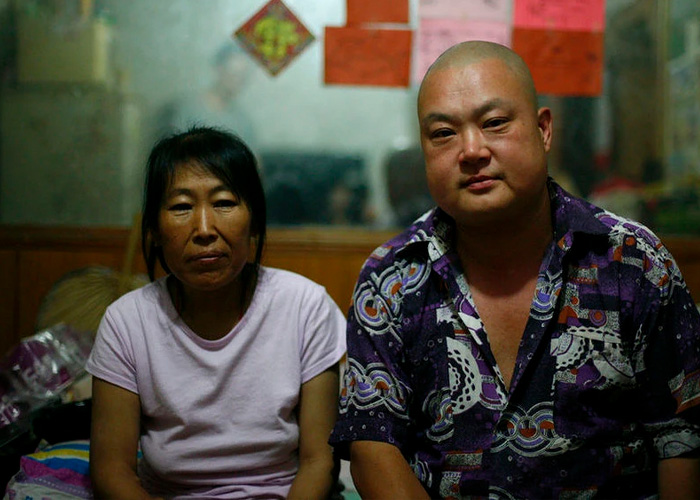
Liao Dan, a former Beijing factory worker with only a secondary school education, became known across China as the country’s “most devoted fraudster” after he forged hospital payment records to keep his wife alive.
His case has now returned to public attention after mainland media revisited how an unemployed husband, trapped between poverty and an unaffordable healthcare system, orchestrated a years-long forgery scheme so his wife, Du Jinling, could continue receiving dialysis.
The crime was not disputed. Liao forged Beijing Hospital charge notes and invoices from November 2007 to September 2011, evading more than 172,000 yuan, roughly US$25,000 to US$27,300.
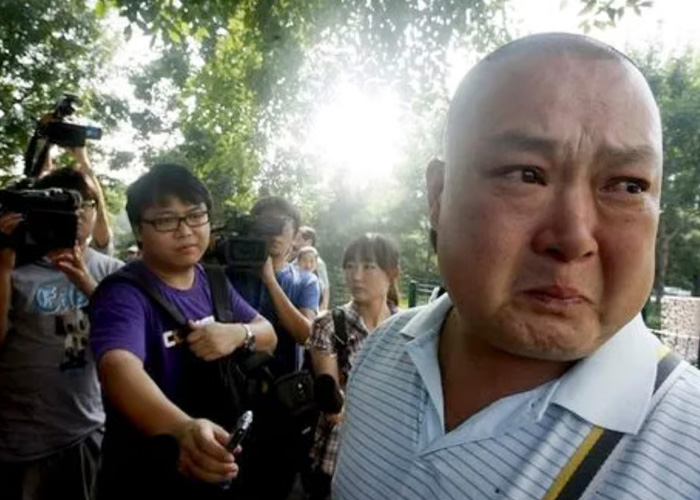
“I had been pushed to the point where there was no other way,” Liao reportedly told the judge in court, covering his face and weeping. “I only wanted my wife to live.”
Image credits: Baidu
Liao and Du had been living on the margins of Beijing with their son after their workplaces shut down, leaving the family with little money and few options.
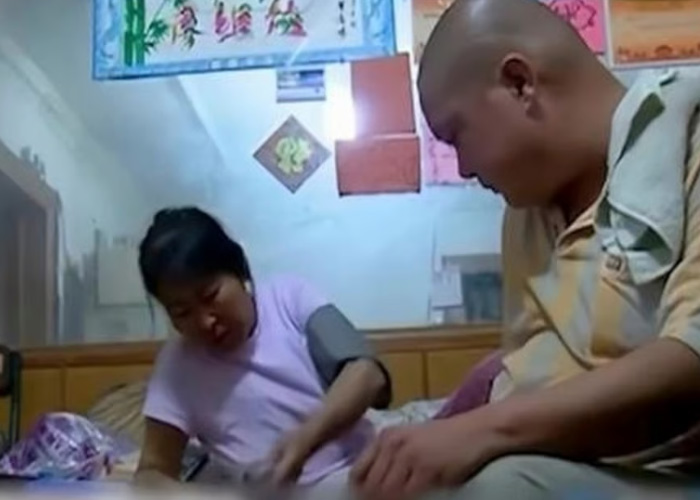
Their hardship worsened in 2007, when Du was diagnosed with severe uraemia, a serious condition caused by kidney failure in which waste products build up in the blood. Doctors told her she needed dialysis three times a week to survive.
The treatment cost more than 5,000 yuan, or about US$730, a month. Other reports described the cost as about 420 yuan per session, a crushing amount for a family that had already fallen into financial distress.
Within weeks, Liao had spent the family’s savings.
Image credits: Baidu
He tried to seek medical insurance reimbursement, but Du was ineligible because she did not have Beijing household registration and therefore lacked access to local coverage.
Liao, who had diabetes himself and once suffered severe ulcers on both feet, was left trying to keep his wife alive inside a system he could not afford and did not know how to navigate.
While paying hospital fees one day, he noticed a weakness in the billing process. Staff appeared to check only whether a receipt carried an official seal, without closely verifying the amount paid.
Desperate, Liao contacted a fake-seal maker, forged the hospital stamp, and began submitting altered receipts instead of paying the full cost of Du’s treatment.
The deception lasted nearly four years.
During that time, Du’s dialysis continued uninterrupted.
Investigators later found 49 forged receipts involving more than 172,000 yuan, worth roughly US$26,600 at the time.
Liao had already been arrested on February 21, 2011, then released on bail on March 8, 2011, before his case went to trial the following year.
At the time of his 2012 trial, he was 41 years old and was described in Chinese media coverage as a Beijing resident, although he and his wife did not have local health insurance coverage for the treatment she needed.
The case was heard at Dongcheng District People’s Court in Beijing. The initial hearing reportedly lasted about an hour, during which Liao admitted that he could not afford the dialysis and had turned to forged seals to keep the treatments going.
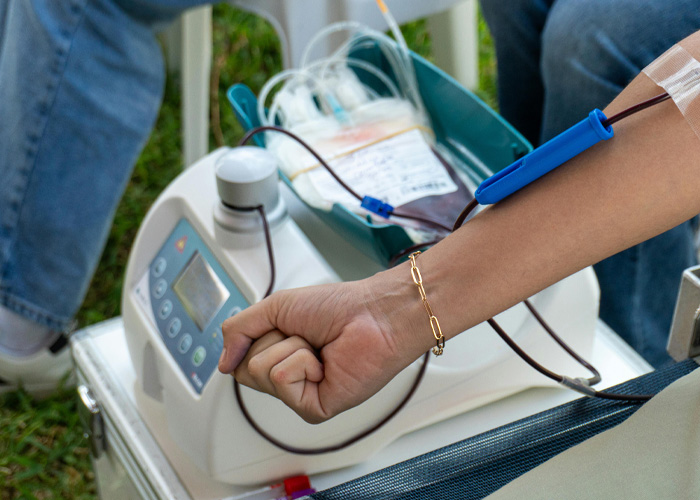
Image credits: Manuel Camacho-Navarro/Pexels (Not the actual image)
In court, he pleaded guilty.
The legal question was clear. Under China’s Criminal Law, fraud involving large sums, including the more than 170,000 yuan involved in Liao’s case, normally carried a sentence of three to 10 years in prison.
But the emotional question was harder.
Liao had deceived a major public hospital, but he had done so to buy time for his wife.
The case stirred nationwide sympathy, with many treating it as a tragic love story rather than a financial crime
Image credits: Baidu
Sympathy towards the husband soon translated into material support.
An official from Zhuhai in southern China and other well-wishers donated money to help Liao repay the hospital and keep Du’s treatment going.
Through Weibo, China’s major micro-blogging platform, media personalities and angel investors helped launch the effort, and by mid-July 2012, donations had reportedly surpassed 330,000 yuan, or about US$51,700, from nearly 3,900 individual netizens.
Other reports later said donations exceeded 500,000 yuan, or about US$73,000.
Liao signed a letter authorizing influencer Fan Wei to collect the donations. He also authorized the China Social Assistance Foundation to manage the money solely for his wife’s treatment.
The funds allowed him to repay Beijing Hospital, with the remaining money used for Du’s dialysis.
In December 2012, Liao was convicted of fraud and sentenced to three years in jail, suspended for four years. He was also fined 3,000 yuan, or about US$440.
Image credits: Baidu
The ruling allowed him to remain at home and care for Du while undergoing community correction.
It was a lenient outcome compared with the statutory range, and it reflected the extraordinary public pressure surrounding the case. Liao had committed fraud, but even the punishment appeared to recognize that his motive was not personal enrichment.
“She was ill. I could not just leave her to d*e,” Liao said in an interview with local media.
His devotion continued after the trial, but it did not save Du.
She passed away of multiple organ failure in May 2016.
Liao said her end came so suddenly that she left no final words. After years of fighting to keep her alive, he said he felt “empty inside.”
“No matter how difficult life became, we never once thought of divorce,” he added. “Every yuan I had went towards keeping her alive.”
Image credits: Baidu
Some reports from mainland sources later indicated that Liao himself passed away of illness in 2020, although that information has not been verified by authoritative sources.
The case has recently resurfaced online, with related videos garnering millions of views and over 400,000 likes.
In the eyes of many, Liao’s efforts helped bring dialysis awareness and push for real policy change.
Image credits: Wiki China
In China, dialysis for end‑stage kidney disease was largely an out‑of‑pocket burden before 2012, with many patients paying nearly the full cost of treatment; beginning in 2012, national health‑insurance reforms brought the illness explicitly into basic‑insurance coverage, introducing major‑illness‑care schemes that cut patient‑share of dialysis costs for many schemes, according to a 2024 Lancet‑affiliate ESRD‑care review.
Today, reimbursement rates for dialysis typically range from about 70–90%, depending on insurance type and locality, with urban‑employee and retired‑employee plans often reaching the higher end.
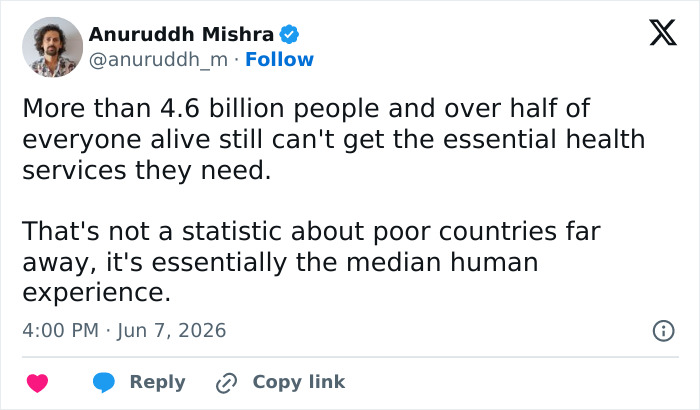
Image credits: anuruddh_m
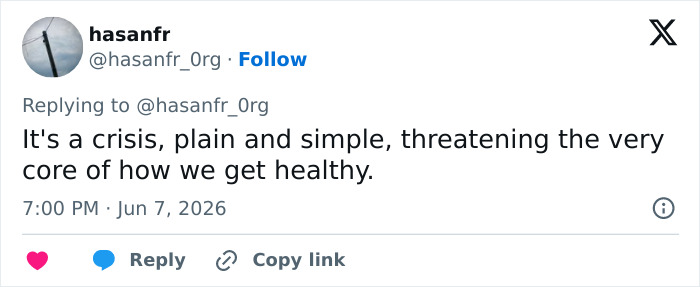
Image credits: hasanfr_0rg
Image credits: hasanfr_0rg
Image credits: x3r0gx4
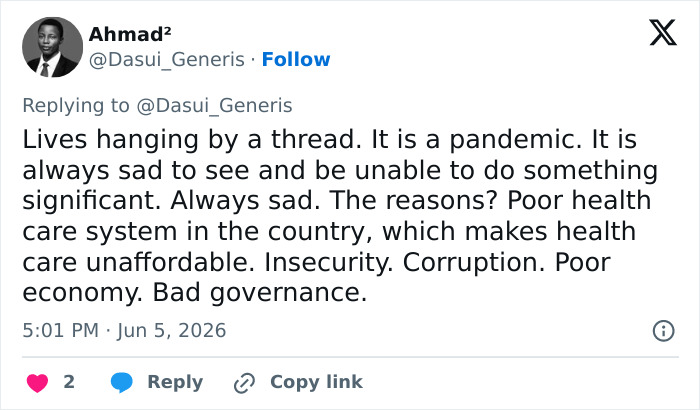
Image credits: Dasui_Generis
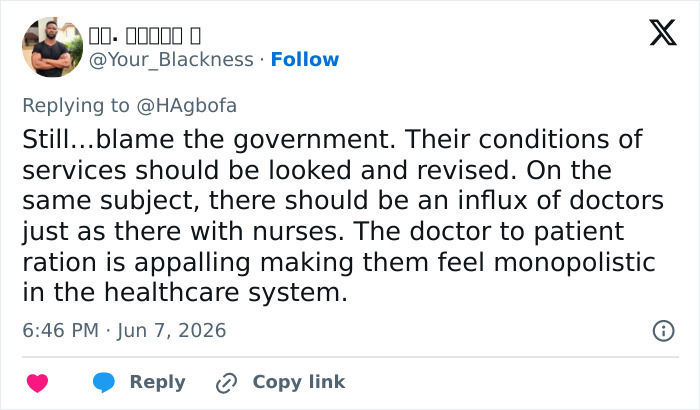
Image credits: Your_Blackness
Image credits: yesfashio
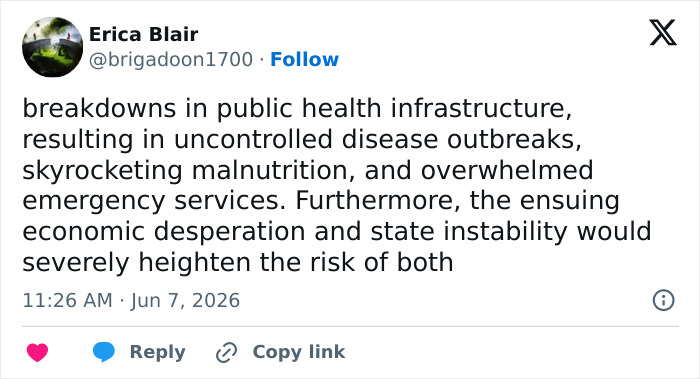
Image credits: brigadoon1700
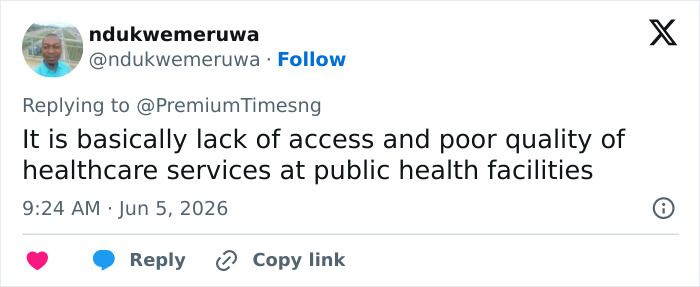
Image credits: ndukwemeruwa
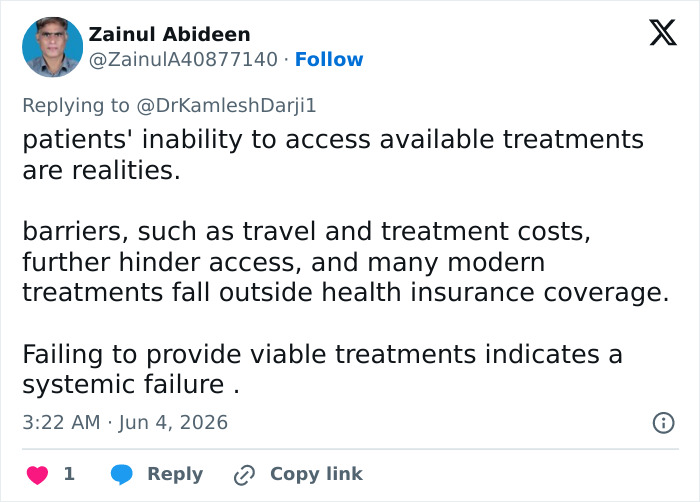
Image credits: ZainulA40877140

By entering your email and clicking Subscribe, you're agreeing to let us send you customized marketing messages about us and our advertising partners. You are also agreeing to our Privacy Policy.
Thank you! You've successfully subscribed to newsletters!


K*****g someone to save a family member's life is not a crime in any country. Why should lying on a form to do the same thing be one?

Yup intent and context is always looked at in homicide. "Oh you shot them. Because they were holding a knife to a family member? Yeah thats justified defense." It should in this case to. "Yes you lied about money... because your wife would d*e otherwise? Yeah thats justified defense.:
Load More Replies... K*****g someone to save a family member's life is not a crime in any country. Why should lying on a form to do the same thing be one?
Yup intent and context is always looked at in homicide. "Oh you shot them. Because they were holding a knife to a family member? Yeah thats justified defense." It should in this case to. "Yes you lied about money... because your wife would d*e otherwise? Yeah thats justified defense.:
Load More Replies...






























 No fees, cancel anytime











27
2