Get Premium
Dark mode theme is available exclusively for premium users. Learn more about the benefits of subscribing.
No fees, cancel anytime.

 Dark Mode Ad-Free Browsing Unlimited Content
 Ad-Free Browsing Unlimited Content Dark Mode
Join 1.2 million Panda readers who get the best art, memes, and fun stories every week!
No one can deny a strong connection between science and art. Even Albert Einstein once said that the greatest scientists are artists as well. But how do you convey scientific ideas in an engaging, understandable, original, bold, yet accurate way?
It was the task of the young artists who illustrated the articles in the popular science magazine SPECTRUM, published by Vilnius University, Lithuania.
This post may include affiliate links.
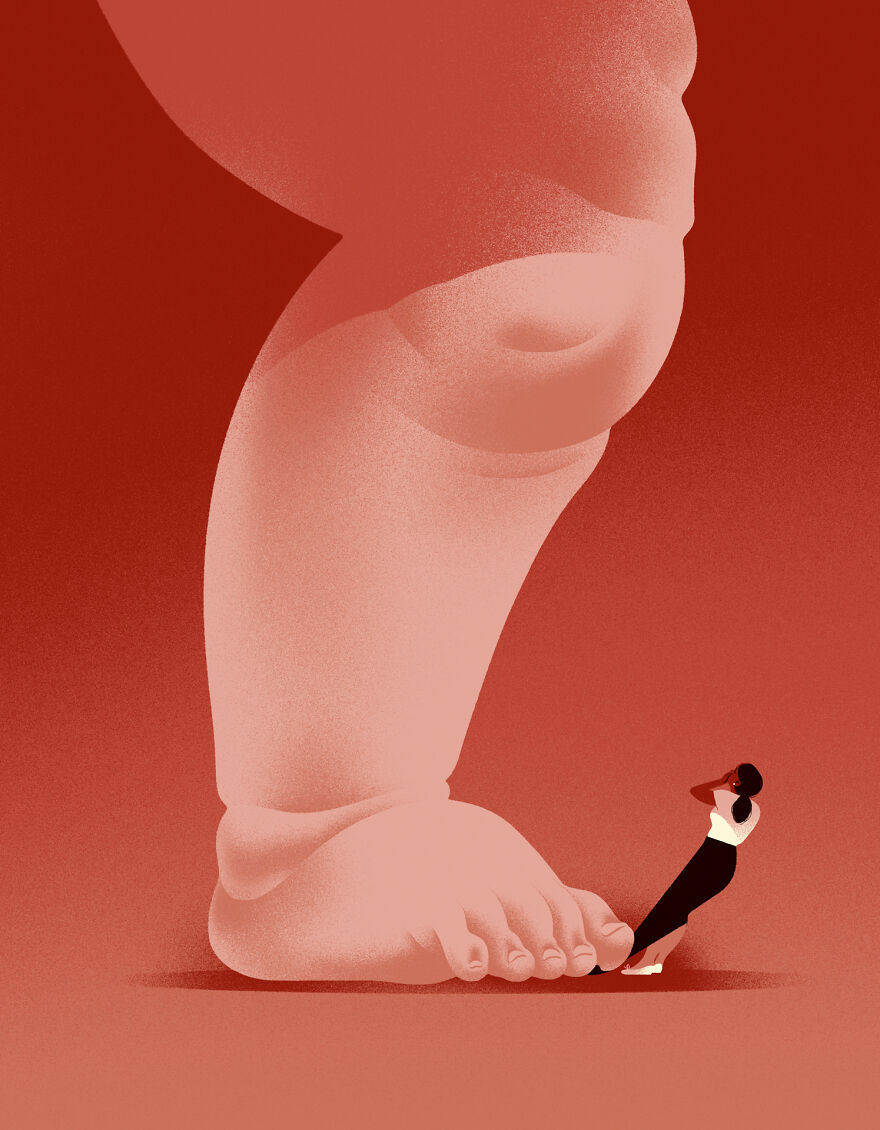
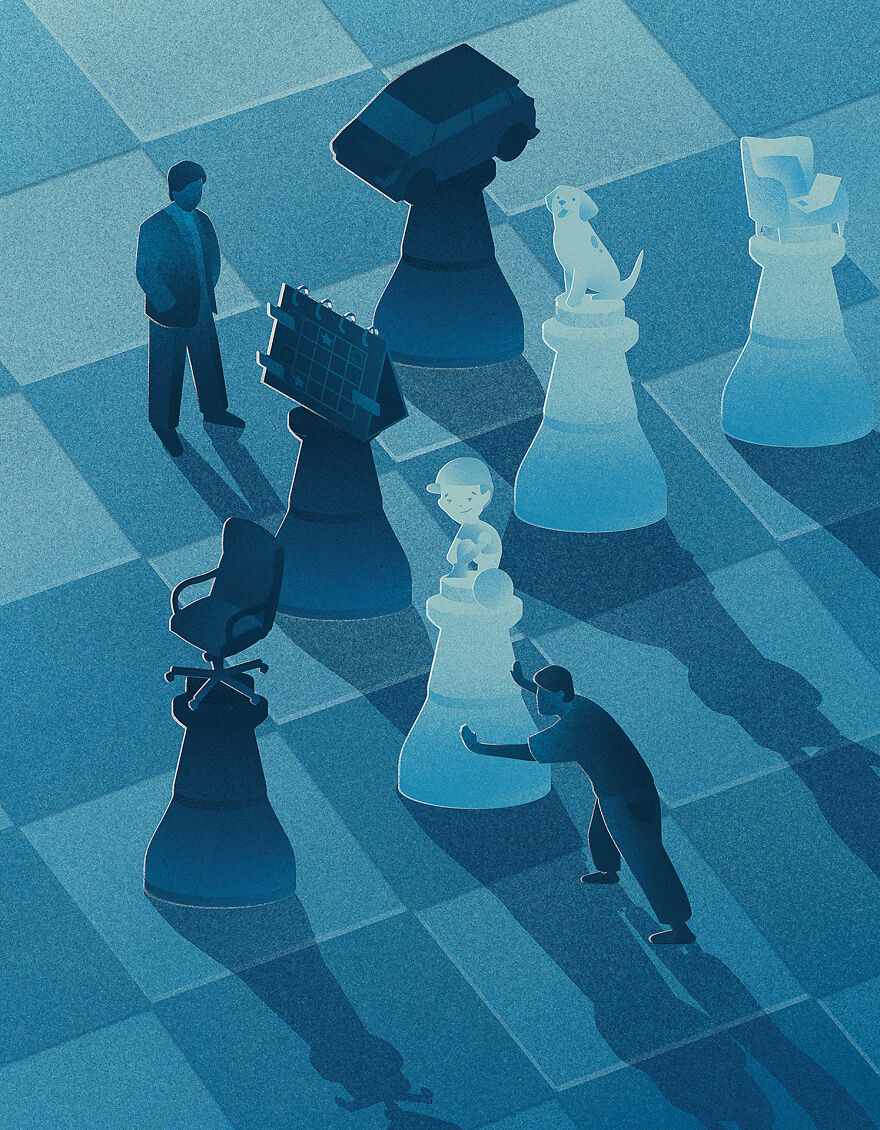
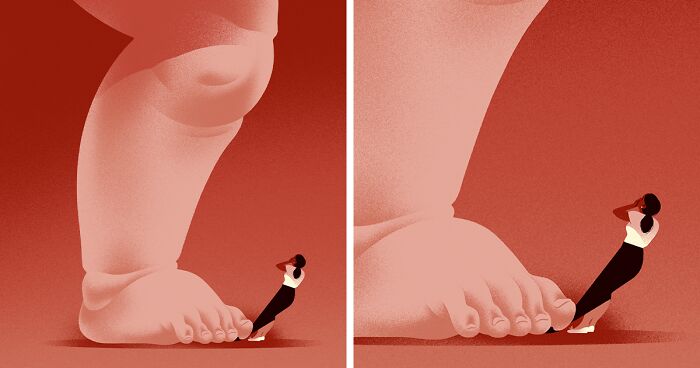
Society often refers to motherhood as the innate meaning and fullness of a woman’s existence. However, not all women experience motherhood in the same way: some find raising a child joyous and traumatizing. Some regret becoming a mother or don’t want children at all.
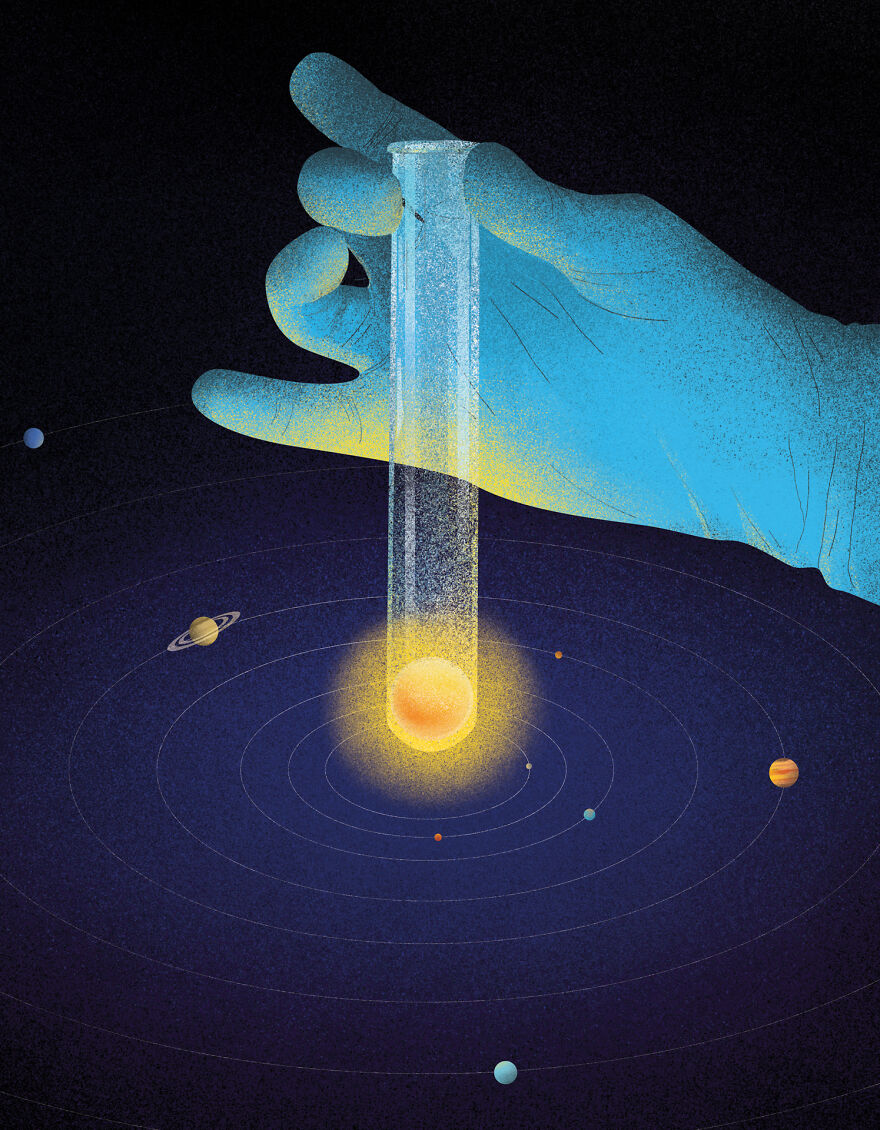
We often imagine the Universe as an incomprehensibly large thing. However, in reality, it is constructed of minor elements: elementary particles, atoms, and chemical elements. Almost all chemical elements appeared during the processes in the stars. It may be hard to believe, but in the stars, vital carbon, oxygen, calcium, and all the other elements that life on Earth depends on have emerged.
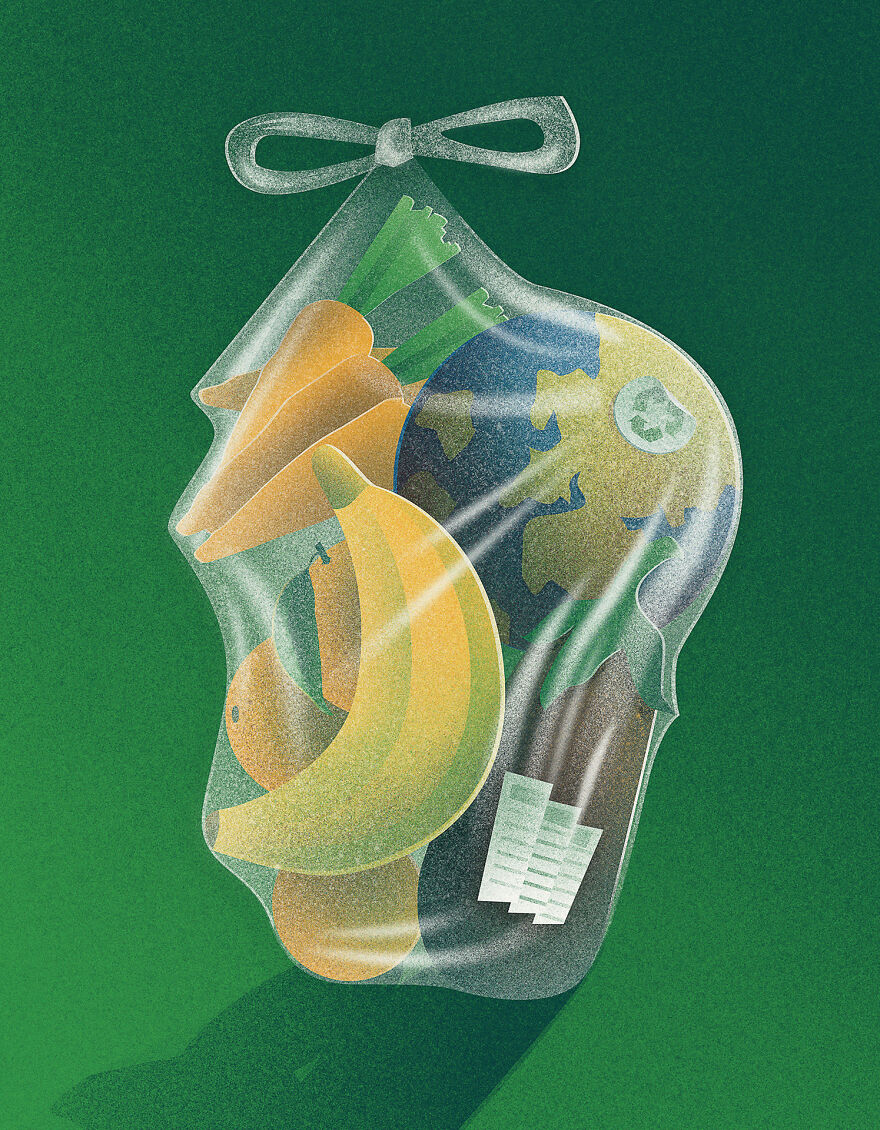
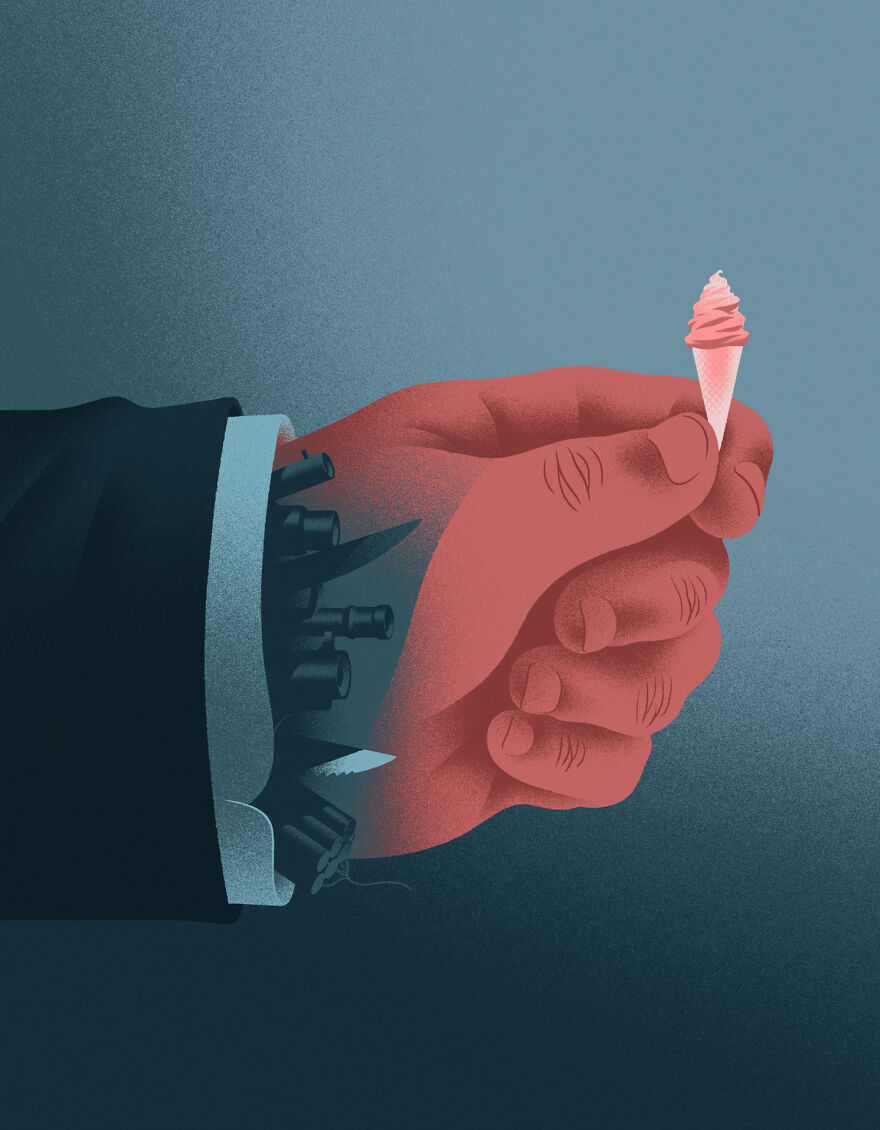
An increasing number of organizations working towards the image of a socially responsible company communicate about projects related to ecology and a more sustainable lifestyle. However, it is becoming increasingly common for organizations communicating their green strategy and sustainable business ambitions to fail to take significant action to protect the environment. This misleads the public and creates the so-called “green brainwashing” effect.
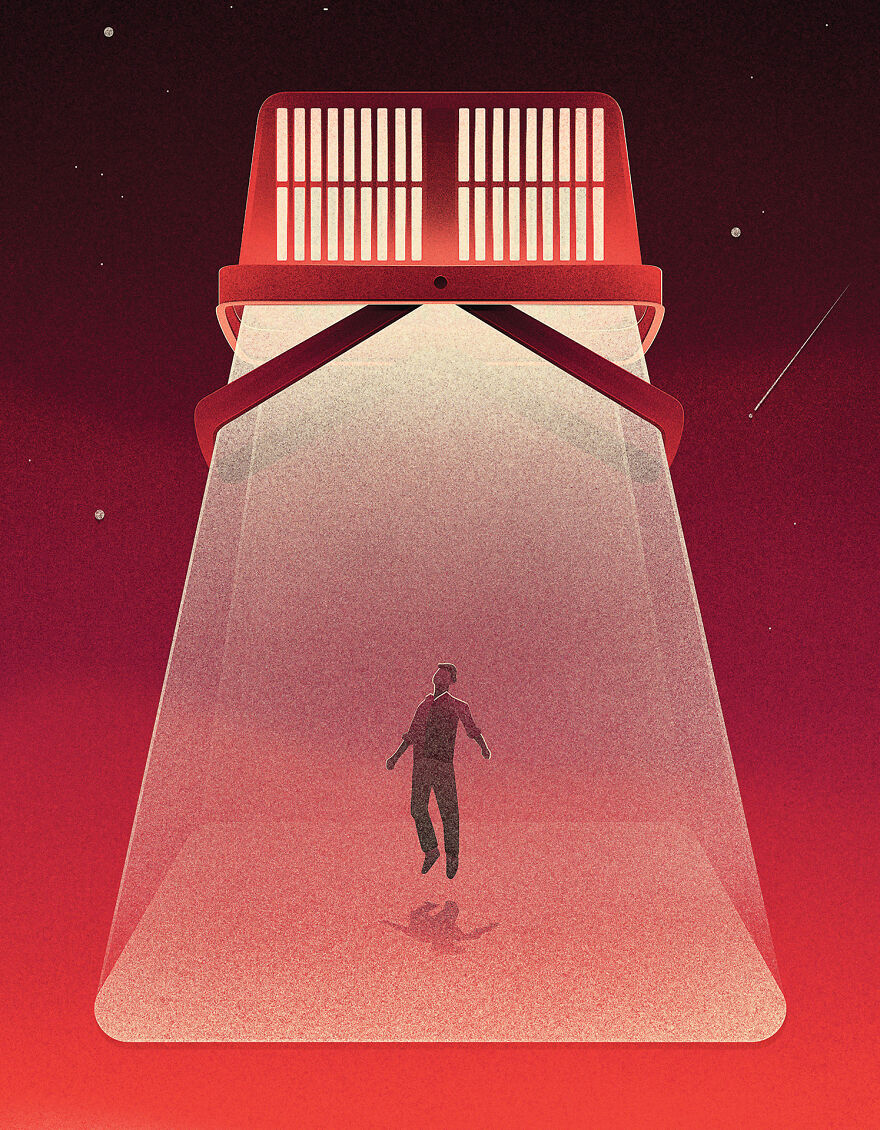
Nowadays, when the supply of goods and services is vast, consumer choice is more than ever affected by rational factors such as price, discount, or the quality of the product and emotions that provoke consumer impulsiveness and spontaneous buying. Therefore, when making decisions to reduce or increase a price, it is essential to assess the consumer reactions to the change in price. A 70% price reduction causes the most significant emotional response of pleasure. However, a buyer may associate an excessive discount with insufficient product quality.

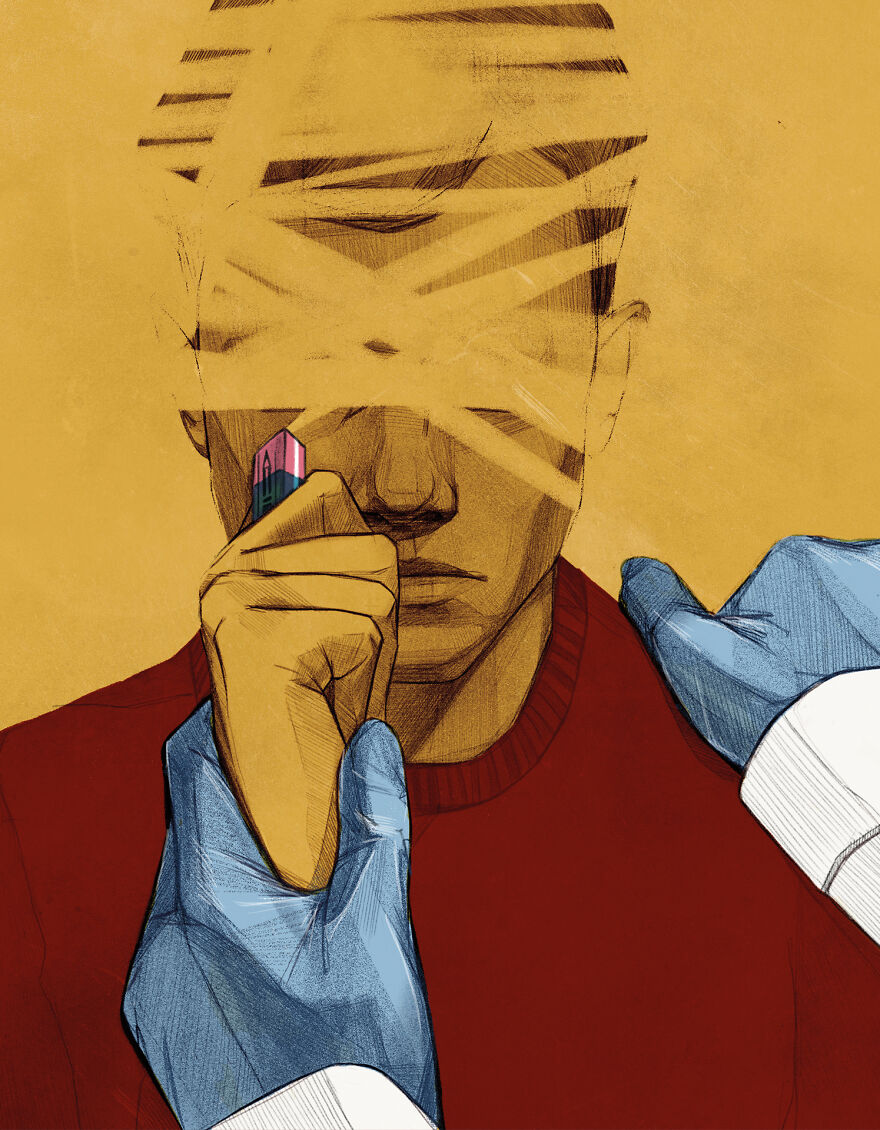
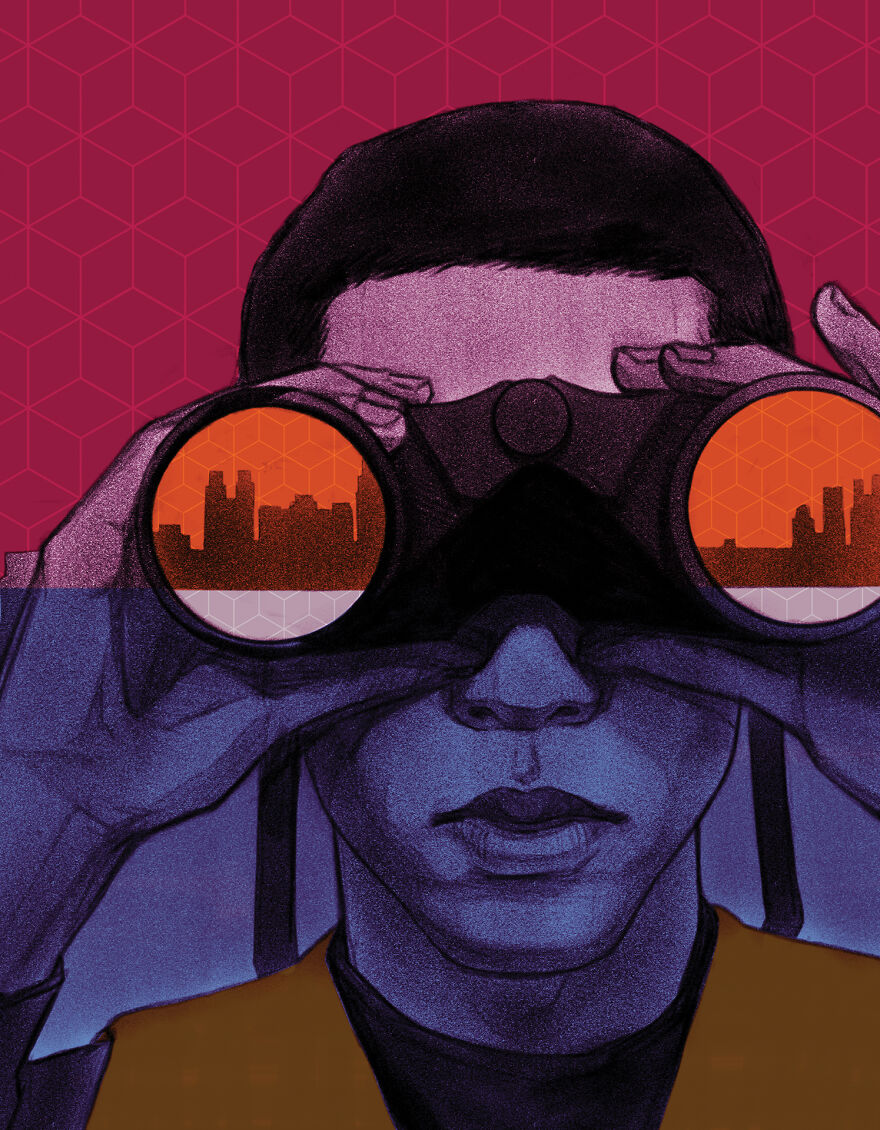
Many legal psychology research papers analyze people’s lies about past events. Meanwhile, little research has been done to assess people’s behavior when they lie about their intentions (talk about plans they have no intention of realizing). As it turns out, in vain, because identifying false intentions could be used as an effective measure to prevent crime.
According to the Lithuanian Institute of Hygiene, the number of s****des in Lithuania has decreased by 20% over the past five years. In 2017, it was the lowest since the restoration of independence (26 s****des per 100 thousand population). However, this should only be the beginning of a downward trend in the number of s****des in our country. The Lithuanian Health Strategy envisages a reduction in the number of s****des by as much as 60.5% over the next three years.
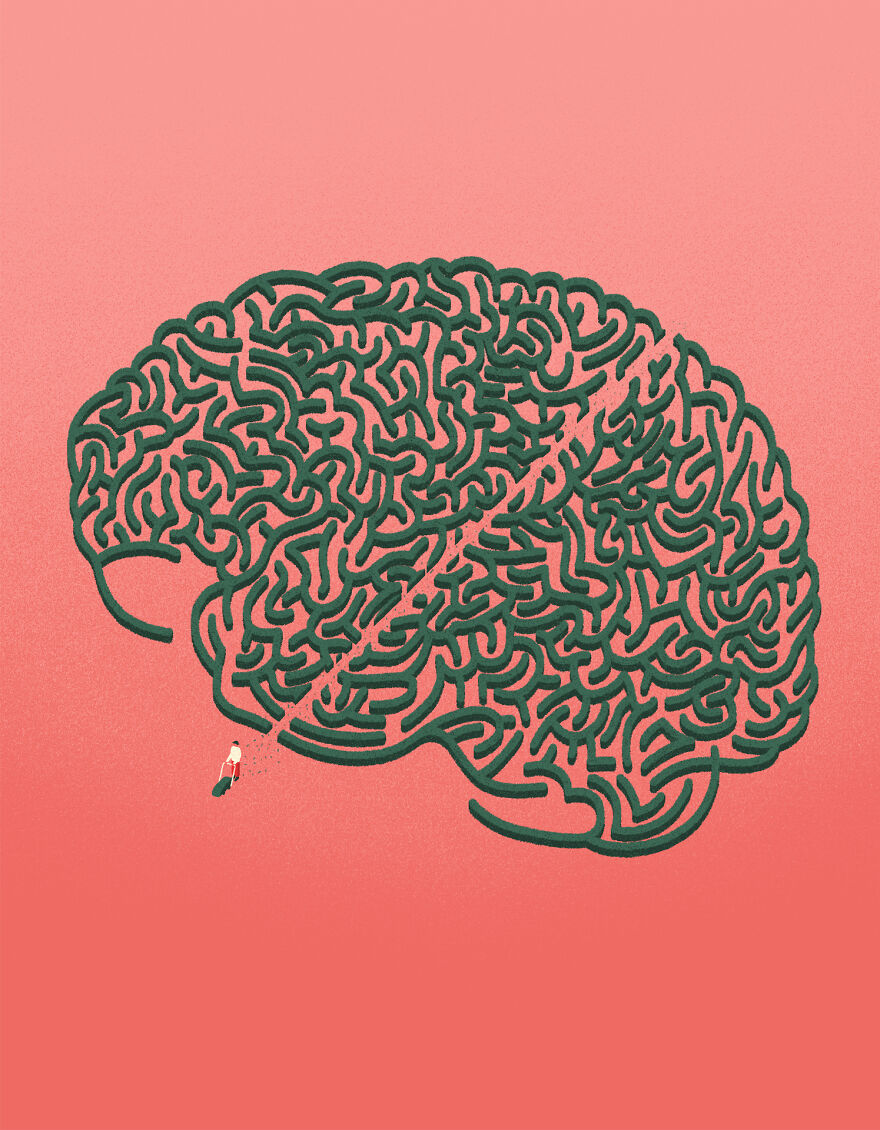
The mystery surrounding dreams has been of interest to humankind since ancient times. Attempts have been made to decode dreams as hidden messages, often with prophetic content as a hint of what awaits a person in the future. Nowadays, scientists engaged in dream research are still trying to figure out how night-time images emerge, their primary function, and how to manage and interpret them.
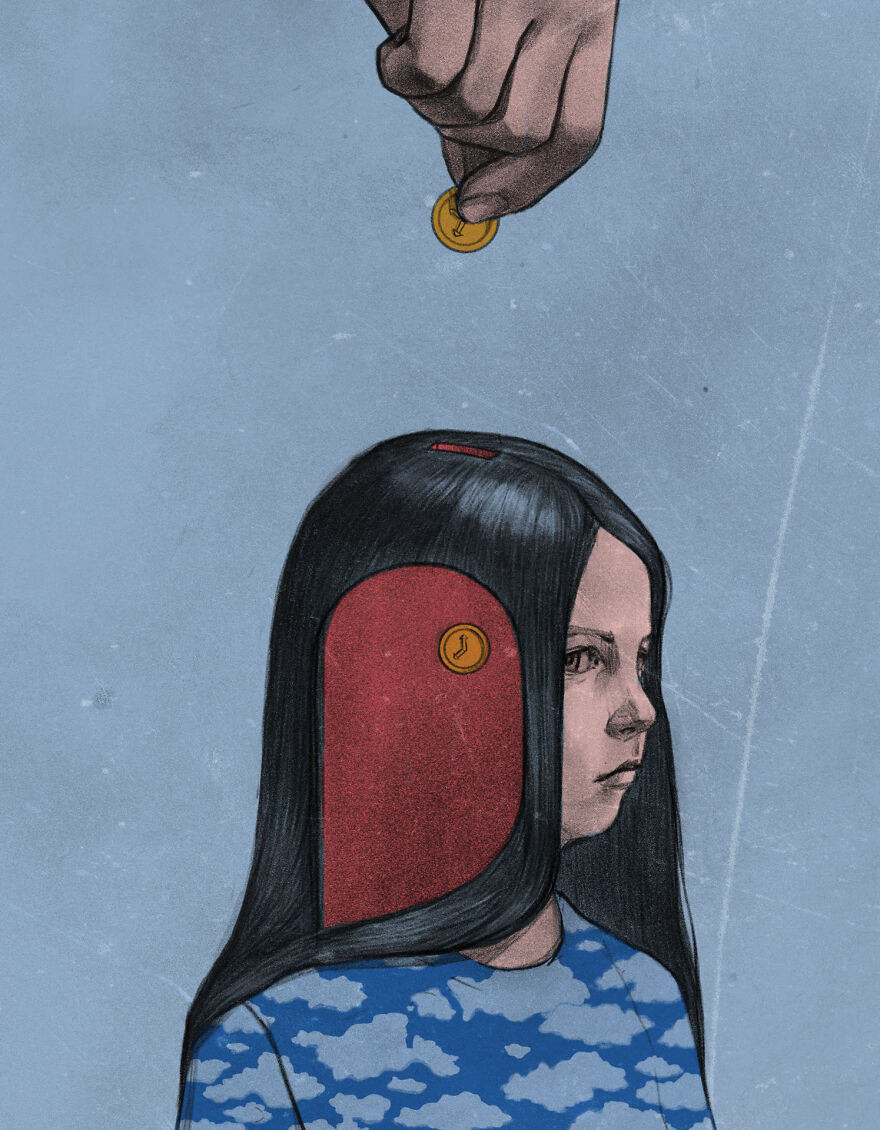
Nowadays, having no time is trendy. Everyone seems to lack it. Therefore, economists started wondering where the time goes and how much it is worth these days? They estimated that 1 hour of your work would cost €6.25 and a minute about €0.10. Research shows that Lithuanians give their children and relatives an average of 7 minutes a day, which would cost less than one euro.
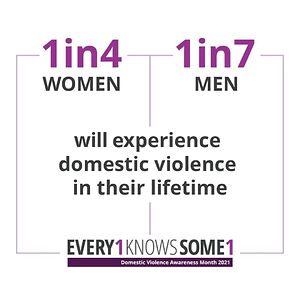
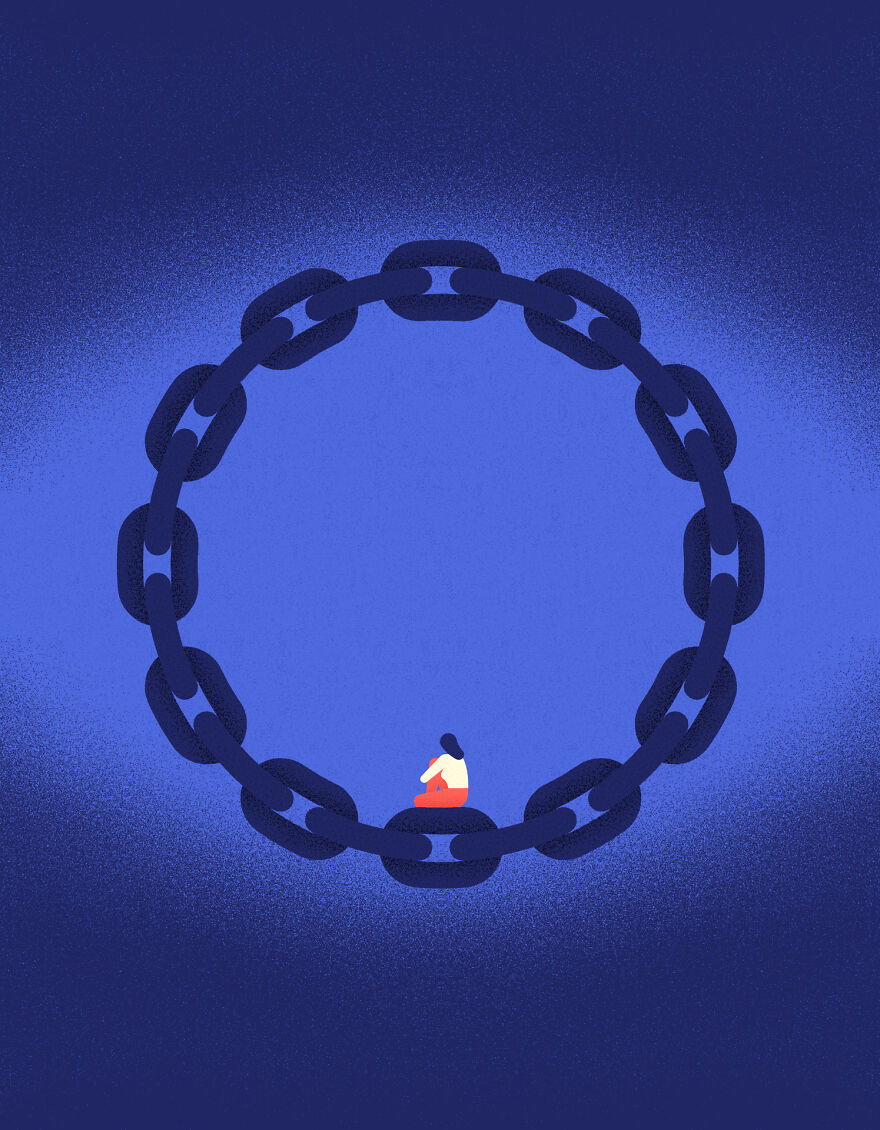
Human trafficking mostly targets vulnerable people. However, there are myths that people become victims at their own free will. Unfortunately, sometimes victims don’t even realize what they got caught up in because of their vulnerability. Human traffickers primarily direct their criminal intentions towards minors, people with physical or mental disabilities, and women.

No one...and I mean NO ONE would voluntarily subject themselves to human trafficking.
Researchers who conducted an empirical study during the pandemic and interviewed more than 400 Lithuanians aged 18–64 with employment relationships found that the intensity of remote work was positively influenced by an individual’s personal ability to work remotely and the organization’s approach to remote work. It is safe to say that an organization’s, especially the managers’, positive attitude towards this flexible form of work organization is directly related to the intensity of remote work.

This seems like a bizarrely straightforward point to make. The "intensity"with which you work is directly proportional to your ability and support structure? Yes, yes it is. A more valuable study would have analyzed what types of people or businesses are more likely to adapt well to the change and provide statistical cross analysis as to why.
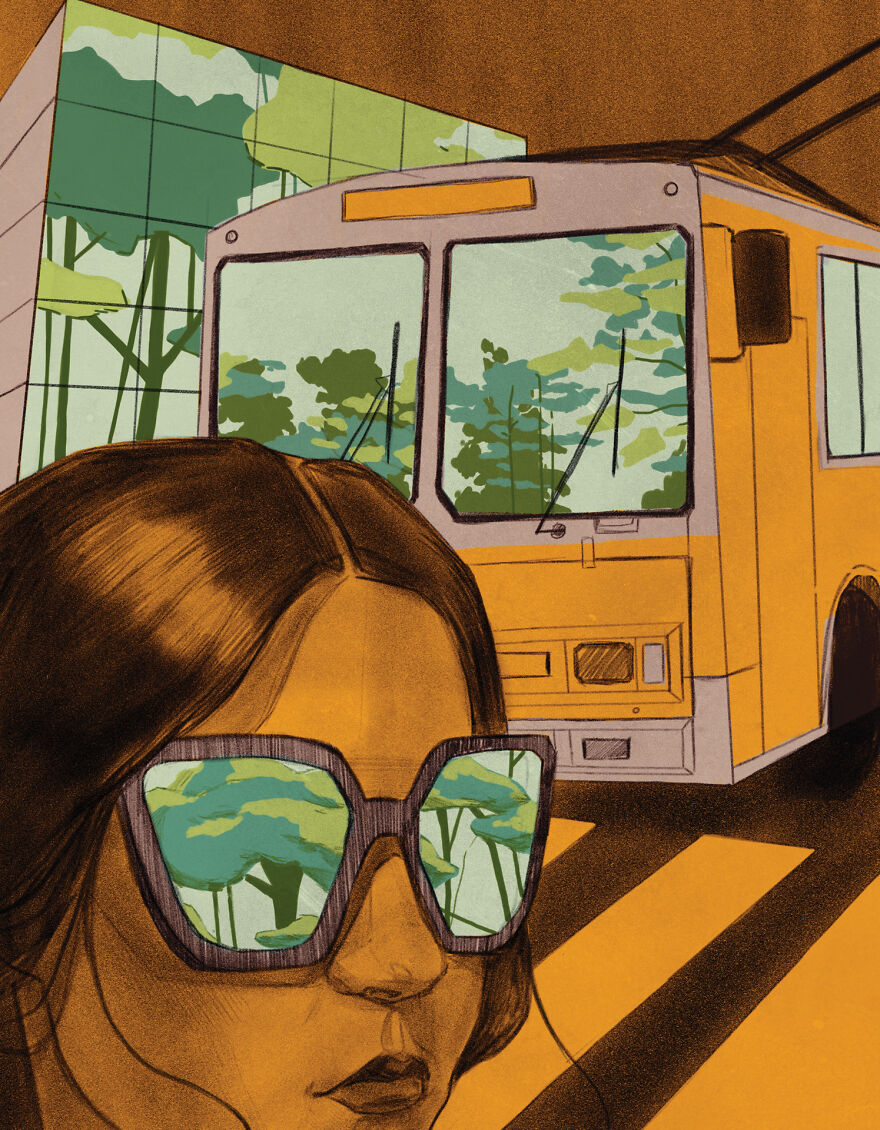
Green urban infrastructure is not only perceived as trees, city parks, or forests. It can also include children’s playgrounds and even cemeteries. To assess the greenness of cities, it is not enough just to know the exact area of green spaces in the city. In principle, this assessment says nothing about the quality of those spaces, both ecologically and in terms of use. In addition to numbers representing the area or its percentage, there is a need for a spatial, quantitative, and qualitative assessment of the services provided to people by urban ecosystems.
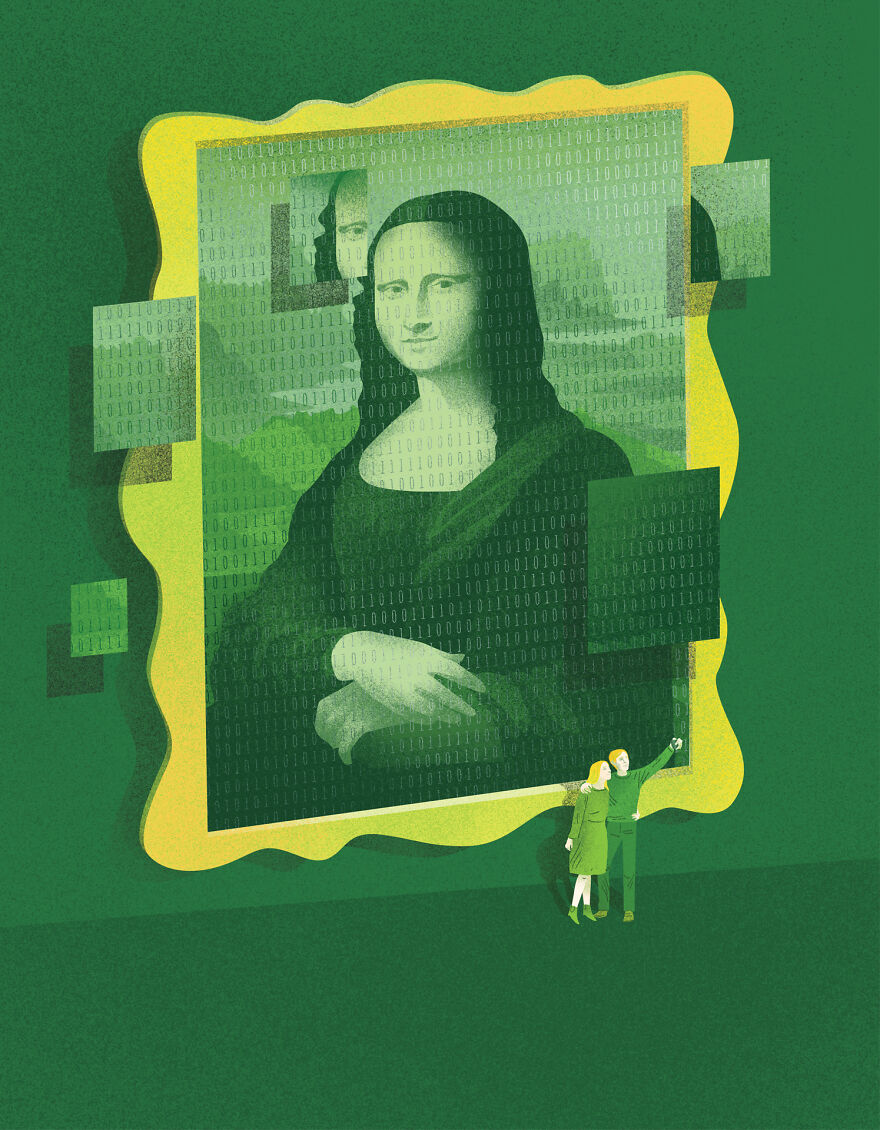
Algorithms capable of creating are only one step behind the general artificial intelligence that mimics human intelligence. Generative adversarial networks are considered to be just that as they can do almost the same things a human can: create music, draw pictures, synthesize speech.
Stephen Hawking warned that A.I. is one of the greatest threats to humankind.
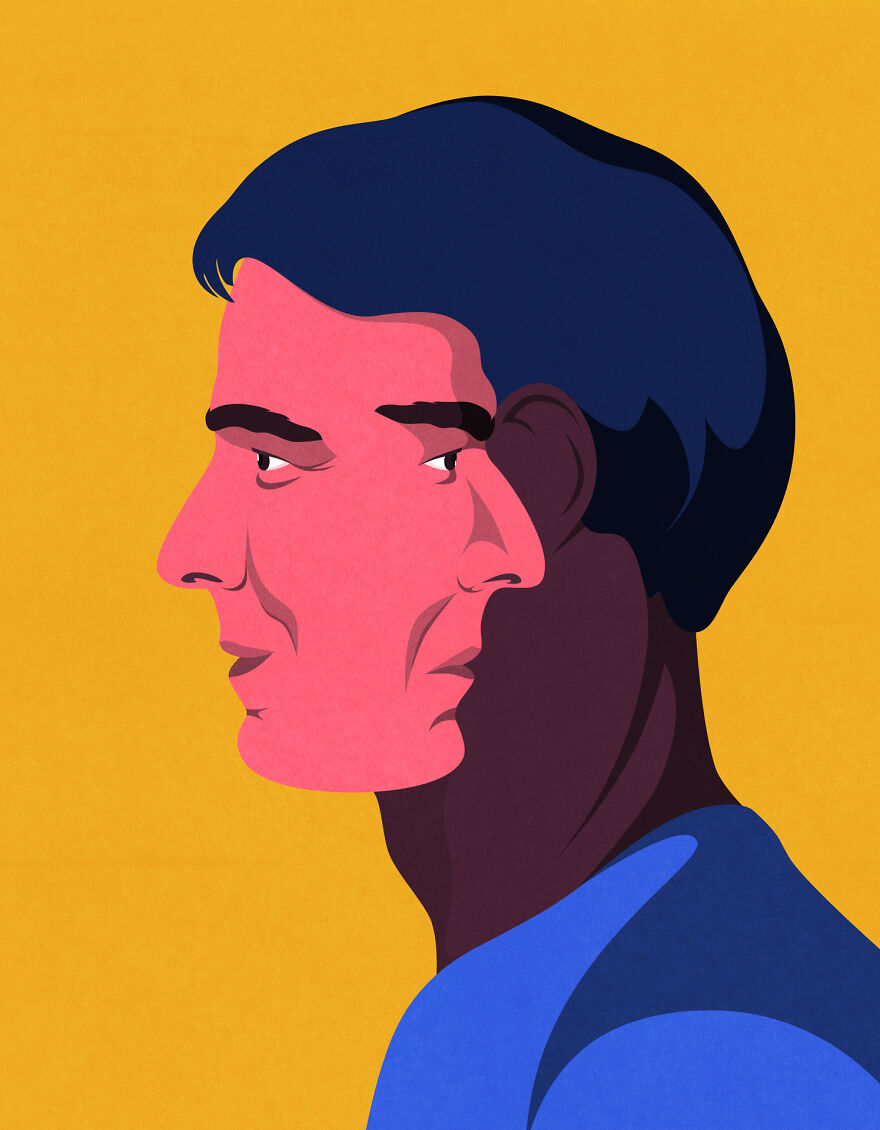
Rapidly growing research on philosophy shows that moral judgments influence us when we think about our identity. People tend to believe a morally impaired person is no longer the same person. Moreover, a growing body of research shows that the continuity of the moral character is more important in making decisions about one’s identity than the continuity of various other psychological characteristics, such as memory.
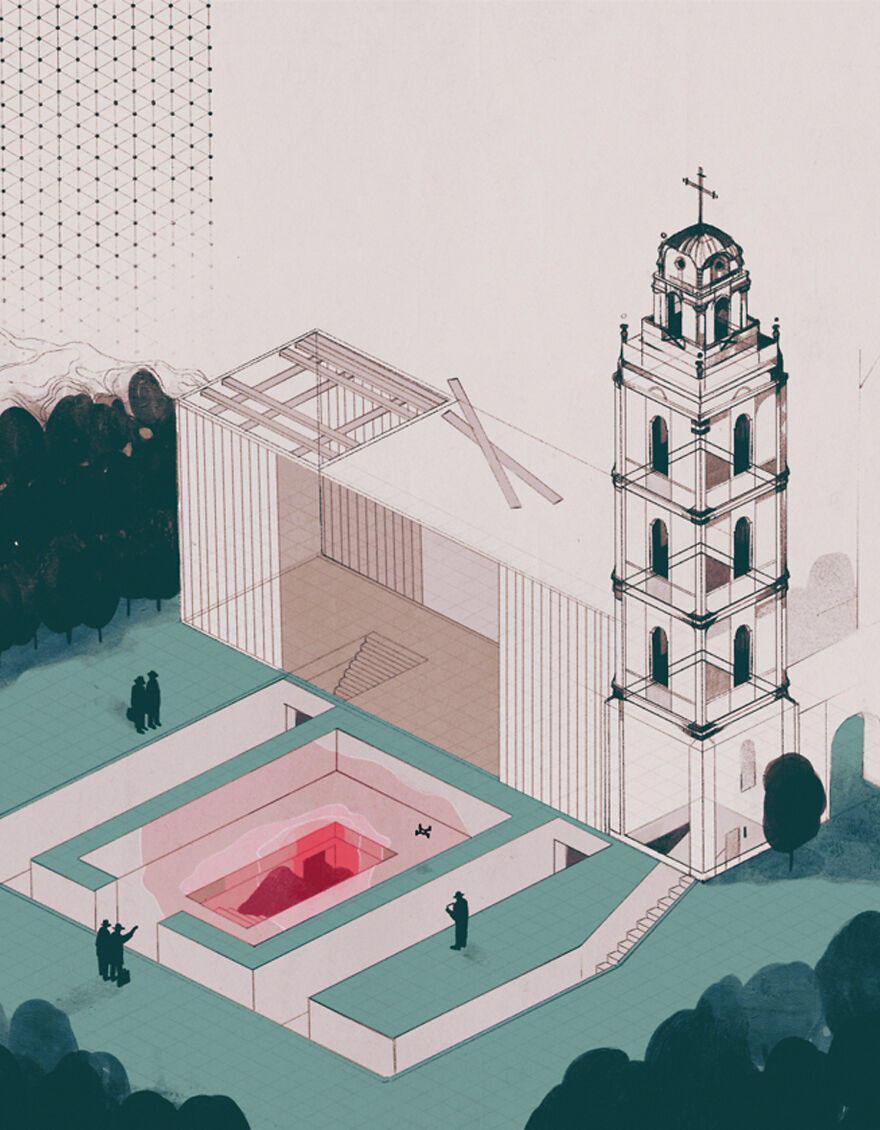
A few years ago, coffins with human remains and the remains of tombstones were discovered in the largest cellar of the Church of St. Johns. The research initiated by the VU Museum allowed to properly arrange the discovered remains and reveal some significant facts of the past about the legendary story of 36 Franciscan martyrs of Vilnius.
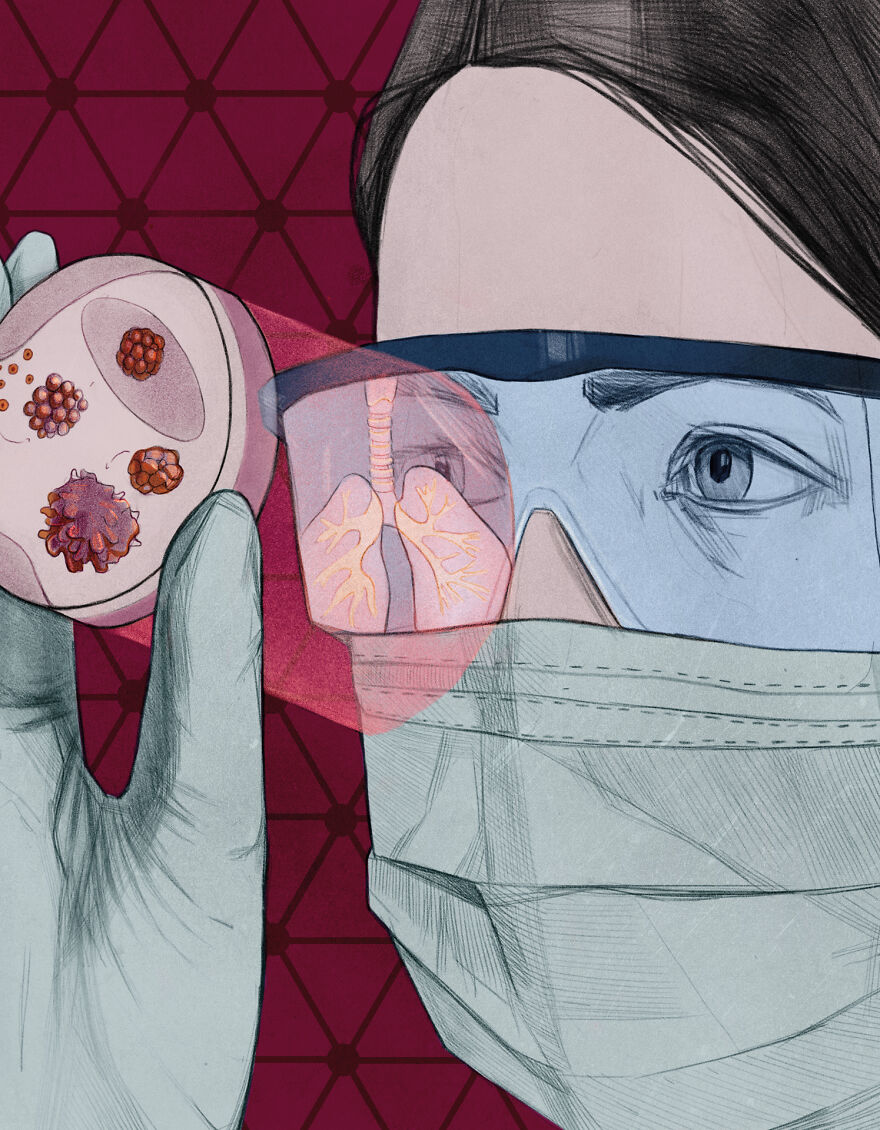
The long journey of scientific progress, which has helped humanity to realize that tissues are made up of cells, will in the future lead to the cultivation of human organs in tubes, as we can already foresee today. This will probably bring us closer to the possibility of creating an artificial human being - not a thinking creature homo sapiens but an organism performing human physiological functions.
Think of the possibilities. No longer would there be wait lists for transplants of liver, kidneys, lungs etc. Many lives would be saved.
The global scientific community agrees that if global temperatures rise by more than 2°C above pre-industrial levels, we will all move closer to a disaster.
First of all, climate change will lead to more frequent and significant natural disasters, degradation of the natural environment, affect human health, and, most importantly, disrupt international security in the world.
I like the art style, however I find these pieces mostly trite. None of this art takes on either groundbreaking research or the sometimes significant ethical conundrums of research. The closest it gets is test tube organs, but even that misses the really important part (that these organs can be used instead of "animal models" for more accurate and less cruel research on drugs and other treatments for serious disease). That's not to say the fields mentioned aren't putting forward amazing progress, but this article really hits home for me just how disconnected most people are from the really interesting and important advancements of the last half decade. Moreover, this collection looses a lot of the hope I have found in scientific advancement.

I like the art style, however I find these pieces mostly trite. None of this art takes on either groundbreaking research or the sometimes significant ethical conundrums of research. The closest it gets is test tube organs, but even that misses the really important part (that these organs can be used instead of "animal models" for more accurate and less cruel research on drugs and other treatments for serious disease). That's not to say the fields mentioned aren't putting forward amazing progress, but this article really hits home for me just how disconnected most people are from the really interesting and important advancements of the last half decade. Moreover, this collection looses a lot of the hope I have found in scientific advancement.





























 No fees, cancel anytime