Get Premium
Dark mode theme is available exclusively for premium users. Learn more about the benefits of subscribing.
No fees, cancel anytime.

 Dark Mode Ad-Free Browsing Unlimited Content
 Ad-Free Browsing Unlimited Content Dark Mode
Join 1.2 million Panda readers who get the best art, memes, and fun stories every week!
Stunning web designs with quality appearance and functionality is a must, particularly when you’re running a business. It’s one the main reasons why people want to browse around and even bookmark your site for future reference! But then again, there are still a lot of factors to consider when putting up a website– launching one is only the beginning.
To start with, there are specific features like the company’s brand, the appearance, colour schemes to be used, browser compatibility, image compression, functionality of the site, mobile compatibility, website architecture, screen resolution, and of course the site navigation. After that, there are still other things you have you deal with like the hosting requirements, search engine optimization, e-commerce, coding, content management and the like. All of these elements should be joint together into one harmonious website design.
To help you achieve the ideal web design that would suit your brand, here are some steps that could help you along the way:
More info: mlawebdesigns.co.uk
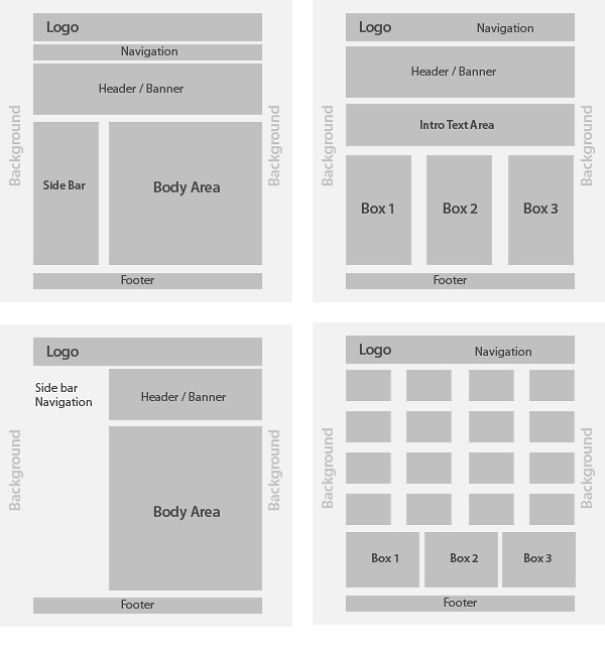
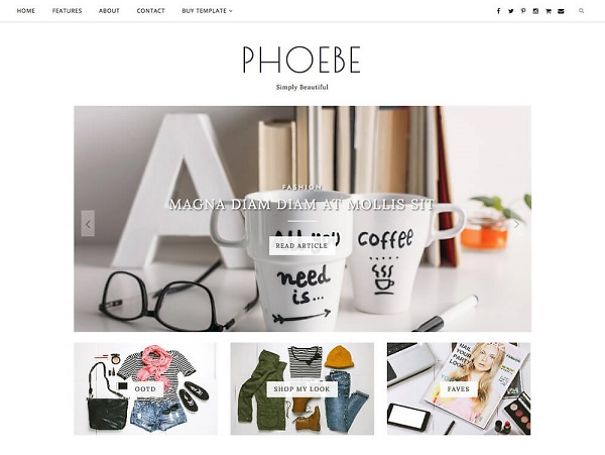
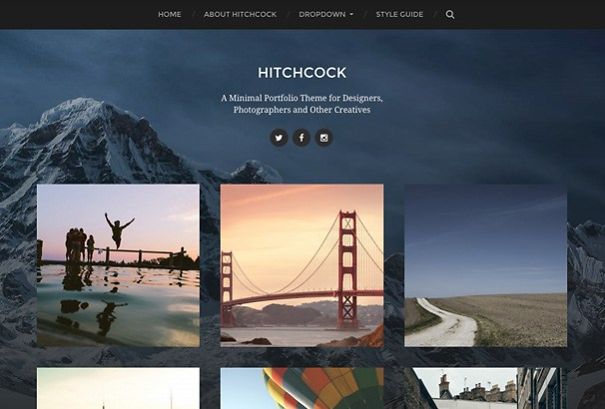
An attention-getting layout design can easily draw the attention of the visitors and sustains it. This gives them the desire to explore further into the site. A captivating site layout needs to have an established basic design principles such as:
A stable logo and header
A seamless placement of the web elements
A great contrast between the text and the background
A functional and reliable navigation between web pages
A sensible balance between the text and the images (as well as the white space on each page)
Website page layouts may contain grids, columns, Flash, blocks, CSS designs and even CSS + JavaScript as their groundwork. Although the finest layouts utilize a custom-made structure with streamlined features that appealingly showcase the web content.
Web design can go absolutely confusing when disorganized colours are being mixed into one page, and too many interactive features are utilized at once. However, a seamless web page only uses a very limited amount of colours that contrast well with the website’s background.
You may also integrate images and graphics that can further improve the content, rather than confuse your online visitors. It is important to optimize the images and graphics, so they won’t slow down the site’s functionality.
Though the overall look and feel of the web design draws in the visitors, it is the great content that keeps them anchored to the site. Any web design can look stunning and even flawless, but unless it provides quality content with an engaging manner, it is substantially meaningless.
Some tips to achieve superb web content:
•Accessible content with minimal clicks
•Presenting text in a comprehensive fashion
•Use of neat fonts and limiting the font style
•A stable and systematized presentation of contents
•Consistent use of font sizes, colours, and hyperlink colours
The use of emphasized keywords will also offer visitors with quick access to the info they seek. The general content presentation also boosts the site’s search engine optimization (SEO).
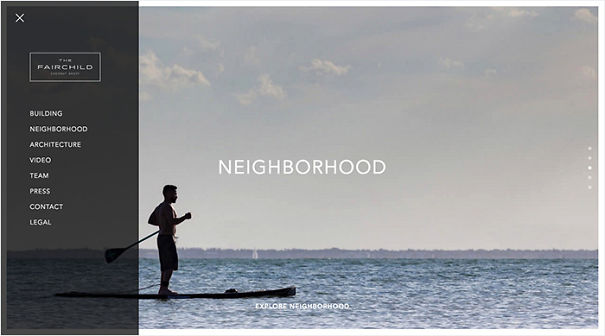
Without the necessary navigation and search tabs that makes things a whole lot easier, a web design is just a plain page. The navigation tabs basically serves like a map, guiding the visitors throughout the site based on their need and preference.
Best use of any web design begins with making sure that all navigation hyperlinks are functioning properly. Your website should be comprised of:
•Easy navigation system
•Visibly labelled main navigation links
•Provide text links in the footer section when using any Flash or images for the main navigation
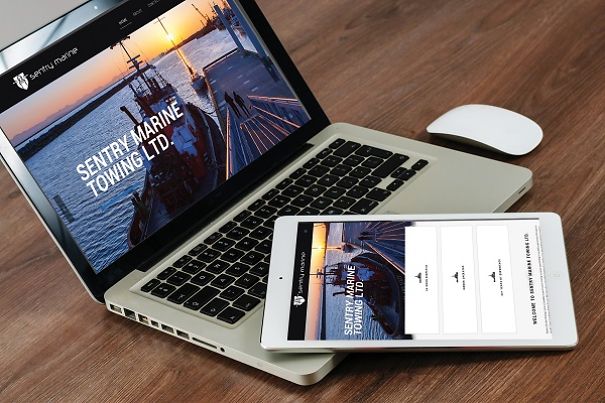
A great website should contain all of the previously mentioned factors, with an addition of competent functionality. This relates to how the site functions among all browsers, computer operating systems, and even on mobile devices.
Overall functionality involves:
•Consistent design
•Good use of page logo and colour scheme
•Refined functionality in showing products or feature services
•Functional pull-down menus and neat navigation text to avoid any disarray
In general, your website should work seamlessly so the visitors would find it easy to move around your site. Use these steps to help you build your own stunning website!


































 No fees, cancel anytime





5
0