Get Premium
Dark mode theme is available exclusively for premium users. Learn more about the benefits of subscribing.
No fees, cancel anytime.

 Dark Mode Ad-Free Browsing Unlimited Content
 Ad-Free Browsing Unlimited Content Dark Mode
Join 1.2 million Panda readers who get the best art, memes, and fun stories every week!
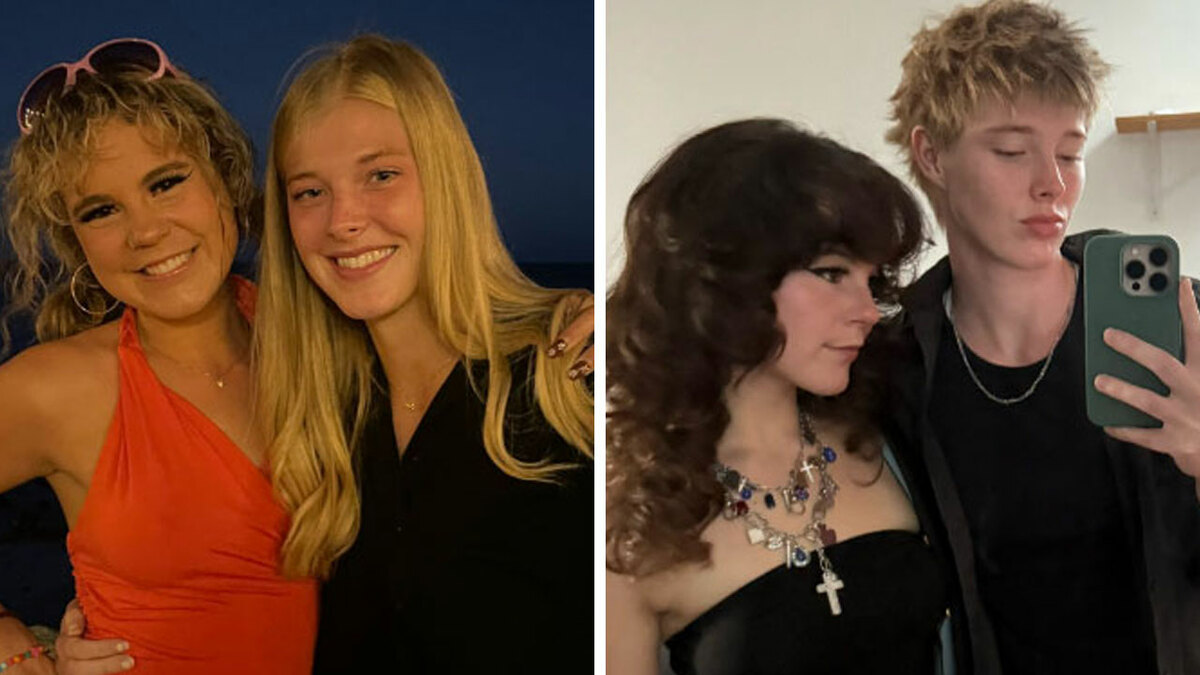
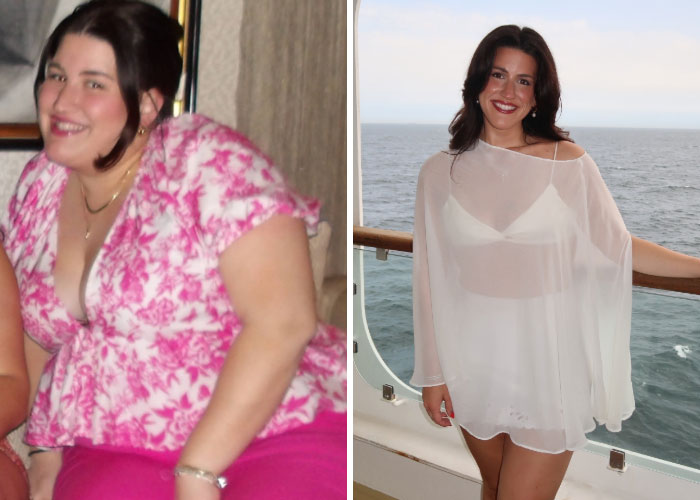
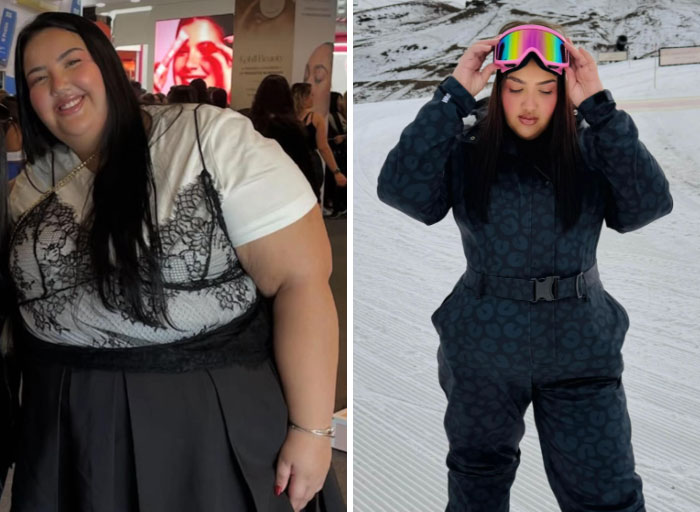
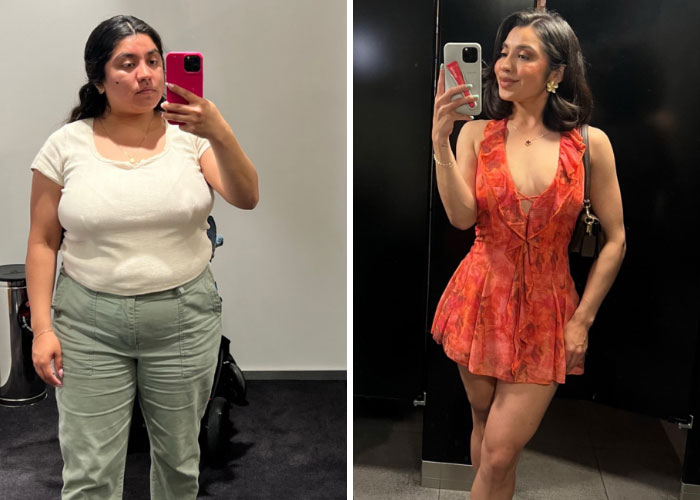
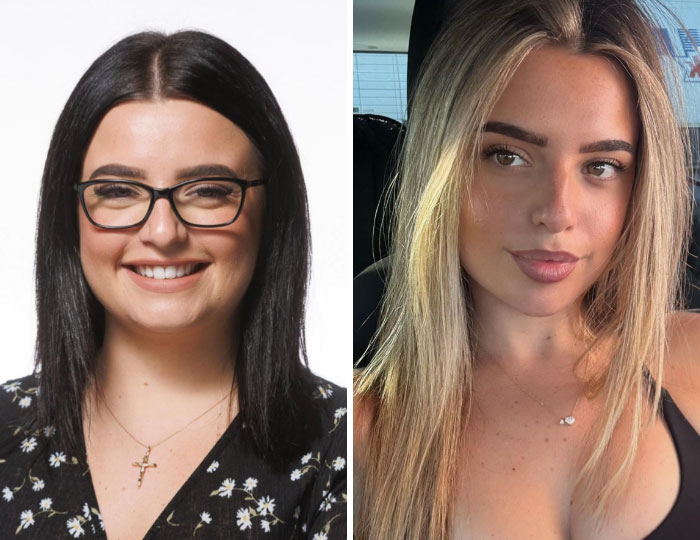
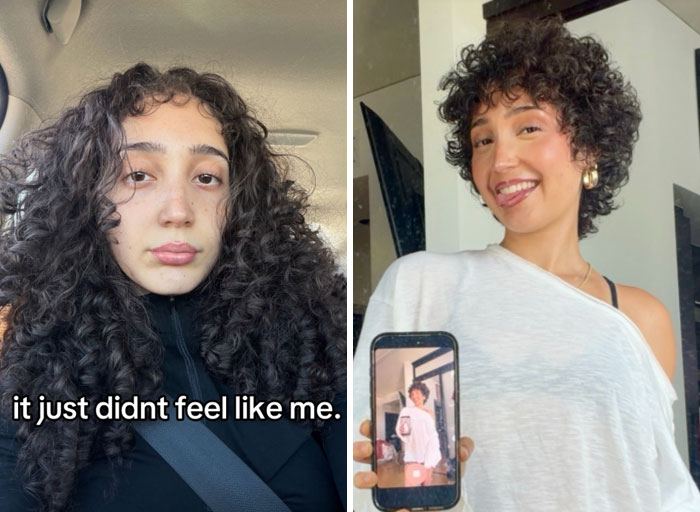
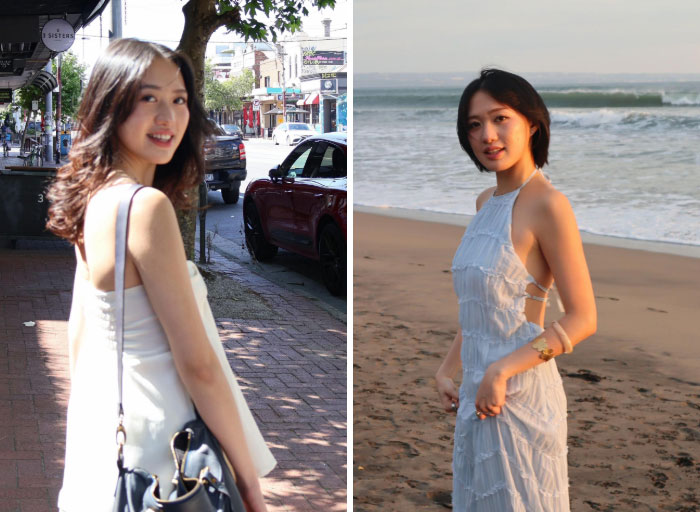
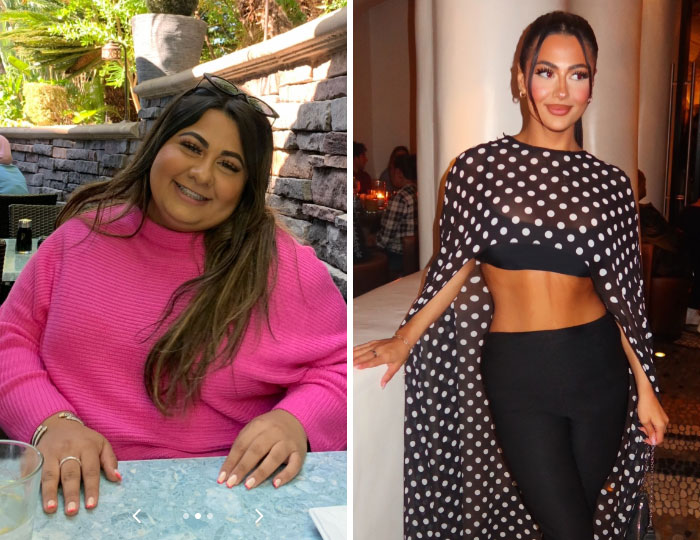
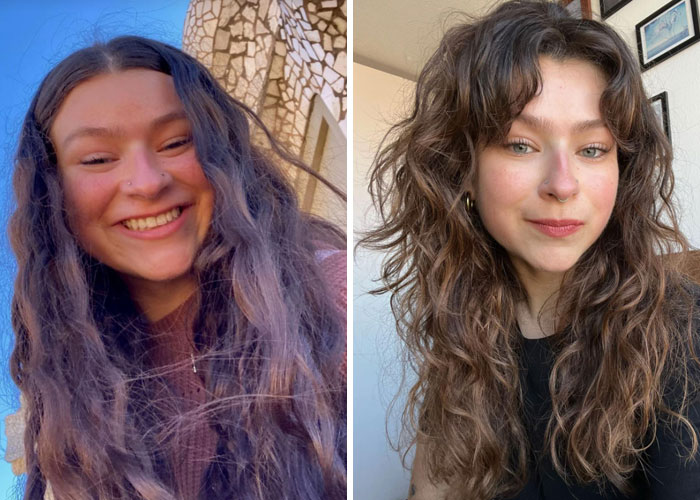
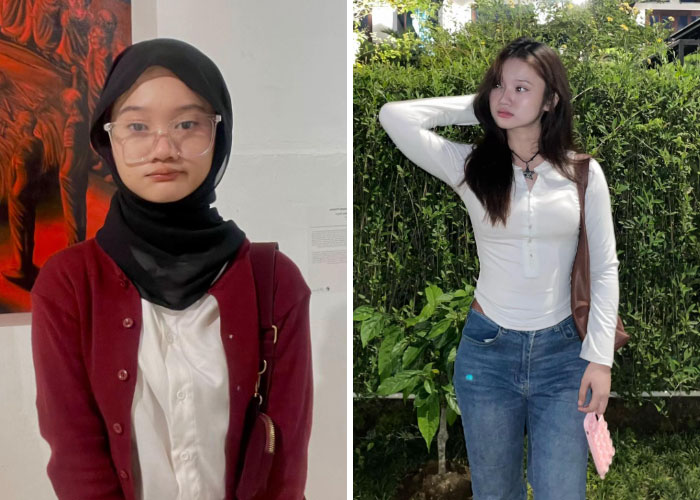
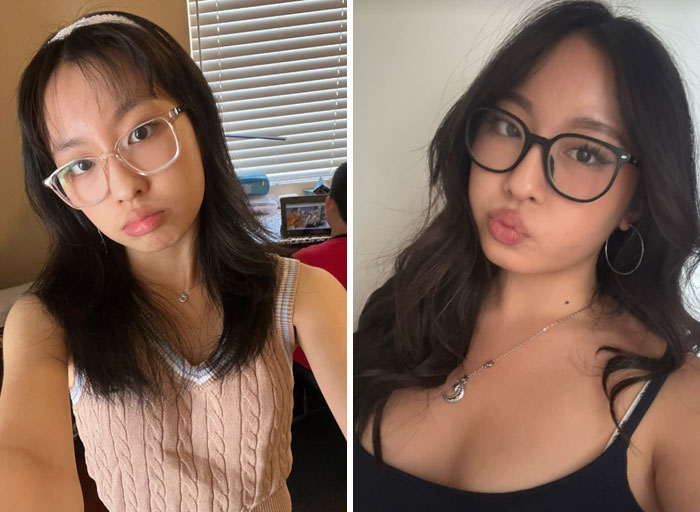
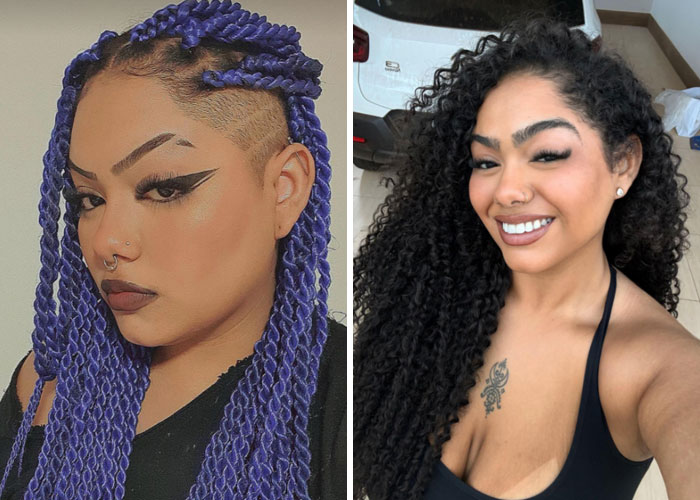
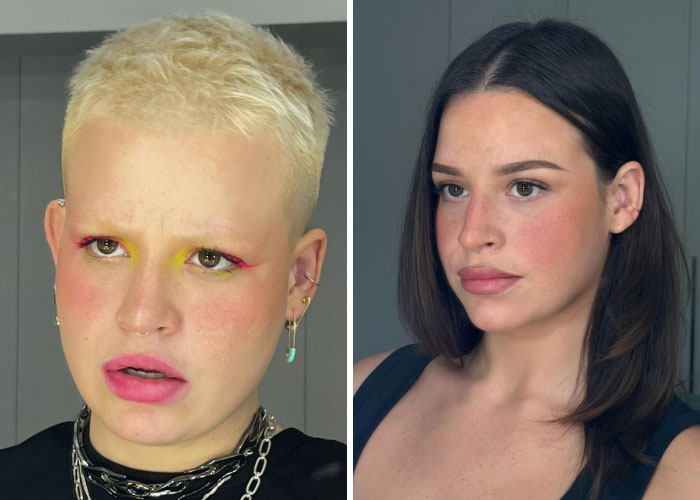
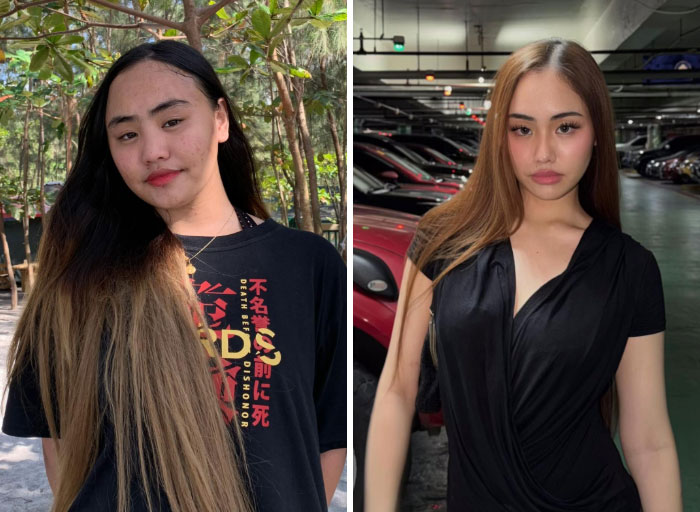
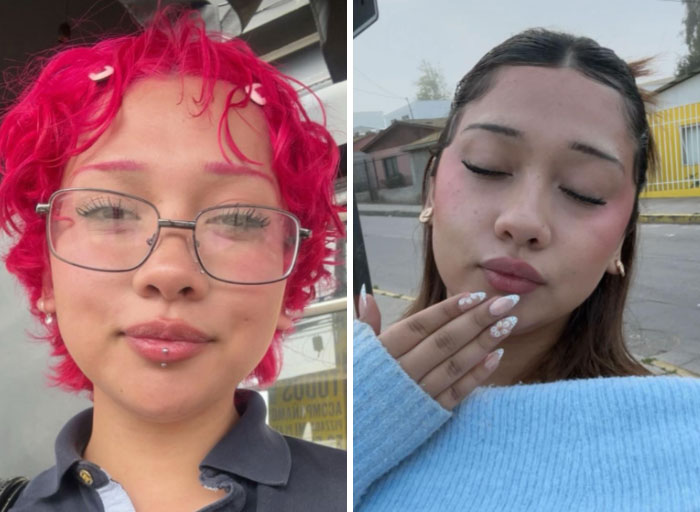
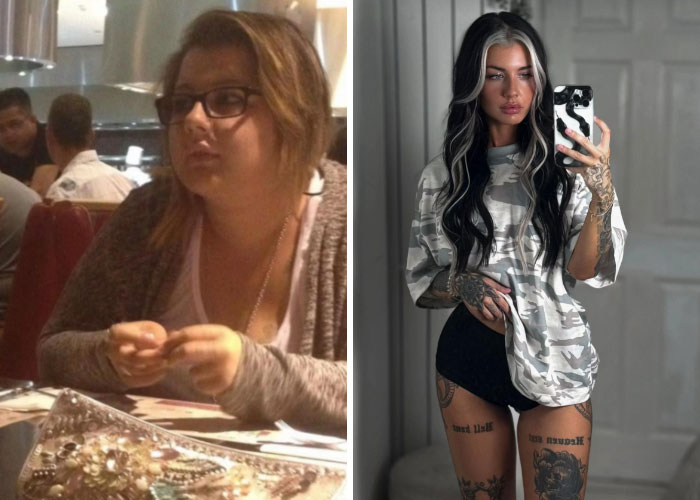
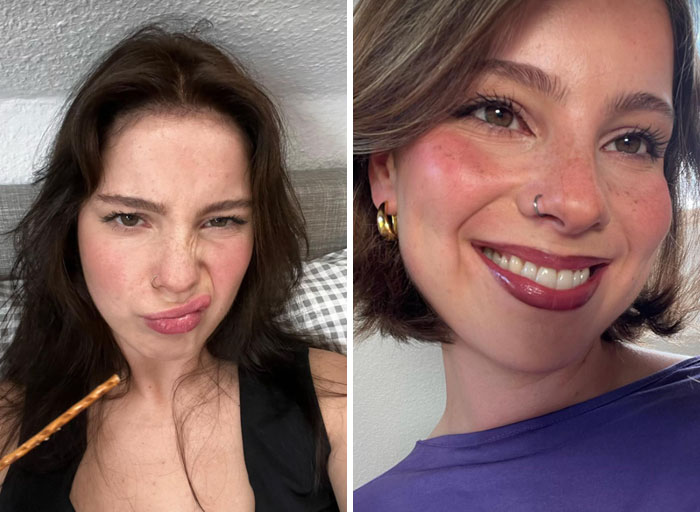
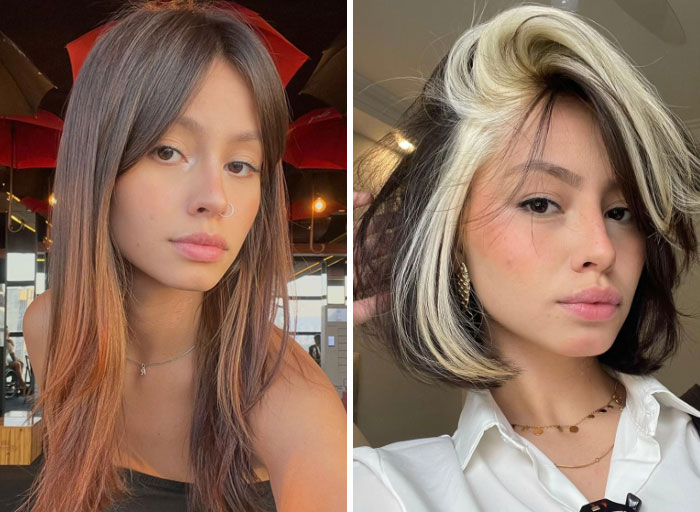
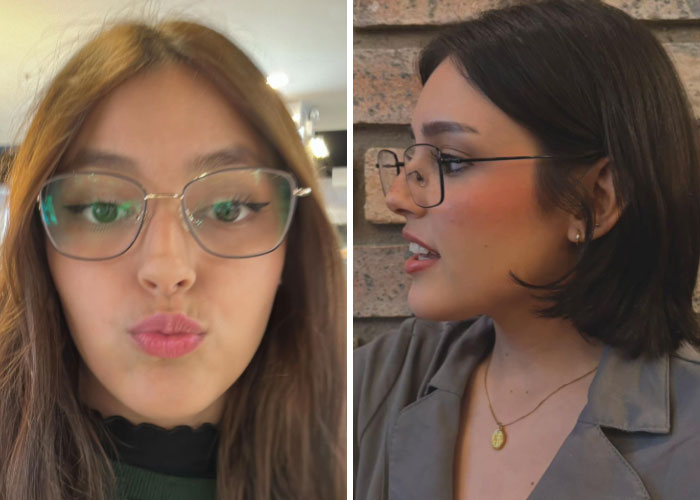
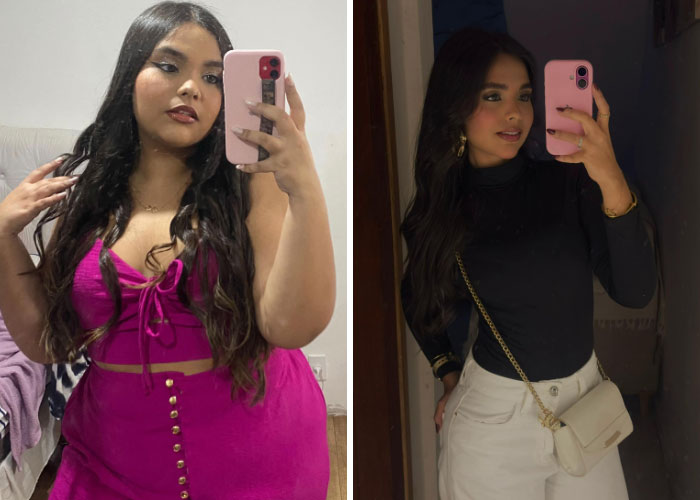
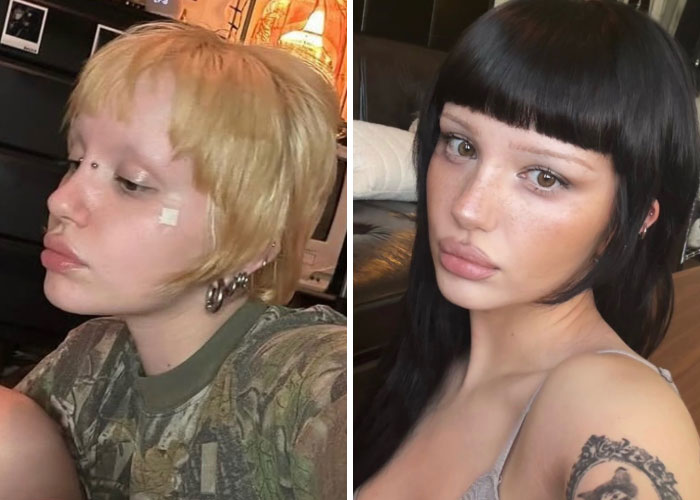
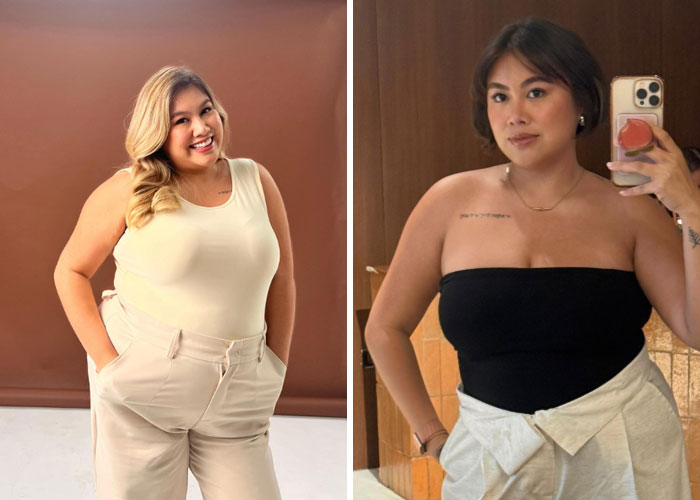
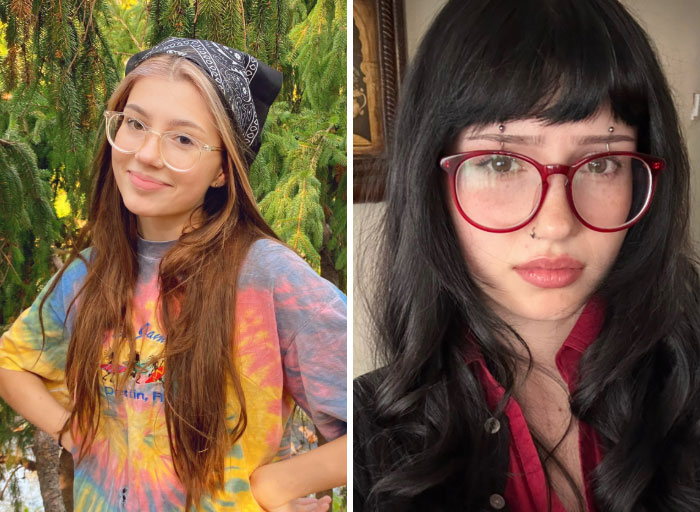
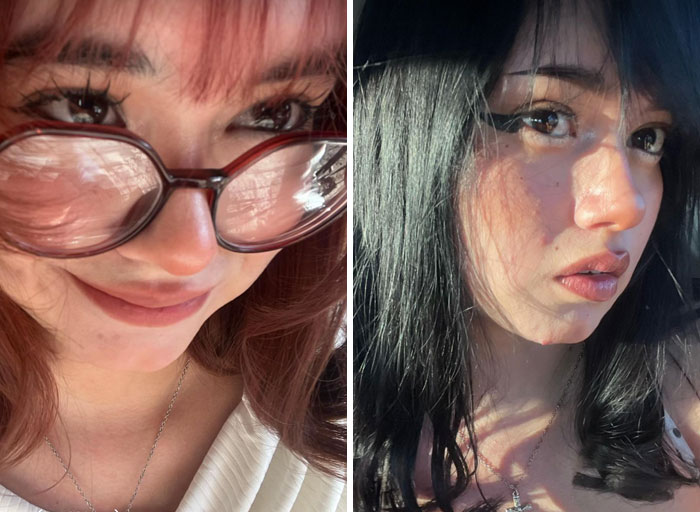
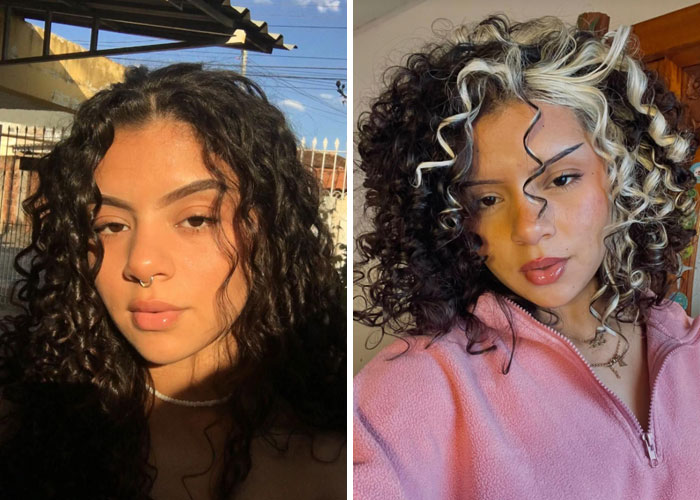
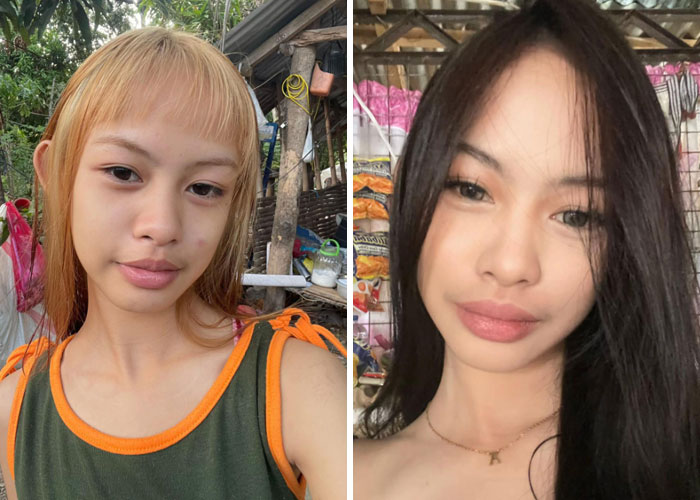
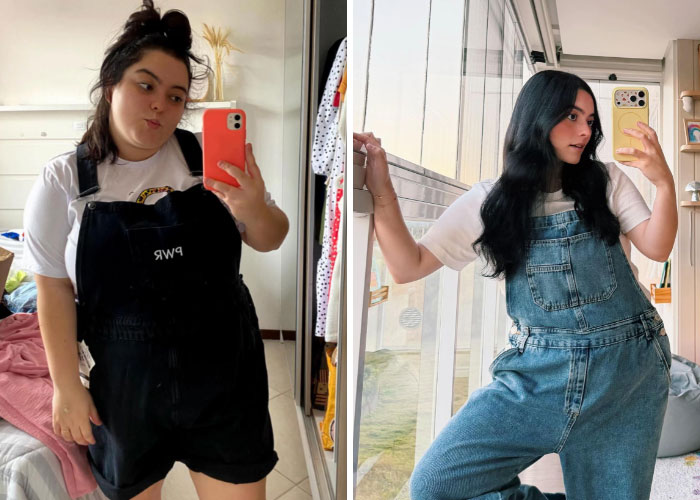
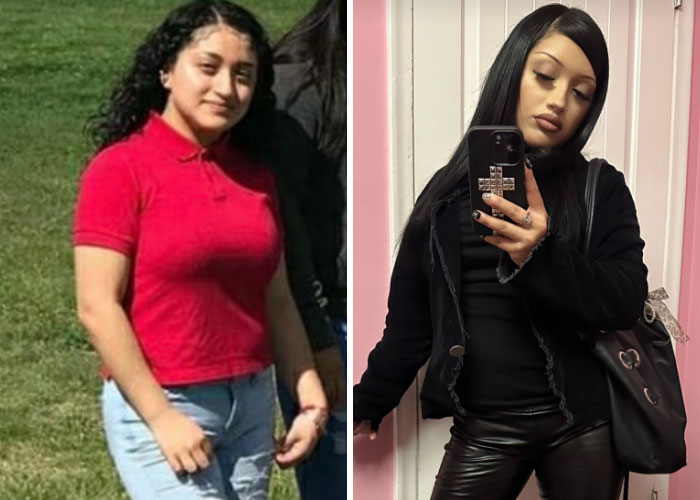
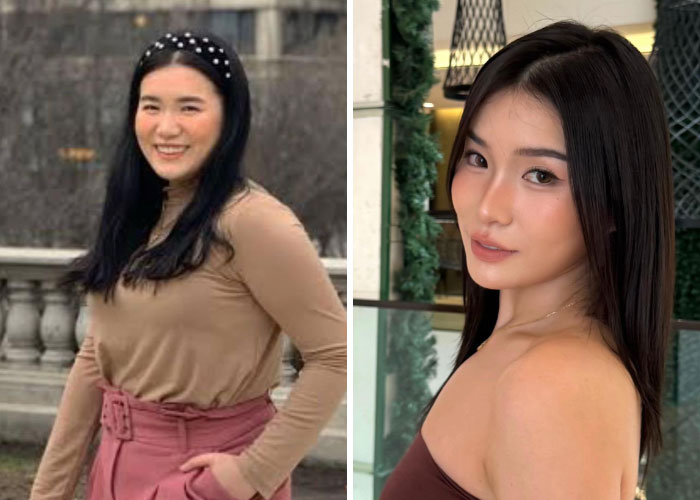
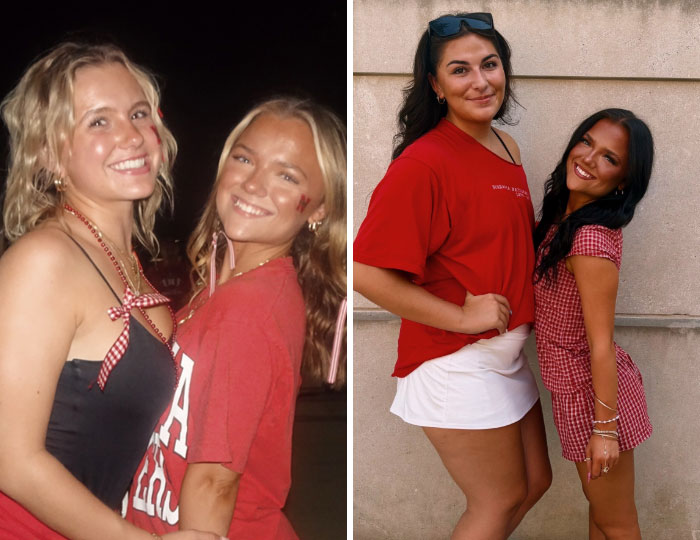
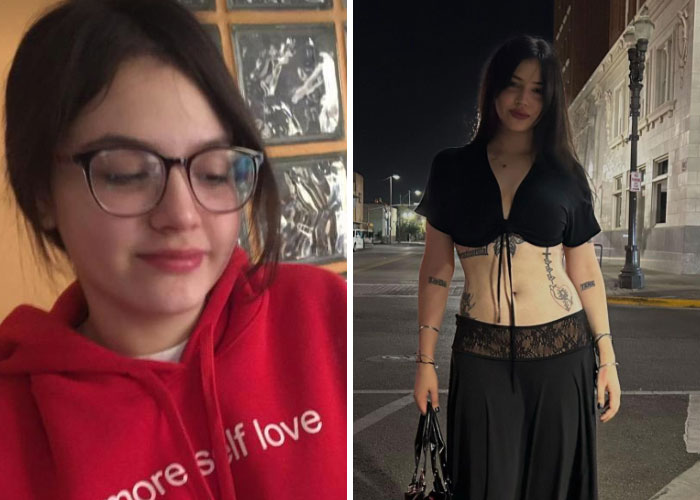
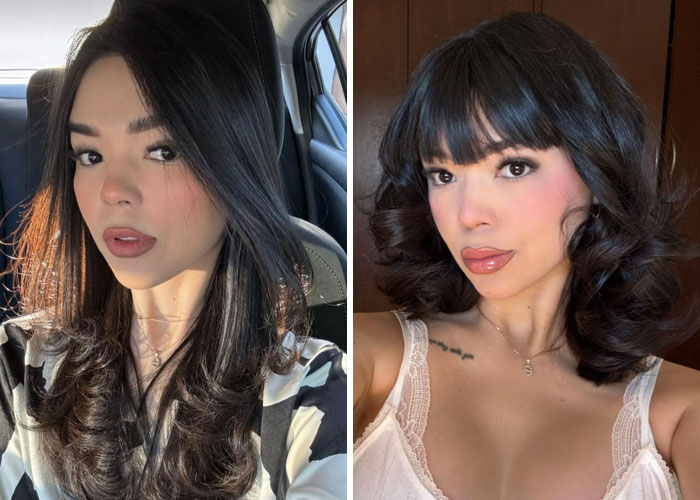
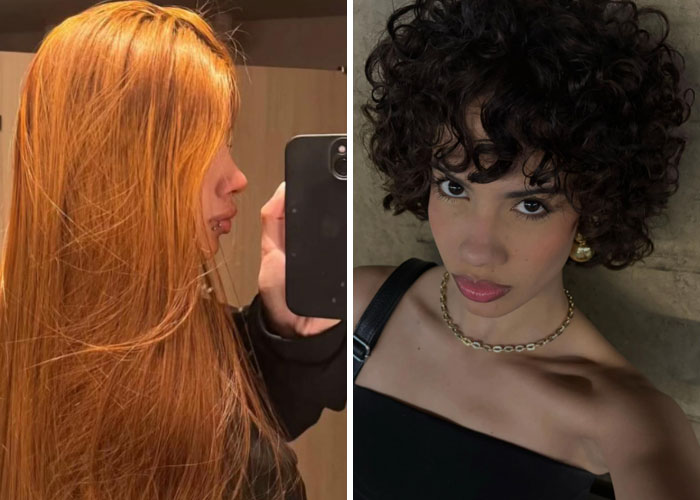
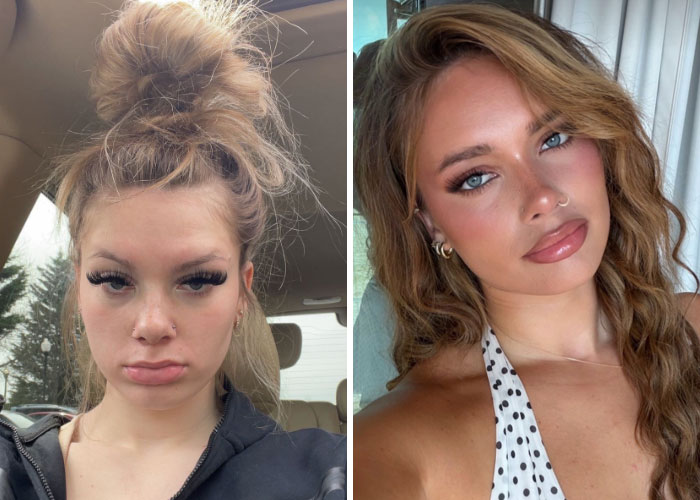
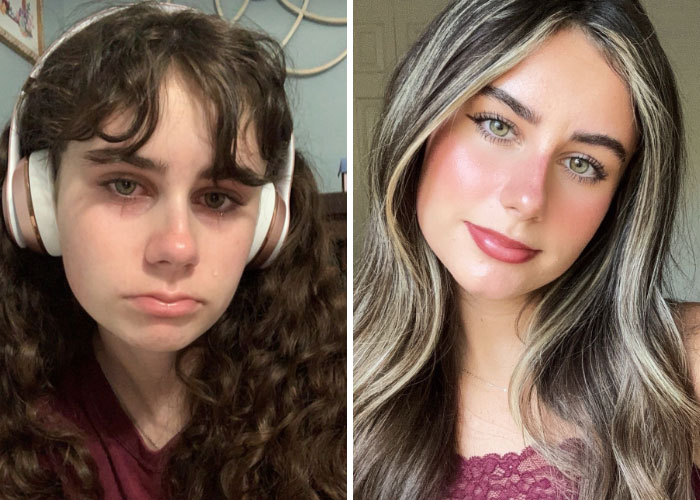
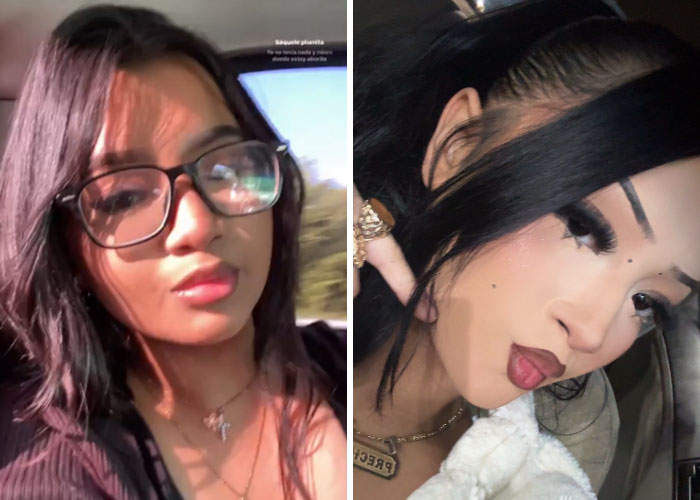
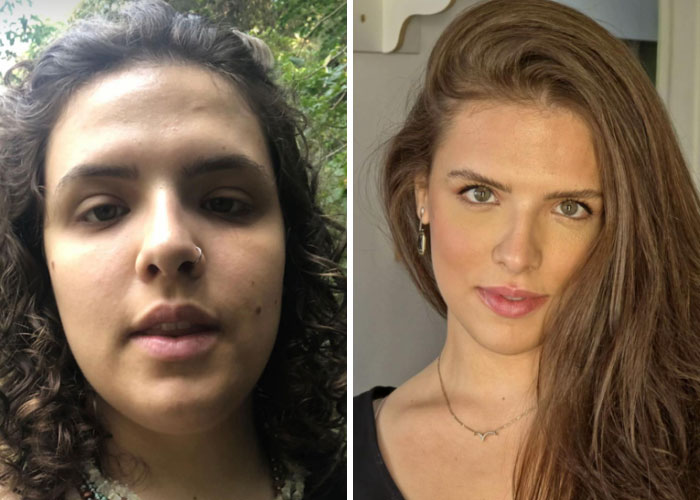
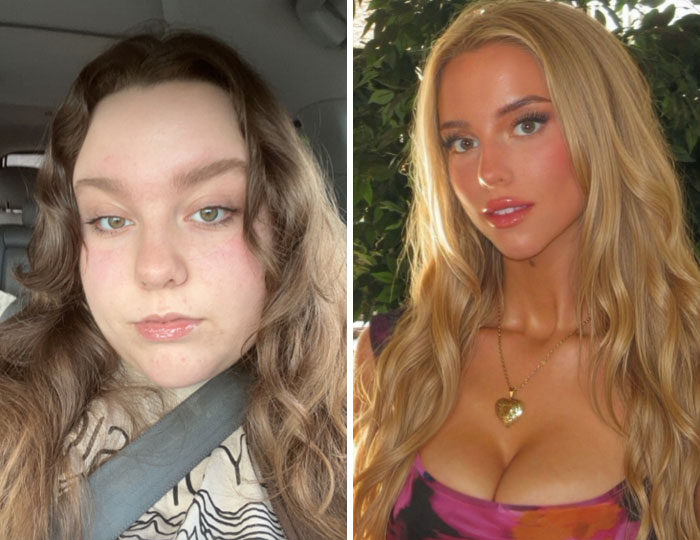
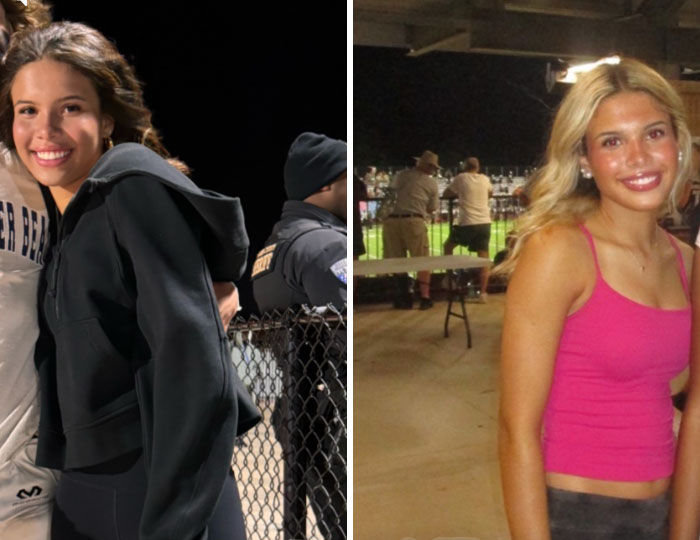
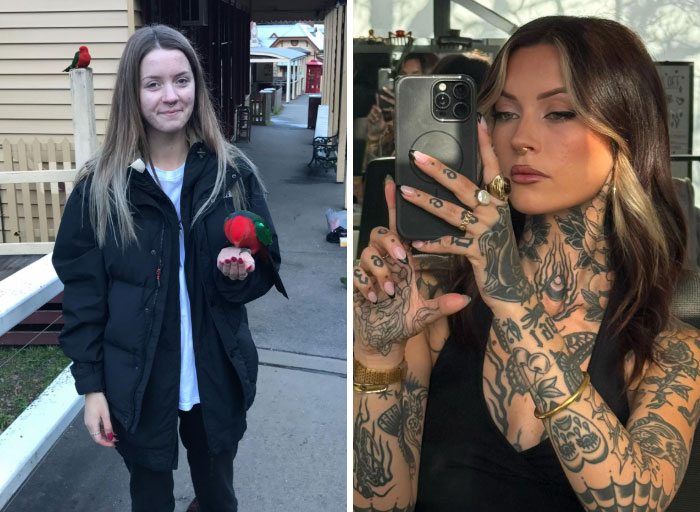
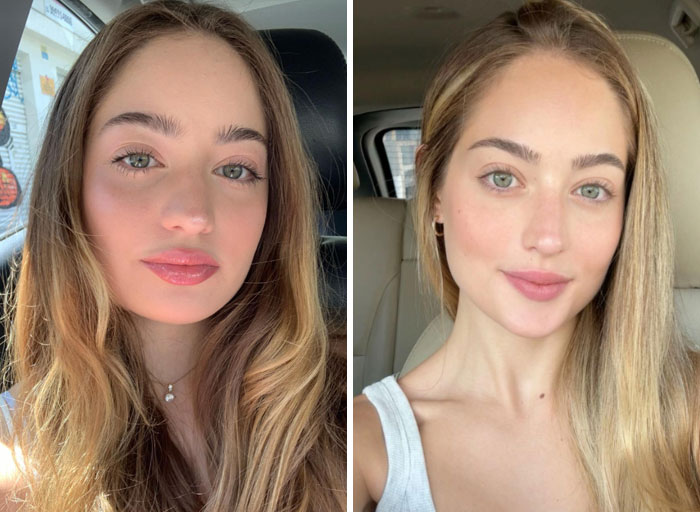
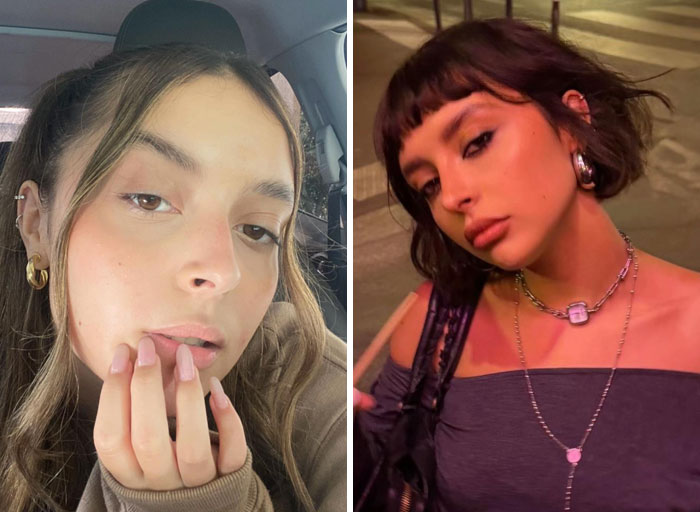
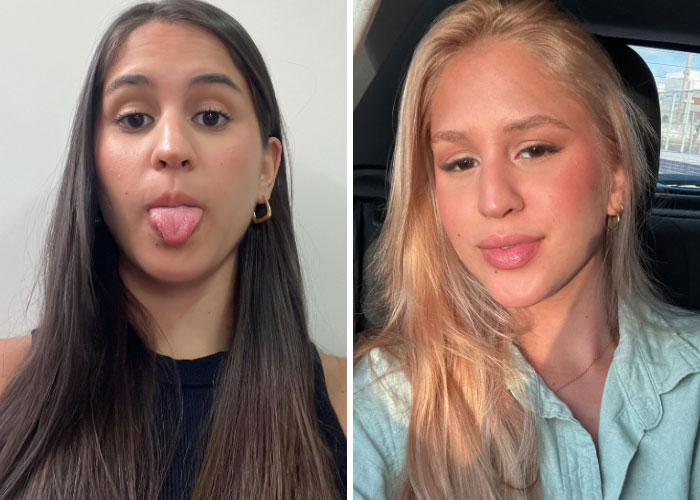
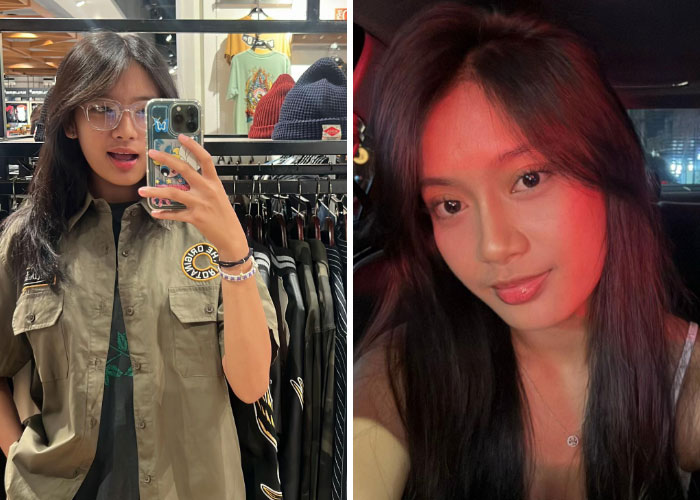
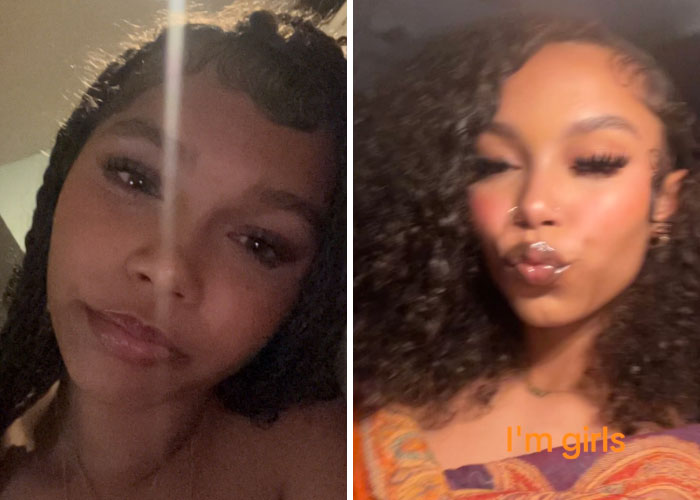
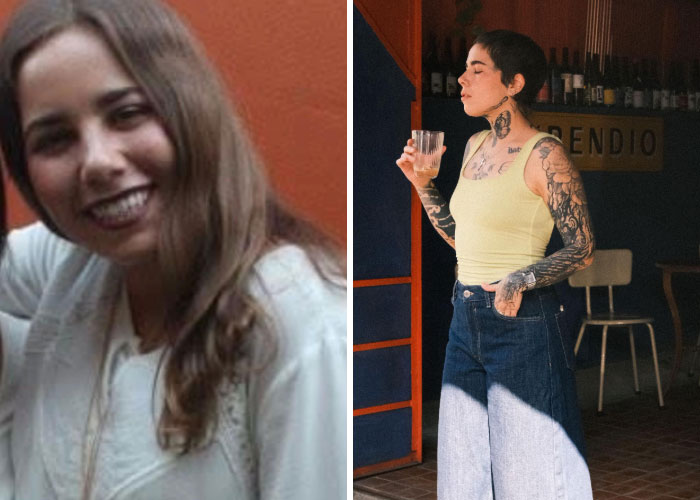
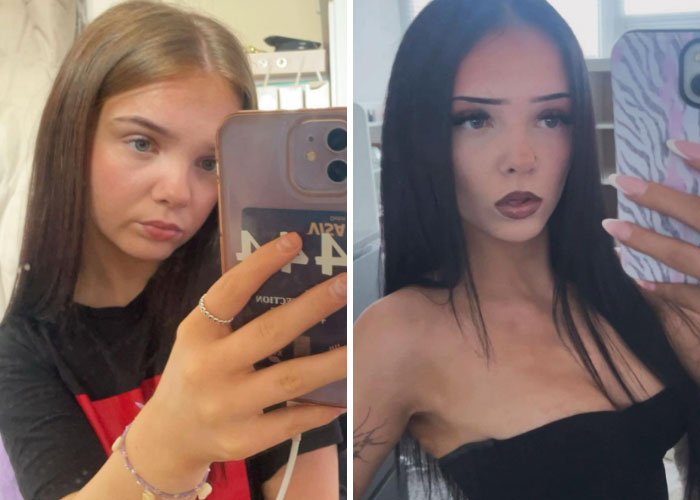
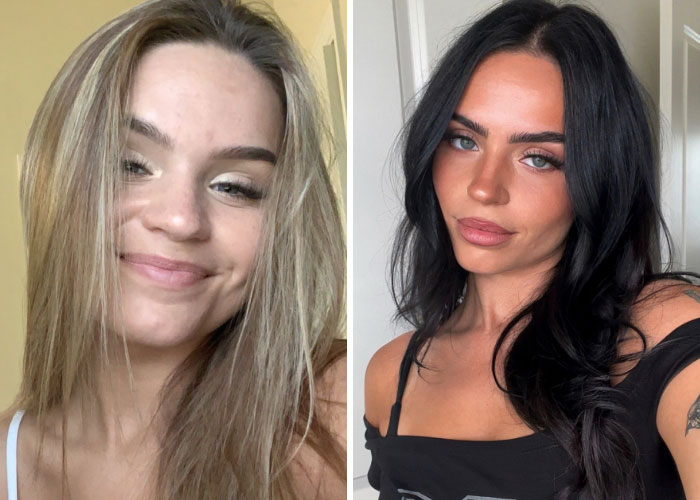
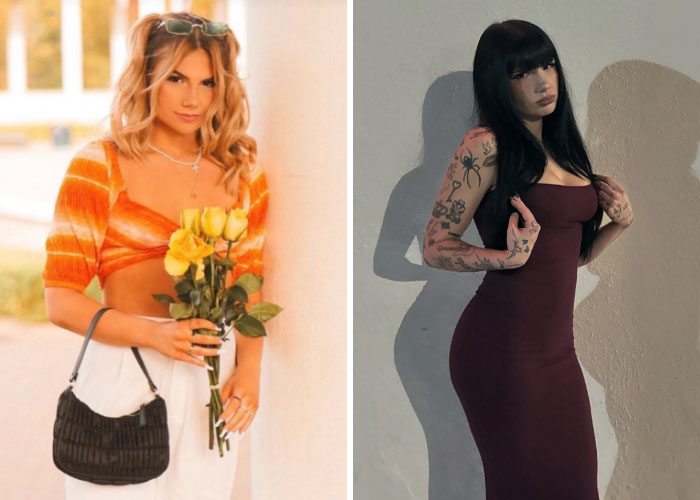
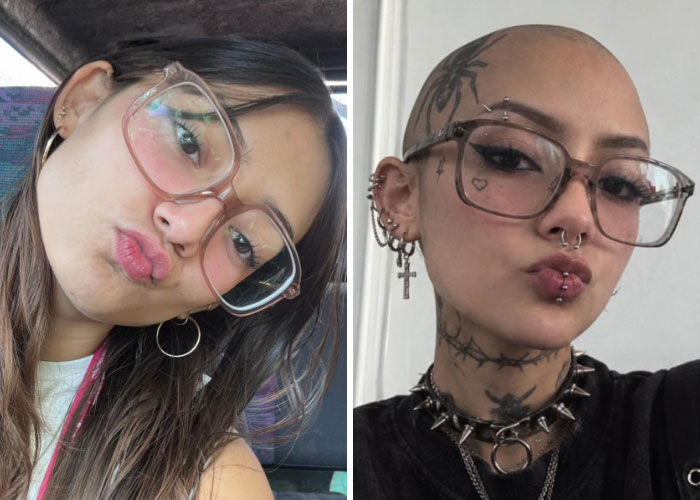
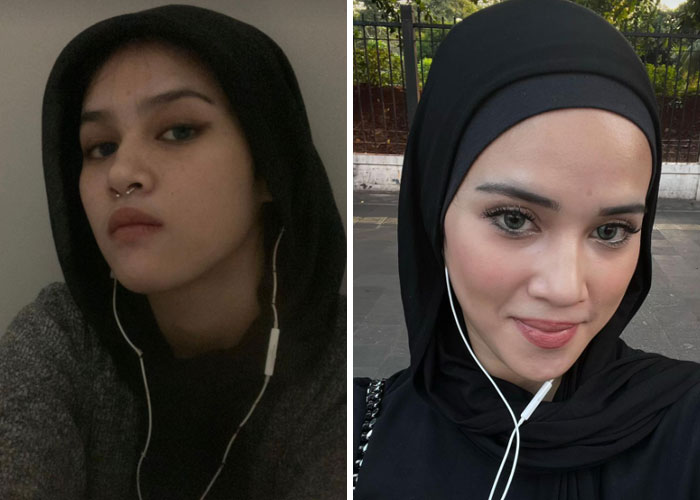
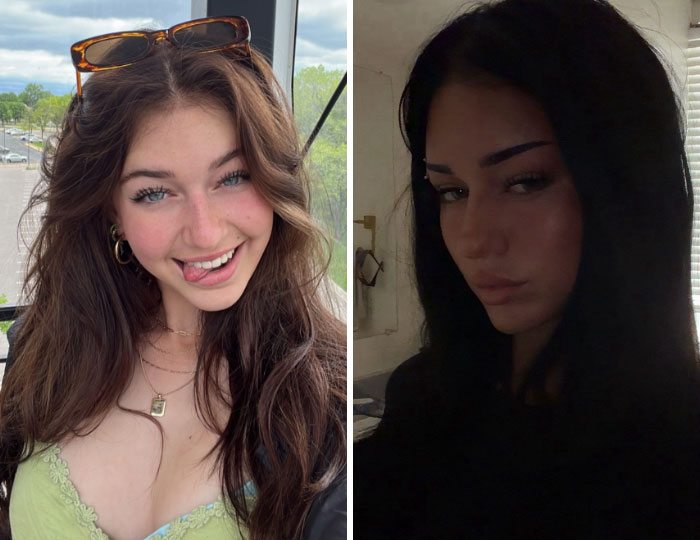
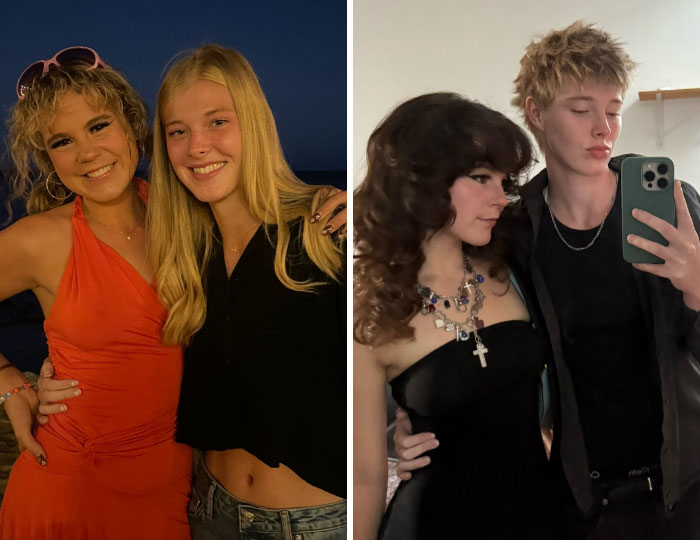
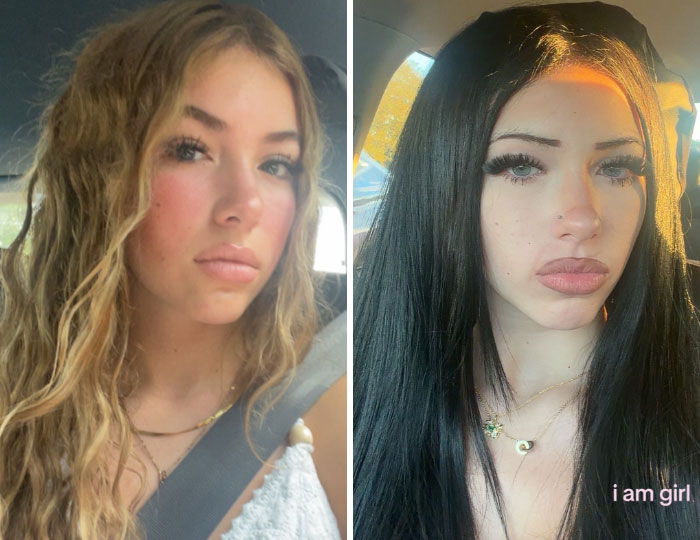
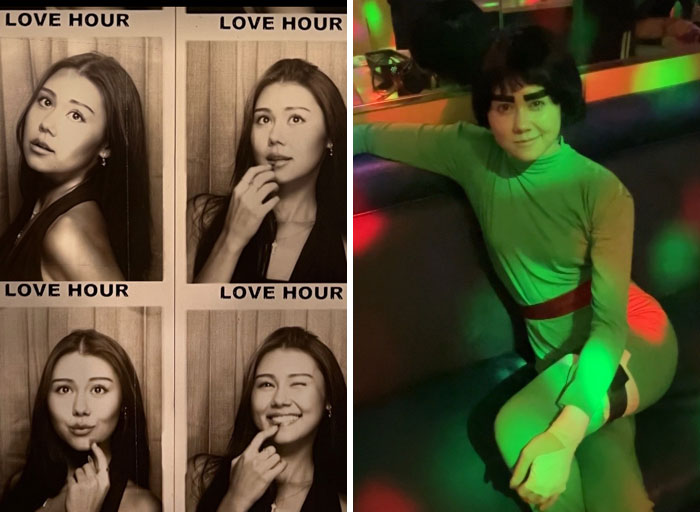
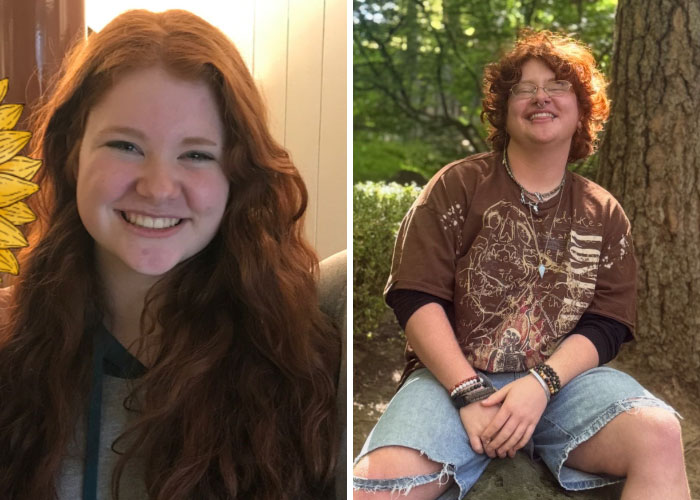
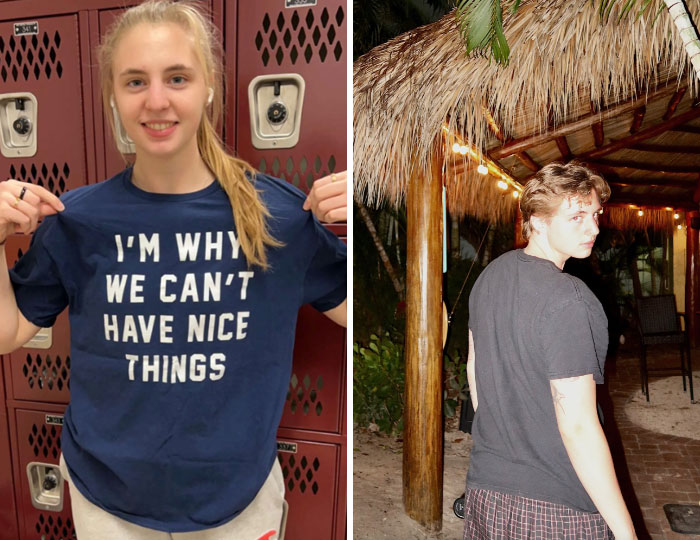
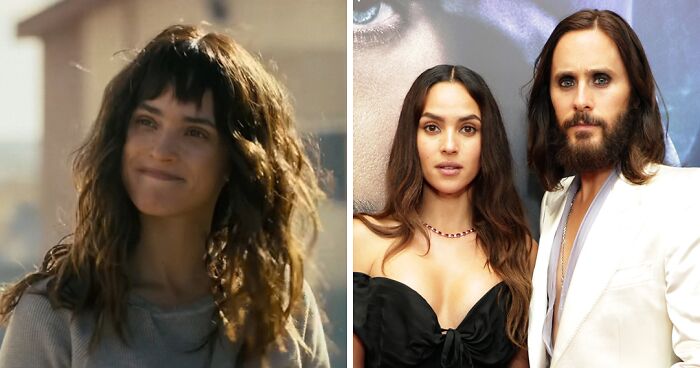
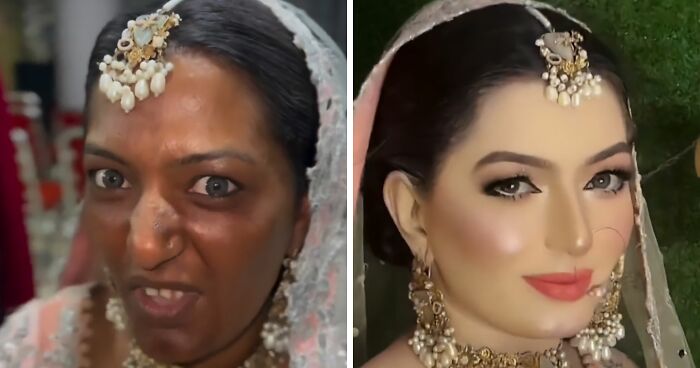
Some girls will wake up on a random day and decide to change everything about themselves. It's almost like they morphed into a completely different human being overnight. We're not talking about going from blonde to brunette, or slapping on some makeup. What we're referring to here is the type of extreme makeover that leaves someone looking completely unrecognizable.
There's a viral online trend doing the rounds, which sees people posting before and after pics of their most dramatic transformations. Bored Panda has put together a list of the best ones. Some might have you doubting, others could see you doing a double-take, and then there are those that may inspire you to undergo a spontaneous, overnight glow-up of your own.
This post may include affiliate links.
Viral glow-up trends are all over social media. And this has some experts worried. They say that teenagers are particularly vulnerable to getting sucked into unrealistic or unattainable beauty standards and routines. That's because many teens tend to feel insecure about their appearance and are obsessed with comparing themselves to others.
“I absolutely notice this as a central focus among my patients in this age cohort. And it’s only getting worse as time goes on,” says Dr. Whitney Casares, a pediatrician and author of My-One-of-a-Kind Body.
Grace Lautman, a nutritionist and teen eating disorder therapist agrees. She worries that glow-up routines put too much emphasis on "perfect" bodies." This, in turn, can lead to unhealthy habits, and even eating disorders. “It's another area of the internet where perfectionist and unrealistic beauty standards are upheld,” Lautman told Parents.com.
Casares adds that “over-exposure to beauty content is also linked to body image struggles which are, in turn, related to other negative physical outcomes for people of all ages, including dieting and overexercising.”
According to the Polaris Teen Center, the rate at which teens are becoming aware of their body shape and size is getting younger and younger. And social media is largely to blame.
"Many teenagers site media as being on of the biggest influencers when it comes to body image (how one perceives his or her body when looking in the mirror)," notes the site. "In the United States, media and overall popular culture strongly idealize thinness, and adolescents and teens are amongst the population most strongly influenced, especially with the popularity of social media."
Polaris' researchers reveal that 69% of females (ages 10 to 18) they polled state that photographs of models and celebrities in the media motivated their “ideal” body shape. They add that many teens, even those with a healthy body weight, are still susceptible to viewing themselves as “overweight” or “fat” because of what they see in the media.
"The importance placed on thinness in the media can create a desire to achieve the impossible in terms of body shape and size, and can obviously become a trigger to dieting and weight loss," they warn.

Social media isn't going anywhere soon, and neither are the dozens of glow-up trends we see all the time.
Lautman says it’s vital that parents encourage their children to think critically about social media, and to discuss how it promotes unrealistic body and beauty standards, or how social media filters can fool us into thinking someone looks “perfect."
“If a parent is just starting to create conversations about these topics, then just open-ended questions about what it's like to navigate clothes and make up at their age can go a long way," explains the expert.
Other experts warn that makeover or glow-up trends can become addictive, and can lead to teens and adults constantly chasing the next “after”.
"In a world of viral reveals and curated highlight reels, it is easy to lose touch with the 'before,' to forget that worth and beauty existed even before the transformation," notes the team at Istituto Marangoni, an Italian fashion, art and design school, adding that "when self-esteem becomes tied solely to external approval, the emotional power of style makeovers can turn from healing to harmful."
Glow-up viral trends aren't always toxic.
"For some, the concept of a glow up is one of positive personal growth, a celebration of progress and a motivator to become your truest self rather than a dismal indication of pervasive negative body image," reports The State Press. "In the LGBTQ+ community, physical transformations may carry a far different meaning than they might for cisgender heterosexuals."

That's not an improvement. [Edit: nevermind, goes for everyone on the list]


Why does this list only include people who transitioned or turned into generic plastic Barbies?
Why does this list only include people who transitioned or turned into generic plastic Barbies?










 No fees, cancel anytime