Get Premium
Dark mode theme is available exclusively for premium users. Learn more about the benefits of subscribing.
No fees, cancel anytime.

 Dark Mode Ad-Free Browsing Unlimited Content
 Ad-Free Browsing Unlimited Content Dark Mode
Join 1.2 million Panda readers who get the best art, memes, and fun stories every week!
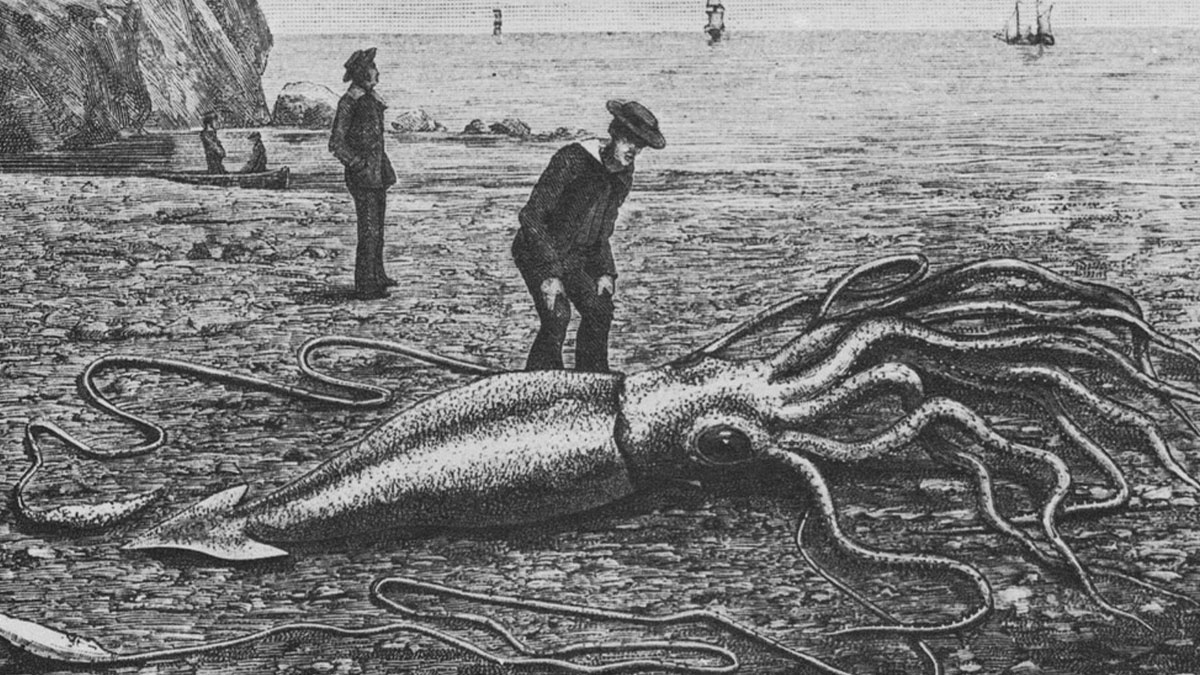
In 1848, the crew of the HMS Daedalus spotted something in the waters between the Cape of Good Hope and St. Helena that they could not explain. It was enormous. It was dark on top with a light underbelly. It was approximately 60 feet long (18 meters). It slid past within 100 yards of the ship and kept going, apparently unbothered by the presence of a Royal Navy vessel. Rude.
Captain Peter M’Quhae filed his report, and the British press ran the story with breathless enthusiasm. The established scientific community responded exactly how you’d expect, with profound condescension. The notoriously cantankerous anatomist Richard Owen announced that the crew had almost certainly seen a very large seal and suggested that men had “been deceived by a cursory view of a partly submerged and rapidly moving animal.”
M’Quhae fired back; he was, after all, a man who had spent months at sea and was not about to be told he couldn’t identify a seal. “I deny the existence of excitement, or the possibility of optical illusion,” he wrote. Two men were at each other’s throats, and somewhere beneath the Atlantic, the actual answer was carrying on with its day entirely indifferent to both of them.
Exclusive Content Ad-Free Browsing Dark Mode Exclusive Content Ad-Free Browsing Dark Mode 









































 No fees, cancel anytime