Get Premium
Dark mode theme is available exclusively for premium users. Learn more about the benefits of subscribing.
No fees, cancel anytime.

 Dark Mode Ad-Free Browsing Unlimited Content
 Ad-Free Browsing Unlimited Content Dark Mode
Join 1.2 million Panda readers who get the best art, memes, and fun stories every week!
Kermit the Frog has become the hero of countless memes and an image of him enjoying a cup of Lipton has also become the face of a popular subreddit.
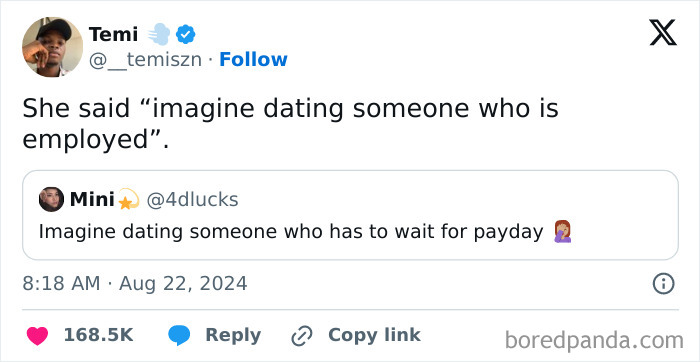
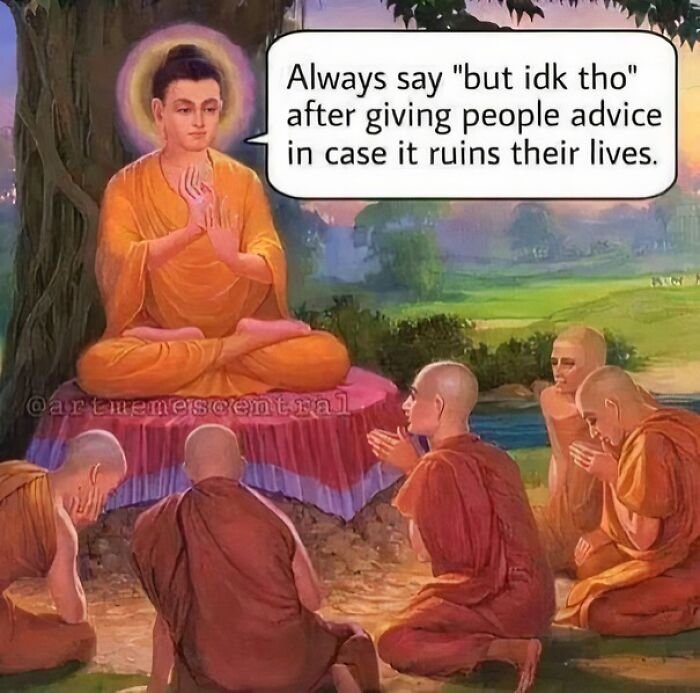
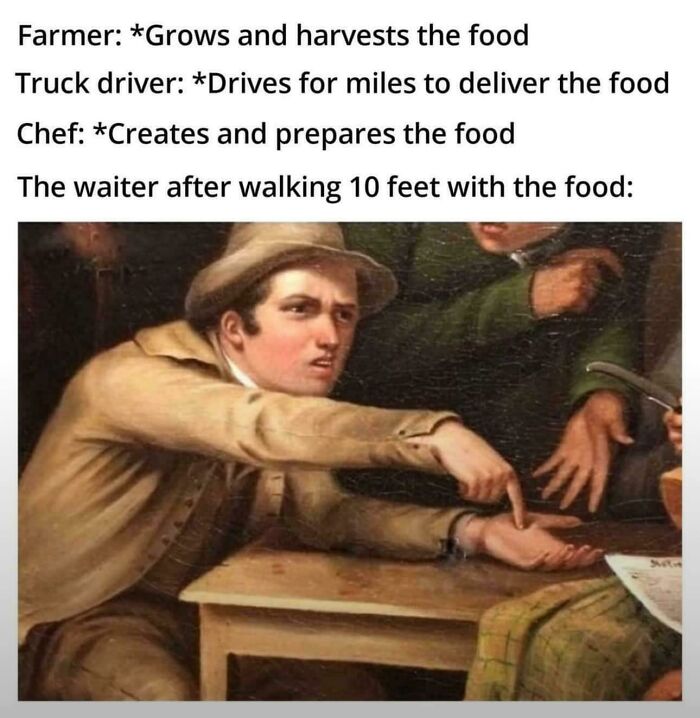
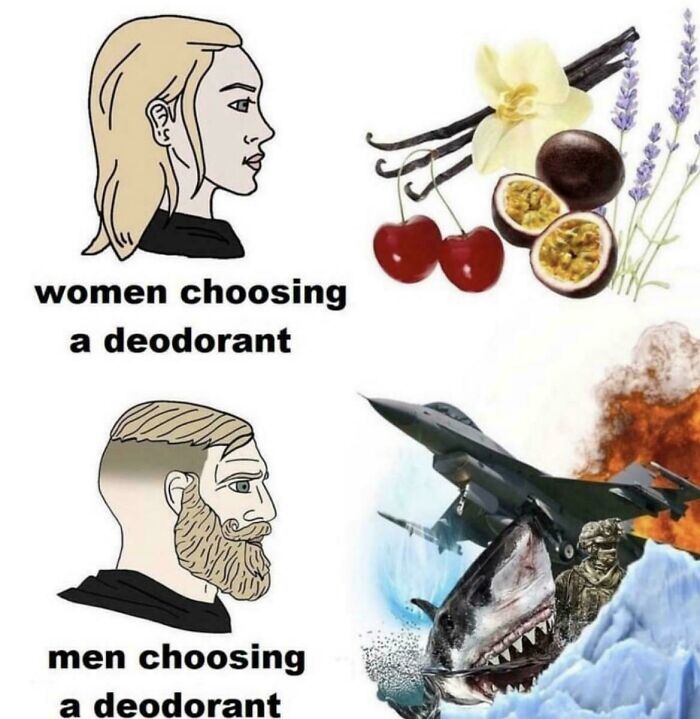
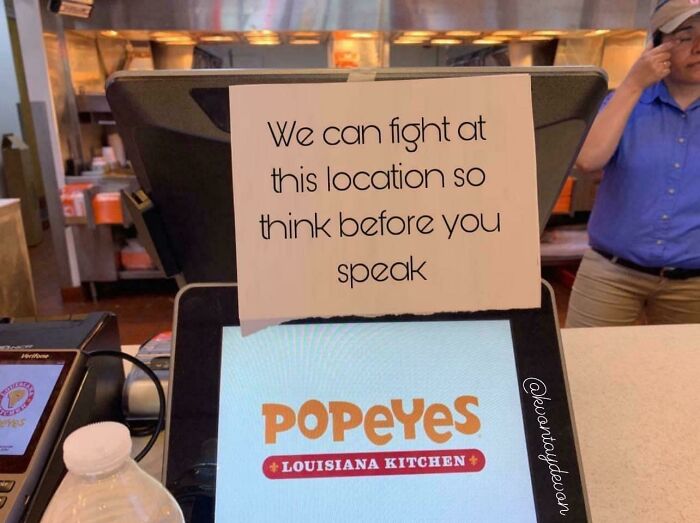
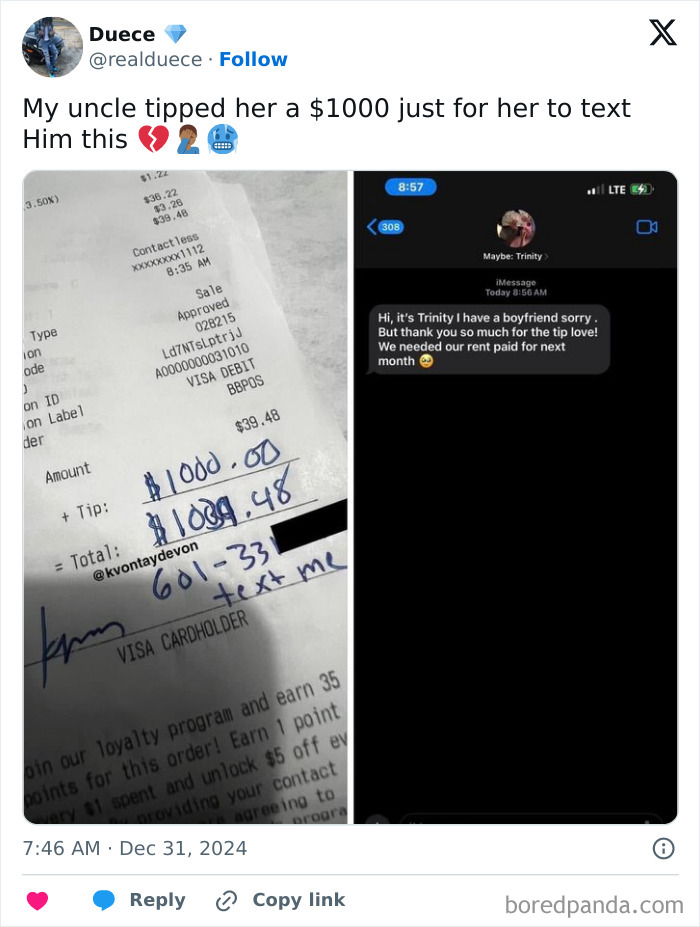
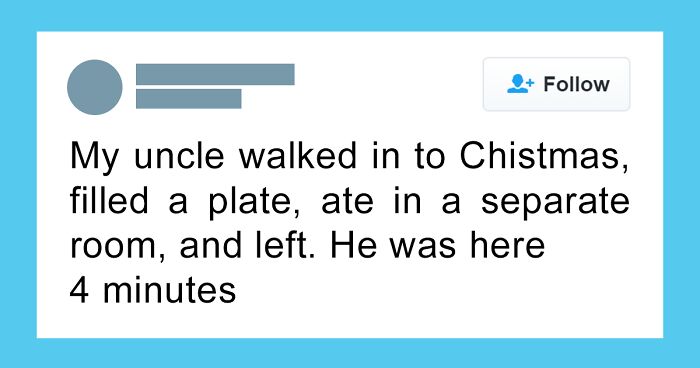
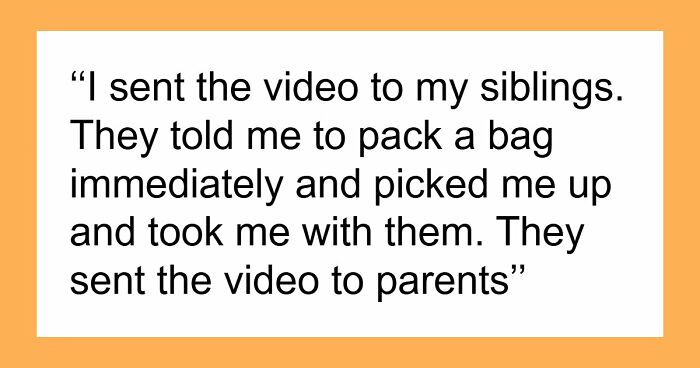
'Sips Tea' is an online community dedicated to collecting what they consider the most iconic posts online. Sarcastic tweets about relevant topics, funny news article titles, candid snapshots without context, it's all there.
So if you want a crash course on internet culture, continue scrolling and enjoy!
This post may include affiliate links.
Despite the popularity of 'Sips Tea,' many believe the internet is actually getting worse. And you don't need to look far for examples that support their case.
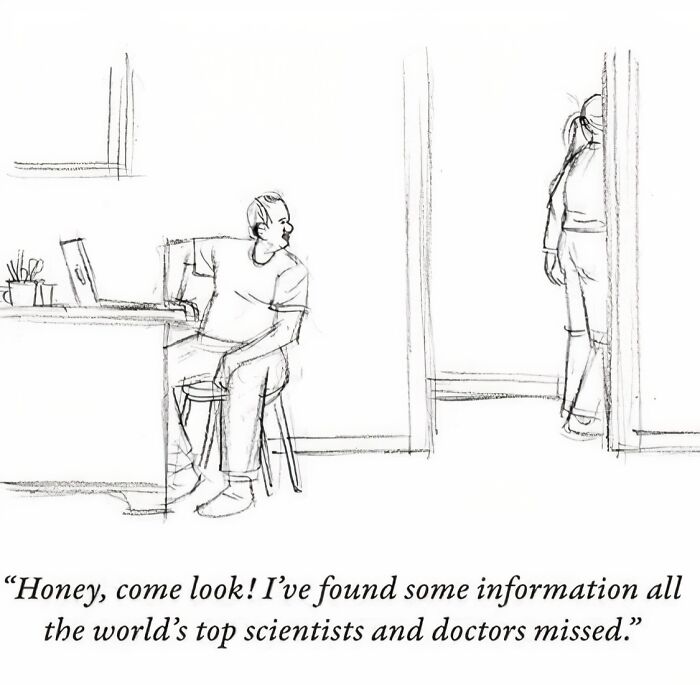
Nowadays, online searches are largely made up of "cookie cutter" pages that drown out useful information and are saturated with scams and content generated by artificial intelligence (AI).
While your social media feeds are full of eye-catching, provocative, hyper-targeted, or anger-inducing content, often with robot-like comments.
Marc Cheong, who is a Senior Lecturer of Information Systems (Digital Ethics) at the School of Computing and Information Systems, and Associate Director at the Centre for AI and Digital Ethics (CAIDE) at the University of Melbourne, Australia, and Wonsun Shin, an Associate Professor in Media and Communications at the same establishment, believe that a major factor contributing to the current state of the internet is its over-commercialization. Simply put, financial motives drive much of the content. According to them, it has led to the prevalence of sensationalism and prioritizing virality over quality.
Another driving force, the academics say, is the dominance of tech giants like Google, Meta, and Amazon. They reach billions worldwide and wield immense power over the content that we consume.
"Their platforms use advanced tracking technologies and opaque algorithms to generate hyper-targeted media content, powered by extensive user data," Cheong and Shin explain in their article. "This creates filter bubbles, where users are exposed to limited content that reinforces their existing beliefs and biases, and echo chambers where other viewpoints are actively discredited."
"Bad actors like cyber criminals and scammers have been an enduring problem online. However, evolving technology like generative AI has further empowered them, enabling them to create highly realistic fake images, deepfake videos, and voice cloning," Cheong and Shin added.
AI generated content has also flooded the internet with low-quality, misleading, and harmful material at an unprecedented scale.
AI generated content has also flooded the internet with low-quality, misleading, and harmful material at an unprecedented scale.
So, the researchers believ accelerated commercialization of the internet, the dominance of media tech giants and the presence of bad actors have infiltrated content on the internet. The rise of AI further intensifies this, making the internet more chaotic than ever
These things make the internet very different from what it used to be. Many of us might remember it as a free egalitarian space, where people were meant to "surf" and "browse." Even the early social media platforms were built on reconnecting with long-lost classmates and family members.
So what is there left to preserve, since 'Sips Tea' is taking care of the individual gems?
Cheong and Shin said our focus should be privary. They recalled a New Yorker cartoon from 1993 that states, "On the internet, nobody knows you're a dog" and highlighted that now, everyone – especially advertisers – wants to know who we are.


























 No fees, cancel anytime























![[darn] True](https://static.boredpanda.com/blog/wp-content/uploads/2025/03/67c9451f22cb4_kezp7cd5mije1-jpeg__700.jpg "[darn] True")