Get Premium
Dark mode theme is available exclusively for premium users. Learn more about the benefits of subscribing.
No fees, cancel anytime.

 Dark Mode Ad-Free Browsing Unlimited Content
 Ad-Free Browsing Unlimited Content Dark Mode
Join 1.2 million Panda readers who get the best art, memes, and fun stories every week!
20submissions
1week left
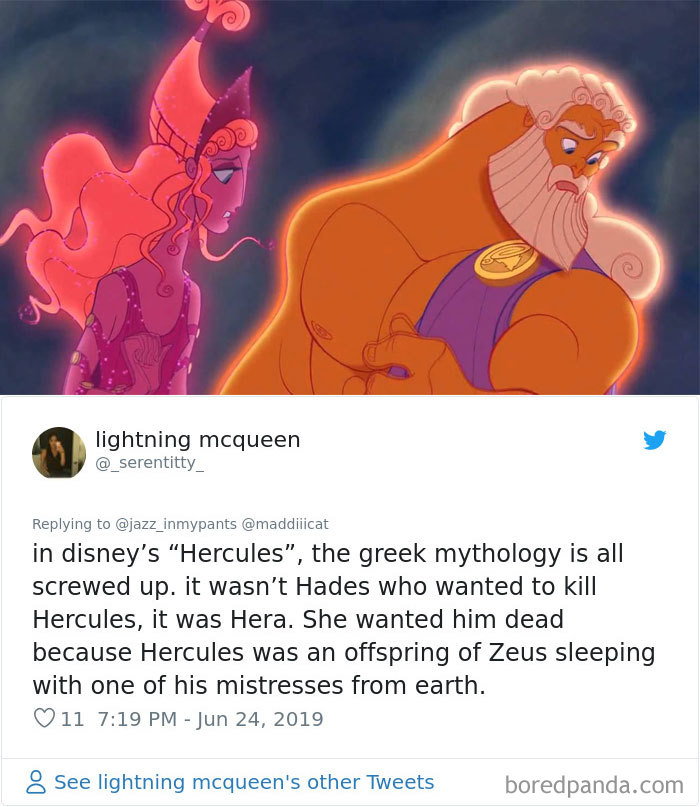
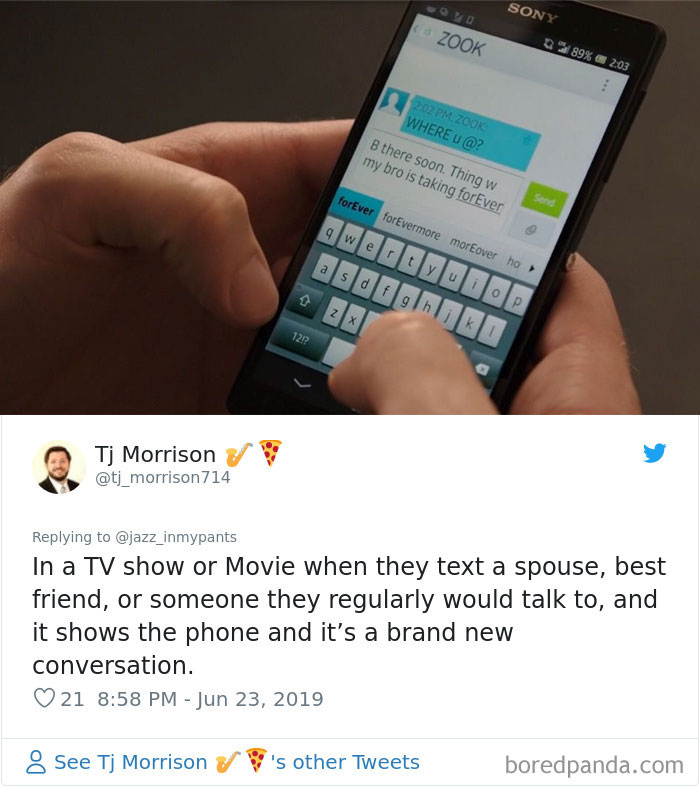
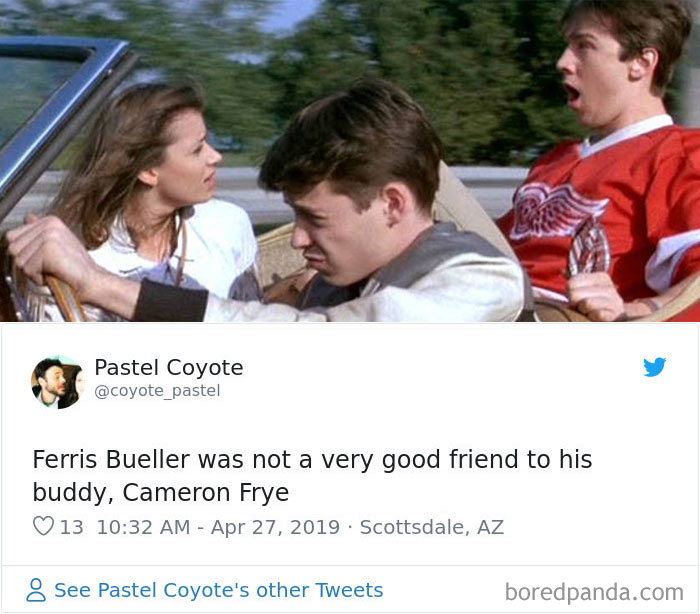
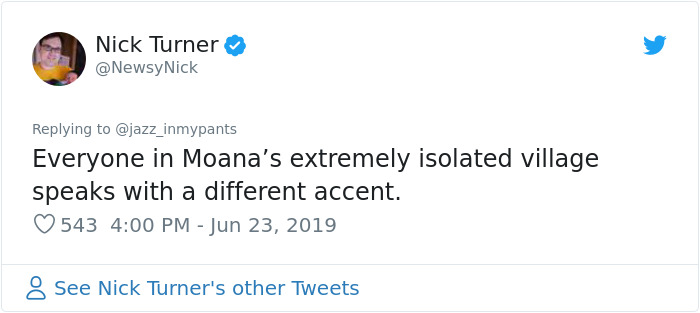
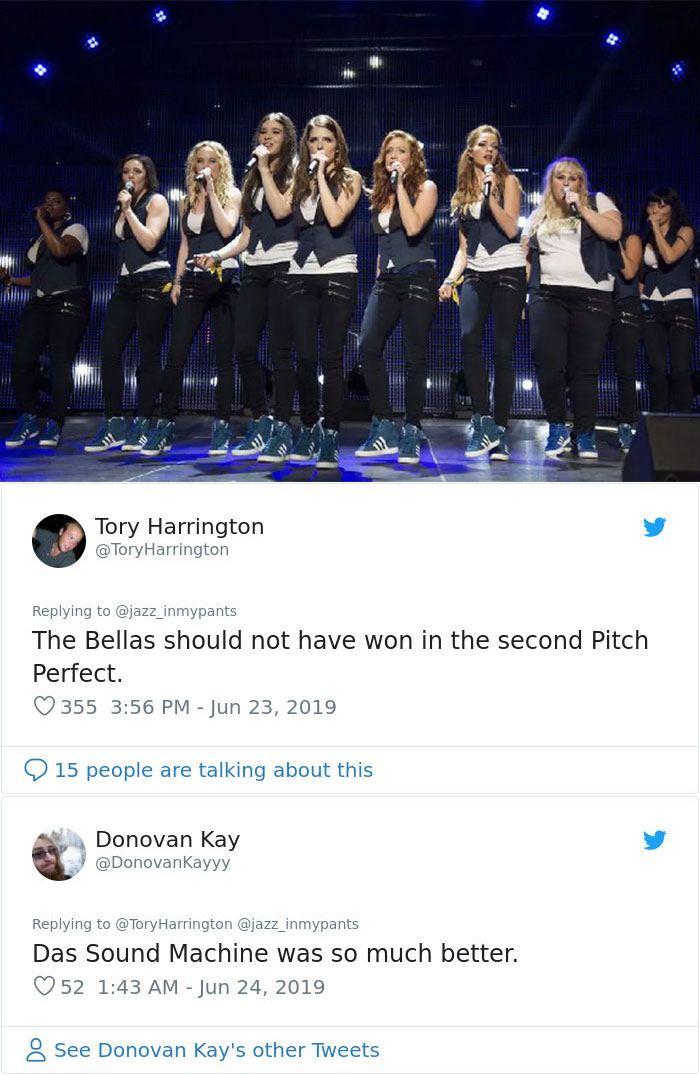
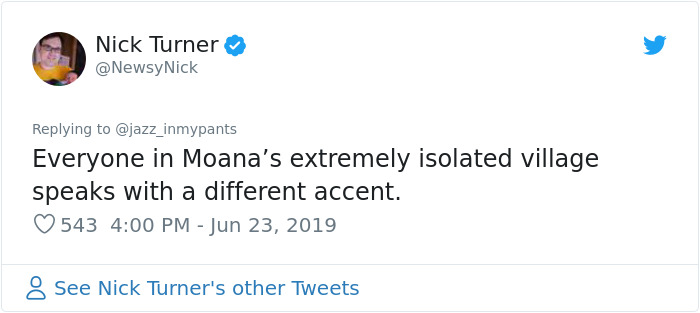
In a way, this post is basically the movie version of shower thoughts. Bear with me. After Twitter user @jazz_inmypants asked people to share bothering movie details that aren't common knowledge, his thread received quite a few interesting insights.
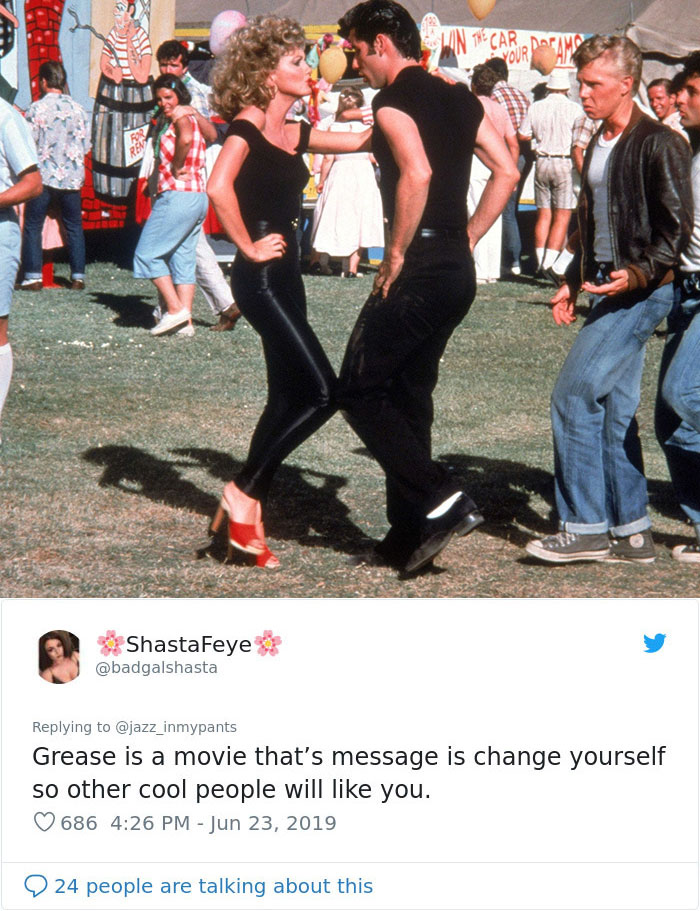
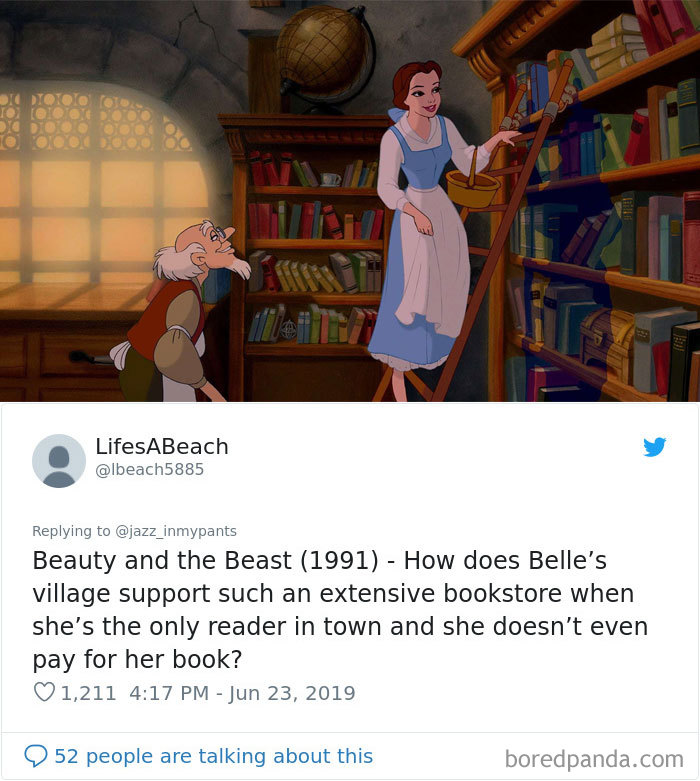
For example, Grease (1978) might be described as a story that teaches you to change yourself until other people like you. And Belle's (Beuty and the Beast (1991)) neighbors are probably doing something shady if the village can support such an extensive bookstore when she's the only reader and doesn't even pay.
The tweet by @jazz_inmypants has already received over 30K likes and 1K comments, many of which filmmaking students could definitely rework into term papers.
 Image credits: jazz_inmypants
Click here & follow us for more lists, facts, and stories.
This post may include affiliate links.
Altogether, a film can seem incredibly complicated, but the reasoning behind every decision nearly always comes down to how it is working with the story and how it is affecting the viewer. With that in mind, the New York Film Academy has prepared some tips for reviewing a film and coming up with your own insights.
Watch it. "Once is necessary twice is preferable," the academy wrote. "Taking notes is also a good idea and will help the writing process by making it easy to refer to your in-the-moment thoughts and reactions."
Express your initial thoughts and support your criticism. "Professional reviewers do not shy away from telling their readers whether they thought the movie was good bad or indifferent, and in fact readers come to rely on those reviewers whose tastes reflect their own when deciding whether or not to spend their time and money. Professional reviewers also have watched a lot of movies and can express why and how they came to their criticism. Be sure to back up your thoughts with specifics–a disappointing performance, a ridiculous plot, beautiful cinematography, difficult material that leaves you thinking, and so on."
Evaluate the acting. "Many casual filmgoers will be inspired to see a movie if a favorite actor is in it, so you should probably spend a little space talking about the performances: seasoned actor in a new kind of role, brilliant performance from a rising star, excellence despite a lackluster script, dynamics in an ensemble, and so much more can be said about the actors in any given film."
Directing, cinematography, special effects... This is where your inner film geek can really shine. Consider the highlights or missteps of directors, cinematographers, costume designers and CGI magicians. What worked, what surprised, what fell short of expectations, are all great questions to address.
It's also important to look at a film’s story from a structural viewpoint. Try to to keep in mind that the vast majority of films fall into the three-act structure: a beginning, middle, and end. It's not because the screenwriters are lazy, but because the formula simply works. In screenplays, the first thing you should look out for is the inciting incident. Generally, about 10 minutes into the film, there will be a moment that forces the protagonist to exit their comfort zone and start their journey towards a new goal. Around the thirty-minute mark, there is usually a major turning point. At this moment, the hero can't go back, that signals the beginning of the second act where the majority of the film will take place. Finally, around the ninety-minute mark, the second turning point will signal the film’s drive towards both its conclusion and resolution.
Of course, some films don’t fit perfectly into the three-act structure, but the vast majority of films do and you can start to get a sense of when important moments or changes will occur when you know the general format.































 No fees, cancel anytime