Get Premium
Dark mode theme is available exclusively for premium users. Learn more about the benefits of subscribing.
No fees, cancel anytime.

 Dark Mode Ad-Free Browsing Unlimited Content
 Ad-Free Browsing Unlimited Content Dark Mode
Join 1.2 million Panda readers who get the best art, memes, and fun stories every week!

For most people, the idea of working from home is almost relaxing, being able to skip the commute, work from whatever space one feels is more comfortable. But others, for whatever reason, seem to see it as a weird form of paid time off.
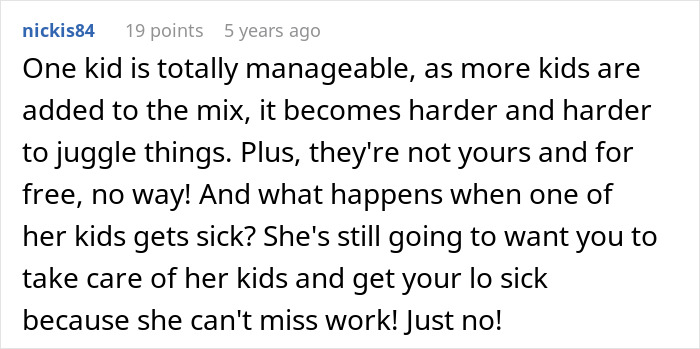
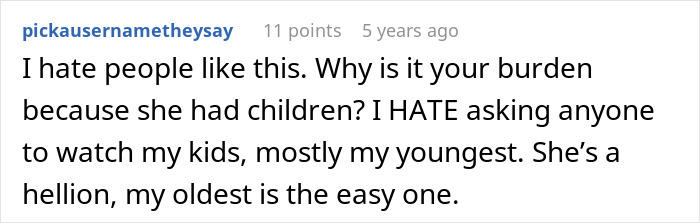
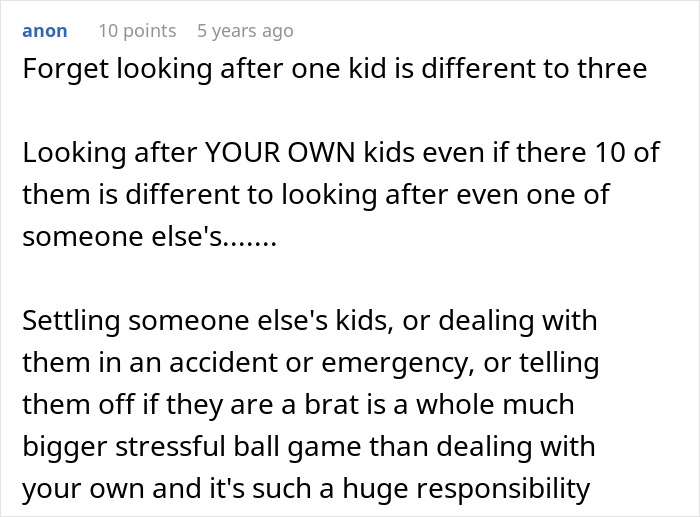
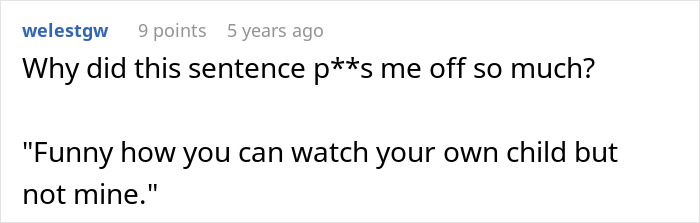
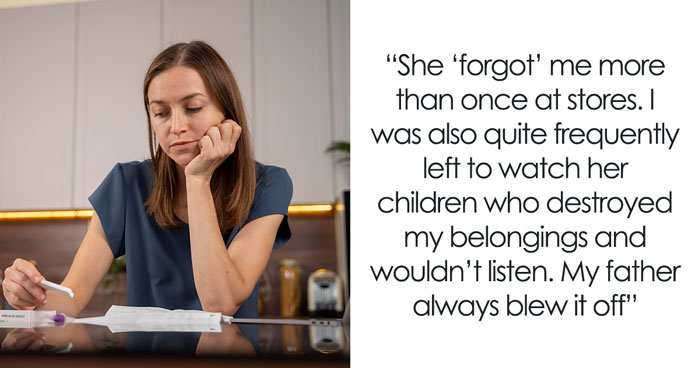
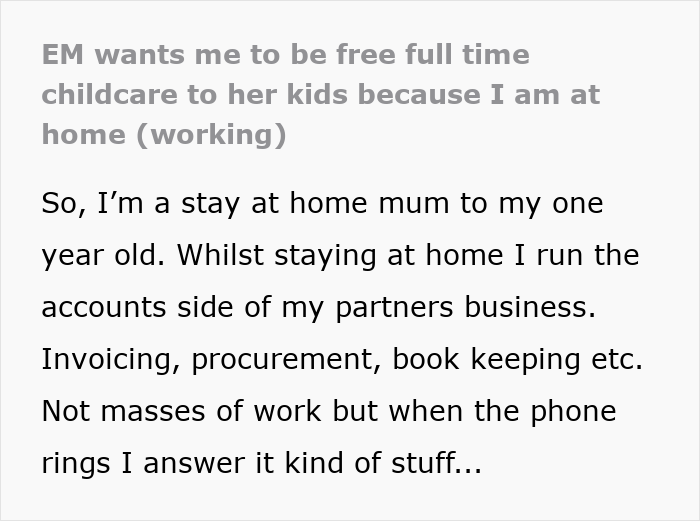
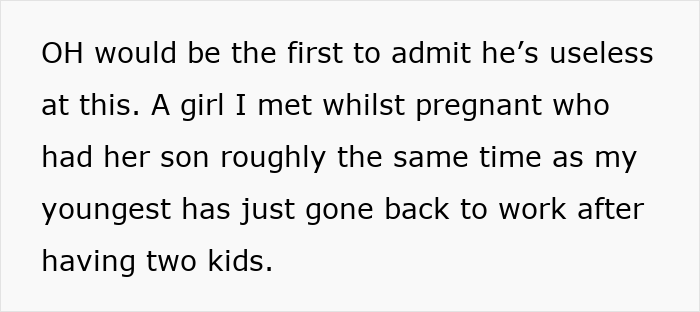
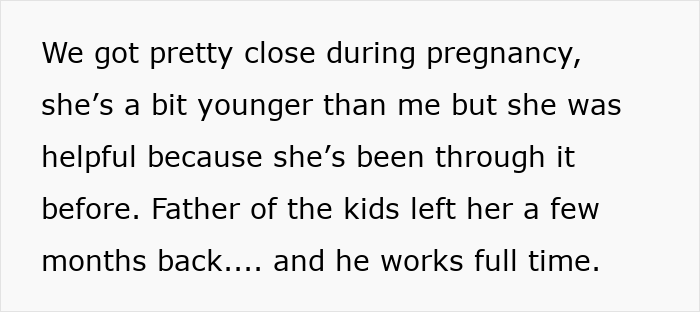
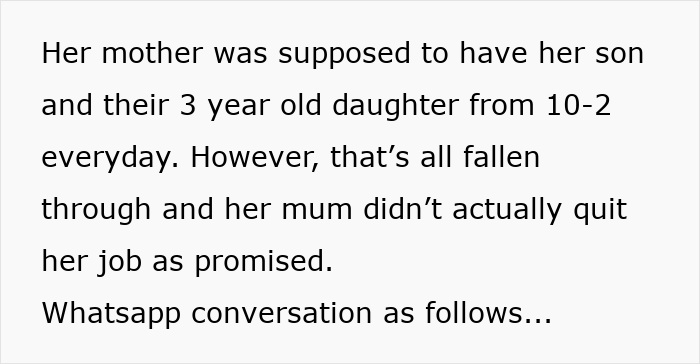
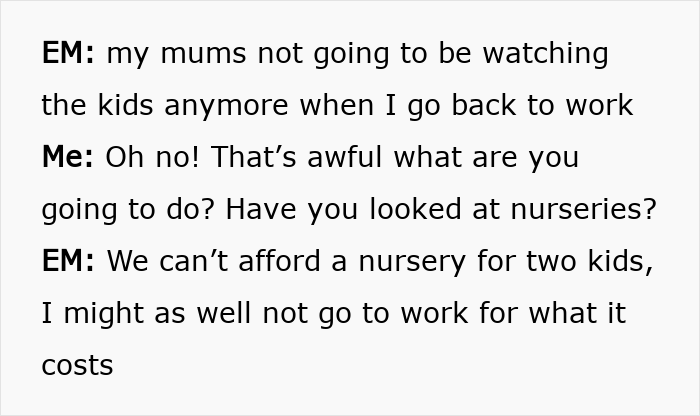
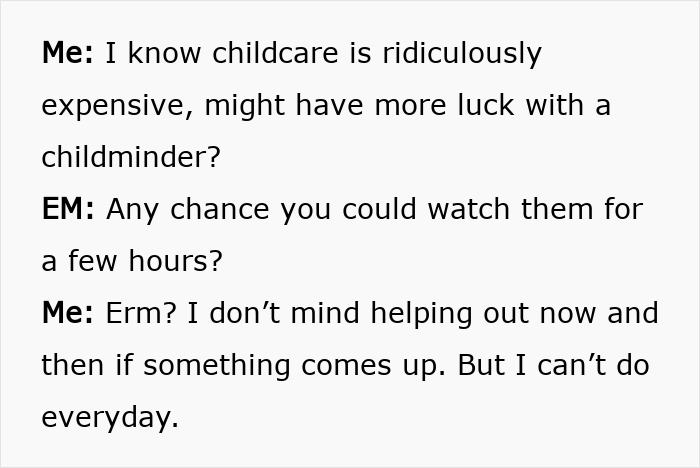
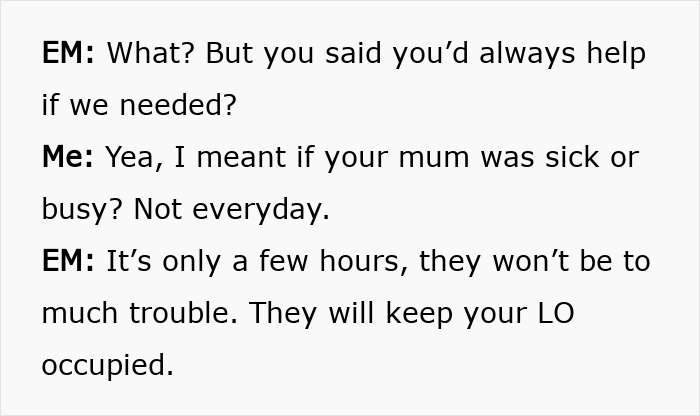
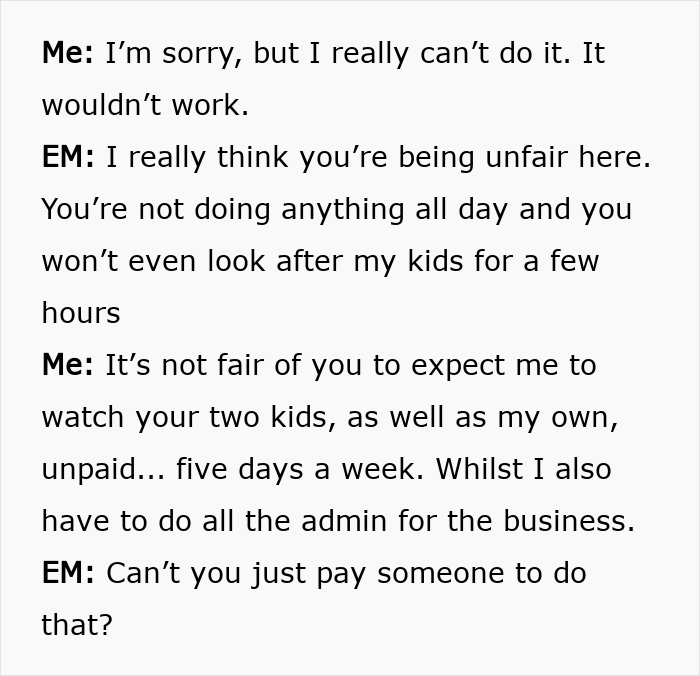
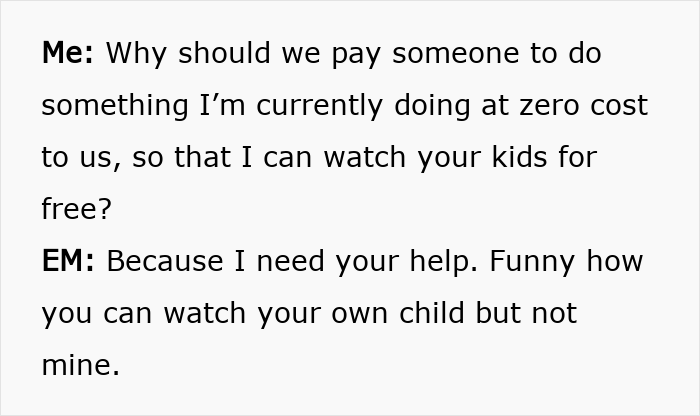
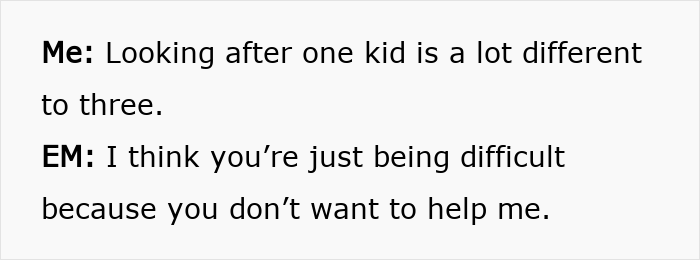
A woman went online to vent about an entitled, so-called-friend who suddenly started asking her to look after her kids for free. Because the woman worked from home, said friend truly believed that she would be free to provide childcare at the drop of a hat. So the woman asked the internet for help and shared some of their text conversations.
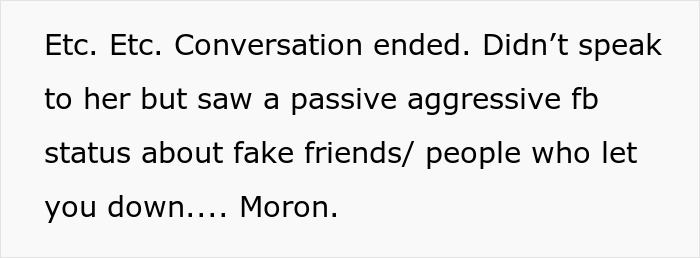

What jumps out reading this thread is how quickly “can you help” turns into “you have to.” EM starts by asking for a favor, gets a boundary in return, and then reframes that boundary as betrayal. That shift is worth paying attention to because it’s a pretty textbook pattern of entitlement, which psychologists define as a stable belief that a person deserves special treatment or exemptions regardless of what they’ve actually done to earn it, as described in this overview of entitlement research. It isn’t just wanting help. It’s the conviction that refusal itself is the wrong one, and that someone else’s no is actually a character flaw.
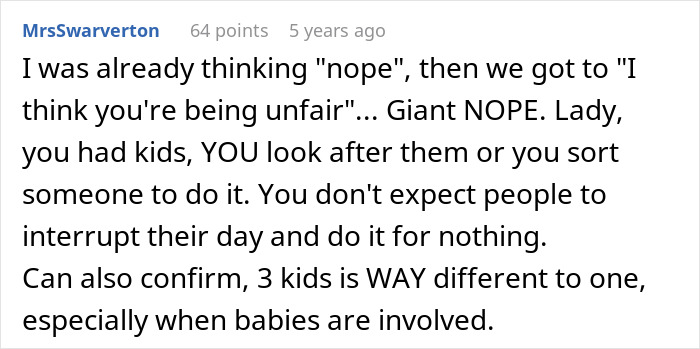
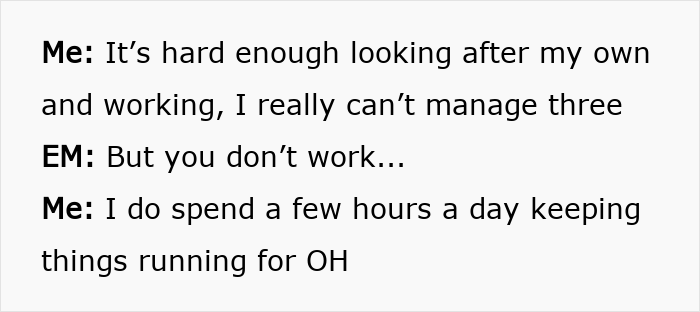
The line “but you don’t work” does a lot of work in this conversation. It’s the moment EM stops treating the woman as a person with her own limited hours and starts treating her as an idle resource. Research on the economic value of unpaid domestic labor consistently shows that stay at home parents managing childcare, admin, and a household are doing work that would cost real money to replace, sometimes valued at tens of thousands of dollars a year if it had to be outsourced. She was already running invoicing and bookkeeping for a small business on top of raising a one year old. EM didn’t see that as work because it wasn’t happening in an office, and that blind spot is what let her ask for four unpaid hours a day, five days a week, without registering it as a big ask at all.
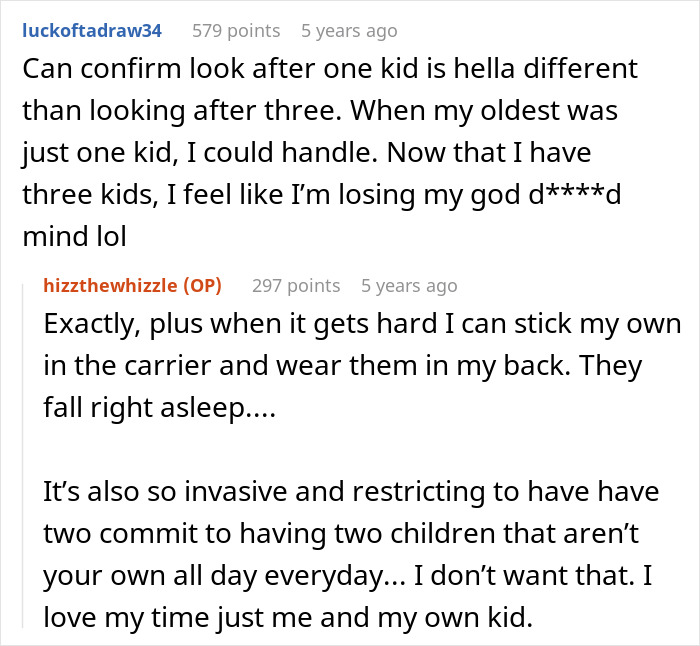
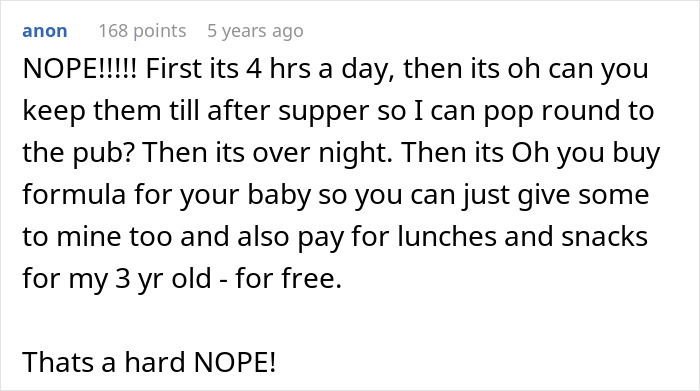
None of this means EM’s actual situation isn’t hard. Childcare in the UK genuinely is punishing on a single income, and the Coram Family and Childcare Survey has tracked costs rising well above inflation for years, which explains why a newly single parent of two might feel like working barely pays once nursery fees come out. That’s a real, structural problem, and it deserves sympathy. But a hard situation doesn’t create a claim on a specific friend’s time. Plenty of parents in that position look into childminders, tax free childcare, the universal credit childcare element, or negotiating flexible hours with an employer, rather than assuming one person will quietly absorb the whole gap for free, five days a week, indefinitely.

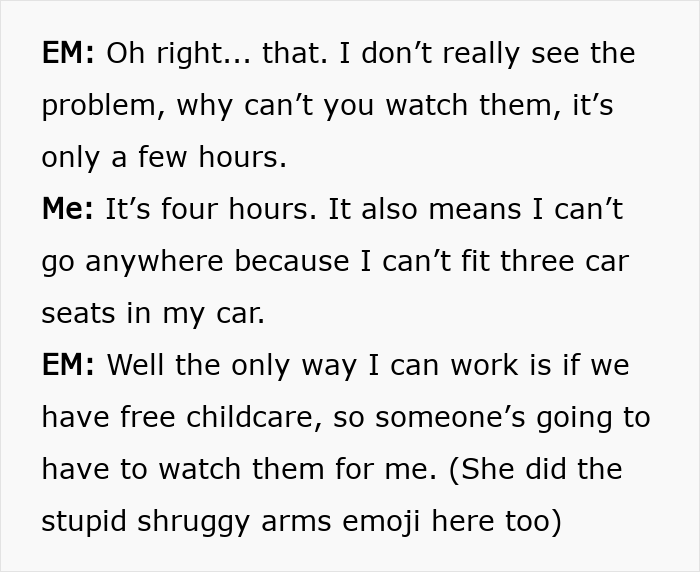
What makes this read as entitlement rather than plain desperation is the reaction once OP said no. A person just hoping for help would be disappointed and would go looking for another option. EM instead accused OP of being unfair, difficult, and a bad friend, dropped in a dismissive shrug emoji when the answer wasn’t what she wanted, and then escalated to a passive aggressive public post once private pressure didn’t land. Friendship runs on a rough sense of reciprocity, the expectation that kindness gets met with kindness rather than quietly converted into an obligation, something social psychologists describe under the norm of reciprocity. EM wasn’t simply asking for a favor and accepting whatever answer came back. She was trying to enforce a debt OP never agreed to, and punishing her publicly once that enforcement failed.
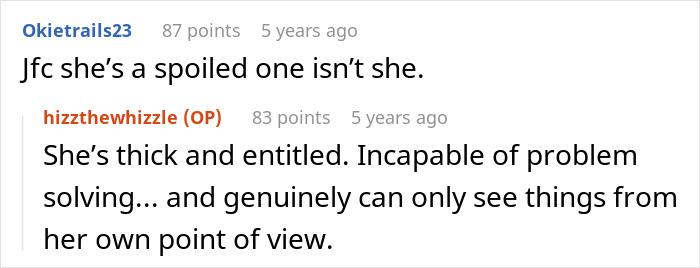
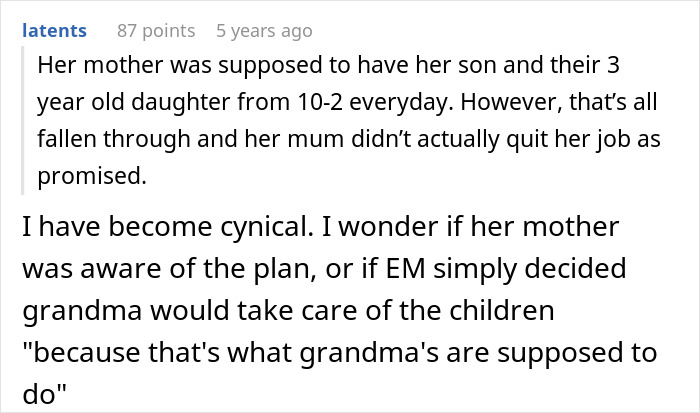
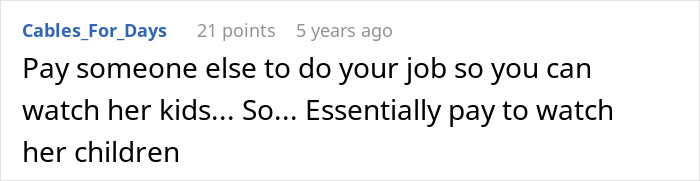
It’s also worth noticing how the goalposts kept moving through the chat. First it was a general offer to help occasionally, then it became watching two extra kids every weekday, then it became the woman’s fault for not paying someone else to do her own admin job so she’d be free to do EM’s childcare for nothing. Each step treats her time as though it costs nothing at all, which is exactly the kind of exaggerated, self focused expectation that entitlement research keeps circling back to, as this review of the psychological literature lays out. Saying no once should have been the end of it. That it wasn’t says a lot more about who let whom down here.


By entering your email and clicking Subscribe, you're agreeing to let us send you customized marketing messages about us and our advertising partners. You are also agreeing to our Privacy Policy.
Thank you! You've successfully subscribed to newsletters!


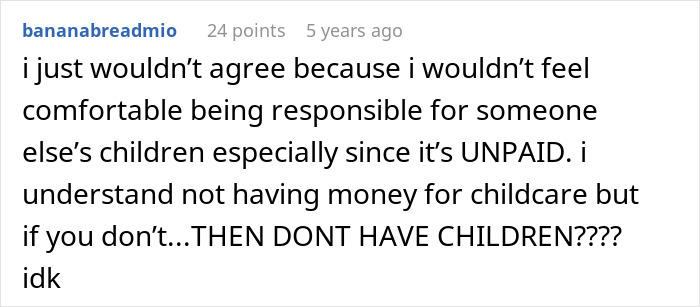
Sounds like this woman is living in a delusional fantasy life where people take on her children's care for free. She needs a different plan.
Sounds like this woman is living in a delusional fantasy life where people take on her children's care for free. She needs a different plan.




























 No fees, cancel anytime









33
9