Get Premium
Dark mode theme is available exclusively for premium users. Learn more about the benefits of subscribing.
No fees, cancel anytime.

 Dark Mode Ad-Free Browsing Unlimited Content

 Ad-Free Browsing Unlimited Content Dark Mode
Join 1.2 million Panda readers who get the best art, memes, and fun stories every week!

Family dinners should be about spending quality time together, maybe catching up if you haven’t seen each other for a while. The last thing you should be worrying about is who shoulders the bill at the end of the night.
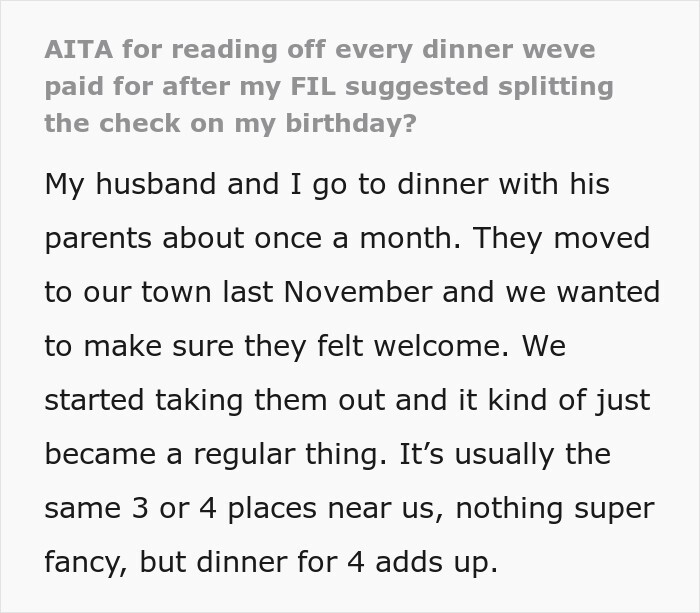
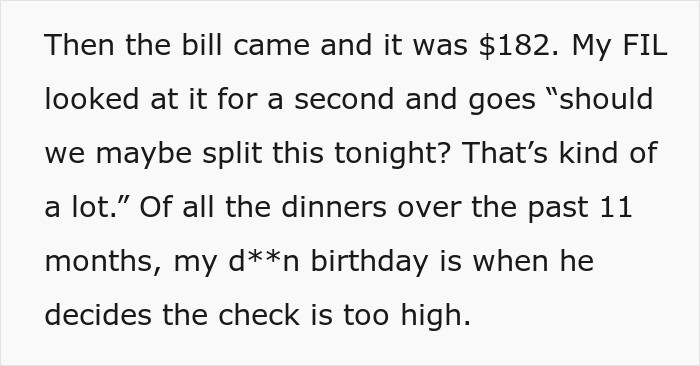
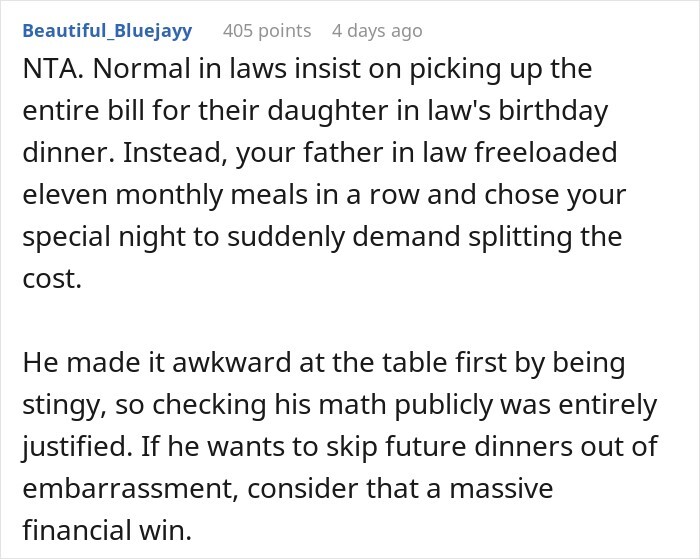
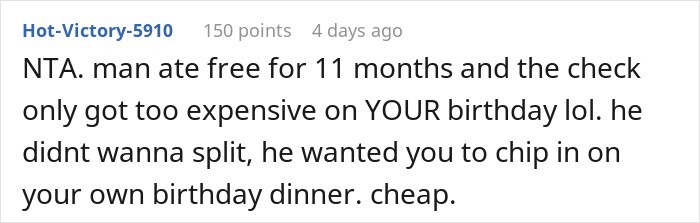
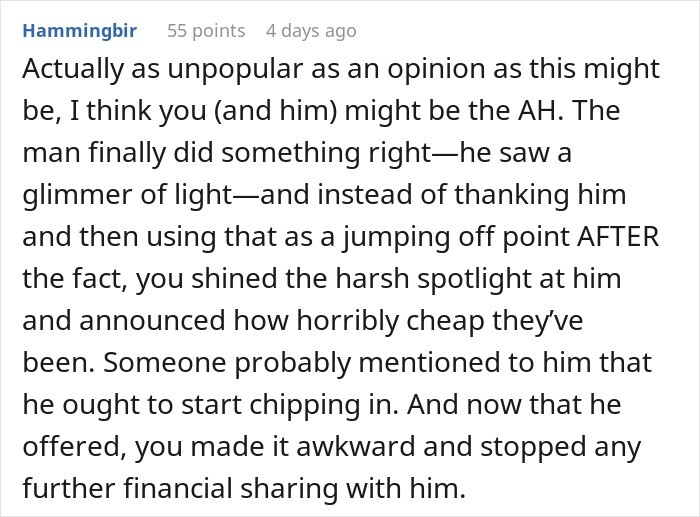
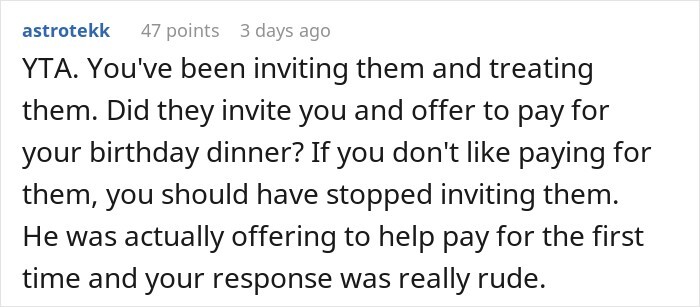
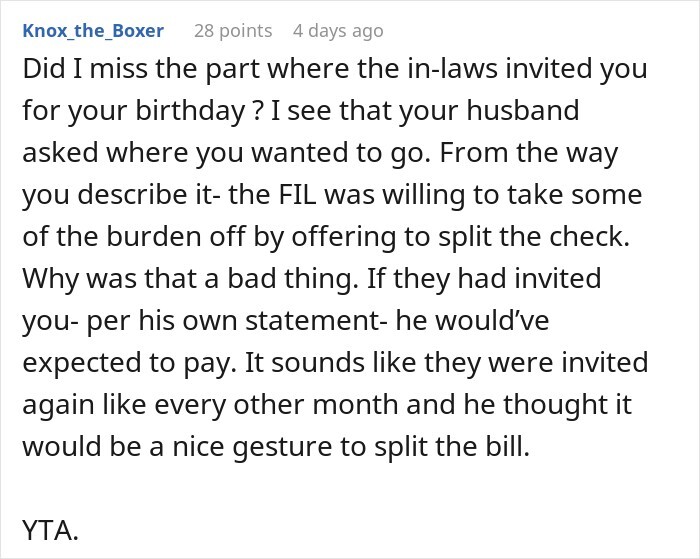
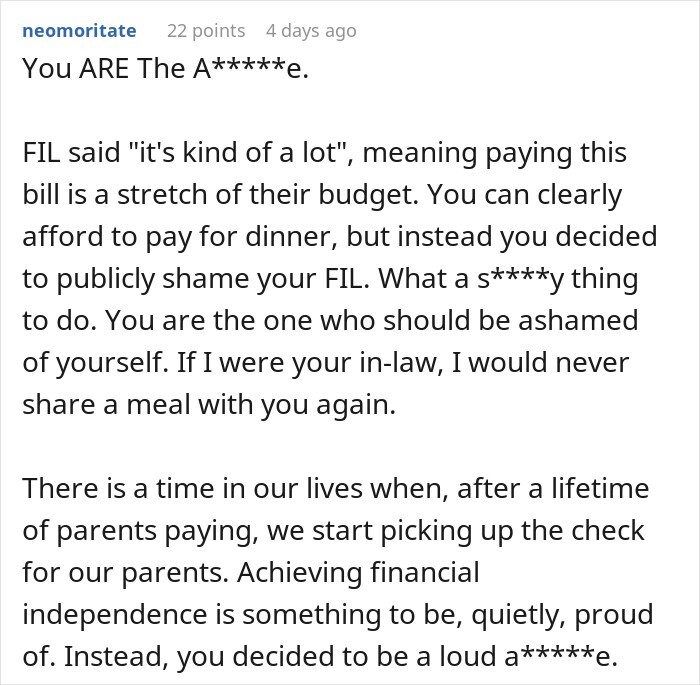
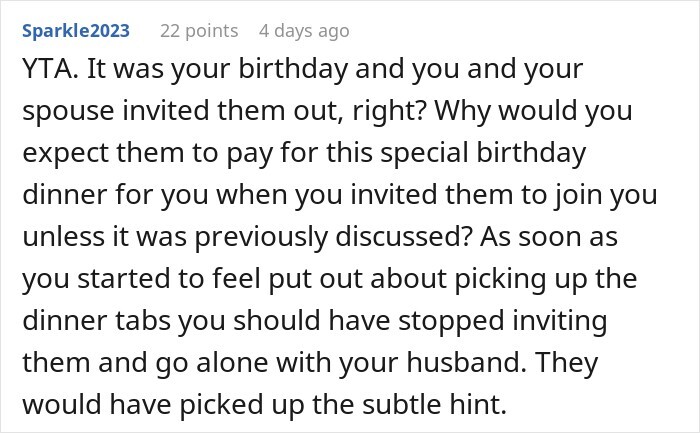
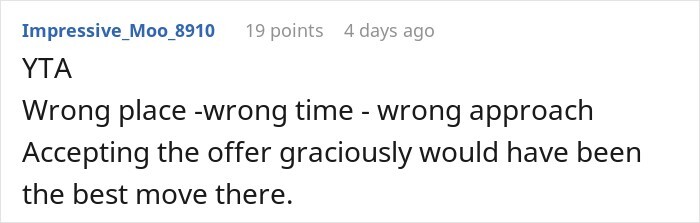
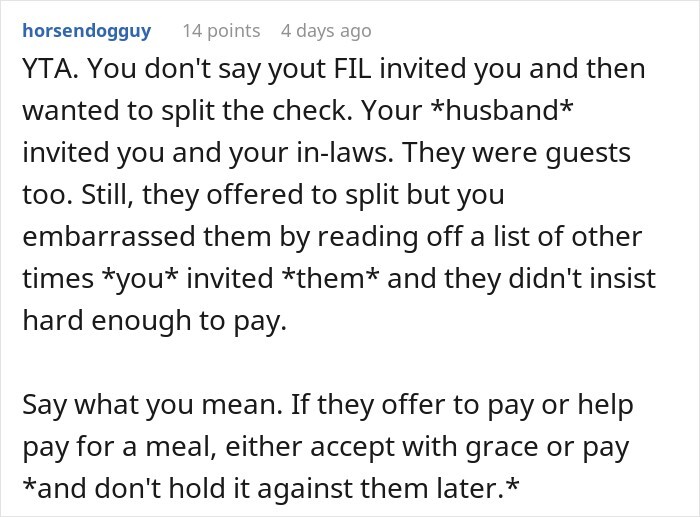
This wasn’t the case for this family, when a father-in-law suddenly asked whether they should split the tab. He made the offer after nearly a year of free dinners courtesy of his son and his spouse.
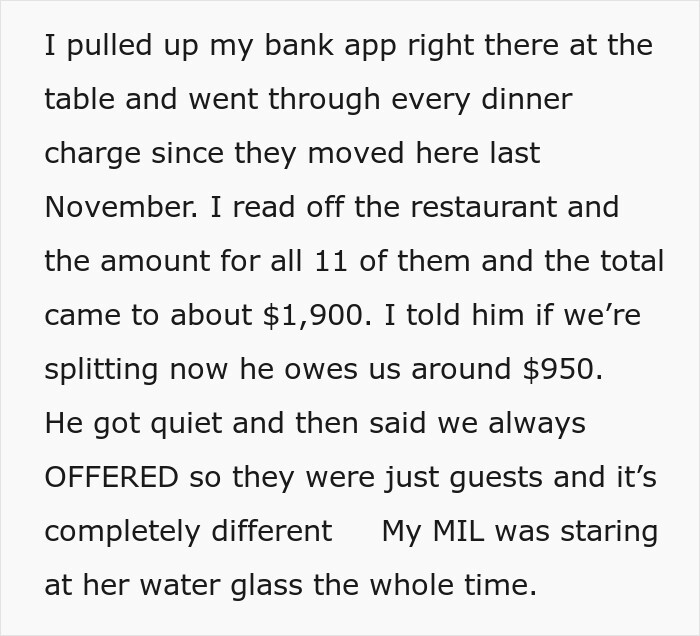
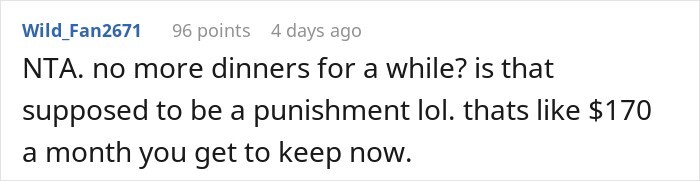
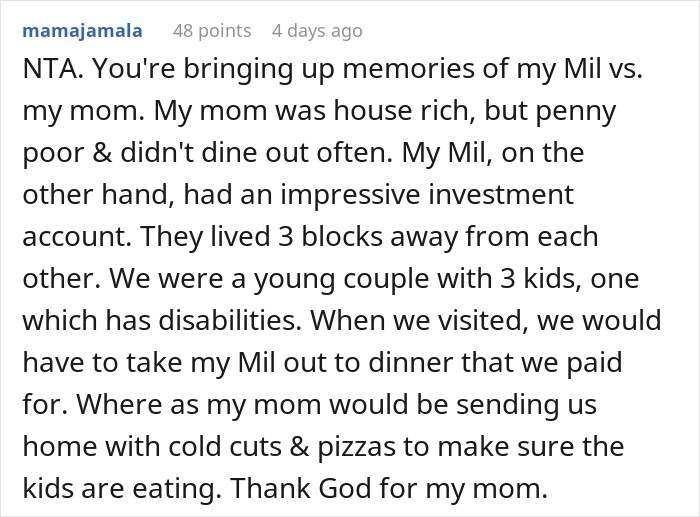
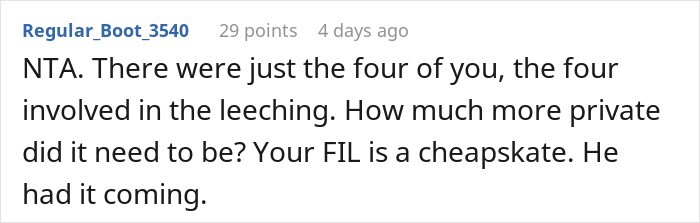
But what he thought was a nice gesture turned awkward, as it also opened the conversation about their previous dinner bills, which amounted to nearly $2,000.
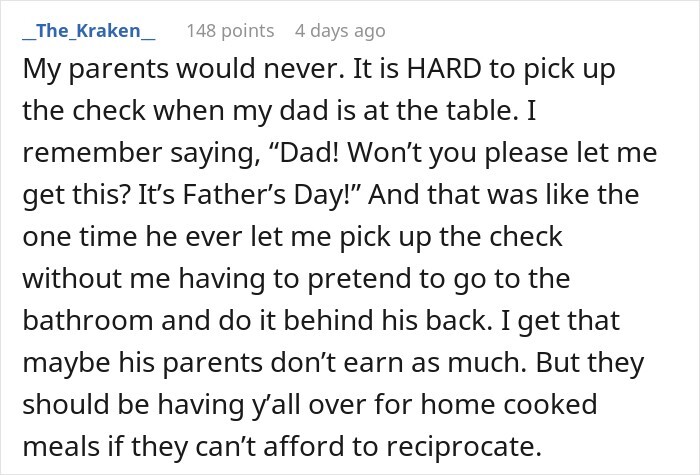
The problem of picking up the tab during dinners isn’t unique to the author and their family. It is a common scenario that can sometimes lead to conflict if left unresolved.
But etiquette expert Karen Thomas says there’s a “golden rule” to avoid that drama, and it is quite straightforward.
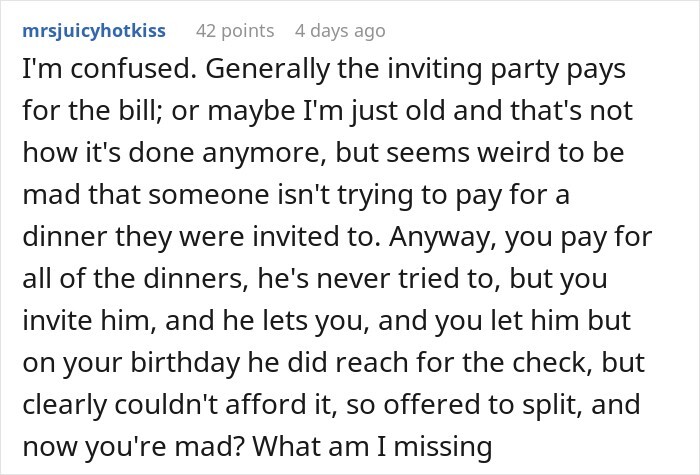
“By etiquette standards, the person who invites pays. If I invite you, I should be doing the paying,” she told LAist.
These rules may vary among family members. When parents are involved, Thomas says they are “expected” to pay, which she feels is “incorrect.”
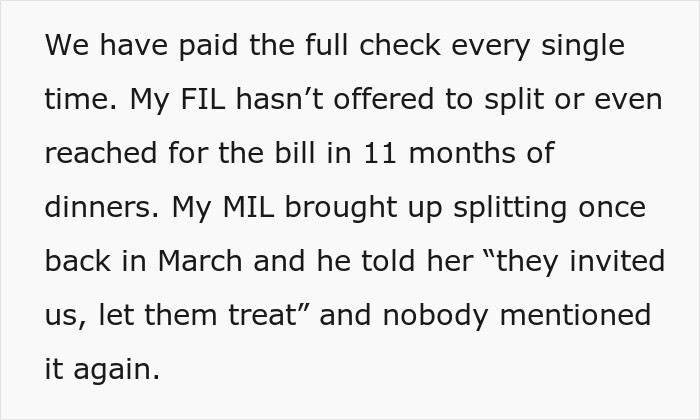
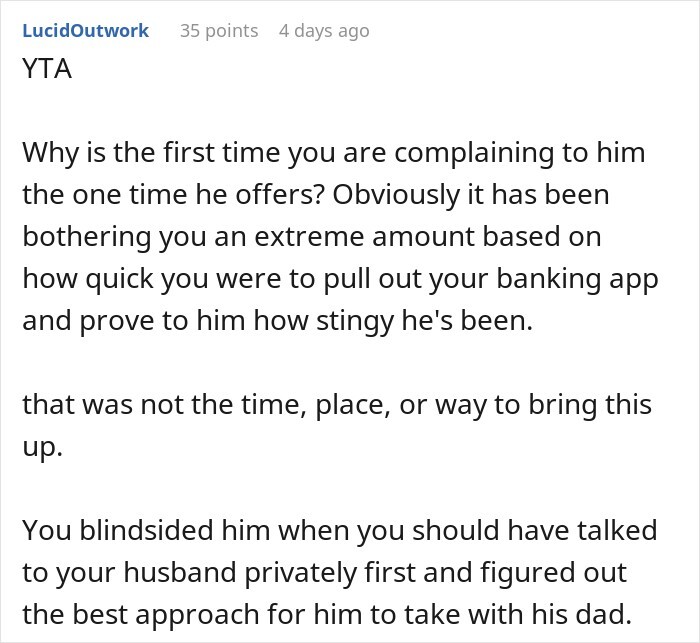
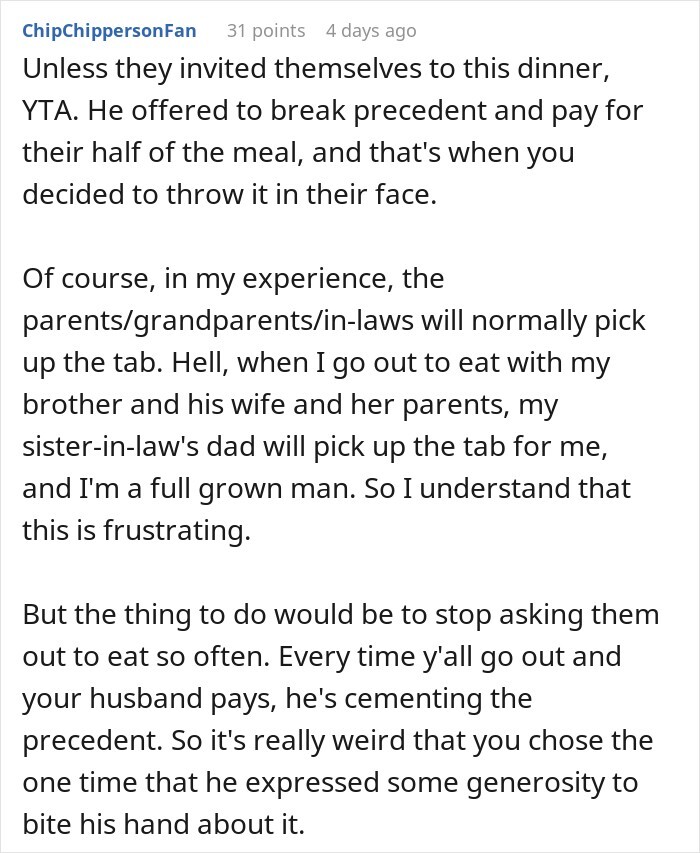
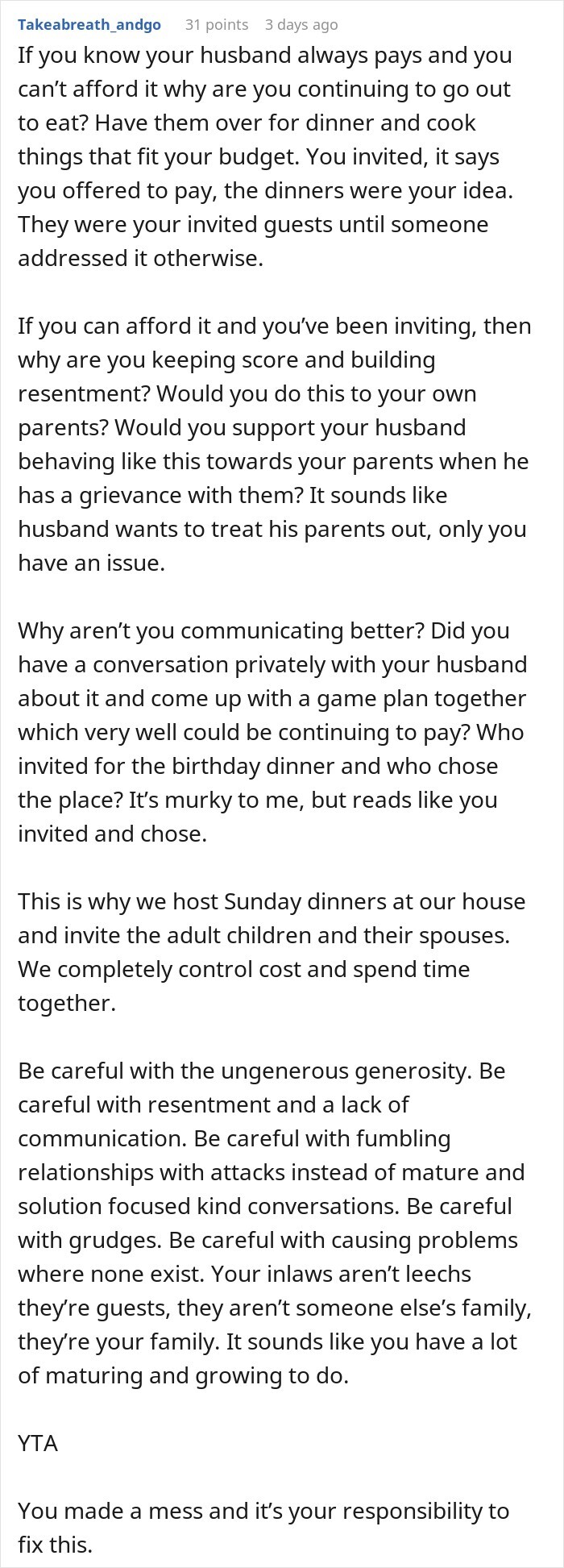
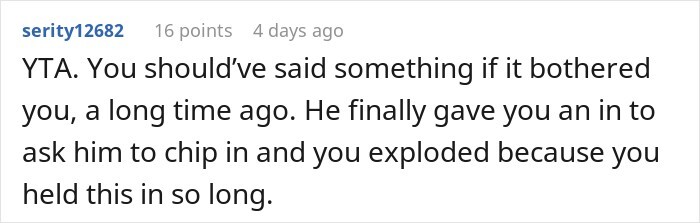
But in the story, the author says their parents-in-law never offered to pay during the 11 months they went out to dinner. This seems to have created brewing tension that eventually came to a head that night.
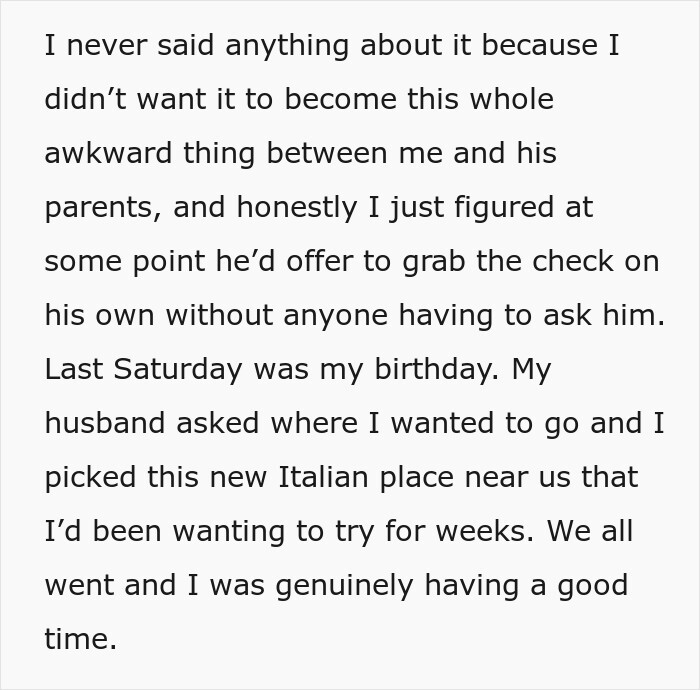
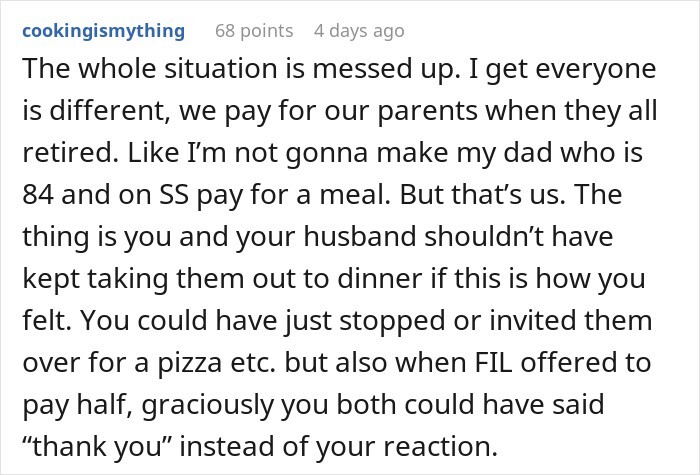
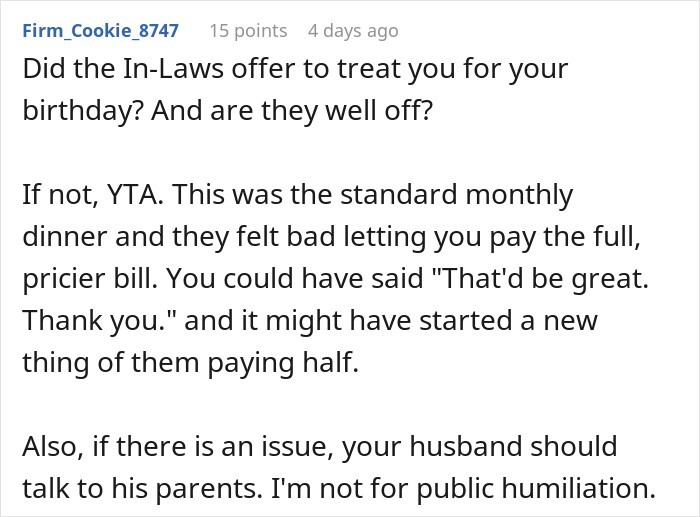
The author’s frustration was understandable, since their father-in-law’s offer came up during their birthday dinner. They were likely expecting a treat for a change.
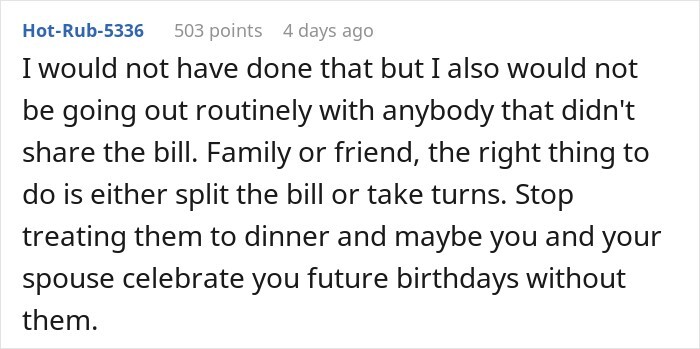
Etiquette expert Lisa Mirza Grotts says generosity should be “a two-way street” where one person should give every now and then, at the very least.
“It’s lovely to treat someone from time to time, and equally lovely to be treated, but generosity should never be assumed or treated as an obligation,” she said.
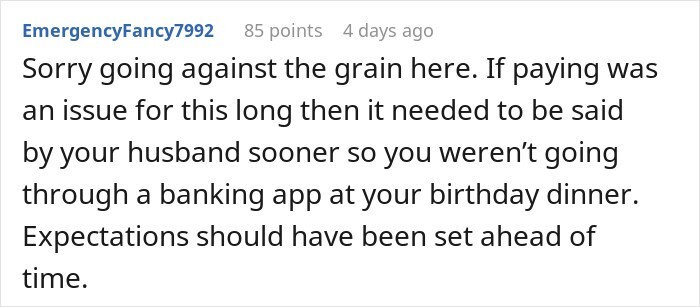
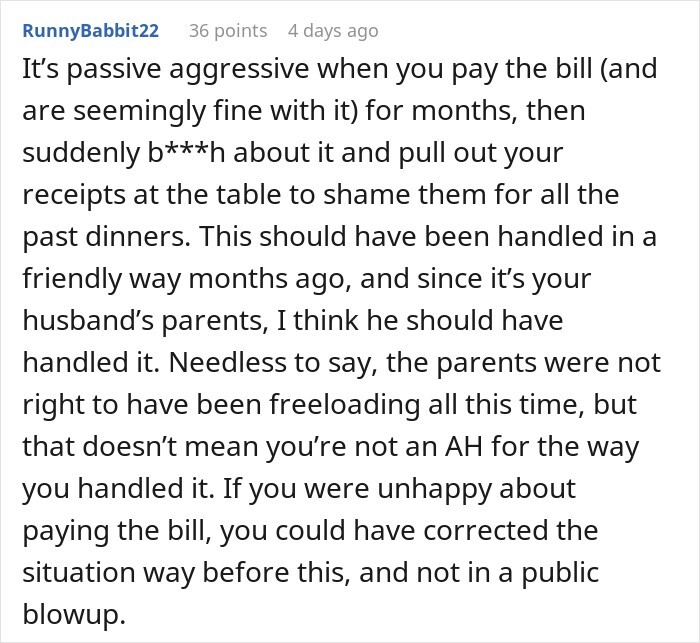
But how can you avoid such tense situations? According to Seattle-based etiquette expert Jennifer Porter, a conversation beforehand can help.
“A smooth conversation might involve a simple, ‘Hey, I’d love to plan dinner with you, but I’ve been feeling like I’m covering most of our get-togethers and would love to split the bill next time. Would you be up for that?'” she said.
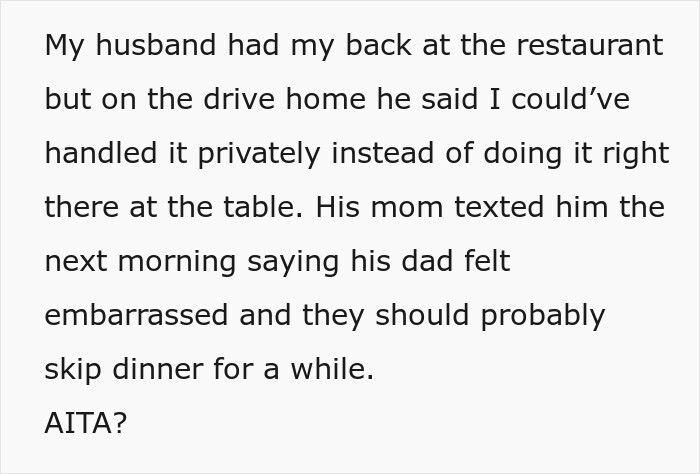
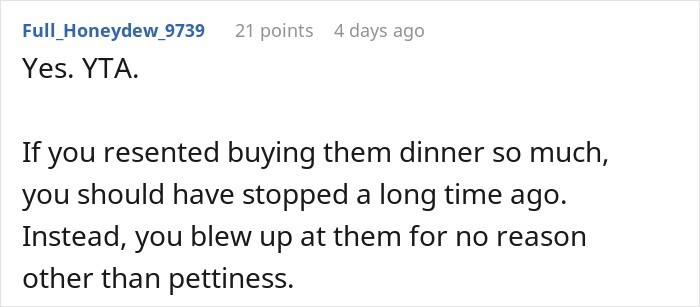
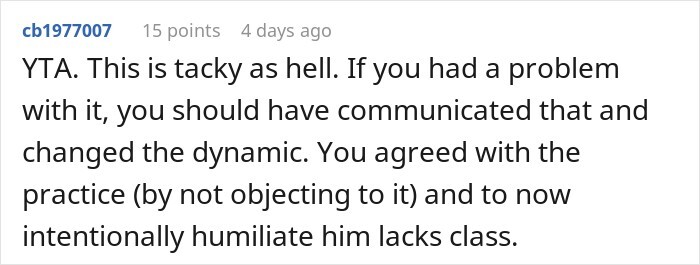
The author’s frustration likely boiled over that night, and it unfortunately happened in public. But if they had talked beforehand, the family could’ve hashed things out more calmly and avoided the tension that followed.

By entering your email and clicking Subscribe, you're agreeing to let us send you customized marketing messages about us and our advertising partners. You are also agreeing to our Privacy Policy.
Thank you! You've successfully subscribed to newsletters!

































 No fees, cancel anytime










29
0