Get Premium
Dark mode theme is available exclusively for premium users. Learn more about the benefits of subscribing.
No fees, cancel anytime.

 Dark Mode Ad-Free Browsing Unlimited Content

 Ad-Free Browsing Unlimited Content Dark Mode
Join 1.2 million Panda readers who get the best art, memes, and fun stories every week!
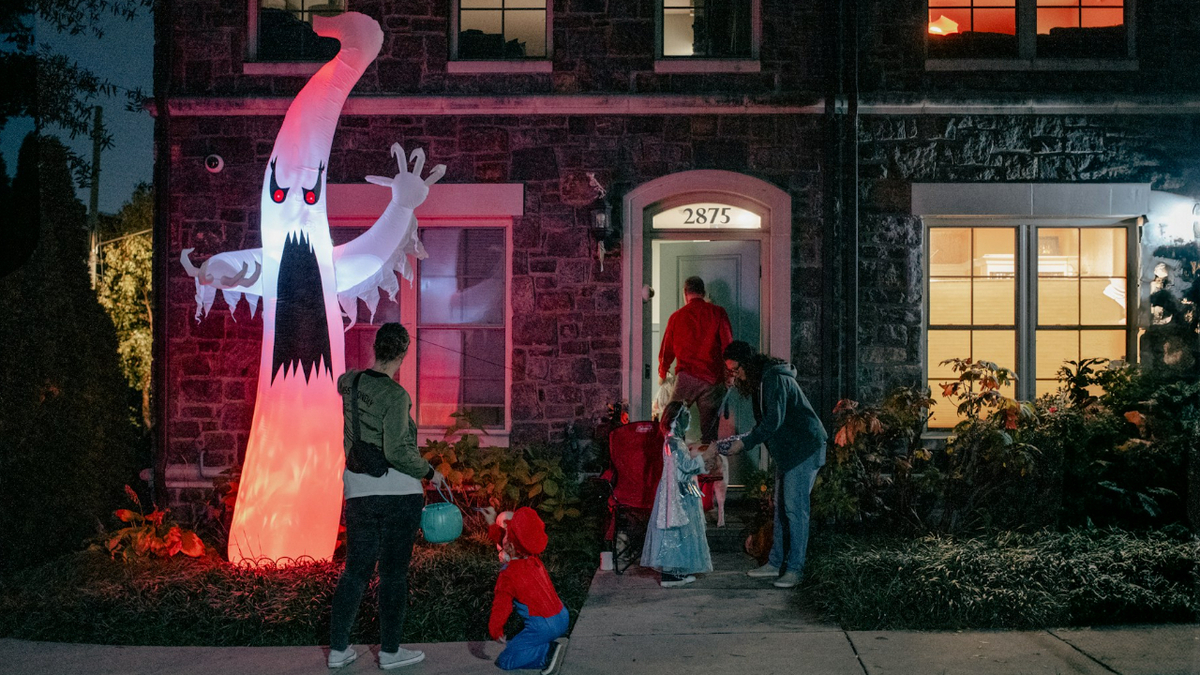
While the sort of monsters one dresses up for on Halloween aren’t real, sometimes one must face the much more mundane creature of human entitlement. While it doesn’t seem as scary, those who have faced it before know just how terrifying it can be.
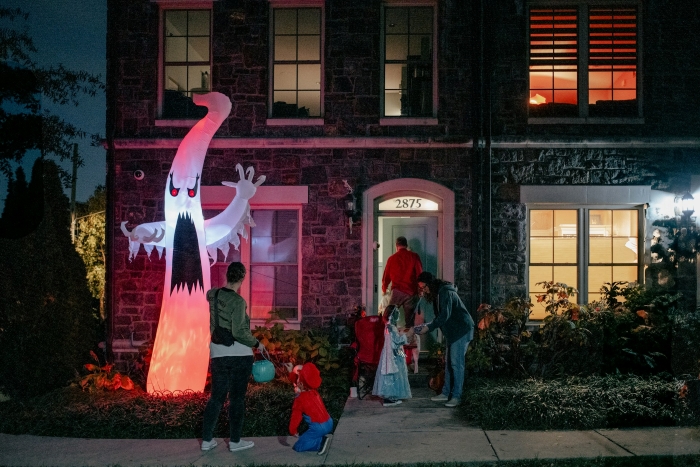
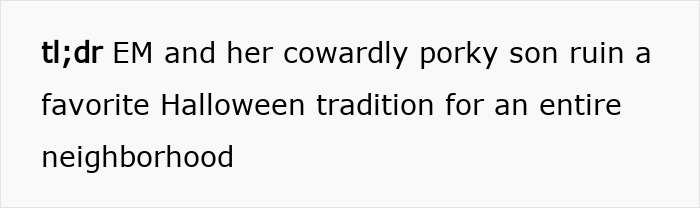
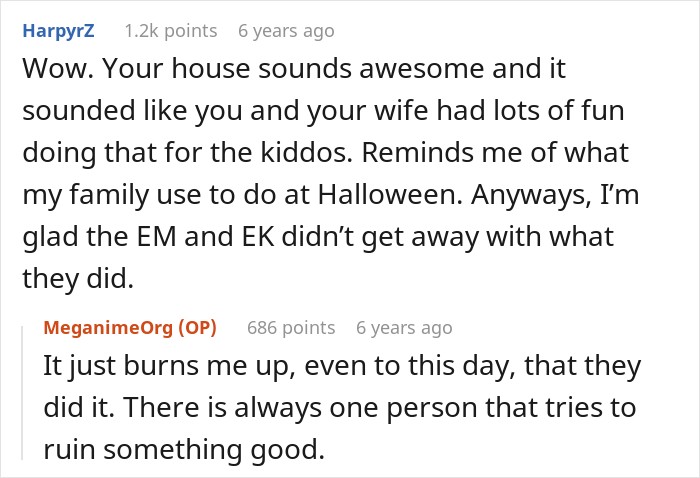
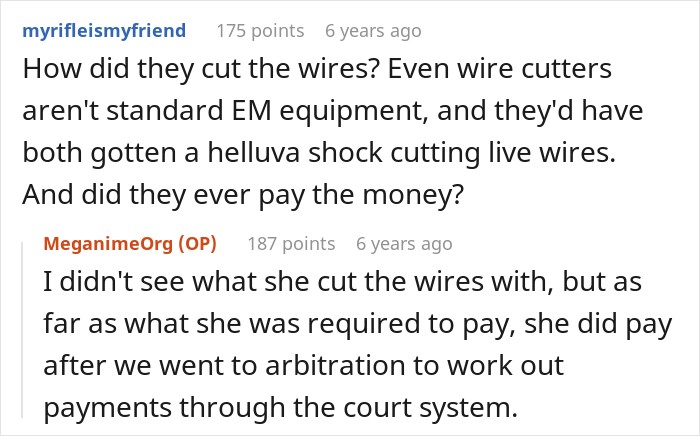
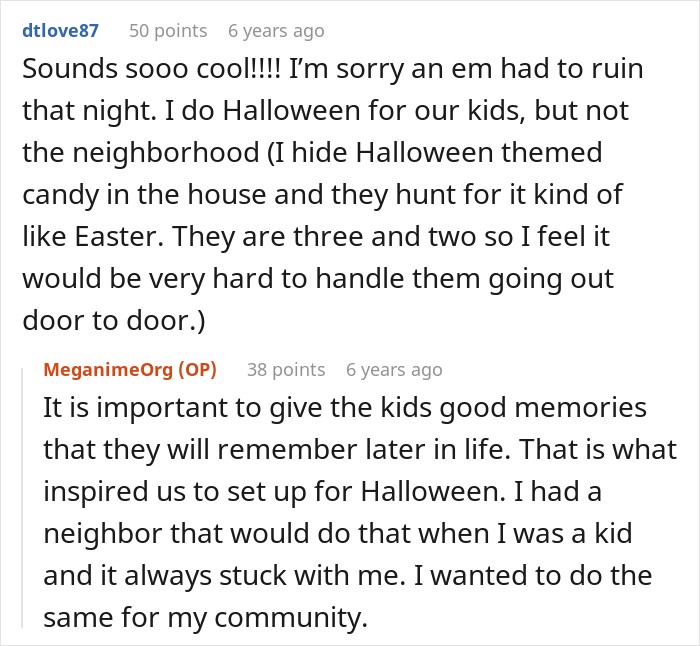
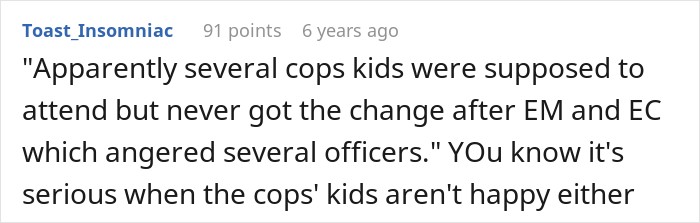
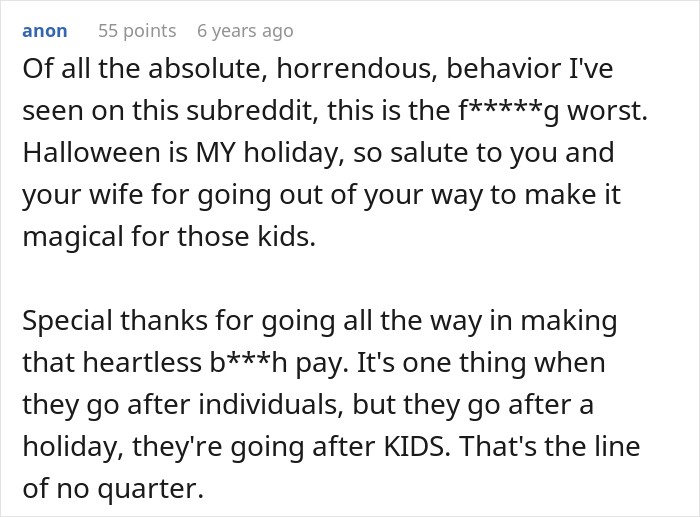
A netizen went online to share their almost horror movie saga with an entitled mom who went out of her way to ruin Halloween. This involved cutting wires, too much candy and just a generally bad attitude that culminated in the cops being called. The internet weighed in on the tale afterwards.
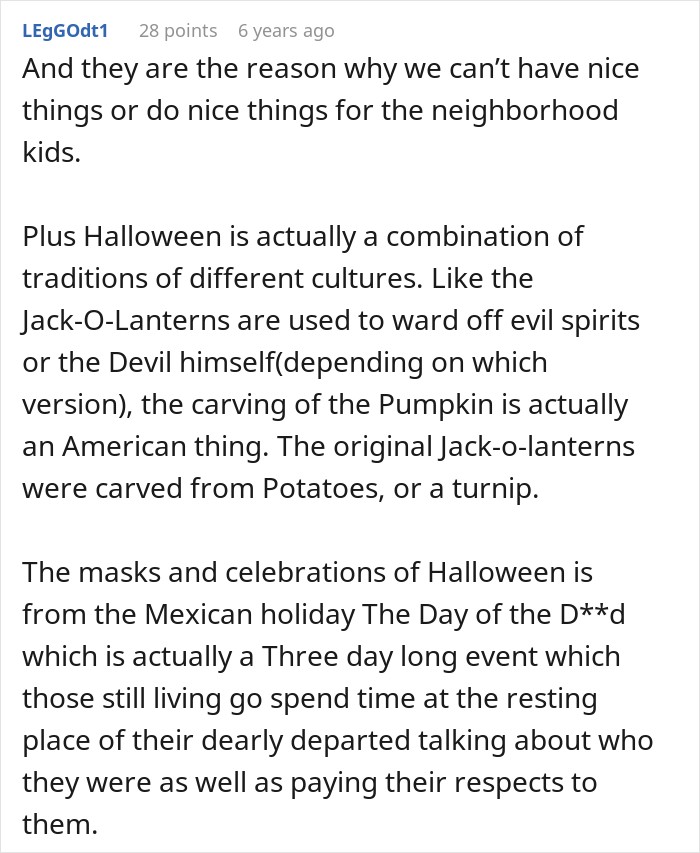
Every Halloween custom began as a negotiation between the people who knocked and the people who answered. The oldest versions of that deal ran on performance. The holiday traces back roughly 2,000 years to the Celtic festival of Samhain, and by the Middle Ages poor children and adults were going door to door offering prayers for the deceased in return for food, a practice called souling. Scottish and Irish children later took up guising, where a costumed visitor had to sing a song or recite a poem before collecting a treat, as Smithsonian magazine explains. Notice who held the power in those arrangements. The household decided what the performance was worth, and nobody was owed a thing.
North America changed the terms. By the 1920s and 1930s the performances had faded and pranks had taken over. The earliest known printed use of the phrase is a 1927 Alberta newspaper, which described young visitors scattering people’s outdoor belongings around town whenever no treats were handed over. Clemson University adds that this mischief ranged from simple vandalism to outright destruction of property. In other words, the trick was meant as a consequence for a household that gave nothing, which is worth remembering when a story features a household that gave generously and received the trick anyway.
Decorations have an equally surprising backstory because they began as a grown up affair. A Massachusetts paper company called Dennison started publishing its Bogie Book in 1909, a guide to Halloween parties built around crepe paper decorations, menus and costumes, according to the Kansas Historical Society. The earliest decorations leaned on frightening imagery like devils, skeletons and ghosts because the parties were meant for adults, and that the look softened as the holiday shifted toward children. That split shows up neatly in the story, where a dark backyard path served the brave and a tame front porch served everyone else. The couple had essentially recreated a century of decorating history across two yards.
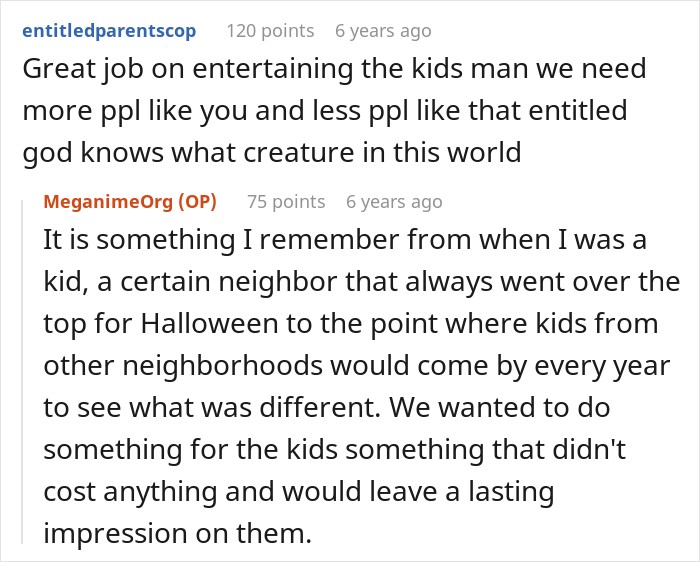
Suburban growth did the rest. Smithsonian magazine credits mid century neighborhoods and individually wrapped candy with making the rounds easier for kids and homeowners alike, and the budgets have grown to match. The National Retail Federation expects Americans to put $13.5 billion into Halloween this year, including roughly $4.3 billion on decorations alone. Yard displays have grown from a few pumpkins into animatronic productions, and some have become genuine destinations. A Plano, Texas display drew nearly 700 trick or treaters on Halloween, which shows how far word of a good haunt can travel.
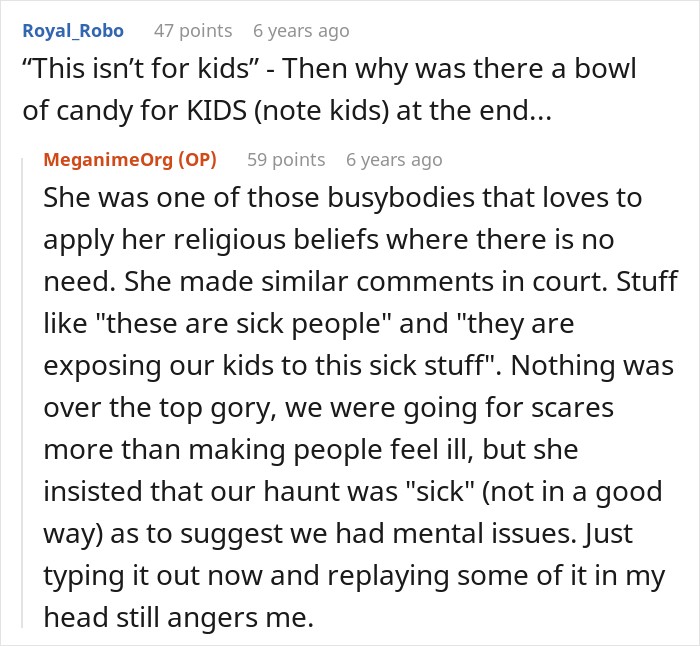
That is where entitlement enters the picture, and it usually arrives quietly. A big display turns a doorstep into an attraction, and attractions invite a different mindset than a neighbor’s porch does. Visitors can start to feel like critics or customers instead of guests, which helps explain how a family that traveled roughly 30 miles came to believe it had a say over a community it did not live in. The couple had even posted a sign pointing toward the gentler front door, a built in way to opt out. Disliking a display is an ordinary reaction, and walking on to the next house is always an option. Taking the candy and cash while cutting the power cords is something else, and it flips the old deal upside down. Guests once performed for their hosts. Here the guests took over the show, and the prizes with it.
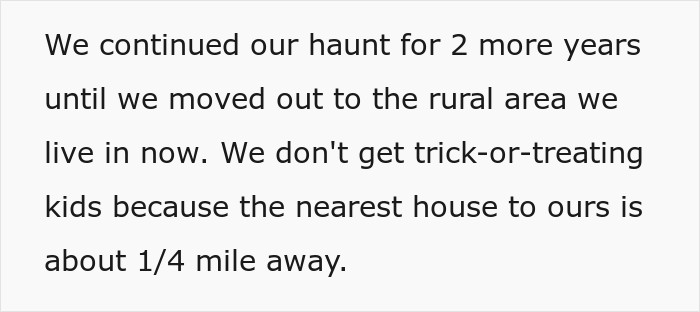
The honor system in that backyard worked for years because everyone shared the same understanding of the deal. Halloween has survived by renegotiating that understanding over and over, from soul cakes to crepe paper to candy bars with cash taped on. Hosts can be as lavish as they like, but the tradition has always depended on guests remembering whose porch they are standing on. The couple’s eventual move to a home a quarter mile from the nearest neighbor is a quiet reminder that the holiday needs neighbors just as much as it needs animatronics, and that a good haunt is really a gift to a community, one that works best when everyone treats it that way.

By entering your email and clicking Subscribe, you're agreeing to let us send you customized marketing messages about us and our advertising partners. You are also agreeing to our Privacy Policy.
Thank you! You've successfully subscribed to newsletters!

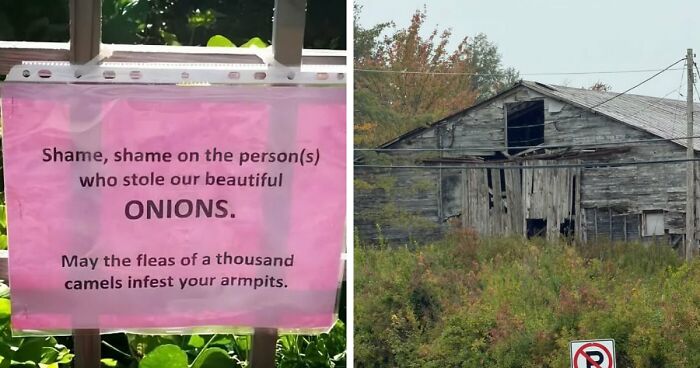
My parents had a house with a barn in a small town. When I was in high school, the band started using the barn as a haunted house fundraiser. For 2-3 weeks before Halloween, about 40 teens were involved in something positive. The tradition continued even after I graduated. They had it for about ten years when a female dog claimed to have gotten hurt on a night WE WEREN'T EVEN OPEN. We had locks, motion detector lights, the whole bit. The insurance company said it would be cheaper to pay that evil female dog off than to fight the suit. No more haunted house. I'm 58 now, and I'm still steamed about it.
My parents had a house with a barn in a small town. When I was in high school, the band started using the barn as a haunted house fundraiser. For 2-3 weeks before Halloween, about 40 teens were involved in something positive. The tradition continued even after I graduated. They had it for about ten years when a female dog claimed to have gotten hurt on a night WE WEREN'T EVEN OPEN. We had locks, motion detector lights, the whole bit. The insurance company said it would be cheaper to pay that evil female dog off than to fight the suit. No more haunted house. I'm 58 now, and I'm still steamed about it.










 No fees, cancel anytime








32
5