Get Premium
Dark mode theme is available exclusively for premium users. Learn more about the benefits of subscribing.
No fees, cancel anytime.

 Dark Mode Ad-Free Browsing Unlimited Content
 Ad-Free Browsing Unlimited Content Dark Mode
Join 1.2 million Panda readers who get the best art, memes, and fun stories every week!

24submissions
1week left
Whether it's accidentally crashing someone's wedding or mistaking a random car for a taxi, we've all made a complete fool out of ourselves at some point in our lives. And that's why you should stop beating yourself about yours. Even if that moment was so awkward, you wanted the Earth to swallow you. The witnesses of your stupid actions probably forgot all about them since they're too busy obsessing about their own past mistakes.
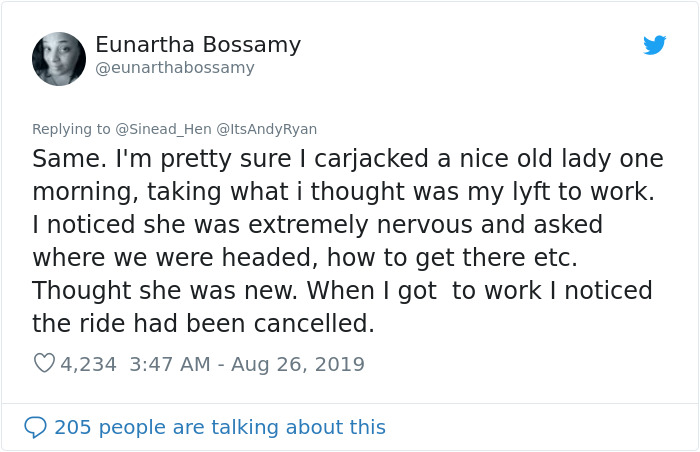
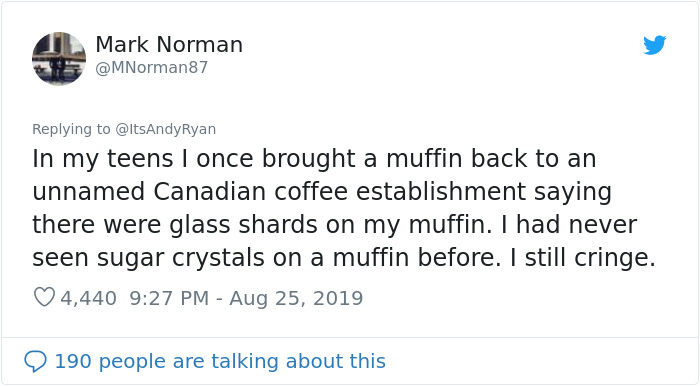
When Twitter user Andy Ryan posted his most embarrassing story, people immediately started responding to it with their own cringeworthy memories. And I mean responding. Andy's tweet has already received over 80K comments and 559K likes, and the numbers keep growing!

Image credits: itsandyryan
Click here & follow us for more lists, facts, and stories.
This post may include affiliate links.
One study says there's a (somewhat) quick way to move past life's most terrible moments. The answer: focusing on everything about the memory except the way it made you feel. "Sometimes we dwell on how sad, embarrassed, or hurt we felt during an event, and that makes us feel worse and worse. This is what happens in clinical depression—ruminating on the negative aspects of a memory," lead researcher Florin Dolcos wrote.
But we found that instead of thinking about your emotions during a negative memory, looking away from the worst emotions and thinking about the context, like a friend who was there, what the weather was like, or anything else non-emotional that was part of the memory, will rather effortlessly take your mind away from the unwanted emotions associated with that memory. Once you immerse yourself in other details, your mind will wander to something else entirely, and you won’t be focused on the negative emotions as much." In other terms, you take control of the memory. You shape the way it floats through your thoughts. You diminish it.
It's quite different than suppressing the bad memory, which is usually effective only in short term and increases chances of anxiety and depression in the long run. For a lot of people it might also be simpler than other emotion regulation strategies, such as trying to recast the negative situation into a positive one.
"Looking at the situation differently to see the glass half full can be cognitively demanding," Sanda Dolcos, a co-author on the study said. "The strategy of focusing on non-emotional contextual details of a memory, on the other hand, is as simple as shifting the focus in the mental movie of your memories and then letting your mind wander."





































 No fees, cancel anytime