Get Premium
Dark mode theme is available exclusively for premium users. Learn more about the benefits of subscribing.
No fees, cancel anytime.

 Dark Mode Ad-Free Browsing Unlimited Content
 Ad-Free Browsing Unlimited Content Dark Mode
Join 1.2 million Panda readers who get the best art, memes, and fun stories every week!
In the world of food, appearances can be deceiving.
While many popular dishes and culinary delights tantalize our taste buds and please our palates, it may come as a shock to some that the methods and ingredients used in their preparation can be far from appetizing.
Bored Panda delves into the less savory side of gastronomy, shedding light on some of the unsettling processes and ingredients that are hidden behind some of the most popular food.
Image credits: Meruyert Gonullu
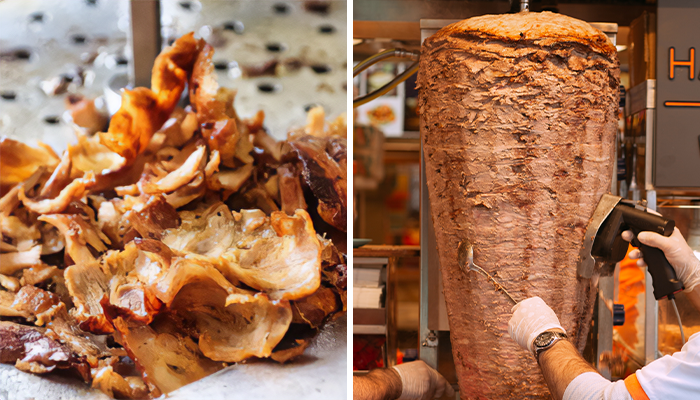
People have been left astounded upon uncovering the contents concealed within a doner kebab.
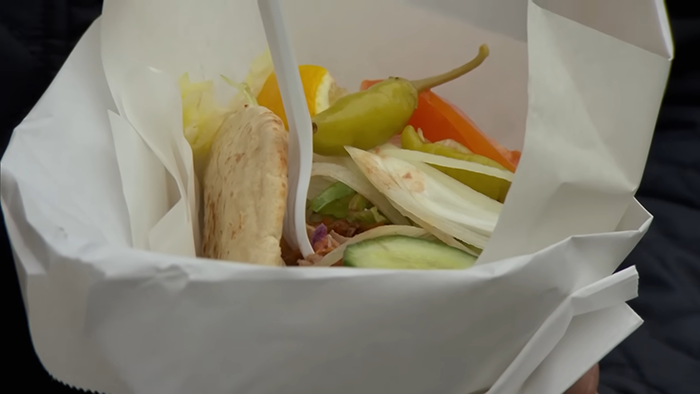
A doner kebab, which typically consists of bread stuffed with meat shavings, lettuce, tomatoes and onions, has become a quintessential British choice after a night of revelry.
Image credits: Food Unwrapped
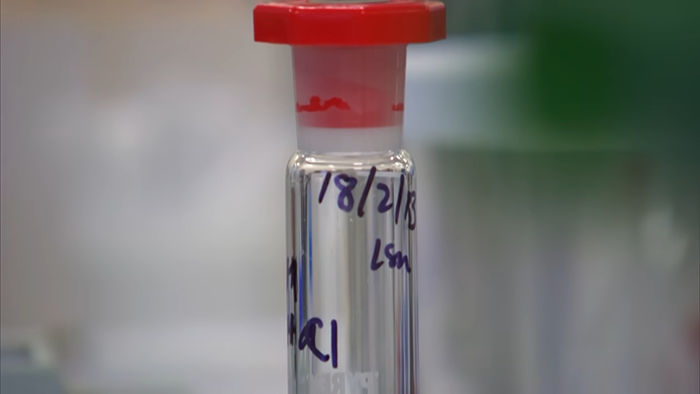
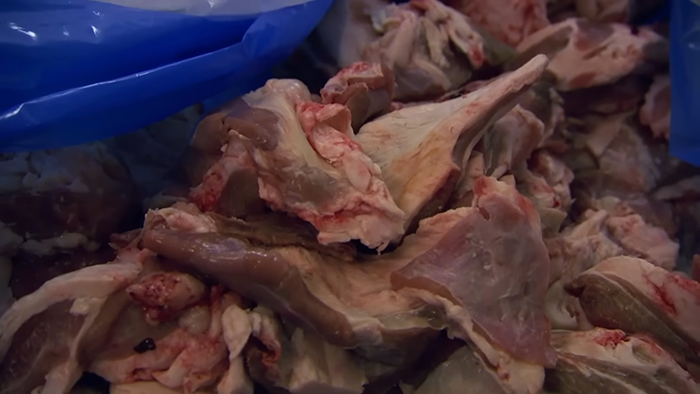
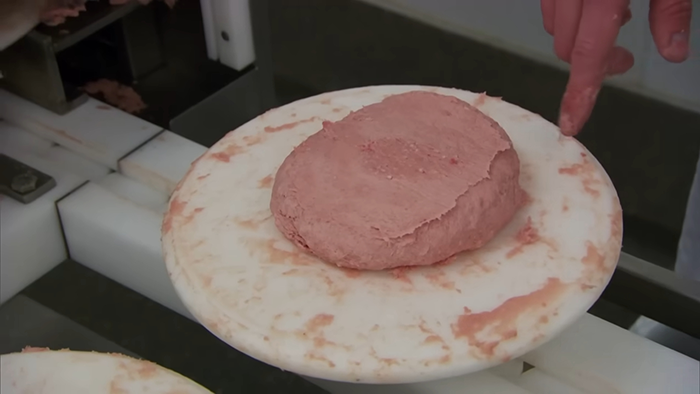
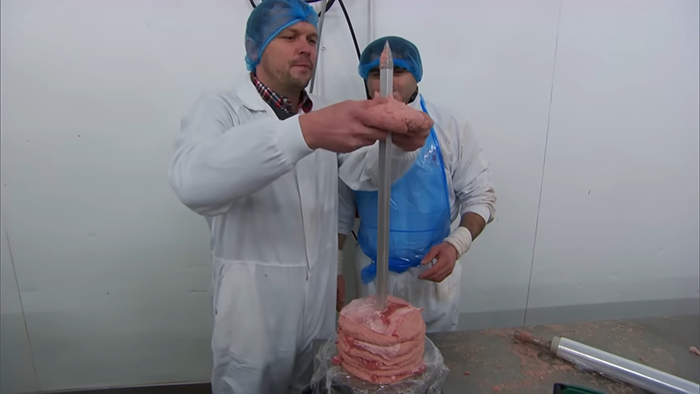
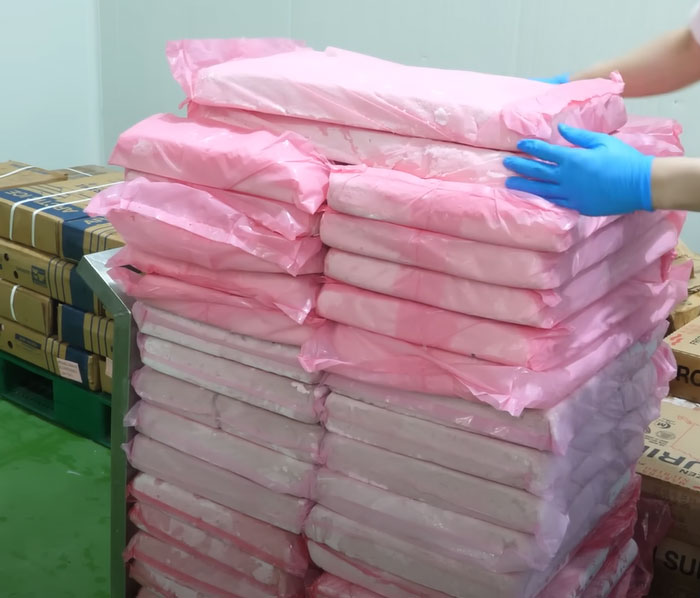
But Jimmy Doherty from Channel 4’s Food Unwrapped made the daring decision to procure nine doner kebabs from nine distinct establishments, dispatching them to a forensic scientist for a comprehensive examination.
The beloved takeaway item is most known to be crafted exclusively from lamb, however, the scientist investigated the presence of alternative meats, such as beef, chicken, and pork, along with the less commonly consumed horse, donkey, and goat.
Image credits: Food Unwrapped
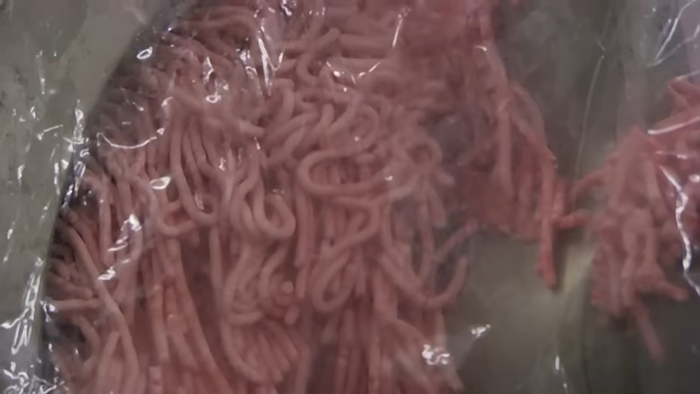
Out of the nine samples tested, only one managed to maintain its integrity with 100 percent lamb DNA, while the others displayed traces of DNA from various other animals.
“Fortunately, we found no goat, no donkey, and no horse in any of the products,” the scientist revealed.
Image credits: Food Unwrapped
Jimmy went on to inquire about the scientist’s expectations if a larger sample of 900 kebabs were employed, to which the researcher responded he would’ve anticipated approximately 60% non-compliance rate, which might be considered quite typical.
Image credits: Food Unwrapped
Devotees of takeout food were somewhat surprised by this revelation, as evidenced by a comment on Food Unwrapped’s YouTube channel: “Even if I could overlook the rubbish mixed in with the meat, the fact that these meats are heated and cooled many many times bothers me.”
“This is important to know that often these kebab shops tell people it’s lamb but in reality it contains beef and pork too,” another person wrote.
Image credits: Food Unwrapped
Image credits: Food Unwrapped
Image credits: Food Kingdom
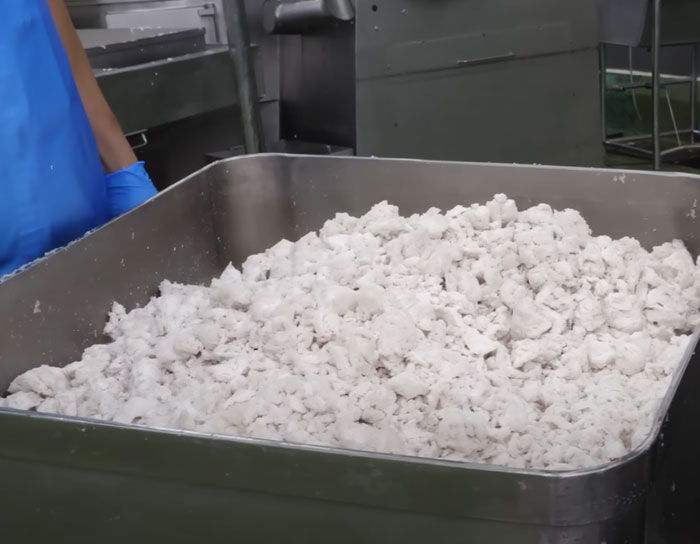
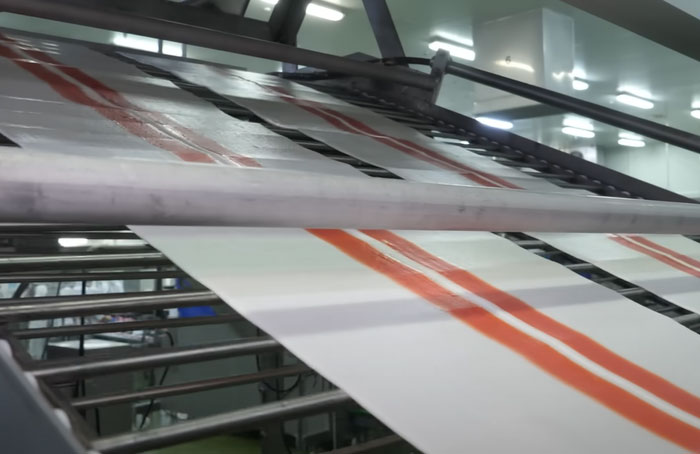
Earlier this year, a video from the Food Kingdom YouTube Channel gained widespread attention as it purportedly showcased the world’s largest crab stick manufacturing facility.
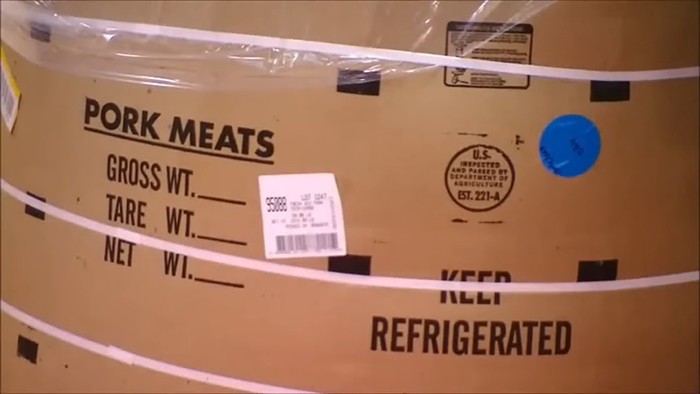
The vast majority of crab sticks are, in fact, not made from genuine crab meat, but are instead made of starch and ground-up remnants of white fish.
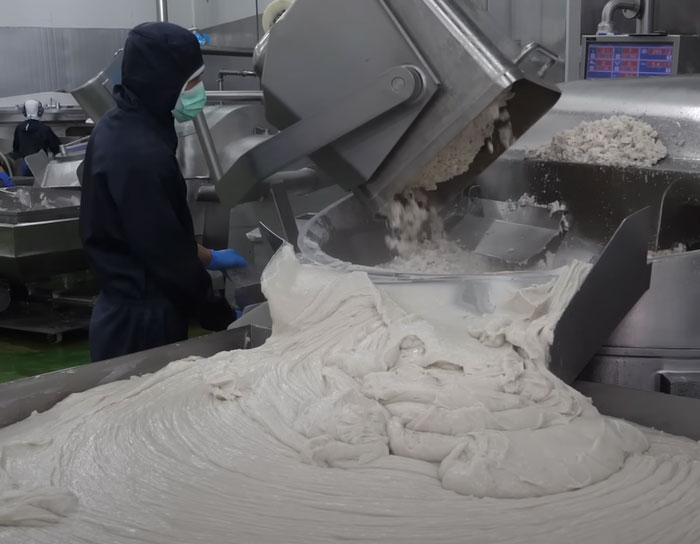
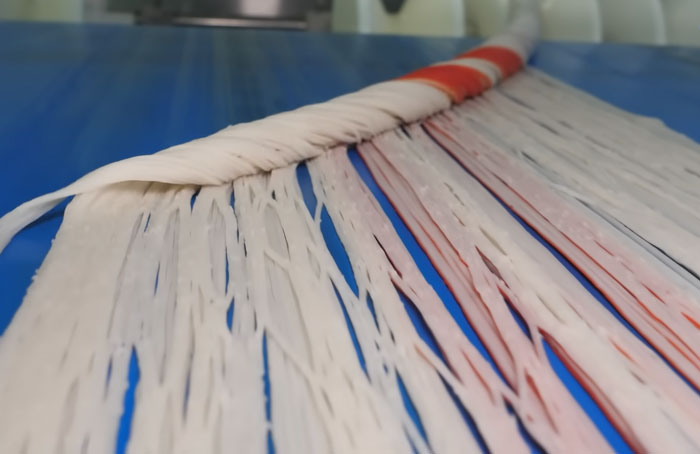
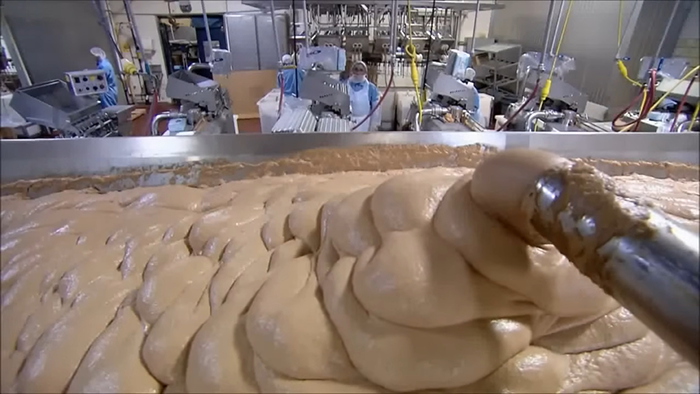
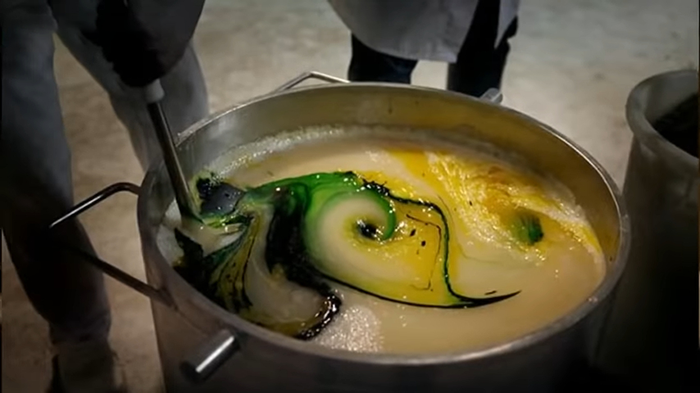
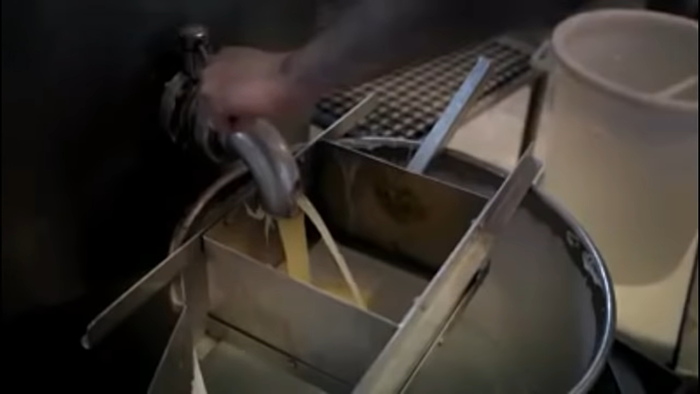
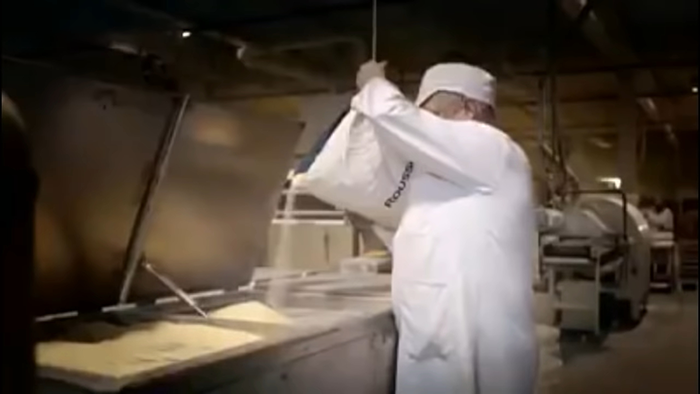
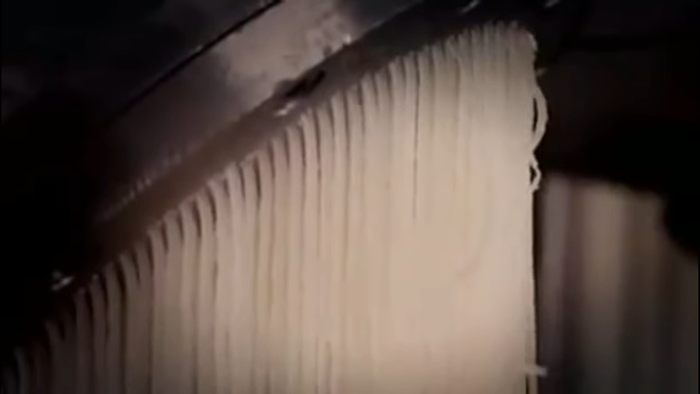
As illustrated in the video, fish byproducts are finely ground and mashed until they resemble a rather unappetizing construction material.
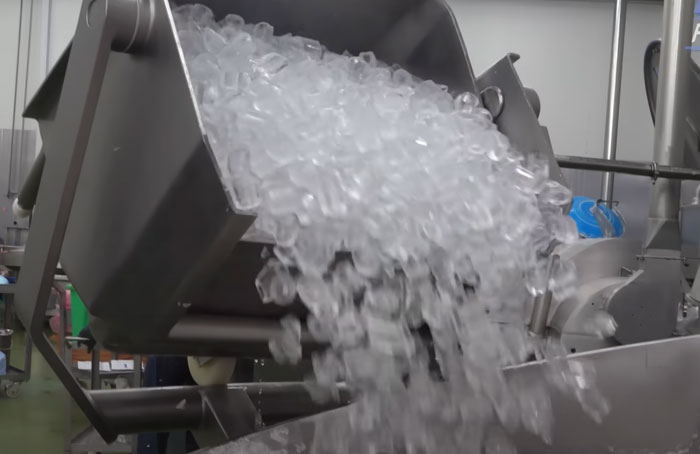
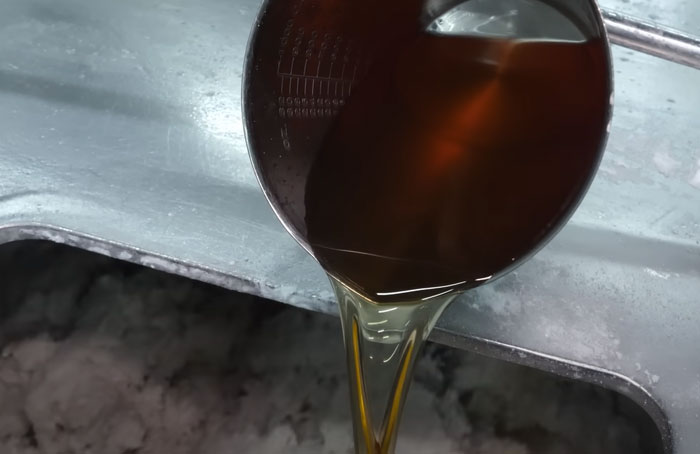
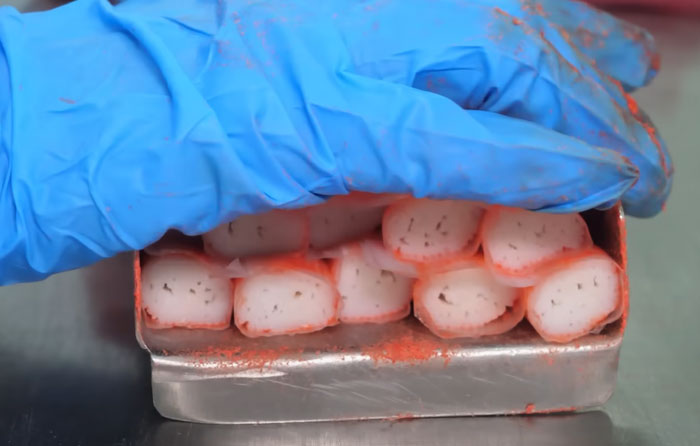
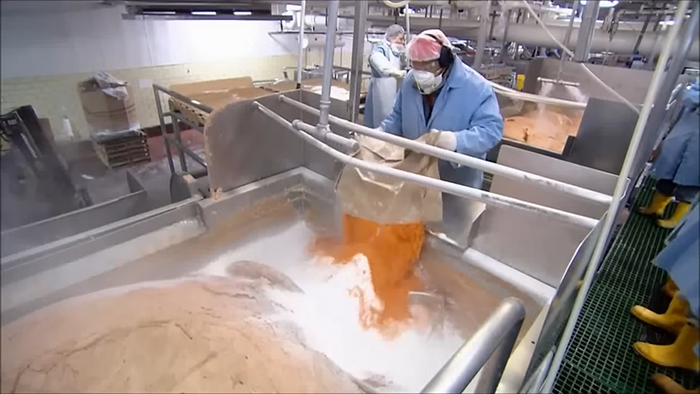
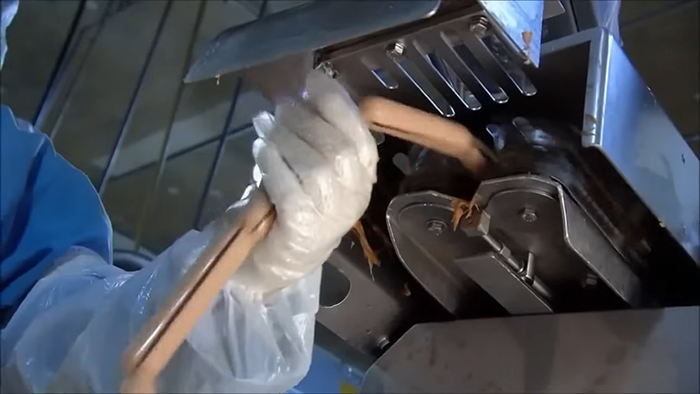
Subsequently, a mixture of various other ingredients is blended in, and the “crab sticks” are shaped into the familiar items used in sushi rolls or salads.
Image credits: Food Kingdom
According to data from the United States Department of Agriculture National Nutrient Database, crab sticks typically consist of approximately 76% water, 15% protein, 6.85% carbohydrates, and a meager 0.9% fat content.
From a nutritional standpoint, they lag significantly behind genuine fish products available in the market.
Image credits: Food Kingdom
Image credits: Food Kingdom
Image credits: Food Kingdom
Image credits: Food Kingdom
Image credits: Food Kingdom
Image credits: Food Kingdom
Image credits: How It’s Made
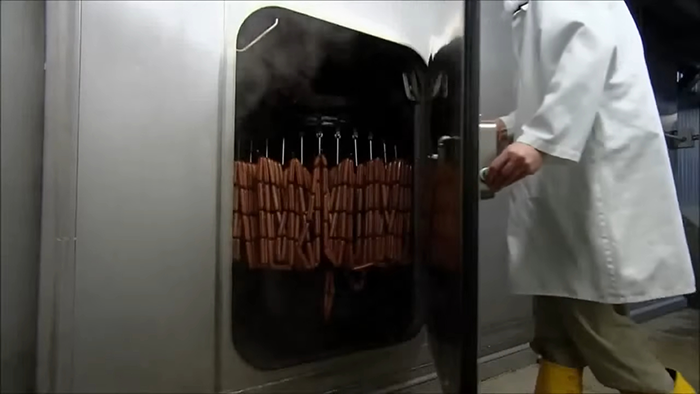
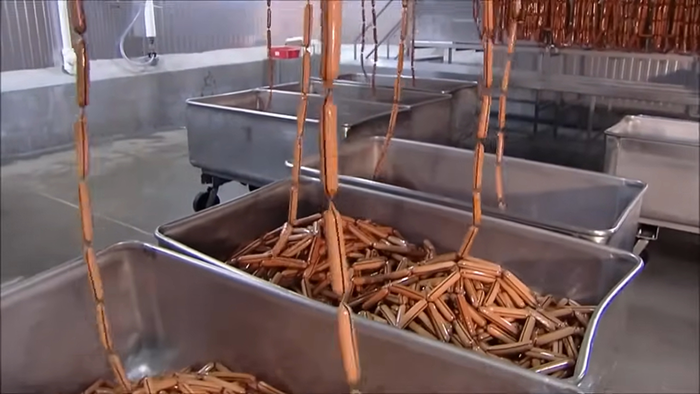
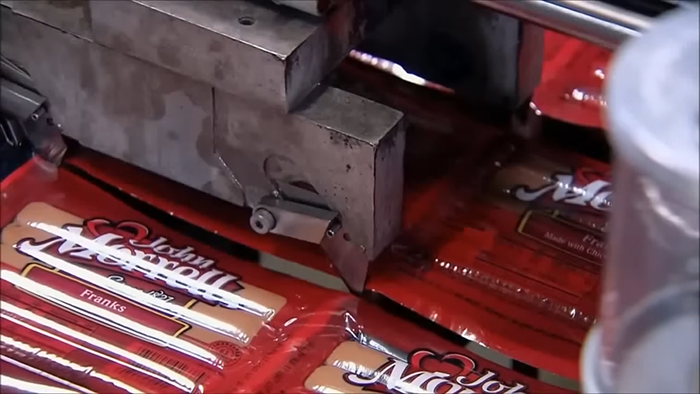
A comprehensive video has provided a detailed breakdown of the hot dog manufacturing process, featuring a voiceover guiding us through the steps.
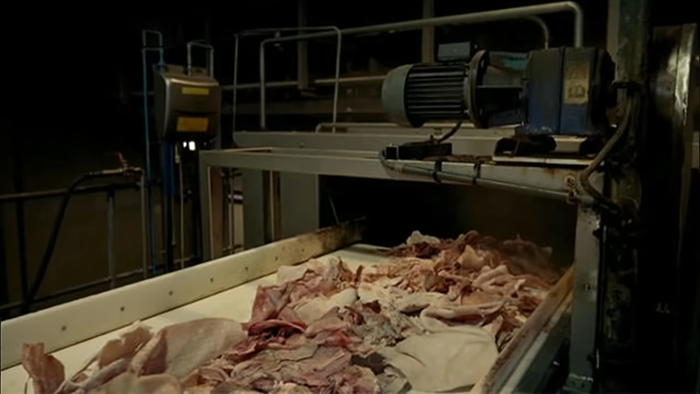
The narrator explains that traditional hot dogs are crafted from a blend of beef, chicken, and pork. The meat undergoes a thorough mixing process until it transforms into a rather unappealing paste.
Following this, it is further combined with water, resulting in a product that may appear even less appetizing.
Image credits: How It’s Made
The video shows corn syrup gently poured onto the mixture, intended to impart a hint of sweetness.
Additional water is also incorporated until, ultimately, they are piped into casings and traverse a series of racks.
Image credits: How It’s Made
It then takes just 35 seconds to produce a chain of hot dogs long enough to stretch across a football field twice.
Following this, liquid smoke is piped over the hot dogs, and they are subsequently submerged in a cold, saline bath.
Image credits: How It’s Made
Image credits: How It’s Made
Image credits: How It’s Made
Image credits: How It’s Made
Image credits: How It’s Made
Image credits: Did You Know?
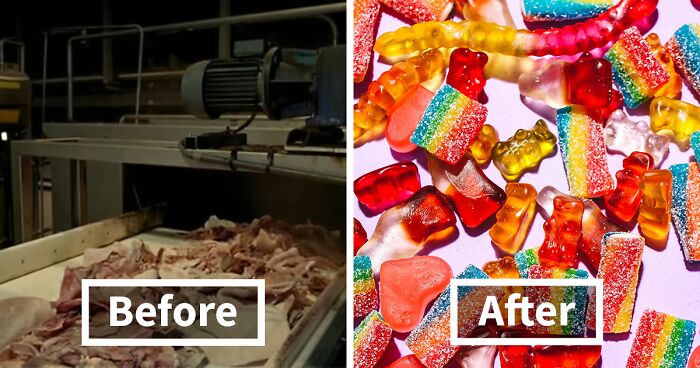
A video has unveiled the intricate process of producing gelatin, a substance that finds its way into numerous confections, as well as puddings, select cosmetics, cheeses, yogurts, soups, and even the coating of vitamin tablets.
Candy fans might be surprised to know that the substance is derived from the extensive simmering of skin, tendons, ligaments, and bones, typically sourced from cows or pigs, in water.
Image credits: Did You Know?
Gelatin, a protein originating from collagen, serves the purpose of stabilizing and thickening various ingredients.
The footage illustrates the process of pig carcasses having their skin removed, followed by chopping and eventually boiling their bones to create a finely ground powder.
Image credits: Did You Know?
Image credits: Did You Know?
Image credits: Did You Know?
Image credits: Stephhzz
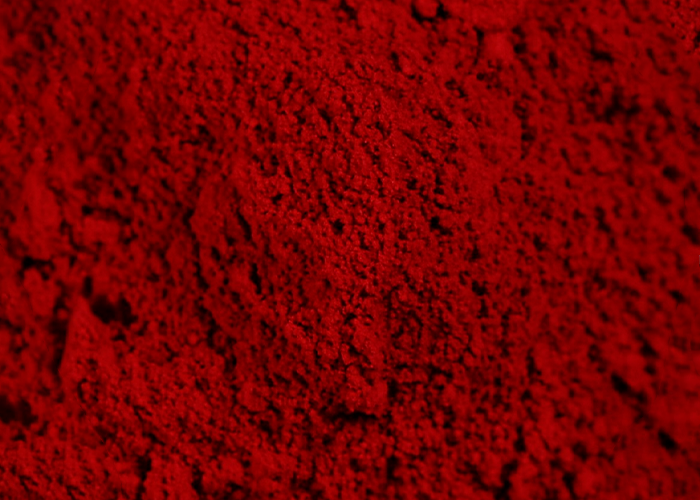
It might be wise to read the ingredients labels before buying the perfect food coloring to bake a red velvet cake.
According to Snopes, you might stumble upon a reference to cochineal, carmine, or carminic acid.
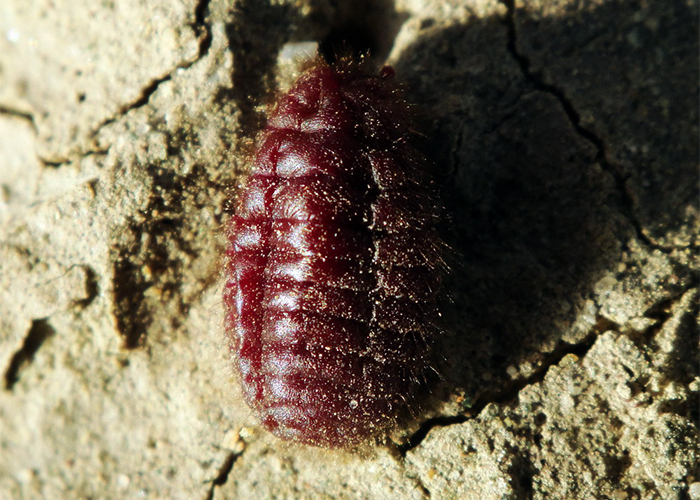
Cochineal and its near relative, carmine (also referred to as carminic acid), are extracted from the crushed bodies of a specific South and Central American insect.
These widely used colorants, currently employed to achieve a rich red hue in fruit juices, gelatins, candies, shampoos, and various other products, are obtained from the female Dactylopius coccus insect.
Image credits: Vahe Martirosyan
While cochineal has largely been replaced by synthetic pigments as a cloth dye, it remains a prevalent coloring agent in various food products, beverages, and cosmetics.
This persistence is due to the potential health hazards posed by certain synthetic dyes when ingested or absorbed through the skin.
It’s worth noting that producing one pound of cochineal requires approximately 70,000 insects.
Image credits: We Animals Media
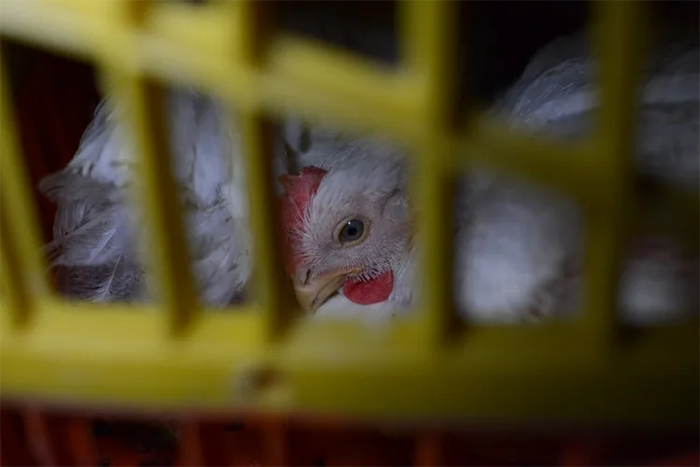
The Humane League shed light on how the popular junk food is made.
According to animal advocates, chicken nuggets are crafted using white meat obtained from the breast or pectoral muscles of chickens, often combined with various other chicken components.
Image credits: McDonald’s Canada
This process may include tendons, bones, nervous and connective tissues, as well as fat, all of which can be ground together before being molded into familiar bite-sized pieces.
Manufacturers and brands each possess their own distinct recipes, often shrouded in secrecy.
Image credits: McDonald’s Canada
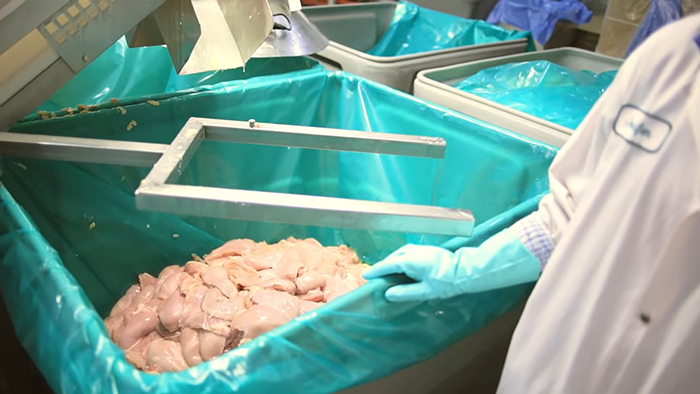
For example, McDonald’s launched a virtual tour of a meatpacking facility where a portion of its nuggets are manufactured.
The video illustrates the process of removing bones from deceased chickens, extracting the breast meat from their bodies.
Image credits: McDonald’s Canada
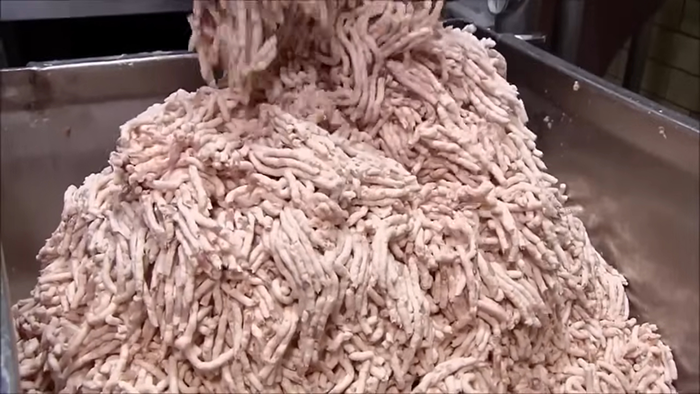
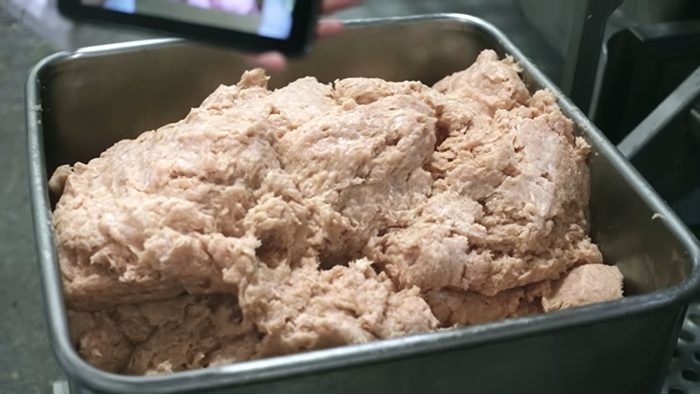
These breast portions are subsequently deposited into large containers, which are then transported to an immense grinder.
The meat is thoroughly shredded and mixed with chicken skin, serving as a binding agent and eventually forming an unattractive beige paste.
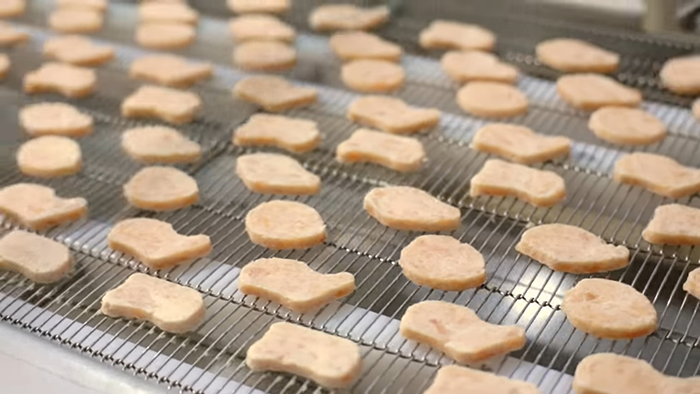
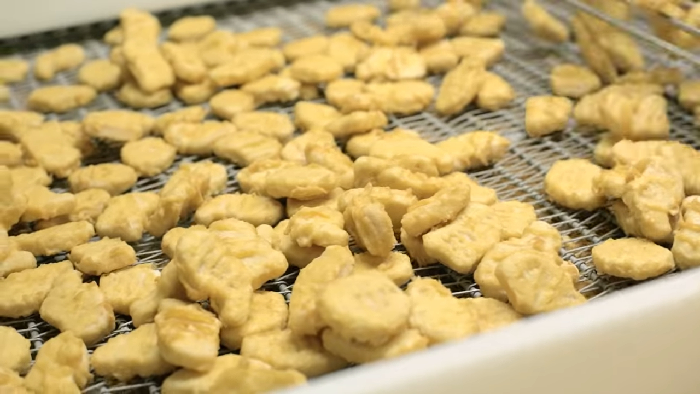
The ultimate step in the production of chicken nuggets involves molding the meat paste, coating it with a tempura batter, and subjecting it to frying, all through a highly automated process.
Image credits: McDonald’s Canada
Image credits: Minette Layne
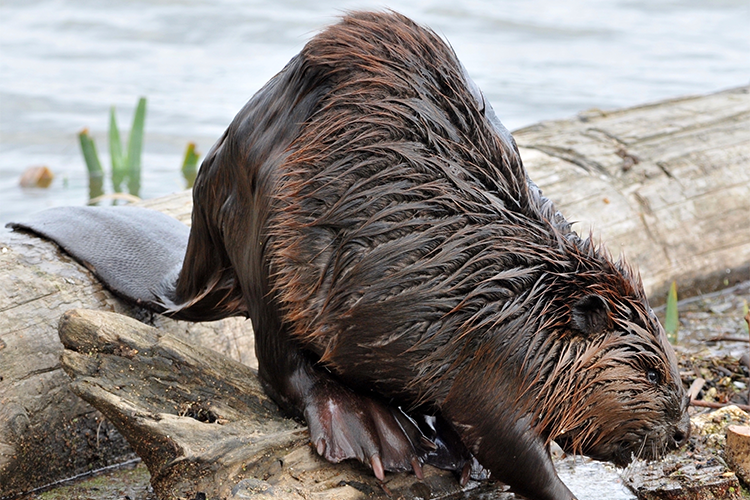
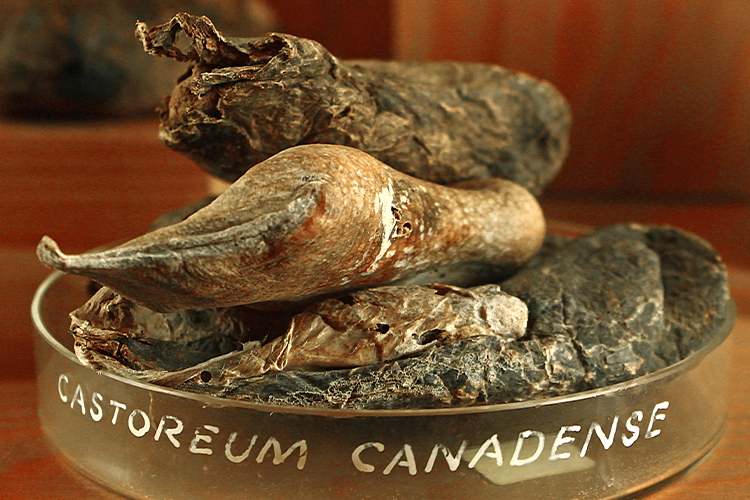
The vanilla flavoring present in your baked goods and candy might originate from the anal secretions of beavers.
Beavers produce a substance called castoreum from their anal glands, which they use for territorial marking.
Castoreum is categorized as a “generally regarded as safe” additive by the U.S. Food and Drug Administration.
Manufacturers have been incorporating it into perfumes and food products for a minimum of 80 years, as indicated in a 2007 study published in the International Journal of Toxicology.
Image credits: H. Zell
“I lift up the animal’s tail,” Joanne Crawford, a wildlife ecologist at Southern Illinois University, told National Geographic, “and I’m like, ‘Get down there, and stick your nose near its bum.’”
“People think I’m nuts,” she added. “I tell them, ‘Oh, but it’s beavers; it smells really good.’”
The fragrant, brown slime is about the consistency of molasses, though not quite as thick, Joanne said.
Unlike the unpleasant odor associated with many anal secretions, castoreum is a result of the beaver’s distinctive diet, primarily consisting of leaves and bark.
Rather than possessing an unpleasant scent, castoreum emits a musky, vanilla fragrance, which is why food scientists often choose to include it in various recipes.
Image credits: Official PETA
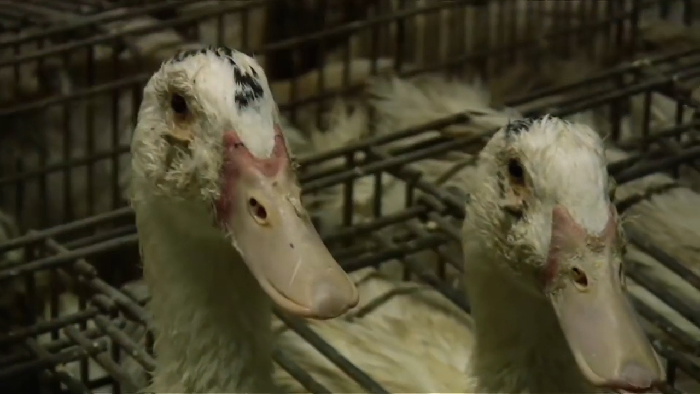
Animal rights organization Peta has been warning people off buying and consuming the French delicacy due to its brutal production process.
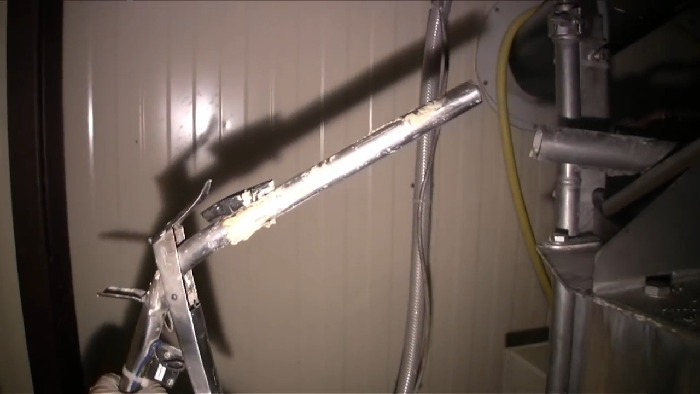
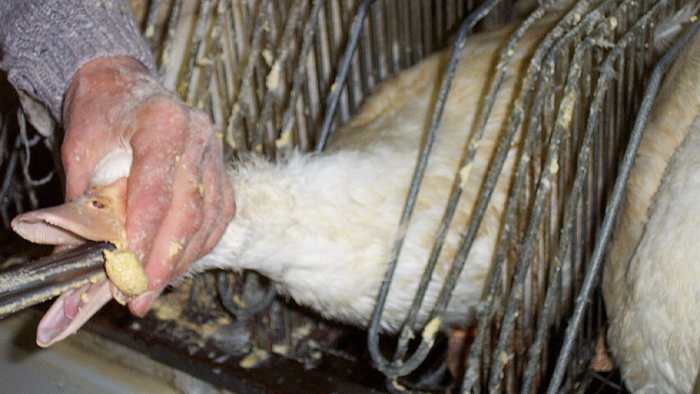
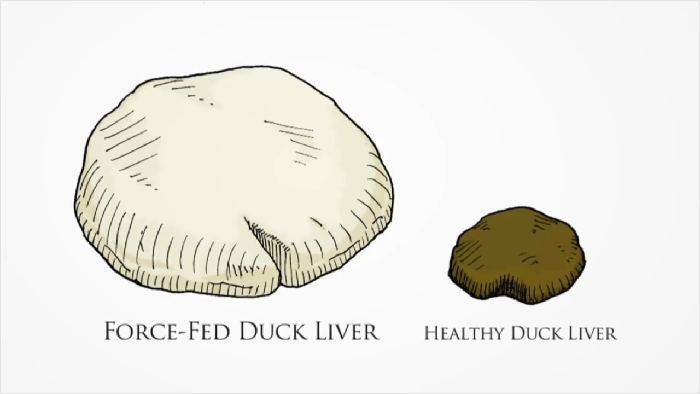
According to the NGO, in order to produce “foie gras” (the French term means “fatty liver”), workers ram pipes down the throats of male ducks twice each day, pumping up to 2.2 pounds of grain and fat into their stomachs, or geese three times a day, up to 4 pounds daily, in a process known as “gavage.”
Image credits: Official PETA
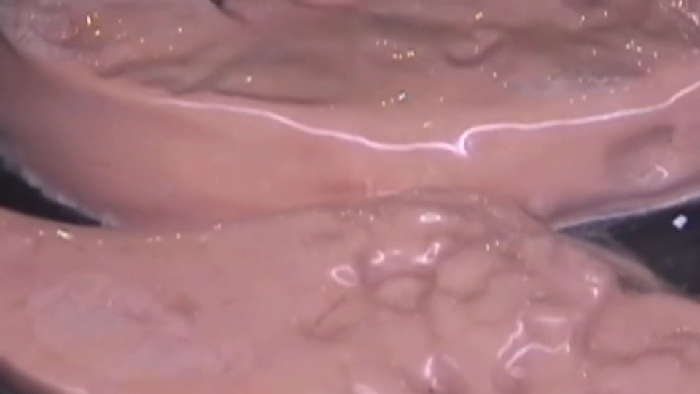
The force-feeding causes the birds’ livers to swell to up to 10 times its normal size, which is then extracted for consumption.
A 2013 investigation conducted by Peta on a Hudson Valley farm documented that approximately 15,000 ducks die every year before they can be slaughtered.
Image credits: L214
On a weekly basis, a specific company markets foie gras reportedly produced from 5,000 ducks afflicted with diseases.
A 2023 report revealed that the global foie gras market was valued at USD 761.2 million in 2022 and is anticipated to reach USD 852.7 million by 2029, despite being banned in California.
Image credits: Official PETA
Image credits: Official PETA
Image credits: Inside Edition
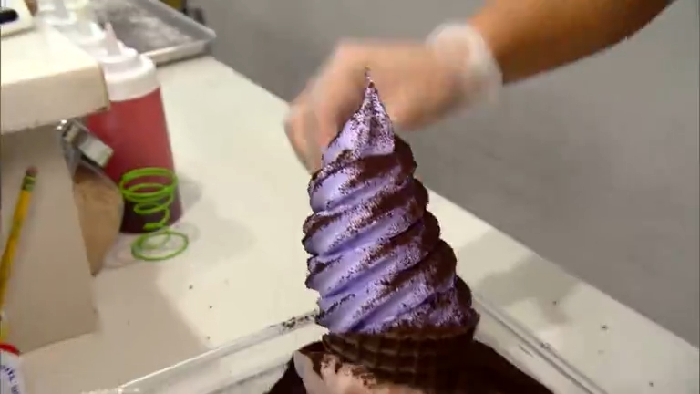
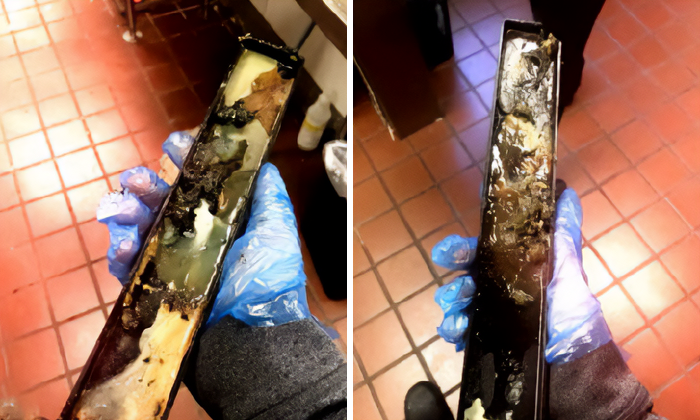
A food blog revealed that ice cream from places like Wendy’s, Burger King, and Baskin-Robbins contained ingredients like potassium sorbate, guar gum, and sodium phosphate.
But in more worrying revelations, a 2017 examination of 89 ice cream facilities conducted by the Food and Drug Administration discovered that 19 of them tested positive for listeria, and one tested positive for salmonella.
Image credits: Inside Edition
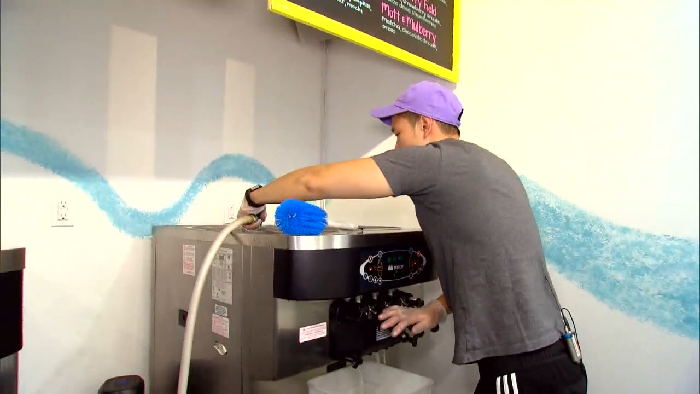
Soft-serve machines can reportedly also serve as breeding grounds for staphylococcus, as exemplified in 2005, when an unclean McDonald’s machine resulted in sickness among over 120 individuals.
In a restaurant visited by Inside Edition, the ice cream dessert was discovered to harbor a staggering 28 million distinct types of bacteria.
Image credits: Inside Edition
But upon concluding their investigation, Inside Edition determined that the ice cream served in 31 out of the 40 inspected locations was devoid of harmful contaminants.
This suggests the establishments maintained proper cleanliness standards for their machinery.

By entering your email and clicking Subscribe, you're agreeing to let us send you customized marketing messages about us and our advertising partners. You are also agreeing to our Privacy Policy.
Thank you! You've successfully subscribed to newsletters!


Can't say I'm really grossed out by any of this, except maybe the foie gras. Processed food is...processed, yeah. But realistically many of these processed foods make use of parts of the animals that maybe otherwise we'd just throw out. Many cultures eat tendons/organs/skin etc but the Western world is so prissy about eating these parts. This way they get consumed, and happily. Seems like a win-win.

I couldn't agree more with you. No meat should be wasted, and making nuggets, sausages and pet food from it is the best solution. The foie gras is bad tho, not because it's disgusting but because I feel bad for the duckies and geese
Load More Replies...

or, if you can afford, don't buy the cheepest food. Though that's not the problem with the ducks..
Load More Replies...
Can't say I'm really grossed out by any of this, except maybe the foie gras. Processed food is...processed, yeah. But realistically many of these processed foods make use of parts of the animals that maybe otherwise we'd just throw out. Many cultures eat tendons/organs/skin etc but the Western world is so prissy about eating these parts. This way they get consumed, and happily. Seems like a win-win.
I couldn't agree more with you. No meat should be wasted, and making nuggets, sausages and pet food from it is the best solution. The foie gras is bad tho, not because it's disgusting but because I feel bad for the duckies and geese
Load More Replies... or, if you can afford, don't buy the cheepest food. Though that's not the problem with the ducks..
Load More Replies... 





























 No fees, cancel anytime



34
53