Get Premium
Dark mode theme is available exclusively for premium users. Learn more about the benefits of subscribing.
No fees, cancel anytime.

 Dark Mode Ad-Free Browsing Unlimited Content
 Ad-Free Browsing Unlimited Content Dark Mode
Join 1.2 million Panda readers who get the best art, memes, and fun stories every week!
Have you ever felt a sudden urge to figure out why something happens or how the world works? It’s a universal human drive called curiosity. We fall deep into internet rabbit holes, and sometimes end up down a 2 am Wikipedia vortex just to scratch a random brain itch.
But you don’t have to do all that heavy lifting today. Because we’ve rounded up some of the most fascinating facts, stunning imagery, and mind-bending discoveries about space, nature, science, and the universe — all packed into one easy-to-read list right here.
Curated from two of the coolest curiosity-driven accounts on X, this collection dives deep into our world and beyond, promising to spark instant wonder.
By the end of this list, your brain will definitely feel that itch thoroughly, blissfully scratched.
This post may include affiliate links.
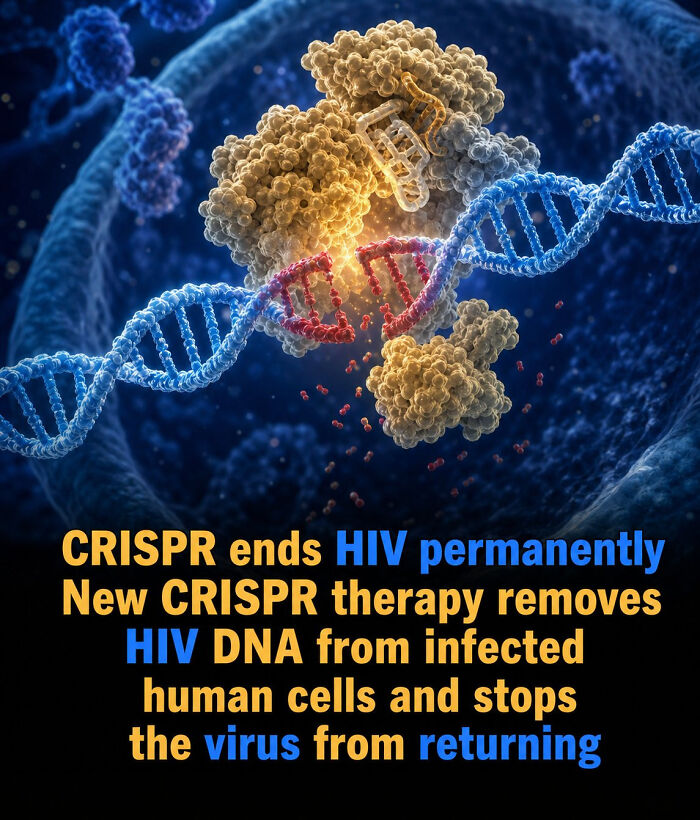 CRISPR just ended HIV PERMANENTLY
A new CRISPR therapy removes HIV DNA from infected human cells, targeting the genetic material the virus leaves behind.
By cutting out that embedded viral DNA, the therapy is designed to prevent HIV from returning after treatment.
The approach focuses on eliminating the source of reinfection inside human cells rather than only suppressing the virus.
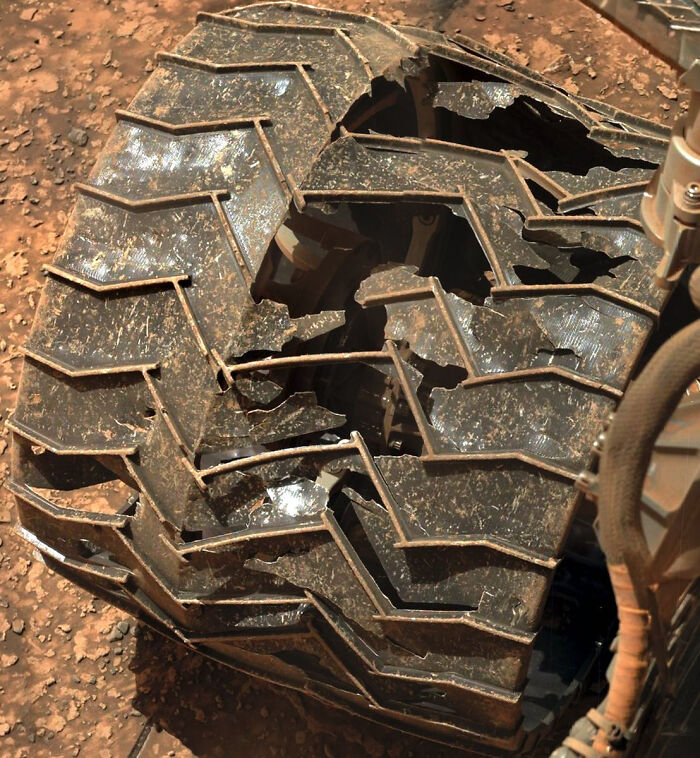 This is what one of the wheels of the Curiosity rover looks like at the moment after 13 years, 11 months, and 20 days. Zero tire changes.
That's how long Curiosity has been grinding across Mars on the same six wheels it landed with back in August 2012.
And they look exactly like you'd expect.
Gaping holes. Torn treads. Chunks of aluminium just gone, ripped away by rock after rock after rock. This isn't neglect, by the way. There's no garage on Mars. Whatever hardware you launch with is the hardware you die with.
Here's the part that gets me: engineers knew the wheels were shredding as early as 2013, barely a year in. So they started driving the rover backwards over rough patches, mapping gentler routes, rationing every metre of terrain. A billion-dollar robot, babied across a planet like a car limping to the mechanic that doesn't exist.
Nearly 14 years later, it's still moving. Still drilling. Still sending photos home, including this one of its own battered wheel.
Your car needs new tyres every few years on paved roads. This thing has been off-roading on another planet since before most phones had fingerprint sensors.
The wheel in this photo is broken. The rover isn't.

Most ground-breaking discoveries start with someone asking a simple “why” or “how.”
When scientists look for answers, they aren’t usually trying to invent the next big gadget or cure a disease right off the bat. Yet, as history shows, this urge to uncover the unknown has always been the foundation for our most important technological advances.
Take penicillin, for example. Alexander Fleming didn’t set out to save millions of lives. He just noticed some odd mold growing on a dirty petri dish and got curious. That exact moment of curiosity revolutionized the medical world.
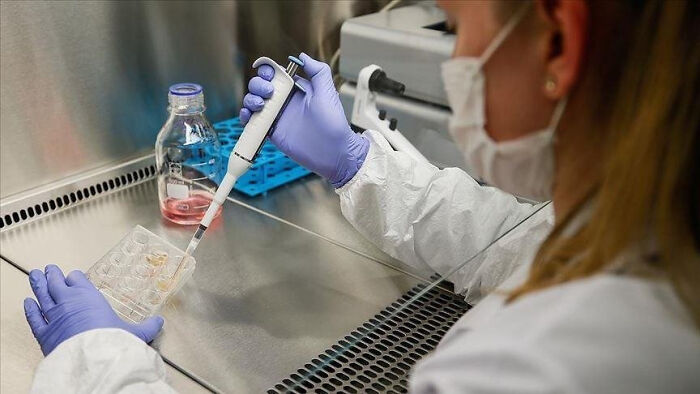 Japan becomes first to approve stem cell therapies for Parkinson’s and heart failure.
Japan always feels like some sci-fi future country until you learn about the work culture and the racism.
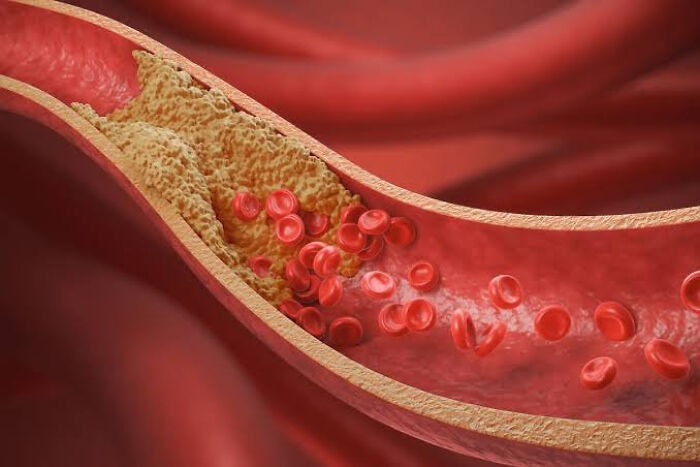 Italian Scientist has found Enzyme clearing Arterial Plaque Reversing Heart Disease without Suregery.

If correct, this is huge. We're talking about 30% of global deaths, 20 million people a year.
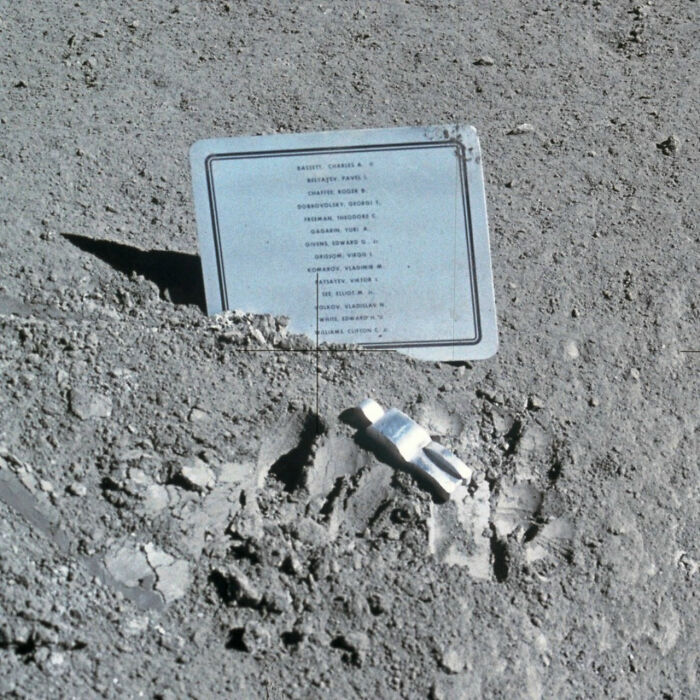 On August 2, 1971, near the end of their final excursion on the Moon, Apollo 15 astronauts David Scott and James Irwin placed a memorial plaque on the lunar surface in honour of 14 deceased astronauts and cosmonauts. Beside it, they placed a small aluminium sculpture known as the Fallen Astronaut.
The plaque bears the names of Charles Bassett II, Pavel Belyayev, Roger Chaffee, Georgi Dobrovolski, Theodore Freeman, Yuri Gagarin, Edward Givens Jr., Virgil Grissom, Vladimir Komarov, Viktor Patsayev, Elliot See Jr., Vladislav Volkov, Edward White II and Clifton Williams Jr.
Studies show that government-funded basic science — the kind driven purely by exploration rather than commercial goals — yields massive long-term economic returns and triggers entire new industries.
“Curiosity fuels scientific discovery by pushing people to keep pursuing deep questions because they simply need to know: How does the brain work? How does cancer start? What is the universe made of?” says Alfred Ironside, vice president for communications at the Massachusetts Institute of Technology.
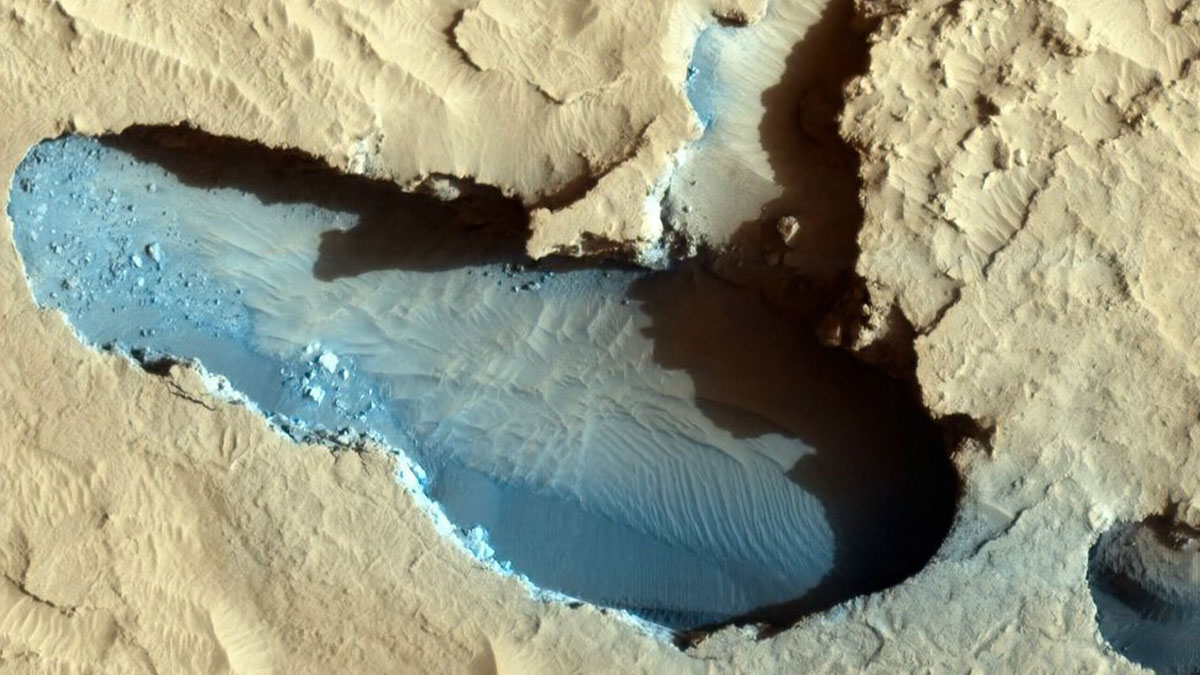
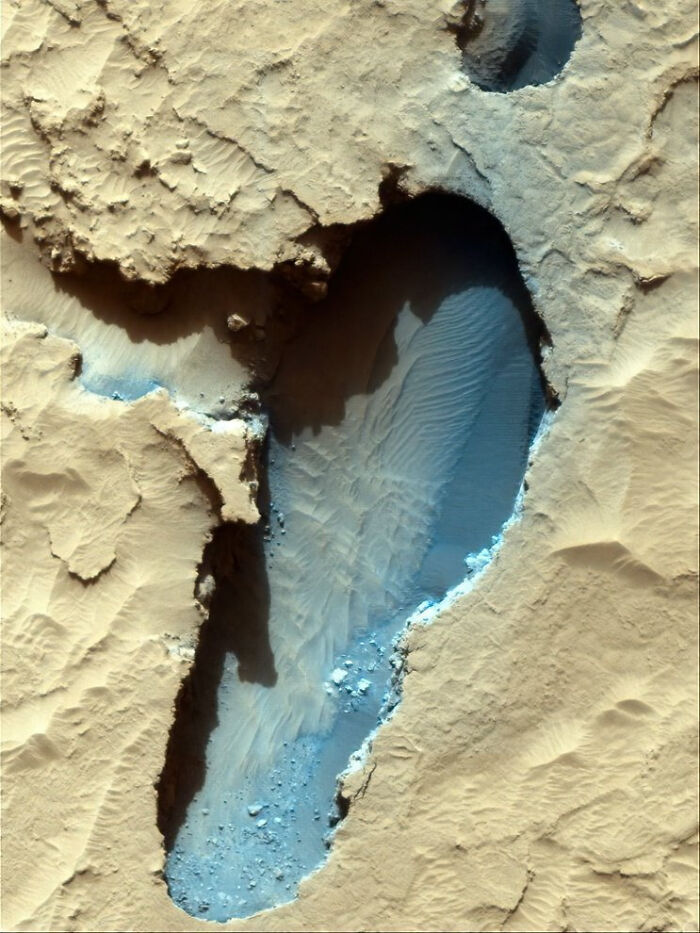 Insane image of a cave on Mars, located in the Elysium Valley.
Photographed by NASA's MRO.
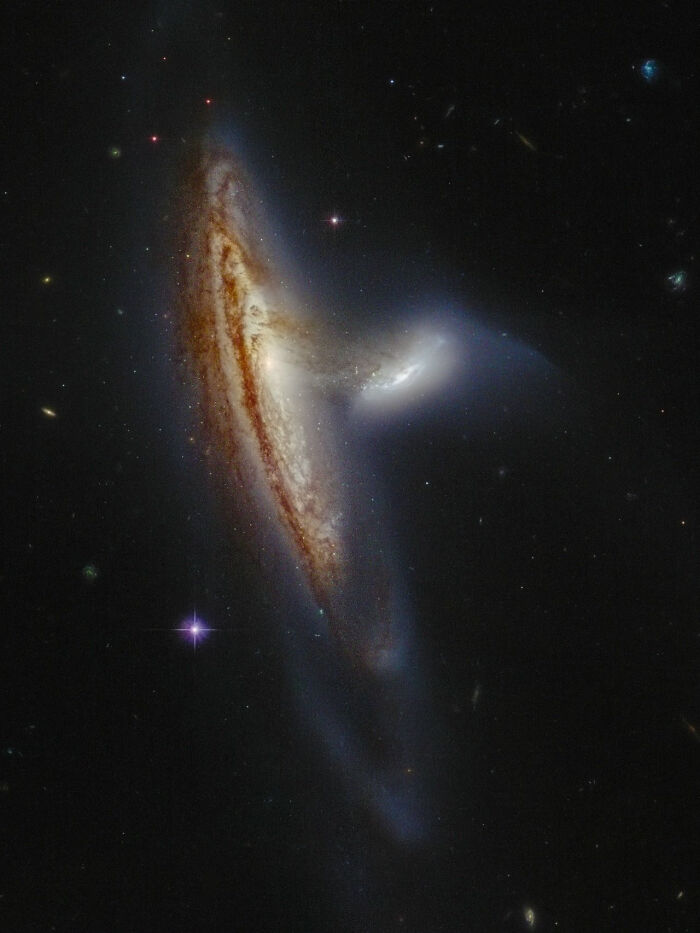 Colliding galaxies captured by Hubble Space Telescope.
320 million light-years from Earth.
 Trees on Earth have their own version of the internet. And no, it’s not some sci-fi metaphor.
Scientists actually found a real underground network that lets trees talk, share resources, and warn each other about danger. They dubbed it the Wood Wide Web.
Even if you aren’t actively hunting for the next Nobel Prize-winning discovery, unleashing your curiosity still pays massive everyday dividends.
Chasing down random facts and exploring the unknown directly changes how your brain functions.
Studies show that when our curiosity is sparked, our brain’s reward centers light up, flooding our system with dopamine. We are literally hardwired to feel good when we learn something new.
Information isn’t a direct physical reward like a glass of water or a sweet snack, but our brain still treats it like one.
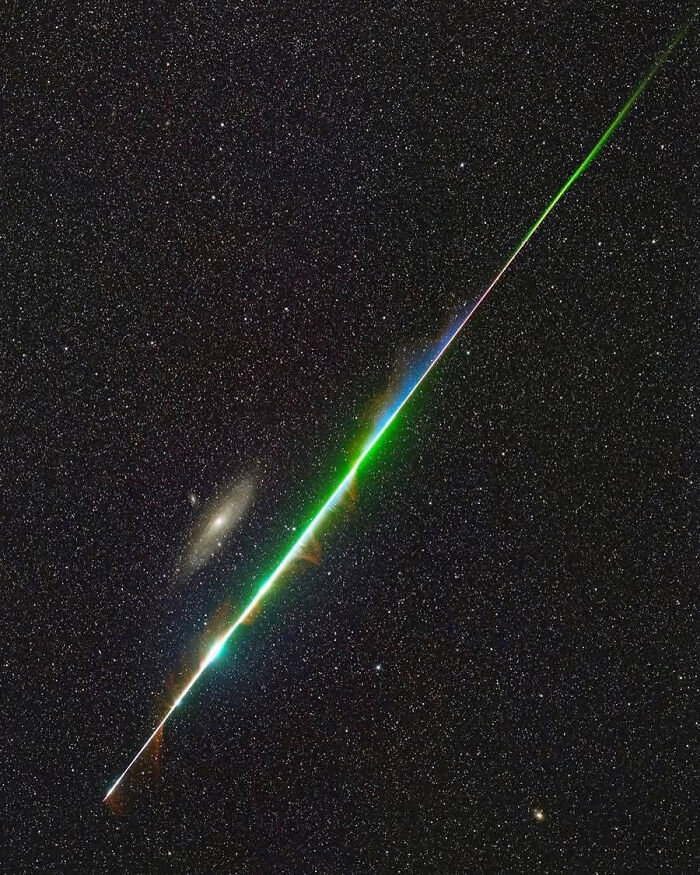 Once-in-a-lifetime-shot.
A bright meteor burned up in the atmosphere while capturing Andromeda Galaxy.
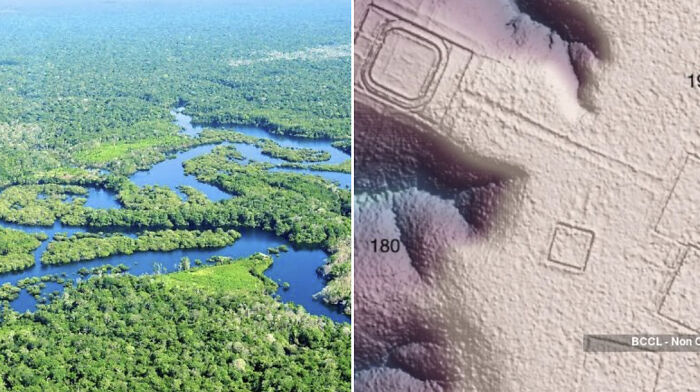 Nearly 400 previously unknown ancient Earthworks discovered in the Amazon, suggesting a civilization of up to 3 million people.
 DID YOU KNOW: A small wave breaking on a beach contains more living organisms than the total number of humans who have ever existed on Earth — roughly 10 million bacteria, viruses, and tiny plankton in every milliliter of seawater — meaning every wave that touches the shore carries a population of life that vastly outnumbers every person who has ever lived in the entire history of our species.
I did not know that. I did know that the most common zooplankton in that wave is the copepod.
Scientists have found that dopamine neurons fire up in response to both physical treats and new information. This suggests that the brain blends different types of rewards into one single feel-good category.
Because of this, dopamine isn’t just about pleasure. When you experience a surprise or even something unpleasant, your brain releases dopamine simply because it learned something new from the experience. Information itself is the prize.
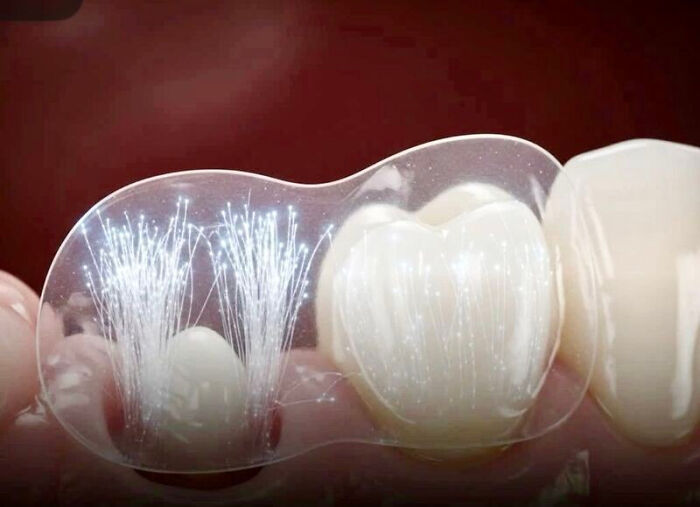 South Korean scientists have developed a painless micro needle patch that can regrow teeth, potentially making fillings, drills, implants and dentures obsolete.
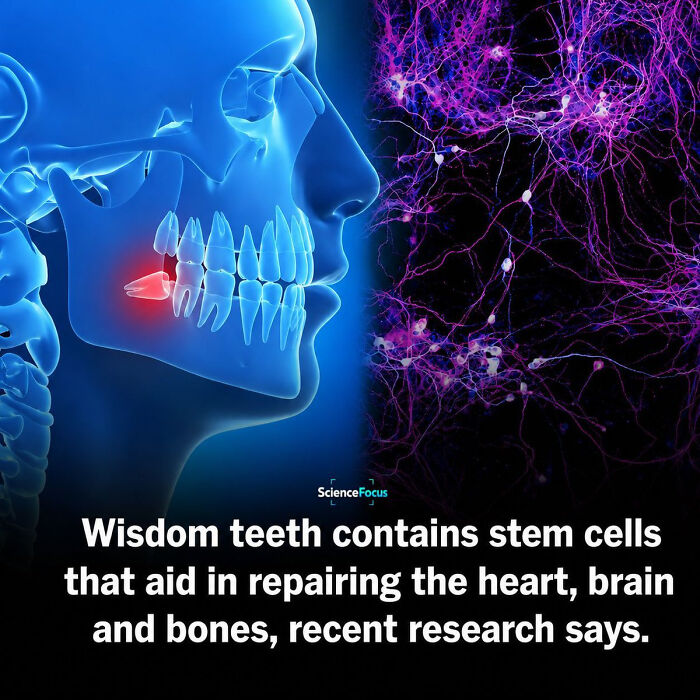 The teeth most people throw away could one day help save lives.
Scientists have discovered that wisdom teeth contain powerful stem cells hidden inside their dental pulp.
These cells have shown the ability to develop into bone, nerve, cartilage, and other tissue types, making them a promising tool in regenerative medicine.
Researchers are exploring how these stem cells could potentially help repair damage linked to the brain, heart, and skeletal system, turning what was once considered medical waste into a valuable biological resource.
Your wisdom teeth might be a lot more useful than anyone ever imagined.
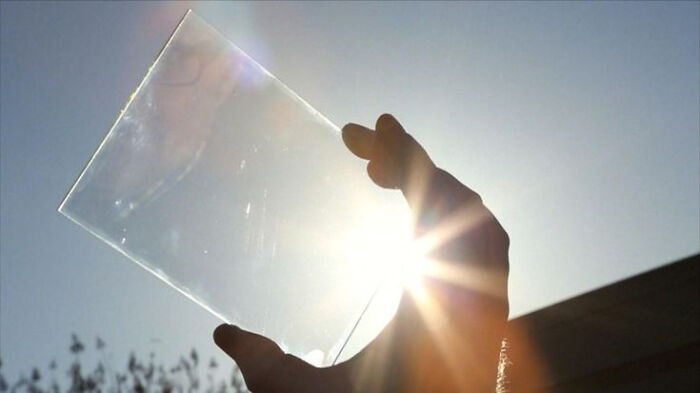 Korean SCIENTISTS CREATE TRANSPARENT SOLAR PANELS THAT TURN WINDOWS INTO POWER SOURCES
The panels harvest energy from sunlight while maintaining visibility, opening the door to buildings that power themselves through their own glass.
Since curiosity ramps up the activity of dopamine, it also seems to strengthen people’s memories in turn.
Neuroscientist Charan Ranganath at the University of California, Davis, explains that curiosity often peaks when we know a little bit about a topic, only to realize there is a missing piece to the puzzle. That sudden clash between what we know and what we don't generates an irresistible urge to search for the missing link.
“We think curiosity is the drive to fill that gap. It’s like an itch you just have to scratch,” he said.
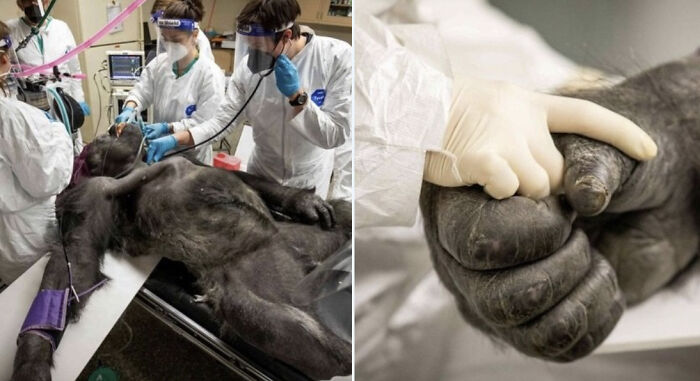 Koga, a 181 kg gorilla, held a veterinarian's hand while undergoing an exam.

Apologies, but I don't think the magnificent gorilla is aware of the procedure. Perhaps under heavy sedation or anaesthetised? Am amazed by the sheer size of Koga's hand in comparison to the human gently holding it. Perhaps, also as a safeguard to check for sedated state?
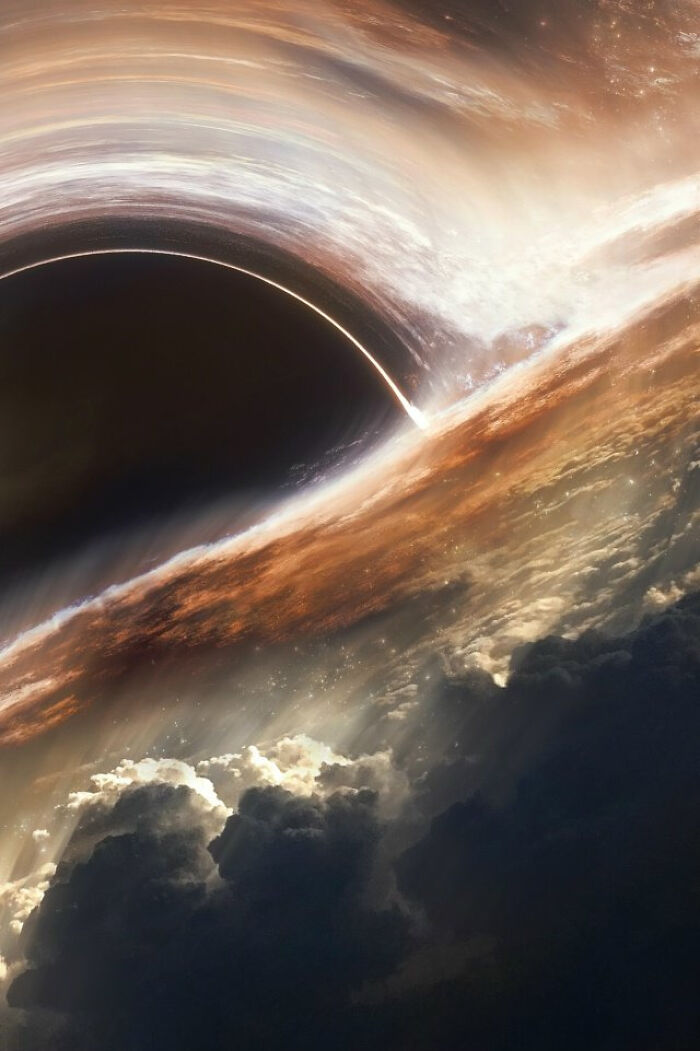 Astronomers recently caught a recurring supermassive black hole eruption in real time at the center of the galaxy IC 3599, located roughly 280 million light-years away. This marks the first time a flare event was tracked live as it unfolded rather than being studied post-fade.
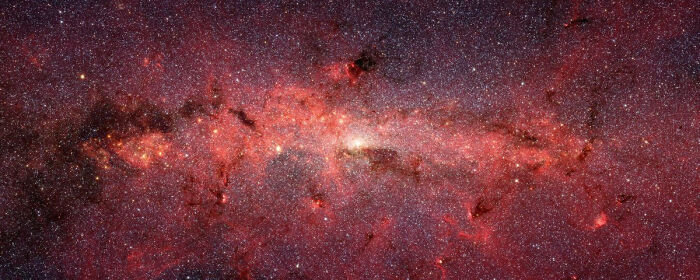 A Sugar Molecule Has Been Found in Space for the First Time, Opening the Possibility of Life Elsewhe:
Sugars are fussy, fragile things. They barely survive being made under controlled conditions in a lab, and they fall apart easily once they exist. So an intact sugar drifting through the frozen near-vacuum between stars was never supposed to be likely, or even really possible. A team in Spain just found one anyway.
A study published in 2014 by Ranganath and his colleagues put this exact link between curiosity, dopamine, and memory retention to the test. The researchers scanned participants’ brains while asking them trivia questions.
The results showed that when someone felt high curiosity about an answer, their hippocampus — the brain’s primary memory hub — lit up alongside those dopamine reward centers.
That surge of brain activity did more than help them remember the specific answers they were looking for. It also primed their brains to absorb unrelated details, such as faces shown between the questions.
Once that curious state of mind was activated, the brain acted like a super-absorbent sponge, effortlessly locking in all kinds of information from the surroundings.
“Say you’re watching the Breaking Bad finale. If you’re a huge fan of the show, you’re certainly really curious to know what happens to its main character, Walter White. You’ll undoubtedly remember what happens in the finale… but you might also remember what you ate before watching the episode, and what you did right after,” Ranganath explains.
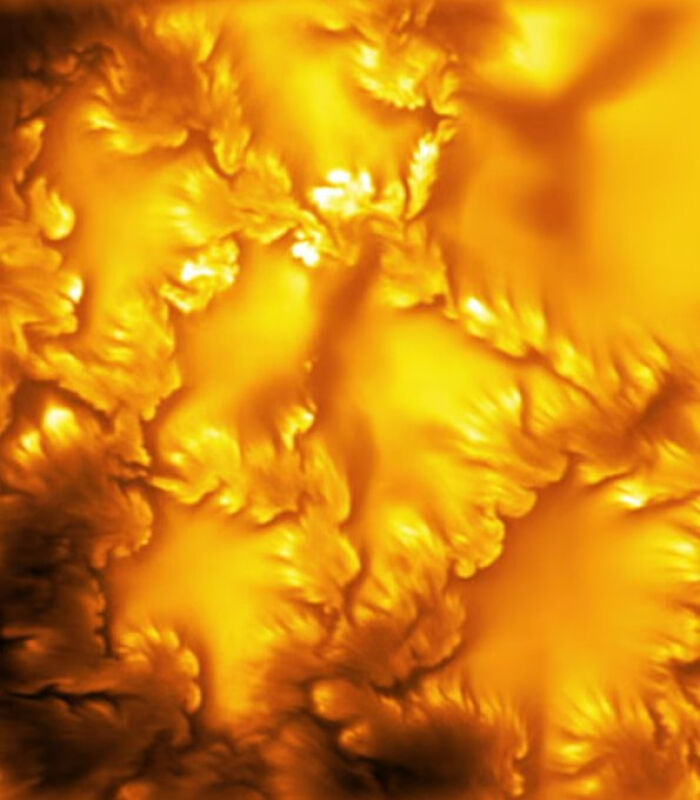 This is the highest quality image of our Sun ever taken.
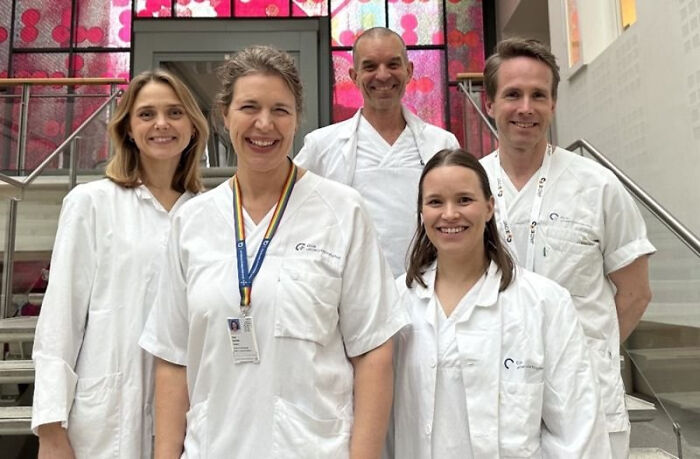 Doctors in Norway have successfully cured a patient of HIV following a sibling stem cell transplant performed to treat leukemia.
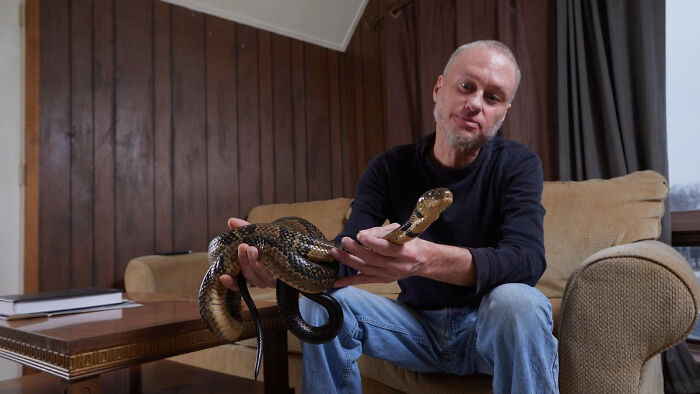 An american injected himself with snake venom more than 800 times over 20 years to become hyper-immunized.
His blood has just enable the creation of a near-universal antivenom that protects against world's dangerous snakes.

I've tried the same thing with Fox News, but the projectile vomiting persists..
Curiosity fuels our urge to explore distant galaxies just as much as it forces us to look inward and understand ourselves. And this is actually good for us.
A recent study found that high levels of curiosity protect against the development of anxiety and depression symptoms. When we approach life with an exploratory mindset, we shift our focus away from repetitive worry.
Instead of viewing uncertain situations as sources of distress, a curious mind reframes them as opportunities to gather information.
 🚨: A woman with late-stage Alzheimer's who hadn't spoken in 5 years, received psilocybin and started talking, recalling memories and making jokes, after just 19 hours.

Good article about it here, particularly note the section headed "Limitations". It's just one observation at this point and "all mechanistic interpretations are described as speculative." studyfindsDOTcom/woman-with-late-stage-alzheimers-hadnt-spoken-in-years-psilocybin-mushroom-trip/
In an age where social media feeds constantly push mindless content, genuine curiosity can easily get buried. Scrolling endlessly often leaves us passive rather than truly engaged.
Skimming through lists of surprising discoveries like this does the exact opposite: it rekindles that natural urge to ask why, and restores a sense of wonder.
While deep space, forgotten history, and strange biological quirks might seem like completely separate topics, they all share the same foundation. It all comes back to our drive to map the unknown and make sense of where we fit in the grand scheme of things.
So keep asking questions, keep digging deeper, and never stop looking for the next fascinating fact.
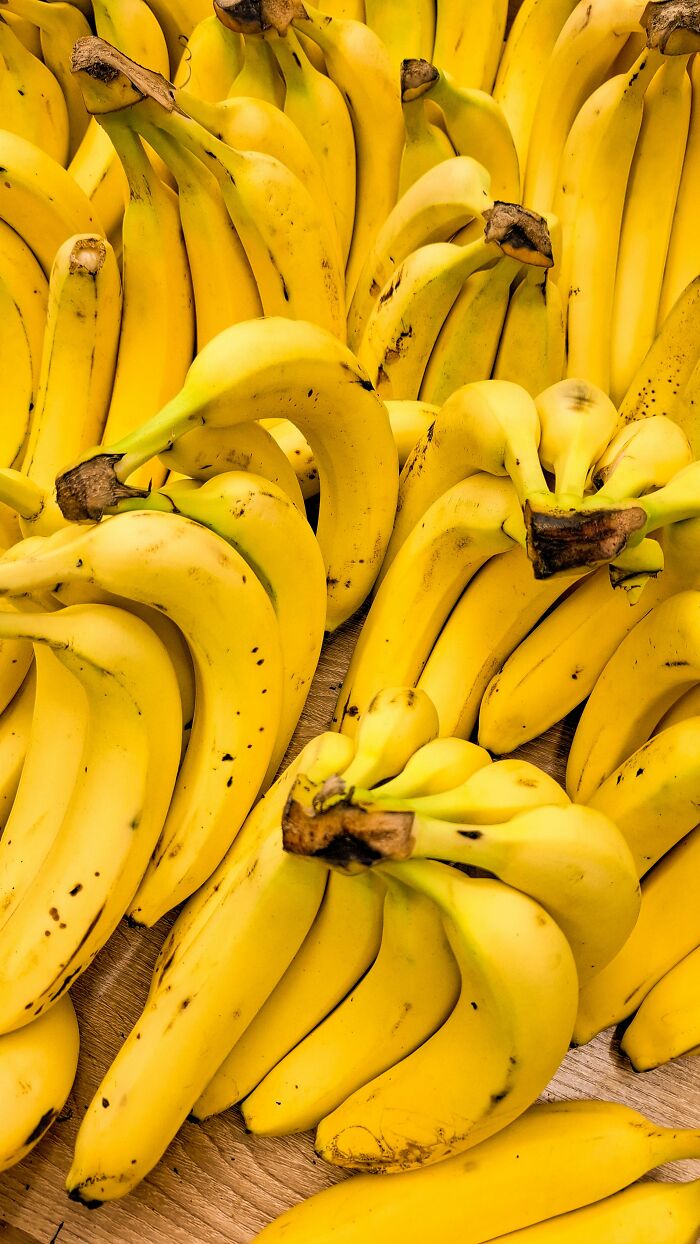 EVERY BANANA CONTAINS ANTIMATTER
Inside it, there's potassium and a small part of it is Potassium -40, a naturally radioactive isotope. As it decays, it occasionally releases positrons, which are particles of Antimatter.

Lots of things contain potassium, but "potatoes contain antimatter" just doesn't quite feel the same.
 Scientists have created the world's smallest pacemaker to help the hearts of newborn babies.
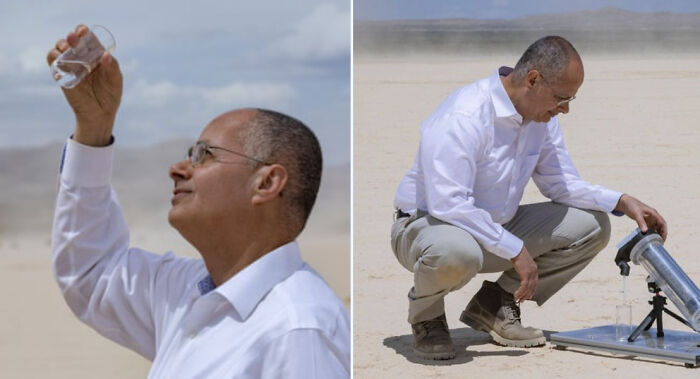 Nobel prize winner builds a solar device that can pull 1,000 liters of clean water from air everyday.
 Gen Z’s retreat from alcohol has cost the industry $830 billion in just four years.
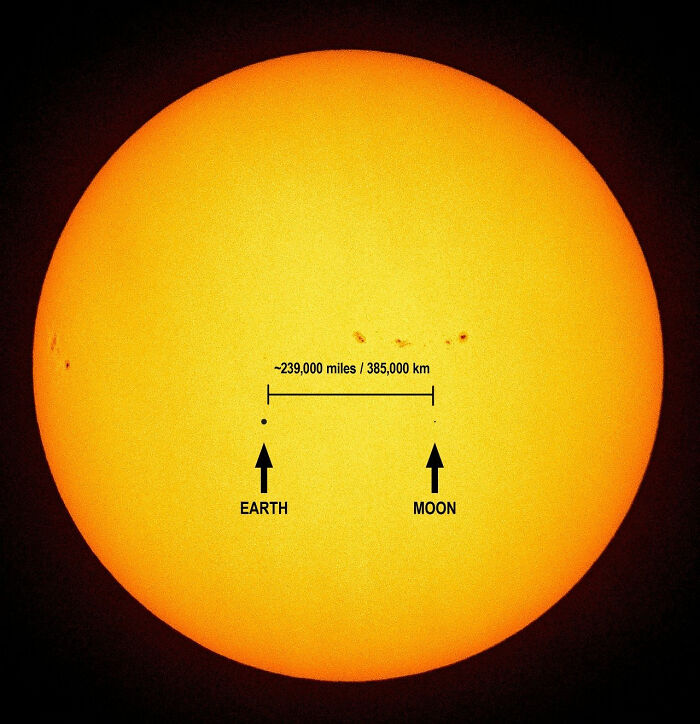 Distance between Earth to the Moon compared to our star.
The Moon is far enough away that one could fit all of the rest of the planets of the solar system in between Earth and the Moon. Briefly, very briefly, because then the gravity situation would become quite "interesting".
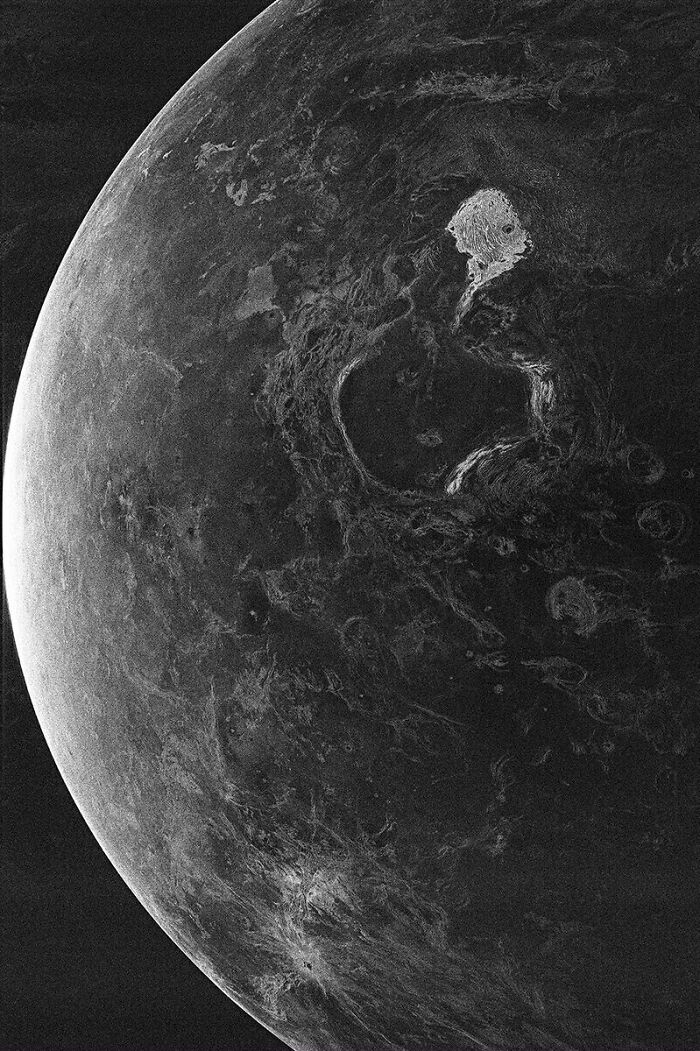 This is Venus captured by Arecibo radio telescope.
 In Makoka (Nigeria), a floating school has been created, allowing children to receive an education despite constant flooding.
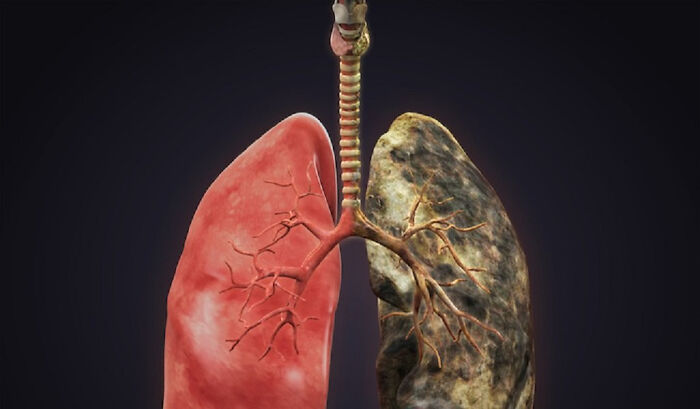 🚨: The world’s first lung cancer vaccine enters clinical trials in seven countries.
Which lung cancer? There are four common types, only two of which are linked to smoking. Five common types if you count mesothelioma.
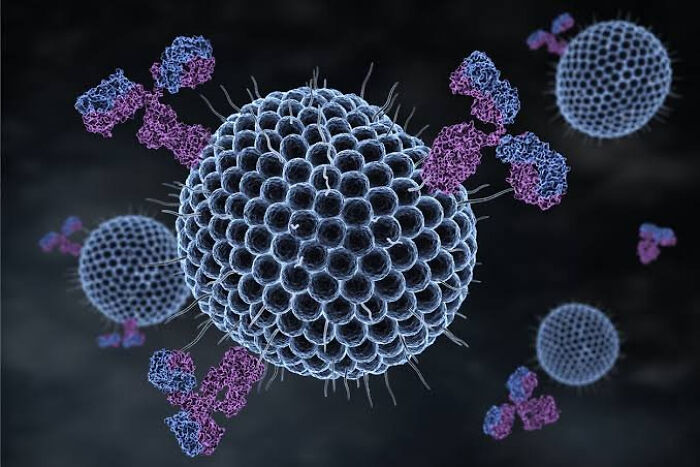 Researchers have created a Vaccine that stops the spread of Herpes and other STIs.
Good. Let's hope approval for release is not artificially delayed for 40+ years (as it was for the malaria vaccine).
 Scientists say, halving Earth's population to 4 billion is the best way to secure a "Pro Human" future.
The Earth can support much, much more people than there are now - there's enough resources, but also a problem with their allocation. Therefore, once again, unsurprisingly, the problem is capitalism.
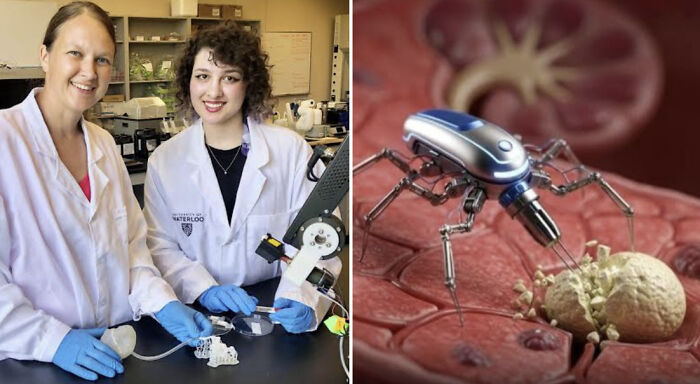 Canadian scientists have created a rice-sized magnetic robot, able to break kidney stones completely without surgery.
Ridiculous AI image. Indeed, the whole headline is wildly inaccurate. They've developed a technology to make soft flexible magnetically-operated 'robots' that may at some point be able to perform such tasks. There are no images of this robot because it does not actually exist, but what they have so far postulated is more like a little worm.
 A New Jersey town banned data centers on 172 acres of former farmland.
Developer is now suing the town for $300 million caliming that data centers are a medium of expression, banning imposes a significant burden on the free speech rights of all citizens in the United States.
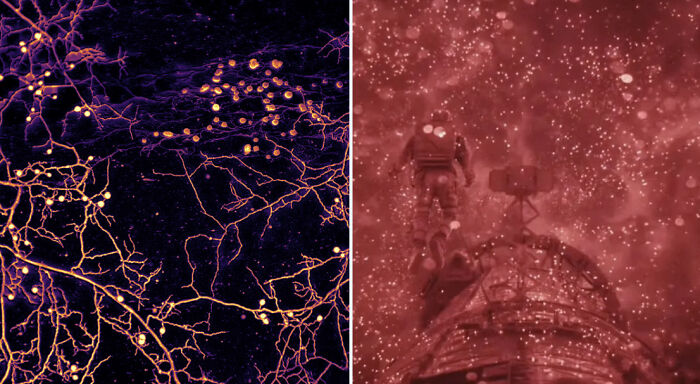 BREAKING 🚨: Scientists have discovered a hidden web of fungus beneath Earth's surface stretching 110 quadrillion kilometers — long enough to reach the Sun nearly a BILLION times.
It's like the Astrophage from Project Hail Mary… except it was under our feet the whole time.
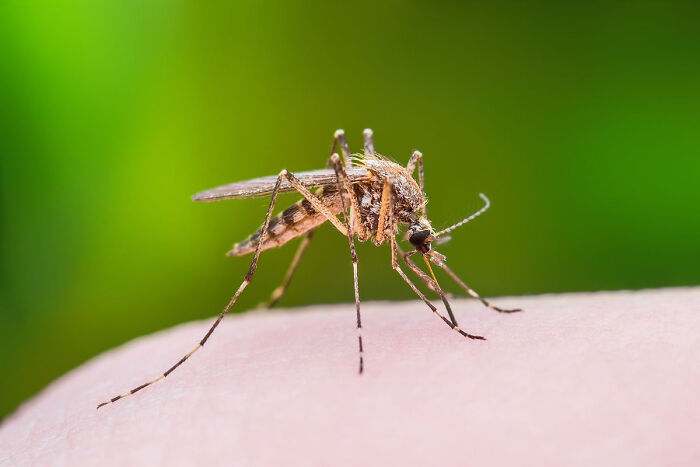 🚨: Over 1 billion genetically modified mosquitoes have been released.
Since 2019, a British biotech company called Oxitec has been releasing genetically modified mosquitoes into the wild by the billions.
The targets? Aedes aegypti, the species behind dengue, Zika, and yellow fever.
The twist is in the engineering. The released males don't bite. They mate with wild females, and their female offspring never survive to adulthood.
Fewer biting females. Fewer disease carriers. A population that quietly collapses on itself.
It's already happened across Brazil, the Cayman Islands, Panama, and India.
And the program isn't slowing down. In the US, the EPA cleared the release of up to 2.4 billion more across parts of Florida and California.
Supporters call it a precision weapon against diseases that takes lives of hundreds of thousands every year.
Critics call it an open-air experiment we agreed to before fully understanding it.
Either way, the swarm is already in the air.
Source: CDC — Genetically Modified Mosquitoes
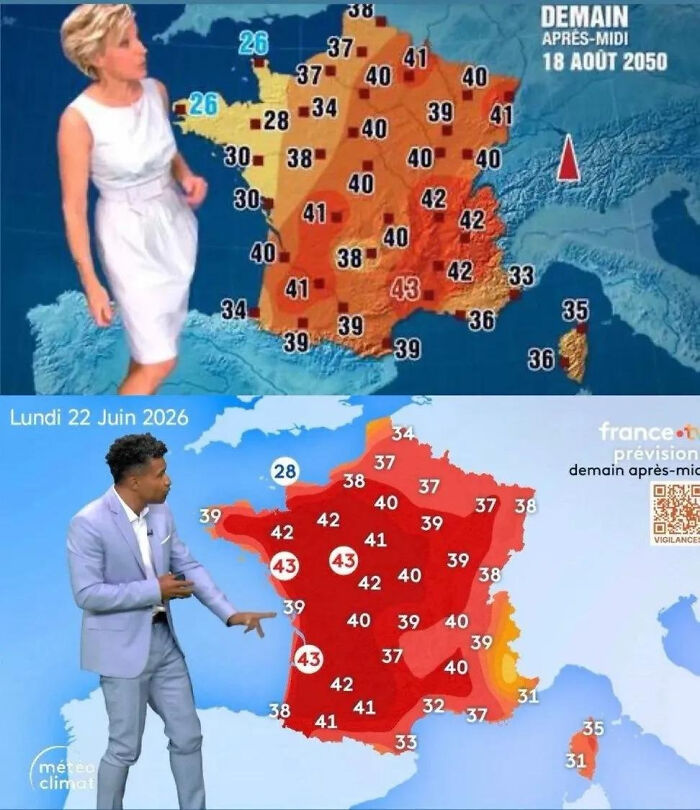 TOP: Forecast of weather in France for 2050.
BOTTOM: Weather in France last month
We spent thirty years arguing about whether to prevent this. 2050 came early. So will everything after it.
Of course we can't prevent this! It would inconvenience a handful of ultra-rich fossil fuel moguls who wouldn't be able to buy their 12th super-yacht, would anyone think of those poor souls?
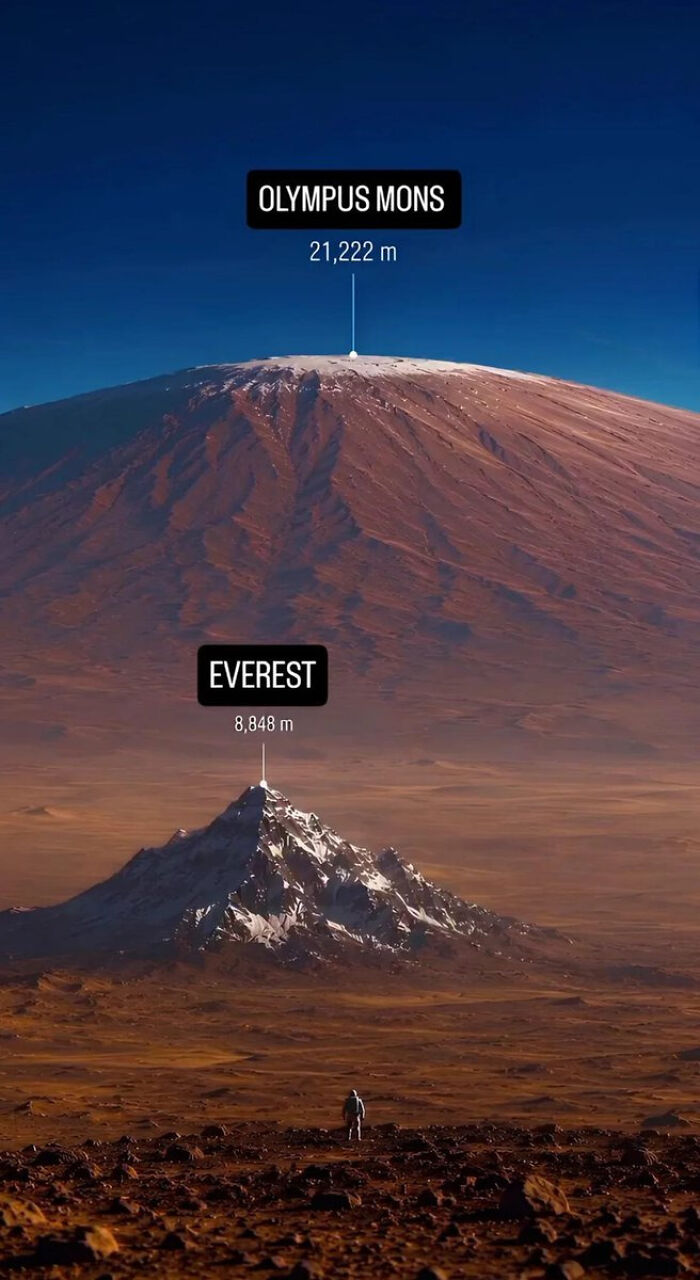 Mt. Everest vs. the tallest mountain in the solar system.
Olympus Mons on Mars.
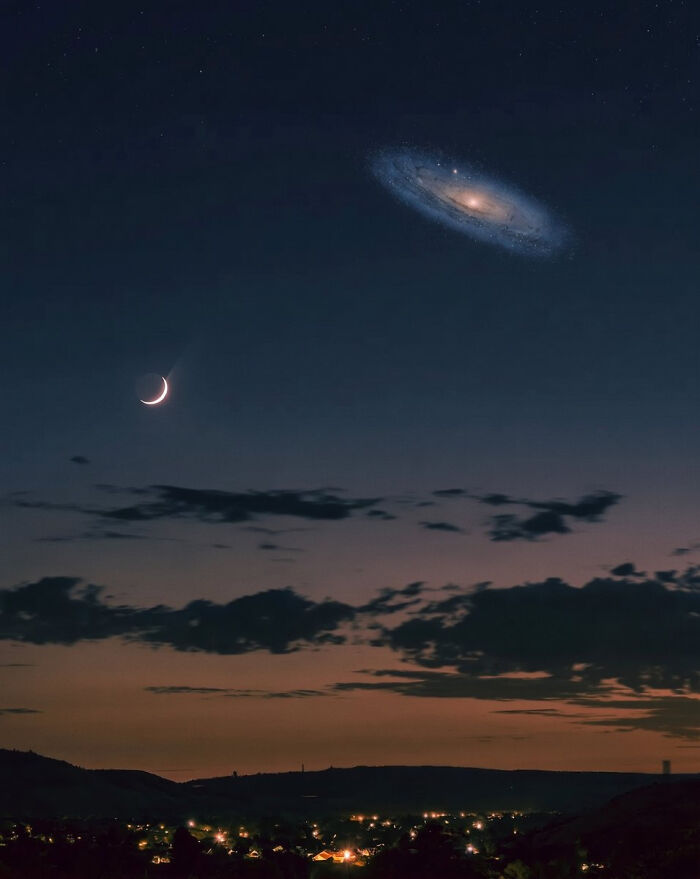 This is what the Night sky would look like if Andromeda Galaxy were brighter...

I've been at dark sky sites where you can see Andromeda. It is faint but there.
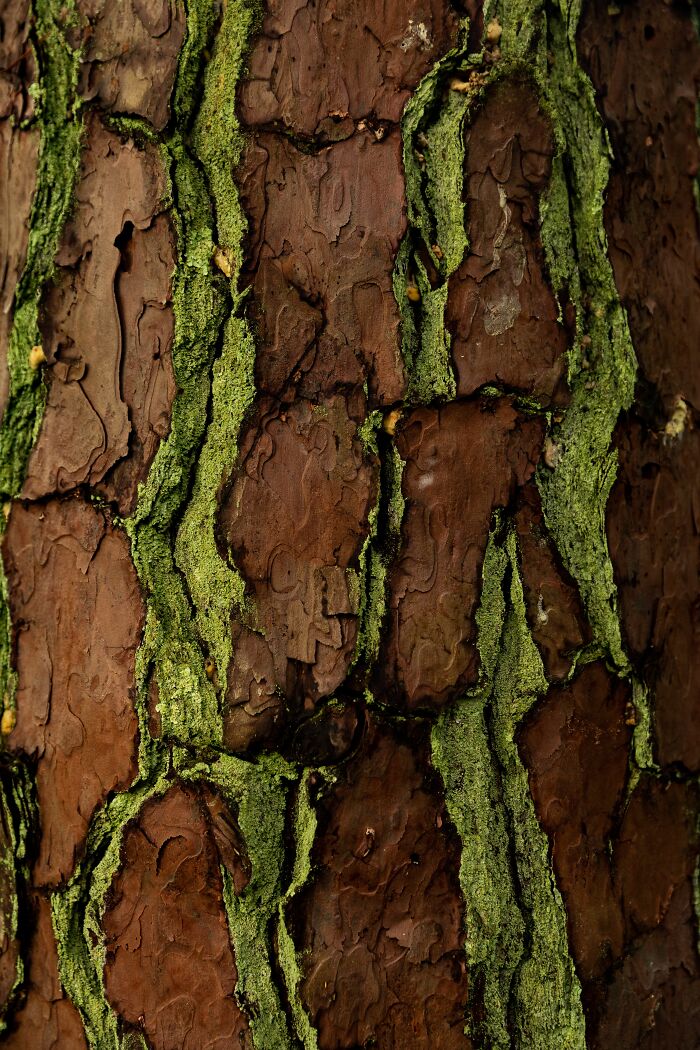 🪵Wood has to be one of the rarest materials in the known universe, exists only on Earth.

As far as we know, which counts for a lot of things in the "known" universe
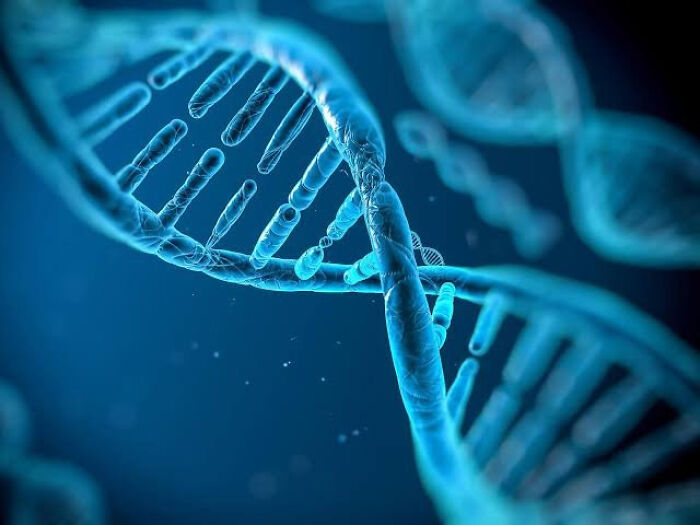 A breakthrough Gene discovery in salamanders, fish and mice may help humans regrow lost limbs.
 Japanese scientists have managed to remove the chromosome linked to Down Syndrome.
 DID YOU KNOW: A civilization 2,000 light-years away looking at Earth today would see the Roman Empire.
IIRC there is a book series picking that concept up - Aliens estimate to invade Earth at a low tech stage and are faced with a modern military instead
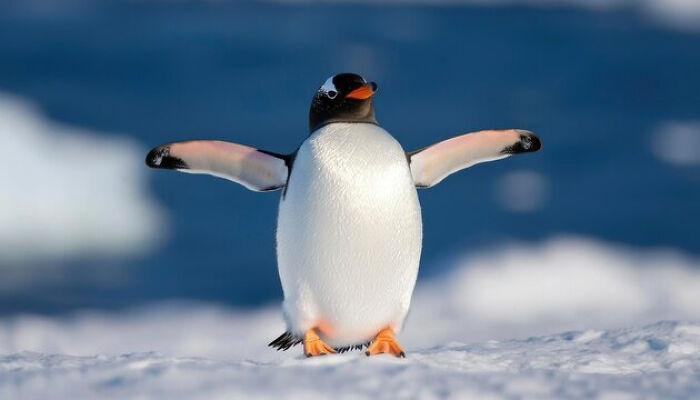 A new species of Penguin has been discovered in Antarctica, it had been hidden for 100 years.
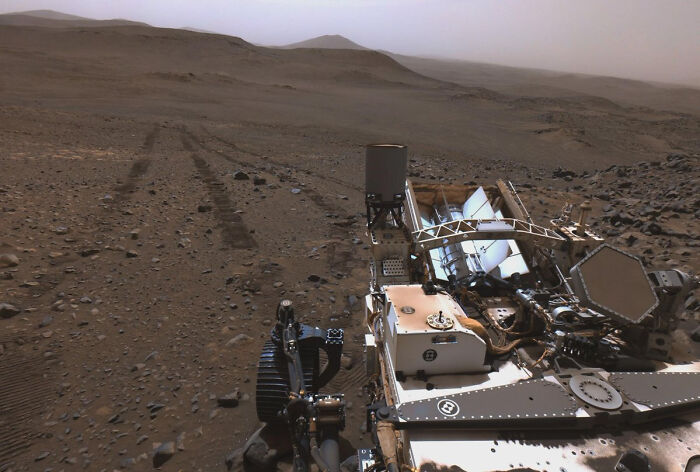 Mars, few hrs ago, captured by Preseverence Rover.
We literally have a nuclear-powered robot on another planet, 140 million miles away from us!
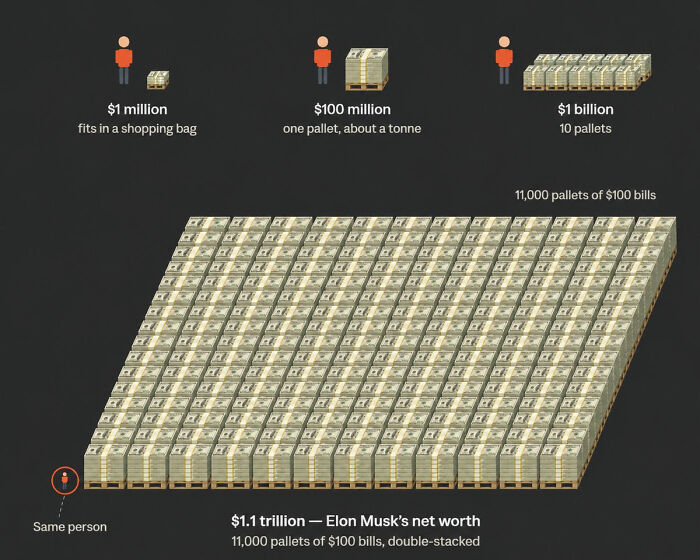 This is what $1.1 trillion actually looks like. The dot in the corner is a person.
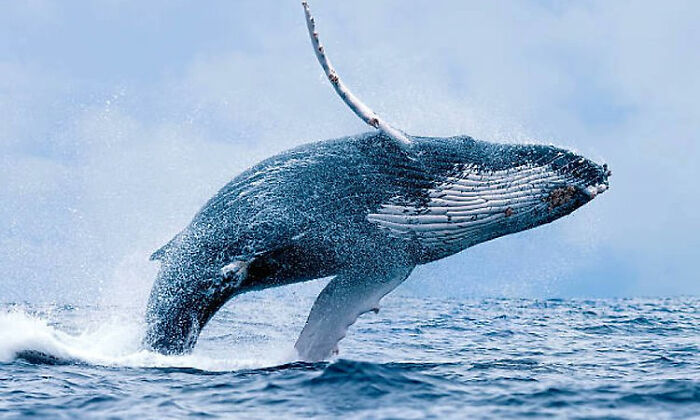 Researchers believe a protein found in whales may hold the key to extending the human lifespan to 200 years.
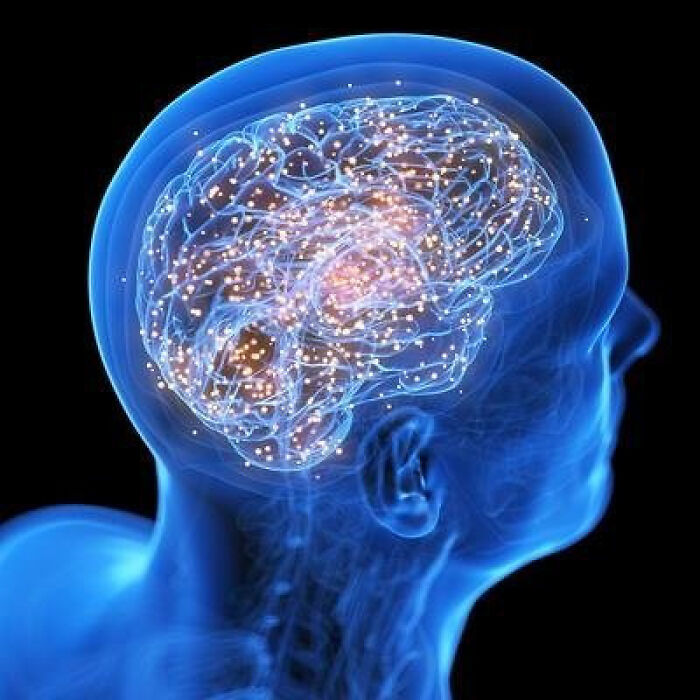 Science confirms that brain cells are influenced by our self-talk.
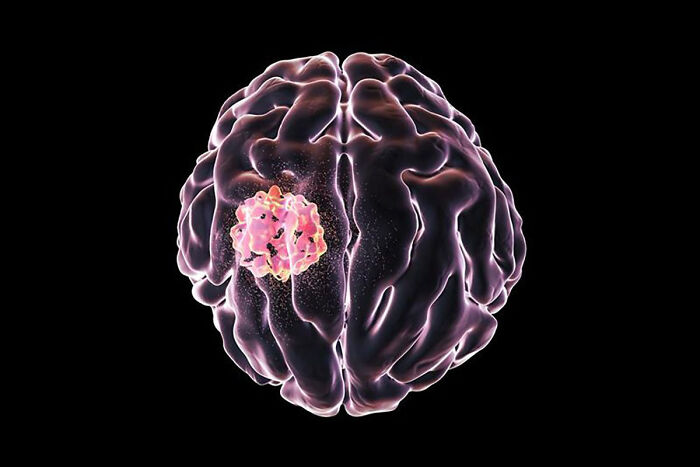 Scientists successfully used sound to treat the world's most aggressive brain cancer.
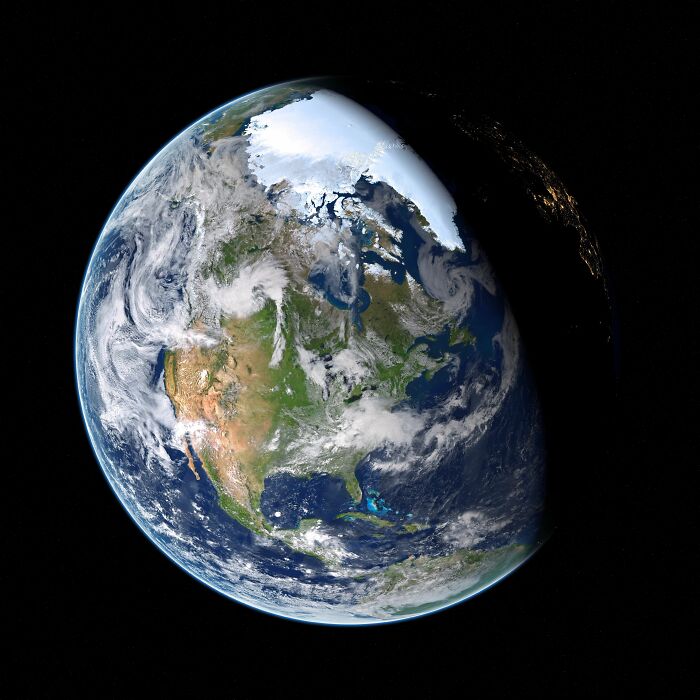 Earth's days are slowly getting longer which means one day we could technically end up with 25-hour days.
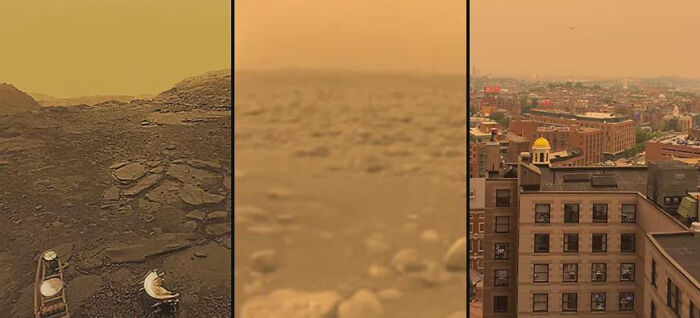 Venus / Titan / Boston
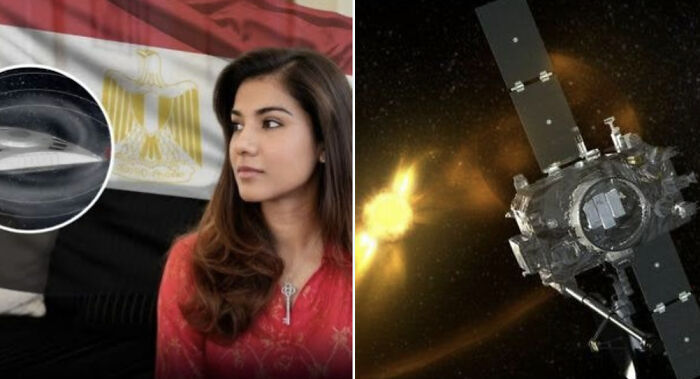 An Egyptian Physicist, Ayesha Mustafa, developed a quantum-based propulsion system that can move space probes and satellites without relying on any fuel.
I hate the misuse of the word "developed" here (and elsewhere in this list). No, she has not 'developed' it, she registered a patent back in 2012 for a theoretical mechanism. No, it "can" not move stuff as described; the best you could say would be that if it proved practical, which it has not, it might be able to do those things.
 On August 2nd in 1774 — 252 years ago — oxygen was discovered in its gaseous state.
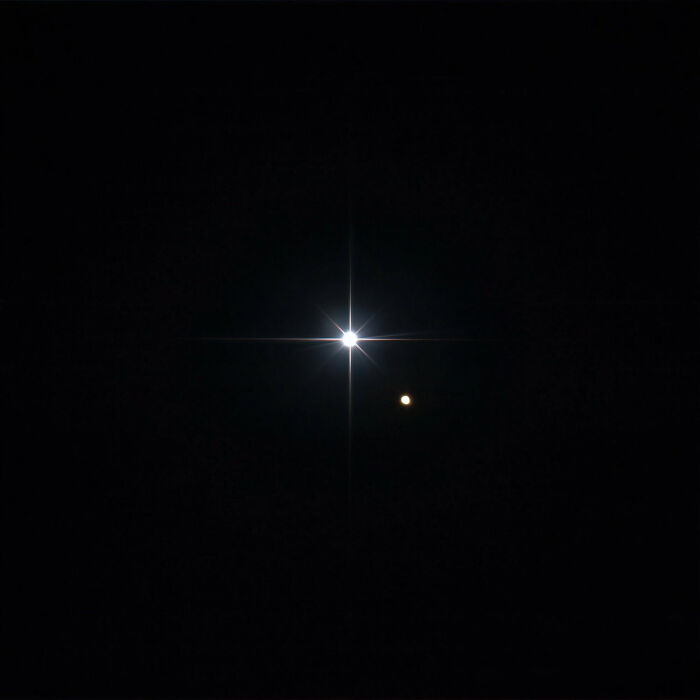
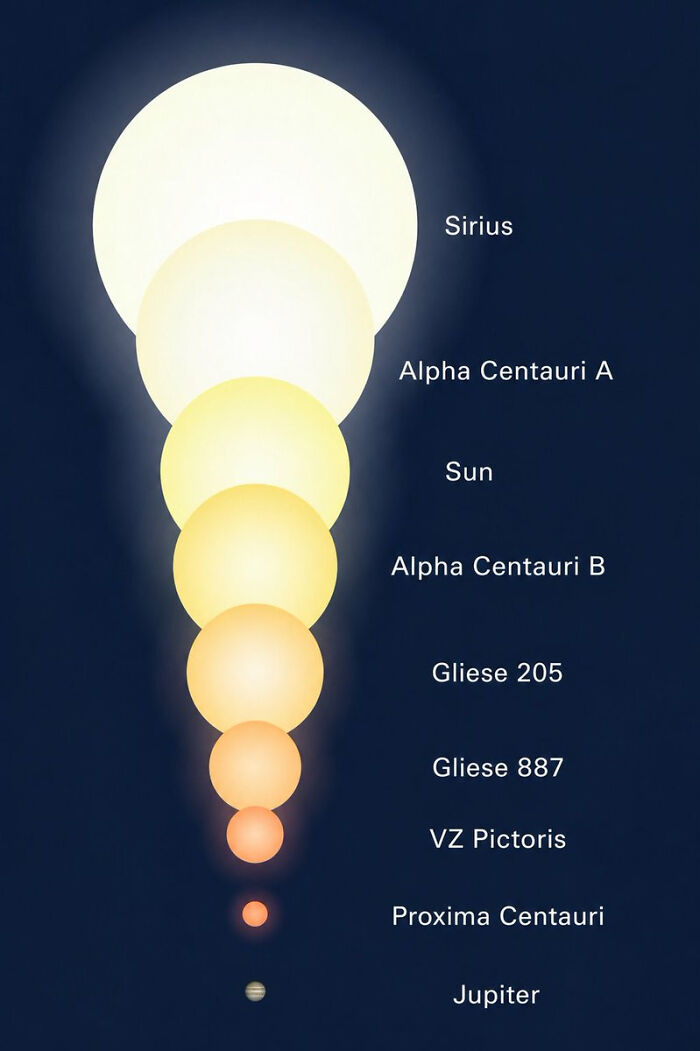 Jupiter, the Sun, and some of its closest stars.
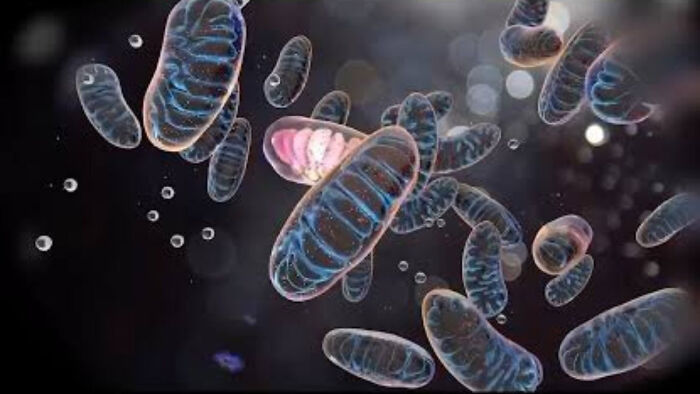 Scientists found Mitochondria use light to communicate suggesting humans are fundamentally beings of light.
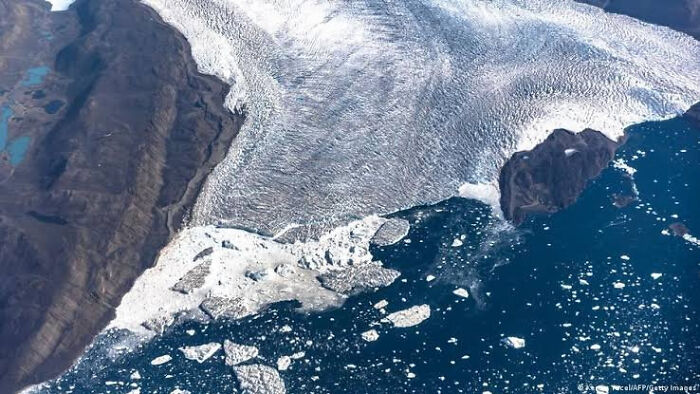 Earth may be heading toward its next Ice Age within 10,000 years, according to new research.
Can it hurry up a little? I'm tired of 40° in central Europe.
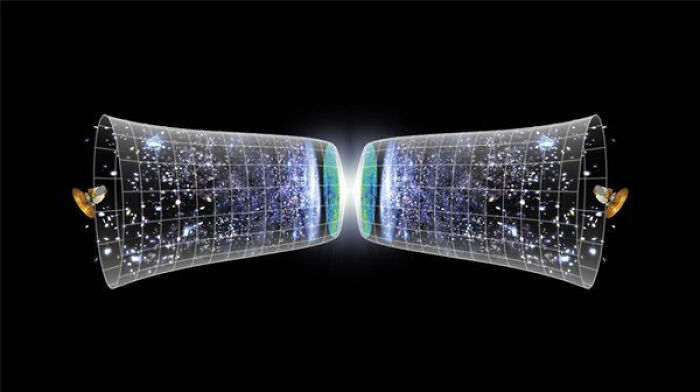 Physicists say a mirror universe where time flows backward could be possible.
.elbissop eb dluoc drawkcab swolf emit erehw esrevinu rorrim a yas stsicisyhP
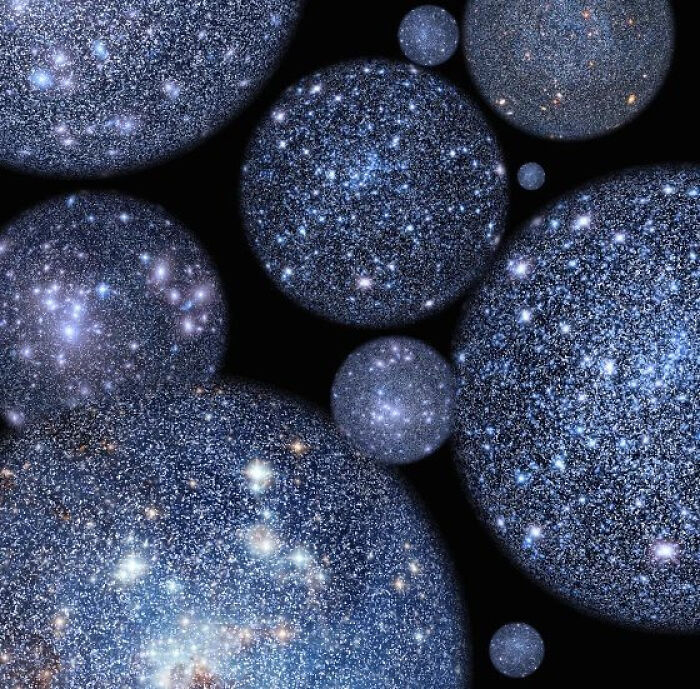 New evidence reveals Earth is trapped in a massive cosmic bubble —2 billion light-years across.
No. The cosmic bubble is very much larger than that. Like 10^40 times that size. A search using Planck spacecraft data looking for a small bubble about 2 billion light years across found nothing, and there's no theoretical reason to expect one.
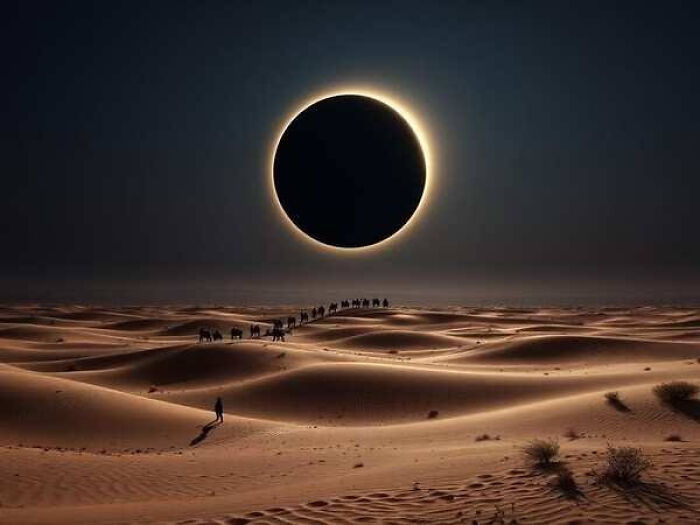 On August 2, 2027, the world will go dark for 6 minutes.
A sight you won't see for another 100 years.
 🚨: A groundbreaking study reveals birds are terrified of women and scientists have no idea why.
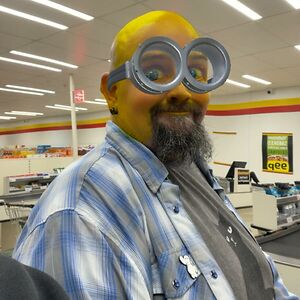
The second part of the study shows that birds are terrified of men. Turns out that birds are terrified of any other animal that may present threat.
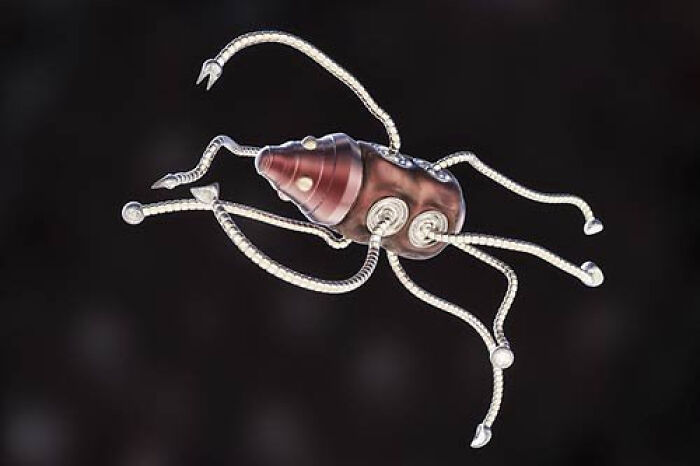 Scientists have created nanorobots that repair teeth without the need for dentists.
I would still need to see my dentist. We are about the only two White Sox fans in a city of Cubs adulators. My getting my teeth clean is therapy for both of us.
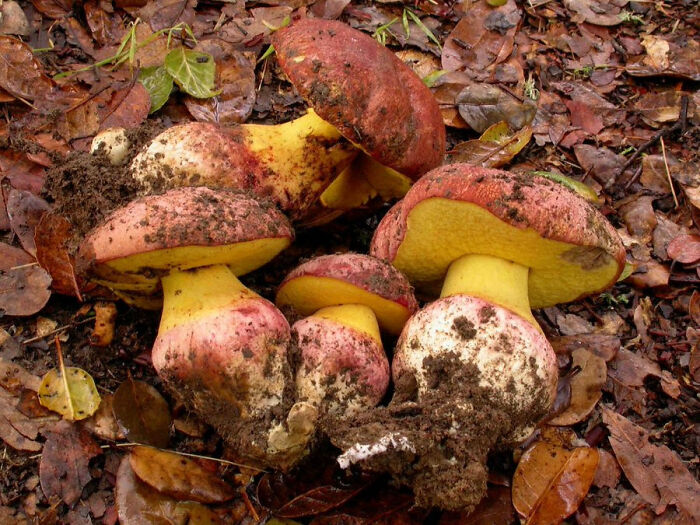 This mushroom, Lanmaoa Asiatica, can make you see little people, as if they were Smurfs, walking around you.
Yeah, it's called "hallucinations" and are very common for a lot of d***s

A lot of BS everywhere on this list. Very little science to be found here, mostly misleading posts and outright falsehoods.
Load More Replies... 
Half of these posts are about new technologies saving lives and the other half is about all the bad things of having so many people on earth. I'm beginning to question these technologies, not because I don't think they won't work, but because we still need something here on earth to k**l off people. A lot of people.
All this saving lives, extending lives. Good thing nature really likes monocultures.
A lot of BS everywhere on this list. Very little science to be found here, mostly misleading posts and outright falsehoods.
Load More Replies... Half of these posts are about new technologies saving lives and the other half is about all the bad things of having so many people on earth. I'm beginning to question these technologies, not because I don't think they won't work, but because we still need something here on earth to k**l off people. A lot of people.
All this saving lives, extending lives. Good thing nature really likes monocultures.
























 No fees, cancel anytime