Get Premium
Dark mode theme is available exclusively for premium users. Learn more about the benefits of subscribing.
No fees, cancel anytime.

 Dark Mode Ad-Free Browsing Unlimited Content

 Ad-Free Browsing Unlimited Content Dark Mode

Join 1.2 million Panda readers who get the best art, memes, and fun stories every week!
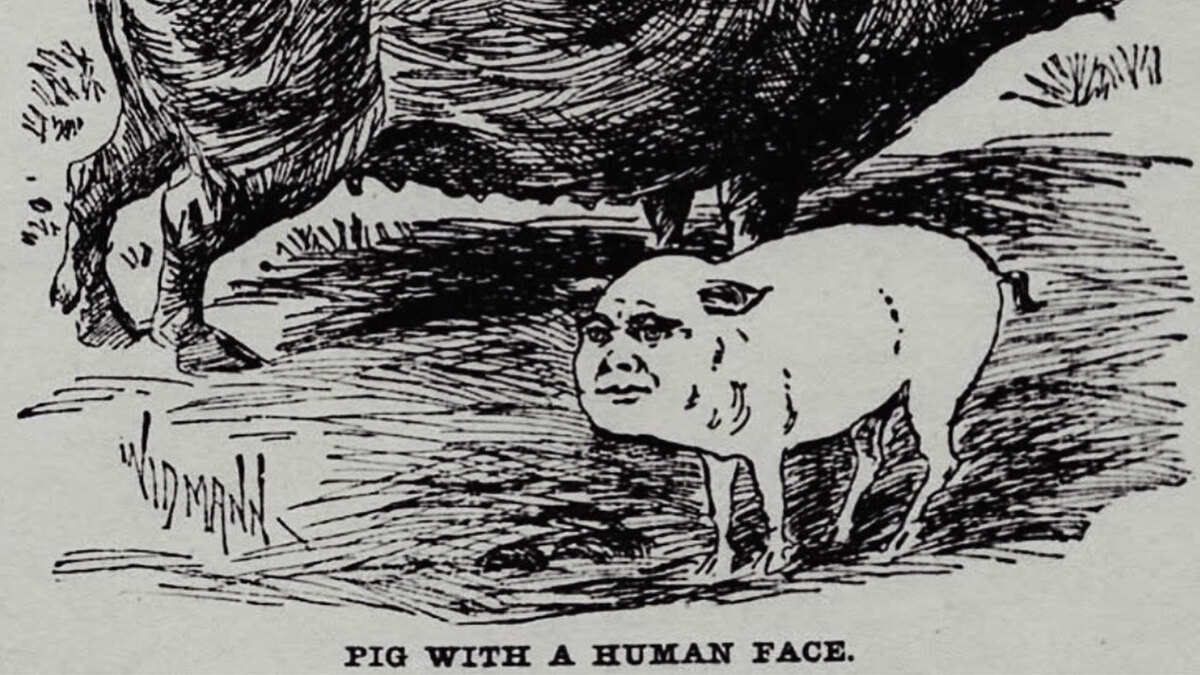
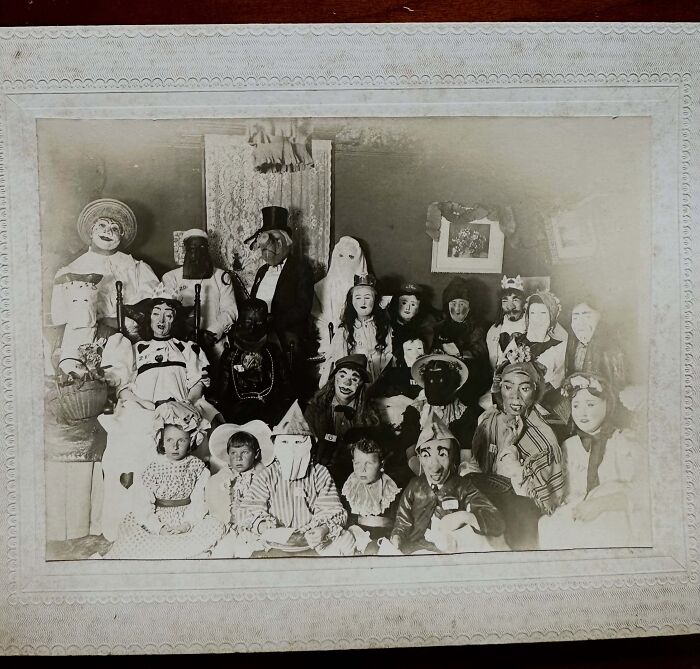
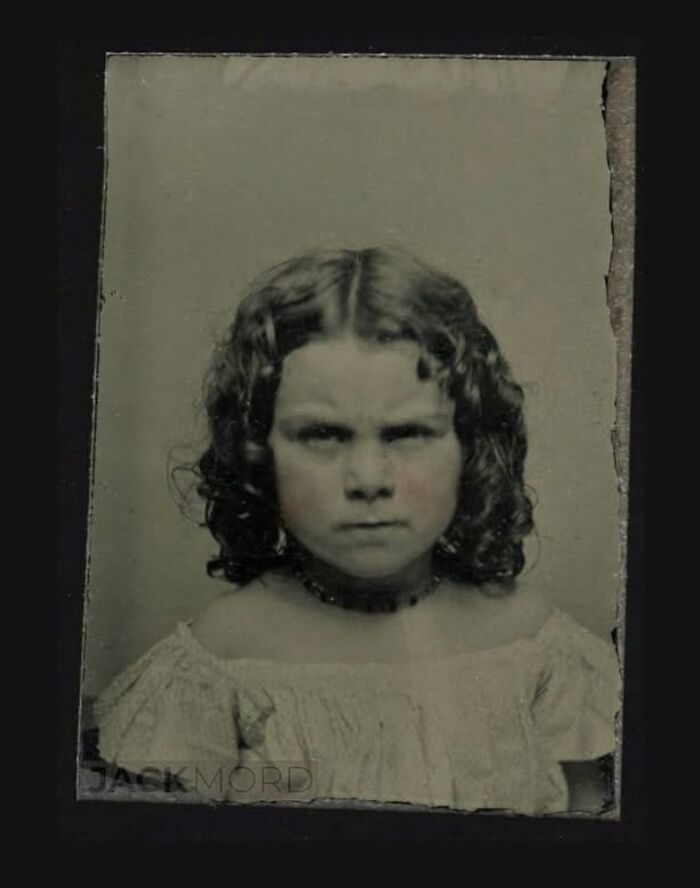
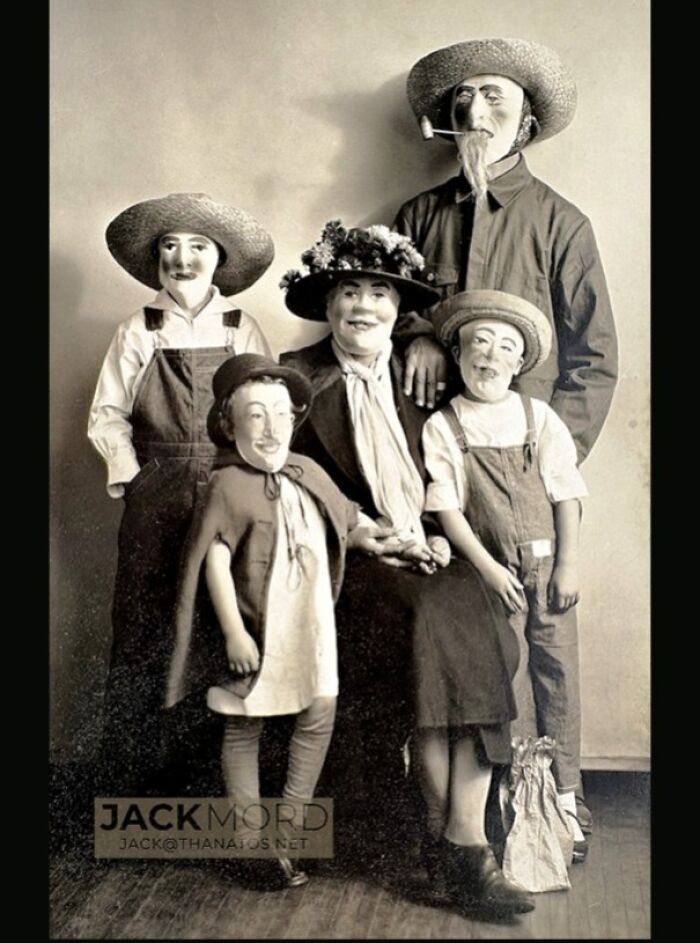
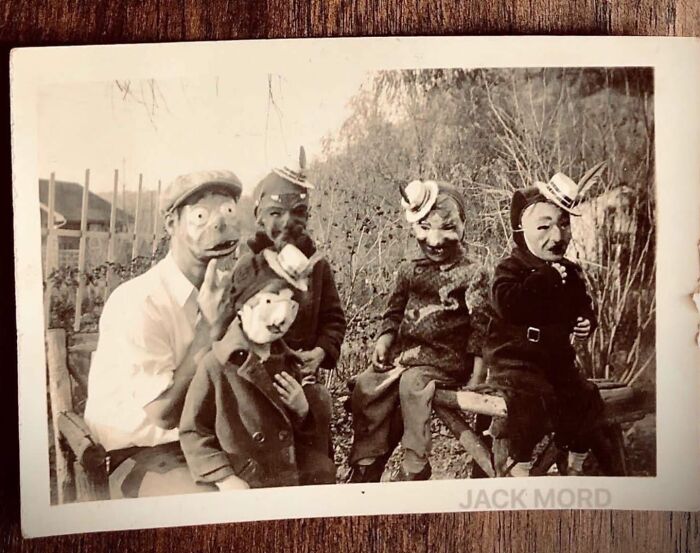
Old photographs have a reputation for being creepy, and it's well-earned. Exposure times were so long that nobody could hold a smile, so everyone stared into the lens as if it owed them money. Add a grainy sepia tone and a child in the back whose eyes follow you around the room, and you have a horror movie that nobody meant to make.
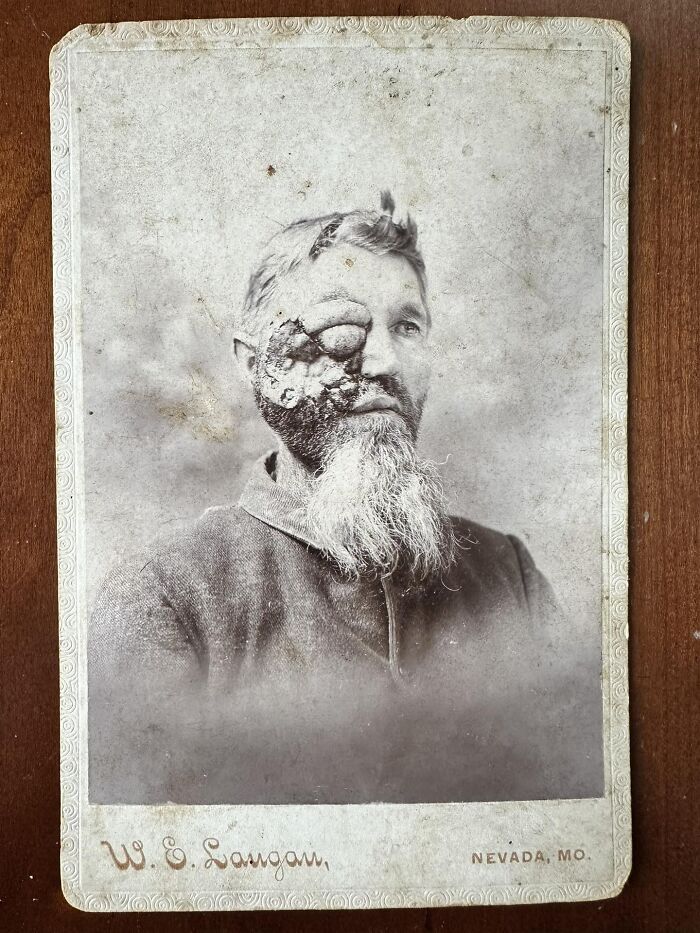
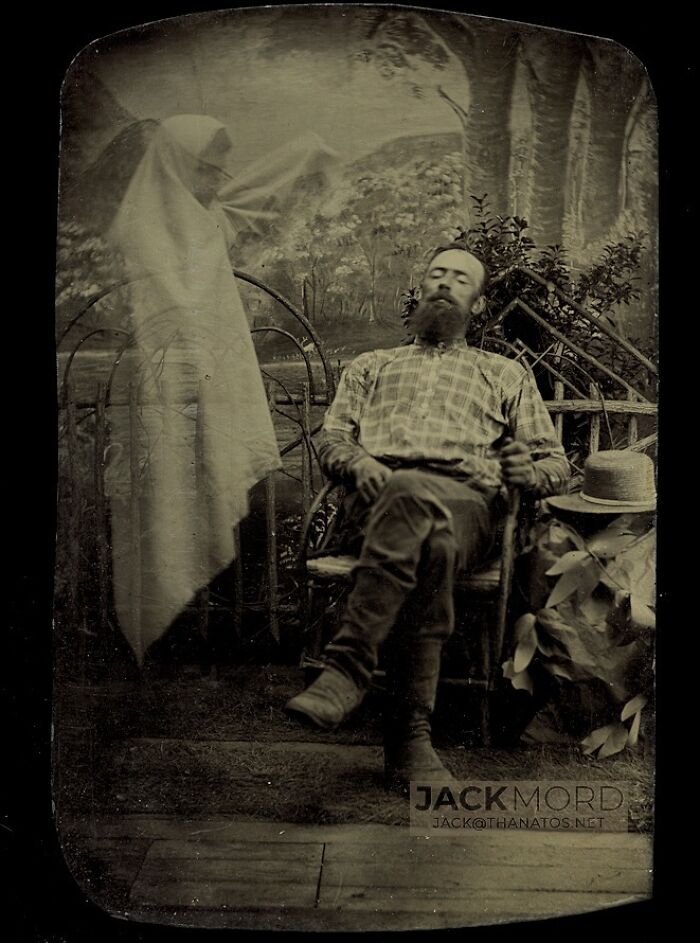
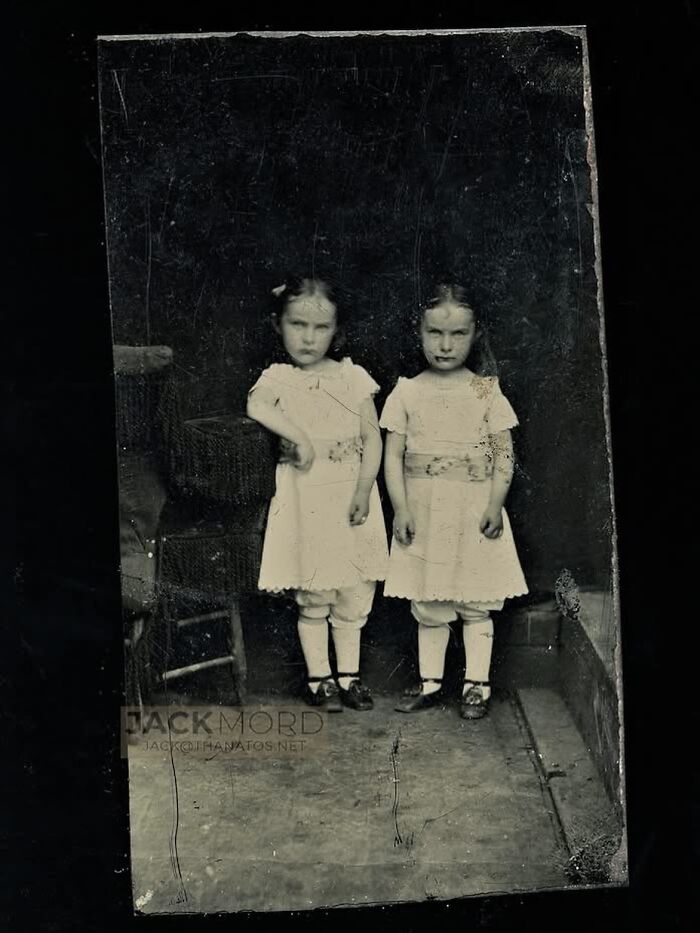
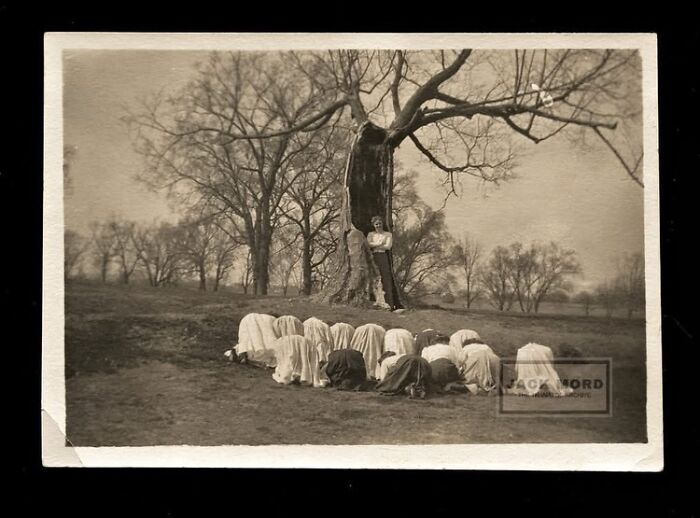
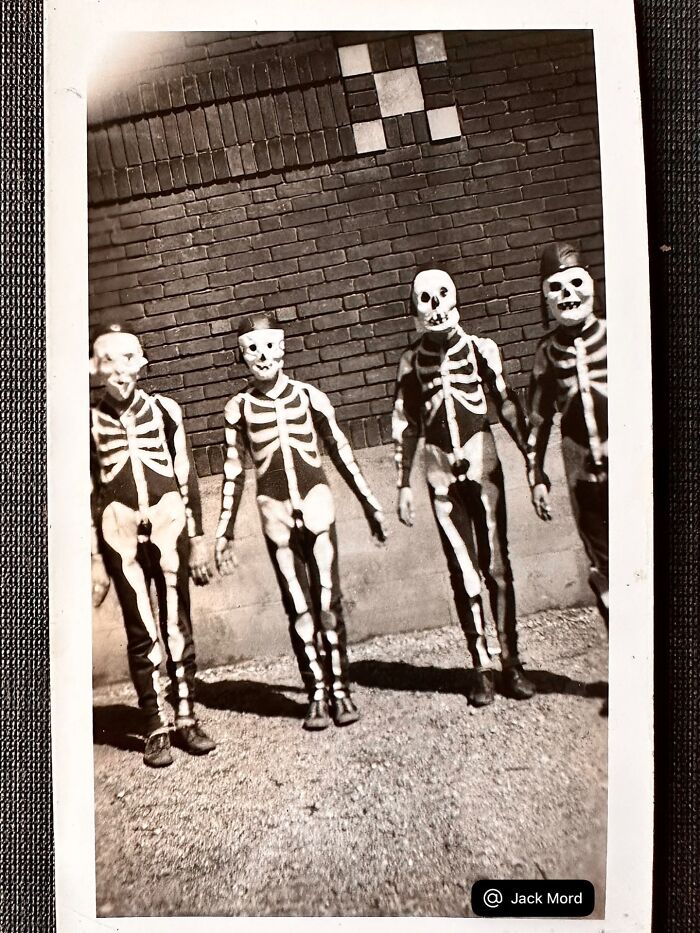
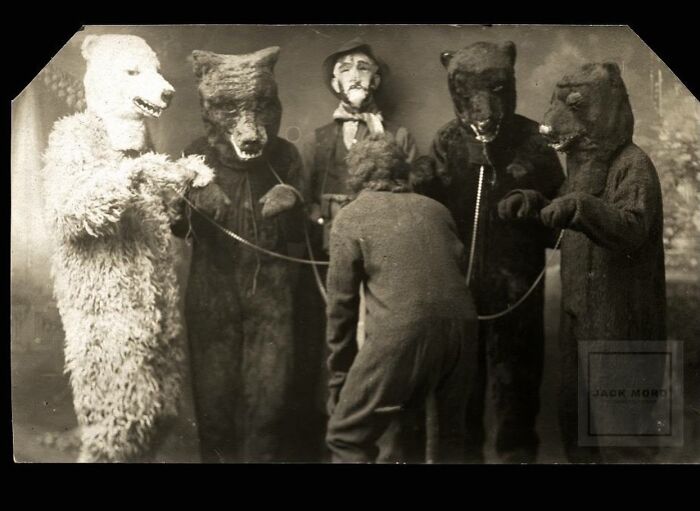
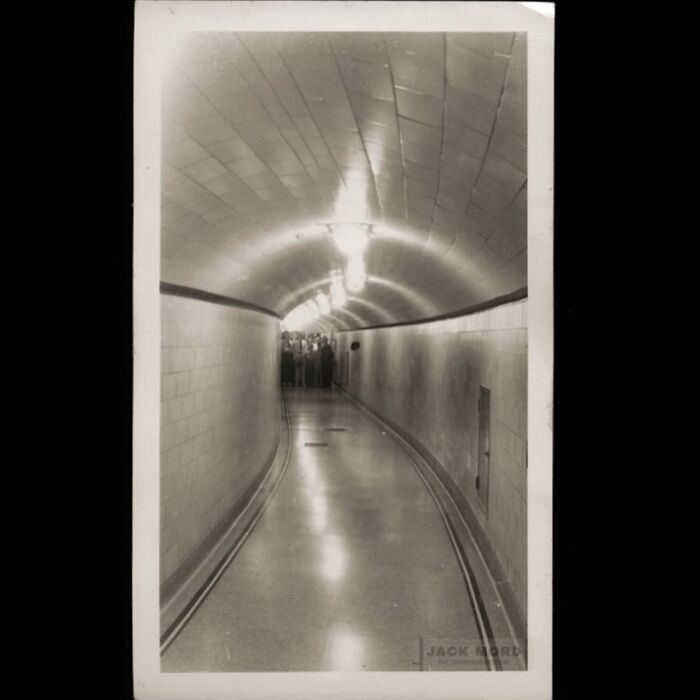
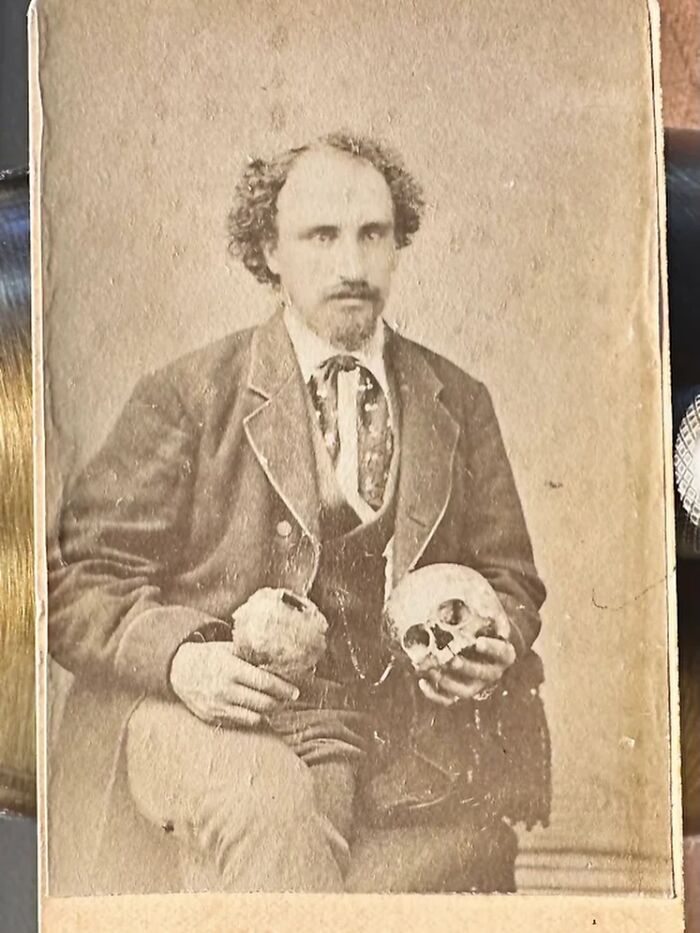
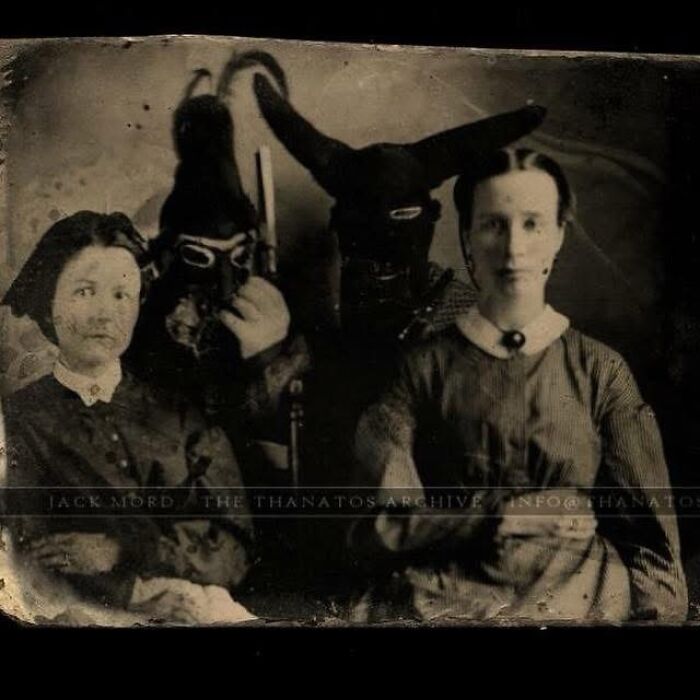
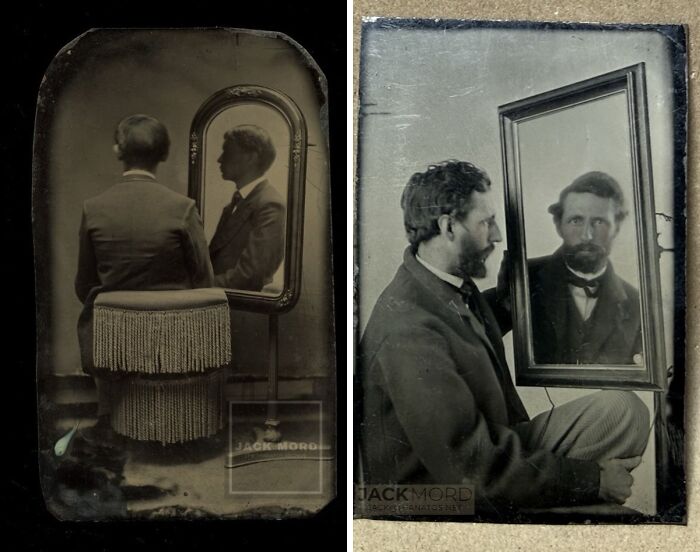
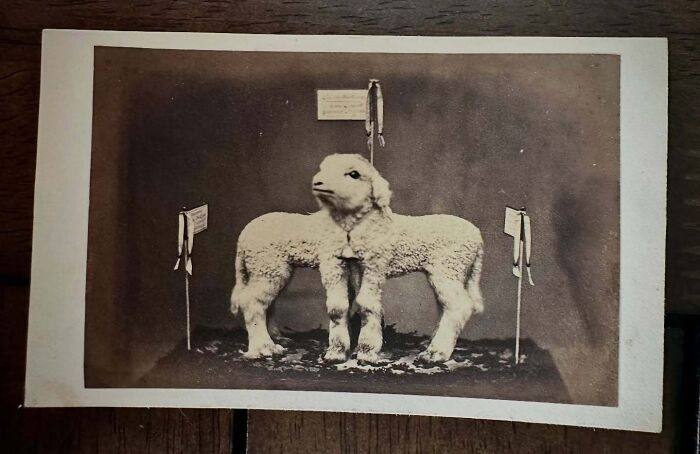
The Thanatos Archive on Instagram has spent years collecting the best of them, and this selection skips the ghosts and apparitions. These are real people in real moments that felt normal at the time and turn out to be far more unsettling than anything that goes bump in the night. Humans were fully capable of being eerie all by themselves, and these old-timey pictures are all the proof you need.
This post may include affiliate links.

In 1838, Louis Daguerre photographed the Boulevard du Temple in Paris from his window. The street was packed with carriages and pedestrians, but the exposure took several minutes, so everything that moved disappeared. The only person who shows up is a man who stood still long enough to get his boots polished, which makes him the first human ever captured on camera. That set the rules for the next few decades: if you wanted to be in the picture, you had to freeze.
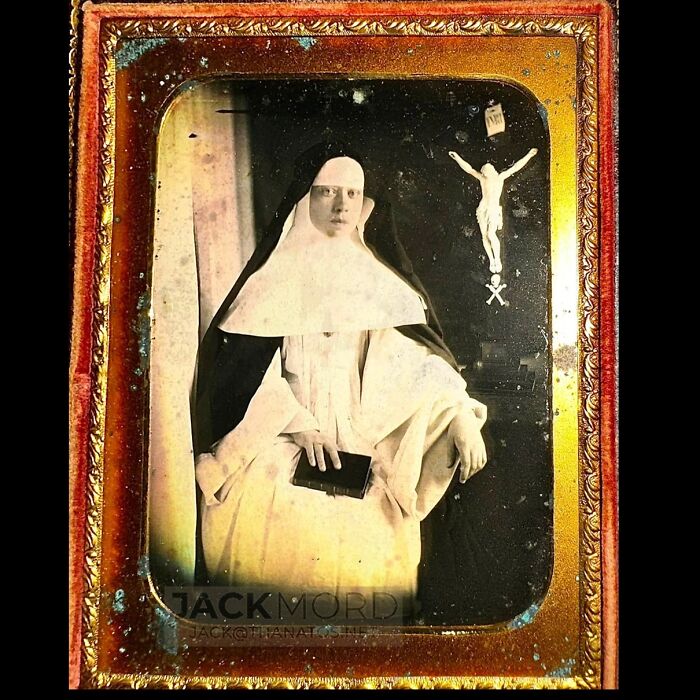
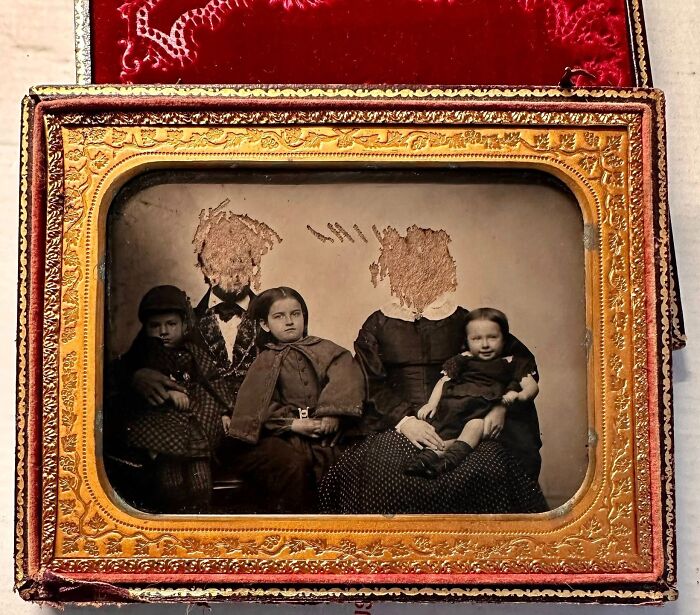
Daguerre announced his process in 1839, and the French government bought the rights and gave them to the world for free. A daguerreotype is an image on a silver-plated copper sheet polished to a mirror finish, so when you tilt it, your own face floats over the portrait of a stranger. There's no negative, which makes every one a one-off. Photographers developed them over heated mercury fumes, which did their lungs no favors.

Early sitters were held in place by metal head clamps hidden behind the chair, which explains a lot of those thousand-yard stares. Holding a smile for minutes is hard anyway, and portrait tradition said grinning was for drunks and fools. Mark Twain is widely credited with saying there is nothing more damning than a silly, foolish smile fixed forever. The Victorians were mostly following the photo etiquette of the day.
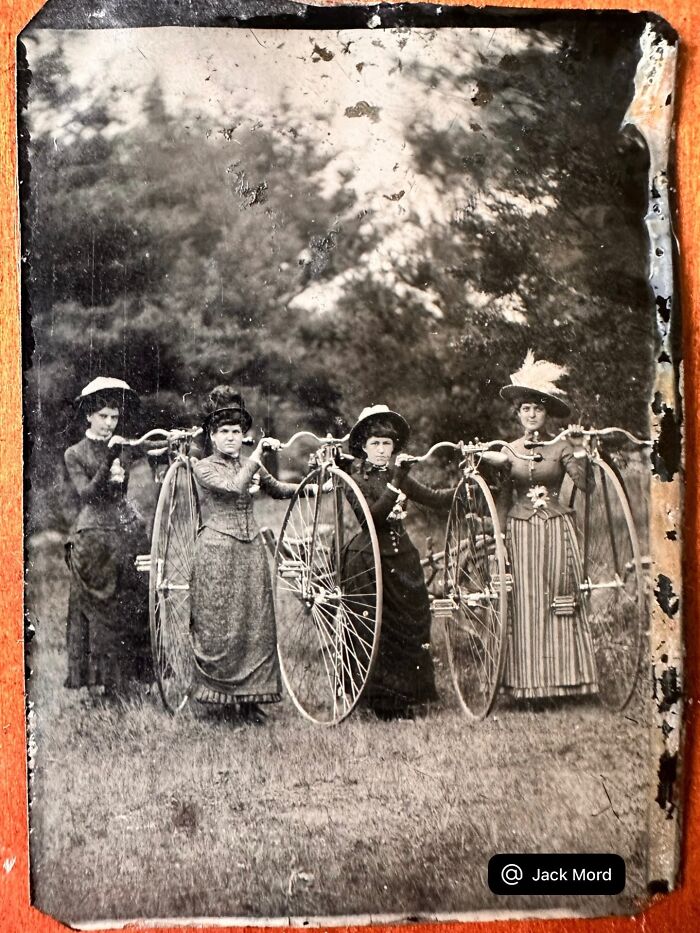
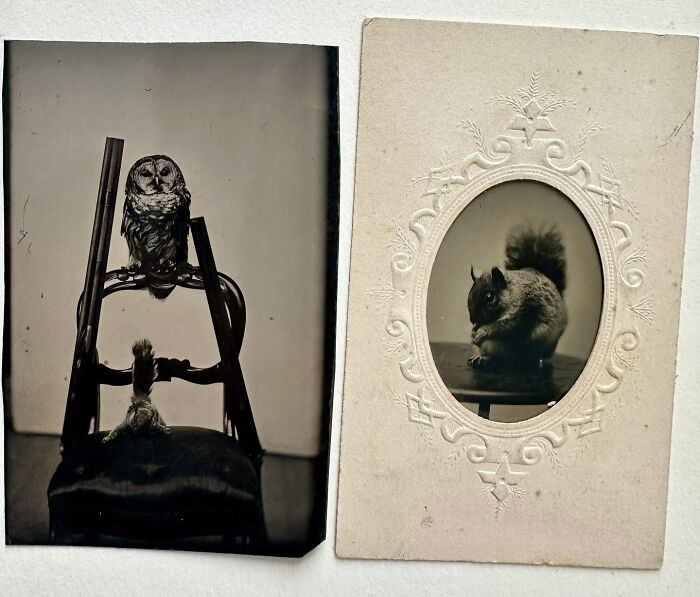
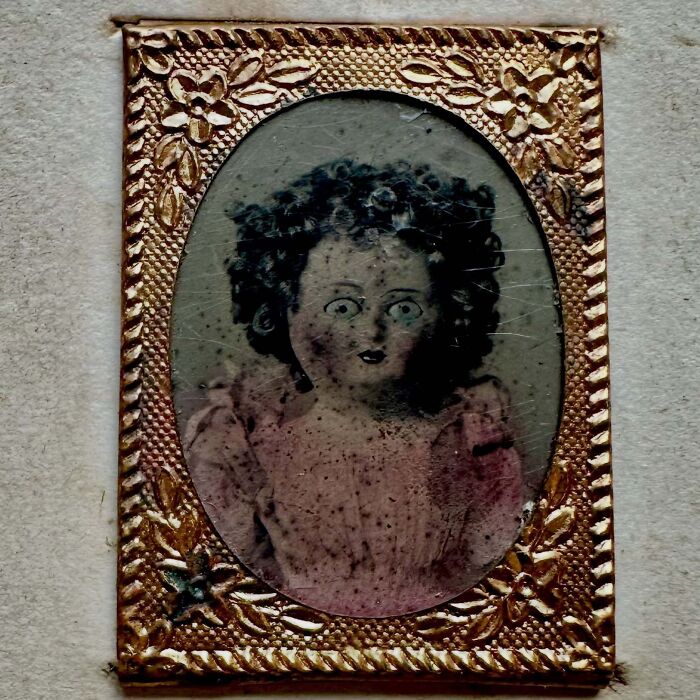
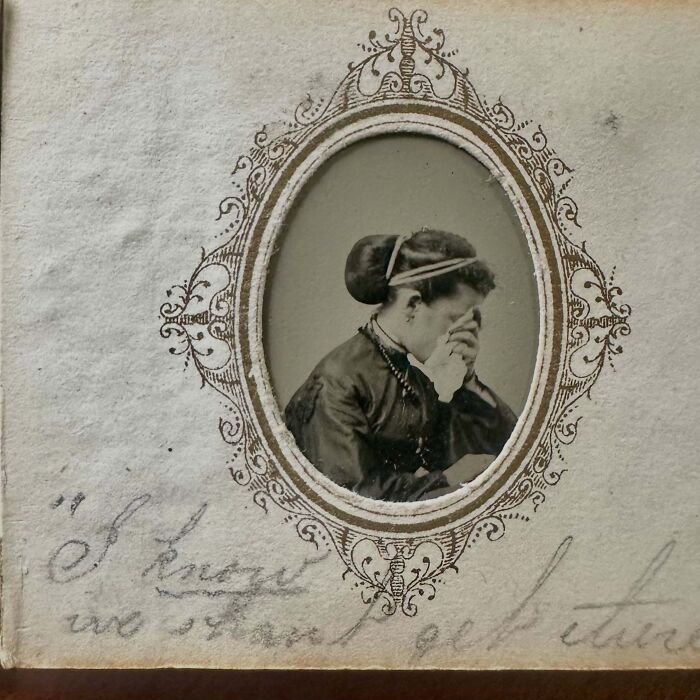
Cheaper formats came next. The ambrotype put the image on glass in the 1850s, and the tintype, patented in 1856, put it on a thin sheet of iron. There is no tin in a tintype, and the name probably comes from the tin snips used to cut the plates apart. They were cheap and sturdy, so ordinary people could afford a portrait for the first time. Civil War soldiers sat for them in uniform and mailed them home, and for some families that little iron plate was the last picture they would ever get.
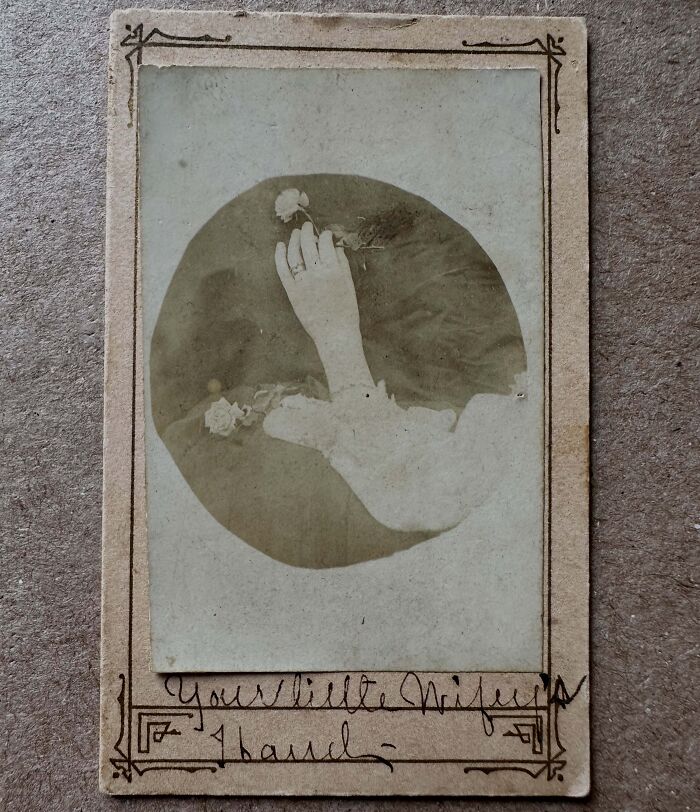
Post-mortem photographs make up a big chunk of this collection and is probably the creepiest of the lot. The end of one's life was a constant presence in the 19th century, and cameras were new and expensive. Even at the start of the 20th century, more than one in ten American infants did not see their first birthday. For many families, the photo taken after a child passed was the only one they would ever own. To them it was a keepsake, the one picture of a face they had loved.
The popular story that the non-living were propped up in stands with painted-on eyes is mostly internet folklore. Those stands were built to hold living sitters still. Most post-mortem subjects were photographed lying down as if asleep, in a bed or a cradle, and the finishing touch was often a bit of pink tint brushed onto the cheeks of the plate. Plenty of the supposedly post-mortem photos circulating online are actually living people who couldn't move during the exposure.
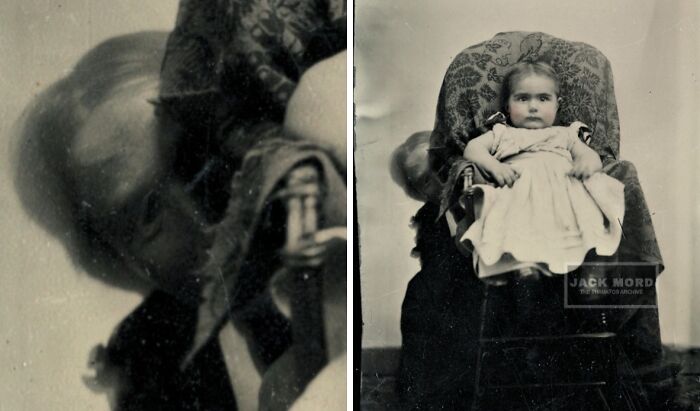
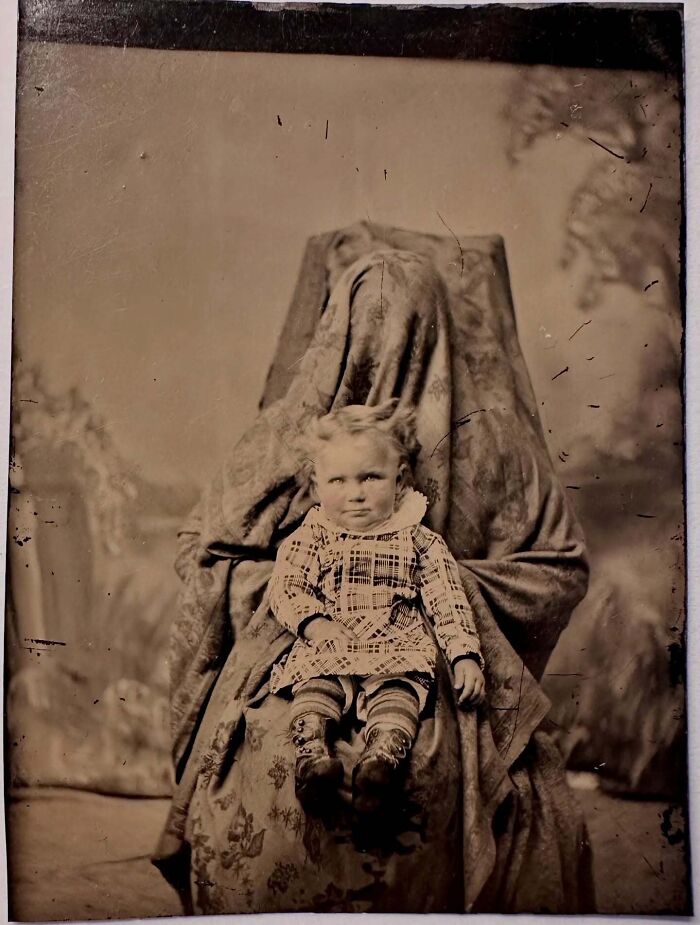
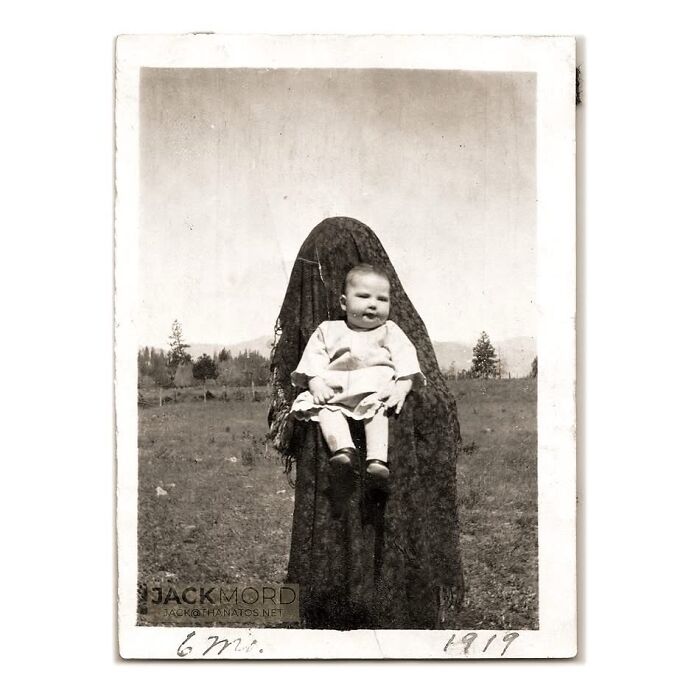
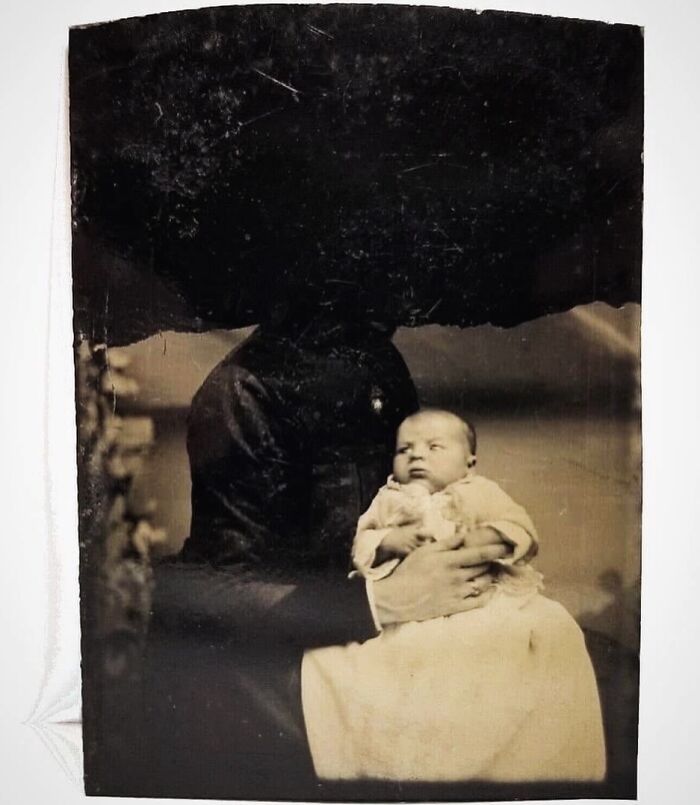
Babies were an even bigger headache, because they wriggle. The workaround was the "hidden mother" photograph, where a parent sat under a heavy cloth or behind a curtain and held the child still while the shutter stayed open. The results show a baby apparently being cuddled by an armchair or a vaguely mother-shaped lump. The scary part was a side effect of the most practical option available.
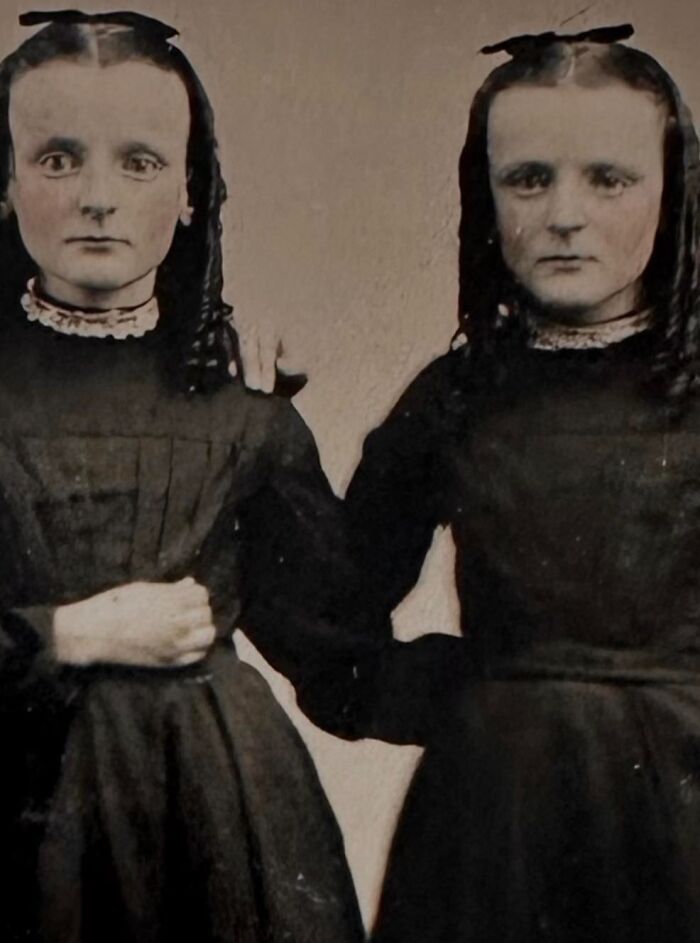
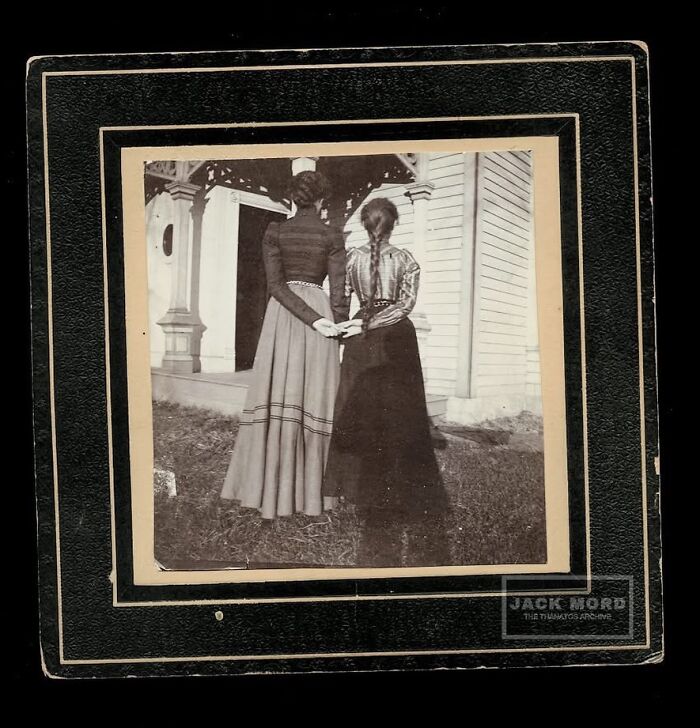
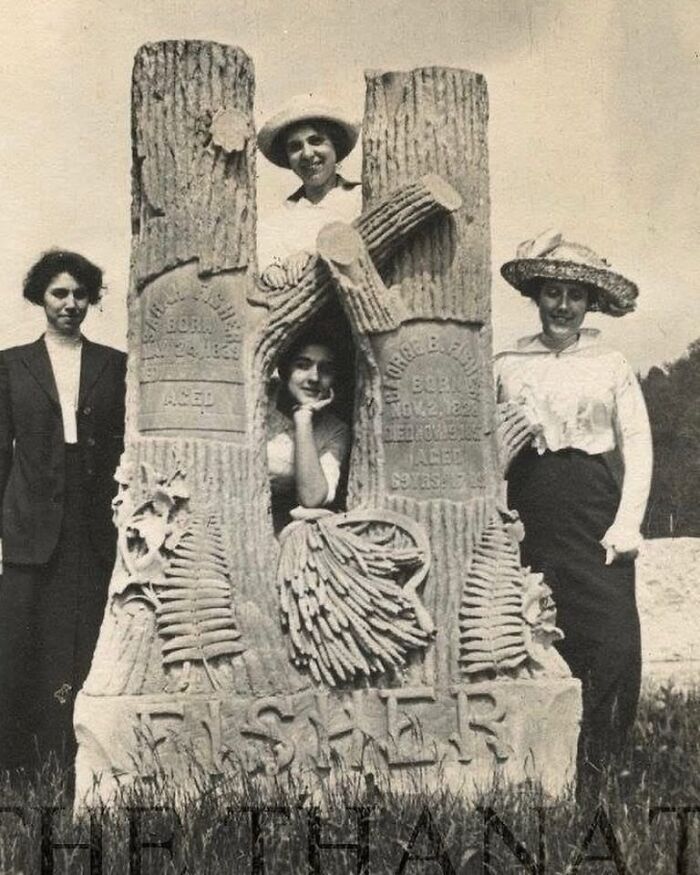
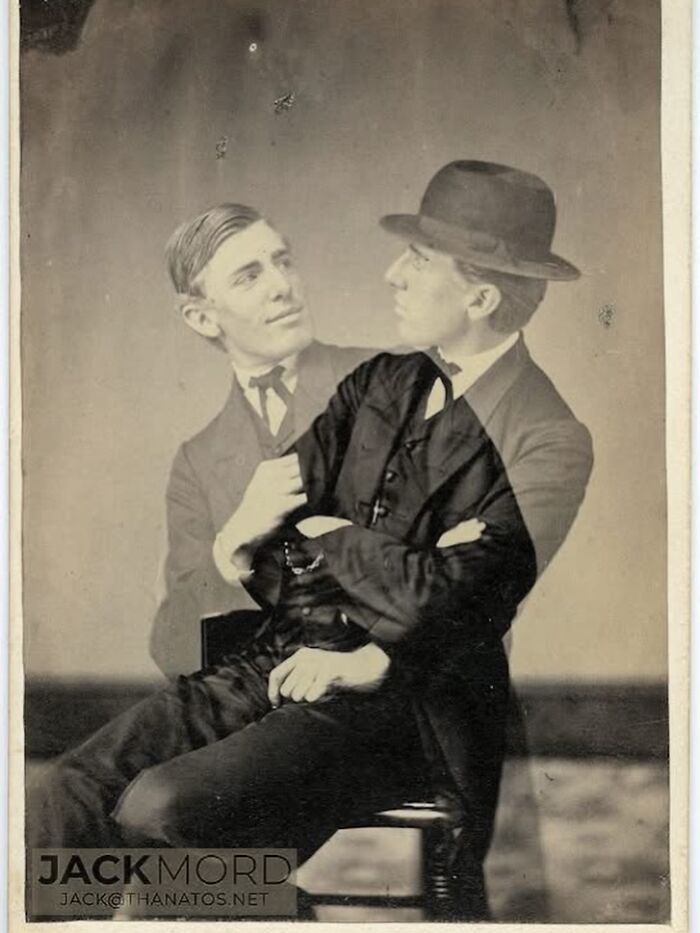
I Did Some Research On Them. They Lived Their Whole Lives In The Same Place, Possibly Even The Same House, Never Married, And Share A Gravestone.
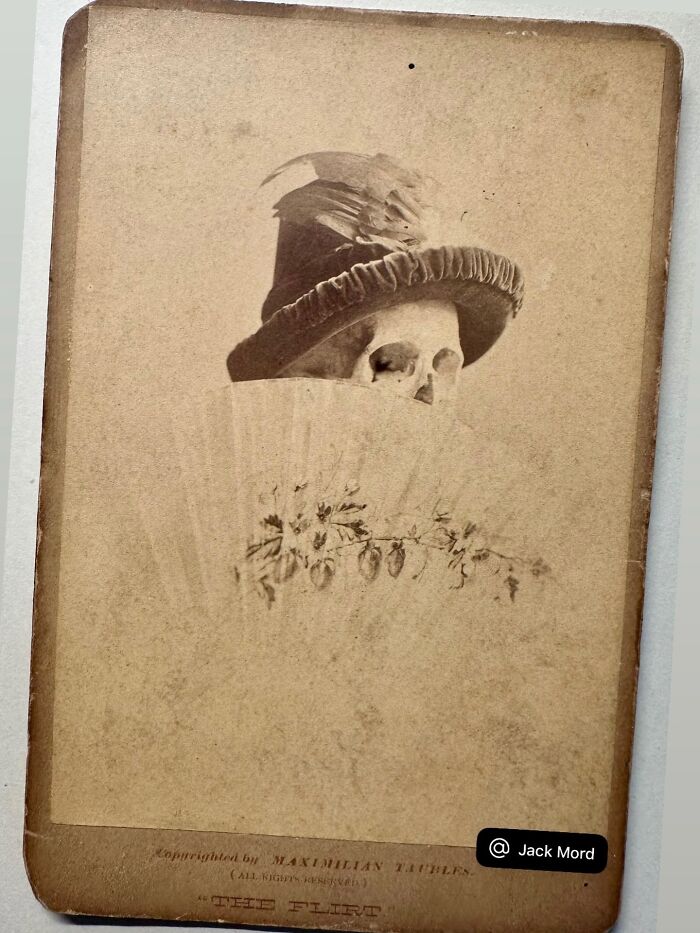
The archive's name fits all of this. Thanatos is the Greek personification of the end of life and the twin brother of Hypnos, sleep, which is exactly the comparison Victorian photographers were going for. Memento mori, Latin for "remember you must stop living," was already a tradition in portraits and paintings long before cameras.
Queen Victoria wore black for roughly 40 years to mourn Prince Albert, and jewelry woven from an expired relative's hair was perfectly normal. Before hospitals and funeral homes took over, the body stayed in the front parlor and the family handled it, so a photograph was just one more way to keep a person close.
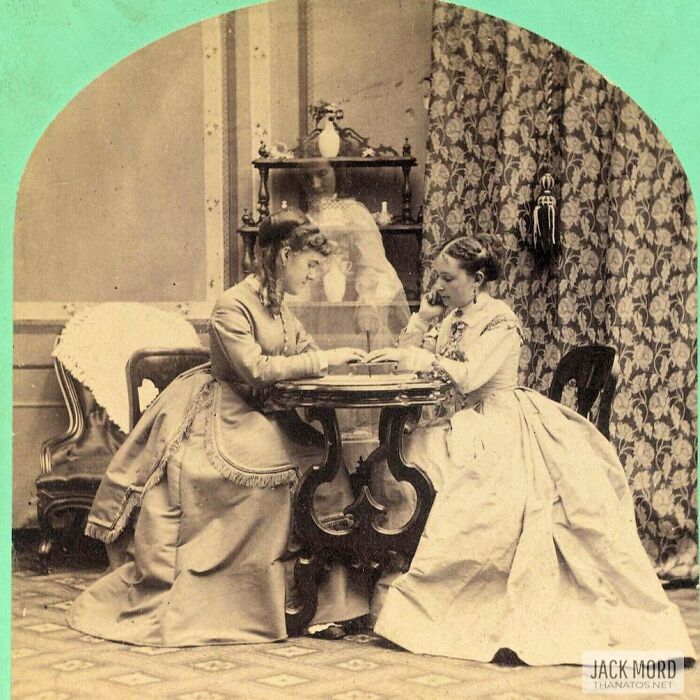
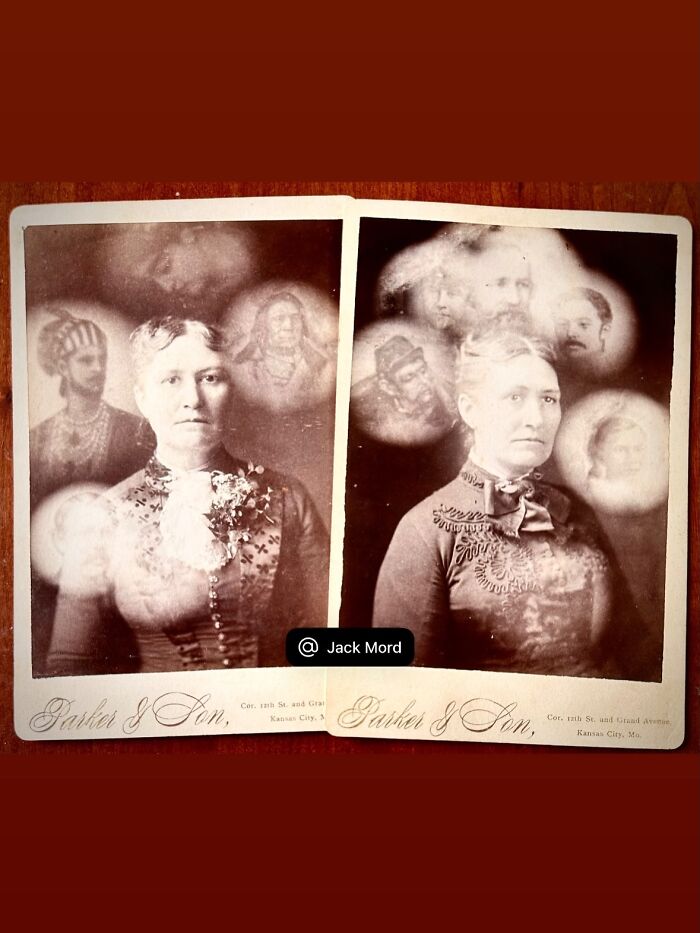
Where there's grief, there's a business. In the early 1860s, a Boston engraver named William Mumler discovered, supposedly by accident, that a double exposure could put a translucent "spirit" behind a living sitter. He started selling them to the bereaved and was tried for fraud in 1869, with P.T. Barnum among those who testified against him. Mumler was acquitted, and around 1872 Mary Todd Lincoln sat for him and received a portrait with the apparent ghost of Abraham Lincoln resting his hands on her shoulders.
Every person in this collection sat still for something they believed would outlast them, and they were right. We delete a dozen blurry shots before posting one, but they got a single attempt, and they knew it. Nearly two centuries later, they're still looking right at you.
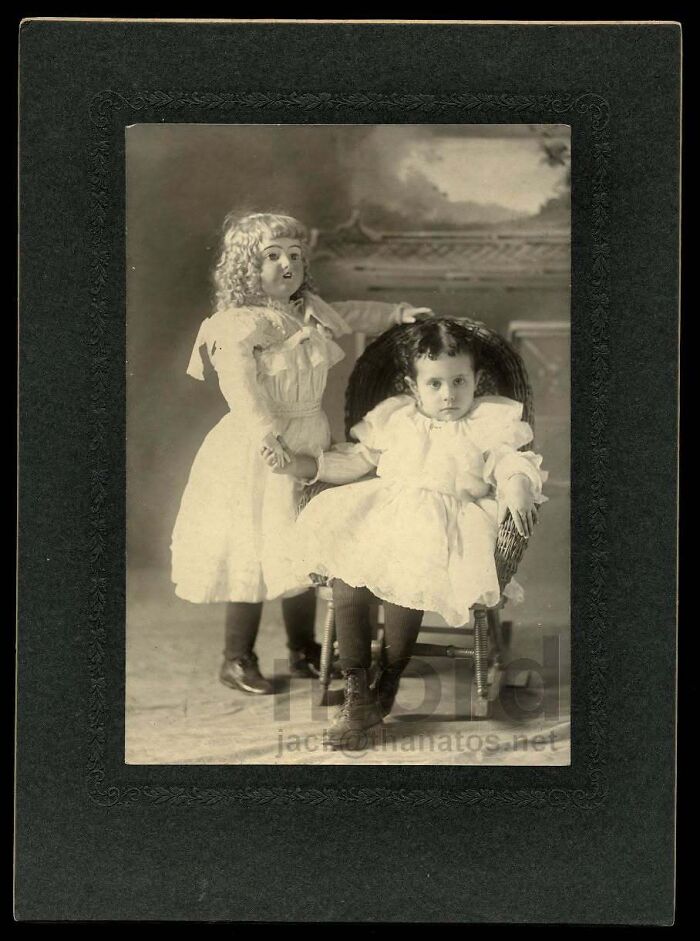
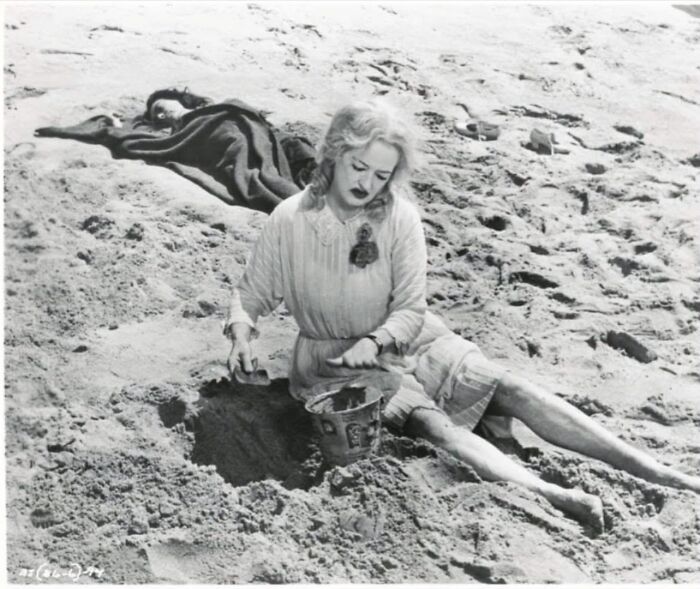
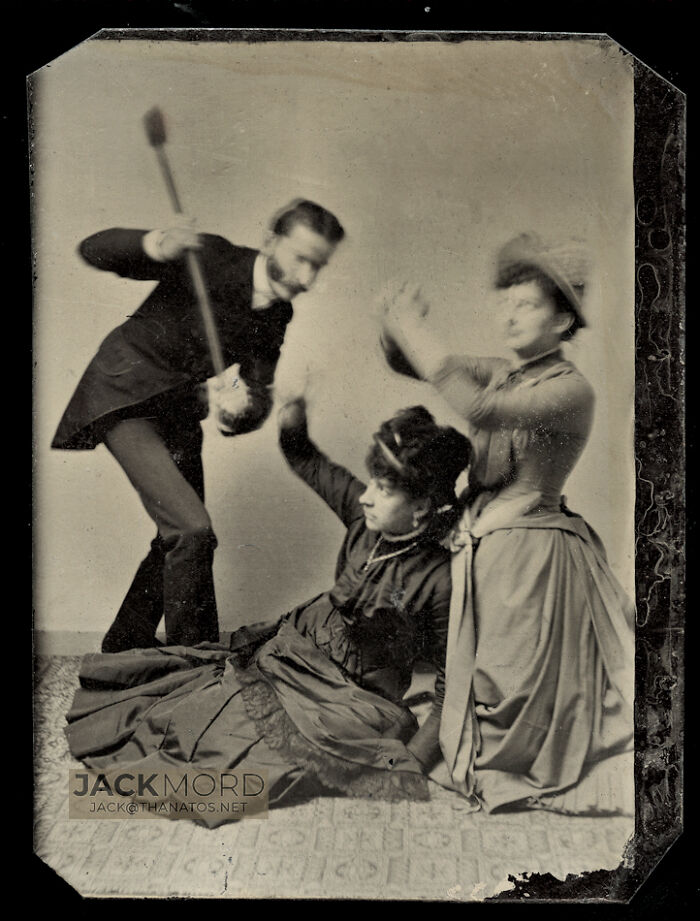
This is the last shot from "What Ever Happened to Baby Jane?" (1962) That is Betty Davis in front (having a nervous breakdown), and behind her Joan Crawford. Absolutely wonderful picture!!!!!
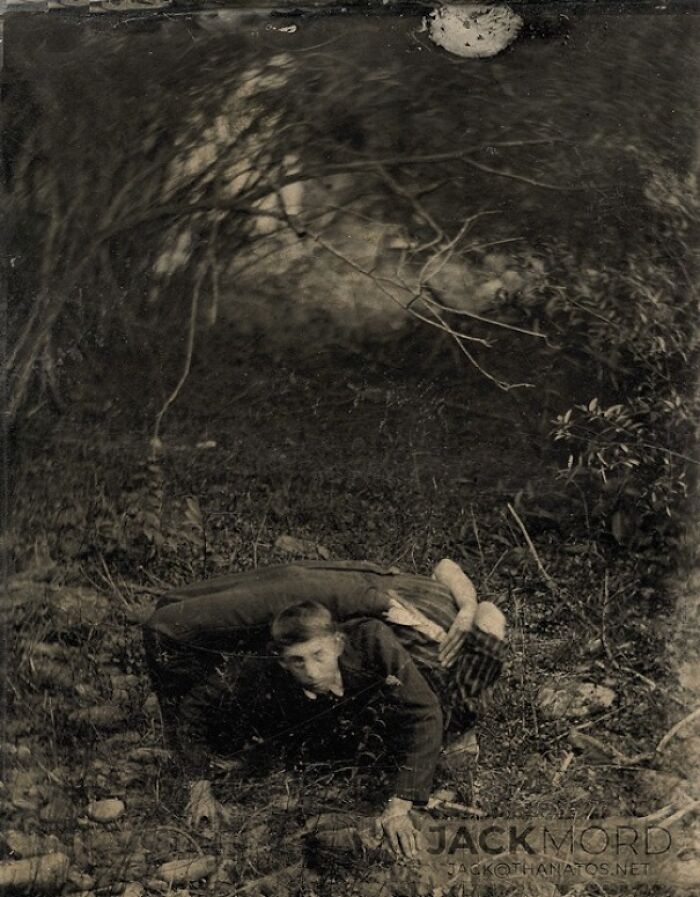
OK, boys. Do something weird and hold that position for 10 seconds.
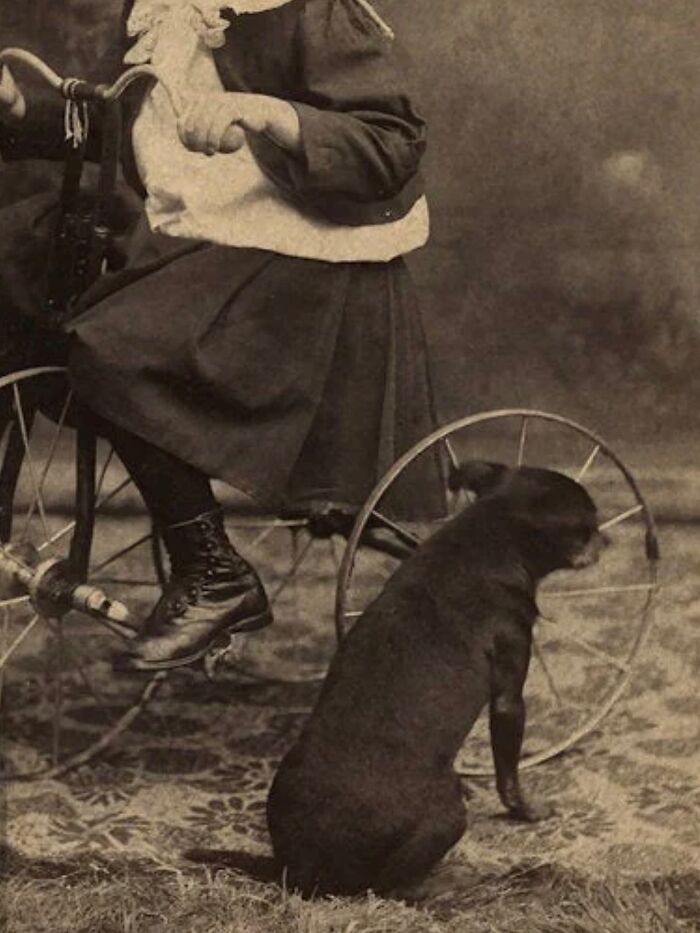
The camera had scarcely learnt how to tell the truth before it was taught to lie
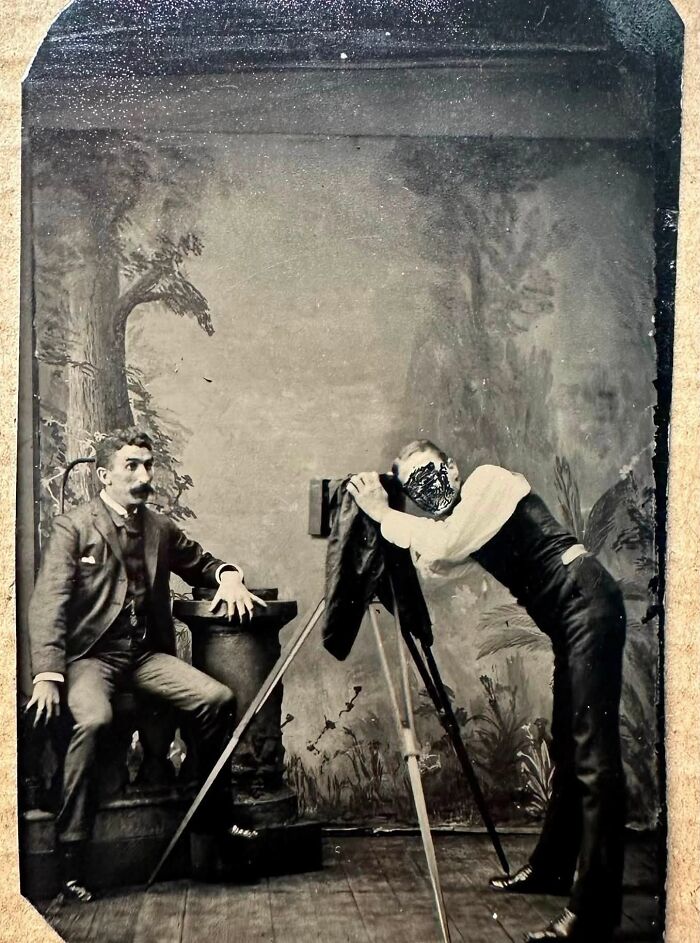
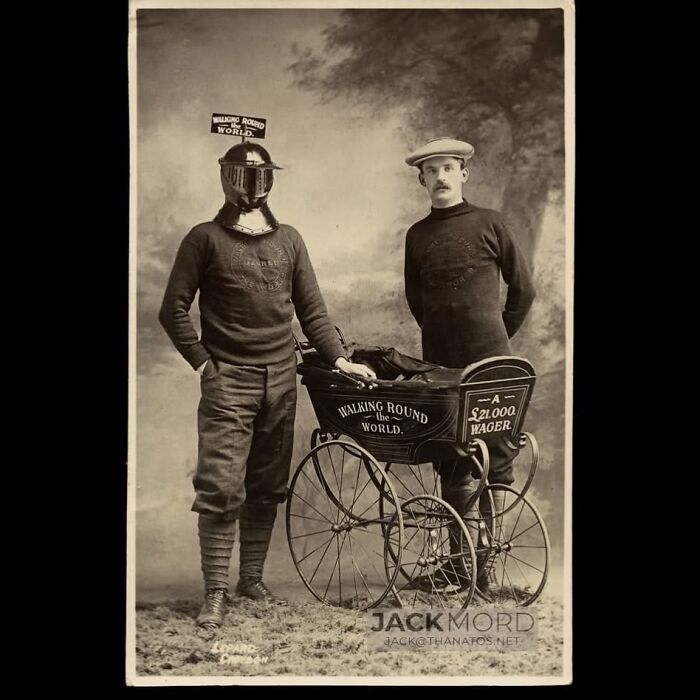
C1908, He Agreed To A £21,000 Bet (Around £2,250,000 In Today’s Money) To Walk The World Wearing The Mask, Which Was From A Suit Of Armor, Pushing The Stroller The Entire Way But That’s Not All.
To Win The Bet He Also Had To Meet And Marry A Woman, Without Ever Taking The Mask Off. In The End, He Lost The Bet, Although Not Until He Had Walked Over 30,000 Miles In Six Years. Some Say He Quit To Enlist In WWI, Others Say He Just Quit. The Man With Him Was Harry’s Observer, There To Make Sure He Stuck To The Rules Of The Bet)

The poll asks: "Which theme intrigues you most about old photos that seem sinister?" My answer is: "The theme that the majority won't seem sinister to me at all." Don't get me wrong, I enjoyed the article, but I feel the title (and the poll) do not fit the content, on the whole.

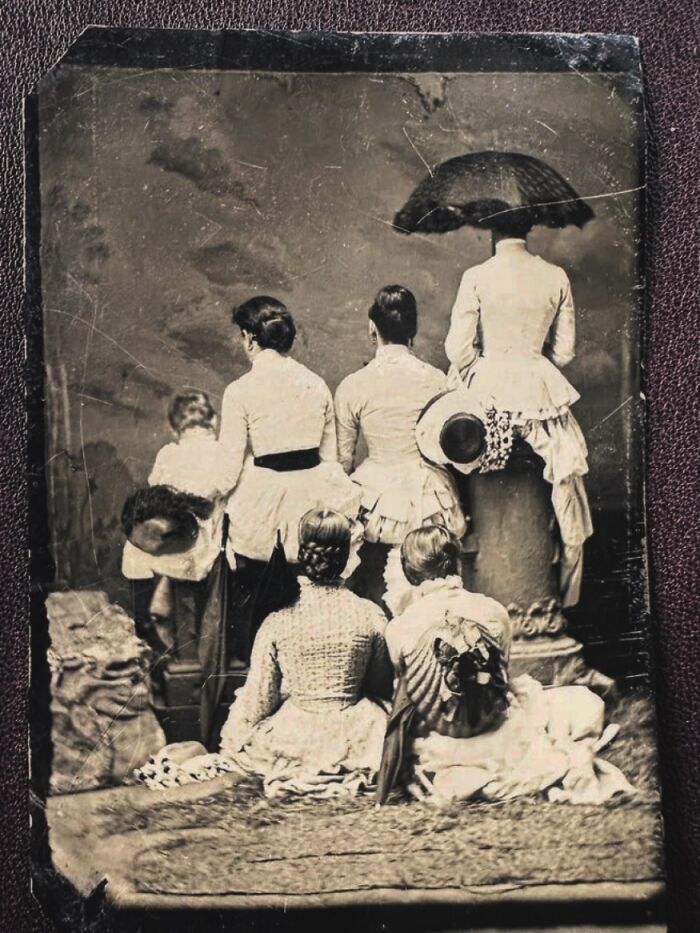
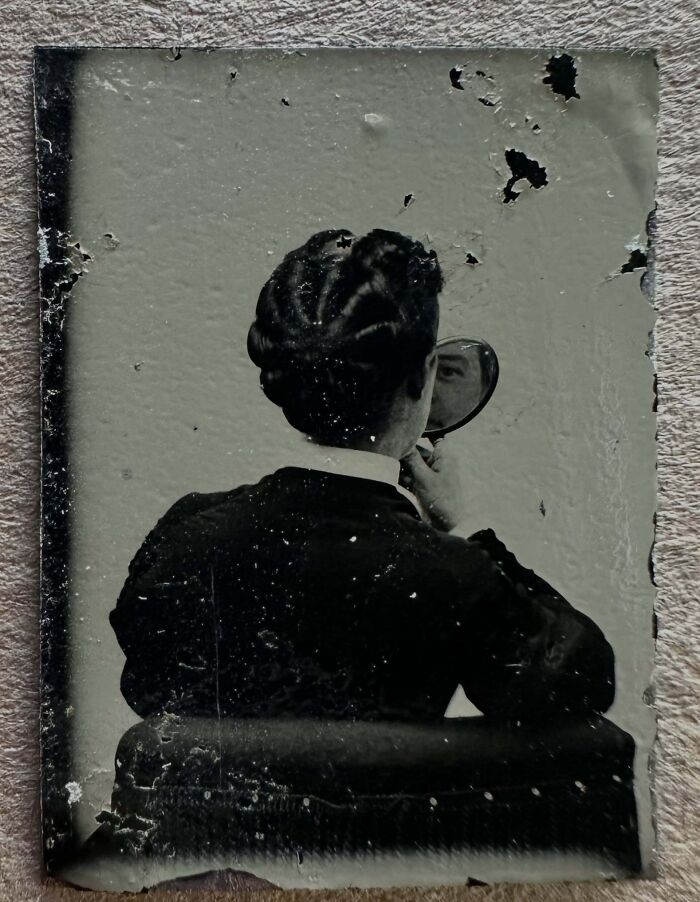
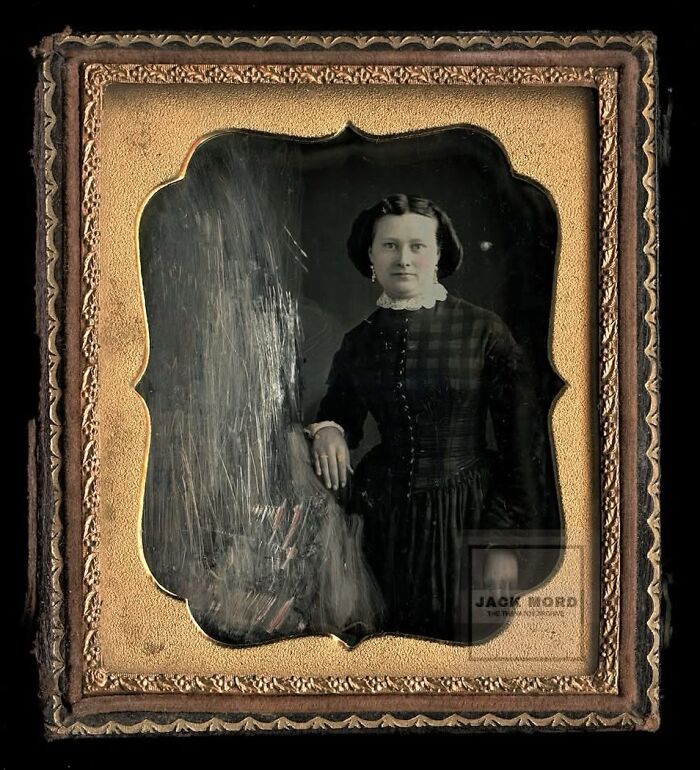
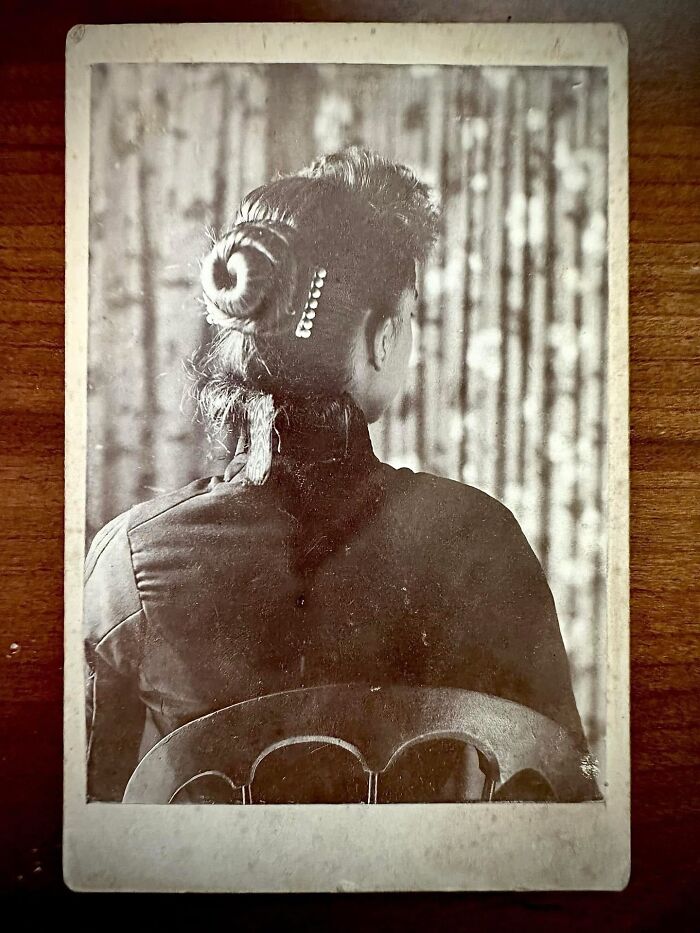
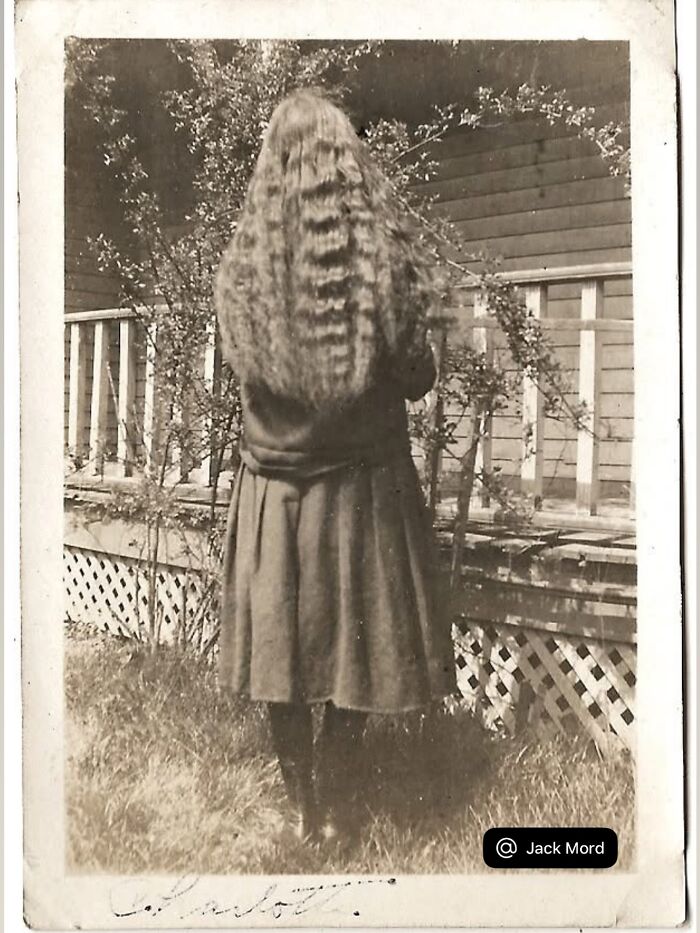
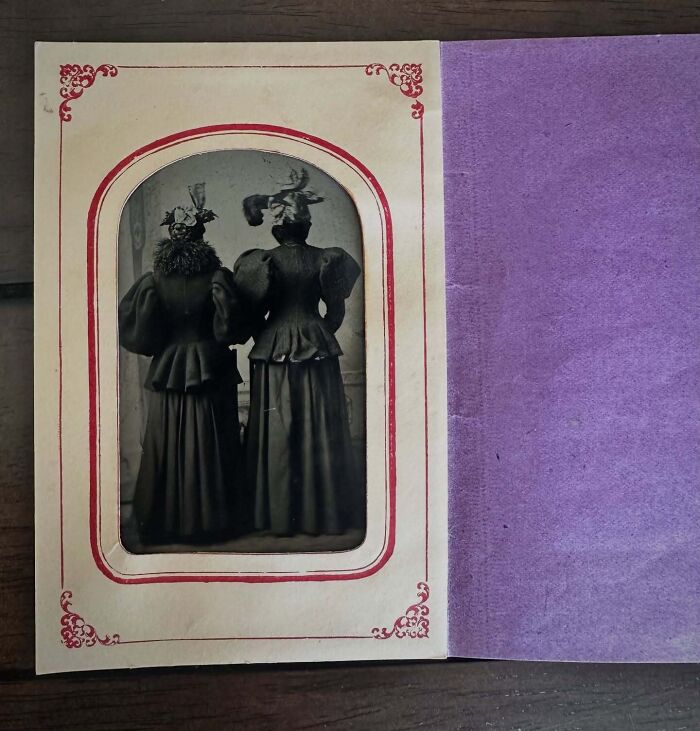
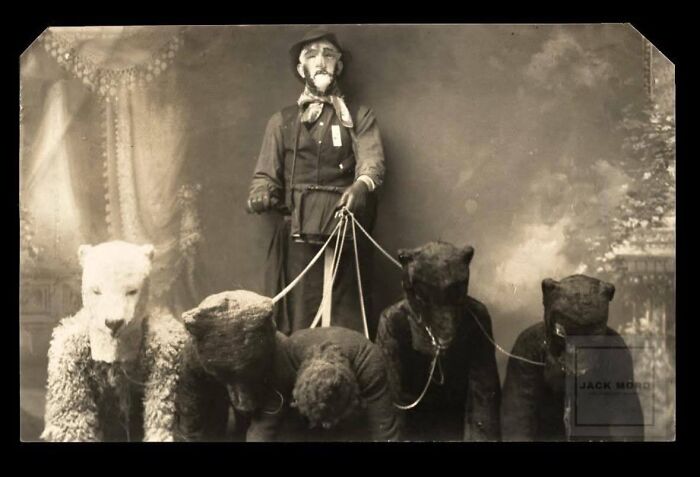
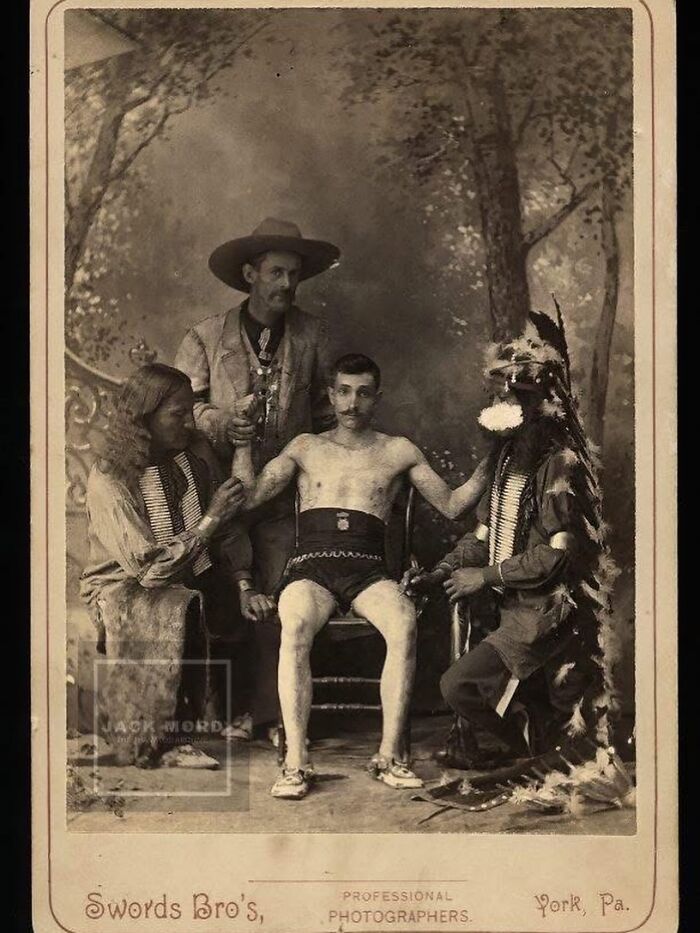
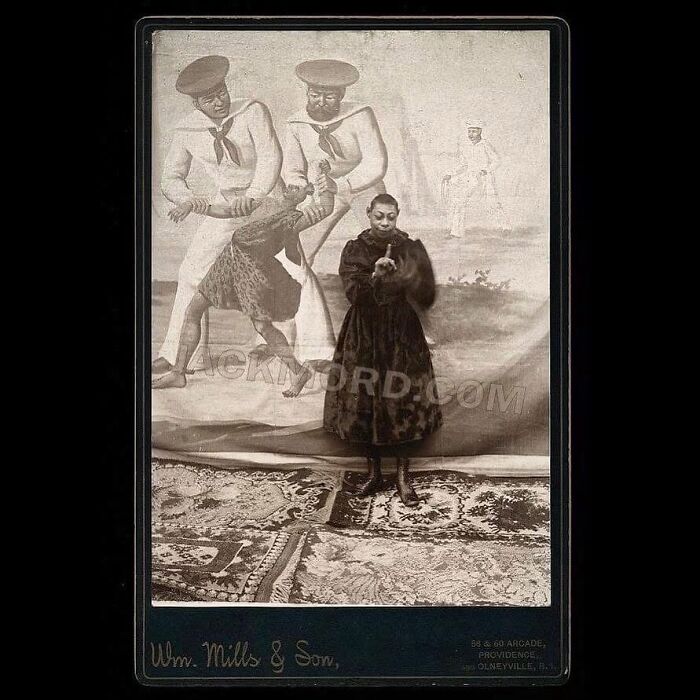
Jack Mord has quite a collection. A lot of these are a bit odd, but not too many are what I think of as sinister. A significant number of people's backs, especially women.
The poll asks: "Which theme intrigues you most about old photos that seem sinister?" My answer is: "The theme that the majority won't seem sinister to me at all." Don't get me wrong, I enjoyed the article, but I feel the title (and the poll) do not fit the content, on the whole.
Jack Mord has quite a collection. A lot of these are a bit odd, but not too many are what I think of as sinister. A significant number of people's backs, especially women.















 No fees, cancel anytime