Get Premium
Dark mode theme is available exclusively for premium users. Learn more about the benefits of subscribing.
No fees, cancel anytime.

 Dark Mode Ad-Free Browsing Unlimited Content

 Ad-Free Browsing Unlimited Content Dark Mode

Join 1.2 million Panda readers who get the best art, memes, and fun stories every week!
There is no shortage of strange, unsettling, and unbelievable things hidden in the pages of history, the world of science, and the darker corners of human curiosity. Think unusual medical cases, mysterious disappearances, and disturbing true crime stories. Sometimes, the most difficult part is accepting that these events actually happened.
For anyone fascinated by the unusual, there's always another strange discovery or forgotten story waiting to be uncovered. The Instagram page creepydotorg, which has amassed 181K followers, brings together content covering dark history, bizarre experiments, medical oddities, true crime, and unsolved mysteries.
We've gathered some of the intriguing images shared on the page, so get comfortable and prepare to explore some of the strangest and most unsettling corners of reality.
This post may include affiliate links.
 The Kiss Of Life - A utility worker giving mouth-to-mouth to co-worker after he contacted a high voltage wire, 1967.
The fascination with disturbing and unusual subjects is closely tied to a psychological trait known as morbid curiosity. According to Psychology Today, this describes the human tendency to seek information about frightening, dangerous, or unpleasant things, even when they might trigger feelings of fear or disgust.
Rather than meaning that people enjoy suffering, this curiosity is largely driven by a desire to understand potential threats. Learning about criminal behavior, disasters, unusual medical conditions, and dangerous situations can help people recognize warning signs and make better decisions if they ever encounter similar circumstances.
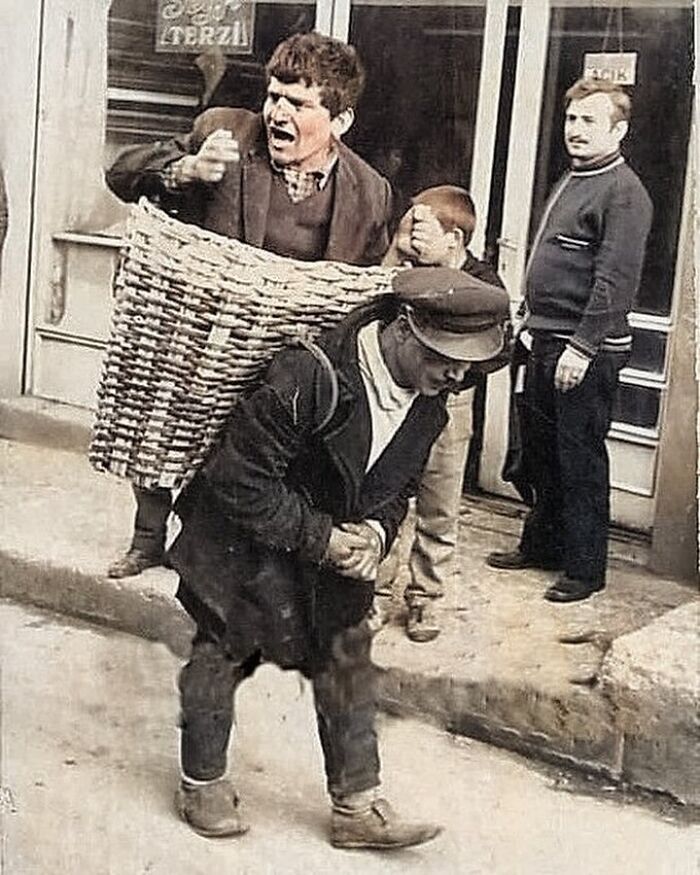 In Istanbul, during the 1960s, it was common for bars to hire “Basket Men” whose entire job was to carry home people who’d drank too much and were unable to walk home.
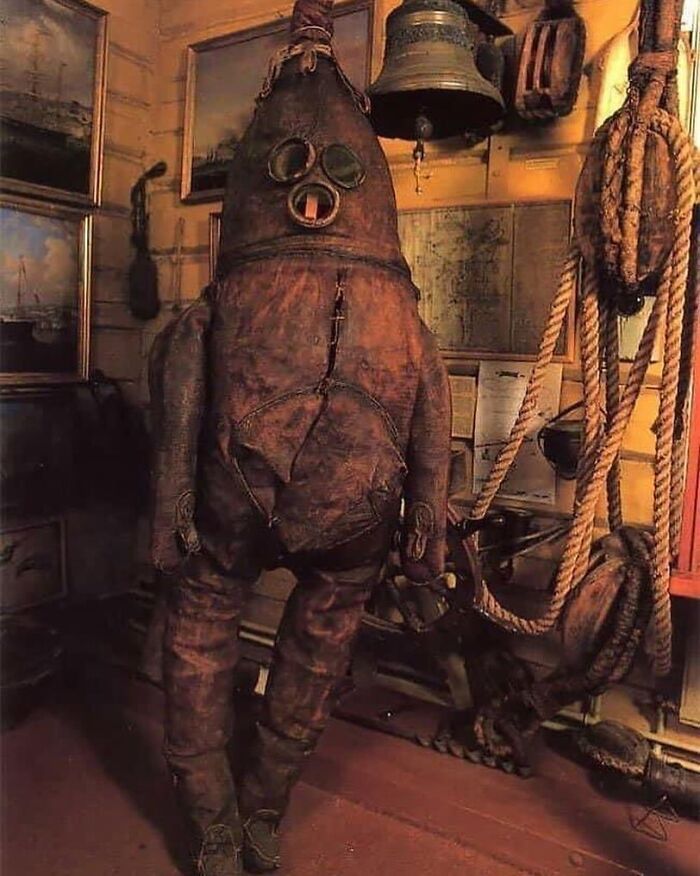 A diving suit made of cowskin, possibly the oldest surviving diving suit in the world. It was created in Finland in the 1700s.
There is also an interesting balance between wanting to know more and wanting to stay away from danger. Fear and disgust generally encourage people to avoid threatening situations, while curiosity pushes them to investigate what makes those situations frightening in the first place.
Reading about a disturbing crime or watching a horror film allows people to explore these fears without putting themselves in actual danger. This may explain why true crime documentaries, horror movies, and accounts of unexplained events remain so popular. When people feel sufficiently safe, experiencing a little fear can even become entertaining, offering excitement without the consequences of facing a genuine threat.
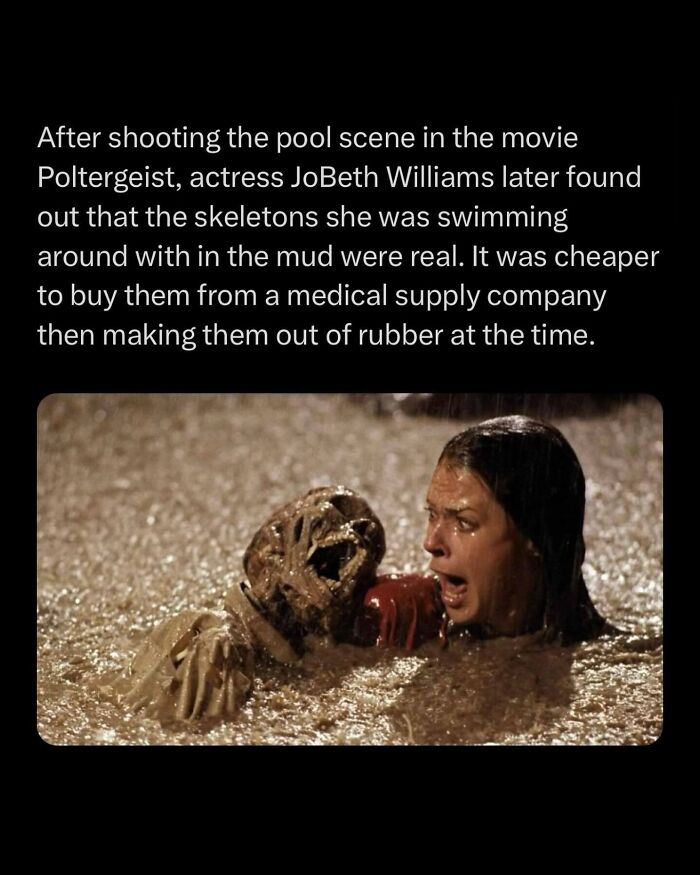 It took five days to shoot this scene and neither JoBeth Williams or the crew knew they were real.
However, human curiosity has not always been harmless, particularly when it comes to scientific research. CNN examines the dark history of human experimentation, revealing how the pursuit of knowledge has sometimes been influenced by racism, political power, military ambitions, and institutional control.
Throughout history, vulnerable groups have been subjected to experiments that disregarded their basic rights and well-being. One of the clearest examples occurred in Nazi concentration camps, where prisoners were forced to endure extreme cold, disease exposure, sterilization procedures, and high-altitude experiments, often with devastating consequences.
These were not simply cases of researchers making mistakes, but deliberate violations of human dignity in which people were treated as expendable.
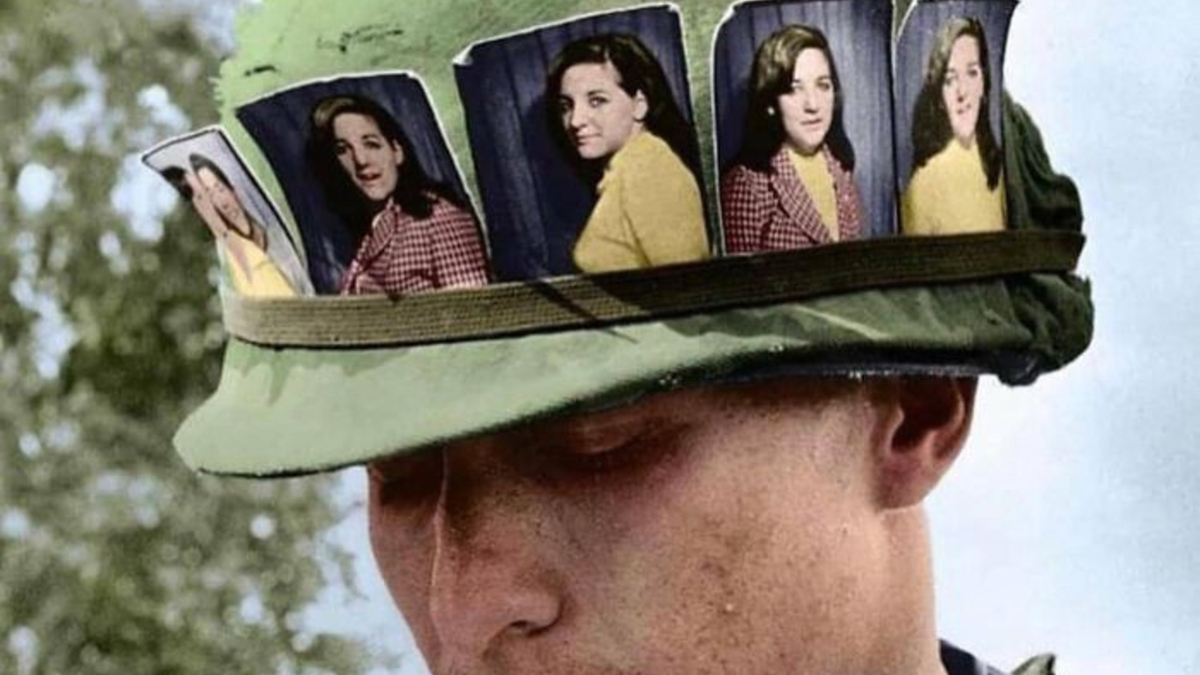
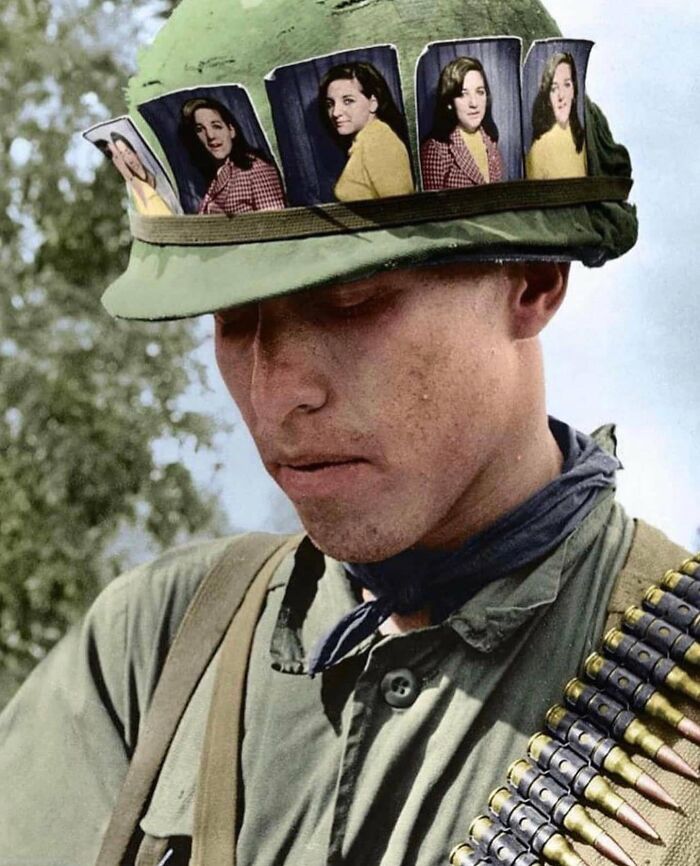 US soldier with pictures of his girlfriend
attached to his helmet, Cù Chi base camp, Vietnam in 1968.
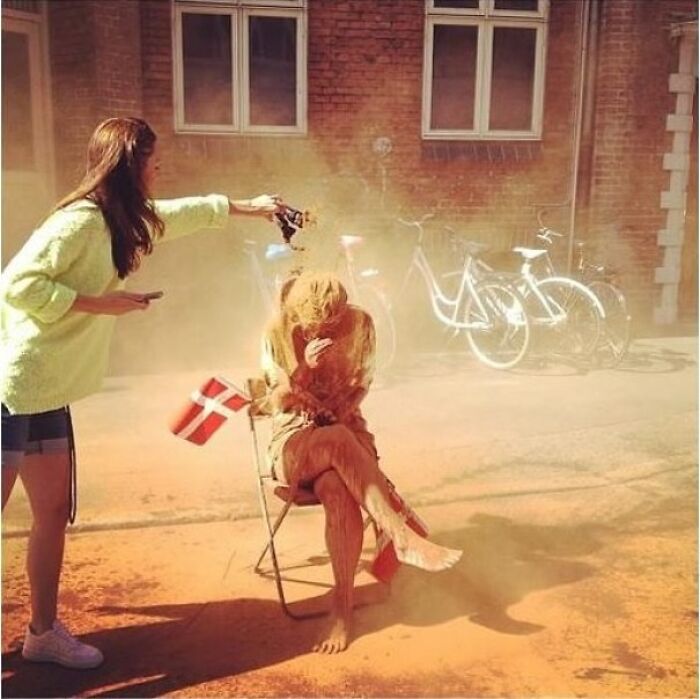 In Denmark if you reach your 25th birthday and are still single, it’s a tradition for your friends to cover you in cinnamon.
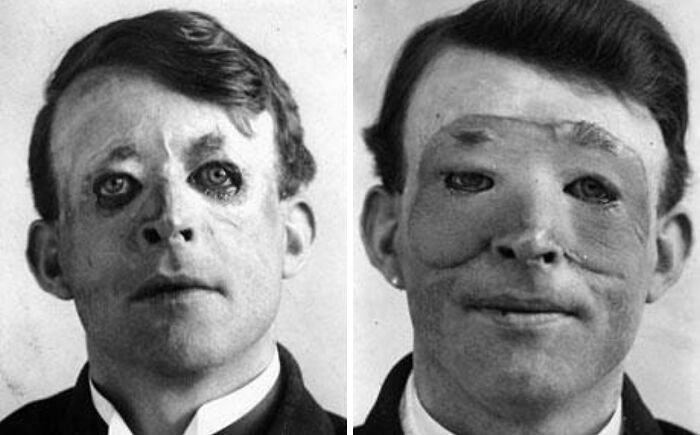 Walter Yeo, one of the first people to undergo advanced plastic surgery & a skin transplant.
Other notorious cases demonstrate that such practices were not limited to wartime Europe. The Tuskegee syphilis study, conducted between 1932 and 1972, involved Black men who were misled about the nature of the research while researchers observed the progression of their illness.
Even after penicillin became the standard treatment, participants were not given the medication. Experiments conducted at Holmesburg Prison in the United States also involved inmates being exposed to chemicals, infections, and pharmaceutical products.
The exposure of these practices helped bring greater attention to the need for informed consent, independent ethical reviews, and stronger protections for people participating in research. Today, these safeguards are essential reminders that scientific progress should never come at the expense of basic human rights.
 On December 12, 1972, Baroness Marie-Hélène de Rothschild and her husband Guy hosted the legendary Surrealist Ball at their chateau in France. With a guest list that included Audrey Hepburn and Salvador Dalí, dinner plates covered in fur, the night was equal parts opulent and bizarre.
Scientific investigation has also revealed that the human body itself can produce some remarkably unusual conditions. Live Science explores several rare medical disorders that sound almost fictional but have identifiable biological, neurological, or developmental causes.
Auto-brewery syndrome, for instance, can cause a person to experience symptoms of intoxication after consuming carbohydrates because microorganisms in the digestive system produce alcohol. Foreign accent syndrome can affect someone's speech following a brain injury, making them sound as though they have acquired a different accent.
Another unusual condition, congenital insensitivity to pain, prevents people from experiencing pain even though they can still feel touch, pressure, and temperature. These cases demonstrate how differently the body's systems can function when something disrupts their normal processes.
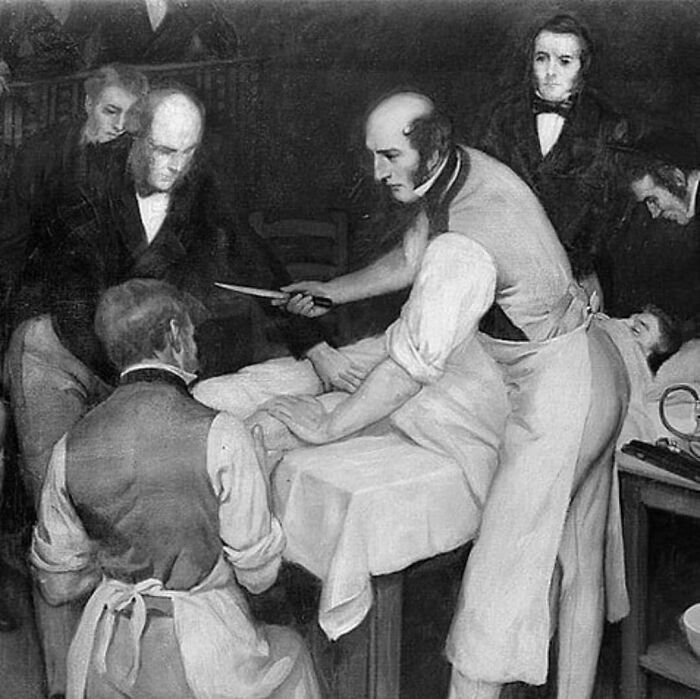 Robert Liston (1794-1847) was a Scottish surgeon who is most famous for amputating a patient’s leg in under 2.5 minutes, operating so quickly that in the process also amputated the fingers of his assistant and slashed the coat tails of a spectator, who dropped passed from sheer terror. Both the patient and his assistant later passed away from gangrene, making it the only recorded operation with a 300% mortality rate..
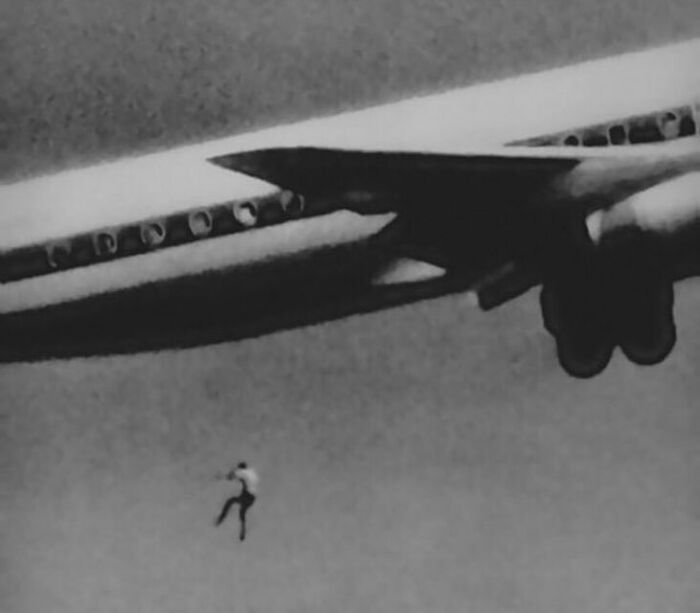 The last image of Keith Sapsford, a 14-year-old Australian boy who wanted to explore the world, so he snuck to a plane’s wheel well. He fell as it opened in mid-air. The photographer was just testing his new lenses and was shocked upon developing the films.
Some of these conditions are particularly fascinating because they affect abilities most people rarely think twice about. Alien hand syndrome can cause a person's hand to perform movements without their conscious intention, while Cotard's syndrome can lead someone to believe they no longer exist or that parts of their body have decayed.
There is also fibrodysplasia ossificans progressiva, a rare genetic disorder in which muscles and connective tissues progressively turn into bone, sometimes following injuries or inflammation. Other conditions affect everyday experiences in unexpected ways, such as aquagenic urticaria, which causes skin reactions after contact with water.
Although these disorders are uncommon, they offer valuable opportunities for researchers to understand the nervous system, genetics, and the complex mechanisms that allow the human body to function.
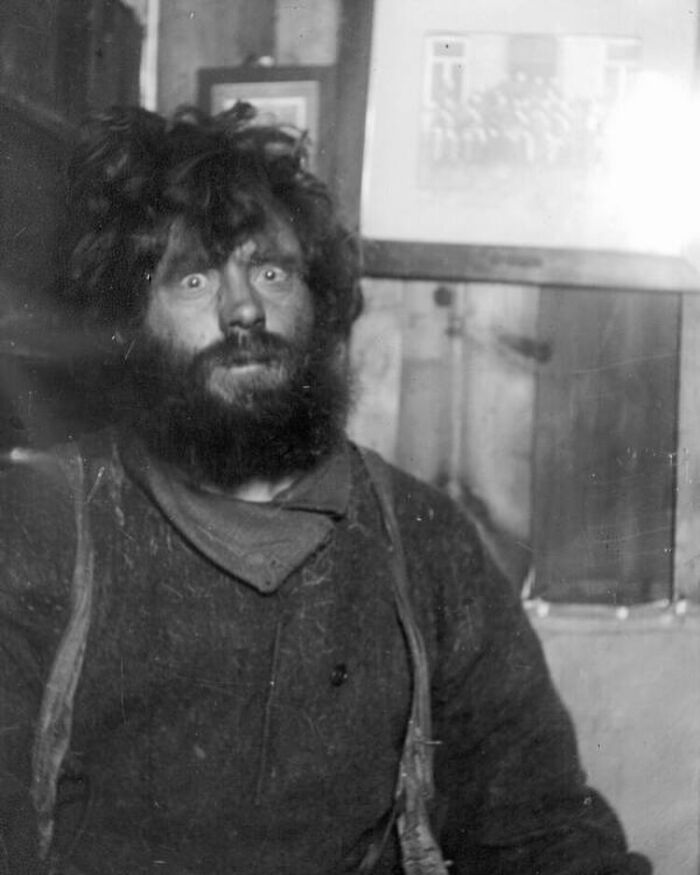 For more than two years, Danish explorer Ejnar Mikkelsen was trapped in the Arctic with a single inexperienced crewmate — after the rest of their expedition left without them.
From 1910 to 1912, they survived by eating their sled dogs and abandoned rations from previous expeditions while evading bears, wolves, and foxes.
Once, when a polar bear broke into their cabin in the middle of winter, they had to fight it off with only an axe.
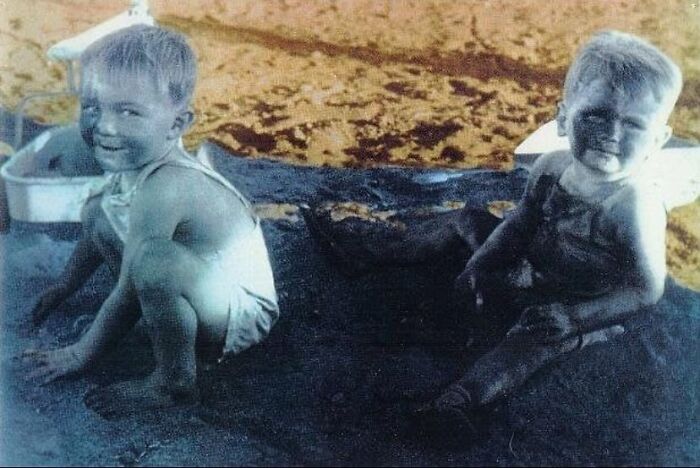 This is a 1954 photo of two 4-year-old Australian boys playing in a sandbox full of asbestos. This was during a time when very little was known about the devastating effects of asbestos on humans, since both boys eventually passed away of mesothelioma before the age of 40.
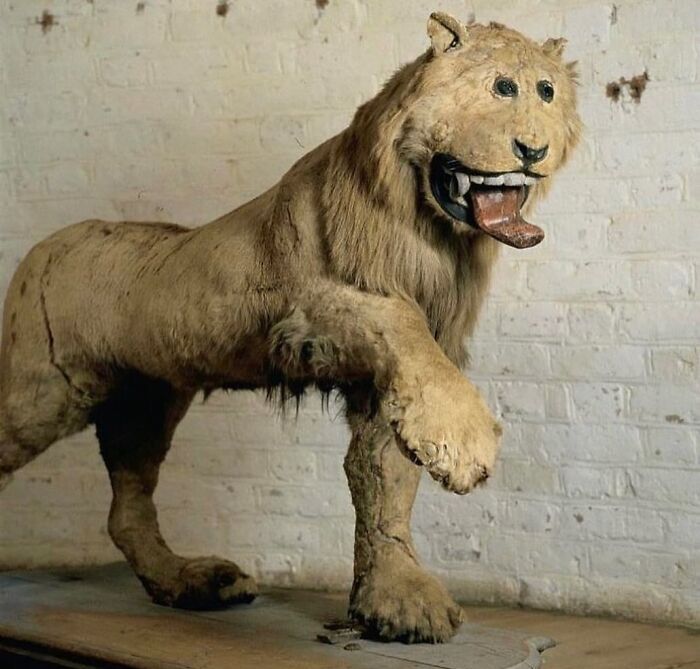 In 1731, King Frederik I of Sweden was gifted a lion, one of the first lions in Scandinavia. Its corpse was given to a taxidermist and this was the final product.
Beyond medicine and science, some of the most compelling subjects are events that remain difficult to explain even after considerable investigation. Treehugger explores why certain historical mysteries continue to attract attention, particularly when missing evidence, unexplained disappearances, or conflicting details prevent investigators from reaching firm conclusions.
One interesting example is the Somerton Man case, involving an unidentified person found unalive on an Australian beach in 1948. DNA testing eventually helped establish his identity, solving one of the most significant questions surrounding the case.
However, that discovery did not necessarily explain the circumstances of his loss or the meaning of a mysterious coded note associated with him. It is a reminder that even a major breakthrough can resolve one part of an investigation while leaving other questions unanswered.
 Soviet Cosmonaut Sergei Krikalev stuck in space during the collapse of the Soviet Union in 1991.
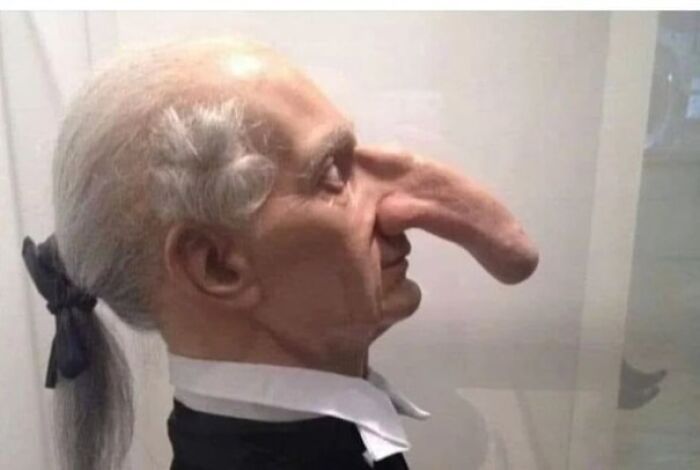 Thomas Wedders, also known as Thomas Wadhouse, was an English circus performer who lived in the 18th century. He is most famously known for having the world’s longest nose, which measured almost 8 inches (20cm) long.
Ultimately, the appeal of unusual discoveries and unresolved cases often comes from the gap between what people know and what they still want to understand. A strange medical condition might have a biological explanation that researchers are only beginning to uncover, while a historical mystery might contain enough verified evidence to establish what happened without revealing every detail.
The challenge is separating documented facts from assumptions, particularly when sensational theories can make an already unusual event seem even more extraordinary. Whether examining unethical experiments, rare medical conditions, or unexplained disappearances, a closer look often reveals just how much there is still to learn about human behavior, science, and the world around us.
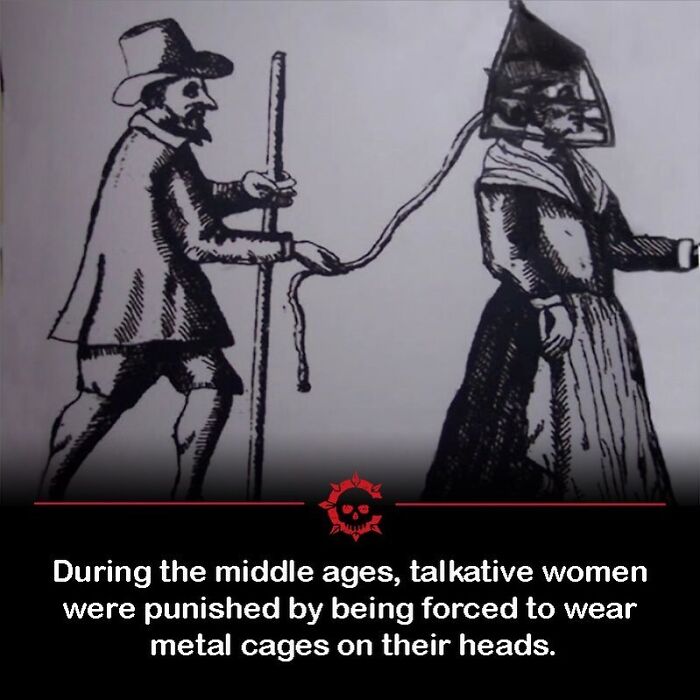 In Europe, women were forced to wear a device known as the “scold’s bridle” for gossiping and being outspoken.
It was essentially a metal cage that was placed over a woman’s head, with a flat metal piece that went to her mouth to prevent her from speaking or opening her mouth.
 Henry Behrens, the smallest man in the world dances with his pet cat in the doorway of his Worthing home, 1956.
 Lithuanian player Arvydas Sabonis playing for the Soviet team at the world cup final in Spain, 1986
The world is full of discoveries that challenge what we think we know, and sometimes the truth is far more unsettling than anything fiction could come up with. There is no shortage of subjects that leave us with more questions than answers, and while some mysteries eventually find explanations, others continue to remind us how much remains unknown.
Which of these discoveries or stories surprised you the most? Was there one that you found particularly disturbing, fascinating, or difficult to believe? Share your thoughts in the comments! We'd love to hear which strange corners of history, science, and human nature have caught your attention!
 Victoria Wright has a very rare genetic condition called cherubism, which causes abnormal bone growth in the lower face. The first signs appeared when she was four, and doctors initially did not know the cause. She faced bullying at school, but refused to let it define her. Today she speaks out about facial differences and serves as a role model for others.
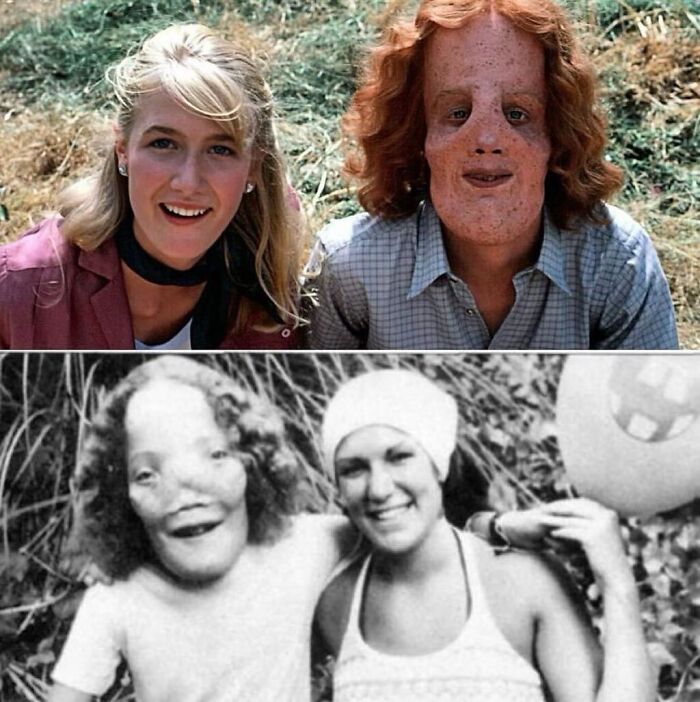 Roy Lee Dennis was born on December 4, 1961, to Florence “Rusty” Tallis and Roy Dennis. At the age of four, doctors diagnosed him with craniodiaphyseal dysplasia - an extremely rare disease. This condition affects about 1 in 220 million newborns, with fewer than 20 registered cases known worldwide. Due to the disease, his face grew to double its size, earning him the nickname Rocky (from the English word ‘rock’, meaning stone). Doctors predicted that the boy would become completely deaf and blind. However, defying all expectations, Rocky learned to read and started school at six. Although he spent two years in first grade, he achieved some success in his studies. According to open sources, Rocky was offered plastic surgery, but he declined. Rocky lived until he was 16 years old, passing away on October 4, 1978. His body was transferred to the Ronald Reagan Medical Center for examination. Rocky Dennis’s life inspired the movie “Mask”, with Eric Stoltz portraying Rocky and the famous American singer and actress Cher playing his mother.
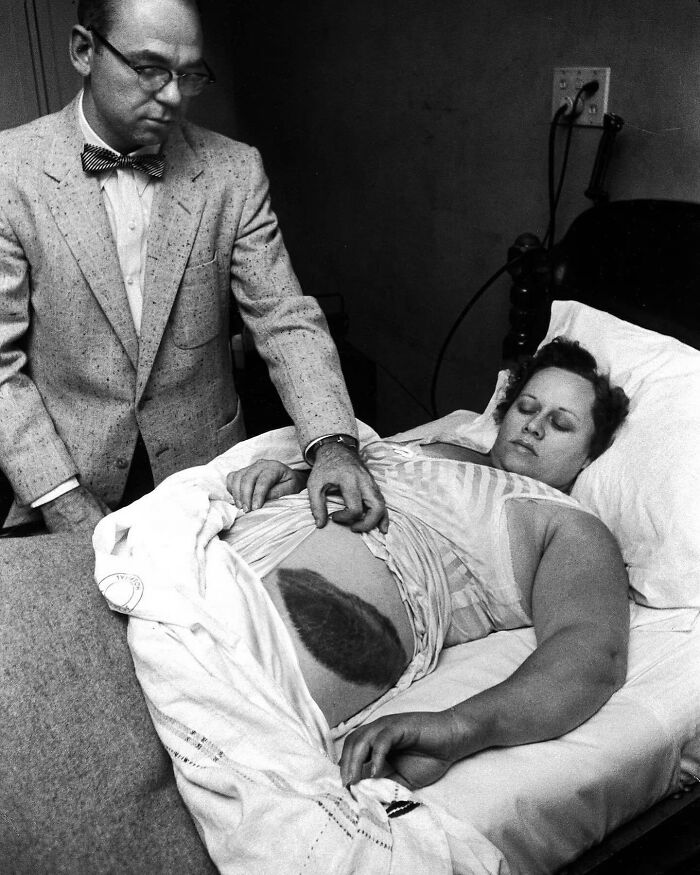 In 1954, Ann Hodges was hit with a softball-sized meteorite while taking a nap in her Alabama home. She remains the only known human to ever be hit by a meteorite.
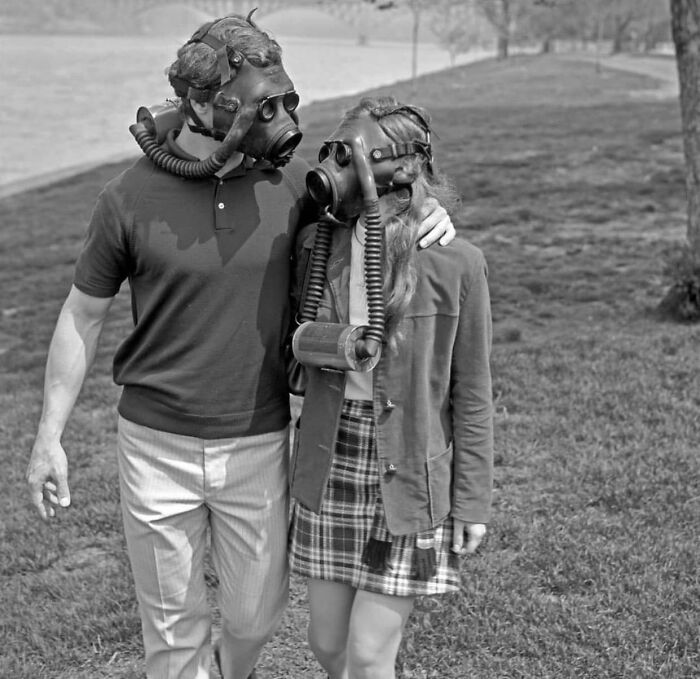
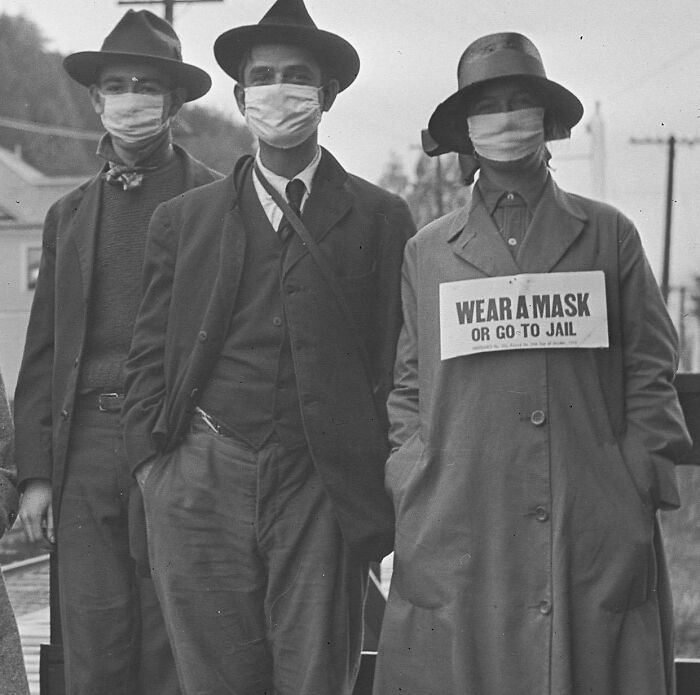 3 people pose for a photo while wearing face masks during the second wave of the Spanish Flu in California, 1918.
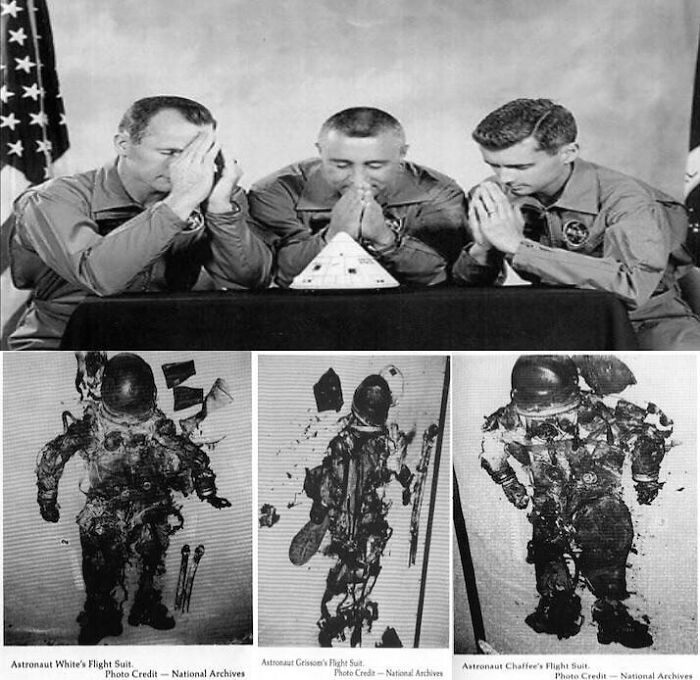 Apollo 1 Astronauts Ed White (left), Gus Grissom (center), & Roger B. Chaffee (right) jokingly praying over a miniature of their shuttle. On Jan. 27th, 1967, they passed away when the shuttle caught on fire during a test launch. They got CO poisoning, and were covered in third-degree burns.
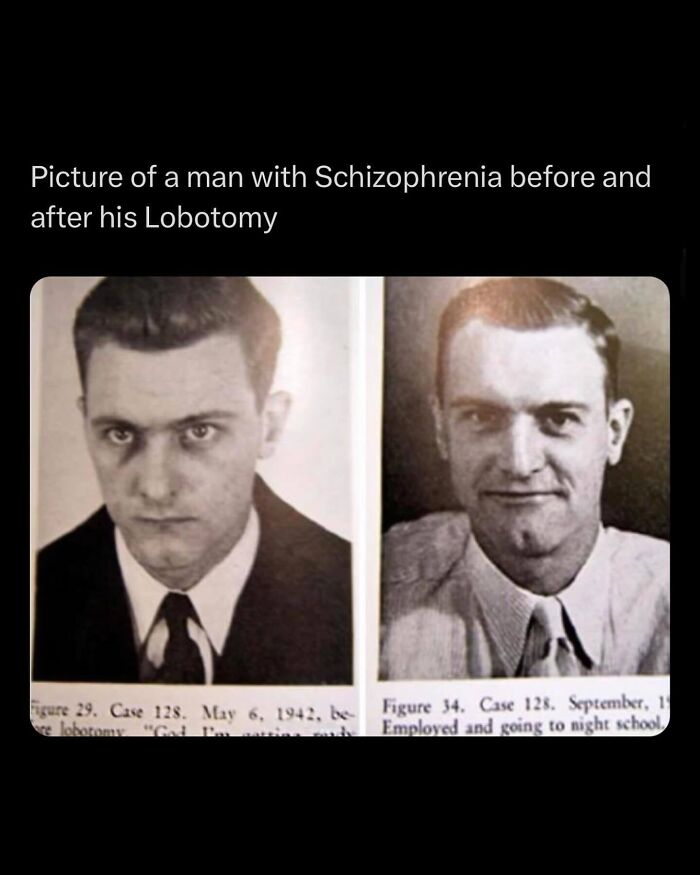 A lobotomy is a type of brain surgery that involves severing the connection between the frontal lobe and other parts of the brain. Lobotomies became popular in the 1930s as a treatment for certain mental health conditions. Doctors performed this procedure on people with conditions such as schizophrenia and depression.
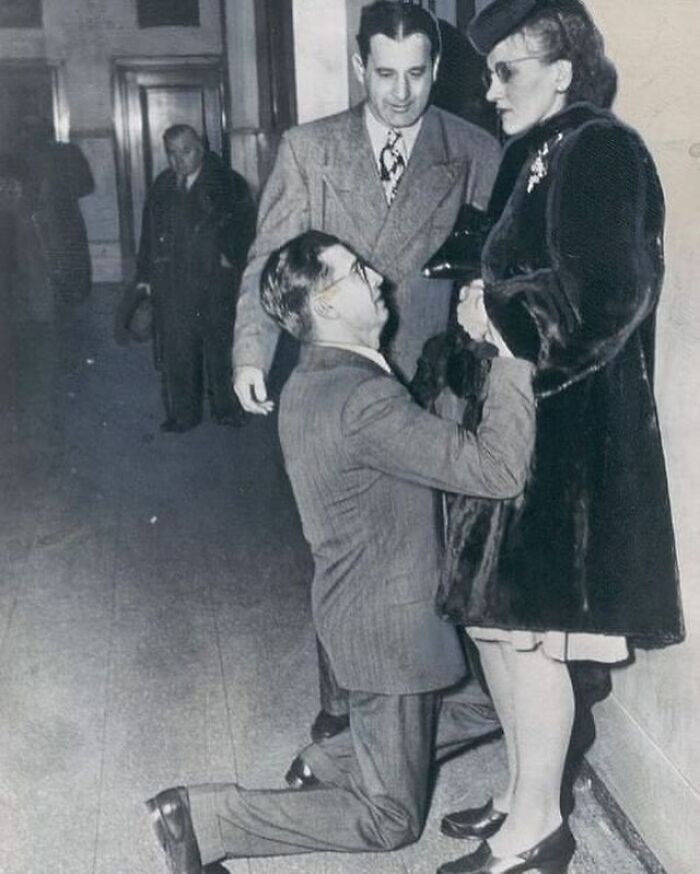
 A father faints when he sees his triplets for the first time, as ultrasound technology had not yet been developed, making their birth a surprise, 1946.
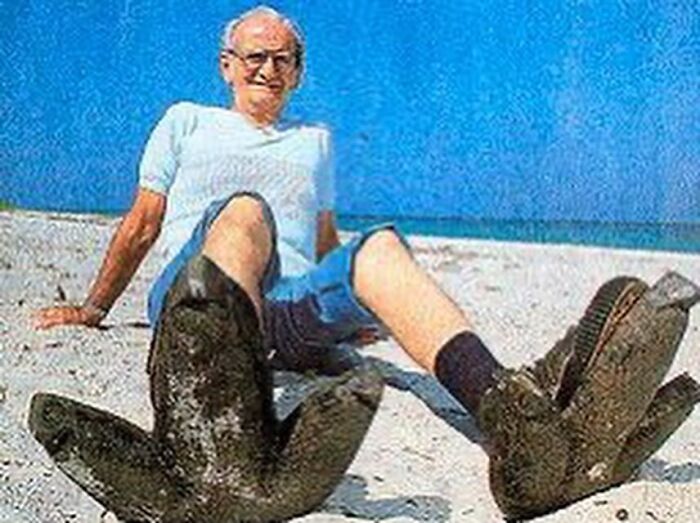 In 1948, a man wore 30-pound, three-toed lead shoes and stomped around a Florida beach during the night. The footprints lead people to believe that a 15-foot-tall penguin was roaming their lands. He kept up the prank for 10 years, visiting various beaches. The hoax wasn’t revealed until 40 years later.
 This is what medieval castle toilets looked like. Occasionally, some brave knights would conduct sneak attacks by entering the castle via the shaft connected to the garderobe.
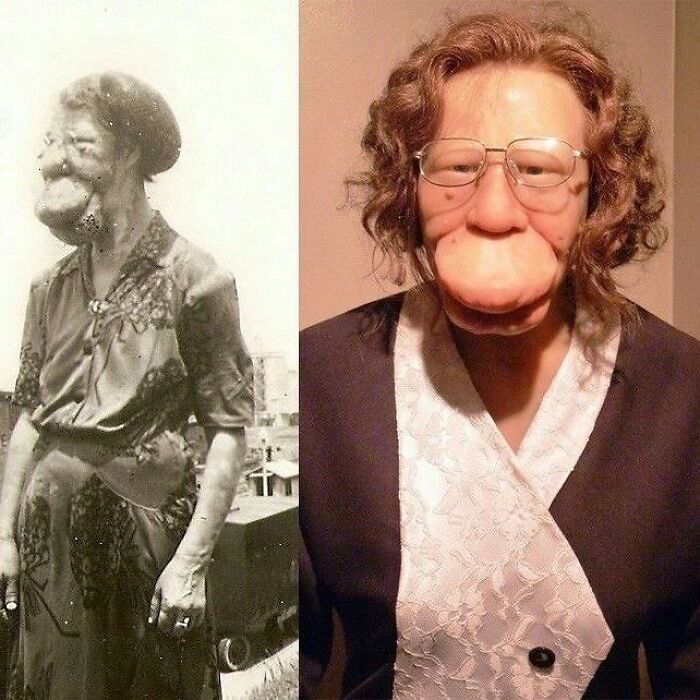 Known as the “Mule-Faced Woman”, Grace McDaniels was born in 1888. She did not show any facial deformities until her early adulthood.
This is when a tumour began to grow on her face. She then joined Harry Lewiston’s travelling circus, where she earned 175 dollars a week. She got her nickname during her time in the circus.
McDaniels also had 2 children and was married briefly. She was described as an incredible mother who went to great lengths to make her children happy. She passed away of natural causes in 1958.
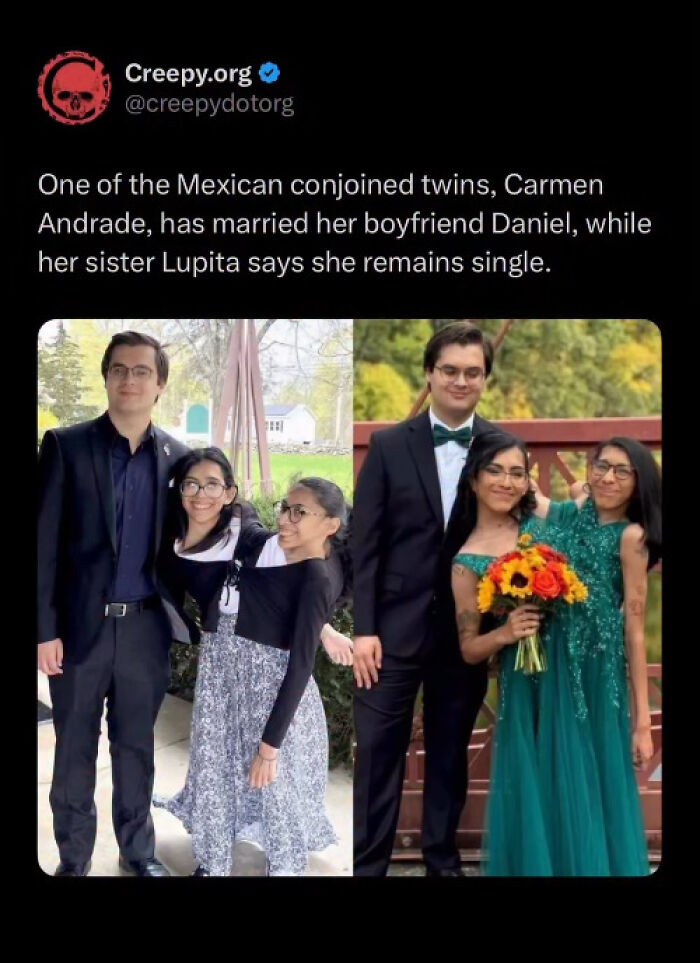 Carmen Andrade, one of the Mexican conjoined twins, got married. Her sister Lupita, who is asexual and aromantic, supports the marriage — even though they share a reproductive system.
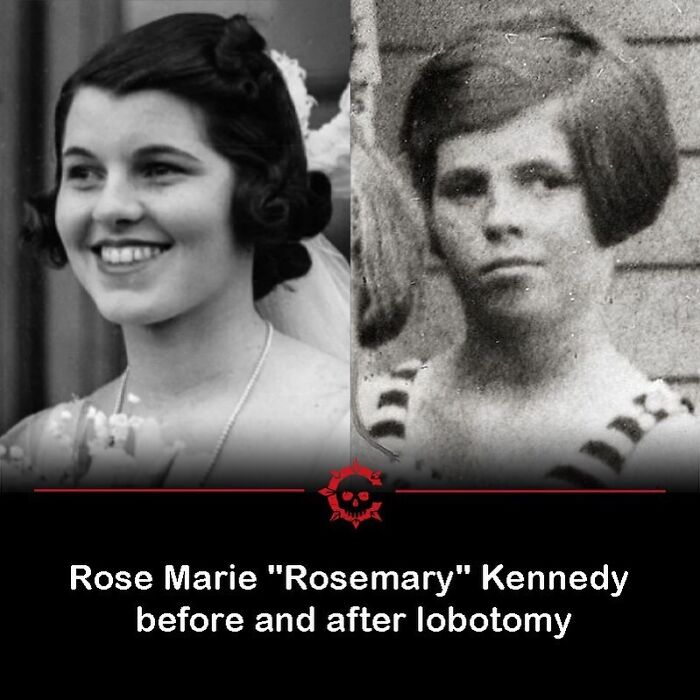 Rosemary Kennedy was diagnosed with intellectual disabilities and behavioral challenges. She struggled with learning and social integration, which led to her family seeking medical intervention in the form of a lobotomy. After the lobotomy, Rosemary’s condition deteriorated significantly, and she required specialized care for the rest of her life.


























 No fees, cancel anytime