Get Premium
Dark mode theme is available exclusively for premium users. Learn more about the benefits of subscribing.
No fees, cancel anytime.

 Dark Mode Ad-Free Browsing Unlimited Content
 Ad-Free Browsing Unlimited Content Dark Mode
Join 1.2 million Panda readers who get the best art, memes, and fun stories every week!

Anyone who has ever worked in an office knows the printer will jam when you’re in a hurry, and somebody will eventually steal food from the communal fridge. It’s practically a workplace rite of passage at this point. People label containers in giant marker, leave passive-aggressive sticky notes, and still somehow their chicken pasta mysteriously vanishes before lunchtime.
And of course, today’s Original Poster (OP) found their self in this situation. And soon, what began as a coworker repeatedly “accidentally” eating other people’s meals turned into an HR investigation, a spicy courtroom-style showdown, and ultimately someone losing their job.
More info: Reddit
Image credits: jet-po / Magnific (not the actual photo)
Image credits: SkelDry / Magnific (not the actual photo)
Image credits: katemangostar / Magnific (not the actual photo)
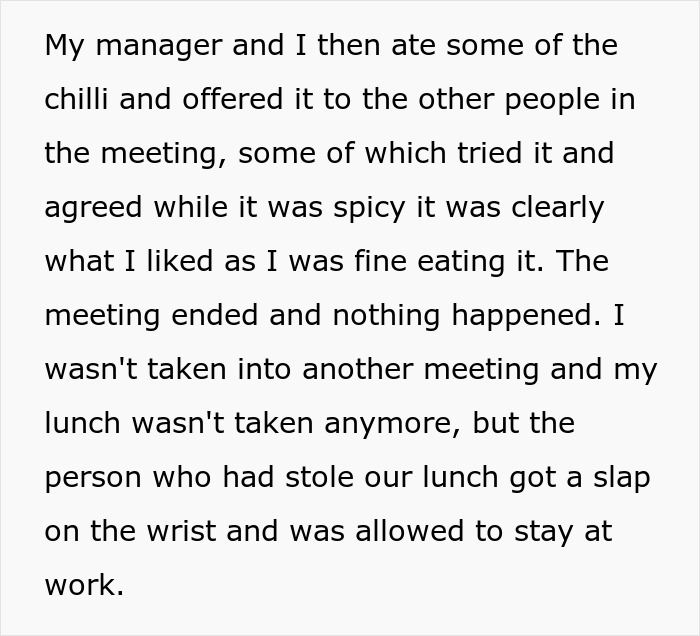
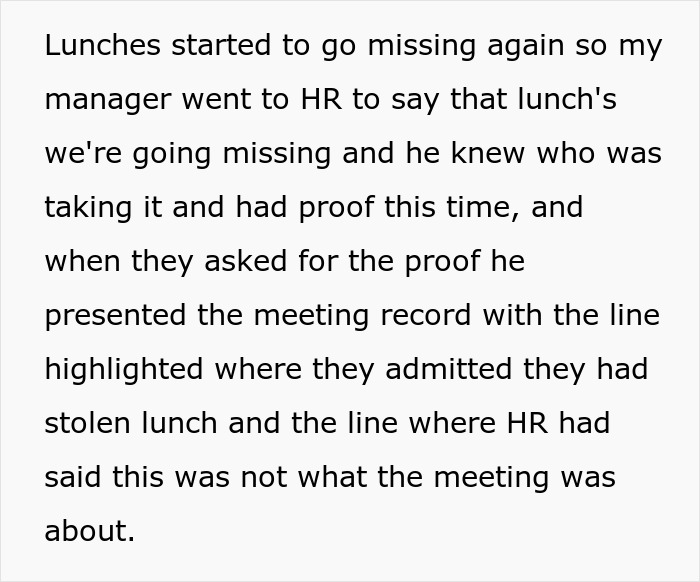
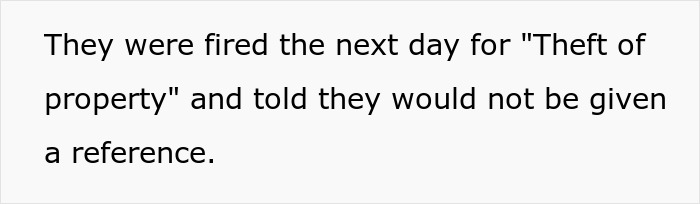
Image credits: jamesjaceable
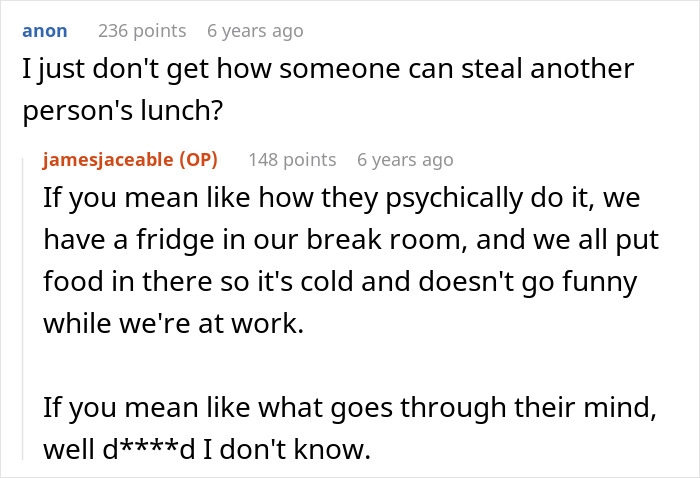
The OP explained that they regularly brought homemade meals into work and stored them in clearly labeled containers inside the communal fridge. While management knew about the issue, the thefts weren’t happening frequently enough for HR to take serious action. However, things finally reached a breaking point when the OP decided they were done tolerating it.
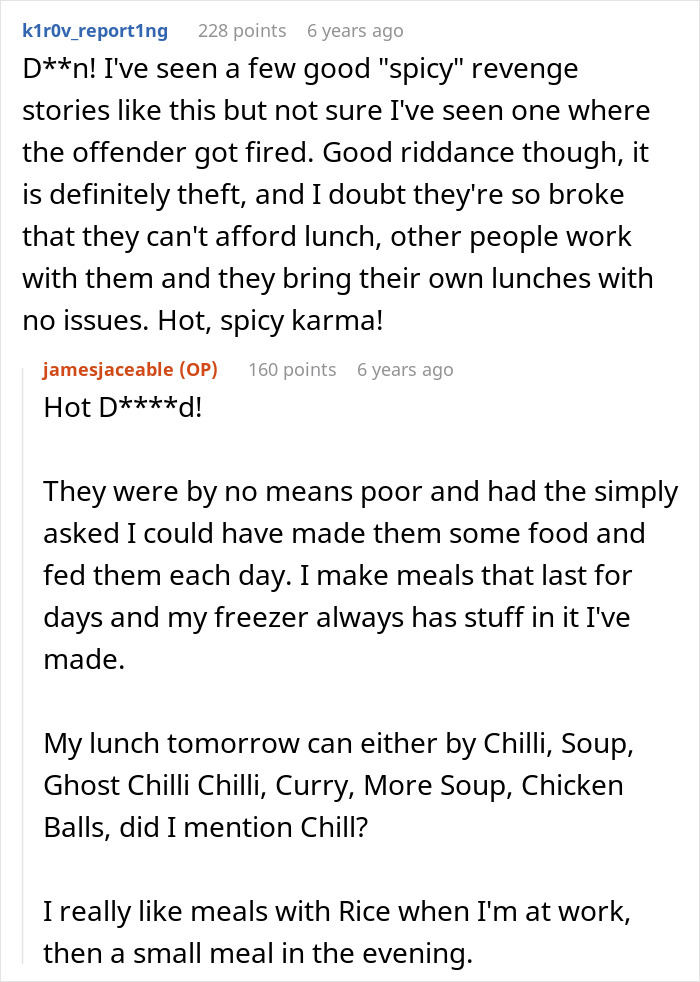
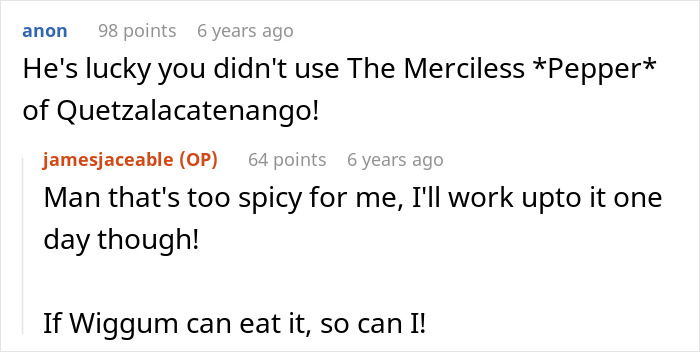
Since they genuinely enjoyed spicy food, they ordered a bag of ghost chili peppers and cooked an enormous batch of chili loaded with them. They brought the meal into work throughout the week, fully expecting the lunch thief to eventually learn a painful lesson.
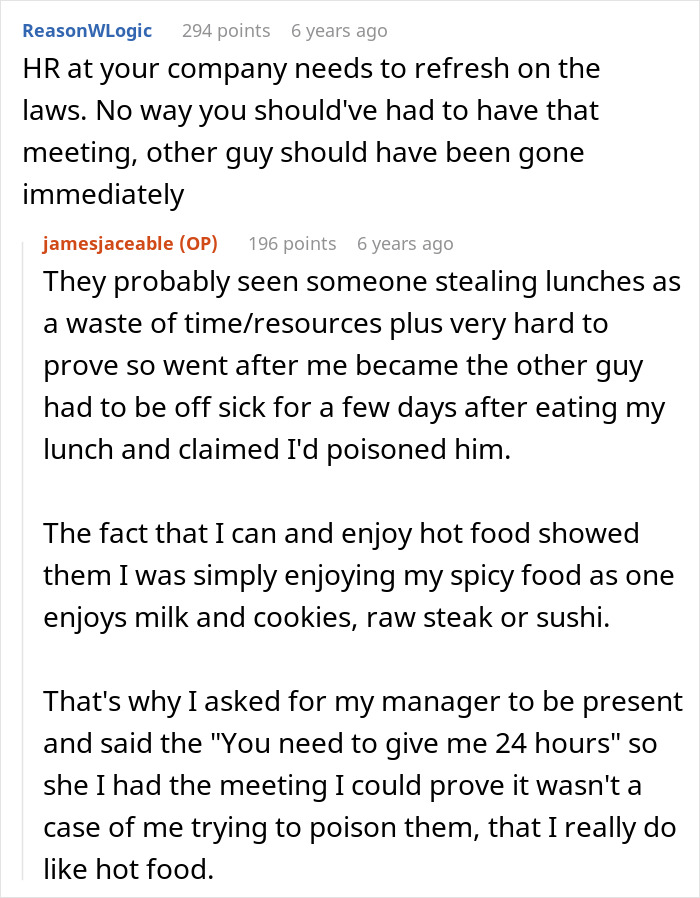
Midweek, one container vanished from the fridge, and shortly afterward a coworker reportedly became so sick they had to go home and later visit a doctor because of stomach pain. After the incident, HR was now involved and they scheduled a meeting to discuss the situation, claiming the OP could be fired for trying to harm a coworker.
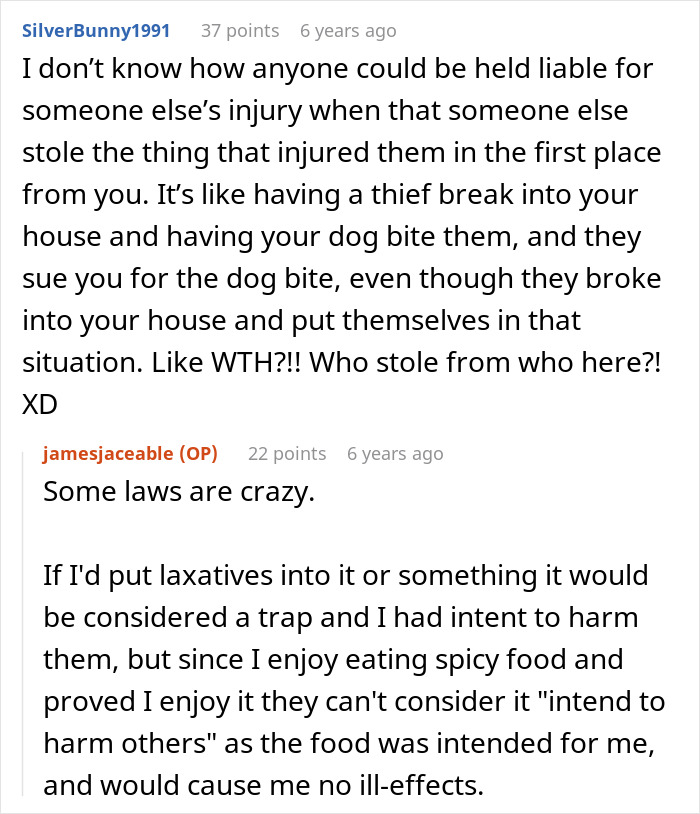
The OP defended their self, insisting they simply ate the chili themselves. Their manager joined in too, proving the dish was actual food they enjoyed and not some elaborate booby trap designed to hurt somebody. At the end of the day, the HR issue quietly disappeared, and the lunch thefts temporarily stopped altogether.
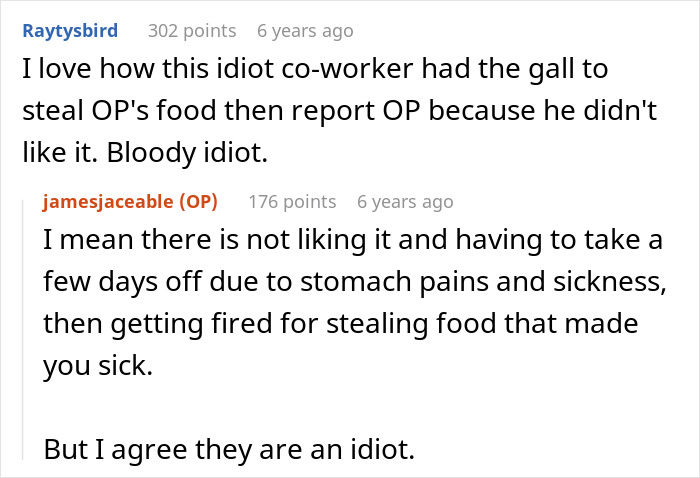
Not long after the dramatic meeting, lunches reportedly started disappearing again, and because the coworker had apparently admitted to stealing lunches, the company could no longer ignore what had been happening in the office fridge all along. The coworker was reportedly fired the very next day for theft of property.
Image credits: hryshchyshen / Magnific (not the actual photo)
What makes stories like this so oddly relatable is that they tap into the mysterious disappearance of food from a shared fridge in offices. BBC reports that around one in three workers admit to doing it at least once, often insisting it wasn’t really “stealing” but more like harmless sharing. Yet experts interviewed by the outlet stress that this kind of behavior erodes trust.
In the story above, that same tension is exactly what escalates the situation from annoyance to full HR involvement. Connect Vending notes that issues like lunch theft are frequently ignored , but it’s only when incidents are formally documented through written complaints, timestamps, or witness accounts, that HR systems tend to treat them as serious policy violations.
Safe Workers adds another layer to this by explaining how repetition changes everything. Small workplace issues, they note, often remain unresolved until they are tracked over time in a structured way, turning isolated incidents into a visible pattern. Once there’s a clear log of missing items, prior warnings, and consistent behavior, HR is far more likely to treat the issue as deliberate misconduct rather than coincidence.
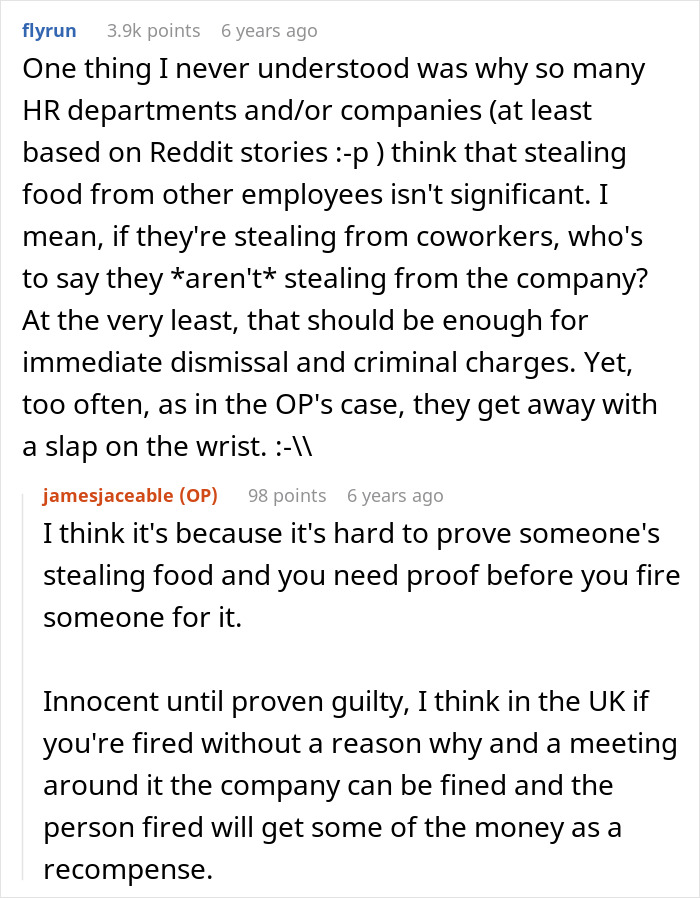
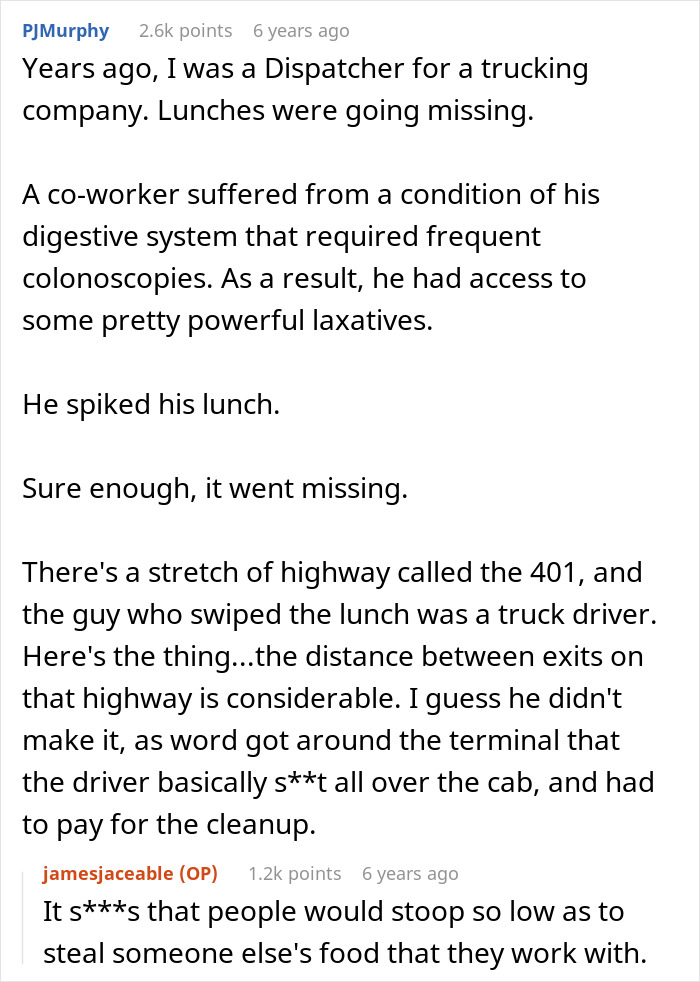
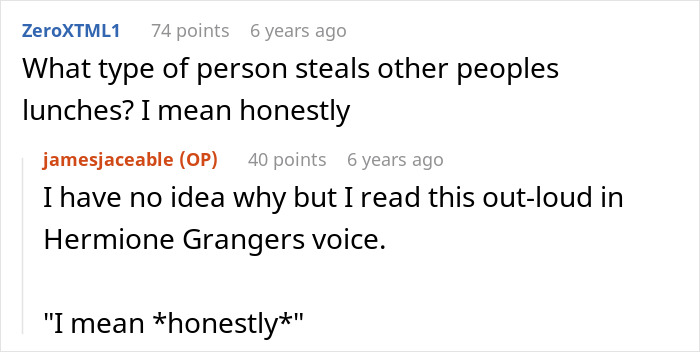
Netizens couldn’t believe that workplace food theft is still treated lightly by HR departments. They argued that stealing from a coworker should immediately raise red flags about broader dishonesty. What do you think? At what point does repeated “lunch stealing” stop being a joke and become an offense worth firing over in your opinion? We would love to know your thoughts!


In the current climate, you might be stealing the only thing someone has to eat that day. Food theft is not negligible.

How fkking dumb do you need to be to get in trouble for stealing food, then do it again?
In the current climate, you might be stealing the only thing someone has to eat that day. Food theft is not negligible.
How fkking dumb do you need to be to get in trouble for stealing food, then do it again?
































 No fees, cancel anytime










59
25