Get Premium
Dark mode theme is available exclusively for premium users. Learn more about the benefits of subscribing.
No fees, cancel anytime.

 Dark Mode Ad-Free Browsing Unlimited Content

 Ad-Free Browsing Unlimited Content Dark Mode

Join 1.2 million Panda readers who get the best art, memes, and fun stories every week!
You only meant to look up one quick question. The initial explanation went right over your head. Ten minutes later, you're still reading, three tabs deep and wondering how you got there. It happens because a clear, plain answer makes learning feel easy, so you keep going just to see what else you can understand.
That's the idea behind the “Explain Like I'm Five” Instagram page, where the goal is the simple version without the jargon. Just look at the explanations people have shared online, from how swimsuit colors can save a life to what shirts help actually keep you cool in the sun and why tattoos hurt more in some places than others.
This post may include affiliate links.
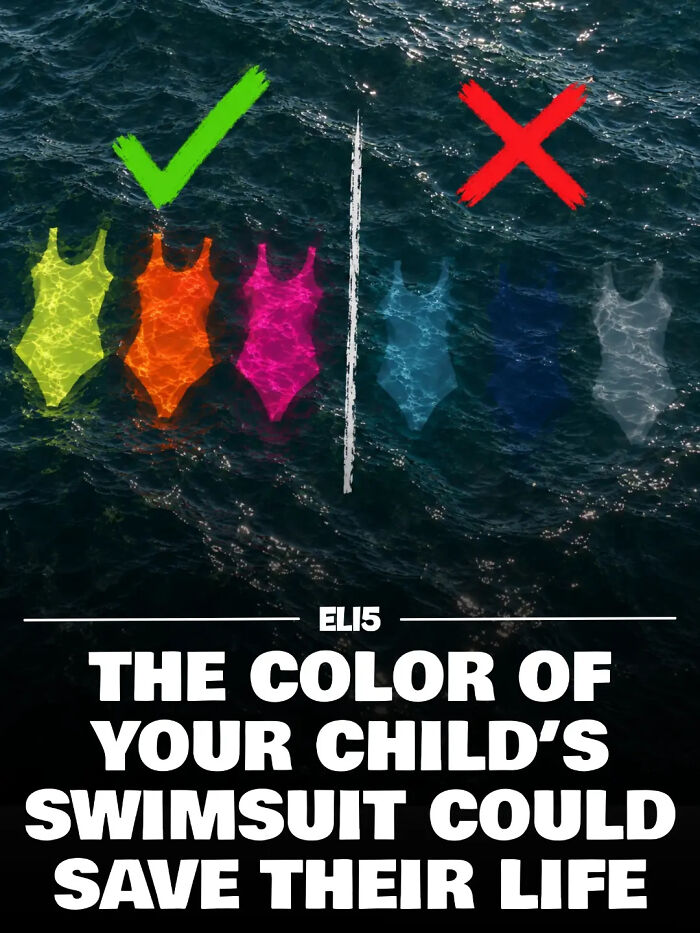
The color of your child’s swimsuit could help make them easier to spot in the water.
When choosing swimwear, most people think about style, comfort and fit. But color matters too - especially when children are swimming.
Water doesn’t always look the same. Its appearance changes with depth, lighting, weather and the surroundings. Some swimsuit colors can blend into that background, making a swimmer harder to see.
Bright neon colors such as fluorescent orange, pink, green and yellow tend to stand out against a wider range of water conditions. In contrast, blues, greens and pastel shades can blend with the water and become much less noticeable.
This doesn’t replace active supervision, swimming skills or proper water-safety measures. But choosing highly visible swimwear can make it easier to locate a child quickly.
So next time you buy a swimsuit, don’t think only about how it looks on your child. Think about how easily you’ll be able to see them in the water.
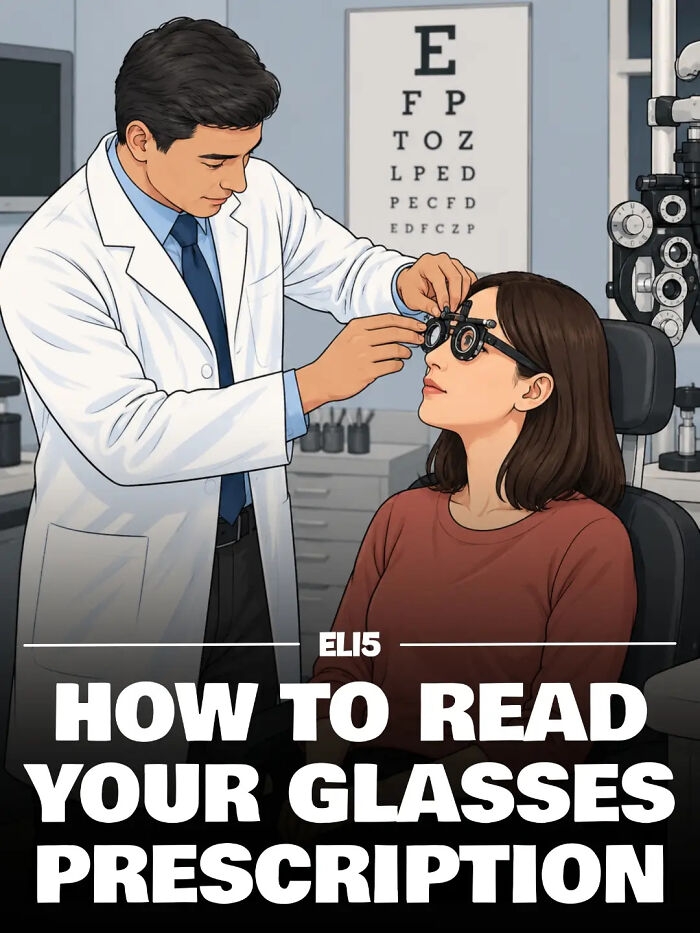
A glasses prescription may look like a collection of random numbers, but each one describes a specific correction your eyes need.
OD = right eye, while OS = left eye.
The main number is SPH (sphere), which shows the lens power needed to correct your basic focusing error.
A minus (−) number usually indicates myopia, meaning difficulty seeing distant objects. A plus (+) number generally indicates hyperopia, or farsightedness.
The farther the number is from zero, the greater the optical correction.
CYL (cylinder) shows the amount of correction for astigmatism, where the eye has unequal curvature in different directions. AXIS tells you the orientation of that astigmatism, measured from 0° to 180°.
ADD is extra lens power for near vision, commonly used in bifocal or progressive lenses. It is added to the distance prescription to provide the stronger near-vision correction.
PRISM may appear when a person needs help aligning the eyes and reducing double vision. Its direction may be written as BU (base up), BD (base down), BI (base in) or BO (base out).
PD means pupillary distance - the distance between your pupils in millimetres. It helps position the optical centre of each lens correctly in front of your eyes.
So, a prescription isn't a measure of how “bad” your eyes are. It is essentially a set of optical instructions telling the lens exactly how to bend light so your eyes can form a clearer image.
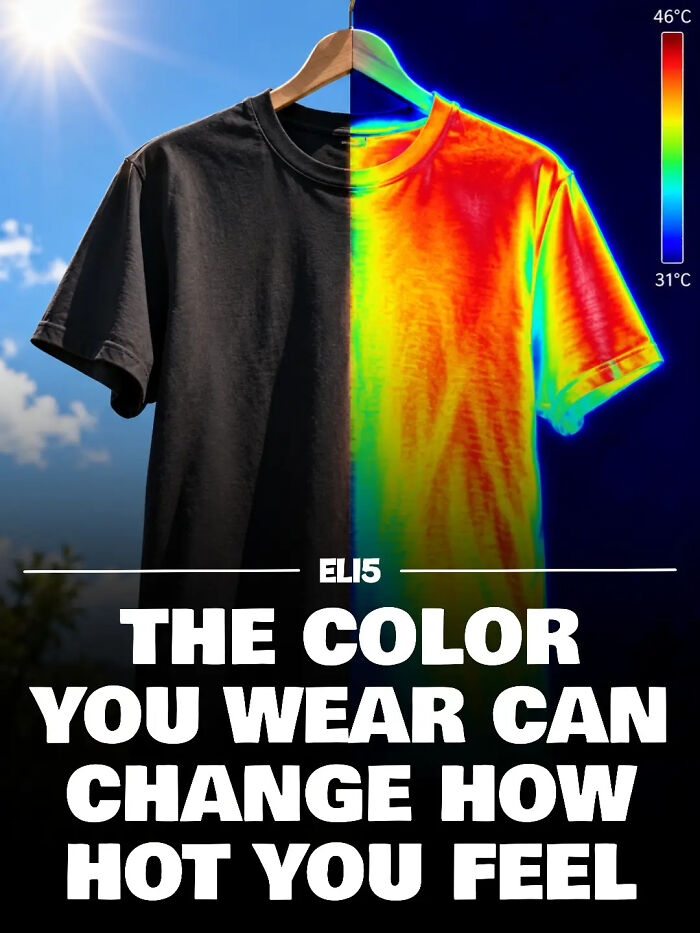
A thermal-camera experiment from Japan’s National Institute for Environmental Studies shows how strongly clothing color can affect surface temperature in direct sunlight.
After just 5 minutes of sun exposure, the white polo shirt was around 30°C, while parts of the black and green shirts exceeded 45°C. In other experiments, black and dark-green shirts have even exceeded 50°C under suitable conditions.
So why does this happen?
Sunlight carries energy. When it hits a shirt, some of that energy is reflected and the rest is absorbed. Light-colored surfaces generally reflect a larger fraction of incoming solar radiation, while dark surfaces absorb more. The absorbed radiation is converted into thermal energy, raising the shirt’s surface temperature.
Think of it like this: a white shirt sends more of the Sun’s energy back, while a black shirt keeps more of it. The hotter surface then loses heat through infrared radiation and to the surrounding air, but under strong sunlight and weak wind, it can still become much hotter than the surrounding air.
That does NOT mean wearing black will automatically make your body 15°C hotter. The experiment measures the shirt’s surface temperature, and the actual effect on your body also depends on fabric, thickness, fit, wind, humidity and how much sunlight reaches you.
Still, in hot, sunny conditions, choosing lighter, more reflective clothing can reduce the amount of solar energy absorbed by the clothing.
Source: National Institute for Environmental Studies (NIES)
Cats and dogs don’t age at a simple “1 pet year = 7 human years” rate. They mature extremely quickly when they’re young, then their aging slows down. That means a 1-year-old cat or dog is already much more mature than a 7-year-old human.
For cats, the first year is roughly equivalent to 15 human years, and by age 2 they’re around 24 human years. After that, each additional cat year is roughly equal to 4 human years. So a 5-year-old cat is about 36 in human years, a 10-year-old cat about 56, and a 15-year-old cat about 76. Indoor cats can commonly live well into their teens, so their “human age” can reach the equivalent of someone in their 70s, 80s or beyond.
For dogs, it’s more complicated because size and breed affect how quickly they age. Like cats, dogs mature rapidly during their first couple of years. A 1-year-old dog is roughly comparable to a human teenager, and a 2-year-old dog is already a young adult. After that, smaller dogs generally age more slowly, while large and giant breeds age faster. That’s why a 10-year-old Chihuahua may be roughly comparable to a human in their 50s, while a 10-year-old Great Dane may be closer to someone in their 70s.
So “human years” are really just a way of visualizing a pet’s life stage, not an exact biological conversion. Genetics, breed, body size, nutrition, activity and veterinary care can all influence how an individual cat or dog ages.
Save this post if you’ve ever wondered how old your pet really is in human years, or share it with the friend who still multiplies their pet’s age by seven.
For centuries, the Mercator map has shaped how we picture the world - but it does not show the true size of continents.
On 4 September 2026, the UN General Assembly overwhelmingly backed a resolution supporting more accurate world maps. 164 countries voted in favour, six abstained, and the United States was the only country to vote against it.
One striking example is Africa: it is roughly 14 times larger than Greenland, despite appearing much closer in size on a Mercator map.
The resolution is not legally binding, but it could influence school maps, educational materials and everyday technology, encouraging the use of projections that better represent the world’s actual land areas.
Maps do not just show the world - they shape how we understand it.
Map credits - Mapswire.com
Sources: The Guardian, Associated Press, UN News
Direct link has been shared in the broadcast

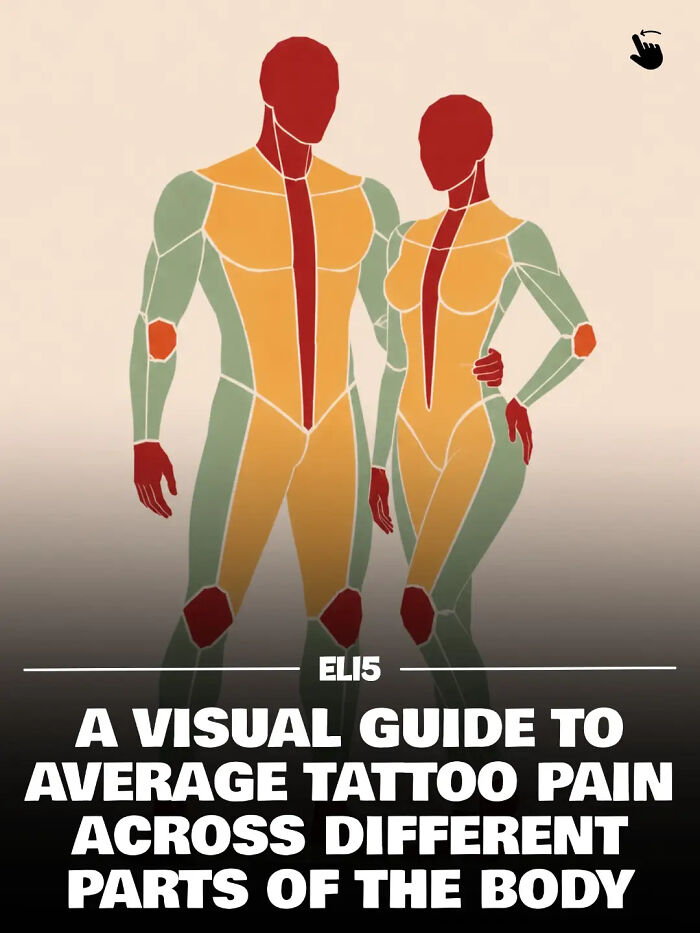
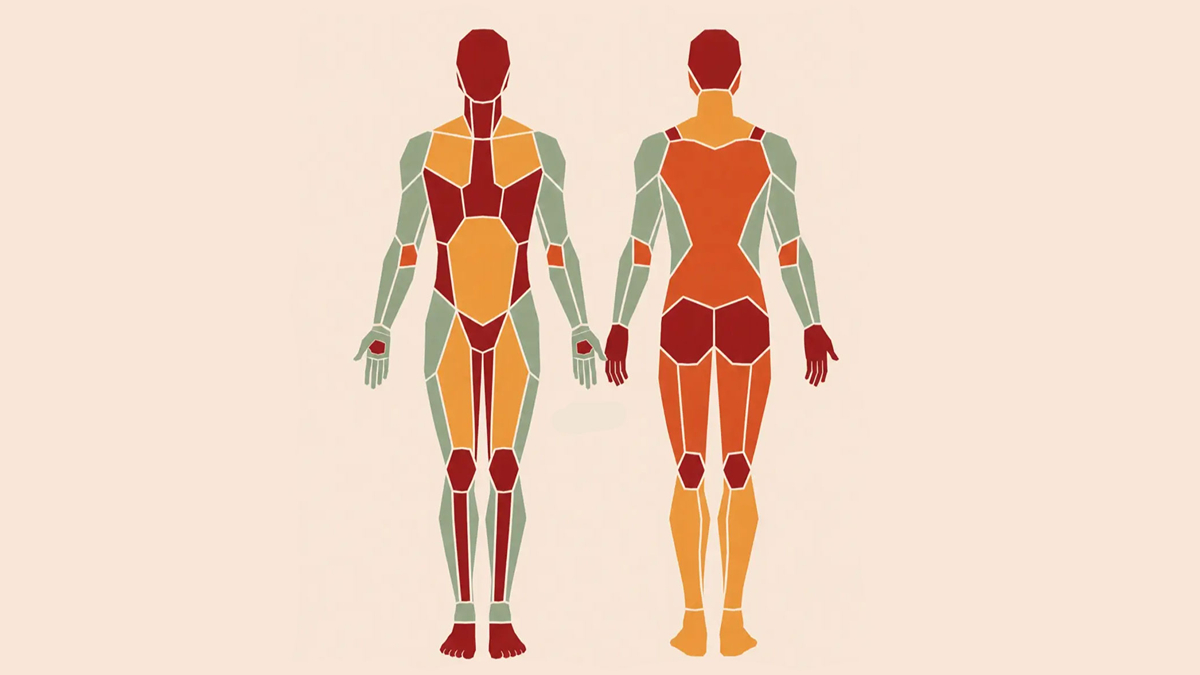
Check this chart before you get inked!
Not every spot hurts the same, and there's some real anatomy behind why. Ribs tend to be among the more painful placements, while the outer thigh or upper arm are often easier choices for a first tattoo.
A tattoo needle repeatedly punctures the skin, depositing ink into the dermis - the second layer of skin where the pigment stays. That layer contains nerves and blood vessels, so yes, tattoos hurt. The bigger question is where they hurt most.
Three main things influence it.
First, nerve density. Areas such as the ribs, spine, fingers and feet have lots of nerve endings. More nerve activity means more signals reaching your brain, which can translate into more pain.
Second, how close the bone is to the surface. Areas like the knees, ankles, shins, collarbone and elbows have less soft-tissue cushioning, so the needle's vibration can feel deeper and more intense.
Third, how much soft-tissue cushioning there is underneath. Areas such as the outer thigh, outer bicep, forearm and calf generally have more cushioning, making them more comfortable for many people.
But pain is highly subjective. Two people can get tattooed in exactly the same place and have completely different experiences. Your artist's technique, the length of the session, your sleep, stress levels and even your mood can all affect how it feels.
So use this chart as a general guide, not a guarantee. Before deciding on placement, talk to your tattoo artist -, they can factor in the exact design, size, placement and your individual anatomy and give you a more realistic idea of what to expect.
Getting your first one? Start easy. The ribs aren't going anywhere
Save this for later!
I know a woman with a big W on each buttock. When she bends over her b*m says WOW.
For centuries, Japan’s samurai clans carried powerful symbols of identity, lineage, and authority. Known as Kamon, these traditional family crests appeared on battle banners, armor, helmets, clothing, and architecture, distinguishing influential families throughout Japanese history.
Each crest carries a connection to the people and traditions behind it. Some represent plants, flowers, animals, or geometric patterns, while others became closely associated with legendary commanders and powerful ruling dynasties. These emblems were not always exclusive to a single family, as different branches sometimes inherited, shared, or modified existing designs.
The tradition of Japanese heraldry has endured for centuries, with historic symbols continuing to appear in imperial and government institutions today.
Save this post to revisit the fascinating history of Japan’s traditional crests.
Sources: The Crests of the Samurai Clans, Nagoya Sword Museum, Black Silk Kyoto, Government of Japan, Touken World.
HOW TO TELL WHEN A DOG IS NEARING THE END OF LIFE
There is no single sign that can tell you a dog is d***g. Instead, several changes may appear as the body begins to slow down, especially in dogs with advanced age or serious illness.
A dog may sleep much more and lose interest in walks, play or things it normally enjoys. Appetite and water intake can decrease, and weight loss may become noticeable. Movement can become difficult, with weakness, stiffness or trouble standing and walking.
You may also notice changes in breathing, such as slower, faster or irregular breathing. Some dogs become confused, withdrawn or unusually restless. They may stop grooming themselves, have accidents indoors or seek unusual amounts of solitude or comfort.
Pain can sometimes show through panting, trembling, whining, difficulty settling, changes in posture or avoiding touch. However, dogs often hide pain, so subtle changes in behavior can be important.
These signs do NOT always mean d***h is near. Many can also occur with conditions that may be treatable. A veterinarian can assess pain, organ function and overall quality of life and help determine what is happening.
The most important question isn't simply “Is my dog d***g?” but “Is my dog still comfortable and able to enjoy life?” When comfort can no longer be maintained, a veterinarian can discuss compassionate end-of-life options.
In 1790, Benjamin Franklin left behind one of the most remarkable financial gifts in American history. In his will, the Founding Father set aside $2,000, divided equally between Boston and Philadelphia, with instructions designed to benefit future generations long after his d***h.
Rather than allowing the cities to spend the money immediately, Franklin established a 200-year plan. The funds would initially provide low-interest loans to young tradesmen, helping them establish businesses and become financially independent.
After 100 years, the cities could withdraw a portion of the accumulated money for public improvements, while the remaining funds would continue growing for another century.
By 1990, two centuries after Franklin's d***h, his original bequest had grown to approximately $6.5 million.
The money eventually supported educational scholarships, vocational training, scientific institutions, and charitable programs. Some grants helped fund women's healthcare, firefighting services, and assistance for children with disabilities.
Franklin's unusual arrangement demonstrated the extraordinary potential of long-term investment and compound interest. A relatively modest sum, carefully managed across generations, had grown into millions of dollars capable of supporting thousands of people.
Perhaps the most remarkable part was that Franklin deliberately planned to help people who would not even be born until long after his lifetime.
His legacy became a powerful example of how generosity, patience, and financial foresight can continue benefiting society centuries after someone is gone.
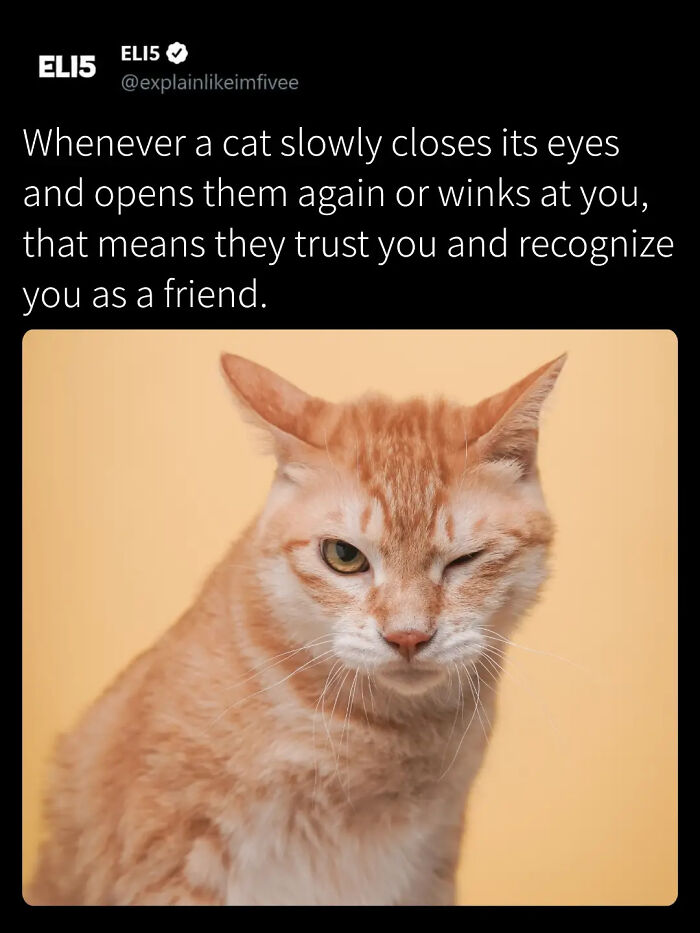
WHEN A CAT SLOWLY BLINKS AT YOU, IT MAY BE SHOWING THAT IT FEELS SAFE AROUND YOU.
Cats often communicate through body language rather than obvious gestures. A slow blink — gently closing and reopening their eyes — can be a sign of relaxed, non-threatening behavior.
In a 2020 study, researchers found that cats were more likely to slow-blink at humans who slow-blinked at them first. Cats were also more likely to approach an unfamiliar person after a slow-blinking interaction than after a neutral expression.
This suggests that slow blinking can be a form of positive communication between cats and humans. When a cat looks at you with relaxed eyes and slowly closes them, it may indicate comfort and trust.
However, a blink isn't a guaranteed declaration of love. Context matters: relaxed posture, soft facial expressions and a calm environment help you understand what your cat is communicating.
Want to try it? Look at your cat gently, slowly close your eyes for a moment, then open them again without staring. Let your cat decide whether to respond.
Sometimes, friendship doesn't need words — just a slow blink.
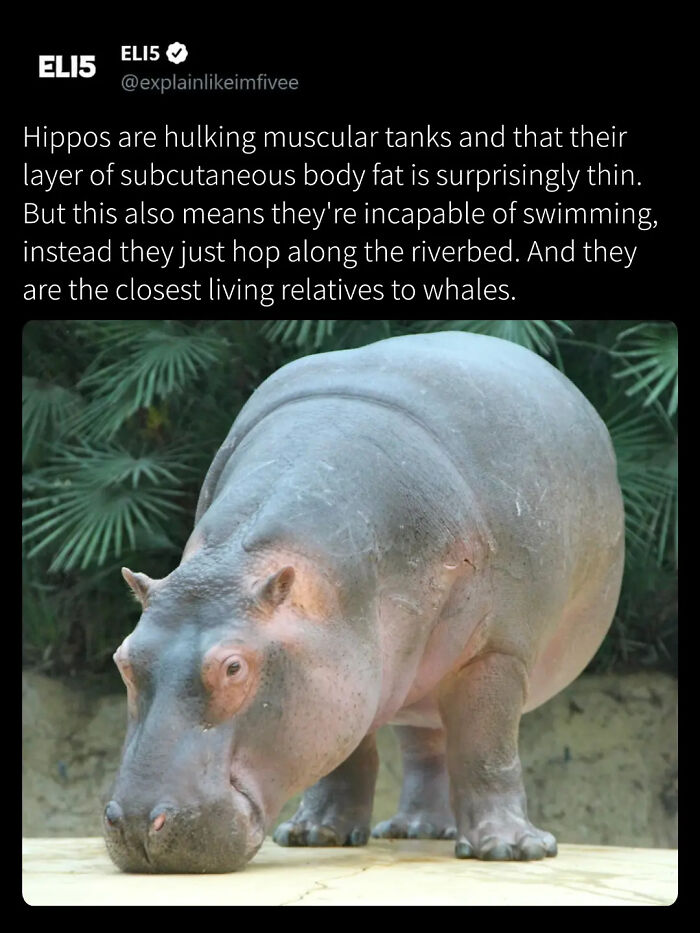
Hippopotamuses are among the largest and most powerful land mammals on Earth, with adult males often weighing between 1,500 and 1,800 kilograms (3,300–4,000 pounds). Despite their enormous, rounded appearance, their bodies contain surprisingly little fat beneath their thick skin compared with what many people might expect.
Unlike most aquatic mammals, hippos cannot swim in the conventional sense. Their dense bodies make it difficult for them to remain buoyant, so instead of paddling through deep water, they typically move by pushing off the bottom of rivers and lakes.
Using their powerful legs, hippos can walk, run, or launch themselves into a series of underwater hops, sometimes appearing to glide through the water. They can also hold their breath for several minutes, allowing them to remain submerged while traveling along the riverbed.
Their relationship with water is essential for survival. Hippos spend much of the day submerged to keep cool and protect their sensitive skin from the intense African sun, usually emerging at night to graze on grass.
Perhaps the most surprising fact is their evolutionary history. Despite their pig-like appearance, hippos are the closest living relatives of whales and dolphins. Genetic and fossil evidence indicates that their evolutionary lineages diverged from a shared ancestor approximately 55 million years ago.
This makes hippos part of an extraordinary evolutionary story connecting massive, semiaquatic African mammals with the whales that inhabit the world's oceans.
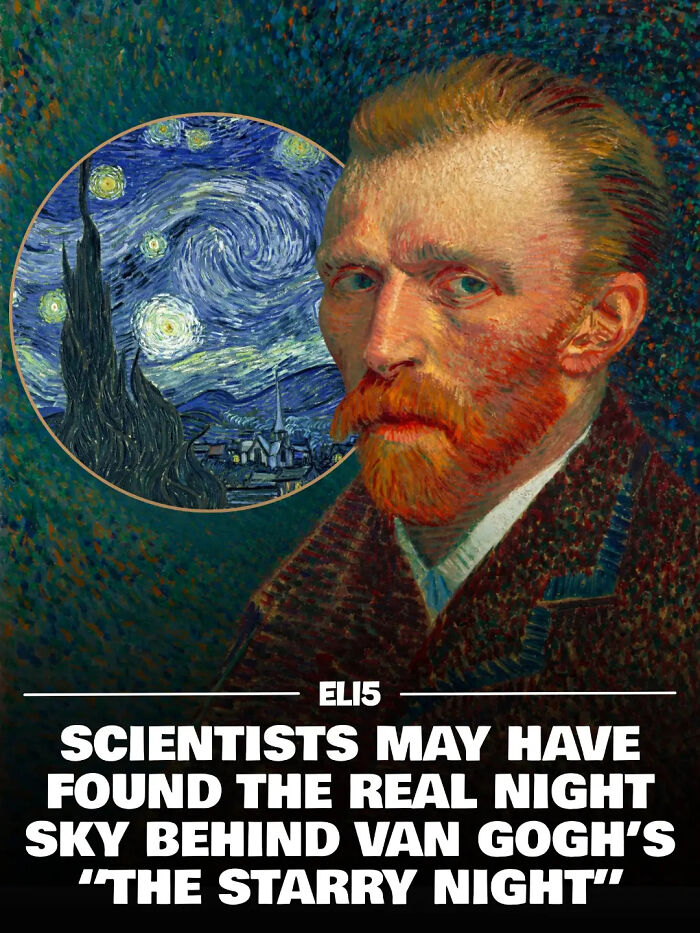
Vincent van Gogh’s iconic painting The Starry Night may have been inspired by an actual arrangement of stars visible in the sky on July 22, 1889, according to a new study published in Scientific Reports.
Researchers in South Korea used astronomical simulations, historical weather records, landscape sketches, and van Gogh’s letters to reconstruct the night sky above Saint-Rémy-de-Provence, France, where the artist created his famous masterpiece.
Their analysis revealed that the positions of the crescent Moon, Venus, and the Hyades star cluster closely resembled the celestial arrangement depicted in the painting.
The findings challenge the traditional belief that the artwork was completed in June 1889 and suggest that van Gogh may have drawn more inspiration from direct astronomical observation than previously thought.
However, researchers acknowledge that the proposed date remains a hypothesis, as the painting may combine observations from multiple nights with artistic imagination.
More than 135 years later, science continues to uncover fascinating possibilities behind one of history’s most recognizable paintings.
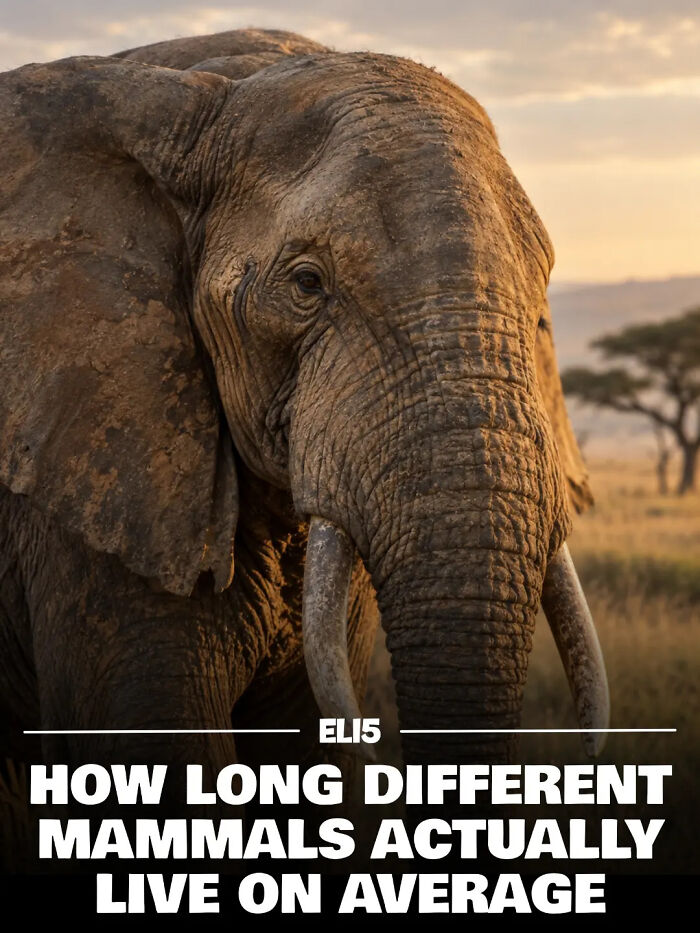
How long can a mammal actually live? The answer ranges from barely a year to more than two centuries.
Weasels are among the shortest-lived mammals, typically surviving only 1–2 years. Hedgehogs rarely make it beyond 3 years, while wolverines can reach around 12 and tigers average about 14 years.
As you move up the lifespan ladder, brown bears can live around 25 years, lowland tapirs around 30, and western gorillas around 35 years. One remarkable exception is Brandt’s bat, which can live up to 41 years despite its tiny size.
Elephants can reach about 56 years, while humans average around 80 years and are the longest-lived land mammals.
But the true mammalian longevity champion lives in the Arctic Ocean: the bowhead whale. These enormous whales can live for 200 years or more. Scientists have even found evidence of individuals surviving for well over a century.
So size doesn't automatically determine lifespan. Some tiny mammals live only a couple of years, while others, like Brandt’s bat, dramatically outperform expectations. And when it comes to mammals, nothing currently beats the bowhead whale.
Source - Discover wildlife & UN, World Population Prospects (2024).
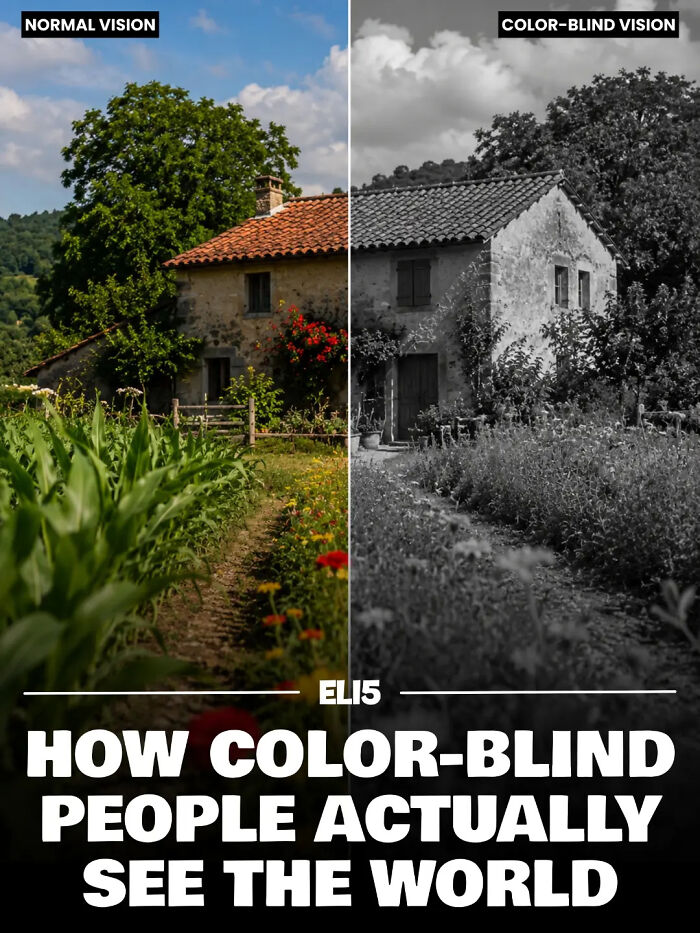
Color blindness doesn’t mean seeing the world only in black and white. It usually means certain colors are harder to distinguish because the cone cells in the retina respond differently to light. Humans normally have three cone types: L, M and S, roughly sensitive to long, medium and short wavelengths. The brain compares their signals to create our perception of color.
Protanomaly — Red appears less bright, while some reds, oranges and greens can look more similar.
Deuteranomaly — The most common type. Certain greens can shift toward red or brown, making red-green differences harder to notice.
Protanopia — L-cones are absent, so reds can appear darker and red, green and brown may become difficult to distinguish.
Deuteranopia — M-cones are absent, causing strong confusion between reds and greens.
Tritanomaly — A rare blue-yellow deficiency. Blue and green, or yellow and red, can become harder to separate.
Tritanopia — S-cones are absent. Blues and greens can look similar, while yellow and pink may also be confused.
Achromatopsia — An extremely rare condition in which cone function is severely impaired, resulting in little or no color vision. The world can appear mainly in shades of gray, often with light sensitivity and reduced visual sharpness.
Blue-cone monochromacy — A very rare condition where L- and M-cone function is absent, leaving S-cones and rods to provide vision. Color perception is severely limited, with reduced visual acuity and light sensitivity.
So the commonly shown “8 types” are really different combinations of altered, missing, or nonfunctional cone photopigments. And color blindness isn't simply seeing the same world in fewer colors — the brain is receiving a different set of signals and therefore reconstructs color differently.
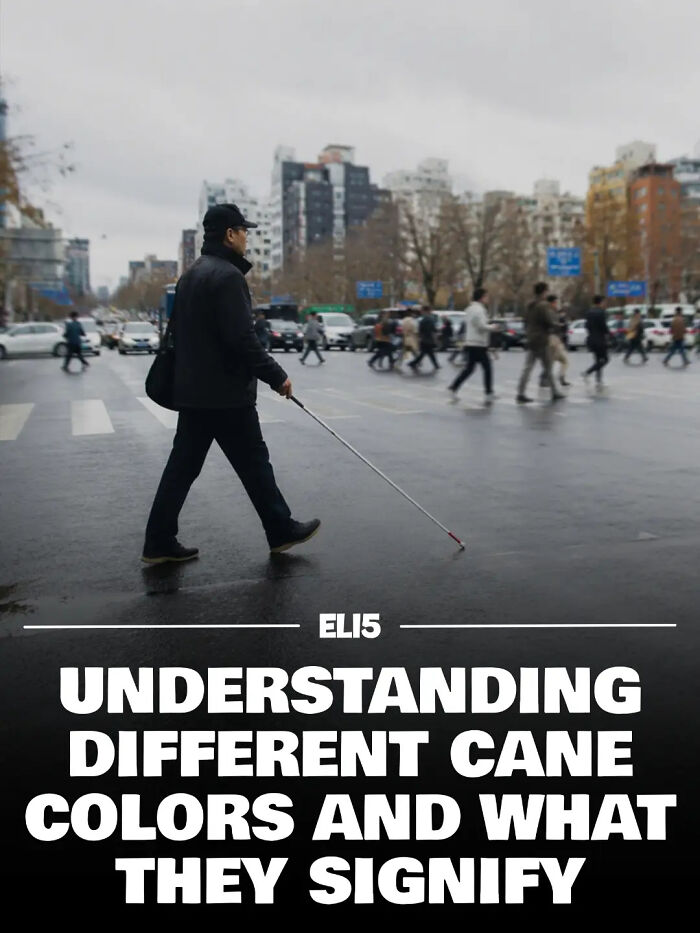
Not every cane means the same thing. The color, length, and design can give important information about the person using it.
A white cane is generally used by people who are blind or have significant vision loss. A long white cane is primarily a mobility tool, helping the user detect obstacles, steps, curbs, and changes in the ground before reaching them. It can also signal to others that the person has a visual impairment.
A white cane with a red tip is also commonly used by people with vision loss. The red section can make the cane more visible to others, but the exact meaning of a red-tipped cane can vary by country and cane type, so it should not automatically be interpreted as a specific level of vision.
A cane with alternating red and white sections or stripes has a more specific meaning in places such as the UK. It indicates that the person has both sight loss and hearing loss, known as deafblindness or dual sensory loss.
There are also guide canes and symbol canes. A guide cane is shorter and is mainly used to detect steps, curbs, and nearby obstacles, while a symbol cane is primarily carried to alert others that someone has sight loss rather than being used as a main mobility aid.
The important thing is not to assume exactly what someone can or cannot see from their cane alone. Vision loss exists on a spectrum, and many people who use white canes still have some useful vision.
The dogs we know and love today were once bred for very different purposes. Long before they became beloved family companions, many had specific jobs that shaped their instincts, personalities, and physical characteristics.
From Dachshunds hunting badgers underground and Border Collies herding sheep to Siberian Huskies pulling sleds across frozen landscapes, every breed has a fascinating history.
Some were developed to protect livestock, retrieve game, or hunt dangerous animals, while others were bred simply to keep royalty company.
These original roles help explain why certain breeds love chasing, digging, guarding, retrieving, or staying close to their humans even today.
Save this guide for later, share it with a fellow dog lover, and tell us which breed surprised you the most!
Sources: American Kennel Club (AKC) breed histories and breed profiles, The Kennel Club (UK), and Fédération Cynologique Internationale (FCI) breed standards.
Contour lines are the secret language of a topographic map. They show the shape and height of the land by connecting points that are at the same elevation.
Think of them like imaginary lines wrapped around a mountain. Every point along one line is the same height above sea level. The vertical difference between two neighboring contour lines is called the contour interval, which is usually given on the map.
The easiest rule to remember is: close lines = steep slope, widely spaced lines = gentle slope. If the lines form closed circles and the elevation increases toward the center, you’re looking at a hill or mountain. If the elevation decreases toward the center, it can indicate a depression.
Contour lines can also reveal valleys. When they cross a stream or valley, they form a V-shape that usually points uphill, toward the higher elevation. On a ridge, the V or U-shaped pattern points downhill.
To read a topo map, first check the contour interval and elevation numbers. Then follow the lines and watch how their spacing and shapes change. You can essentially turn a flat sheet of paper into a mental 3D model of the landscape.
In short: contour lines tell you where the land is high, low, steep, flat, and how its shape changes - all without showing the terrain in 3D.
Cover photo credits - USGS.
Normal vision happens when light focuses clearly on the retina, where photoreceptors turn it into signals the brain interprets as an image.
Macular degeneration damages the center of the retina, causing blurred, distorted or missing central vision.
Glaucoma damages the optic nerve and often affects peripheral vision first.
Diabetic retinopathy harms retinal blood vessels, causing blur, dark spots or floaters.
Cataracts cloud the lens, making vision hazy, dim and sensitive to glare.
Color blindness happens when certain cone cells detect colors differently, while achromatopsia can cause little or no color vision, poor sharpness and light sensitivity.
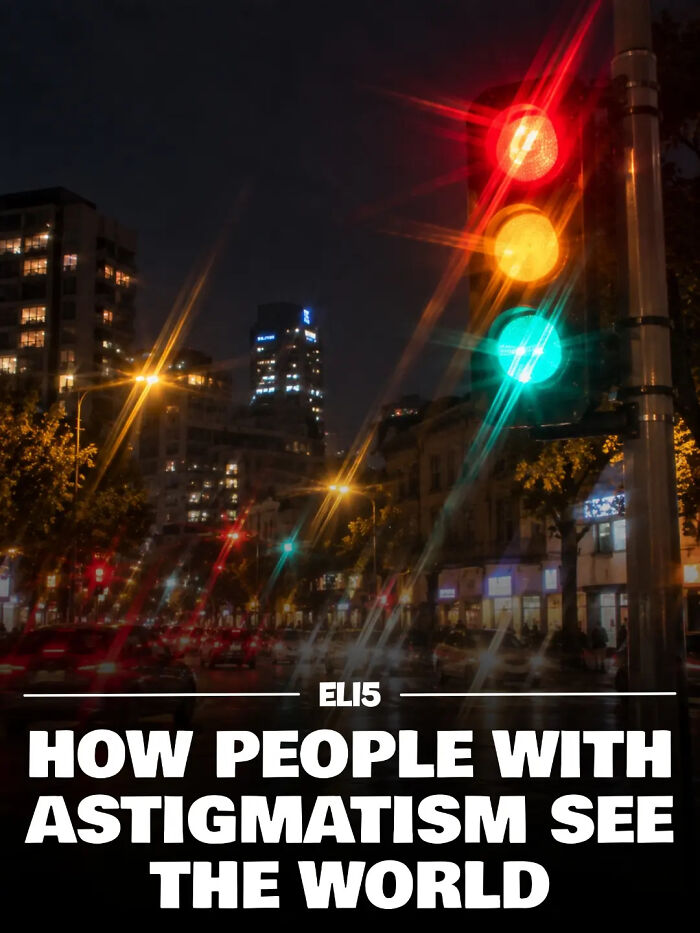
Astigmatism comes from an irregular cornea or lens, producing distorted or blurred vision. Dry eyes can blur sight because the tear film becomes unstable.
Floaters are shadows from material inside the eye’s vitreous gel. Diplopia causes double vision when the eyes do not align properly.
Migraine aura can create flashing lights, zigzags or blind spots because of temporary changes in brain activity.
Visual snow causes persistent tiny flickering dots across vision.
Complete blindness ranges from no useful vision to no light perception, while legal blindness does not always mean total darkness.
Dyslexia is not an eye disease; it mainly affects how the brain processes written language.
The exact experience can vary widely from person to person.
Save this post if you’ve ever wondered how differently the same world can look through someone else’s eyes, or share it with a friend who’ll never look at vision the same way again.
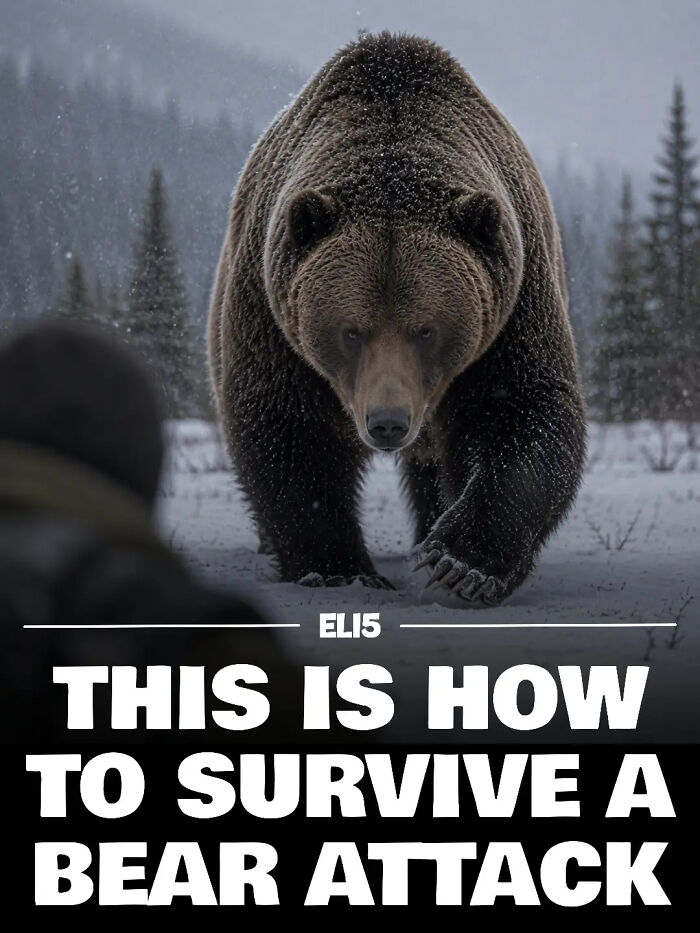
“If it’s brown, lie down. If it’s black, fight back. If it’s white, good night.”
You may have heard this catchy rhyme about surviving a bear attack, but it is only a rough memory aid - not a complete safety guide.
First, never run. If you encounter a bear, stay calm, speak in a steady voice, slowly back away, and give it an escape route. Running can trigger a chase response, and you should never try to climb a tree.
If a brown bear or grizzly makes physical contact during a defensive attack - such as when you surprised it or it is protecting cubs - play d**d. Lie flat on your stomach, spread your legs, keep your backpack on, and clasp your hands behind your neck. Stay still until the bear leaves. If the attack continues for a prolonged period, however, fight back vigorously.
With a black bear, do not play d**d. If it actually attacks you, fight back aggressively, concentrating your defense on its face and muzzle. If a bear enters your tent or appears to be stalking you, fight back regardless of species, because this can indicate a predatory attack.
And the “white means good night” part is definitely not a survival strategy. Polar bears are a different situation entirely, and avoiding an encounter is your best defense.
The safest bear encounter is the one that never becomes an attack: make noise while hiking, travel in groups, secure food and scented items, keep your distance, and carry bear spray where it is recommended and legal.
The U.S. military uses a standardized system of letters and numbers to identify aircraft according to their purpose, design, and version. Known as the Mission Design Series (MDS), this system was introduced in 1962 to establish a common designation method across military branches.
Each designation can contain several components, including a status prefix, modified mission, basic mission, vehicle type, design number, and series letter.
For example, in F-16C, the “F” represents Fighter, “16” identifies the aircraft design, and “C” indicates its production series.
In KC-135, the “K” indicates a tanker mission, while “C” represents its basic cargo/transport designation.
Additional letters can identify aircraft types or development stages. “H” represents Helicopter, “Q” identifies an Unmanned Aircraft, and “Y” indicates a Prototype.
Aircraft also receive separate names, such as the F-22 Raptor, F-15 Eagle, and A-10 Thunderbolt II. These names are distinct from their official designations.
Save this guide to understand the codes behind military aircraft, and share it with someone interested in aviation!
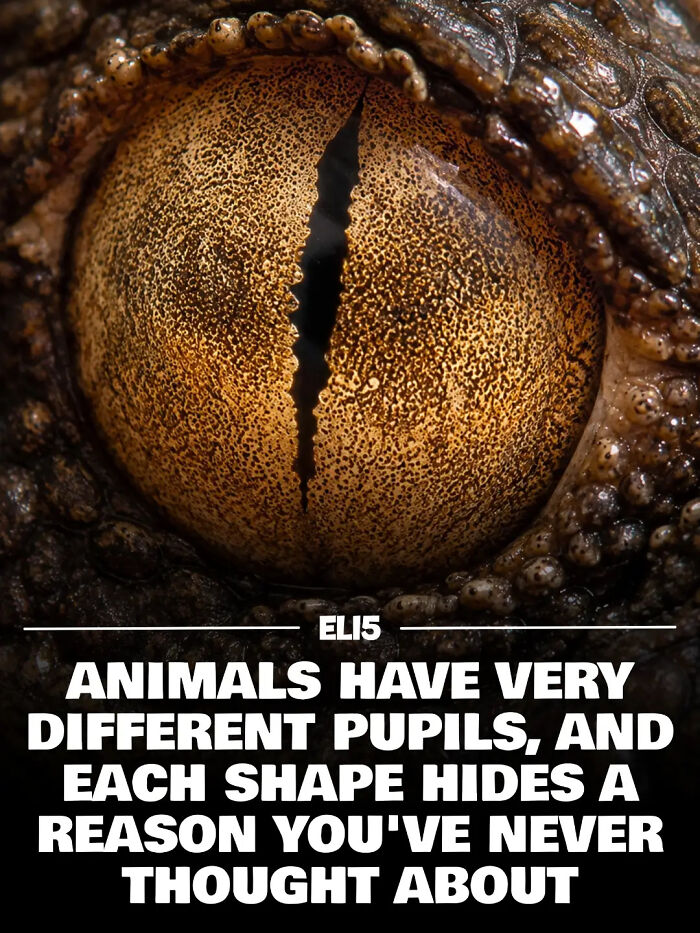
Your pupil is just a hole. It's the opening in your iris that lets light in, and it looks black because your eye absorbs that light rather than reflecting it back out. The iris opens and closes automatically, letting in more light in the dark and less in the sun.
Simple enough. Except nature didn't settle on one design.
Scientists compared pupils across hundreds of species and found something neat: the shape isn't random. It matches how the animal lives.
Prey animals get wide pupils. A sheep or a horse can scan almost the full horizon without turning its head, which means it spots the threat and knows exactly where to run.
Predators get pupils that open far wider. More light means hunting works at dusk, at midnight, in the sun. It also means they can judge exactly how far away dinner is without moving their head and giving themselves away.
But here's the part that got me.
The horizontal pupils of sheep, goats and horses rotate. When the animal lowers its head to graze, the eyes turn in their sockets to keep the pupils level with the ground. It's called cyclovergence, and it happens without the animal thinking about it.
The head moves. The view stays steady. So the moment something moves in the grass, they're already looking at it.
Swipe through for seven pupil shapes and what each one is actually for
Which one surprised you most?
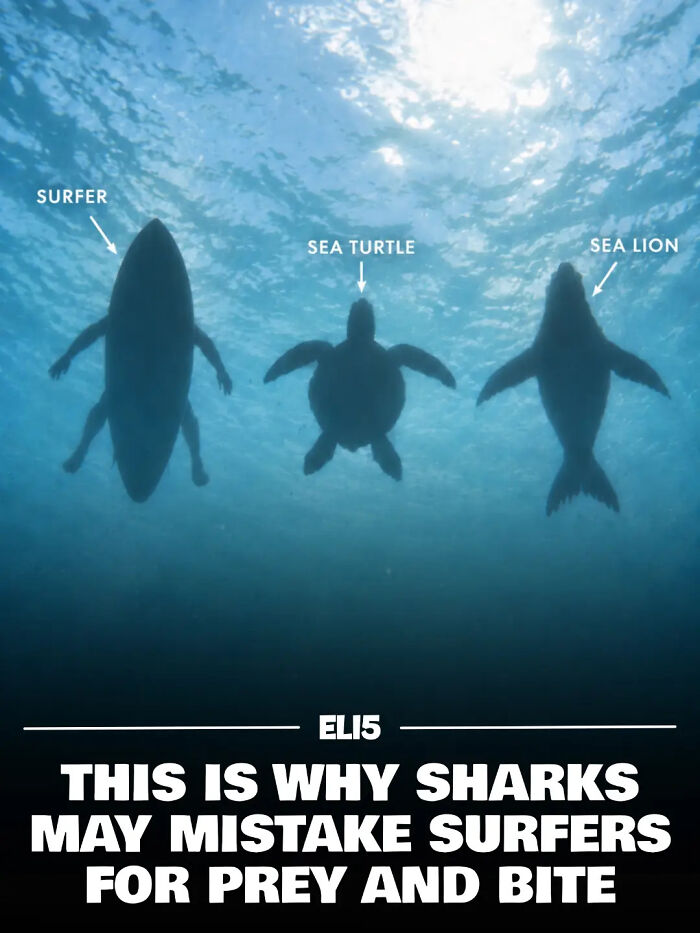
Sharks do not normally hunt humans as preferred prey. Many bites on surfers are thought to happen because, from below, a surfer on a board can resemble the silhouette of a seal or other marine animal moving near the surface.
A shark looking upward often sees a dark shape against bright water rather than every detail. The surfboard forms the main body, while the surfer’s arms and legs can resemble flippers. Think of it like seeing only someone’s shadow behind a curtain - you can recognize the general shape, but you might guess the wrong thing.
This is especially relevant to large predatory sharks such as great whites, which naturally hunt seals. A shark may approach to investigate and sometimes use a bite to identify an unfamiliar object. Unfortunately, even an exploratory bite from a large shark can cause severe injuries.
But mistaken identity is only one explanation, and scientists do not believe every shark bite happens for the same reason. Curiosity, environmental conditions, prey activity and defensive behavior can also play a role.
Save this post if you’ve ever wondered what a surfer looks like from beneath the waves, or share it with someone who thought sharks deliberately hunt humans.
Throughout history, medical breakthroughs have transformed the way diseases are diagnosed, treated, and prevented. Some of the most important advancements in medicine began with unexpected discoveries, while others resulted from years of scientific research and experimentation.
The introduction of anesthesia in 1846 made it possible to perform complex surgical procedures without patients experiencing unbearable pain. The discovery of X-rays in 1895 allowed doctors to examine the inside of the human body without surgery, revolutionizing medical diagnosis.
The development of insulin treatment in 1922 transformed type 1 diabetes from an almost universally fatal disease into a manageable condition. Vaccination, pioneered by Edward Jenner in 1796, established the foundation for preventing infectious diseases and eventually contributed to the global eradication of smallpox.
The discovery of penicillin in 1928 marked the beginning of the antibiotic era, making countless bacterial infections treatable and saving millions of lives.
Together, these five breakthroughs helped shape modern medicine, significantly improved survival rates, and continue to influence healthcare around the world.
Image Credits
Penicillin sample: Science Museum, London (CC BY-SA 4.0).
Robert Liston performing surgery using ether anesthesia, 21 December 1846 (M0005603): Wellcome Collection (CC BY 4.0).
Cases before and after insulin treatment (Source - Wellcome Collection).
All remaining images: Wikimedia Commons (Public Domain).
Confidence is not about knowing everything, never feeling nervous, or always being the loudest person in the room. It is about becoming comfortable with yourself, your abilities, and your imperfections.
Building confidence often begins with small changes in everyday behavior. Learning to say "I don't know" without apologizing encourages honesty and reduces the pressure to appear knowledgeable all the time. Similarly, improving your posture can influence how you present yourself and how comfortable you feel in social situations.
Simple habits like speaking clearly, maintaining a relaxed posture, acknowledging your limitations, and expressing your thoughts without constantly seeking approval can gradually strengthen your self-assurance.
Confidence is not something that develops overnight. It grows through experience, self-awareness, and repeated moments of choosing to act despite uncertainty.
The goal isn't to become someone who never doubts themselves, but someone who doesn't let those doubts control every decision.
Save this post as a reminder that confidence is built through small everyday actions, or share it with someone who needs a little encouragement to believe in themselves.
A bald eagle does not simply hatch with the iconic white head we recognize. Its plumage changes dramatically during the first several years of life, and these changes can help estimate its age. The first juvenile plumage is the darkest and least variable, with an overall dark-brown body and subtle white flecking on the belly and underwings. This first plumage is typically retained for about six months after leaving the nest.
After that, the eagle enters its immature or sub-adult stages, where things become much less predictable. Around 1½ years, lighter brown feathers and increasing white flecking begin to appear, while the beak is still mostly dark. At around 2½ years, the plumage can vary enormously between individuals, with different combinations of brown and white mottling. The eyes and beak also gradually begin changing color.
By about 3½ years, the transformation toward adulthood becomes more obvious. The head and tail begin turning white, although they remain heavily flecked with brown, while a darker band through and behind the eye can be noticeable. The beak becomes mostly yellow and the body gradually returns to a more uniform dark brown.
Around 4½ to 5½ years, the familiar adult appearance finally emerges: a dark-brown body, white head and tail, bright yellow beak, and pale yellowish-white eyes. Most bald eagles acquire their definitive adult plumage by about 5½ years, although a few brown flecks can persist longer. Once acquired, this adult plumage remains for the rest of the bird’s life.
So, the “bald” head is not something a bald eagle is born with. It is the final result of years of gradual feather and coloration changes. And because immature plumage can vary so much between individual birds, age estimates are best treated as approximate rather than exact.
That little symbol lighting up on your dashboard isn’t random - your car is trying to tell you something.
Some signals simply tell you that a system is active, while others can mean something needs attention immediately.
RED usually means a serious warning that may require you to stop and check the problem.
AMBER usually means a system needs attention or should be checked soon.
GREEN generally tells you that a system is operating or switched on.
BLUE is commonly used for information, such as high-beam headlights.
From low oil pressure and overheating to ABS, tire pressure, fog lights and traction control, knowing these symbols can help you understand what your car is telling you before a small problem becomes a bigger one.
Save this for the next time a mysterious light appears on your dashboard. And send it to someone who still asks, “What does that symbol mean?”
Which dashboard light confused you the most the first time you saw it?
During the 1960s, Soviet police reportedly used a collection of illustrated facial sketches to help identify suspects based on their presumed ethnic or national backgrounds.
Developed by Soviet criminologists around 1960–1965, these charts featured drawings of supposedly typical facial characteristics associated with different ethnic groups across the Soviet Union. The illustrations were reportedly based on collections of police mugshots and intended to help investigators narrow down the possible backgrounds of unidentified individuals.
At the time, the Soviet Union was home to more than 100 ethnic groups, including Russians, Ukrainians, Armenians, Georgians, Kazakhs, Uzbeks, and many others.
Soviet identification documents distinguished between citizenship and nationality. While citizens shared Soviet citizenship, their officially recorded nationality generally referred to their ethnic background rather than their place of residence.
The facial charts reflected an attempt to classify this enormous diversity through physical appearance, relying on assumptions about facial structure, features, and ancestry.
However, such classifications had significant limitations. Facial characteristics vary widely within ethnic groups, and physical appearance alone cannot reliably establish someone's ethnicity or nationality.
Today, these surviving illustrations offer a fascinating glimpse into Soviet-era criminology, identification practices, and the historical use of physical appearance in police investigations.
Save this post for this unusual piece of Soviet history, or share it with someone interested in historical policing methods and how identification techniques have evolved.
Image credits - State Archive of the Russian Federation.
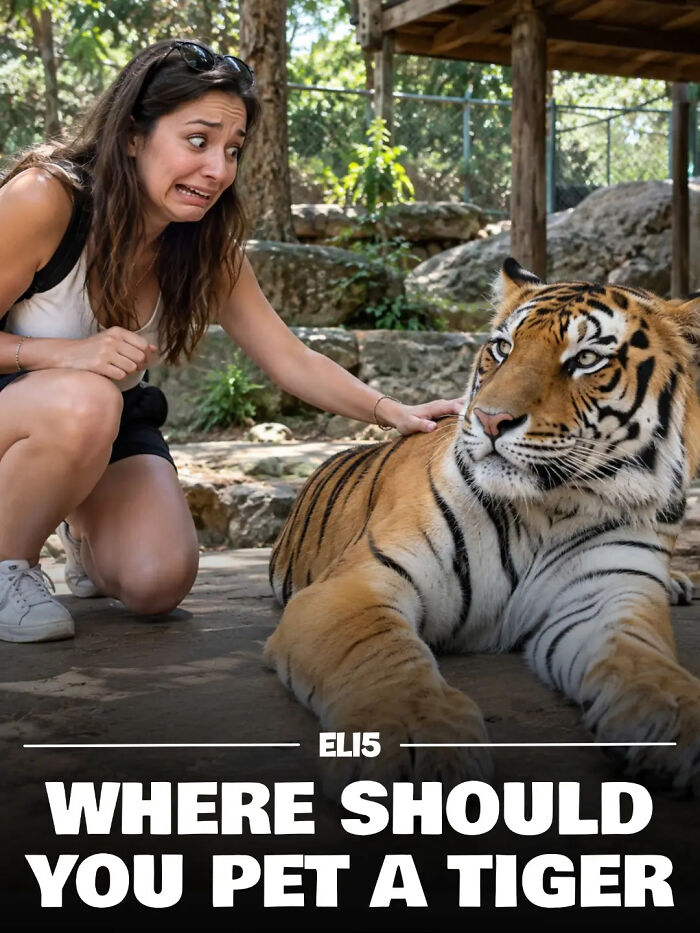
WHERE SHOULD YOU PET A TIGER?
NOWHERE.
Even if a tiger appears calm, friendly or accustomed to humans, it is still a powerful wild predator with natural instincts that can change without warning. There is no body part that is considered a safe place for an ordinary person to pet a tiger.
Tigers may tolerate human contact in some captive settings, but tolerance is not the same as domestication. A sudden movement, unfamiliar smell, loud noise, territorial response or hunting instinct can trigger an unpredictable reaction.
Unlike a domestic cat, a tiger has enormous strength, powerful jaws and claws designed for taking down large prey. Even what looks like playful behavior can cause serious injury.
The safest way to interact with a tiger is from a safe distance, following the instructions of trained wildlife professionals. Admire the animal without touching it.
The rule is simple: DON'T PET THE TIGER - not its head, back, belly, tail or anywhere else.
There was a time when gaming wasn't about high-speed internet, online matchmaking, or massive digital libraries. It was about gathering your friends in one room, connecting computers with Ethernet cables, and spending entire nights playing together.
The 1990s and 2000s were the golden age of LAN parties. Heavy CRT monitors, tangled wires, noisy keyboards, pizza boxes, and rooms filled with laughter created memories that an entire generation of gamers still treasures.
Games like Counter-Strike 1.6, Quake III Arena, Unreal Tournament, Warcraft III, and Age of Empires II weren't just games. They were friendships, rivalries, inside jokes, and unforgettable late-night battles.
There were no Discord calls or endless online friend lists. Your teammates were sitting right beside you, celebrating every victory and making sure you never forgot a defeat.
Technology has come a long way, but something about those crowded rooms and glowing monitors can never truly be recreated.
We didn't realize we were living through the golden days. We were just having fun.
Save this post if you miss those LAN party nights, and share it with the friend you'd give anything to play one more match with.
The evolution of video game consoles reflects decades of technological innovation, changing entertainment habits, and the continuous development of the gaming industry.
From the earliest home gaming systems of the 1970s to today's powerful consoles, each generation has introduced new possibilities in graphics, processing power, gameplay, and connectivity. What began with simple electronic games gradually developed into an industry capable of delivering highly detailed virtual worlds and immersive interactive experiences.
Over the decades, companies such as Atari, Nintendo, Sega, Sony, and Microsoft have played important roles in shaping the industry, introducing technologies and gaming experiences that influenced generations of players.
Beyond technological progress, video game consoles have become an important part of popular culture, creating countless memories and bringing people together through entertainment.
Explore the evolution of gaming consoles across nine generations, and save this visual timeline for reference or share it with someone who grew up playing these systems.
The spectacular colours of fireworks are actually a fascinating display of chemistry in action.
Every burst of red, green, blue, or gold comes from specific chemical compounds that produce characteristic colours when heated during a firework's explosion.
Strontium compounds create brilliant reds, calcium produces orange, sodium gives off intense yellow, barium creates vivid greens, and copper is responsible for beautiful blue shades. Purple is typically achieved by combining red-producing strontium compounds with blue-producing copper compounds.
Meanwhile, metals such as magnesium, aluminium, and titanium produce the dazzling white flashes and silvery sparks that make fireworks even more spectacular.
The colours we see depend on how different substances emit light when heated, turning chemical reactions into breathtaking displays across the night sky.
Save this guide to understand the chemistry behind fireworks, or share it with someone who loves watching the night sky light up!
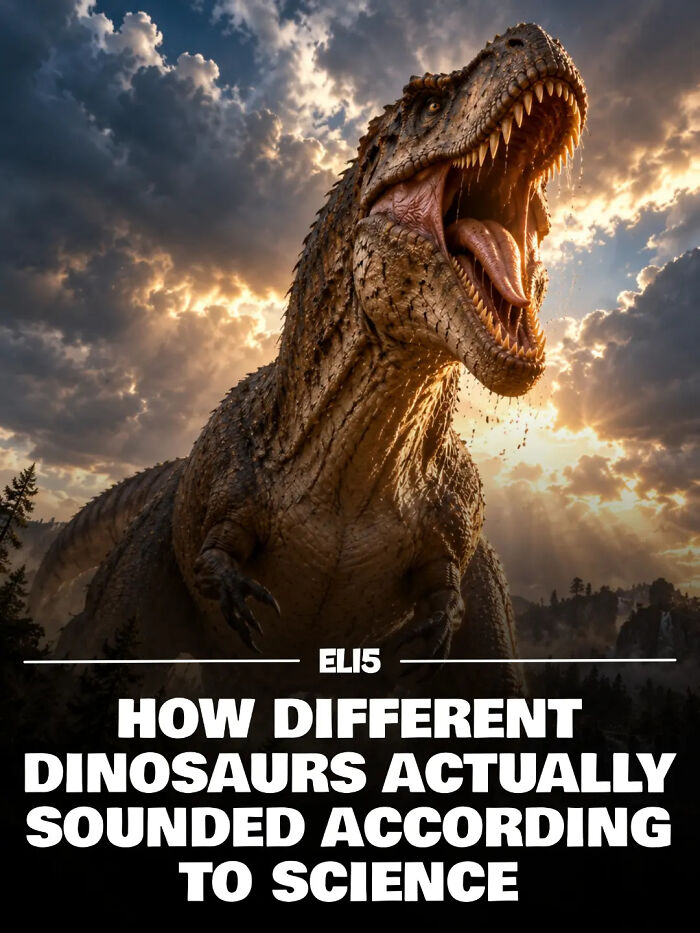
Scientists can’t know exactly what dinosaurs sounded like, because sound doesn’t fossilize. Instead, they reconstruct the most likely sounds by studying the anatomy dinosaurs left behind and comparing it with their closest living relatives.
One of the biggest clues comes from the skull. CT scans can reveal the shape of nasal passages, airways, inner ears, and hollow spaces inside the head. These structures affect how sound is produced, amplified, and heard. Some dinosaurs had long or complex nasal cavities that may have acted like resonance chambers, creating deep, booming calls.
Scientists also look at birds and crocodilians, the two living groups most closely related to dinosaurs. Crocodiles can produce powerful low-frequency rumbles without making the classic mammal-style roar, while birds use a vocal organ called the syrinx. Fossil evidence suggests that at least some prehistoric species may have produced bird-like or low, resonant sounds rather than the huge roaring noises we hear in movies.
For many dinosaurs, researchers think closed-mouth sounds - deep booms, hoots, rumbles, hisses, or vibrations - may have been more realistic than a lion-like roar. Large dinosaurs could also have produced very low frequencies that travelled long distances, useful for communication, warnings, mating displays, or keeping contact with a group.
So when you hear a T. rex roaring in a movie, remember: it’s an artistic interpretation. The real prehistoric world may have sounded stranger, deeper, and far more eerie than Hollywood ever imagined.
Save this post for your next dinosaur deep dive, and share it with someone who still thinks every dinosaur sounded like a movie monster.
Achromatopsia is a rare inherited vision disorder that affects the way people perceive the world. Unlike common forms of color blindness, people with complete achromatopsia cannot distinguish colors and experience their surroundings in shades of black, white, and gray.
The condition occurs when the cone cells in the retina, which are responsible for color vision and sharp vision in bright light, do not function properly. It affects approximately 1 in 30,000 people worldwide.
However, achromatopsia involves more than the absence of color. People with the condition often experience reduced visual acuity, extreme sensitivity to bright light (photophobia), and involuntary eye movements known as nystagmus. Everyday activities such as recognizing traffic signals, reading signs, or spending time outdoors in bright sunlight can present additional challenges.
Although there is currently no cure for achromatopsia, tinted lenses, visual aids, and other supportive measures can help people manage its symptoms.
The photographs in this carousel offer an approximate grayscale simulation of complete achromatopsia. Individual visual experiences may vary, and these images cannot fully reproduce the effects of reduced visual acuity or light sensitivity.
Save this post for later and share it to spread awareness about achromatopsia.
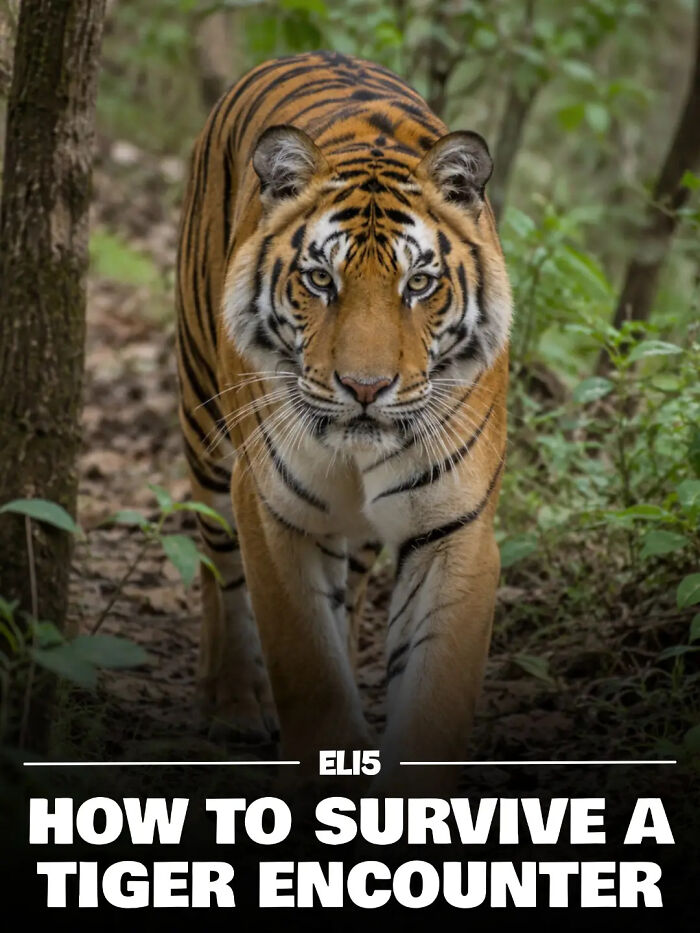
If you unexpectedly encounter a tiger in the wild, do not run. Running can trigger its instinct to chase. Stay as calm as possible, avoid sudden movements, and never turn your back on the animal.
If the tiger is at a distance, give it plenty of space. Slowly back away while keeping track of where it is. Do not approach it, crouch down, or block its escape route. Avoid prolonged direct eye contact and allow the tiger a clear way to leave.
If you are with other people, stay together rather than scattering. Keep children close and follow the instructions of forest officials or guides.
If a tiger approaches or charges, do not try to outrun it. Stand your ground, make yourself noticeable, shout loudly, and make deliberate movements to discourage the animal. Never turn around and sprint away.
If you are inside a safari vehicle, remain inside, keep your arms and legs in, stay quiet, and let the driver or guide move away safely.
Most wild tigers prefer avoiding people, so preventing an encounter is always safer than trying to survive one.
Save this post if you visit tiger country, or share it with someone who should know what not to do if they ever see a tiger in the wild.
The Statue of Liberty was not originally green. When it was completed in 1886, its outer skin was made of copper, so it had a shiny reddish-brown color.
Once exposed to air, rain, salt and pollution, the copper slowly began reacting with oxygen. First, copper oxides formed on the surface, making the statue darker. Over time, water, carbon dioxide and sulfur compounds in the atmosphere reacted with those copper compounds, producing a blue-green layer called a patina.
This patina contains compounds such as copper carbonate, copper sulfate and copper hydroxide. Instead of simply destroying the metal, the layer acts like a protective coating, slowing further corrosion by separating the copper underneath from the environment.
The color change happened gradually over several decades, with much of the statue becoming visibly green by the early 1900s. Unlike rust on iron, which can keep flaking away and weaken the metal, copper patina is relatively stable and protective.
So the Statue of Liberty’s famous green color is essentially the result of decades of controlled surface oxidation and chemical weathering.
Save this post if you never knew Lady Liberty started out copper-colored, or share it with someone who thought the green was just paint.
Wasps: Water isn't a safe escape from a swarm. Get away and seek shelter instead. Fishy smell: Overheating electrical insulation can release unusual odors before a fire starts. Square waves: Crossing ocean swells can create unpredictable, dangerous conditions for swimmers. Pan fire: Water can turn into steam and violently scatter burning oil, spreading flames.
Rip currents: They pull swimmers offshore, so fighting against them causes exhaustion. Swim parallel or float and signal for help. Floodwater: Even shallow moving water can sweep vehicles away. Thunder: Lightning can strike before rain reaches you. Burns: Cool running water removes heat, while ice can worsen tissue damage. Snakebites: Movement may accelerate venom spread, while suction and tourniquets can cause additional harm.
Retreating sea: A tsunami may expose the seabed before a powerful wave arrives. Gas leaks: Electrical switches can produce sparks that ignite escaping gas. Carbon monoxide: This odorless gas prevents the body from getting enough oxygen. Smoke: Hot, toxic gases rise, making the air near the floor relatively safer during escape.
Burning clothes: Rolling helps smother flames by cutting off oxygen. Severe bleeding: Direct pressure reduces blood loss. Cardiac arrest: CPR keeps blood flowing to vital organs, while an AED can correct certain dangerous heart rhythms. Stroke: Brain cells begin d***g when their blood supply is interrupted, making immediate treatment essential.
Save these explanations and share them with someone who may need them in an emergency.
In Japan, eating sushi with your hands is not considered bad manners. In fact, it is one of the traditional ways to enjoy sushi, particularly nigiri, the familiar style featuring a slice of fish or seafood placed over a small mound of seasoned rice.
During Japan's Edo period, nigiri sushi became popular as a convenient form of fast food. It was commonly sold by street vendors and eaten directly with the hands, long before sushi became associated with elegant restaurants and elaborate dining experiences.
Even today, some traditional sushi restaurants, including high-end establishments, welcome guests eating nigiri with their fingers.
One reason is the delicate construction of the sushi itself. Skilled sushi chefs carefully shape the rice with just enough pressure to hold it together while preserving a light, airy texture. Picking it up with chopsticks can sometimes squeeze the rice too tightly or cause the piece to break apart.
Using your fingers allows you to lift the sushi gently while keeping its shape intact. Traditionally, nigiri is also eaten in one bite, with the fish side lightly dipped in soy sauce rather than soaking the rice.
However, chopsticks are perfectly acceptable too, and other varieties, such as sashimi, are generally eaten with chopsticks.
Ultimately, Japanese sushi etiquette is less about rigid rules and more about appreciating the chef's craftsmanship and enjoying the food as intended.
Save this post for your next sushi experience, or share it with someone who thinks eating sushi with your hands is bad table manners.
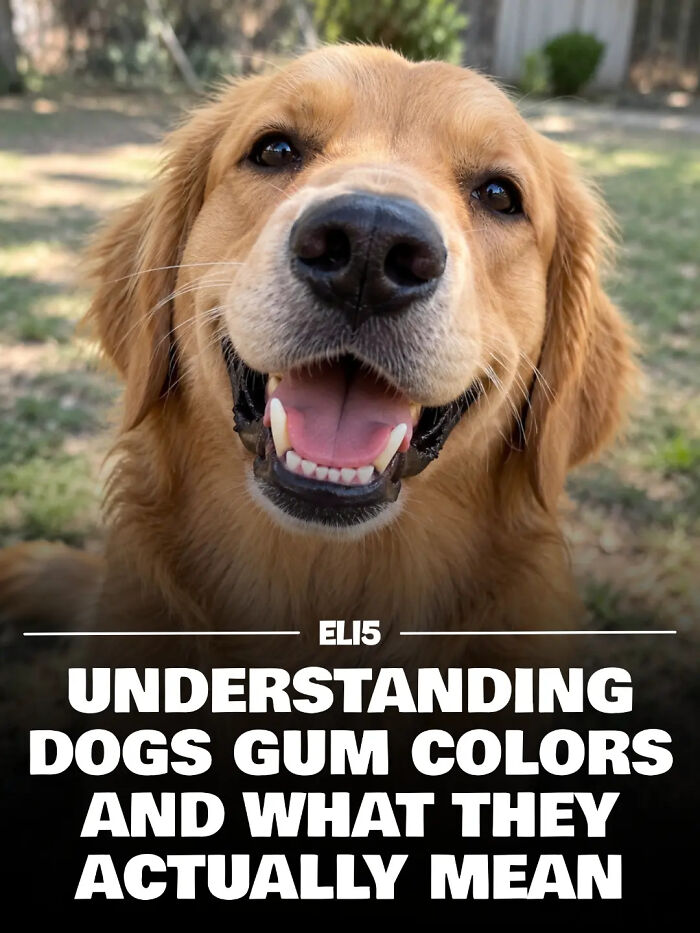
Your dog's gums can reveal important information about their overall health. Healthy gums are usually moist and pink, although some dogs naturally have dark pigmentation.
Pink gums: Generally indicate healthy circulation and oxygen levels.
Blue or purple gums: May indicate dangerously low oxygen levels or poor circulation. This is a medical emergency requiring immediate veterinary attention.
Pale or white gums: Can signal anemia, blood loss, shock, or poor circulation and require urgent veterinary assessment.
Yellow gums: May indicate jaundice, which can result from liver disease, red blood cell destruction, or bile duct problems.
Red or swollen gums: Often indicate inflammation, gingivitis, periodontal disease, or infection.
Other warning signs include persistent bad breath, bleeding gums, and unusual lumps or growths.
To maintain healthy gums, brush your dog's teeth daily using dog-safe toothpaste, provide appropriate dental chews, ensure fresh water, feed a balanced diet, and schedule regular veterinary dental checkups.
Save this guide to recognize warning signs early and share it with other dog owners.
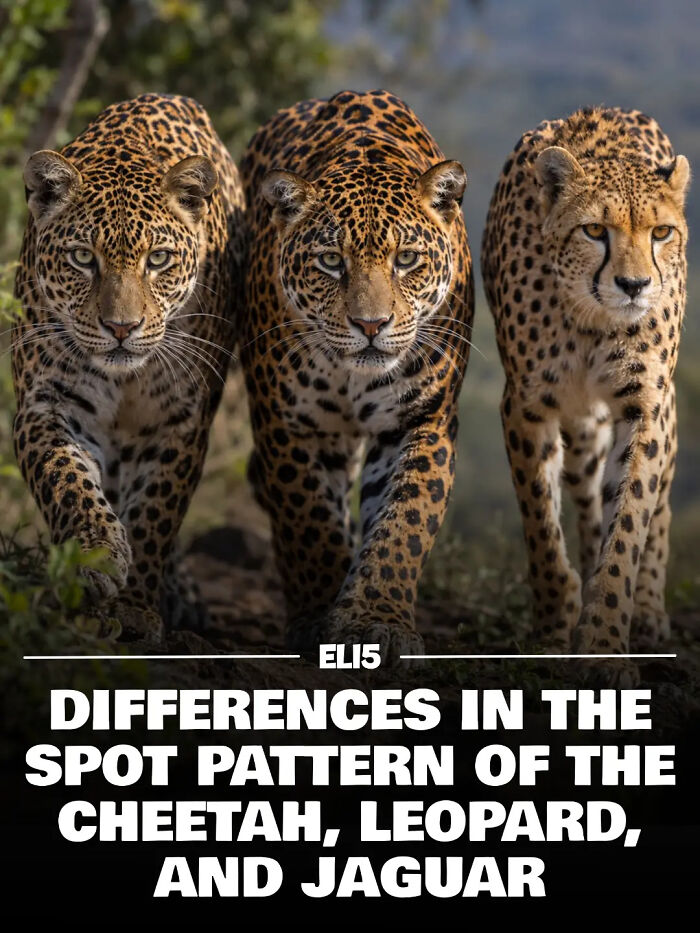
Cheetahs, leopards, and jaguars may look similar at first, but their coat patterns are one of the easiest ways to tell them apart.
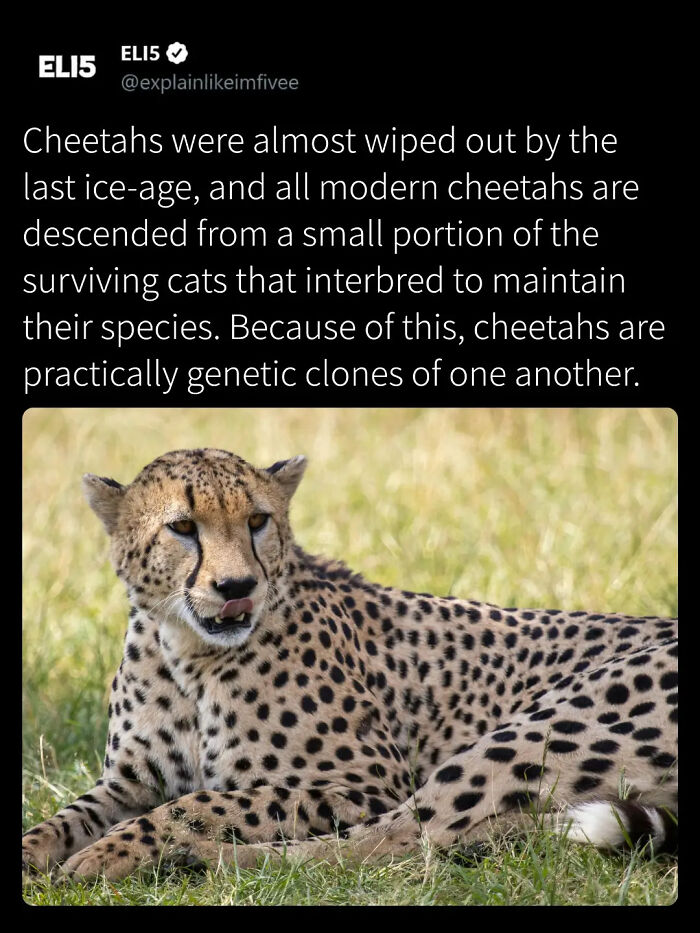
Cheetahs have simple, solid black spots scattered across a golden coat. Their spots do not form rings or clusters. Think of them like black dots drawn with a marker. Cheetahs also have distinctive black “tear marks” running from the inner corners of their eyes down toward the mouth.
Leopards have spots called rosettes. These look like small black rings or flower-shaped clusters, usually with lighter fur in the middle. The rosettes are relatively small and closely packed, and they normally do not contain a black dot in the center.
Jaguars also have rosettes, but theirs are usually larger, darker, and more widely spaced. The biggest clue is that many jaguar rosettes contain one or more black spots inside the ring.
So the quick trick is: Cheetah = solid dots. Leopard = small empty rosettes. Jaguar = large rosettes with dots inside.
Save this post if you’ve ever mixed up these three big cats, or share it with a friend who’ll never look at their spots the same way again.
A whale’s tail is more than just a way to move through the ocean - it can be a fingerprint.
The shape of the flukes, the depth of the central notch, the trailing edge, pigmentation, scars and even the texture of the tail stock can help identify different whale species. In some species, these patterns can even help researchers recognize individual whales.
Humpbacks are especially famous for this. Their black-and-white fluke patterns are so unique that scientists use photographs to identify and track the same whale over many years.
But there’s a catch: not every whale gives you a good look at its tail. Fin and minke whales, for example, often dive without lifting their flukes clearly above the surface.
Swipe through and see if you can learn to tell them apart by their tails.
Which whale tail would you recognize first?
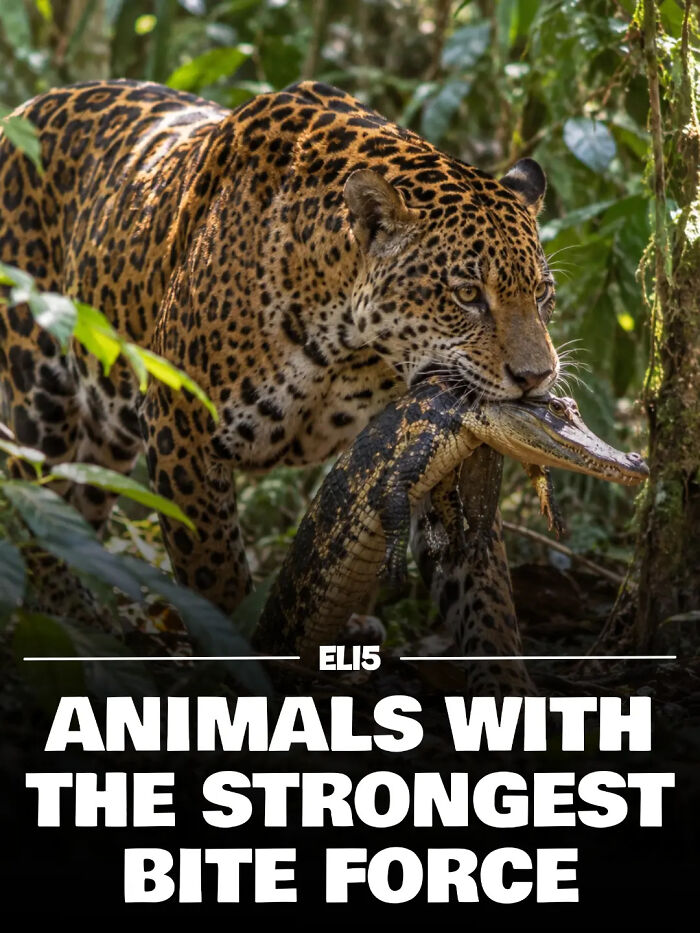
A bite is far more than just sharp teeth - it is a combination of powerful jaw muscles, bone structure and tooth shape working together. Bite force is measured in PSI (pounds per square inch), and the difference between species can be enormous.
A human bite is around 160 PSI, while animals such as polar bears, grizzlies, gorillas and jaguars can generate several times more. As you move up the scale, the force becomes extraordinary: hippos can reach around 1,800 PSI, alligators around 2,000 PSI, great white sharks around 4,000 PSI, Nile crocodiles around 5,000 PSI, and orcas around 19,000 PSI.
That incredible force comes from millions of years of evolution, with each animal developing jaws suited to its lifestyle - crushing, gripping, tearing or breaking through tough food.
The higher you go, the more unbelievable the bite becomes.
Data from - World atlas, Live science.
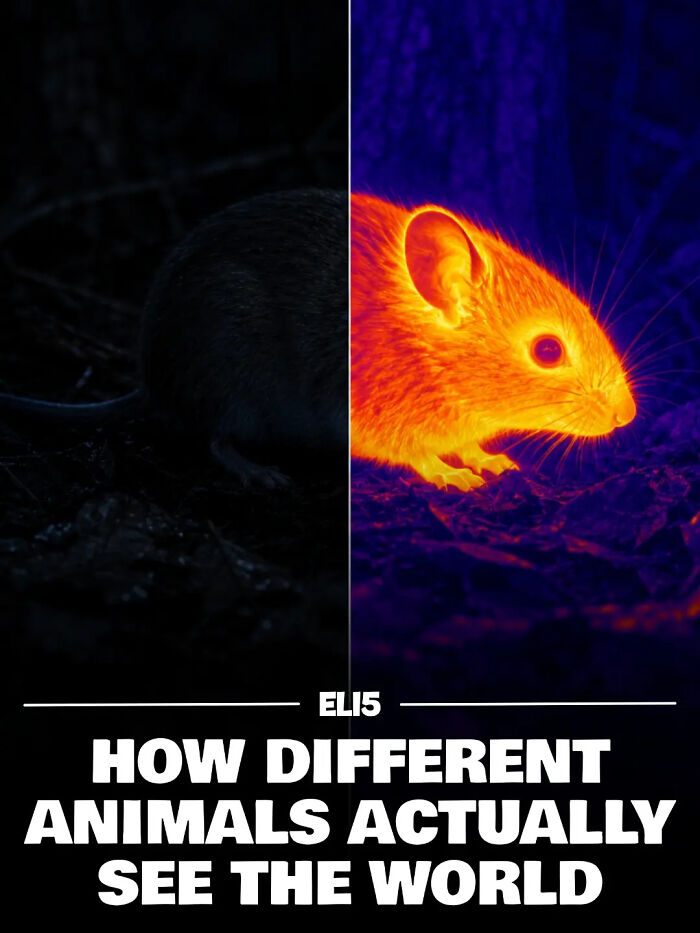
Have you ever wondered why the world looks completely different to different animals? It is because eyes evolved to detect exactly the information an animal needs to survive.
Dogs see mostly in shades of blue and yellow because their eyes have only two types of color-sensitive cones, compared with three in humans. They also have more light-sensitive cells, so they can see better in dim conditions, although with less detail.
Cats take this even further. Their eyes contain more rod cells for low-light vision, and a reflective layer called the tapetum lucidum sends light back through the retina, giving the photoreceptors a second chance to detect it. That is why cats can see so well at night and their eyes can appear to glow.
Birds often have four types of color receptors, allowing many species to see ultraviolet light. This helps them detect patterns on flowers, feathers and even trails that are invisible to us. Eagles take vision to another level: their eyes are highly specialized for sharp, long-distance vision, helping them spot tiny prey from far away.
Snakes have a different trick. Some snakes, especially pit vipers, have heat-sensing pits that detect infrared radiation emitted by warm bodies. Their brains combine this information with normal vision, helping them locate prey even in darkness.
Deer have eyes positioned on the sides of their heads, giving them a huge field of view. They sacrifice some depth perception for the ability to notice predators approaching from almost any direction.
Bees can see ultraviolet light, which makes flowers appear with hidden UV patterns that guide them toward nectar and pollen. Flies have compound eyes made of thousands of tiny lenses. Each detects a small part of the scene, giving flies an enormous field of view and exceptional ability to detect rapid movement.
So animals are not simply seeing the same world better or worse than us - they are seeing a world filtered by evolution for survival.
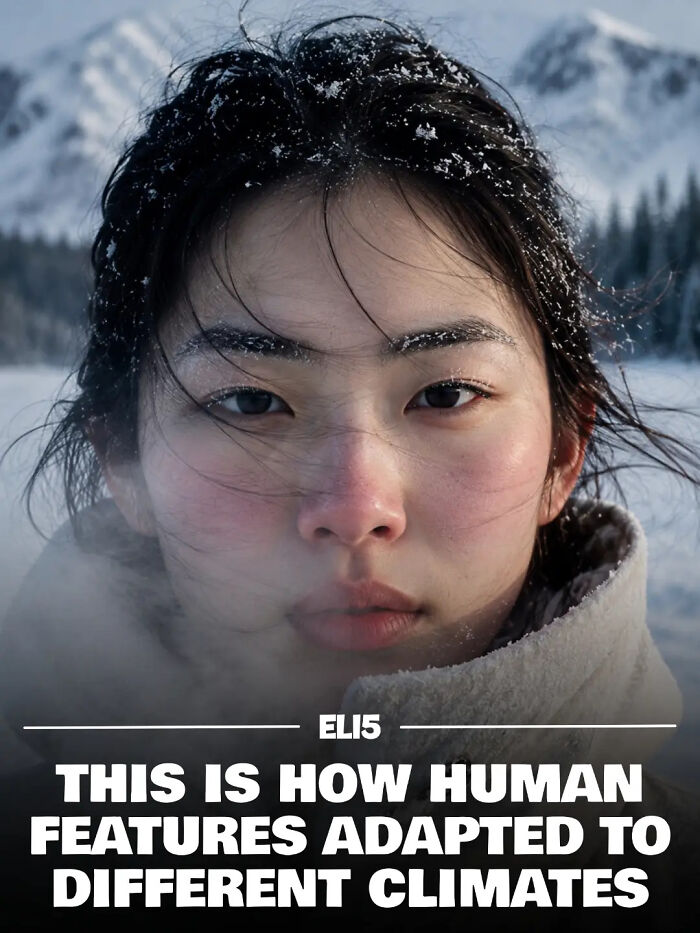
Have you ever wondered why people from different parts of the world can look so different?
The answer is evolution. Over thousands of generations, human populations gradually adapted to the climates they lived in, making certain physical features more common because they helped people survive and thrive in those environments.
In cold, windy regions, narrower eyes and monolids helped reduce exposure to freezing air and blowing snow, while facial features evolved to conserve warmth. In hot, tropical climates, broader and flatter noses became better suited for breathing warm, humid air. Dark skin evolved where ultraviolet (UV) radiation was strongest, providing natural protection against DNA damage and helping preserve essential nutrients like folate. In regions with much less sunlight, lighter skin became advantageous because it allowed the body to produce vitamin D more efficiently.
Hair evolved too. Tightly curled hair helps keep the scalp cooler by creating an insulating layer that allows heat to escape, while wavy hair is well suited to humid coastal environments. Even eye and hair colors reflect adaptation: blue eyes and ginger hair became more common in northern populations with lower sunlight, while darker eyes remained advantageous in brighter environments because they reduce glare and provide better protection from intense sunlight.
These traits are not rigid rules or markers of population. Human populations have mixed throughout history, and every feature exists across many communities. They are simply remarkable examples of how our species adapted to some of the planet's most diverse environments over tens of thousands of years.
Source links has been shared in the broadcast channel.
In psychiatric units, even the smallest fixtures can have an important role in maintaining patient safety.
Everyday objects such as pencils, soap dishes, towel racks, grab bars, sink faucets, and toilet seats may be designed or installed differently to reduce potential hazards.
Anti-barricade doors allow staff to respond more effectively during emergencies, while fixed call bells help patients request assistance without introducing unnecessary risks. Plumbing, flush tanks, and other bathroom fixtures may also be concealed, reinforced, or secured to limit tampering.
Medical equipment, including oxygen and suction wall units, may be configured differently depending on the clinical needs of the unit and the safety requirements of its patients.
These design choices demonstrate how healthcare environments balance functionality, accessibility, patient dignity, and safety.
The exact features vary between facilities and depend on individual risk assessments.
Save this visual guide and share it with someone interested in healthcare design and patient safety.
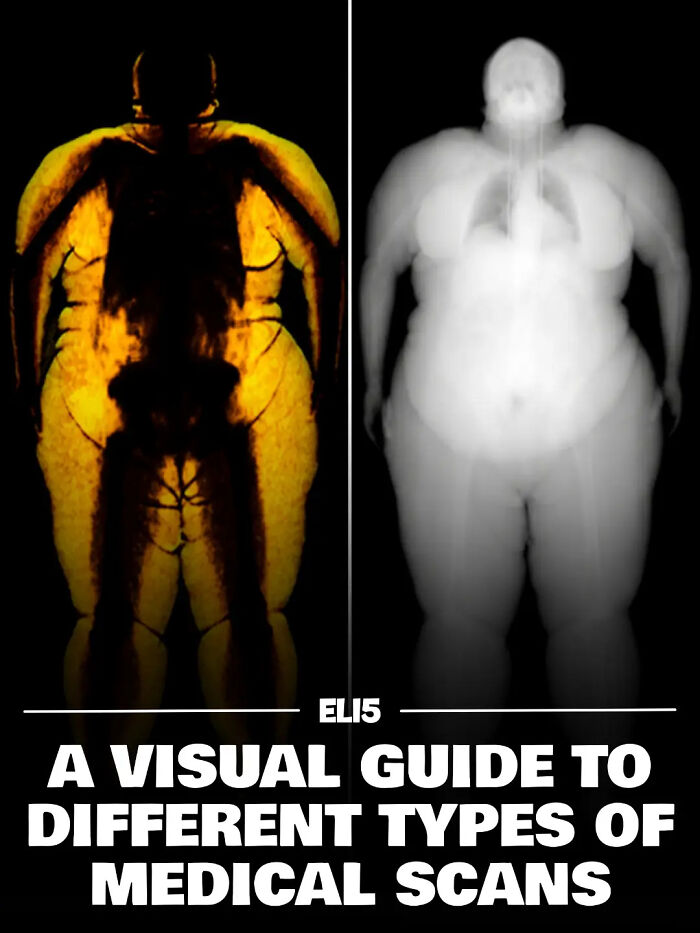
Medical imaging has transformed modern healthcare by allowing doctors to examine the human body, detect abnormalities, and monitor diseases without always requiring invasive procedures.
Different scanning technologies use different methods to reveal what is happening inside the body.
X-rays use ionizing radiation to visualize bones and internal structures, while CT scans combine multiple X-ray measurements to create detailed cross-sectional images. MRI uses magnetic fields and radio waves to examine soft tissues without ionizing radiation.
Ultrasound uses sound waves to produce real-time images, commonly during pregnancy and organ examinations. PET and SPECT scans use radioactive tracers to reveal biological activity, helping doctors evaluate cancers, heart function, and certain neurological conditions.
Mammography uses low-dose X-rays to examine breast tissue, while DEXA scans measure bone density and can assess body composition.
Fluoroscopy provides moving X-ray images, angiography visualizes blood vessels, and OCT uses light to produce detailed cross-sectional images, particularly of the retina.
Each technology serves a different diagnostic purpose, helping doctors make more informed medical decisions.
Save this post as a visual reference to medical imaging, or share it with someone curious about how doctors see inside the human body.
A measuring tape might look like one of the simplest tools in your toolbox, but there's more to it than just measuring lengths.
That little metal hook at the end? It moves deliberately to compensate for its own thickness, helping you get accurate measurements whether you're measuring an inside or outside edge.
The notch on the hook can catch a nail or screw, allowing you to measure alone. You can even use it as a makeshift compass to draw large circles.
And what about those red numbers, tiny black diamonds and markings on the back of the casing? They all have practical purposes, from helping carpenters locate wall studs to measuring inside spaces.
There are also some clever tricks, like extending the tape without support (called standout), starting measurements at the 1-inch mark (known as burning an inch), and using the tape to mark precise lengths.
Even the smallest markings, such as 1F or the shorter lines between whole inches, help you read measurements more quickly and accurately.
It's fascinating how much thought goes into designing an everyday tool we often take for granted.
How many of these did you already know?
Save this guide and share it with someone who loves working with tools!
Lightning doesn't always appear as a single jagged bolt. Sometimes, it creates an extraordinary pattern resembling a glowing ribbon stretching across the sky. This unusual phenomenon is known as ribbon lightning.
Ribbon lightning occurs when strong crosswinds interact with a lightning flash containing multiple electrical discharges. What appears to be one lightning strike often consists of several rapid pulses called return strokes, travelling along nearly the same path.
When powerful winds shift the lightning channel sideways between these pulses, each successive stroke follows a slightly different path. The result is a series of closely spaced, glowing streaks that resemble a ribbon suspended in the sky.
The effect becomes especially striking in long-exposure photographs, where a camera records multiple strokes in a single image. Although the ribbon may appear wide, it isn't one enormous sheet of electricity.
Ribbon lightning is an uncommon sight because it requires the right combination of repeated lightning strokes, strong winds and viewing conditions.
Photographer - @kane_mclatchie_photography.
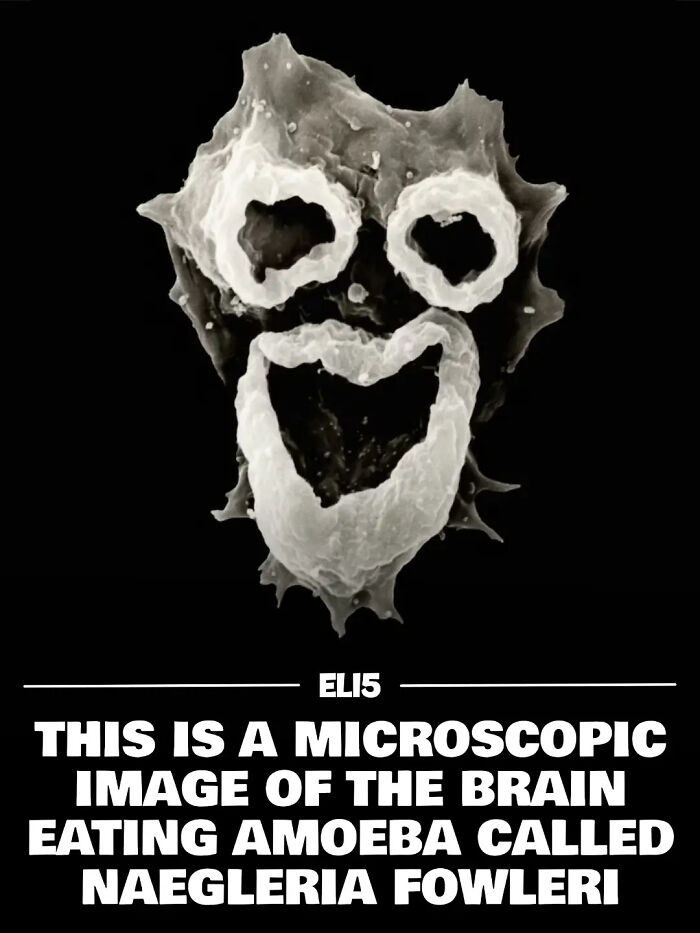
Naegleria fowleri, commonly known as the “brain-eating amoeba,” is a microscopic, single-celled organism found naturally in warm freshwater environments such as lakes, rivers, ponds, and hot springs.
Despite its frightening nickname, the amoeba does not actively hunt humans. It normally feeds on bacteria in its environment. However, under extremely rare circumstances, it can enter the human body through the nose when contaminated water is forced upward during swimming, diving, or other water activities.
Once inside, the amoeba can travel along the olfactory nerves toward the brain, where it destroys brain tissue and triggers a severe infection called primary amebic meningoencephalitis (PAM).
Early symptoms usually appear around five days after exposure, although they can develop anywhere from 1 to 12 days later. These include headache, fever, nausea, and vomiting, followed by confusion, a stiff neck, seizures, and potentially coma.
The infection progresses rapidly and is almost always fatal, with a reported fatality rate exceeding 97%. However, infections are exceptionally rare, and millions of people safely enjoy freshwater activities every year.
One important fact is that Naegleria fowleri cannot infect someone simply by drinking contaminated water. Infection occurs when water containing the amoeba enters the nose, and the disease does not spread from person to person.
To reduce the risk, health authorities recommend avoiding activities that force warm freshwater up the nose, using nose clips when appropriate, and using only distilled, sterile, or properly boiled and cooled water for nasal rinsing.
Save this post to understand this rare but dangerous organism, or share it with someone who enjoys swimming in freshwater lakes and rivers.
Image credits - D.T. John & T.B. Cole, Visuals Unlimited
Infographic credits - Centers for Disease Control and Prevention (CDC)
A shark’s dorsal fin can reveal more than you might think.
Its height, width, curvature, tip shape, markings and overall profile can provide useful clues about which shark you’re looking at. A great white’s tall triangular fin looks very different from the lower fin of a nurse shark, the sleek fin of a mako, or the black-tipped fin of a blacktip reef shark.
But there’s an important catch: a fin alone does not always provide a definitive species identification. Several sharks have similar-looking fins, so scientists also consider body shape, coloration, markings, location, size and other anatomical features.
This carousel is your quick visual guide to some of the most recognizable differences.
Which shark’s fin would you recognize first?
Safety is not only about what women are told to do. It is also about what men choose to do.
Sometimes it is as simple as crossing the street instead of walking directly behind her. Not staring. Not catcalling. Not sitting beside her when an empty seat is available. Keeping your hands to yourself. Giving someone a clear way out. Accepting “no” without pushing. And if your friends cross a line, saying something instead of laughing along.
None of these actions require extraordinary effort. They are small choices that communicate something important:
“You have your space. I respect your boundaries. You don’t have to be uncomfortable because I’m here.”
And when you have female friends, offer to walk them home if they want the company. Talk to your mates about consent, boundaries and respect. Because creating safer public spaces is not only about avoiding harmful behaviour ourselves - it is also about challenging it when we see it.
A little awareness can change how someone experiences an entire journey home.
What is one thing you think more men should understand about making women feel safe?
Save this post as a reminder of the small things you can do, and share or repost it with the men in your life who should hear this too.
The cost of owning a cat can vary significantly depending on its breed, health, grooming requirements, diet, and overall care needs.
Some cat breeds require regular professional grooming, specialized diets, and additional veterinary attention, which can increase their lifetime maintenance costs. Others are generally easier to maintain and may have fewer breed-specific care requirements.
However, a cat's appearance or breed alone does not determine how expensive it will be to care for. Individual health conditions, lifestyle, location, and access to veterinary services can all influence the total cost.
Regardless of breed, every cat requires proper nutrition, routine veterinary checkups, vaccinations, preventive care, and a safe living environment. Adoption fees or purchase prices are also separate from ongoing maintenance expenses.
Save this post for future reference and share it with someone who loves cats!
From the streets of Liberty City to the neon lights of Vice City and the sprawling landscapes of San Andreas, Grand Theft Auto has given generations of gamers entire worlds to explore.
What started as simple city layouts gradually evolved into massive, detailed open worlds filled with unforgettable locations, hidden secrets, iconic landmarks and endless possibilities. Every map carried its own atmosphere, and every street holds a memory for someone who grew up playing these games.
For many of us, these weren't just virtual cities. They were places where we spent countless hours exploring, getting lost, causing chaos, discovering shortcuts and making memories long before we even cared about completing the missions.
The graphics changed, the cities grew bigger, and the worlds became more realistic. But nothing quite replaces the nostalgia of driving through a city you once knew by heart.
Which GTA map will always feel like home to you?
Save this post for a nostalgic trip through the evolution of Grand Thef.
In the early 20th century, a mysterious neurological disease swept across the world, leaving thousands of people trapped in a condition that resembled being awake but unable to move or speak.
Known as encephalitis lethargica, or “sleeping sickness,” the disease emerged around 1916 and spread during the following decade, affecting people across Europe, North America, and other parts of the world.
Despite its name, the illness did not simply cause excessive sleep. Some patients experienced extreme drowsiness, fever, headaches, and abnormal eye movements, while others developed severe movement disorders, muscle rigidity, and an inability to initiate voluntary actions.
Many survivors later developed a condition called postencephalitic parkinsonism. Some remained almost completely motionless and silent for decades, despite showing signs that they were conscious and aware of their surroundings.
In the late 1960s, neurologist Oliver Sacks treated several such patients with the med L-DOPA, temporarily restoring movement and communication in some individuals. Their extraordinary experiences later inspired his book Awakenings and the 1990 film of the same name.
By the late 1920s, the epidemic had largely disappeared, leaving researchers puzzled about its origins. Scientists have investigated possible viral infections, immune system reactions, and other causes, but no single explanation has been conclusively established.
Although rare cases resembling encephalitis lethargica have been reported since, the devastating epidemic of the early 1900s has never returned on the same scale.
More than a century later, the disease remains one of the most intriguing unsolved mysteries in neurological history.
Sources: National Institute of Neurological Disorders and Stroke, Encephalitis Information; National Library of Medicine, Encephalitis Lethargica: 100 Years After the Epidemic; Oliver Sacks, Awakenings (1973).
During World War II, the American aircraft carrier USS Yorktown (CV-5) played a remarkable role in two of the Pacific War's most important naval battles, despite suffering damage that nearly prevented it from fighting.
In May 1942, Yorktown participated in the Battle of the Coral Sea, the first naval battle in history in which opposing aircraft carriers fought without their surface fleets directly engaging one another. American aircraft helped sink the Japanese light carrier Shōhō, but Yorktown suffered serious b**b damage during the fighting.
With the decisive Battle of Midway approaching, the damaged carrier returned to Pearl Harbor, where Navy repair crews accomplished an extraordinary feat. Repairs initially estimated to require weeks were completed sufficiently for combat in roughly 48 hours, allowing Yorktown to rejoin the American fleet.
On June 4, 1942, Yorktown's aircraft helped c*****e the Japanese carrier Sōryū, while aircraft from USS Enterprise and USS Hornet attacked other Japanese carriers. Later that day, Yorktown dive bombers joined Enterprise aircraft in the attack that fatally damaged the fourth Japanese carrier, Hiryū.
Japanese aircraft repeatedly targeted Yorktown, striking it with bombs and torpedoes. Remarkably, damage-control teams restored enough functionality after the first attack that Japanese pilots later mistook the carrier for a different American ship.
This confusion contributed to Japanese reports suggesting that multiple American carriers had been damaged, even though Yorktown had absorbed both major attacks.
Despite efforts to save it, Yorktown was torpedoed by a Japanese submarine on June 6 and sank the following morning.
Its sacrifice, combined with the courage of its crew and airmen, helped secure the American victory at Midway, a turning point in the Pacific War.
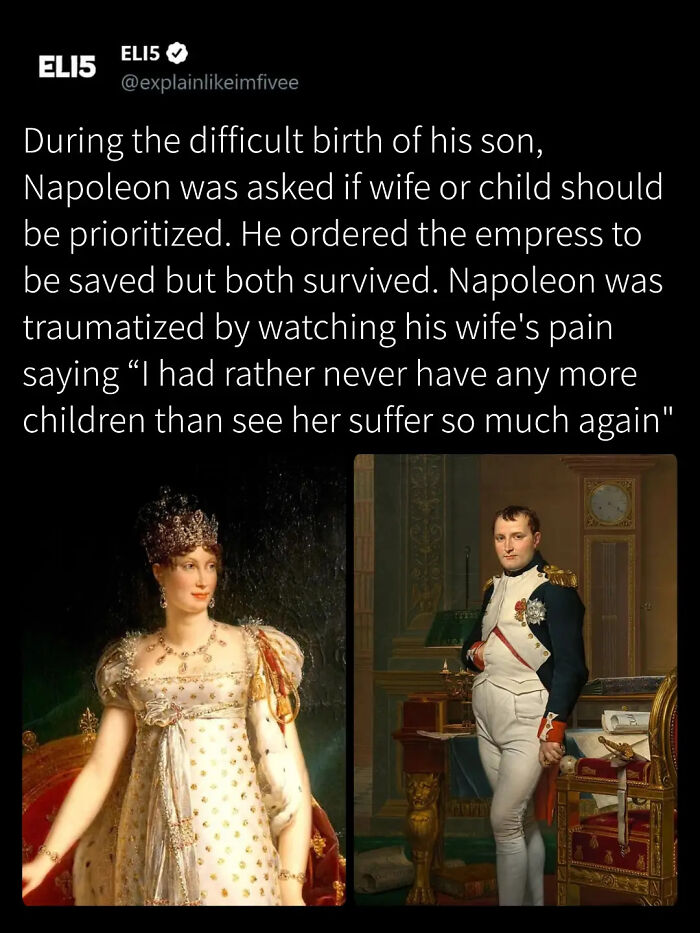
On March 20, 1811, Napoleon Bonaparte faced one of the most frightening moments of his personal life when his second wife, Empress Marie Louise of Austria, experienced a dangerously difficult childbirth.
The birth of their son, Napoleon François Charles Joseph Bonaparte, was complicated by the baby's position, forcing the attending physician, Antoine Dubois, to consider a risky assisted delivery.
As the situation became increasingly dangerous, Napoleon was reportedly asked whether the life of the empress or the unborn child should take priority if both could not be saved.
Despite his desperate need for a male heir to secure the future of his empire, Napoleon chose his wife, instructing the physician to save the mother first.
Fortunately, both Marie Louise and their son survived. The newborn was given the title King of Rome, becoming the long-awaited heir to Napoleon's imperial throne.
However, witnessing his wife's suffering deeply affected Napoleon. He reportedly declared that he would rather never have another child than see her endure such pain again.
The moment revealed a more personal side of a ruler remembered for his military campaigns, political ambitions, and determination to establish a lasting dynasty.
Napoleon's son would later briefly be recognized by supporters as Napoleon II following his father's final abdication in 1815, although he never actually ruled France.
The last supernova in our Milky Way galaxy that was unquestionably observed with the naked eye occurred in 1604. It became known as Kepler's Supernova, and its appearance was so bright that people could see it even during daylight for about three weeks!
The explosion was first recorded in October 1604 in the constellation Ophiuchus. It became brighter than Jupiter, making it one of the brightest objects in the sky.
Although it was named after the famous astronomer Johannes Kepler, he was not the first person to see it. He began observing it on October 17 and carefully tracked its changing brightness for more than a year.
What makes this event even more fascinating is that it was recorded by astronomers and observers in different parts of the world, including Europe, China, Korea and the Arab world. These historical records help modern scientists reconstruct how the supernova appeared and changed over time.
Today, the explosion is known as SN 1604. Its remains are still studied using powerful telescopes that can detect X-rays, visible light and infrared radiation.
Interestingly, we have not witnessed another confirmed naked-eye supernova within our own galaxy since then. The famous Supernova 1987A was visible to the naked eye, but it occurred in a neighbouring galaxy, the Large Magellanic Cloud.
More than 420 years later, the remains of Kepler's Supernova are still helping astronomers understand how stars d*e.
In 2001, a remarkable service dog named Endal became a national hero in Britain after saving the life of his disabled owner, former Royal Navy Chief Petty Officer Allen Parton.
Parton had suffered serious injuries during the Gulf War, leaving him with mobility difficulties, memory problems, and other disabilities. Endal, a highly trained yellow Labrador retriever, became his assistance dog, helping him with everyday tasks and providing companionship.
One evening, Parton was struck by a passing car and knocked unconscious outside a hotel. With his owner lying helpless on the ground, Endal immediately sprang into action.
The dog reportedly pulled Parton into the recovery position to help keep his airway clear, retrieved his mobile phone from beneath the vehicle, fetched a blanket from their wheelchair, and carefully covered him to keep him warm.
When Parton failed to regain consciousness, Endal ran to the nearby hotel and raised the alarm, attracting the attention of people who could provide assistance.
His extraordinary actions helped ensure that his owner received the help he needed.
Endal's intelligence and devotion made him one of Britain's most celebrated assistance dogs. Over his lifetime, he received numerous awards, including the PDSA Gold Medal for animal bravery in 2002.
Beyond this dramatic rescue, Endal was known for his remarkable ability to understand hundreds of commands, operate switches, use cash machines with assistance, and help Parton regain independence after his injuries.
Endal d**d in March 2009, leaving behind an extraordinary legacy as a service dog whose loyalty and training transformed his owner's life.
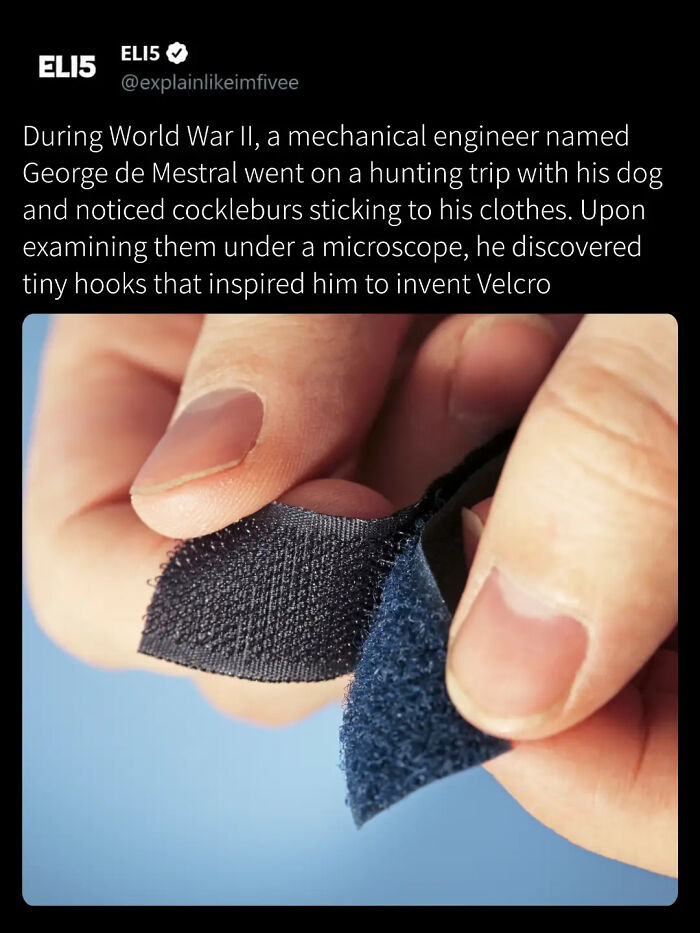
The invention of Velcro began with something that most people would simply find annoying: tiny seeds stuck to their clothes!
In 1941, a Swiss engineer named George de Mestral went on a hunting trip in the Jura Mountains with his dog. When they returned, he noticed that small burrs from plants were stuck all over his trousers and his dog's fur.
Instead of simply pulling them off and forgetting about them, he became curious about how they were attaching themselves so firmly.
He examined the burrs under a microscope and discovered hundreds of tiny hooks covering their surface. These hooks were catching onto the little loops in his clothing and his dog's fur.
This gave him an idea: what if he could recreate this natural design to make a fastener?
After years of experiments, he developed a system with two strips: one covered in tiny hooks and the other covered in soft loops. When pressed together, they stuck firmly, but could also be pulled apart easily.
He named his invention VELCRO, combining the French words velours (velvet) and crochet (hook).
He patented the invention in the 1950s, and it eventually became one of the most widely used fastening systems in the world, appearing in shoes, jackets, bags, medical equipment and even spacecraft.
An everyday annoyance caused by a plant had inspired an invention used across the world. This is a perfect example of biomimicry: copying ideas from nature to solve human problems.
In 2010, Mark Haub, a professor of human nutrition at Kansas State University, conducted an unusual experiment to demonstrate how calorie intake influences weight loss.
For approximately 10 weeks, he followed what became famously known as the “Twinkie Diet,” replacing many of his regular meals with snack cakes, Oreos, Doritos, sugary cereals, and other convenience-store foods.
Rather than eliminating junk food, Haub focused on controlling how much he ate. He limited his daily intake to around 1,800 calories, significantly less than the approximately 2,600 calories his body needed to maintain its weight.
The results surprised many people. Haub lost 27 pounds (12.2 kg), dropping from 201 to 174 pounds. His body mass index fell from 28.8 to 24.9, while his LDL cholesterol decreased by 20%, his HDL cholesterol increased by 20%, and his triglycerides dropped by 39%.
However, his diet wasn't exclusively junk food. He also consumed vegetables, milk, protein shakes, and multivitamins to help meet some nutritional needs.
The experiment demonstrated a fundamental principle of weight loss: consuming fewer calories than the body burns can lead to weight loss, regardless of the foods involved.
Haub never intended to promote junk food as a healthy diet. His experiment highlighted the difference between losing weight and maintaining good long-term nutrition.
CHEETAHS ARE SO GENETICALLY SIMILAR THAT SCIENTISTS ONCE DESCRIBED THEM AS ALMOST IDENTICAL TWINS.
Around 10,000–12,000 years ago, cheetahs experienced a severe population bottleneck near the end of the last Ice Age. Their numbers fell dramatically, leaving a much smaller population to carry the species forward.
When a population shrinks like this, many genetic variations disappear. As the surviving cheetahs reproduced over generations, the species retained unusually low genetic diversity compared with many other mammals.
The similarity was so striking that, in a famous experiment, researchers found that skin grafts between unrelated cheetahs were not rejected as strongly as expected. Their immune systems struggled to recognize certain tissue differences that would normally distinguish individuals.
But cheetahs aren't literally genetic clones. They still have genetic differences, and distinct populations—including the critically endangered Asiatic cheetah—have their own evolutionary histories.
This low diversity can make adapting to new diseases or environmental changes more challenging, which is why protecting healthy, connected wild populations is so important.
A species built for incredible speed survived a genetic bottleneck—but its future still depends on preserving the diversity it has left.
These plants can help repel insects because they produce strong-smelling natural chemicals called volatile oils. Many insects rely heavily on smell to find people, food or places to lay eggs, so these plant compounds can interfere with those signals.
Rosemary releases aromatic compounds such as cineole and camphor that can discourage mosquitoes, fleas and ticks.
Peppermint contains menthol and menthone, scents that many ants, mosquitoes and spiders avoid.
Catnip produces nepetalactone, a compound shown to have strong mosquito-repelling activity.
Marigolds contain compounds such as limonene and other plant chemicals that can deter mosquitoes and some aphids.
Basil gives off eugenol, linalool and other aromatic oils that can make an area less attractive to mosquitoes and flies.
Lavender contains linalool and linalyl acetate, which can interfere with the sensory systems of mosquitoes, moths, fleas and some flies.
But there’s an important catch: simply keeping one potted plant nearby usually won’t create a powerful insect barrier. Repellent effects are often stronger when the leaves are crushed or when concentrated plant oils and extracts are used. These plants can help reduce insect activity, but they shouldn’t replace proven pest-control methods when protection really matters.
Save this post if you’ve ever wondered why certain plants seem to keep bugs away, or share it with a friend who’ll never look at a garden the same way again.
The human body has an extraordinary range of natural variations, some of which are uncommon enough to go unnoticed by most people. These differences can affect the appearance of our hands, eyes, ears, skin, and even the way our hair grows.
Some features, such as polydactyly, bifid thumbs, and congenital hand differences, develop before birth. Others, like heterochromia, involve variations in eye pigmentation, while a double crown results from two natural hair whorls growing on the scalp.
Certain medical conditions can also produce unusual physical changes. Raynaud’s phenomenon causes temporary changes in finger color due to reduced blood flow, dermatographia produces raised marks following pressure or scratching, and vitiligo causes areas of skin to lose pigmentation.
Not all these features are genetic, and not all are medically harmful. Some are harmless anatomical variations, while others may require medical attention.
Save this post if you want to recognize some of these unusual body features, or share it with someone fascinated by human anatomy.
Astigmatism happens when the cornea or lens of the eye has an irregular shape, more like a football than a perfectly round ball. Because of this, light does not focus onto a single point on the retina. Instead, it can spread in different directions, making objects and especially bright lights appear stretched, blurred, or slightly doubled.
That is why headlights, streetlights and traffic signals may appear as long streaks or starbursts at night. Text can also have faint ghost images, while the moon or other bright objects may appear duplicated or smeared. The effect varies from person to person and depends on the severity and type of astigmatism.
Corrective glasses or contact lenses compensate for the uneven focusing, bringing light into a much clearer focus and reducing these distortions.
Antlers are one of the most useful clues for identifying deer, but you need to look at more than just the number of points. Start with the overall shape of the antler: is it short and simple, heavily branched, repeatedly forked, or broad and palm-shaped? Then look at the main beam, brow tine and upper tines to understand how the antler is constructed.
Antlers are usually grown by males, while females generally do not grow them. But there is a remarkable exception: reindeer (caribou), where both males and females routinely grow antlers.
Different species have distinctive patterns. Chital have relatively slender, three-tined antlers; sambar have heavy three-tined antlers; barasingha can have numerous tines; muntjac have tiny antlers with a prominent brow tine; fallow deer have broad, palmated antlers; mule deer are recognized by their characteristic forked branching; white-tailed deer have individual tines rising from a main beam; and moose develop enormous, broad, shovel-like antlers.
Antlers can also provide clues about age, but more points do not automatically mean an older deer. Genetics, nutrition, health and species all influence antler development.
So when you spot a deer, don't just count the points. Look at the architecture. That's where the real identification clues are.
Butterflies can often be identified without seeing their entire body — their wings are like tiny natural fingerprints.
Start with the overall wing shape. Some butterflies have long, pointed wings, while others have rounded or deeply scalloped edges. Swallowtails, for example, have distinctive tail-like extensions on their hindwings.
Next, look at the dominant colour and pattern. Monarchs have orange wings crossed by black veins and bordered with white spots. Blue butterflies are recognised by their blue upper wings, while zebra longwings have bold yellow stripes across black wings.
Then look closely at spots, bands and markings. Red admirals have red-orange bands and white spots, while peacock butterflies have four large eyespots that are difficult to confuse with other species. Some butterflies, such as the glasswing, are even recognised by their transparent wings.
Also examine the wing margins. The colour, number of spots and arrangement of markings along the edges can be extremely useful for identification.
Finally, consider the pattern as a whole, rather than relying on one colour. Lighting, age, s*x and wing wear can slightly change how a butterfly looks.
The trick is simple: shape colour bands spots edges overall pattern.
Once you know what to look for, a butterfly’s wings become a field guide you can carry with you.
A horse’s teeth can reveal a surprising amount about its age because they continuously change as the animal grows.
Young horses first develop temporary “milk teeth.” As they mature, these are gradually replaced by permanent teeth. The permanent incisors appear in a fairly predictable sequence, which is why veterinarians and experienced horse handlers can estimate a horse’s age by examining its mouth.
But the teeth do more than simply appear. As a horse eats, its incisors gradually wear down, changing their shape and the appearance of the chewing surface. The angle of the teeth also becomes more pronounced with age. Features such as the cups, enamel patterns and Galvayne’s groove can provide additional clues in older horses.
Think of it like looking at a well-used tool: you can often tell how long it has been used by the changes caused by wear.
The illustrations show the progressive transformation of a horse’s front teeth as it matures - from newly developing teeth to increasingly worn adult teeth. This is why examining the incisors has traditionally been one of the simplest ways to estimate a horse’s age.
However, tooth wear can vary depending on diet, chewing habits, environment and individual differences, so dental examination provides an age estimate rather than an exact birthday.
Our bones are built to handle enormous amounts of stress, but falls, accidents, sports injuries and everyday impacts can still cause fractures. The most commonly fractured regions are not necessarily the smallest or weakest bones. Areas such as the lower leg, forearm, wrist and shoulder are frequently injured because they absorb force during falls and impacts.
This ranking shows the estimated annual number of fractures across 204 countries in 2019. The figures include different age groups and combine some anatomically related bones into broader regions. The knee, shin, calf and ankle region accounted for about 32.7M cases, while skull fractures accounted for about 7.6M.
These numbers show where fractures occur most often, not how severe they are. A fracture can range from a small crack to a serious break requiring surgery and prolonged recovery.
This striking macro photograph by Ethan Beckler (@1of1images) reveals a tiny world that is almost impossible to see with the naked eye: a single grain of sand balanced on a human hair tied into a tight knot.
At this scale, the hair is far from smooth. Its outer surface is covered with overlapping keratinized cells called the cuticle, arranged much like tiny roof shingles. When the hair is bent and knotted, these microscopic scales create an uneven, textured surface that can catch and hold the irregular edges of the sand grain.
The grain itself is incredibly small. In geology, “sand” is defined primarily by particle size, ranging from about 62.5 micrometres to 2 millimetres, regardless of what mineral it is made from. A grain of quartz or another silicate mineral can therefore sit securely on the hair because its tiny weight, combined with friction and the hair’s microscopic texture, helps prevent it from simply sliding away.
The image is also focus-stacked, using an OM System camera and lens to combine multiple focus points into one highly detailed photograph. What looks like a simple macro shot is actually a beautiful demonstration of physics, geology, biology and photography meeting at the microscopic scale.
Image by - @1of1images (Posted with permission).



















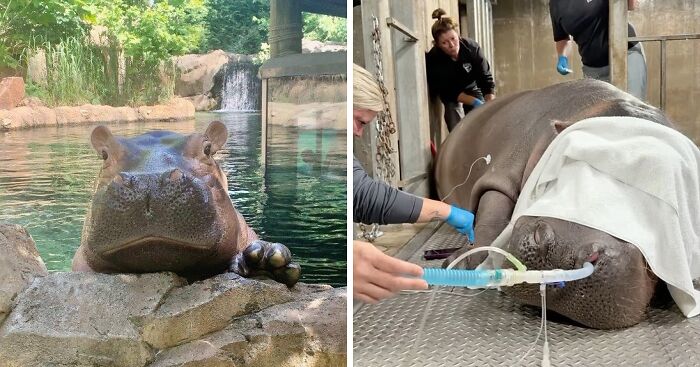
















 No fees, cancel anytime