Get Premium
Dark mode theme is available exclusively for premium users. Learn more about the benefits of subscribing.
No fees, cancel anytime.

 Dark Mode Ad-Free Browsing Unlimited Content
 Ad-Free Browsing Unlimited Content Dark Mode
Join 1.2 million Panda readers who get the best art, memes, and fun stories every week!
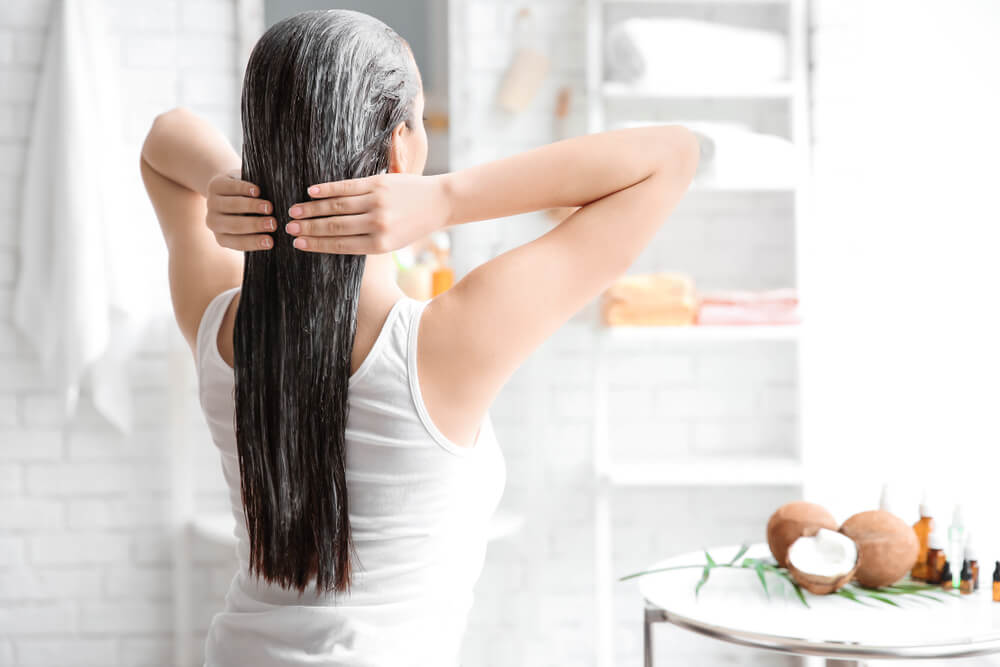
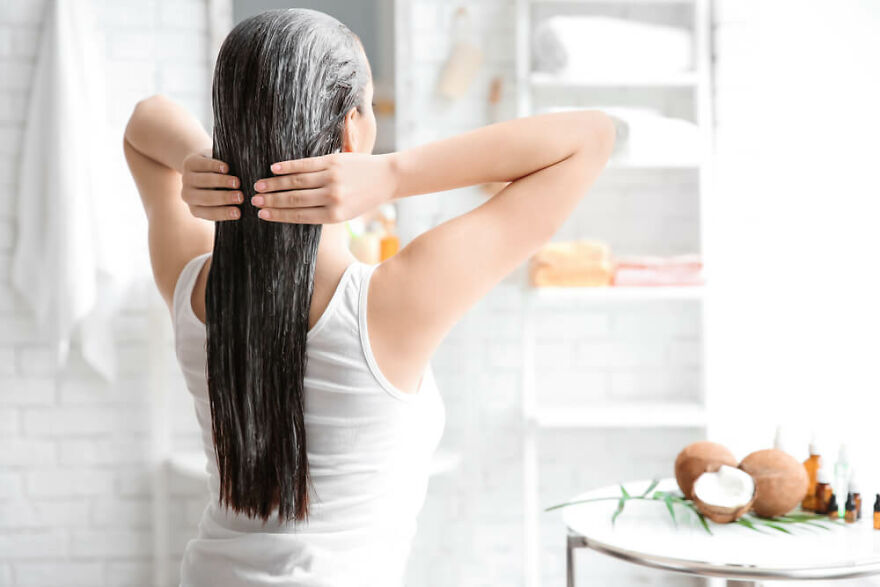
Coconut Oil Hair Mask: One Simple DIY Recipe, Benefits, and a Professional Alternative
Coconut oil hair masks remain one of the most popular DIY treatments for dry and damaged hair. They are easy to make, require minimal ingredients, and are often recommended for improving softness and manageability at home. For many people, coconut oil is the first ingredient they try when hair feels rough, dull, or dehydrated.
However, while coconut oil can be helpful, it also has limitations—especially for hair exposed to heat styling, coloring, or frequent washing. This article focuses on one effective coconut oil DIY hair mask, explains how it works, and then explores why a professional hair mask, such as Curaphy’s, can deliver similar or better results with greater consistency.
Why Coconut Oil Is Used in Hair Masks
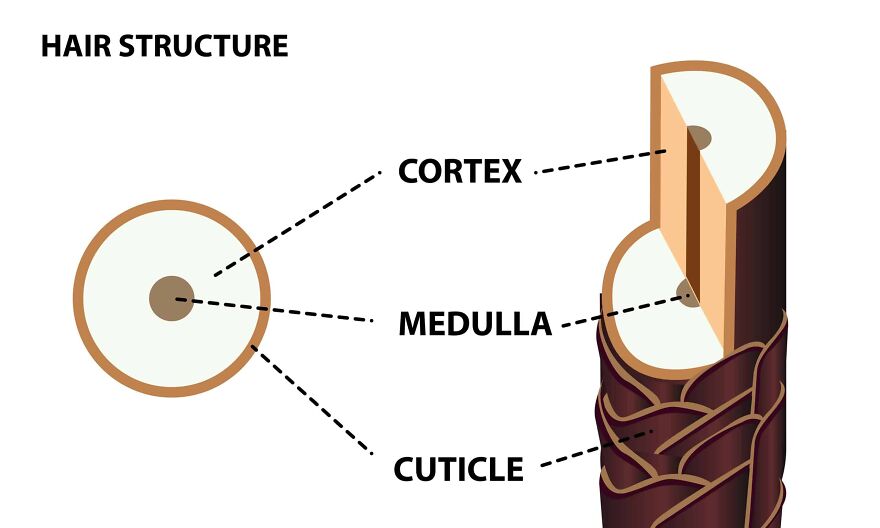
Coconut oil is widely used in hair care because it behaves differently from many other plant oils. Its fatty acid structure allows it to penetrate the hair shaft more effectively, which helps reduce protein loss during washing. This makes it particularly appealing for dry or coarse hair types.
When used as a pre-wash treatment, coconut oil can:
Improve surface softness
Reduce friction between hair strands
Help hair feel smoother after shampooing
That said, coconut oil works primarily as a lipid-based conditioner, not a complete repair solution.
One DIY Coconut Oil Hair Mask Recipe (For Dry Hair)
This simple recipe is best suited for dry or dull hair that needs softness rather than structural repair.
Coconut Oil + Honey Hair Mask
Best for:
Dry, rough, or seasonally dehydrated hair
Ingredients (Exact Measurements)
2 tablespoons virgin coconut oil
1 tablespoon raw honey
Step-by-Step Instructions
Place the coconut oil in a small bowl. If it is solid, warm it gently by placing the bowl in warm water until it melts.
Add the honey and stir until the mixture is smooth and fully blended.
Apply the mixture to dry hair, starting at the mid-lengths and working down to the ends. Avoid the scalp unless it is very dry.
Use a wide-tooth comb to distribute the mask evenly.
Leave the mask on for 20–30 minutes.
Shampoo thoroughly to remove all residue. Condition only if needed.
What Results to Expect
After rinsing and drying, hair typically feels:
Softer to the touch
Less rough at the ends
Easier to detangle
These results are mainly surface-level and temporary, which is why coconut oil masks work best when used occasionally.
Limitations of Coconut Oil–Based Hair Masks
While coconut oil can improve softness, it does not address all forms of hair damage.
Common limitations include:
Lack of hydration: Oil does not provide voegen water; it only seals
Limited elasticity support: Hair may still snap under tension
Buildup risk: Frequent use can make hair stiff or greasy
One-size-fits-all: Coconut oil does not adapt to hair density or damage level
For hair exposed to heat styling, coloring, or environmental stress, these limitations become more noticeable over time.
When a Professional Hair Mask Makes More Sense
Modern hair damage is rarely caused by dryness alone. Heat tools, chemical treatments, pollution, and mechanical stress all affect how the hair fiber behaves. Professional hair masks are designed to address these combined factors rather than relying on oil alone.
A professional option such as Curaphy Professional Hair Mask (https://www.curaphy.com
) is often recommended when hair needs more consistent conditioning and support than DIY treatments can provide.
Why Curaphy Professional Hair Mask Can Perform Better Than a Coconut Oil Mask
Rather than replacing coconut oil entirely, Curaphy can be seen as a more structured alternative for regular use. Below are five reasons why it may deliver similar or better results compared to coconut oil–based hair masks.
1. Balanced Moisture Support
Coconut oil seals the hair but does not hydrate it. Curaphy is formulated to support moisture balance, helping hair retain hydration rather than simply coating it with oil.
2. Improved Elasticity and Flexibility
Coconut oil does little to improve elasticity. Curaphy focuses on making hair fibers more flexible, which helps reduce breakage during brushing and styling.
3. Density-Responsive Performance
Coconut oil is applied the same way regardless of hair type. Curaphy is designed with different hair densities in mind, making it suitable for both sparse and dense hair without weighing strands down.
4. Support for Heat- and Color-Stressed Hair
DIY oil masks do not help hair tolerate ongoing heat or color stress. Curaphy supports hair exposed to blow-drying, straightening, or coloring by improving overall fiber resilience.
5. Cleaner Feel With Regular Use
Frequent coconut oil use can lead to buildup and stiffness. Curaphy is formulated to rinse cleanly, making it more practical for consistent, long-term routines.
Can You Use Coconut Oil and Curaphy Together?
Yes—strategically. Coconut oil works best as an occasional pre-wash treatment, while Curaphy is better suited as a post-wash conditioning and repair mask. They should not be layered in the same wash cycle, as this can reduce effectiveness.
Using coconut oil occasionally for surface softness and Curaphy regularly for structured care allows you to benefit from both approaches without buildup.
Final Takeaway
A coconut oil hair mask is a simple, accessible DIY option for improving softness and reducing surface dryness—especially when used sparingly and correctly. The coconut oil and honey recipe above can be a helpful occasional treatment for dry hair.
However, for hair exposed to modern stressors such as heat styling, coloring, and frequent washing, a professional solution like Curaphy Professional Hair Mask offers a more consistent and comprehensive approach. By supporting moisture balance, flexibility, and fiber integrity, it can achieve results that are comparable to—or more reliable than—coconut oil–based hair masks over time.
The key is not choosing one method exclusively, but understanding when each approach makes the most sense for your hair’s needs.
More info: curaphy.com






































 No fees, cancel anytime





1
0