Get Premium
Dark mode theme is available exclusively for premium users. Learn more about the benefits of subscribing.
No fees, cancel anytime.

 Dark Mode Ad-Free Browsing Unlimited Content
 Ad-Free Browsing Unlimited Content Dark Mode
Join 1.2 million Panda readers who get the best art, memes, and fun stories every week!

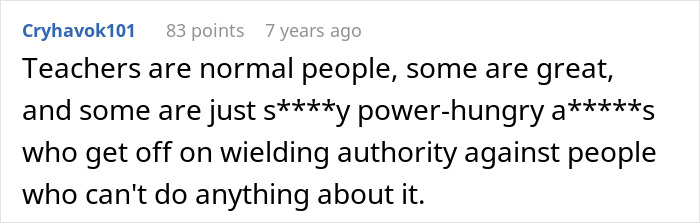
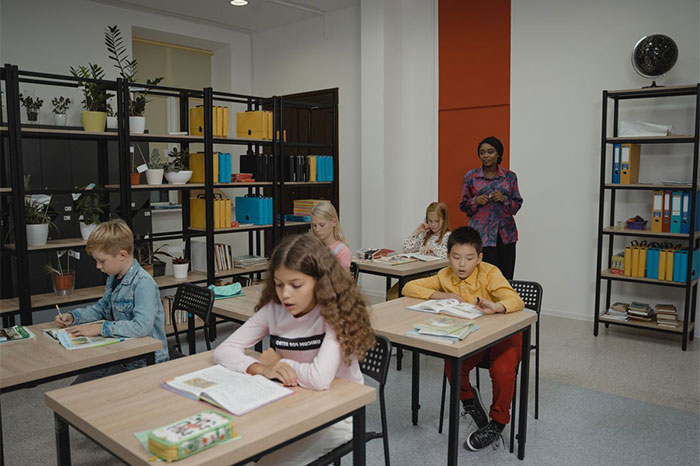
Teachers play a big role in shaping the lives and minds of the children they educate. But not all leave a positive mark. Some teachers lack patience, compassion, kindness, and are just plain mean. Their actions and remarks can create deep, invisible scars that last for years.
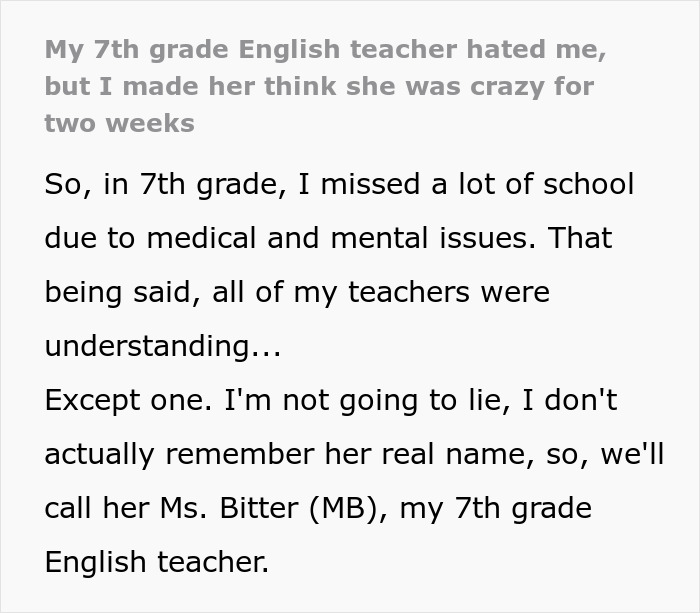
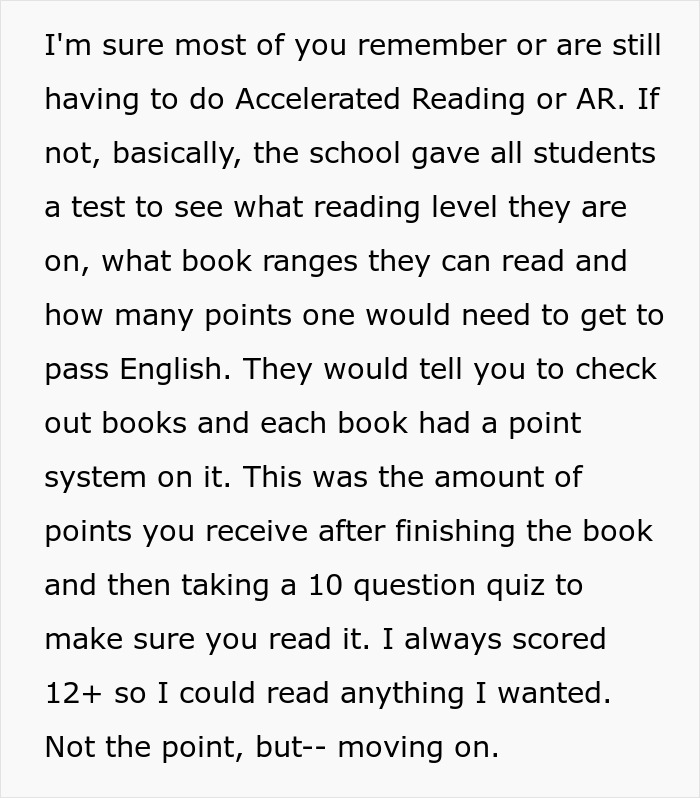
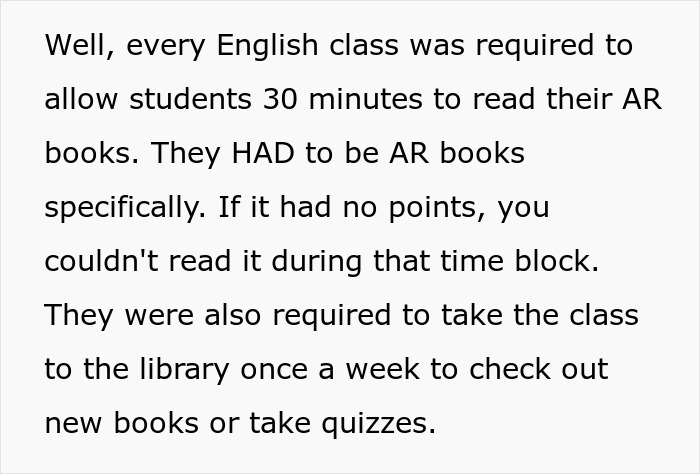
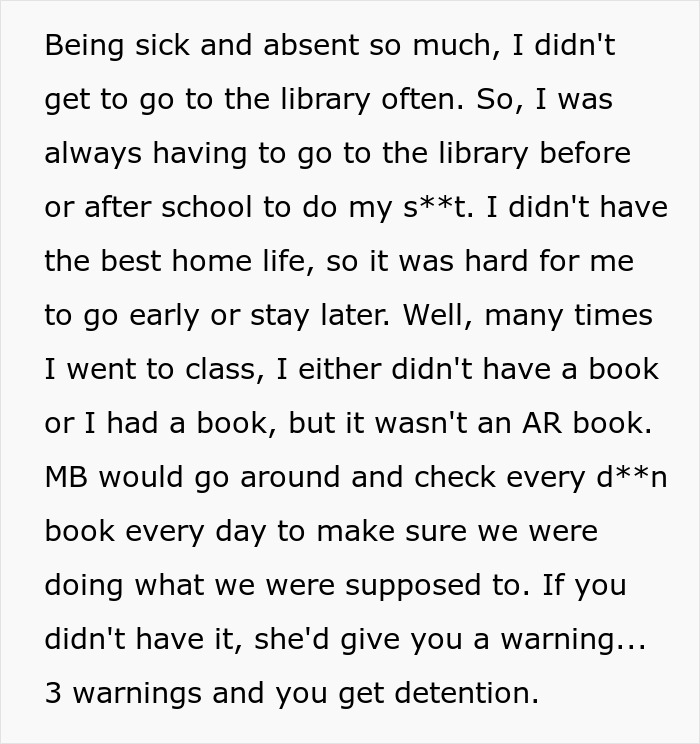
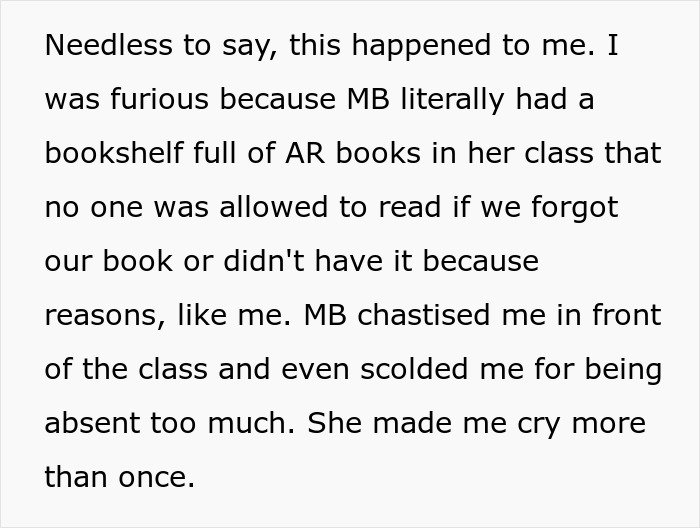
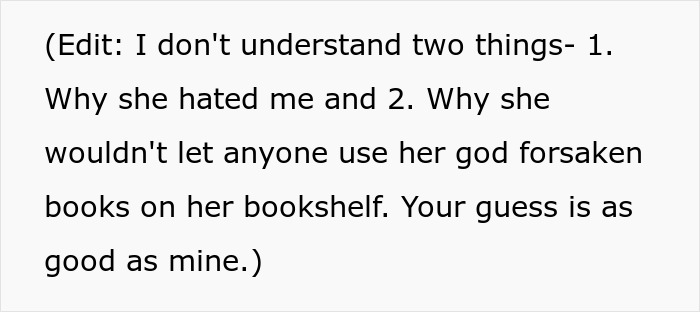
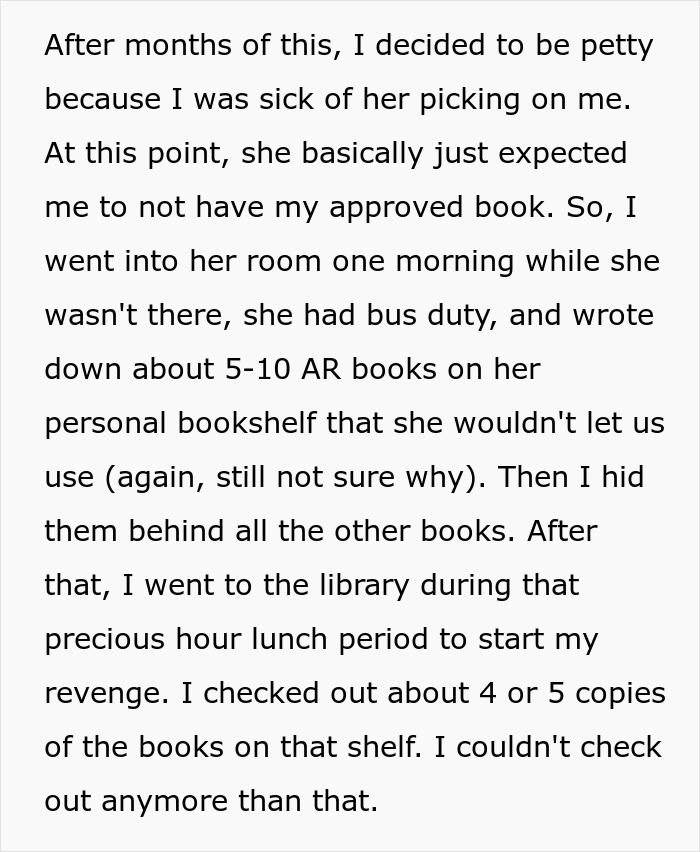
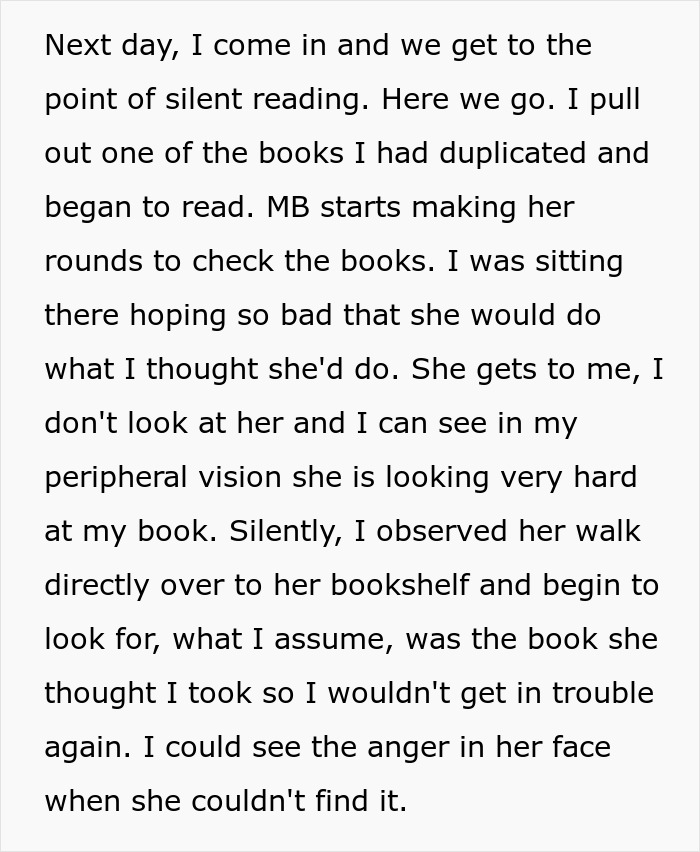
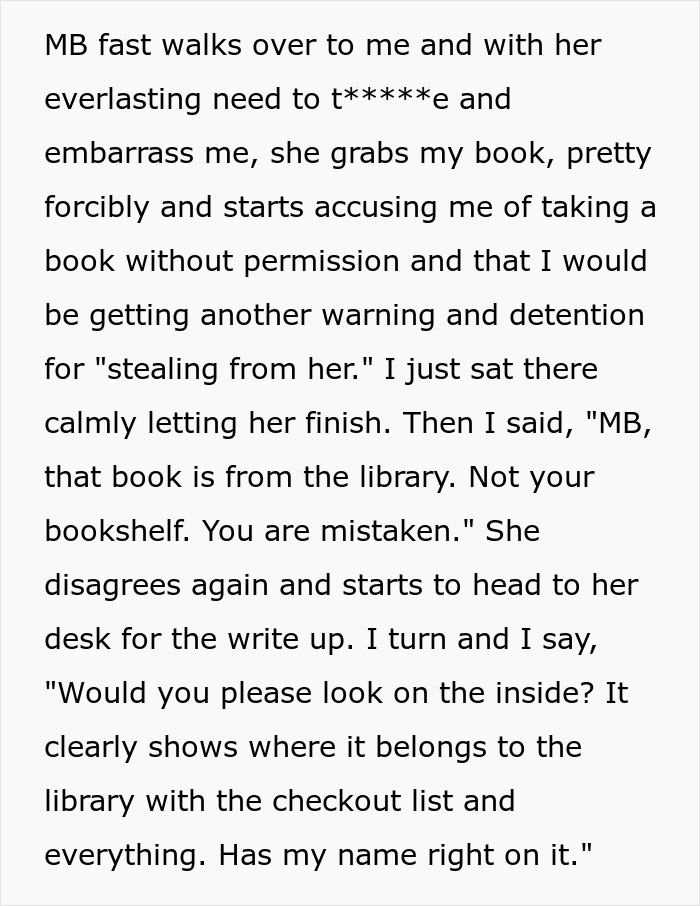
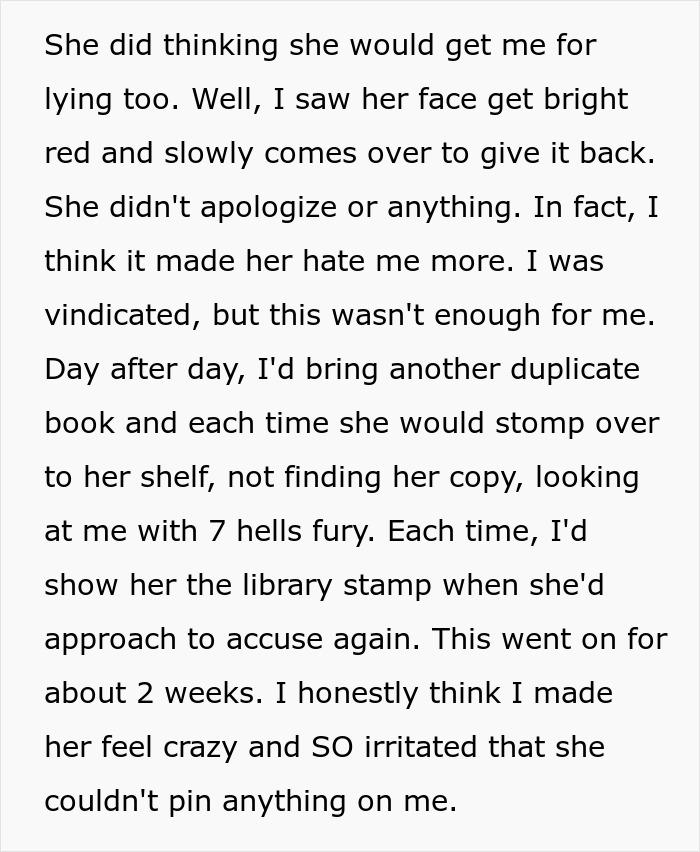
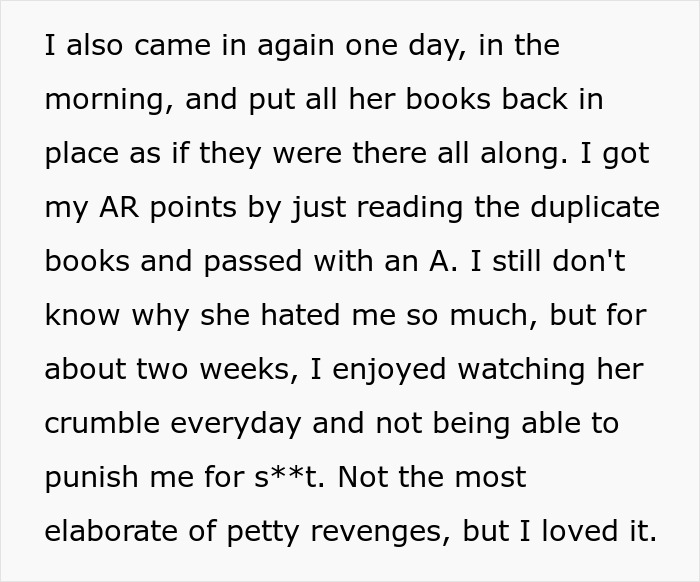
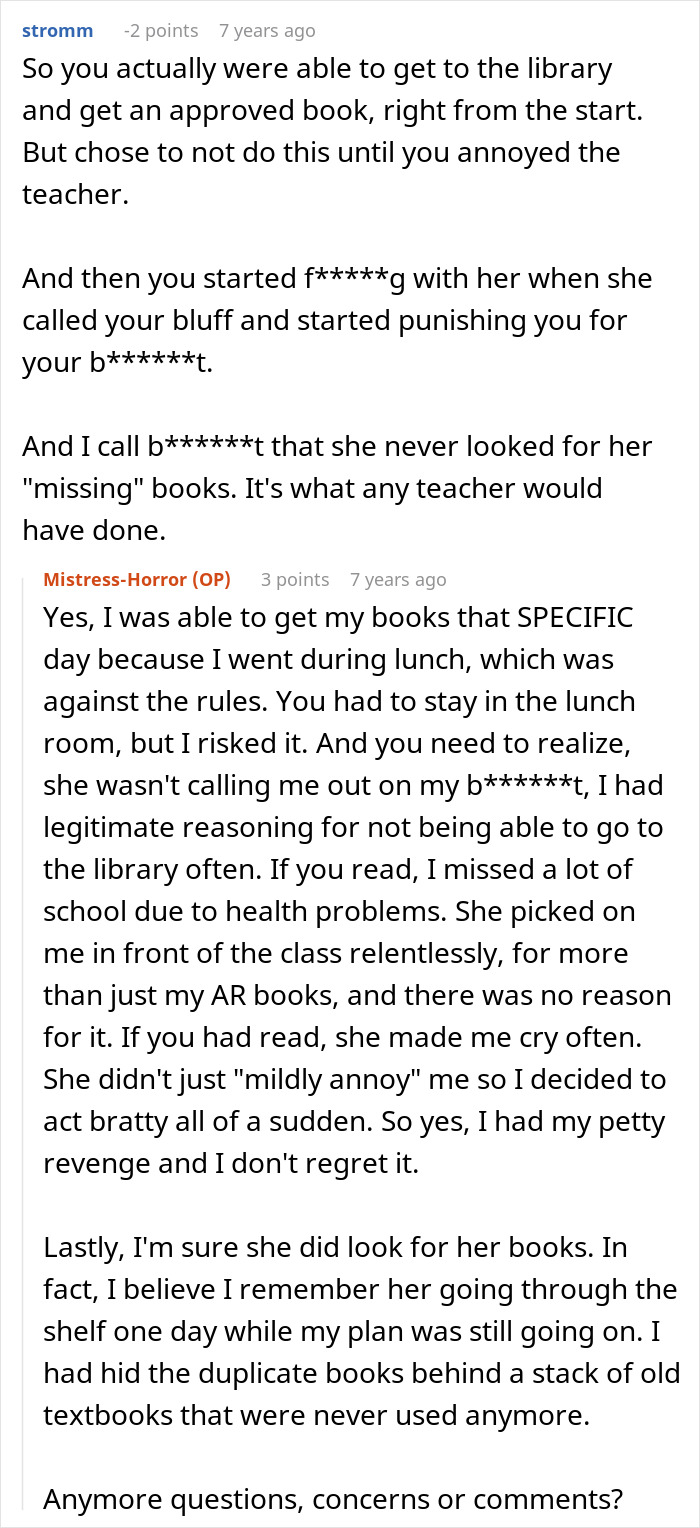
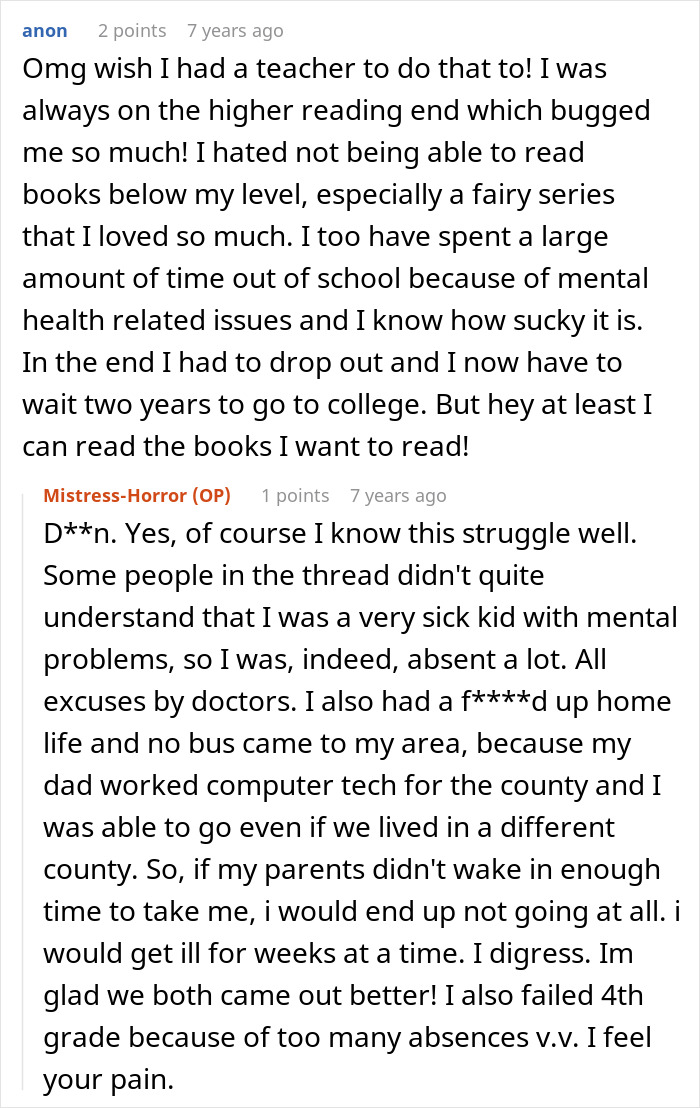
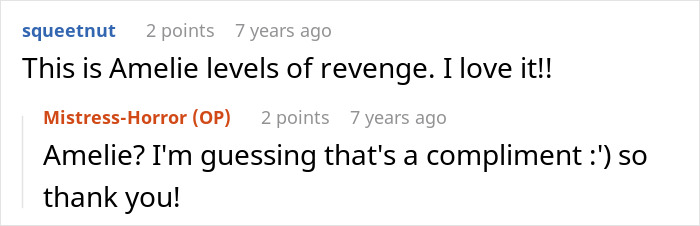
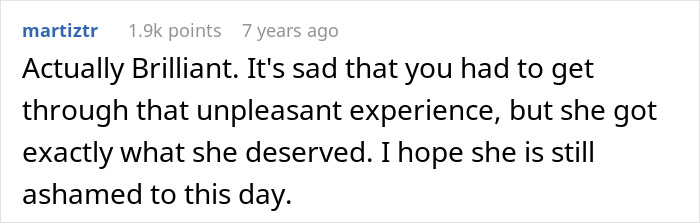
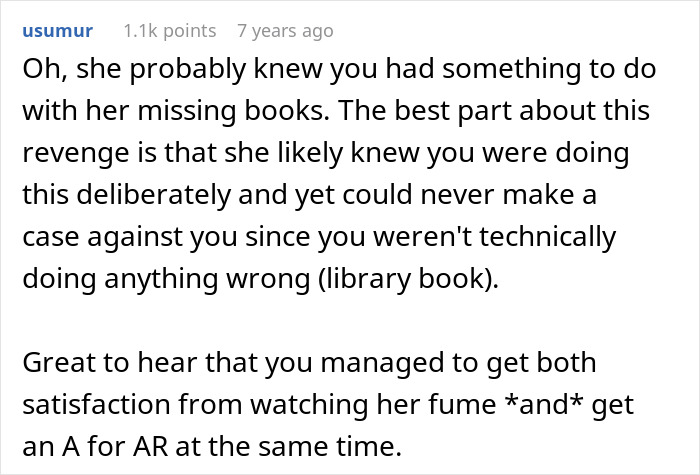
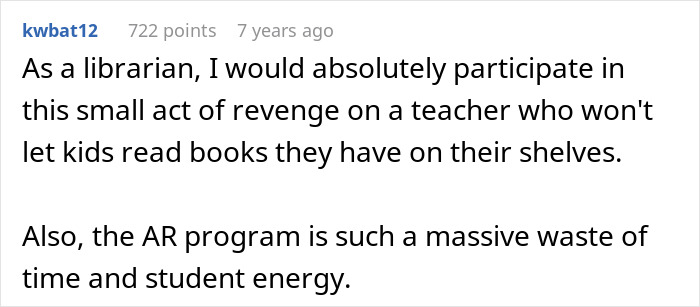
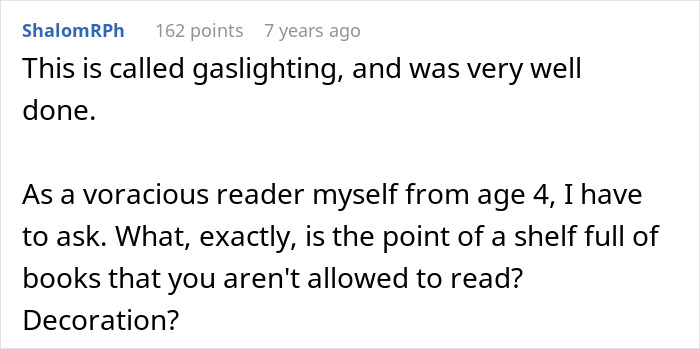
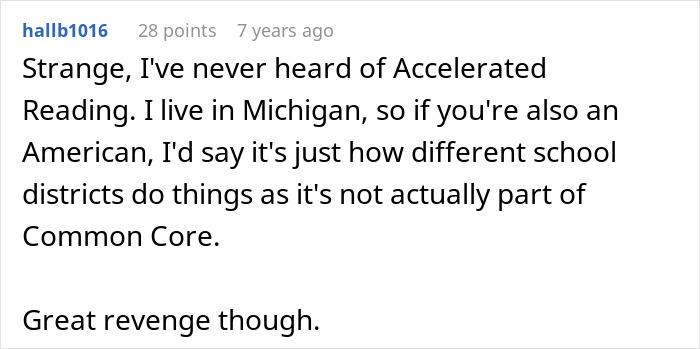
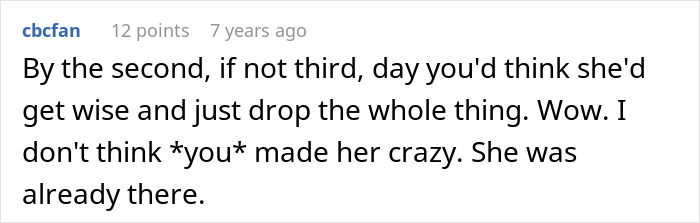
One woman’s experience in Grade 7 was so horrible that she still thinks about it as an adult. She says she missed a lot of school due to mental health issues. While most teachers were understanding, one made her life a living hell. “Ms. Bitter” would scold the student for being absent, and even made her cry. After one too many incidents, the child decided to take revenge, causing the teacher to question her own sanity.
Helena Hains is an educator, and founder of The Present Teacher Blog. She says it’s common for teachers to feel guilty when holding students accountable. But setting boundaries doesn’t make them “mean.”
“One of the biggest mindset shifts I had to make was understanding that consistency is not cruelty—it’s actually what students thrive on,” explains Hains. “Many students come from unpredictable home environments where rules and expectations constantly change. When we provide structure, we create a safe space where they can learn, grow, and feel secure.”
However, Hains adds that there are scenarios where a teacher might be considered mean. For example, berating a student in front of the whole class, or even worse, making them cry. “One of my biggest rules as a teacher is never to embarrass a student in front of their peers unless it’s an emergency,” she says. “Instead of calling out behavior in front of the whole class, try a sideline conversation.”
Hains suggests pulling the student aside privately, acknowledging what you observed, asking what they were feeling at the moment, helping them identify a better way to express their needs next time, and assigning a logical consequence if necessary.
Logical consequences, she says, are different to punishments. “Many of us were taught to use punishment as a response to misbehavior—like taking away recess or assigning silent lunch,” the teacher writes. But she adds that in reality, punishments often fail to teach the correct behavior and instead make students feel like they are ‘bad.’
“Lead with empathy,” advises Hains. “Instead of seeing a disruptive student as defiant, try to see the child behind the behavior. When we start with curiosity instead of frustration, we build trust and create an environment where students feel safe to grow.”
She says that by handling misbehavior quietly and respectfully, teachers can reduce power struggles and show students that they actually care about them as individuals—not just about their behavior.
Meanwhile, the experts over at ADDitude, a magazine focused on ADHD science and strategies, say children with ADHD often complain about “mean” teachers. And sometimes, it’s a case of the educator not being properly educated about ADHD and its symptoms.
For example, they might constantly berate a child for always forgetting their homework/reading books/sports clothes.
“Students with ADHD have trouble with organization. We forget to write down homework assignments. We leave our textbooks at school. We want to do the homework but forget about it once we get home. We mean well but we don’t understand it, because we don’t understand what’s going on in class, because, well, attention deficit disorder,” notes the magazine.
Similarly, a teacher might be on a student’s case because they constantly have to repeat themselves.
Children with ADHD have trouble paying attention to things other people typically have no problem following. And that’s especially true if they’re bored.
“Shaming us, in front of our peers, for our neurodivergence won’t change that,” say the experts. “Instead, try re-engaging us by touching our shoulders, saying our names, or otherwise calling us back in a gentle manner that doesn’t teach us to hate school.”





By entering your email and clicking Subscribe, you're agreeing to let us send you customized marketing messages about us and our advertising partners. You are also agreeing to our Privacy Policy.
Thank you! You've successfully subscribed to newsletters!

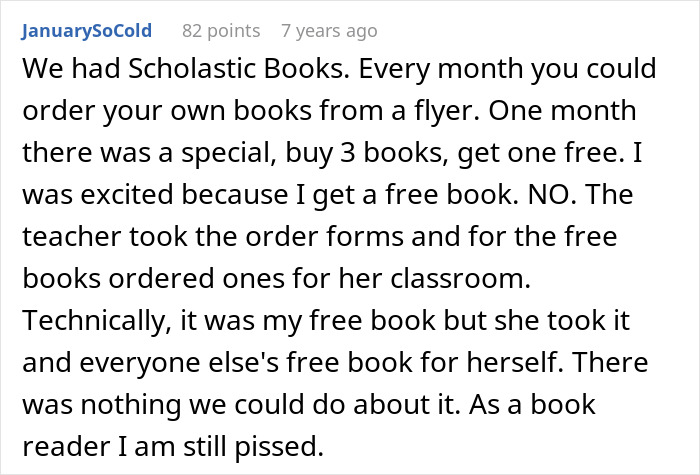
It's really awful as a child to be "picked on" by a teacher. You can't really do anything about it; and depending on your parents you can get into even more trouble if you argue back.
It's really awful as a child to be "picked on" by a teacher. You can't really do anything about it; and depending on your parents you can get into even more trouble if you argue back.


























 No fees, cancel anytime










33
1