Get Premium
Dark mode theme is available exclusively for premium users. Learn more about the benefits of subscribing.
No fees, cancel anytime.

 Dark Mode Ad-Free Browsing Unlimited Content
 Ad-Free Browsing Unlimited Content Dark Mode
Join 1.2 million Panda readers who get the best art, memes, and fun stories every week!

People are wary of AI, and it’s hard to blame them. It’s been used for harm as often as it has for good. At the same time, it’s not difficult to see where AI can be positive and beneficial, even in something as complex and high-stakes as a war situation.
As modern as it may feel, the very concept of AI dates back to the 1950s, when Alan Turing first began experimenting with machine intelligence. It’s easy to forget that it can be used for good and even applied during wartime at specific moments. In this case, the CIA managed to find a missing U.S. pilot in Iran using AI and heartbeat detection, and he was saved.
Image credits: AFP PHOTO / IRAN’S REVOLUTIONARY GUARD VIA SEPAH NEWS
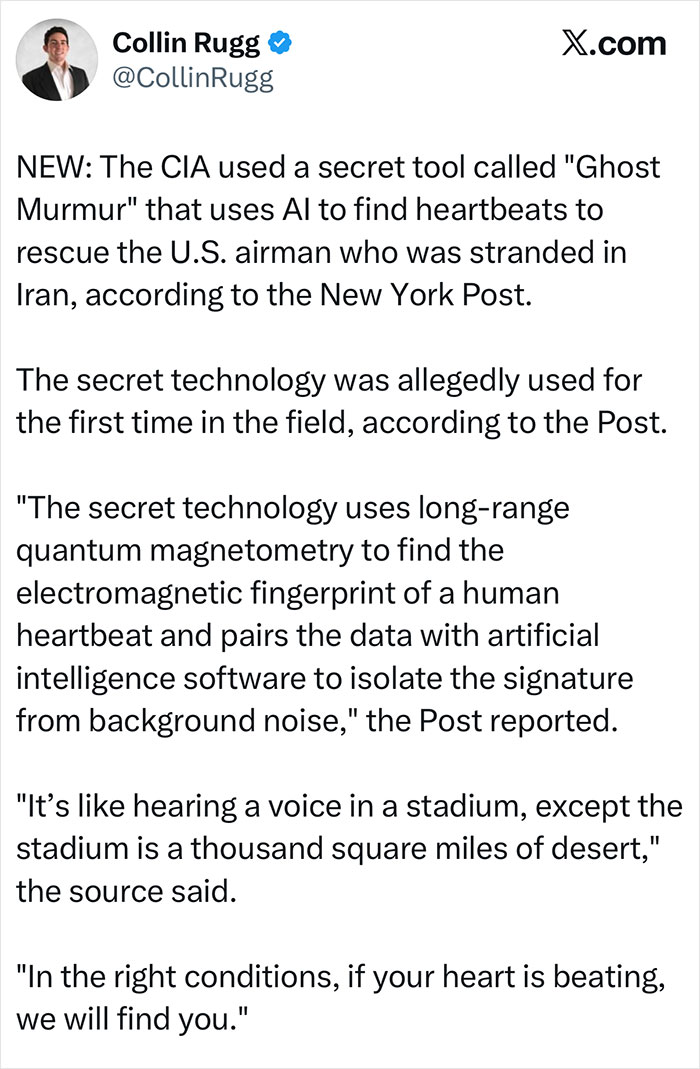
Image credits: CollinRugg / X
Image credits: Matthew Hintz / Pexels (not the actual photo)
Director John Ratcliffe, who has a background in law, has been leading the American Central Intelligence Agency since 2025. Recently, in light of the ongoing conflicts in the Middle East driven by U.S. military operations, he announced a groundbreaking development. The agency has reportedly deployed a tool that had previously been kept secret from the public.
According to Ratcliffe, the tool, called “Ghost Murmur,” is designed to locate missing people by detecting human heartbeats while incorporating an AI component. While we will spare you the technical specifics and engineering behind it, he claims it is capable of detecting heartbeats over long distances, enabling special forces to locate people more effectively.
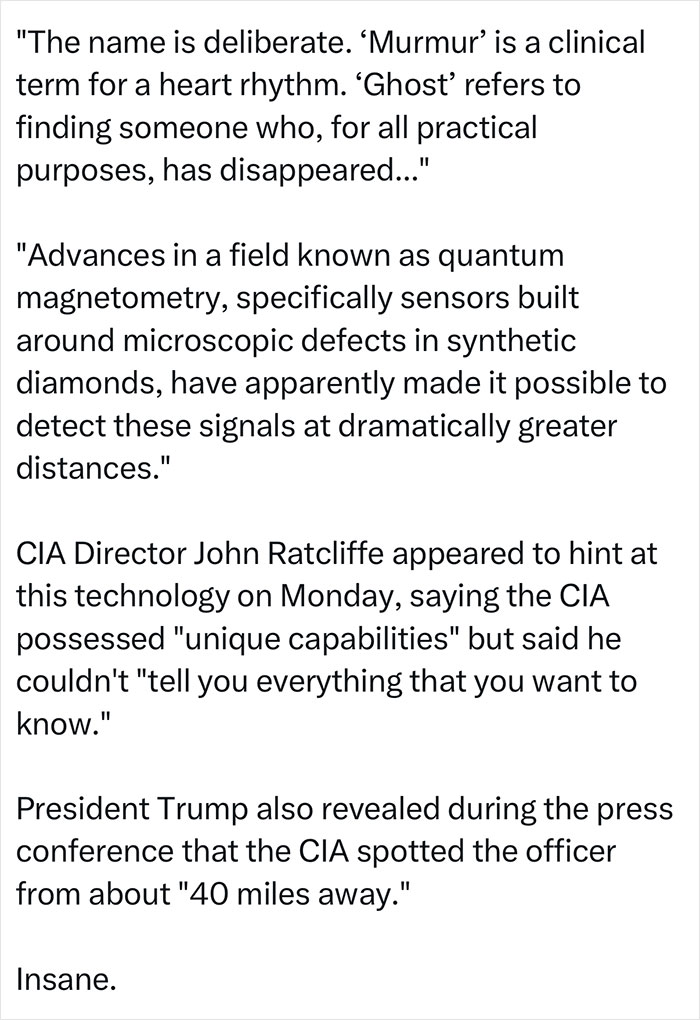
According to reports from the conference, “Ghost Murmur” is said to operate like “hearing a voice in a stadium,” even across “a thousand square miles of desert.” At the same time, the director revealed very little about how it was built, noting only that it uses sensors made with synthetic diamonds, which enable the detection of heartbeat signals.
Image credits: DC Studio / Freepik (not the actual photo)
While this may be breaking news, this is far from the first piece of technology to incorporate AI for this purpose. According to experts, several projects have already used AI to aid in the search and rescue of people, animals, and even objects, and they’re all around us. From drones to biometric tech used in airports, AI has long been implemented in these kinds of objects.
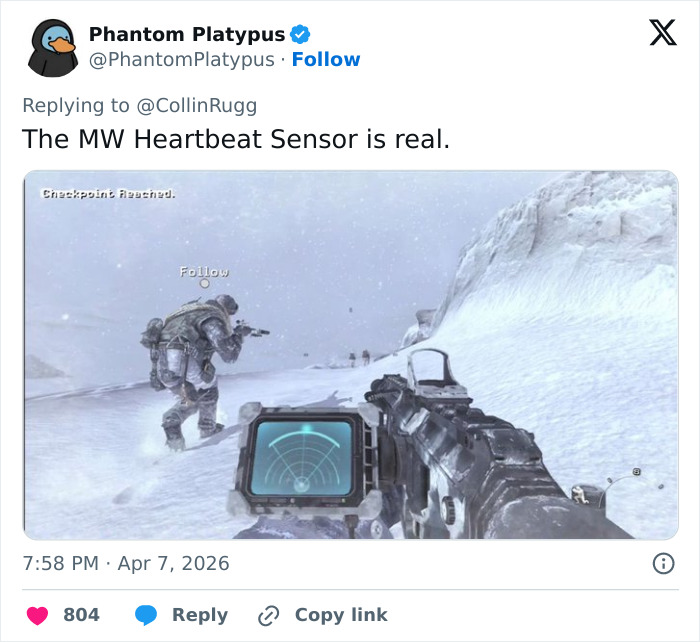
What sets this case apart, however, is its focus on detecting human heartbeats — a concept that has, in fact, been explored before through radar-based heartbeat sensors (yes, the kind we see in movies). It uses the electromagnetic fields naturally generated by the human heart, as confirmed by medical experts, to pinpoint a person’s heartbeat while filtering out the surrounding background noise.
Image credits: Art Guzman / Pexels (not the actual photo)
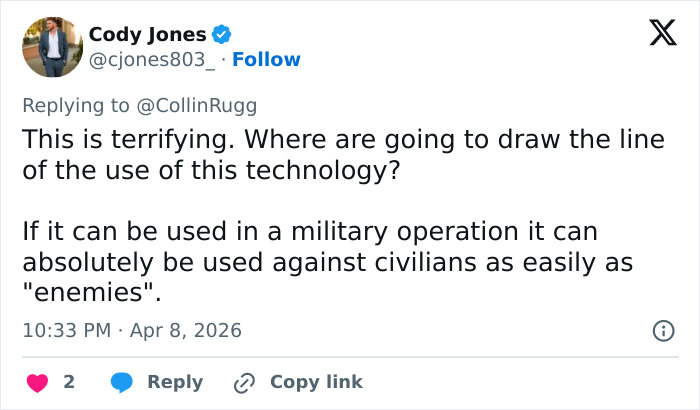
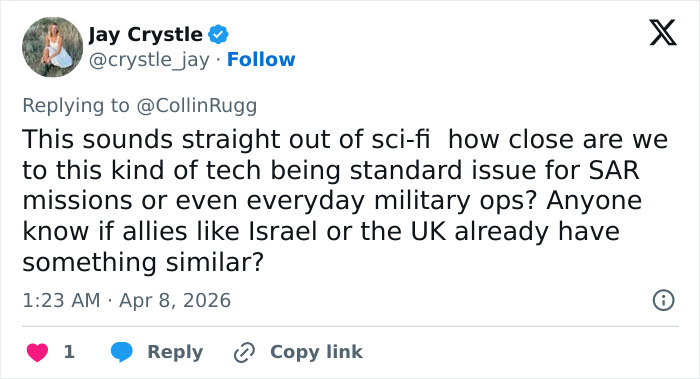
To absolutely no one’s surprise, the general consensus is that the public remains wary of AI. Regardless of how long the technology has existed, the version we know today has caused what many consider to be irreparable harm. Because of this skepticism, it’s hardly surprising that the news of an AI-powered tool was met with quite a lot of questions.
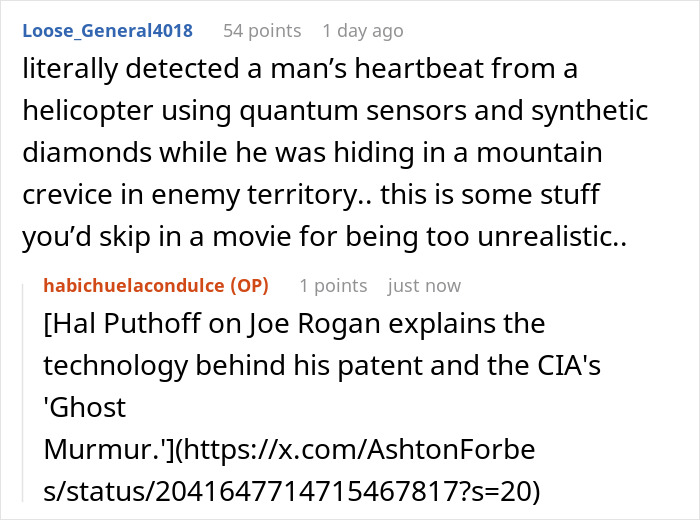
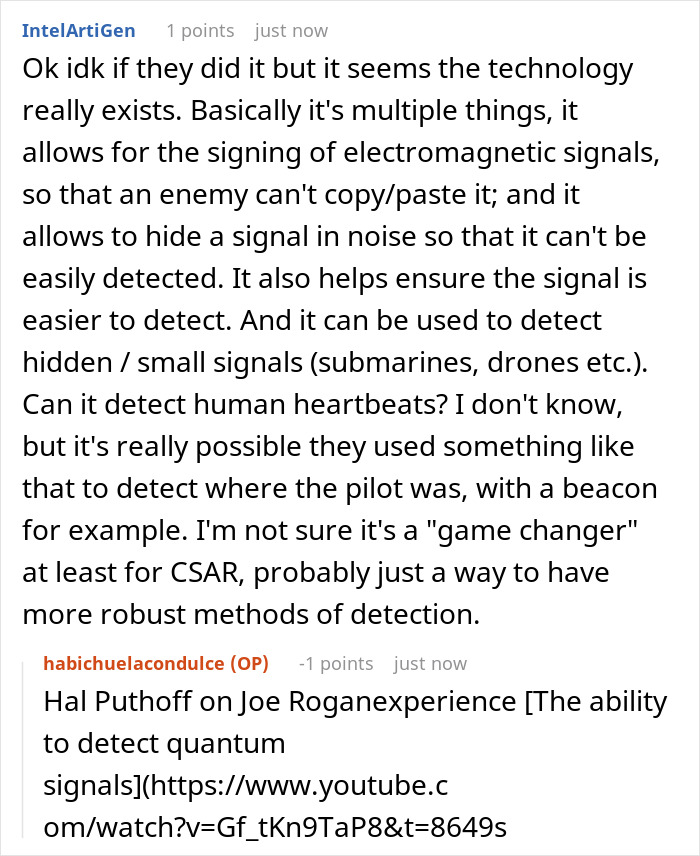
Many of the reactions came from users knowledgeable on the subject. While these experts claim that NV-center magnetometers in synthetic diamonds are very much real, they pointed out that the technology has only been proven to work in highly controlled environments. Others jokingly said that something as simple as an AirTag could have solved the issue altogether.
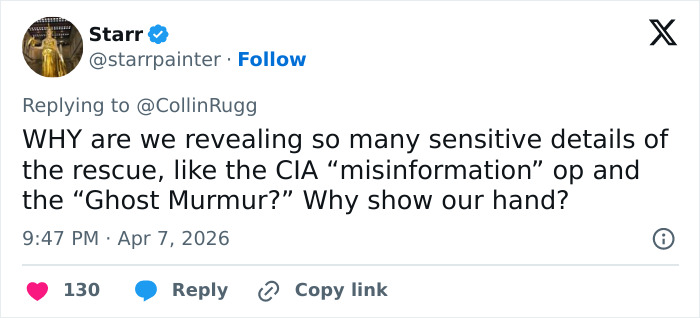
Still, some responses focused less on the technology itself and more on the implications of revealing it. They argued that the U.S. may have disclosed things that would have been better kept secret. While officials likely felt the need to explain the search process, many online believed that such info should have been kept away from the public before falling into the wrong hands.
Image credits: Maryam Tello / Unsplash (not the actual photo)
Image credits: PhantomPlatypus
Image credits: starrpainter
Image credits: Jonah_Crossing
Image credits: psychicrik
Image credits: USVeteranMitch
Image credits: cjones803_
Image credits: authorJLHancock
Image credits: crystle_jay
Image credits: suzyelso
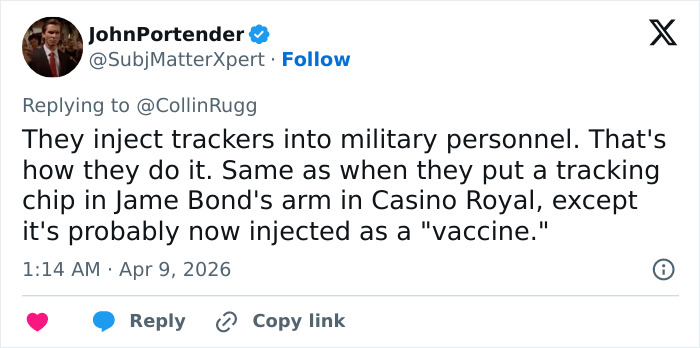
Image credits: SubjMatterXpert

It's the NEW YORK POST. The NEW YORK POST. Straight-up tabloid, made-up baloney sauce, every bit as reliable as the National Enquirer.

I call b******t. Sounds like the Turbo Encabulator. (Below)

Didn't they add trackers to Kirk and Spock once? So it was OK in Star Trek but not to save our soldiers.

One is fiction, the other is not. If you can't tell the difference, then perhaps you shouldn't be voting, or indeed have any say at all about our soldiers.
Load More Replies... It's the NEW YORK POST. The NEW YORK POST. Straight-up tabloid, made-up baloney sauce, every bit as reliable as the National Enquirer.
I call b******t. Sounds like the Turbo Encabulator. (Below)
Didn't they add trackers to Kirk and Spock once? So it was OK in Star Trek but not to save our soldiers.
One is fiction, the other is not. If you can't tell the difference, then perhaps you shouldn't be voting, or indeed have any say at all about our soldiers.
Load More Replies...





































 No fees, cancel anytime


















25
5