Get Premium
Dark mode theme is available exclusively for premium users. Learn more about the benefits of subscribing.
No fees, cancel anytime.

 Dark Mode Ad-Free Browsing Unlimited Content
 Ad-Free Browsing Unlimited Content Dark Mode
Join 1.2 million Panda readers who get the best art, memes, and fun stories every week!

One can only imagine what it must be like to have parents with a spare property and the generosity to let you live in it rent-free while you find your feet. No mortgage, no landlord, no mystery maintenance bills showing up at the worst possible time. Just a real head start, handed over with love and the expectation that you would use it wisely. The things most of us could do with an opportunity like that…
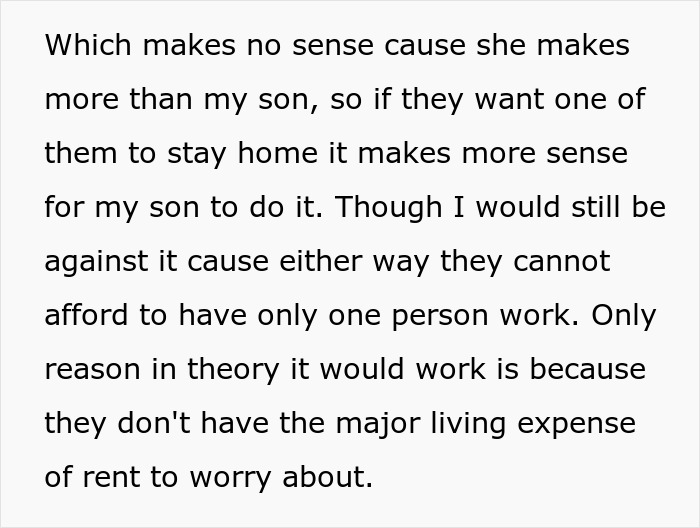
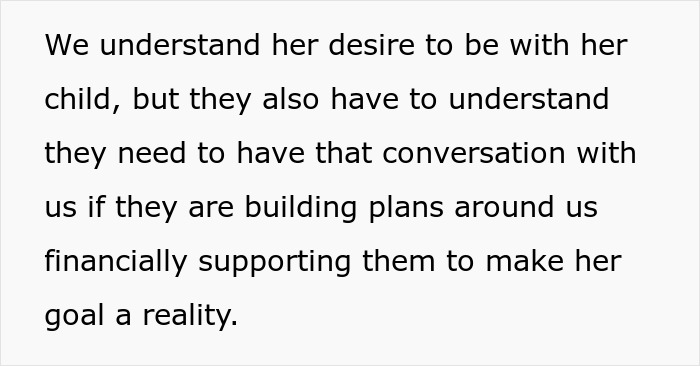
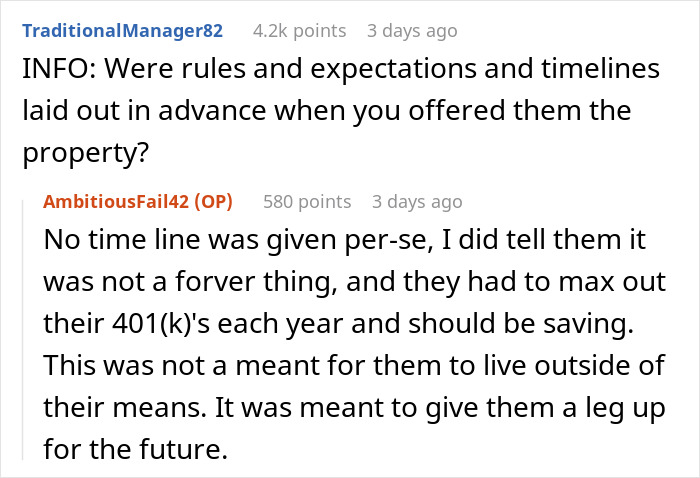
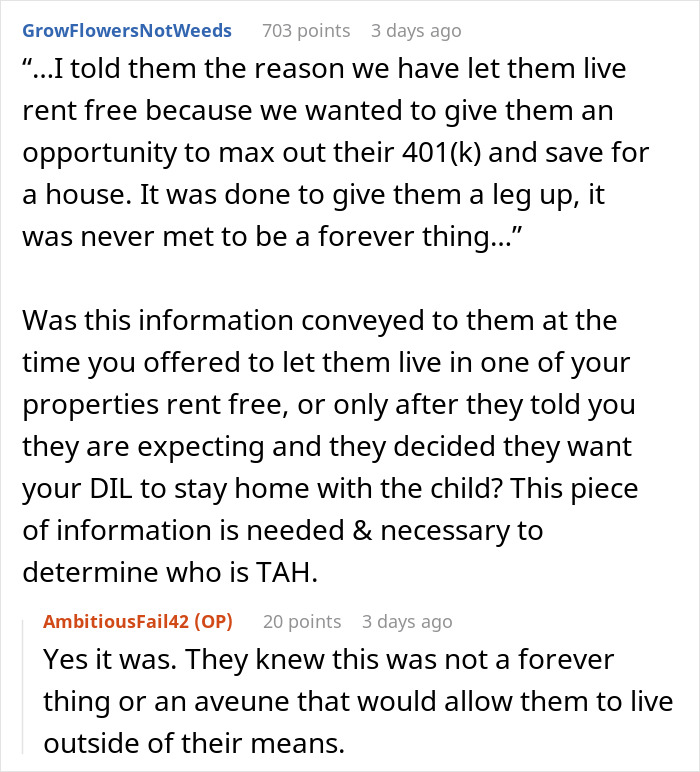
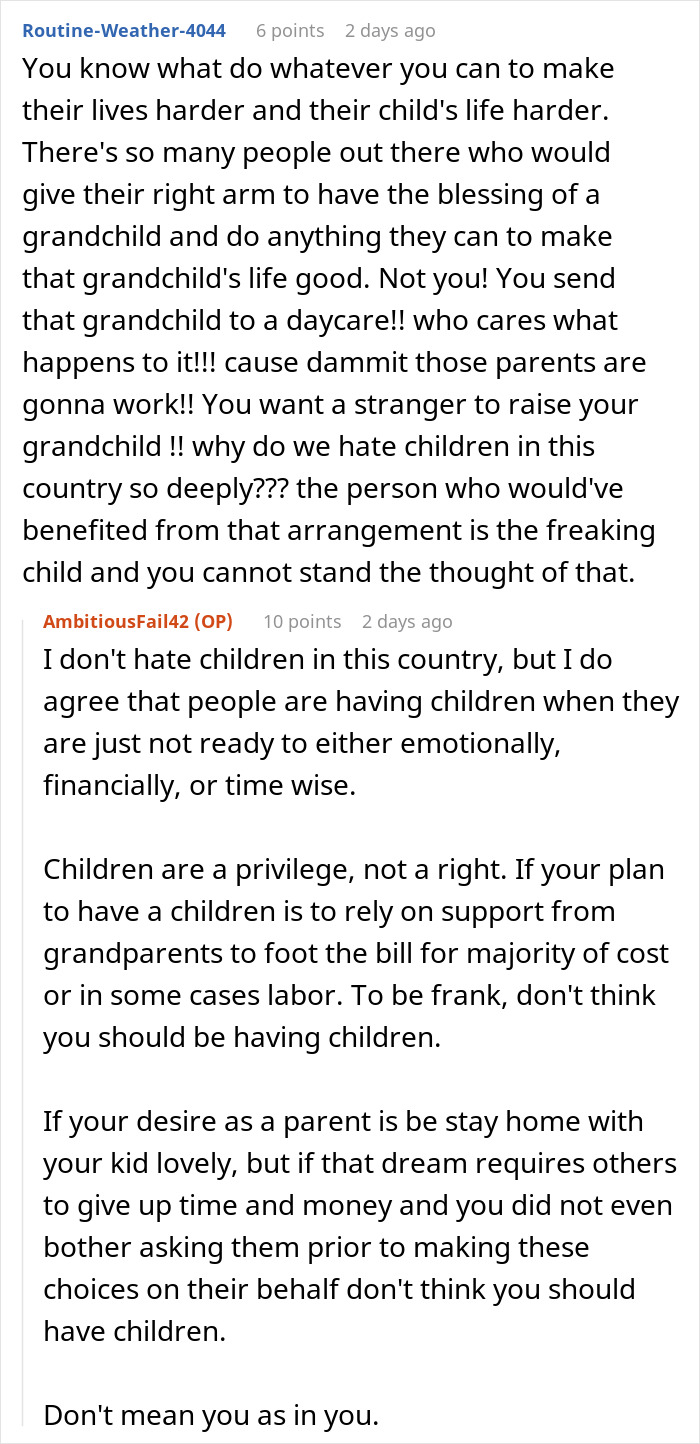
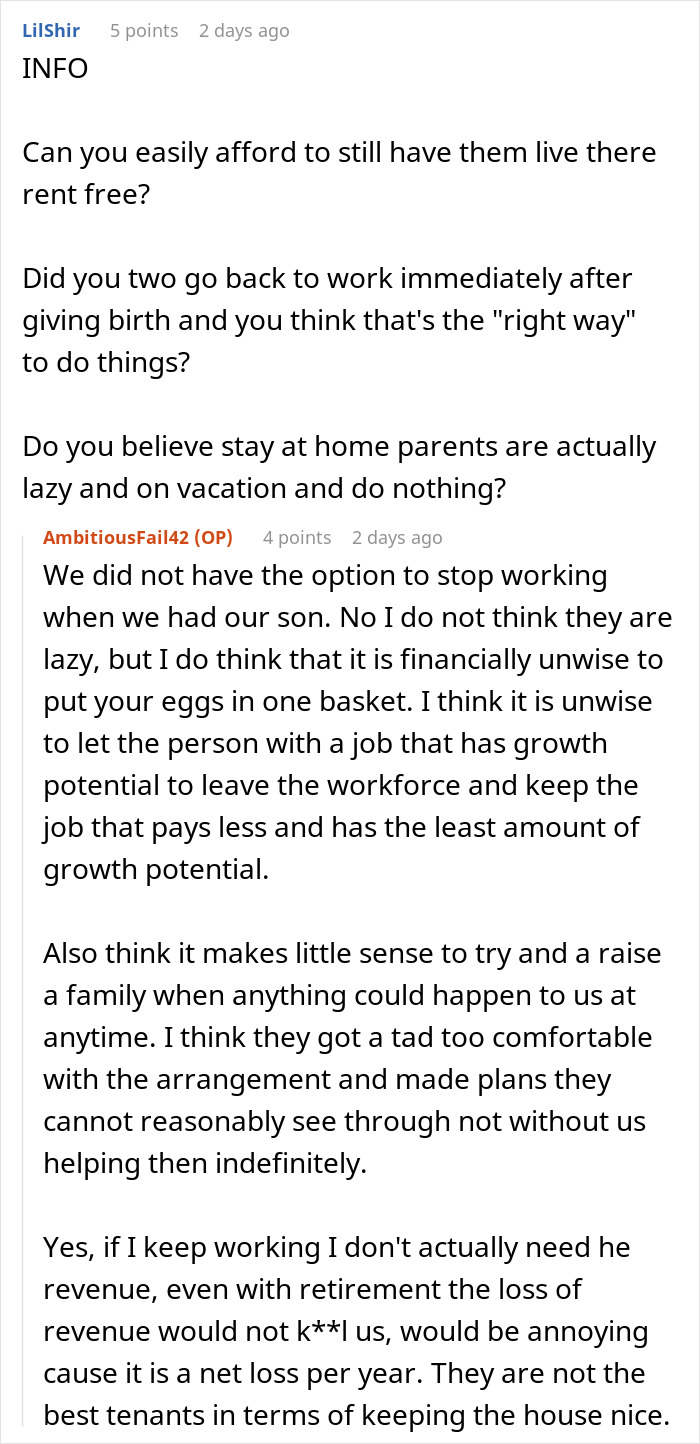
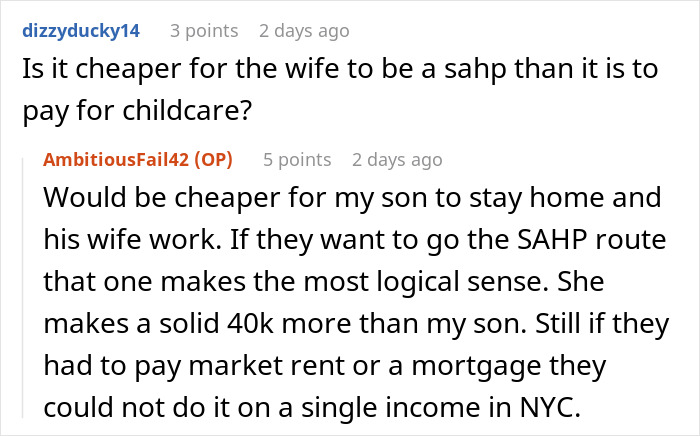
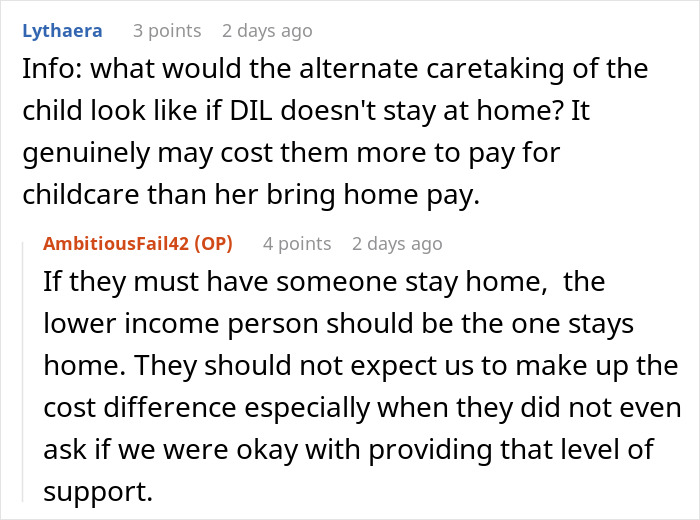
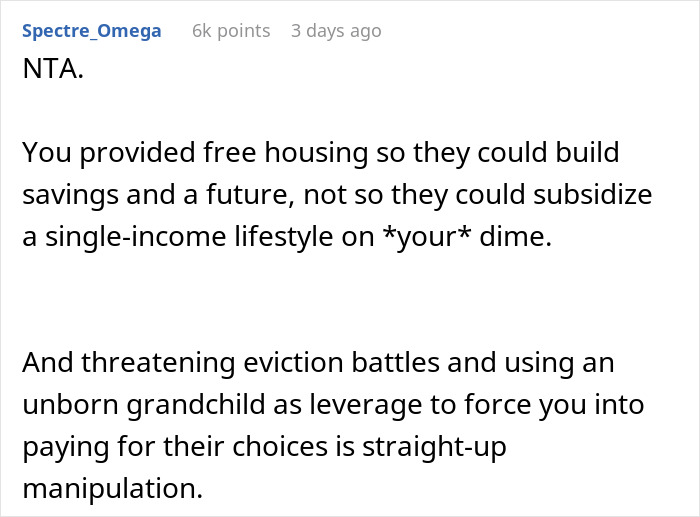
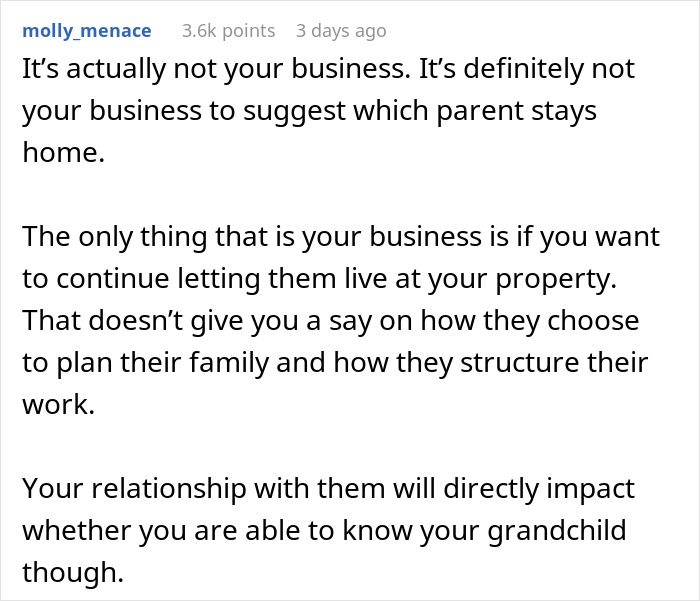
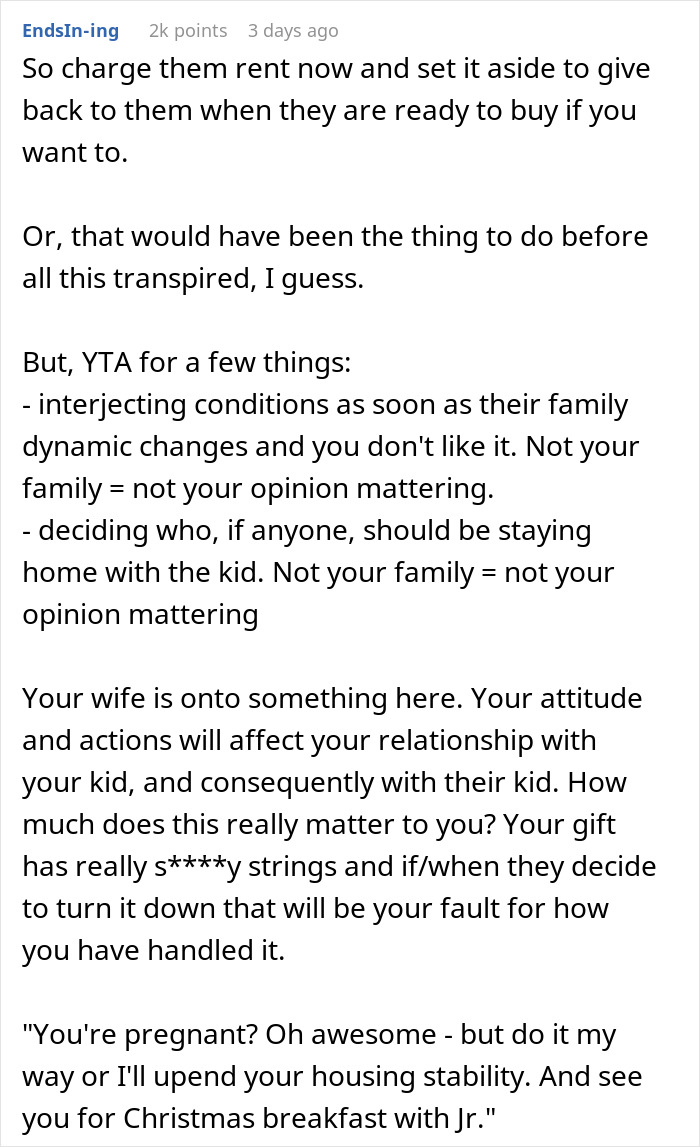
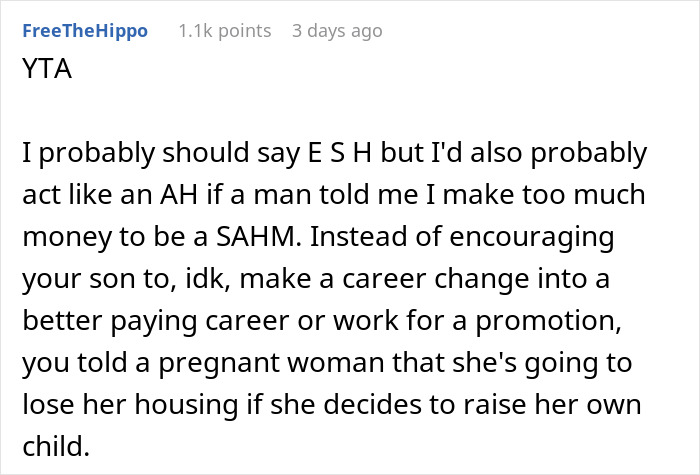
For one son, however, a free home was apparently just the foundation for an even bigger ask. When he and his wife announced they were expecting and revealed their plan to drop to a single income, the in-laws had some questions. But the answers they got were threats upon threats, slathered in entitlement and topped with an ultimatum.
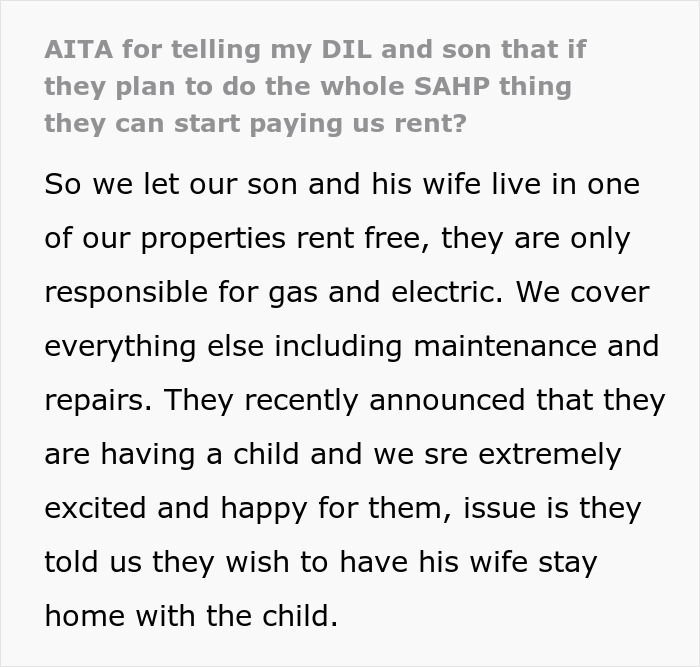





A significant majority of American parents either have already helped or plan to help their children purchase a home. For nearly four in ten younger buyers, that family support was not just helpful but essential to crossing the finish line at all. Parental generosity in the housing market is not unusual at all, and it is practically structural at this point.
What gets murkier is the line between giving someone a leg up and removing every obstacle between them and adulthood. Better Help draws a distinction between supporting and enabling that is important to understand. Supporting looks like guidance, encouragement, and allowing an adult child to take genuine responsibility for their own choices.
Enabling looks like repeatedly absorbing the consequences of those choices on their behalf, covering costs, smoothing over problems, and stepping in so consistently that the adult child never quite has to develop the muscles required to stand on their own. The difference can be hard to see from the inside, especially when the motivation is love.
What tends to happen when that support is withdrawn or even just questioned, as it was here, reveals a great deal about how dependent the relationship has become. An adult child who has been shielded from financial reality for long enough can find even the suggestion of responsibility destabilizing.
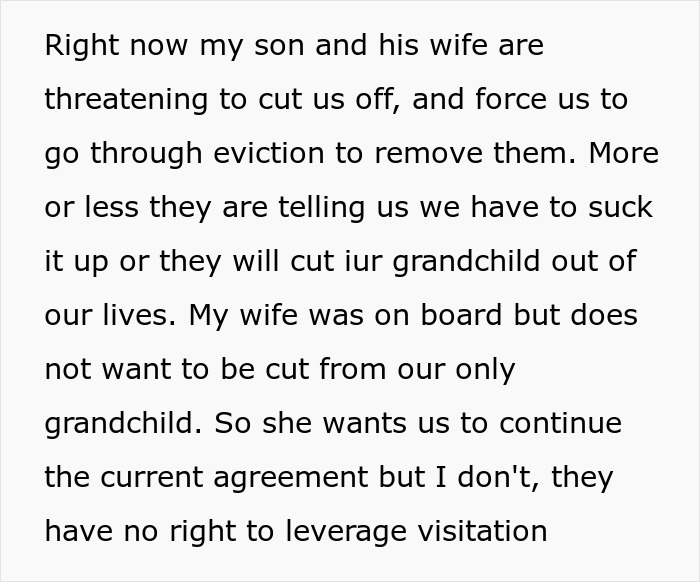
We can’t say it is just because they are lazy or ungrateful, because the infrastructure of their life has been built on an assumption of continued support that was never formally agreed upon. The threat to weaponize an unborn grandchild rather than have an honest conversation about finances is not the behavior of someone who has been reliably building independence.
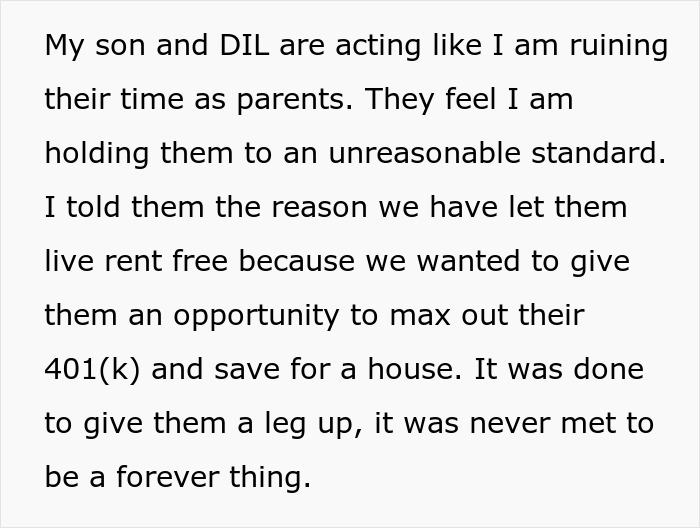
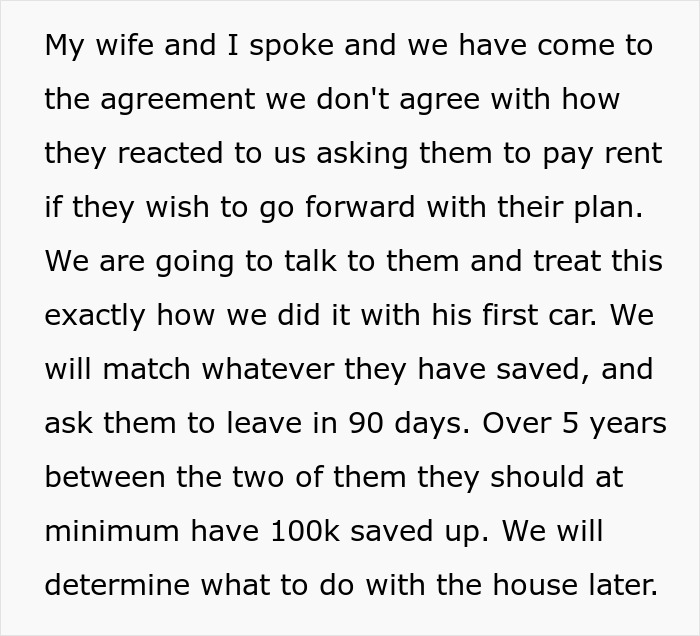
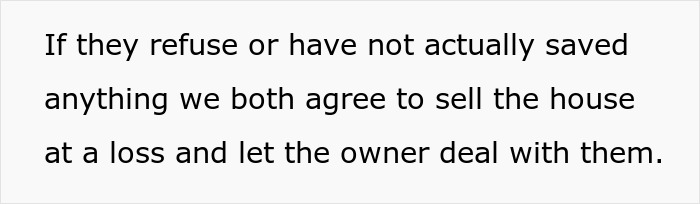
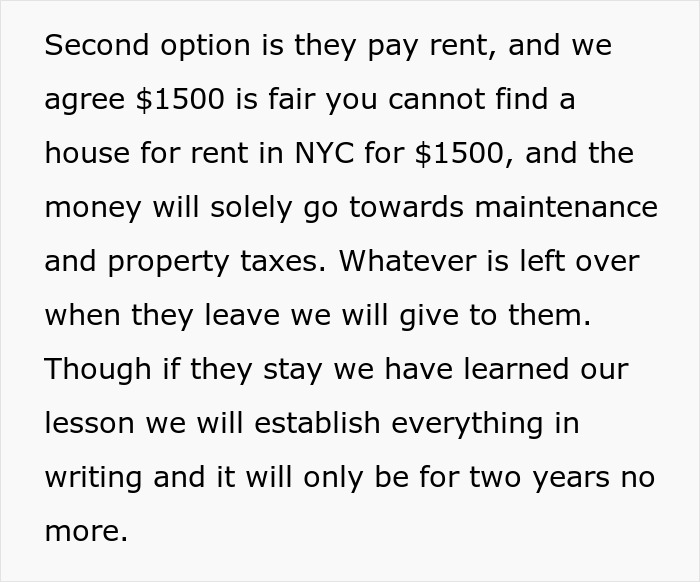
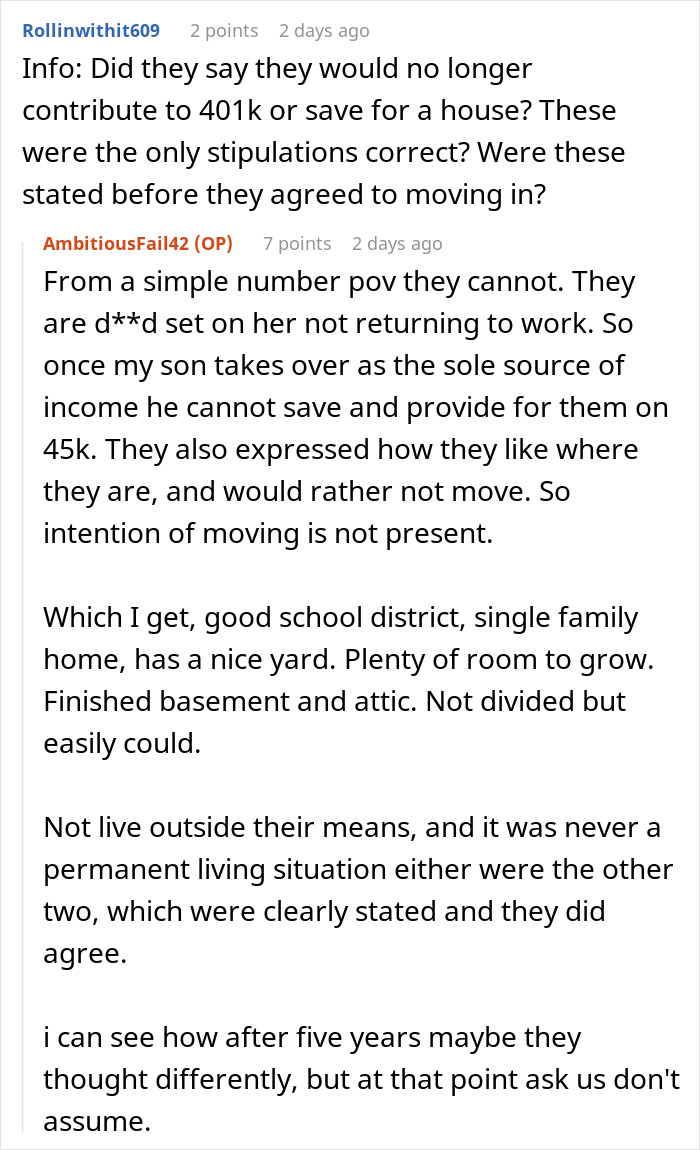
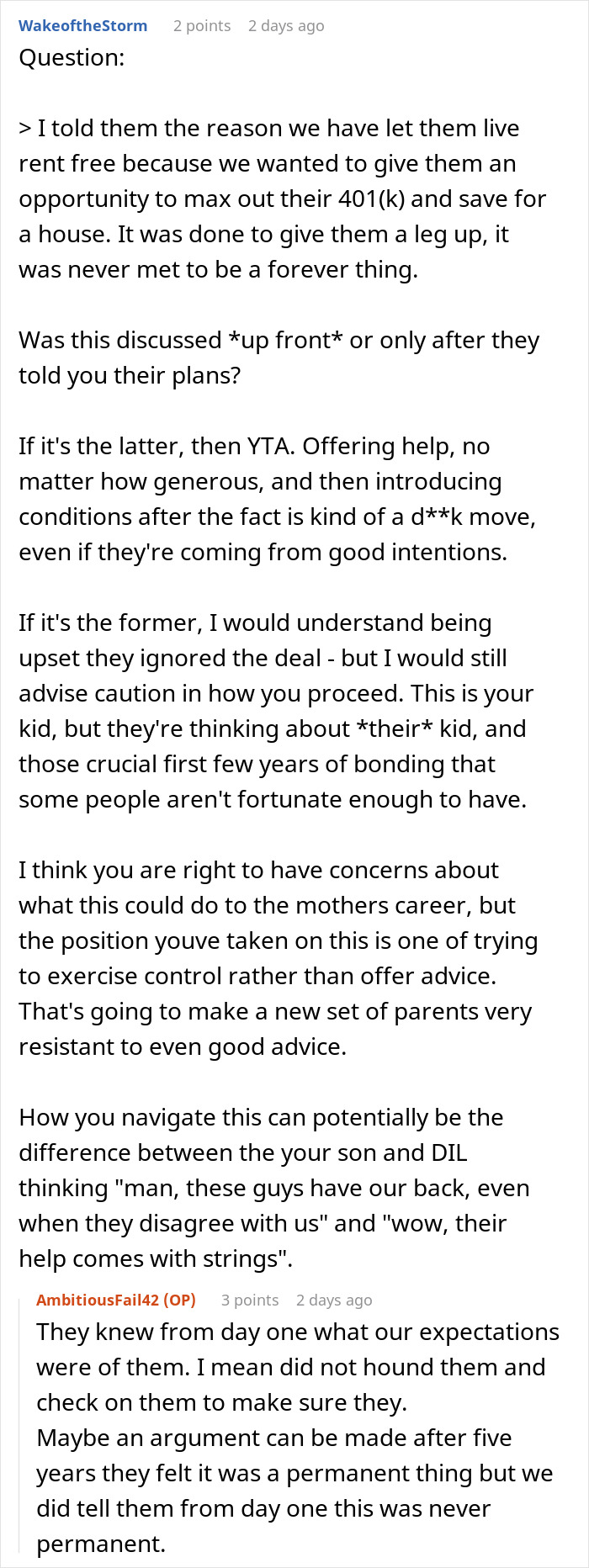
Luckily for this enabled adult child, the father in this story is not withdrawing support. He is redefining it, which is a meaningfully different thing. The offer on the table is still super generous. Match whatever savings they have accumulated over five years, give them 90 days to find their footing, or charge below-market rent, with the surplus going back to them when they eventually leave. Wow…
These do not look like the actions of a parent pulling the rug out from under his child. They are the actions of a parent trying to redirect a relationship that has drifted from opportunity into dependency, before the arrival of a grandchild makes the whole arrangement even harder to unpick.




By entering your email and clicking Subscribe, you're agreeing to let us send you customized marketing messages about us and our advertising partners. You are also agreeing to our Privacy Policy.
Thank you! You've successfully subscribed to newsletters!





































 No fees, cancel anytime











37
4