Get Premium
Dark mode theme is available exclusively for premium users. Learn more about the benefits of subscribing.
No fees, cancel anytime.

 Dark Mode Ad-Free Browsing Unlimited Content
 Ad-Free Browsing Unlimited Content Dark Mode
Join 1.2 million Panda readers who get the best art, memes, and fun stories every week!
44submissions
1week left

Food is one of life’s greatest pleasures—and occasionally, one of its greatest horrors (interpret that as you will).
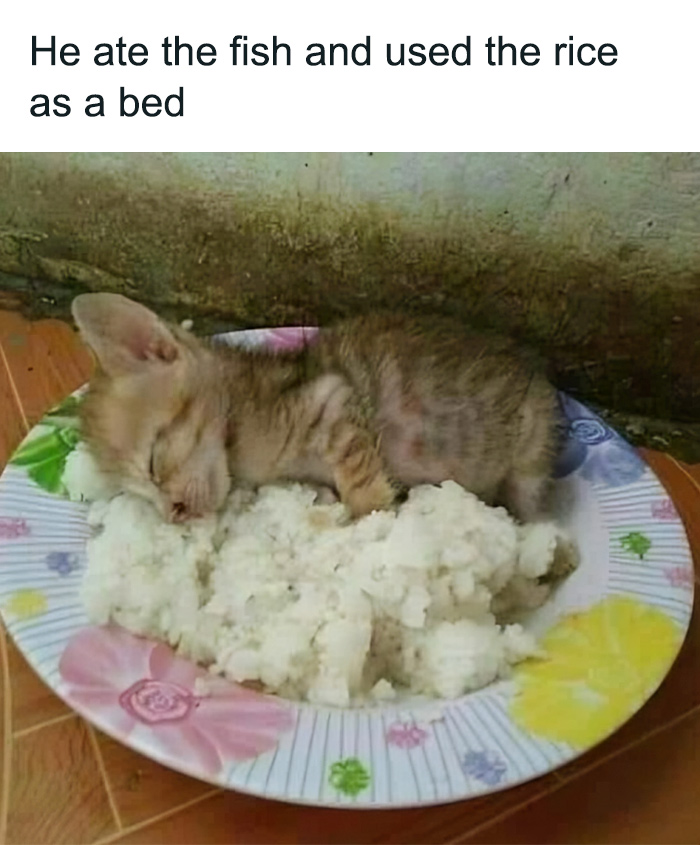
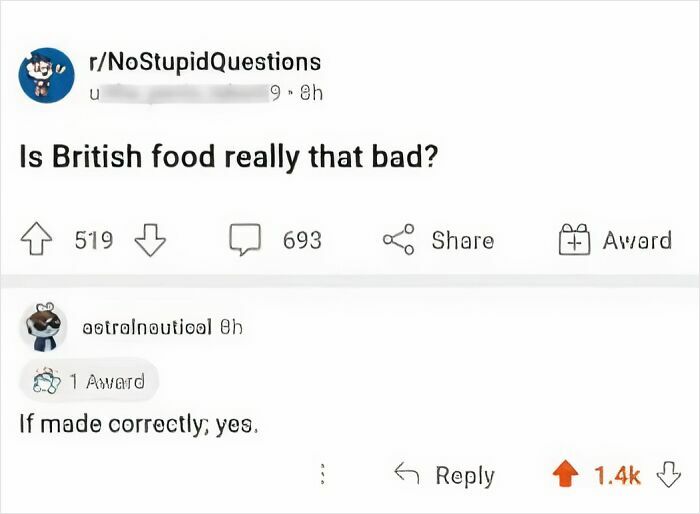
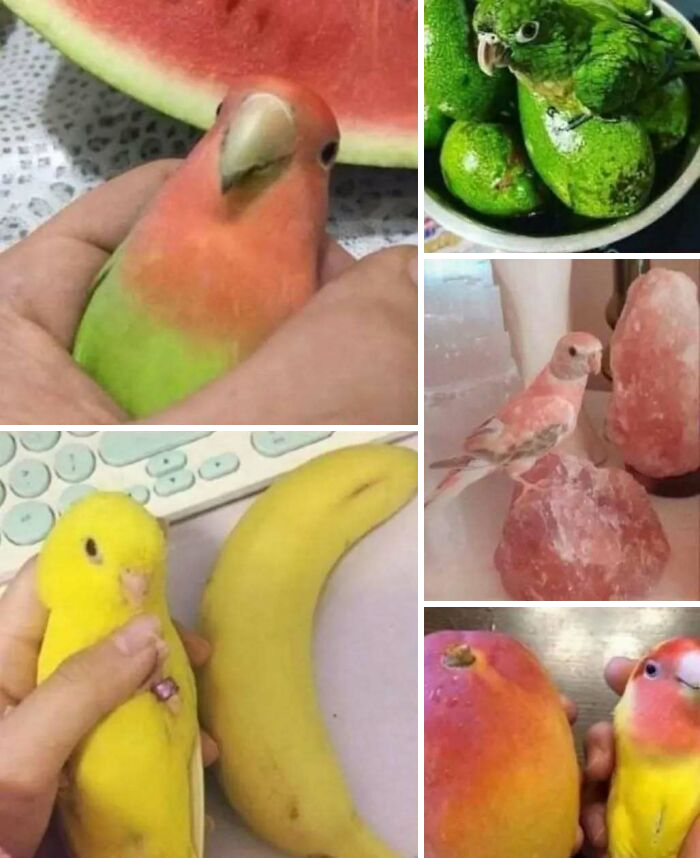
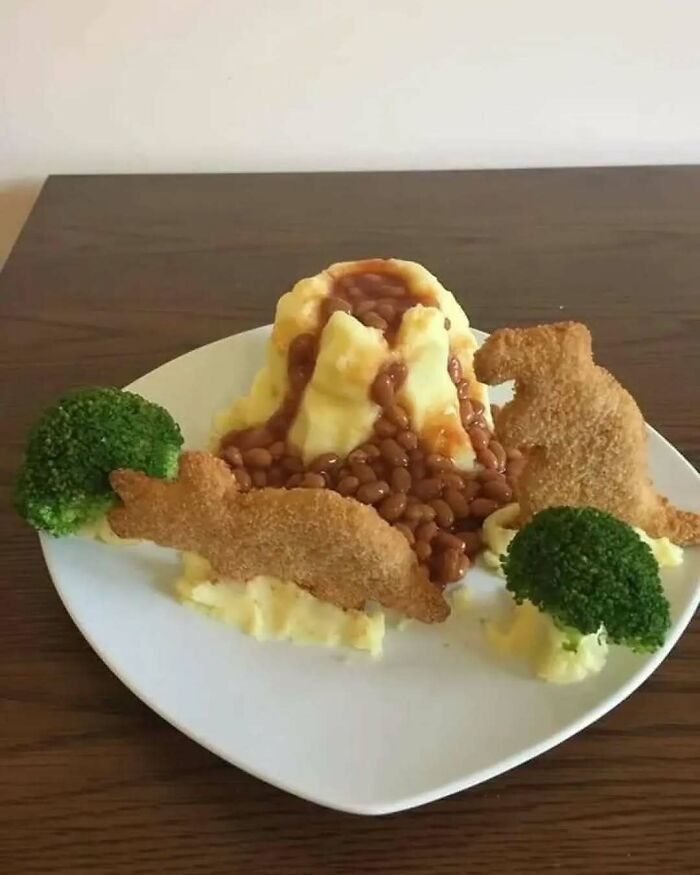
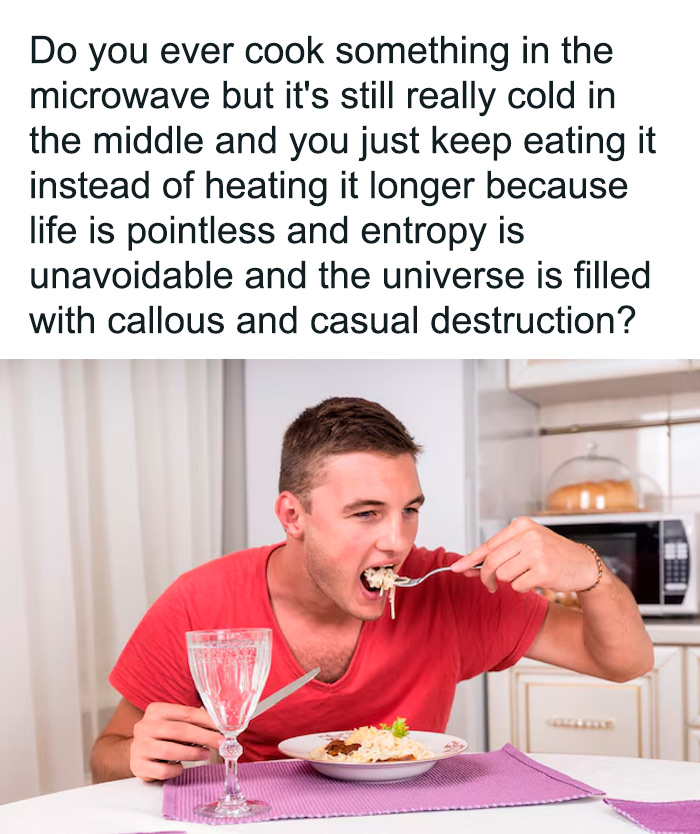
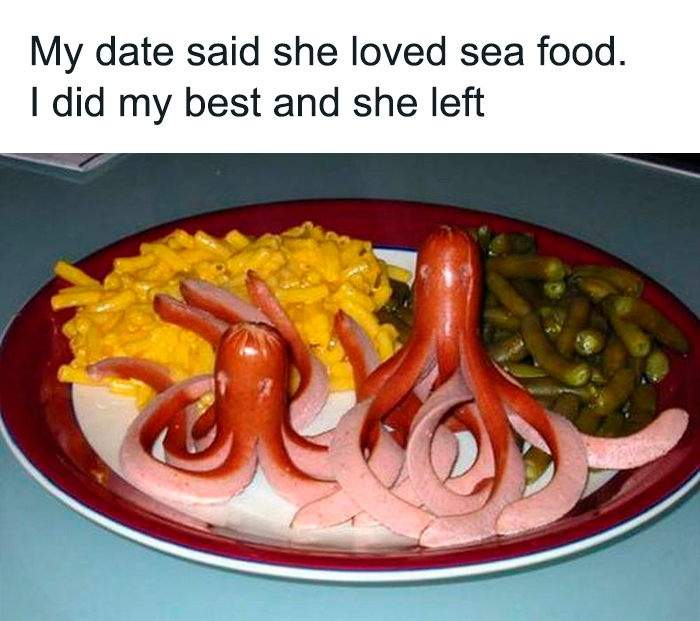
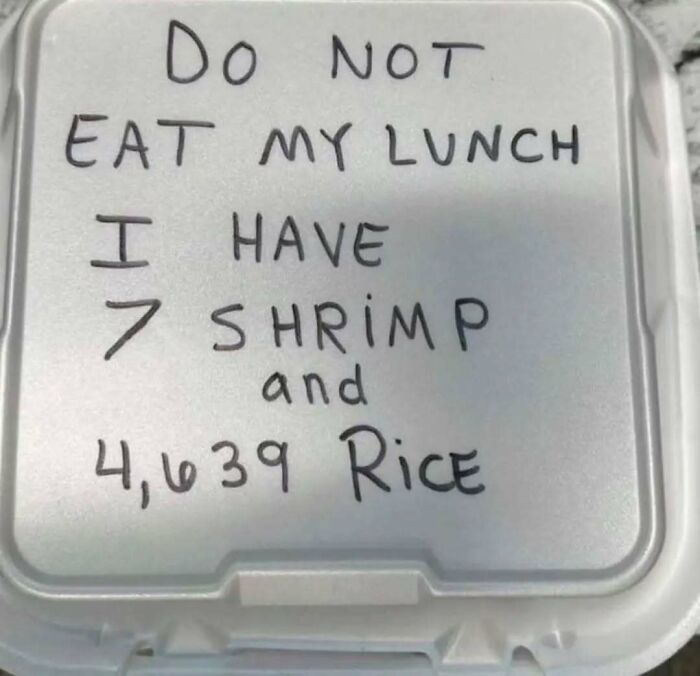
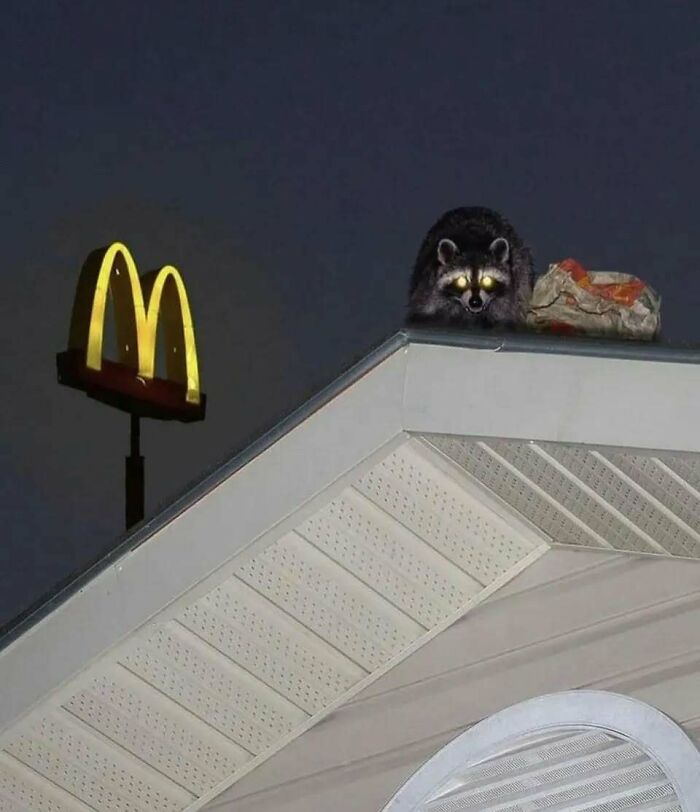
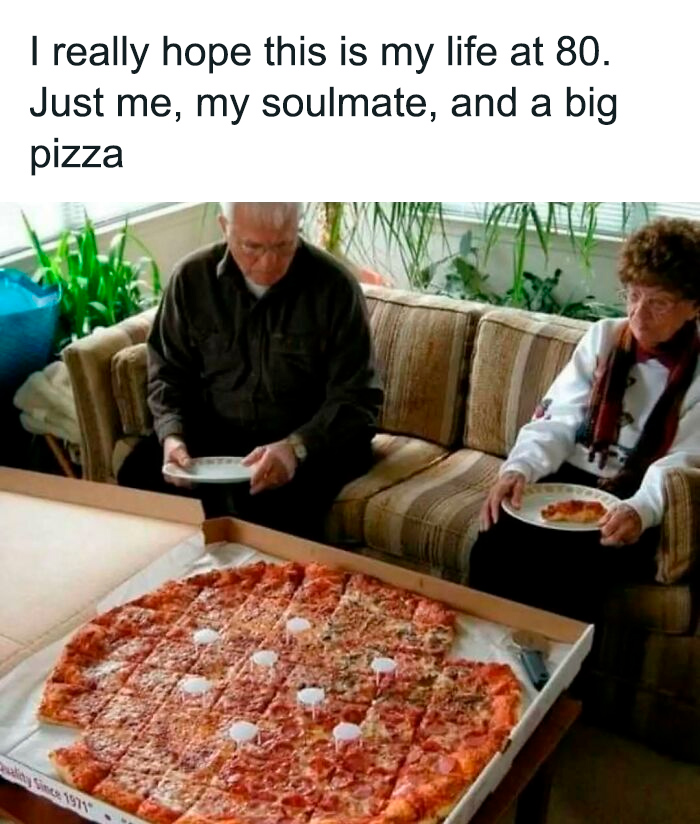
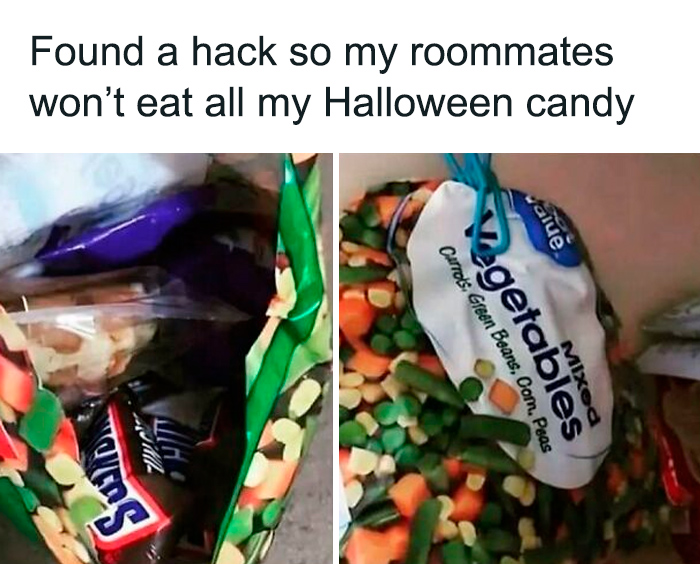
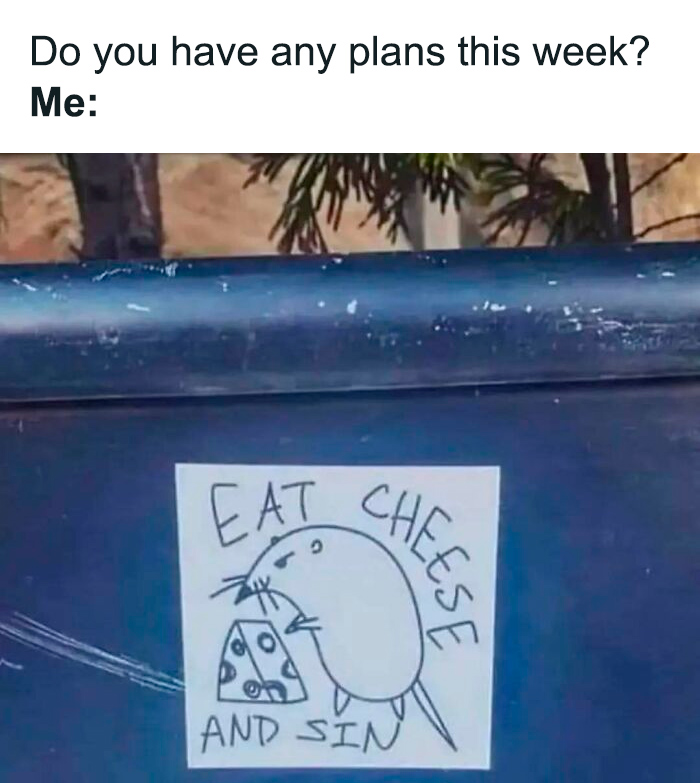
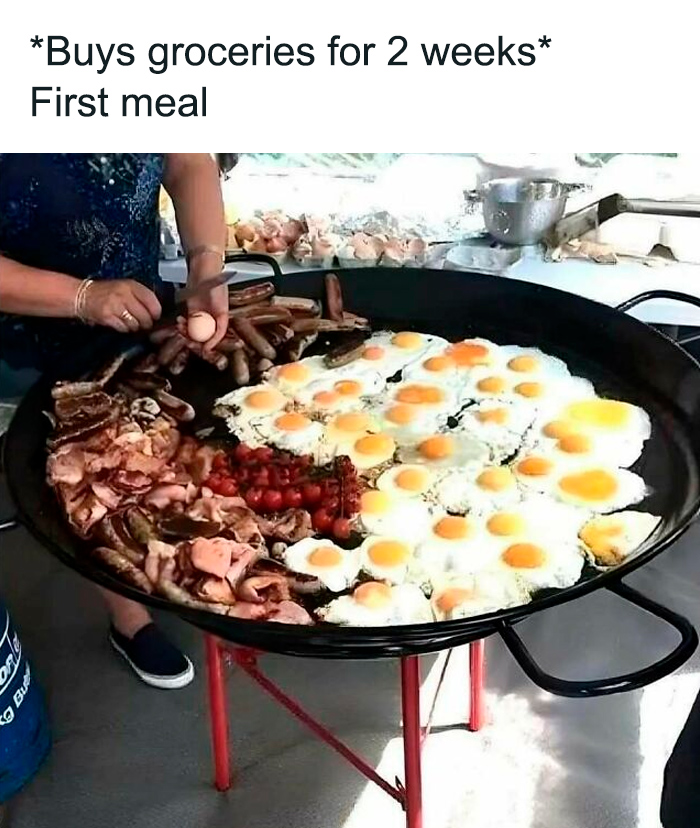
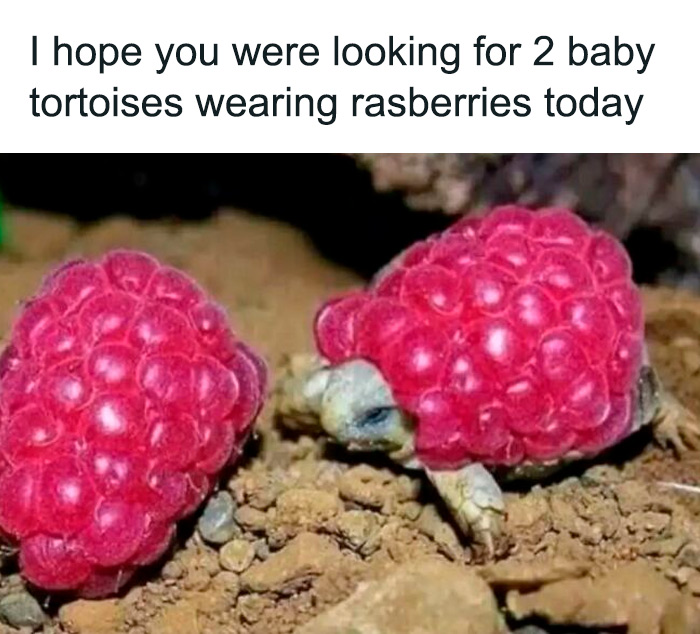
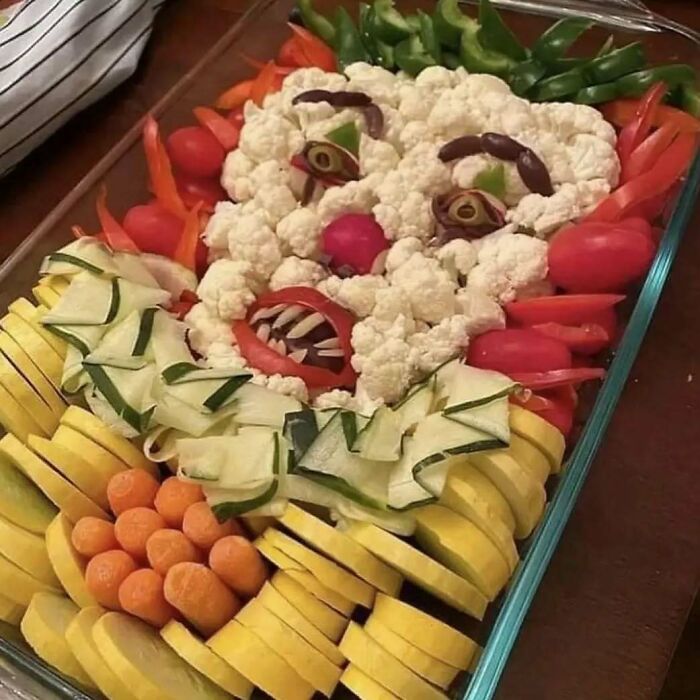
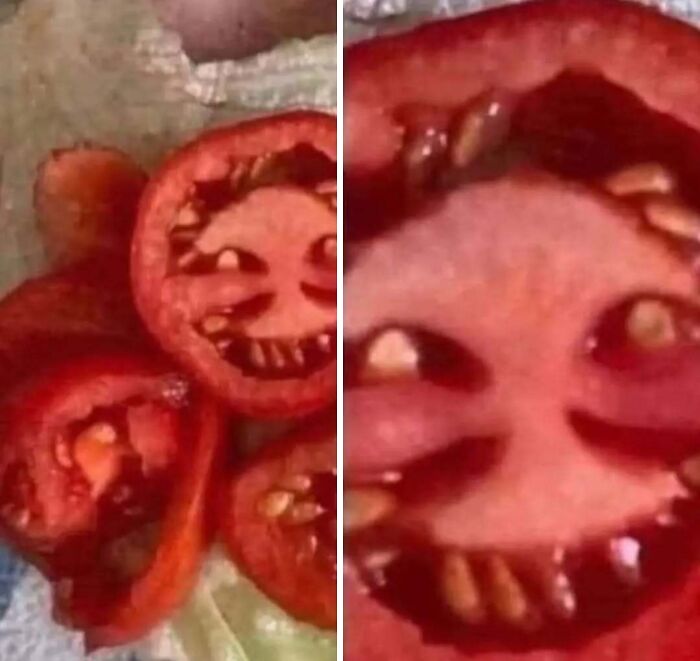
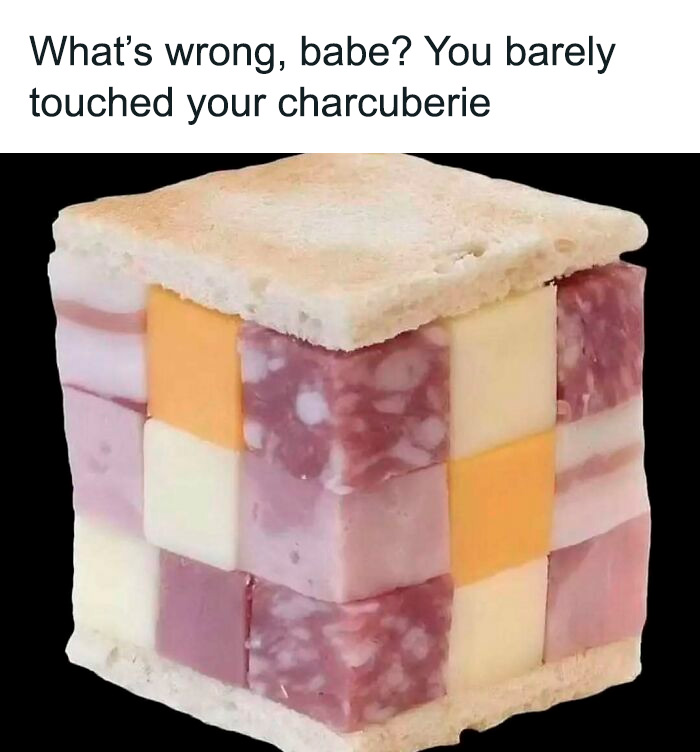
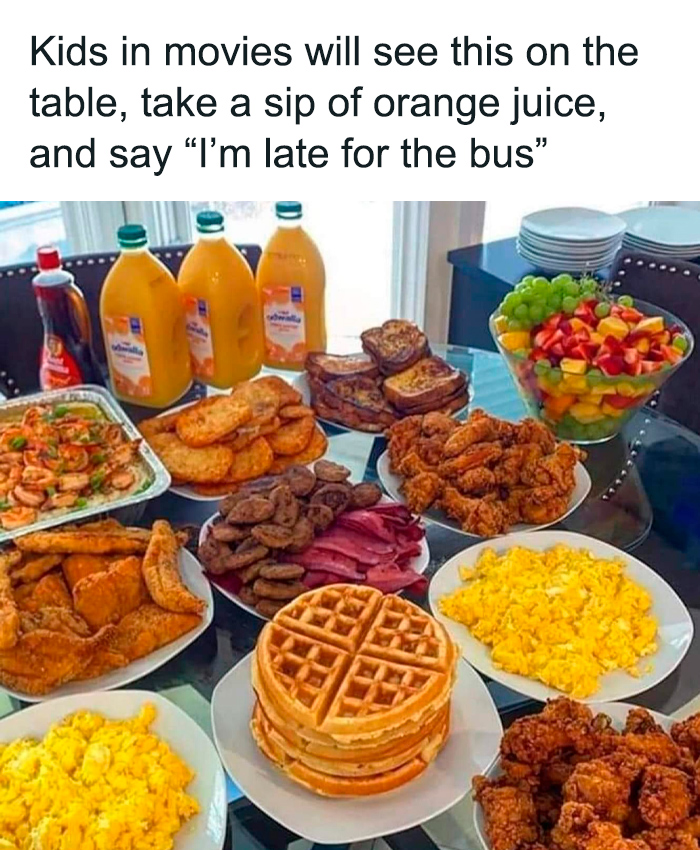
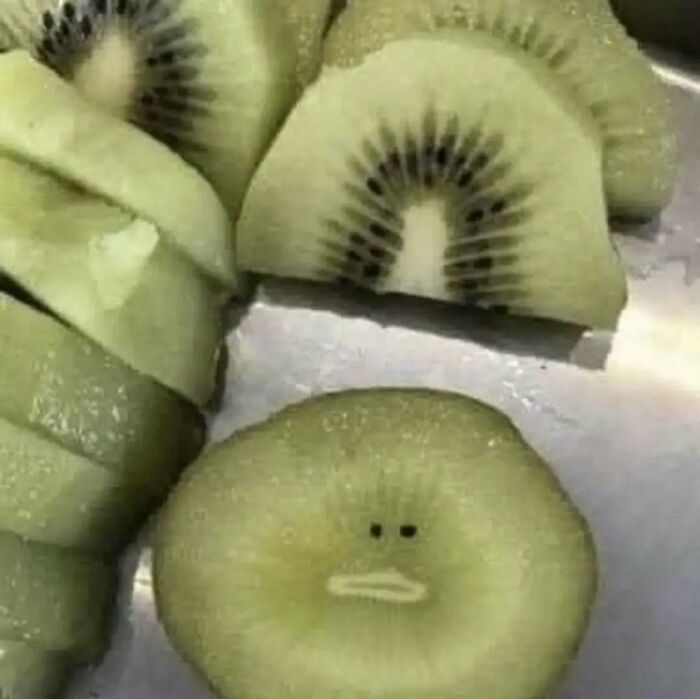
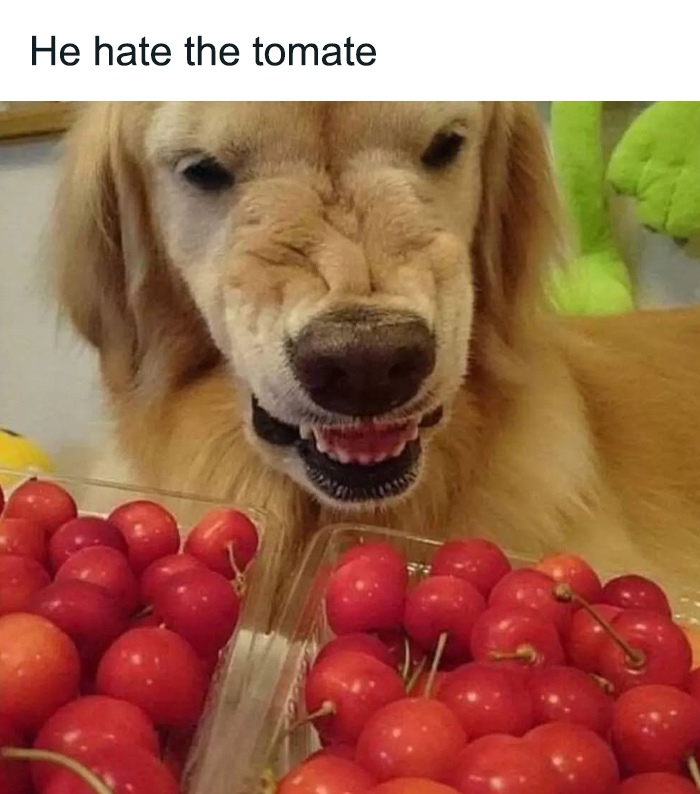
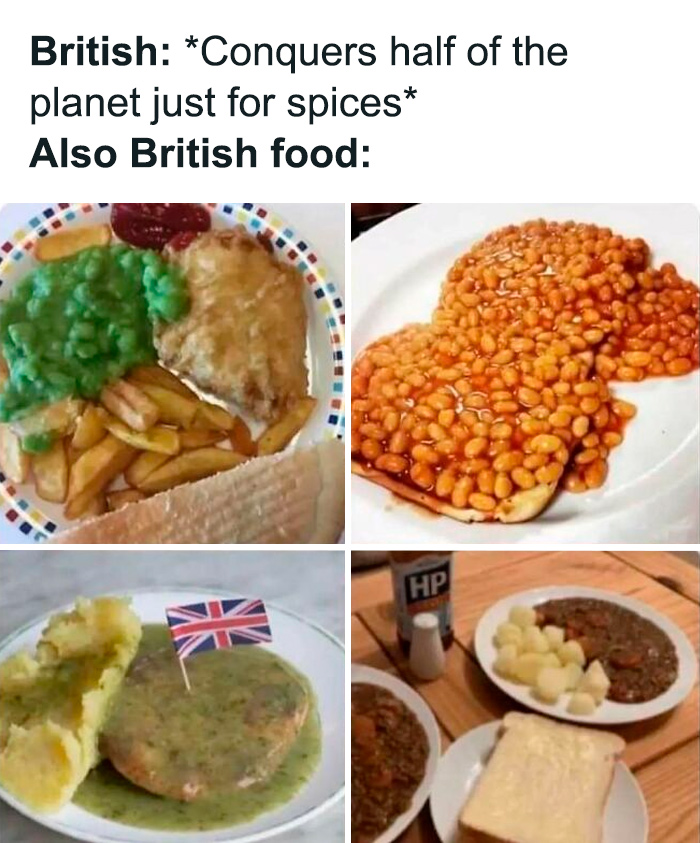
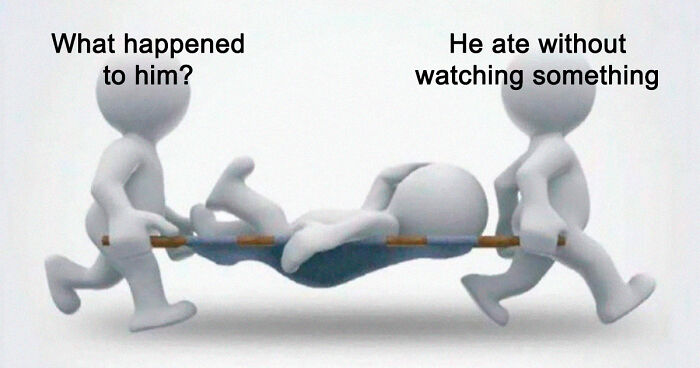
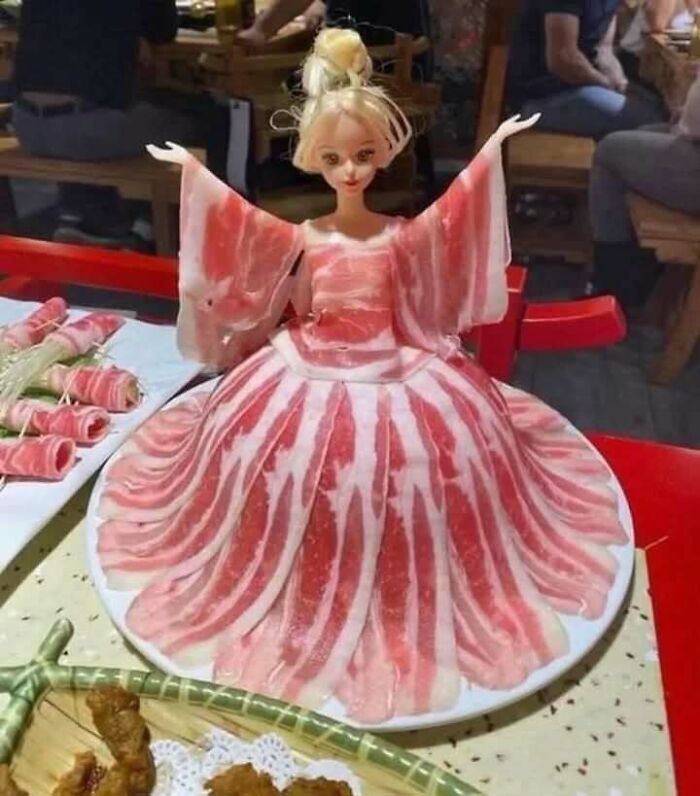
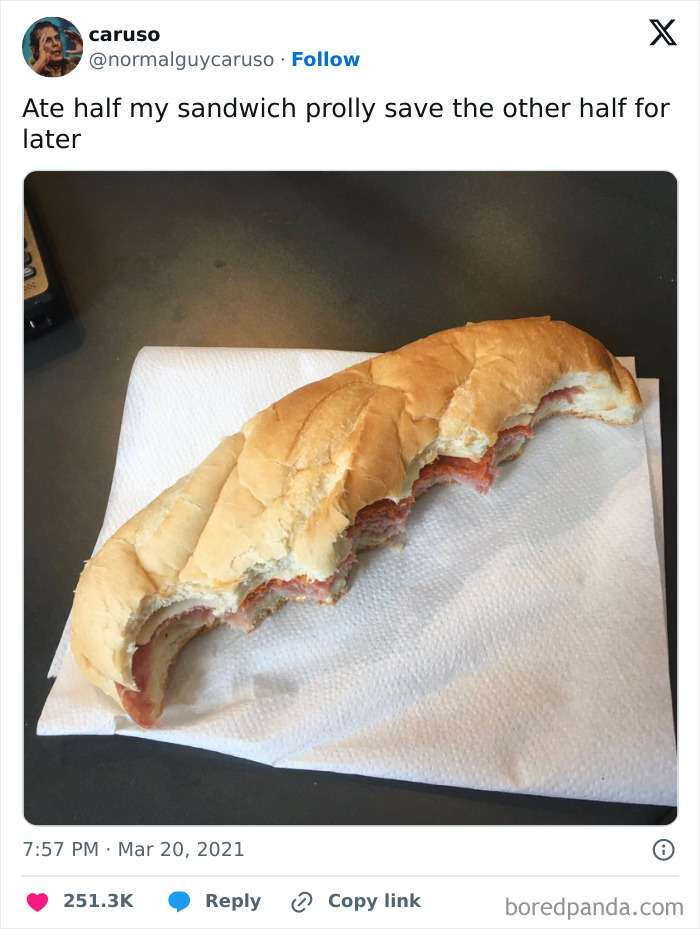
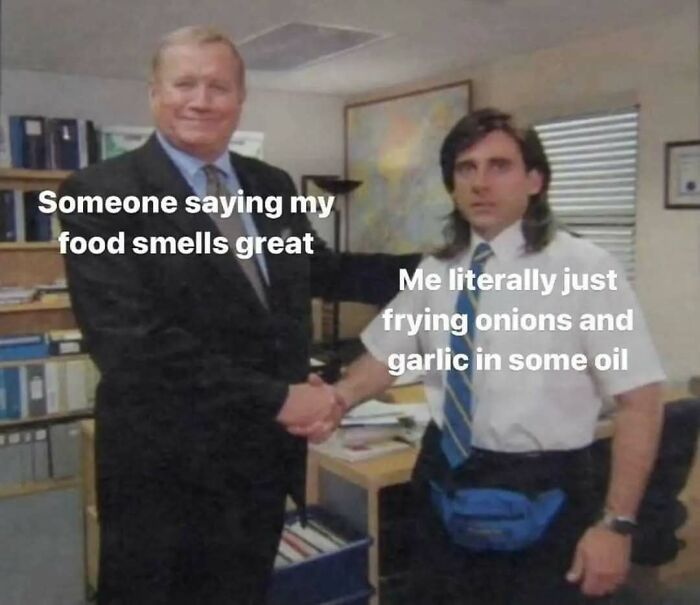
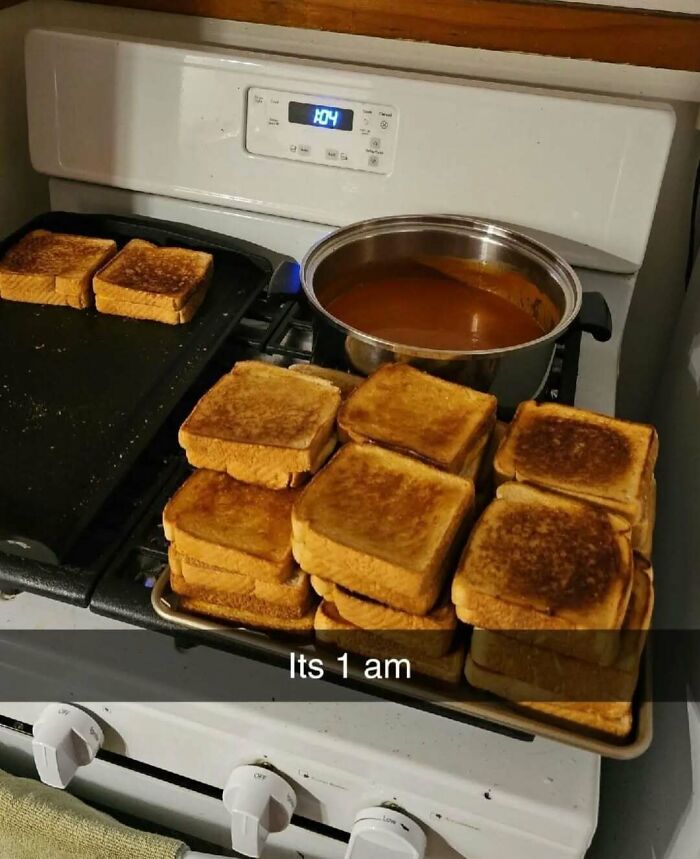
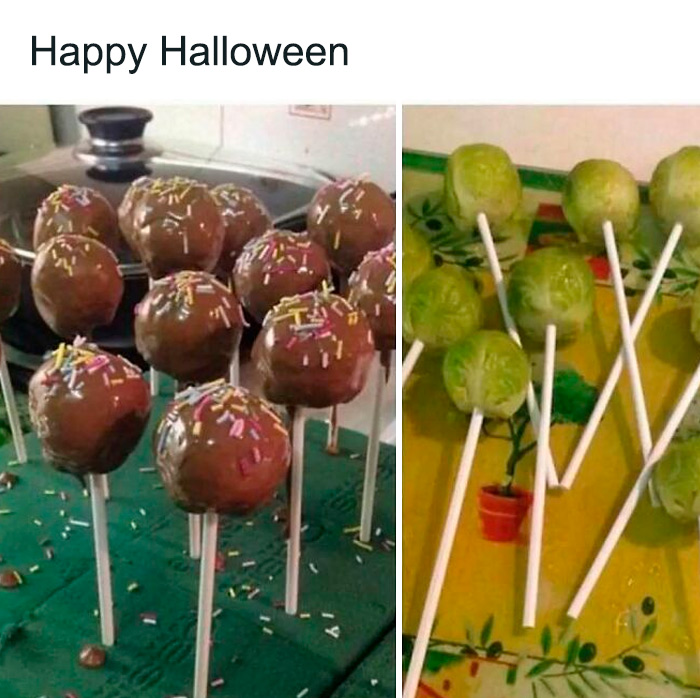
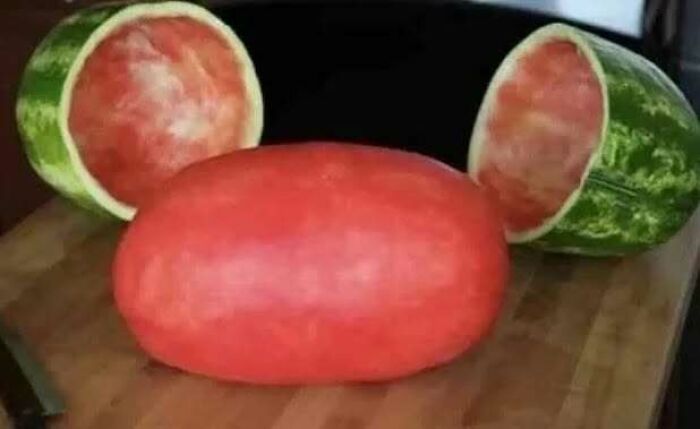
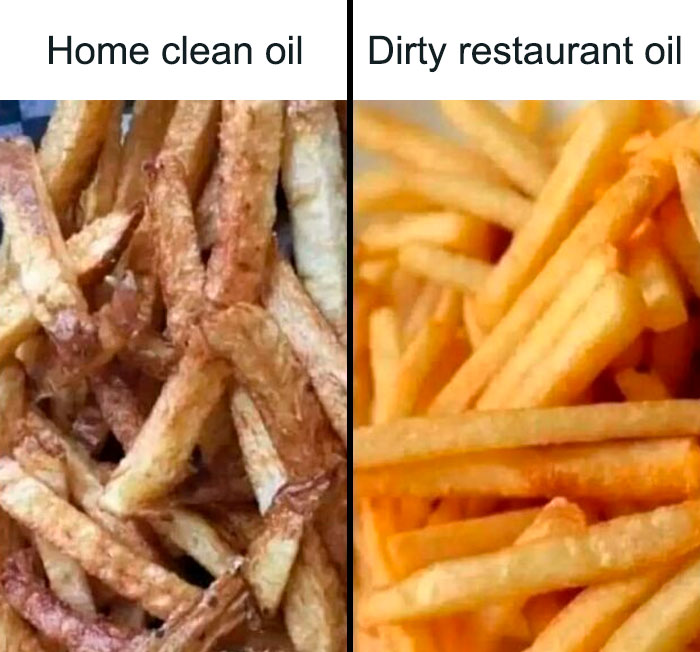
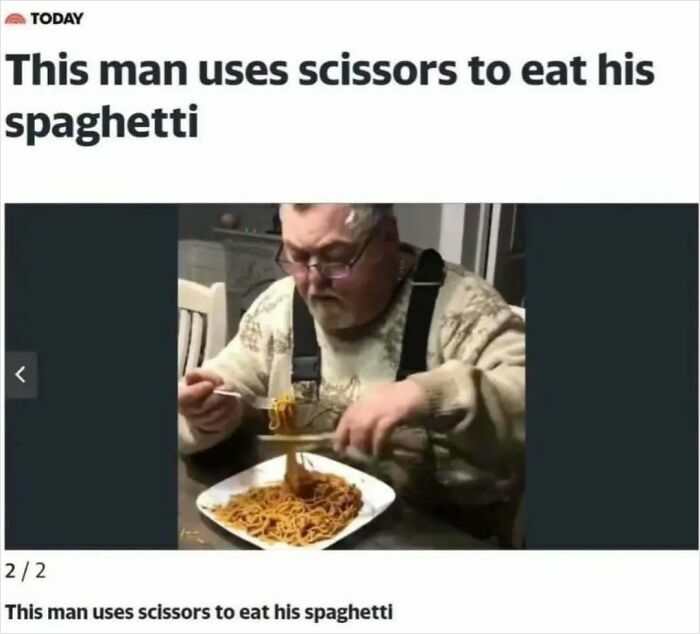
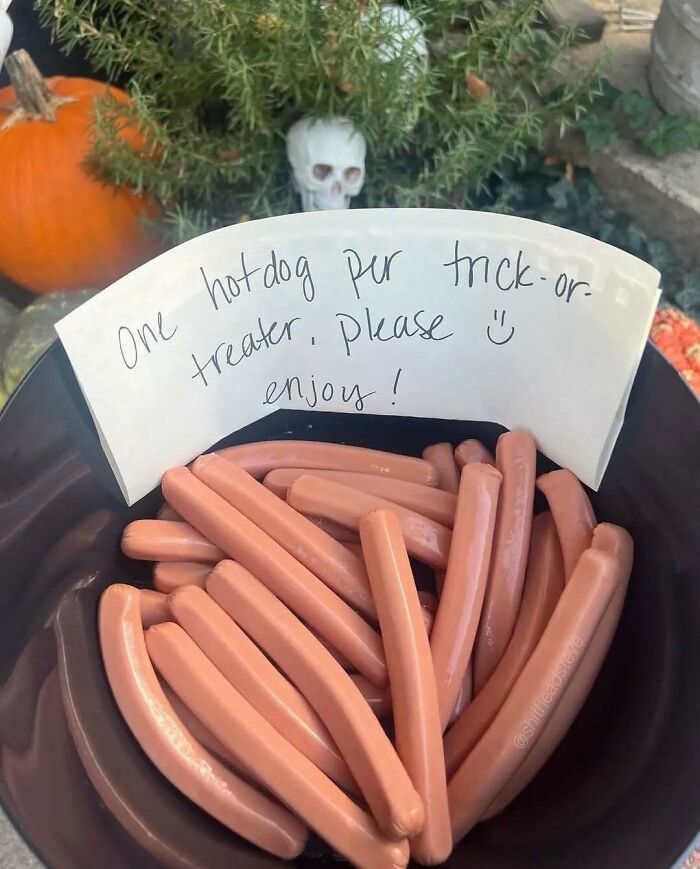
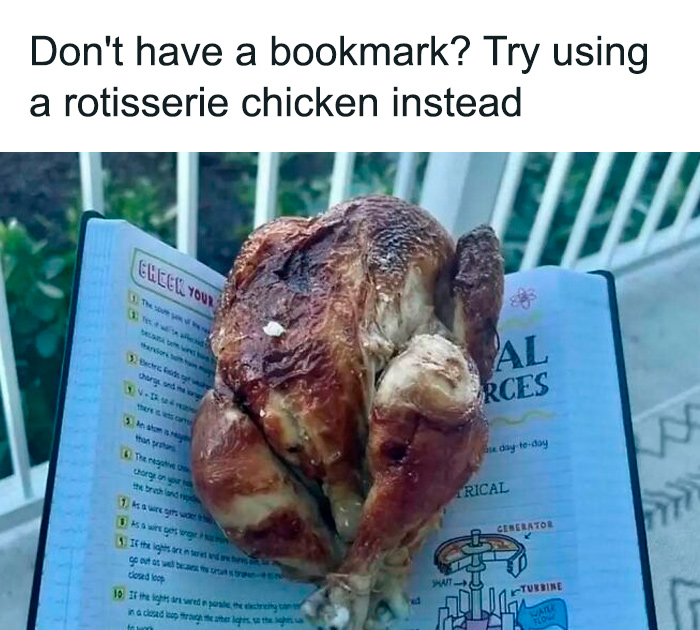
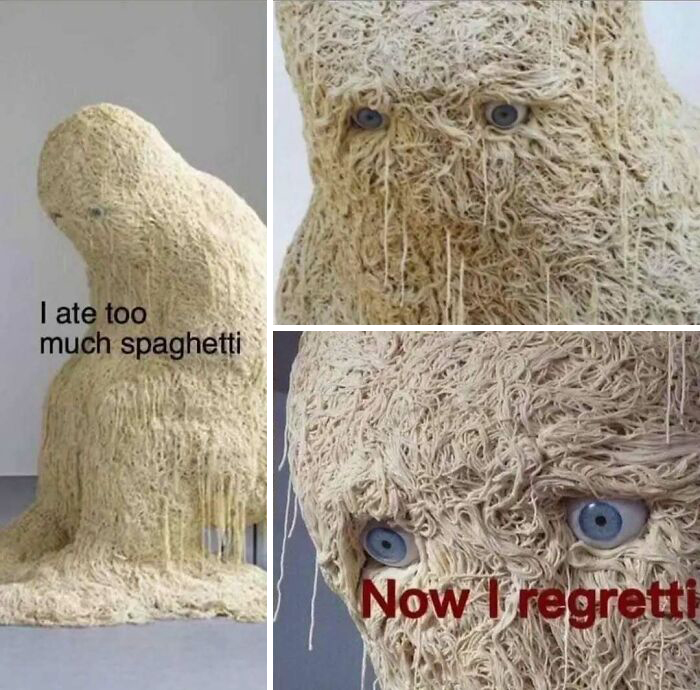
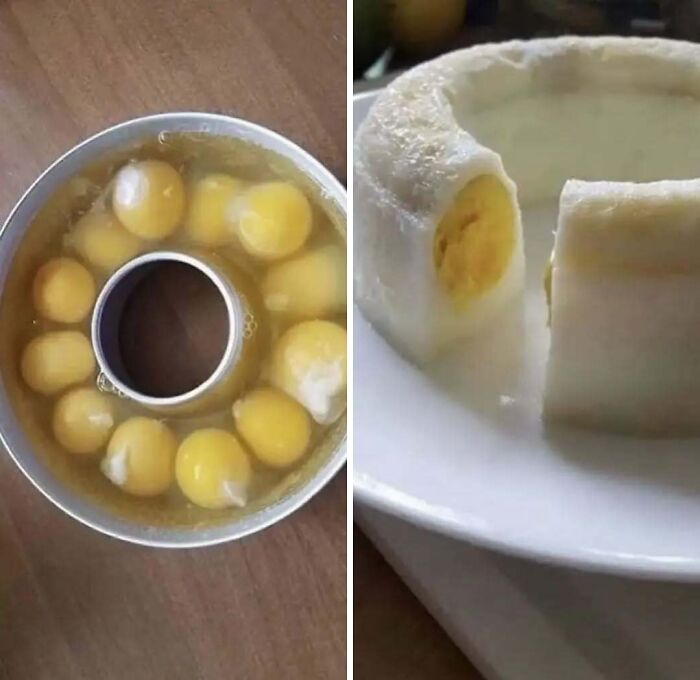
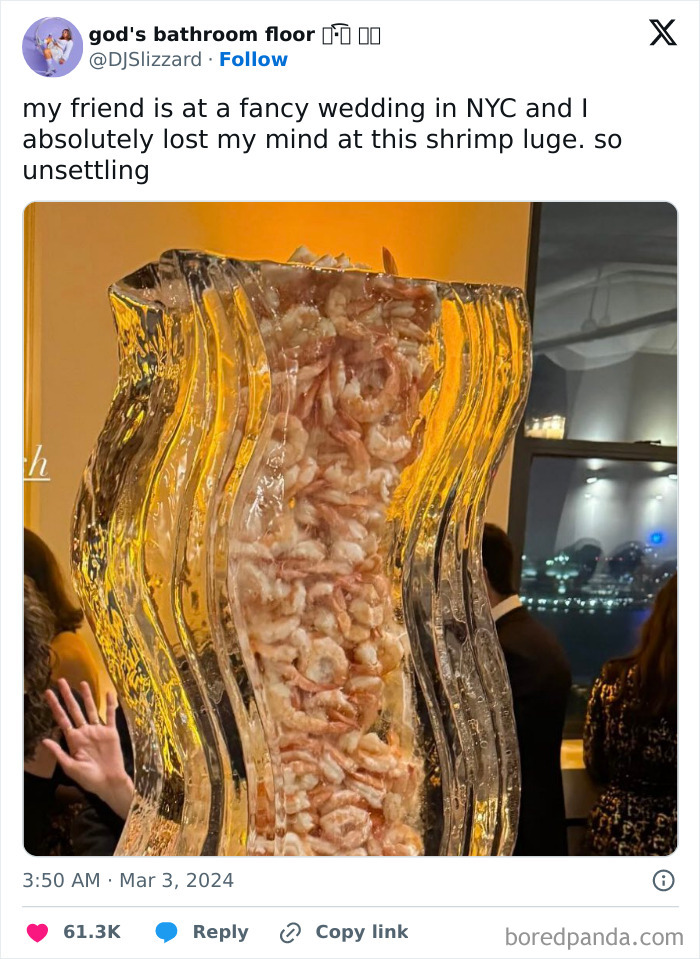
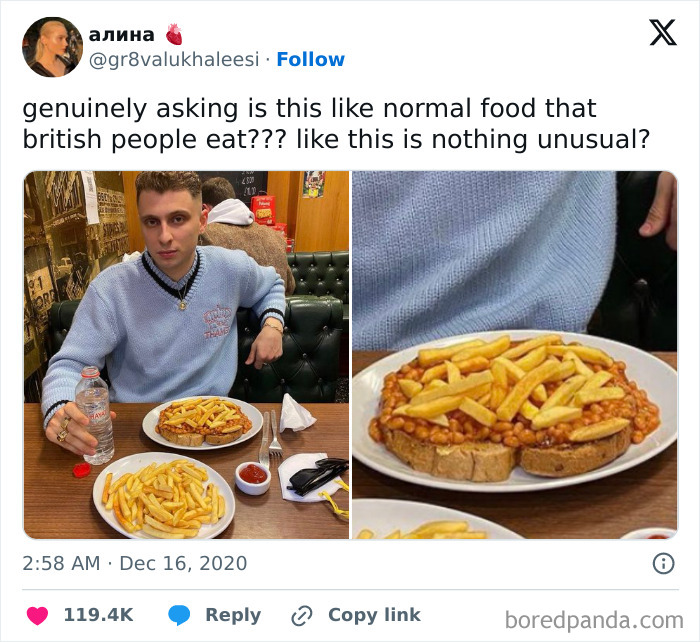
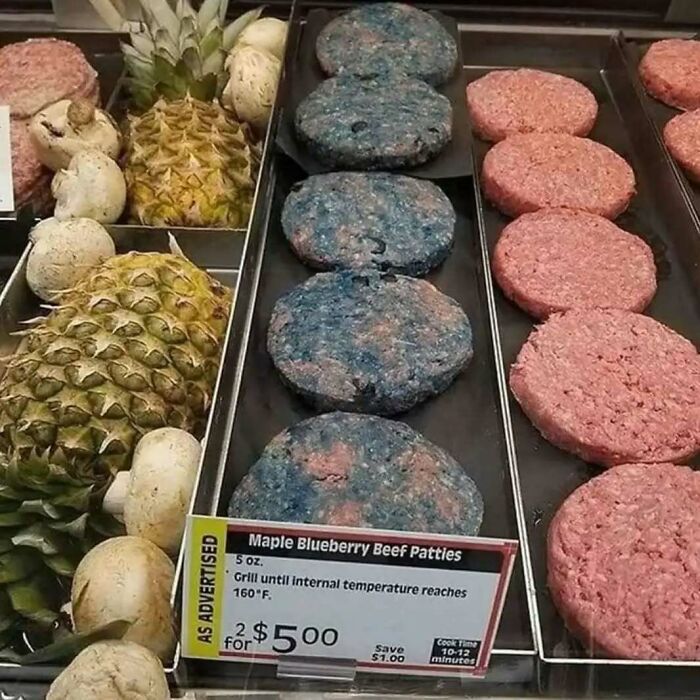
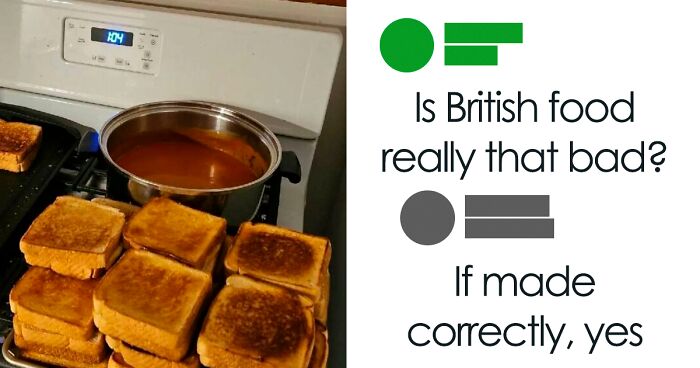
Somewhere in the middle of that spectrum sits the Instagram page Chaotic Food Memes. As the name promises, it delivers unhinged food pics with captions that are just as wild. One moment, you’re laughing at a perfectly innocent sandwich; the next, you’re questioning your entire existence. It’s unpredictable, it’s absurd, and it’s absolutely worth scrolling through.
Dig in and enjoy!
Click here & follow us for more lists, facts, and stories.
This post may include affiliate links.
We often divide food into two extremes. Good or bad, healthy or unhealthy, safe or dangerous. We praise ourselves for eating the so-called “good” foods and punish ourselves for indulging in the “bad” ones, thinking it’s the only way to stay in shape. We think that this kind of discipline will keep us healthy and add years to our lives. But in reality, this all-or-nothing approach does more harm than good.
The idea of labeling food as good or bad stems from diet culture, which isn’t as much about health as it is about being thin and about dreaming of lower numbers on the scale. And in the pursuit of those numbers, many people go to extremes, cutting out every “unhealthy” food as if eating a slice of cake on their own birthday is some kind of failure.
Yes, eating fewer calories than you burn leads to weight loss, but if you deprive yourself of all the foods you enjoy, it’s likely to backfire. Restriction can lead to intense cravings, and when you finally give in, the urge to overeat comes roaring back.
Research consistently shows that most people who diet end up regaining the weight, often more than they lost in the first place. One study even found that those who followed a diet high in monounsaturated fats regained less weight than those who followed a low-fat or control diet. So, skipping that occasional treat isn’t as effective as diet culture makes it seem.
Instead of swinging between extremes, experts recommend practicing food neutrality—the idea that all foods have the same moral value, regardless of their nutritional content. No food is inherently “good” or “bad,” “healthy” or “unhealthy.”
If you break food down to its basics, everything we eat provides some form of nourishment. Whether it’s chips, candy, chicken, or broccoli, all foods contain at least one essential nutrient: protein, carbs, or fats. Some foods have more nutrients than others, but at the end of the day, everything we consume gives our body something.
Food neutrality encourages us to stop judging food based solely on how “healthy” or “unhealthy” it is and instead focus on how it makes us feel. What’s the texture like? Is it crunchy, juicy, soft? Instead of asking if something is “too high in calories,” ask yourself: Do I feel energized after eating this? Does it support my mental well-being? Am I enjoying this meal with friends or family?
This shift in mindset changes how we react to food. Instead of saying, “I’ve eaten so badly today, I can’t have that cake,” you might respond with, “I love cake! But I’m full from dinner, so no thank you.” Instead of “I’ll just run extra tomorrow to work this off,” you can simply say, “I love cake! Thanks for sharing.” No guilt, no punishment. Just eating.
Some skeptics worry that if we stop labeling food as “bad,” we’ll lose all control and eat nothing but sugar. But in reality, removing the fear around certain foods actually helps us eat them in moderation. Studies show that intuitive eating, which encourages listening to hunger and fullness cues, leads to better physical and emotional health, increased self-esteem, and a healthier relationship with food than restrictive dieting.
So, instead of restricting ourselves and overthinking every bite, let’s choose kindness.
Let’s choose warm, comforting meals shared with family. Let’s choose roasted potatoes on Christmas, cake on our birthdays, and fresh salads when we crave them. Let’s enjoy berries in the summer, and soup in the winter. Let’s eat food because it nourishes us—physically and emotionally.
And most of all, let’s stop making food the enemy.
You might also like: 45 Pics Proving That Some People Shouldn’t Be Legally Allowed To Cook






















 No fees, cancel anytime