Get Premium
Dark mode theme is available exclusively for premium users. Learn more about the benefits of subscribing.
No fees, cancel anytime.

 Dark Mode Ad-Free Browsing Unlimited Content
 Ad-Free Browsing Unlimited Content Dark Mode
Join 1.2 million Panda readers who get the best art, memes, and fun stories every week!
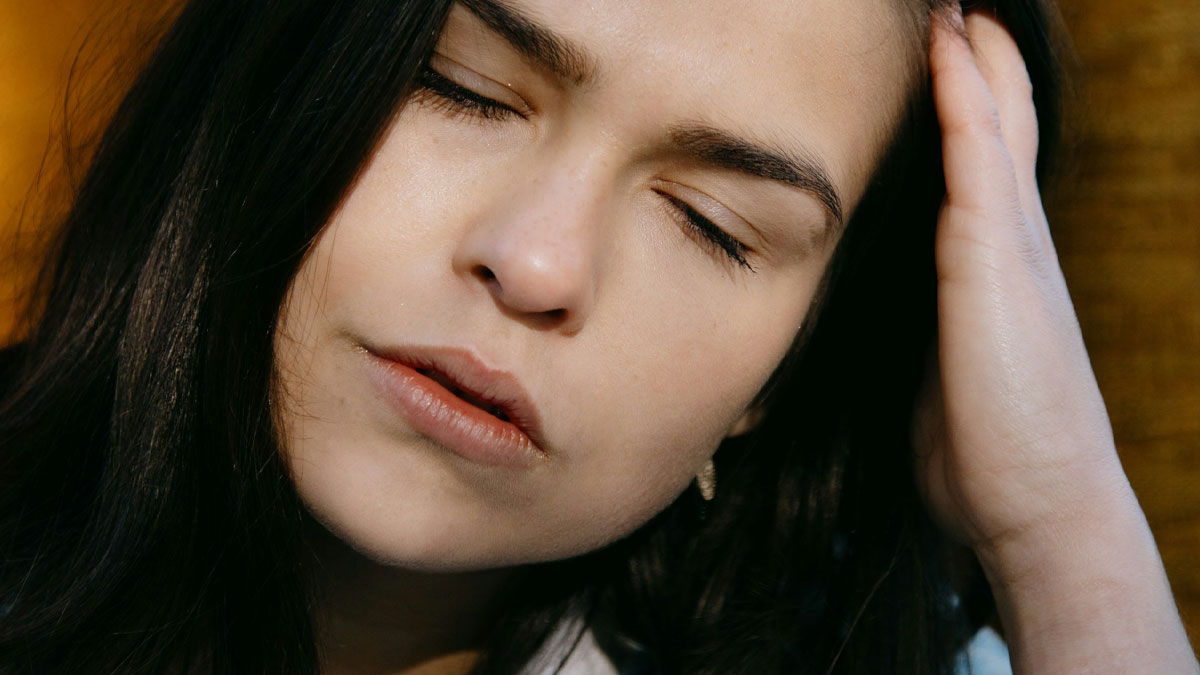
Dating outside your culture can open you up to new perspectives on people and the world. It helps you see things in a different light and broadens how you understand relationships. But it also comes with challenges you might not have been aware of.
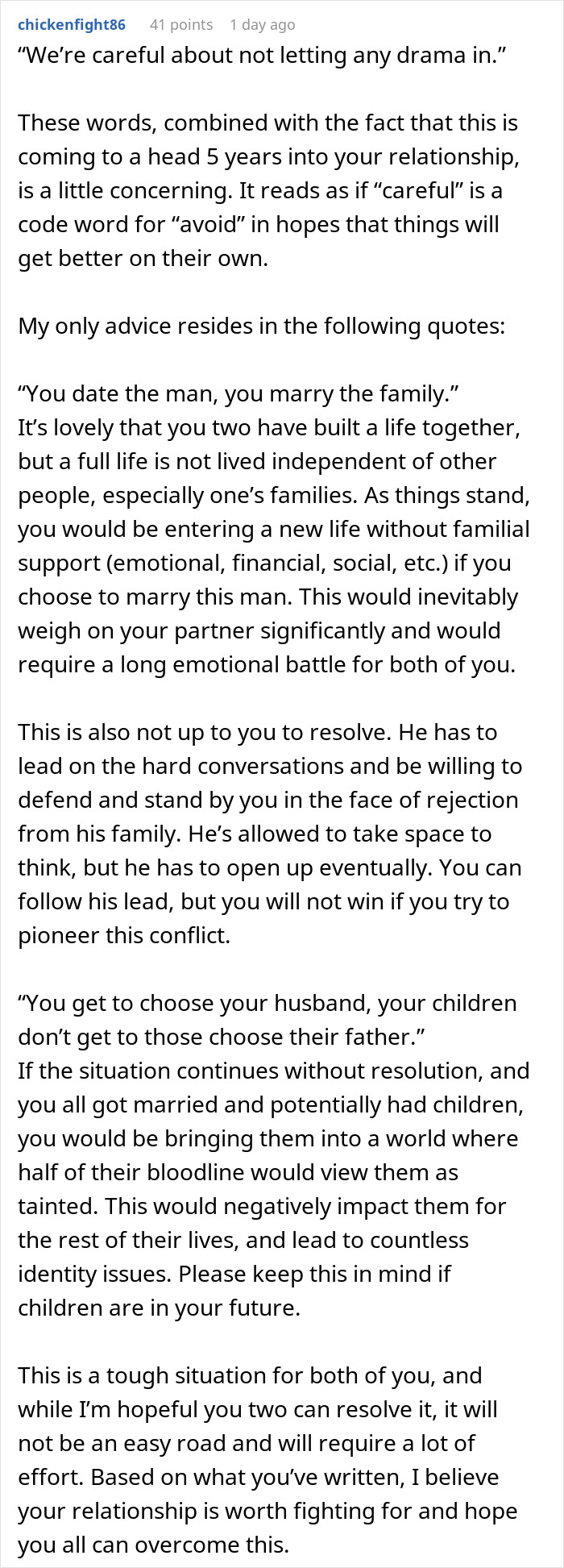
An Italian woman who goes on Reddit by the nickname ThrowRAPerception135 moved to Canada a few years back and fell in love with a native Cree man there. But when he finally proposed to her and the couple began planning their happily-ever-after, his mother and other relatives stepped in, trying to block their marriage in the name of preserving his lineage.
Image credits: Brock Wegner / Unsplash (not the actual photo)
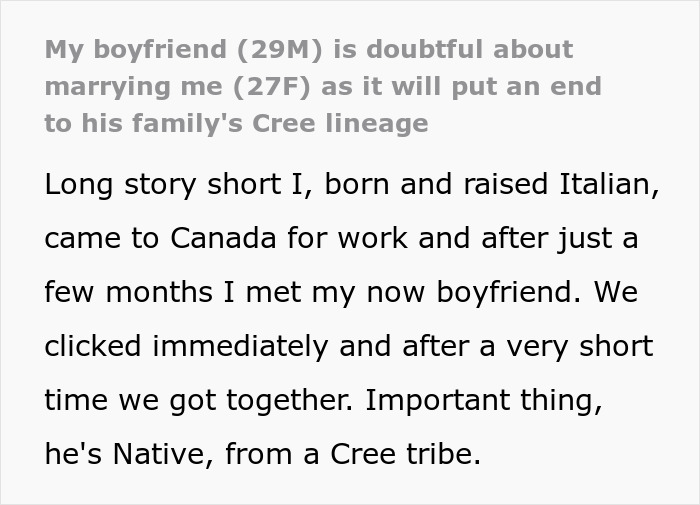
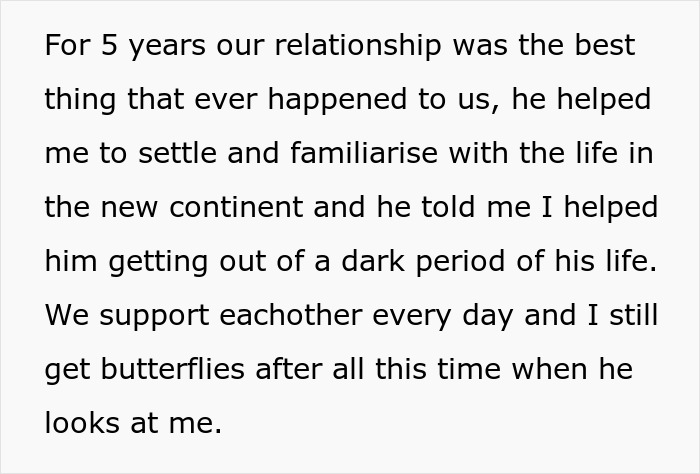
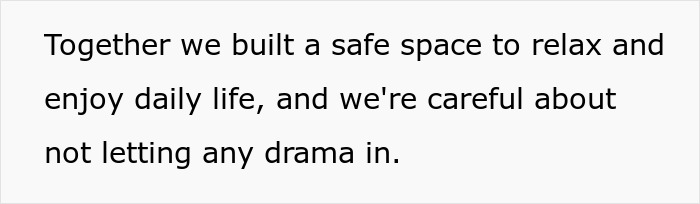
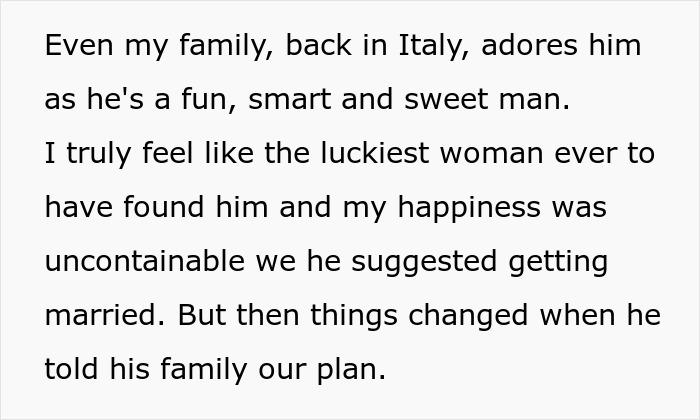
Image credits: Diego Llajaruna Gonzales / Pexels (not the actual photo)
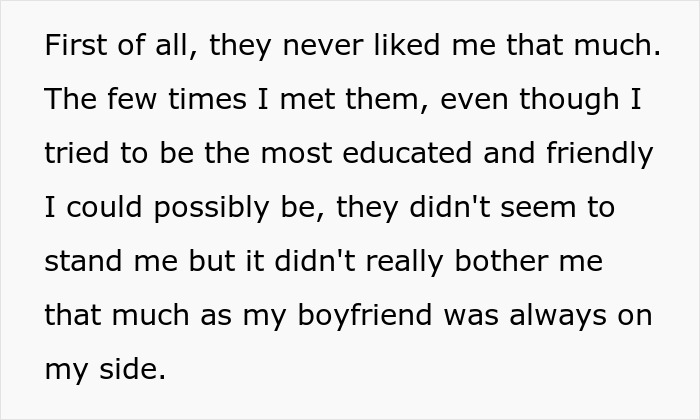
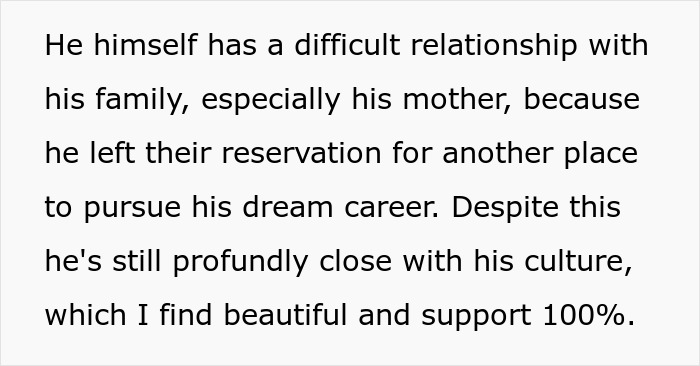
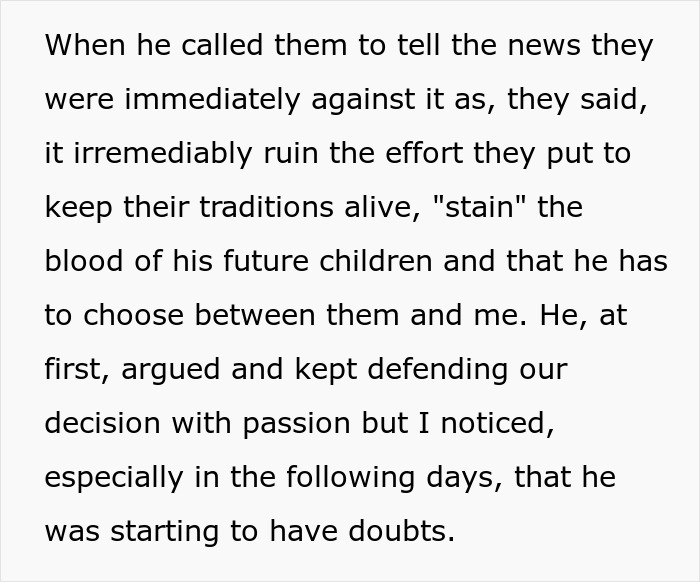
Image credits: Sinitta Leunen / Unsplash (not the actual photo)
Image credits: ThrowRAPerception135
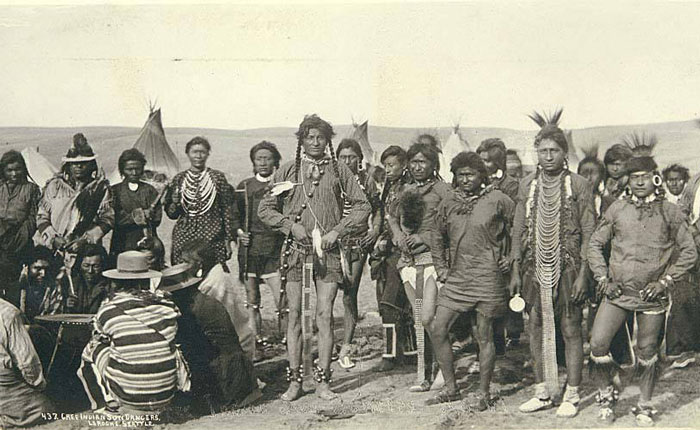
Image credits: Frank La Roche / Wikipedia
“Indigenous peoples” is a collective name for the original peoples of North America and their descendants.
The Canadian Constitution recognizes 3 groups of Indigenous peoples:
These are 3 distinct peoples with unique histories, languages, cultural practices, and spiritual beliefs.
According to the 2021 Census, more than 1.8 million people in Canada identify as Indigenous, or roughly 5% of the country’s total population.
Canadian anthropologist Richard J. Preston says the Cree are the most populous and widely distributed Indigenous peoples in Canada. Other words the Cree use to describe themselves include nehiyawak, nihithaw, nehinaw, and ininiw. Cree First Nations occupy territories in the Subarctic region from Alberta to Quebec, as well as portions of the Plains region in Alberta and Saskatchewan.
According to the census data, 223,745 people identify as having Cree ancestry and 86,475 speak Cree languages.
Preston says that before the arrival of the Europeans, the Cree followed seasonal animal migrations to obtain meat for food and animal hides and bones for the making of tools and clothing. They traveled by canoe in summer, and by snowshoes and toboggan in winter, living in cone- or dome-shaped lodges, covered in animal skins.
After the Europeans came to the region, participation in the fur trade pushed the Swampy Cree west into the Plains. During this time, many Cree remained in the boreal forest and the tundra area to the north, where a stable culture persisted. They continued to rely on hunting moose, caribou, smaller game, geese, ducks, and fish, which they preserved by drying over fire. The Cree also traded meat, furs, and other goods in exchange for metal tools, twine, and European goods.
The anthropologist explains that during the late 1700s and the 1800s, the Cree who had migrated to the Plains changed rapidly and dramatically from trappers and forest hunters into horse-mounted warriors and bison hunters. Epidemics, the destruction of the bison herds and government policies aimed at forcing First Nations to surrender land through treaties, however, brought the Plains Cree and other “horse-culture” nations to ruin by the 1880s.
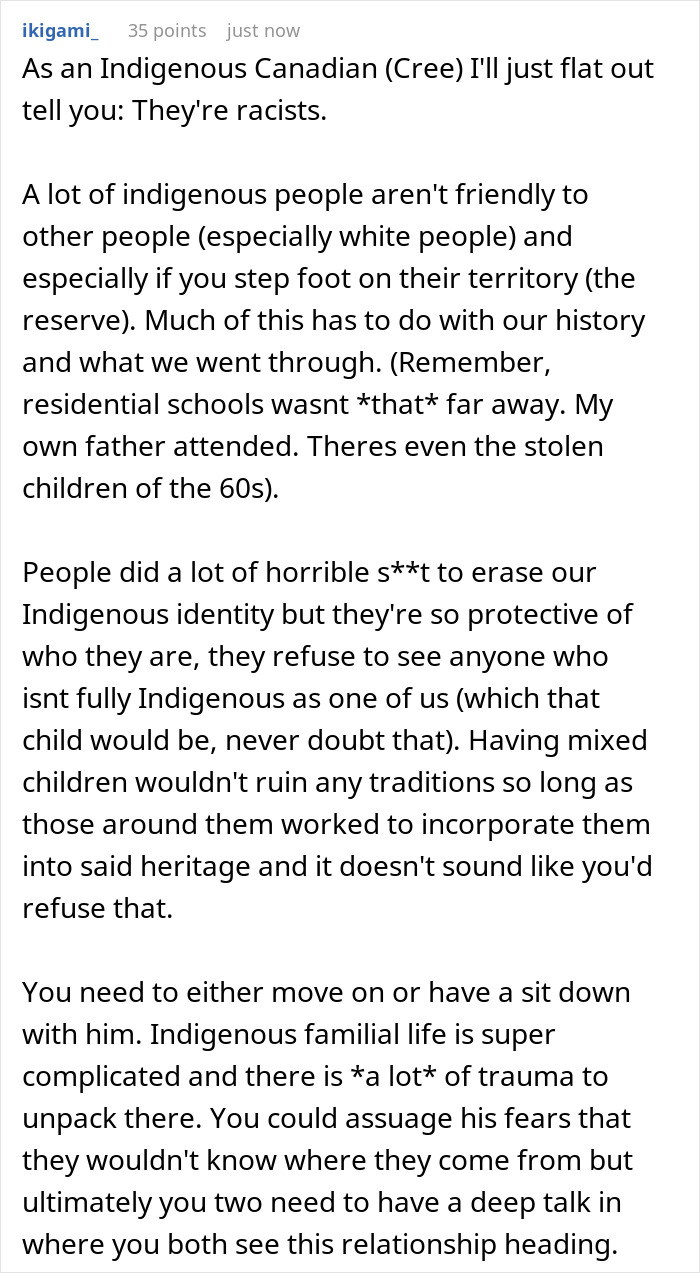
The Canadian government, under the leadership of Sir John A. Macdonald, actively withheld rations and other resources in order to force starving Plains peoples into signing documents and relocating them to reserves. There, the Cree sustained themselves by farming, ranching, and casual labor, and were subjected to further cultural destruction through decades of trauma endured in the residential school system.
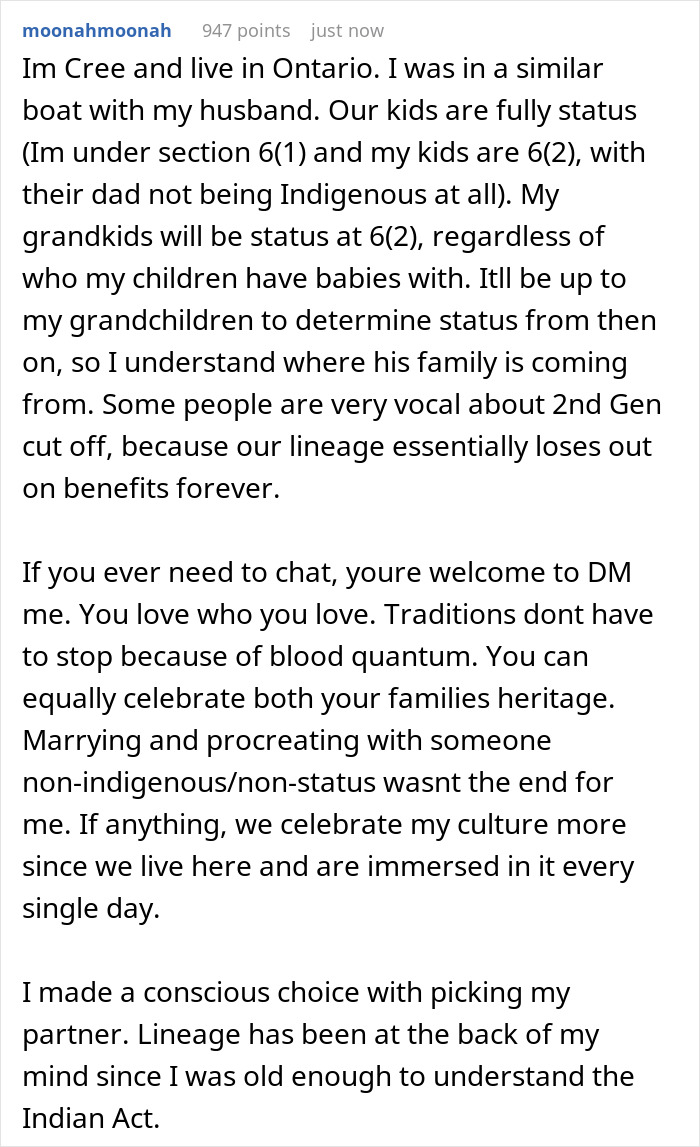
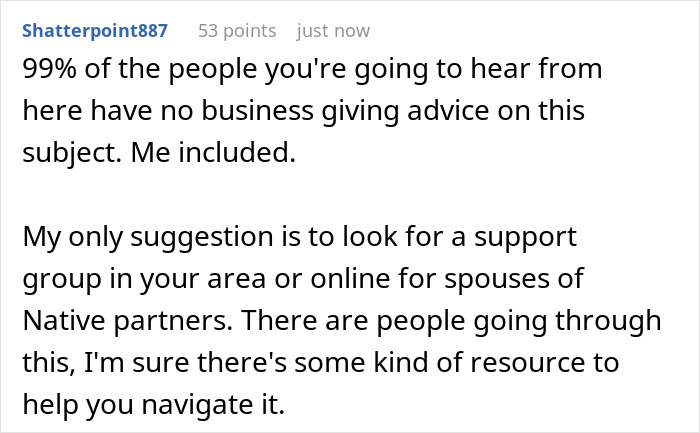
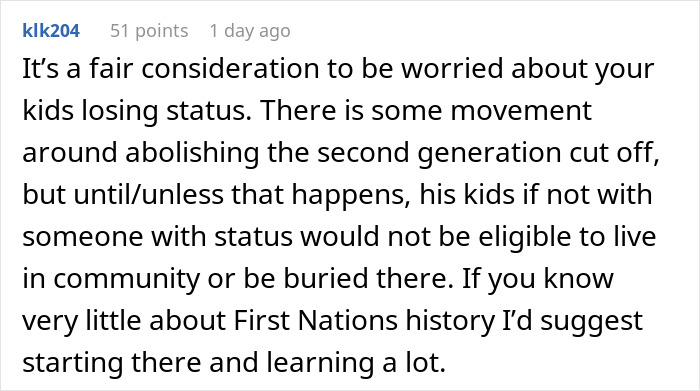
Now, even with all the cultural nuance aside, some First Nations people are legally registered under what’s known in Canada as “status,” which is passed down through families under specific rules. This system includes what’s called the “second-generation cut-off,” meaning that if someone with status has children with a non-status partner, their children may still qualify, but the ability to pass that status on can weaken in future generations.
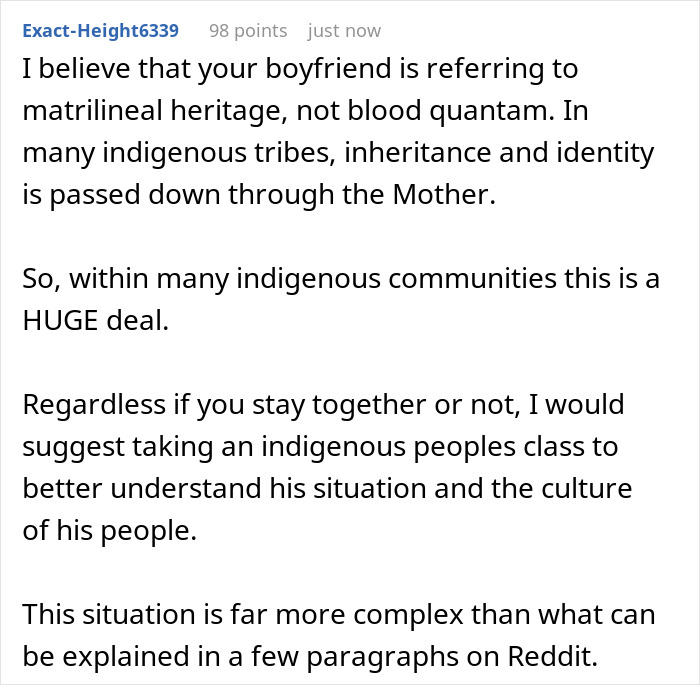
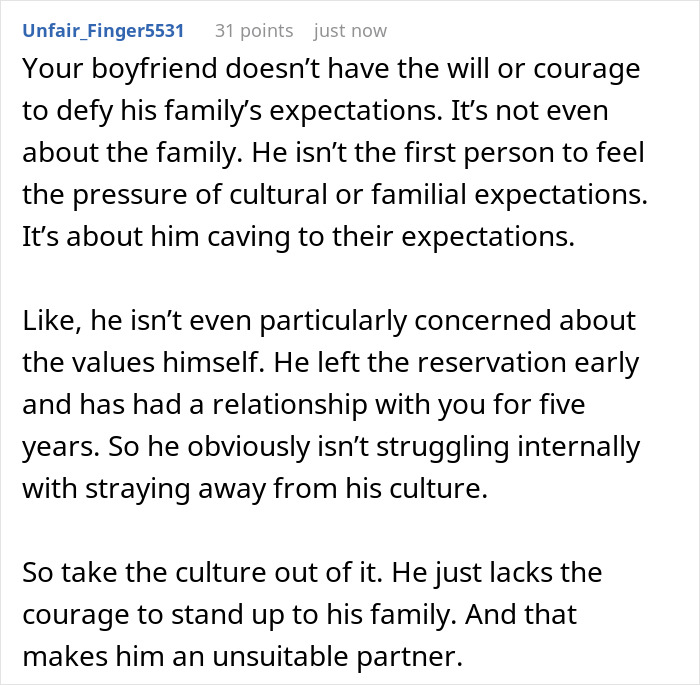
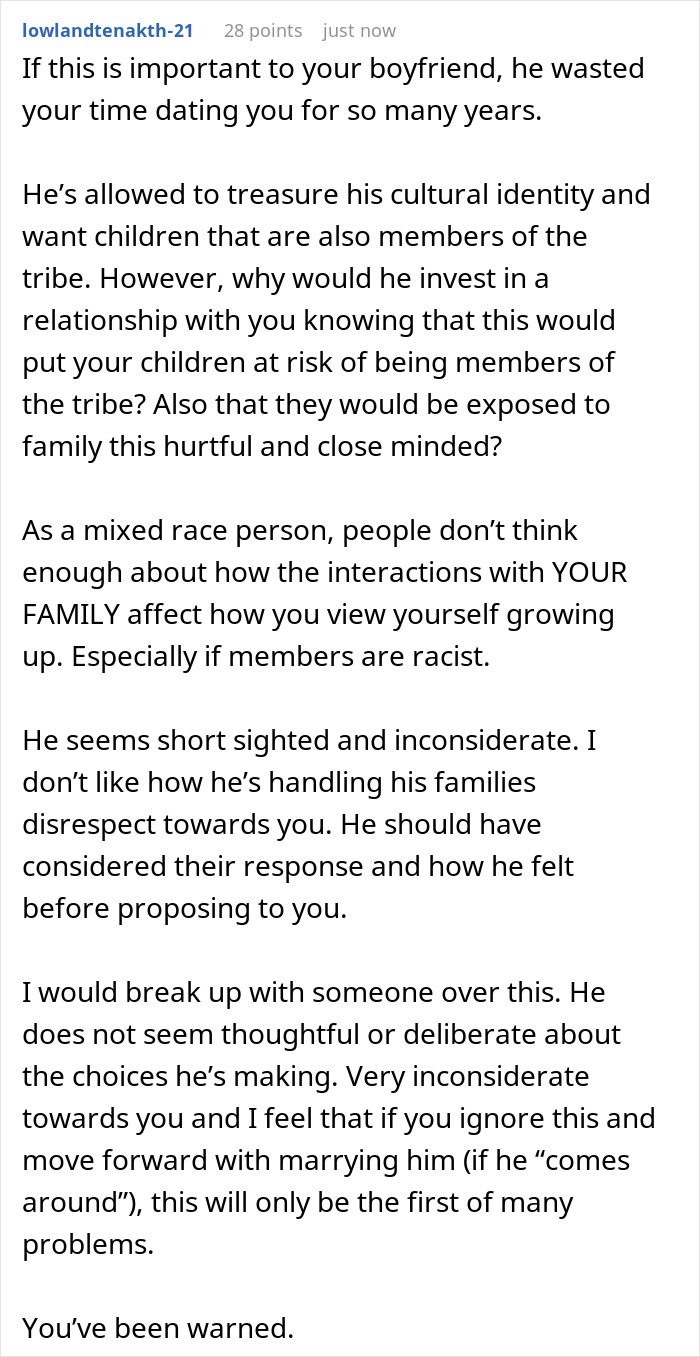
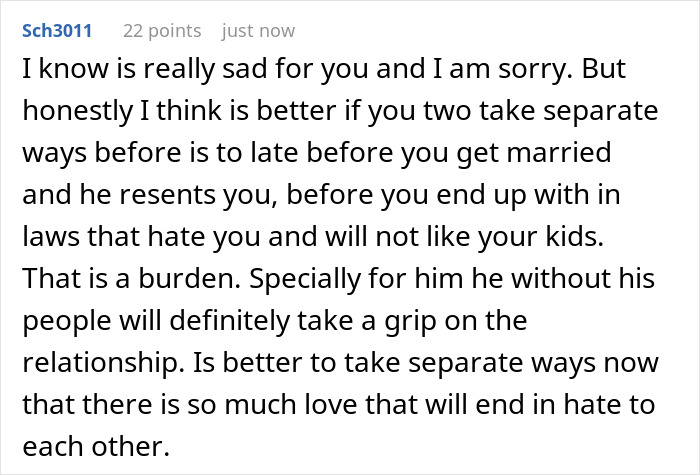
In this context, the family’s reaction likely isn’t about the relationship itself as much as it is about what comes after. They may be worried that if their son has children with someone who isn’t registered, their grandchildren—and especially great-grandchildren—might no longer be eligible for status. For them, that’s not just a legal technicality, but something tied to identity, community belonging, and the long-term continuity of their culture.







By entering your email and clicking Subscribe, you're agreeing to let us send you customized marketing messages about us and our advertising partners. You are also agreeing to our Privacy Policy.
Thank you! You've successfully subscribed to newsletters!
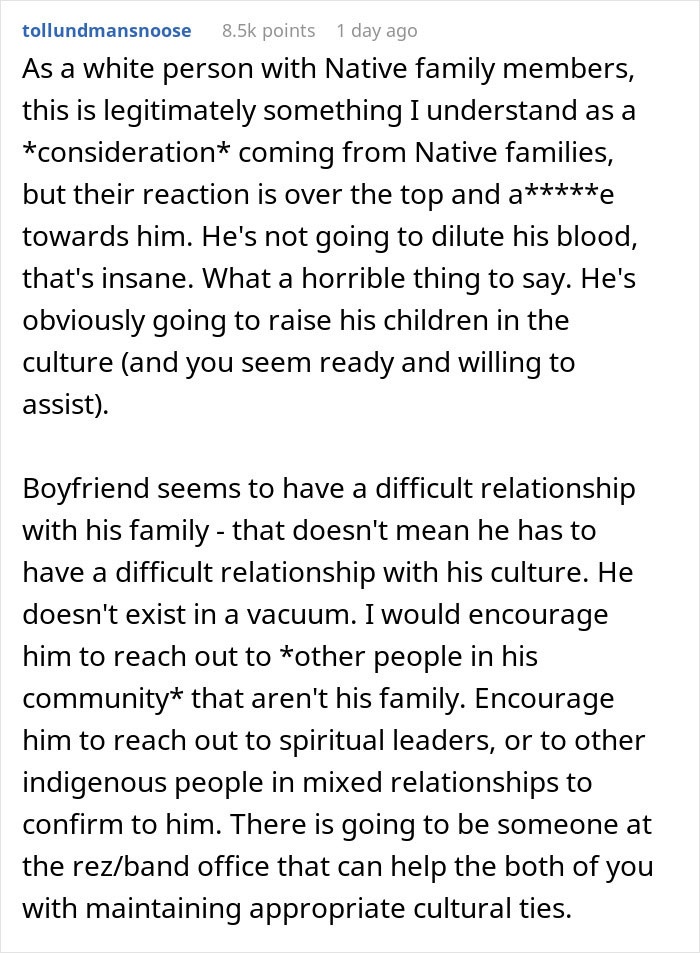
That family would have lost me at the "stain you blood" point. They can go and play Pureblood with the antivaxxers. The reply from the woman explaining her status and that of her children was very interesting.

The legal rules around Status have changed a few times (in particular for women who married non-Indigenous men), so if it's a question of losing Status, the concern is reasonable. If this isn't the major concern, then she'd be fighting this family forever.
Load More Replies...
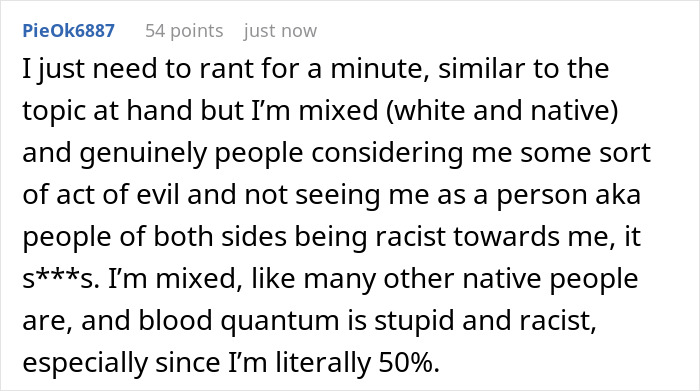
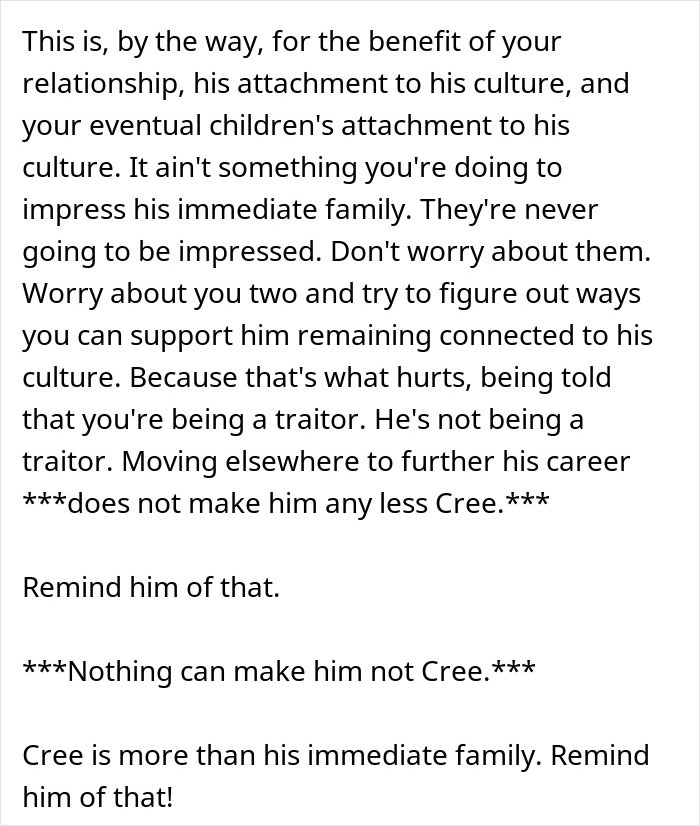
I have to say that, as a person of mixed European and Indigenous ancestry, and a member of an Urban Indigenous community in Canada, I have never encountered this attitude. I know Indigenous people who are also Black, who are visually assumed to be Black and nothing else. I know Indigenous people with cornsilk blond or red hair, with blue eyes (mine are). I know Indigenous people who are also Jewish/Israeli, also Asian, etc. I am Indigenous, but also white, because I am perceived as white and it is important to acknowledge that I benefit from white privilege. My son used to attend a school with an Indigenous-focused curriculum, and the majority of our students were biracial or multiracial.
The Indigenous people I know (some of whom are Cree, including our school's founder) fight to ensure that our children and grandchildren are all included, that they are all raised to embrace and claim their Indigeneity. It is not something that can be diluted in the blood, not a question of percentages - those are Western, colonial ideas. Indigeneity is rooted in community and in living with Indigenous ways of being and knowing.
Load More Replies...
The second he needed time to think i would have given him all the time in the world. If you are taking into account obviously racist concerns, you are just as racist as them, just don't wanna admit it
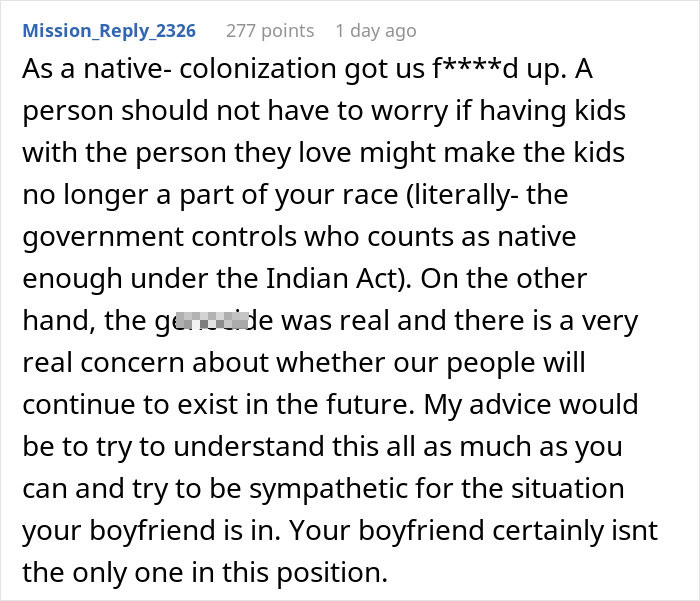
The had a f**k ton more going on than “just” racism. Including centuries of cultural trauma and genocide. Maybe don’t toss people aside so easily just because they have some wrestling to do.
Load More Replies... That family would have lost me at the "stain you blood" point. They can go and play Pureblood with the antivaxxers. The reply from the woman explaining her status and that of her children was very interesting.
The legal rules around Status have changed a few times (in particular for women who married non-Indigenous men), so if it's a question of losing Status, the concern is reasonable. If this isn't the major concern, then she'd be fighting this family forever.
Load More Replies... I have to say that, as a person of mixed European and Indigenous ancestry, and a member of an Urban Indigenous community in Canada, I have never encountered this attitude. I know Indigenous people who are also Black, who are visually assumed to be Black and nothing else. I know Indigenous people with cornsilk blond or red hair, with blue eyes (mine are). I know Indigenous people who are also Jewish/Israeli, also Asian, etc. I am Indigenous, but also white, because I am perceived as white and it is important to acknowledge that I benefit from white privilege. My son used to attend a school with an Indigenous-focused curriculum, and the majority of our students were biracial or multiracial.
The Indigenous people I know (some of whom are Cree, including our school's founder) fight to ensure that our children and grandchildren are all included, that they are all raised to embrace and claim their Indigeneity. It is not something that can be diluted in the blood, not a question of percentages - those are Western, colonial ideas. Indigeneity is rooted in community and in living with Indigenous ways of being and knowing.
Load More Replies... The second he needed time to think i would have given him all the time in the world. If you are taking into account obviously racist concerns, you are just as racist as them, just don't wanna admit it
The had a f**k ton more going on than “just” racism. Including centuries of cultural trauma and genocide. Maybe don’t toss people aside so easily just because they have some wrestling to do.
Load More Replies...



 No fees, cancel anytime









19
16