Get Premium
Dark mode theme is available exclusively for premium users. Learn more about the benefits of subscribing.
No fees, cancel anytime.

 Dark Mode Ad-Free Browsing Unlimited Content
 Ad-Free Browsing Unlimited Content Dark Mode
Join 1.2 million Panda readers who get the best art, memes, and fun stories every week!

It’s hell if you find yourself in a toxic workplace environment, answering to managers and bosses who try to exert control over you in whatever way they can. Being stuck in a job like this will, eventually, have negative effects on your emotional, mental, and physical health. And sometimes speaking up and trying to defend your boundaries simply doesn’t work.
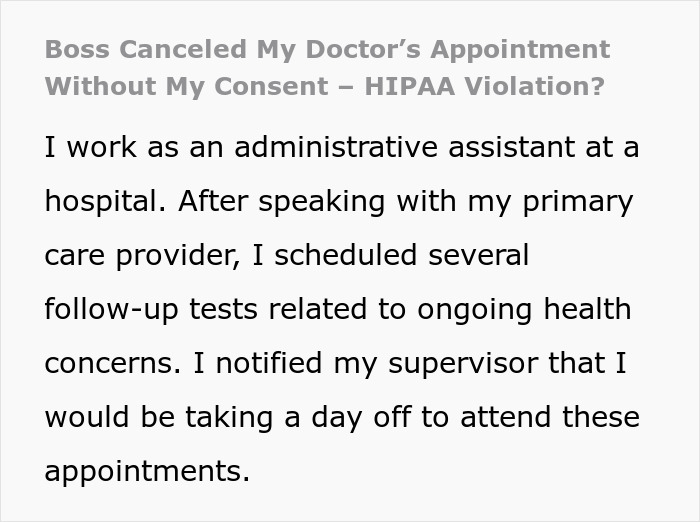
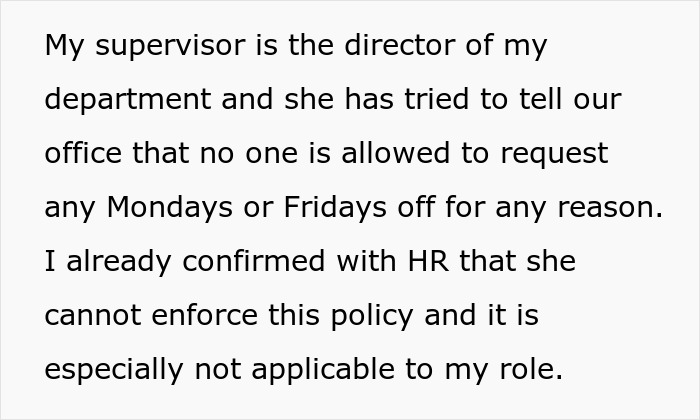
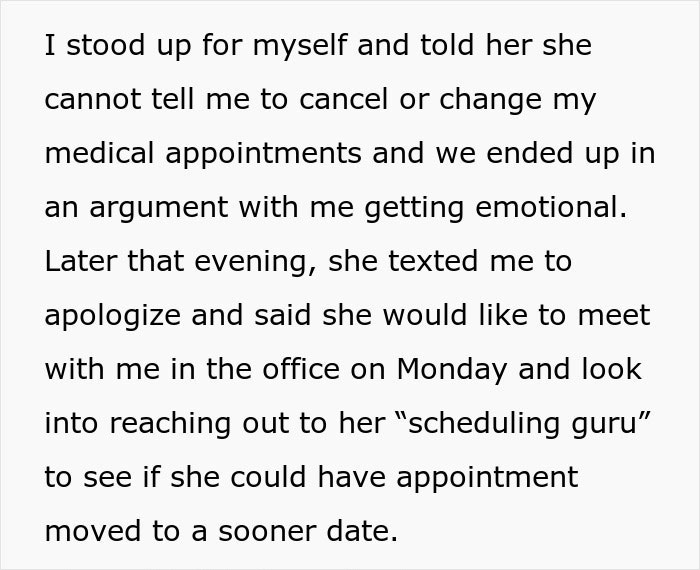
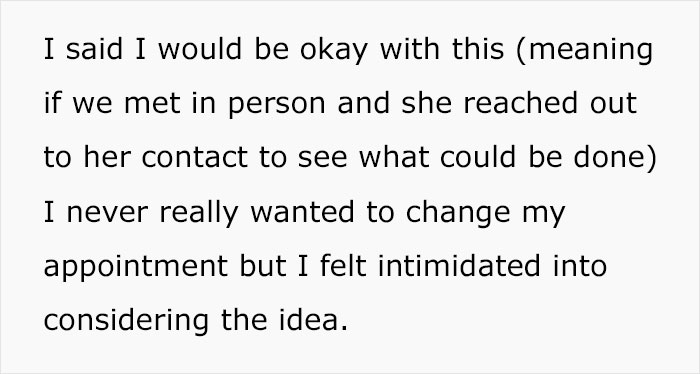
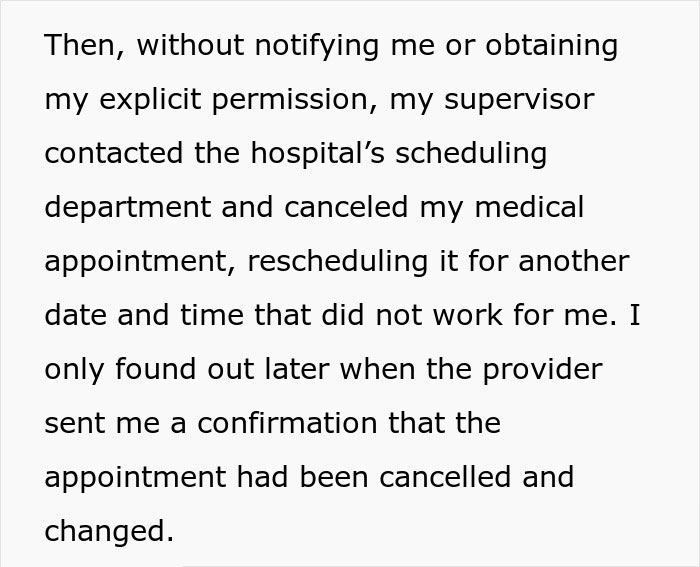
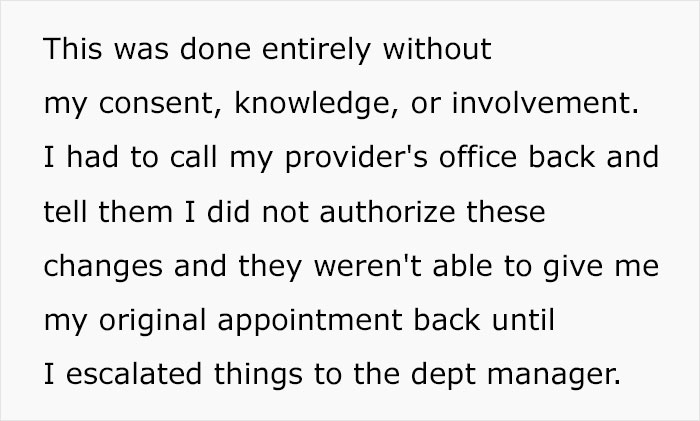
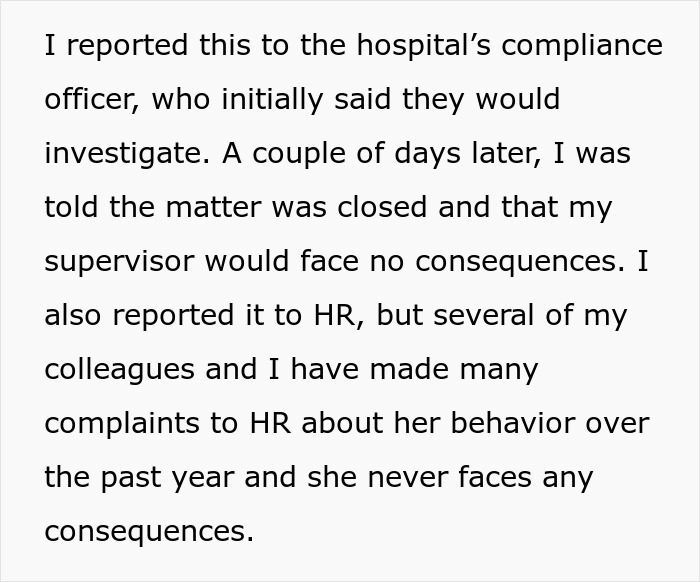
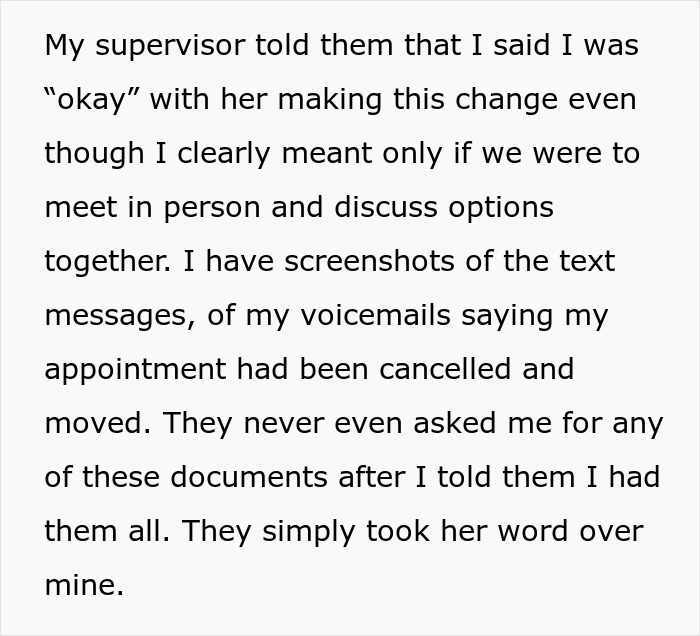
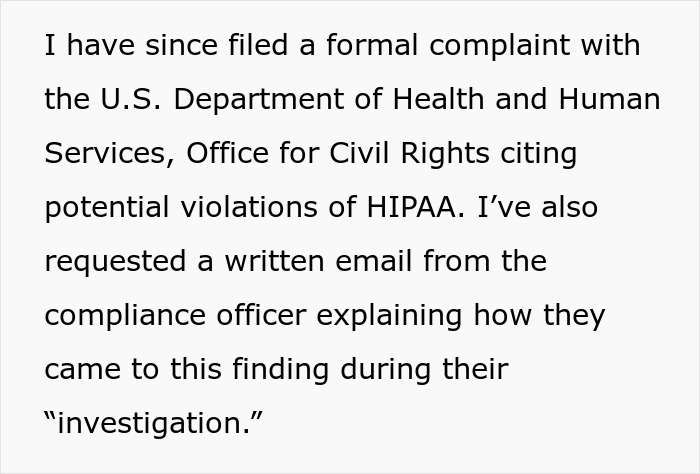
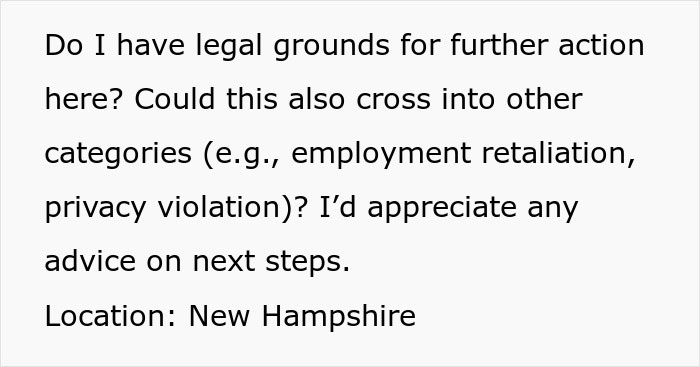
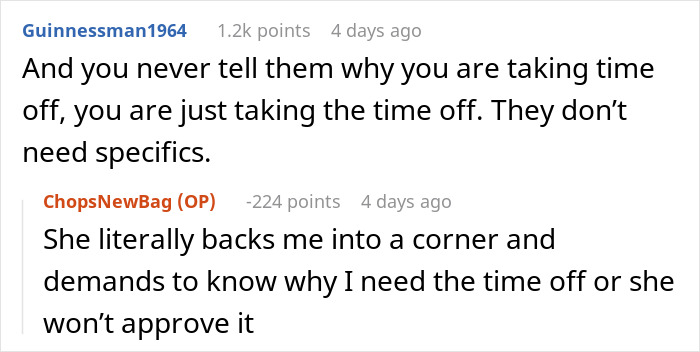
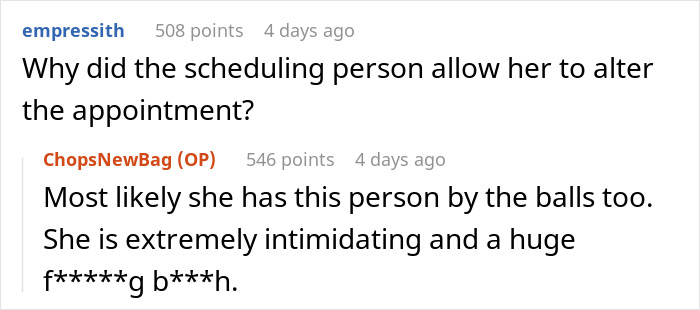
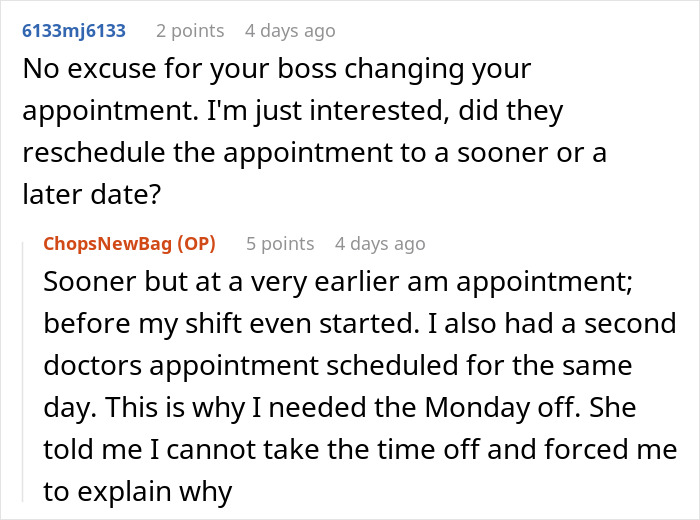
Redditor u/ChopsNewBag turned to the ‘Legal Advice’ online group for help regarding a very nasty situation at work. He revealed how his boss canceled his doctor’s appointment without his consent, and how he reacted to this behavior. You’ll find the full story below, including the advice shared by various internet users. Bored Panda has reached out to the author for further comment, and we’ll update the article as soon as we hear back from him.
Image credits: Getty Images / Unsplash (not the actual photo)
Image credits: Getty Images / Unsplash (not the actual photo)
Image credits: Ahmed / Unsplash (not the actual photo)
Image credits: Getty Images / Unsplash (not the actual photo)
Image credits: ChopsNewBag
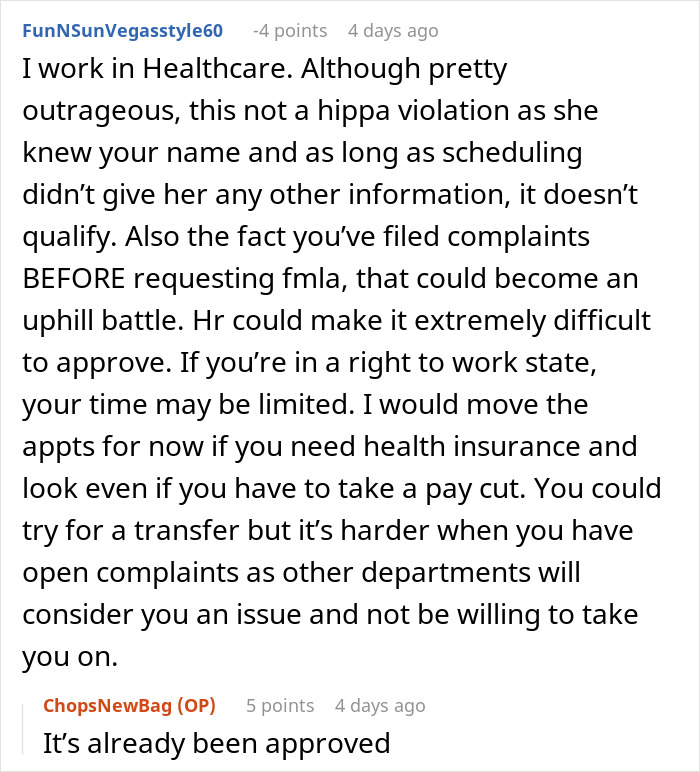
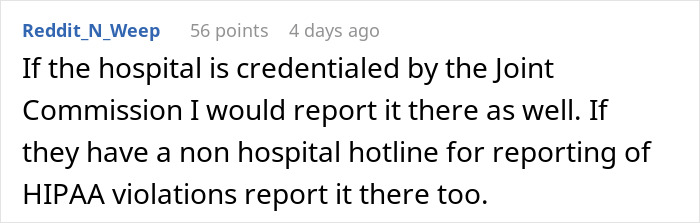
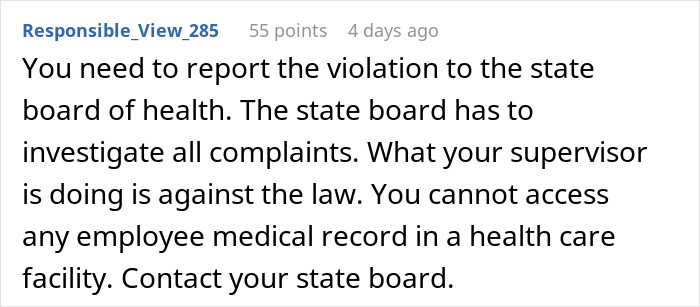
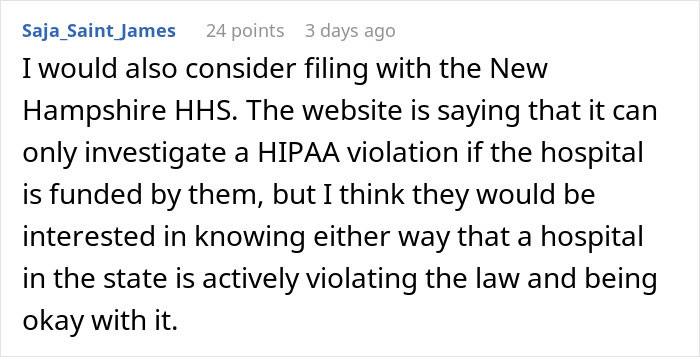
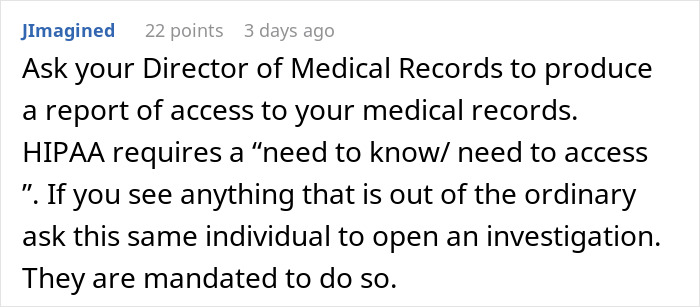
According to the HIPAA Journal, a HIPAA violation is “any failure to comply with the HIPAA regulations—which can include the unauthorized access, use, or disclosure of Protected Health Information (PHI), the failure to provide patients with access to their PHI, a lack of safeguards to protect PHI, the failure to conduct regular risk assessments, or insufficient workforce training on the HIPAA rules.”
HIPAA refers to the Health Insurance Portability and Accountability Act of 1996, which was initially introduced to ensure employees could maintain healthcare coverage between jobs, as well as to prevent their discrimination for pre-existing conditions.
“The failure to comply with any standards in these Rules is considered a violation of HIPAA—even if no harm has resulted. For example, one of the most common types of complaint relates to the failure to provide patients with copies of their PHI on request.
The penalties for somebody violating HIPAA rules depend on the nature of the violation, the level of culpability, how much harm was caused, and the efforts made by the business to mitigate the breach or its impact.
Less serious violations can be resolved by offering technical assistance. However, more egregious breaches can result in “substantial financial penalties.”
For instance, The HIPAA Journal explains that a Tier 4 breach, the maximum level of culpability (neglect, not rectified within 30 days) can result in a minimum penalty of $71,162 per breach, with a maximum penalty of $2,134,831.
Meanwhile, a Tier 1 breach (reasonable efforts made to correct the issue) has a minimum penalty of $141 per breach, with a maximum of $71,162.
Image credits: Wesley Tingey / Unsplash (not the actual photo)
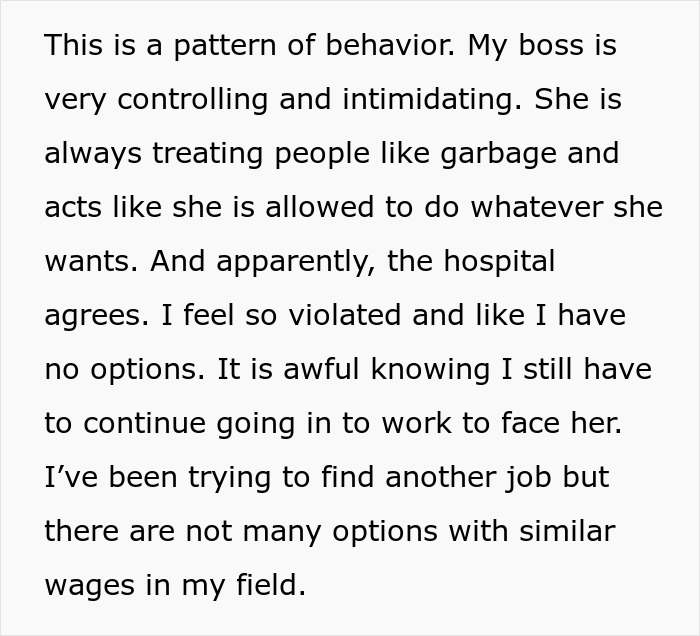
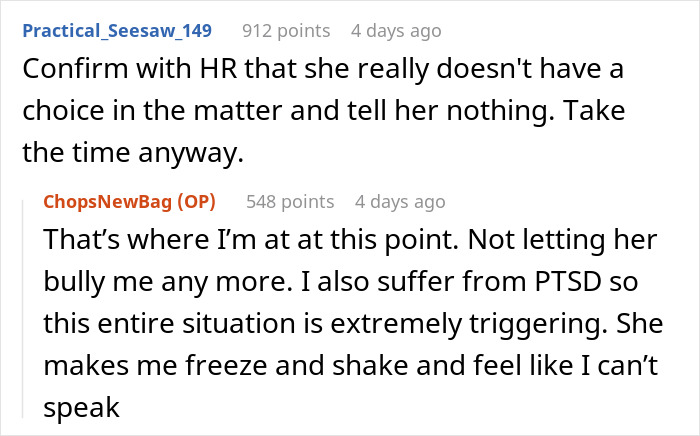
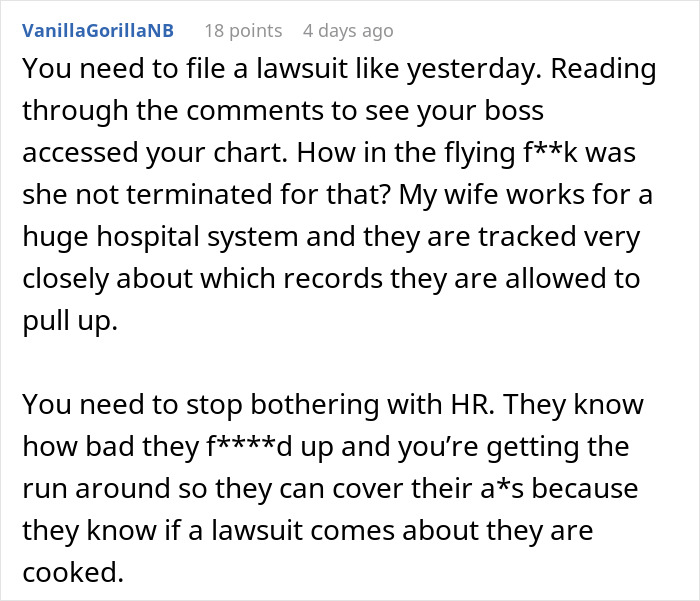
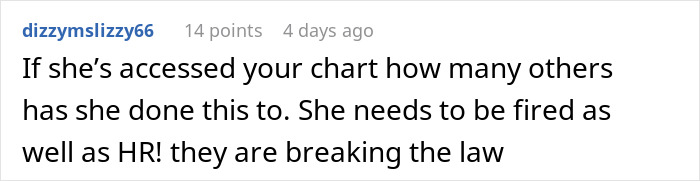
As per the author of the viral post, his boss has a pattern of “very controlling and intimidating” behavior. Nobody should have to work under someone who tries to direct every aspect of their employees’ lives, especially if this happens in a morally gray area.
According to Indeed, controlling bosses use fear to achieve their goals. “A controlling manager may use fear to motivate you to achieve job goals. For example, managers typically can fire or discipline you.”
What’s more, overly controlling bosses typically assume they know everything, tend to dominate during meetings, and control various aspects of your workload. For instance, they might demand that you check in frequently with your progress. Or they micromanage every step that you take.
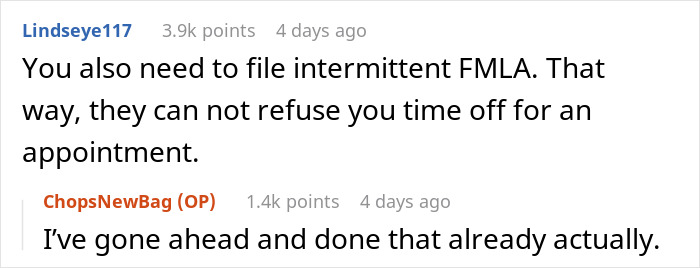
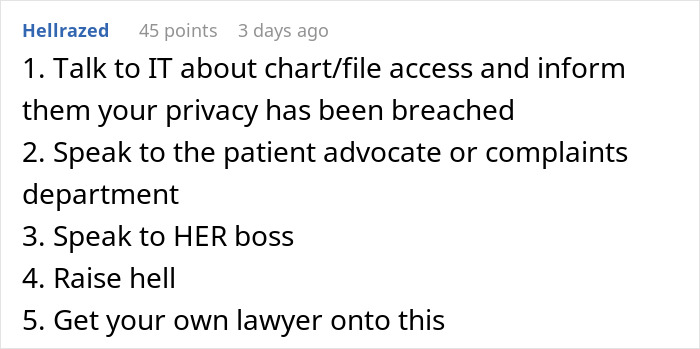
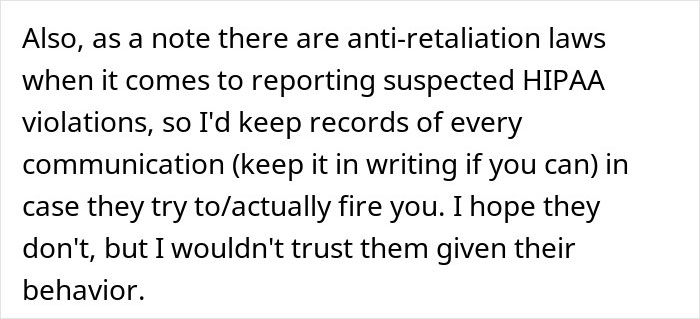
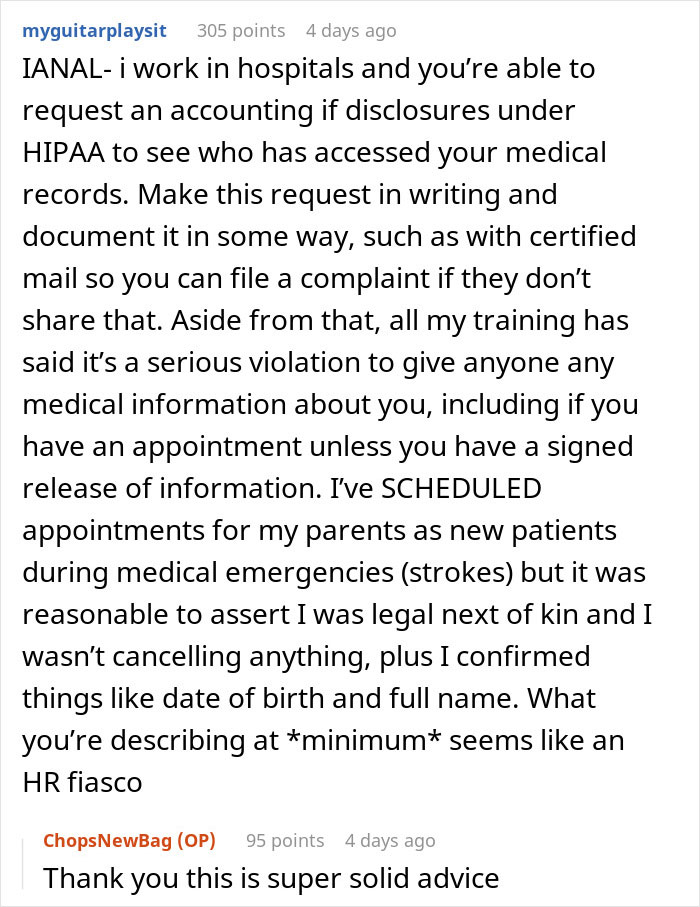
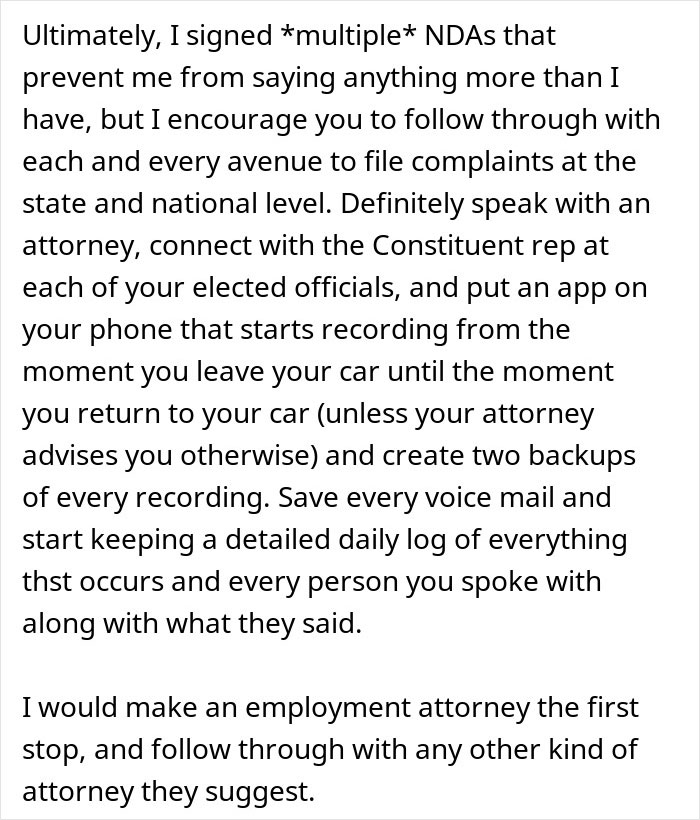
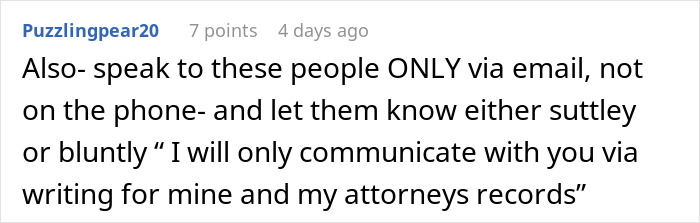
One of the most important things that you can do is keep digital and paper evidence of any potential misconduct or breaches of workplace rules. Emails, text messages, documents, etc. are invaluable when you make your case.
Generally, if there are workplace issues, it’s best to try all possible avenues to solve the problem before escalating further. So, you start off by talking with the problematic person. If that doesn’t work, you can bring the question up with your manager or their superior.
Get the human resources department involved. If that fails, you can either ask for a meeting with the head of the company, talk to your union rep, or consider filing a formal complaint against the company.
If the activities you’ve witnessed are criminal, you’ll also probably have to get the authorities involved. In the most egregious cases, you may want to consider suing your workplace.
Controlling bosses also often ignore other people’s ideas, communicate poorly, and make their staff feel inferior to them. “A controlling manager may use sarcasm, intimidation or even silence to make you feel bad about yourself. If you feel inferior, it’s easier for them to manipulate you into doing what they say. They might also ignore your emails or calls, especially when you need their input for a project.”
What is the worst manager you’ve ever worked under, dear Pandas? Has a boss ever tried to cancel your doctor’s appointments before? What advice would you give the author of the story? Let us know below.

By entering your email and clicking Subscribe, you're agreeing to let us send you customized marketing messages about us and our advertising partners. You are also agreeing to our Privacy Policy.
Thank you! You've successfully subscribed to newsletters!

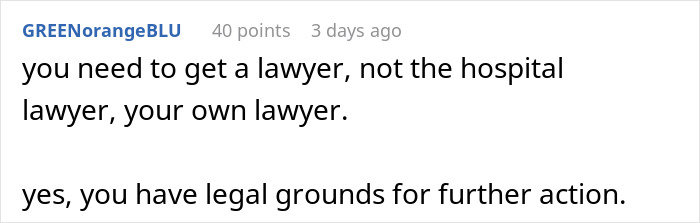
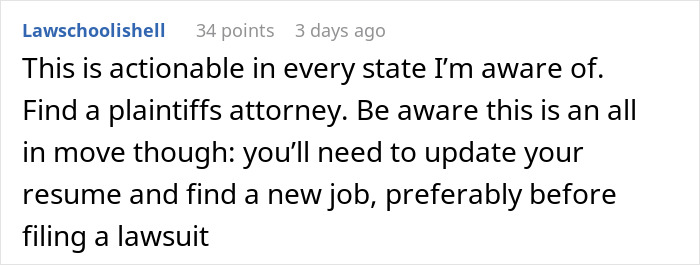
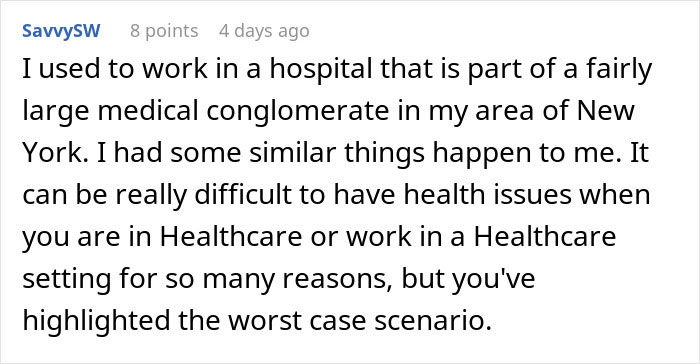
Definitely illegal and I’d be going after both the employer and that hospital system if it were me. Despicable behavior by that supervisor and even worse behavior by whom ever changed that appointment knowing they were not speaking directly to the patient or their designated caregiver. This is exactly why HIPPA was created!

HIPAA. And it has nothing to do with this. You need to look it up, as most people really don’t understand that it’s not a unilateral right to privacy.
Load More Replies...
You have to become MORE intimidating than her to show her that this s**t aint going to happen any more.

Bad behaviour by those who changed the appointment. I don't get the whole setup, but it should be that only the patient or their nominee (ie spouse or caregiver) can do anything medical on their behalf.
Definitely illegal and I’d be going after both the employer and that hospital system if it were me. Despicable behavior by that supervisor and even worse behavior by whom ever changed that appointment knowing they were not speaking directly to the patient or their designated caregiver. This is exactly why HIPPA was created!
HIPAA. And it has nothing to do with this. You need to look it up, as most people really don’t understand that it’s not a unilateral right to privacy.
Load More Replies... You have to become MORE intimidating than her to show her that this s**t aint going to happen any more.
Bad behaviour by those who changed the appointment. I don't get the whole setup, but it should be that only the patient or their nominee (ie spouse or caregiver) can do anything medical on their behalf.




























 No fees, cancel anytime















47
22