Get Premium
Dark mode theme is available exclusively for premium users. Learn more about the benefits of subscribing.
No fees, cancel anytime.

 Dark Mode Ad-Free Browsing Unlimited Content
 Ad-Free Browsing Unlimited Content Dark Mode
Join 1.2 million Panda readers who get the best art, memes, and fun stories every week!
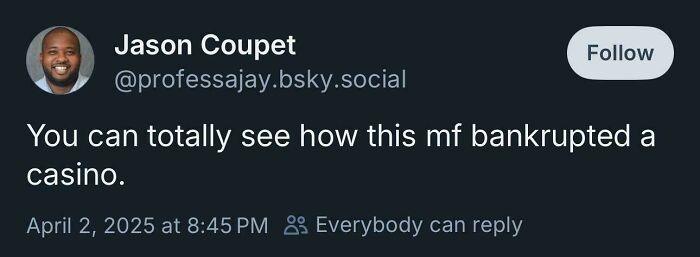
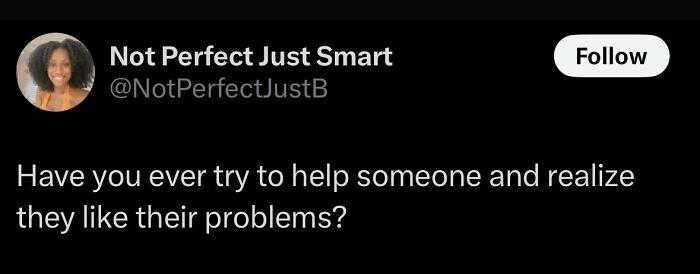
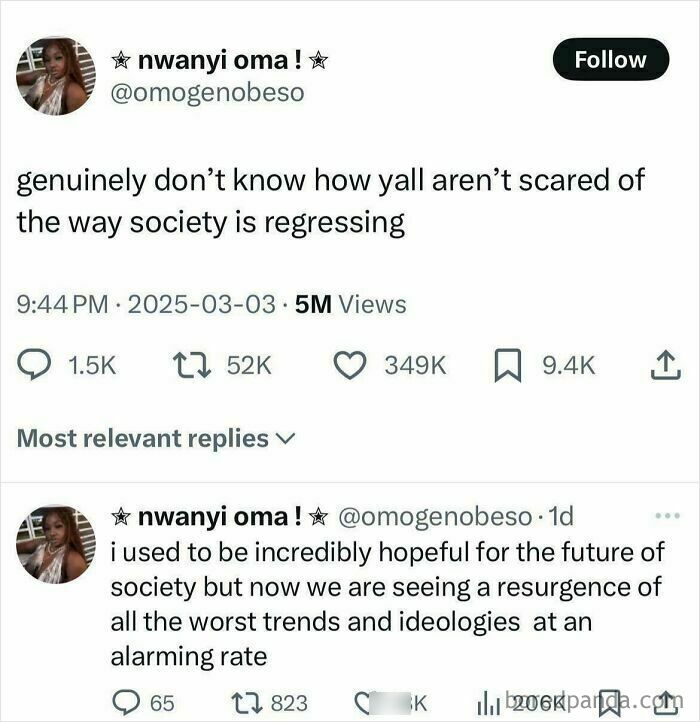
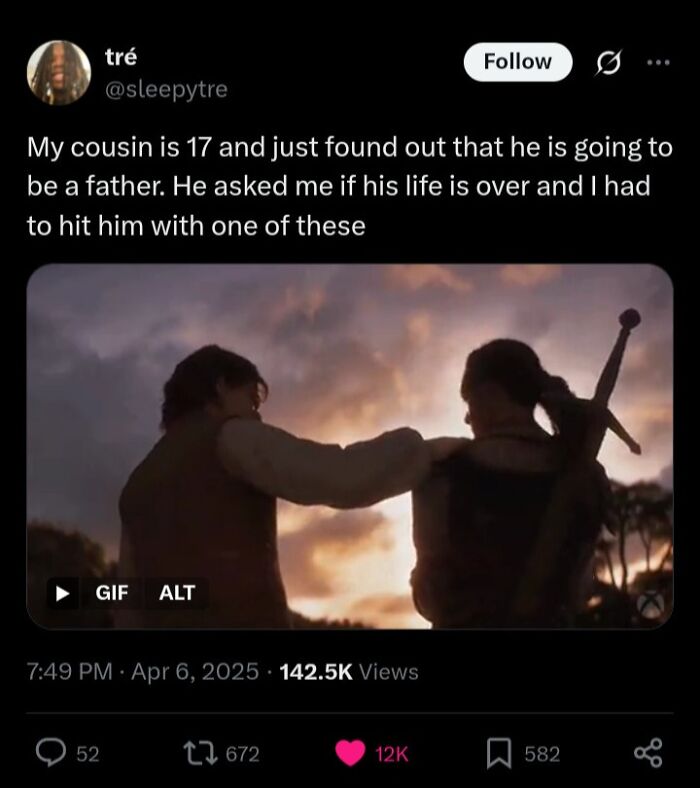
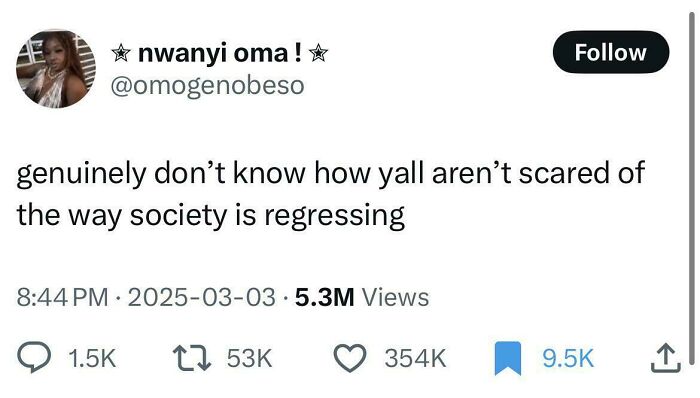
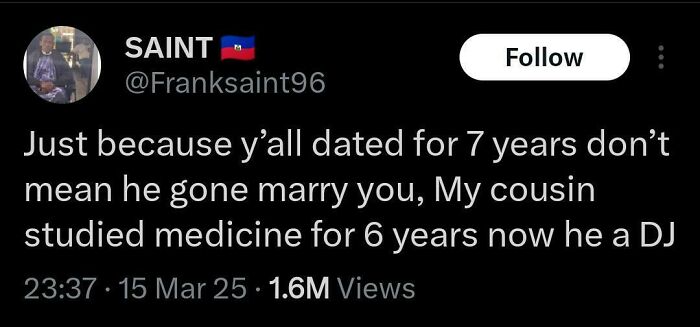
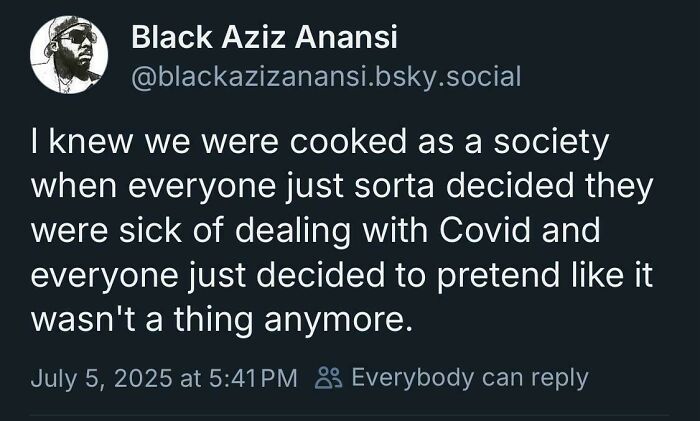
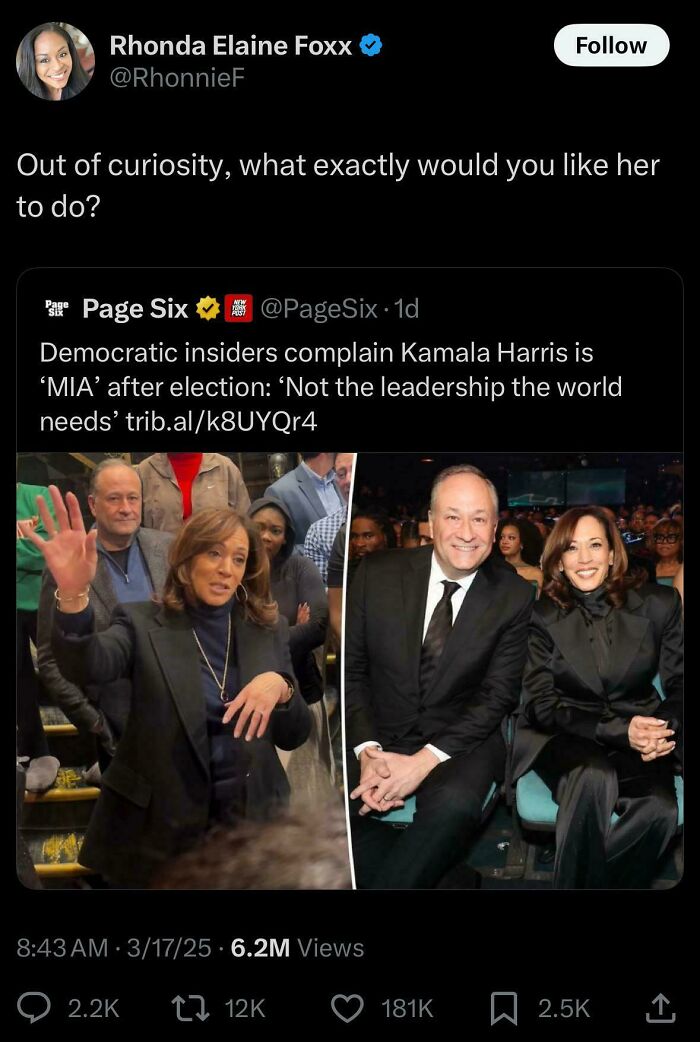
There’s a corner of the internet that will make you laugh until your stomach hurts and then, two posts later, say something so sharp and honest about the world that you have to sit with it for a minute. A place that knows when to be serious and isn’t scared to be, but also isn’t going to pass up a genuinely great joke.
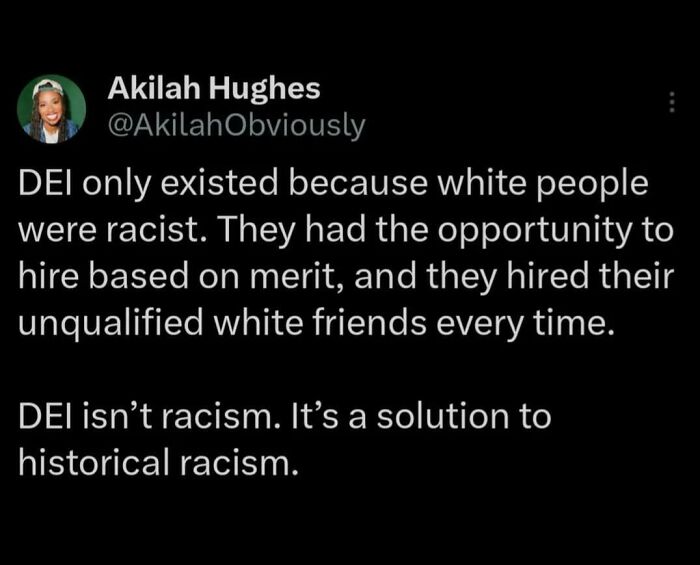
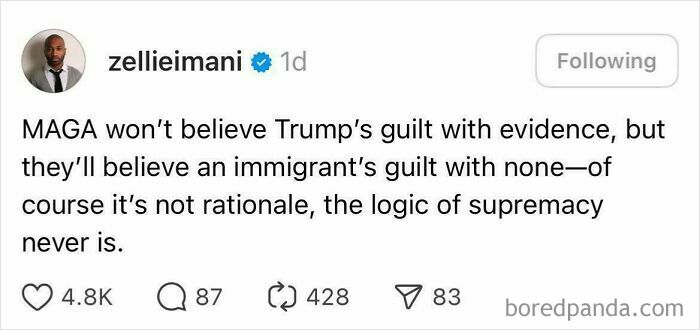
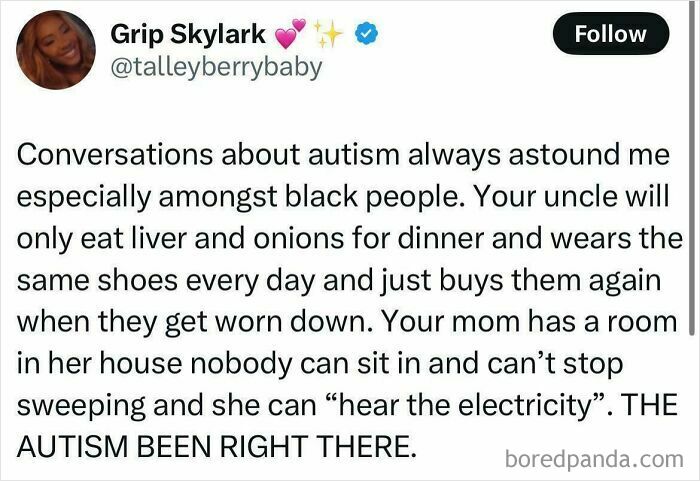
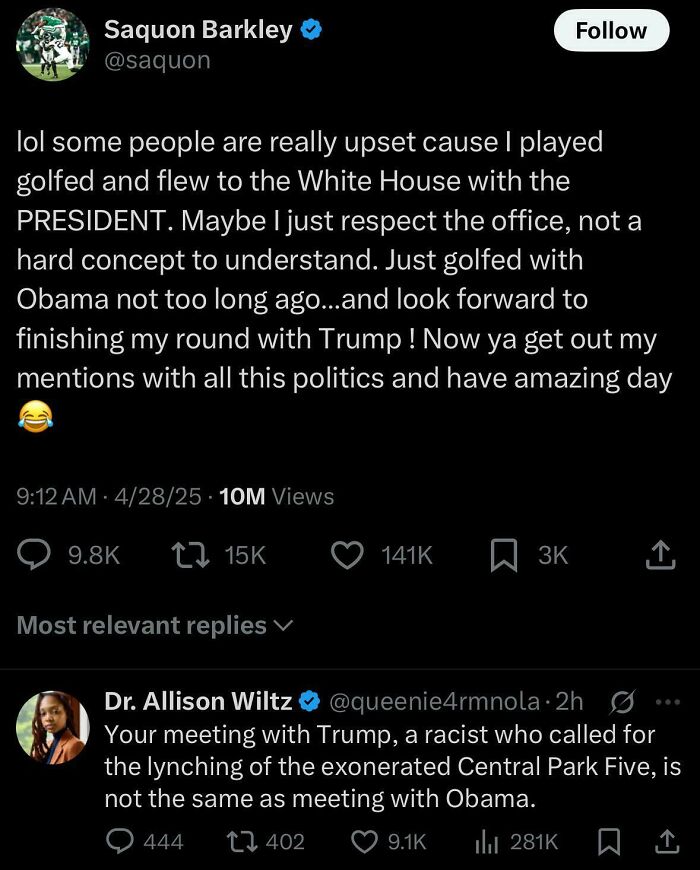
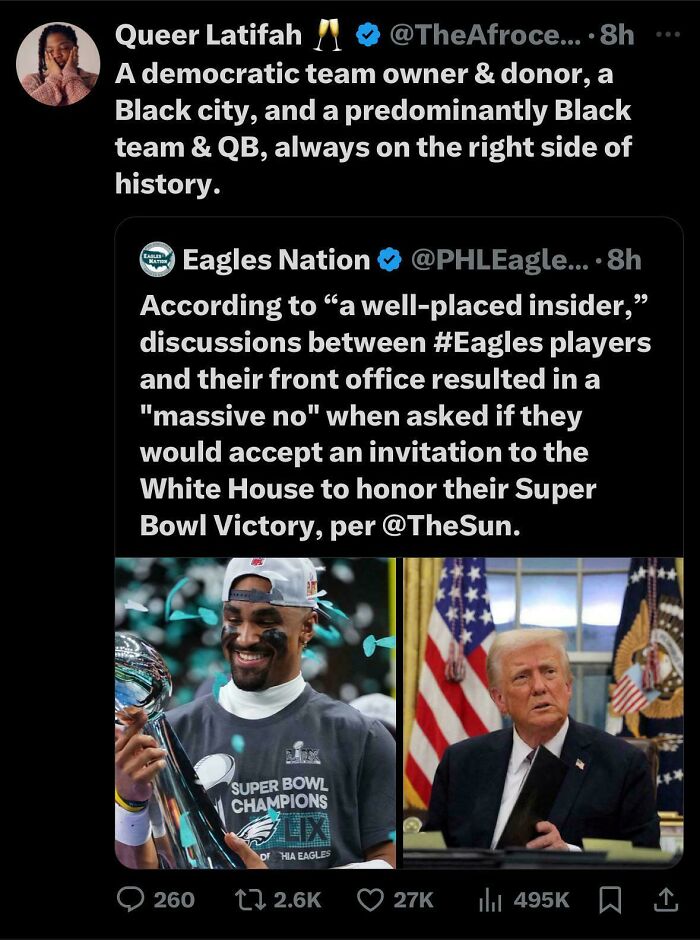
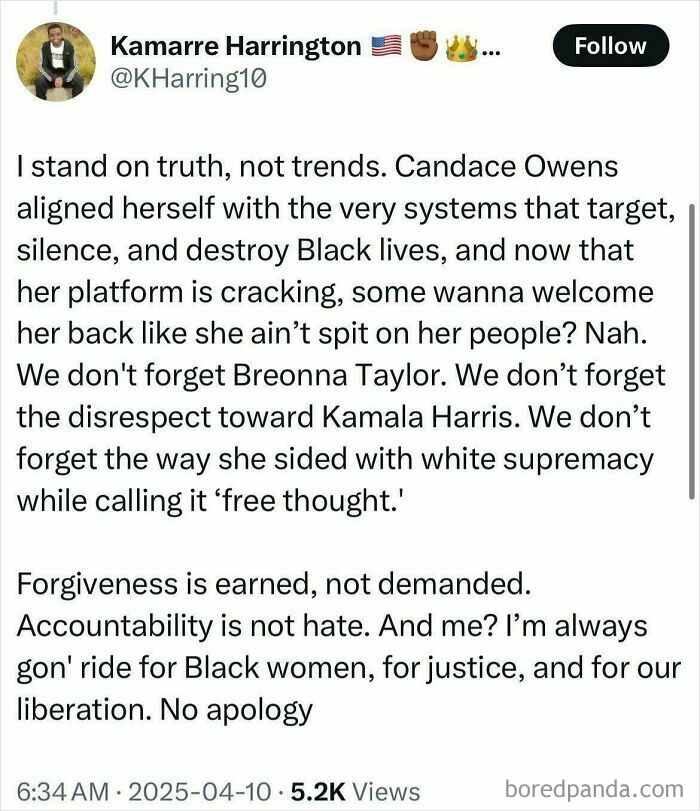
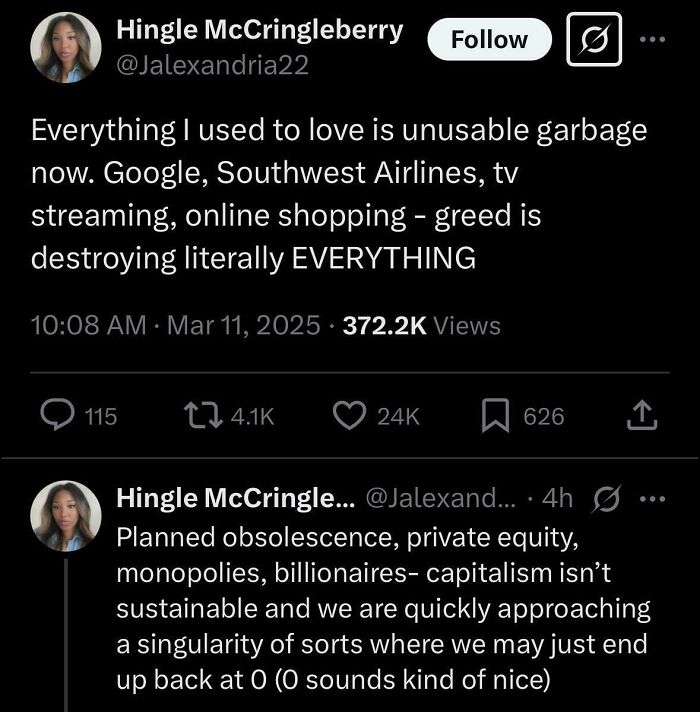
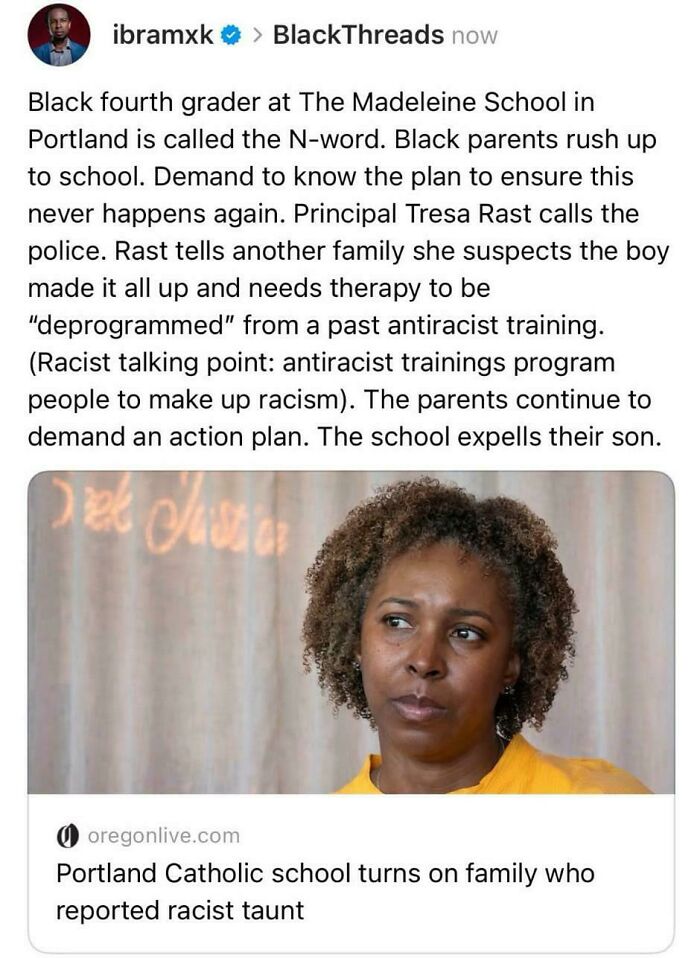
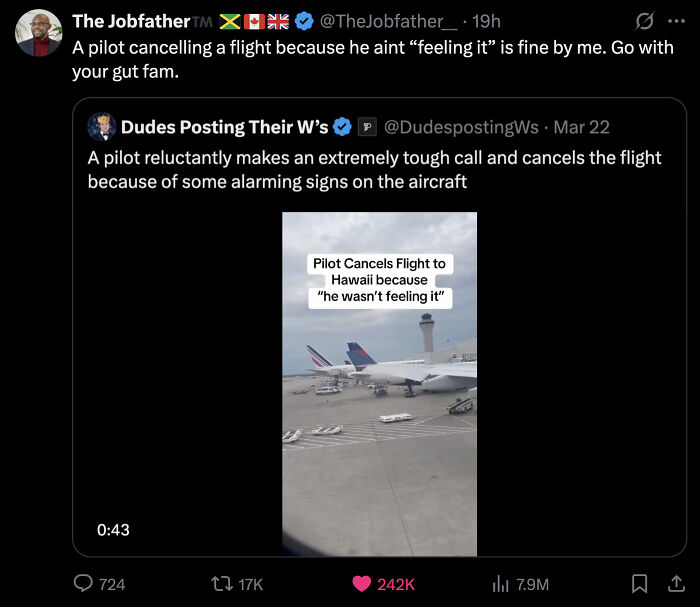
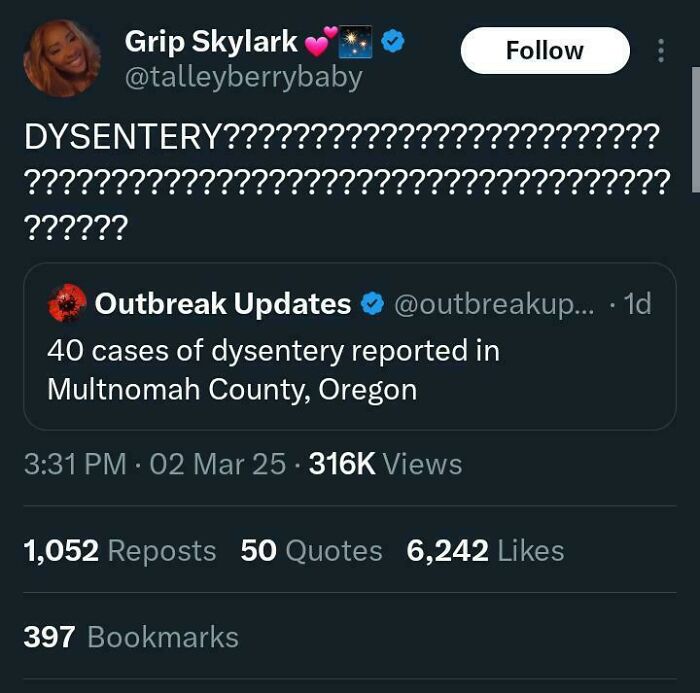
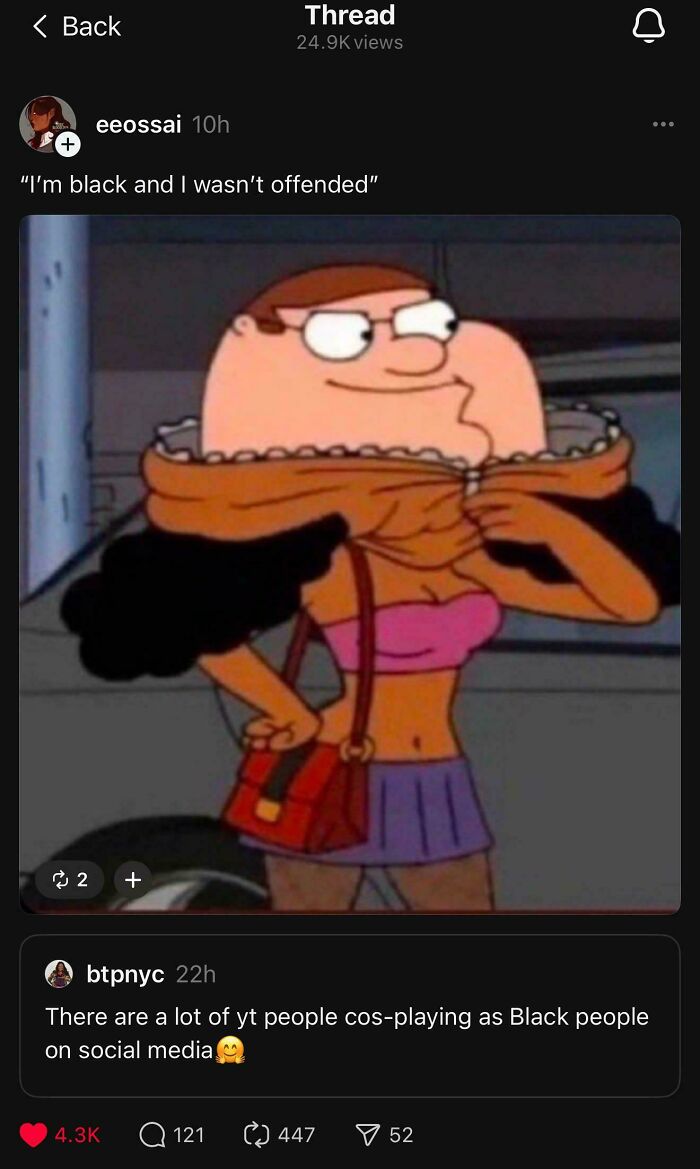
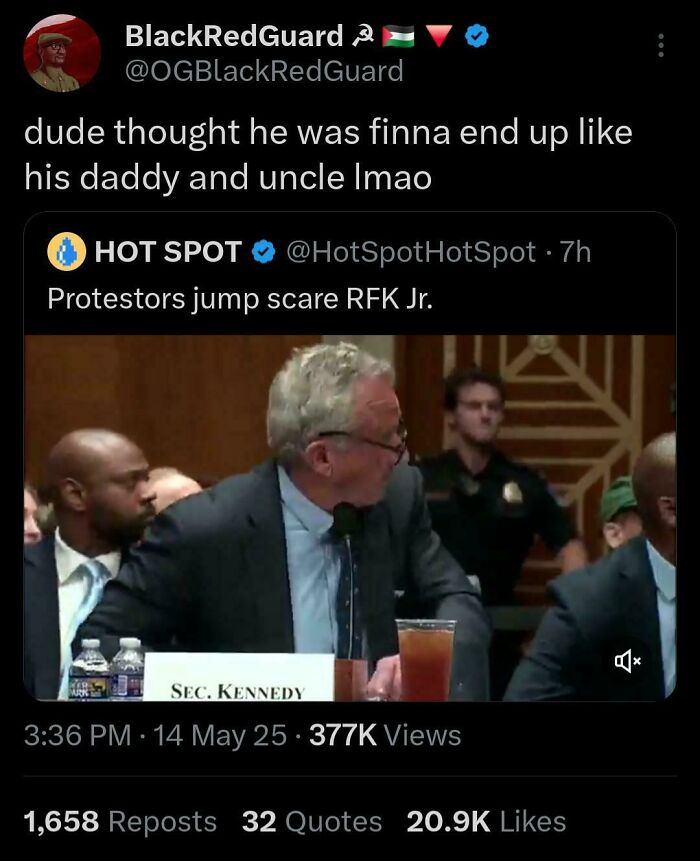
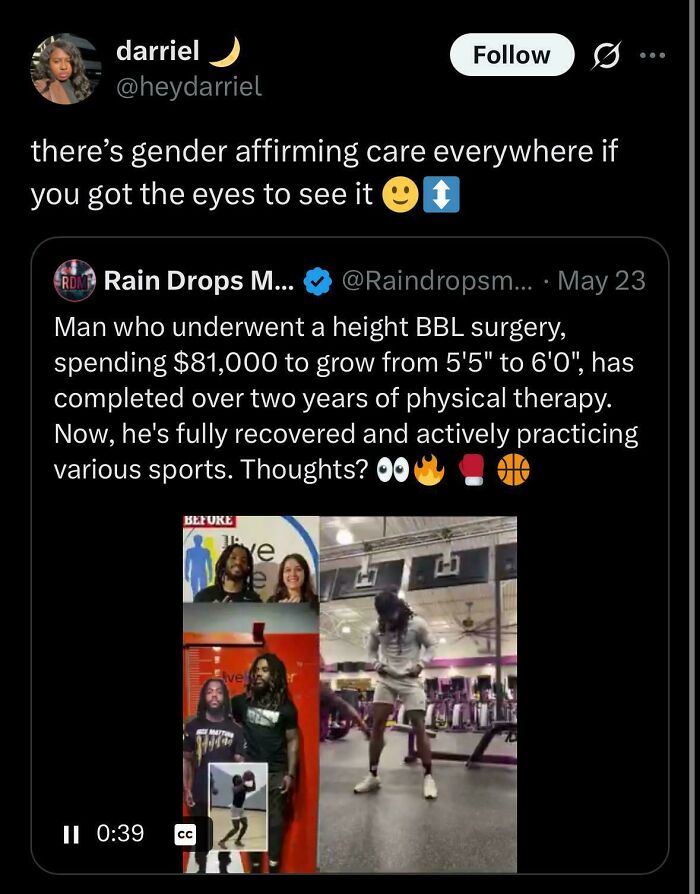
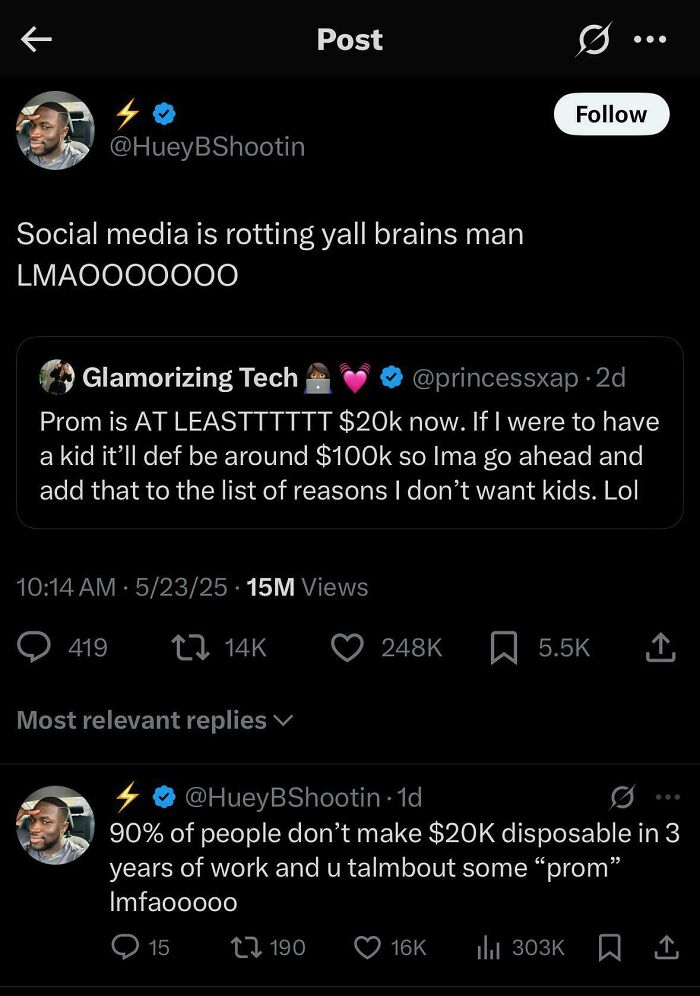
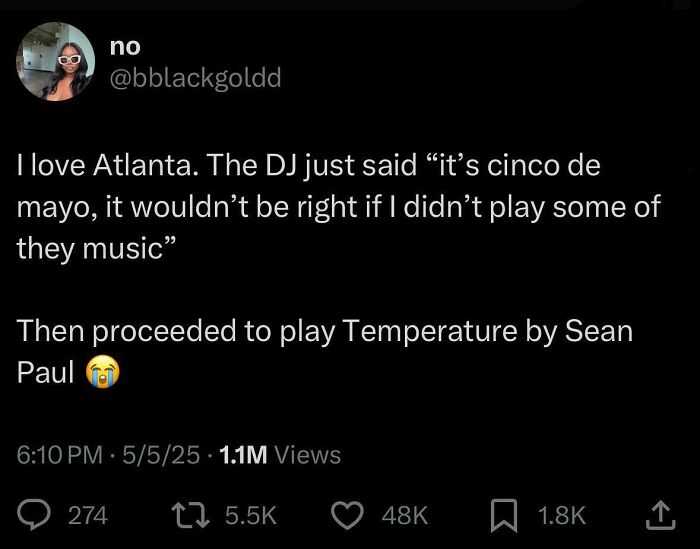
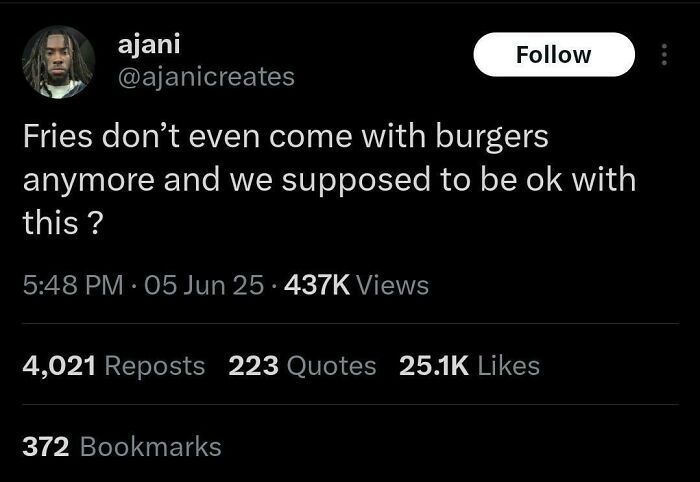
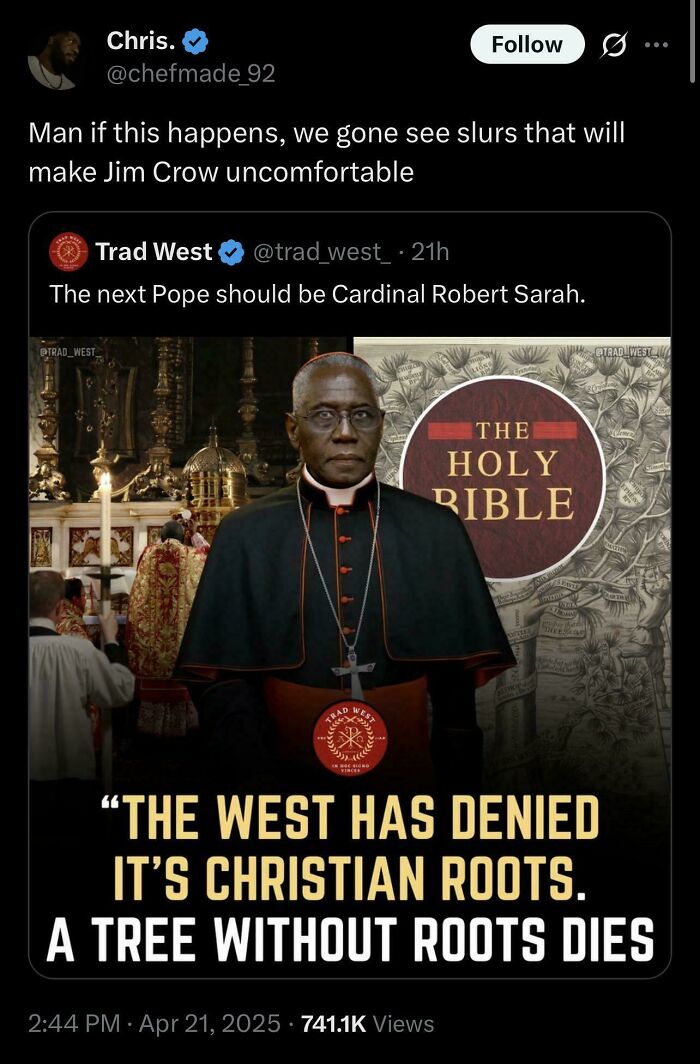
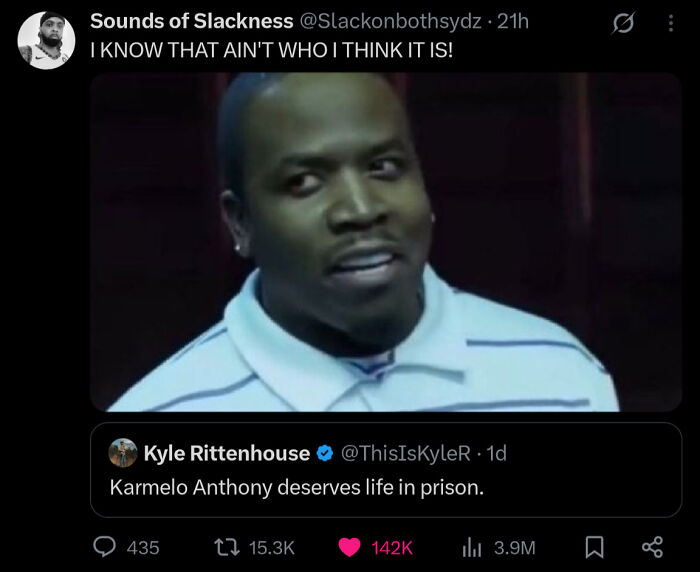
That corner is Black Twitter, and if you haven’t spent much time there, this is a pretty good place to start. We’ve rounded up some of its best moments here as a celebration of Black culture and the community behind it—because it deserves nothing less. Scroll down and enjoy.
This post may include affiliate links.
Twitter may have officially become X, but Black Twitter has held onto its name—and it still fits perfectly.
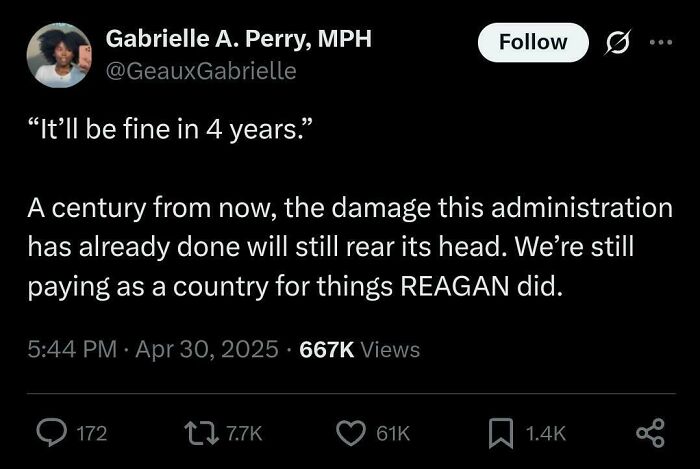
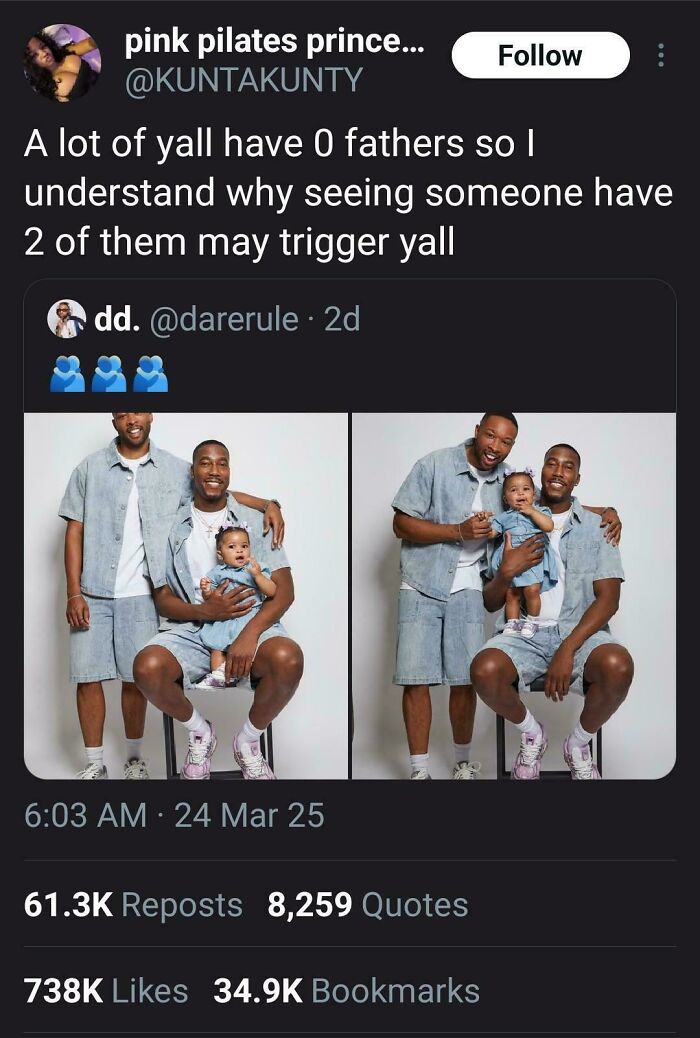
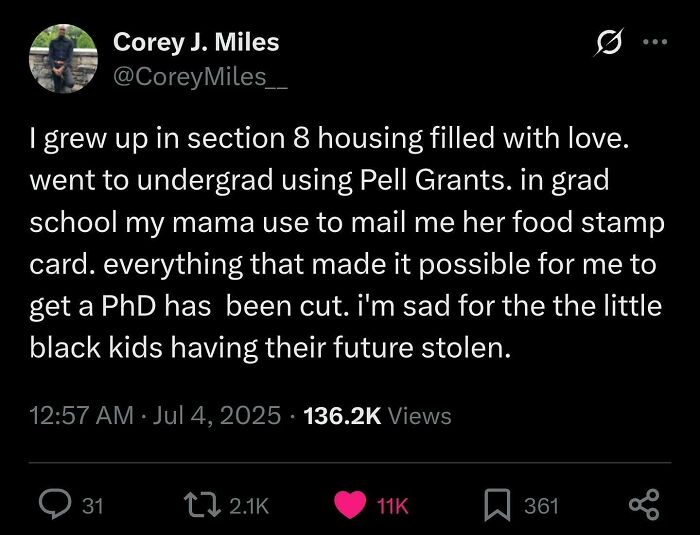
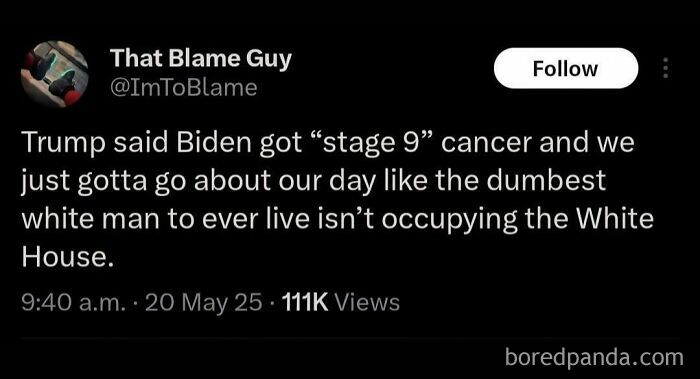
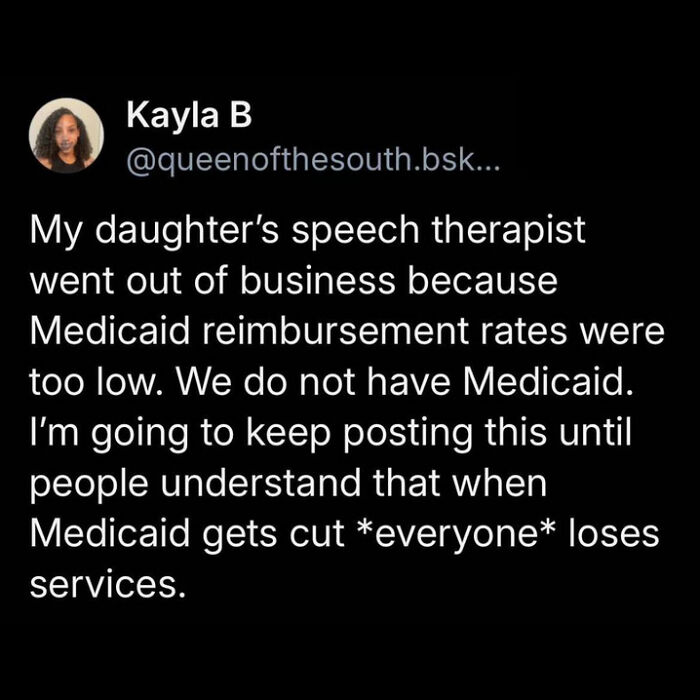
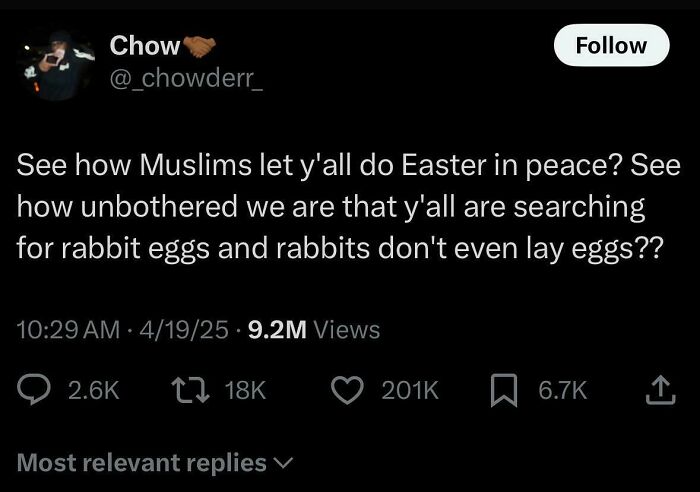
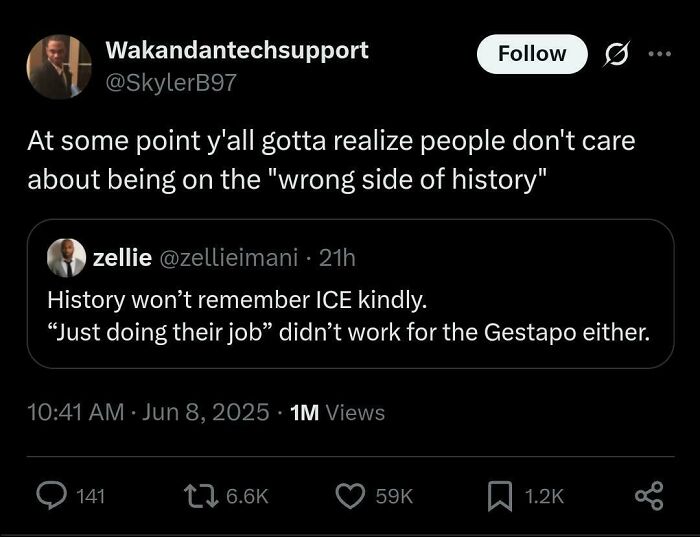
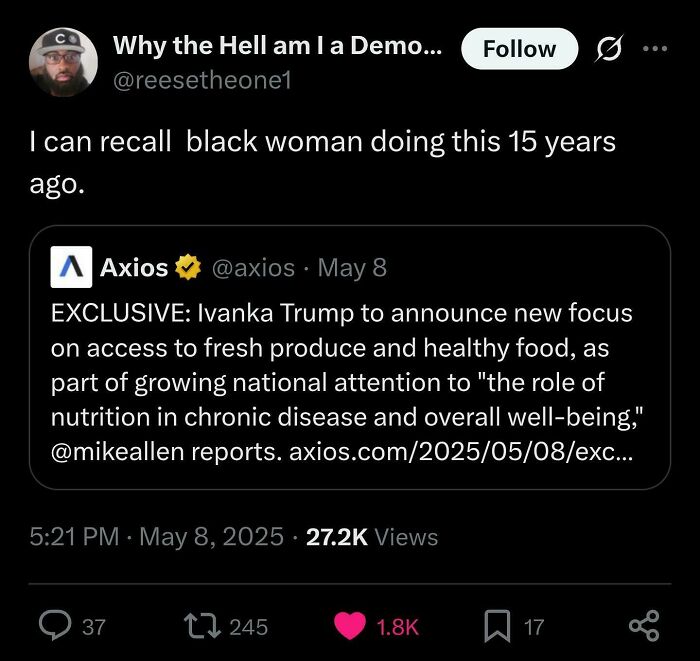
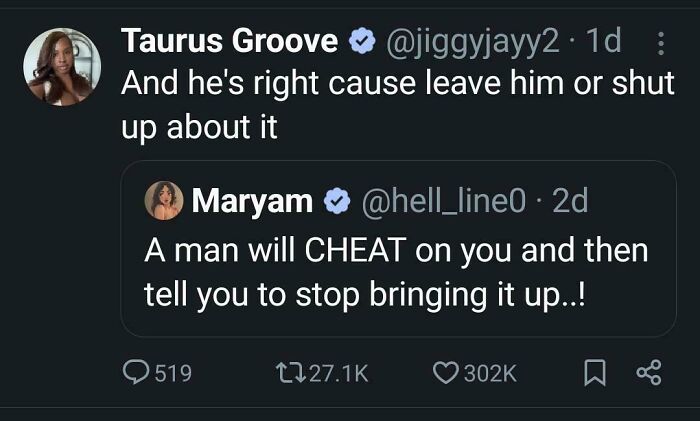
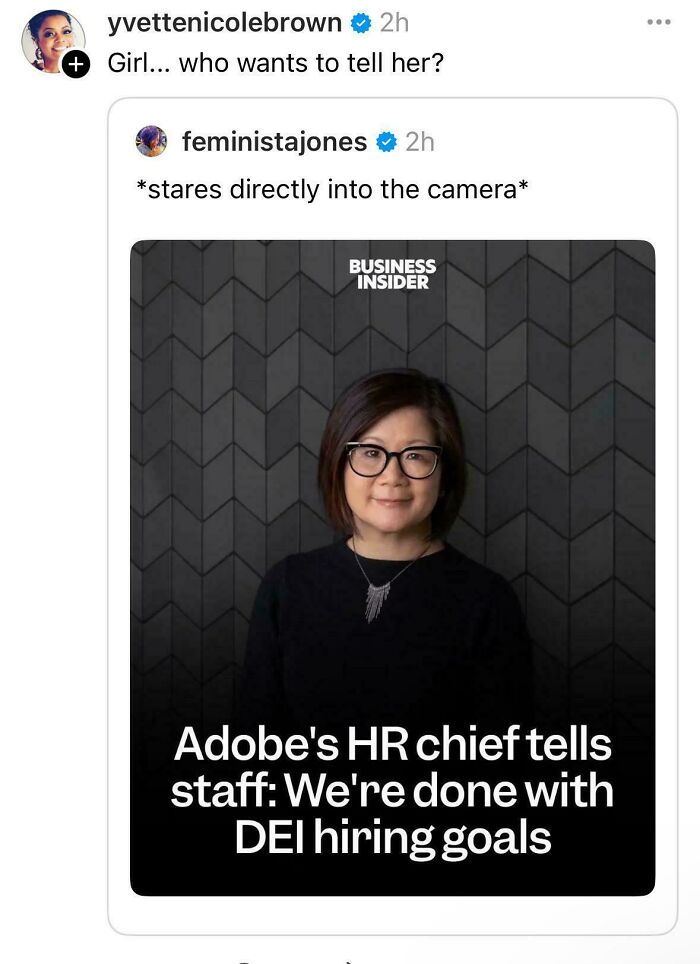
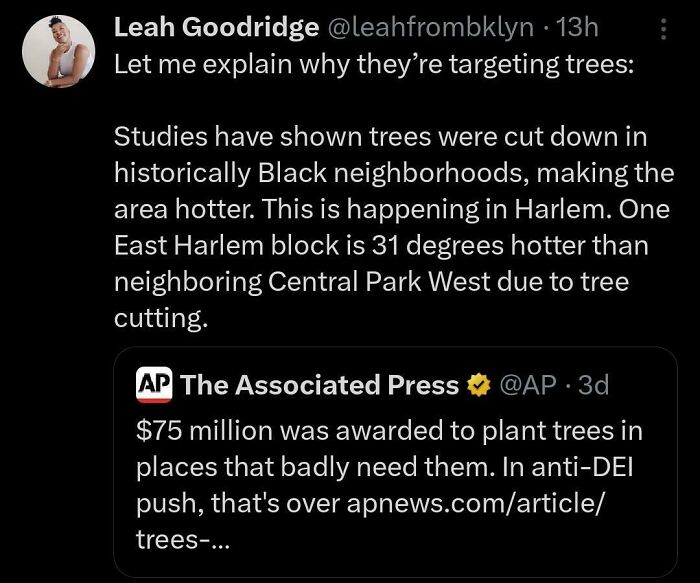
This is a community that tweets and chirps with real vibrancy, a distinct voice that raises important issues, calls out discrimination and inequality, and beyond that, brings a sense of humor and cultural flair that is entirely its own.
Sociologist, professor and cultural critic Tressie McMillan Cottom perhaps described it best in an opinion piece for the New York Times. “Black Twitter is not a place or a group of people,” she wrote, “but a set of communication practices, like signifying and call and response. It is also a group of knowledges—for instance, a genealogy of misogynoir. And it includes shared language, culture and references.”
“Above all,” she argued, “Black Twitter is a repository, as when it archives public memory of cultural events. Black Twitter is instrumental to the platform’s cultural significance; to be good at Twitter is to borrow aspects of that Black sociolinguistic practice but make it feel authentic.”
The history of Black Twitter is distinctly intertwined with the history of Twitter itself. The website launched in 2006. According to Wired, around that same time, early web forums like BlackVoices, Melanet, and NetNoir were fizzling out, leaving online spaces that catered to Black interests increasingly scarce.
BlackPlanet and MySpace failed to fill the void, and Facebook didn’t quite capture the energy of real-time conversation. Users were looking for something new, and Twitter became it.
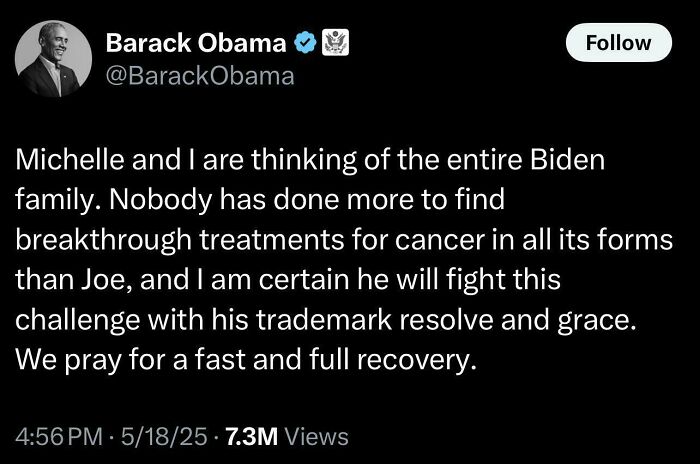
What accelerated its growth were the moments that brought the community together. When Barack Obama ran for his first term, people wanted somewhere to talk about it.
CaShawn Thompson, an educator, told Wired: “I wasn’t on until October ’08, when we were getting ready to elect Obama to his first term. I wanted to know what was going on, and I heard about Twitter.”
Jamilah Lemieux, a Slate columnist, felt the same way: “I joined the day after Obama won.”
Then on June 25, 2009, Michael Jackson was checked into a hospital in Los Angeles. Denver Sean, editor of LoveBScott.com, recalled the moment to Wired: “I was standing in line for Transformers at a movie theater in Atlanta when the news broke. Everybody was just staring at their phones. You could hear little Twitter chimes popping off. It was the most surreal thing.”
As the idea of Black Twitter took hold, celebrities and artists joined in, drawing more attention and more users to the platform.
By 2010, according to Pew Research Center, the Black community was the most active on the website in the US—African-American and Latino adult internet users were twice as likely as white users to be on Twitter.
That same year, Edison Research found that more Black celebrities than white were active on the platform. Shaquille O’Neal, Oprah, 50 Cent, and P Diddy were among the most followed accounts on the site.
That growing sense of community meant that when it mattered, Black Twitter could bring an enormous number of voices together.
The hashtag became a powerful tool—#BlackLivesMatter, #OscarsSoWhite, #SayHerName, and #DefundThePolice all gained mainstream attention through the platform, sparking conversations that reached far beyond the internet.
To put it simply, Black Twitter is an integral part of the platform it belongs on, one that deserves to be seen and celebrated. It’s a community so rich and expansive that it resists easy definition, but that’s part of what makes it so compelling.
As Meredith Clark, associate professor and founding director of the Center for Communication, Media Innovation and Social Change at Northeastern, told NPR:
“It is impossible to collect the whole of Black Twitter or even to attempt to distill the essence of Black Twitter. So what we are going to have is a collection of what are called small histories. And they are parts and pieces of what has happened in this place and time, but they are not the end-all-be-all of Black Twitter. And so it is a very delicate balance of not essentializing what we know of this experience, but also making sure that it is accurately preserved for the record.”







 No fees, cancel anytime