Get Premium
Dark mode theme is available exclusively for premium users. Learn more about the benefits of subscribing.
No fees, cancel anytime.

 Dark Mode Ad-Free Browsing Unlimited Content
 Ad-Free Browsing Unlimited Content Dark Mode
Join 1.2 million Panda readers who get the best art, memes, and fun stories every week!



When you read about something or see it on TV, the (lack of) context might leave you guessing — or even worse, misinterpreting — the details.
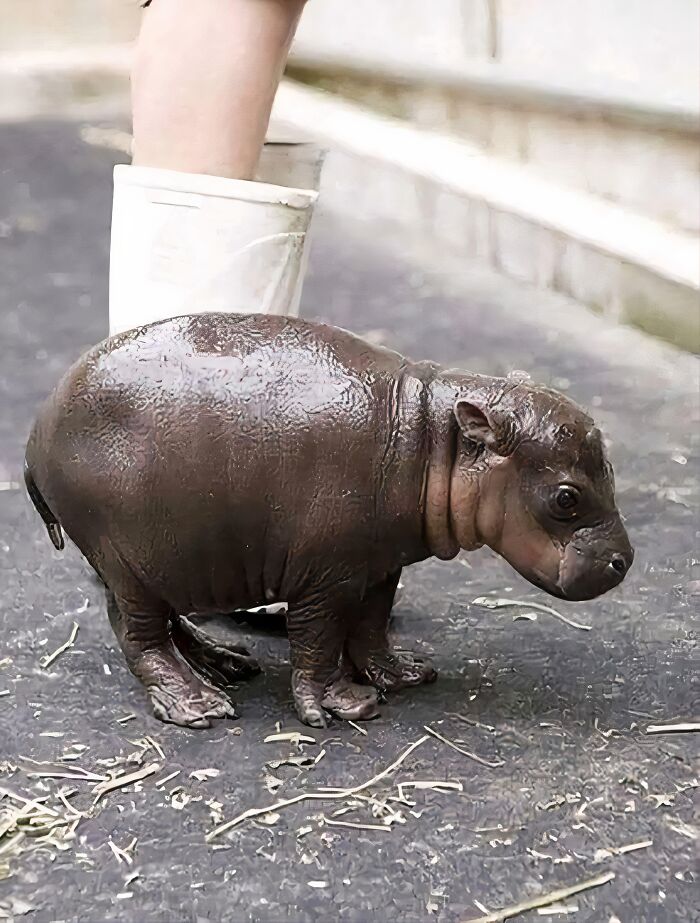
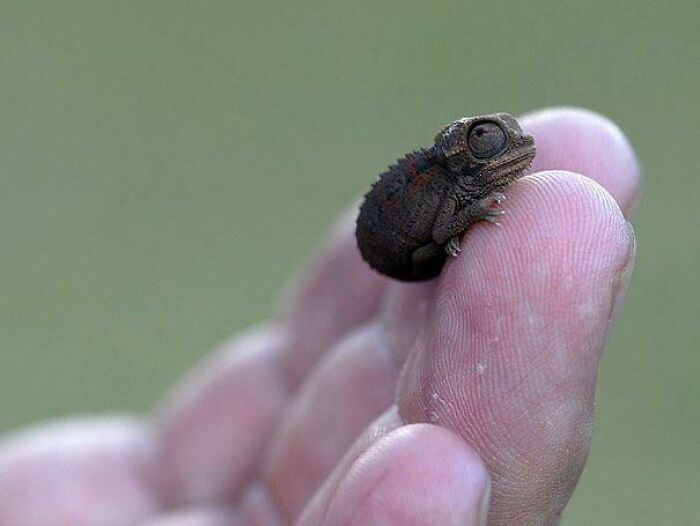
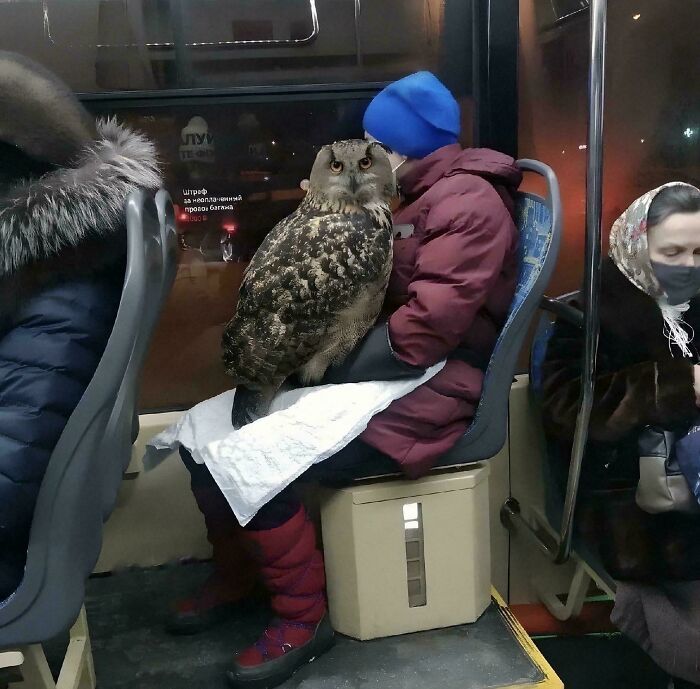
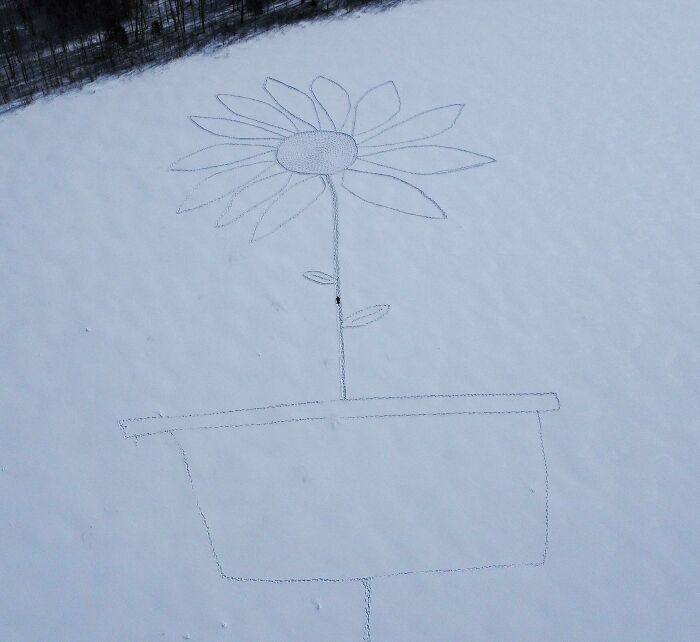
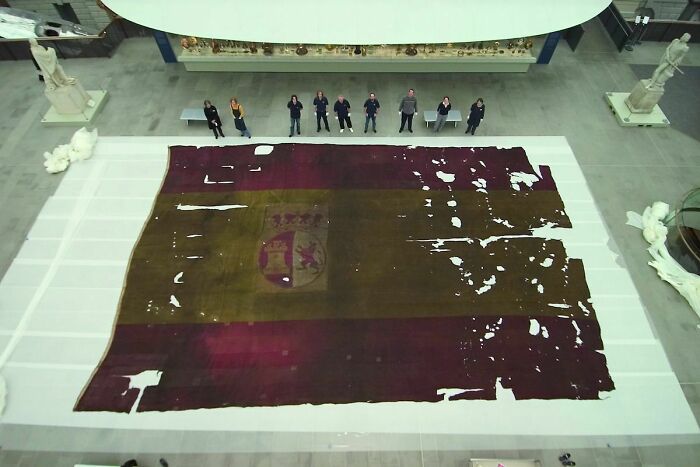
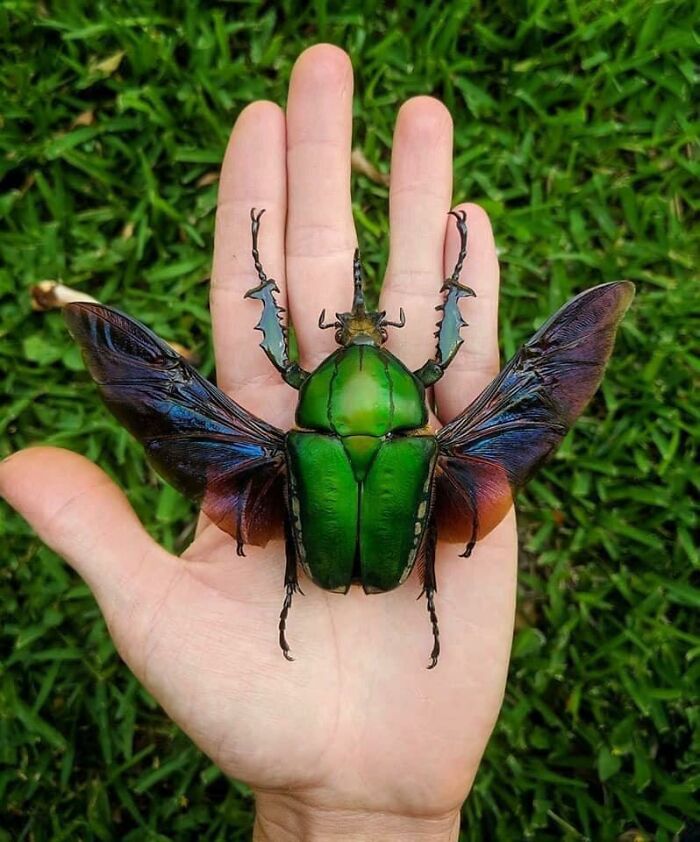
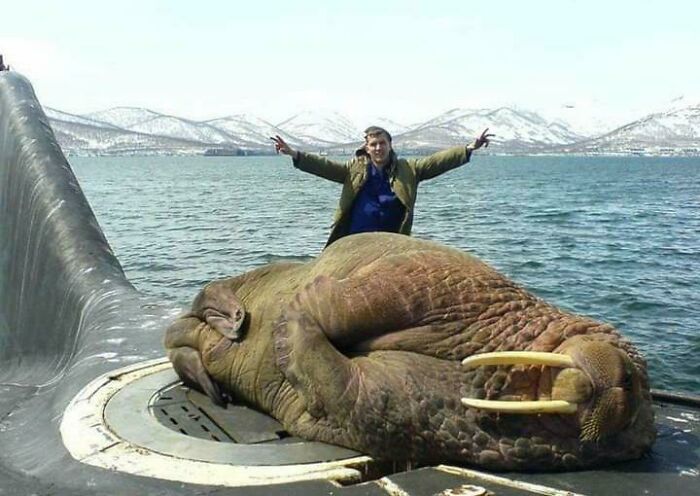
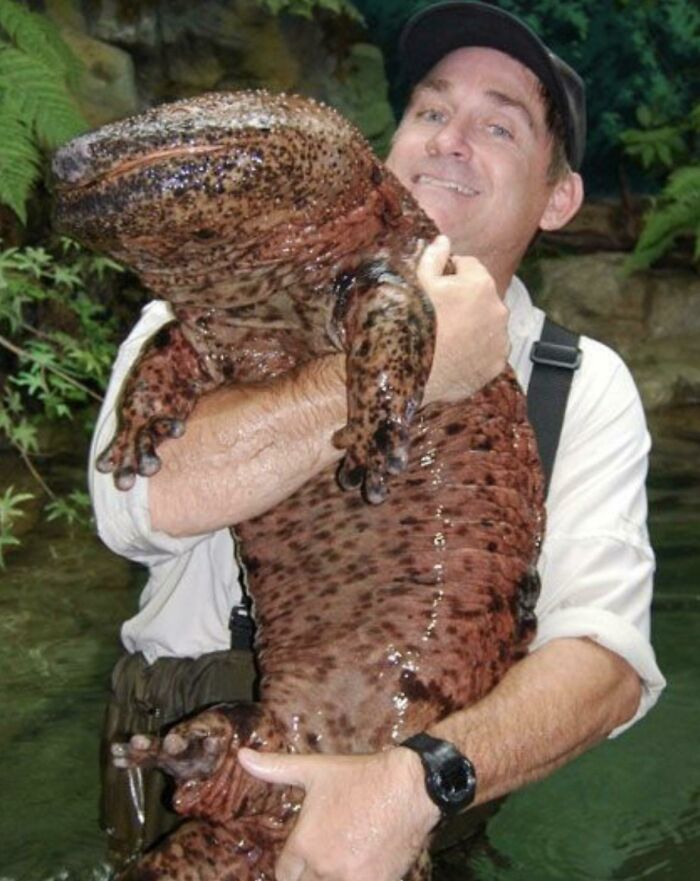
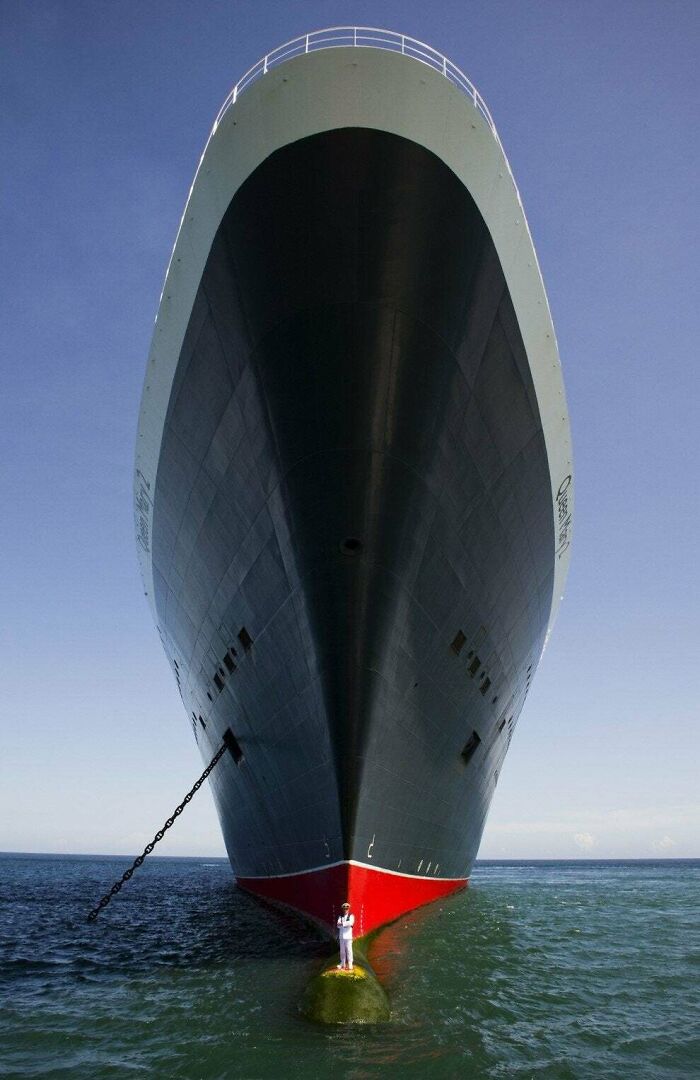
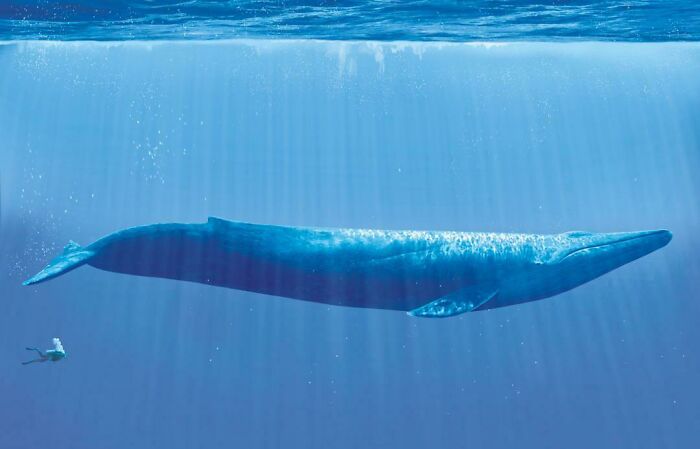
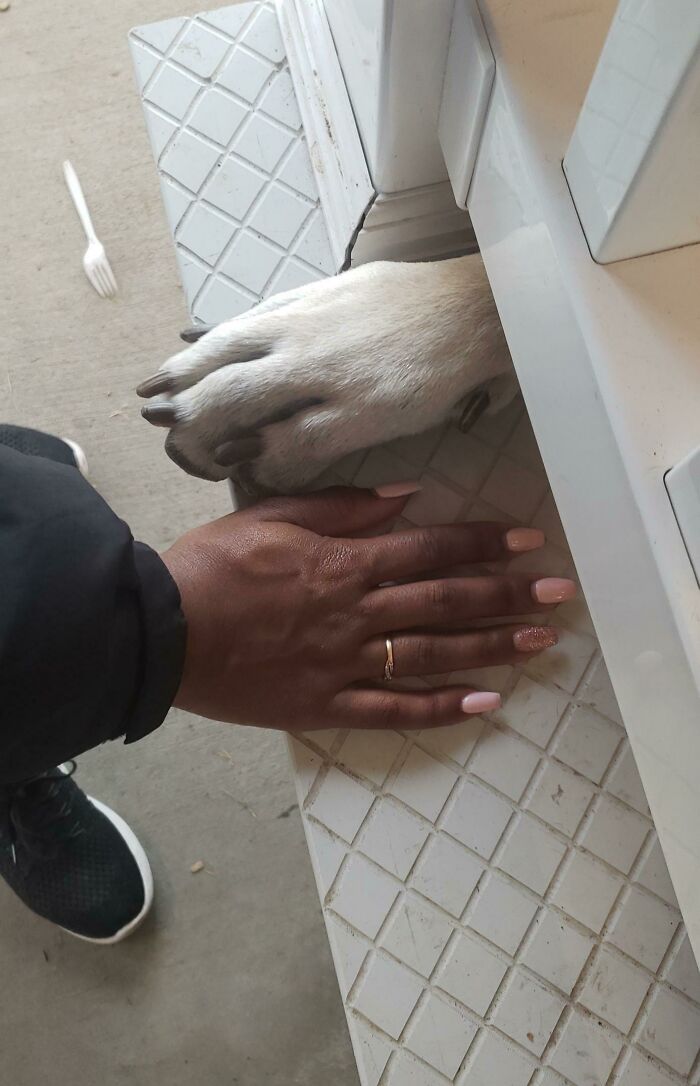
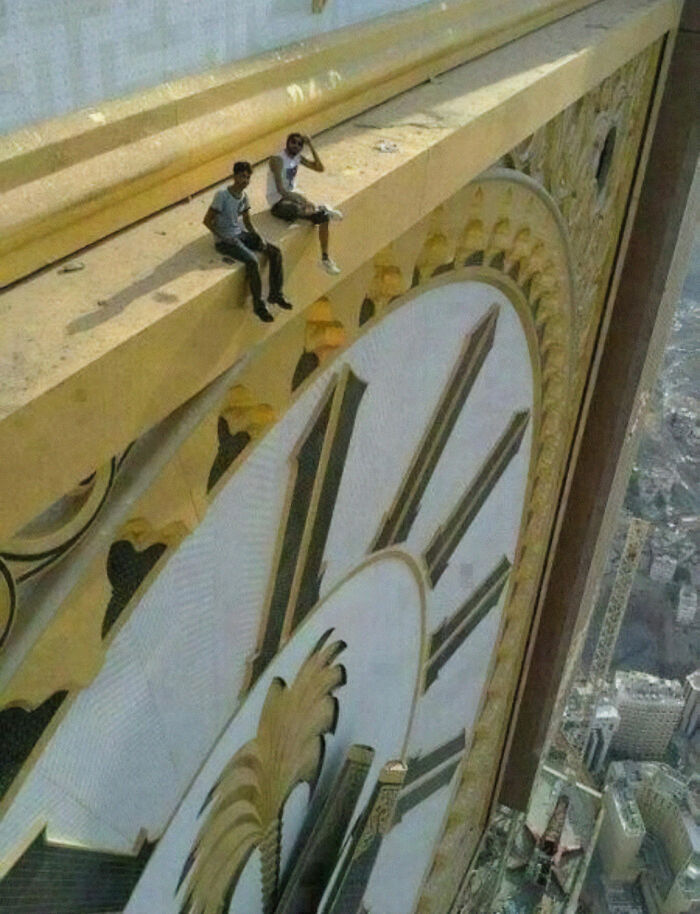
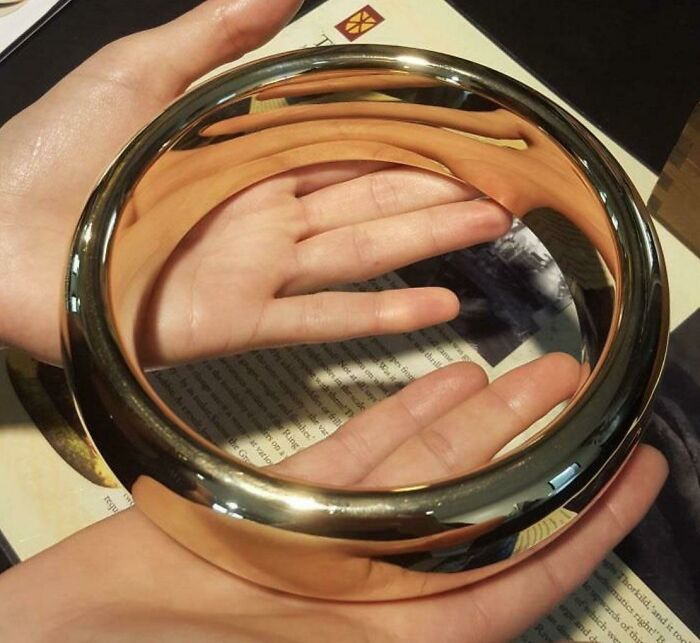
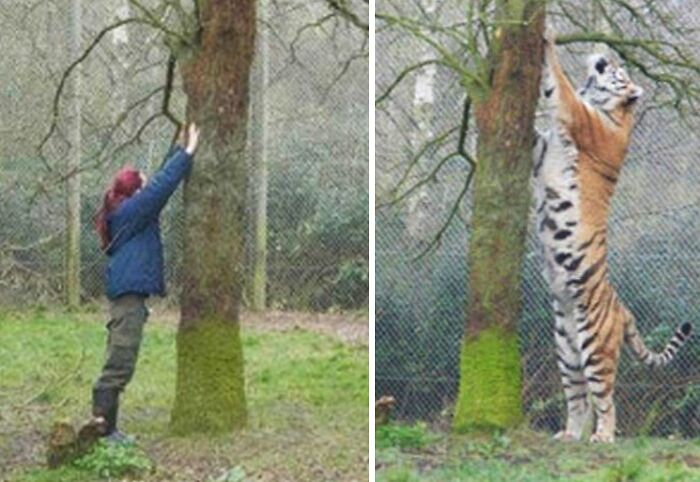
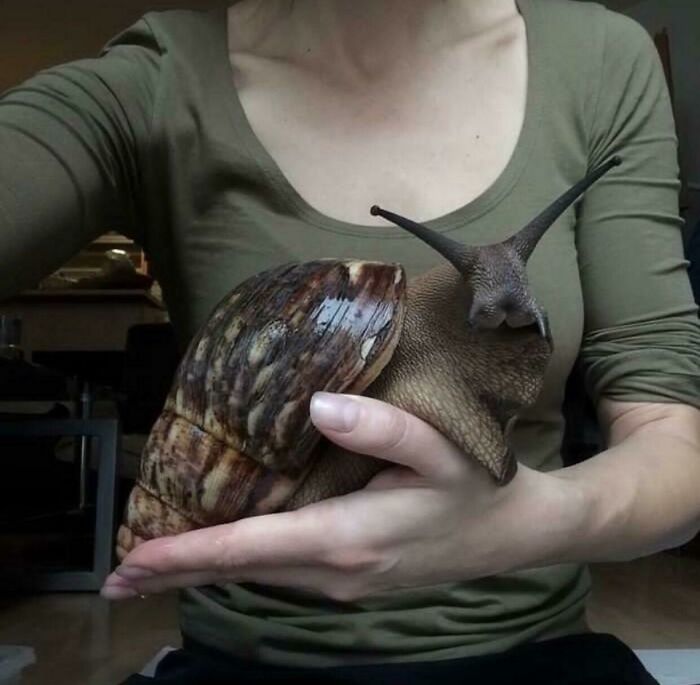
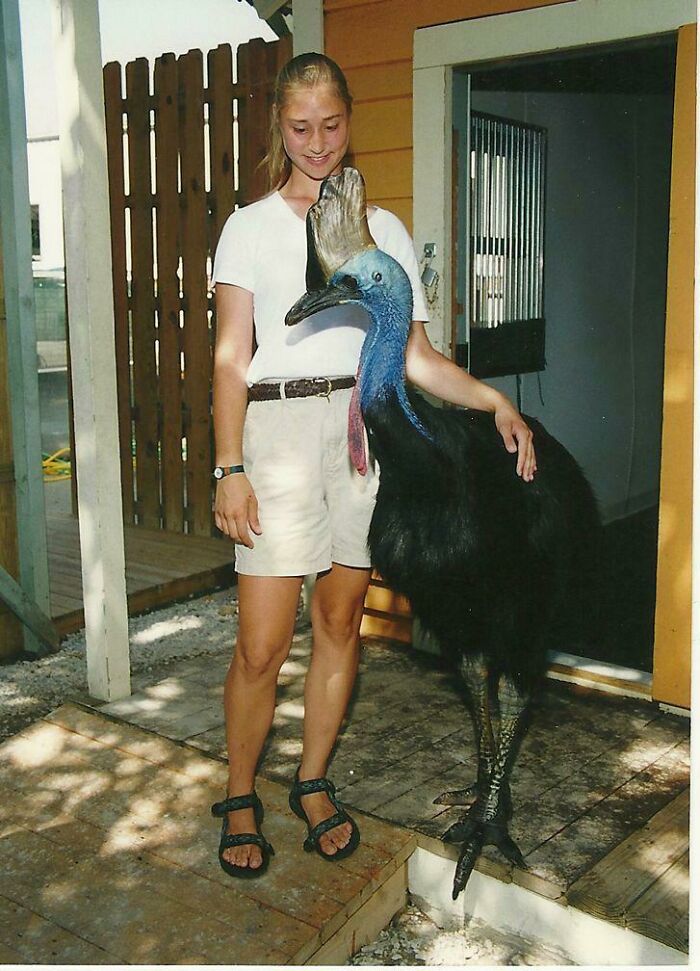
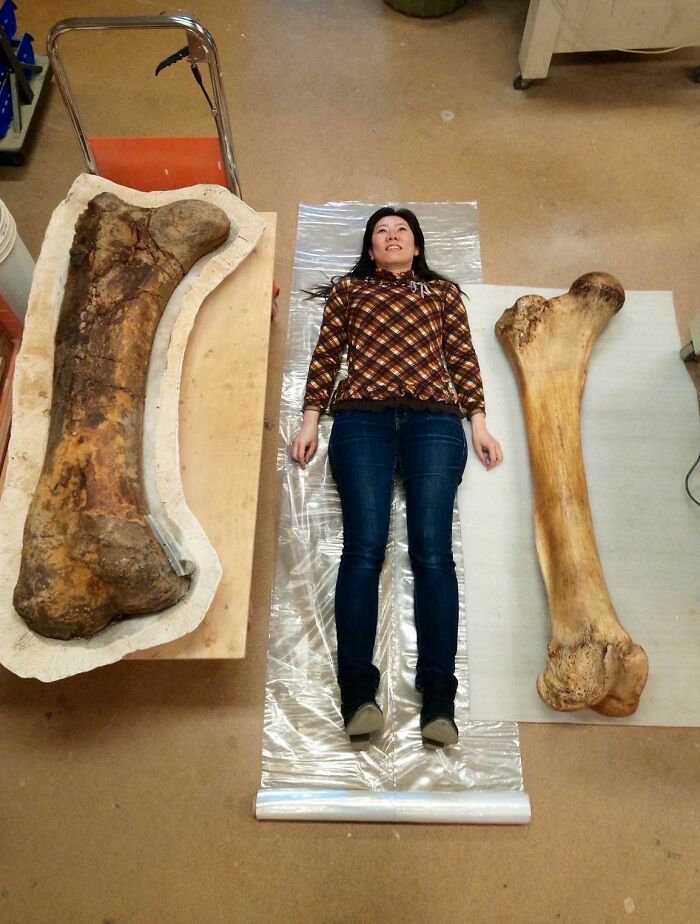
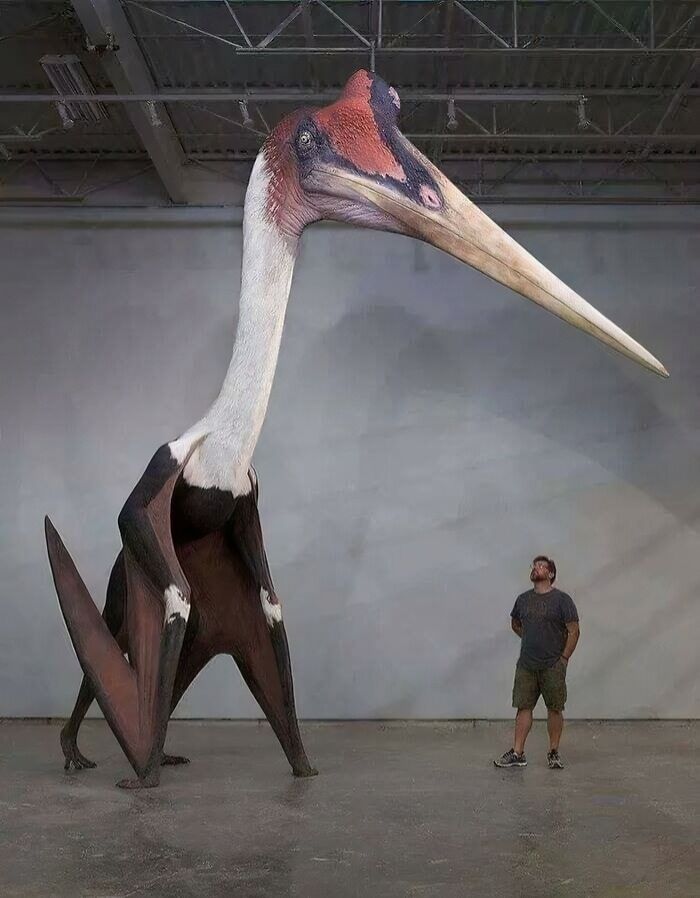
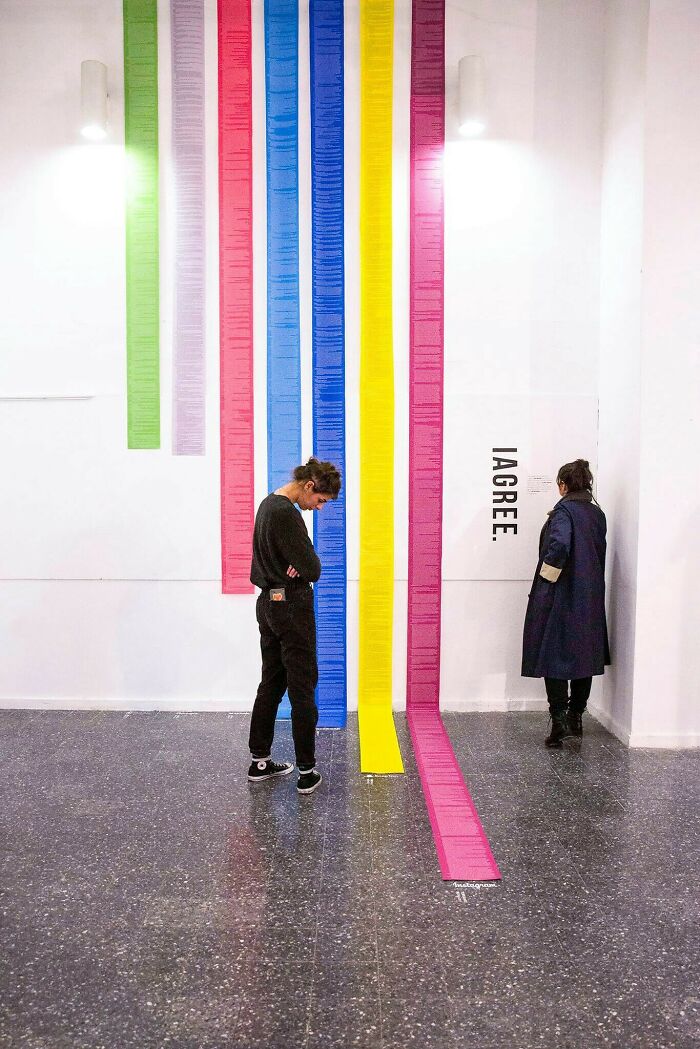
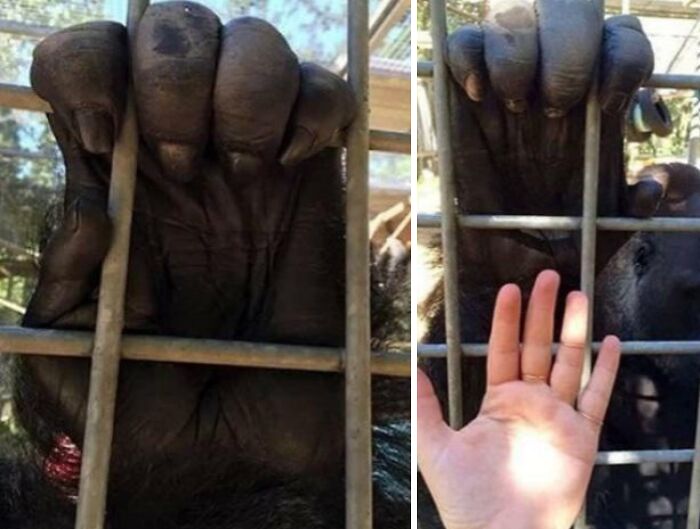
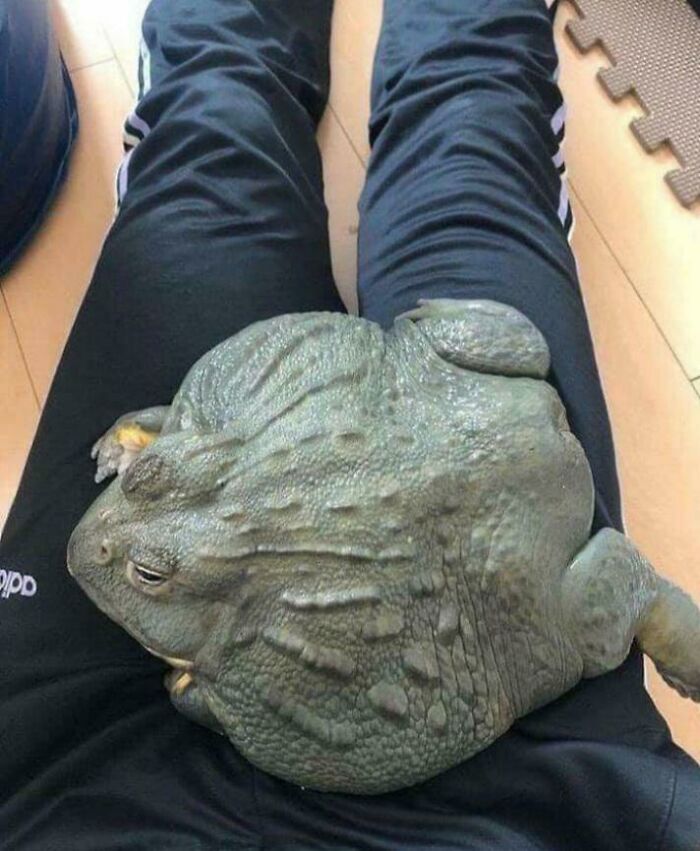
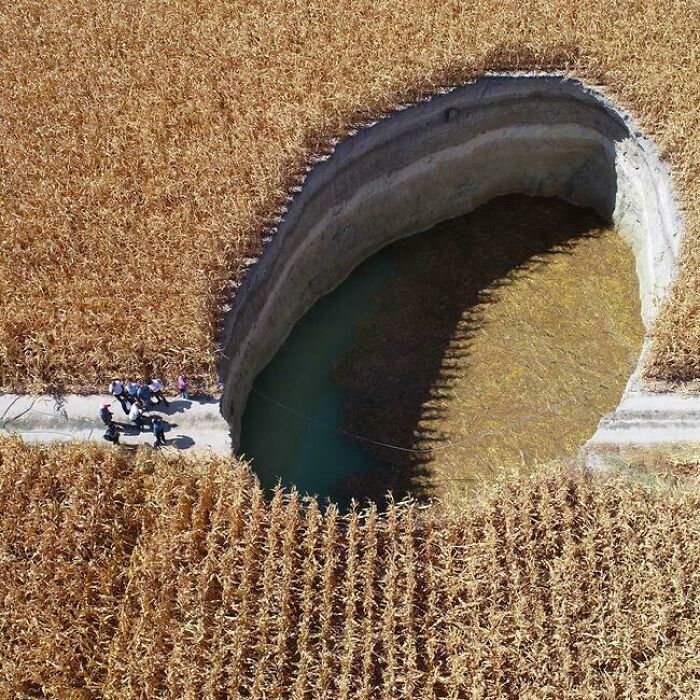
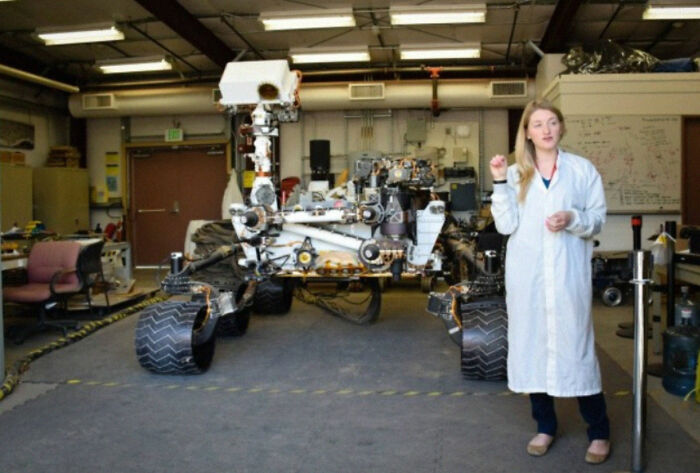
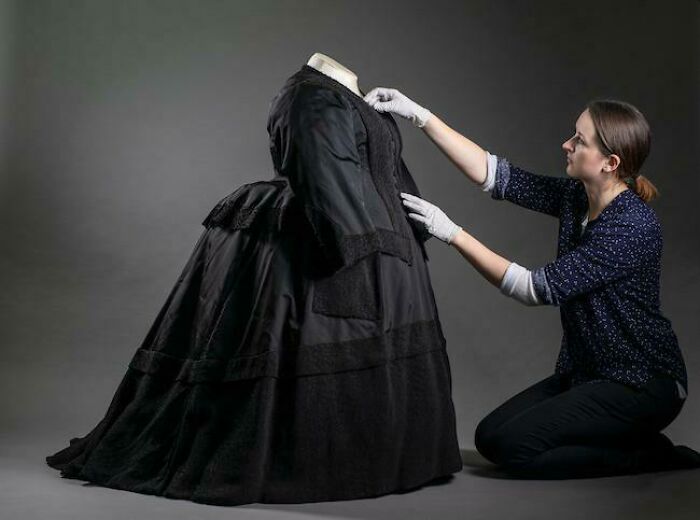
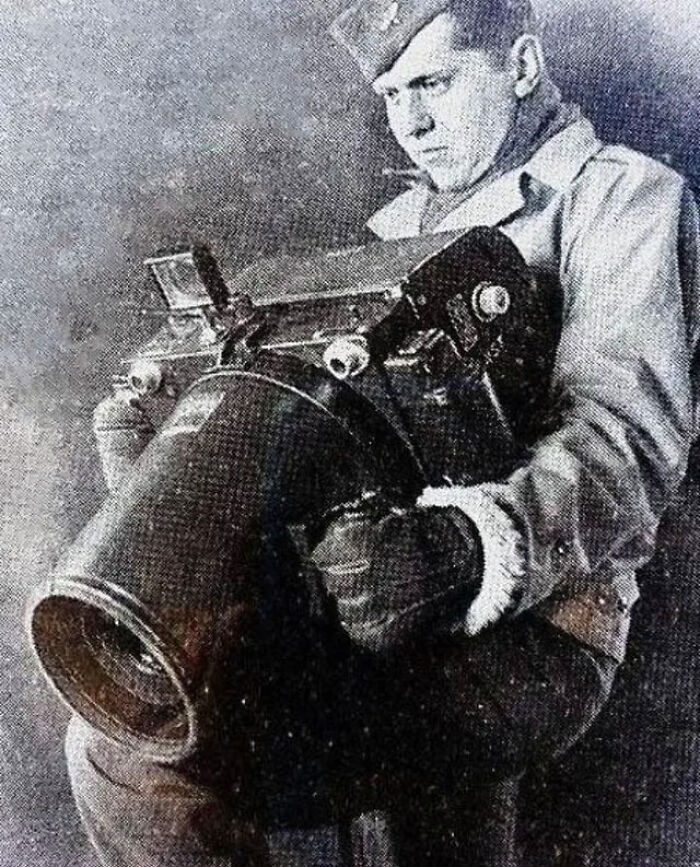
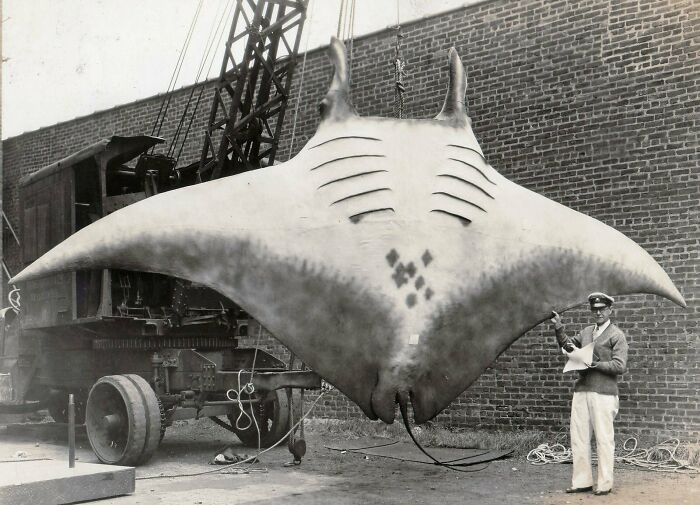
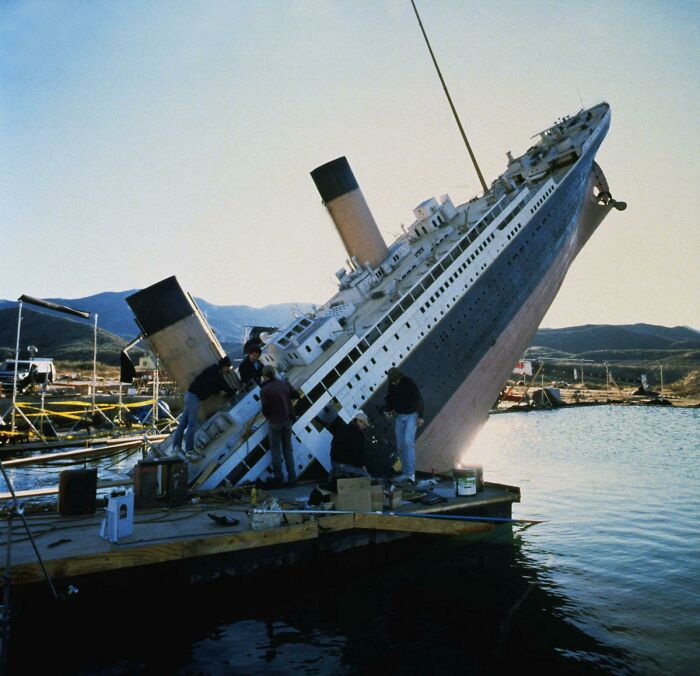
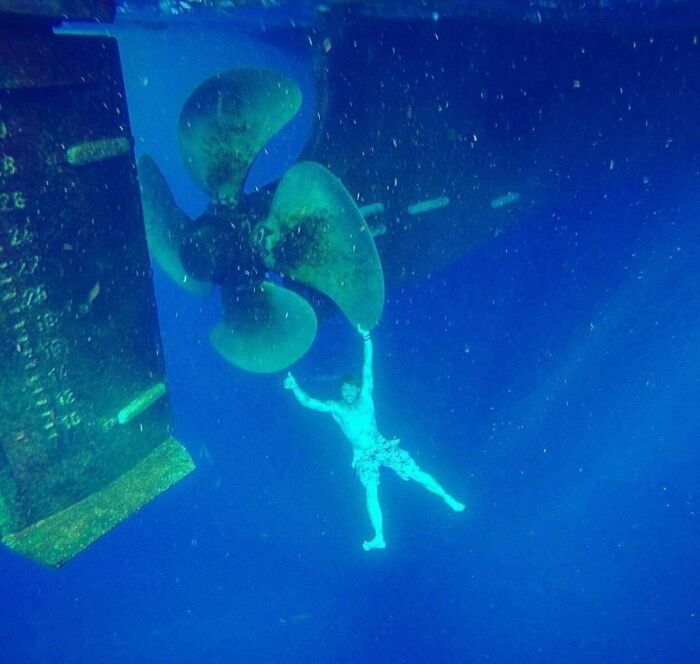
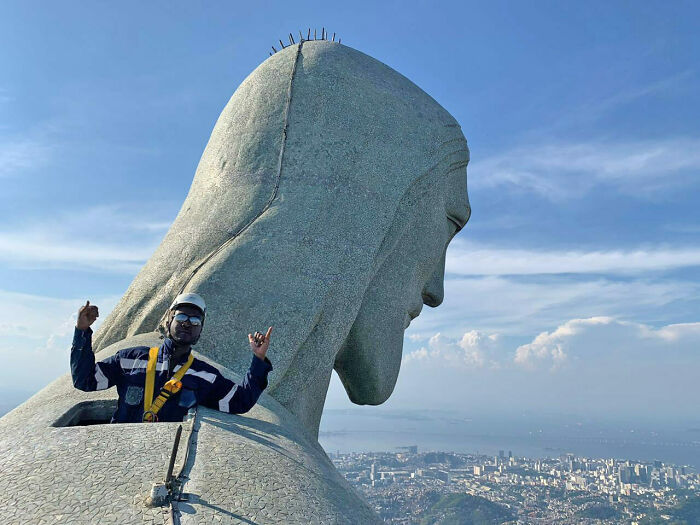
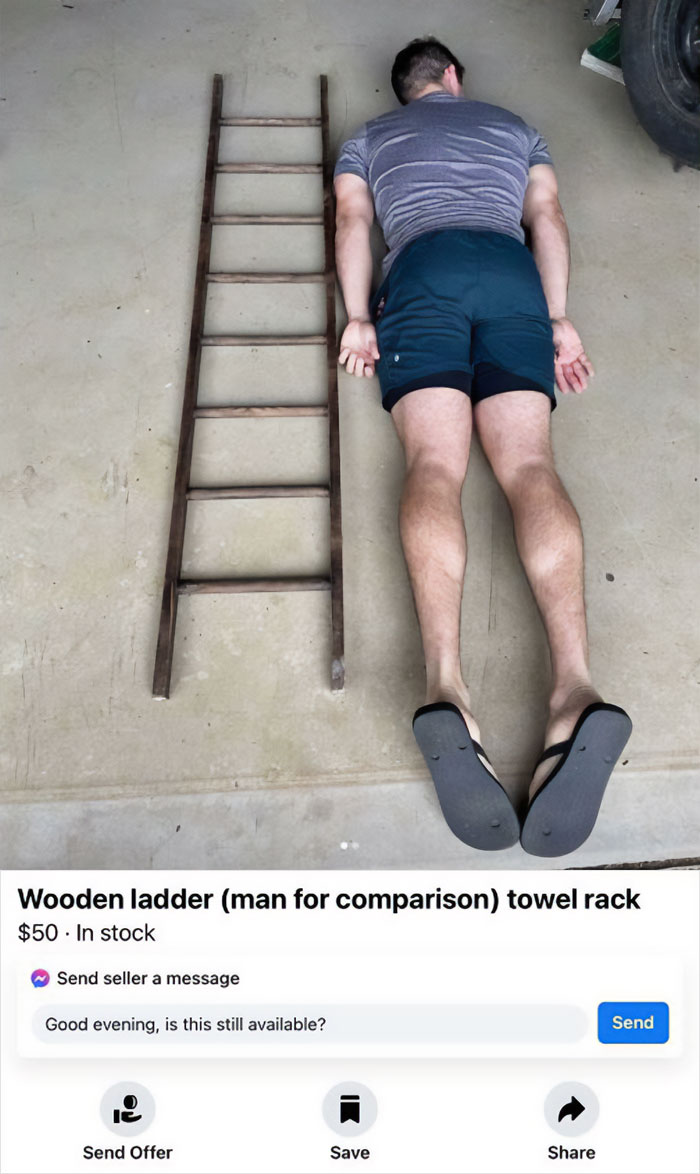
Luckily, r/HumanForScale solves that problem. Every picture on the subreddit comes with a body or two so that we, the viewers, can accurately gauge the dimensions of objects, whether they're wild animals, historical artefacts, or architectural wonders.
In a world where everyone wants your attention and misinformation spreads faster than ever, clarity is queen.
This post may include affiliate links.
Susana Martinez-Conde and Stephen L. Macknik are both professors of ophthalmology, neurology, and physiology & pharmacology at SUNY Downstate Health Sciences University in Brooklyn, New York. They say that absolute size is meaningless to our brain.
"We gauge size by context," Martinez-Conde and Macknik, authors of Champions of Illusion, wrote. "The same medium-sized circle will appear smaller when surrounded by large circles and bigger when surrounded by tiny ones, a phenomenon discovered by German psychologist Hermann Ebbinghaus."
"Social and psychological context also causes us to misperceive size. Recent research shows that spiders appear larger to people who suffer from arachnophobia than to those who are unafraid of bugs and that men holding weapons seem taller and stronger than men who are holding tools."
Neuroscientists from the University of Washington and the University of Minnesota have even found that the first area in the cortex of the human brain that receives information from the eyes processes the perceived size, rather than the actual size, of an object.
"Our eyes only tell us part of what we need to be able to see. The other part is done by the brain, taking the input from the eyes and making guesses or inferences about what's out there in the environment," said Scott Murray, who at the time was a UW assistant psychology professor and lead author of the study. "Usually these inferences are very accurate, but sometimes they lead us astray in the form of visual illusions."
Murray and his Minnesota colleagues, Huseyin Boyaci and Daniel Kersten, used functional magnetic resonance imaging (fMRI) to see how the brain processes the size of objects when faced with an illusion such as the long-known moon illusion. (For centuries, it has been known that the moon, while rising, looks huge when it is near the horizon and smaller when high in the sky, even though it's always the same size.)
The researchers used a similar illusion, one that looked at the perceived difference in the size of an object at different distances. For their experiment, they placed two identical spheres decorated with a checkerboard pattern in the front and rear of a receding brick hallway. In this kind of illusion, the more distant object appears to occupy a larger portion of the visual field.
Using fMRI, the researchers analyzed how the brains of five people with normal vision registered this difference in perceived size. They noticed that the brain region known as the primary visual cortex, which is the first area in the cortex to receive input from the retina, showed a difference.
Even though both spheres occupied exactly the same size on the retina, the sphere in the rear activated an approximately 20 percent larger area in the primary visual cortex than the sphere in front. This difference closely matched a perceptual difference in size reported by the subjects. When they were asked about the size of the two spheres, the participants estimated the back sphere to be about 20 percent larger than the front one.
Murray said the simplicity of the outcome can be deceiving. "It almost seems like a first grader could have predicted the result. But virtually no vision or neuroscientist would have," he explained.
"The very dominant view is that the image of an object in the primary visual cortex is just a precise reflection of the image on the retina. I'm sure if one were to poll scientists, 99 percent of them would say the 'large' moon and the 'small' moon occupy the same amount of space in the primary visual cortex, assuming they haven't read our paper!"
It apparently sometimes smells like pepper and makes noises that sound like small children. Scientist for size
As both the small man in the country of Brobdingnag and the giant on the island of Lilliput, Lemuel Gulliver—the protagonist of Jonathan Swift's classic novel Gulliver's Travels—understood that size is relative, and this subreddit is proof of that.



























 No fees, cancel anytime