Get Premium
Dark mode theme is available exclusively for premium users. Learn more about the benefits of subscribing.
No fees, cancel anytime.

 Dark Mode Ad-Free Browsing Unlimited Content
 Ad-Free Browsing Unlimited Content Dark Mode
Join 1.2 million Panda readers who get the best art, memes, and fun stories every week!


Because we, very sadly, can’t speak to them, we don’t often know all the cool things animals can do or even get up to. But even though your cat spends eighteen hours a day just sleeping doesn’t mean there isn’t anything interesting going on.
The “Animal Pulse” Instagram page is dedicated to posts and facts about the natural world that might surprise you. So get comfortable as you read through, memorize the best ones, much like an elephant, for your next trivia competition and be sure to share your own examples in the comments down below.
More info: Instagram
This post may include affiliate links.
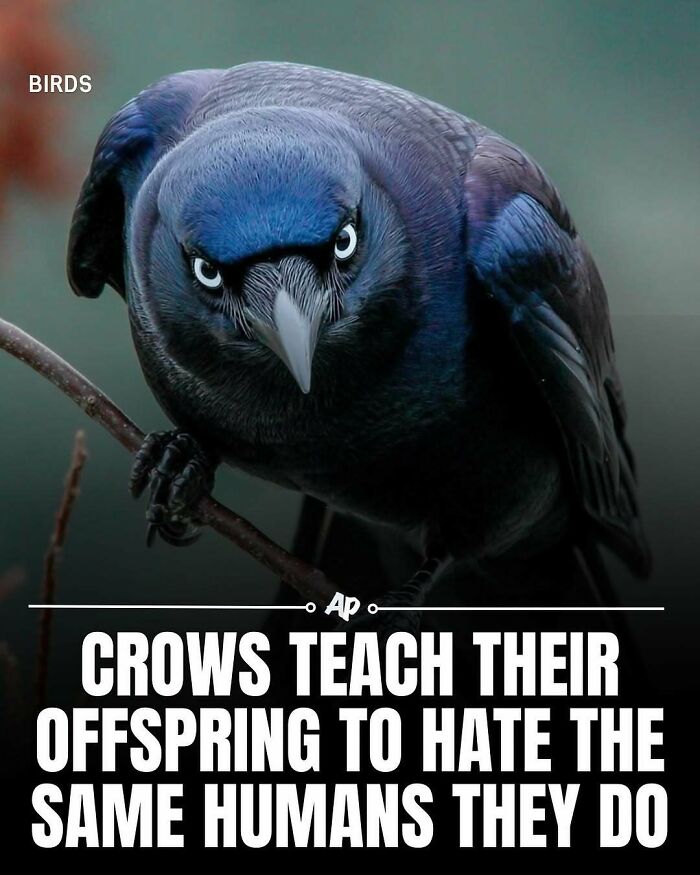
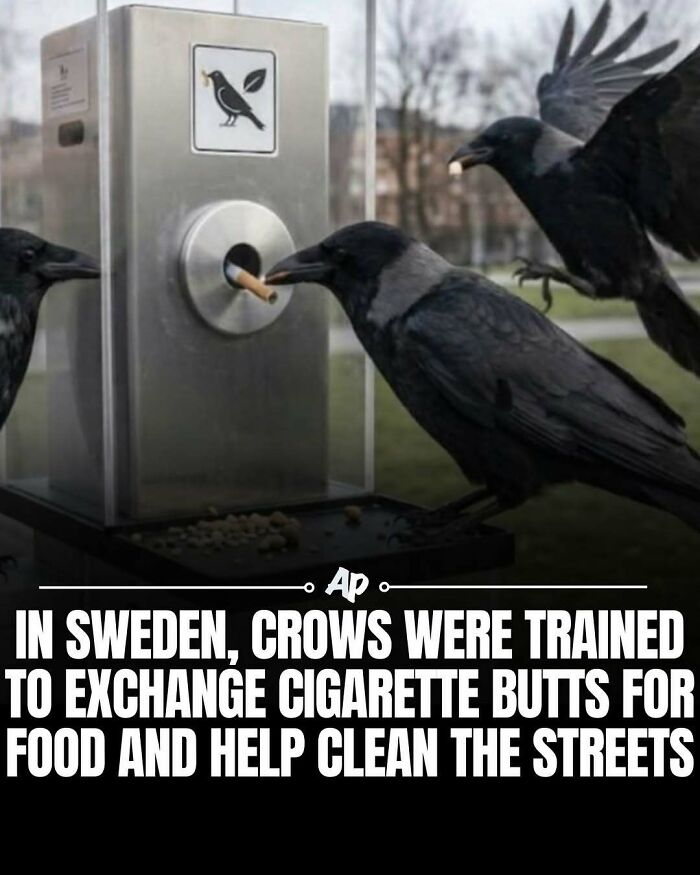
In the hidden world above our heads, crows are quietly running one of the most fascinating social systems in nature. They don’t just recognize faces—they remember them, hold grudges, and even pass those grudges on to the next generation.
Researchers at the University of Washington discovered this when they wore distinctive masks while trapping and releasing crows. The birds quickly learned to mob anyone wearing the mask, even when months had passed. But here’s where it gets truly wild: crows that weren’t even born during the incident—young fledglings—joined in the attacks.
Why? Because they learned by watching their parents. If mom and dad hated you, they hated you too. This isn’t instinct—it’s teaching. Over time, entire crow neighborhoods began targeting the masked researchers, turning one bad day into a generational vendetta.
This ability to share social knowledge gives crows a survival edge that rivals some primates. They’re not just smart—they’re strategic. So next time you wrong a crow, remember: you might not just make one enemy… you might make a whole bloodline of them
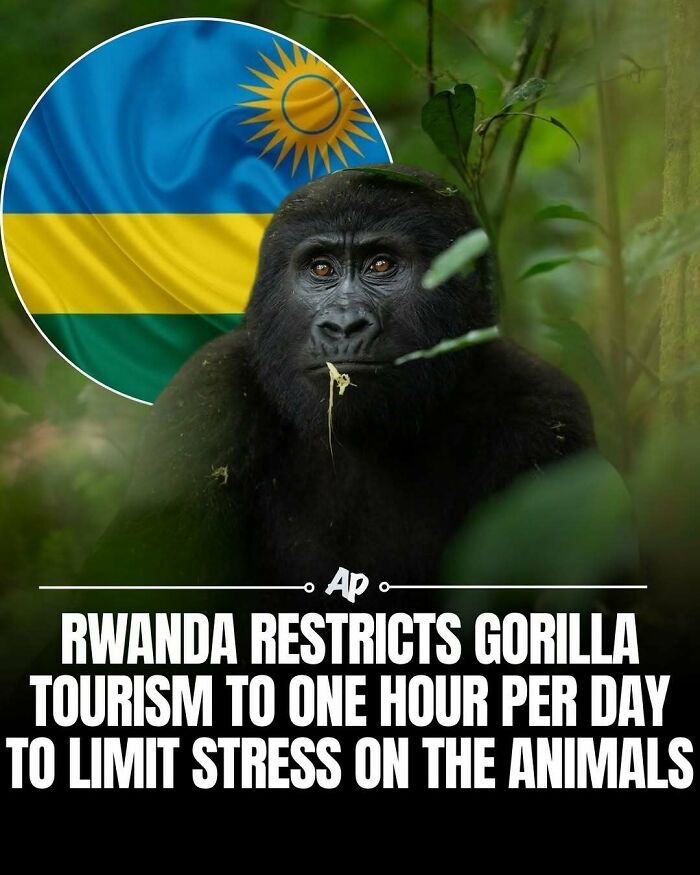
Rwanda’s decision to limit mountain gorilla tourism to just one hour per visit reflects a conservation model that puts animal welfare ahead of volume-driven tourism. Mountain gorillas share up to 98% of human DNA, which makes them especially vulnerable to human stress signals and diseases, even something as mild as a cold. Prolonged exposure to visitors can disrupt their feeding, resting, and social bonding, increasing anxiety levels and weakening immune responses over time.
By restricting viewing time, Rwanda reduces noise, physical proximity, and prolonged eye contact—factors primatologists have linked to elevated stress hormones in great apes. The policy also limits the cumulative daily disturbance gorilla families experience, allowing them to return more quickly to natural behaviors once tourists leave. This is critical for a species that was once on the brink of extinction and still exists only in small, tightly monitored populations.
Economically, the country offsets shorter visits with higher permit fees, ensuring conservation funding remains strong while minimizing ecological pressure. Revenue from these permits directly supports habitat protection, veterinary intervention teams, and local communities living near Volcanoes National Park. This approach has helped transform gorillas from a threatened liability into a protected national asset.
Rwanda’s model is increasingly cited in global conservation circles as proof that wildlife tourism can succeed without overexposure. Rather than maximizing human access, it prioritizes animal health, long-term species survival, and ethical tourism—demonstrating that sometimes, seeing less is exactly what protects more.
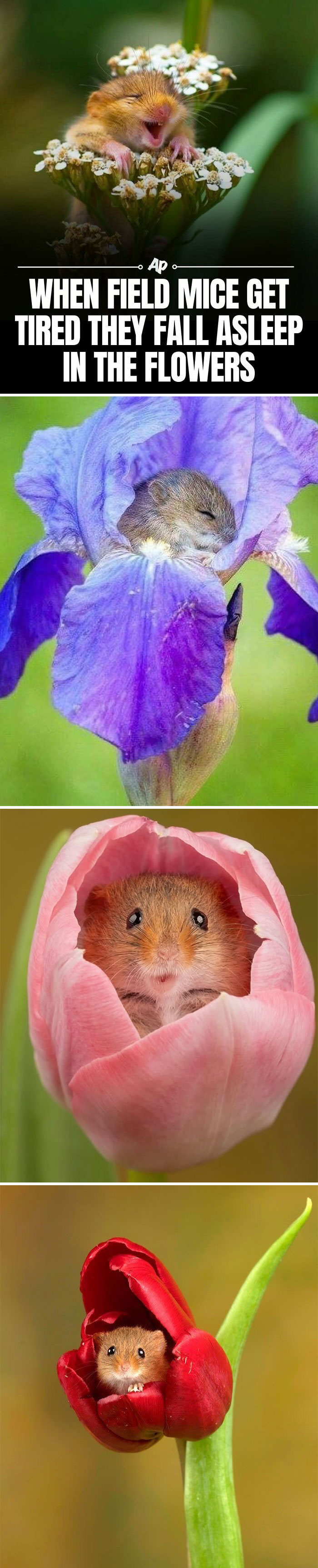
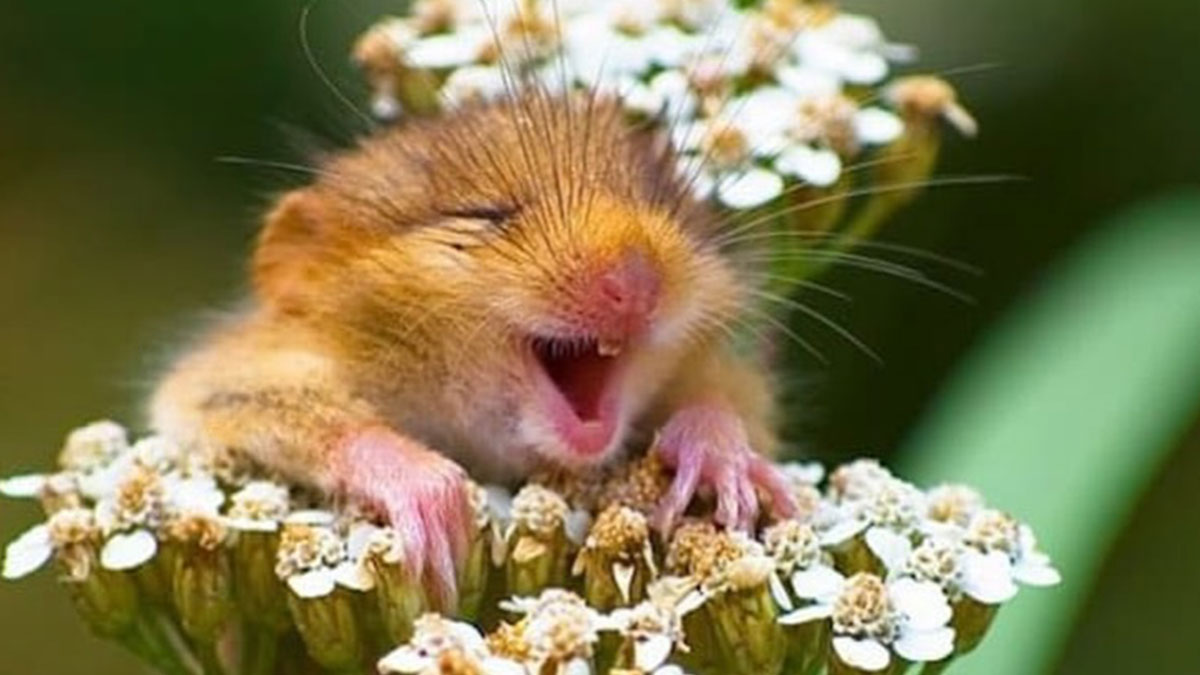
Field mice, like many small mammals, have unique survival behaviors that help them cope with the challenges of the wild. One surprising habit is their tendency to rest or sleep among flowers when they become tired. The soft petals and foliage provide a natural cushion, while the surrounding plant life can offer a degree of camouflage from predators. This behavior reflects an instinctive strategy to balance rest with safety, allowing these tiny creatures to conserve energy while staying hidden in plain sight.
Sleeping in flowers also highlights the close relationship between wildlife and their habitats. Even the smallest details of an ecosystem—like the availability of certain plants—can play a critical role in the survival and daily routines of animals. Observing such behaviors teaches us about the intricate ways species adapt to their environment, reminding us that nature often combines practicality with subtle beauty.
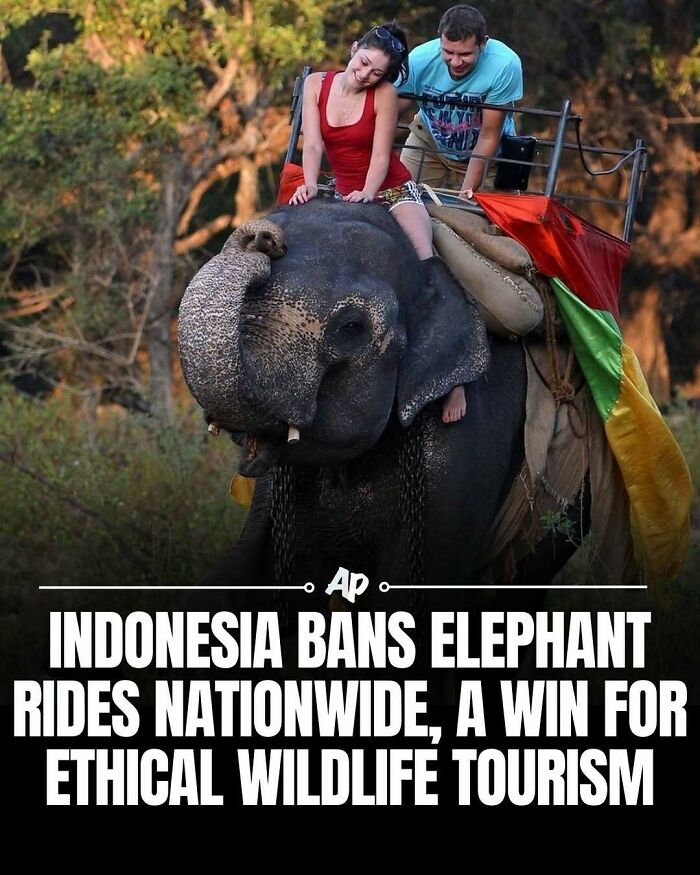
Indonesia has taken a landmark step for animal welfare by banning elephant rides across the entire country, a move widely seen as a shift away from exploitative wildlife tourism and toward more ethical interactions with these animals. The government’s forestry and natural resources authorities issued a directive late last year that ended the long-standing practice of offering tourists the chance to climb onto elephant backs at zoos, conservation centres and popular attractions like those in Bali — once a staple of visitor itineraries. 
This policy change responds to growing concern from animal rights groups and international observers about the harm elephant riding inflicts on the animals, which often involves stressful training methods and physical strain that their bodies aren’t built to withstand. Facilities that fail to comply with the ban now risk losing their operating permits, reinforcing the government’s intent to prioritise elephant welfare over entertainment revenue. 
With elephant rides now prohibited nationwide, tourism venues are being encouraged to replace them with educational and observation-focused experiences that allow visitors to learn about elephants in ways that respect their natural behaviour. This represents a broader global trend in ethical wildlife tourism, and puts Indonesia among the first Asian countries to make such a comprehensive policy shift
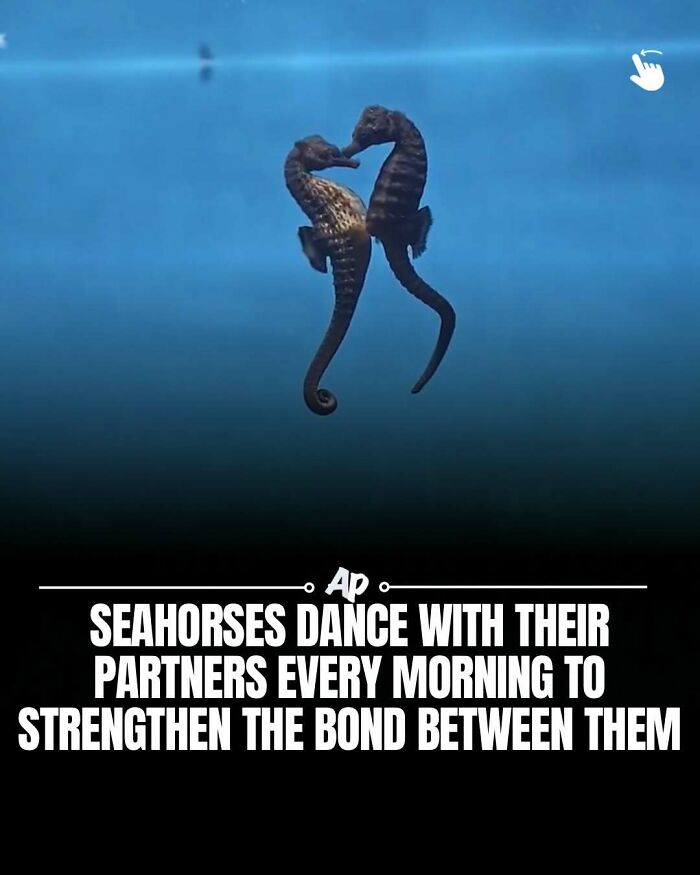
Seahorses begin each day with a delicate ritual that looks almost like a dance, a behavior that plays a key role in strengthening their bond. Each morning, bonded pairs swim together, change colors, and mirror each other’s movements in a quiet underwater routine that reinforces trust and connection. This daily interaction helps maintain their partnership, which is essential because seahorses often rely on the same mate throughout the breeding season. In a world where survival depends on cooperation, these graceful dances serve as a reminder that even in the ocean, strong relationships are carefully nurtured over time.
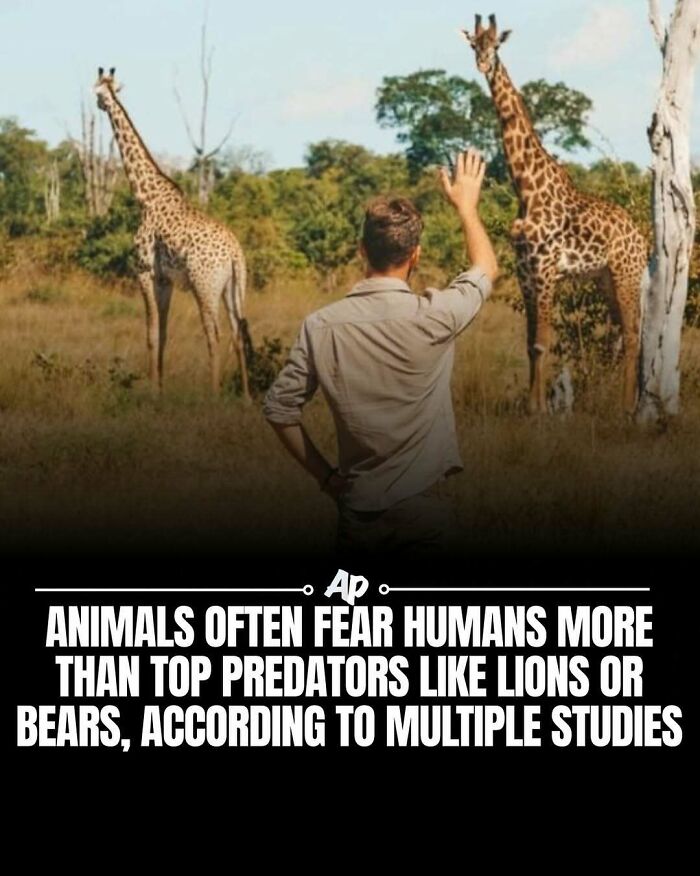
Across the globe, wild animals perceive humans not just as another threat, but as a super predator far more terrifying than natural apex carnivores like lions or bears. Multiple scientific studies reveal that the mere sound of human voices triggers stronger flight responses in wildlife compared to roars, growls, or other predator cues.
In a landmark experiment in South Africa’s Greater Kruger National Park, researchers used hidden cameras and speakers at waterholes to play recordings of human speech, lion snarls, hunting dogs, or gunshots. Animals—including giraffes, leopards, hyenas, zebras, and warthogs—were twice as likely to flee and abandoned water sources 40% faster when hearing calm human voices than lion sounds. This pervasive fear held across 95% of species tested, even in a protected area with abundant lions.
This pattern extends worldwide: similar playback studies show deer, kangaroos, wallabies, mountain lions, and wild boar fearing humans more than wolves, cougars, bears, or dogs.
In Mongolia, the relationship between humans and horses goes far beyond ownership—it’s a deeply rooted spiritual bond shaped by centuries of nomadic life. For Mongolians, horses are not viewed as mere assets or livestock but as companions that share in the rhythm of survival, movement, and identity. This connection is woven into daily life, where herders speak to their horses, sing to them, and rely on them not just for transportation, but as extensions of themselves across the vast степpe.
Historically, this reverence is tied to figures like Genghis Khan, whose empire was built on the unmatched mobility and endurance of Mongolian horses. These animals were crucial to communication, warfare, and expansion, making them central to the rise of one of the largest empires in history. Over time, this practical dependence evolved into cultural respect, where horses became symbols of freedom, resilience, and even spiritual balance within nature.
Even today, during festivals like Naadam Festival, horses are celebrated with a level of honor that reflects their elevated status. Young children race them across long distances, and the animals are praised with songs and rituals that highlight their importance. In this worldview, horses are not owned—they coexist with humans as partners, embodying a philosophy where nature is not dominated, but lived alongside with respect and equality.
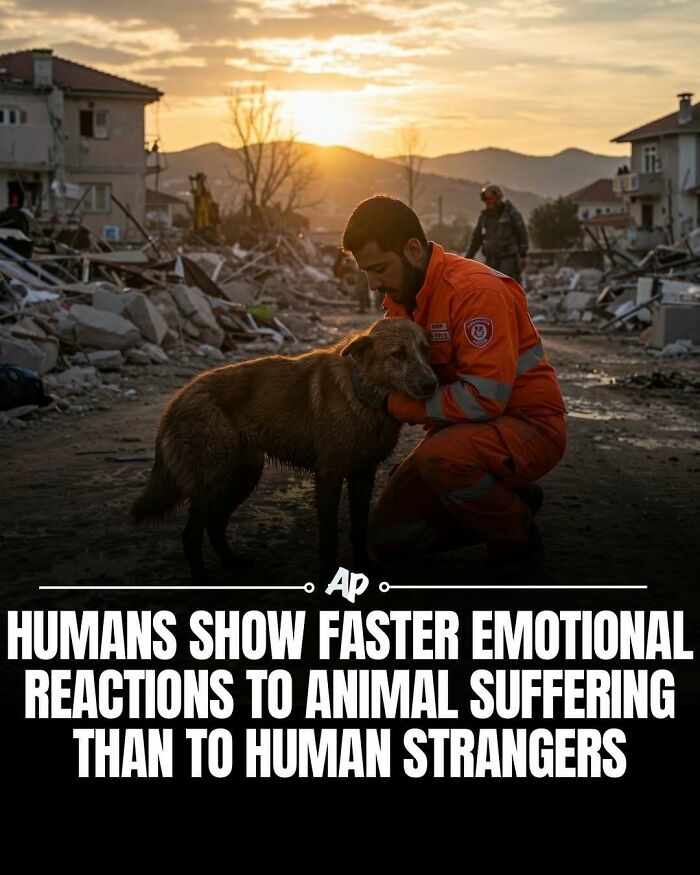
Humans often react more quickly and intensely to animal suffering than to the pain of unfamiliar people—a psychological pattern that continues to surprise researchers. Studies in empathy and neuroscience show that when individuals see an animal in distress, brain regions associated with caregiving and protection activate almost instantly. The response is especially strong toward animals with infant-like features—large eyes, small noses, soft expressions—because those traits trigger ancient nurturing instincts.
From an evolutionary perspective, early humans depended heavily on reading animal behavior for survival. Recognizing fear, injury, or distress in wildlife could mean the difference between life and death. Over time, that sensitivity became deeply wired into our nervous system. Unlike human strangers, who may be filtered through social judgments or biases, animals are often perceived as innocent and incapable of deceit, which lowers psychological barriers to empathy.
Modern experiments reinforce this idea: participants frequently report stronger emotional discomfort when shown images of abused dogs compared to adult humans. It doesn’t necessarily mean people care less about other humans; rather, animals bypass complex social evaluation and tap directly into protective instincts. In a world filled with human conflict and layered social identities, animals sometimes trigger the most immediate, unfiltered compassion.
Recent research has revealed that the familiar purr of a domestic cat carries more information about the individual than its meow. Scientists analyzing recordings of these vocalizations found that purrs are remarkably stable and consistent, shaped largely by a cat’s anatomy and lasting across time. That steadiness makes them serve almost like an acoustic fingerprint, making it easier to recognize one cat from another based on its purr alone. In contrast, meows are highly flexible and variable, adapting to different moods, needs and social interactions—especially with humans, who cats have learned to tailor these calls toward over thousands of years of domestication. This flexibility helps cats express hunger, attention-seeking or other emotions, but because meows change so much from moment to moment they carry less clear identity information. In essence, while meows are effective tools for communication in everyday life, it’s the purr that secretly encodes a cat’s unique signature.
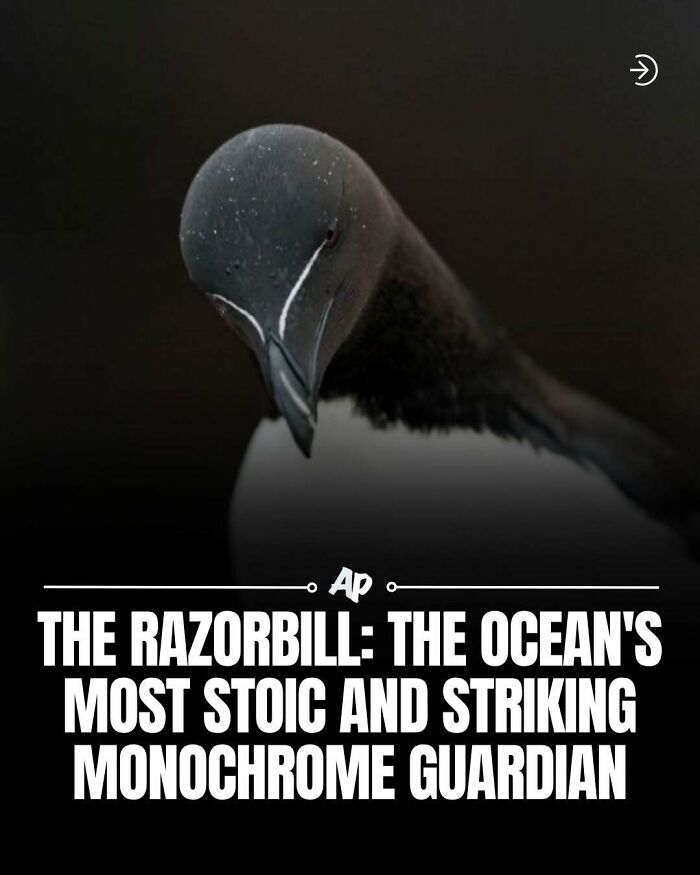
Razorbill is a striking black-and-white seabird that lives across the cold waters of the North Atlantic. At first glance, it looks like a small penguin, but it is actually more closely related to puffins. Its sharp, blade-like beak—etched with thin white lines—gives it a distinctive “razor” appearance, which is where its name comes from. Built for life at sea, the razorbill spends most of its time on open water, only returning to land to breed on steep, rocky cliffs.
What makes this bird remarkable is its diving ability. The razorbill “flies” underwater using its wings to chase fish, often reaching impressive depths in pursuit of prey. During breeding season, pairs form strong bonds and usually return to the same nesting site year after year, laying a single egg on narrow cliff ledges where space is extremely limited. Despite their calm, almost stoic appearance, they are highly efficient hunters and dedicated parents, surviving some of the harshest marine environments on Earth.
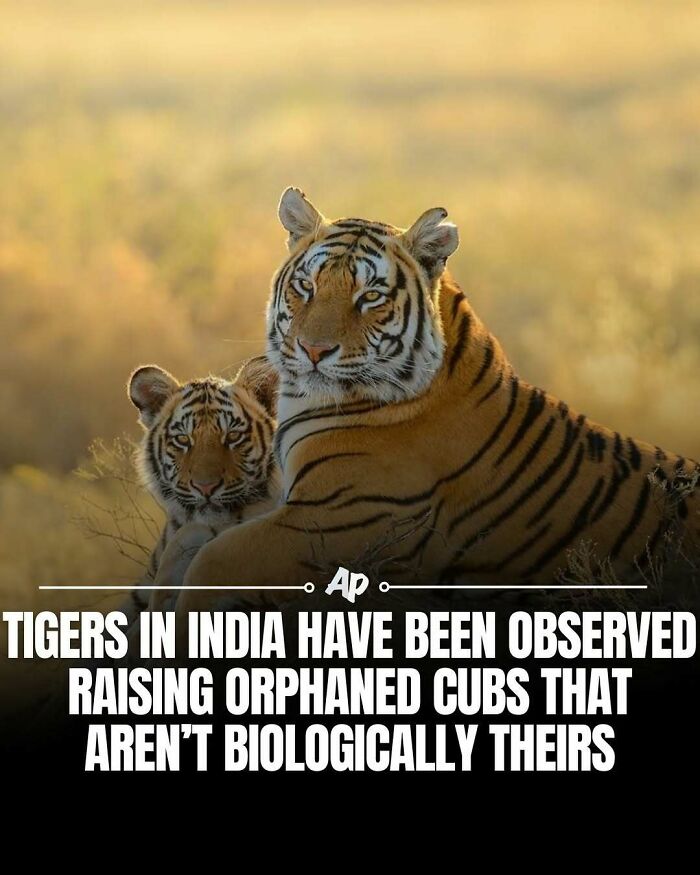
In India’s tiger reserves, researchers and forest officers have documented rare but powerful moments that challenge the long-held idea of tigers as strictly solitary and self-interested animals. In a few observed cases, adult tigresses have taken in orphaned cubs that were not biologically theirs, allowing them to follow, feed, and learn survival skills alongside their own offspring. This behavior is striking because raising cubs demands enormous energy and increases risk; a tigress already hunts constantly to feed herself and her biological young, and any extra mouths reduce her margin for survival.
Scientists believe this adoption behavior is not random kindness but a complex mix of instinct, environment, and social cues. Orphaned cubs that are young enough may trigger maternal responses through scent, vocalizations, and behavior similar to a tigress’s own cubs. In landscapes like India’s protected reserves, where prey density is relatively high and human monitoring limits major threats, the cost of adoption may be lower than in harsher environments, making such rare behavior possible.
These observations matter beyond their emotional impact. They suggest that big cats possess more behavioral flexibility than once assumed, adapting their instincts to circumstances rather than following rigid rules. For conservation, this reinforces why stable habitats and strong protection policies are crucial. When ecosystems are healthy and pressure is reduced, animals can express a wider range of natural behaviors, including ones that increase the survival chances of the next generation. In this sense, every adopted cub becomes quiet evidence that conservation doesn’t just save numbers—it preserves the full depth of wildlife behavior itself.
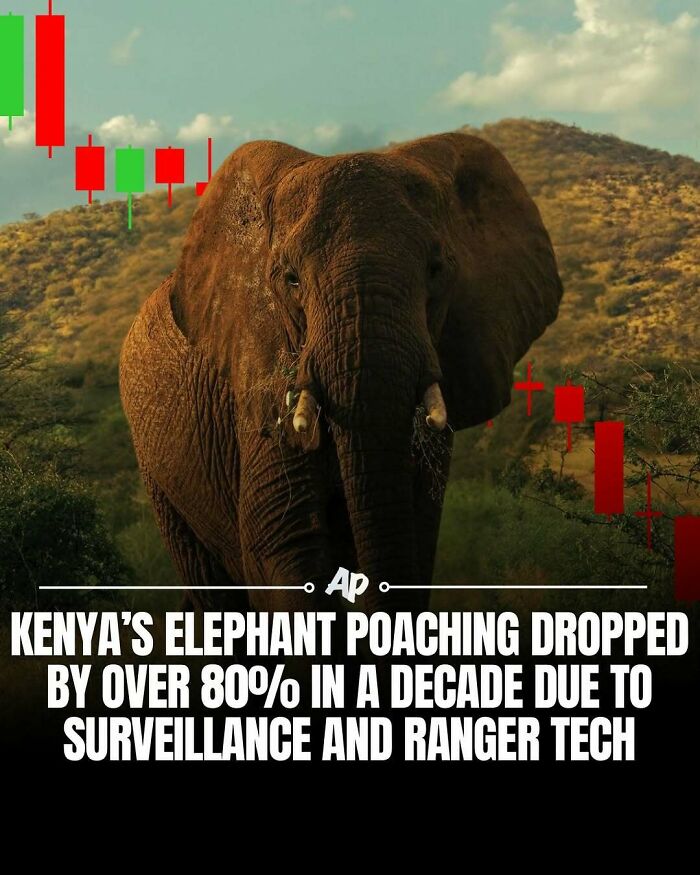
Kenya’s fight to protect its elephants has become one of Africa’s strongest conservation success stories. Just a decade ago, the country was losing hundreds of elephants each year to criminal networks driven by the global ivory trade. Today, that reality has changed dramatically. Elephant poaching has fallen by more than 80%, a turnaround powered by a combination of advanced surveillance, stronger ranger units, and community-centered protection strategies.
The shift began when Kenya invested in technologies that could see what humans couldn’t. Drones started scanning remote savannas, night-vision cameras watched critical corridors, and GPS tracking collars monitored elephant movements across vast landscapes. These tools gave rangers real-time intelligence, allowing them to respond within minutes instead of hours.
Alongside technology, Kenya upgraded its ranger forces—training them like modern security units, equipping them with better communications, and integrating them with intelligence teams that track poacher routes and black-market networks. Many of these rangers come from local communities that once lived in fear of losing wildlife; today they are the frontline defenders of it.
The result is a landscape where poachers can no longer operate in the dark. The combination of eyes in the air, sensors in the bush, and highly coordinated ranger patrols has turned Kenya into a case study of how Africa can protect its wildlife with precision rather than luck. And most importantly, it has given elephants—giants that have walked the continent for millions of years—a fighting chance to roam without fear.
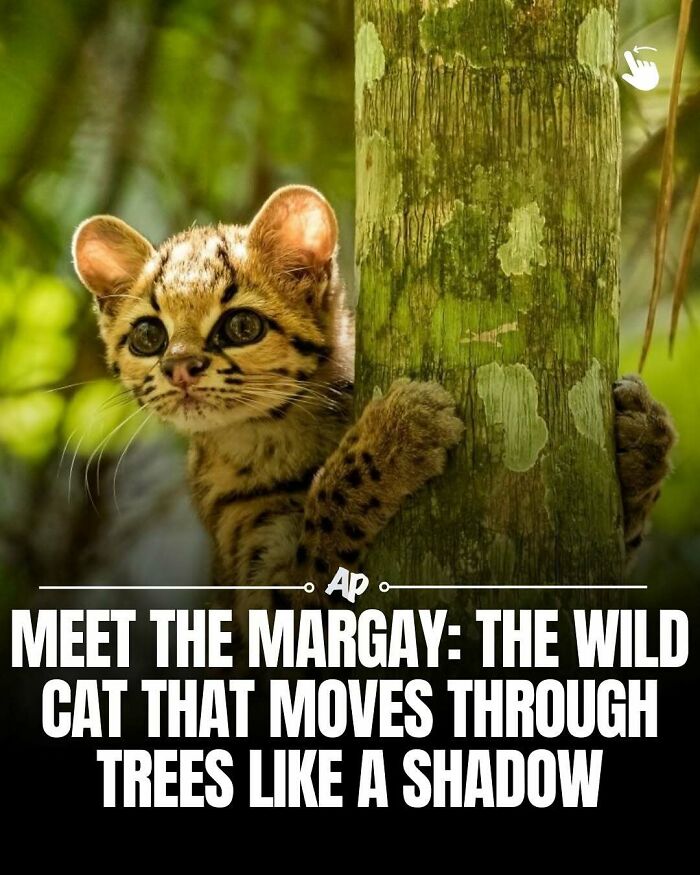
The Margay is one of nature’s most enchanting wild cats — a miniature, tree-dwelling predator found in the rainforests of Central and South America. It looks like a small leopard but moves with the grace of a squirrel, able to climb down trees headfirst thanks to its flexible ankles that rotate 180 degrees. With huge eyes adapted for night vision and soft, spotted fur, the Margay has an almost eternal kitten look. Sadly, its beauty has also made it a target in the illegal pet and fur trade, pushing the species toward vulnerability in the wild.
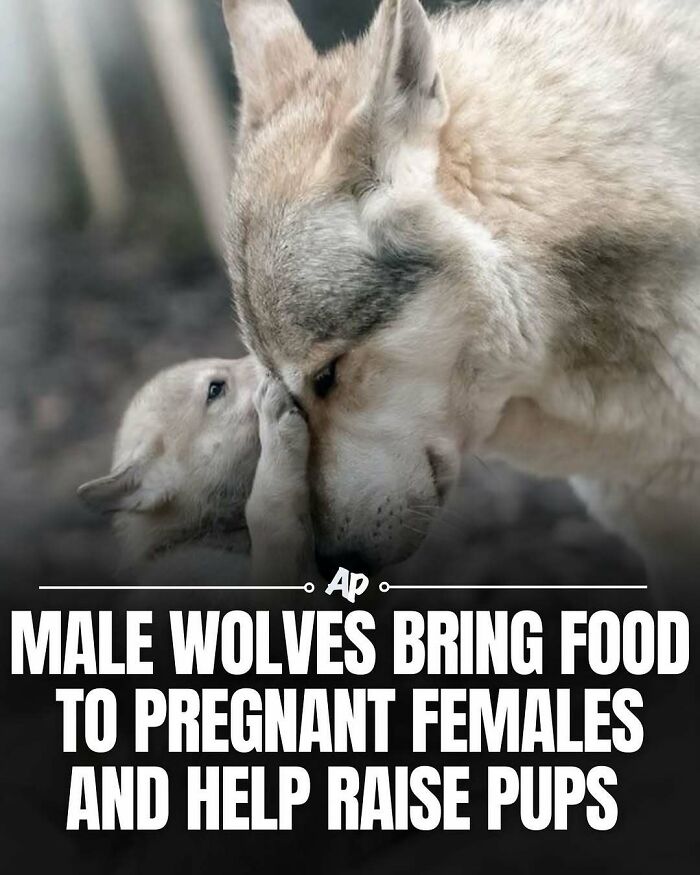
Wolves are often seen as fierce predators, but what many people don’t realize is how deeply family-oriented they are. In wolf packs, loyalty isn’t just a survival strategy—it’s the foundation of their entire social system. One of the most fascinating behaviors is how male wolves treat their mates and young. When a female becomes pregnant, the male doesn’t simply step aside. Instead, he provides food for her, ensuring she stays nourished while carrying the pups. After birth, the male continues hunting and bringing back meals, sometimes even regurgitating food for both the mother and the newborns.
This caregiving doesn’t stop at feeding. Male wolves help protect the den, teach pups how to hunt, and guard them from threats. In fact, scientists studying wolf packs have noted that successful survival depends heavily on the father’s role. Without his support, many litters would not make it past their first few months. Unlike many species where males disappear after mating, wolves remain devoted partners and parents.
This dedication makes wolves not just symbols of strength, but also of loyalty, sacrifice, and family unity—a reminder that true leadership is about protecting those who depend on you.
Unfortunately the whole 'Alpha Male' myth has clouded our view of wolf behaviour for 50 years or more; this item is nicely highlighting just how wrong that view, and the implied 'savage' behaviour it seemed to suggest, actually was. The dominant pack leader turns out to be a caring supportive father doing the best to support his wife and kid. Now if only we could get humans to recognise this as well...
What might appear to be a harmless solution to scratched furniture has now been proven to be a lifelong burden for cats. Declawing, long defended by some as a minor procedure, is in fact an amputation that inflicts permanent physical and neurological damage.
Groundbreaking research from Quebec has put the controversy to rest. Scientists at the Université de Montréal studied cats over a decade, using advanced tools like gait analysis and brain imaging to separate the natural effects of aging and arthritis from the damage caused by declawing. The findings, published in Scientific Reports, were striking: declawed cats showed irreversible nerve damage, heightened pain sensitivity, and diminished mobility. The nervous system itself became overstressed, leaving the animals hypersensitive, fatigued, and less able to move comfortably.
The evidence stretched beyond the biological to the behavioral. Declawed cats often avoided jumping or using litter boxes, displayed unusual aggression, and suffered from chronic discomfort. Heavier cats bore even greater pain, their weight amplifying the biomechanical strain on their altered paws. Whether declawing was done on the front paws or all four, the damage was the same—lasting and debilitating.
Although the practice has been banned in the European Union for more than three decades and outlawed in Quebec in 2024, it remains widespread across North America. By 2025, an estimated 25 million cats will have been subjected to it. The research leaves little doubt: declawing is not a benign procedure but a mutilation that condemns cats to a life of unnecessary suffering.

Don't do it folks, just don't do it. Or buy a stuffed toy animal instead and spare the lives one.
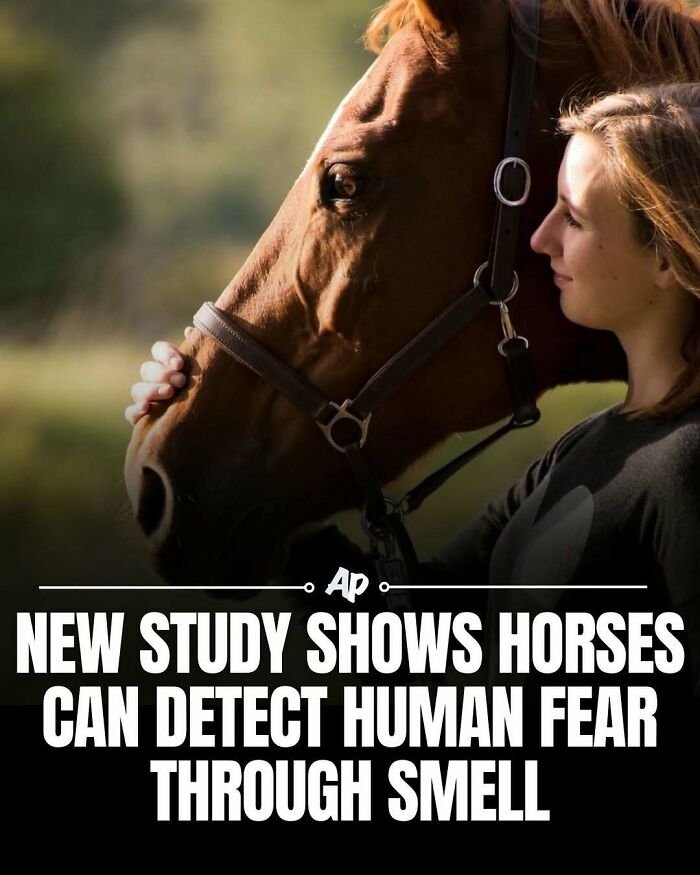
A new study published in PLOS One provides compelling evidence that horses can detect and respond to human fear through smell alone, even without seeing facial expressions or hearing vocal cues. Researchers from the French National Research Institute for Agriculture, Food and the Environment (INRAE) collected sweat from volunteers who watched fear‑inducing horror clips and from others who watched joyful videos. These sweat samples were then presented to horses in controlled experiments designed to isolate scent as the only variable.
Horses exposed to the fear‑associated scent showed clear behavioral and physiological changes: they were more startled by sudden events, exhibited higher heart rates, stared longer at unfamiliar objects, and were less likely to approach or engage with humans compared with horses exposed to joyful or neutral odors. The findings suggest that chemical signals in human sweat carry emotional information that horses can perceive and react to, indicating a form of emotional contagion across species.
The research highlights the importance of considering human emotional states in interactions with horses, particularly in training and handling contexts, as animals may be influenced by subtle olfactory cues even when humans are unaware of them.
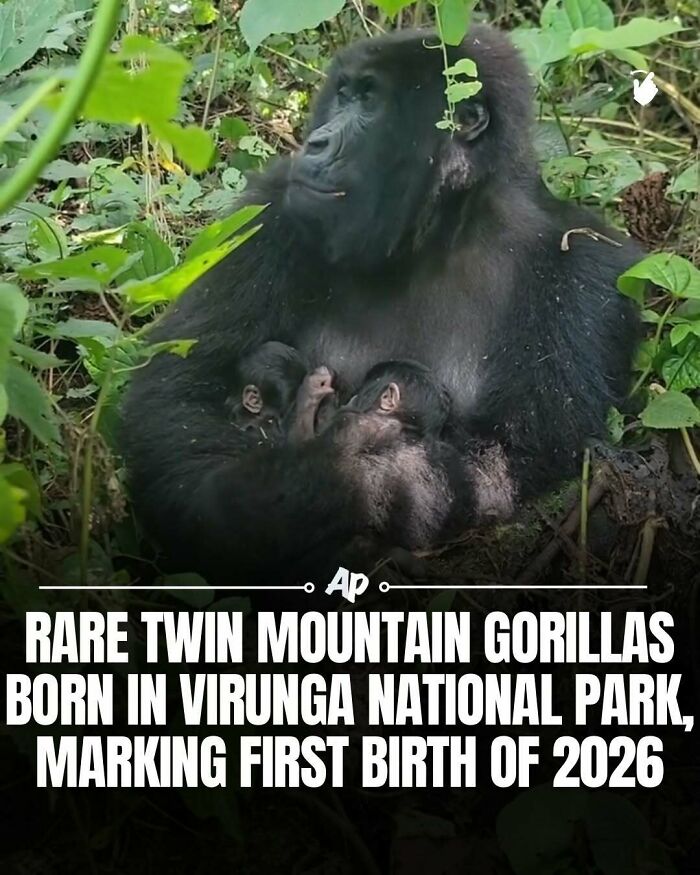
Virunga National Park has recorded a rare and significant conservation milestone with the birth of twin mountain gorillas in the Bageni family on January 3, 2026. Twin births among mountain gorillas are extremely uncommon and come with higher survival risks, making this event especially important for one of the world’s most endangered great apes. The birth was carefully observed by trained community trackers, whose daily monitoring plays a critical role in gorilla protection and research.
Mountain gorillas reproduce slowly, with females typically giving birth to a single infant every four to six years. Twins require far more energy from the mother and face greater challenges in their early months, which is why park authorities have intensified monitoring and protection efforts around the Bageni group. These measures help reduce threats such as illness, human disturbance, and environmental stress during this vulnerable stage of life.
The birth also highlights the impact of long-term conservation work in Virunga National Park. With the Bageni family now numbering 59 individuals—the largest group in the park—it demonstrates how sustained protection, community involvement, and scientific management can help endangered species recover. Each successful birth strengthens the global mountain gorilla population and reinforces the importance of safeguarding their fragile forest habitat.
Dogs are remarkably attuned to human social cues, showing an ability to understand pointing gestures better than even our closest primate relatives, the apes. This skill allows dogs to follow a human’s direction to locate hidden objects, food, or navigate unfamiliar environments. Unlike apes, who often struggle with interpreting the intent behind a human’s pointing, dogs seem naturally predisposed to read these nonverbal signals, a trait that has likely evolved through thousands of years of domestication alongside humans.
Researchers suggest that this ability stems from both selective breeding and socialization. Over centuries, humans have favored dogs that could work collaboratively, whether for hunting, herding, or companionship. This has reinforced their sensitivity to human gestures and intentions. Studies conducted with wolves, the dog’s wild ancestors, show that while wolves are intelligent, they do not respond to human pointing as reliably as domestic dogs, highlighting how domestication shaped dogs’ social cognition in unique ways.
This finding not only emphasizes the remarkable cognitive abilities of dogs but also underscores the deep bond between humans and their canine companions. Dogs’ ability to interpret human gestures enhances communication, cooperation, and training, making them exceptional partners in both work and leisure. Their social intelligence continues to offer insights into how animals can evolve in tandem with human societies, bridging the gap between species.
Over decades of focused protection and habitat restoration, the giant panda’s situation in the wild has improved enough that it no longer meets the criteria for the highest risk category on the global conservation list. Once edge‑of‑extinction, these iconic bears have seen their numbers rise steadily thanks to efforts by wildlife authorities, scientists and local communities to protect and expand their forest homes and prevent poaching. As a result, the species has been reclassified under a less severe threat category by international conservation bodies, reflecting progress in preserving the animal and its fragile ecosystem.
Despite this positive shift, experts stress that pandas are still vulnerable and face ongoing challenges, particularly from habitat fragmentation and the impacts of climate change on the bamboo forests they depend on for food. Conservationists emphasize that continued protection and long‑term ecological stewardship are essential to ensure that the gains made for this gentle species are sustained well into the future
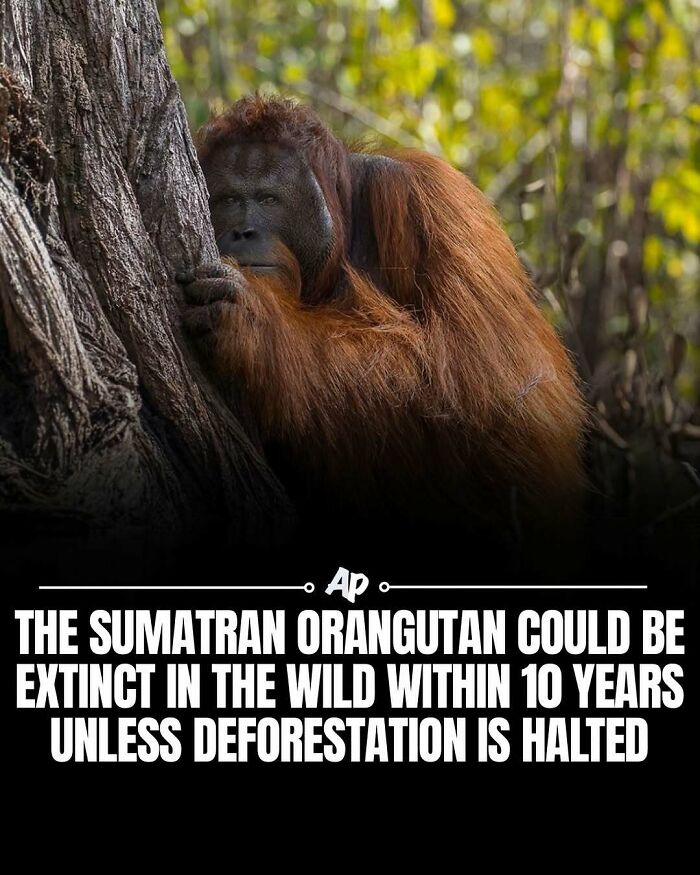
The Sumatran orangutan shares nearly 97% of human DNA, yet it’s on the brink of extinction. Found only in northern Sumatra, this red-haired ape is listed as Critically Endangered, with just about 13,000 left in the wild.
The biggest threat is deforestation driven by palm oil production, which has destroyed and fragmented their rainforest habitat. Recovery is painfully slow—females give birth only once every 7–9 years—making every loss devastating. Beyond survival, orangutans play a vital role in spreading seeds and sustaining forests, meaning their disappearance could trigger wider ecosystem collapse.
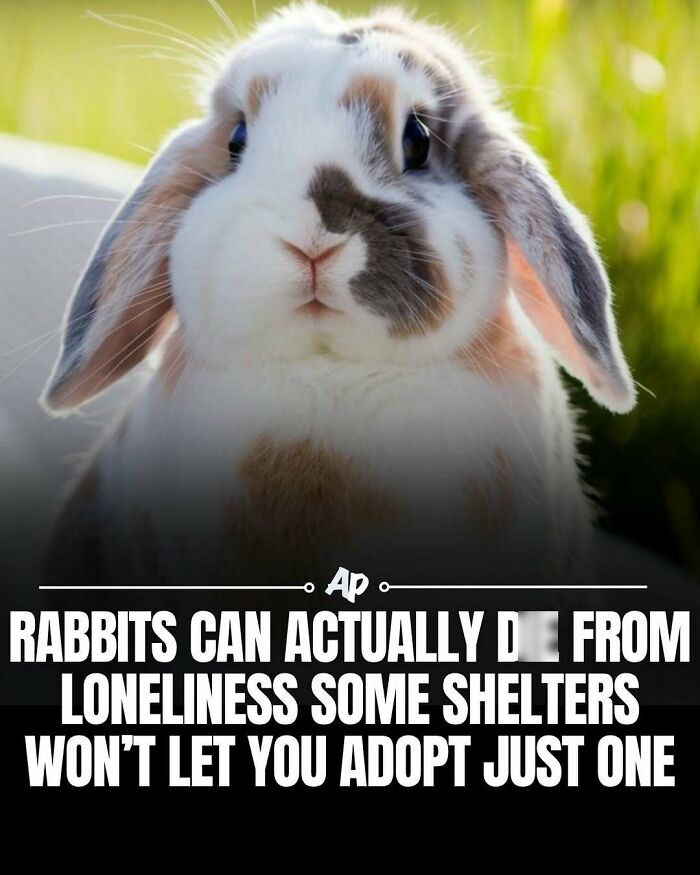
It sounds surprising, but rabbits are far more social than most people realize. In the wild, they live in tight-knit groups where companionship is constant, and that instinct doesn’t disappear in domestic life. When a rabbit is kept alone for long periods, it can experience intense stress and emotional decline, which may lead to loss of appetite, weakened immunity, and in severe cases, early death.
Because of this, many animal shelters and rescue organizations now insist on adopting rabbits in pairs. They’ve learned that bonded rabbits groom each other, play together, and provide a sense of security that humans simply can’t replicate. A lonely rabbit isn’t just bored—it can become withdrawn, depressed, and physically unwell.
Giving rabbits a companion isn’t just about improving their happiness; it’s often essential for their survival.
Recent scientific research is challenging long-held assumptions about how crustaceans like crabs and lobsters experience the world, particularly in relation to pain. Traditionally brushed off as simple reflexive behavior, new studies are showing that these animals possess nervous systems capable of processing harmful stimuli in ways that go beyond mere reflex. For example, researchers have recorded distinct neural responses in shore crabs when they were exposed to noxious conditions, suggesting mechanisms akin to pain perception rather than automatic reflexes that don’t involve conscious experience. Similar anatomical features across crustaceans mean these findings likely extend to lobsters, prawns, and other related species.
This emerging evidence has reignited debates over common culinary practices, especially the live boiling of crustaceans. Because many jurisdictions’ animal-welfare laws have historically excluded invertebrates, methods such as dropping live lobsters directly into boiling water remain legal in many places, even as growing numbers of scientists and ethicists question the humaneness of this practice. Opponents argue that the intense thrashing and stress responses seen in lobsters thrown into scalding water point toward significant suffering that merits legal and cultural reconsideration.
Policy responses are already beginning to shift in some regions. Switzerland requires that lobsters and other shellfish be stunned to minimize suffering, and the United Kingdom has updated its welfare legislation to recognize the sentience of animals including lobsters and crabs, opening the door to further protections. Animal-welfare groups are actively campaigning for bans on boiling crustaceans alive, urging governments to adopt humane slaughter methods and extend legal protections to these species in recognition of their capacity for pain.
Source: Earth.com – Scientists call for an immediate ban on boiling crabs and lobsters alive after a disturbing study (December 28, 2025).
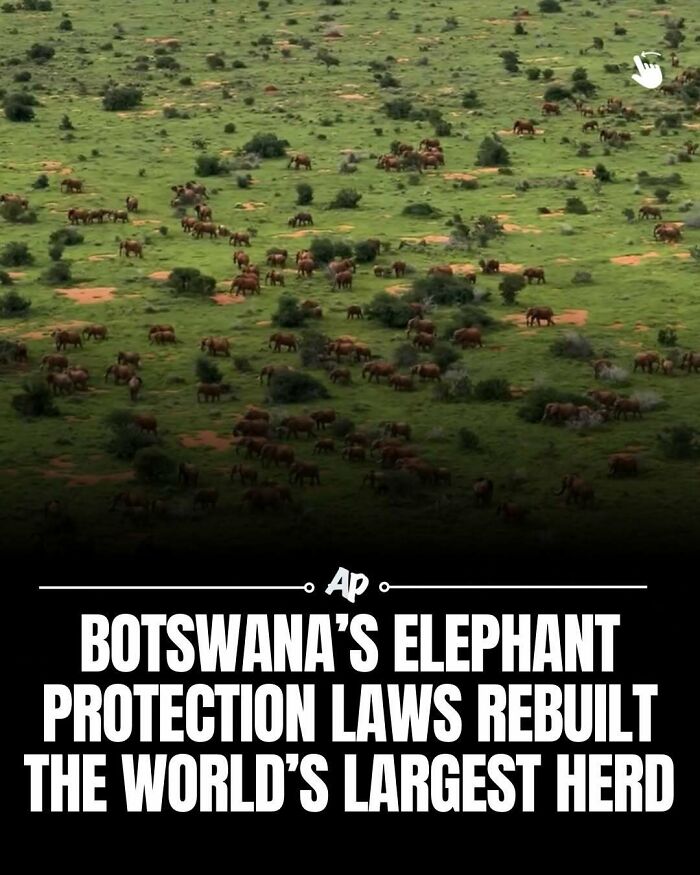
Botswana has emerged as a global leader in elephant conservation, achieving what many thought impossible: rebuilding the world’s largest elephant population. Over the past few decades, the country implemented forward-thinking protection measures, combining strict anti-poaching enforcement with community-centered conservation initiatives.
The government banned elephant hunting in 2014, a landmark decision that not only preserved existing populations but also allowed them to thrive naturally. Wildlife authorities worked closely with local communities, providing economic incentives through eco-tourism and wildlife monitoring programs. This approach ensured that the benefits of conservation were shared, reducing human-wildlife conflict and fostering stewardship among those living alongside these majestic animals.
Botswana’s vast, well-protected landscapes, including the Okavango Delta, became safe havens for elephants, offering critical migratory routes and access to water sources. The country also invests in modern tracking technology and research programs, allowing scientists to monitor herds, study behavior, and implement adaptive management strategies.
The result is a remarkable conservation success: Botswana now hosts more than 130,000 elephants, accounting for roughly a third of Africa’s total population. This achievement demonstrates that with strong policies, community engagement, and long-term commitment, wildlife populations can recover, even from the brink of severe decline. Botswana’s model serves as a blueprint for other nations seeking to balance ecological preservation with human development.
In Cameroon, certain tribes hold a profound respect for gorillas, seeing them not just as animals but as “forest people.” These gorillas are believed to share a spiritual connection with humans, and harming one is considered equivalent to attacking a family member. This cultural belief has helped protect gorillas in some regions, intertwining wildlife conservation with tradition. For these communities, the forest is a living family home, and gorillas are honored members whose presence must be respected.
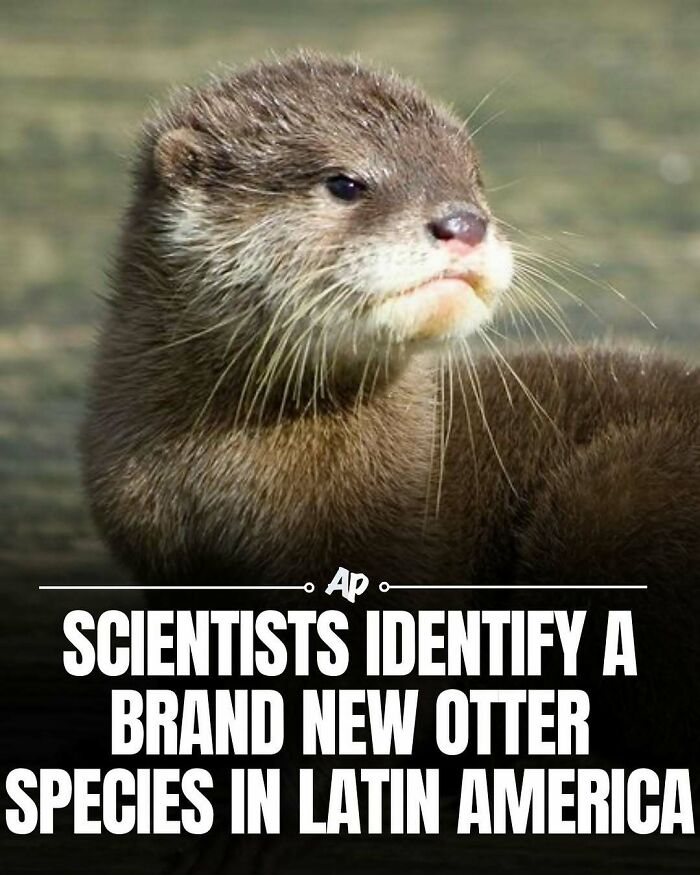
Scientists have confirmed a major surprise in otter biology — what was long thought to be a single Neotropical river otter species across Latin America is actually two distinct species.
Genetic analysis comparing DNA from otters on both sides of the Andes showed clear differences. The western group has been given the name Lontra annectens, while the eastern populations retain the original classification.
This split is more than academic: recognizing two species changes how researchers map ranges, assess threats, and design conservation plans. Each species may face different environmental pressures, such as habitat loss or pollution, meaning they’ll need tailored strategies to survive.
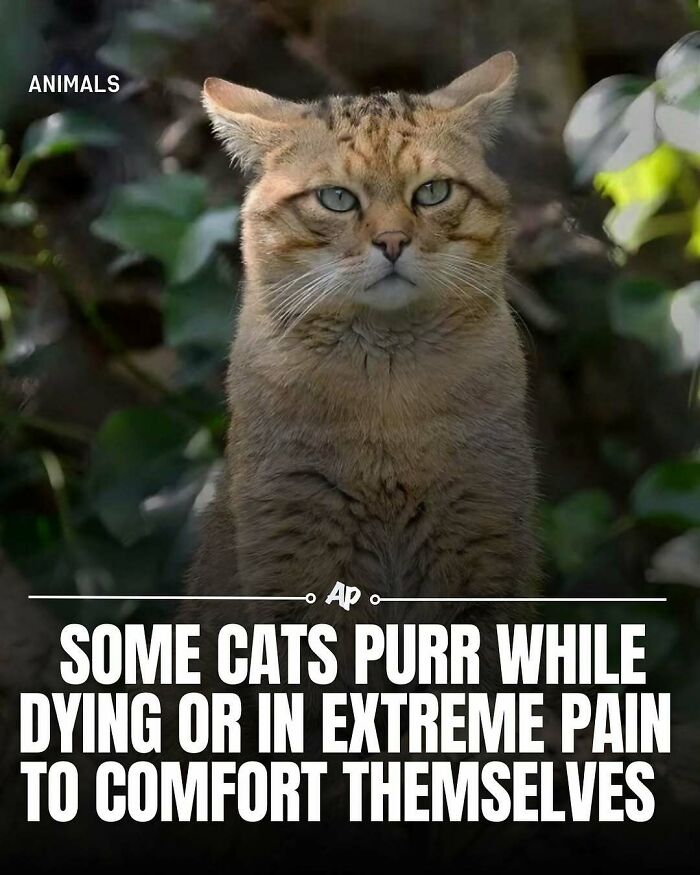
Cats don’t only purr when they’re happy—sometimes they do it in their most vulnerable moments, like when they’re badly injured, in extreme pain, or even as they’re dying.
Researchers believe this could be a form of self-soothing, a way to stay calm and reduce stress, much like a human humming to themselves in fear.
But there’s also a more mysterious angle: cat purrs vibrate at frequencies between 25 and 150 hertz—ranges that have been linked in studies to tissue healing and pain relief.
Some scientists think cats might instinctively use purring as a built-in survival mechanism, helping their bodies recover or at least endure the moment.
And then there’s the social theory: in the wild, a low, steady purr might signal to a mother cat, a sibling, or even a human that help is needed—without attracting predators the way a cry would.
It’s quietly haunting when you realize that the sound many people think of as pure contentment can also be a cat’s final request for comfort.
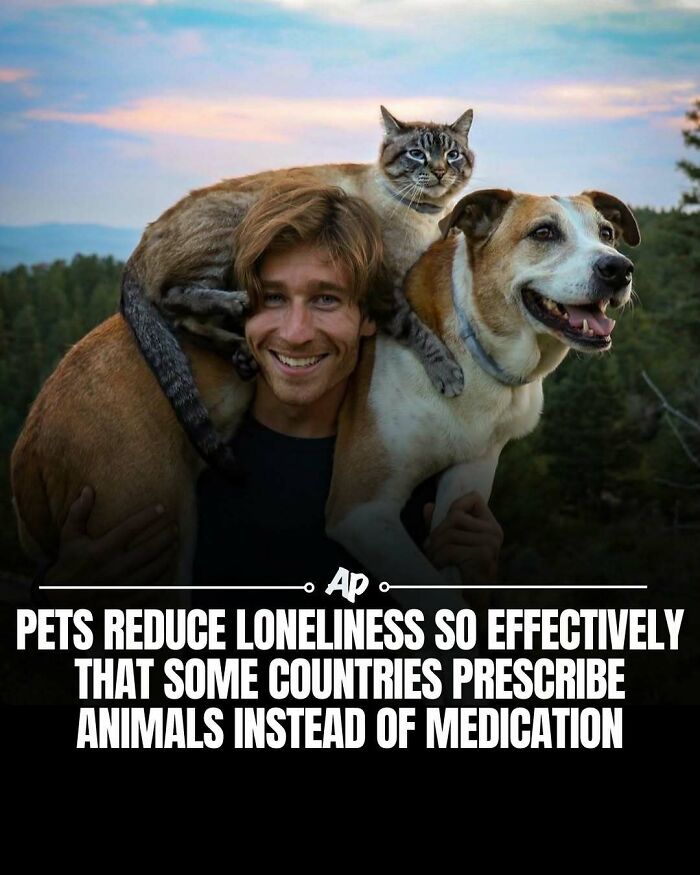
In recent years, companionship has started to look less like a luxury and more like a form of healthcare. Research across multiple countries shows that interaction with pets can significantly reduce feelings of loneliness, lower stress hormones, and improve overall emotional stability. For many people, especially the elderly and those living alone, the presence of an animal provides structure, routine, and a non-judgmental bond that human relationships don’t always offer.
In the United Kingdom, doctors under the National Health Service have increasingly embraced “social prescribing,” where patients struggling with isolation, mild depression, or anxiety are referred to community activities that can include animal companionship. Similar approaches have been explored in parts of Sweden and Japan, where animal-assisted therapy programs are used to support mental health and aging populations. Instead of immediately turning to medication, healthcare providers in these systems sometimes recommend structured interaction with animals as part of a broader treatment plan.
The science behind it is compelling. Studies show that pet interaction boosts oxytocin—the same bonding hormone released between parents and infants—while reducing cortisol, the body’s primary stress chemical. Over time, this biochemical shift can translate into improved mood, better sleep, and stronger resilience against social isolation. As loneliness becomes a growing public health crisis worldwide, animals are no longer viewed as just companions—they are increasingly recognized as quiet but powerful therapeutic allies.
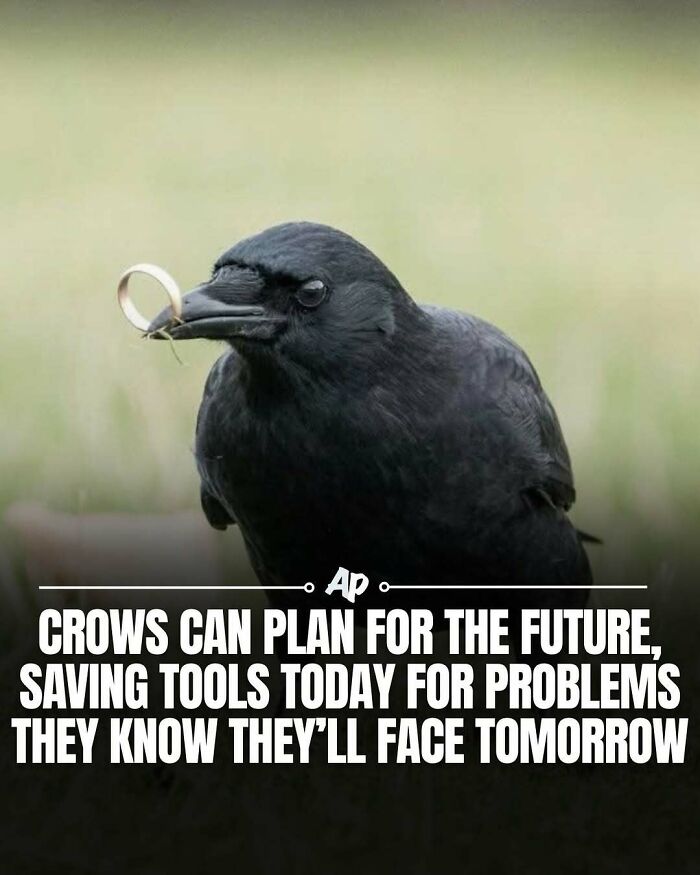
For a long time, the ability to plan for the future was considered uniquely human. However, research on crows has overturned that assumption. Studies show that crows can anticipate future needs and make decisions in the present to solve problems they have not yet encountered. In controlled experiments, crows were observed selecting and saving specific tools that they knew would be useful later, even when there was no immediate reward for doing so.
What makes this behavior extraordinary is that it requires more than instinct or trial-and-error learning. The birds had to remember the function of the tool, predict a future situation, and delay gratification—three cognitive skills once thought to belong only to humans and a few great apes. Some crows even ignored food in the moment, choosing instead to keep a tool that would help them access food hours later.
These findings have reshaped how scientists understand animal intelligence. Crows, with brains far smaller than ours, demonstrate complex mental abilities that rival those of primates. Their capacity for forward planning suggests that advanced cognition can evolve in very different biological forms, challenging long-held ideas about what intelligence looks like in the natural world.
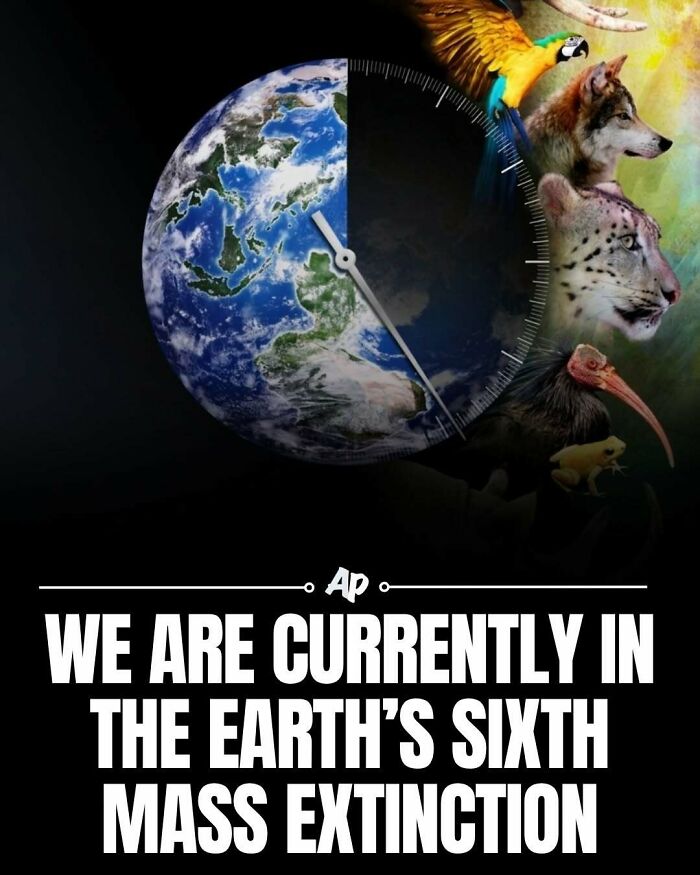
Earth is currently undergoing what scientists describe as its sixth mass extinction—but unlike the previous five caused by natural disasters, this one is driven by human activity. Species are disappearing at rates up to 10,000 times faster than normal due to habitat destruction, climate change, pollution, overexploitation, and invasive species, creating a level of biodiversity loss comparable to past global catastrophes.
What makes this crisis more dangerous is how quietly it unfolds. Each generation adapts to a slightly diminished natural world, a phenomenon known as shifting baseline syndrome, making the loss less noticeable over time. Yet, unlike past extinctions, this is the first one humanity has the power to slow—if decisive action is taken.
Source: Ceballos, G., Ehrlich, P.R., & Dirzo, R. (2017). Biological annihilation via the ongoing sixth mass extinction signaled by vertebrate population losses and declines. Proceedings of the National Academy of Sciences (PNAS). Also supported by the IPBES Global Assessment Report on Biodiversity and Ecosystem Services (2019).

Well, we are part of nature. When photosynthesis was introduced by the first primitive algae, the rise of oxygen in the atmosphere also caused an extinction event. So we're not even the first species to accidentally modify the atmosphere in a catastrophic way. You'd just wish for humans to control their behavior better than the average primitive algae, but here we are.
New research shows that wild grey squirrels are willing to invest extra effort to secure higher-value food, even when it means climbing higher and expending more energy. In a study conducted by the University of Exeter, researchers offered squirrels a choice between easily accessible, less-preferred food and more desirable treats placed at greater heights. The animals consistently chose to climb further for their favorite food, demonstrating a willingness to work harder when the reward was more valuable.
The findings challenge the assumption that animals always opt for the easiest option, suggesting that in natural settings squirrels make strategic decisions that balance effort and benefit. Social dynamics also played a role: less dominant squirrels were more likely to choose the easier option, possibly to avoid losing hard-earned rewards to rivals. This behaviour highlights how factors like competition and risk influence foraging choices in the wild.
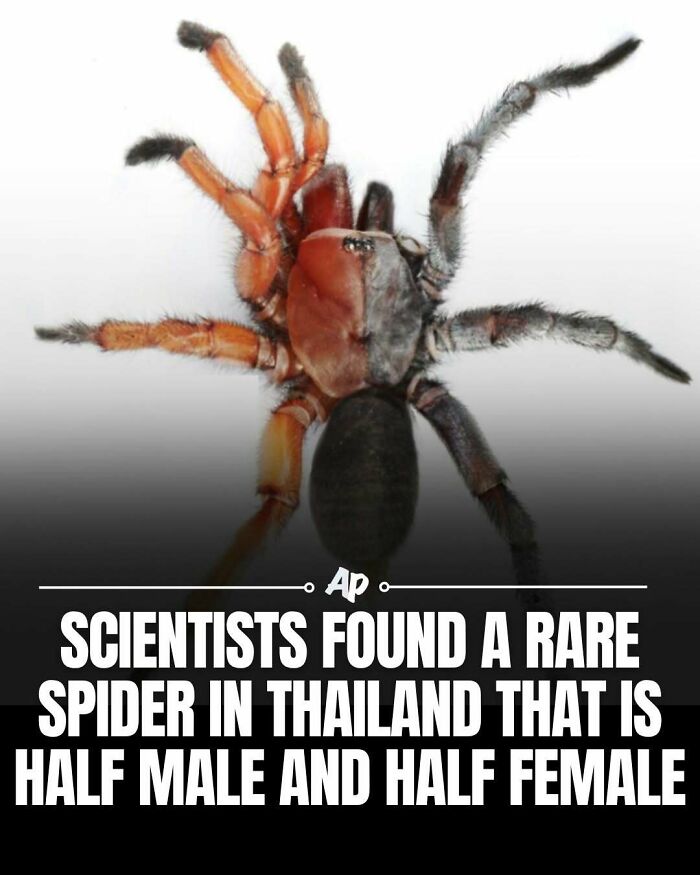
Scientists in Thailand have discovered an extraordinary new spider species, Damarchus inazuma, that is literally split into two sexes—half male and half female. The rare specimen shows a near-perfect division down the middle of its body, with one side displaying female features such as a larger size and bright orange coloration, while the other side appears male, smaller and grey in tone.
This unusual condition is known as gynandromorphism, a rare biological phenomenon where an organism develops both male and female characteristics. Unlike species that naturally possess both reproductive organs, this is considered a genetic anomaly, likely caused by irregularities in early cell division or sex chromosomes during development.
The spider was discovered in a forested area of western Thailand by local naturalists and later studied by researchers at Chulalongkorn University. Its striking appearance immediately caught scientists’ attention, not only because it represents a new species, but also because such perfectly split dual-sex traits are extremely rare—especially among spiders of this group.
Beyond its unusual look, the discovery offers valuable insight into how sex development works in animals and highlights just how much remains unknown about biodiversity. Even in well-studied ecosystems, nature continues to reveal surprising and almost surreal forms of life that challenge scientific understanding.
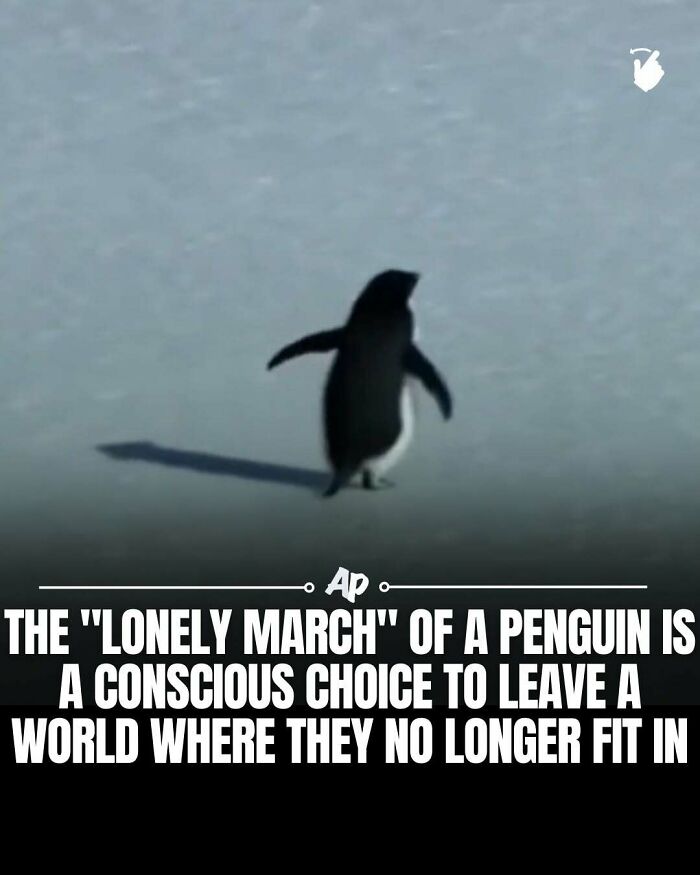
The image of a penguin walking alone away from its colony has long been framed as tragic or mysterious, but biology tells a far more grounded story. Often referred to as the “lonely march,” this behavior is not random, emotional confusion, or a loss of instinct. It is a conscious, survival-driven response shaped by the harsh realities of life in the wild.
Penguins are intensely social animals. Their colonies provide warmth, protection from predators, and coordinated breeding and feeding cycles. But this tightly synchronized system demands physical strength, precise timing, and constant movement. When a penguin becomes severely injured, sick, aged, or weakened, it may fall out of rhythm with the group. Remaining within the colony under such conditions can lead to prolonged stress, aggression from other penguins, or slow death through exhaustion and exposure.
In these moments, walking away becomes a biological decision rather than a mistake. By leaving the colony, the penguin avoids competition for space and resources it can no longer compete for. It also reduces stress hormones that rise when an animal is forced to function in an environment it can no longer handle. From an evolutionary perspective, this behavior prevents disruption within the colony and conserves limited energy for the individual’s remaining time.
What appears heartbreaking to human observers is, in fact, a form of self-regulation built into nature. The penguin is not abandoning its kind out of despair, but responding realistically to its condition. In ecosystems where survival depends on efficiency, there is little room for sentimentality. Animals that recognize when they no longer fit into the system often make quiet exits rather than chaotic ones.
The “lonely march” reminds us that nature operates on clarity, not cruelty. It is a silent acknowledgment of limits, a recognition that survival sometimes means stepping away rather than struggling on. In that sense, the penguin’s walk is not a symbol of loneliness, but of biological awareness—an acceptance of reality shaped by millions of years of evolution.
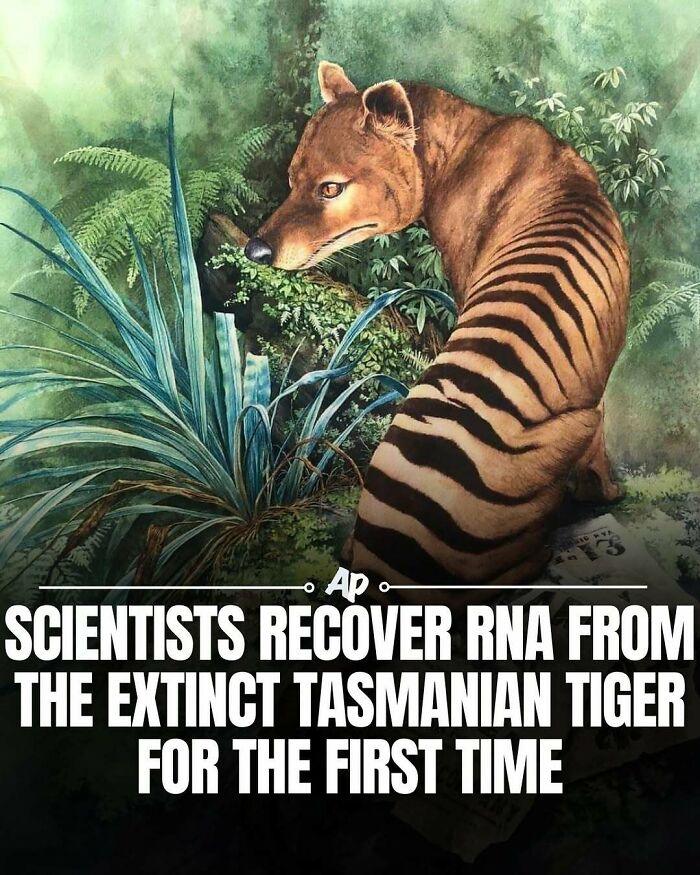
Scientists have, for the first time in history, extracted and sequenced RNA from an extinct animal — the Tasmanian tiger, a carnivorous marsupial that vanished in the early 20th century. This breakthrough came from a 130-year-old museum specimen preserved at room temperature in Sweden, and it offers an unprecedented window into how the creature’s genes were actively functioning in its tissues before extinction. Unlike DNA, which only reveals the genetic blueprint of an organism, RNA shows which genes were being expressed and how cells were operating when the animal was alive. Researchers were able to reconstruct gene activity patterns from both muscle and skin samples, identifying tissue-specific signals that resemble those of living mammals. The ability to recover this fragile molecule — long thought too unstable to survive outside living cells — challenges assumptions about molecular decay and opens up a new field of paleotranscriptomics, where scientists can explore the dynamic biology of long-gone species. Beyond deepening understanding of extinct animals, the findings could eventually aid efforts to refine historical gene maps, compare extinct and extant species at a functional level, and even investigate ancient hosts and viruses. While this discovery doesn’t mean resurrecting the Tasmanian tiger is imminent, it marks a major step forward in decoding the living biology of species that have been lost to time.

i feel like that they have never watched any movie ever that shows this isnt a good idea i mean there have been like 7 movies that shows that
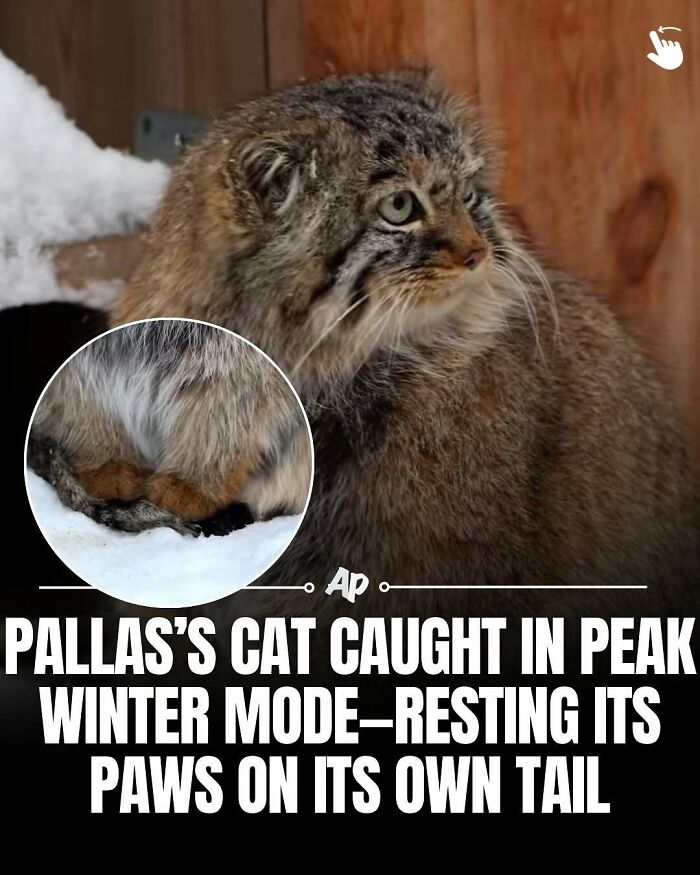
The Pallas’s cat is one of the most cold-adapted felines on the planet, and this moment captures exactly how it survives the brutal winters of Central Asia. Its dense fur, one of the thickest coats in the cat family, creates a rounded silhouette that helps it retain heat in environments where temperatures can plunge far below freezing. The animal’s compact posture, with its front legs resting on its own tail, is not just a display of comfort; it is a thermal strategy refined by evolution. By positioning its paws on its tail, the cat reduces direct contact with the snow and minimizes heat loss through its extremities, which are some of the most vulnerable parts of the body in low temperatures.
This behavior also demonstrates how Pallas’s cats conserve energy in landscapes where prey is scarce during winter. They avoid unnecessary movement, maintain a low profile, and use their bodies almost like insulation systems. The thick, bushy tail acts as a multipurpose tool that offers balance when hunting, communication through scent, and warmth when curled around the body. In colder moments like this, it becomes a natural buffer that preserves heat and protects the sensitive pads of the paws. Small behaviors such as this are critical adaptations that allow the species to occupy one of the harshest ecological niches in the world.
Although they may appear slow or simply fluffy, Pallas’s cats are highly specialized predators designed for freezing, open terrain. Every aspect of their posture in the snow reflects survival engineering rather than mere cuteness. The combination of a heat-locking body shape, a thick coat, and behavioral tricks like using their tail as a resting surface shows how nature equips even the smallest carnivores with remarkably effective tools to thrive where few animals can endure.
In Thailand, compassion isn’t limited to people — it extends to animals, too. Across the country, Buddhist monks have quietly taken on a powerful, unspoken role as guardians of stray dogs. Within temple walls, dogs that were once abandoned or injured find shelter, food, and peace. These “temple dogs,” as they’re known, often wander in off the streets, drawn by the calm energy and the scent of daily offerings.
For the monks, caring for animals isn’t charity — it’s part of their spiritual path. In Buddhism, showing kindness to all living beings reflects the principle of metta, or loving-kindness. Feeding a hungry dog is seen as an act of merit, a step toward enlightenment. Some temples have become sanctuaries, housing hundreds of strays, providing them with medical care, and even performing burial rituals when they pass away.
What started as a simple act of compassion has turned into a cultural symbol of mercy and coexistence. In Thailand, where spirituality and daily life often blend seamlessly, these monks remind everyone that true peace begins with how we treat those who cannot ask for help — even if they walk on four legs.
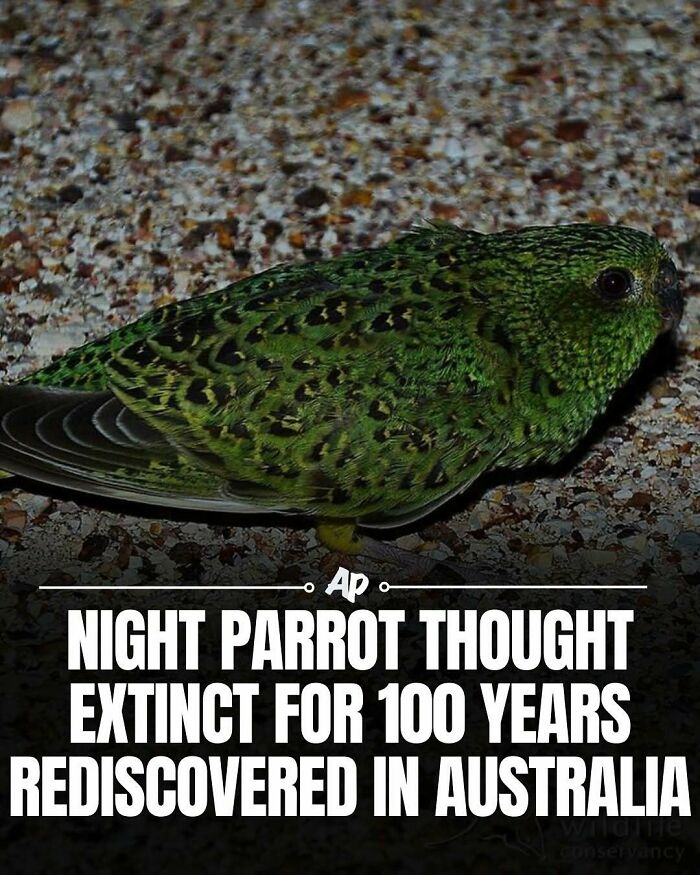
The elusive night parrot (Pezoporus occidentalis), once thought extinct for over a century, has been rediscovered in the Great Sandy Desert of Western Australia. This breakthrough was made possible through the collaborative efforts of Indigenous rangers and scientists who utilized advanced audio recording technology to detect the bird’s distinctive calls. Their findings confirmed the presence of up to 50 individuals, marking the largest known population of this critically endangered species.
Once widespread across Australia’s arid interior, the night parrot’s population plummeted due to habitat loss and predation by introduced species. The last confirmed sighting occurred in 1912, and for decades, the bird was considered a myth. It wasn’t until 1990 that a roadkill specimen reignited hope, and in 2013, naturalist John Young captured the first video footage of a live night parrot.
The rediscovery of this population offers a renewed opportunity for conservation efforts. Researchers are now focusing on understanding the bird’s ecology, identifying threats, and implementing strategies to protect its remaining habitats. The collaboration between Indigenous knowledge and scientific research underscores the importance of community involvement in wildlife conservation.
While the night parrot remains one of Australia’s most enigmatic species, its recent rediscovery provides a glimmer of hope for its future. Continued conservation efforts and habitat protection are crucial to ensure that this rare bird does not vanish once again.
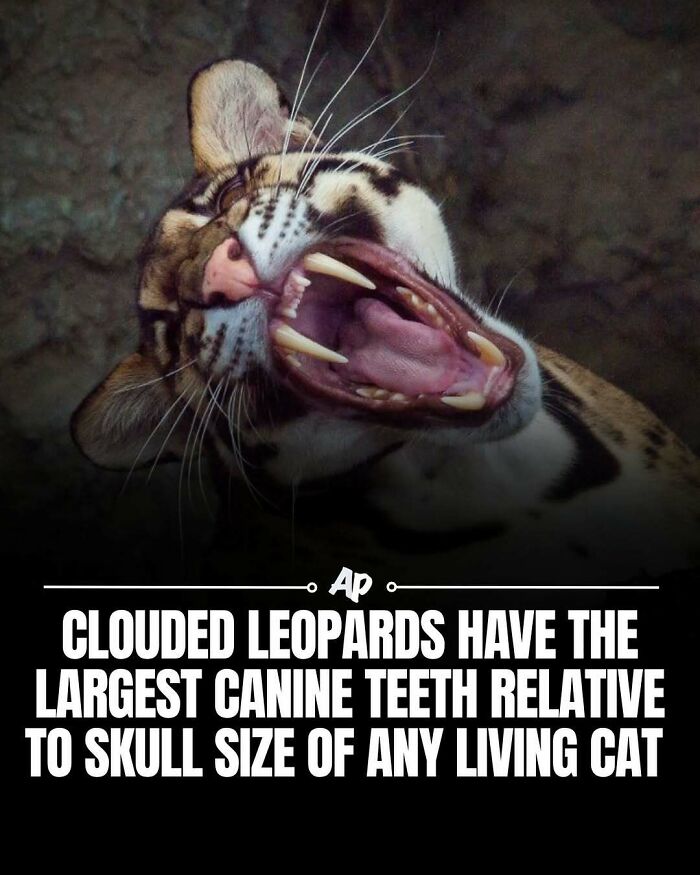
The clouded leopard is one of the most unusual and mysterious wild cats on Earth, known for possessing the largest canine teeth relative to skull size of any living feline. Its dagger-like fangs are proportionally even larger than those of lions and tigers, leading some researchers to describe the animal as a “modern saber-tooth.” These oversized teeth help the clouded leopard grip prey efficiently in the dense forests of Asia, where it hunts monkeys, deer, birds, and other animals. Unlike most big cats, clouded leopards are expert climbers capable of hanging upside down from branches and descending trees headfirst thanks to their powerful limbs and flexible ankles. Their dark cloud-shaped markings provide excellent camouflage in forest environments, making them incredibly difficult to spot in the wild. Scientists believe the species represents an important evolutionary link between smaller cats and the world’s larger roaring cats.
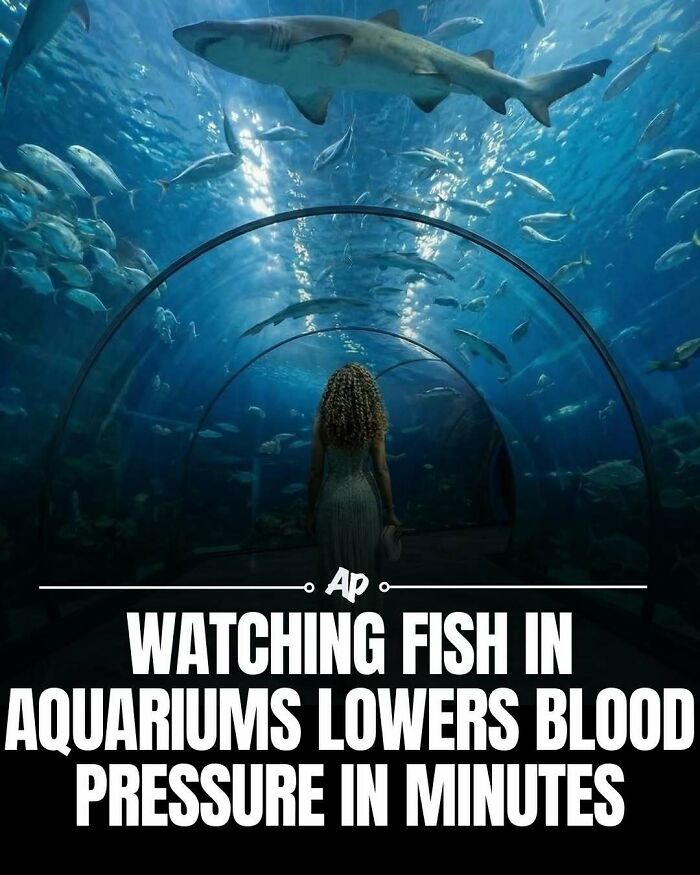
Scientific research shows that spending even a short time watching fish swim in an aquarium can trigger a measurable relaxation response in the human body, including lowering blood pressure and heart rate — often within just minutes of observation. In one of the first controlled studies of its kind, researchers from the National Marine Aquarium, the University of Plymouth, and the University of Exeter measured physiological responses in people as they viewed tanks with different levels of fish activity. They found that participants who watched fish exhibits experienced noticeable reductions in both blood pressure and heart rate, suggesting that the calming motion of fish and the visual stimulation of an aquatic environment help shift the body out of a stress response and into a more relaxed state. This effect isn’t limited to subjective feelings of calm — it’s reflected in objective cardiovascular markers. Higher numbers of fish tended to hold attention longer and enhance mood, which also contributes to this soothing effect. That is why aquariums are frequently used in settings such as medical waiting rooms and therapeutic environments: their presence can reduce physiological stress, making people feel calmer and more grounded in a relatively short amount of time. This phenomenon taps into a broader principle known in psychology and environmental science as a biophilic response — the innate human tendency to seek connections with nature and other living systems — and highlights an overlooked, yet powerful, way nature can positively influence human health
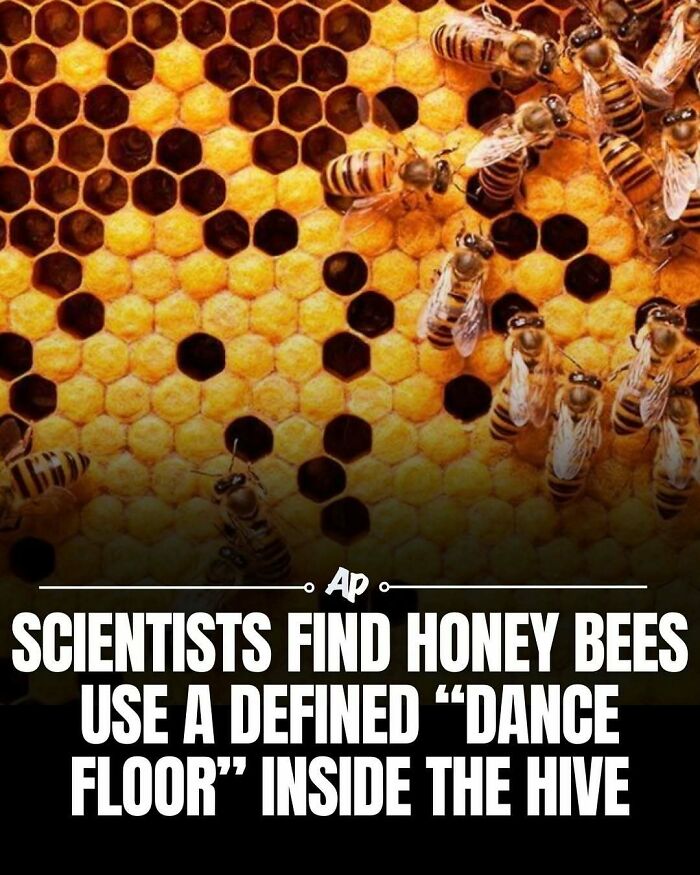
Scientists have discovered that honey bees concentrate their famous “waggle dance” inside a hive on a specific, measurable area of comb — essentially a defined “dance floor” where foragers communicate key information about food sources to their nestmates. Researchers from the University of Manitoba used observation hives with glass walls to track thousands of waggle runs and found that these recruitment dances consistently occur in a compact zone near the hive entrance, even as overall activity levels fluctuate. This stability confirms that the dance area is a real, quantifiable feature of hive organization, not random movement, and it provides a reliable locus for communication within the colony.
By statistically mapping where dances cluster, scientists can now measure how the size, shape and position of this “dance floor” change over time as seasons shift or colony conditions vary, offering insights into how space usage adapts within the hive. Understanding this spatial pattern gives biologists a clearer window into how bees efficiently transfer information about direction and distance to nectar and pollen sources, helping them coordinate foraging and support the colony’s survival.
This research, published in PLOS ONE, opens the door to more detailed studies of social insect communication by providing a standardized way to compare dance behavior across different hives and environments, turning a long-observed natural behavior into a precise scientific tool.
Spending just ten minutes petting a dog can do more for your body than most people realize. Research shows that physical interaction with a dog significantly reduces cortisol—the body’s primary stress hormone—while also lowering blood pressure. In a world where stress is constant and attention is fragmented, something as simple as gentle touch and eye contact with a dog can shift the nervous system from “fight or flight” into a calmer, regulated state.
Unlike scrolling on a phone or listening to music, which often keeps the brain stimulated, interacting with a dog creates a biological response rooted in connection. Touch triggers the release of oxytocin, sometimes called the “bonding hormone,” which promotes feelings of safety and relaxation. At the same time, heart rate slows and tension eases, producing measurable physiological changes—not just emotional comfort.
This explains why therapy dogs are used in hospitals, universities, and high-pressure workplaces. The effect isn’t symbolic; it’s chemical. A few intentional minutes with a dog can recalibrate the body more effectively than many digital coping habits, proving that sometimes the simplest forms of connection are the most powerful medicine.
In recent years, China has seen a striking shift in how households relate to pets, largely driven by deepening demographic and social changes. As birth rates have fallen and the population has begun shrinking after years of stagnation, many younger Chinese are postponing marriage and having children or opting out altogether. This has helped fuel a rise in pet ownership, with cats and dogs increasingly seen not just as animals, but as emotional companions or even “substitute children.” Independent data show that, in urban areas alone, the number of pets has climbed into the tens of millions, with some estimates suggesting pets could outnumber young children by the end of the decade.
Economically, this cultural embrace of pets has helped create one of the world’s fastest-growing “pet economies.” China’s market for pet goods and services — from food and healthcare to smart devices and travel — has expanded into a multibillion-dollar sector and continues to diversify rapidly. High-end services and tech-enabled products such as AI-based feeders, health monitors, and luxury grooming reflect both rising income levels and a generational shift in consumption preferences.
However, this trend exists alongside broader concerns for China’s economic trajectory. The decline in population poses long-term challenges for labor supply, social support systems, and domestic demand, and weak consumption in some sectors has contributed to stagnation pressures on the broader economy. The pet boom, while significant, sits against this backdrop of slower demographic growth and efforts by policymakers to rebalance economic priorities.
Overall, China’s pet market is a vivid example of how cultural change intersects with economic and demographic forces: a booming industry built on shifting household choices, set within a much larger story of population decline and structural economic adjustment.
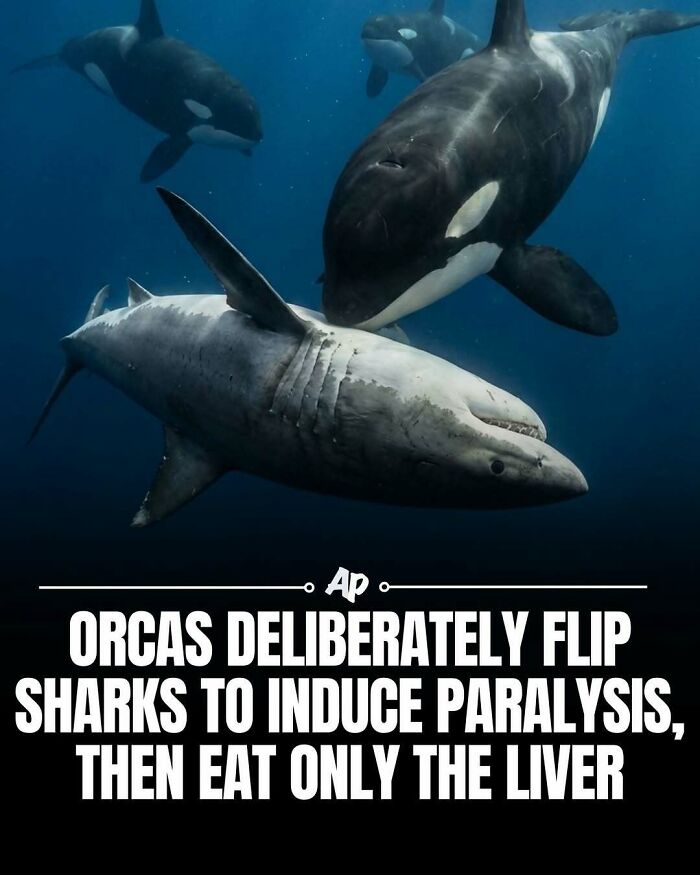
In the wild, orcas have evolved hunting strategies that border on the ingenious and terrifying. One of their most striking behaviors involves hunting sharks in a way that shows both intelligence and precision. Instead of attacking indiscriminately, orcas have been observed flipping sharks upside down, inducing a temporary paralysis. This state, known as tonic immobility, leaves the shark completely vulnerable. What follows is even more remarkable: orcas selectively feed on the shark’s liver, a nutrient-rich organ, while leaving the rest of the body untouched.
This behavior demonstrates a combination of learned skill and strategic thinking rarely seen outside human predators. It’s not just about brute force—it’s about understanding the physiology of prey and exploiting it with surgical precision. Such actions underscore why orcas are often called “apex predators” in the truest sense, operating with both cunning and efficiency at the top of the ocean food chain.
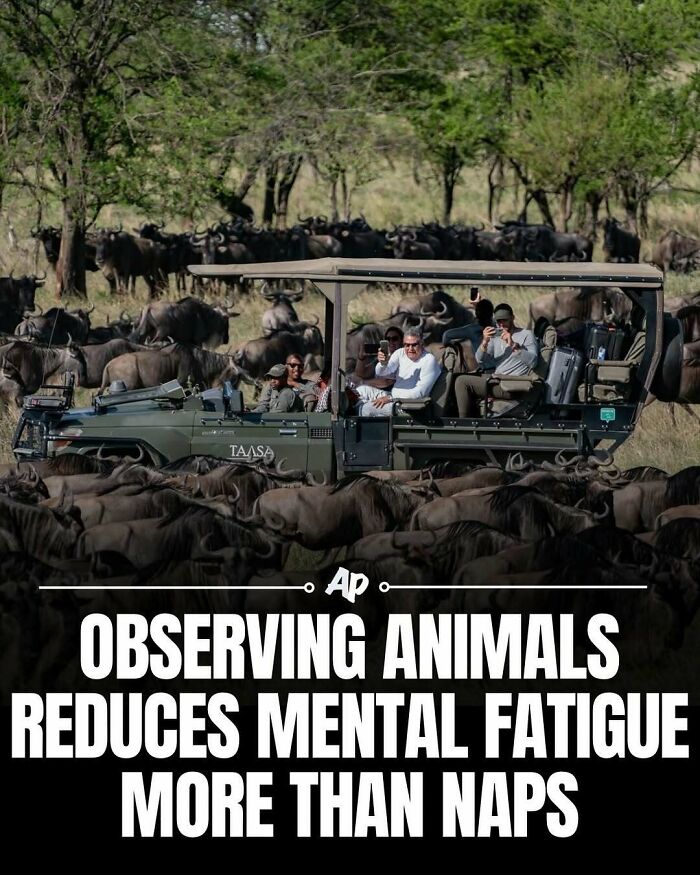
Observing animals has a uniquely powerful effect on the human brain, often restoring mental energy more effectively than taking a nap. Unlike sleep, which shuts the mind down temporarily, watching animals engages the brain in a calm, low-effort way that mirrors how humans evolved to stay alert in natural environments. This gentle engagement allows the brain’s attention systems to recover without fully disengaging, reducing the heavy cognitive load caused by screens, noise, and constant decision-making.
Studies in environmental psychology and neuroscience show that animal movement, unpredictability, and natural rhythms activate what researchers call “soft fascination.” The brain remains interested but not strained, which helps reset focus, lower cortisol levels, and reduce mental exhaustion faster than passive rest. This is why aquariums are used in hospitals, why watching birds improves concentration, and why people often feel mentally refreshed after time around wildlife—even without physical rest.
In a modern world dominated by artificial stimulation, observing animals taps into an ancient neurological pathway designed for survival and awareness. It gives the brain exactly what it needs: stimulation without pressure. As a result, a few minutes of watching animals can restore clarity, attention, and mental energy more efficiently than a short nap, making nature one of the most underrated tools for cognitive recovery.
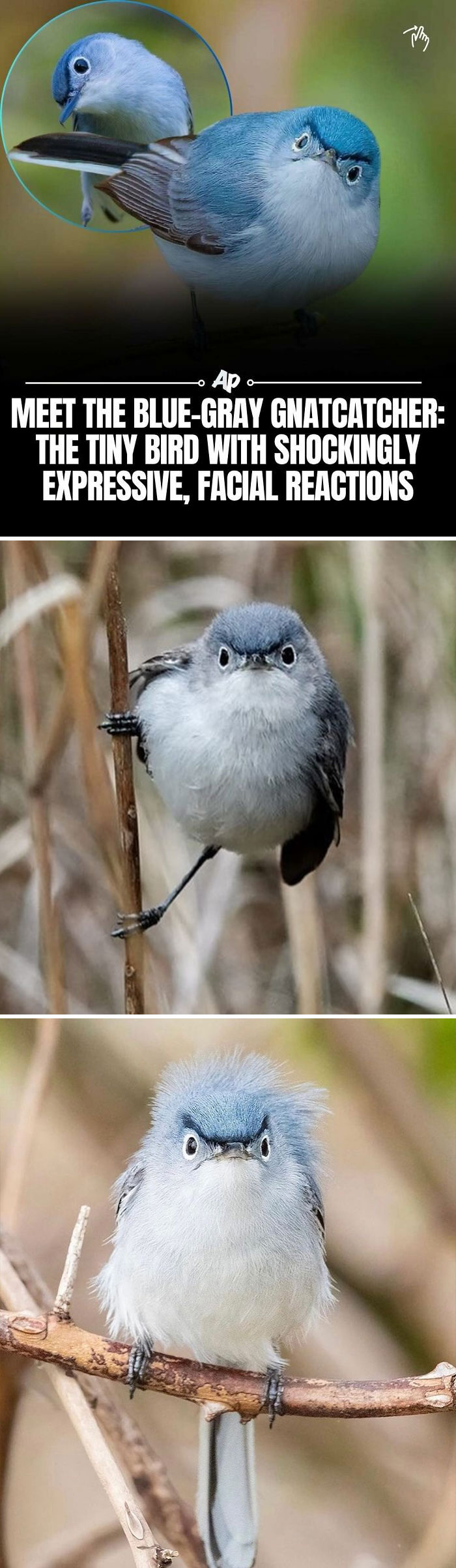
Meet the Blue-gray Gnatcatcher: The Tiny Bird With Shockingly Expressive, Almost Human-Like Facial Reactions
At first glance, the Blue-gray Gnatcatcher looks like just another delicate, fast-moving songbird, but watch closely and its face tells a completely different story. With its bold white eye ring and constantly shifting brow line, this tiny bird seems to cycle through expressions—curious, annoyed, alert—in a matter of seconds. Males take it even further during breeding season, flashing a sharp black “eyebrow” that gives them an intense, almost dramatic look, as if they’re permanently reacting to something just out of frame.
These subtle facial shifts aren’t just for show. They’re part of how the gnatcatcher communicates and navigates its environment, flicking its tail, widening its eyes, and adjusting its posture as it hunts insects or responds to movement around it. The result is a bird that feels unusually animated for its size—less like a distant wild creature and more like a tiny, expressive personality darting through the trees, constantly reacting to the world in real time.
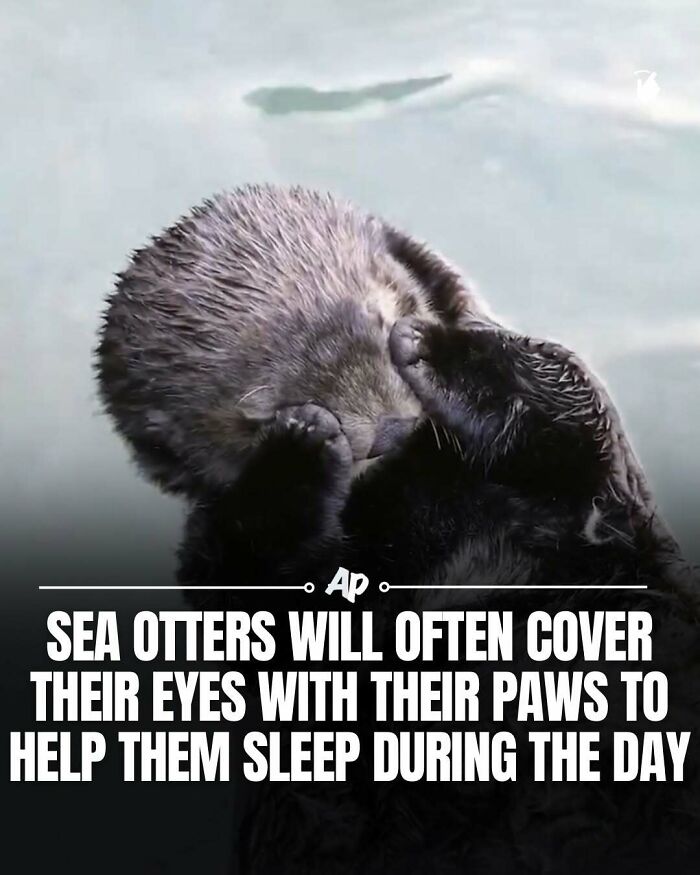
Sea otters have developed unique behaviors to adapt to their aquatic environment, including clever ways to rest safely. Spending much of their time in water exposes them to currents and potential predators, so they use strategies to feel secure while sleeping.
They often float on their backs, sometimes linking together in groups called rafts, which provides stability and a sense of safety. By tucking themselves in or curling up, they can conserve heat and protect themselves from disturbances while resting.
These behaviors highlight the otter’s remarkable intelligence and adaptability. Their ability to combine safety, comfort, and social interaction even during sleep reflects a sophisticated survival strategy in a challenging environment.
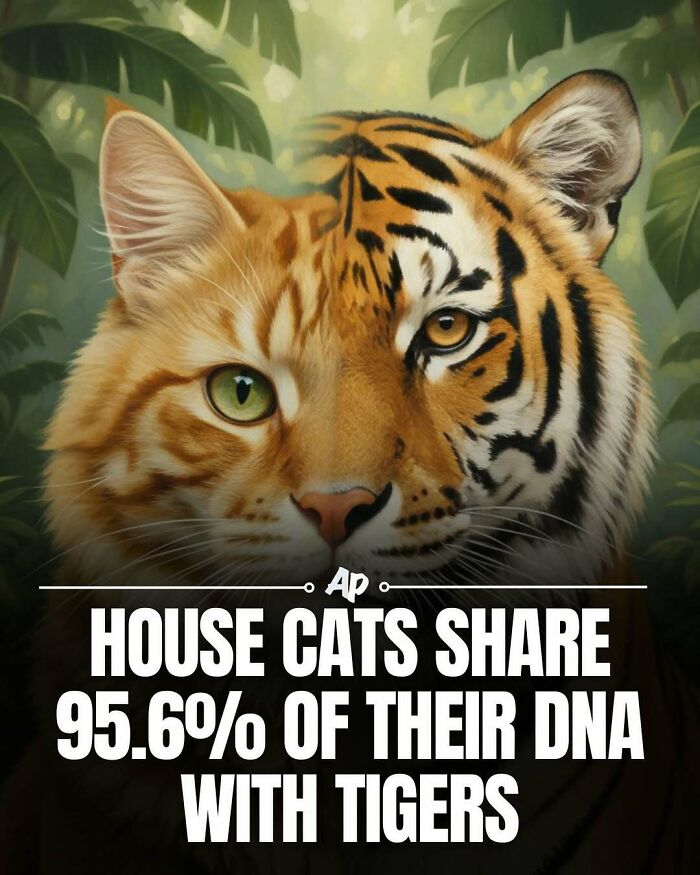
House cats might curl up on your couch while tigers stalk through jungles, but at the heart of both animals lies an unexpectedly similar genetic blueprint. Scientific genome comparisons show that domestic cats and tigers share about 95.6 % of their DNA, a testament to their shared place within the Felidae family and their common evolutionary origins from a small wild ancestor millions of years ago. This remarkable genetic overlap helps explain why your tiny tabby and a massive Bengal tiger can still exhibit parallel behaviors — from stalking and pouncing to grooming and scent marking — despite the stark differences in size and lifestyle. Though the remaining ~4.4 % of their DNA accounts for the huge differences in physical traits and ecological roles, that shared genetic core is what binds these two felines together in the tree of life. Knowing that your house cat and the mighty tiger are genetically close cousins adds a whole new layer of wonder to the everyday antics of your pet. It reminds us that even the most familiar creatures carry echoes of the wild within their genomes.
On Tashirojima, a small island off Japan’s Miyagi Prefecture, life moves to the rhythm of its feline residents. Cats freely roam the fishing docks, winding through quiet lanes and lounging around old inns, creating a place where humans feel like guests in a kingdom ruled by whiskers and soft paws. The story began decades ago when local fishermen believed feeding cats would bring good luck and protect their catches, a superstition that slowly turned into a cultural bond. As the human population aged and shrank, the cats stayed—and multiplied—until they became the dominant presence on the island. Today, people visit not for beaches or nightlife but to spend time with the cats that seem to hold the spirit of the island together. Tashirojima has become a living example of how human tradition, animal charm, and community identity can blend into a single, unforgettable place.
High in the misty forests of the Himalayas and parts of China, the red panda curls up into one of nature’s most endearing sights. Known for its russet fur, round face, and raccoon-like tail, this shy creature spends much of its life in trees, away from predators and noise. What makes it even more charming is its bedtime ritual—when night falls or the temperature drops, the red panda wraps its long, bushy tail around its body like a warm blanket.
This behavior isn’t just adorable—it’s a clever survival adaptation. The thick tail helps conserve body heat in their chilly mountain habitats, where temperatures can plunge at night. Their dense fur also keeps them insulated while they sleep on branches high above the ground.
Though they look like small bears or foxes, red pandas belong to their own unique family, Ailuridae, and they play an important role in maintaining forest balance by spreading seeds and controlling insect populations. Sadly, they’re now classified as endangered due to deforestation and poaching. Protecting their forests doesn’t just save a species—it preserves one of the most heartwarming scenes in the wild: a little red panda snoozing under its own tail-made blanket.
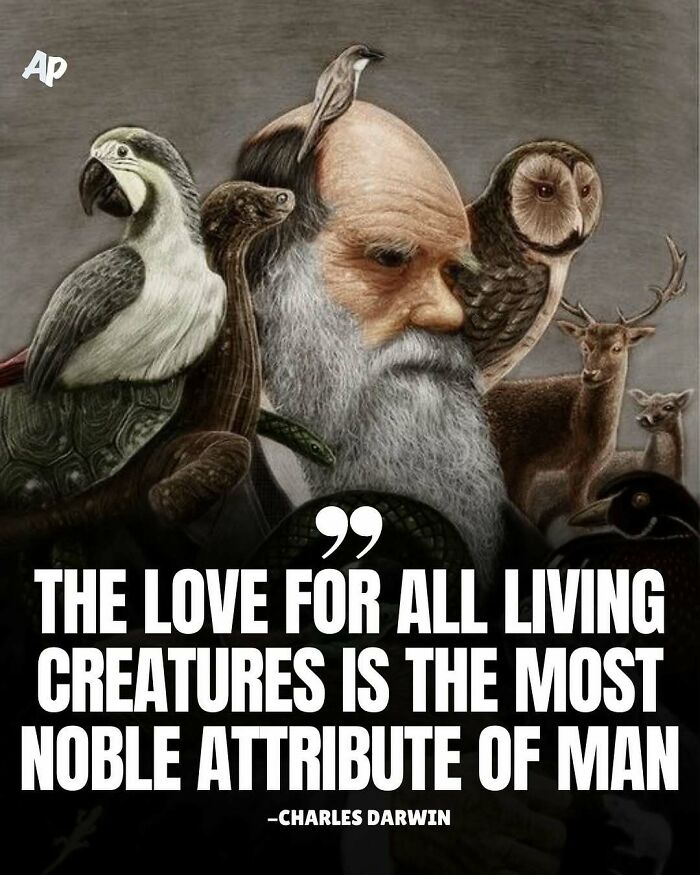
Charles Darwin once remarked that “The love for all living creatures is the most noble attribute of man.” This statement is more than just a moral reflection—it captures a scientific truth about human evolution and empathy. Darwin, known for his theory of natural selection, understood that survival wasn’t built solely on strength or intelligence. Cooperation, compassion, and care for others—traits often extended to animals—were crucial for humanity’s progress.
When humans show kindness to animals, it reflects an awareness of our shared connection in the tree of life. Every species, no matter how small, plays a role in the balance of ecosystems. By caring for animals, humans not only preserve biodiversity but also cultivate qualities like empathy, responsibility, and respect for nature. These traits elevate societies and shape cultures that value life beyond their own survival.
Darwin’s insight remains relevant today, reminding us that our ability to love and protect other creatures is not a weakness, but a strength. It is through compassion for animals that humans demonstrate the highest form of civilization and a deeper understanding of their place in the natural world.
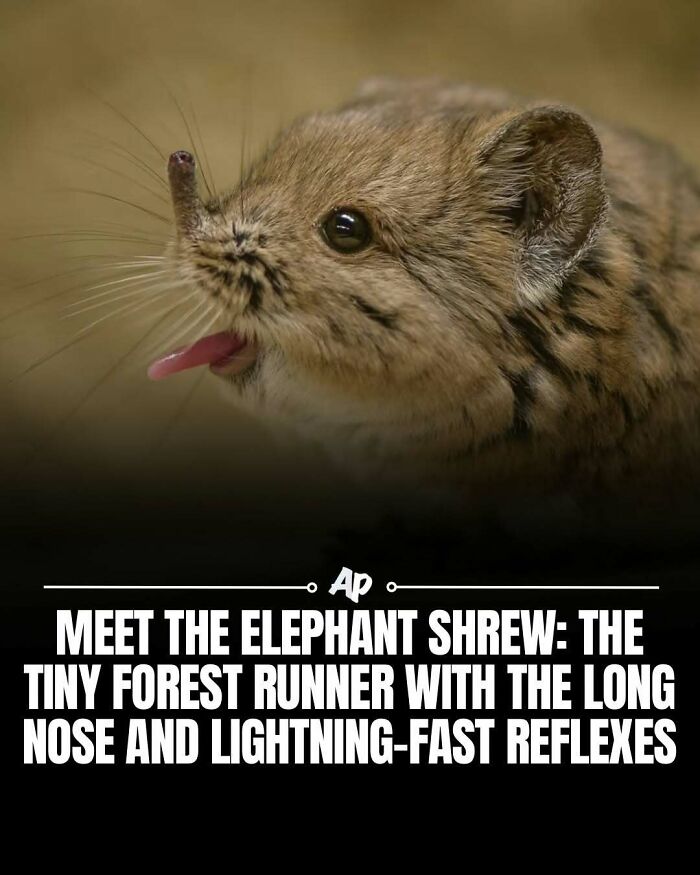
The elephant shrew, also known as a sengi, is one of Africa’s most unusual small mammals, often mistaken for a rodent because of its size and appearance. In reality, it is more closely related to elephants than to shrews or mice, a surprising fact that comes from its shared evolutionary lineage within the larger group of Afrotheria. Despite weighing only a few grams, it has a long, flexible snout used to search for insects, which make up most of its diet.
These animals are incredibly fast and alert, relying on quick bursts of speed rather than hiding or climbing to avoid predators. They build a network of cleared pathways through leaf litter on the forest floor, which they patrol regularly while foraging. Their behavior is highly structured, almost like tiny territorial guardians of the undergrowth.
Seeing an elephant shrew yawn offers a rare glimpse into its calmer moments, a contrast to its normally frantic, darting lifestyle. It’s a reminder that even the most alert creatures still have moments of rest and vulnerability in the wild.
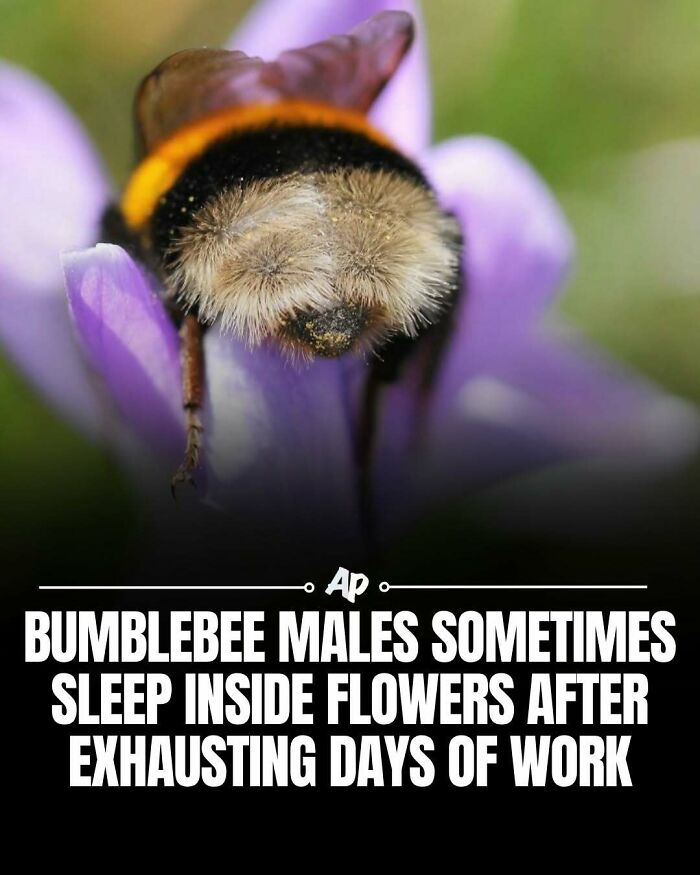
Bumblebee colonies usually live in underground nests or sheltered spaces, but not every bee makes it back home after a long day. Male bumblebees and foraging workers are often seen sleeping inside flowers, especially when they become exhausted from hours of flying, feeding, and searching for nectar. Instead of returning to the hive, they sometimes cling to petals or crawl deep into blossoms where they can safely rest through the night.
Researchers believe flowers provide temporary shelter, warmth, and protection from wind and predators. Early in the morning, it’s common to spot sleepy bumblebees covered in pollen, still motionless inside flowers before the day’s activity begins again. The behavior has become one of nature’s most charming reminders that even some of the hardest-working pollinators occasionally need a place to rest after a demanding day.

"Once grown, males leave the nest to mate with new queens from other colonies, and never return. They spend their days hanging out on flowers, drinking nectar, and flying around looking for queens."
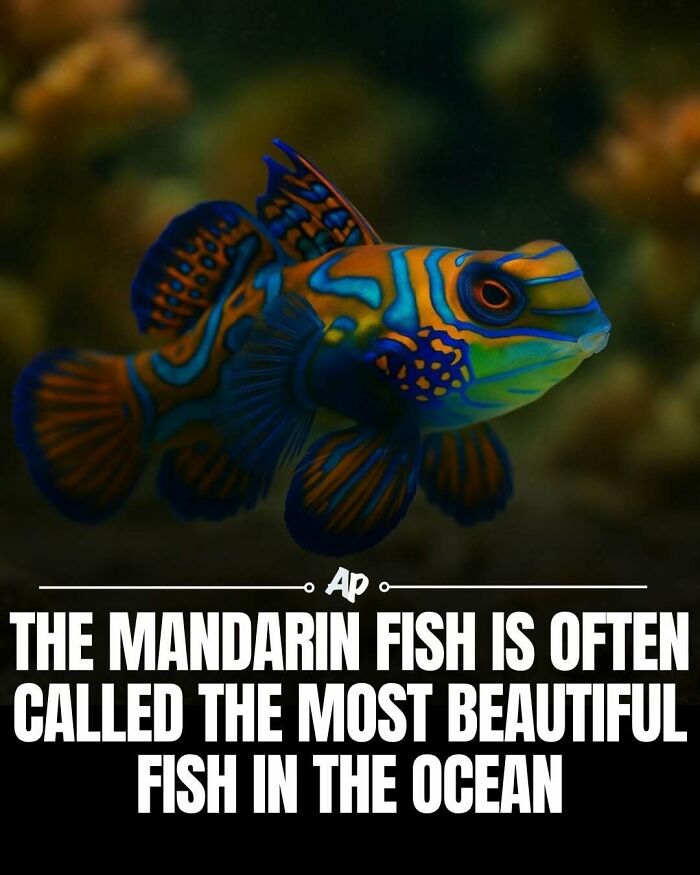
Often described as the jewel of the ocean, the mandarin fish stands out in a world already filled with color. Found gliding quietly through coral reefs in the Pacific, this small fish looks almost unreal, covered in swirling patterns of electric blue, orange, and green that seem hand-painted. Unlike many brightly colored marine animals, its vivid appearance isn’t just for display—it also serves as a warning, as the fish secretes a toxic mucus that helps protect it from predators.
What makes the mandarin fish even more fascinating is how its beauty is tied to its lifestyle. It prefers calm, shallow waters rich in coral, where it spends most of its time slowly searching for tiny prey. At dusk, these fish perform a delicate and almost magical mating dance, rising together in synchronized movements before releasing eggs into the water. It’s a brief but stunning display that adds to its reputation as one of the ocean’s most captivating creatures.
Despite its fame for beauty, the mandarin fish is surprisingly difficult to keep in captivity because of its specialized diet and sensitivity to environmental changes. This makes it a symbol not just of natural elegance, but also of how fragile marine ecosystems can be. Its presence in healthy reefs serves as a quiet reminder that some of the most breathtaking wonders in nature exist only where balance is carefully maintained.
In 1932, Australia faced an unexpected agricultural challenge that came to be known as the “Great Emu War.” After World War I, returning veterans were given farmland in Western Australia to cultivate wheat. However, the area was also home to tens of thousands of emus—large, flightless birds—that migrated inland each year. These birds quickly discovered the newly planted crops and began feeding on them, causing massive damage to the farms.
The government responded by deploying soldiers armed with machine guns to try to reduce the emu population. Despite the veterans’ military experience and marksmanship, the emus proved remarkably elusive and resilient. Their speed, agility, and ability to scatter in groups made it extremely difficult for the soldiers to make a significant impact. Over several weeks of attempts, the military found that even heavy fire had little effect, and the emu population remained largely intact.
The “war” ultimately ended in failure for the humans, highlighting both the intelligence and adaptability of wildlife in response to human intervention. Beyond the humor of the story, it serves as a lesson in ecological balance, showing that large-scale animal populations can survive and adapt even in the face of organized human efforts, and that understanding animal behavior is crucial when managing wildlife and agricultural interactions.
I thought there were two emu wars - was there just the one?
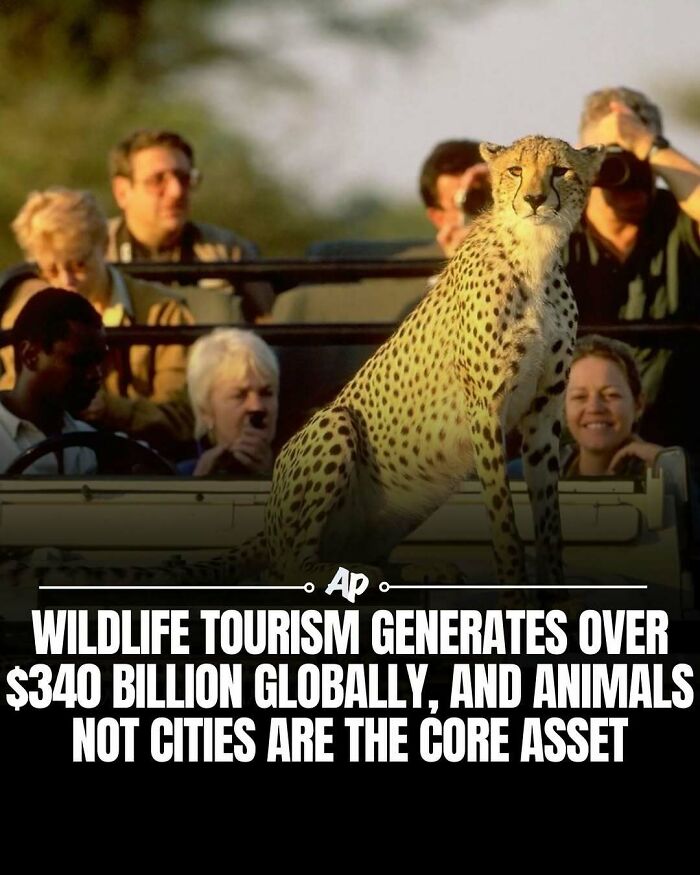
Wildlife tourism is one of the world’s quiet economic giants, generating more than $340 billion globally each year, yet its true engine isn’t hotels, cities, or luxury resorts—it’s animals themselves. From gorilla trekking in Rwanda to safaris in Kenya, whale watching in Iceland, and birding in Costa Rica, people travel thousands of miles for a single promise: the chance to see a living animal in its natural environment.
What makes this industry unusual is that the animals are the primary asset, even though they don’t belong to anyone. Entire national economies rely on their presence. When wildlife populations decline, tourist arrivals drop almost immediately, local jobs disappear, and government revenue shrinks. When animal populations recover, the opposite happens—employment rises, infrastructure improves, and conservation suddenly becomes profitable.
This is why many countries now protect animals not only as part of nature, but as economic infrastructure. A lion, elephant, or whale is often worth far more alive over its lifetime than it could ever be through hunting or extraction. Wildlife tourism has quietly proven a powerful idea: preserving life can generate more wealth than destroying it, and the most valuable attractions on Earth don’t need to be built—they need to be protected.
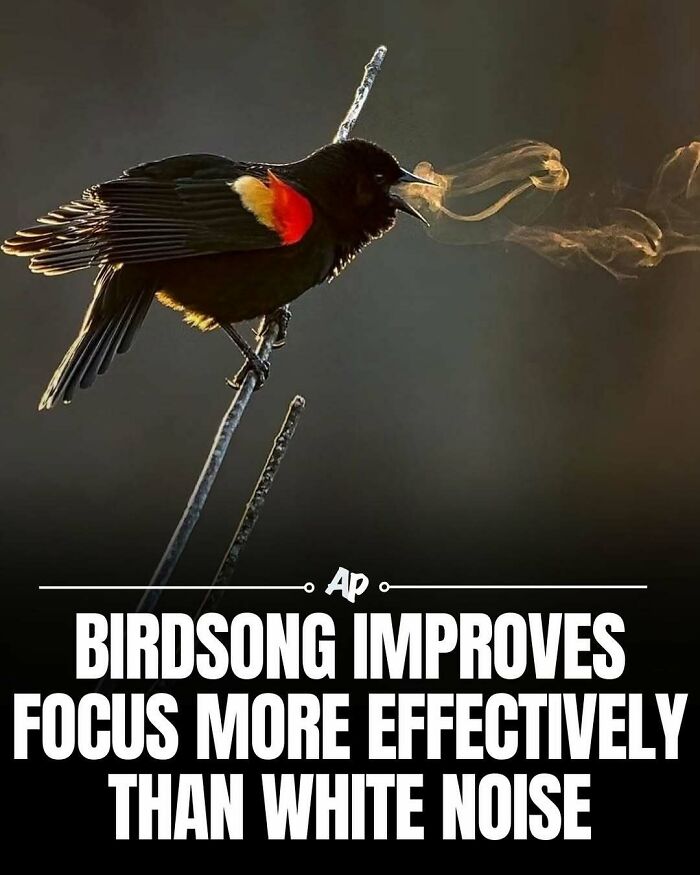
Scientists have discovered that listening to birdsong can enhance human focus far more effectively than conventional white noise. Unlike artificial sounds, the complex patterns and natural rhythms of birdsong seem to engage the brain in a way that promotes concentration and mental clarity. Researchers suggest that these natural auditory cues stimulate attention networks, helping the mind remain alert without causing fatigue or stress. Unlike music, which can evoke emotions and sometimes distract, birdsong provides a subtle, calming backdrop that improves cognitive performance, making it an ideal companion for studying, working, or creative tasks. This finding highlights how connecting with nature—even through sound—can have measurable benefits on productivity and mental well-being.
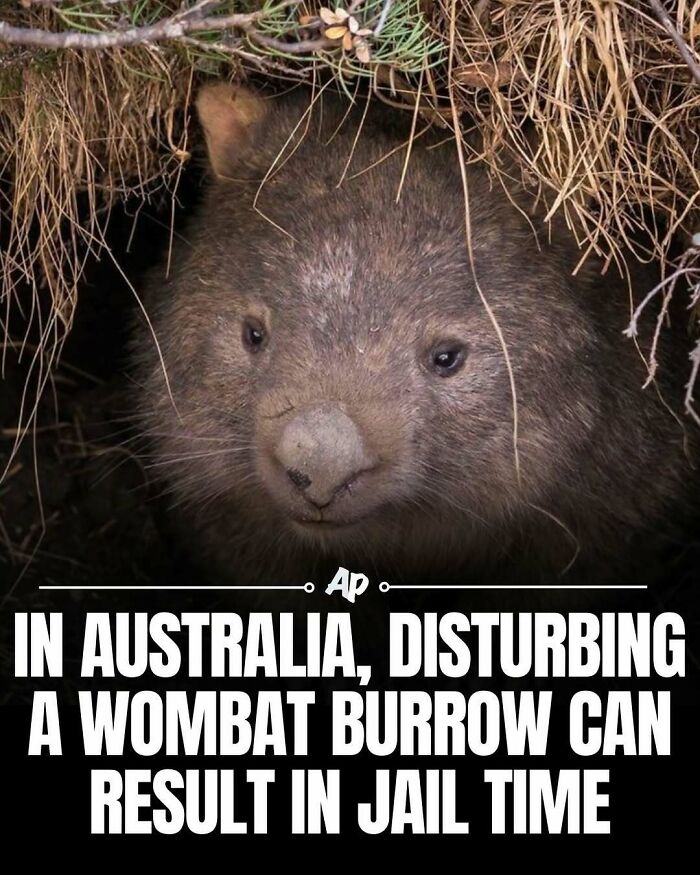
In Australia, disturbing a wombat burrow is not treated as a minor environmental mistake—it can carry serious legal consequences, including heavy fines and even jail time. This is because wombat burrows are not just holes in the ground; they are complex underground systems that provide shelter, regulate body temperature, and protect wombats from predators and extreme heat. Destroying or blocking a burrow can trap the animal, making it a direct act of harm under Australian wildlife protection laws. Wombats are protected native species, and Australian law places a strong emphasis on safeguarding natural habitats, not just the animals themselves. Authorities recognize that damaging a burrow is equivalent to injuring the wombat, since the animal’s survival depends on that structure. These laws exist partly because wombat burrows can be reused for decades and often shelter multiple animals over time. The strict penalties reflect Australia’s broader approach to conservation: wildlife is not seen as disposable or secondary to development. By criminalizing interference with wombat burrows, the law sends a clear message—coexisting with wildlife is a legal responsibility, not a personal choice.
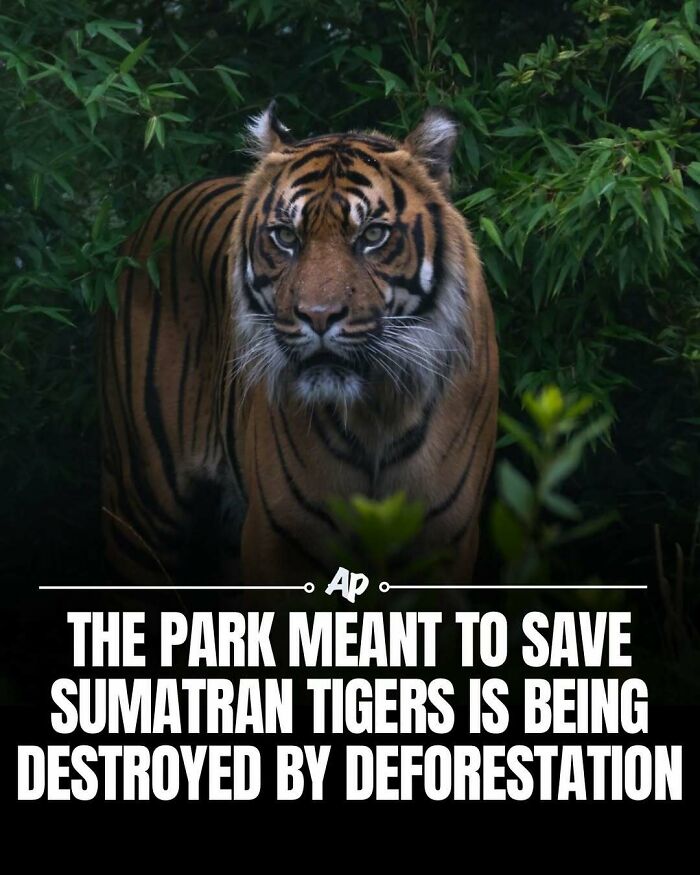
Tesso Nilo National Park in Sumatra — a protected area created to safeguard critically endangered wildlife like the Sumatran tiger and elephant — is losing its forest at an alarming rate, showing that having “protected” status on paper isn’t enough to stop environmental destruction. Satellite monitoring and field research reveal that over the past two decades more than half of the park’s original forest has been cleared, with oil palm plantations and other agricultural encroachment pushing from the edges inward and fragmenting what remains of the once‑continuous rainforest.
This loss of forest not only shrinks habitat but breaks it into smaller patches, which forces wildlife into closer contact with people, increases risks like poaching, and reduces the interior spaces species need to thrive. Despite laws and certification programs intended to curb illegal clearing, enforcement has lagged, and communities and commercial interests continue to convert land inside the park.
Efforts are now underway — including government‑led restoration and enforcement campaigns — to recover degraded areas, remove illegal plantations, and reconnect fragmented forest patches. But scientists warn that without sustained protection and meaningful support for local livelihoods that don’t depend on forest clearance, Tesso Nilo’s forests and the species that depend on them remain in serious jeopardy
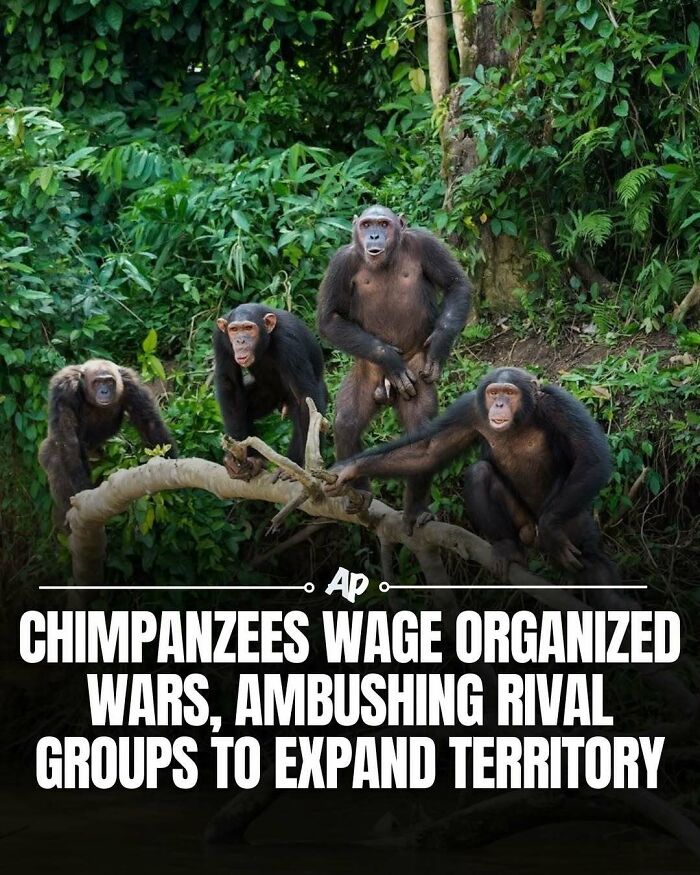
For decades, chimpanzees were seen as playful, intelligent relatives of humans, but long-term field studies have revealed a far darker side to their social lives. In several regions of Africa, researchers have documented chimpanzee communities engaging in organized, strategic violence against neighboring groups. These are not spontaneous fights. Small patrols of adult males silently move along territorial borders, listening for signs of rivals and carefully assessing when they hold a numerical advantage. When an opportunity arises, the attack is swift and brutal. Isolated individuals from rival groups are ambushed, beaten, and often unalived, while the attackers suffer little or no injury. Over time, these repeated assaults weaken neighboring communities, reducing their numbers and their ability to defend key areas. The violence follows recognizable patterns—coordination, role specialization, and repeated raids—meeting many scientific definitions of warfare. The outcome is territorial expansion. Victorious chimpanzee groups gradually take over land once controlled by their rivals, gaining access to more food, mating opportunities, and long-term survival advantages. These findings, first observed in detail at Tanzania’s Gombe Stream National Park, have reshaped how scientists understand both chimpanzee behavior and the deep evolutionary roots of organized violence in primates, including humans.
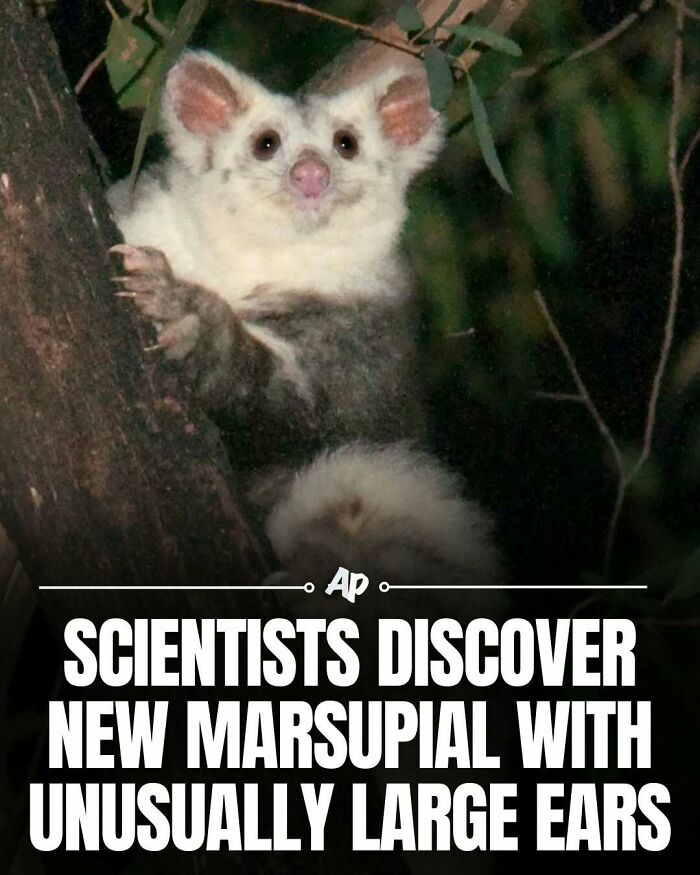
Scientists have identified a brand-new species of marsupial distinguished by its unusually large ears, a feature that immediately sets it apart from known relatives. The discovery adds to growing evidence that many small mammals remain undocumented, especially in remote and underexplored ecosystems. Researchers believe the animal’s prominent ears likely play a key role in survival, helping with heat regulation, enhanced hearing, or detecting predators and prey in its environment. the new marsupial species recently described by researchers is called Marmosa chachapoya — a newly identified mouse opossum discovered in the cloud forests of the Andes in Peru.
Beyond its striking appearance, the find highlights how much biodiversity still exists beyond scientific records. Each new species deepens understanding of evolution, adaptation, and ecological balance, while also underscoring the importance of conservation. As habitats face increasing pressure, discoveries like this serve as a reminder that protecting nature also means protecting species we are only just beginning to learn about.
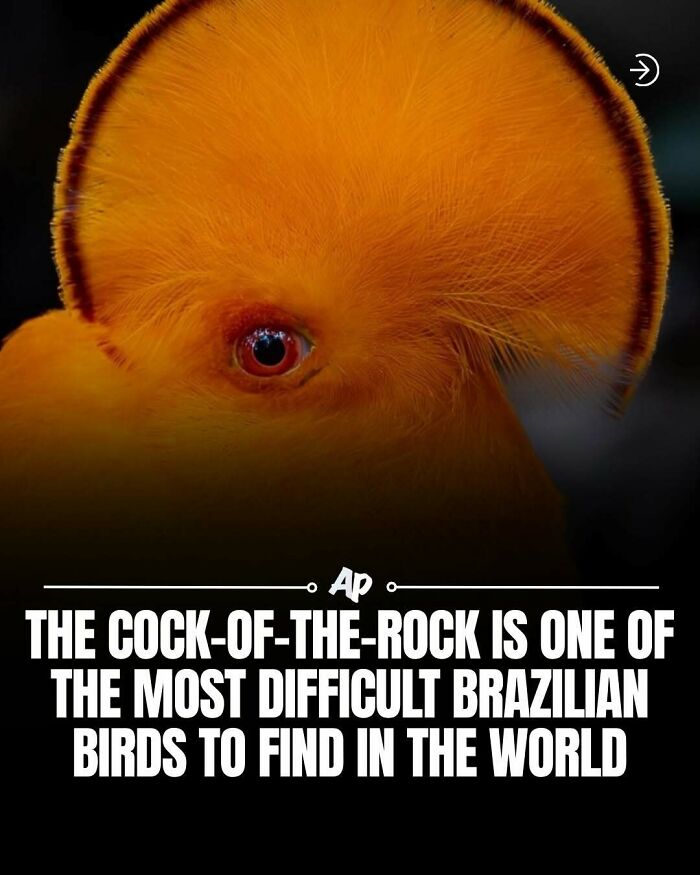
Deep in the cloud forests of South America lives one of the most elusive and visually striking birds on the planet — the Cock-of-the-Rock. Despite its bold appearance, it is surprisingly difficult to spot in the wild, especially in regions like Brazil where dense vegetation and remote habitats make observation a challenge. Males are famous for their brilliant orange plumage and dramatic fan-shaped crests, which they use in elaborate courtship displays deep within hidden forest clearings.
What makes this bird so hard to find is not just its remote habitat, but its secretive behavior. The Cock-of-the-Rock tends to stay within thick, shaded rainforest areas and often avoids open visibility outside of mating displays. Even researchers and birdwatchers with years of experience may go long periods without a confirmed sighting. Its rarity in observation has turned it into a prized discovery for wildlife enthusiasts, symbolizing the untouched richness and mystery of the Amazon and Atlantic forest ecosystems.
Seeing penguins on a beach in South Africa surprises many travelers because it completely challenges what people think they know about Africa. When most imagine the continent, they picture safaris, deserts, and heat — not tuxedoed seabirds waddling across white sand with the Atlantic Ocean behind them.
Just outside Cape Town, at Boulders Beach, lives a protected colony of African penguins. These are the only penguin species native to the continent, and they’ve made this sheltered stretch of coastline their home. Wooden boardwalks allow visitors to get remarkably close without disturbing them, creating a rare moment where wildlife and travelers share the same shoreline.
What makes the experience unforgettable isn’t just the novelty — it’s the contrast. Granite boulders, turquoise water, sunbathers on nearby beaches, and then suddenly, penguins diving through the waves or nesting in the sand. It feels like two worlds colliding in the best way possible.
For many visitors, it becomes one of those unexpected highlights that reshapes their entire perception of African travel. South Africa doesn’t just offer the wild — it delivers the unexpected, quietly waiting on a beach where few would ever think to look.
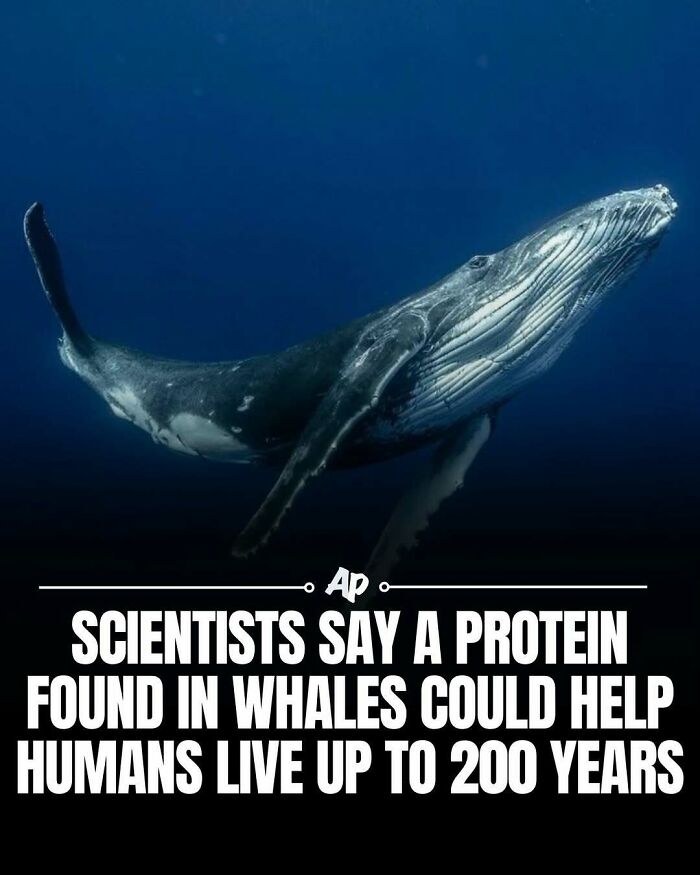
Scientists are studying the remarkable biology of the Bowhead whale after discovering that a special protein in the animal may hold clues to dramatically extending human lifespan. These Arctic whales are the longest-living mammals known, with some individuals surviving for more than 200 years while remaining unusually resistant to diseases such as cancer.
Recent research has identified a DNA-repair protein called CIRBP that appears in extremely high levels in bowhead whales. This protein helps repair dangerous forms of genetic damage known as double-strand DNA breaks, which are strongly linked to aging, cancer, and many other diseases in humans. Scientists found that whales produce far more of this protein than most other mammals, allowing their cells to repair damage more efficiently and maintain healthy tissues for centuries.
Laboratory experiments have already shown promising results. When researchers introduced the whale’s version of this protein into human cells, it improved DNA repair, and in fruit flies it even helped extend lifespan. These findings suggest that strengthening the body’s natural DNA repair systems could one day slow aging and potentially push human lifespans far beyond today’s limits.
While scientists emphasize that living to 200 years is still a distant possibility, the discovery has opened a new path in longevity research. By studying how bowhead whales maintain healthy cells for centuries, researchers hope to develop future therapies that could delay aging and help humans live longer, healthier lives.
In Sweden, an innovative project has demonstrated how intelligent birds can help tackle urban litter. Researchers and a startup called Corvid Cleaning trained wild crows to collect cigarette butts from the streets and place them into a special machine that rewards them with food. The system uses the birds’ natural problem-solving abilities and strong memory to encourage them to repeatedly search for and deliver the discarded filters.
Cigarette butts are one of the most common forms of litter worldwide, and cities spend large sums cleaning them up each year. By teaching crows to trade the waste for food, the project aims to reduce the environmental impact while using the birds’ remarkable intelligence in a practical way. Crows are widely considered among the smartest animals, capable of recognizing patterns, using tools, and learning complex tasks through repetition.
Developers behind the initiative believe the approach could eventually help cities reduce cleaning costs and keep public spaces cleaner. If the trials prove successful, the idea could expand to more locations across Sweden and potentially inspire similar wildlife-assisted cleanup programs in other parts of the world
Are the birds affected at all health-wise by the cigarette butts when they pick them up?






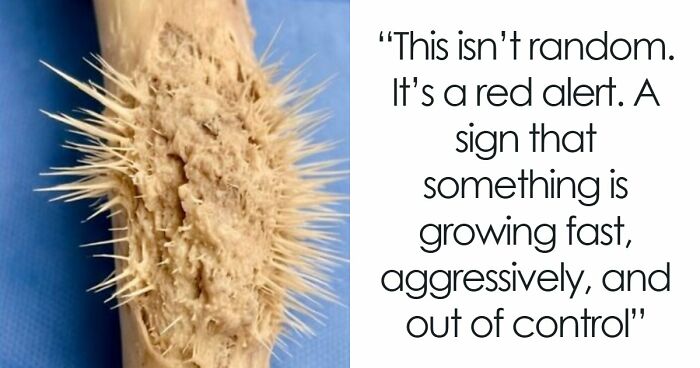

































 No fees, cancel anytime