Get Premium
Dark mode theme is available exclusively for premium users. Learn more about the benefits of subscribing.
No fees, cancel anytime.

 Dark Mode Ad-Free Browsing Unlimited Content
 Ad-Free Browsing Unlimited Content Dark Mode
Join 1.2 million Panda readers who get the best art, memes, and fun stories every week!
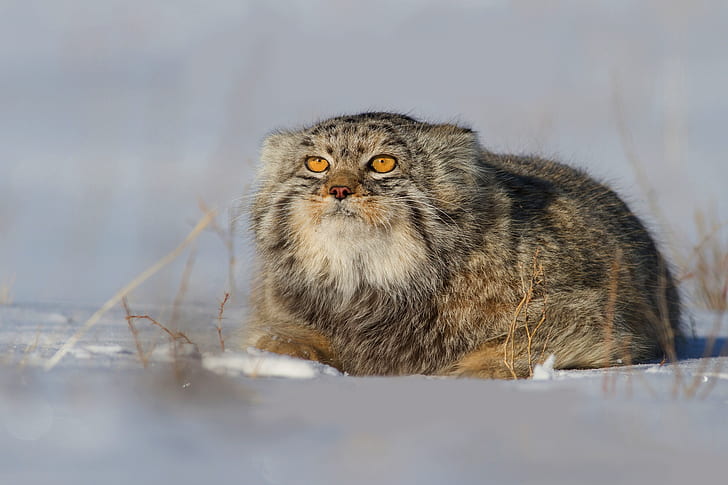
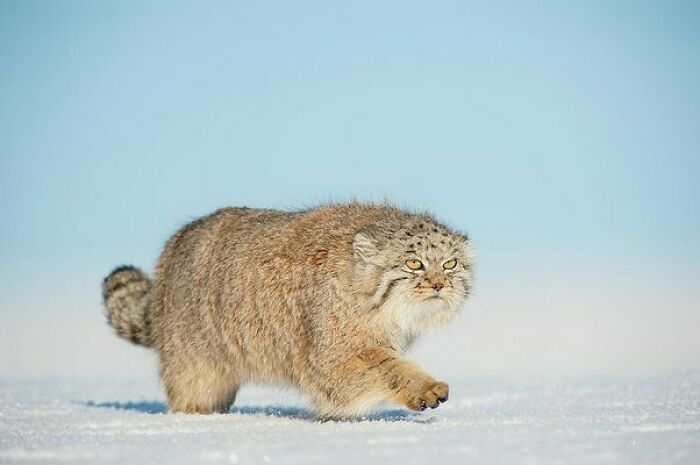
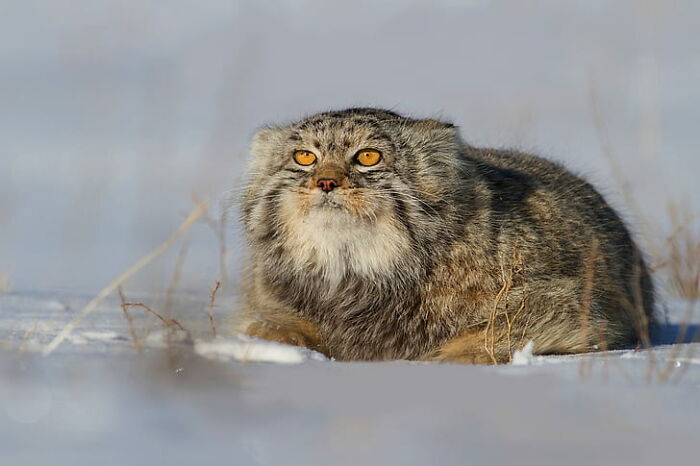
Step into the mysterious world of one of nature’s most enigmatic felines, the Pallas’s cat. Known for its fluffy appearance and expressive face, this small wild cat has captured the hearts of animal lovers worldwide. But how much do you really know about this elusive creature? Prepare to be amazed as we uncover 10 fascinating facts about Pallas’s cat that will challenge everything you thought you knew. From their unique adaptations to their surprising behaviors, these lesser-known tidbits will deepen your appreciation for this remarkable species. Let’s embark on a journey of discovery and explore the hidden wonders of Pallas’s cat!
Ancient Origins: A Living Fossil
Did you know that Pallas’s cats are considered living fossils? Genetic studies suggest that this species has remained virtually unchanged for over 5 million years. Unlike many other cat species that have evolved significantly over time, Pallas’s cats have maintained their distinctive features and adaptations, making them a window into the past of feline evolution.
FAQ: Why are Pallas’s cats called living fossils?
Pallas’s cats earned this title due to their remarkably stable genetic makeup, which has shown little change over millions of years. This stability is rare in the animal kingdom and provides valuable insights into ancient feline characteristics.
Roundest Pupils in the Feline World
One of the most striking features of Pallas’s cats is their eyes. Unlike other cats with vertical slit pupils, Pallas’s cats boast perfectly round pupils. This unique adaptation allows them to gather more light in their dim, mountainous habitats, giving them an edge in low-light conditions.
FAQ: How does the round pupil benefit Pallas’s cats?
The round pupils enable Pallas’s cats to capture more light, enhancing their vision in the crepuscular hours when they are most active. This adaptation is crucial for hunting and navigating their rocky terrain.
Fur-tastic Insulation
Pallas’s cats possess one of the densest fur coats in the feline family. Their fur can grow up to 7 cm long, providing exceptional insulation against the harsh cold of their high-altitude homes. Interestingly, this thick coat doesn’t just keep them warm; it also helps them appear much larger than they actually are, potentially deterring predators.
The Name Game
Contrary to popular belief, Pallas’s cats are not named after the Greek goddess Pallas Athena. They were actually named after Peter Simon Pallas, a German naturalist who first described the species in 1776. This little-known fact adds an interesting historical dimension to our understanding of these captivating cats.
Silent Stalkers
While many cats are known for their vocalizations, Pallas’s cats are remarkably quiet. They rarely meow or make other typical cat sounds. Instead, they rely on subtle body language and facial expressions to communicate. This silent nature contributes to their effectiveness as stealthy predators in their open habitats.
FAQ: Why are Pallas’s cats so quiet compared to other cats?
Their silent nature is likely an adaptation to their environment. In the open, treeless landscapes they inhabit, sound travels far. Being quiet helps them avoid detection by both prey and potential predators.
Altitude Athletes
Pallas’s cats are high-altitude specialists, commonly found at elevations between 3,000 and 5,000 meters above sea level. Some populations have even been recorded living at altitudes up to 5,050 meters in the Tibetan Plateau. This makes them one of the highest-dwelling cat species in the world!
Picky Palate
Unlike many opportunistic predators, Pallas’s cats have a surprisingly specialized diet. They primarily feed on small mammals like pikas and voles, which make up about 50–70% of their diet. This dietary specialization makes them particularly vulnerable to fluctuations in prey populations.
Masters of Disguise
Pallas’s cats are experts at camouflage. Their grey-brown fur blends perfectly with the rocky outcrops of their habitat. When threatened, they often flatten their bodies against rocks, becoming nearly invisible to predators and observers alike. This remarkable ability to disappear into their surroundings has earned them the nickname “the invisible cat” among some researchers.
Solitary Souls
These cats are true loners. Adult Pallas’s cats are solitary for most of the year, coming together only briefly during the mating season. They maintain exclusive territories and communicate through scent marking rather than direct interaction. This solitary nature makes them challenging to study in the wild.
FAQ: How do Pallas’s cats interact during mating season?
During the brief mating season, males may travel long distances to find females. They engage in vocalizations and scent marking to attract mates, but these interactions are short-lived.
Climate Change Challenges
Perhaps the most sobering fact about Pallas’s cats is their vulnerability to climate change. As global temperatures rise, their high-altitude habitats are shrinking. This threatens not only the cats themselves but also their prey species. Conservation efforts are crucial to ensuring the survival of this unique species in the face of environmental changes.
Conclusion:
From their ancient lineage to their specialized adaptations, Pallas’s cats continue to captivate and surprise us. These 10 facts offer just a glimpse into the complex and fascinating world of these remarkable felines. As we learn more about Pallas’s cats, we’re reminded of the incredible diversity of life on our planet and the importance of protecting unique species like these. By understanding and appreciating these elusive cats, we can work towards ensuring their survival for generations to come. Next time you see a picture of a Pallas’s cat, remember—there’s much more to these fluffy felines than meets the eye!
By Hammad
More info: surahalmulk.net
The Pallas’s cat
117views
Share on Facebook
Forgot to mention about their disposition. Apparently, they are seriously grumpy. As in making Grumpy Cat a sweet, smiling sunbeam. Kittens growl before their eyes open. They probably growl in utero. Some naturalists are amazed they reproduce, given their hatred for every other living creature, including their own kind.
Forgot to mention about their disposition. Apparently, they are seriously grumpy. As in making Grumpy Cat a sweet, smiling sunbeam. Kittens growl before their eyes open. They probably growl in utero. Some naturalists are amazed they reproduce, given their hatred for every other living creature, including their own kind.




































 No fees, cancel anytime






0
1