Get Premium
Dark mode theme is available exclusively for premium users. Learn more about the benefits of subscribing.
No fees, cancel anytime.

 Dark Mode Ad-Free Browsing Unlimited Content
 Ad-Free Browsing Unlimited Content Dark Mode
Join 1.2 million Panda readers who get the best art, memes, and fun stories every week!

There are a million different ways high school romance can take after graduation. This young woman and her boyfriend decided to continue theirs, moving to the same town and attending the same university.
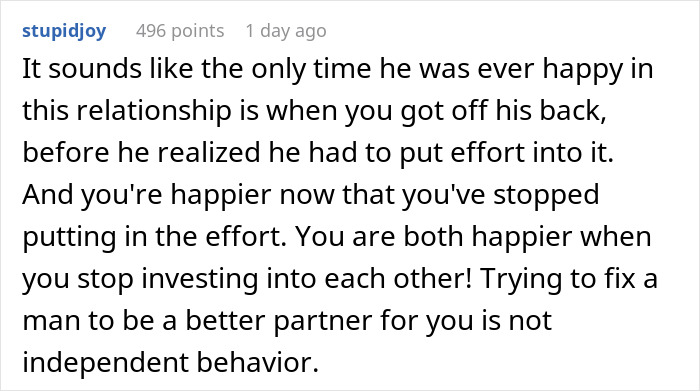
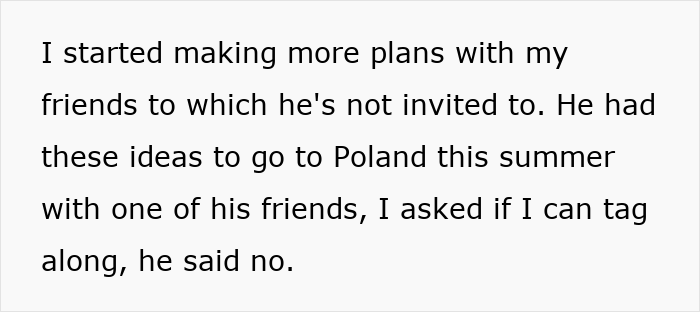
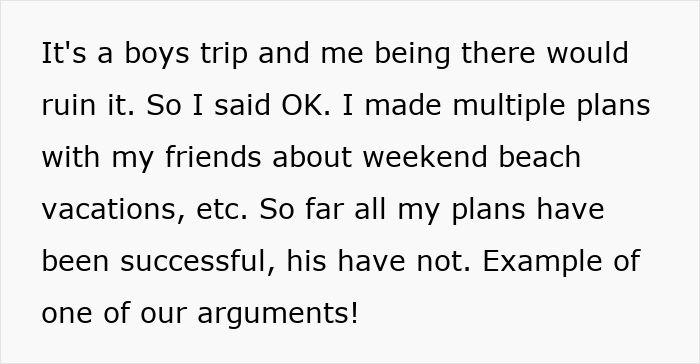
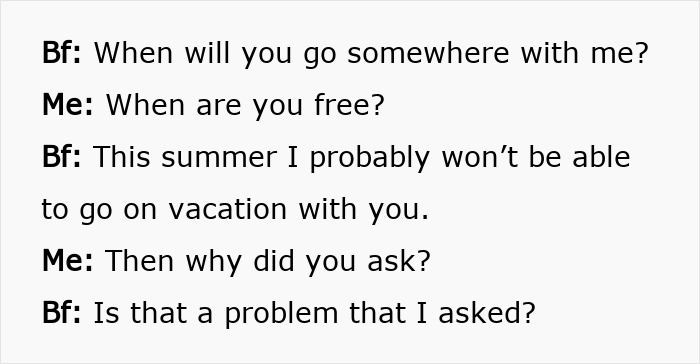
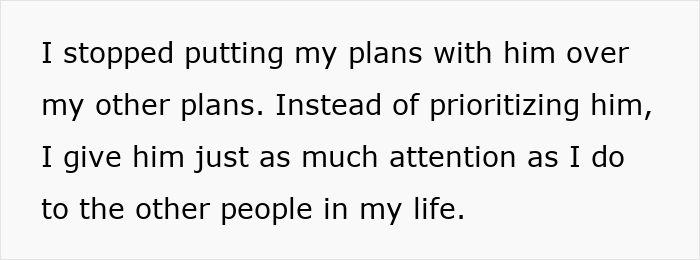
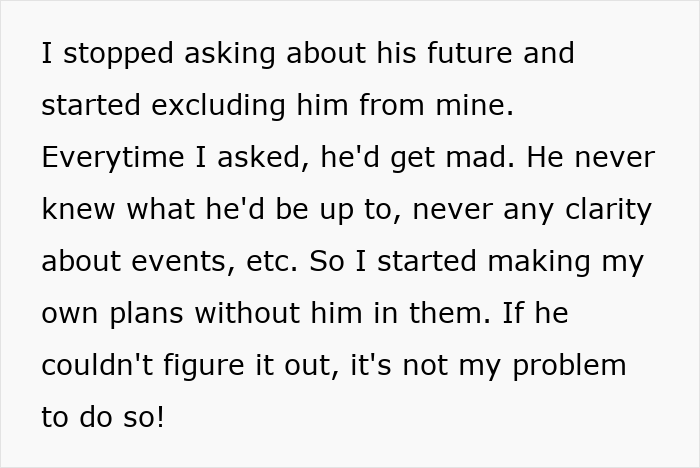
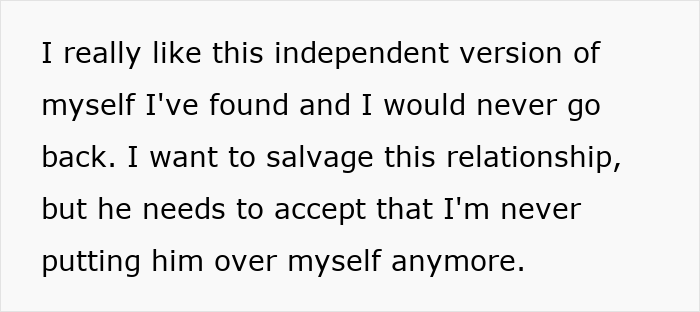
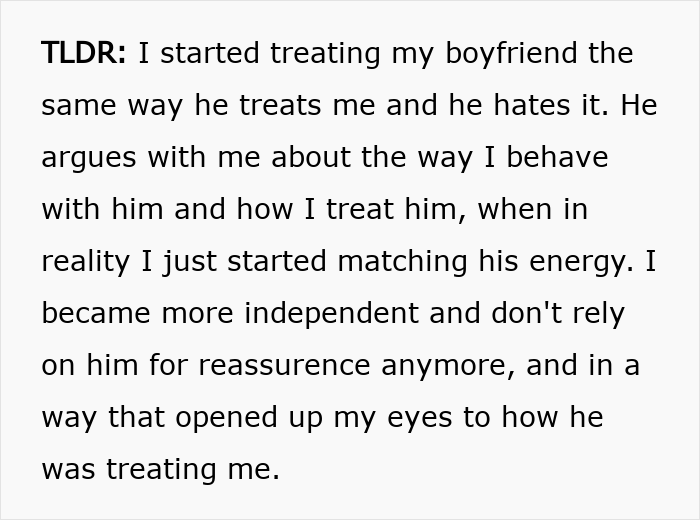
However, the boyfriend felt her constant attention was suffocating, so she worked on building independence: she resumed old hobbies, spent more time with friends, and found a job.
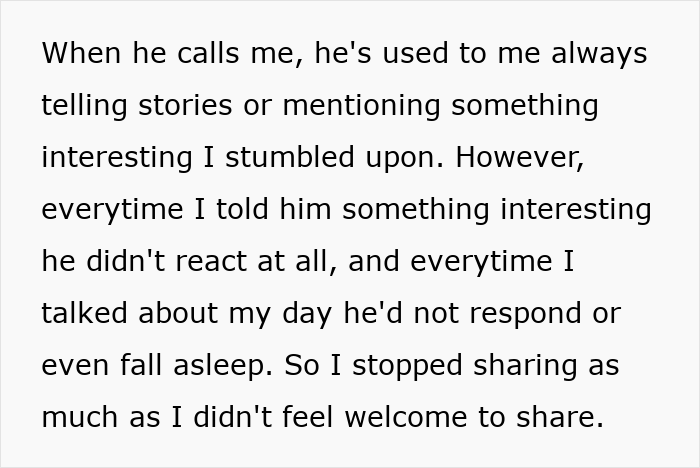
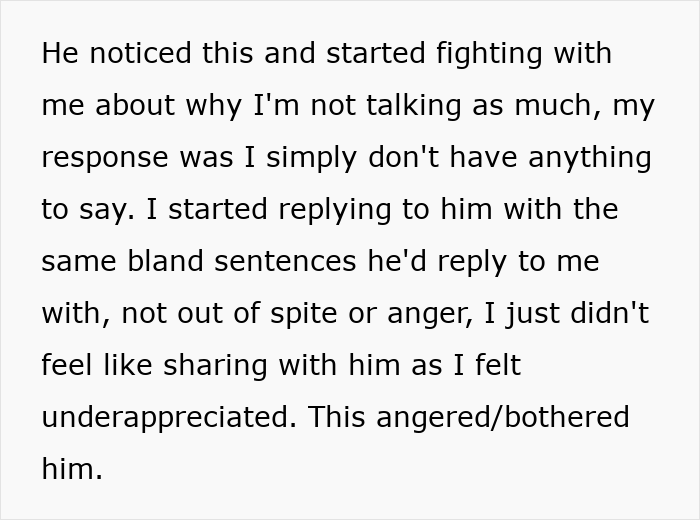
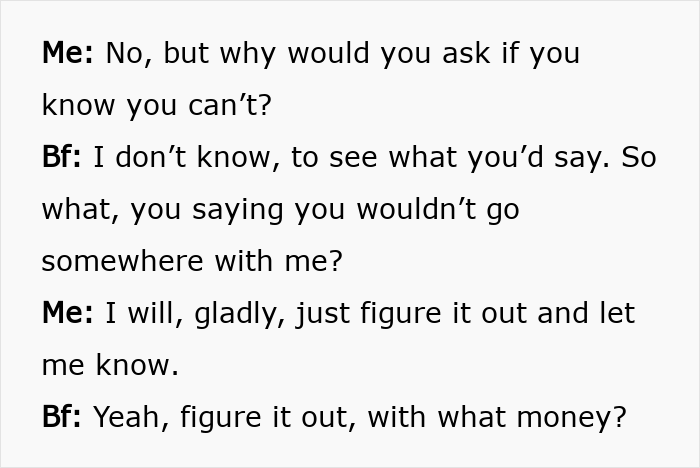
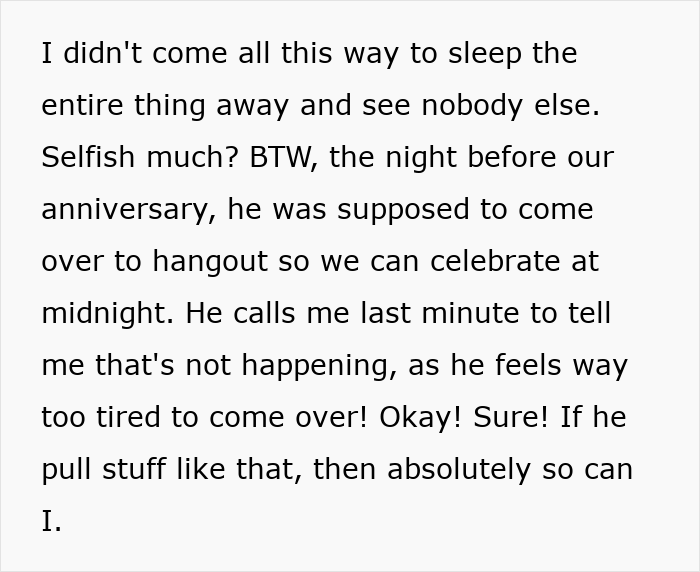
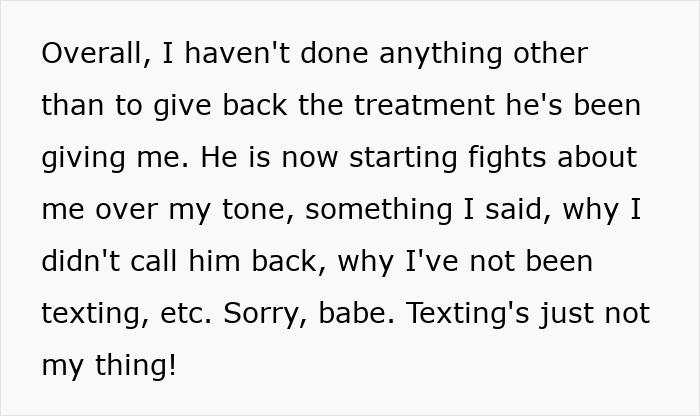
But as the woman became independent, her boyfriend’s expectations started shifting. He grew increasingly frustrated that she was less attentive and less available.
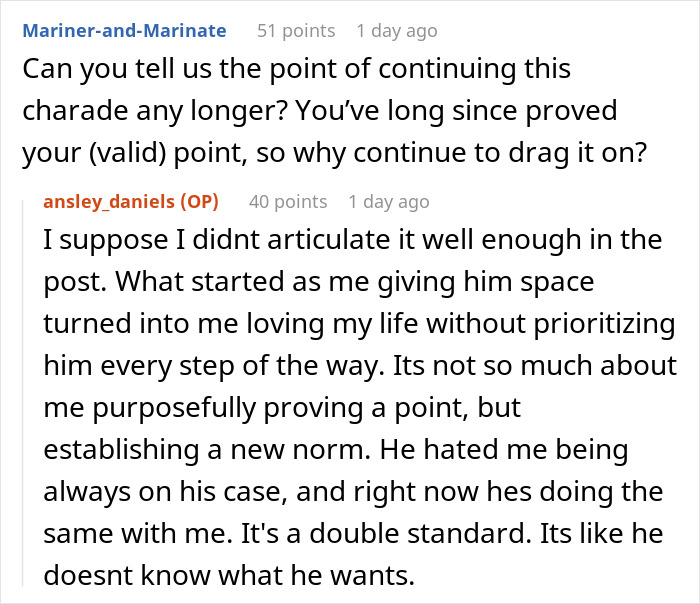
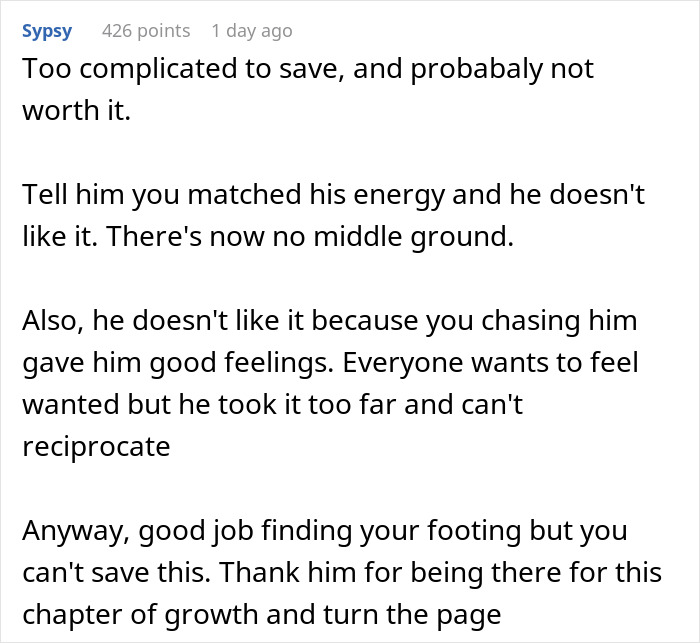
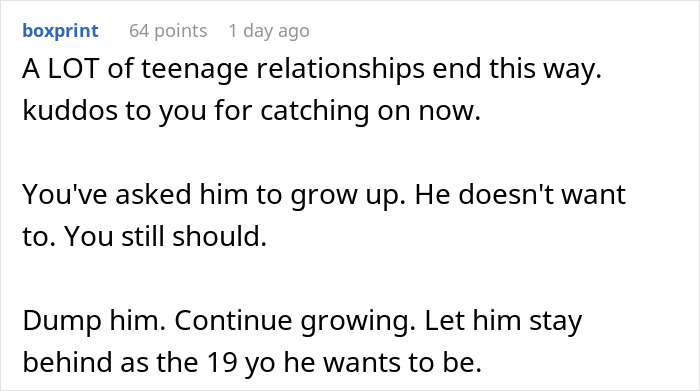
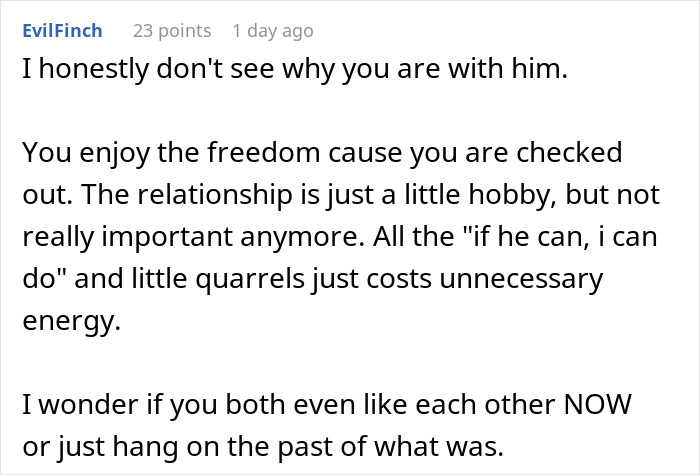
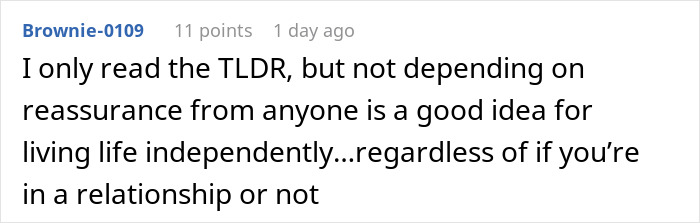
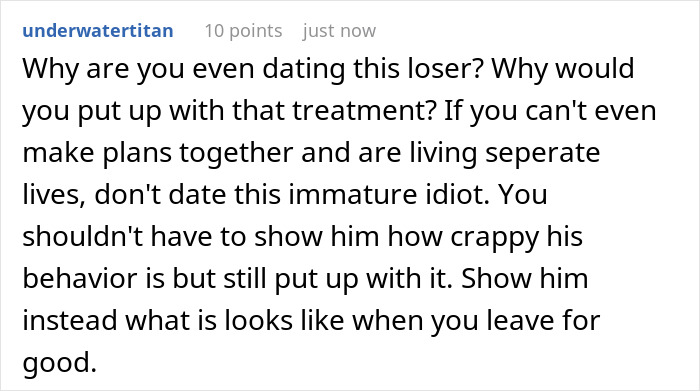
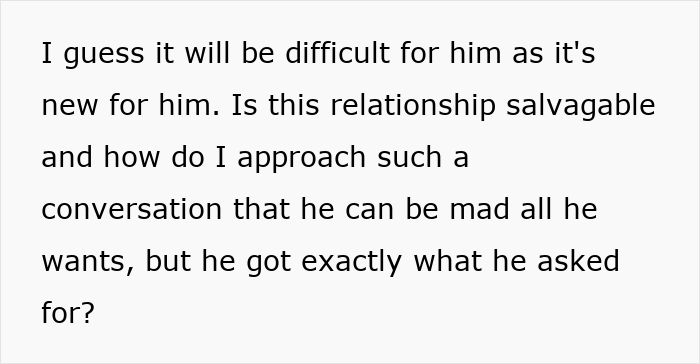
The woman turned to the internet for advice, asking whether their relationship could be saved or whether the new dynamic revealed deeper incompatibilities.
Image credits: egoitz_bengoetxea (not the actual photo)
Image credits: benzoix (not the actual photo)
Image credits: New Africa (not the actual photo)
Image credits: ansley_daniels
There’s a study that highlights just how central effort is to romantic fulfillment. Researchers drew on data from 795 married couples and discovered that each partner’s perceptions of their own effort and that of their partner correlated directly with their marital quality, and even with their susceptibility to divorce.
But there is definitely a possibility that someone can go overboard and become an “overgiver” in their relationship, meaning their default setting is to give more than what’s healthy, sustainable, or reciprocated.
And this includes not just time or help, but also emotional energy, presence, concern, forgiveness, and endless second chances, often at the expense of their own well-being.
American psychologist Dr. Mark Travers says there is one subtle yet meaningful sign that you might be giving more than is healthy. It’s resentment.
“Sacrifice in love does not have to be transactional. Many individuals make sacrifices even if nothing is offered in return,” he says. “But when these efforts are consistently one-sided, or when they go unnoticed, the emotional expense can cumulatively escalate and later transform love into bitterness.”
When people view themselves as the givers in a relationship, they tend to act out of love, hoping that their effort will be returned. They might think, “If I love you enough, perhaps you will love me just as much.” This belief makes them go out of their way to ensure their partner’s happiness. But in the process, they sacrifice too much, and when that effort is not returned or even acknowledged, it makes the relationship emotionally unsustainable.
According to Travers, the best way to end that cycle is to slow down and honestly ask yourself the following questions:
Am I giving because I truly wish to, or because I expect it will get me closer to them?
Will the act in itself be fulfilling, or am I hoping they will give me something in return?
Observe yourself for a little while and see how you feel before and after giving. Pay attention to whether you feel appreciated, drained, or forgotten. This sort of self-reflection grounds you in your own values and needs, rather than their reactions.
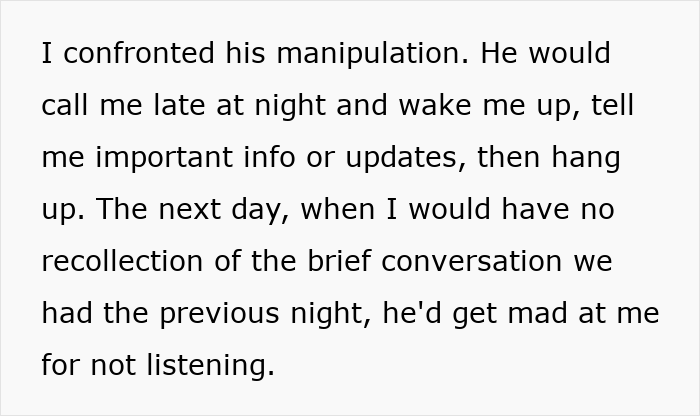
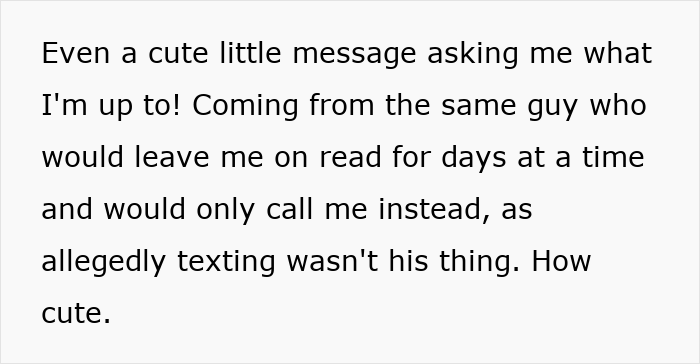
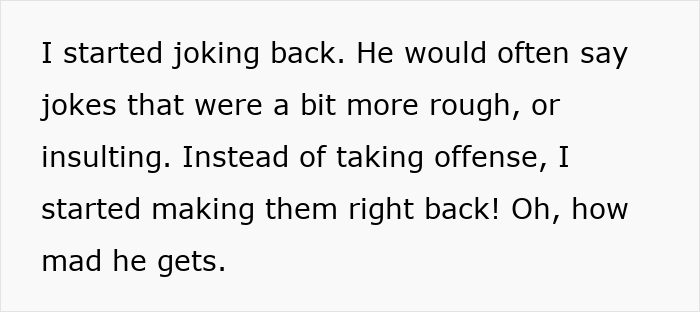
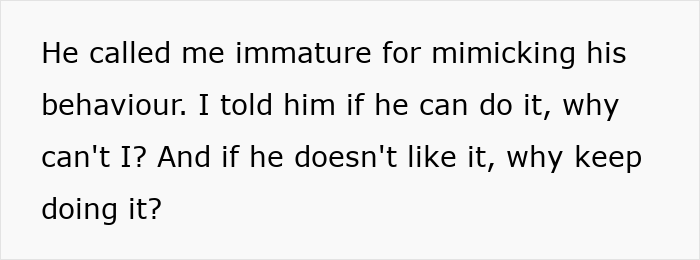
In this particular case, this dynamic seems to have played out in real time. The woman realized how much she had been relying on her boyfriend for validation and shifted her focus back toward herself. However, instead of simply finding a healthier balance, the relationship entered a new phase where both partners appeared to be reacting to each other’s behavior rather than openly addressing their needs.
Image credits: Curated Lifestyle (not the actual photo)




















By entering your email and clicking Subscribe, you're agreeing to let us send you customized marketing messages about us and our advertising partners. You are also agreeing to our Privacy Policy.
Thank you! You've successfully subscribed to newsletters!



Children, neither of you are ready for a relationship, so just break up, be free and do whatever until you grow up. Neither love bombing nor ignoring someone are healthy behaviours.

It's not that neither is ready, it's that they're not ready for a lifetime relationship. This is what's known in the business as a starter relationship. They haven't even graduated university yet. Oh, to be young enough to have years to waste and pages and pages on c**p like this!
Load More Replies... Children, neither of you are ready for a relationship, so just break up, be free and do whatever until you grow up. Neither love bombing nor ignoring someone are healthy behaviours.
It's not that neither is ready, it's that they're not ready for a lifetime relationship. This is what's known in the business as a starter relationship. They haven't even graduated university yet. Oh, to be young enough to have years to waste and pages and pages on c**p like this!
Load More Replies...





























 No fees, cancel anytime














39
9