Get Premium
Dark mode theme is available exclusively for premium users. Learn more about the benefits of subscribing.
No fees, cancel anytime.

 Dark Mode Ad-Free Browsing Unlimited Content
 Ad-Free Browsing Unlimited Content Dark Mode
Join 1.2 million Panda readers who get the best art, memes, and fun stories every week!
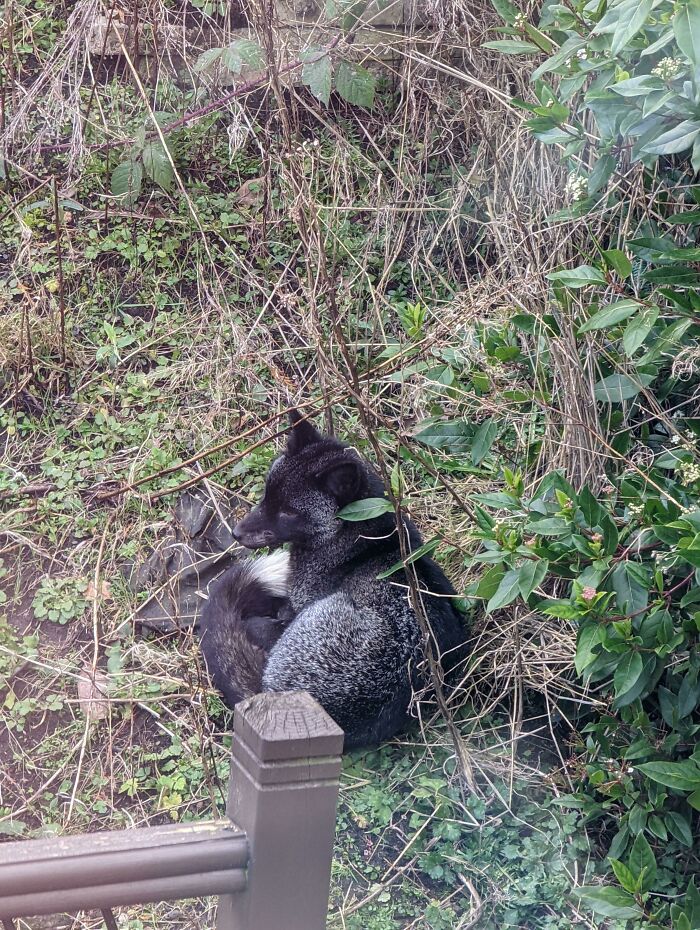
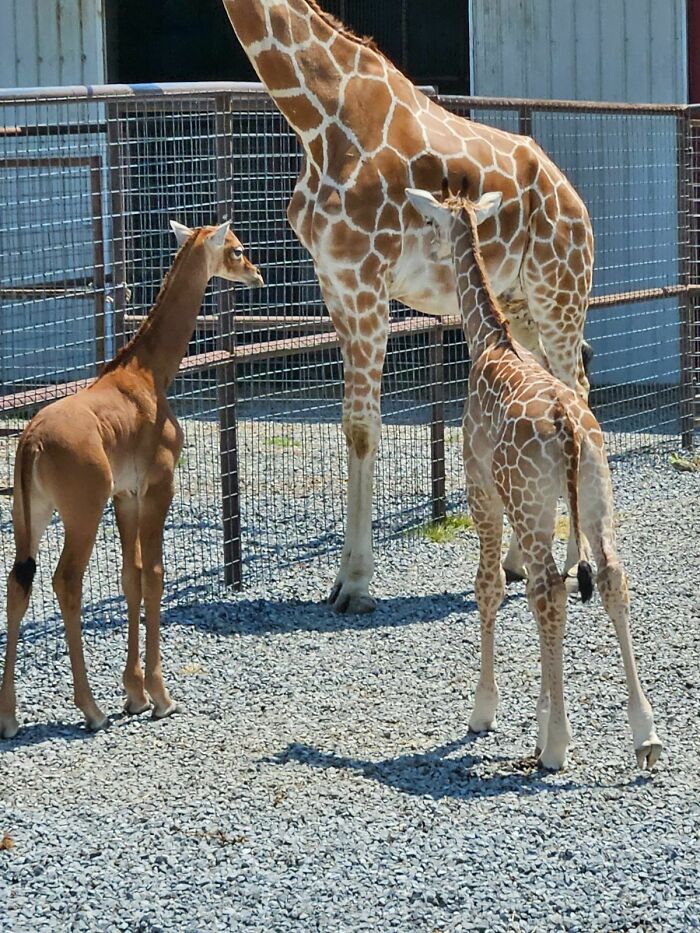
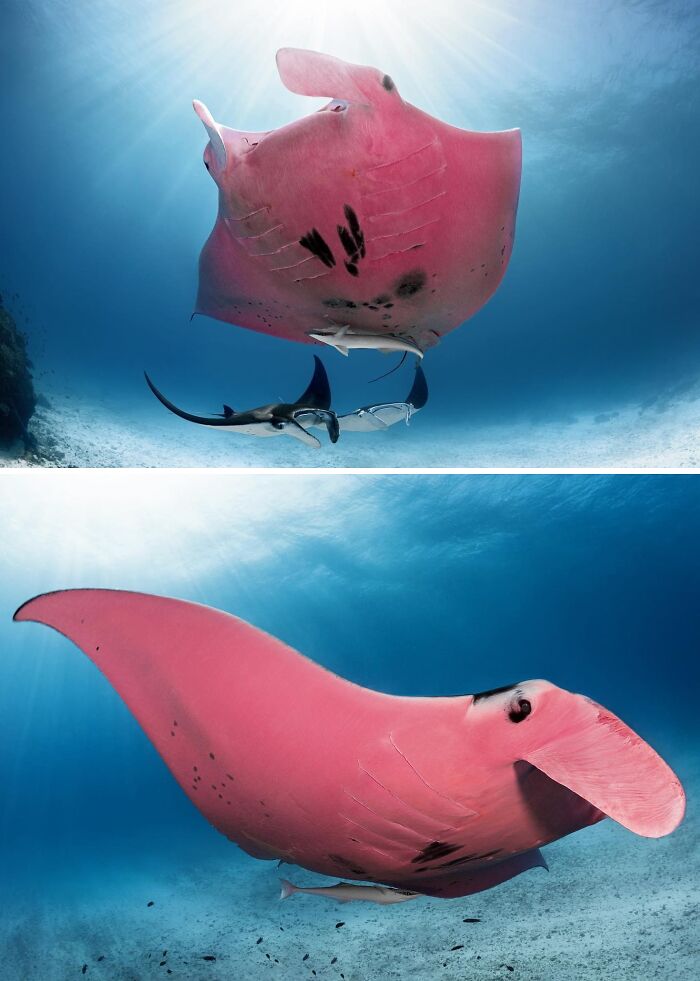
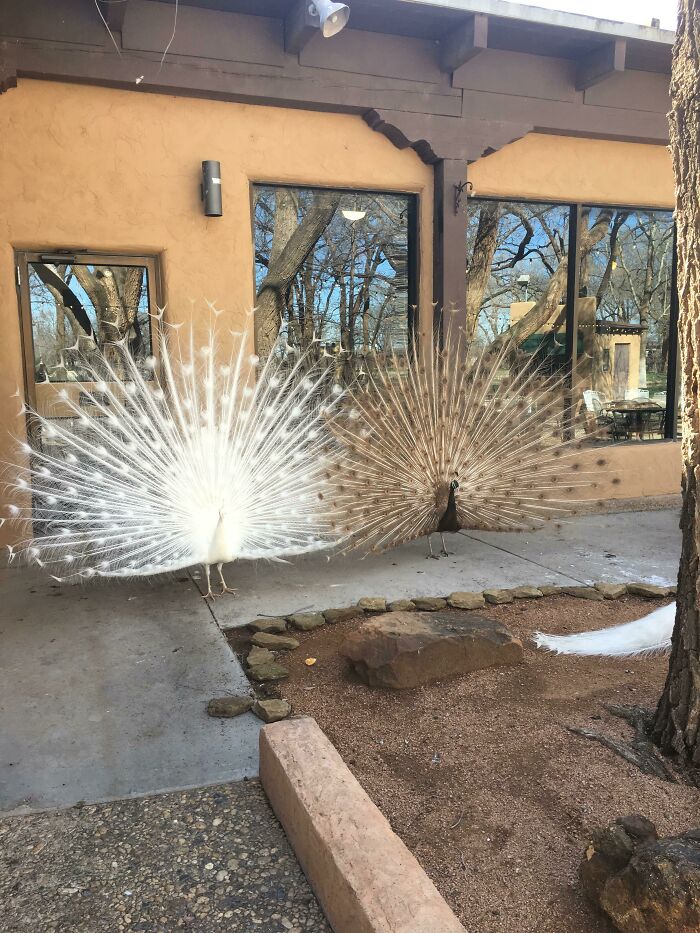
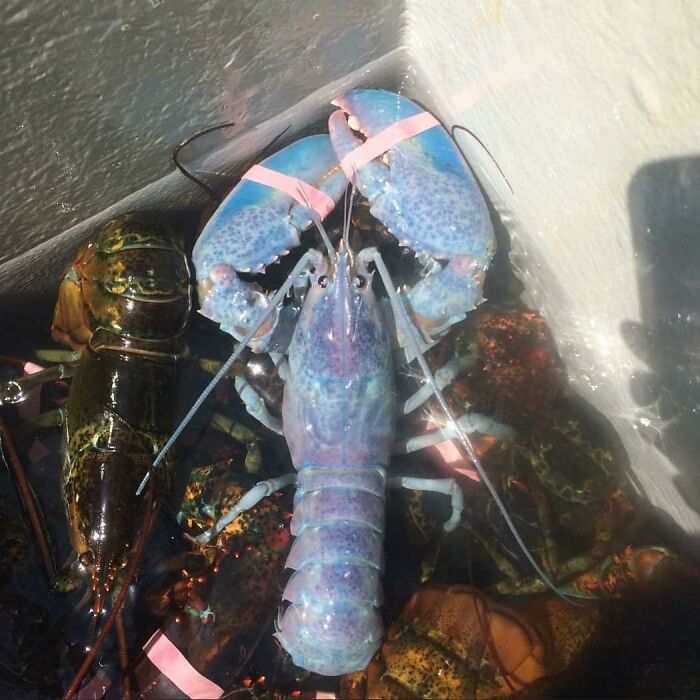
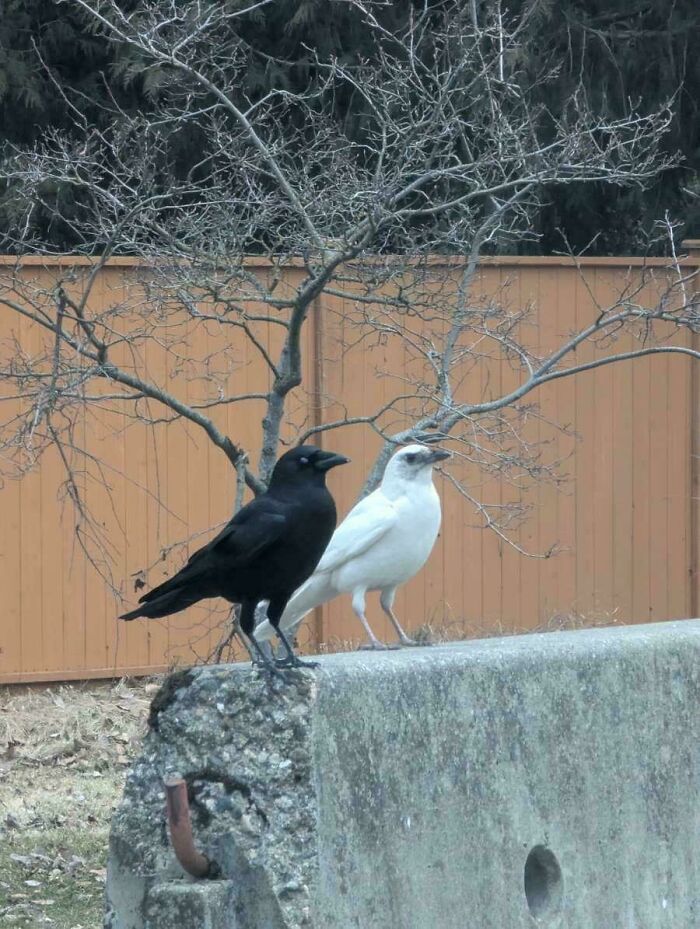
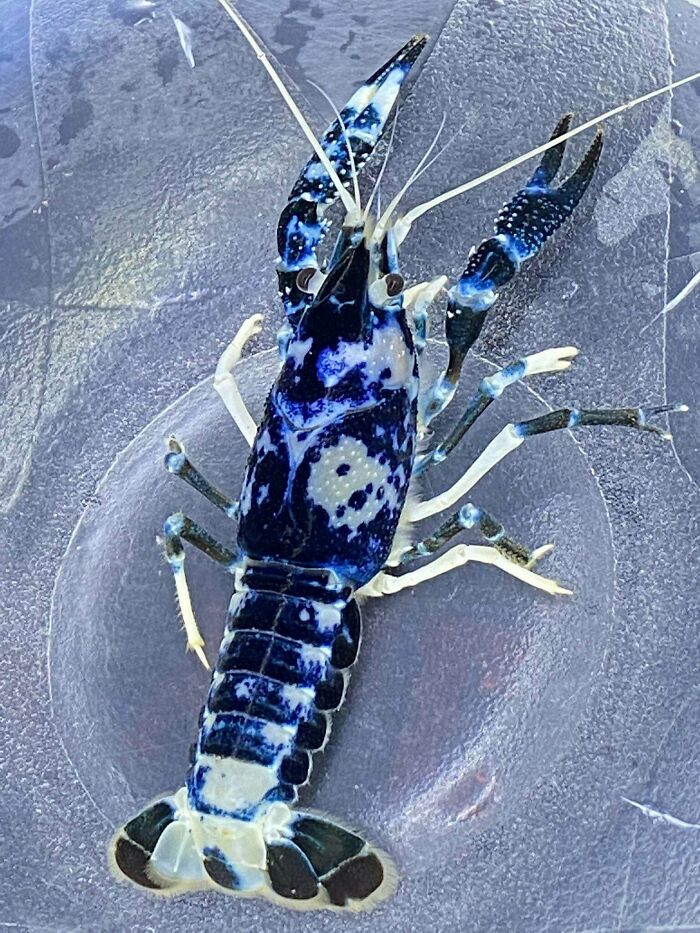
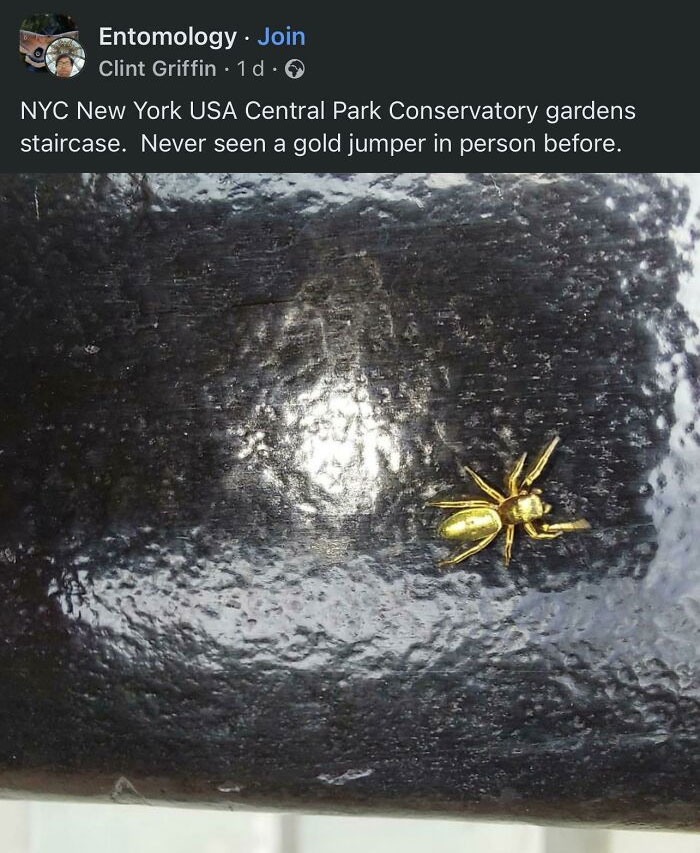
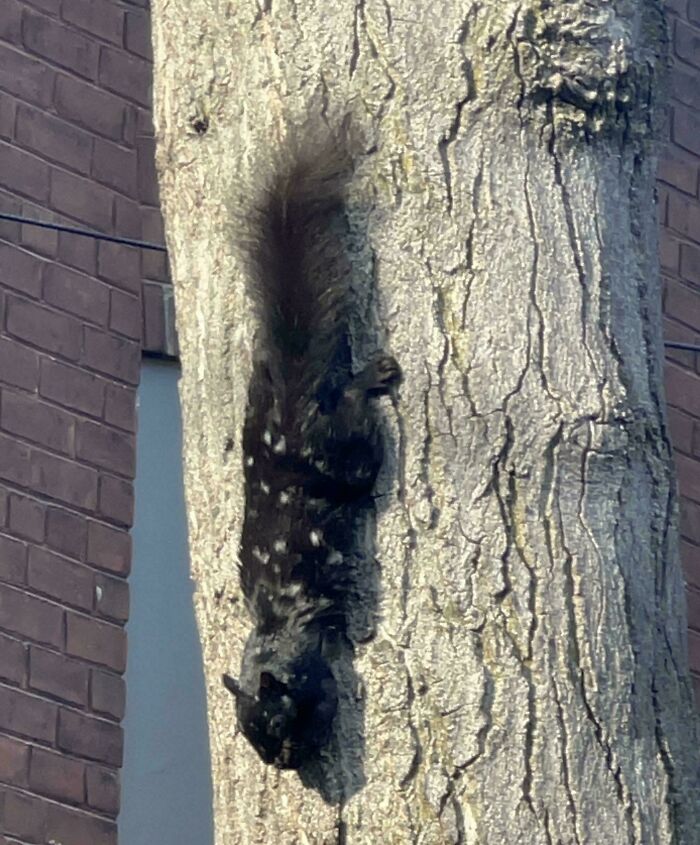
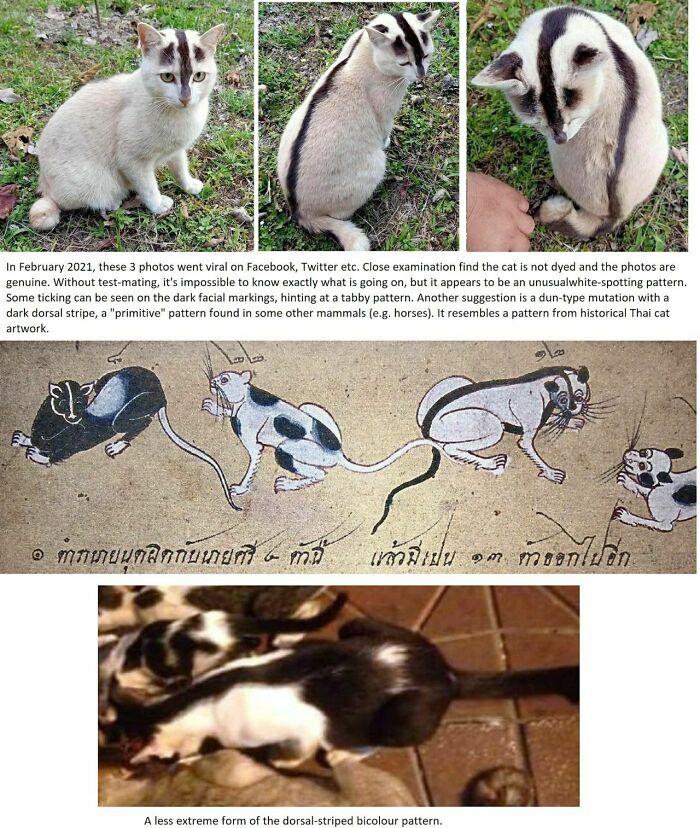
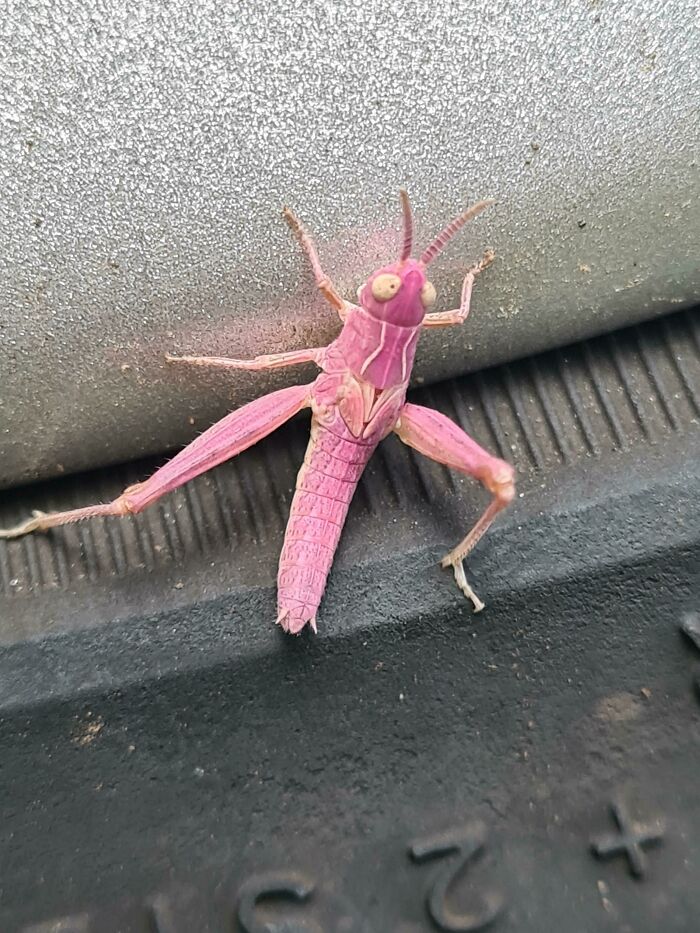
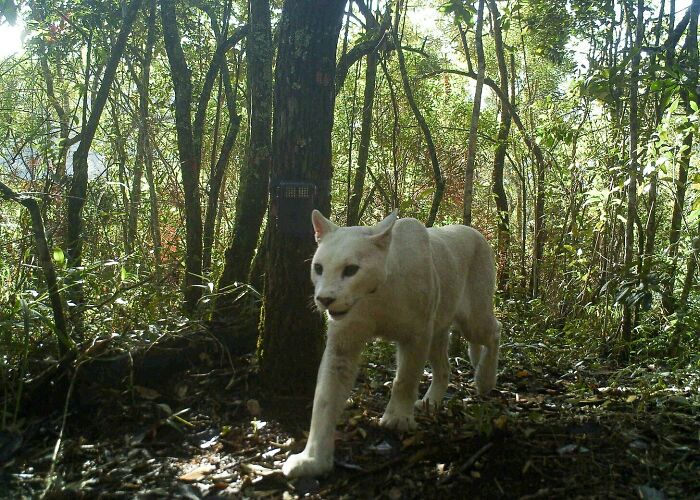
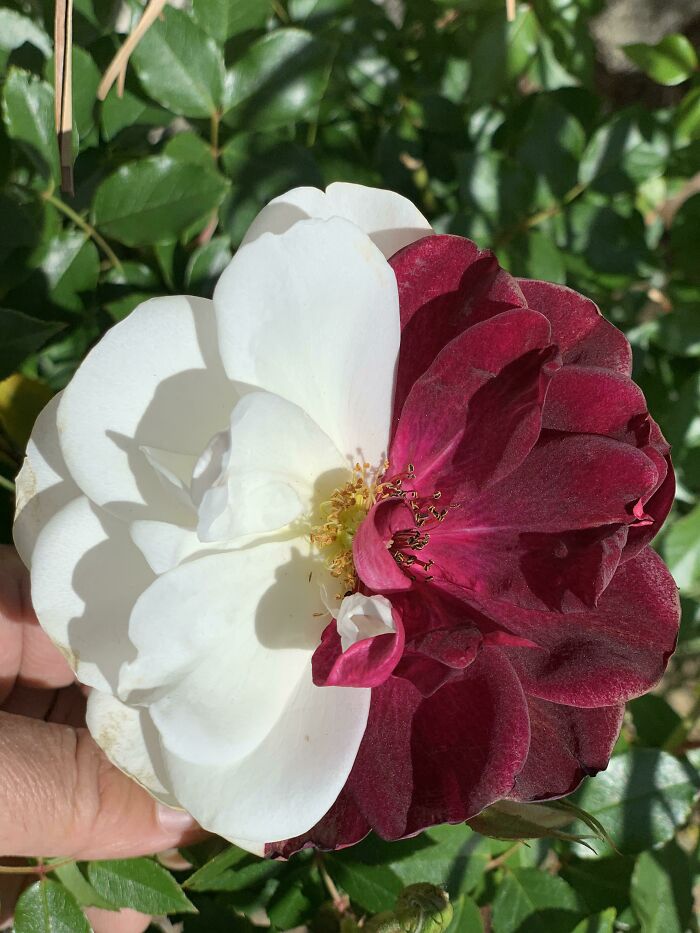
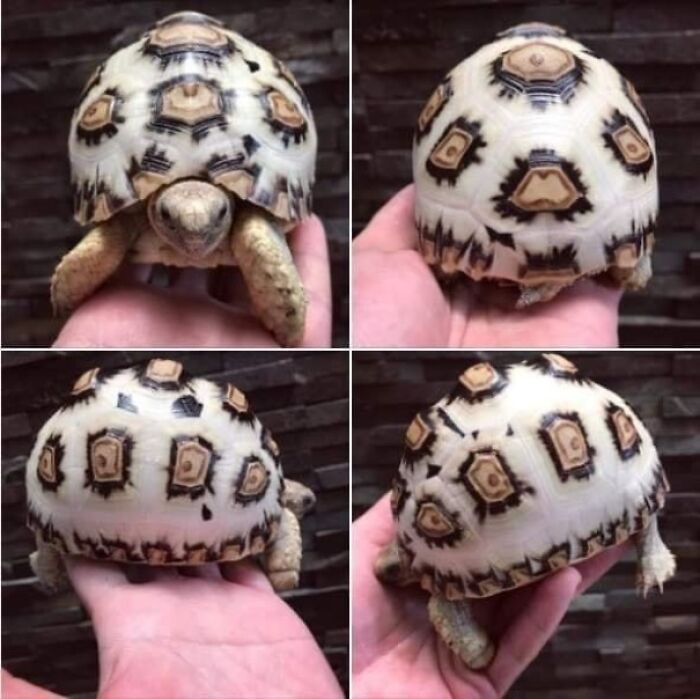
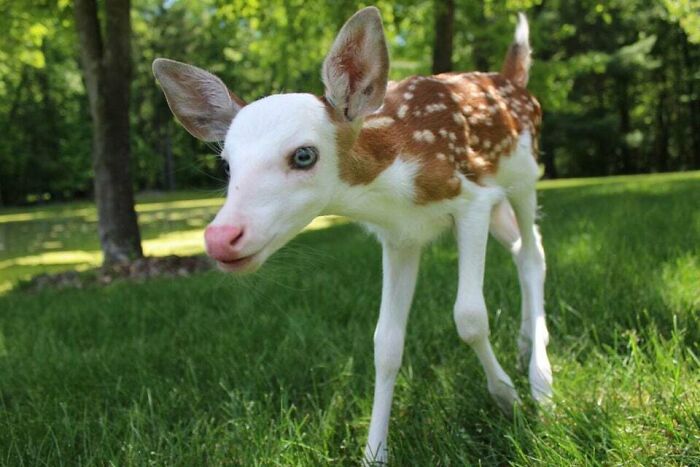
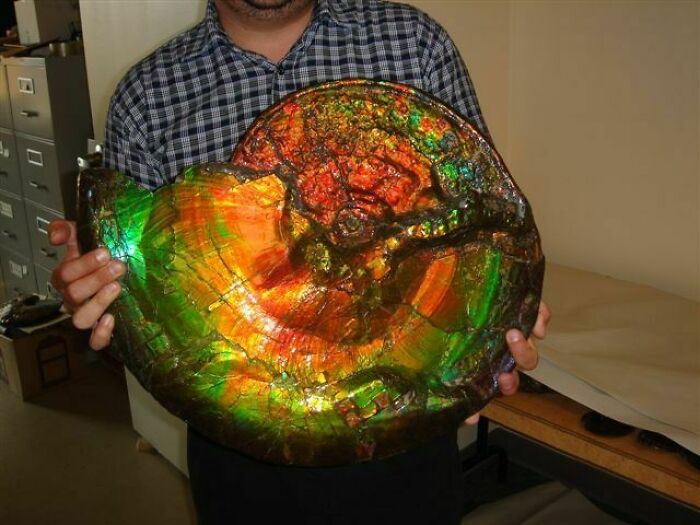
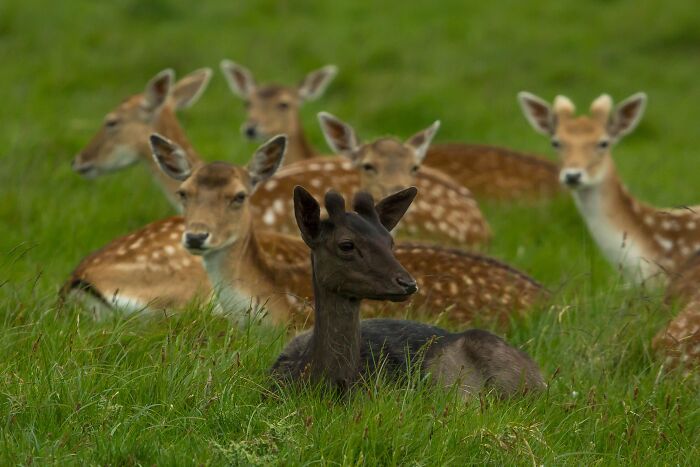
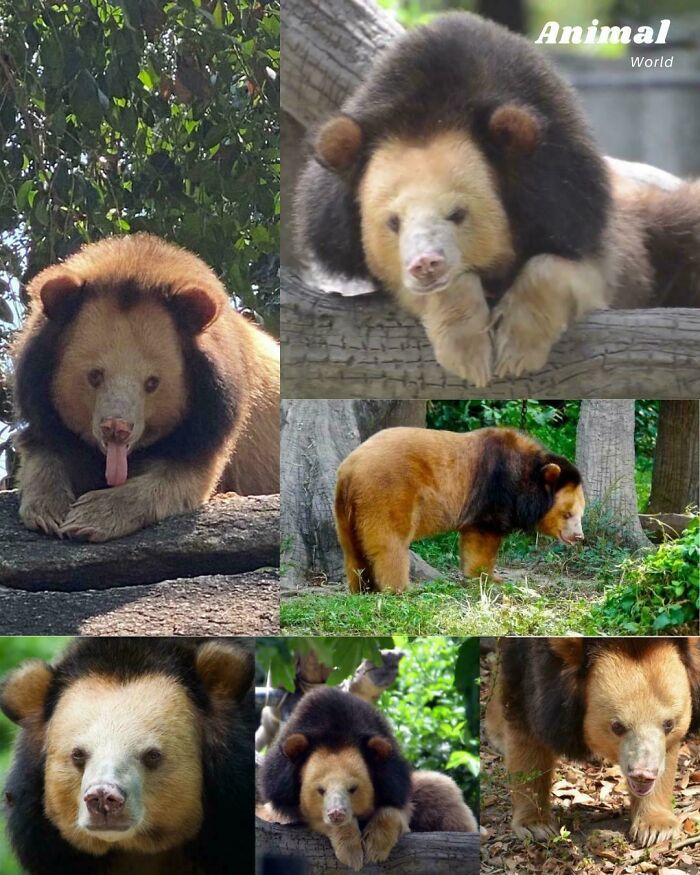
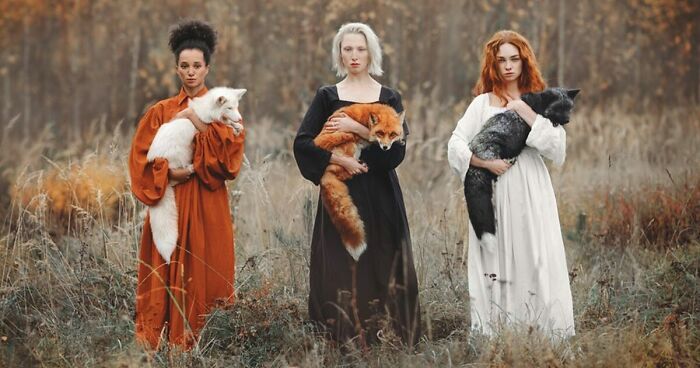
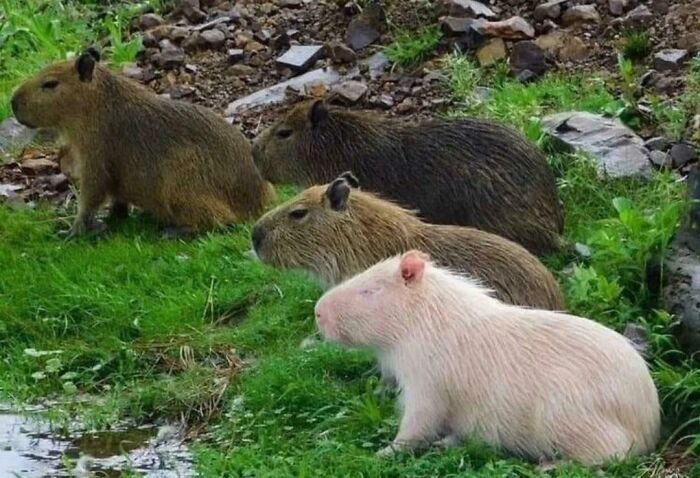
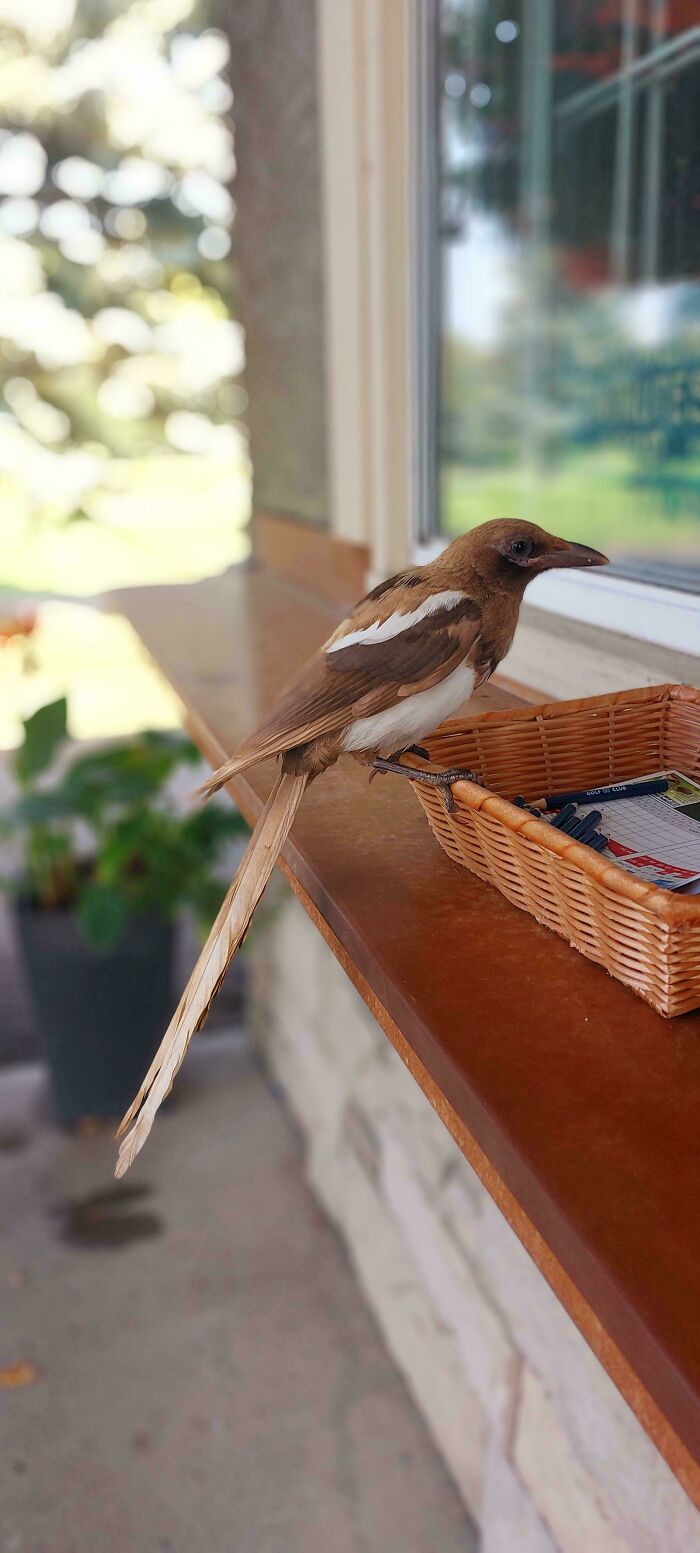
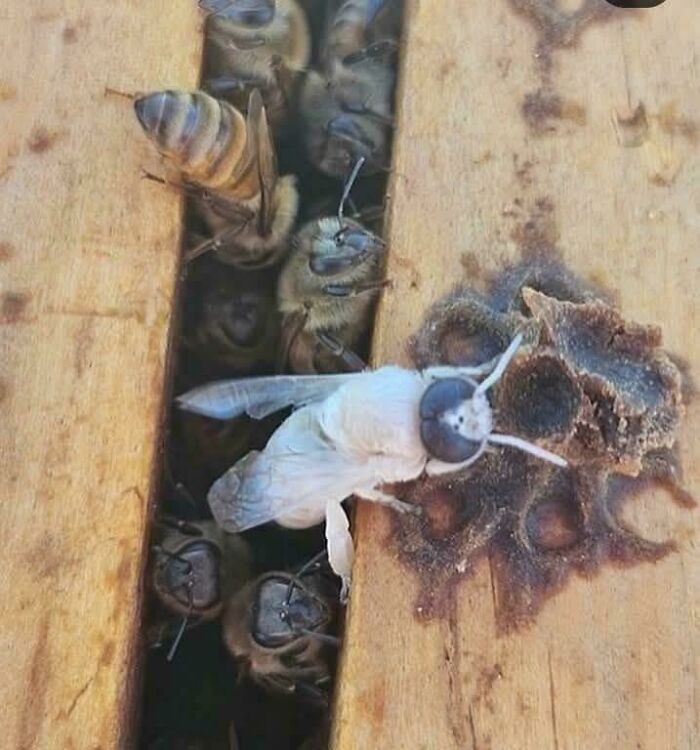
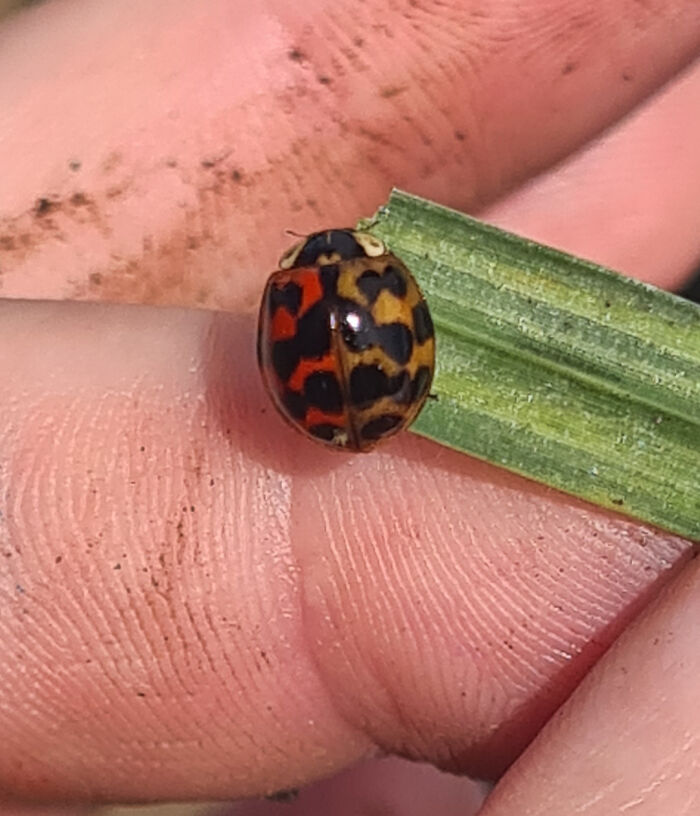
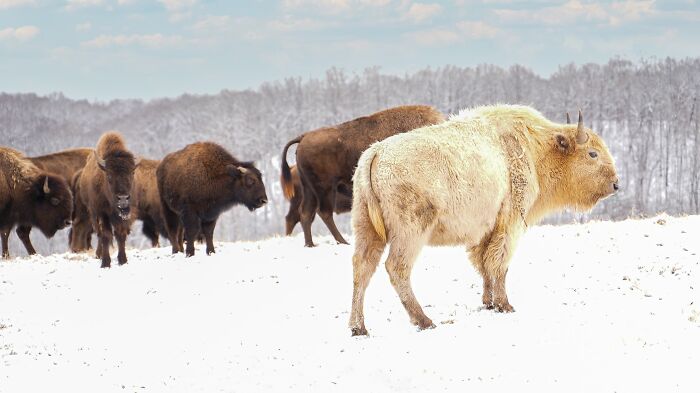
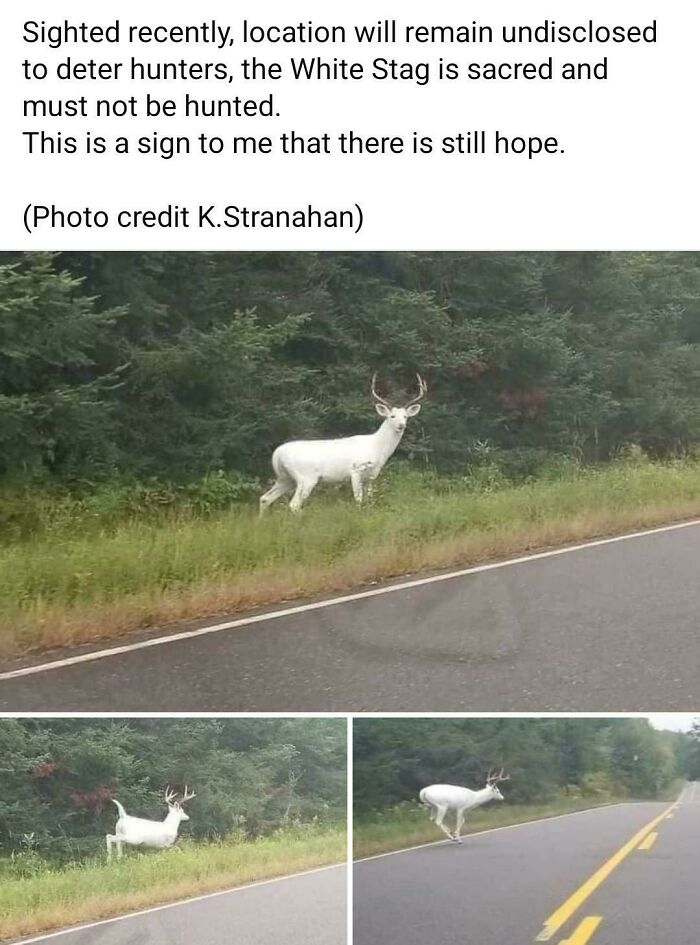
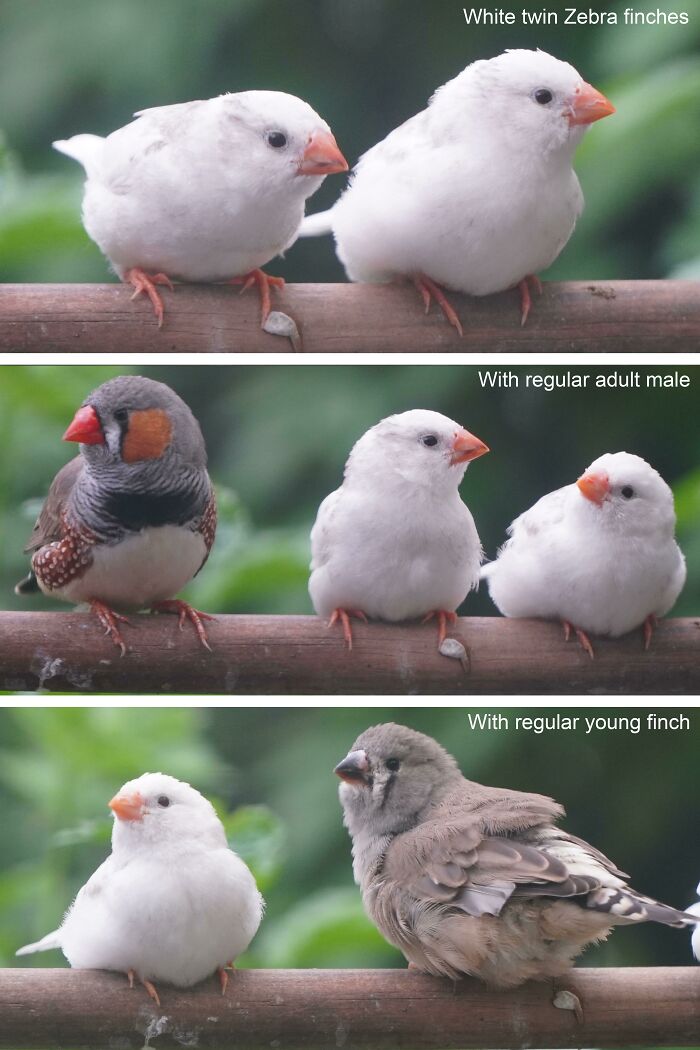
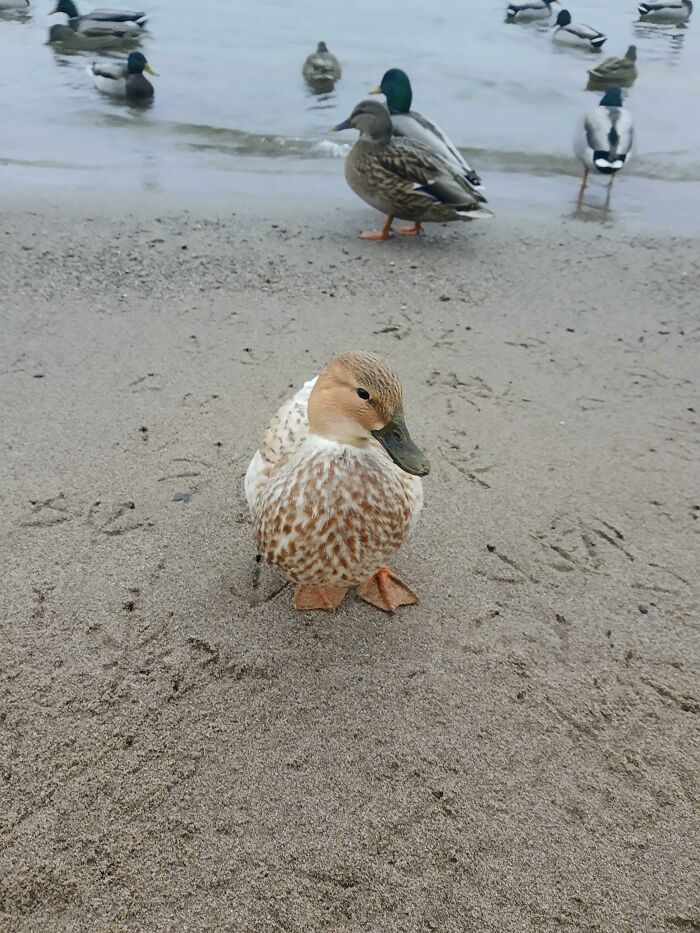
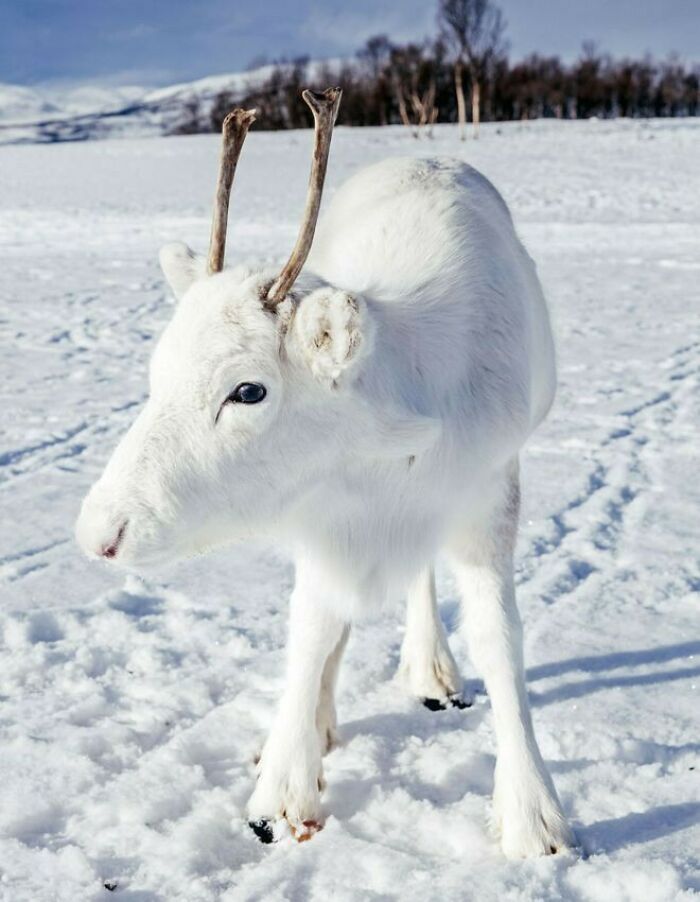
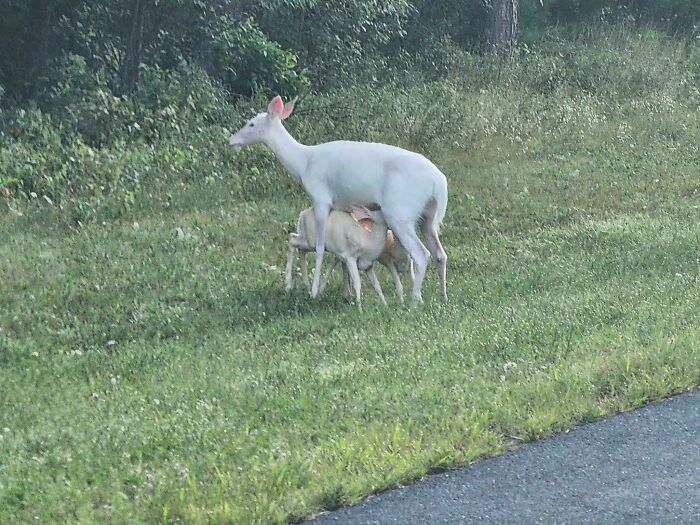
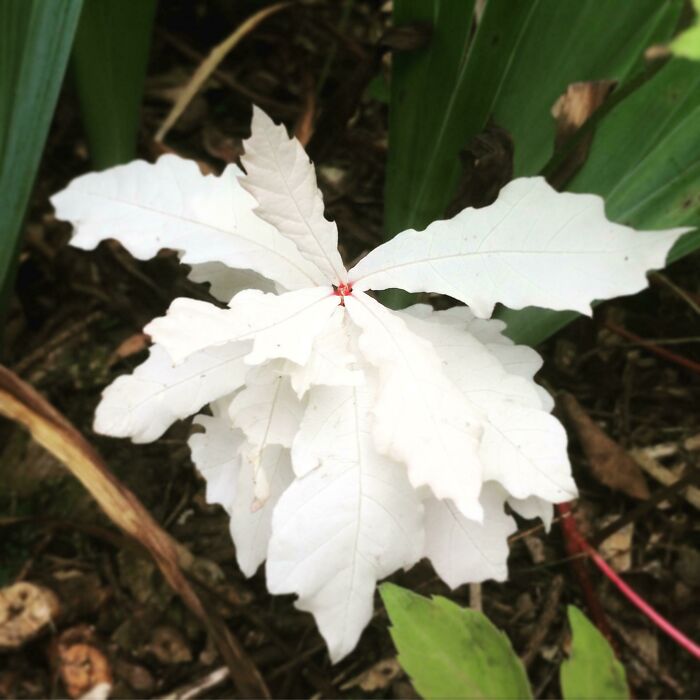
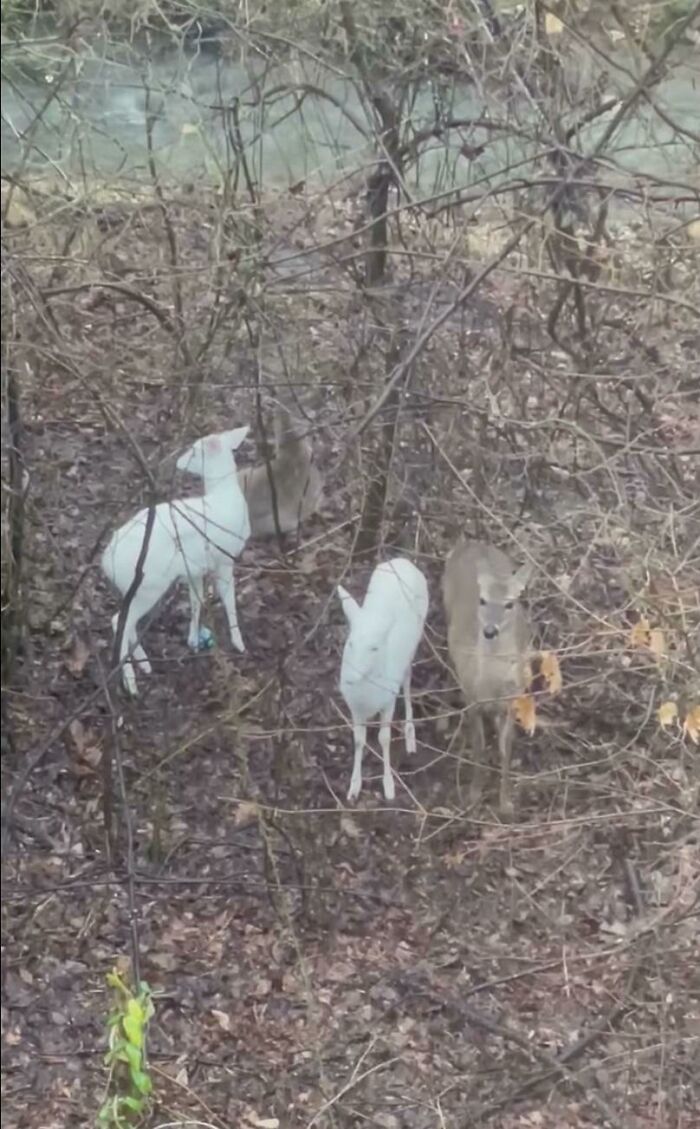
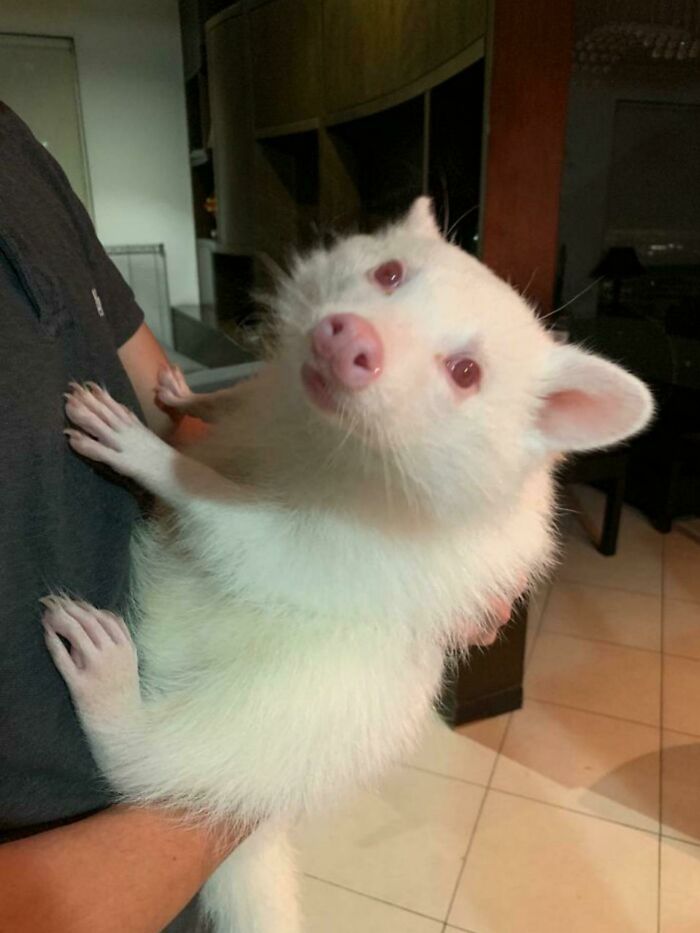
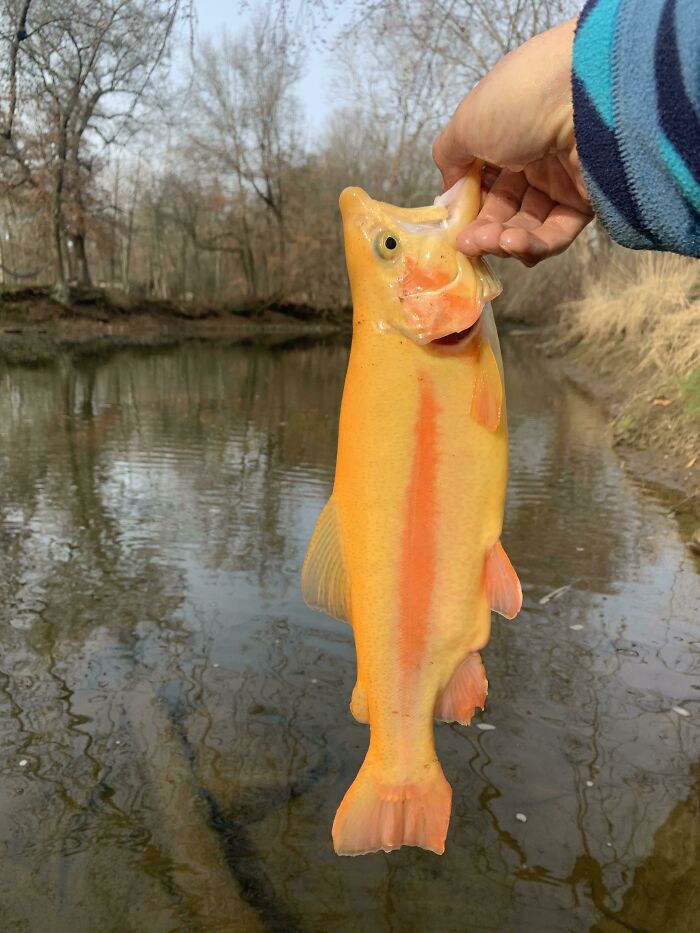
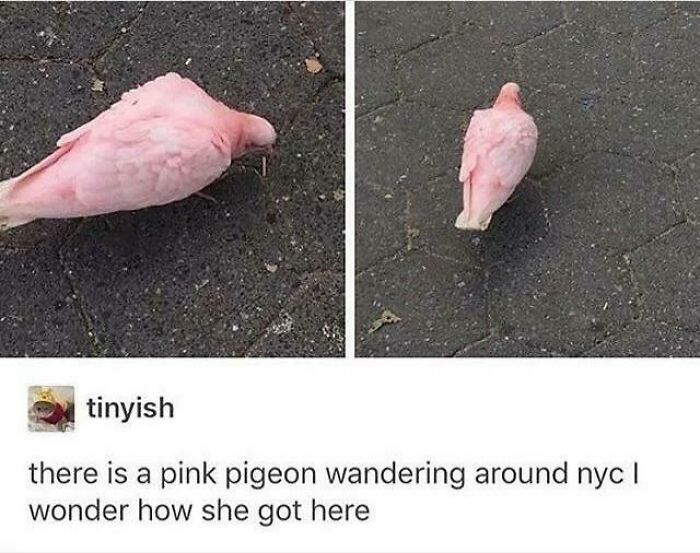
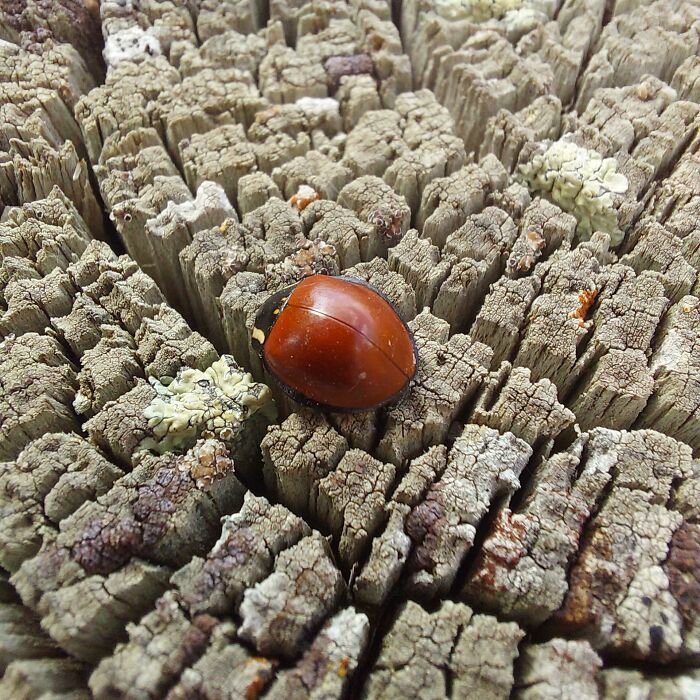
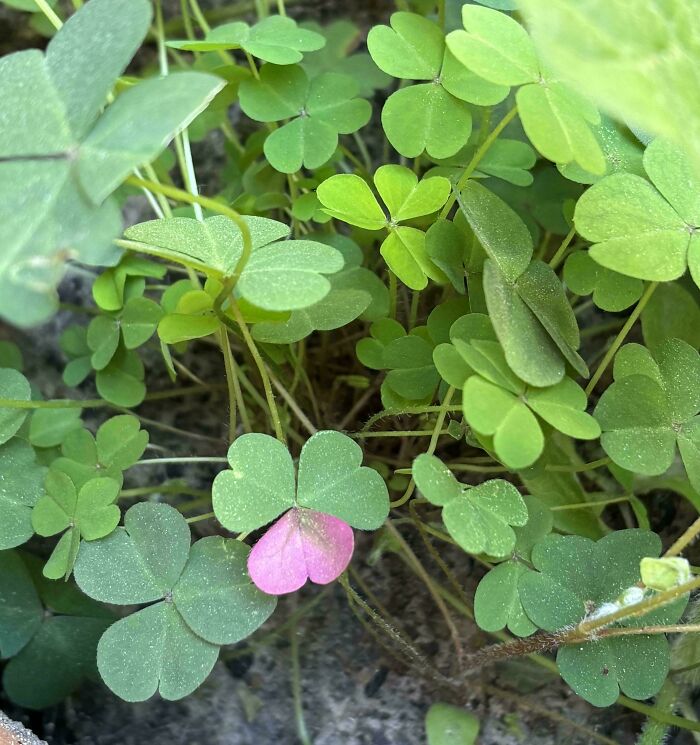
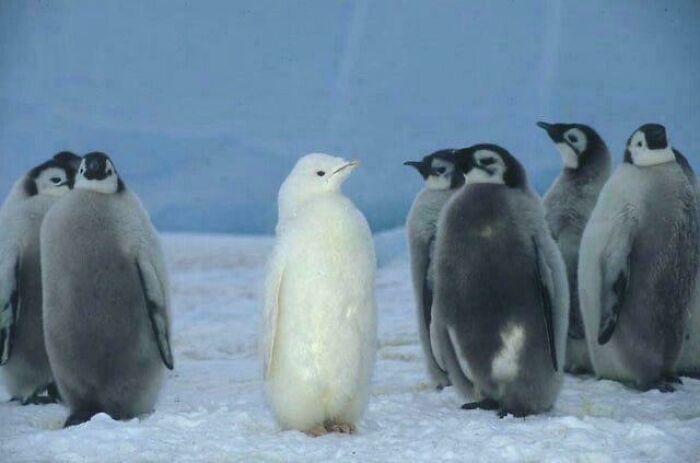
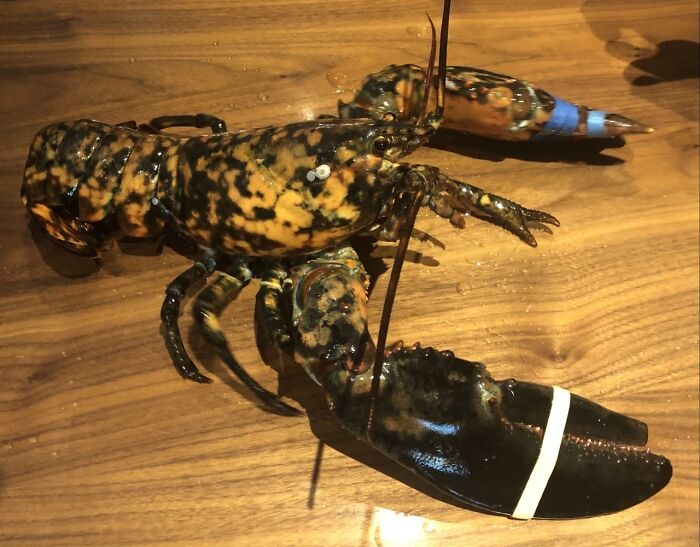
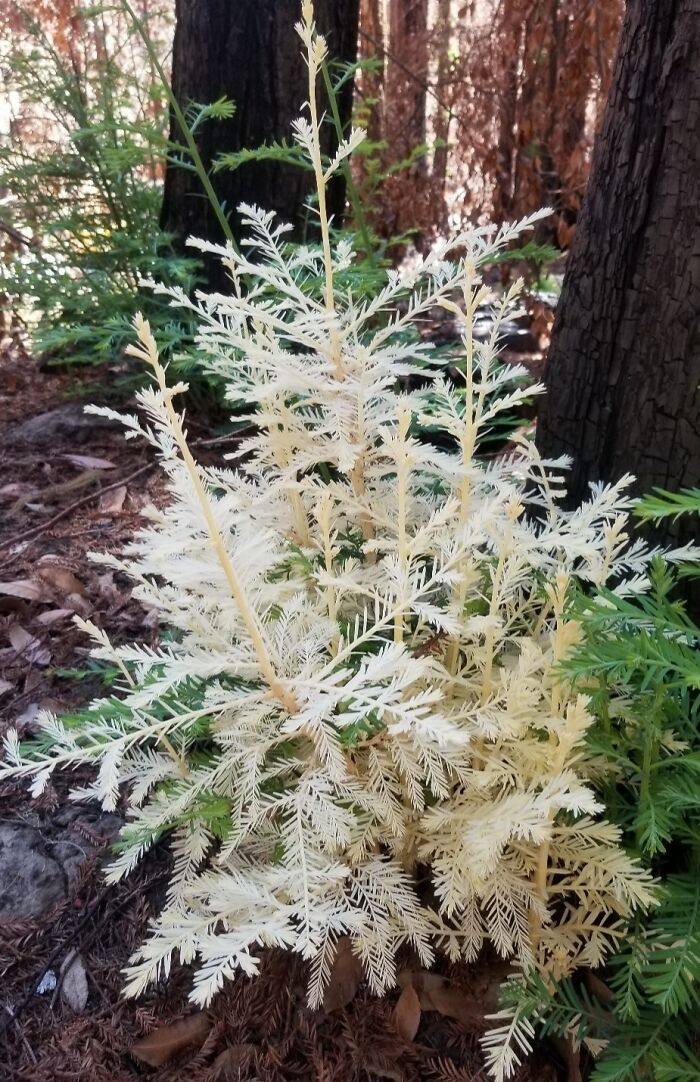
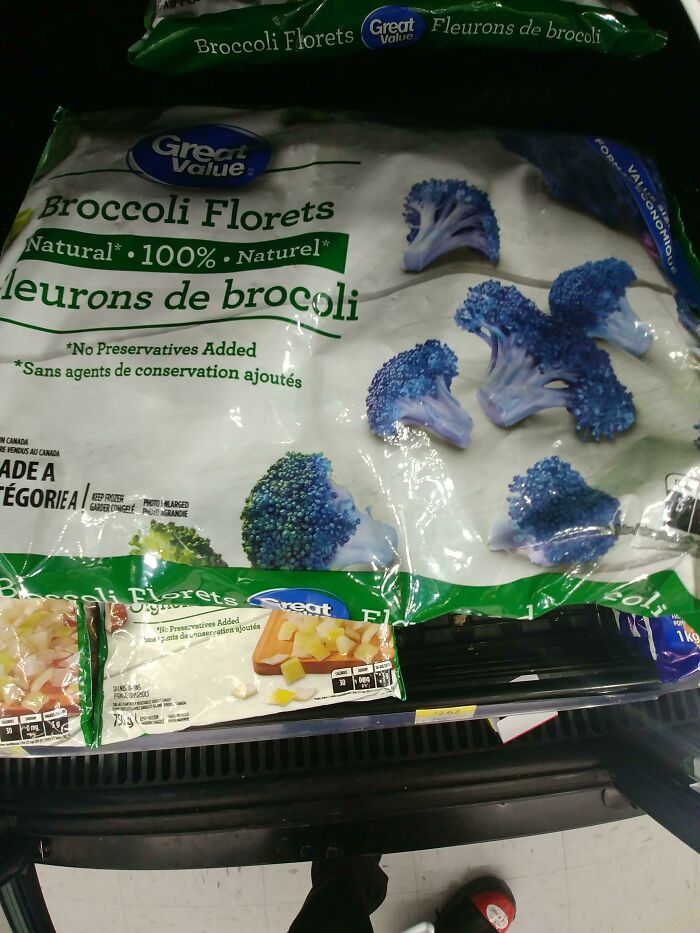
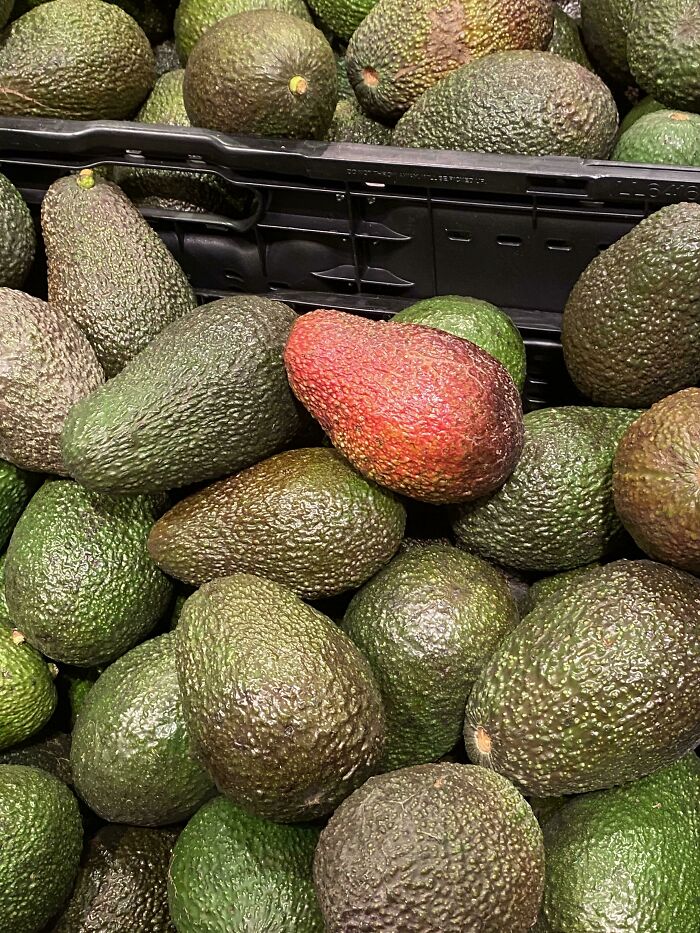
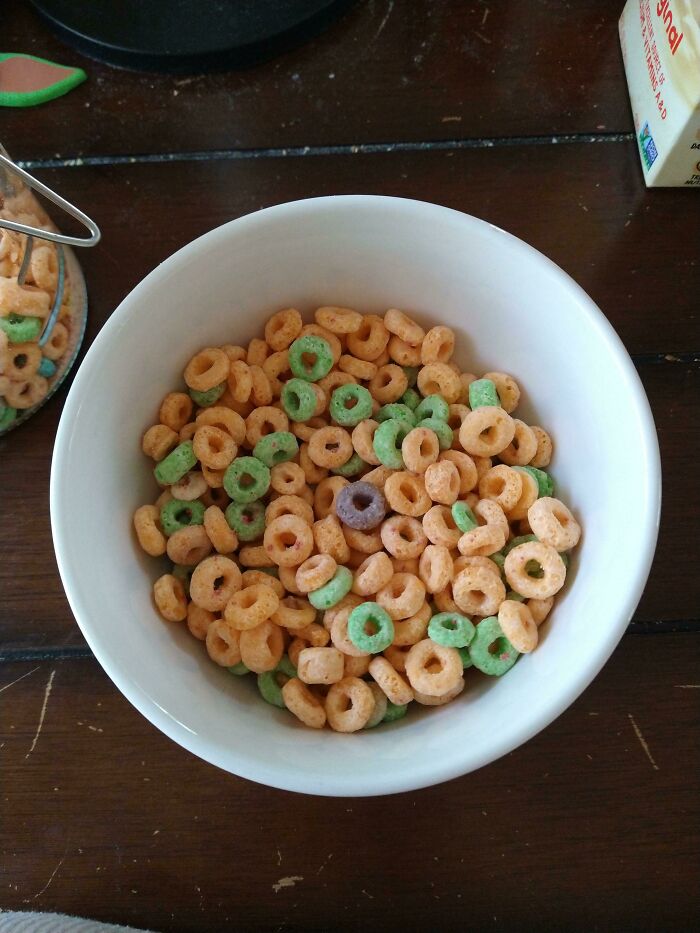
A shiny is a very rare Pokémon that comes in a different color than usual. It may be a fictional concept, but nature has no shortage of similar surprises. Animals, plants, food, and other unexpected finds can all come in shades that make them look completely out of the ordinary.
That is the premise behind the subreddit r/RealLifeShinies, where people share their most fascinating colorful discoveries. We’ve picked some of the most interesting posts below to show just how strange and beautiful things around us can be. Scroll down to take a look.
This post may include affiliate links.
It’s kind of amazing just how colorful our world is. We see it constantly. Humans have been obsessed with color for as long as we’ve existed, painting cave walls, dyeing fabrics, mixing pigments to decorate everything from pottery to palaces.
Today color is everywhere in the human-made world, in the clothes we wear, the signs we put up, the screens we stare at. We also see a lot of it in nature: the sky, the sea, the grass, a field of flowers.
But there’s something especially captivating about finding vivid color on an animal.
Some creatures seem almost impossibly bright. The vermilion flycatcher is a startling shade of red. The Arizona mountain kingsnake wears bold bands of red, yellow and black. Tropical marine angelfish come in dozens of species, each with its own distinct palette.
So why are some animals dressed in plain browns and blacks, while others look like they’ve been through an explosion at a paint factory? Science has a pretty fascinating answer.
Researchers at the University of Arizona found a strong and consistent link between the function of animals’ bright colors and the activity patterns of their ancestors. Essentially, bright coloring tends to serve one of two purposes.
The first is attracting a mate. Birds are the obvious example, with their elaborate dances and brilliant plumage designed to impress. The second is a phenomenon called aposematism, where bright coloring signals to predators that a species is toxic or dangerous.
Animals using color for mating tend to descend from ancestors that were active during the day, while those using it as a warning were more likely descended from night-active ancestors.
Those two functions don’t tell the whole story, though. Color may also be driven by the sheer diversity of species.
“One thing that color is used for, more specifically patterns of colors, is to distinguish one species from another,” Vinod Saranathan, an associate professor of biological sciences at Krea University in India, told Live Science. “Because if you’re male or female and you mate with the wrong species, that is a lost opportunity.”
This may help explain the extraordinary range of colors seen in insects, which make up over a million known species.
The way animals actually produce these colors is just as interesting. “There are really two ways: either [through] pigments, or nanostructures,” Saranathan said, “and sometimes there’s a combination of the two.”
Pigment molecules absorb certain wavelengths of light and reflect back the rest, producing specific colors. Nanoscale structures work differently, amplifying the reflection of particular wavelengths.
Crystal-shaped nanostructures arranged in repeating patterns create the iridescence you see on beetle shells and butterfly wings. Birds often combine both methods to achieve ultra-saturated greens, turquoises and reds.
There are also animals whose unusual colors are caused by abnormalities rather than evolution. In these cases, the striking shade may look remarkable, but it is actually linked to a specific genetic condition.
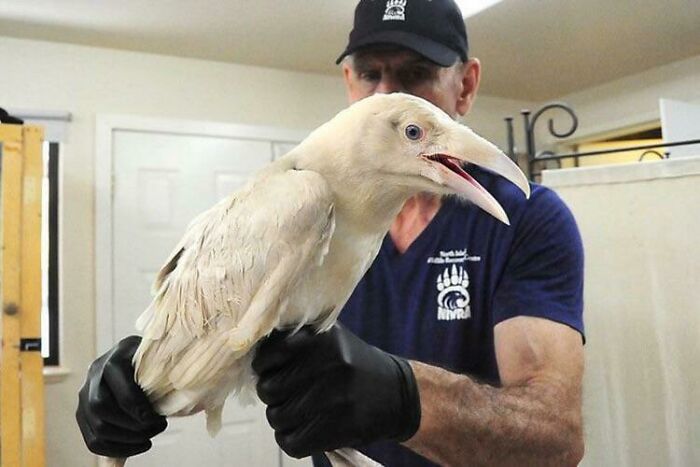
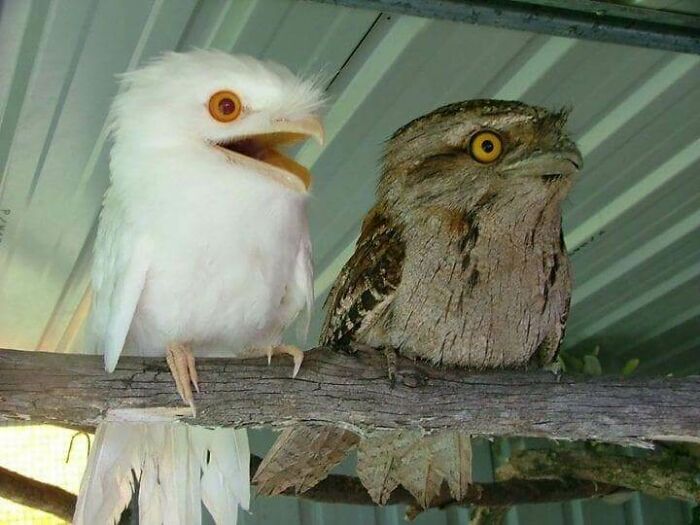
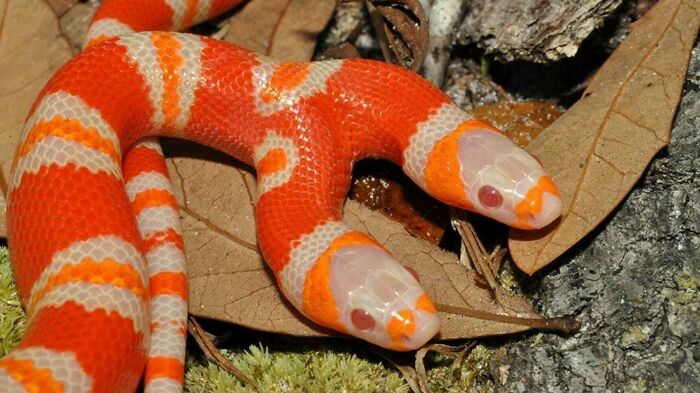
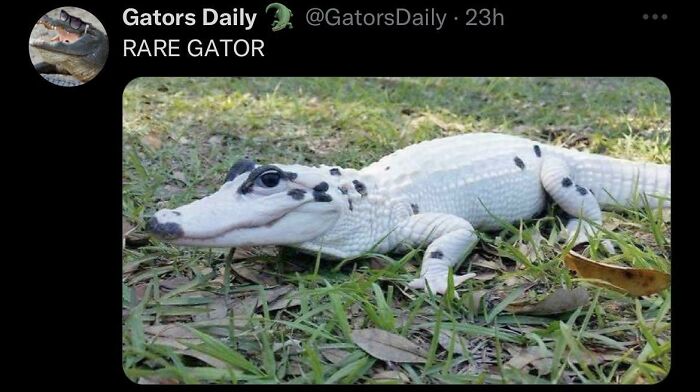
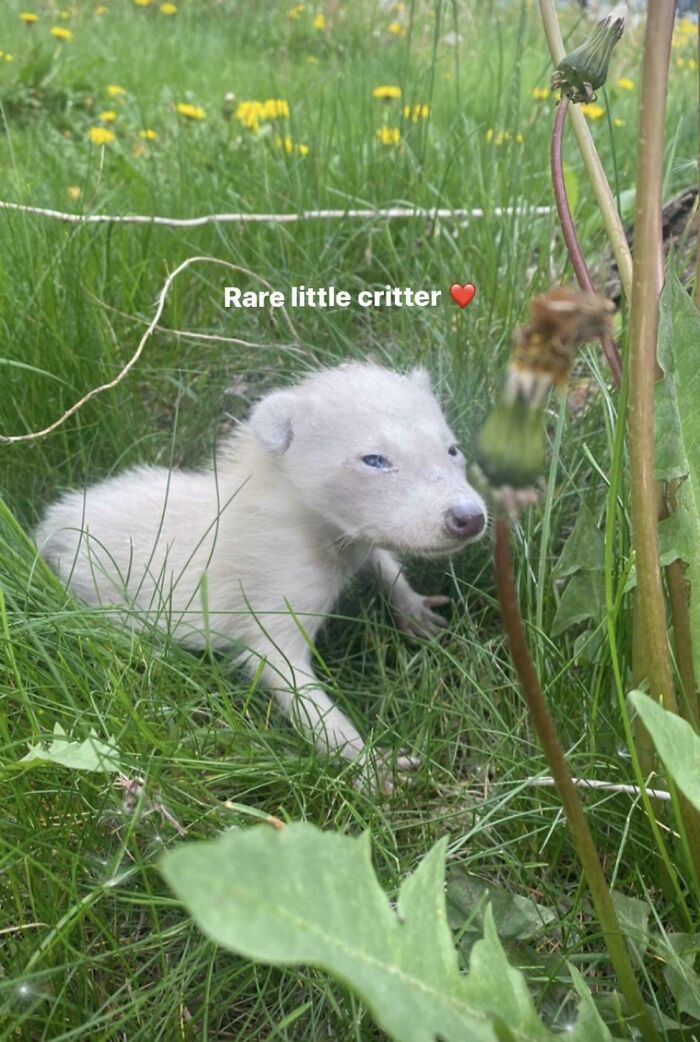
Some animals, for instance, are albino, just like some humans. Albinism causes a complete absence of pigmentation in the feathers, skin, and eyes, leaving the animal white with a faint pinkish tint created by blood vessels beneath the skin.
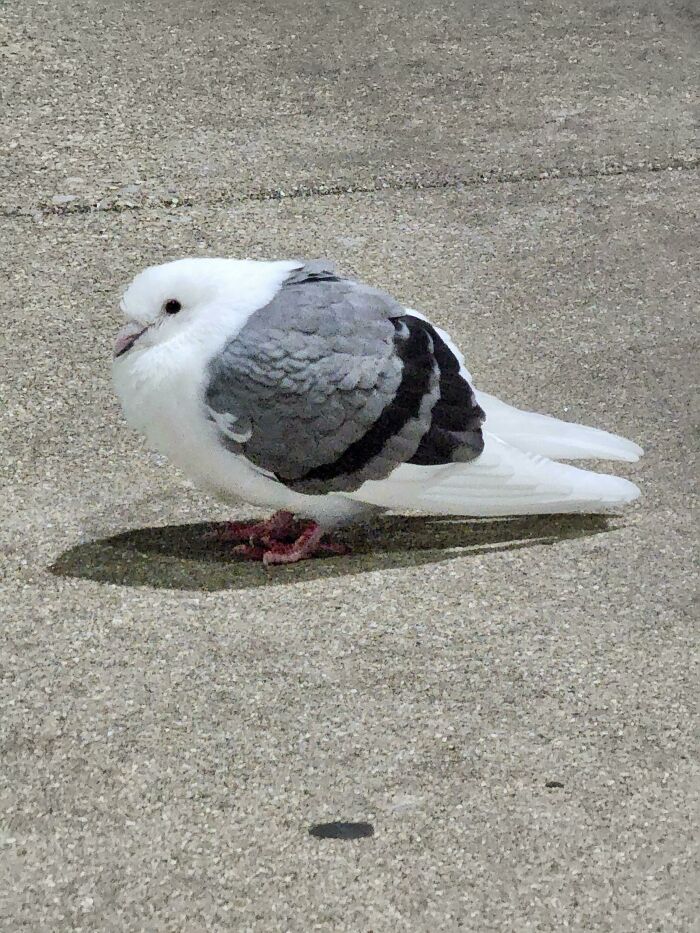
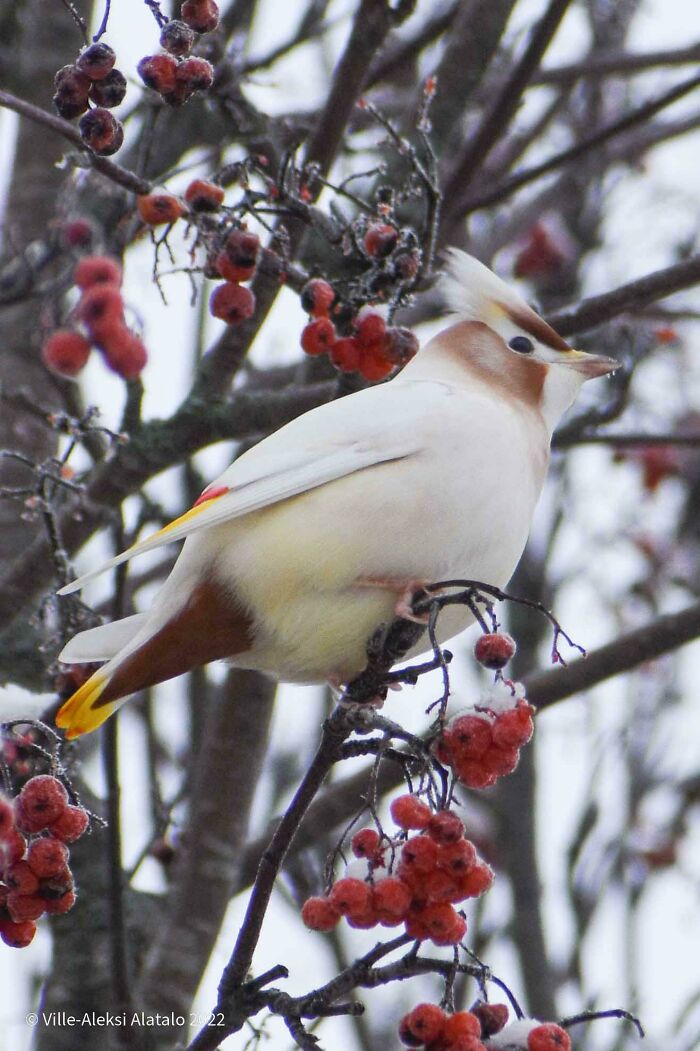
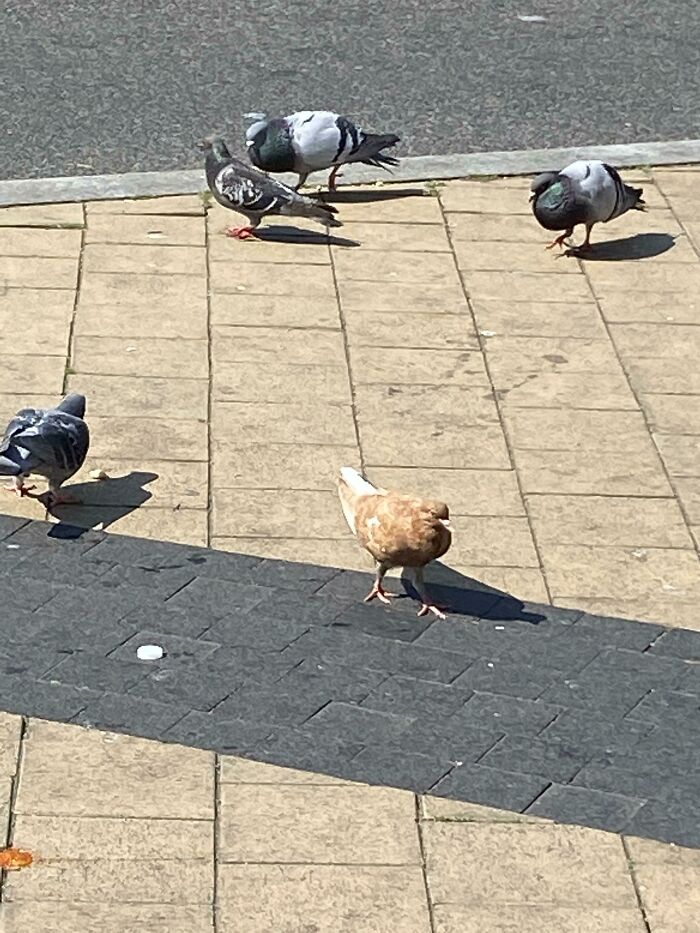
Leucism is a separate condition that reduces the amount of melanin and other pigments, producing anything from a single white feather to near-complete white plumage, while the eyes and skin retain their normal color.
Older papers sometimes call this “partial albinism,” but leucism is the correct term.
Some animals can also vary in how much red or yellow pigment they show. Genetics can affect this, but diet matters too.
House finches are a good example. They get their red coloring from pigments called carotenoids in the food they eat. When their diet lacks enough of these pigments, they appear yellow instead of red.
Taken together, all of this shows just how vast and varied the animal kingdom really is. These creatures, or real-life shinies, can feel like small wonders of nature. They are a reminder of how extraordinary this planet is, and of why protecting animals and the world they live in matters so much.









































 No fees, cancel anytime