Get Premium
Dark mode theme is available exclusively for premium users. Learn more about the benefits of subscribing.
No fees, cancel anytime.

 Dark Mode Ad-Free Browsing Unlimited Content
 Ad-Free Browsing Unlimited Content Dark Mode
Join 1.2 million Panda readers who get the best art, memes, and fun stories every week!
Blink, and you might miss it.
iPods? Gone. Tamagotchis? Collecting dust. Those weird fish pedicures? Nowhere to be found. Some things don’t go out with a bang—they just quietly slip away, fading from memory until someone brings them up, and suddenly, it’s like stepping back in time.
Redditors shared these and more that slowly disappeared over the years. See how many you forgot ever existed.
This post may include affiliate links.
 Songs as ringtones.
I used to spend ages picking my favourite bit of my favourite song as my ringtone.
It’s hard not to feel nostalgic when looking back at these items and experiences. At least for me. Especially the analogue objects that defined an era when the internet wasn’t an all-consuming, indispensable part of daily life. Things like music players or cheap, pirated DVDs, which were sold on every corner in Ukraine when I was a kid because licensed alternatives were scarce and expensive.
But reflecting on the past also makes me wonder about what’s ahead. What everyday essentials we rely on now will disappear in the next 20 years or even turn into sought-after collectibles? Will future generations chase after an iPhone 16 the way mine does 90s camcorders or Japanese film cameras?
Maybe, maybe not. But one thing is certain—nostalgia has a lasting influence.
 Potpourri. I swear it was in everyone’s house when I was a kid but I haven’t seen any in in about 15 years.
 Those strange pictures where if you looked at them in a different way, a 3D image of some s****y zebra popped out at you. I remember going into a shop with my mum looking at them and we came out with headaches. What were those f*****g pictures called?
“Nostalgia is big business,” Christina Goulding, Professor of Marketing at Birmingham Business School, tells Bored Panda. “More people are looking to items from the past for a number of different reasons—see the 1970s electronic gaming revival as an example. For some, they offer a connection to an earlier time and a sense of continuity; for others, they are a reaction against an increasingly digitalized way of living, among many other factors.”
While young people have traditionally been seen as the least likely to feel nostalgic, Goulding’s experience suggests otherwise. Some research even indicates that Gen Z is currently the most nostalgic generation, with Millennials following closely behind.
“I supervised an MSc student’s dissertation which looked at young people’s use of cameras from the 1930s–1970s. For them, these represented a more authentic experience which involved skill (in developing the pictures), anticipation (of the outcome), and aesthetic appreciation and pride in the end product,” said Goulding.
“These consumers reject the instant gratification of digital photography and the technological manipulation of the image. They want the physical and time-consuming engagement with the whole process. So, it does raise questions about assumptions that Gen Z are a homogenous group with a need for immediate gratification.”
What’s interesting is that my reaction—contemplating the future while reflecting on the past or present—is far from unique.
Last year, Christina Goulding introduced the concept of mellostalgia in her research, a term she coined to describe the opposite of nostalgia. While nostalgia is about longing for the past, mellostalgia is about looking forward to the future with anticipation, shaped by experiences in the present. The word comes from the Greek mellon (meaning “future”) and algia (meaning “longing”), capturing a proactive and positive emotion where people intentionally create moments they’ll later look back on fondly.
In her study, Goulding explored mellostalgia by observing and interviewing visitors at Port Isaac, the real-life filming location of the British TV drama Doc Martin, which follows Dr. Martin Ellingham, a grumpy doctor who moves from London to a small Cornish village (fictional Port Wenn) after developing a fear of blood, forcing him to give up surgery. The series presents an idyllic, close-knit community with little crime—a stark contrast to the fast-paced, impersonal nature of city life.
For many visitors, the show’s setting wasn’t just something to admire. It inspired them to imagine their own future experiences. Some saw it as a vision of retirement in a peaceful village, while others sought to create travel memories they could later cherish. In other words, as Goulding puts it, they were “looking forward to looking back.”
 Those black glass TV stands that had us all under a chokehold at one point in the late 2000s.
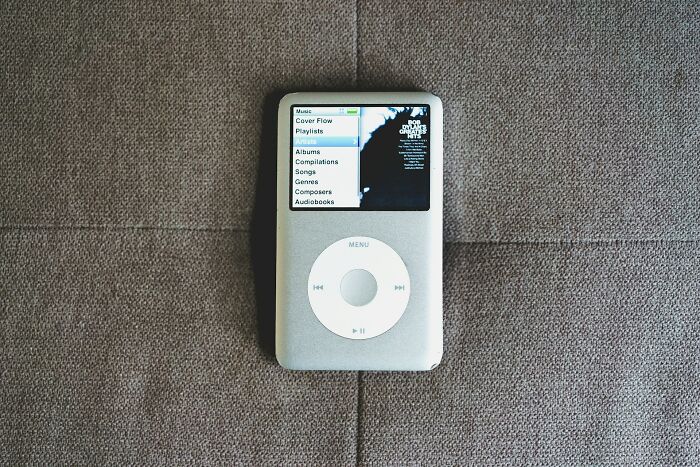 IPods. Only actually realised recently they stopped making the big ones all the way back in 2014, then the shuffles and nanos is 2017 and then last year they stopped making the touch. It was obvious it was going to happen because we all use our phones for music now but tell someone 15 years ago that Apple would stop making iPods and they would think you were crazy.
tldr: Apple stopped making iPods, nobody realised.
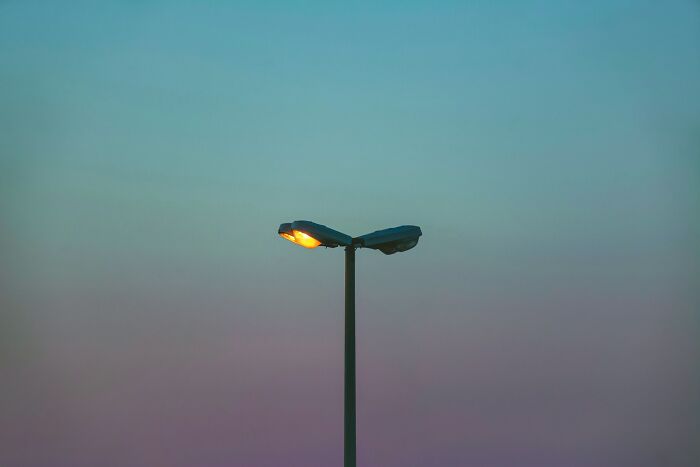 Orange streetlights are vanishing so quickly round here. The new LED jobs make a huge difference to the feel of the UK at night I think.
 Google+. I remember lots of hype about it being "exclusive" and having to be invited by someone already on it or something, and then... It kind of just faded away.
You Might Also Like: 46 relatable memes for anyone who’s had enough of people



































 No fees, cancel anytime