Get Premium
Dark mode theme is available exclusively for premium users. Learn more about the benefits of subscribing.
No fees, cancel anytime.

 Dark Mode Ad-Free Browsing Unlimited Content
 Ad-Free Browsing Unlimited Content Dark Mode
Join 1.2 million Panda readers who get the best art, memes, and fun stories every week!
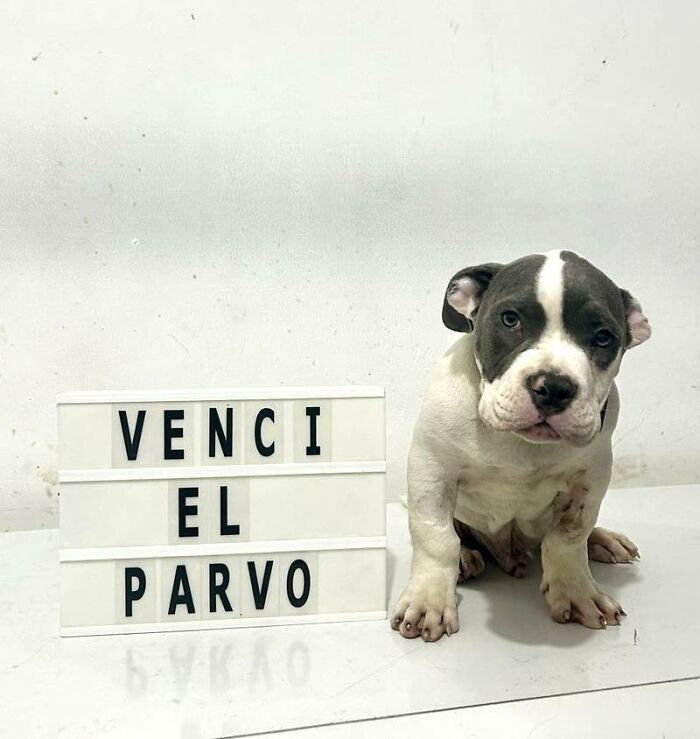
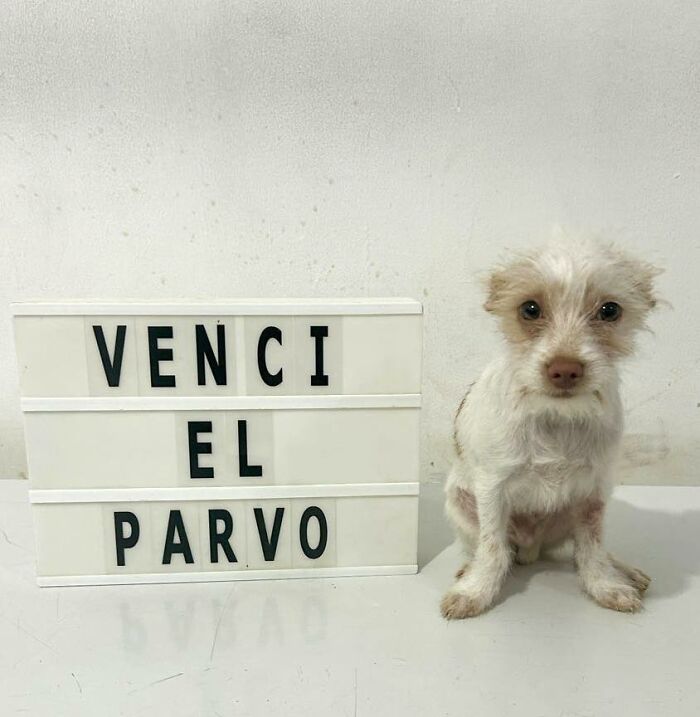
There’s something different about a second chance when it comes to puppies. Maybe it’s their size, their innocence, or the way they trust the world without hesitation. When something threatens that, it hits harder than expected.
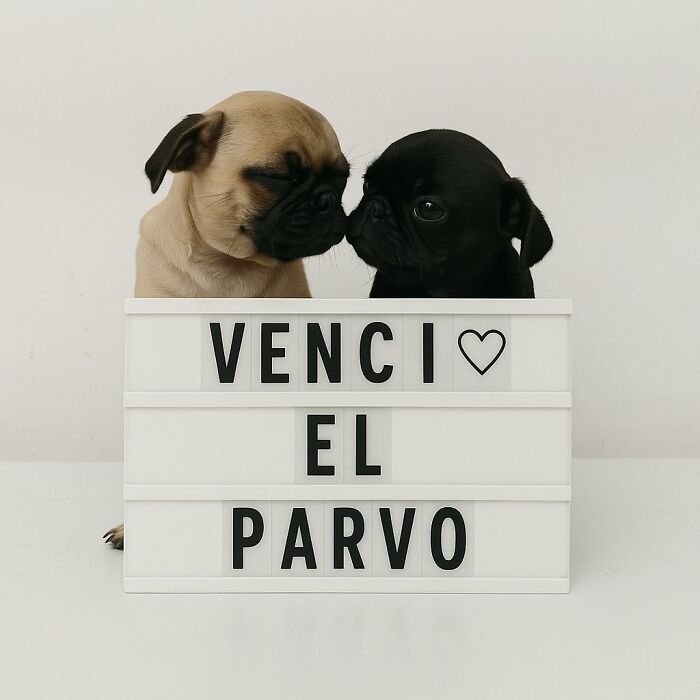
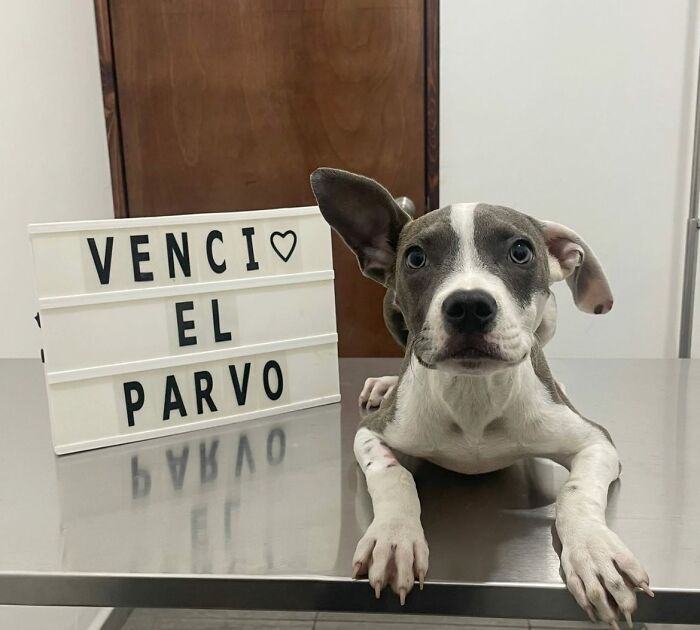
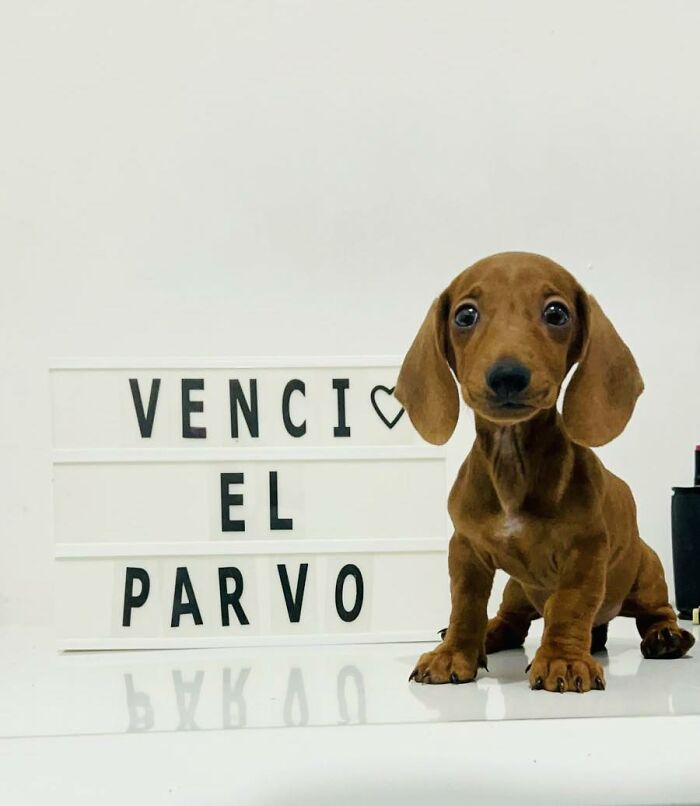
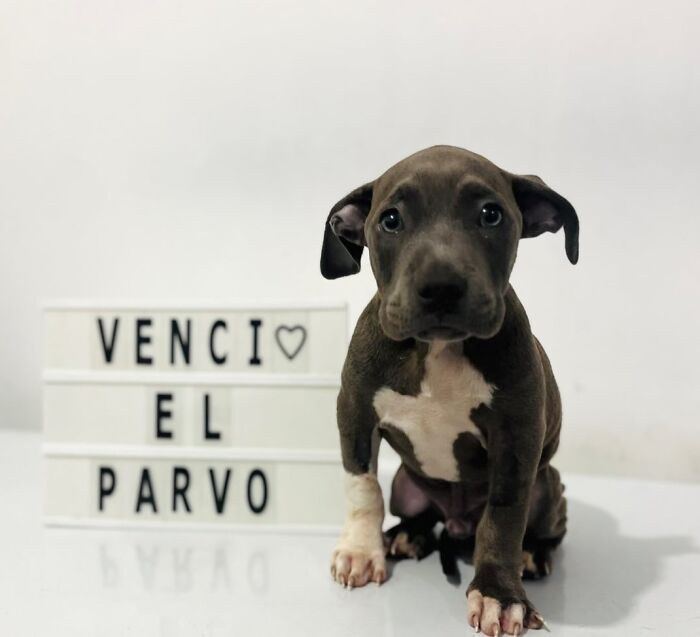
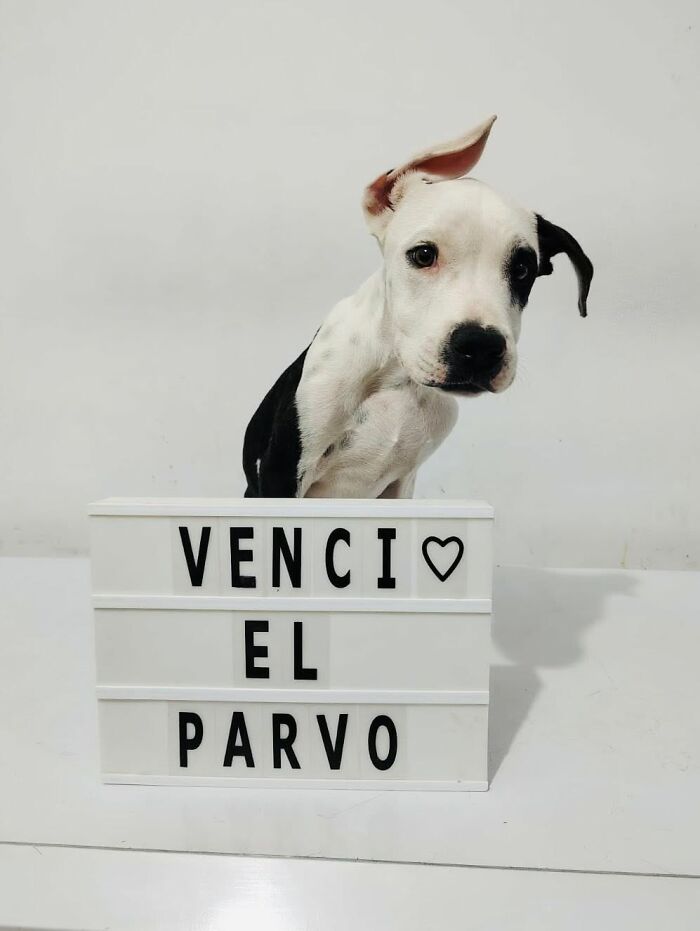
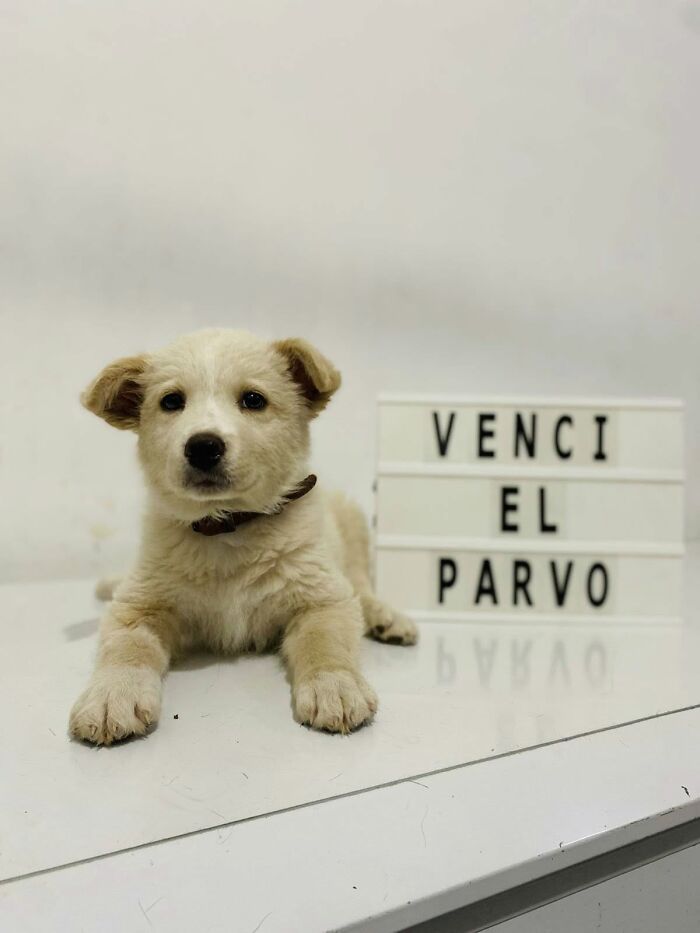
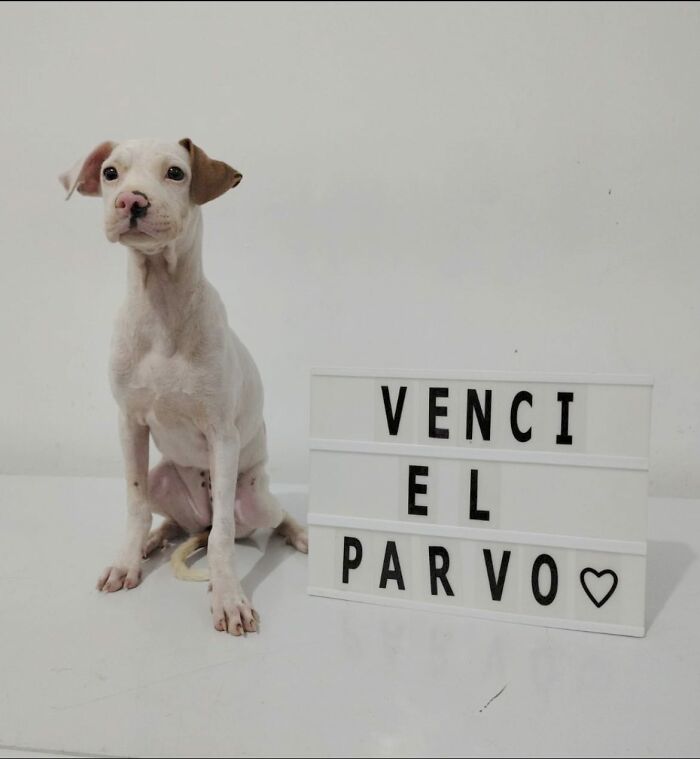
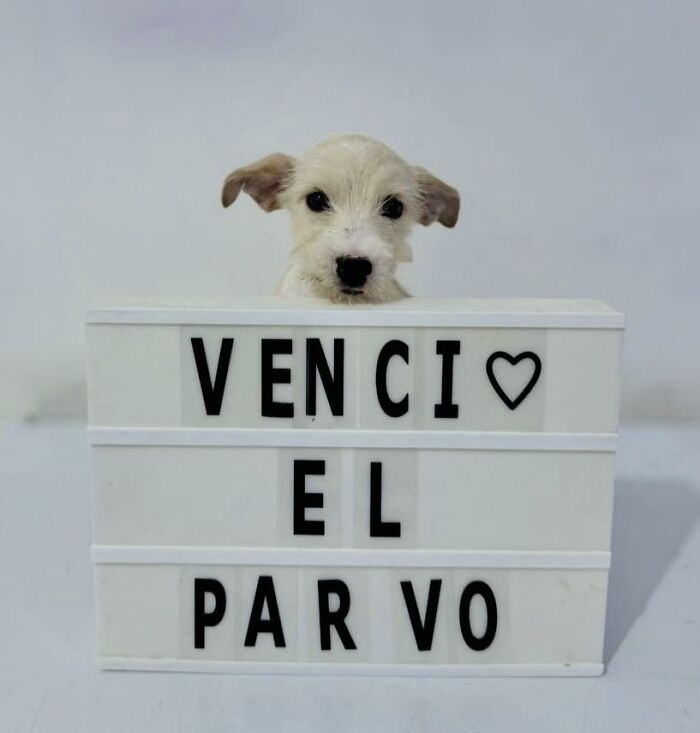
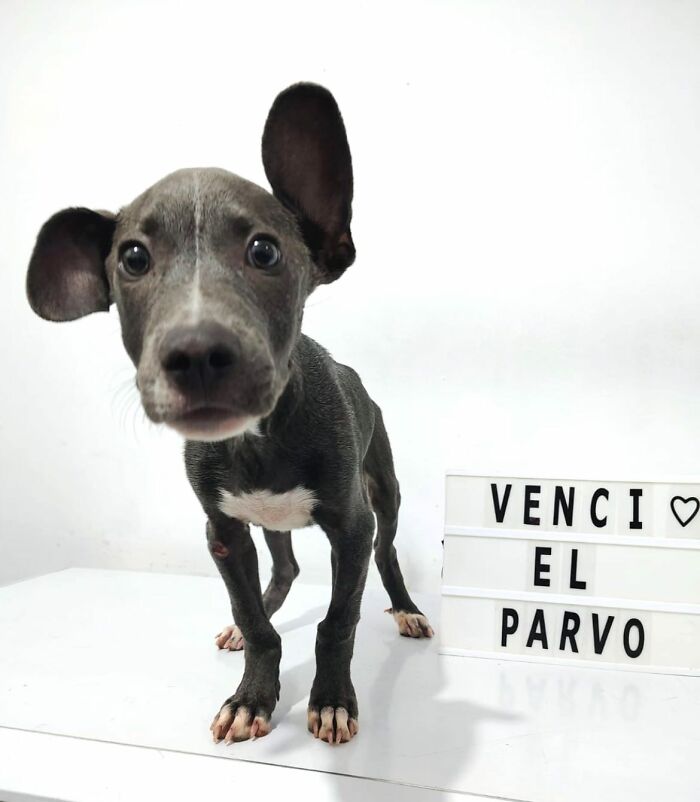
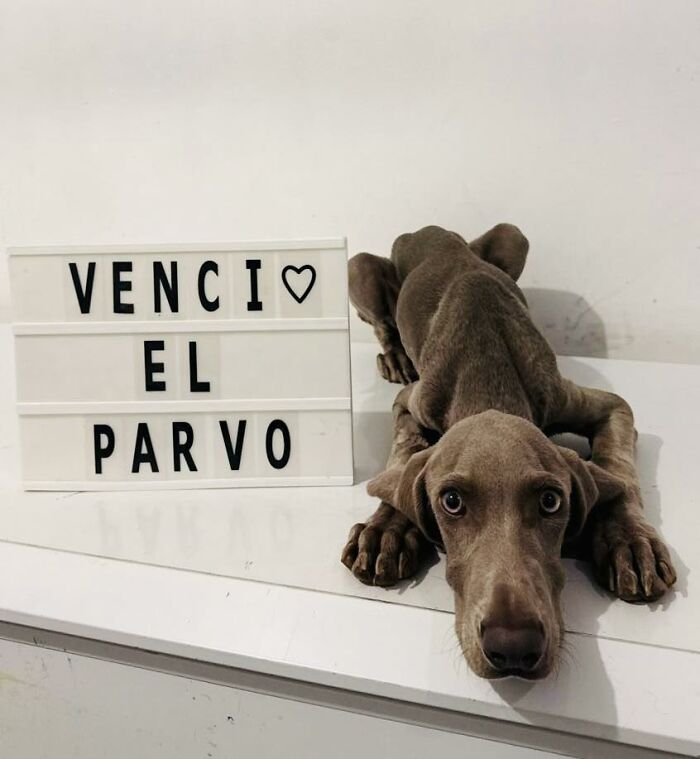
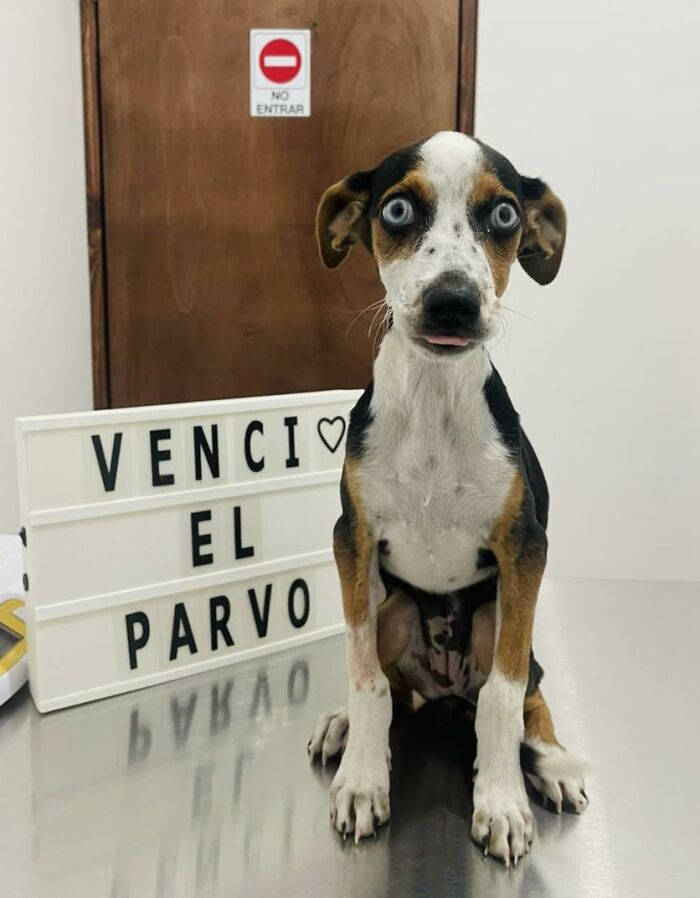
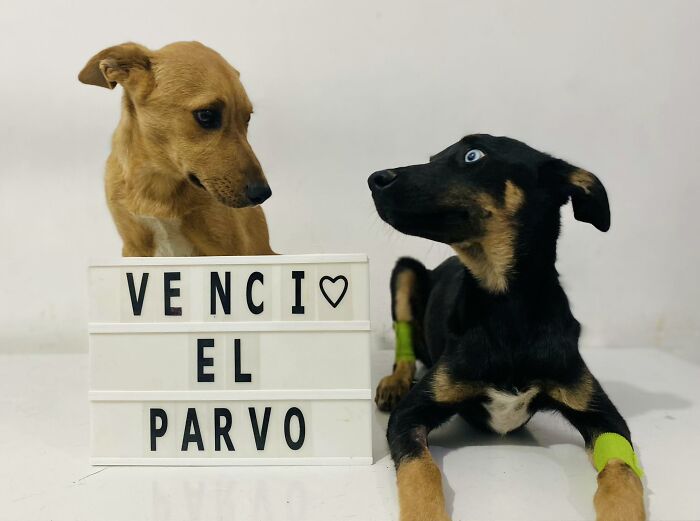
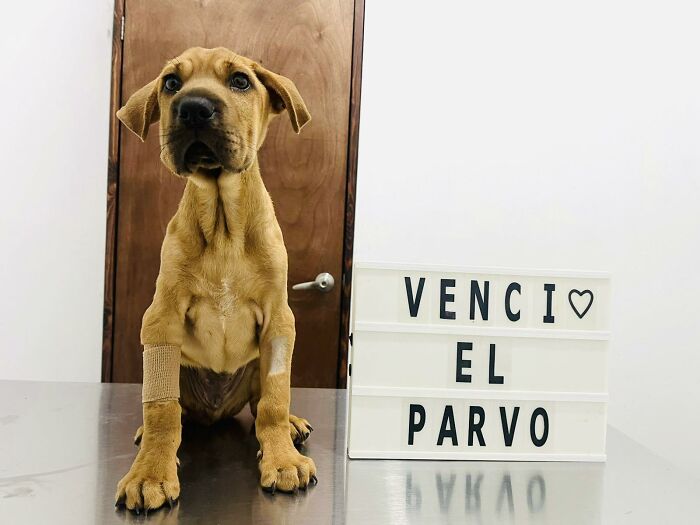
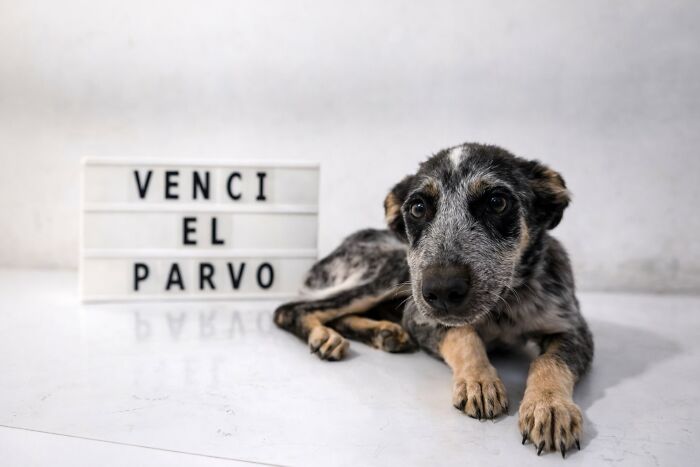
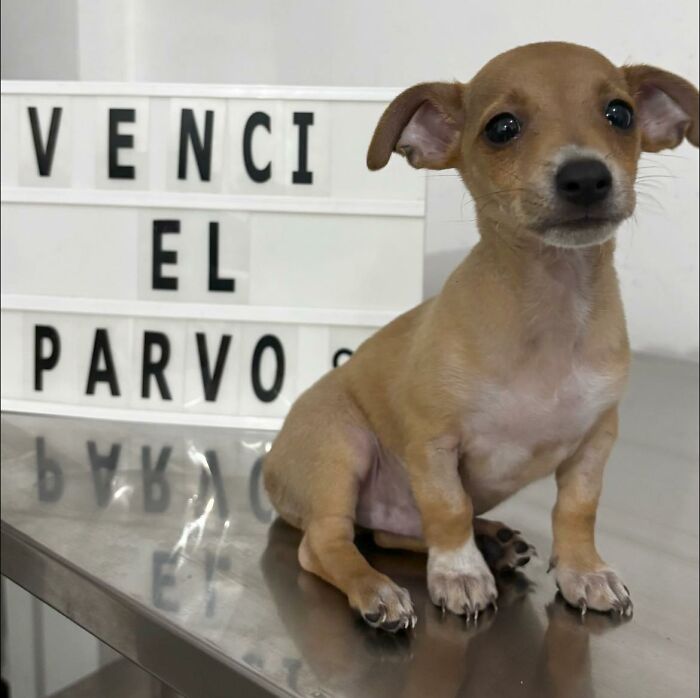
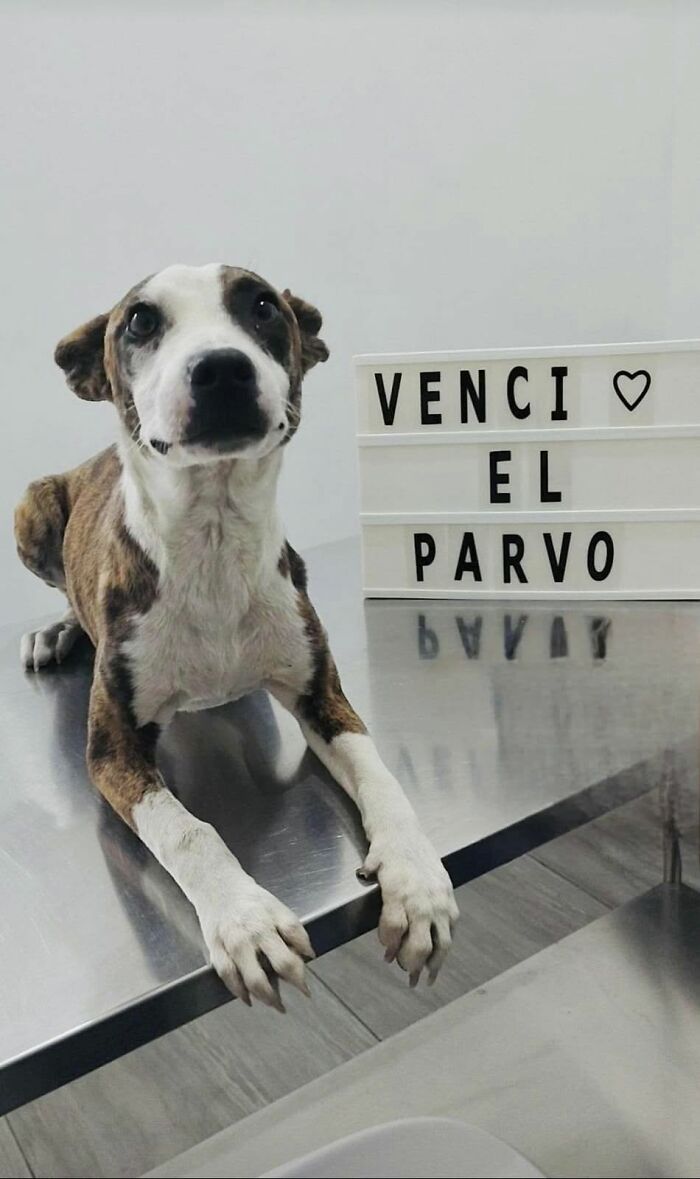
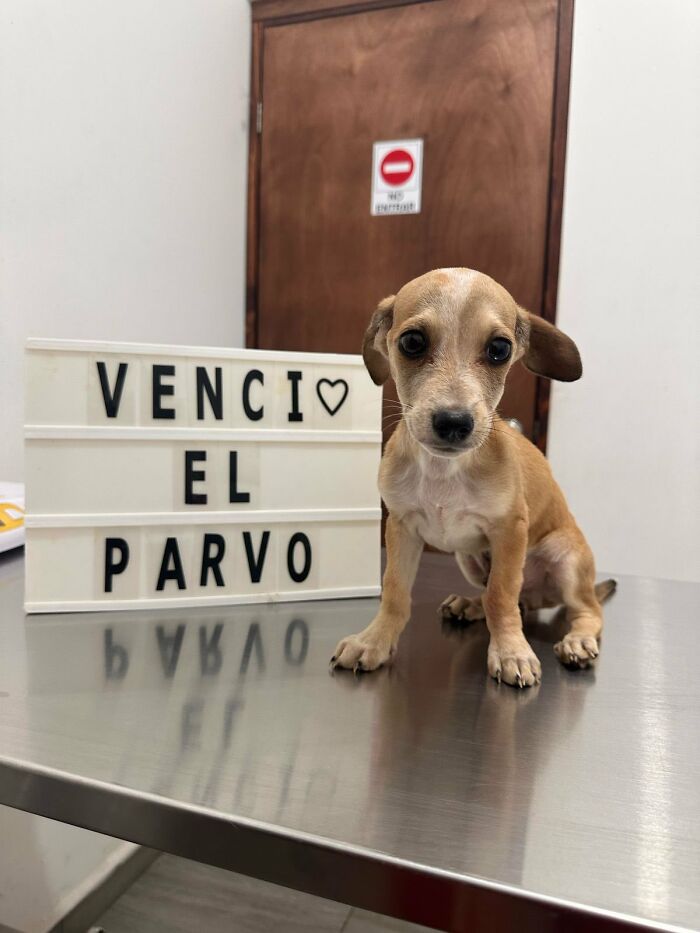
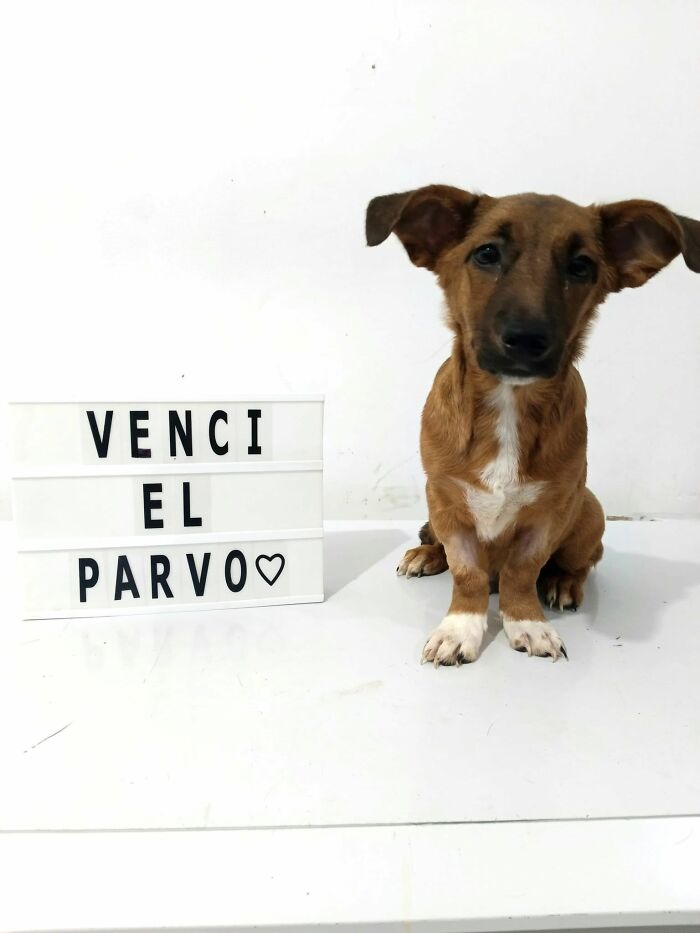
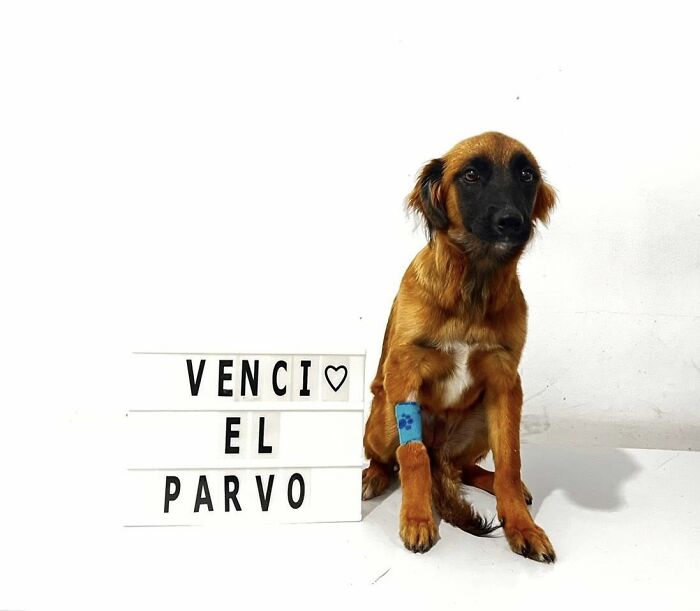
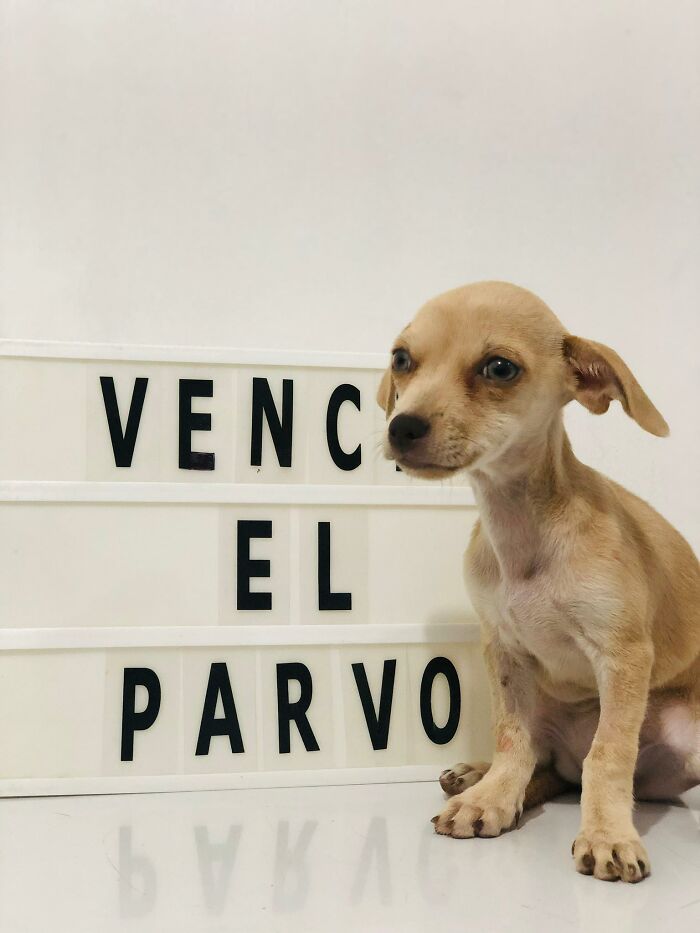
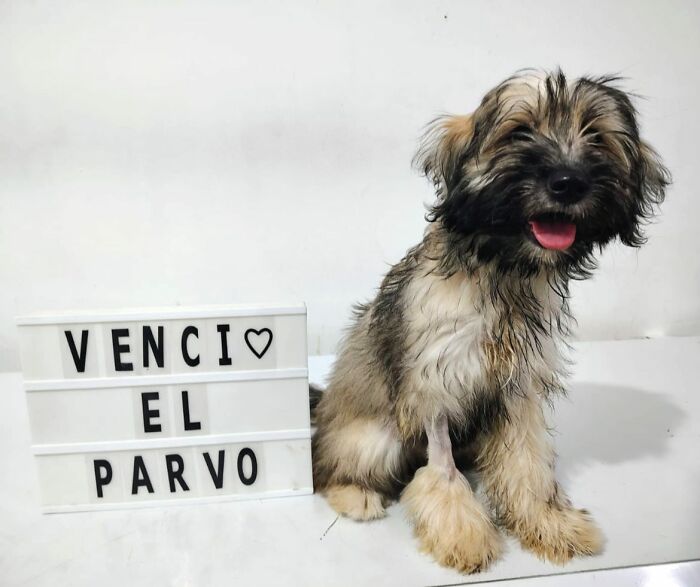
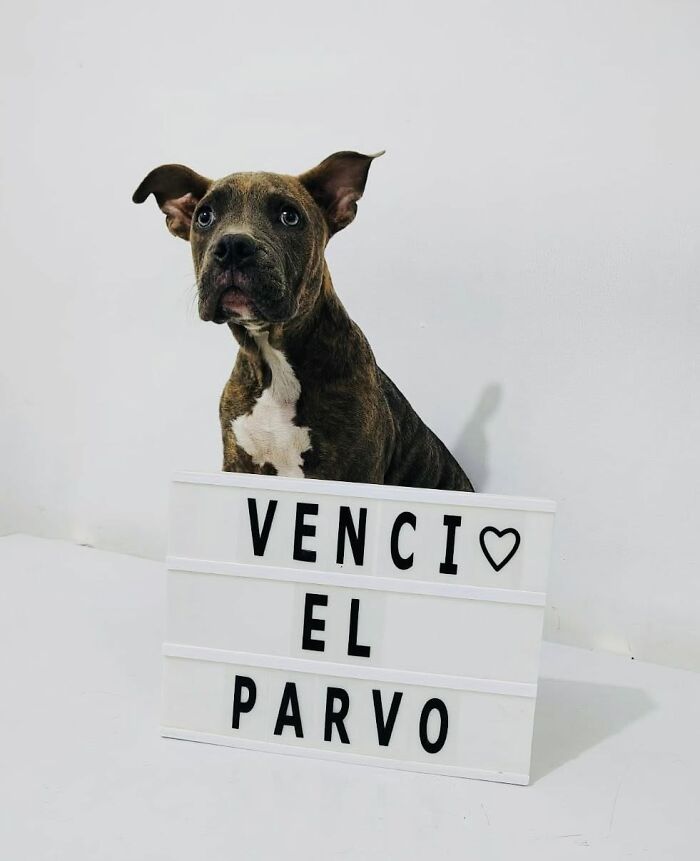
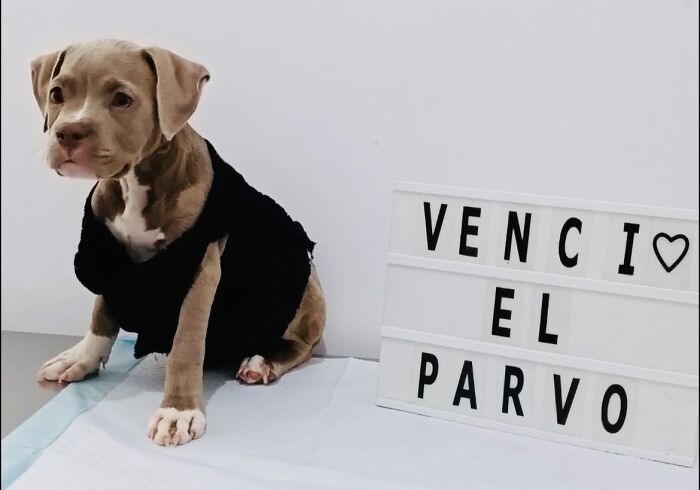
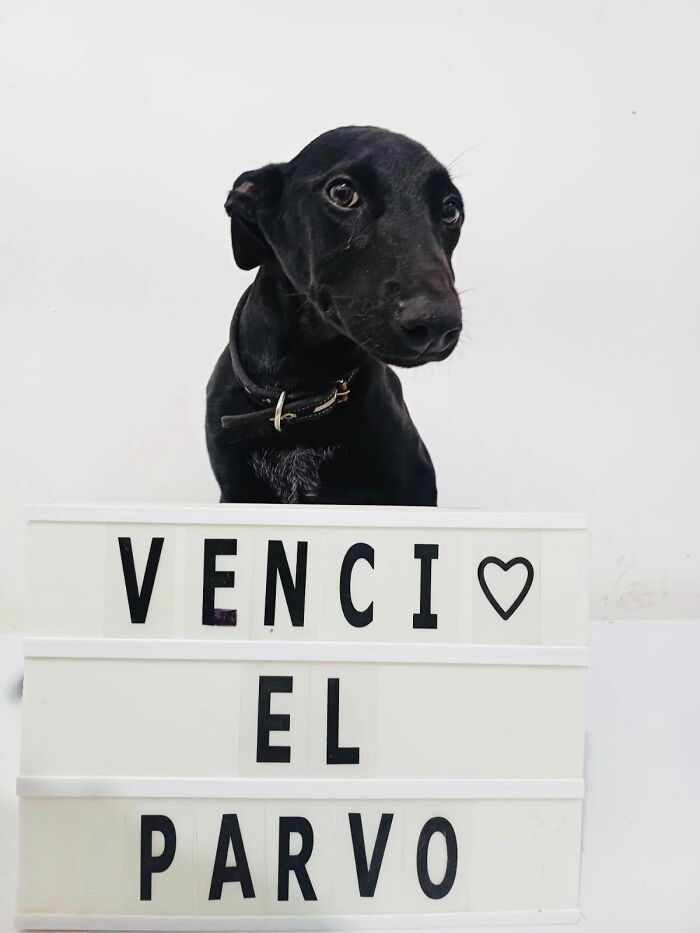
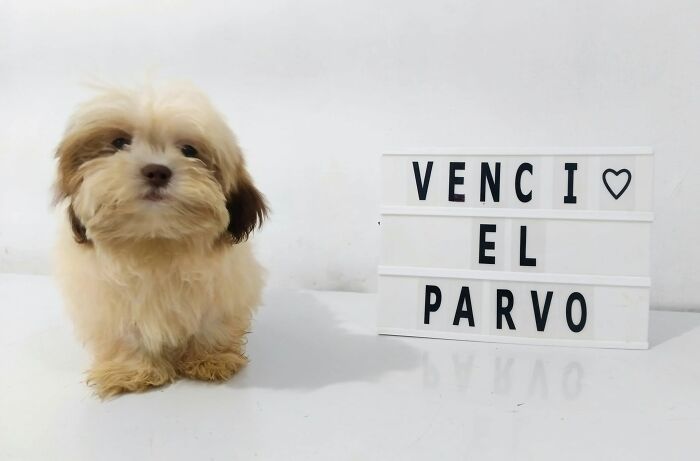
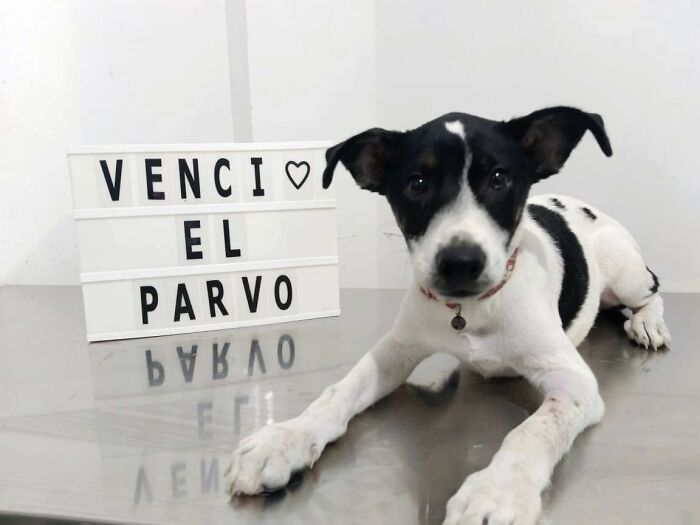
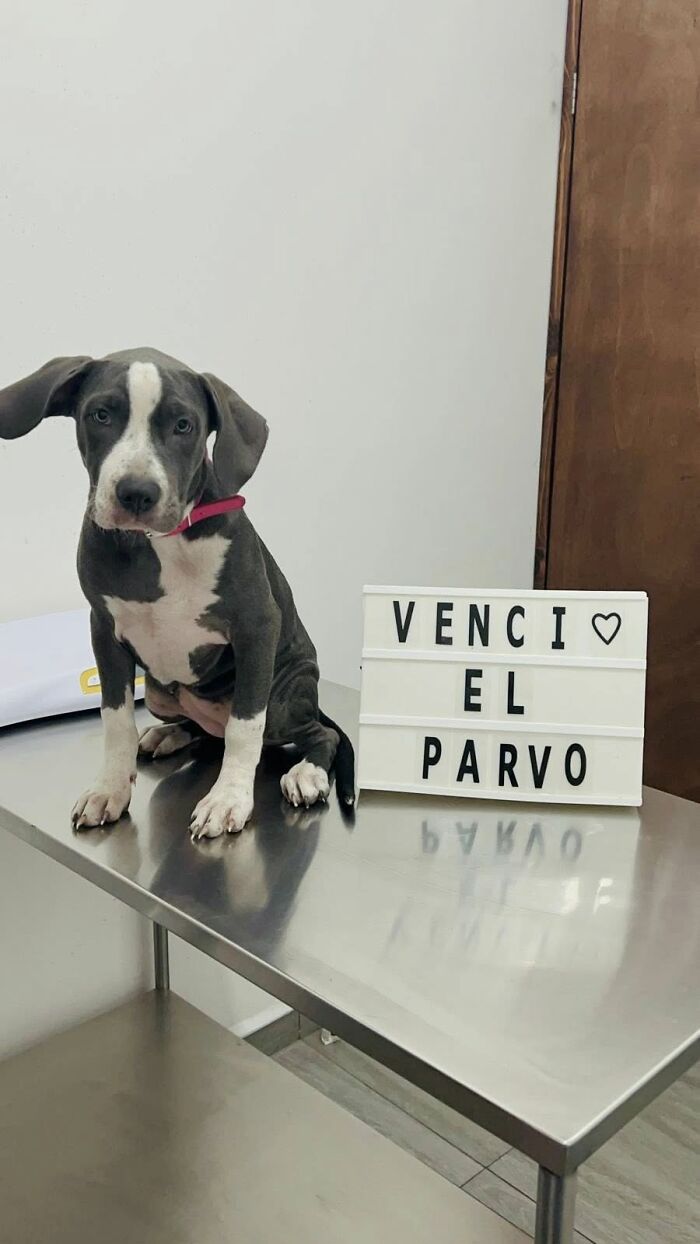
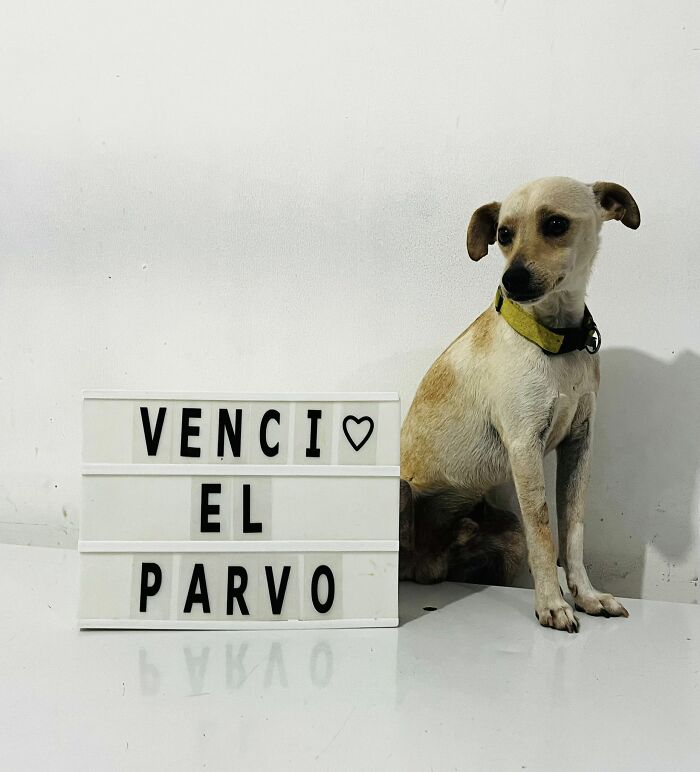
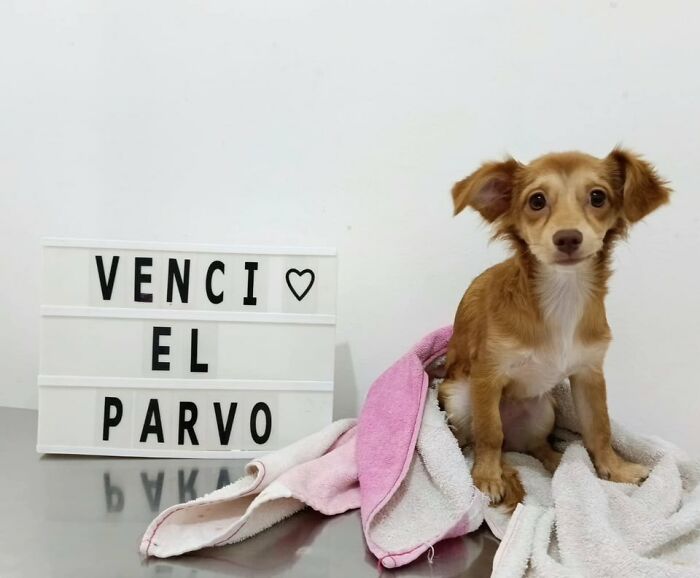
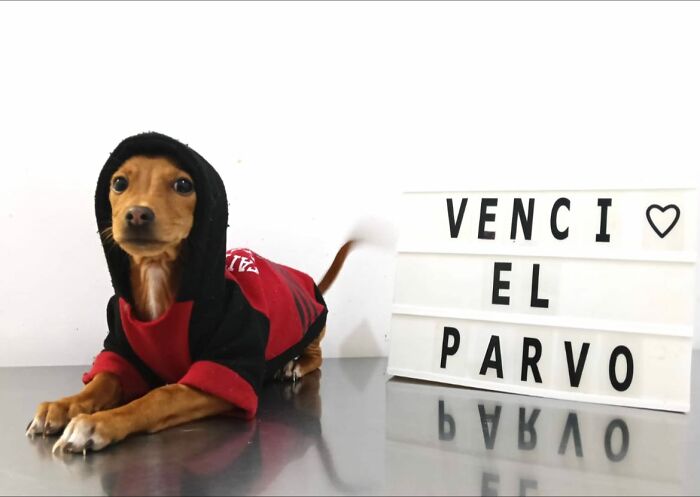
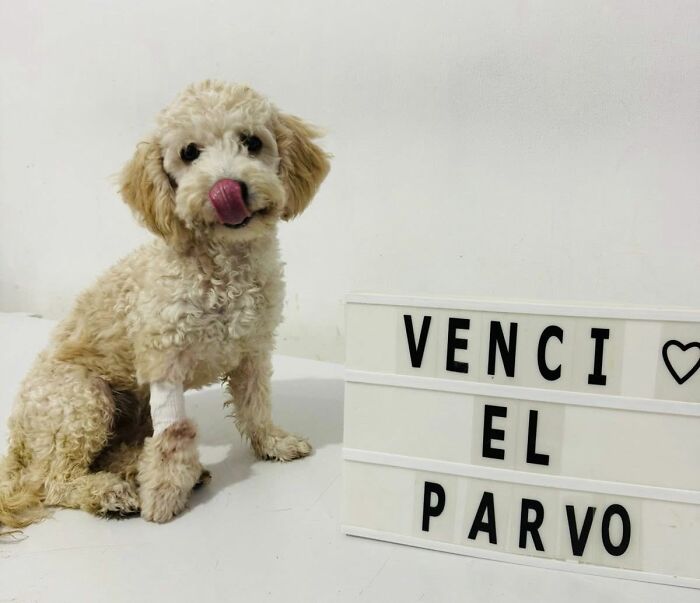
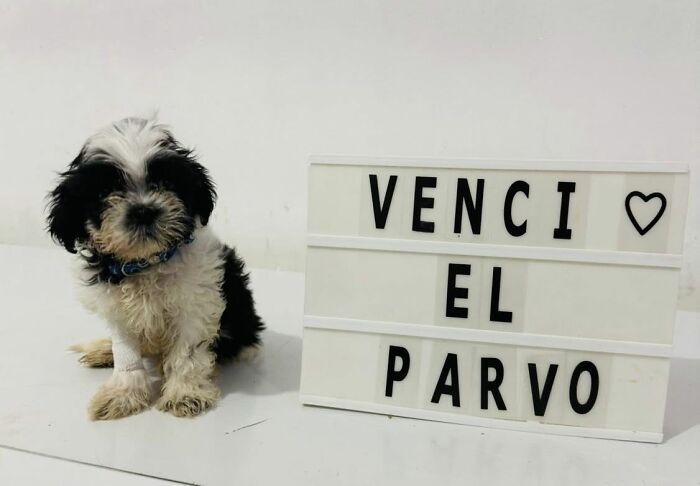
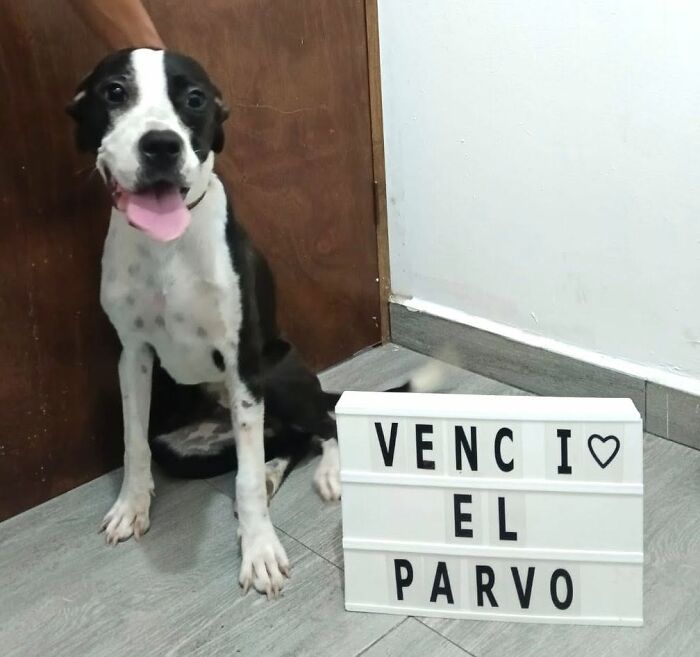
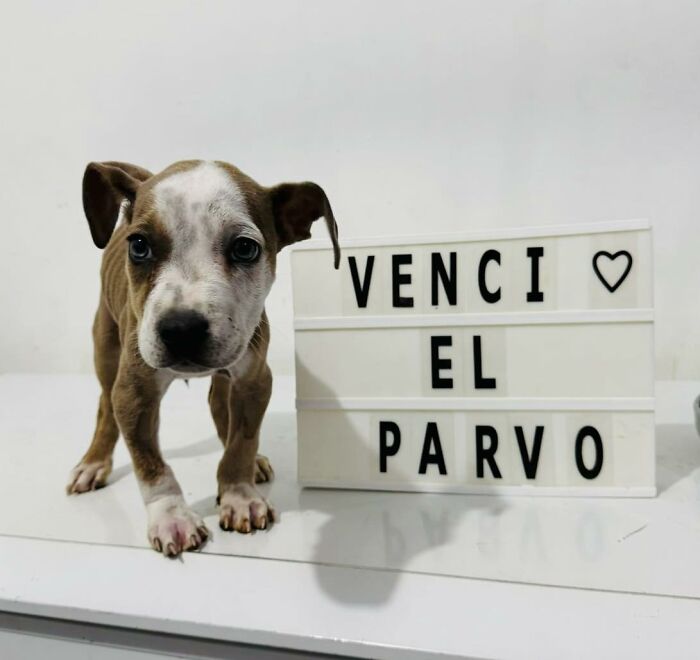
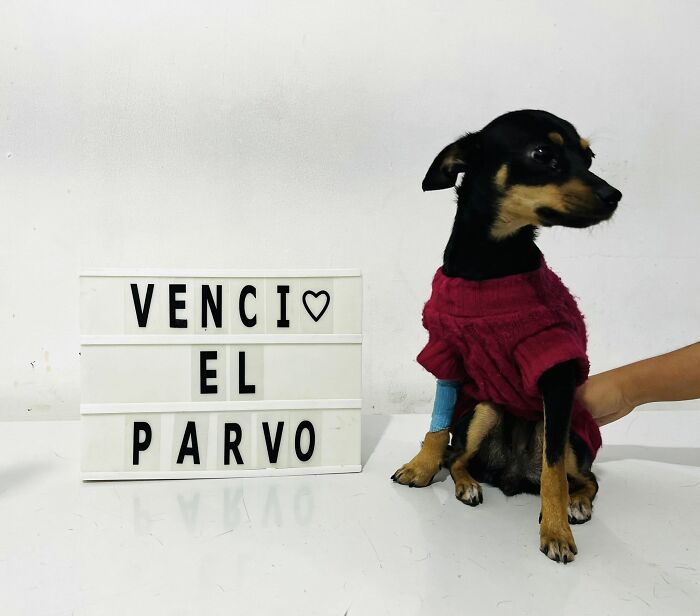
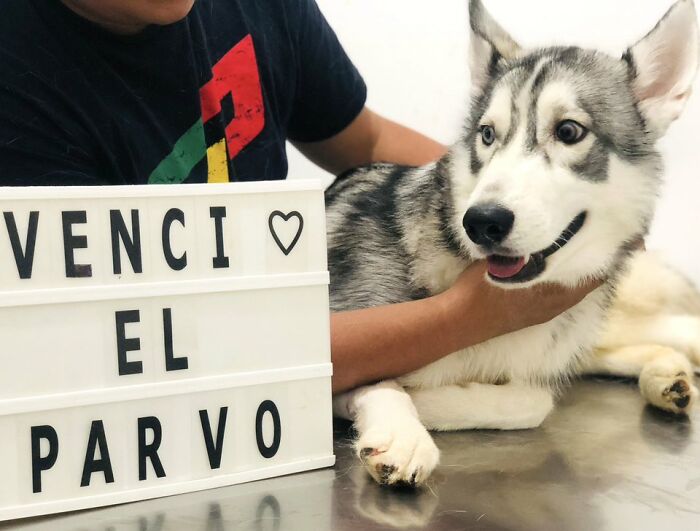
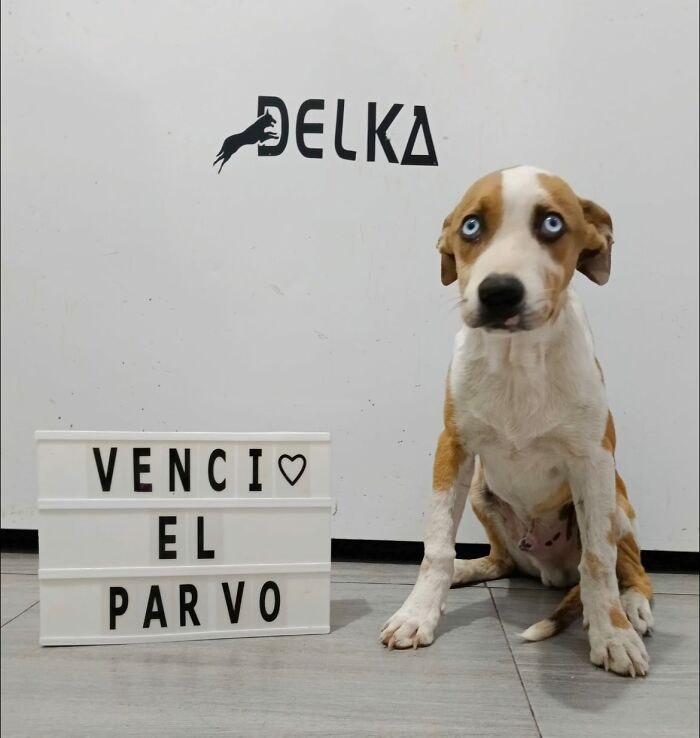
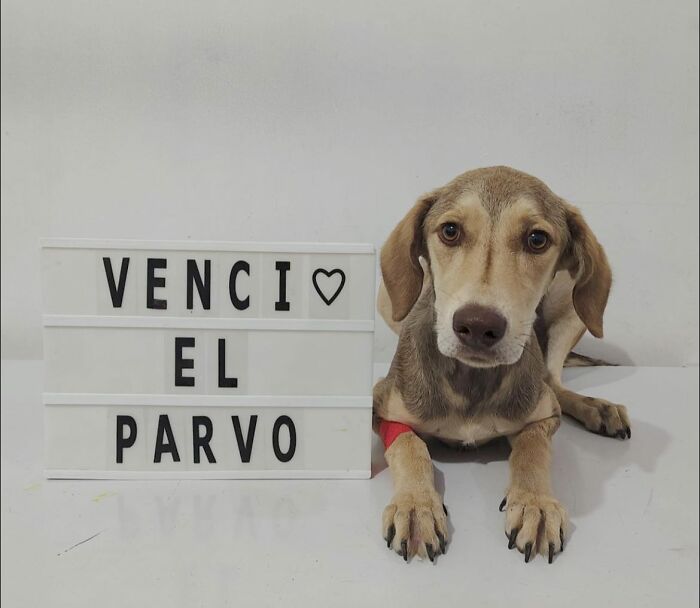
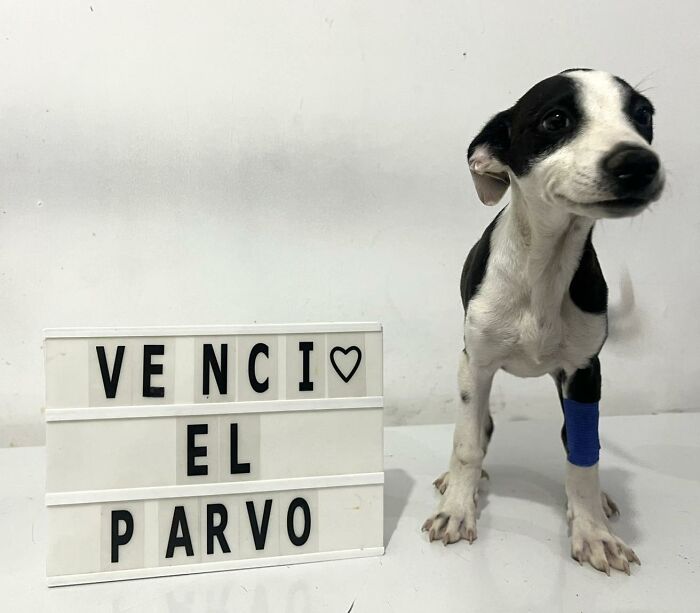
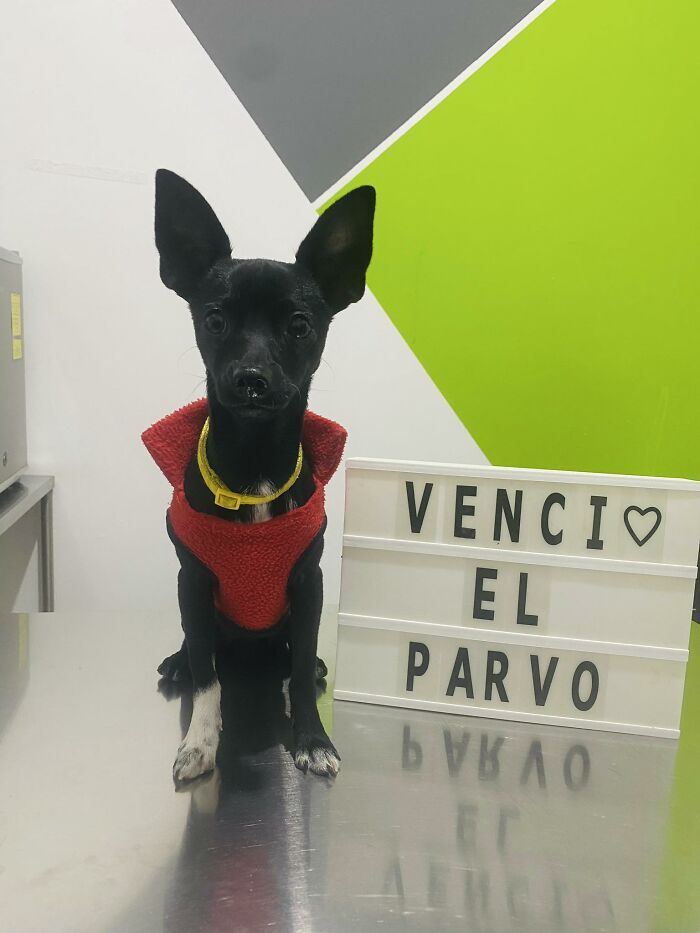
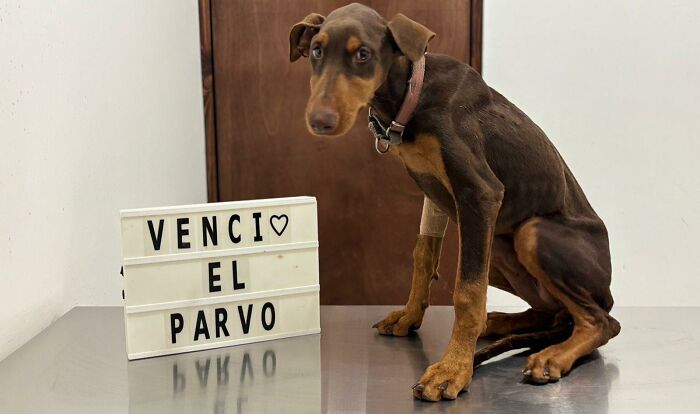
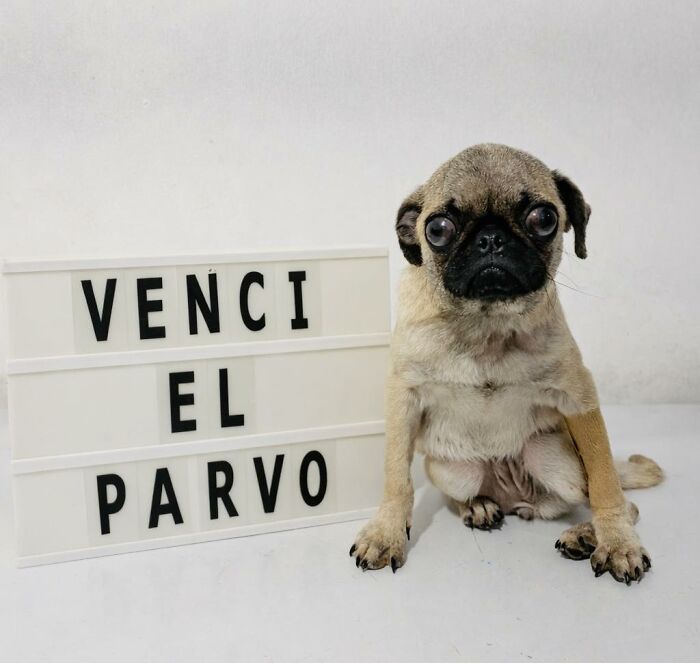
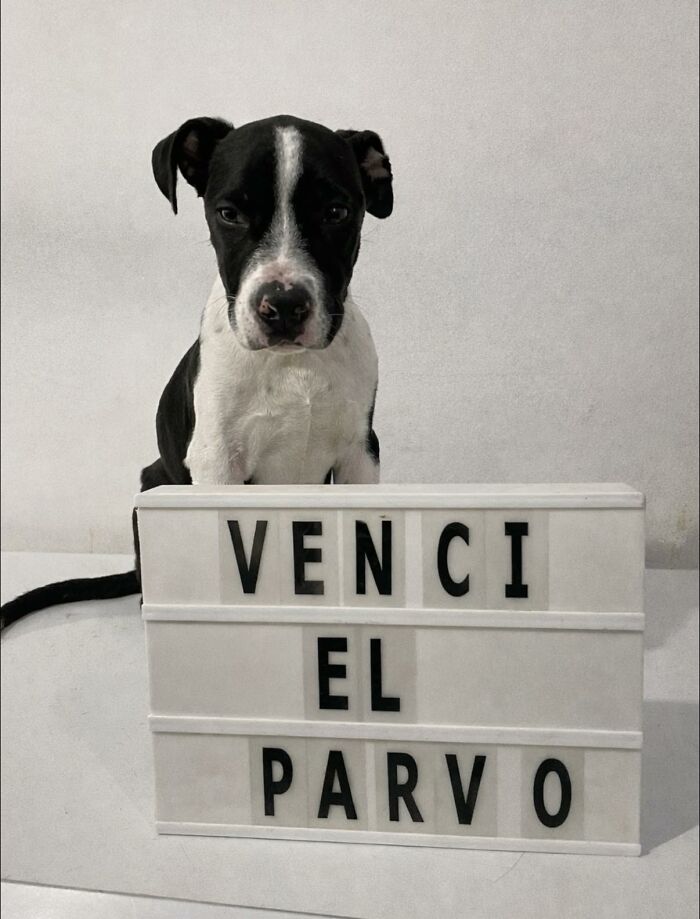
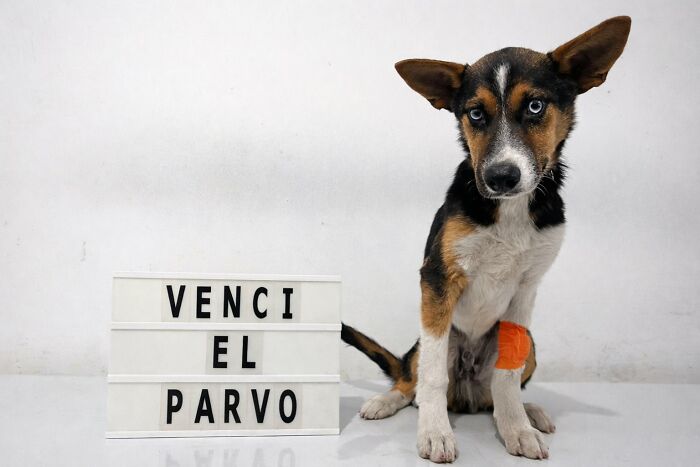
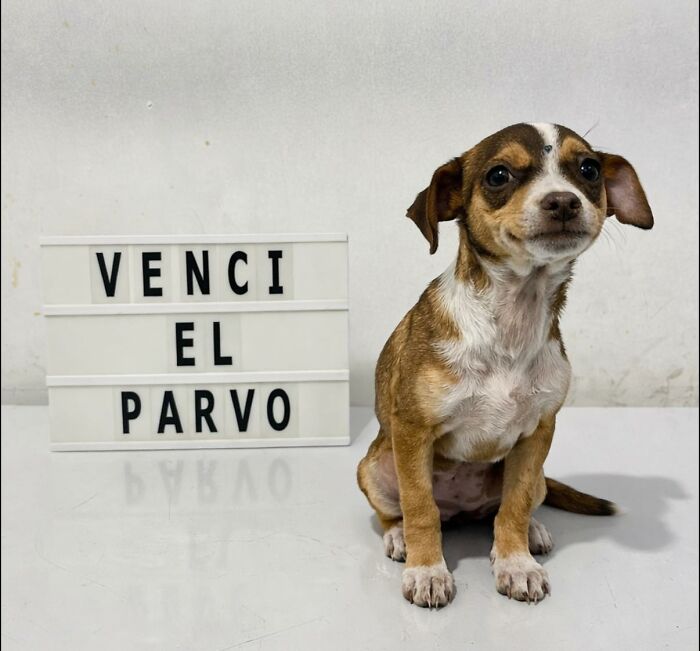
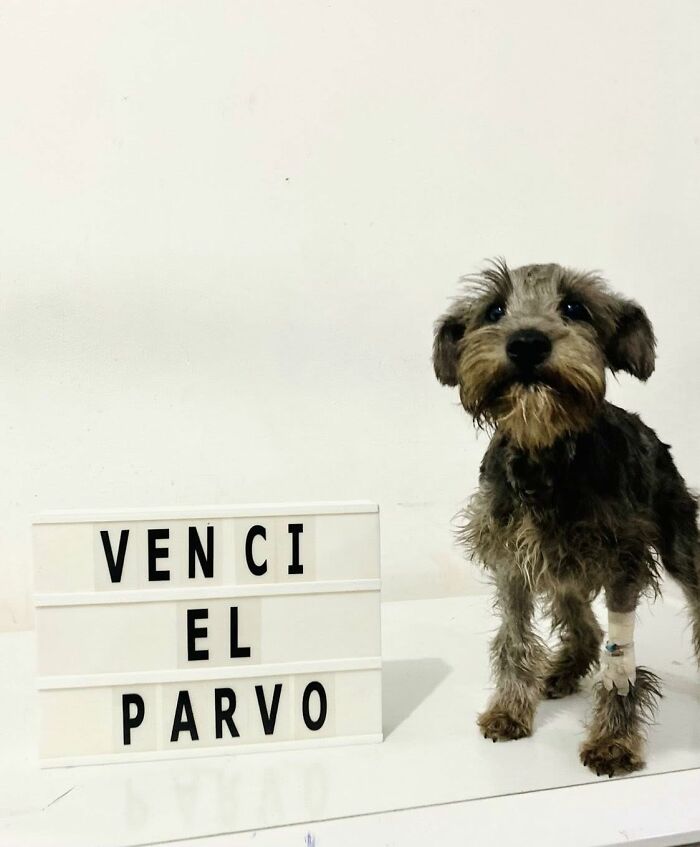
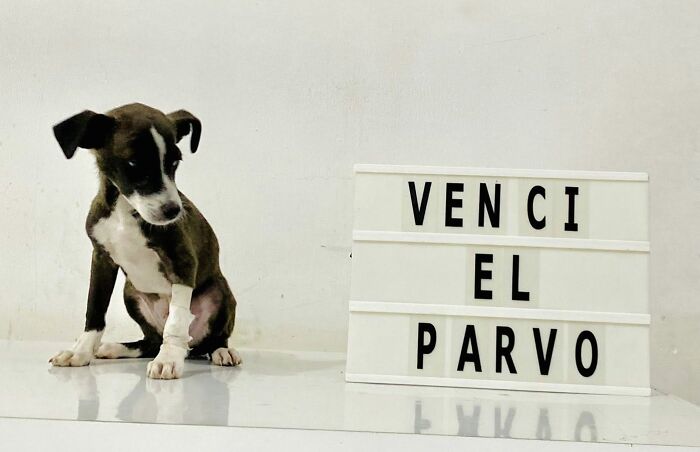
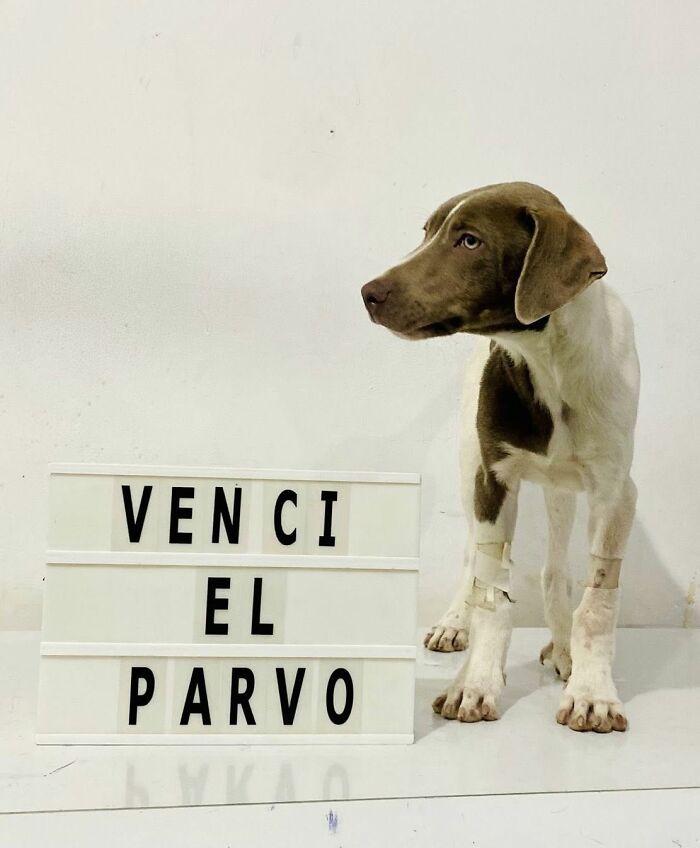
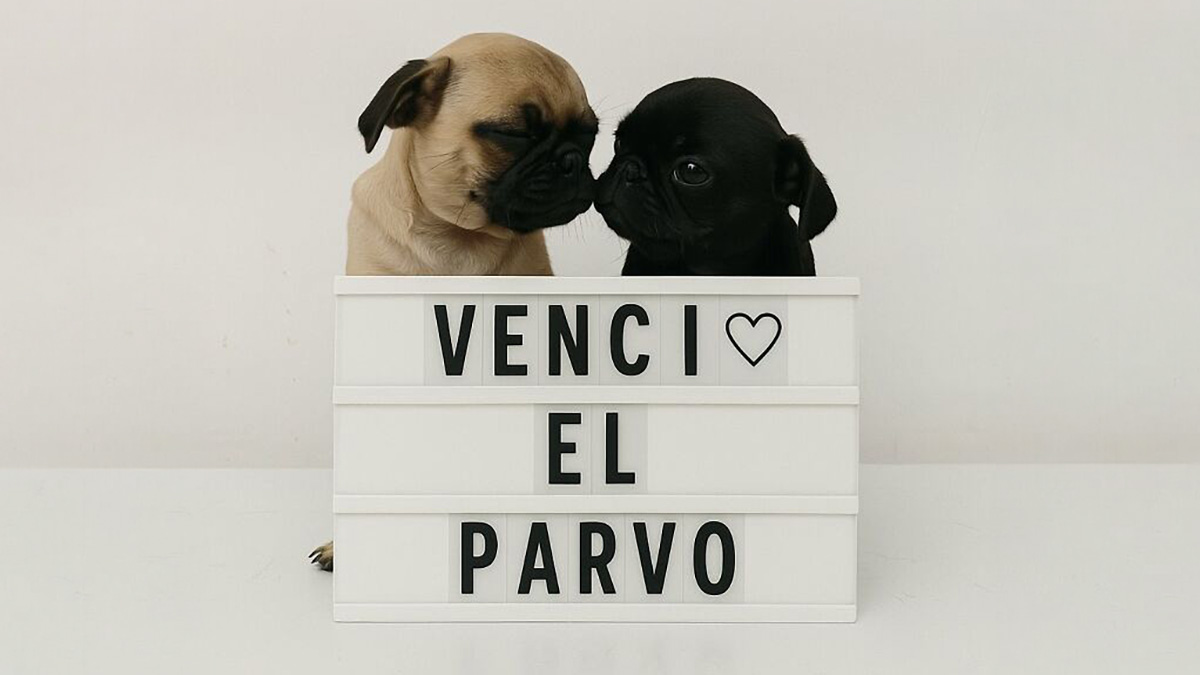
This series brings together 50 puppies who faced one of the most serious illnesses a young dog can encounter, canine parvovirus, and made it through, many of them with the care of the veterinary team at DELKA Hospital Veterinario in García, Mexico. Each one stands in front of the camera with a simple message: “I beat parvo.” But behind those words is a story that’s anything but simple.
More info: Facebook
This post may include affiliate links.
Parvovirus is known for how quickly it takes hold. It spreads easily, especially among young dogs, and once it hits, it doesn’t leave much time to react.
“Parvovirus is a highly contagious viral disease that mainly affects puppies under one year of age,” the veterinary team at DELKA Hospital Veterinario explained in the interview with Bored Panda. “It attacks the intestinal lining, causing severe internal damage along with intense pain and fever.”
In many cases, a puppy’s condition can change within hours. What starts as low energy can quickly turn into severe vomiting, dehydration, and weakness—making immediate care essential.
For these puppies, timing made all the difference.
“The most important factor is early diagnosis,” the veterinary team shared. “When detected in its initial stages, the chances of recovery increase significantly.”
Age and breed can also play a role, with some puppies naturally more vulnerable than others. But across every case, one thing remains constant: the sooner treatment begins, the better the chances.
Treating parvovirus isn’t simple, and it’s never passive.
“It requires constant monitoring of pain levels, hydration, glucose, and body temperature,” they explained. “It’s a full-time, intensive care process.”
Many of these puppies were treated at DELKA Hospital Veterinario in García, Mexico, where teams handle some of the most challenging cases daily. The work goes far beyond routine care; it’s a combination of precision, patience, and deep dedication.
What makes this series so striking isn’t just the before-and-after—it’s the after itself.
Each puppy is photographed with the now-recognizable sign: “I Beat Parvo.” It’s a simple gesture, but it carries weight.
“Each of our patients is special to us,” the veterinarians said. “That’s why we decided to take a photo of every recovered puppy… as a way to honor their courage.”
These aren’t just portraits. They’re quiet markers of resilience, moments that could have been missed.
One of the hardest things about parvo is how unpredictable it can be.
Vaccination remains the most effective protection, even though it doesn’t guarantee complete immunity. What it does do is reduce how severe the illness becomes, and that can change everything.
“Vaccination is the best form of prevention,” the team emphasized. “It significantly reduces the severity of the virus, greatly increasing the chances of recovery.”
This isn’t just a collection of recovery stories; it’s something many pet owners have experienced firsthand.
I went through this myself with my dog, Oreo. Even with all his vaccines up to date, he caught parvo at just one year old. The change was sudden. He became seriously ill very quickly, and it was one of the most frightening moments I’ve experienced.
If I hadn’t taken him to the veterinarian in time, things could have turned out very differently.
It’s easy to look at puppies and think of something light and playful. But this series reveals something much deeper—strength, care, and the kind of resilience that often goes unseen.
Each photo carries a story of long nights, constant attention, and people who refused to give up. And at the center of it all, a puppy who made it through. Quiet moments, but deeply powerful ones.

There might be worse things a puppy could live through, but other than being hit or run over by a car or severely ravaged by a larger dog I don't know what those things would be. I have a close friend who is a veterinarian, and I have helped her tend to several parvo pups. I have never seen any dog suffer through a worse disease. Not all of them were brought to her in time, and their lives ended horribly. The ones who -- with care -- survived lived through hell, but are all doing fine now. If you do nothing else for a new pup, vaccinate it against parvovirus. (And distemper.) If any anti-vaxxers care to chime in about this, just imagine what the middle fingers of both of my hands are doing while you're typing.
There might be worse things a puppy could live through, but other than being hit or run over by a car or severely ravaged by a larger dog I don't know what those things would be. I have a close friend who is a veterinarian, and I have helped her tend to several parvo pups. I have never seen any dog suffer through a worse disease. Not all of them were brought to her in time, and their lives ended horribly. The ones who -- with care -- survived lived through hell, but are all doing fine now. If you do nothing else for a new pup, vaccinate it against parvovirus. (And distemper.) If any anti-vaxxers care to chime in about this, just imagine what the middle fingers of both of my hands are doing while you're typing.
























 No fees, cancel anytime