Get Premium
Dark mode theme is available exclusively for premium users. Learn more about the benefits of subscribing.
No fees, cancel anytime.

 Dark Mode Ad-Free Browsing Unlimited Content
 Ad-Free Browsing Unlimited Content Dark Mode
Join 1.2 million Panda readers who get the best art, memes, and fun stories every week!
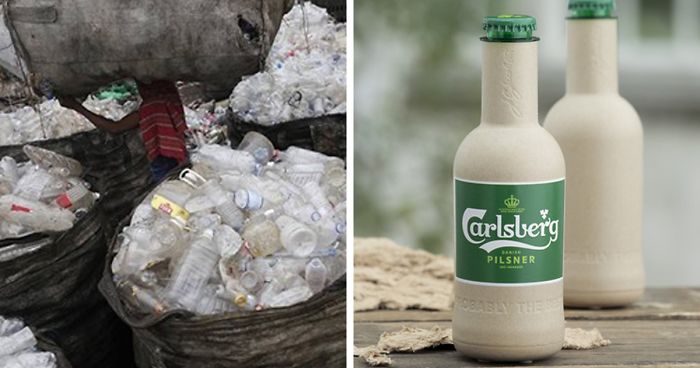
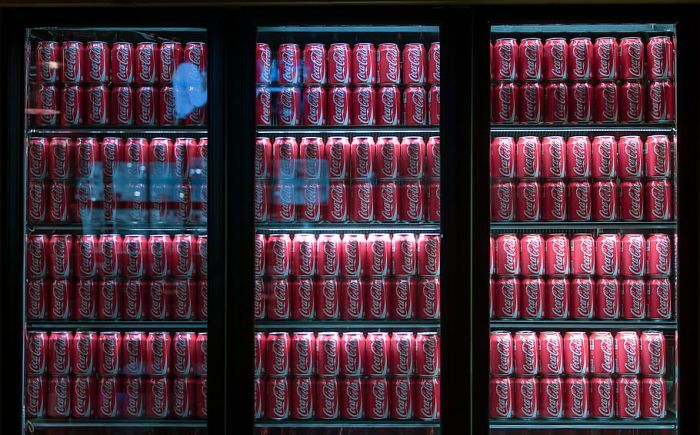
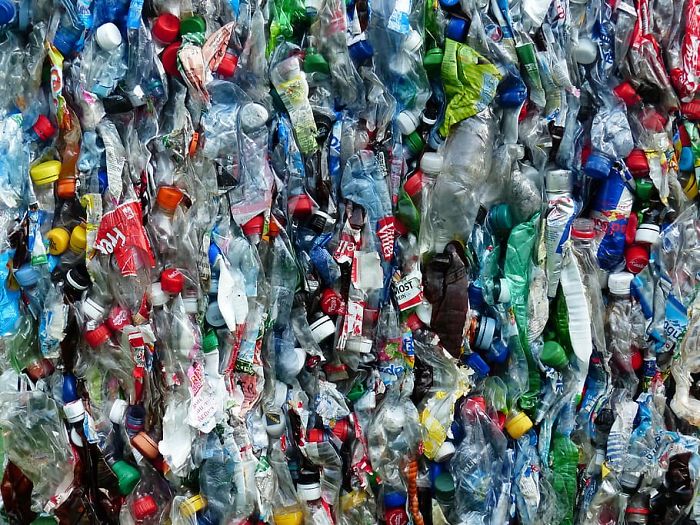
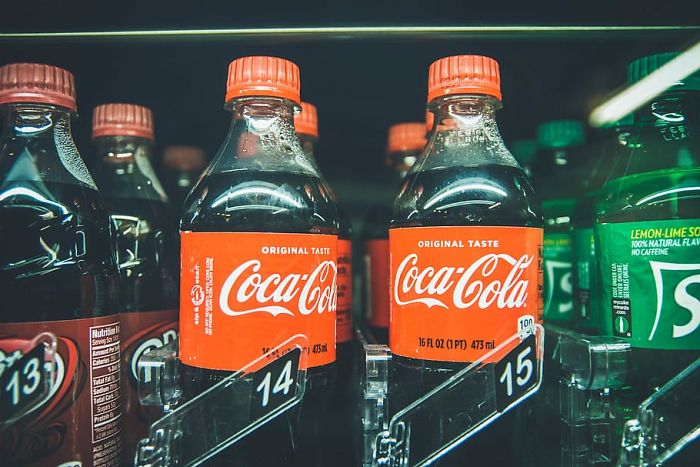
Disposal of plastic bottles is a huge contributor to the global climate crisis. In a world that is currently making 300 million tons of plastic from fossil fuels annually, we are desperate to have alternatives, and the Dutch company Avantium might have a solution for us. With the backing of major companies such as Coca-Cola, Carlsberg, and Danone, it is developing a plant-based plastic that could replace the plastic used in the food supply chain.
More info: Avantium
Image credits: piqsels
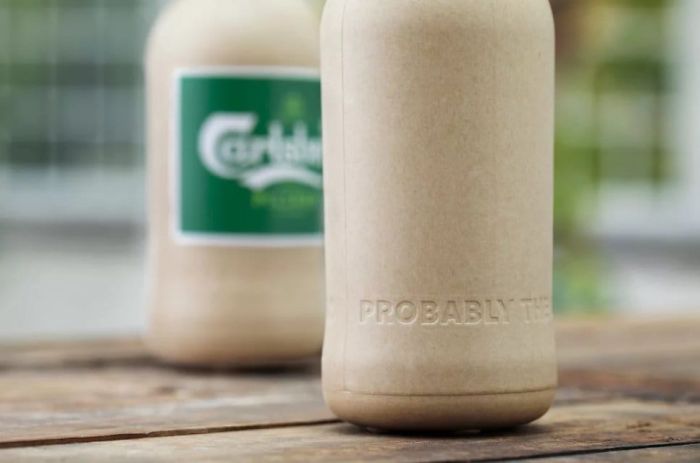
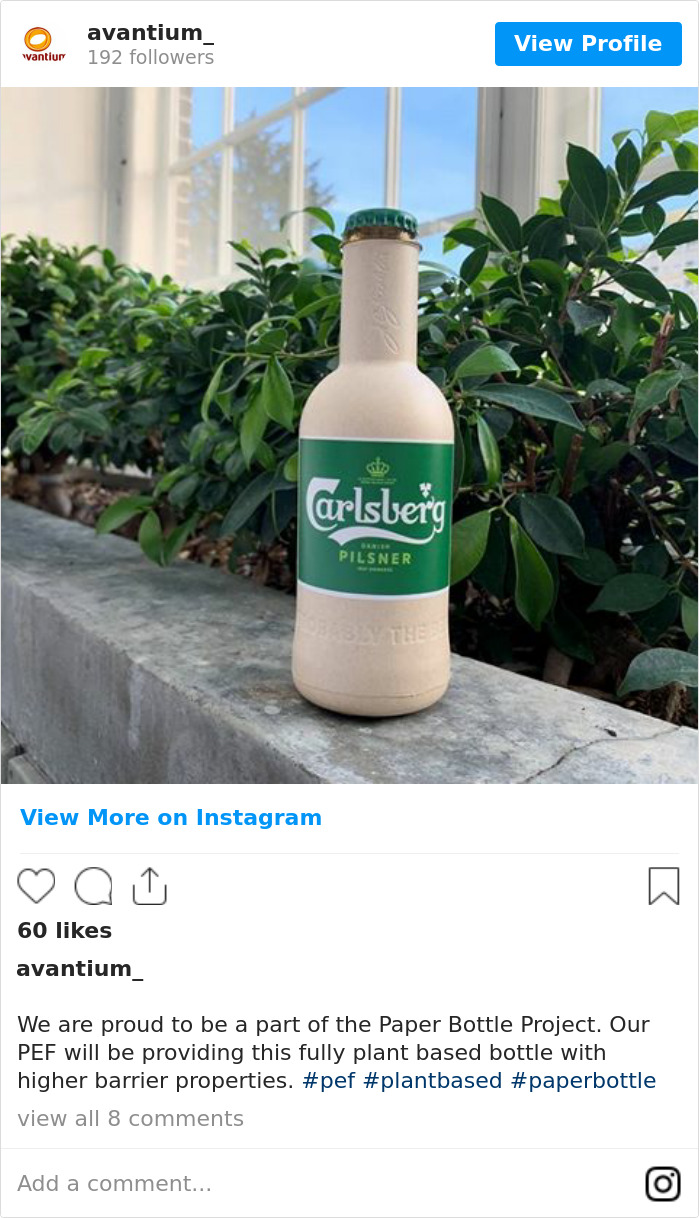
The Dutch company Avantium seeks to reduce the market’s reliance on fossil fuels by developing fully plant-based plastic. The new plastic-like material it has developed is made from corn, wheat, and beet sugars.
Image credits: carlsberg
“This plastic has very attractive sustainability credentials because it uses no fossil fuels and can be recycled—but would also degrade in nature much faster than normal plastics do,” Avantium’s chief executive, Tom Van Aken, said to The Guardian.
Image credits: Marco Verch
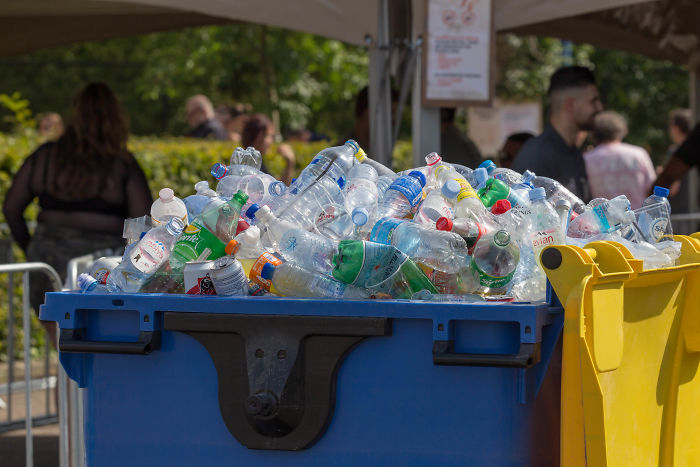
That could make a major change in the world since plastic pollution is a major issue nowadays and it keeps growing. Plastic bottles and pieces of microplastic can be found on every single beach in the world and are affecting sea life.
Image credits: avantium_
Back in 1950, a global population of 2.5 billion produced approximately 1.5 million tons of plastic. However, by 2016, a population of more than seven billion produced more than 320 million tons of plastic. This figure is expected keep growing and double by 2034. Therefore, any effort to reduce plastic production is vital.
Myriam Shingleton, Carlsberg’s vice president of group development, stated that the company aims to innovate all of its packaging formats: ”We are pleased with the progress we’ve made on the Green Fiber Bottle so far. While we are not completely there yet, the two prototypes are an important step towards realizing our ultimate ambition of bringing this breakthrough to market.”
“Innovation takes time and we will continue to collaborate with leading experts in order to overcome remaining technical challenges, just as we did with our plastic-reducing Snap Pack,” she continued.
Image credits: paperflare
65Kviews
Share on Facebook

Here's hoping this works well, BUT an important quibble: there will still be complex chains of serious ecological impacts. For starters, this new material can't really involve no use of fossil fuels if it's made from crops like corn, wheat and beets. Those crops, to be grown and harvested at scale, already consume billions of gallons of oil, and billions of gallons of water. If many farms of the near future would have to grow even more of those crops for this, (plus we're still using a lot of farming to also feed people) that may mean even more farming needs to be done. How will more farming get done in the places w/ very fertile land, like Brazil? Maybe by Brazilians cutting down more of their rainforests so that the land can grow crops. (See 'Asian Palm Oil' plantations if you want to face palm over this sort of thing). So, big improvements to the status quo are possible, but we need to think carefully about tradeoffs and each step that would be involved in the proposed changes.
Thought the exact same thing - exchanging one evil for a (only possibly) lesser evil...
Load More Replies...
They decompose "under normal conditions". Landfill is not a normal condition. Things buried deep in landfills without oxygen do not decompose.


As long as it is not using plants that would otherwise be used for food, its a good step. From what I read elsewhere, it was using sugars from wheat. No idea if that is used in food production. Otherwise we have the similar issue as we did with biofuels, where its more valuable to grow those than food. Then there is the question of soil nutrition and our decreasing lack of nitrogen, plus the impact of fertilisers and pesticides.
Here's hoping this works well, BUT an important quibble: there will still be complex chains of serious ecological impacts. For starters, this new material can't really involve no use of fossil fuels if it's made from crops like corn, wheat and beets. Those crops, to be grown and harvested at scale, already consume billions of gallons of oil, and billions of gallons of water. If many farms of the near future would have to grow even more of those crops for this, (plus we're still using a lot of farming to also feed people) that may mean even more farming needs to be done. How will more farming get done in the places w/ very fertile land, like Brazil? Maybe by Brazilians cutting down more of their rainforests so that the land can grow crops. (See 'Asian Palm Oil' plantations if you want to face palm over this sort of thing). So, big improvements to the status quo are possible, but we need to think carefully about tradeoffs and each step that would be involved in the proposed changes.
Thought the exact same thing - exchanging one evil for a (only possibly) lesser evil...
Load More Replies... They decompose "under normal conditions". Landfill is not a normal condition. Things buried deep in landfills without oxygen do not decompose.
As long as it is not using plants that would otherwise be used for food, its a good step. From what I read elsewhere, it was using sugars from wheat. No idea if that is used in food production. Otherwise we have the similar issue as we did with biofuels, where its more valuable to grow those than food. Then there is the question of soil nutrition and our decreasing lack of nitrogen, plus the impact of fertilisers and pesticides.
































 No fees, cancel anytime






278
58