Get Premium
Dark mode theme is available exclusively for premium users. Learn more about the benefits of subscribing.
No fees, cancel anytime.

 Dark Mode Ad-Free Browsing Unlimited Content
 Ad-Free Browsing Unlimited Content Dark Mode
Join 1.2 million Panda readers who get the best art, memes, and fun stories every week!

Ever heard of helicopter parents, lawnmower parents, tiger parents, black hawk parents, manager parents or bulldozer parents?
While these labels describe slightly different styles, they all fall under a broader pattern of over-involved parenting. In many cases, this can become controlling — especially when parents stay heavily involved even when their children are old enough to make their own choices.
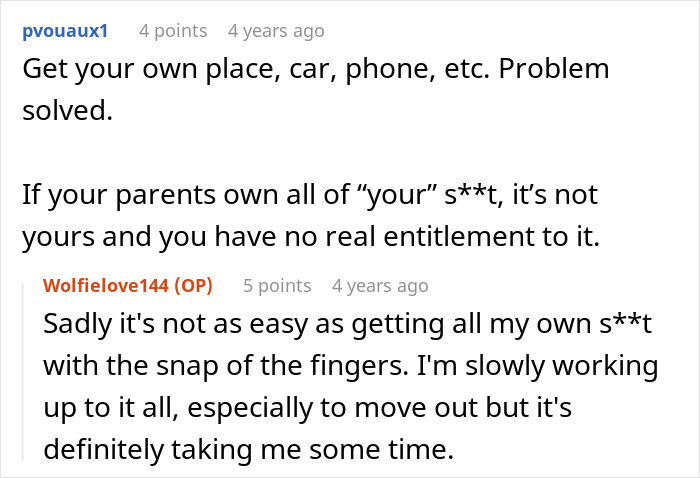
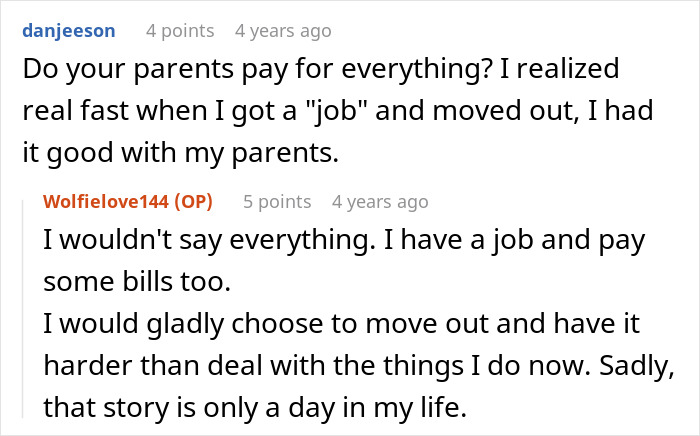
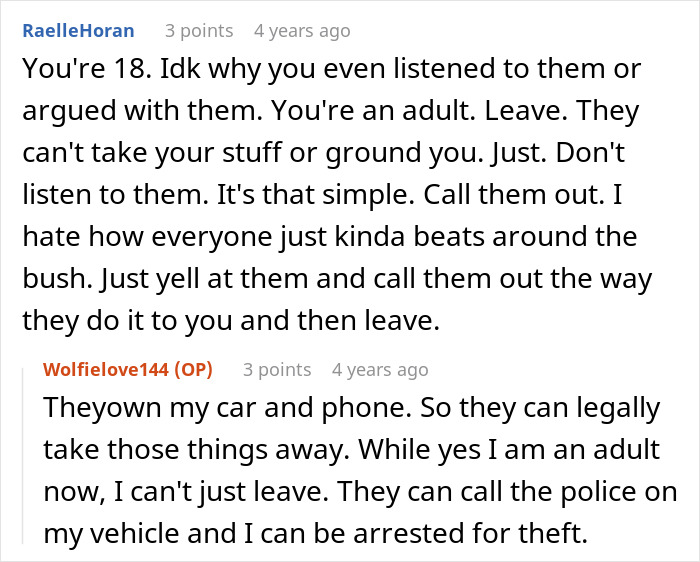
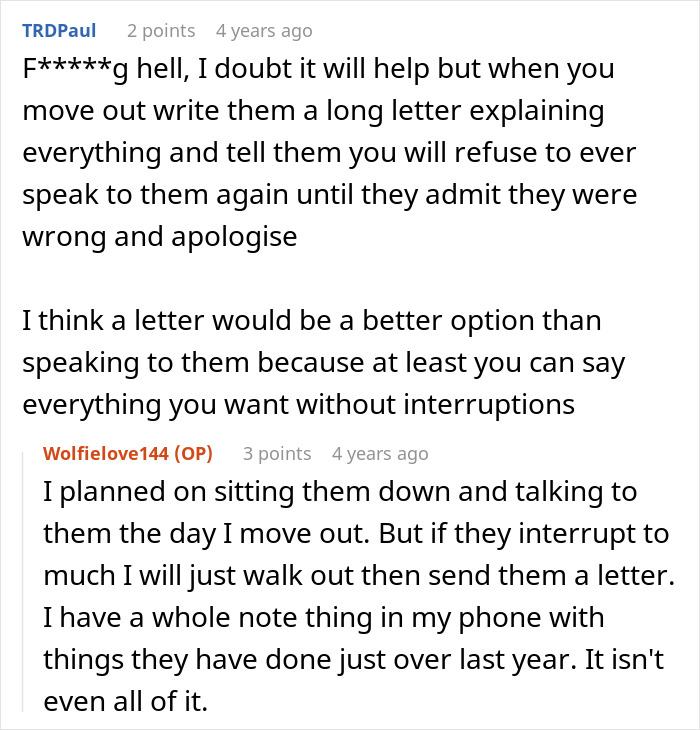
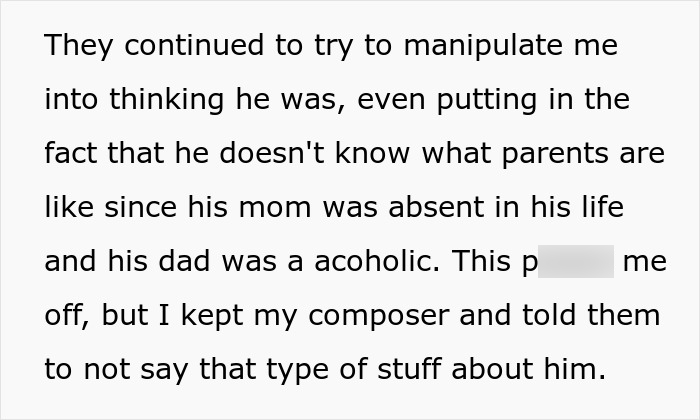
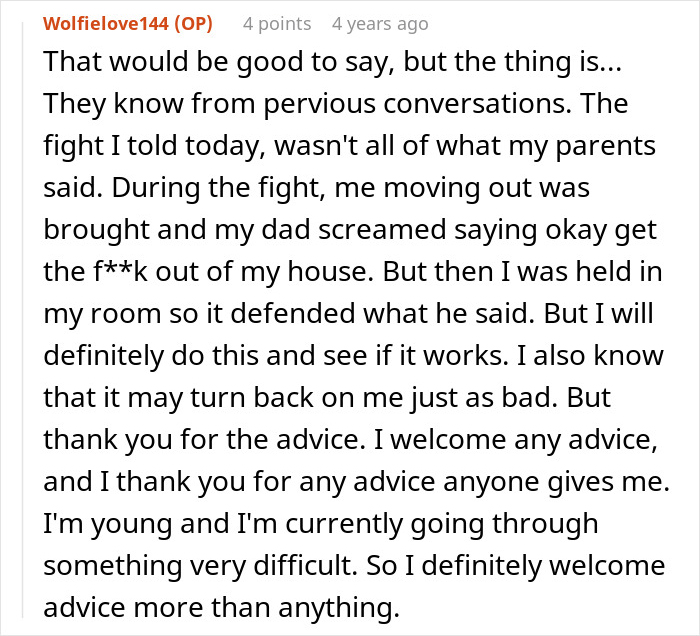
In an online post, an 18-year-old woman describes how her parents fall into the same category. When they overheard an argument she was having with her boyfriend, they tried to interfere by taking away her phone, grounding her, and preventing any sort of contact with him. All because they believed they knew what was “best” for her.
But she pushed back, and things escalated quickly.
Image credits: Pavel Danilyuk/Pexels (not the actual photo)
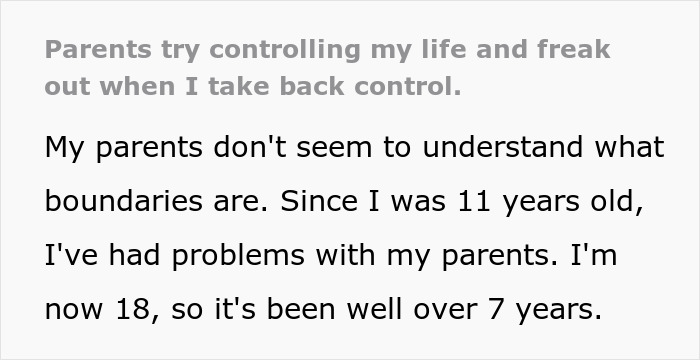
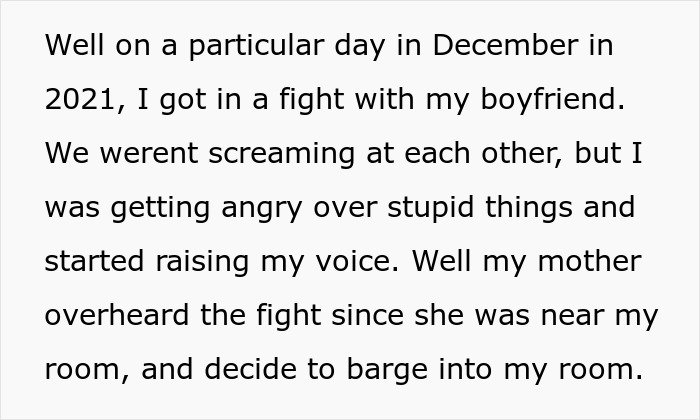
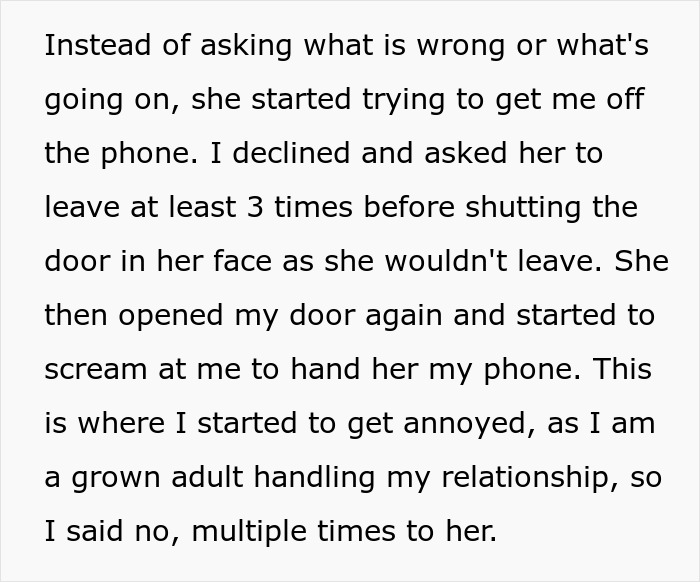
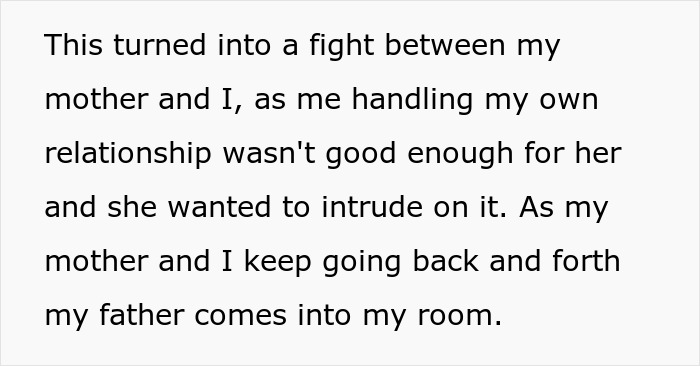
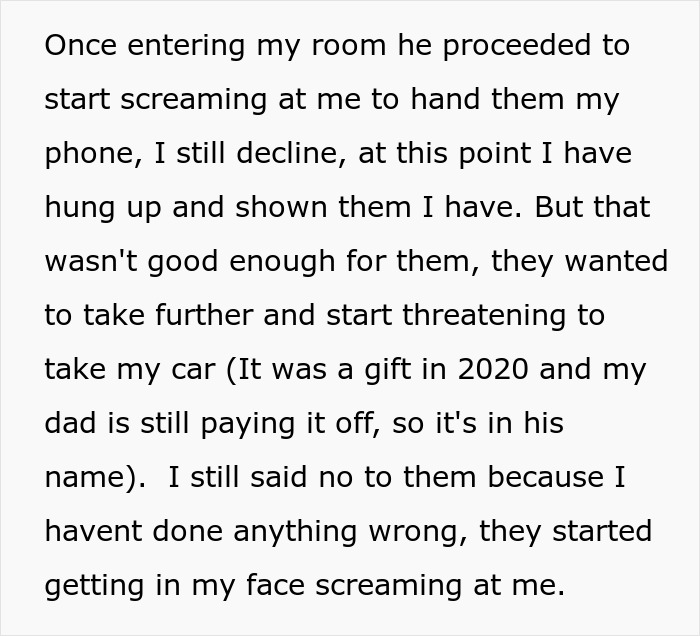
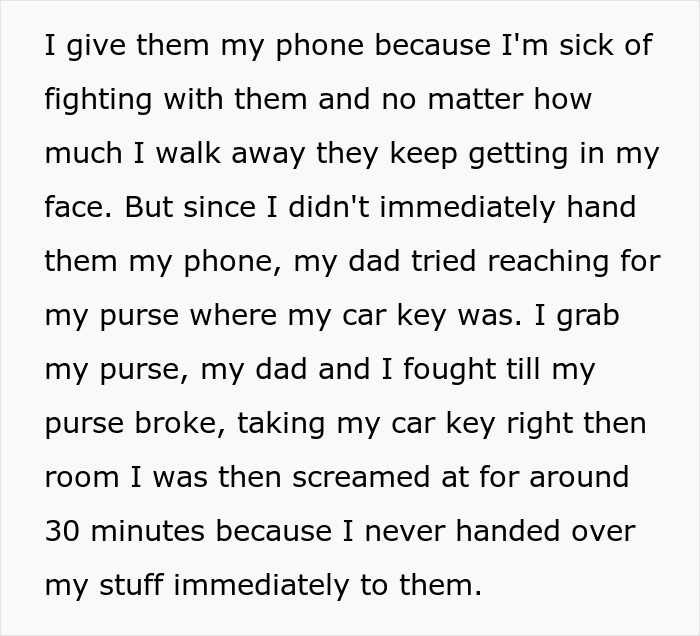
Image credits: www.kaboompics.com/Pexels (not the actual photo)
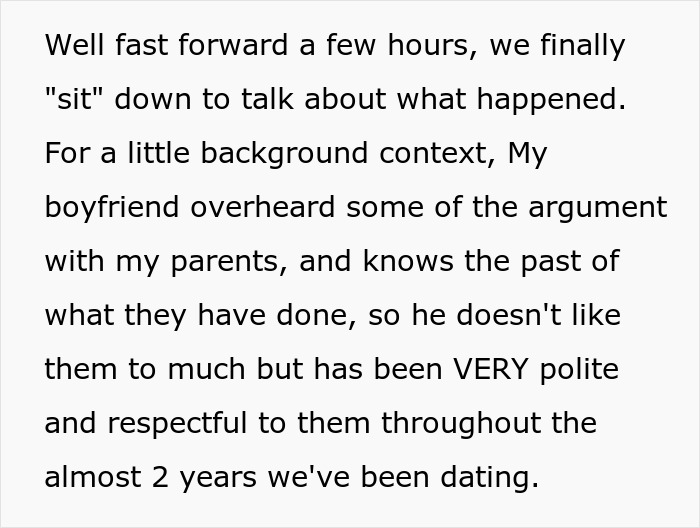
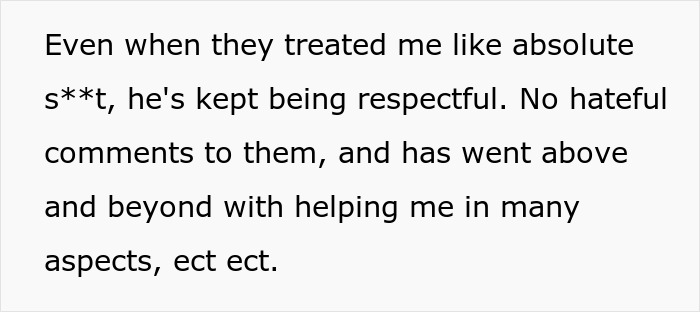
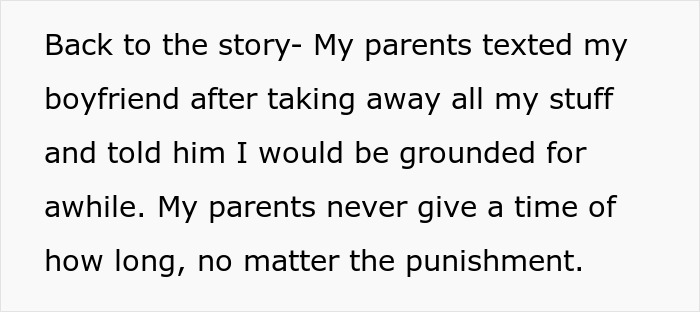
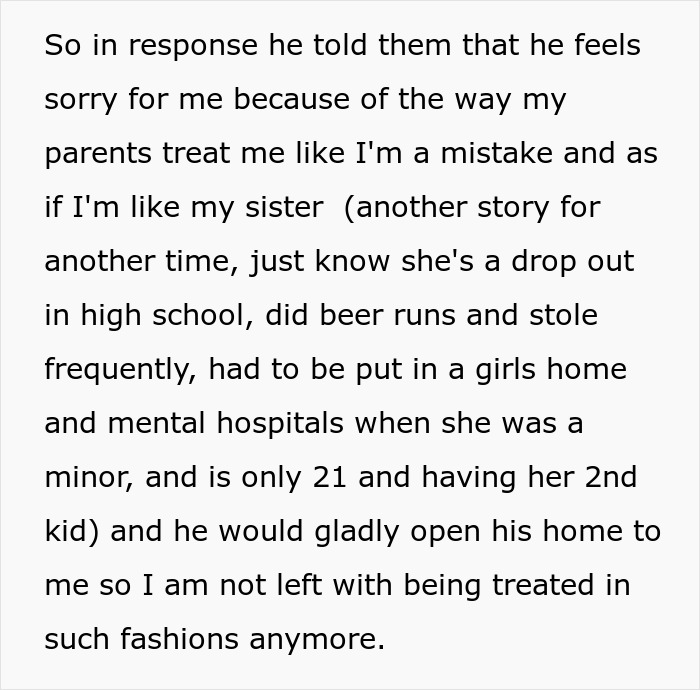
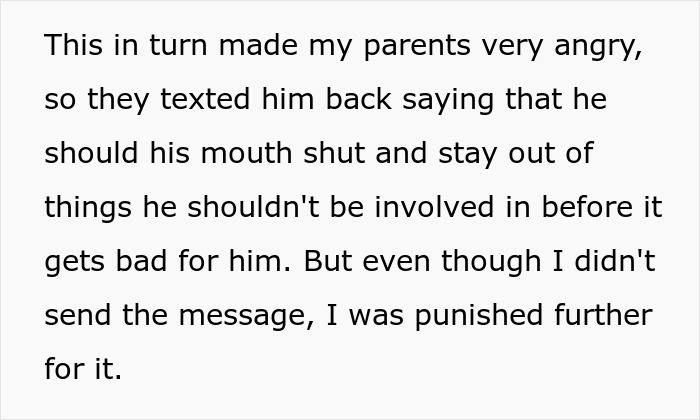
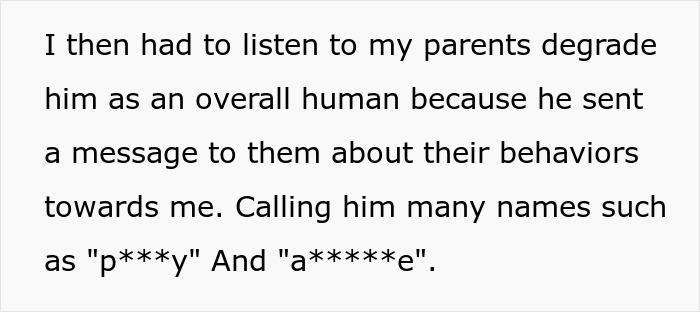
Image credits: MART PRODUCTION/Pexels (not the actual photo)
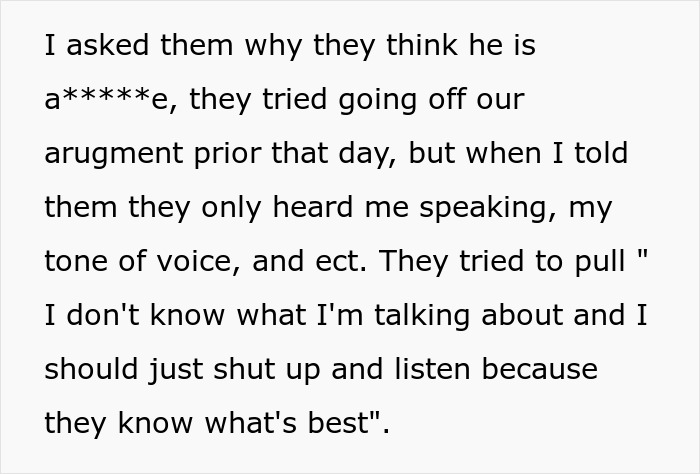
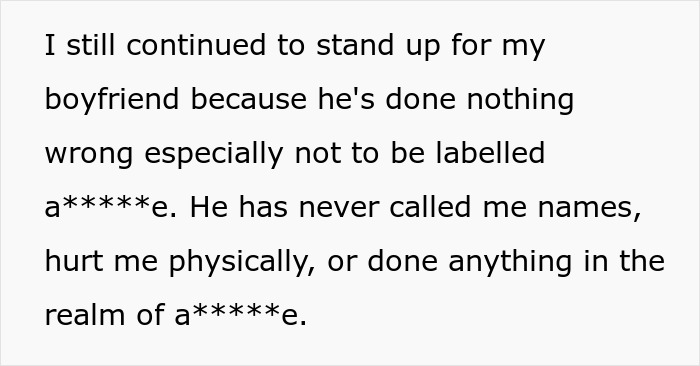
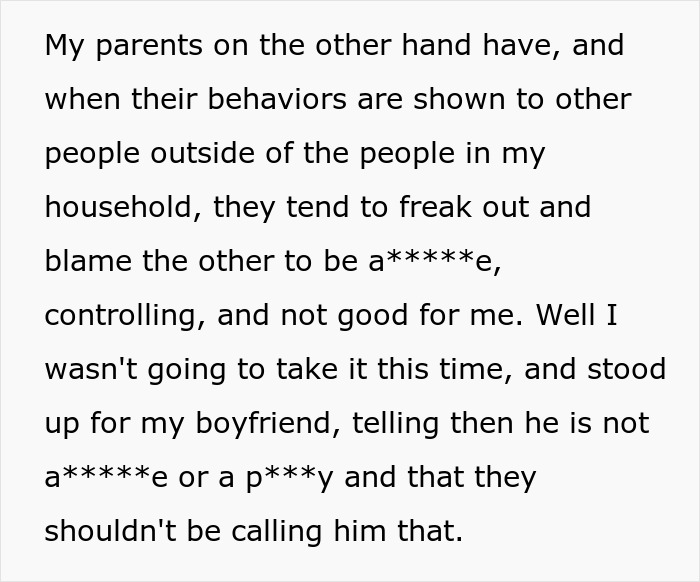
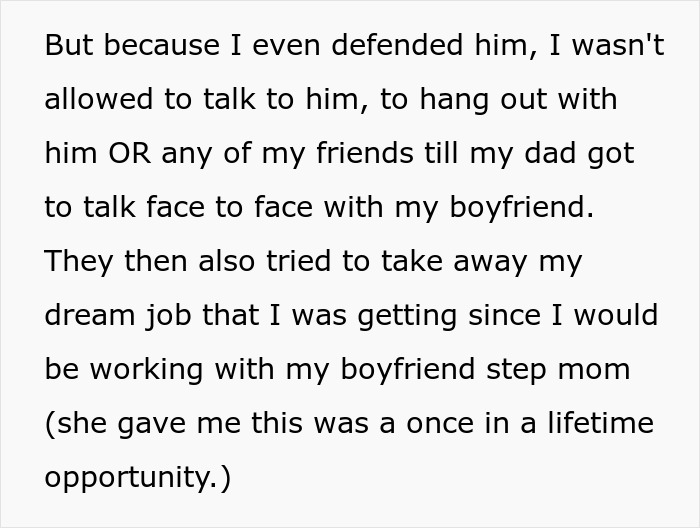
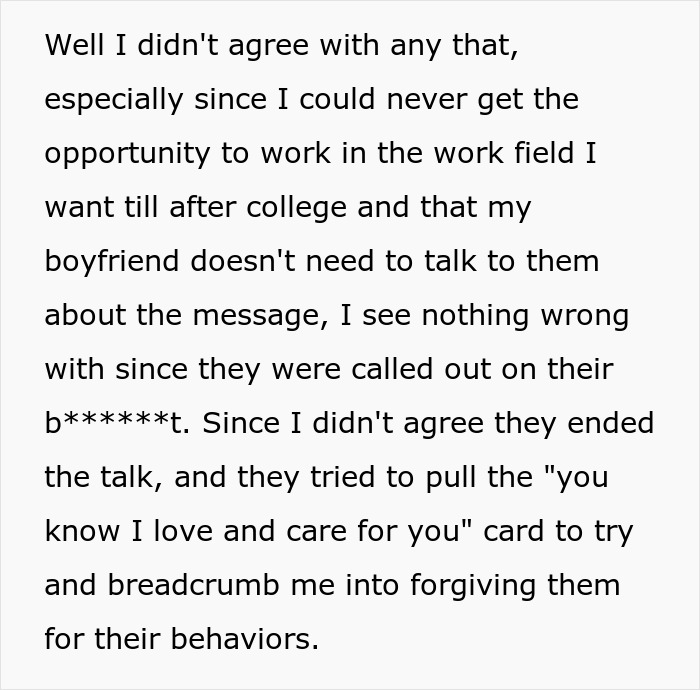
Image credits: Timur Weber/Pexels (not the actual photo)
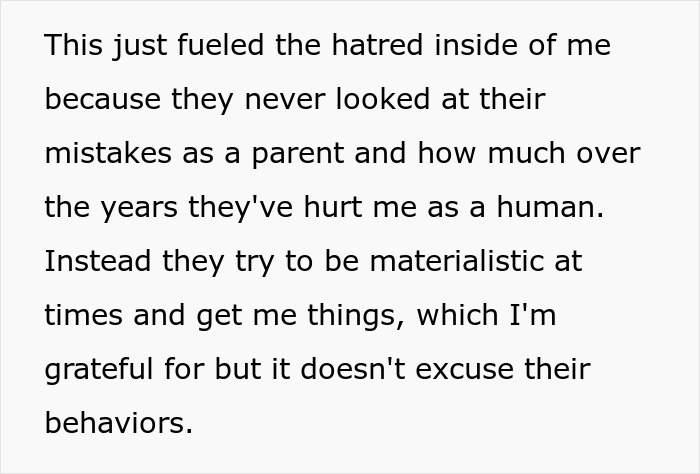
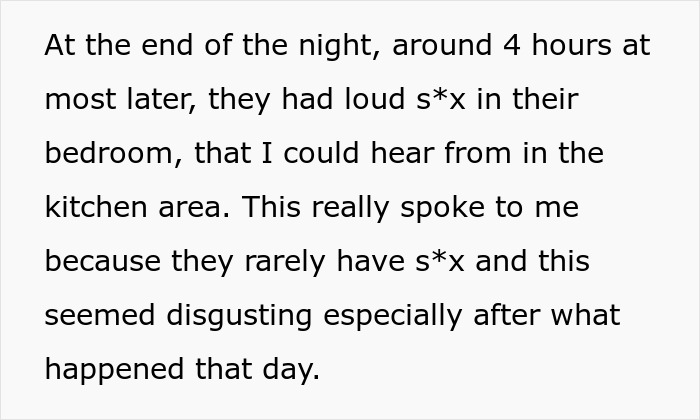
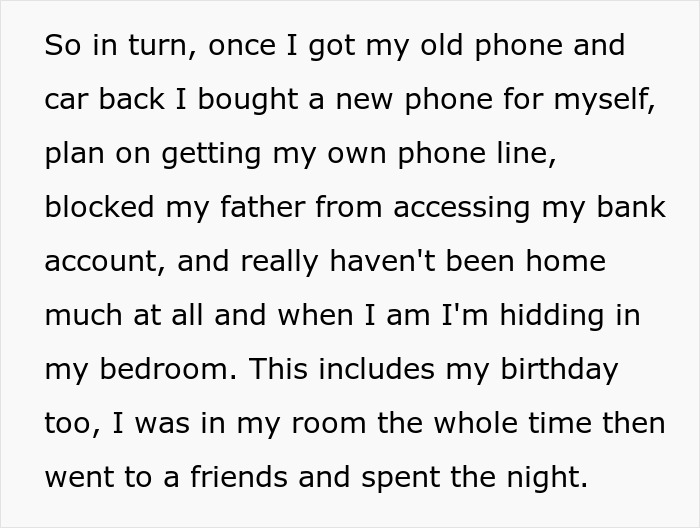
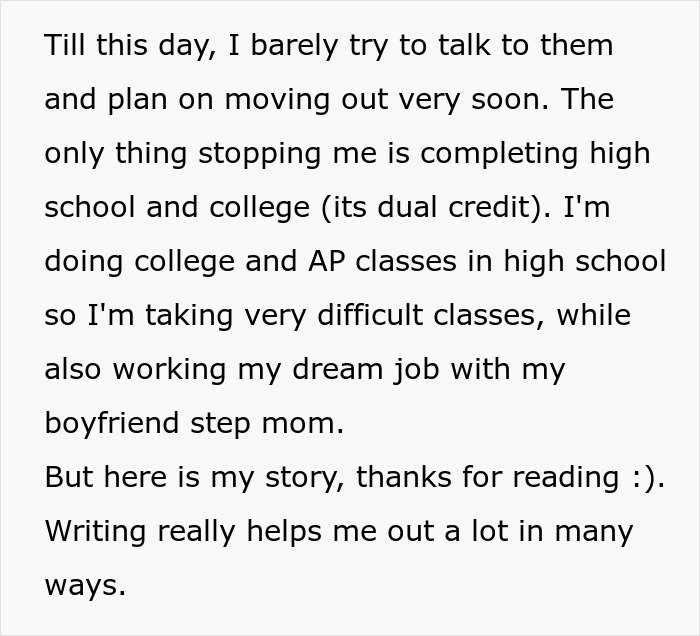
Image credits: Wolfielove144
Most parents are caring and, to a certain extent, controlling. And while some may get over their controlling behavior as the child grows up, some are never able to cut the cord. It then becomes a pattern that continues well into the child’s adulthood.
Parents like this are usually overly focused on their own needs rather than their child’s.
There’s a ton of research showing that growing up with overly controlling parents can severely affect mental health. A study even compared it to the emotional impact of losing someone close.
It found that controlling parents restrict their children’s autonomy and stop them from developing a strong self-identity. Such parents also do not allow any space for mistakes.
“We found that people whose parents showed warmth and responsiveness had higher life satisfaction and better mental wellbeing throughout early, middle and late adulthood,” lead author Dr. Mai Stafford from the MRC Unit for Lifelong Health & Ageing at UCL explained.
“By contrast, psychological control was significantly associated with lower life satisfaction and mental wellbeing. Examples of psychological control include not allowing children to make their own decisions, invading their privacy and fostering dependence.”
Studies also show that when children feel psychologically controlled by their parents, they’re more likely to develop anxiety and depressive symptoms early in their lives.
In adulthood, it then leads to low self-esteem and a lack of trust in their own abilities or decisions.
Over time, this can spill into other areas of life too. People may find it harder to form close connections or hold back from fully committing. In some cases, it can even reduce the likelihood of being in a romantic relationship altogether, simply because trust, both in oneself and others, has been harder to build.
The impact can even show up in your heart. One study found that children who experienced high levels of psychological control at 13 were more likely to have a “blunted” heart rate response to stress by the time they were 29. In simple terms, their bodies didn’t react as strongly as expected in stressful situations.
And a reduced heart rate response has commonly been linked to higher risks of cardiovascular problems and even earlier mortality.
There’s no doubt that we all need guidance and support growing up. But the tricky part is telling where care ends and control begins.
Once you know what to look for, it gets easier to spot.
According to Ashley M. Stuck, a licensed clinical social worker, controlling parents enforce rules with harsh punishments or coercive tactics that do not match the severity of the child’s behavior.
“They emotionally manipulate their child’s perception of reality by denying events, minimizing the child’s experiences, or making them question their memory and sanity,” she says.
Other signs can be more subtle, but just as damaging, like love that comes with strings attached — parents can act warm and affectionate one moment, then be distant if the child doesn’t comply.
Some parents may even threaten to pull support or guilt their child into obedience. They might make them feel unsafe to disagree or make independent choices.
In everyday life, this can look like a parent constantly checking your messages, or deciding who you can be friends with or who you date. They might even make the smallest decisions for you well into your teenage or adult years — like what you should wear, what you study, what hobbies you pursue, or even what you order at a restaurant.
It can feel like you’re always being watched or second-guessed, leaving very little room to figure things out on your own.
While these are some signs to look out for, we shouldn’t ignore the fact that parental control looks different across cultures.
In some East Asian and collectivist societies, strict and controlling behavior may be seen more as guidance rather than harm, whereas in some Western cultures, it is more likely to be viewed as intrusive or psychologically harmful.
No matter how these behaviors are viewed, there’s no denying they exist in some form across all cultures. And the impact can still be very real, no matter which country a child grows up in.
A study done in the US found that about 1 in 10 teens reported consistently high levels of parental psychological control throughout their teenage years. And many of them also showed higher levels of anxiety and depressive symptoms over time.
The first step in dealing with controlling parents is acknowledging that there’s a problem — you need to recognize how their behavior affects you.
For example, if you constantly doubt your decisions or need their approval for even the smallest things, it’s time to evaluate your dependence on them.
From here, a big part of handling them, whether you’re a teen or an adult, is learning to set boundaries.
“For instance, if your parent continues to call you multiple times a day despite your request, you might decide to silence their calls or let them go to voicemail. Remember, boundaries are not about changing your parents but about protecting your own emotional health and creating a healthier dynamic,” says Ashley M. Stuck.
Building a support system outside of your immediate family is also super helpful. You can reach out to extended family members, teachers, or friends who can make you feel less alone and help you figure out how to handle difficult family situations.
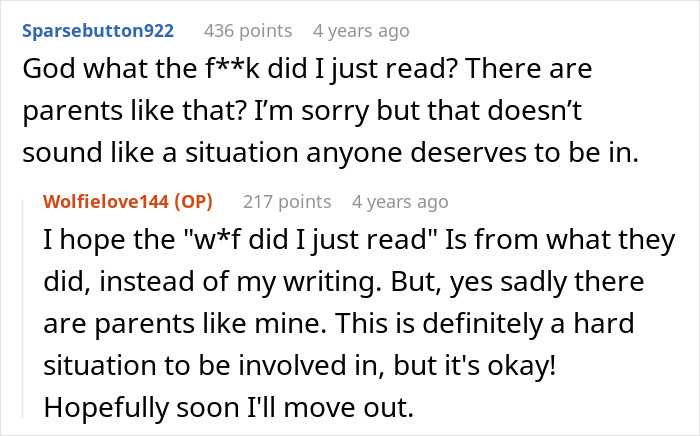
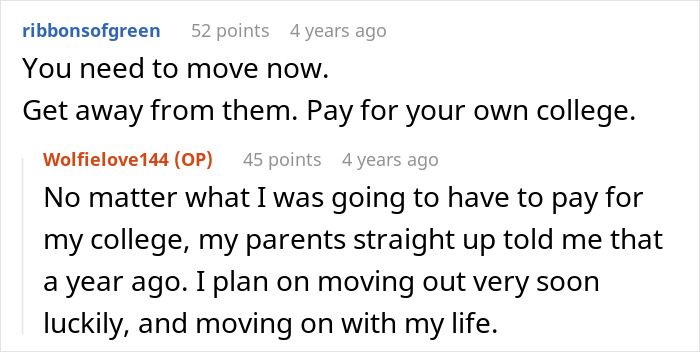
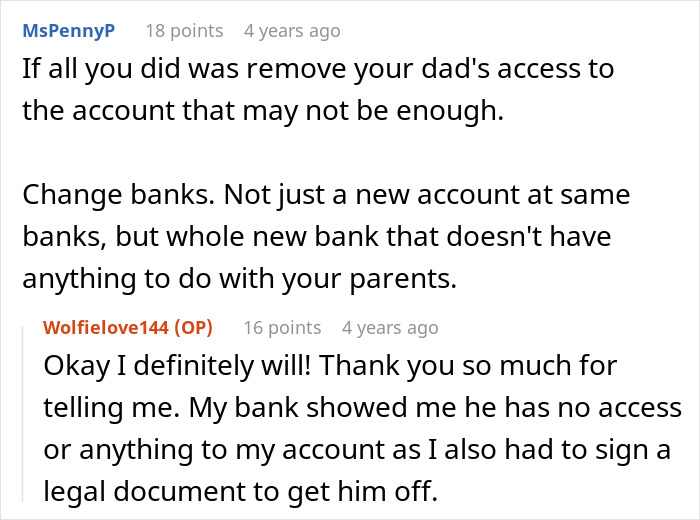
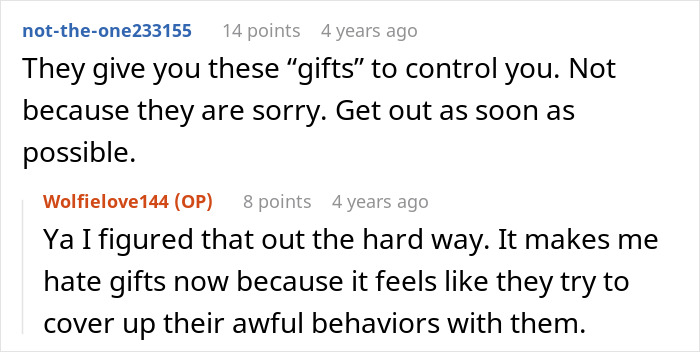
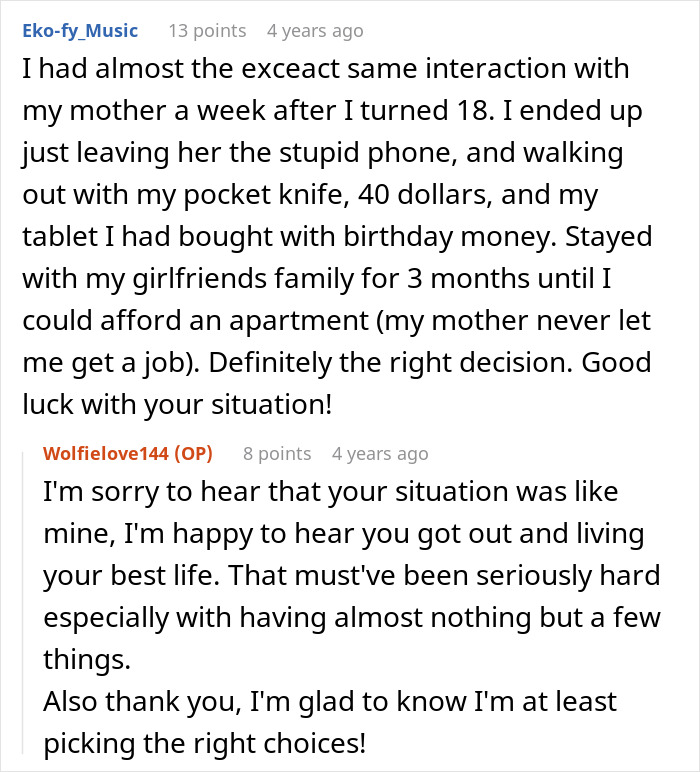
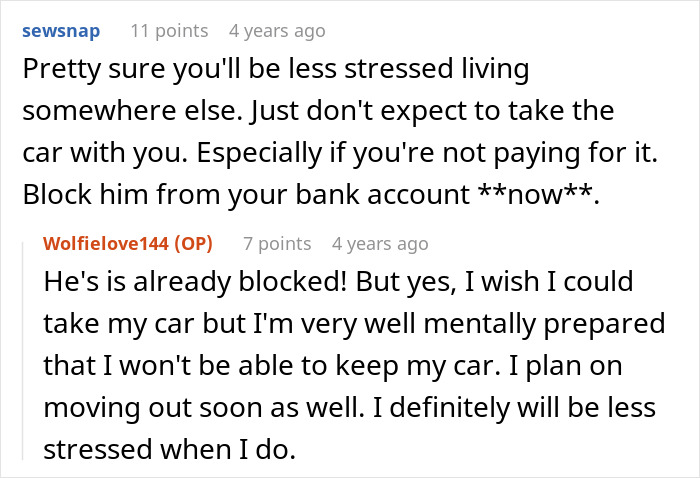
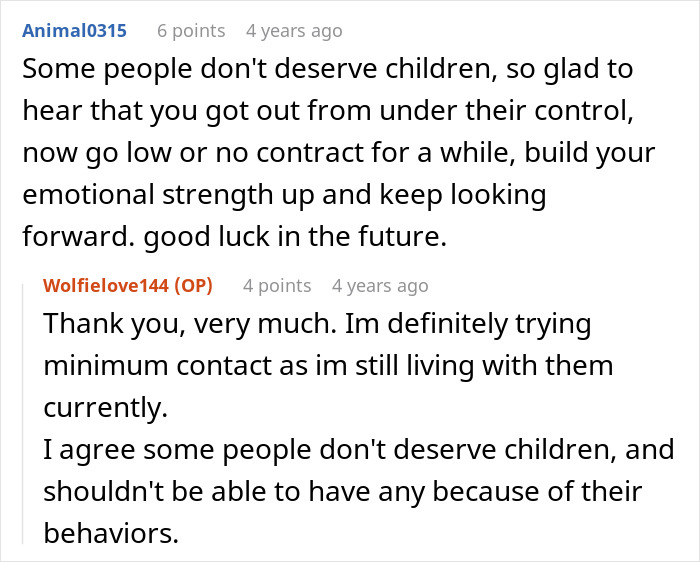
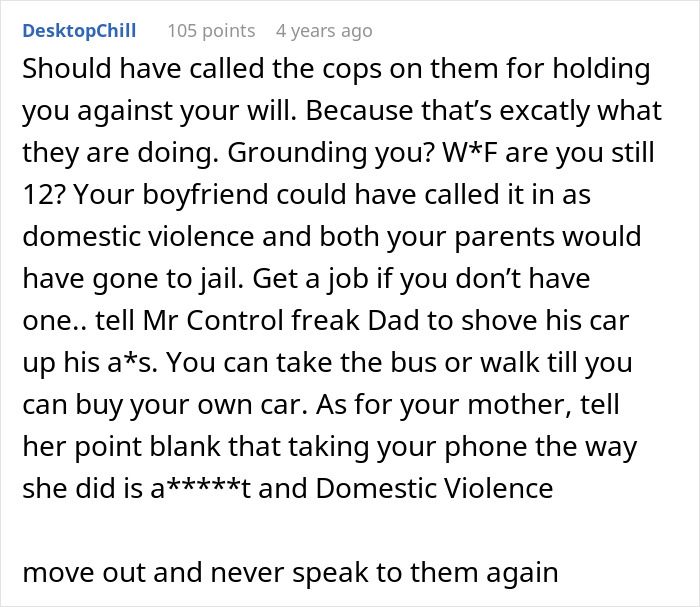
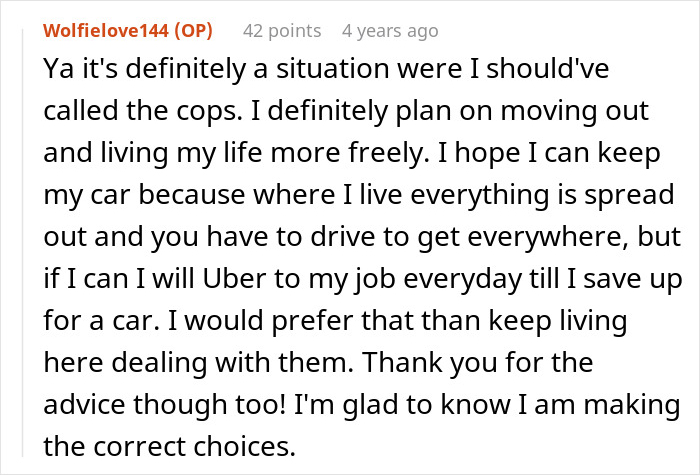
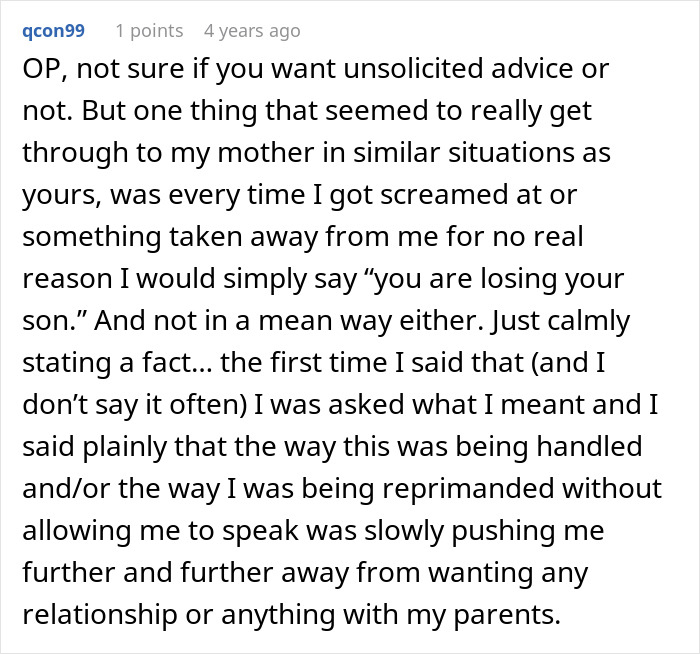
Online communities can also be helpful for advice. For example, posts like this Reddit user’s can offer different perspectives and possible solutions.
A fail-safe option is to talk to a therapist, who can give you a judgment-free and secure space to process what you’re going through.
We’re not saying parents can’t have rules, but it’s equally important that they allow their children to think for themselves. After all, the goal of parenting is to train your kids for real life.

By entering your email and clicking Subscribe, you're agreeing to let us send you customized marketing messages about us and our advertising partners. You are also agreeing to our Privacy Policy.
Thank you! You've successfully subscribed to newsletters!

My ex (step) MIL would try and control me with gifts to my kids. When I didnt do what she wanted she would withhold them and shower my BILs kids with gifts. He tried to show off everything he was getting. I just laughed and said, "you can have all that c**p and the piece of s**t that comes with it."


WTAF did I just read?? Anyone else think we may have an unreliable narrator here? One with sucky parents yes, but I'd like to hear their side of the story as well.
My ex (step) MIL would try and control me with gifts to my kids. When I didnt do what she wanted she would withhold them and shower my BILs kids with gifts. He tried to show off everything he was getting. I just laughed and said, "you can have all that c**p and the piece of s**t that comes with it."
WTAF did I just read?? Anyone else think we may have an unreliable narrator here? One with sucky parents yes, but I'd like to hear their side of the story as well.














 No fees, cancel anytime









28
6