Get Premium
Dark mode theme is available exclusively for premium users. Learn more about the benefits of subscribing.
No fees, cancel anytime.

 Dark Mode Ad-Free Browsing Unlimited Content
 Ad-Free Browsing Unlimited Content Dark Mode
Join 1.2 million Panda readers who get the best art, memes, and fun stories every week!

Everyone grieves differently over many different things. The passing of a loved one and losing your home can break almost anyone. However, if you can’t process your feelings in a healthy way, you can end up stressing out your loved ones who are already trying their best to support you.
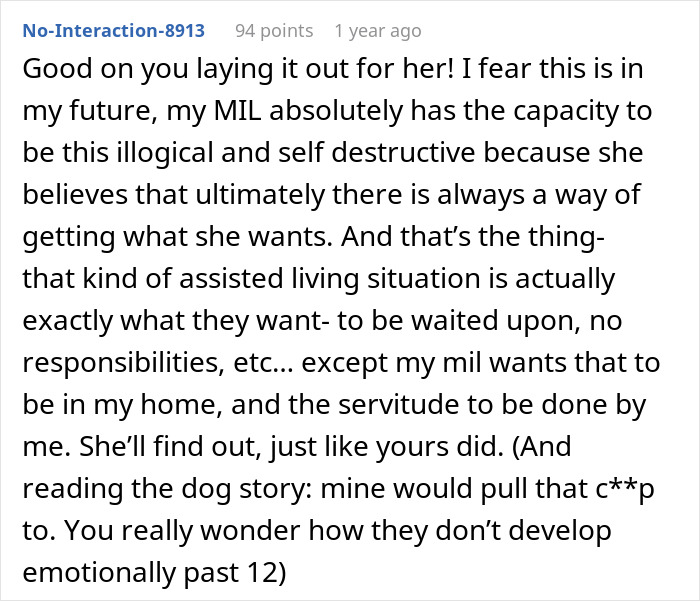
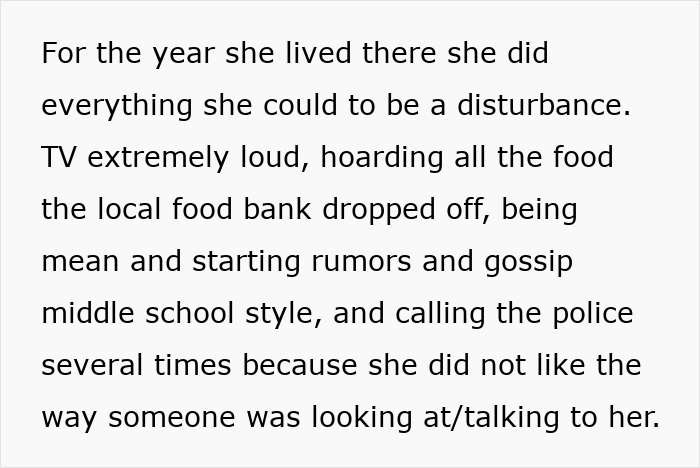
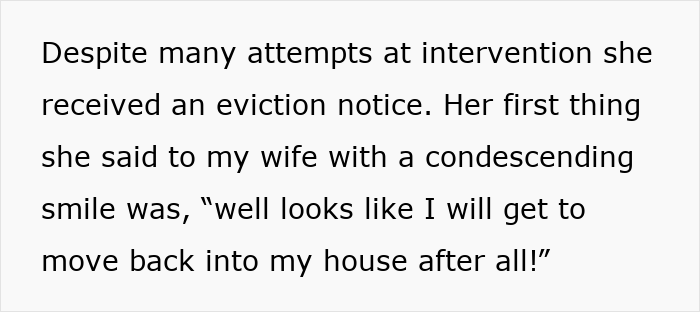
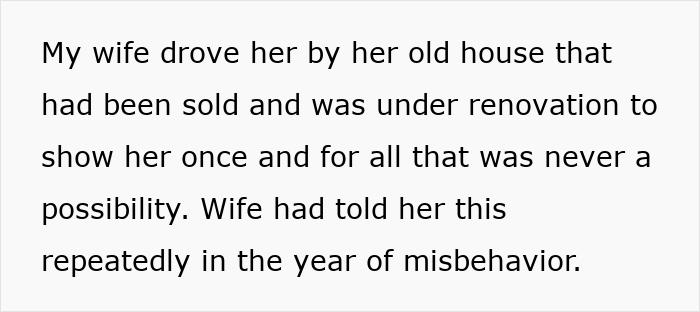
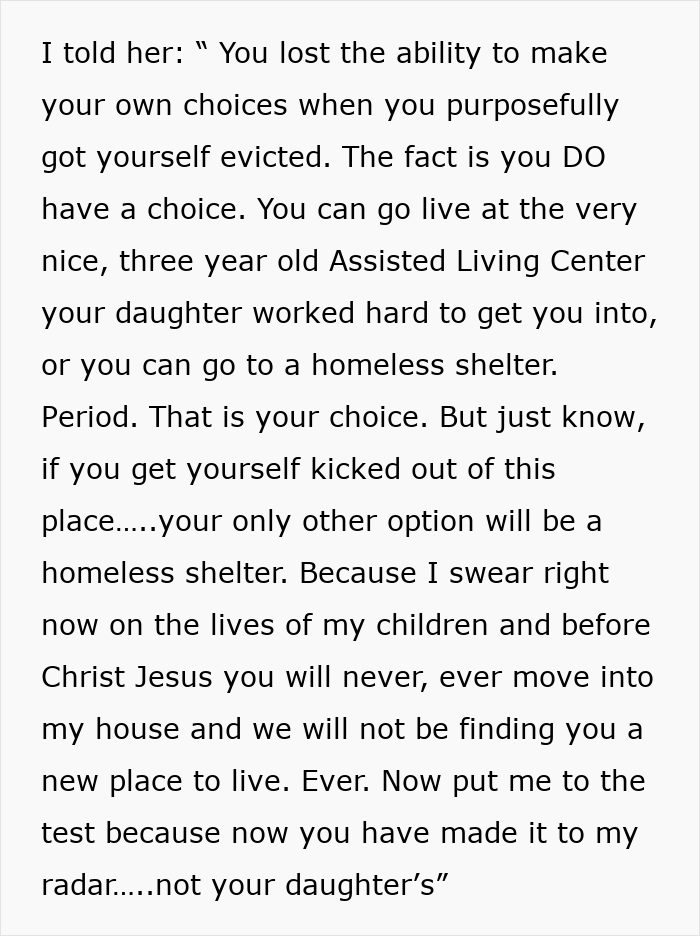
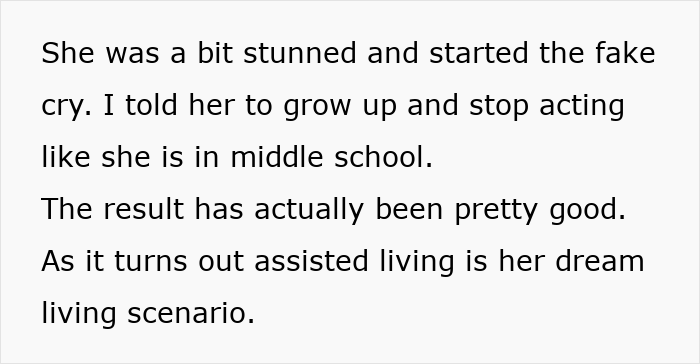
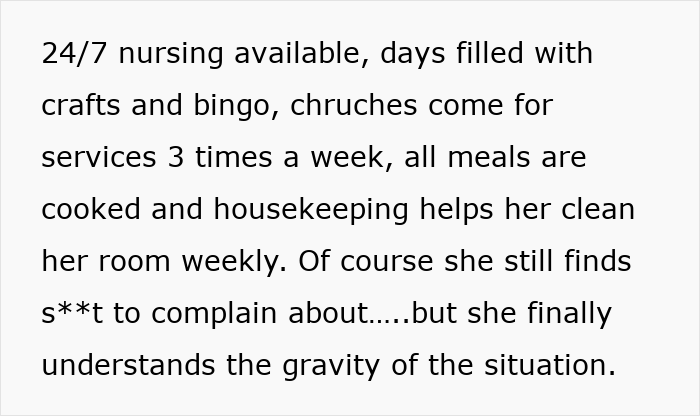
An internet user called out their mother-in-law in a viral post, and they went into detail about her shocking and toxic behavior. They revealed how their MIL got evicted from an apartment on purpose so that she could move back into her old home. However, things turned out differently than she expected.

Image credits: KapowBlamBoom
Grief can arise from many different sources, not just someone’s passing. It is important to mourn while also taking steps to heal.
According to Stan Goldberg, Ph.D., the author of ‘Preventing Senior Moments: How to Stay Alert into Your 90s and Beyond,’ losses can create holes in your identity and change your behavior.
“We don’t grieve the loss of a person, ability, or object, but rather the emotion it engendered in us,” he writes on Psychology Today.
He notes that any significant loss changes how we view ourselves and our place in the world. “It’s irrelevant if the loss was a life-long partner, the daily jog for someone who has run for 40 years now shuffling because of deteriorating joints, encroaching deafness for someone who played the cello her entire life, the gradual memory loss of a writer who spent his days in front on a computer crafting short stories, or the avid knitter whose fingers are crippled by arthritis,” Goldberg explains.
One of the best things that you can do during these tough times is reach out to a therapist who has experience in dealing with grief. Meanwhile, change up your daily habits and behaviors. Try different activities that can help you feel similar to what you have now lost.
“You might be surprised that pleasure can be found in very different activities since the brain’s physiology can produce the emotion—stability, for example—whether it comes from an unchanging social environment, an orderly home, or the interaction of supportive people.”
Grief can be very personal. Everyone grieves differently. What you know from pop psychology, going through the five stages of grief (denial, anger, bargaining, depression, and acceptance), most definitely is not the journey that everyone goes through.
“It has been demonstrated that many, if not most, people will not progress through these stages. While some people do experience the stages and eventually reach acceptance after a loss, grief is now understood to be highly individualized and unpredictable,” Psychology Today emphasizes.
Many symptoms of grief and depression overlap, including sadness, the loss of pleasure, insomnia, loss of interest in eating, not taking care of yourself, etc.
Grief tends to lessen over time. As impossible as it sounds at the time, you should strive not to let your negative thoughts guide your actions.
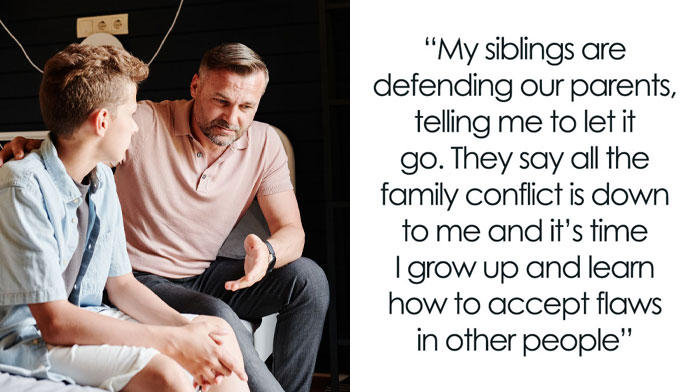
We want to hear your perspective in the comments, Pandas. How would you react, and what would you do if your in-laws started causing drama out of nowhere? How do you set and defend your boundaries no matter who you’re dealing with, whether they’re someone older or younger? How have you supported your loved ones while they were grieving?












By entering your email and clicking Subscribe, you're agreeing to let us send you customized marketing messages about us and our advertising partners. You are also agreeing to our Privacy Policy.
Thank you! You've successfully subscribed to newsletters!

































 No fees, cancel anytime















31
2