Get Premium
Dark mode theme is available exclusively for premium users. Learn more about the benefits of subscribing.
No fees, cancel anytime.

 Dark Mode Ad-Free Browsing Unlimited Content
 Ad-Free Browsing Unlimited Content Dark Mode
Join 1.2 million Panda readers who get the best art, memes, and fun stories every week!

Boundaries mean everything. But enforcing them is easier said than done, especially when it comes to your relatives. A bit of tension with your in-laws is to be expected. However, you have to draw a line in the sand when things get truly toxic, no matter how tough it is.
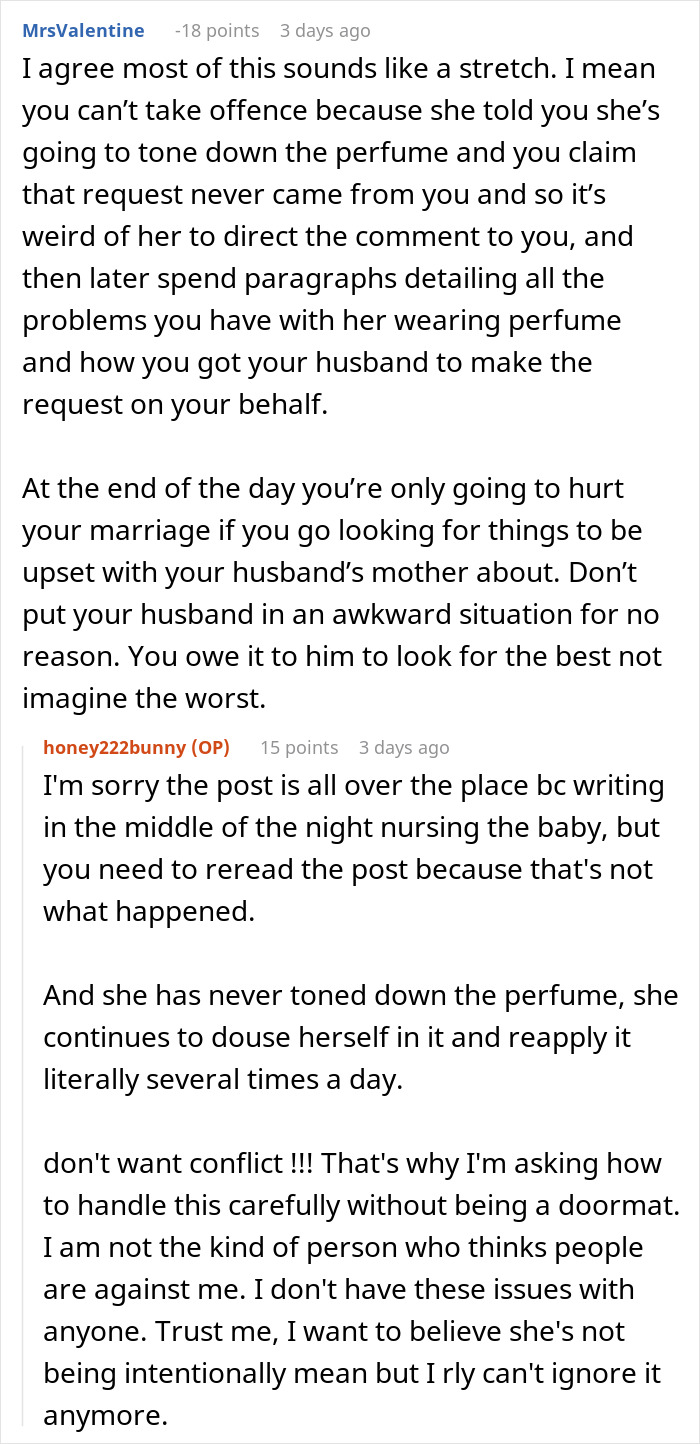
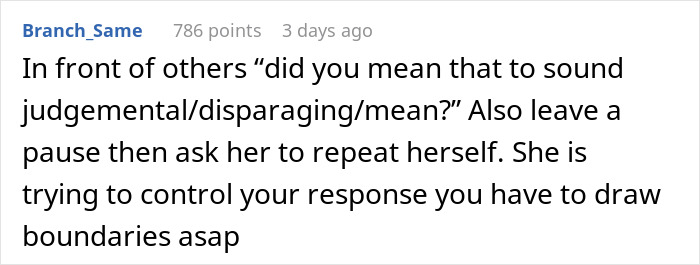
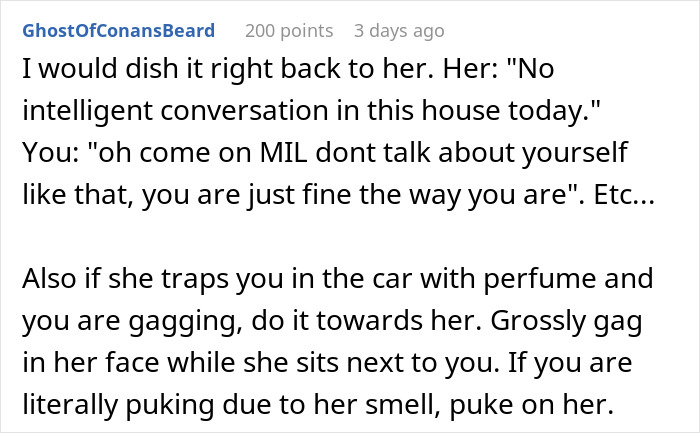
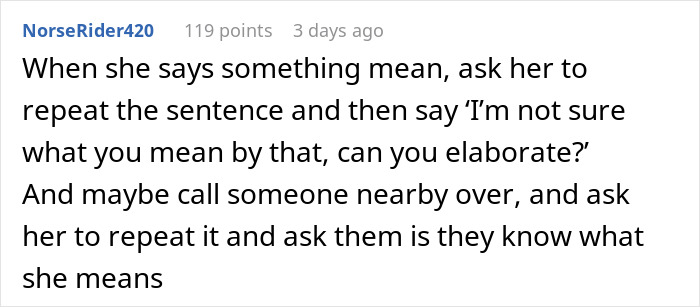
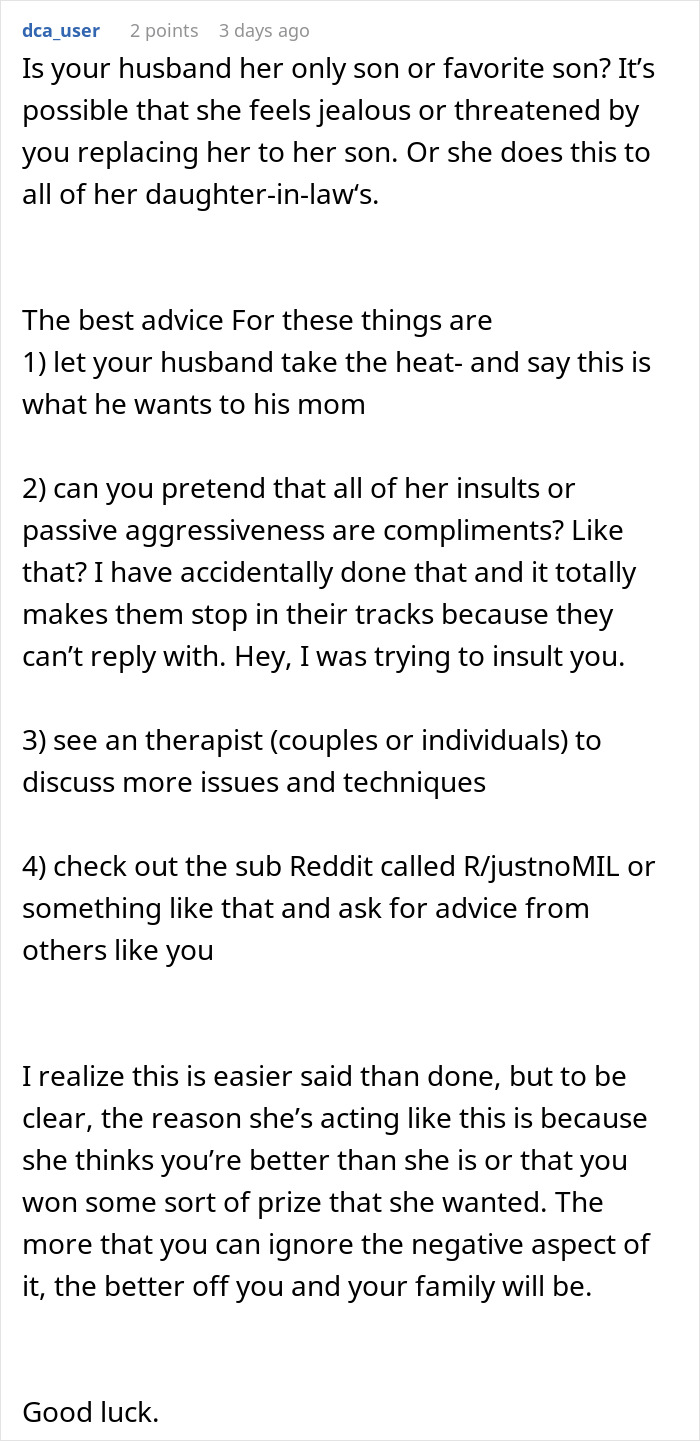
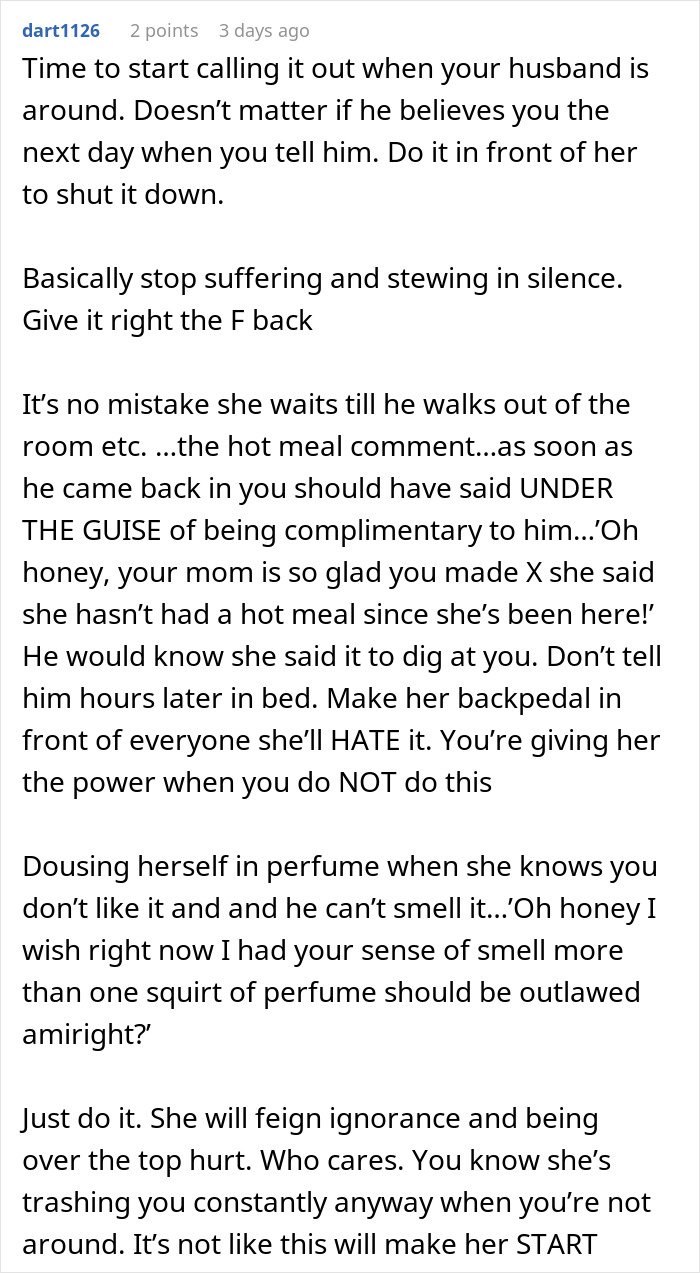
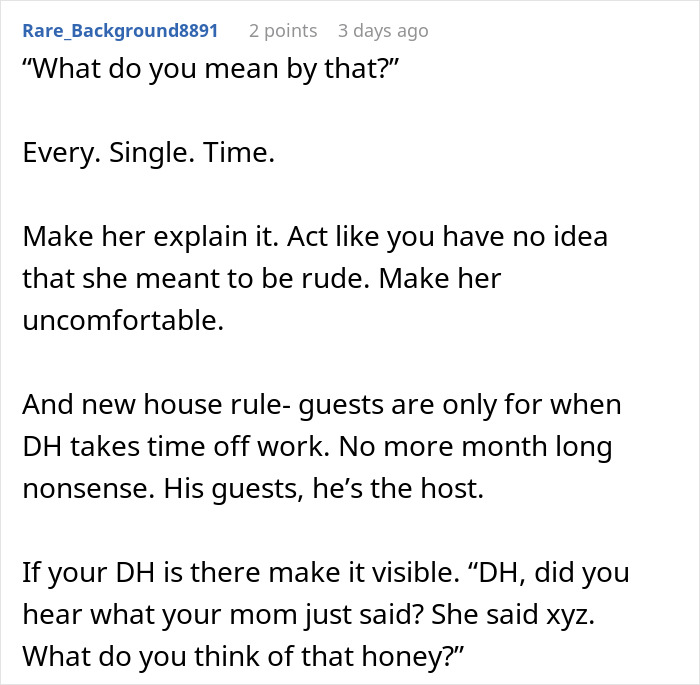
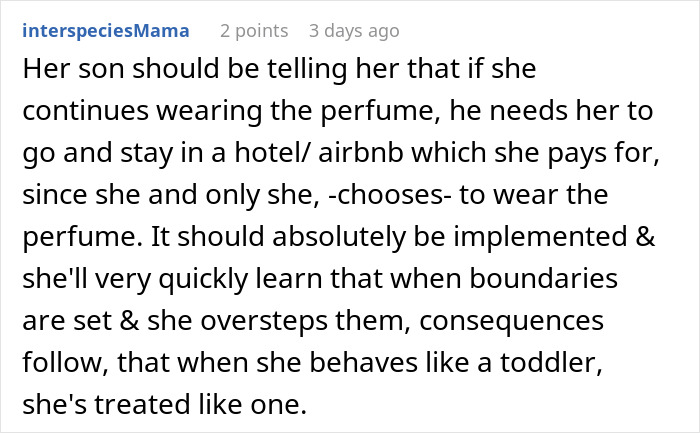
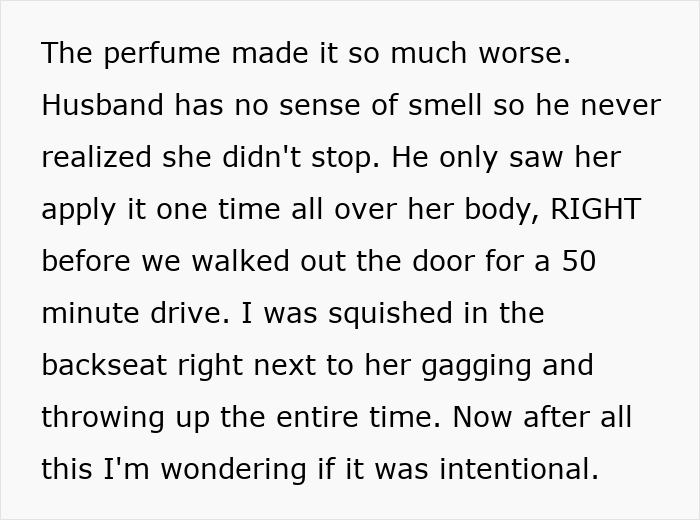
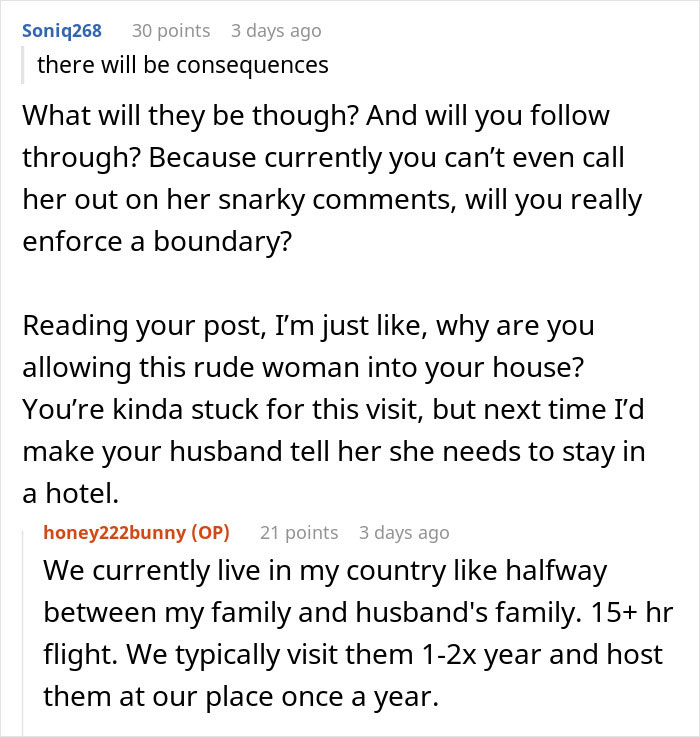
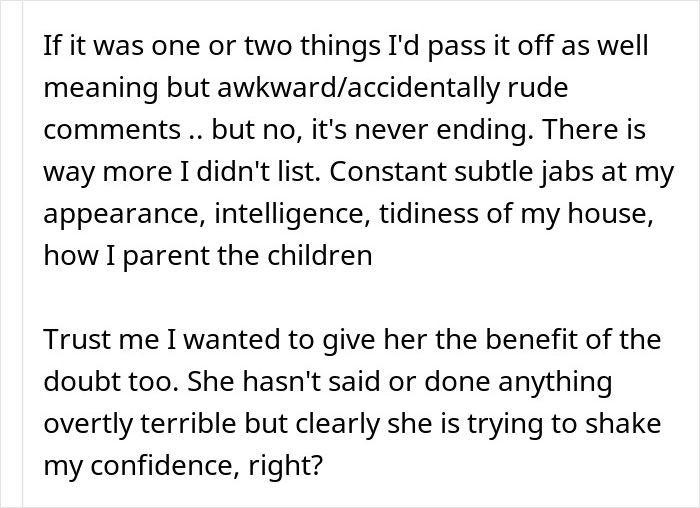
One woman vented online about the toxic, passive-aggressive behavior that her formerly sweet mother-in-law has begun directing her way. She asked the internet for advice on dealing with the “unhinged mean girl” actions she’s been subjected to, and people were happy to weigh in with their perspectives. Scroll down to read the full story.
Image credits: MargJohnsonVA/Envato (not the actual photo)





Image credits: AboutImages/Envato (not the actual photo)
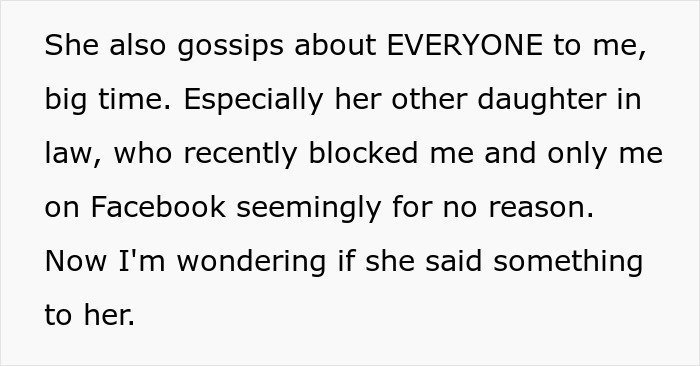
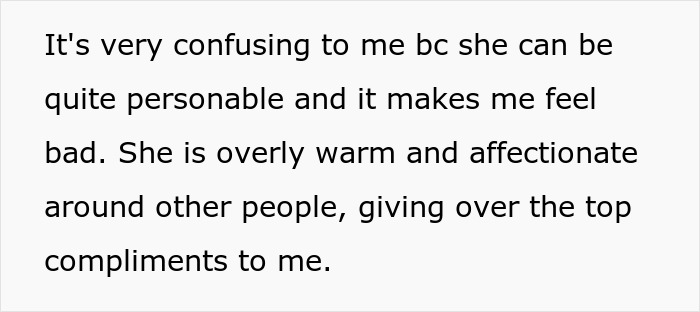
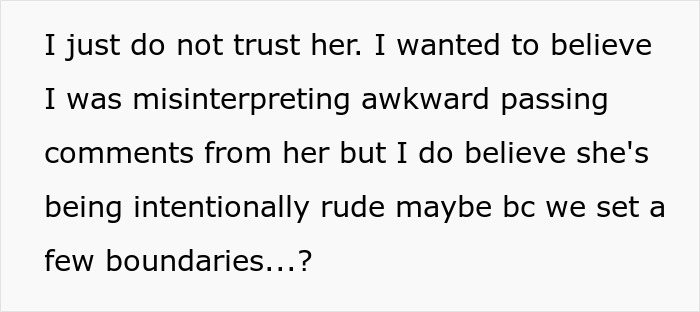
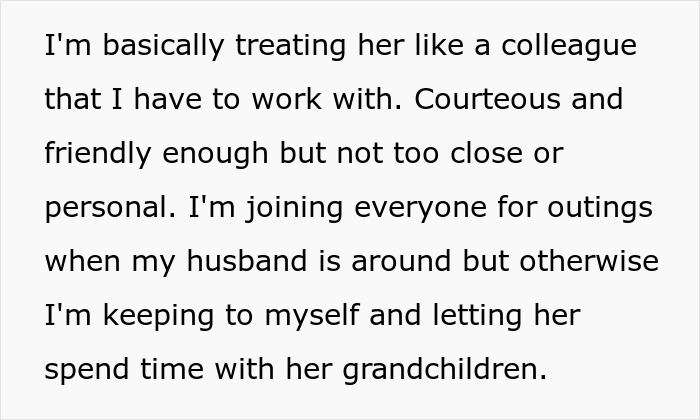
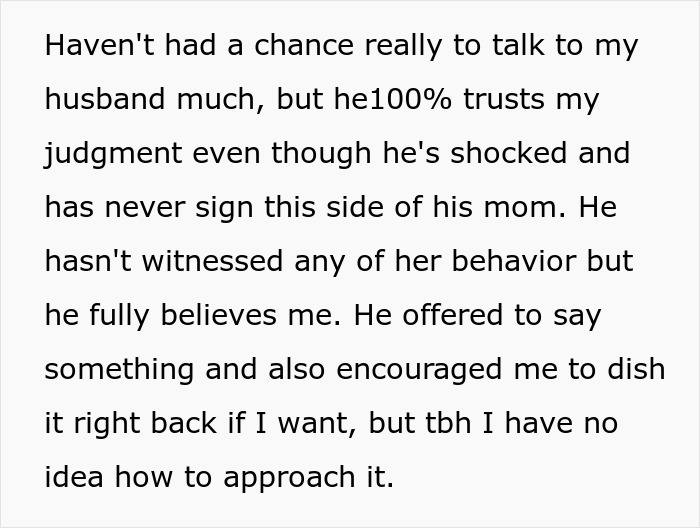


Image credits: honey222bunny
Passive-aggressive behavior, like the things that the author’s mother-in-law is doing to her, can be very harmful.
In short, this type of behavior is what happens when people are angry and upset at you, but they lash out at you without properly communicating about their feelings. They’re hostile towards you without being overly aggressive. On the flip side, contrast this with aggressive behavior, where someone is directly confrontational and more forceful.
Passive-aggressive behavior can harm your relationships and leave other people feeling drained, confused, and insulted, as Verywell Mind stresses.
The person on the receiving end of passive-aggressive actions might not fully understand why there’s (hidden) hostility there or why they’re getting the so-called ‘silent treatment.’ As time goes by, it can lead to resentment and a lack of clarity.
“Since the person who is being passive-aggressive doesn’t open up about how they are feeling, the underlying anger or frustration is never dealt with. The situation continues to fester as opposed to resolving the issues and moving forward.”
Image credits: Vitaly Gariev/Unsplash (not the actual photo)
The bad news is that not everyone is aware of how their behavior might be hurting the people closest to them. The good news is that everyone can grow and improve.
One of the most important things you can do is focus on improving your self-awareness by getting better at understanding what you feel. This is a core part of raising your emotional intelligence.
Your starting point should be to pay more attention to how you react to different people and situations, and what your triggers are. The key here is not to repress or ignore your feelings, but to name them, accept them, and embrace the fact that they might not represent objective reality. When you slow down, you can then start to respond instead of reacting without a filter.
Naturally, real change doesn’t happen overnight. You have to be willing to be patient. “Recognizing your own behaviors is a good first step toward change, but altering your patterns and reactions can take some time.”
In the meantime, get into the habit of expressing your feelings appropriately. Even though conflict is unavoidable, no matter who you are, how you tackle those disagreements matters. A lot!
Meanwhile, if you find that other people constantly trample over your wants and needs, you need to get better at setting healthy boundaries. It’s a skill that will be invaluable throughout your life.
Broadly speaking, some of the main signs that you need better boundaries are if you feel resentful that people keep asking too much of you, you keep saying ‘yes’ to things you don’t want to do, and if you have people-pleasing tendencies.
Other indications that you need to work on how you set boundaries include feeling resentful because others don’t help you as much as you help them, feeling unappreciated despite all the favors you do, and stressing about disappointing others by saying ‘no’ to their requests.
Image credits: Getty Images/Unsplash (not the actual photo)
Of course, you first need to understand what your personal boundaries even are, and how flexible you’re willing to be. Next, the hard part! You have to be willing to communicate with other people about what your boundaries are, what you want from the relationship in the future, and what the consequences will be if they keep ignoring your needs.
Just keep in mind that it takes time for people to readjust and genuinely change their behavior. That being said, you have to be willing to go through with your consequences, or there’s no point in talking about your boundaries aloud in the first place.
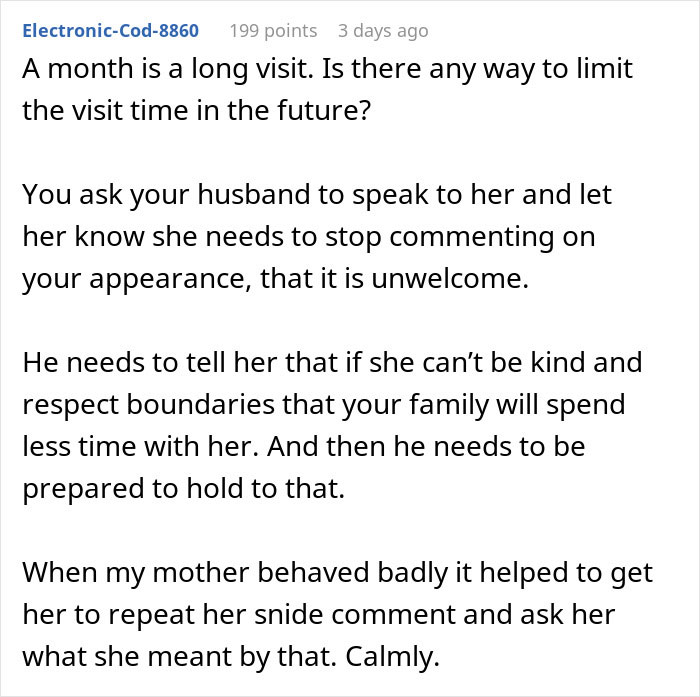
For instance, if you constantly feel insulted by your in-laws, you can explain that unless they change how they talk to you, you’ll be spending less time with them. In extreme cases, you may want to put your well-being first and consider cutting toxic people out of your life completely.
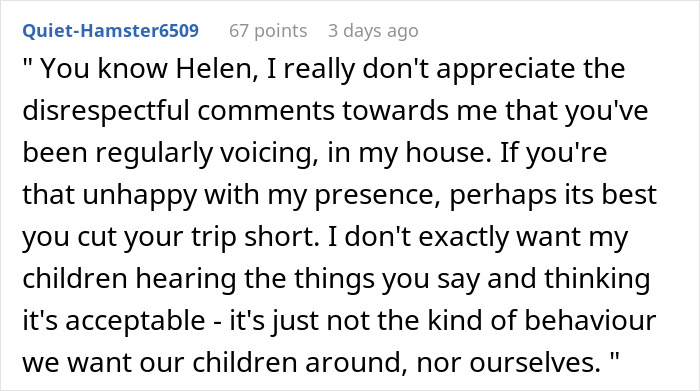
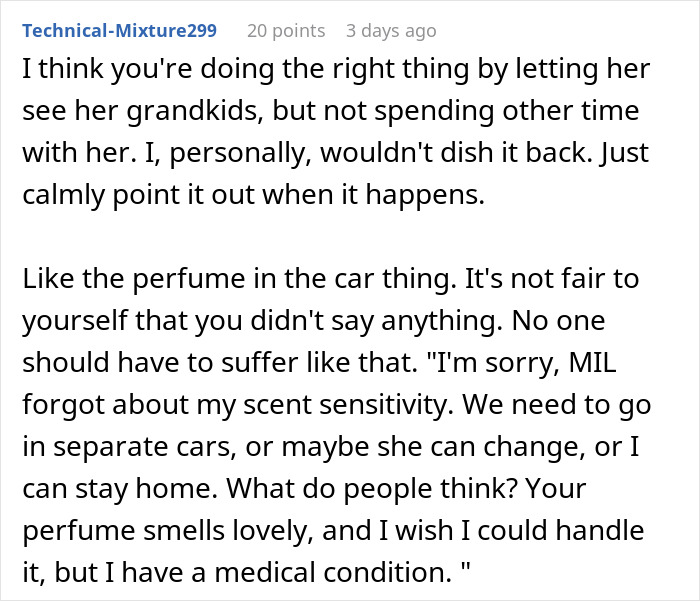
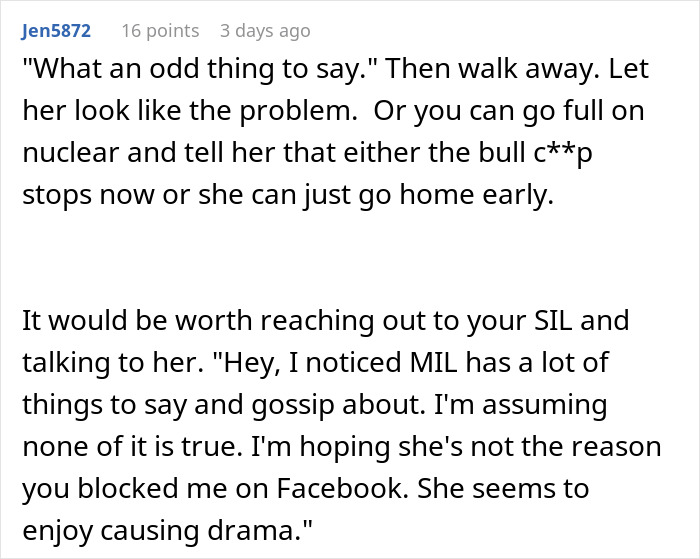
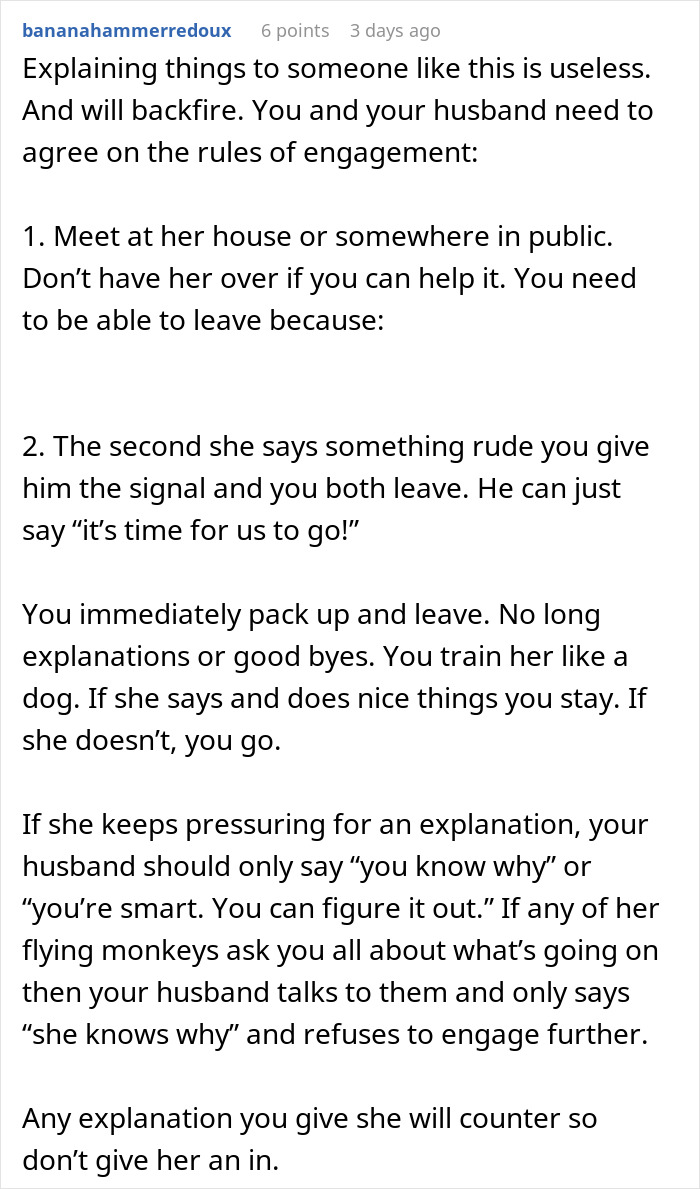
What’s your take, Pandas? How would you respond if your in-laws suddenly started behaving in a very toxic manner, constantly criticizing you and making passive-aggressive comments? How do you protect your boundaries when it comes to your family and friends? Share your thoughts in the comments below.
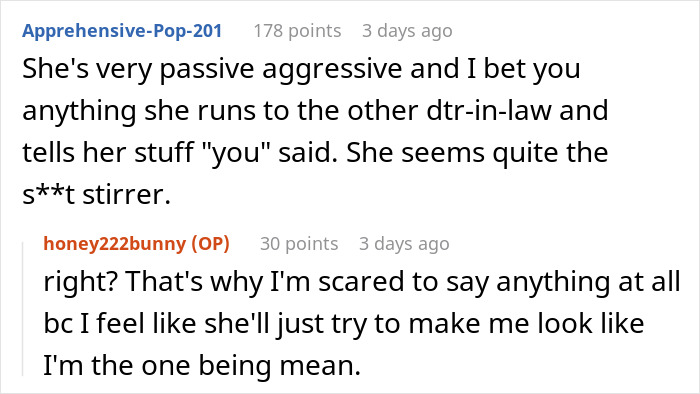

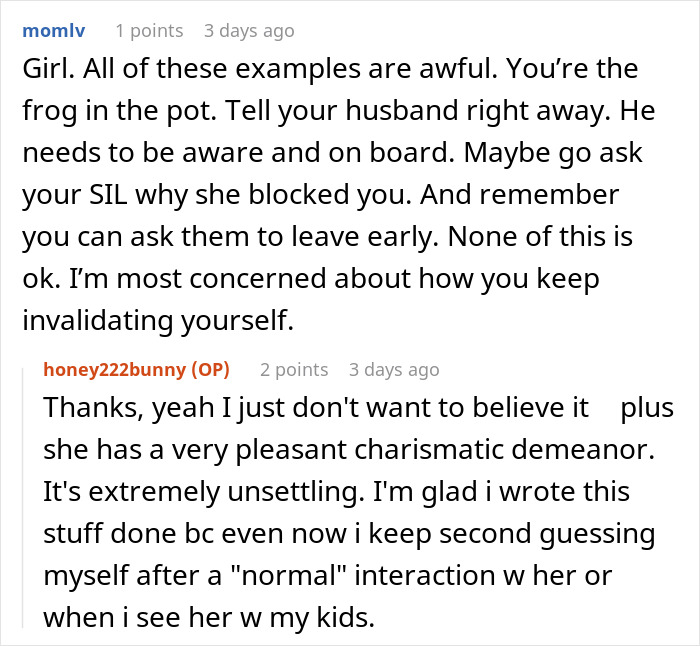
















By entering your email and clicking Subscribe, you're agreeing to let us send you customized marketing messages about us and our advertising partners. You are also agreeing to our Privacy Policy.
Thank you! You've successfully subscribed to newsletters!

I call it "death by a thousand cuts" and it's exactly the same method my childhood bullies used. Nothing too overtly harmful or hostile that'd get them in trouble, just hundreds of small, seemingly innocuous jabs that pile up over time until you're overwhelmed and miserable. And even if you decide to seek help, you can't describe what's happening to you without sounding like an oversensitive person overreacting to small, harmless things.
I call it "death by a thousand cuts" and it's exactly the same method my childhood bullies used. Nothing too overtly harmful or hostile that'd get them in trouble, just hundreds of small, seemingly innocuous jabs that pile up over time until you're overwhelmed and miserable. And even if you decide to seek help, you can't describe what's happening to you without sounding like an oversensitive person overreacting to small, harmless things.



































 No fees, cancel anytime
















28
1