Get Premium
Dark mode theme is available exclusively for premium users. Learn more about the benefits of subscribing.
No fees, cancel anytime.

 Dark Mode Ad-Free Browsing Unlimited Content
 Ad-Free Browsing Unlimited Content Dark Mode
Join 1.2 million Panda readers who get the best art, memes, and fun stories every week!
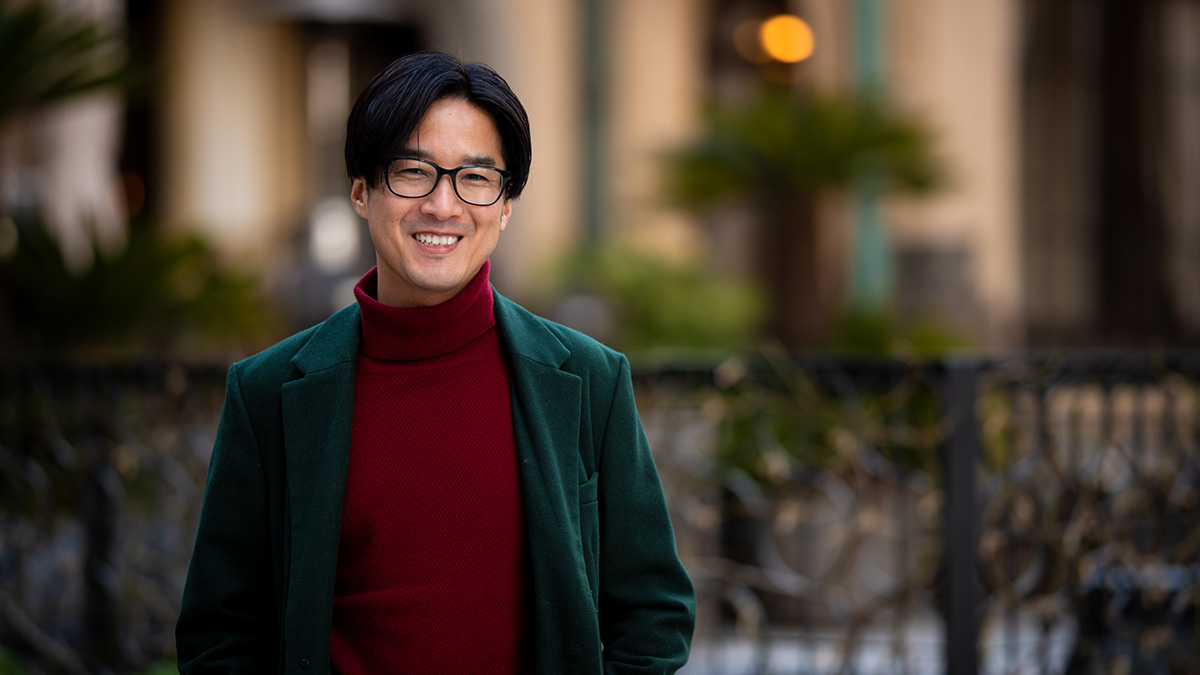
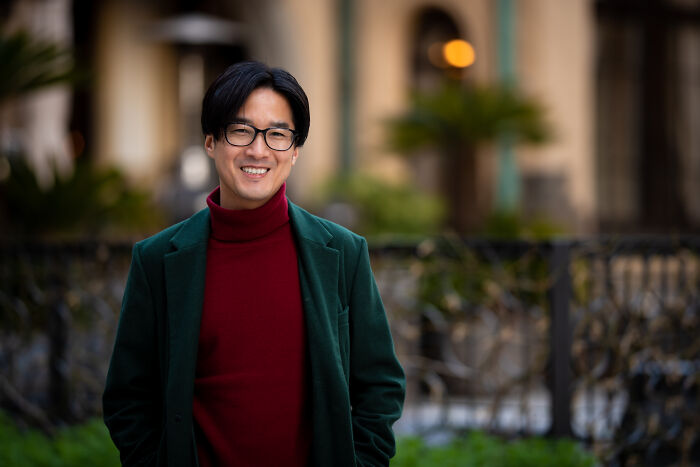
At first, it almost sounds fictional. The idea that someone would make a living writing deeply personal love letters for other people—not as a gimmick, but as something sincere and necessary. It’s the kind of detail you’d expect from a film rather than real life.
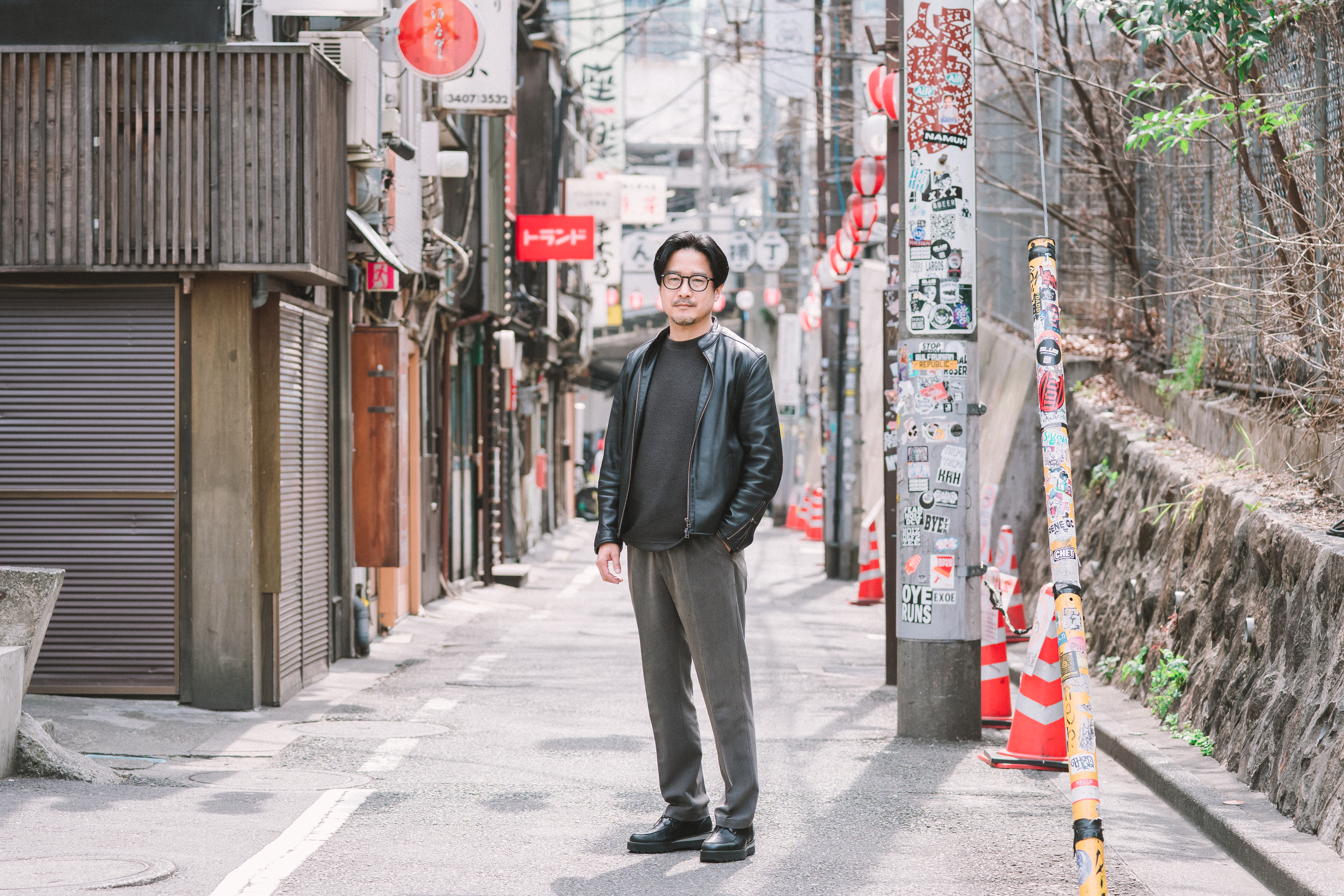
In fact, it already exists in one: “Her,” the critically acclaimed sci-fi romantic drama where the main character works as a professional letter writer, putting emotions into words for strangers. But while that story leans into loneliness and technology, Shintaro Kobayashi’s work feels quieter and more grounded. He writes for people who feel deeply, but don’t always know how to say it—and in doing so, he reveals something simple and slightly uncomfortable: that having feelings and being able to express them are not the same thing.
Kobayashi didn’t arrive at this work through ambition or strategy. It came from something much more ordinary, and much more difficult. “Since I was a child, I have always struggled to express my feelings directly,” he said.
Even simple phrases felt out of reach when spoken. So he wrote instead.
At a time when letter writing was already fading, he held onto it. Not because it was nostalgic, but because it worked. It gave him the space to say things honestly, without the pressure of immediacy. Looking back, that habit didn’t just help him communicate; it quietly shaped the way he understands other people now.
As messaging became faster and more convenient, something else seemed to disappear in the process. Kobayashi noticed it in small, passing comments. “I often heard people say, ‘I wish I could receive a love letter,’” he recalled.
No one said it dramatically. It was casual, almost offhand, but it came up often enough to stay with him.
To him, it pointed to a gap. People still wanted something slower, more intentional, but many had never written a love letter themselves. They didn’t know where to begin. That’s when he started to think that maybe what came naturally to him could be useful to someone else.
There was no big launch. No audience waiting. Kobayashi printed small flyers with a straightforward message—“I will write love letters for you”—and handed them out in the street. Later, he built a basic website himself. That was the beginning.
It wasn’t polished, but it didn’t need to be. The idea itself was enough to make people pause. Because behind that simple sentence was something many people recognized immediately: the quiet difficulty of putting real feelings into words.
Kobayashi is very clear about one thing: what he does is often misunderstood. “This is not a job of writing,” he said. “It is a job of listening.”
He prefers to meet clients in person, even though it would be easier to work online. For him, words alone aren’t enough. He pays attention to things that are harder to capture—facial expressions, breathing, tone, the pace of someone’s speech.
He asks about everything: the relationship, what they want to say, but also their daily life, their work, their personality, what they feel in moments of happiness or sadness. “I continue asking questions until I can clearly picture who they are,” he explained.
Even small details matter, whether someone speaks formally or casually, whether they use simple or complex language. All of it helps him write a letter that doesn’t sound written for them, but from them.
Not every letter is about romance. One client asked Kobayashi to write a letter to himself. He had grown up without parents and had never been praised by anyone. As an adult, he struggled to believe in his own worth. He didn’t want anything elaborate, just something that would affirm his life.
“That experience made me realize that being acknowledged, praised, or simply spoken to with kindness is not something we should take for granted,” Kobayashi said.
It changed the way he saw his work. A letter, in that moment, wasn’t about expression; it was about giving someone something they had never received.
A woman who had just given birth once asked Kobayashi to write a letter for her child to open on their 20th birthday. When he suggested she could write it later, her answer was immediate: “I want to preserve how I feel right now, exactly as it is.” That stayed with him. It made him realize that letters are not only a way to express emotions, but a way to hold onto them, to keep a moment unchanged, even as everything else moves forward.
A different kind of weight came from a man who had been in love with someone for ten years. Kobayashi was asked to write a confession on his behalf, a single letter carrying a decade of unspoken feeling. “I was struck by the length of time he had carried those emotions,” he said. But there was also hesitation. He understood that the letter might bring closure, no matter the outcome.
“I believe that feelings should be expressed,” Kobayashi reflected. “But this experience also made me wonder if there are times when keeping those feelings unspoken might bring a different kind of happiness.” Not every emotion needs resolution to have meaning, and sometimes, the act of holding onto it is its own quiet form of truth.
For someone who has written more than 300 love letters, the most important one in Kobayashi’s life was also the simplest, and the earliest.
When he was in fourth grade, he arrived at school one morning and found a small piece of paper tucked inside his indoor shoes. It wasn’t long or elaborate. It didn’t try to impress. It simply said: “I like you.”
That moment has stayed with him ever since, not just as a memory, but as something foundational. He often returns to it when thinking about his work. “Even now, I feel that I have never been able to surpass those two simple words,” he admitted.
Despite years of writing for others—refining tone, carefully choosing phrasing, shaping letters that carry complex emotions—he keeps coming back to that same realization: that sincerity doesn’t need decoration.
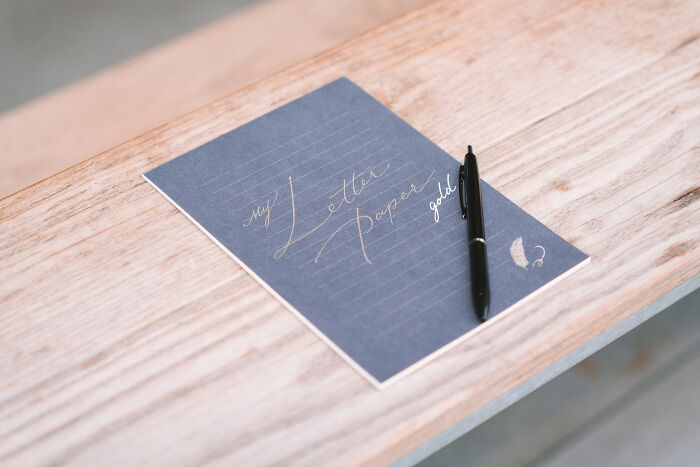
“What truly matters in a letter is not its length, sophistication, handwriting, or even the quality of the paper,” he said. “It is the sincerity of the heart behind it.”
That small note, quietly left in a child’s shoes, said everything it needed to say. And in many ways, it continues to define what he believes a love letter should be—not perfect, not impressive, but honest in a way that doesn’t try to be anything else.

By entering your email and clicking Subscribe, you're agreeing to let us send you customized marketing messages about us and our advertising partners. You are also agreeing to our Privacy Policy.
Thank you! You've successfully subscribed to newsletters!






















 No fees, cancel anytime










34
0