Get Premium
Dark mode theme is available exclusively for premium users. Learn more about the benefits of subscribing.
No fees, cancel anytime.

 Dark Mode Ad-Free Browsing Unlimited Content
 Ad-Free Browsing Unlimited Content Dark Mode
Join 1.2 million Panda readers who get the best art, memes, and fun stories every week!
It always takes me a day to adjust to the rhythm of Kathmandu, without it I cannot reintegrate into my Newari wife’s family even after 47 years of marriage and annual visits.
The taxi drops me off at the end of New Road, Basantapur, and zooms off quickly before an approaching policeman can nab him for a parking fine. The total chaos hits all of my senses, traffic noise, rotting vegetation smells, and a myriad of colours as I set off on my walk back in time through medieval Kathmandu. Welcome back!
{My Newari wife and I were married as students in Glasgow 47 years ago, she was the first woman from Nepal ever to gain a PhD, myself an Englishman from a working class Cumbrian family. Our mixed race marriage was a complete rarity!}
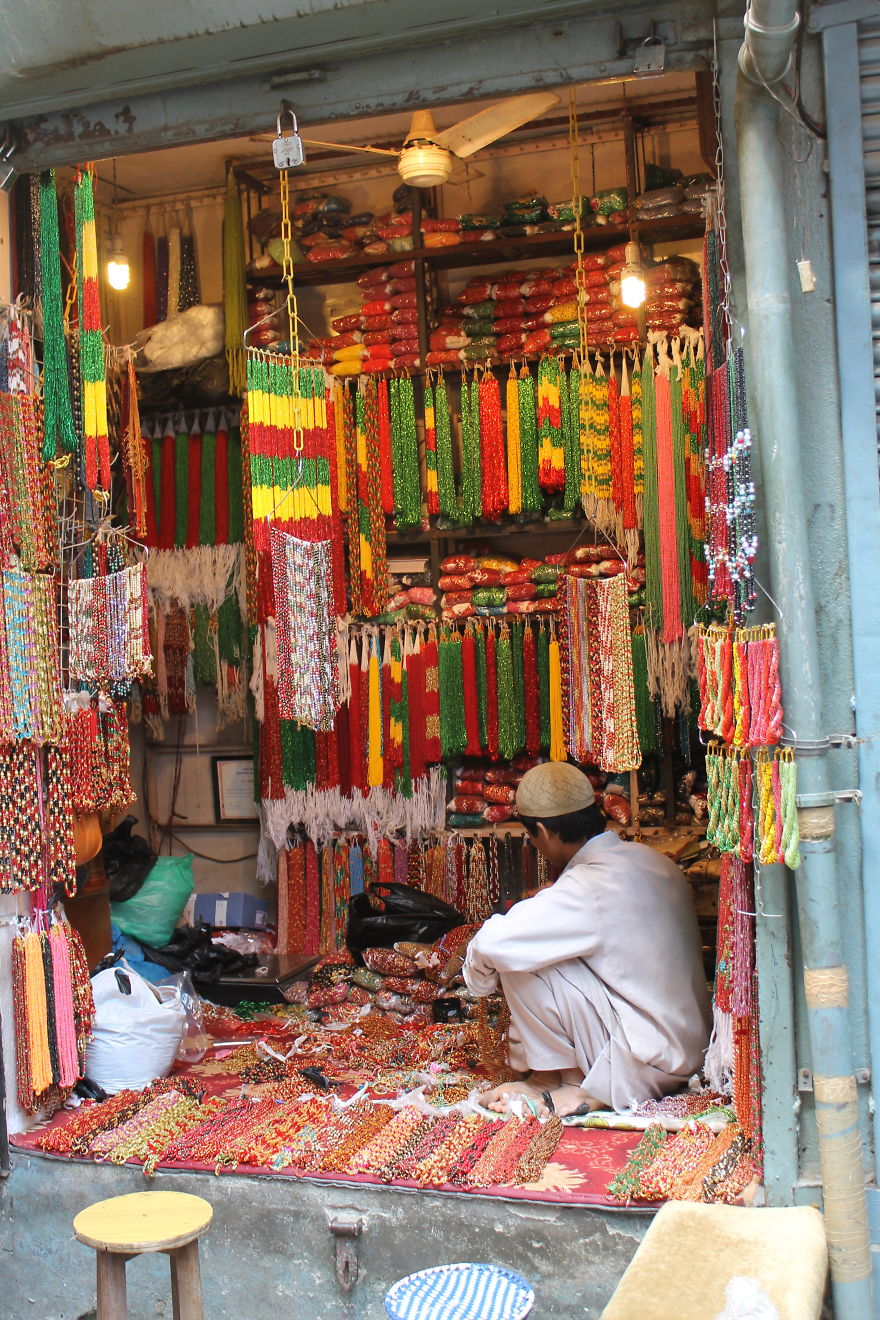
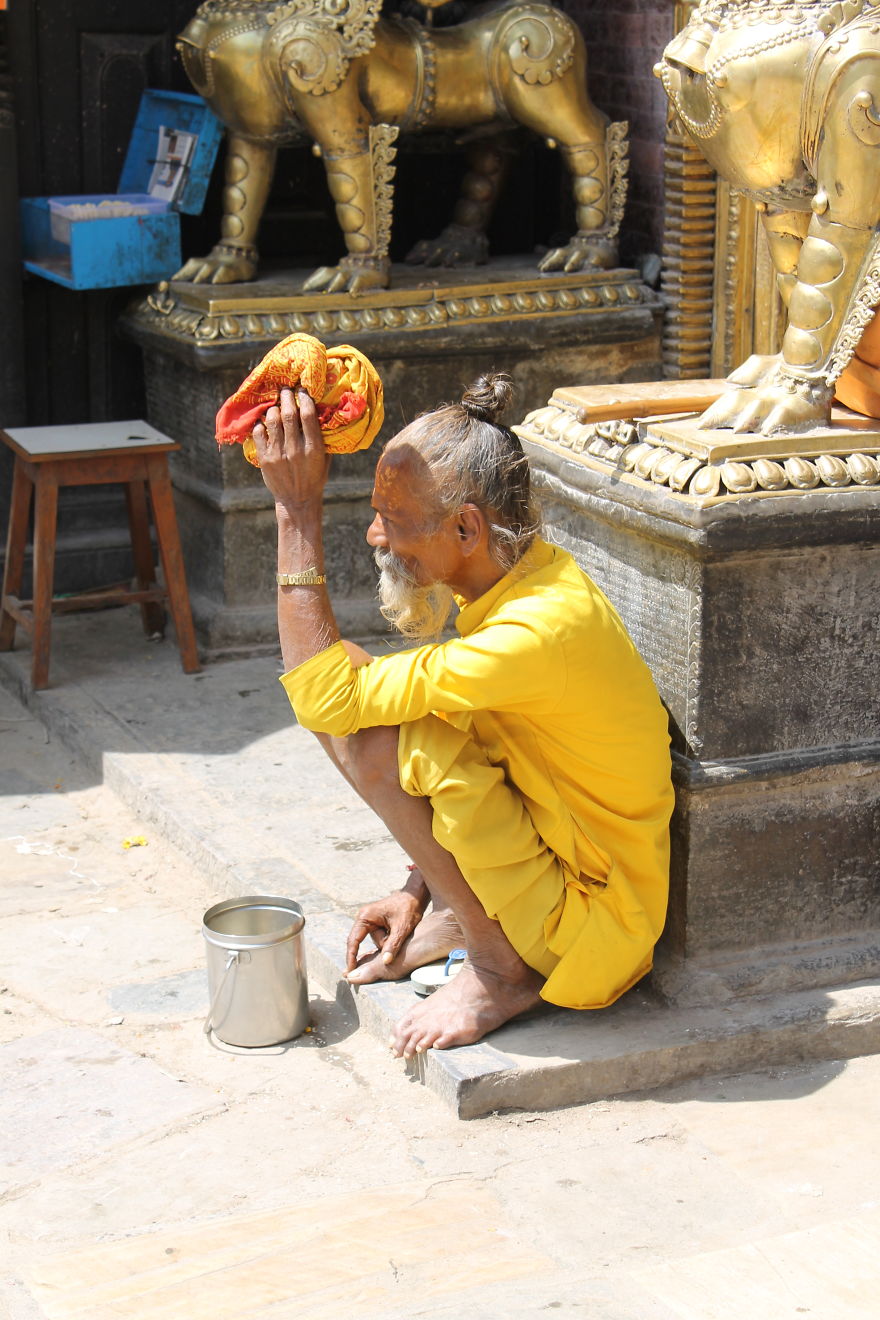
The first few hundred metres of my walk are along a busy tarmac covered road, hundreds of motorbikes parked against the pavement that are choked with locals exploring the mostly clothing and household item shops. But soon I reach Indra Chowk, packed earth streets in four directions, an ancient small temple, less traffic. My pace slows, I start to observe smaller things …… the guardian’s yellow shirt, the bead seller’s hat, the smell of incense …….. I really must stop striding out to get from A to B in the shortest time possible!
This is “Newar territory” the neighbourhood of the indigenous people of the Kathmandu Valley; I know people here, shopkeepers, traders, many are cousins, nephews and nieces, all with the surname Tuladhar, my wife’s family name.
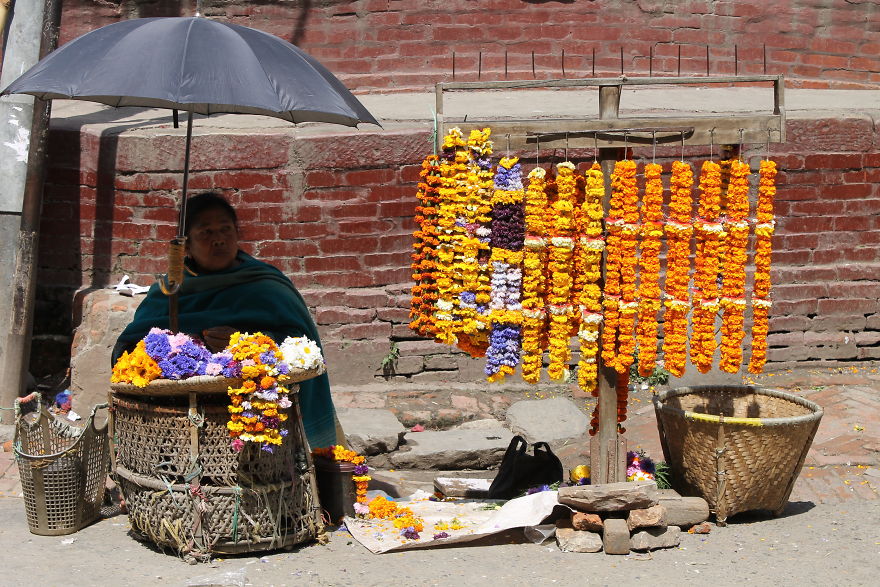
I bear to the right and stop at the shop of Surya, my cousin who sells brass items for the kitchen as well as religious icons. We smile and laugh but understand very little of what each other says; he speaks no English and I speak no Newari so we each just accept our pleasure at seeing each other. A few yards further on I stand and watch Jyati, one of my many nieces who is the daughter of my wife’s oldest sister. She has a shop selling religious decorations for the many festivals held in Nepal, a bit like a shop selling Christmas decorations but imagine 52 Christmases every year! She doesn’t see me so I move on, I’ll be having dinner at their house later.
{My first visit to Kathmandu was 35 years ago, the warmest of welcomes from my wife’s family, plus the biggest culture shock imaginable…….. it was like being transported to a different planet and took me a month to adjust. The more I thought about it the more I realised there were two issues I had to deal with, “acceptance” and “pace” with the latter leading to my adopting the Kathmandu Shuffle and walking everywhere at about a quarter of my normal pace.}
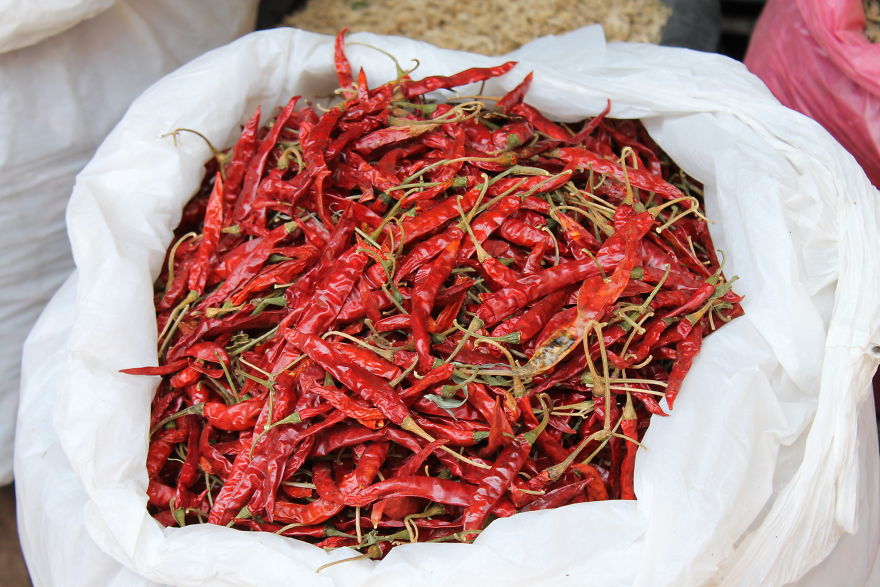
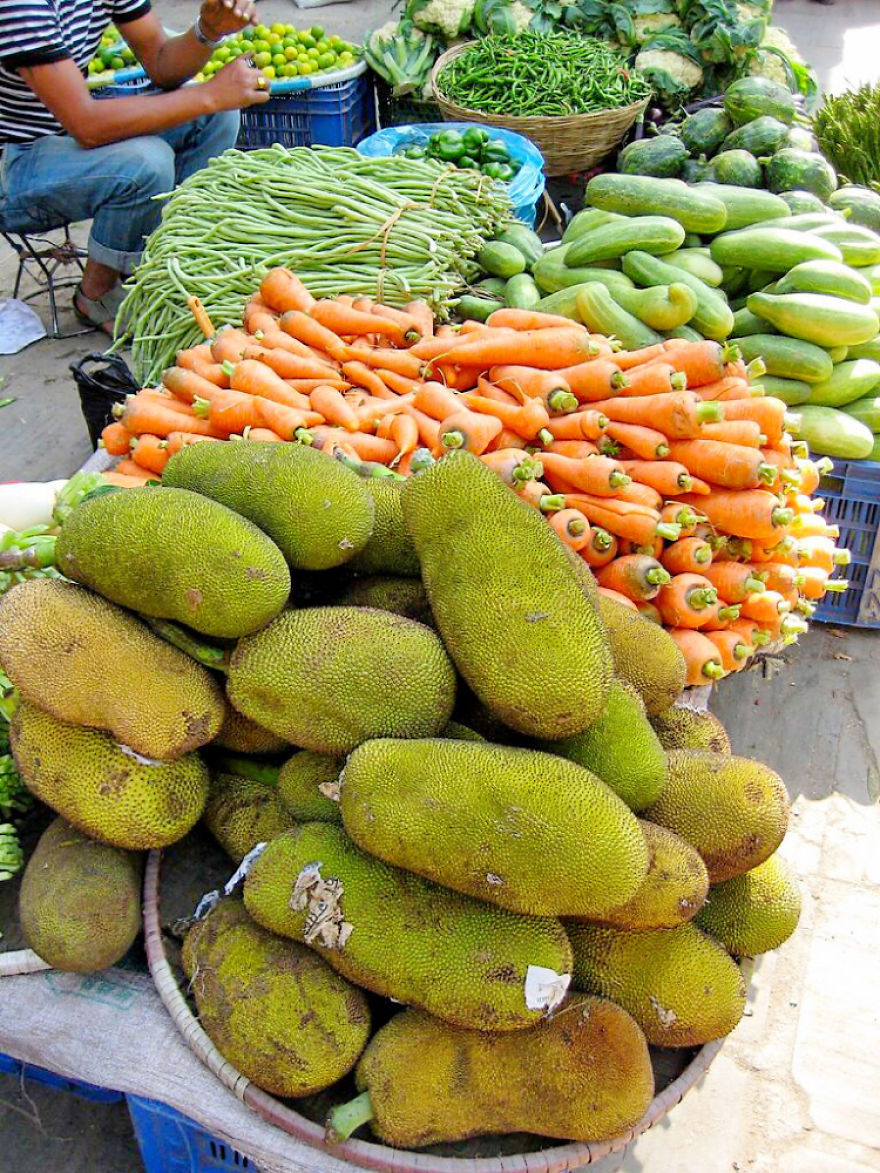
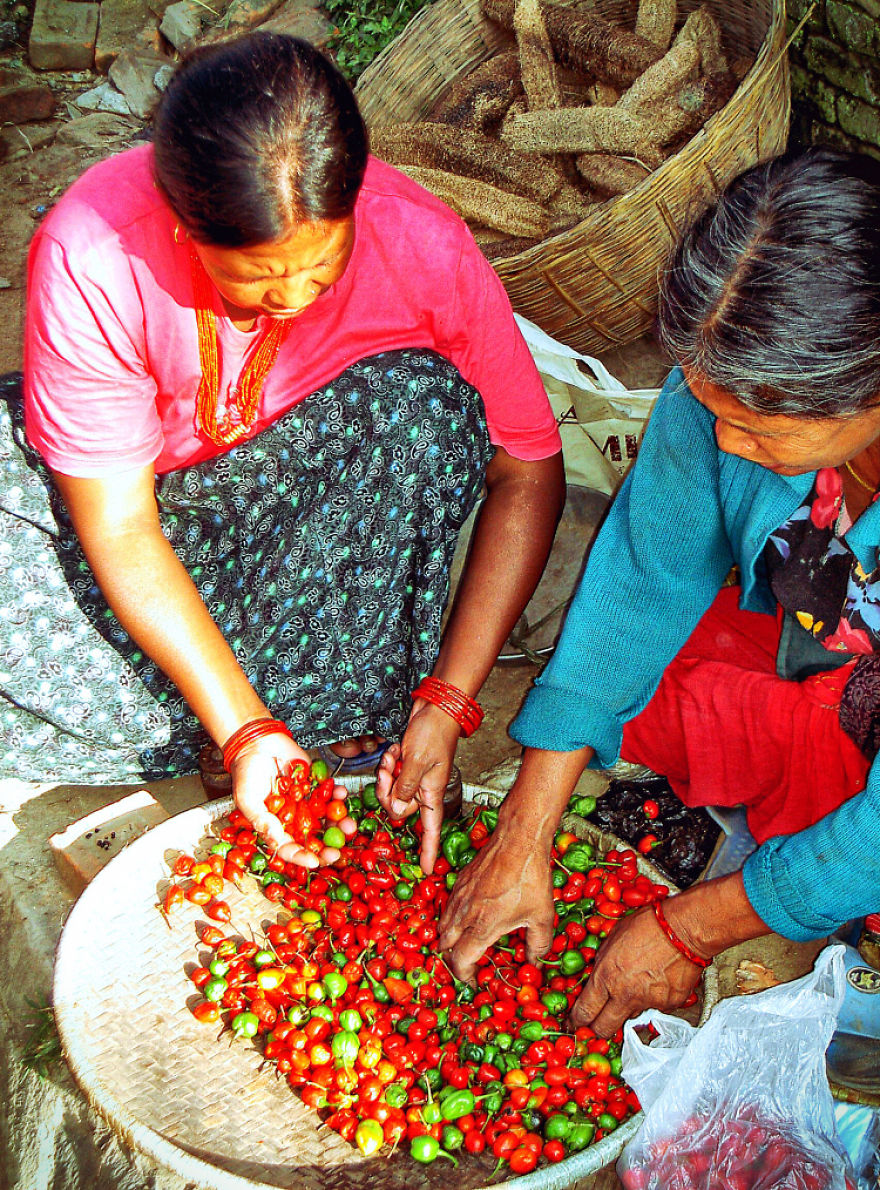
After passing Jyati’s shop I reach Ason Tole, a market central area with seven offshoot roads that have baffled many tourists. Thank goodness for modern digital cameras nowadays or I would spend a fortune on prints as I snap every street seller, every vegetable, spice, sack of pulses, fruit, fish and chunk of fly covered meat. Some folks have only one item for sale such as only potatoes, only chillies, strawberries, mangoes …. how on earth do they survive?
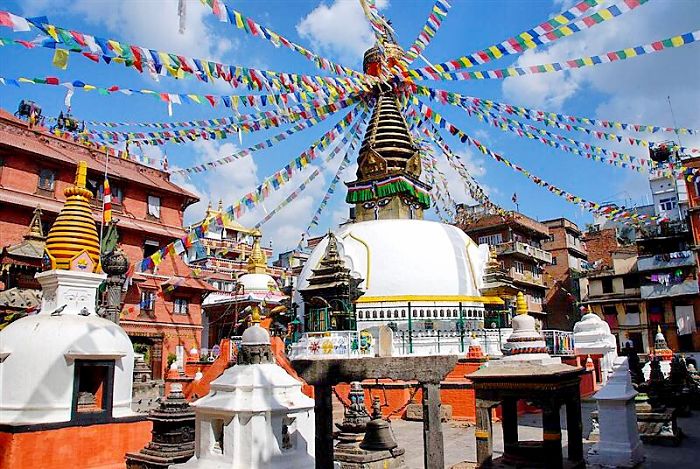
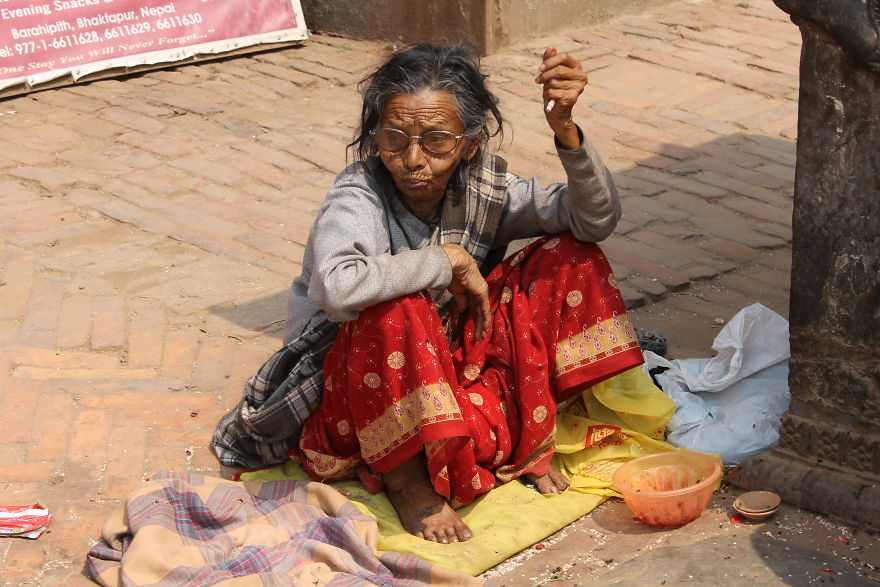
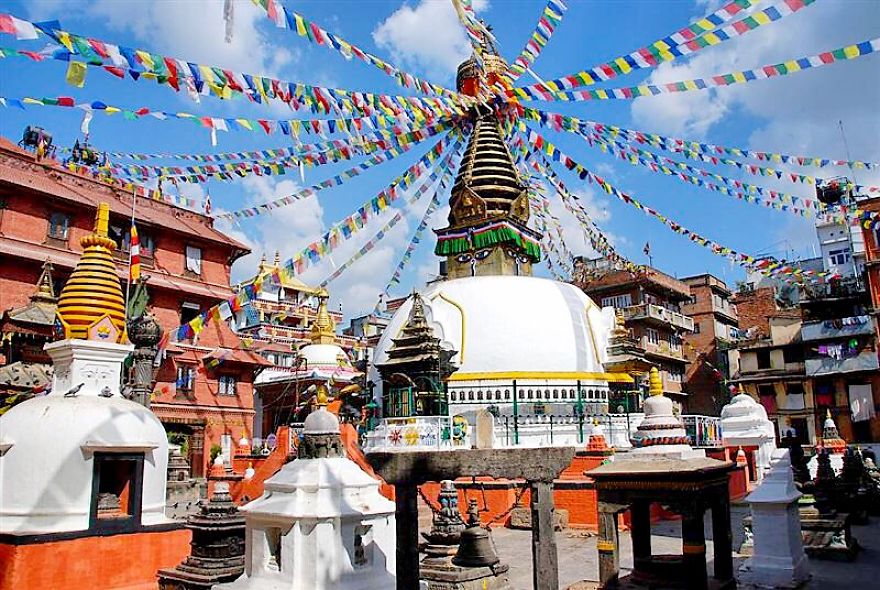
Moving on, I take the street for Tahity, not a tourist in sight ….. this is the REAL Kathmandu where people live, shop, trade, raise children, go to school. It’s a timeless sort of place, you sense that it hasn’t changed in at least a century and many of the buildings are considerably older. After a few minutes I turn left into a side street to face the Buddhist stupa at Seagal. There is a monastery here too with the whole area having been cleaned up and maintained by Tibetan refugees which provides a nice quiet area for a rest and contemplation.
{Upon my first visit in 1983 I was obsessed with visiting Swayambhu, the famous Monkey Temple on top of the hill. It was a wonderful experience, a spiritual one too which began my changing outlook on life as I observed the simple daily visits by ordinary Nepalis compared to the camera clicking tourists at this holy site. Since that time it has become much more tourist oriented and I have rarely visited there, much preferring to sit quietly at stupas like the one at Seagal.}
It certainly is peaceful here, no beggars or hawkers trying to sell me everything from chess sets to hashish as around Swayambhu. I go back to the main street and turn left taking me towards Thaihity again, now passing stalls selling cloth, sarees, prayer flags, religious wall hangings, many of which are owned and run by Tibetans. I stop at one stall and buy a large wall hanging with an embroidered Buddha on it, it will make a nice present for my sister in law this evening.
{Although I didn’t recognise it at the time, this is mindfulness or walking mindfully. Slowing down, noting surroundings and people, interacting with people, almost the exact opposite of my western behaviour which is NOT the way to be part of Nepalese society or culture. This is a lesson for tourists too, immerse yourself in your environment and get a lot more from your visit.}
At Thaihity there is a long line of Rickshaws hoping for business, I walk to the front of the line and tell him my destination. “Five hundred rupees” he says, “Mahongo cha” (too much) I tell him, shaking my head as I walk down the line asking each in turn for their price. The fourth one finally gets the message, “one hundred rupees sir” as he realises I am no ordinary tourist. I think I’m ready for the family now!























 No fees, cancel anytime




3
0