Get Premium
Dark mode theme is available exclusively for premium users. Learn more about the benefits of subscribing.
No fees, cancel anytime.

 Dark Mode Ad-Free Browsing Unlimited Content
 Ad-Free Browsing Unlimited Content Dark Mode
Join 1.2 million Panda readers who get the best art, memes, and fun stories every week!
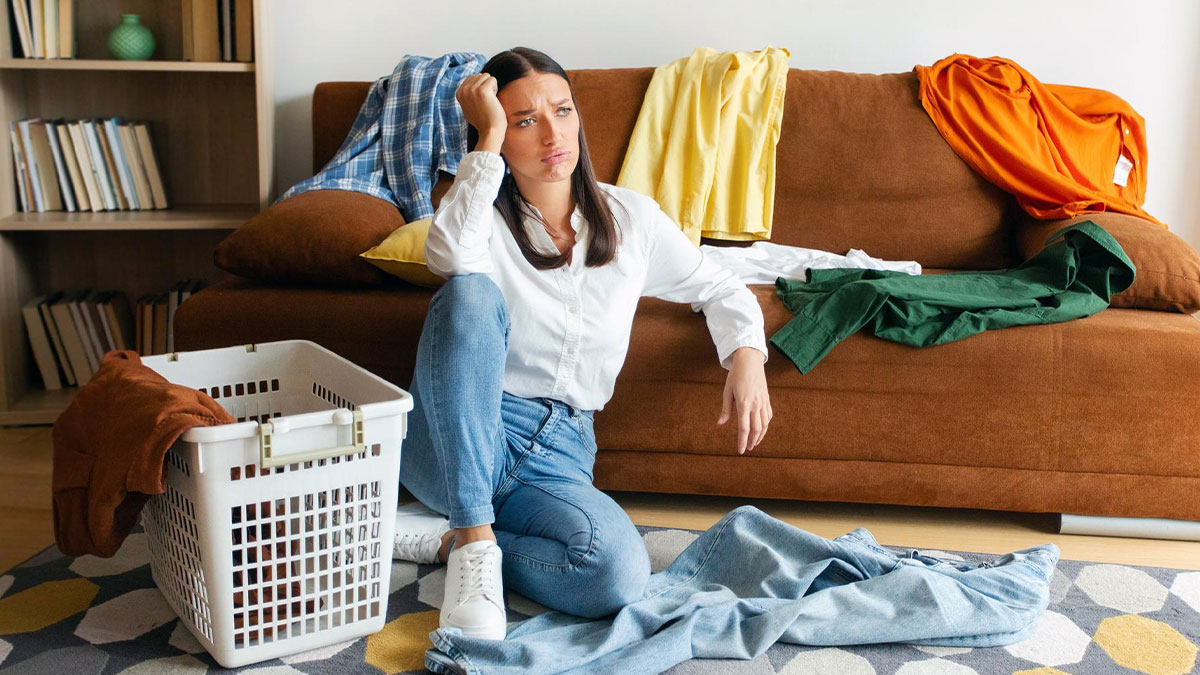
There are days when everything goes wrong. You know, like your coffee spills, your phone goes off, and maybe you step in something suspicious on the sidewalk. And then there are days where life doesn’t just throw lemons at you, no, it launches the entire orchard.
Unfortunately, for today’s Original Poster (OP), things escalated far beyond everyday inconveniences into something deeply frightening and isolating. After being diagnosed of cervical cancer, the person who was supposed to stand beside her emotionally checked out entirely.
More info: Reddit
Image credits: freepik / Freepik (not the actual photo)
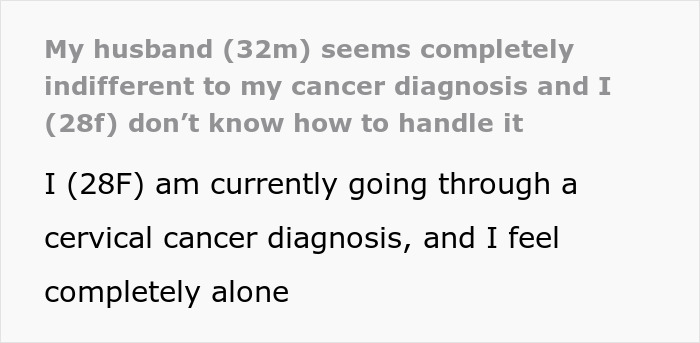
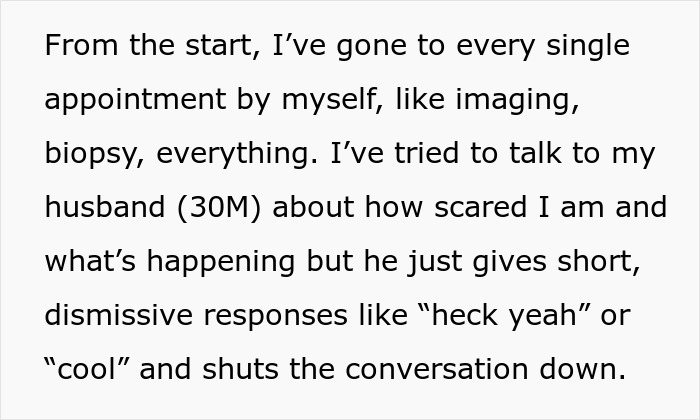
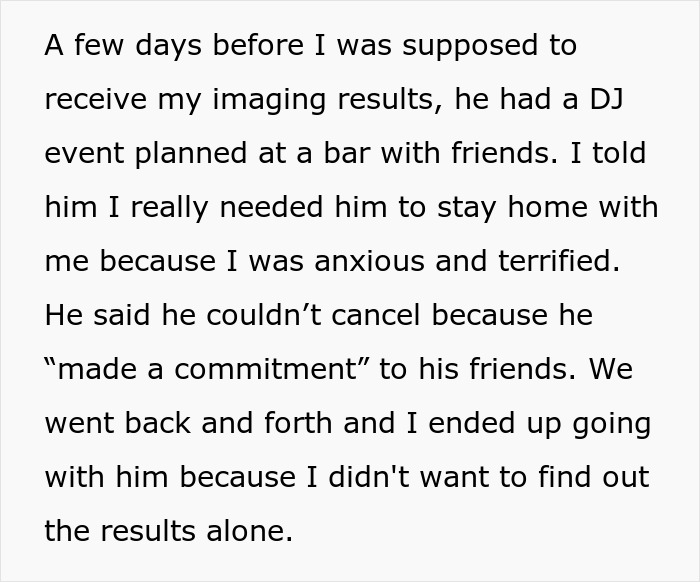
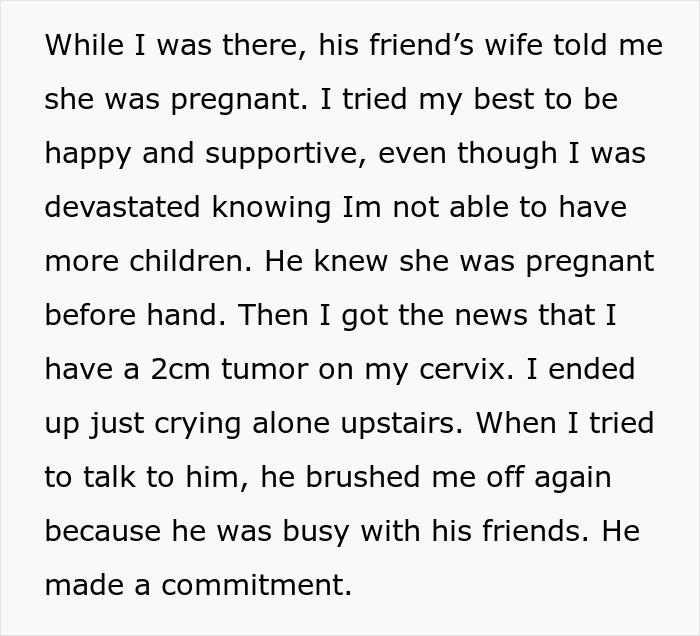
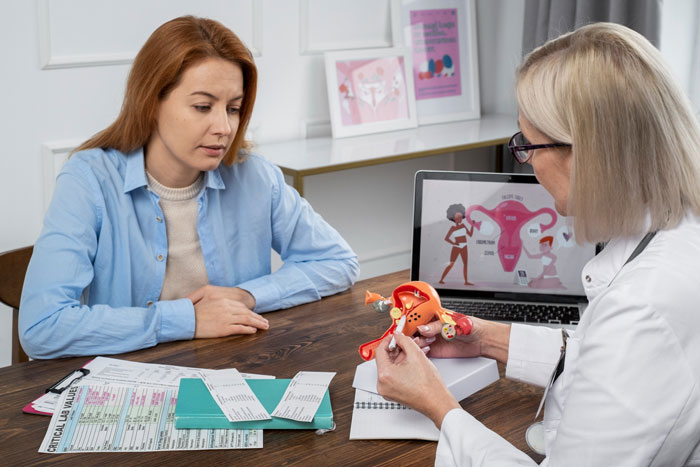
Image credits: stockking / Freepik (not the actual photo)
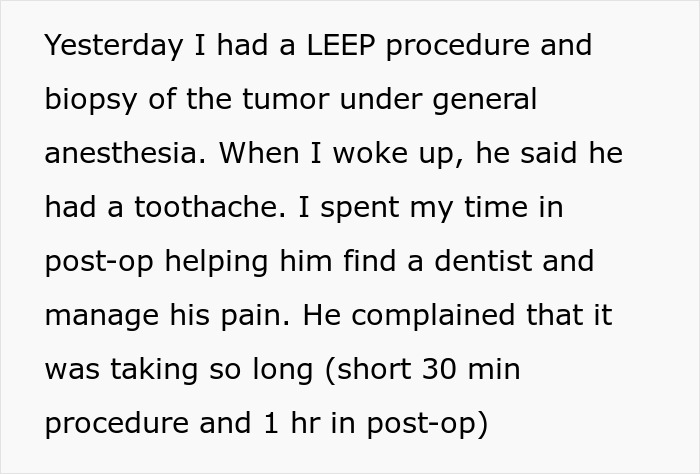
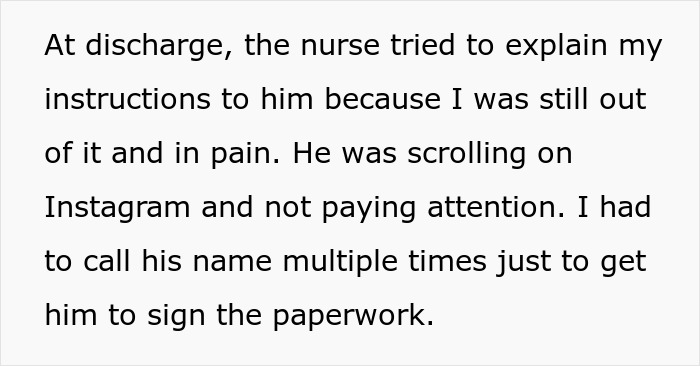
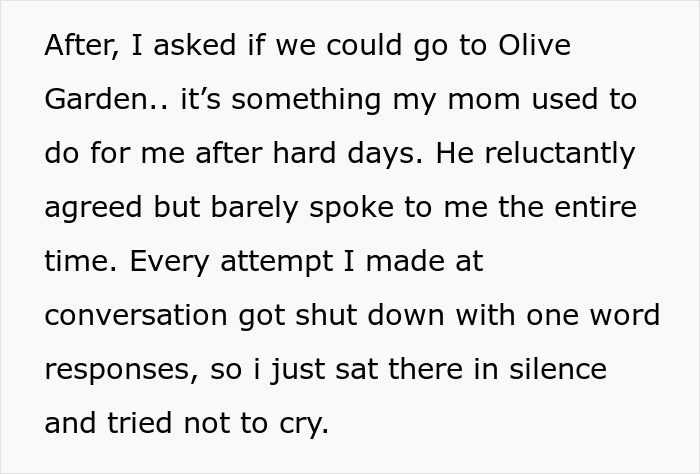
Image credits: freepik / Freepik (not the actual photo)
Image credits: freepik / Freepik (not the actual photo)
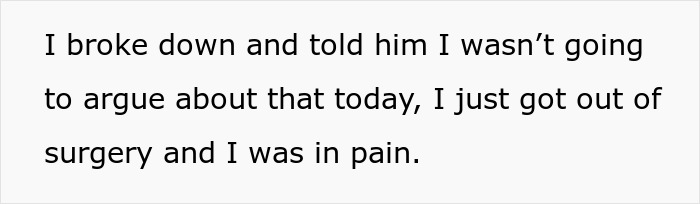
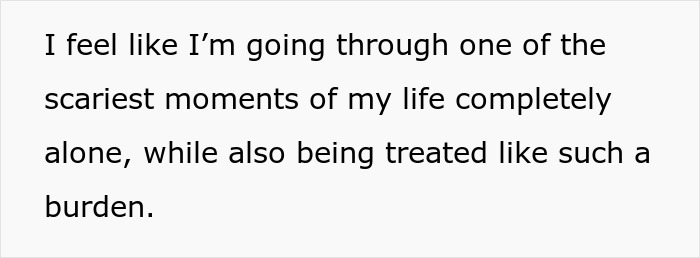

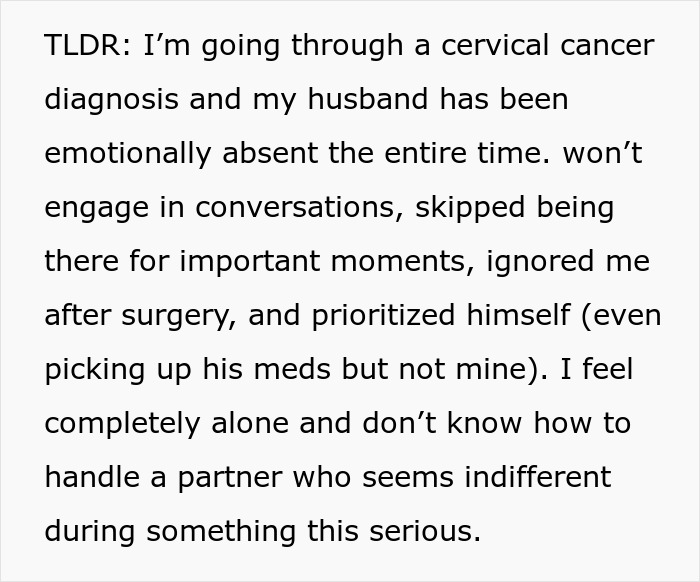
Image credits: EmpatheticOtter
The OP shared that she is diagnosed of cervical cancer but feels alone despite having a husband. She stated that she had been going to medical appointments alone. Throughout this medical journey, her husband has become emotionally unavailable, often responding with short or dismissive replies when she tries to express fear or vulnerability.
Few days before she received an imagine result, she asked her husband to stay with her due to anxiety. However, he insisted he had committed to attending a DJ event at the bar with his friends. Not wanting to face the moment alone, she went with him only to receive the news of a 2cm tumor on her cervix. At the same gathering, she also learned someone else was pregnant, intensifying her devastation at her own uncertain fertility.
While she processed all of this, she ended up crying alone, as her husband continued socializing. After undergoing a Loop Electrosurgical Excision Procedure (LEEP) and biopsy under general anesthesia, a treatment commonly used to remove abnormal cervical tissue, her husband focused on his toothache. Still, she found herself helping him find a dentist which he even complained that he she was taking too long.
At her own discharge when the nurse explained instructions to her husband, he ignored medical instructions, scrolling on his phone. When she asked that he took her to a comforting place she used to go to with her mom, he barely spoke to her. Once home, she was left to handle chores, care for pets, and manage her recovery alone while he sat watching YouTube videos.
To make matters worse, when picking up medications at the hospital, he only picked up his own while ignoring hers. In the end, she’s left feeling like a burden during one of the most vulnerable moments of her life, and she isn’t sure how to communicate this disconnect with him.
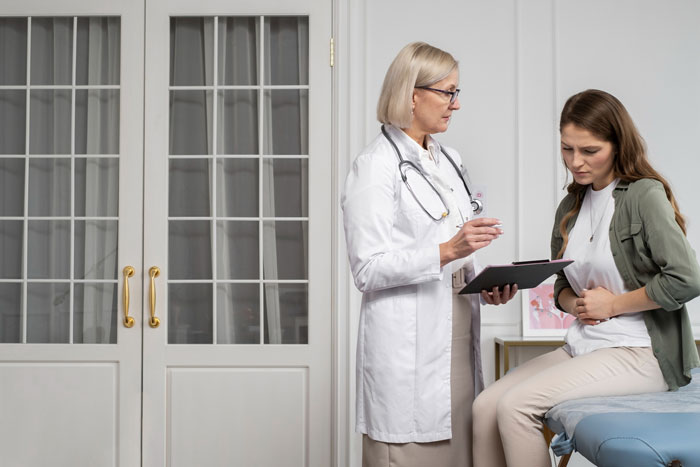
Image credits: faststocklv / Freepik (not the actual photo)
Research from Renova Hospitals highlights how crucial social support is for people facing serious illnesses, particularly during intensive treatments and recovery phases. In cases like the story described, where a patient is navigating a cervical cancer diagnosis and post-procedure recovery, this kind of support can directly influence how well someone copes day to day.
HelpGuide explains that without close emotional or relational support from partners or family, patients are more likely to feel isolated and overwhelmed by fear surrounding their diagnosis. This lack of reassurance can intensify anxiety and depressive symptoms, making an already difficult medical journey feel even heavier.
They emphasize that partners and family members typically provide emotional validation, practical help, and encouragement to stay consistent with treatment support that, when absent, can leave patients feeling helpless and emotionally unsteady during critical moments.
Similarly, the Cleveland Clinic stresses that recovery from cervical abnormalities and procedures like a LEEP is not only physical but also deeply emotional. They note that emotional reassurance from healthcare providers, clear follow-up instructions, and psychosocial support from partners or counseling services all play a key role in reducing distress.
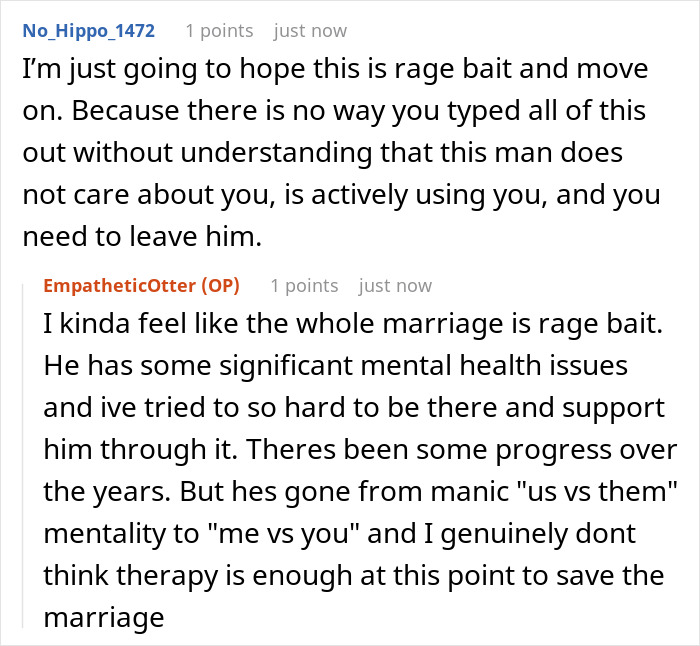
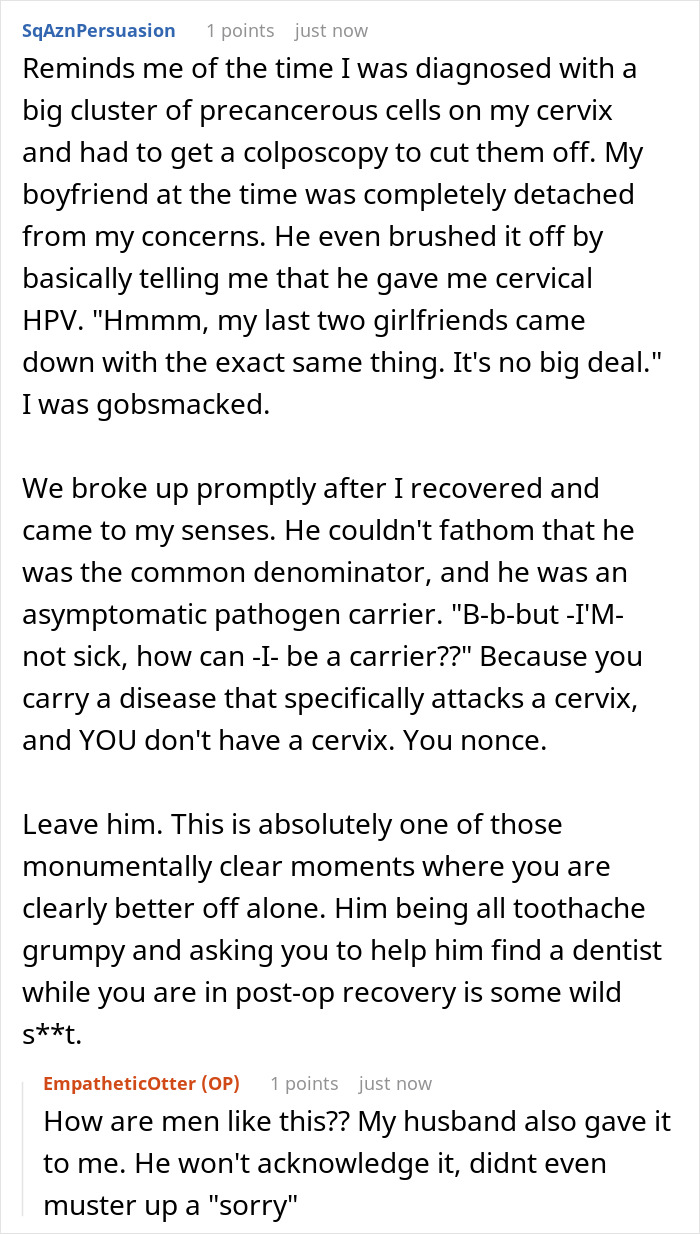
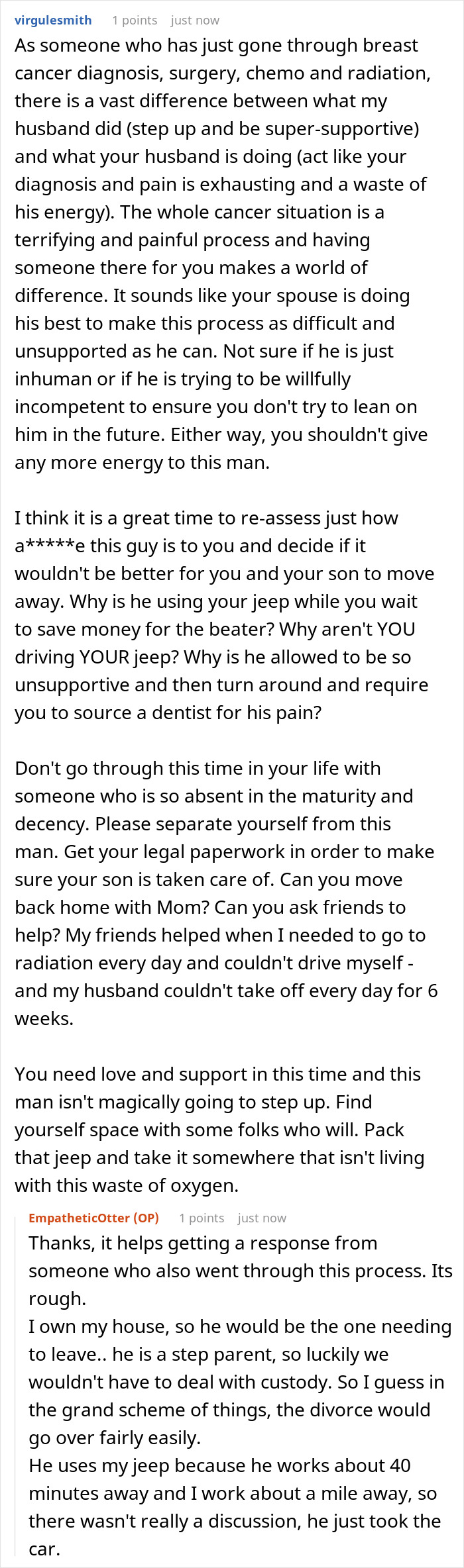
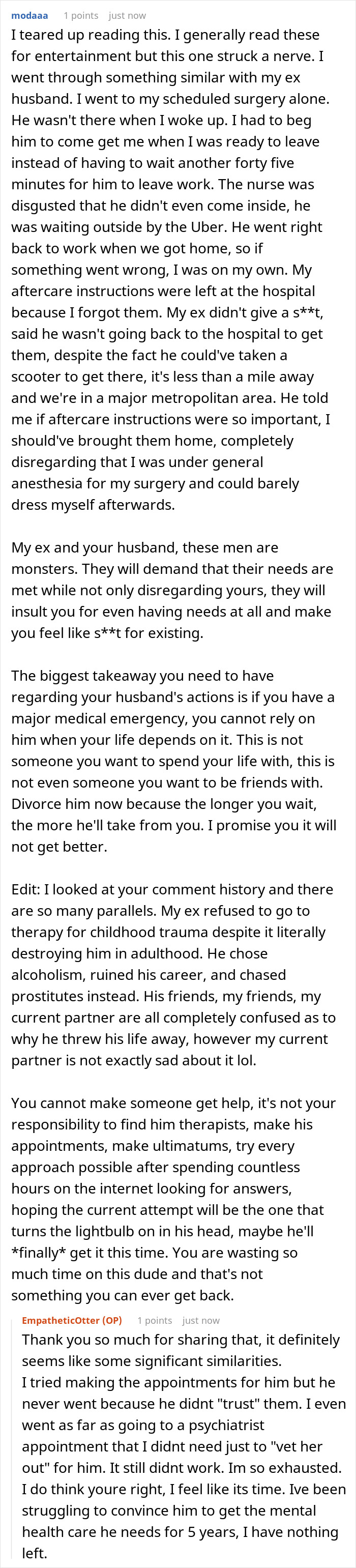
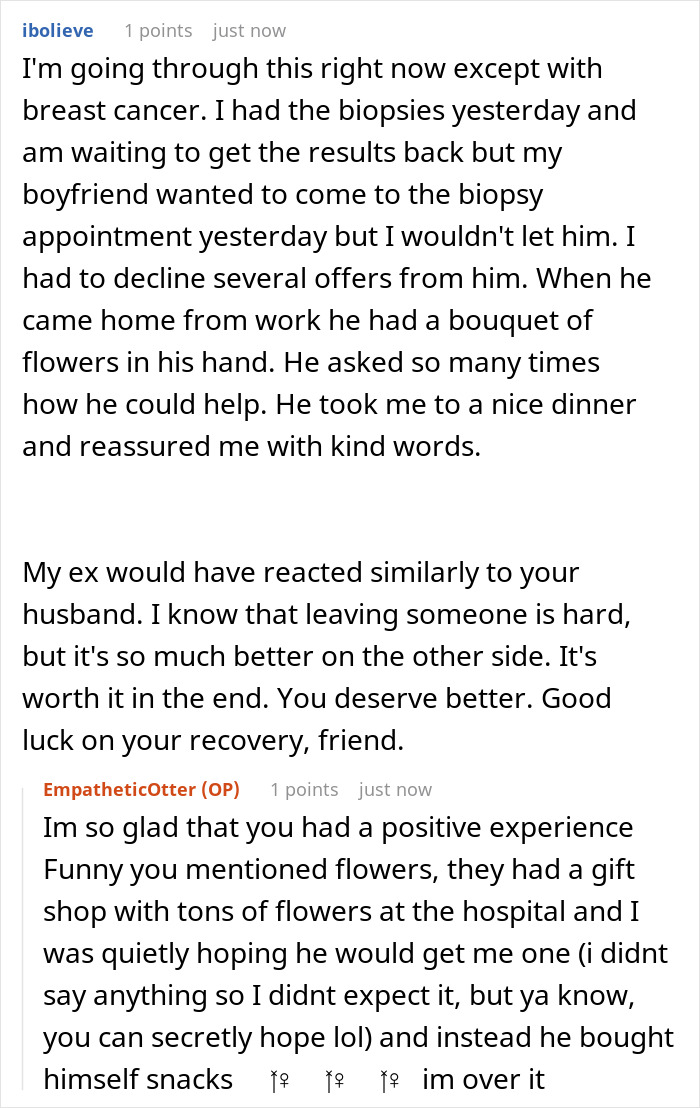
Netizens expressed shock, anger, but strong emotional support for the OP, with many interpreting the husband’s behavior as deeply neglectful and emotionally harmful during a critical health crisis. What do you think about this situation? Do you think people change their behavior in situations like this, or is it already a clear sign of who they are? We would love to know your thoughts!
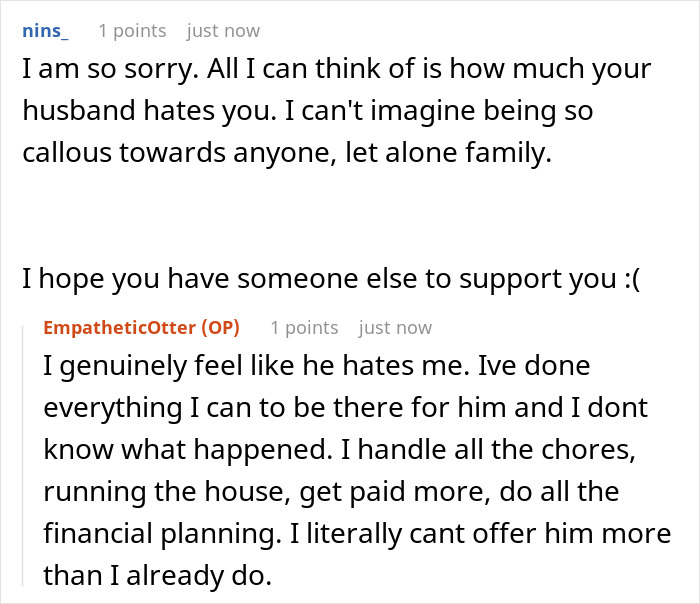

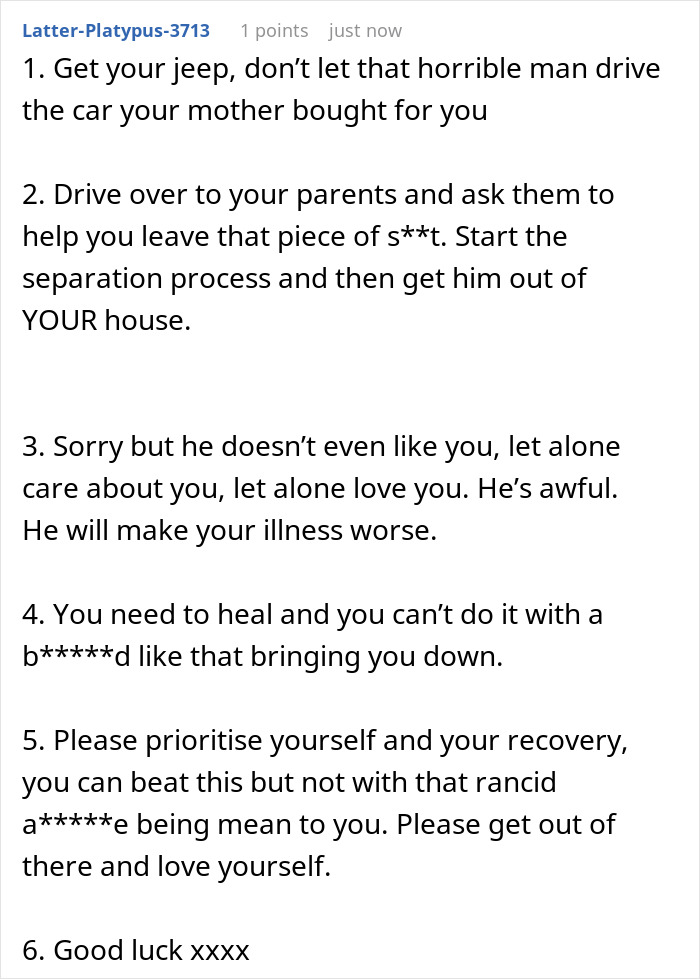
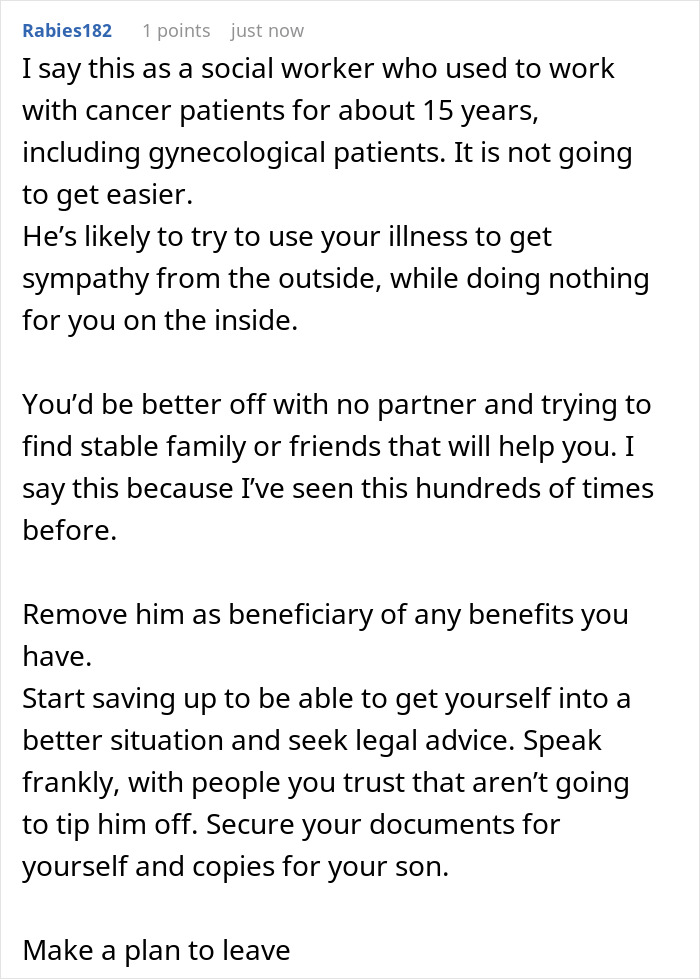
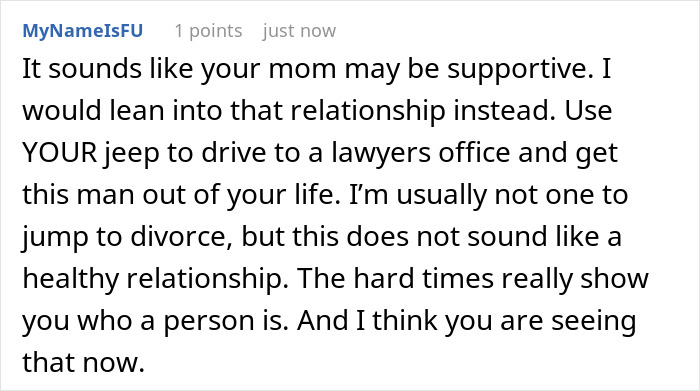
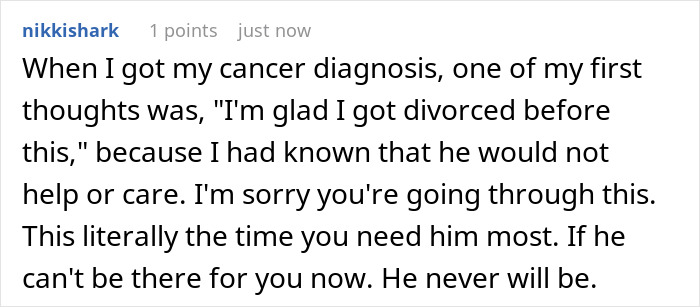
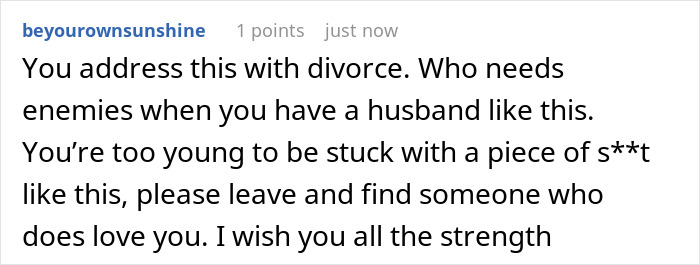


If only men like this were capable of seeing how horrible they are and feeling the way they make their wives feel.

She needs to put HER things (including all important papers) in HER Jeep and drive to her mother's or a friend's house immediately.
If only men like this were capable of seeing how horrible they are and feeling the way they make their wives feel.
She needs to put HER things (including all important papers) in HER Jeep and drive to her mother's or a friend's house immediately.























 No fees, cancel anytime








21
13