Get Premium
Dark mode theme is available exclusively for premium users. Learn more about the benefits of subscribing.
No fees, cancel anytime.

 Dark Mode Ad-Free Browsing Unlimited Content
 Ad-Free Browsing Unlimited Content Dark Mode
Join 1.2 million Panda readers who get the best art, memes, and fun stories every week!

It is completely heartbreaking to see a parent neglect one of their children while giving all of their love and attention to all of their other kids. Unfortunately, this isn’t the plotline of a fairy tale but something very real.
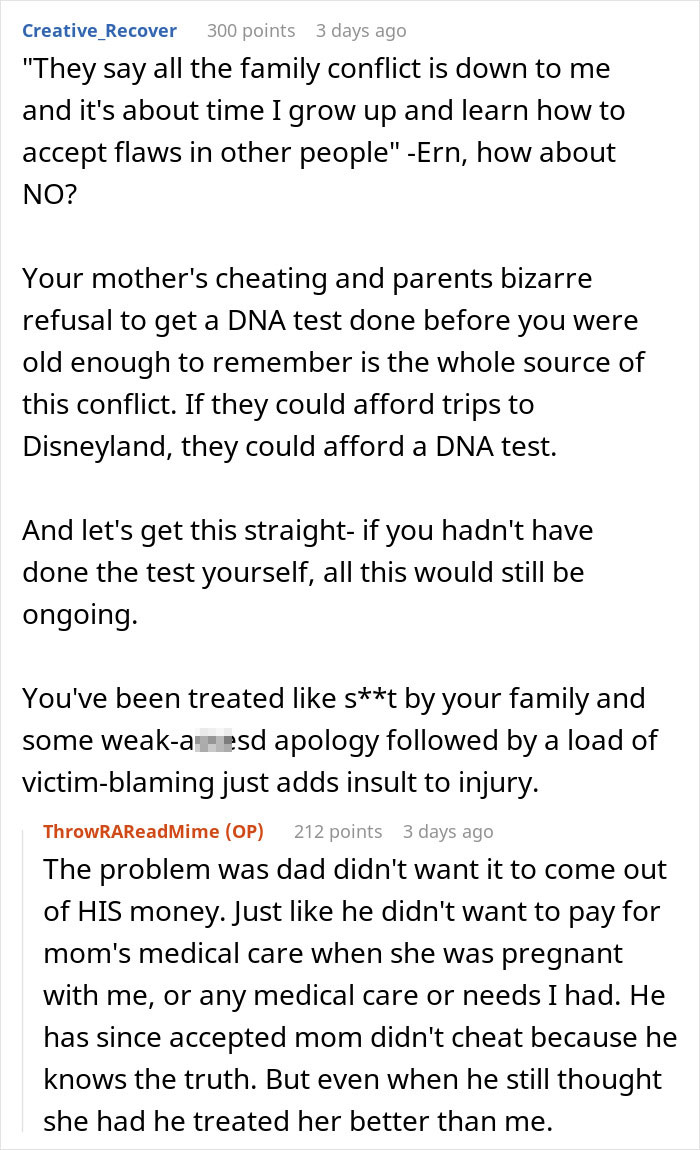
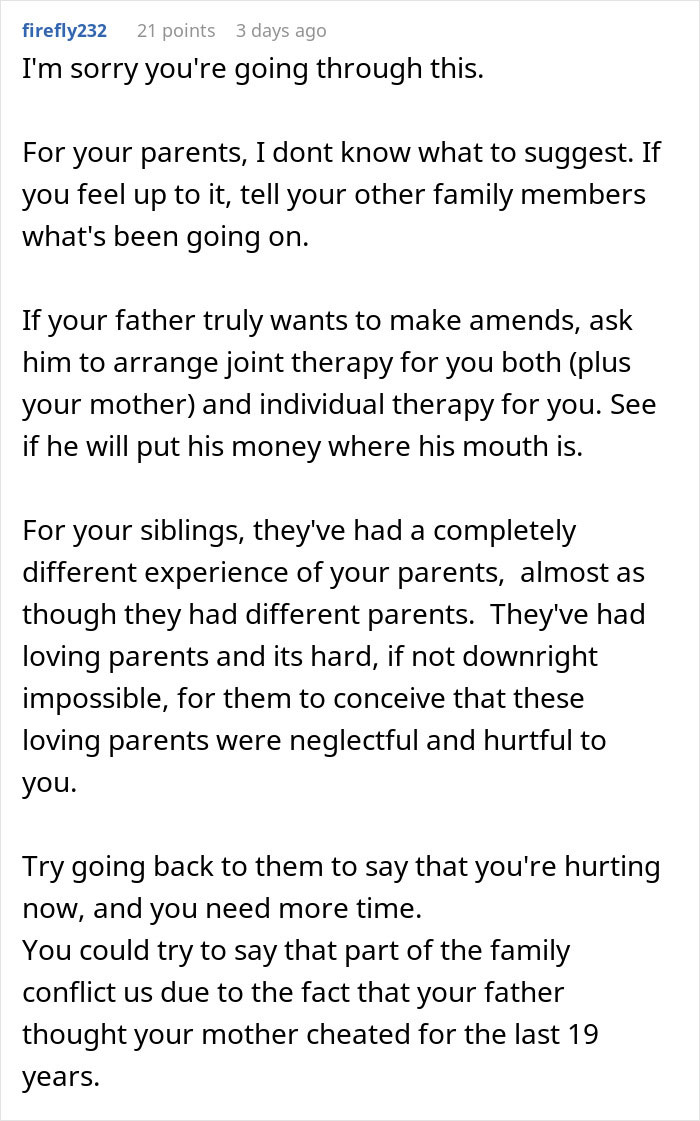
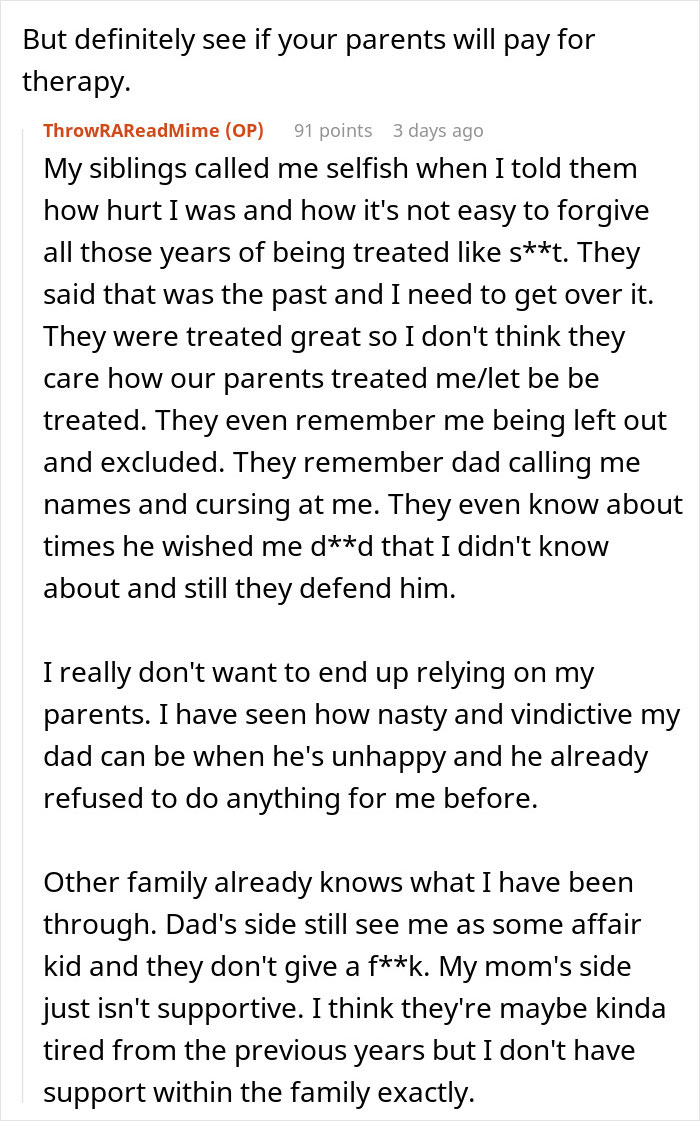
A teenager asked for help after sharing how his toxic dad rejected him his entire life because he thought he was an affair child. After finally learning the truth, the man wanted reconciliation. Meanwhile, the teen’s siblings pressured him to “get over it.” You’ll find the full story and the internet’s wise advice below.
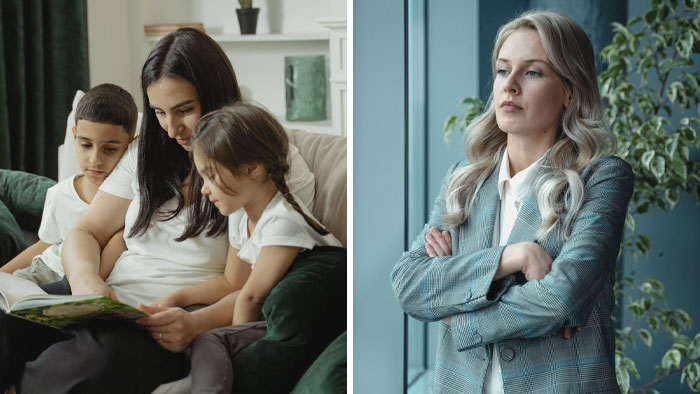
Image credits: Pedro Paiva / Pexels (not the actual photo)
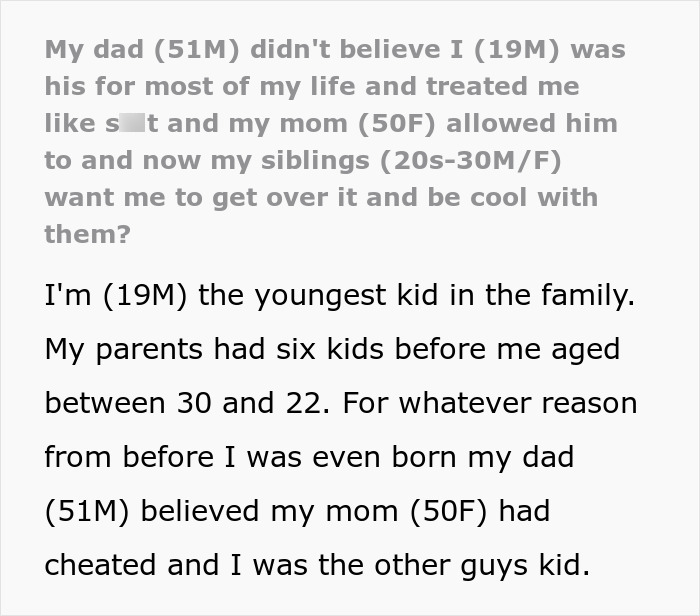
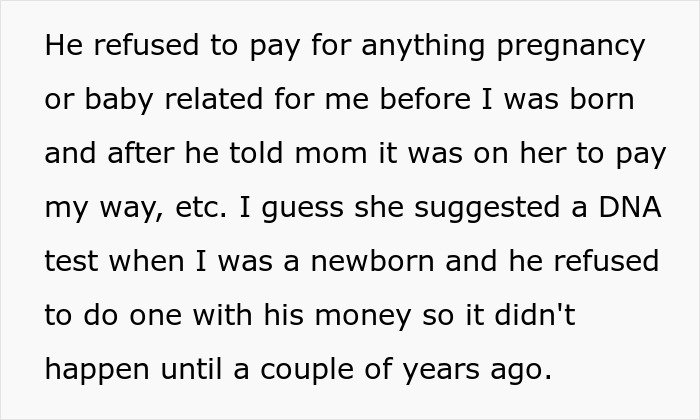
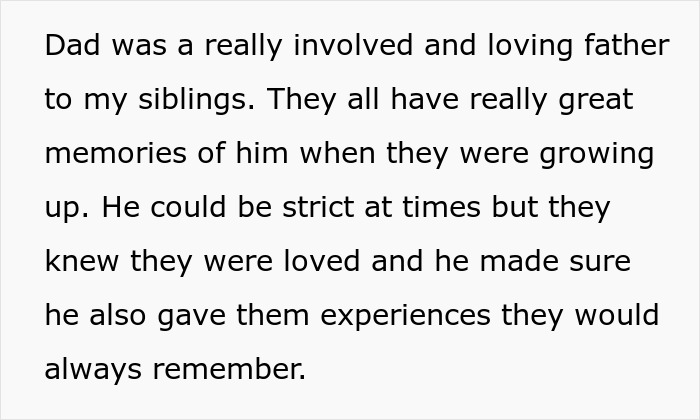
Image credits: Pavel Danilyuk / Pexels (not the actual photo)
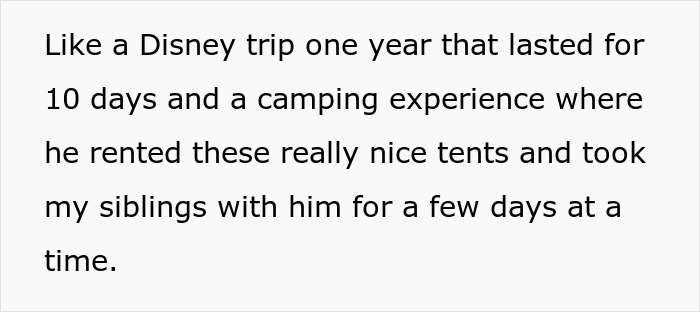
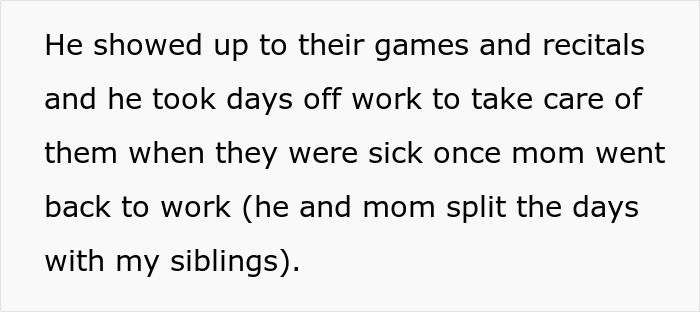

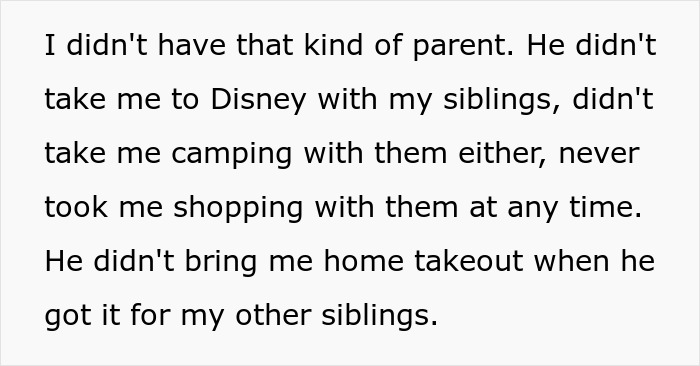
Image credits: Curated Lifestyle / Unsplash (not the actual photo)

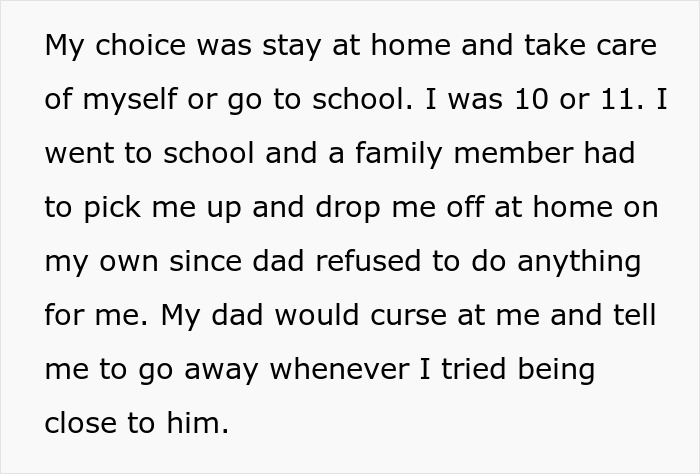
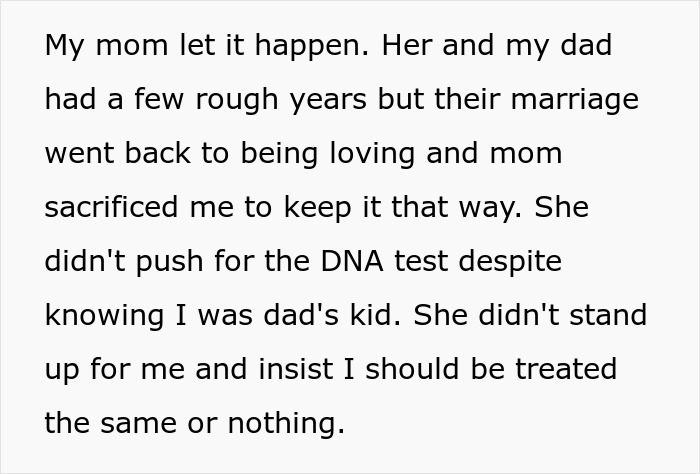
Image credits: Julia M Cameron / Pexels (not the actual photo)
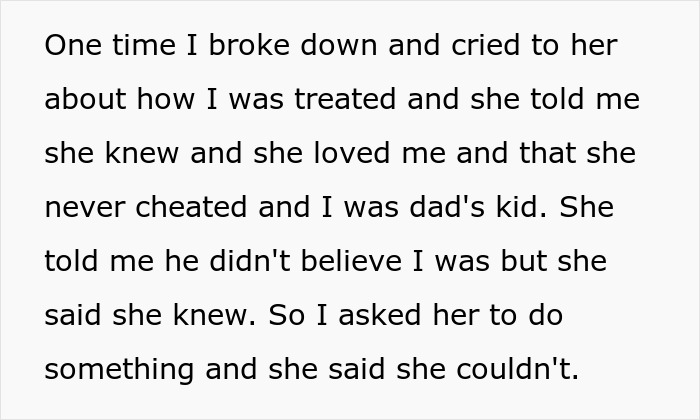
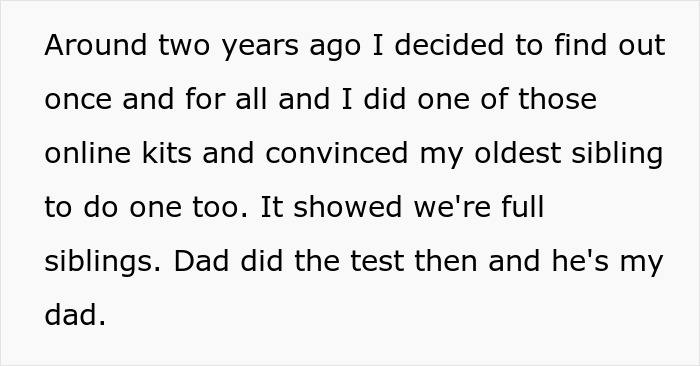
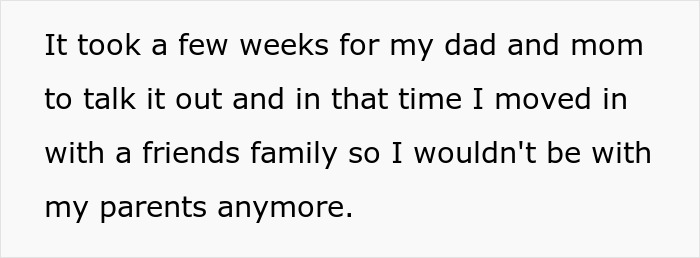
Image credits: Julia M Cameron / Pexels (not the actual photo)
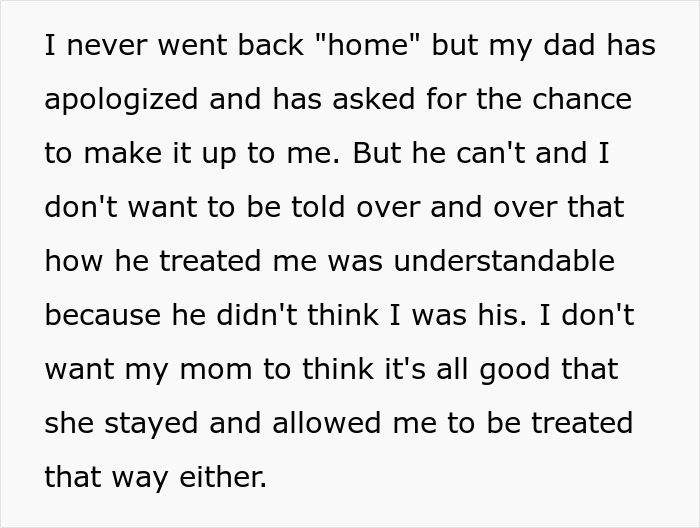
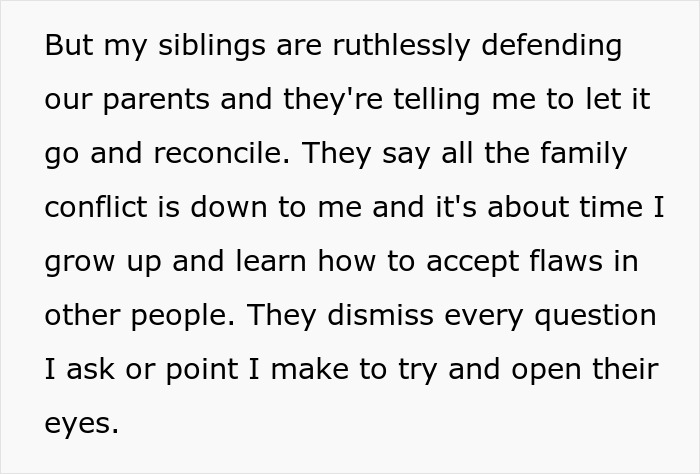
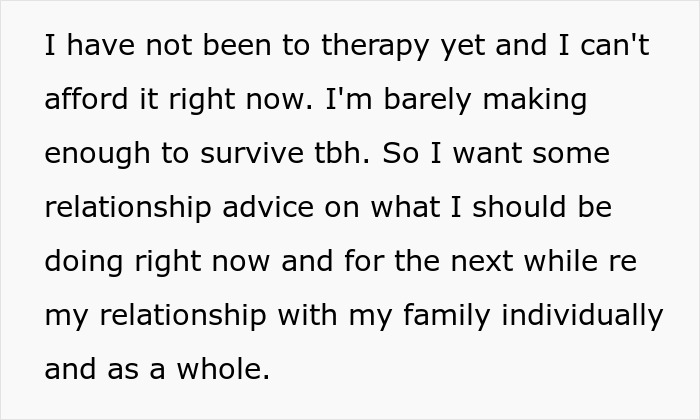
Image credits: ThrowRAReadMime
There are four main styles of parenting: disengaged, permissive, authoritarian, and authoritative. Though no parent is ever perfect and every family situation is different, broadly speaking, everyone should strive to be authoritative, as it provides a healthy balance between support and expectations. Meanwhile, disengaged, permissive, and authoritarian parents have very distinct flaws that negatively affect their children.
It seems like the teenager’s dad was a disengaged parent to him, and possibly an authoritative parent to his siblings.
According to psychologist Thomas Lickona, Ph.D., known as the father of modern character education and the author of Character Matters: How to Help Our Children Develop Good Judgment, Integrity, and Other Essential Virtues, disengaged parents are neither demanding nor responsive.
“Their attitude was basically one of not wanting to be bothered with the responsibilities of childrearing. Some were detached and neglectful; others were cold and rejecting,” he writes in a post on Psychology Today.
The result is that the kids of disengaged parents do poorly in school and have issues with relationships. They are also prone to anxiety, depression, and substance misuse.
Permissive parents, on the other hand, are demanding but not responsive. They set very few rules and demand barely any responsibility or respect. Kids raised by these sorts of parents tend to have challenges with self-control and achievement motivation.
Authoritarian parents are demanding, but unresponsive, lack warmth, are highly critical, and rarely praise their kids. In a nutshell, they demand conformity and micromanage their kids. They opt for threats and punishment and raise kids who lack confidence, give in to peer pressure, and are prone to anxiety and depression.
Image credits: Polesie Toys / Pexels (not the actual photo)
Meanwhile, authoritative parents have a healthy mix of attitudes and are both demanding and responsive. They set expectations and are very supportive.
“They were warm and nurturing, encouraged individuality and age-appropriate independence, but also valued obedience to adult requirements,” Lickona writes.
They knew where their children were and what they were doing. They praised positive behavior, gave rational explanations for their rules and expectations, and listened to their child’s perspective. They engaged in give-and-take but did not base their decisions solely on their child’s desires. Consequences for misbehavior were logically related to the child’s actions.”
These kids grow up to be confident, respectful, have good self-control, and excel academically.
Image credits: Kindel Media / Pexels (not the actual photo)
According to Darlene Lancer, JD, LMFT, the author of Codependency for Dummies, toxic parents do not treat their children with respect as individuals. Toxic parents tend to opt for emotional blackmail, blaming, manipulation, and guilt when communicating with their kids.
Toxic parents also tend to make unreasonable demands, are prone to drama, try to control you, constantly criticize or compare you, have no interest in you, disregard your needs and feelings, and do not respect your physical and emotional boundaries.
Lancer emphasizes that in order to detach from these toxic individuals, you have to set boundaries and be assertive. This is easier said than done, and you’ll likely struggle to set new boundaries with your parents at first.
“Relationships with toxic parents can be hard to walk away from. You may need distance from your parents to create the boundaries that you’re unable to make verbally. Some people cut off from family for that reason or due to unresolved anger and resentment from childhood,” Lancer writes.
“Many family therapists suggest that the ideal way to become independent from your family is to work on yourself in therapy, then visit your parents and practice what you’ve learned,” she stresses that it is better for your growth to learn how to respond to toxic behavior.
What do you think about the entire family drama, and what advice would you give the teenager to help him deal with his toxic dad? Do you personally know anyone who has rejected and neglected their child while showering their other kids with love? How much favoritism is too much? Let us know in the comments.
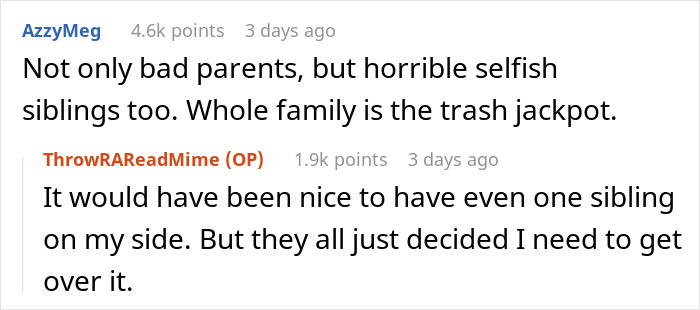
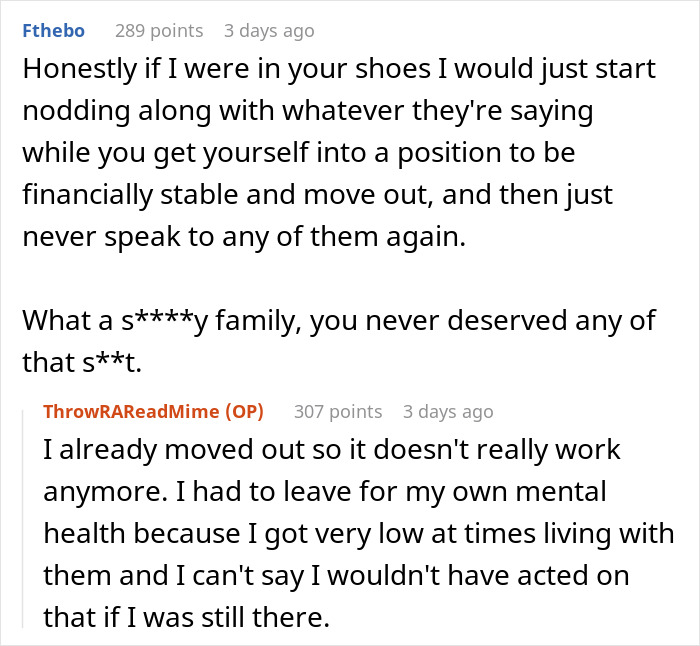
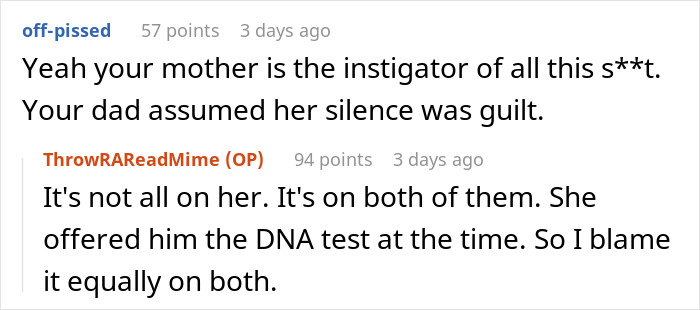
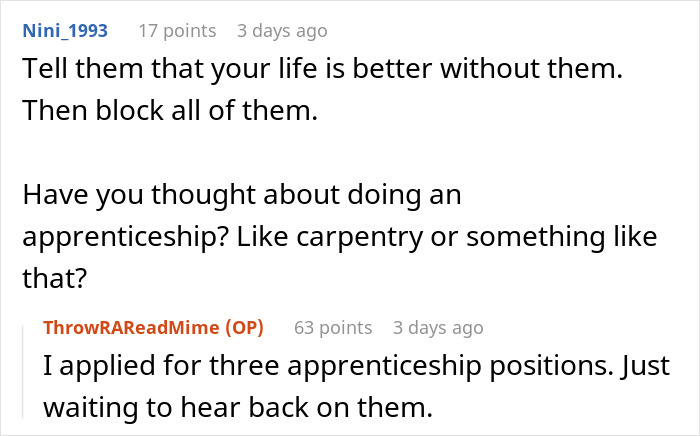
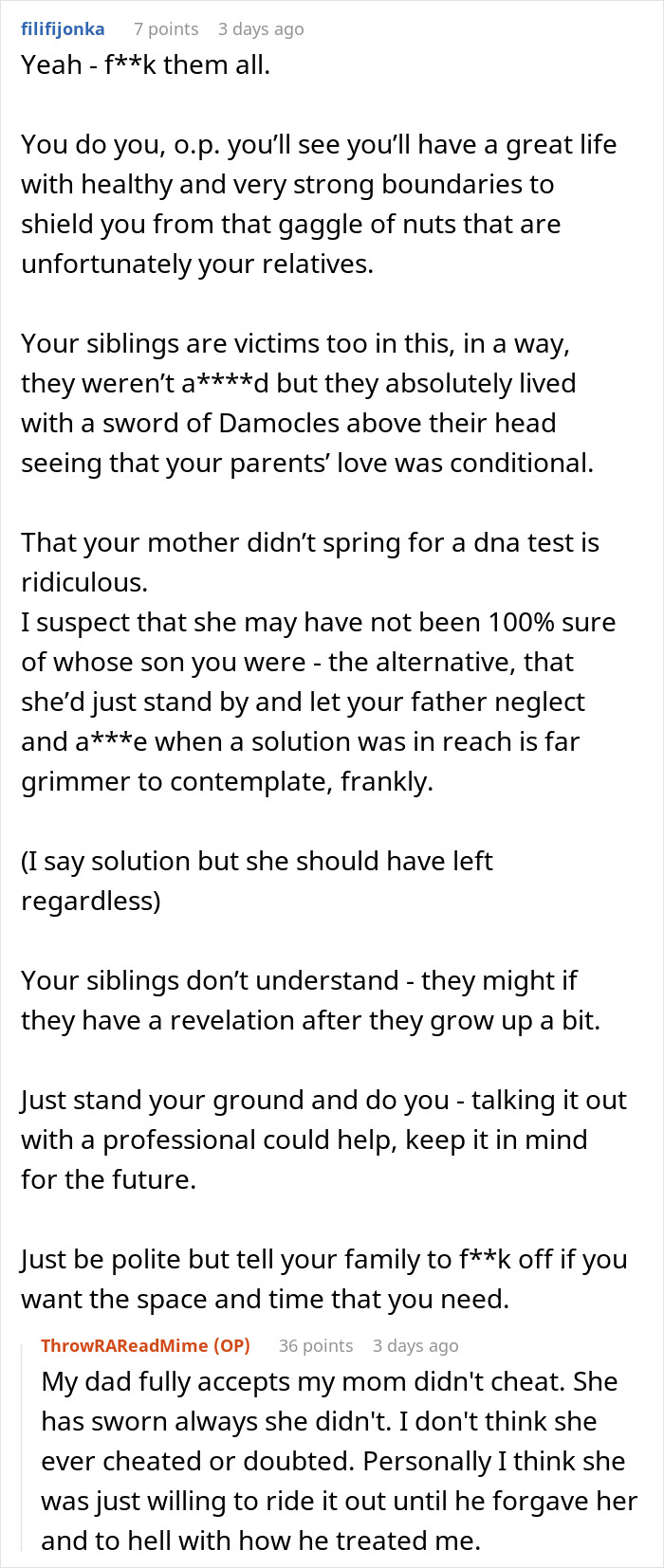
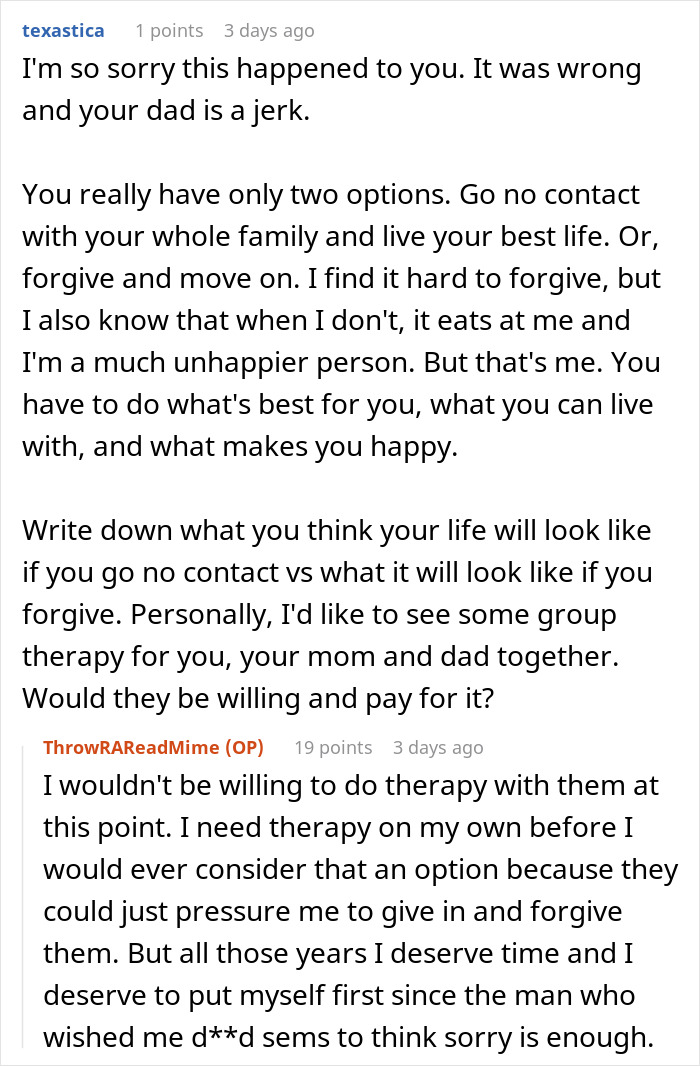

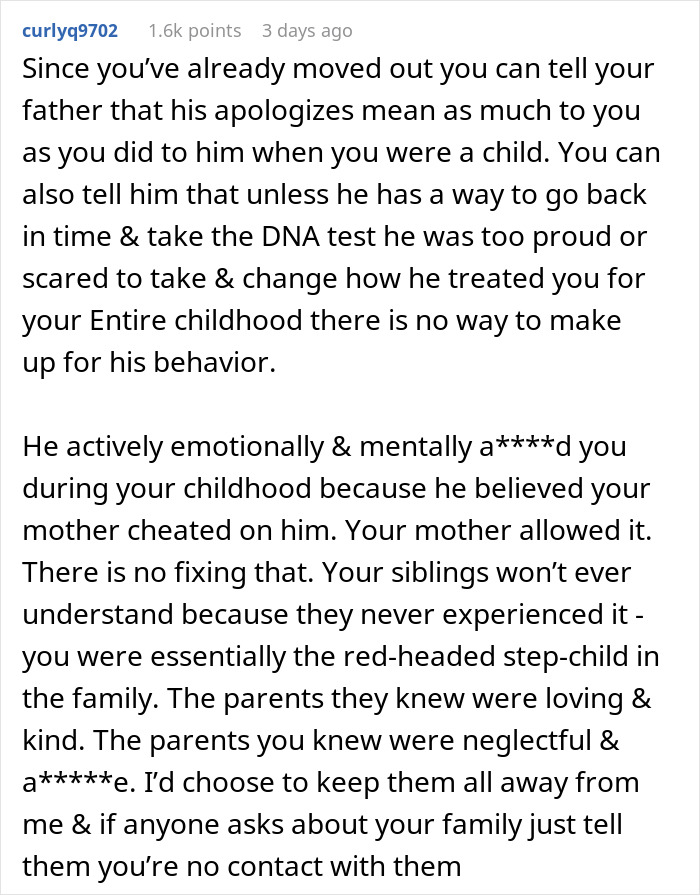
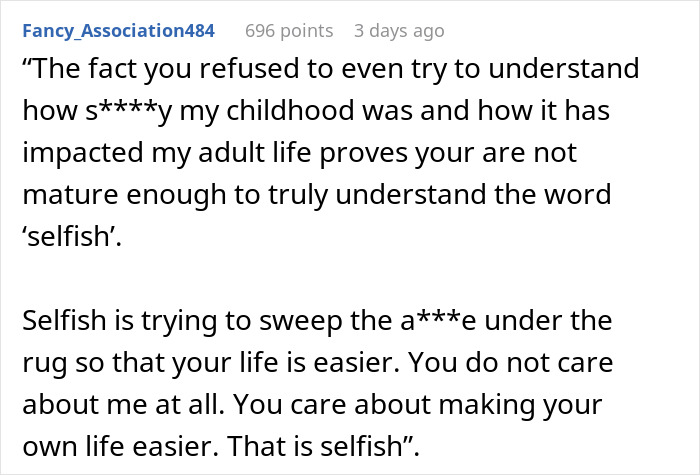
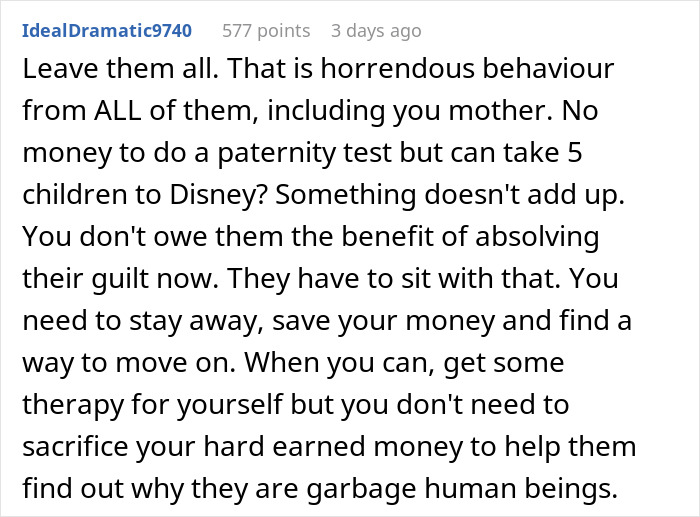
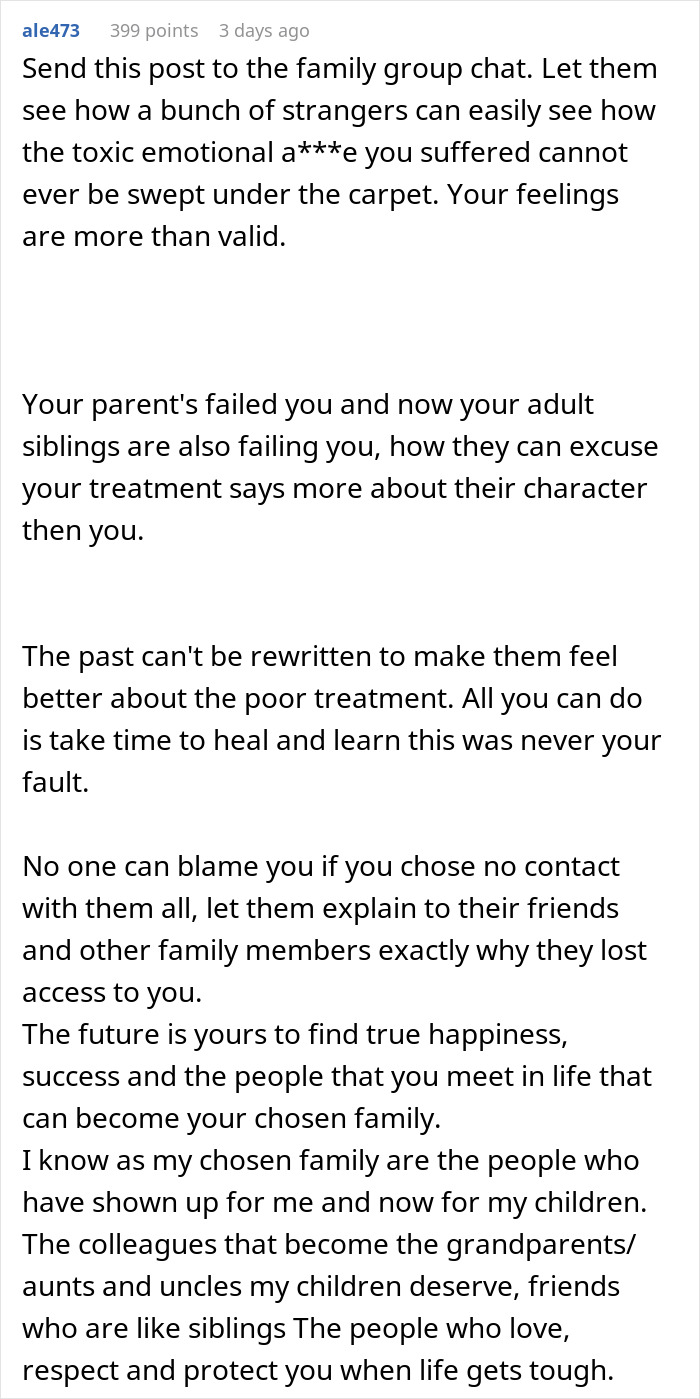

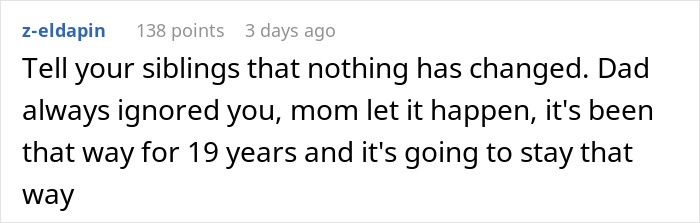
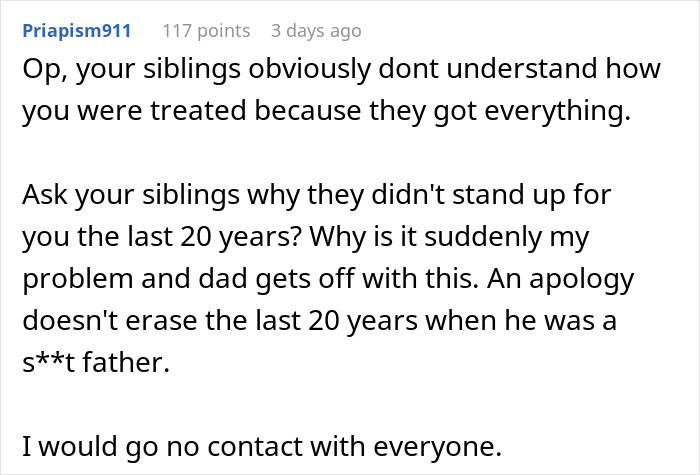
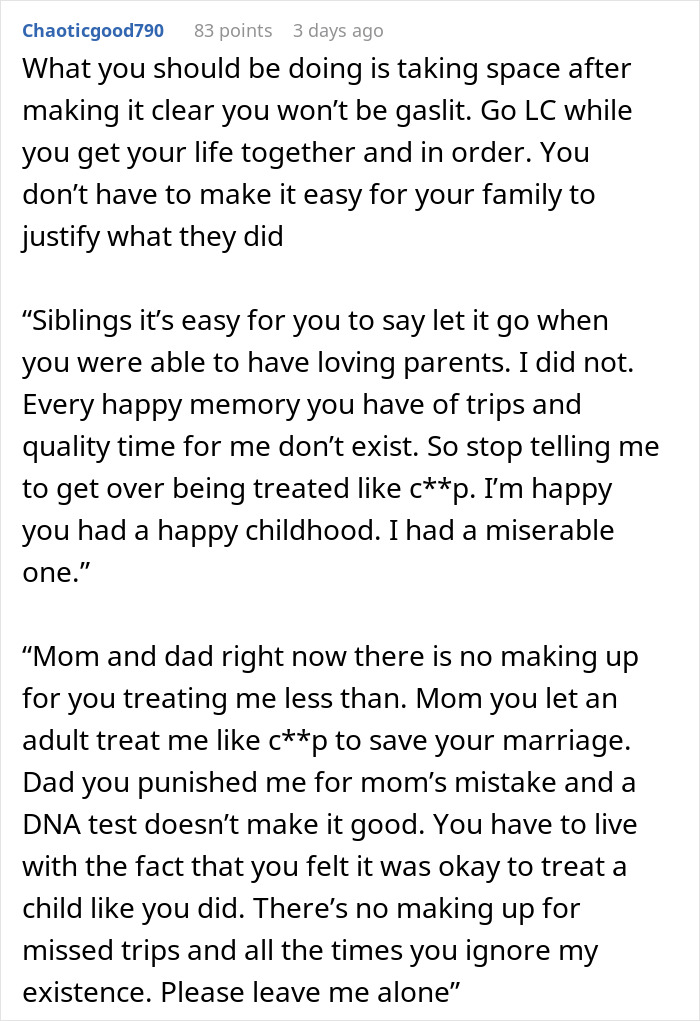
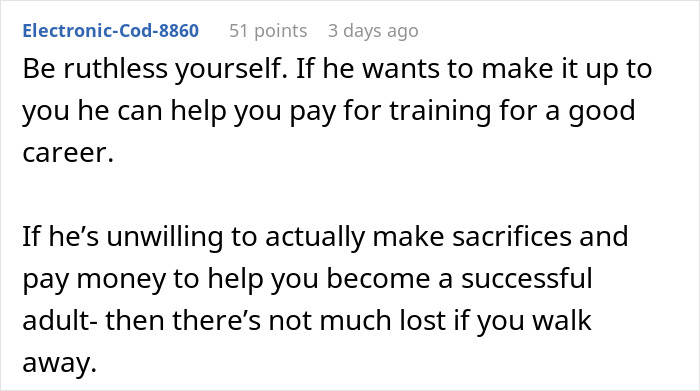
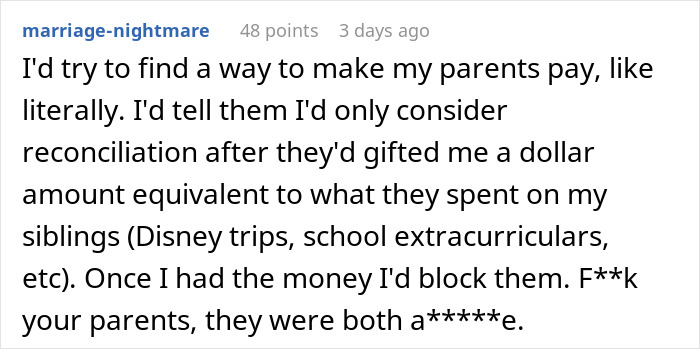
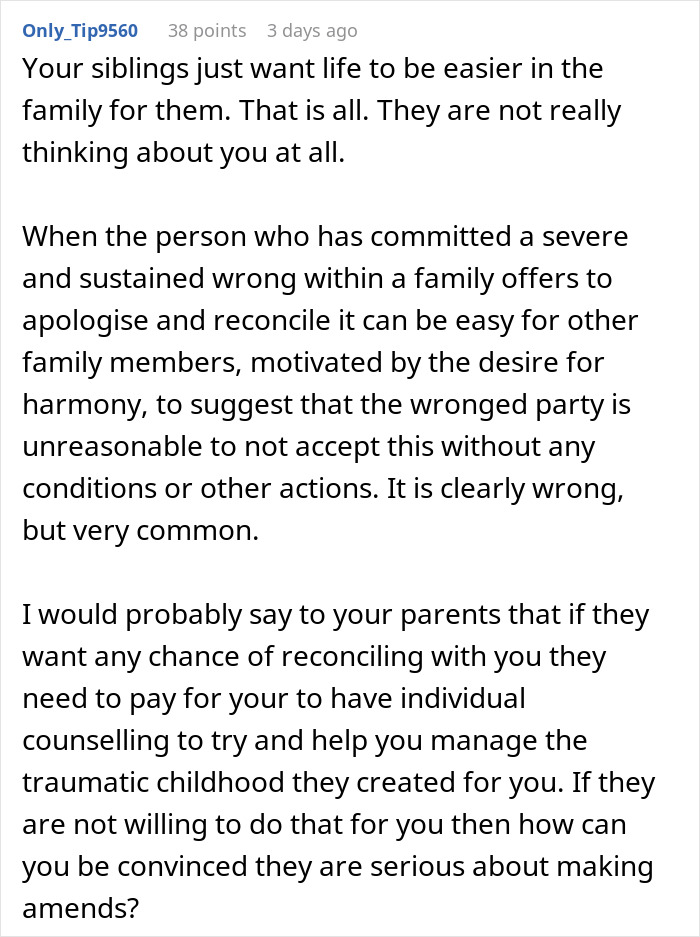
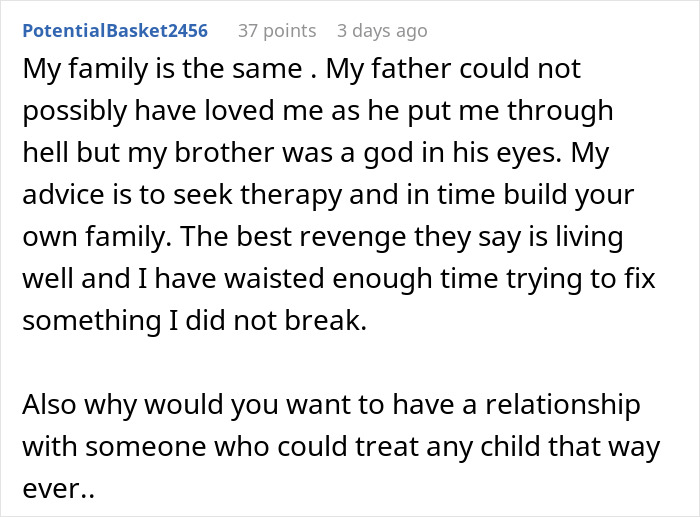



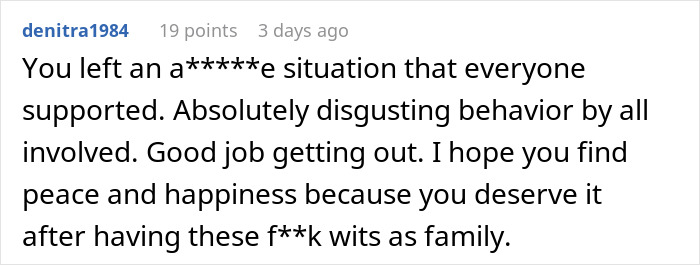
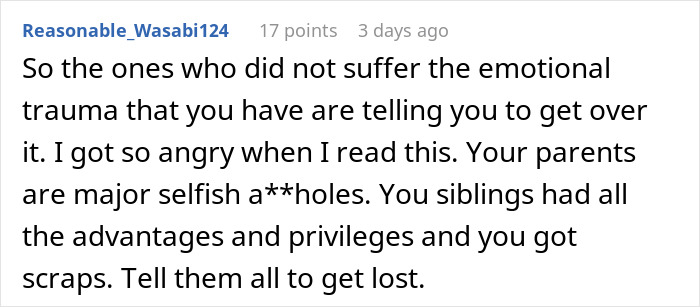


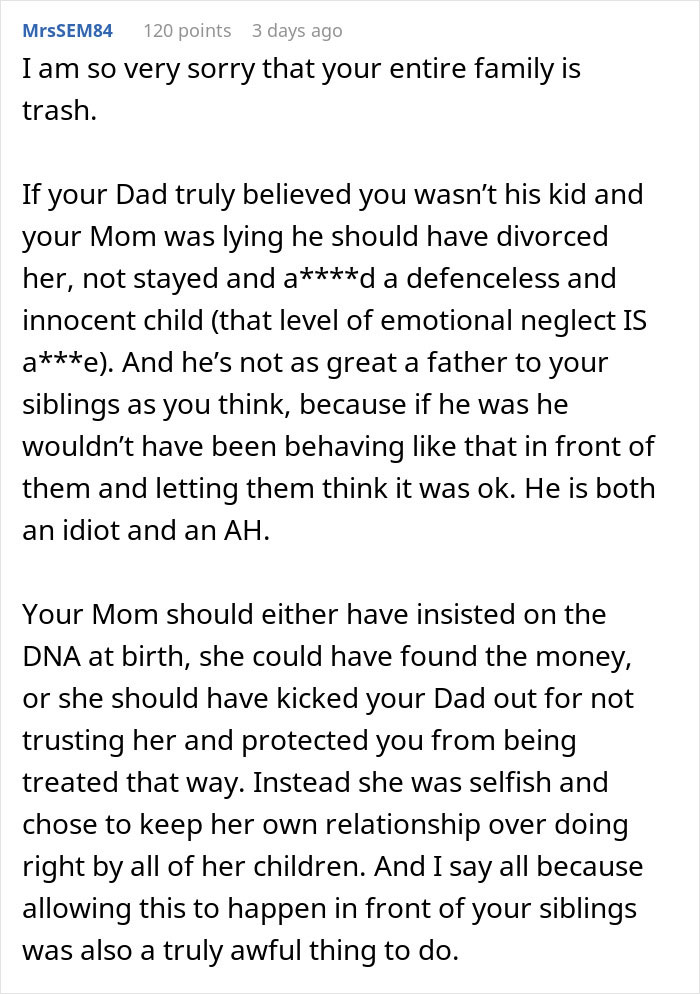
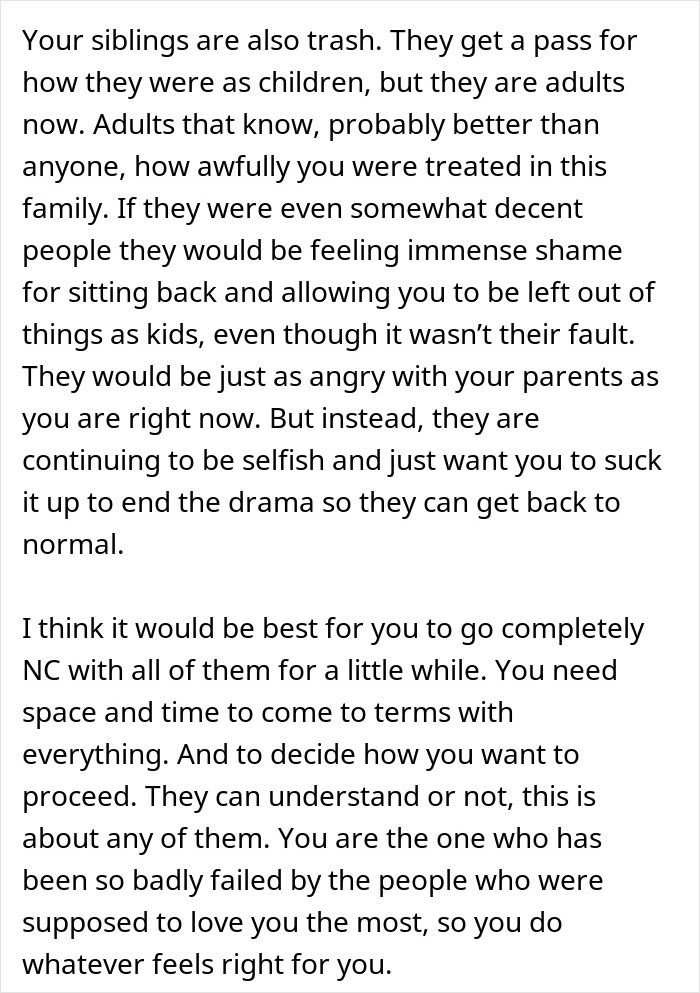
The hurt and bewilderment the siblings feel over OPs anger and estrangement? OP felt that x1000 except he was a dependent child and they are grown adults. Noone gets to demand that a victim forgive and reconcile with abusers. Emotional and financial neglect is a***e. From his earliest days, OP grew up in an unsafe, un-nurturing home. Even now, nobody is really looking after his best interests.
Siblings are as big a jerks as the s***m donor. Kick them all, including the mother out of your life!
The hurt and bewilderment the siblings feel over OPs anger and estrangement? OP felt that x1000 except he was a dependent child and they are grown adults. Noone gets to demand that a victim forgive and reconcile with abusers. Emotional and financial neglect is a***e. From his earliest days, OP grew up in an unsafe, un-nurturing home. Even now, nobody is really looking after his best interests.
Siblings are as big a jerks as the s***m donor. Kick them all, including the mother out of your life!

























 No fees, cancel anytime












34
8