Get Premium
Dark mode theme is available exclusively for premium users. Learn more about the benefits of subscribing.
No fees, cancel anytime.

 Dark Mode Ad-Free Browsing Unlimited Content
 Ad-Free Browsing Unlimited Content Dark Mode
Join 1.2 million Panda readers who get the best art, memes, and fun stories every week!
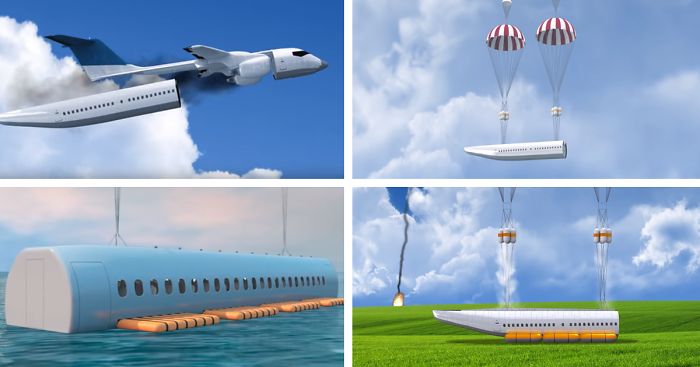
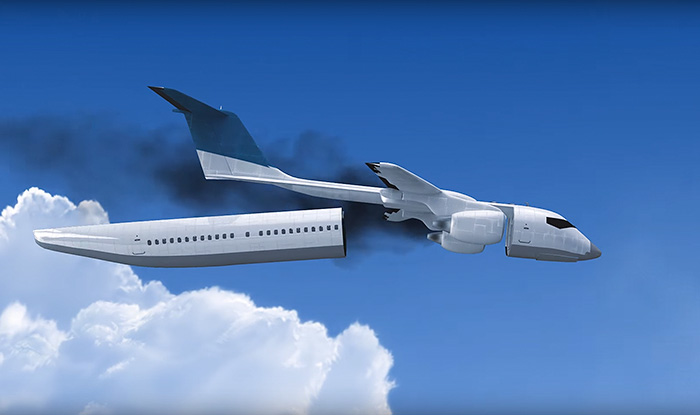
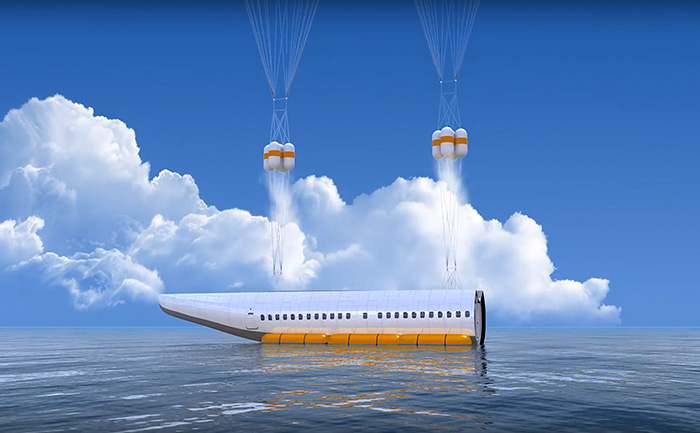
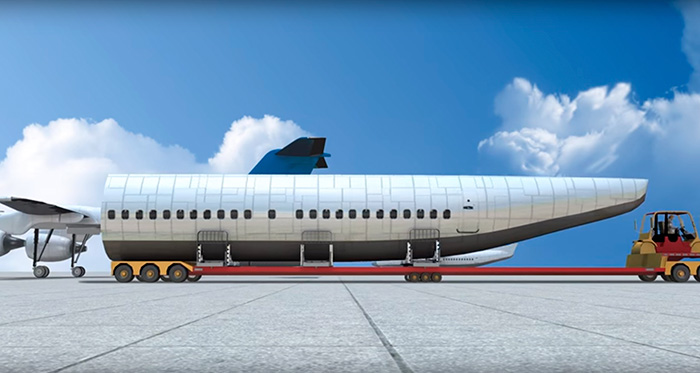
What if we could survive a plane crash? Ukrainian aviation engineer Vladimir Tatarenko has been working 3 years to find a way. And he did. He invented a detachable plane cabin which can be ejected within the seconds in case of emergency.
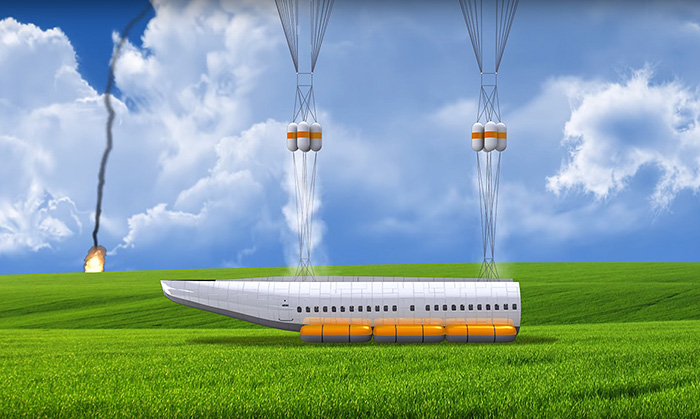
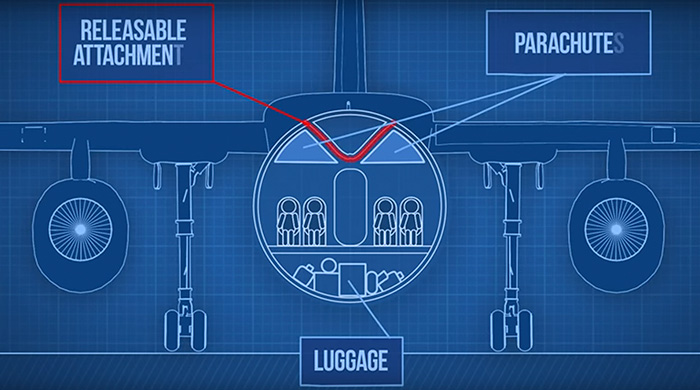
The cabin can land both on ground and water. It has parachutes attached to its roof and inflatable rubber tubes to keep it afloat if needed. “Surviving in a plane crash is possible,” Vladimir Tatarenko told LiveLeak. “While aircraft engineers all over the world are trying to make planes safer, they can do nothing about the human factor.”
Of course, if the plane explodes or is under a rocket attack, it wouldn’t help. Also, some argue that the detachable cabin could undermine the structural integrity of the plane. Finally, what about the pilots..?
More info: Youtube (h/t: dailymail, mashable)
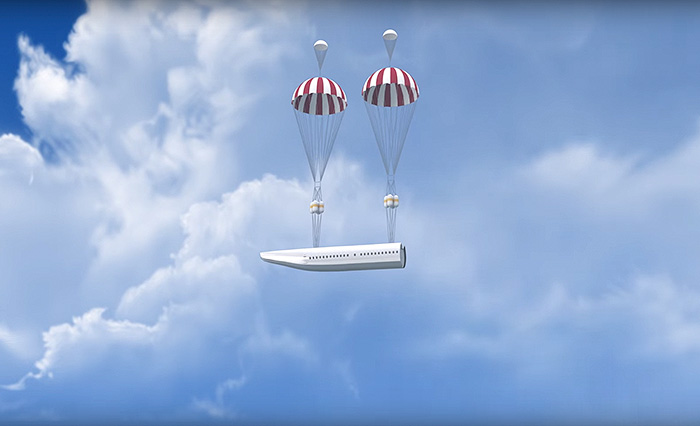
Some argue that the detachable cabin could undermine the structural integrity of the plane. Also, if the plane explodes or is under a rocket attack, it wouldn’t help. Sadly, the pilots would be left behind in any case, too. Finally, some people question the cost-effectiveness of such an invention and the reason for carrying it out in the first place. “Of the millions of flights a year, less than 500 people die worldwide a year from plane crashes, ” said Isadora Kali Anne Seney. However, the inventor conducted a questionnaire and found that 95% of people would be willing to pay more for such a safety system.
48Kviews
Share on Facebook


I think they would have enough time to go out the cabin
Load More Replies...
it seems like if they built in an optional 2-minute delay, the pilots could retreat into the cabin and be saved as well, as long as they could see that a) a crash was inevitable and b) there was no way that the pilots could maneuver the plane to a "safer" crash site anyway.

The pilot seats could be also made ejectable just like the military craft, because, the pressure of consciousness during crash wouldn’t allow pilots leave their seats, so an option of making their seats eject during crash is paramount and feasible. The cabin should also have a trained person always on seat who can operate the parachute and all techniques.
Load More Replies...
What will happen to pressure loss at 10Km? What will happen to parachute when you travel 900km/h? There is a reason why there is rocket engines on ejection seats... Another issue is D-box construction of fuselage that is needed for lightweight planes (any RC balsa builder will understand). Sorry for being engineer not designer...

This is not feasible. At least not in the short term. Reduced cargo space, increased weight, which means even more fuel and even more weight. The other problem is how do you stabilize that load before the chutes deploy. Seems highly likely they would twist together. Last time I checked planes often don't wreck in the nice straight manner as depicted in the video. Imagine the cost of and engineering the mounts that hold the people part of the plane to the plane part of of the plane. Now imagine waiting on the runway when they have to spend 45 minutes checking one while you wait in the middle seat. Is that what you want?

Most crashes happen during landing or take-off, so this would be of no use. It's also impossible for the chutes to carry the weight of the cabin. Nice idea but impossible to implement.

First of all when releasing the people, the plane probably could still function and would be much lighter. the pilots could secure a good trejectory for a crash if need be and then parachute out.... Validot Ratk thats why people brainstorm and design for these ideas. the cabin you fly in is presurized to the lever you take off at basically. it stays sealed... you open it and its like you never left. if the cabin is dipped open you have a whole other set of issues.

What about the pilots? They're the ones risking their lives. Plus, what if the parachute fails or the floaters don't blow up in time?

The description even said the pilots would be left behind
Load More Replies...


Ever read about the ballistic parachute? It is being used with light aricraft and has been designed for larger commercial aircraft. Why separate a minor piece of the aircraft when parachutes can land the whole vehicle? This is a bad idea.

WHY ARE PEOPLE DEVELOPING BALLISTIC PARACHUTES FOR PLANES?! JUST USE A SPACE GRADE PARACHUTE LIKE THE ONES USED ON ROCKETS! YOU DON'T HAVE TO DEVELOP NEW TECHNOLOGY WHEN THE TECHNOLOGY ALREAD EXISTS!!!
Load More Replies... Anyone remember how ballistic parachutes might be used for something like this? This is really a bad idea for a configuration.
OR you could just go to your local NASA store AND PUT A SPACE GRADE PARACHUTE ON THE PLANE!
Load More Replies... 
What's the fun in that, if you are going to die in an airplane who wants to do it in slow motion..

for some reason I see the detached passenger area twirling madly in all directions as soon as it is released. Don't think the parachutes will stabilize that...just a thought.

The pilots should operate the detachment since they are the ones who can tell whether the plane is uncontrollable so they move to the back and execute the operation.



but you lose most of the plane! Maybe it would be more effective if they let the wings fall off with the cabin, and the pilots have emergency seats to save themselves too!


and ejector seats hahaha *realised my obviously flawed thinking (smart a**e answer)


What about the pilot? Why don't they design ejectable seats for the pilot and co-pilot like those on fighter jets?

Why not put parachutes on the whole plane, and just have the wings/engines break off?

This concept has been around for a while. The double parachute design is awfully hard to balance causing the hull to tip and when one parachute touches the hull it is game over and the thing will plummet straight down. Not to mention the high rate of speed these planes are moving at. And ffs. Why save the luggage?


Hello, I had had the same idea, including the escape pod for the drivers still many years ago and I had published in response in various forums... obviously my idea was only written and there was nothing technical... but at the time they said technicians and engineers in the industry calling me crazy, claiming not to be able to understand what forces govern an airliner in flight.

This design assumes that an emergency occurs mid-flight, but most accidents happen during takeoff and landings so I don't believe these parachutes would be of any help in these cases. Also, having he cabin detach during an emergency feels a lot like a captain abandoning his ship when it's going down (didn't that Italian cruise captaining go to jail recently just for that reason?) Robin Suerig Holleran, plane crash survivor and author of Bracing for Impact: True Tales of Air Disasters and the People Who Survived Them (2015)
This assumes that the plane has an emergency in mid-flight. The majority of accidents happen on landing and takeoff, so I don't think these parachutes would be helpful at all. There's also something about the cabin detaching that feels like the captains are "abandoning ship" during an emergency (didn't that Italian cruise ship captain go to jail for that when his ship groune?). Robin Suerig Holleran (plane crash survivor and author of Bracing for Impact: True Tales of Air Disasters and the People Who Survived Them)


What if the plane is in vertical falling position and the parachute gets all tangled up? That would be quite a perpendicular turn right

I think they would have enough time to go out the cabin
Load More Replies... it seems like if they built in an optional 2-minute delay, the pilots could retreat into the cabin and be saved as well, as long as they could see that a) a crash was inevitable and b) there was no way that the pilots could maneuver the plane to a "safer" crash site anyway.
The pilot seats could be also made ejectable just like the military craft, because, the pressure of consciousness during crash wouldn’t allow pilots leave their seats, so an option of making their seats eject during crash is paramount and feasible. The cabin should also have a trained person always on seat who can operate the parachute and all techniques.
Load More Replies... What will happen to pressure loss at 10Km? What will happen to parachute when you travel 900km/h? There is a reason why there is rocket engines on ejection seats... Another issue is D-box construction of fuselage that is needed for lightweight planes (any RC balsa builder will understand). Sorry for being engineer not designer...
This is not feasible. At least not in the short term. Reduced cargo space, increased weight, which means even more fuel and even more weight. The other problem is how do you stabilize that load before the chutes deploy. Seems highly likely they would twist together. Last time I checked planes often don't wreck in the nice straight manner as depicted in the video. Imagine the cost of and engineering the mounts that hold the people part of the plane to the plane part of of the plane. Now imagine waiting on the runway when they have to spend 45 minutes checking one while you wait in the middle seat. Is that what you want?
Most crashes happen during landing or take-off, so this would be of no use. It's also impossible for the chutes to carry the weight of the cabin. Nice idea but impossible to implement.
First of all when releasing the people, the plane probably could still function and would be much lighter. the pilots could secure a good trejectory for a crash if need be and then parachute out.... Validot Ratk thats why people brainstorm and design for these ideas. the cabin you fly in is presurized to the lever you take off at basically. it stays sealed... you open it and its like you never left. if the cabin is dipped open you have a whole other set of issues.
What about the pilots? They're the ones risking their lives. Plus, what if the parachute fails or the floaters don't blow up in time?
The description even said the pilots would be left behind
Load More Replies... Ever read about the ballistic parachute? It is being used with light aricraft and has been designed for larger commercial aircraft. Why separate a minor piece of the aircraft when parachutes can land the whole vehicle? This is a bad idea.
WHY ARE PEOPLE DEVELOPING BALLISTIC PARACHUTES FOR PLANES?! JUST USE A SPACE GRADE PARACHUTE LIKE THE ONES USED ON ROCKETS! YOU DON'T HAVE TO DEVELOP NEW TECHNOLOGY WHEN THE TECHNOLOGY ALREAD EXISTS!!!
Load More Replies... Anyone remember how ballistic parachutes might be used for something like this? This is really a bad idea for a configuration.
OR you could just go to your local NASA store AND PUT A SPACE GRADE PARACHUTE ON THE PLANE!
Load More Replies... What's the fun in that, if you are going to die in an airplane who wants to do it in slow motion..
for some reason I see the detached passenger area twirling madly in all directions as soon as it is released. Don't think the parachutes will stabilize that...just a thought.
The pilots should operate the detachment since they are the ones who can tell whether the plane is uncontrollable so they move to the back and execute the operation.
but you lose most of the plane! Maybe it would be more effective if they let the wings fall off with the cabin, and the pilots have emergency seats to save themselves too!
and ejector seats hahaha *realised my obviously flawed thinking (smart a**e answer)
What about the pilot? Why don't they design ejectable seats for the pilot and co-pilot like those on fighter jets?
Why not put parachutes on the whole plane, and just have the wings/engines break off?
This concept has been around for a while. The double parachute design is awfully hard to balance causing the hull to tip and when one parachute touches the hull it is game over and the thing will plummet straight down. Not to mention the high rate of speed these planes are moving at. And ffs. Why save the luggage?
Hello, I had had the same idea, including the escape pod for the drivers still many years ago and I had published in response in various forums... obviously my idea was only written and there was nothing technical... but at the time they said technicians and engineers in the industry calling me crazy, claiming not to be able to understand what forces govern an airliner in flight.
This design assumes that an emergency occurs mid-flight, but most accidents happen during takeoff and landings so I don't believe these parachutes would be of any help in these cases. Also, having he cabin detach during an emergency feels a lot like a captain abandoning his ship when it's going down (didn't that Italian cruise captaining go to jail recently just for that reason?) Robin Suerig Holleran, plane crash survivor and author of Bracing for Impact: True Tales of Air Disasters and the People Who Survived Them (2015)
This assumes that the plane has an emergency in mid-flight. The majority of accidents happen on landing and takeoff, so I don't think these parachutes would be helpful at all. There's also something about the cabin detaching that feels like the captains are "abandoning ship" during an emergency (didn't that Italian cruise ship captain go to jail for that when his ship groune?). Robin Suerig Holleran (plane crash survivor and author of Bracing for Impact: True Tales of Air Disasters and the People Who Survived Them)
What if the plane is in vertical falling position and the parachute gets all tangled up? That would be quite a perpendicular turn right




























 No fees, cancel anytime







277
50