Get Premium
Dark mode theme is available exclusively for premium users. Learn more about the benefits of subscribing.
No fees, cancel anytime.

 Dark Mode Ad-Free Browsing Unlimited Content
 Ad-Free Browsing Unlimited Content Dark Mode
Join 1.2 million Panda readers who get the best art, memes, and fun stories every week!

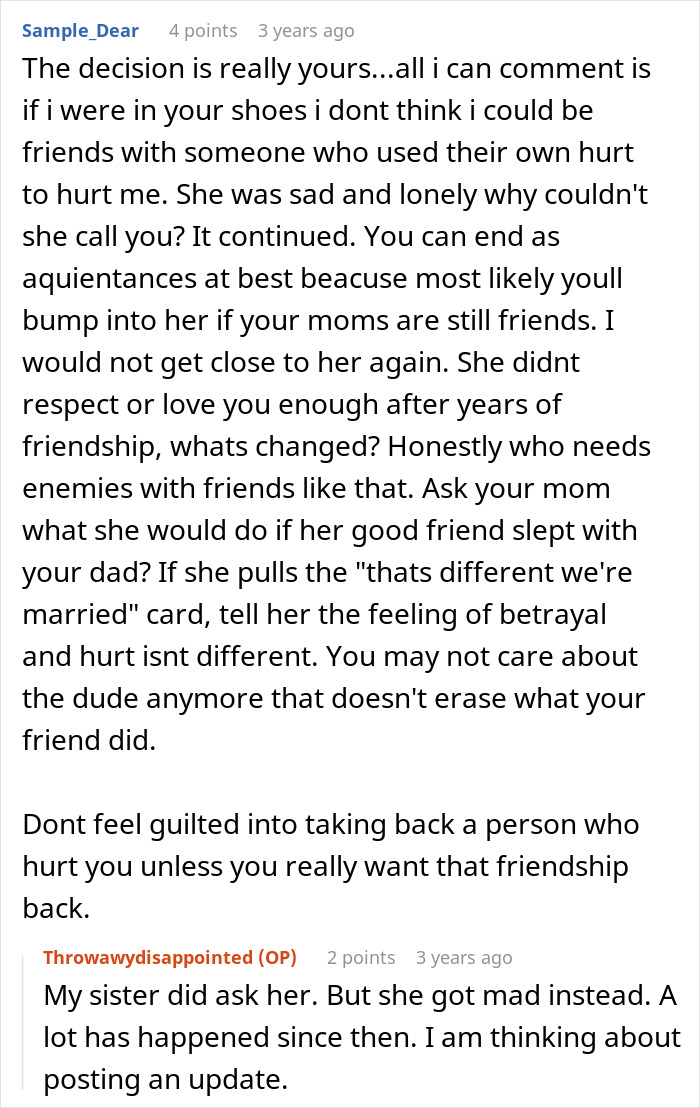
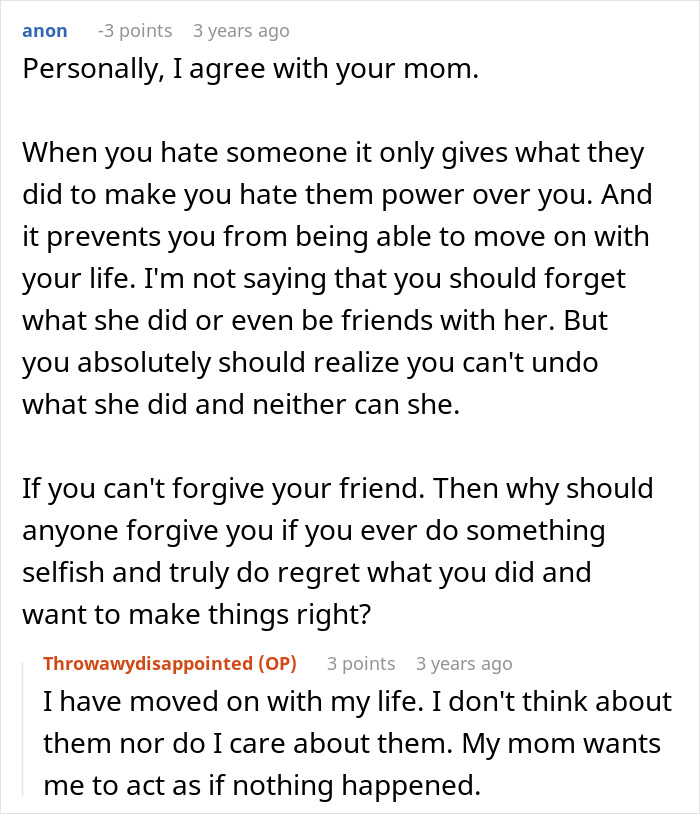
A best friend is supposed to be your safe space—the person who knows your secrets, your worst phases, your weird thoughts, and still chooses to stay. It’s the late-night calls, the inside jokes, the “I’ve got you no matter what” kind of bond. So naturally, you don’t go around expecting that kind of person to turn into a plot twist in your life story… but life, as always, has a way of proving that trust can sometimes be more fragile than it looks.
For one woman, that exact “this can’t be real” moment hit when her best friend of nearly 12 years crossed a line she never imagined—getting involved with her boyfriend. And no, it didn’t stop there. The fallout didn’t just break a relationship, it practically detonated her entire social circle. Friend groups split, loyalty lines were drawn, and even family dynamics got pulled into the mess because both their mothers were close friends too. And just when things finally started to settle and she picked up the pieces of her life, she shared the lessons she learned from it all. Keep scrolling, because this story has more layers, more chaos, and more “wait… what?” moments than you’d expect.
Image credits: lucigerma / freepik (not the actual photo)
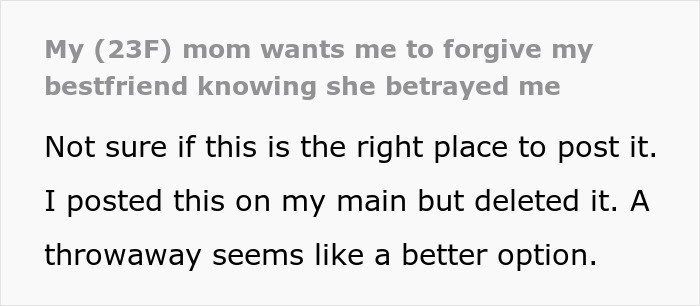
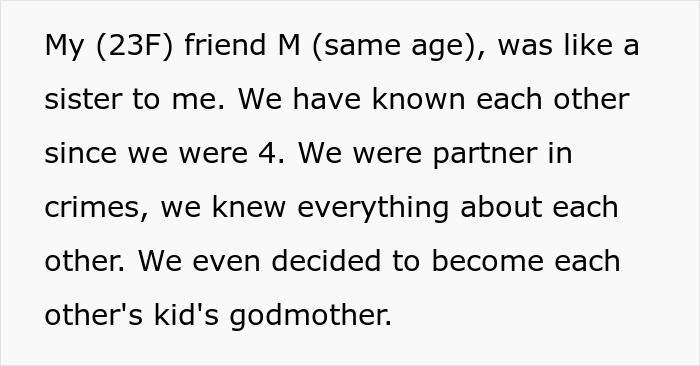
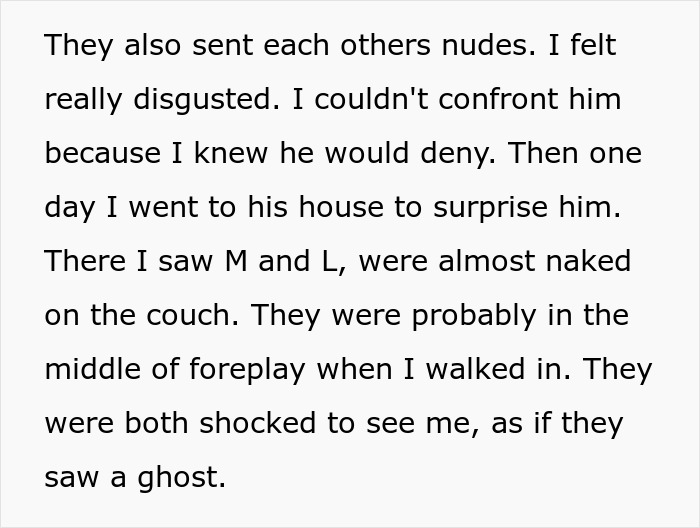
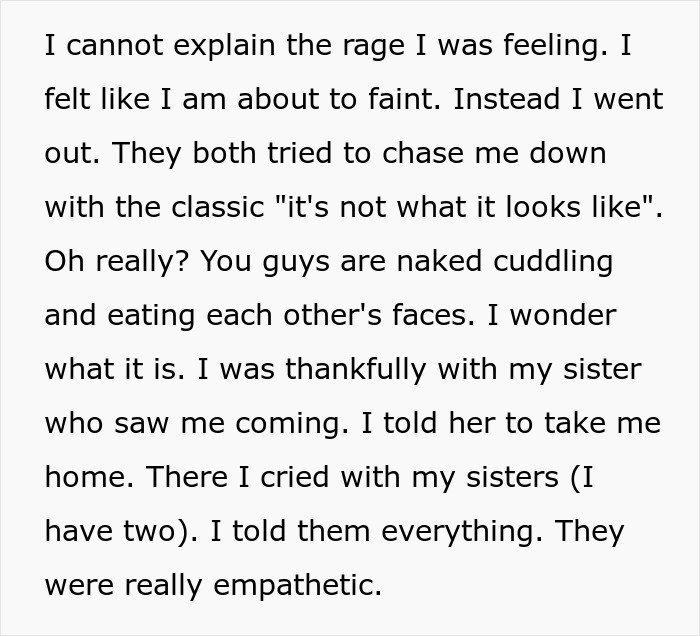
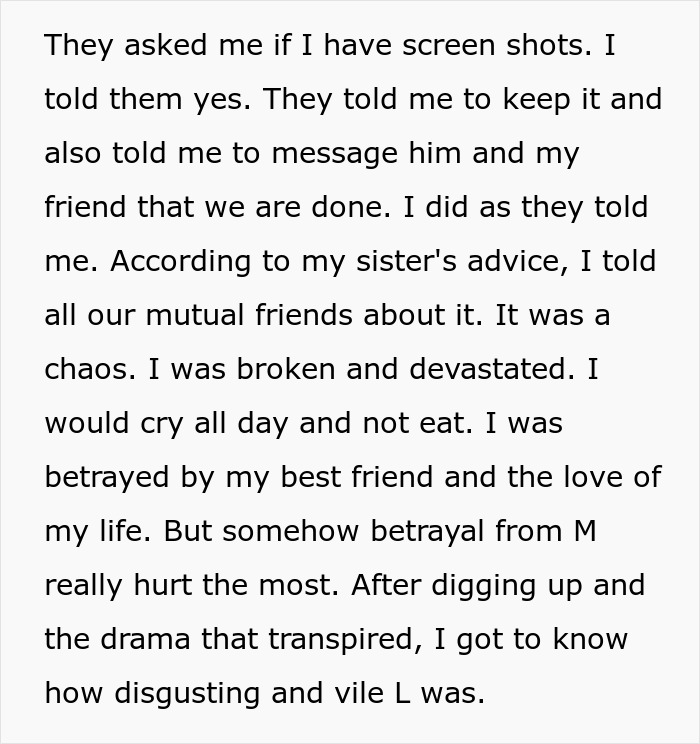
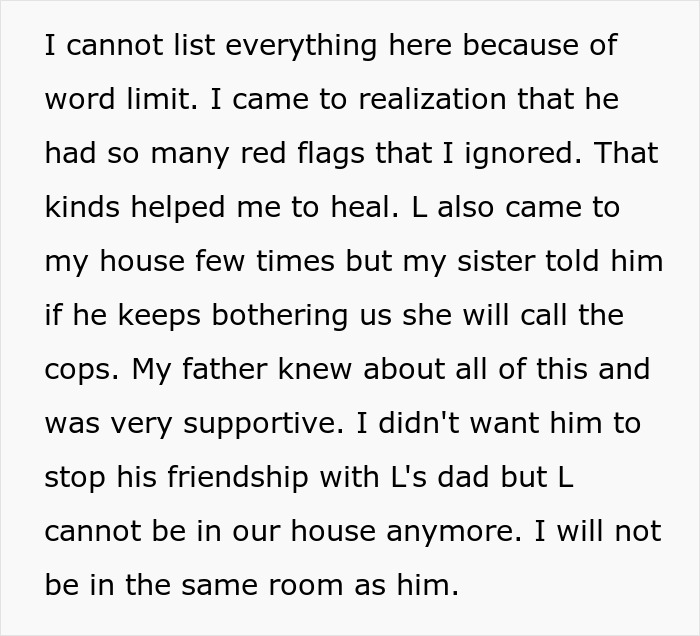
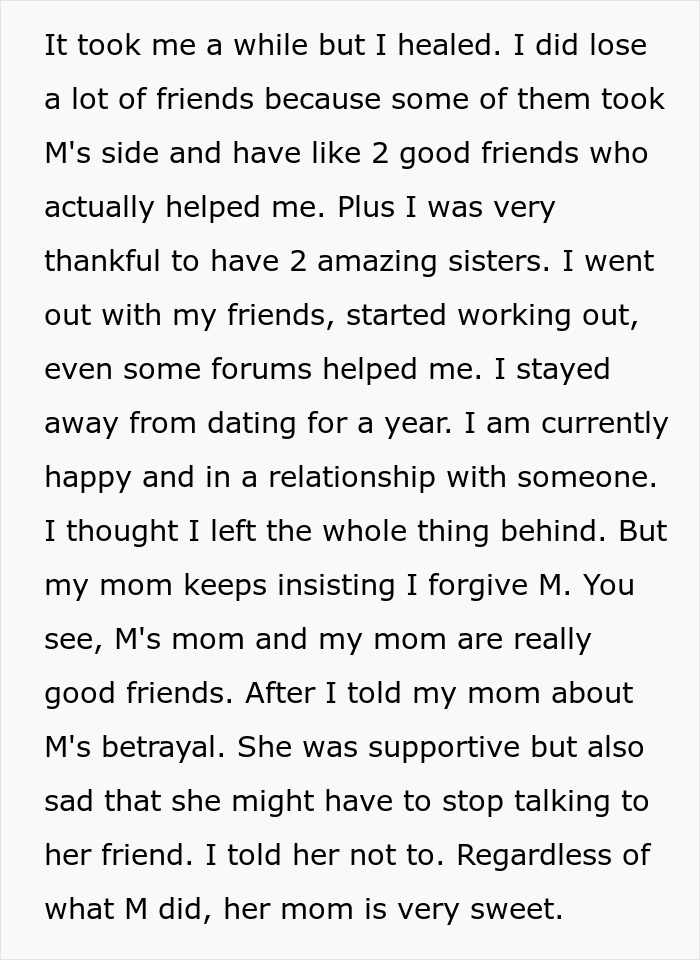
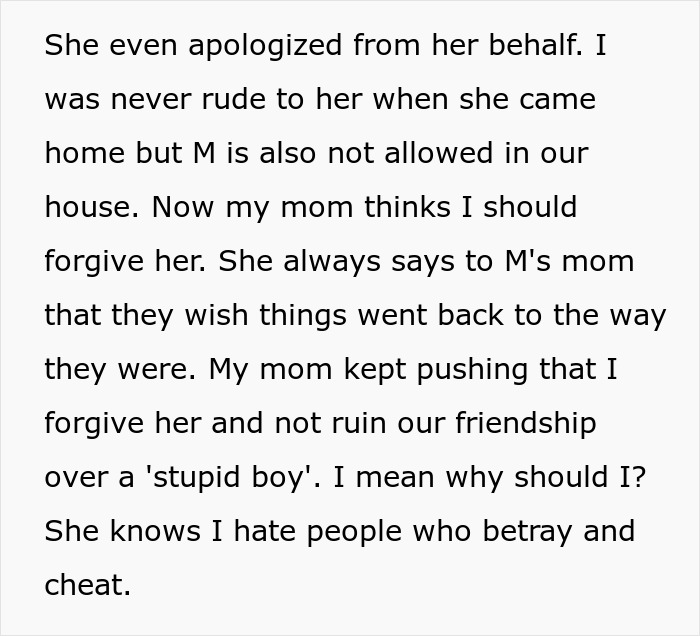
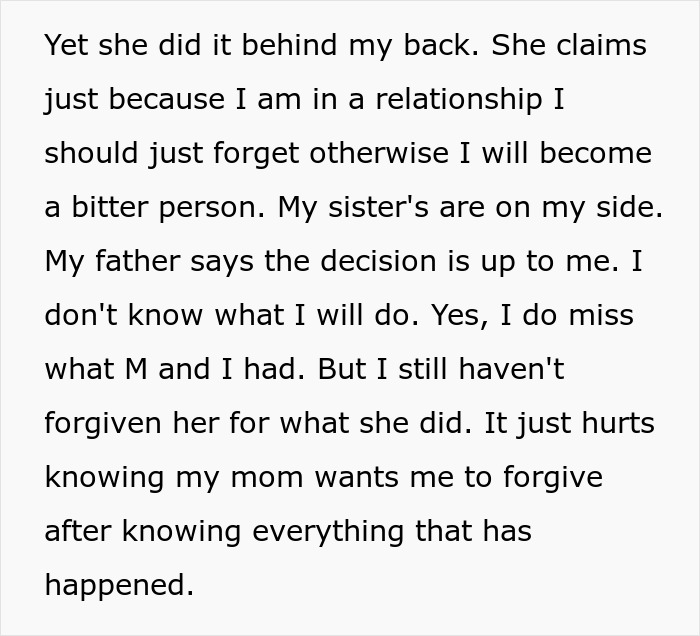
Image credits: Yan Krukau / pexels (not the actual photo)
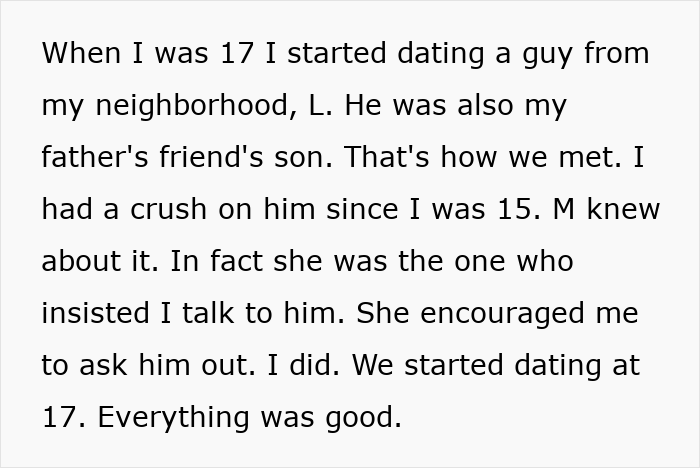
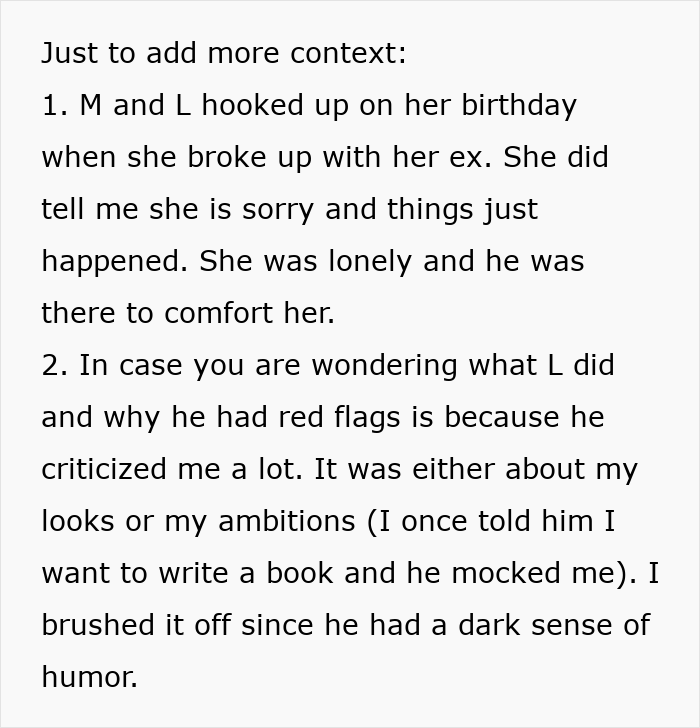
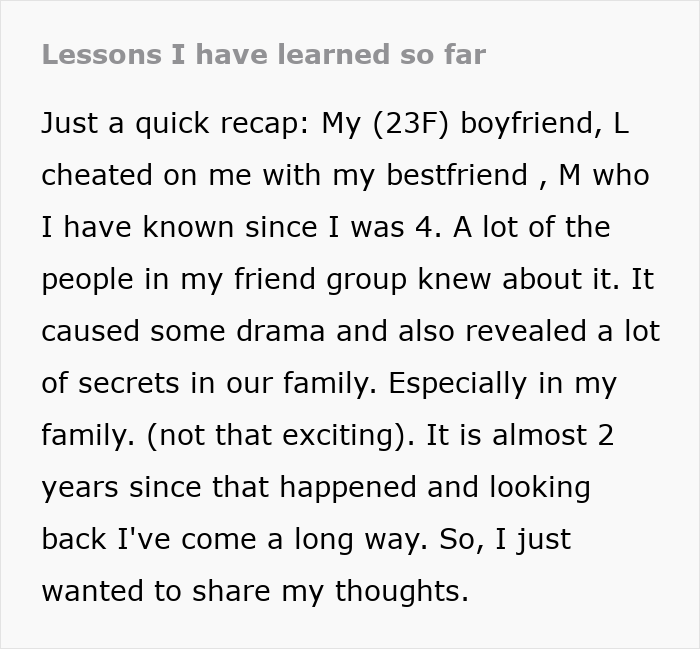
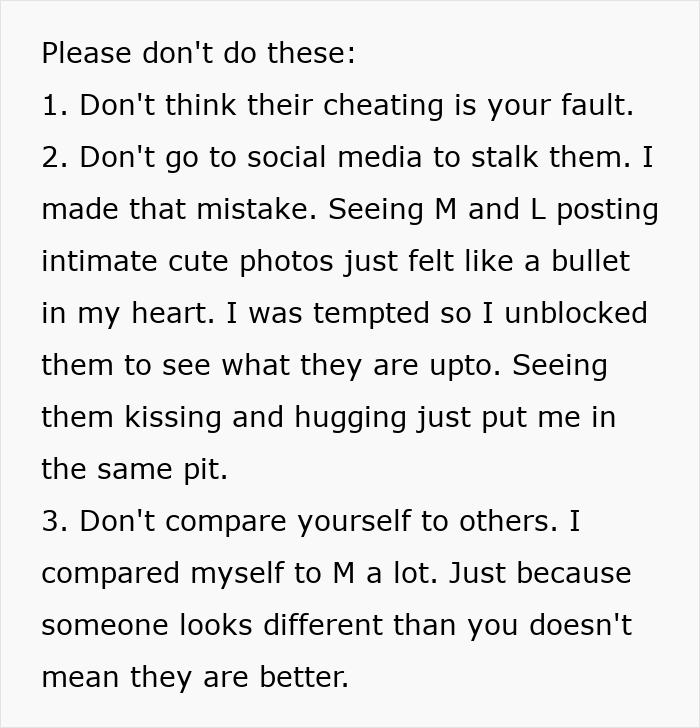
Image credits: Throwawydisappointed
“What did I do wrong?”—this is often the very first thought that pops into your head when you find out you’ve been cheated on. Instead of looking at the other person’s choice, your mind starts turning inward, replaying moments, conversations, even tiny details, trying to figure out where you “failed.” It can feel almost automatic; like your brain is trying to solve a puzzle that isn’t actually yours to solve. Over time, this turns into self-blame, and overthinking, that can linger long after the relationship is over, quietly affecting how someone connects again.
As highlighted by BetterHelp, the psychological impact of infidelity often goes far beyond broken trust in a relationship. It can deeply affect how a person sees themselves, shaking their identity and sense of stability. People may begin questioning their value, attractiveness, or whether they were ever truly “enough” for their partner. This kind of internal questioning doesn’t just fade quickly; it can stick around, quietly shaping how someone feels about themselves in future relationships. Many also tend to internalize the betrayal, believing they somehow caused it or failed to prevent it, which only intensifies feelings of inadequacy and emotional distress.
Adding to this, clinical psychologist Dr. Anna Janssen explains in a piece for Grazia that betrayal doesn’t only stay in the emotional space; it often shows up physically too. She notes, “Common physical examples can be struggling to sleep, a tense body and the loss of our appetites.” These physical reactions are the body’s way of responding to emotional shock, as stress impacts both mind and body together. She also explains that coping behaviors can vary widely from person to person; some may find themselves eating more as a form of comfort, while others lose their appetite entirely because food feels unimportant or difficult to process. These shifts often reflect a deeper need to regain control during a period that feels emotionally unstable.
Research also shows that people don’t all respond to infidelity in the same way, and the type of betrayal can influence emotional reactions. One study on gender differences found that women tend to experience greater distress from emotional infidelity, while men often react more strongly to physical infidelity. This doesn’t mean one form of pain is greater than the other; it simply reflects how emotional attachment, trust, and perceived betrayal are processed differently. At the core, these reactions are about emotional safety being disrupted, and how each person tries to make sense of that loss in their own way, often through intense emotional responses meant to protect themselves from further hurt.
Regardless of how someone responds, one important truth remains the same: cheating is not the fault of the person who was betrayed. Infidelity is complex and often involves many factors, but responsibility always lies with the person who chose to break trust. This distinction is crucial, especially when someone is in the middle of emotional confusion and self-doubt. Without it, it becomes easy for the mind to turn inward and assign blame incorrectly, which can delay healing and deepen emotional wounds.
A key step in healing is acknowledging the trauma for what it is, rather than minimizing it. Infidelity isn’t “just a breakup”—it can feel like an emotional rupture that impacts trust, identity, and emotional safety all at once. Accepting that level of impact allows a person to stop invalidating their own feelings and begin processing what actually happened. It creates space for honesty, where emotions don’t have to be dismissed or rushed away, and where healing can start from a place of truth rather than denial.
It is also important to pause major life decisions in the immediate aftermath of betrayal. When emotions are heightened, everything can feel urgent, final, or irreversible; even when it isn’t. Decisions made in this state can sometimes come from pain rather than clarity. Giving yourself time allows emotions to settle and perspective to return. That pause isn’t avoidance; it’s protection, ensuring that choices made later come from a more grounded and stable emotional space.
Self-care during this period plays a quiet but powerful role in recovery. It doesn’t have to look dramatic; it can be small, consistent actions that help rebuild emotional balance. This might include leaning on trusted friends or family when everything feels too heavy to carry alone, even if it’s just sitting in silence with someone who makes you feel safe. It can also be as simple as starting a small hobby; something that gently pulls your attention away from the constant loop of thoughts and gives your mind a break, even if only for a short while.
Going for walks can help too, especially on days when everything feels stuck inside your head; just moving your body and seeing the world continue around you can be surprisingly grounding. Even reading something comforting (something light, familiar, or reassuring) can create little pockets of peace in an otherwise overwhelming time. These small, quiet actions don’t fix everything at once, but over time, they gently rebuild a sense of stability, reminding you that even in pain, life is still moving forward and you’re still allowed to heal at your own pace.
And finally, seeking professional help can be an important and healthy step if things feel too heavy to process alone. Therapy provides a structured space to unpack emotions, challenge self-blame, and rebuild self-esteem with guidance. Speaking to a professional isn’t a sign of weakness; it’s a way of actively choosing healing and support. Sometimes, having an outside perspective is exactly what helps untangle emotions that feel too tangled to understand on your own.
Coming back to this particular case, it’s genuinely commendable that the woman was able to recover and eventually heal from such a painful experience. She wasn’t just betrayed by her boyfriend, but also by her best friend—two people she deeply trusted and never expected to hurt her like that. On top of that, the situation spiraled further and uncovered uncomfortable dynamics involving her own family, making an already devastating experience even more overwhelming. Thankfully, she had the steady support of her sisters, which helped her stay grounded through the chaos. And despite everything, she seems to have handled the situation with a lot of maturity and self-awareness. What are your thoughts on situations like this, where betrayal comes from multiple close relationships at once?
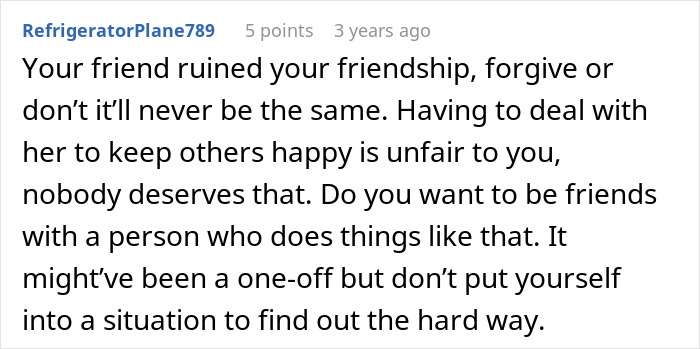

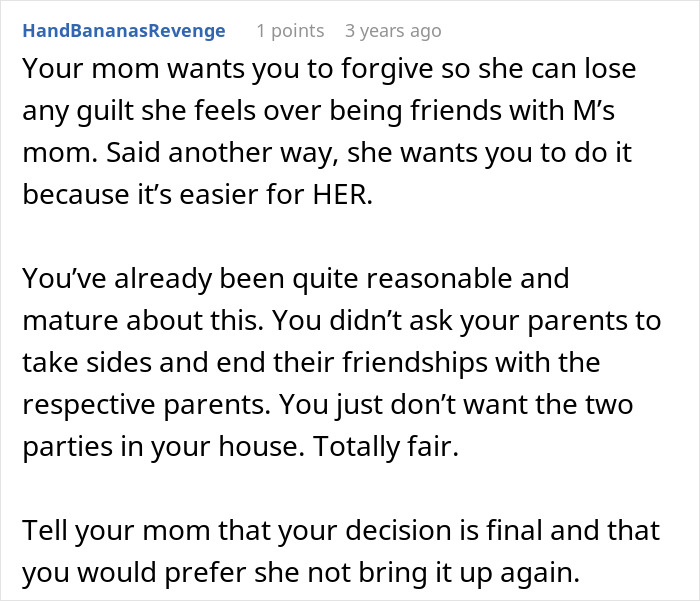

Image credits: Pavel Danilyuk / pexels (not the actual photo)
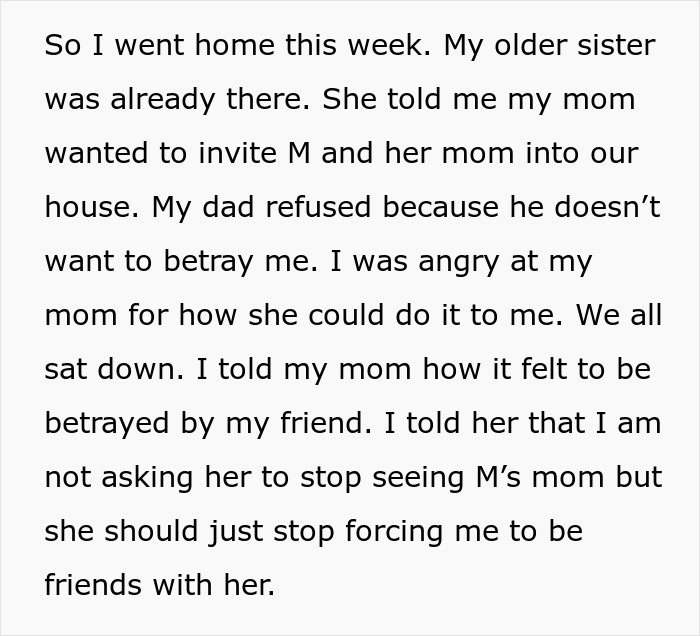
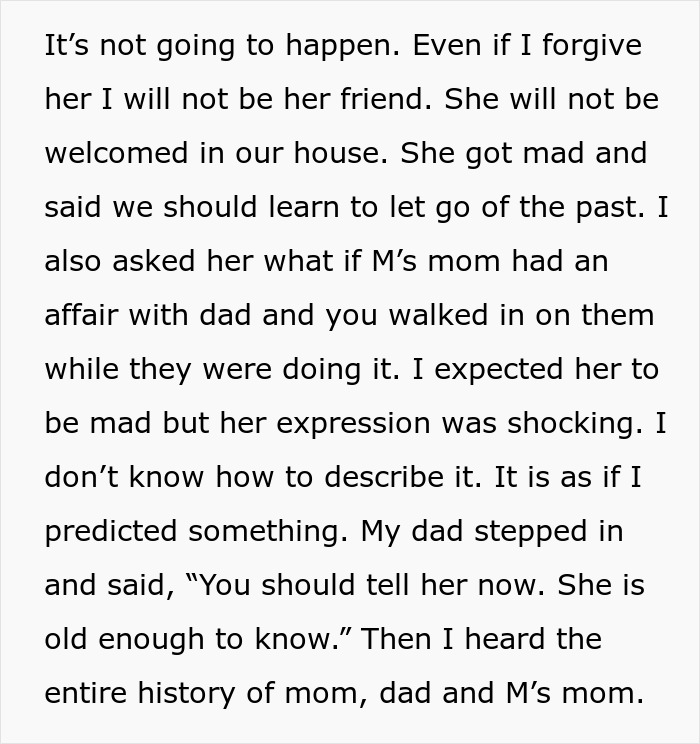
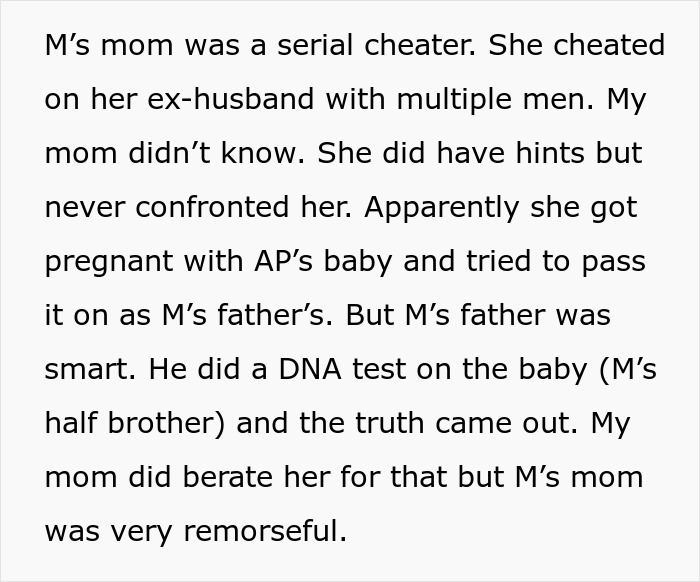
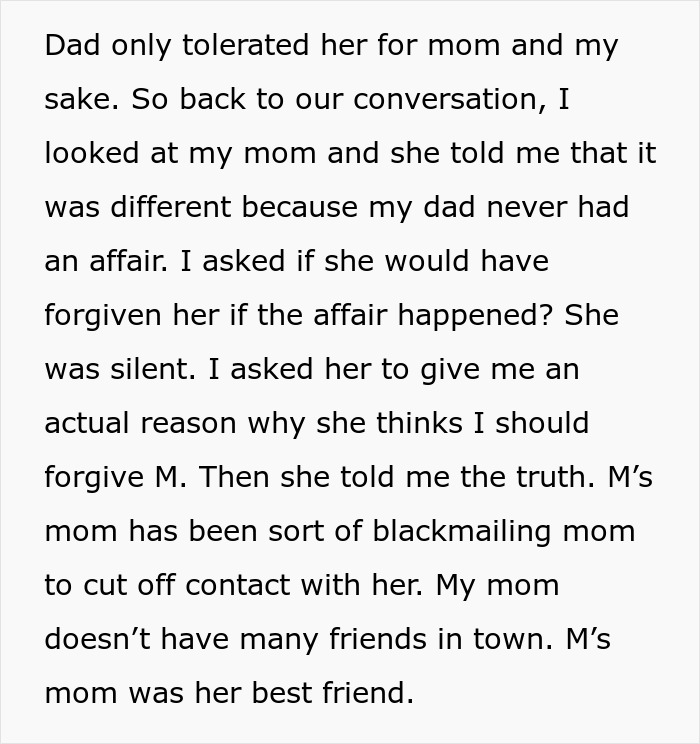
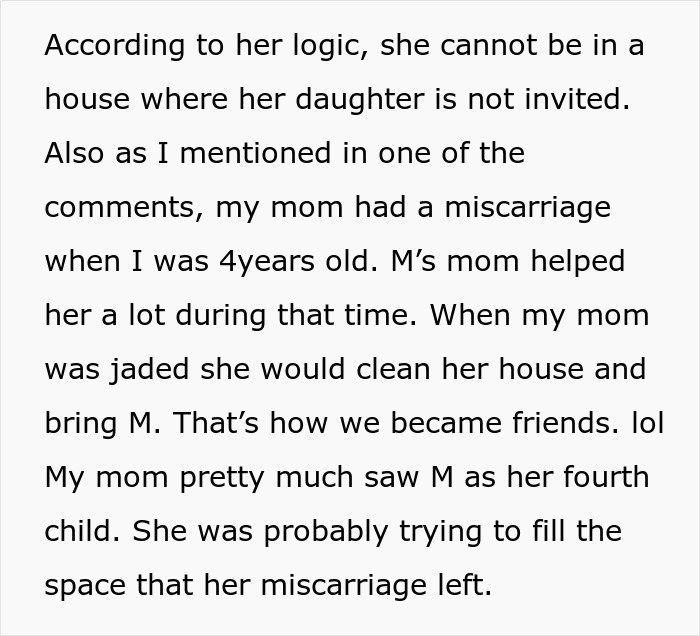
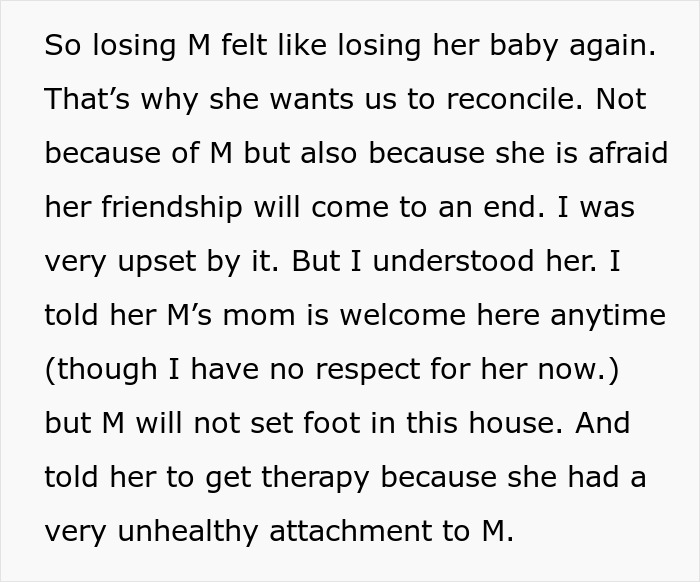
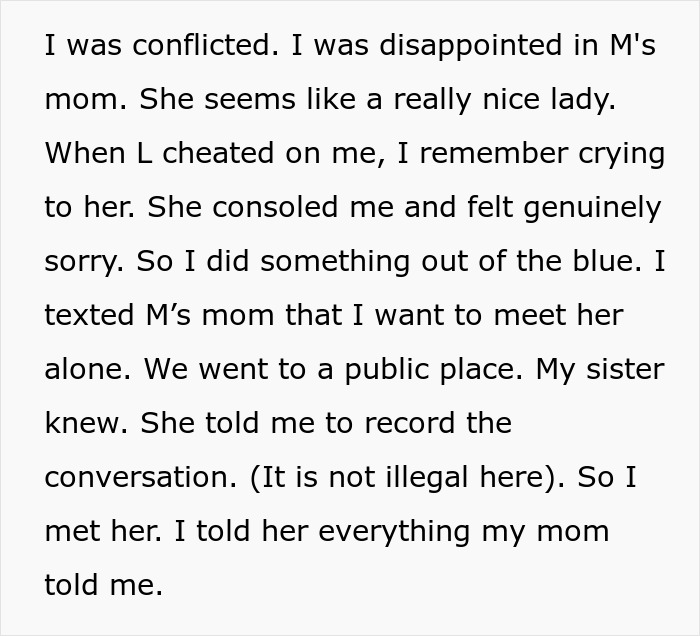
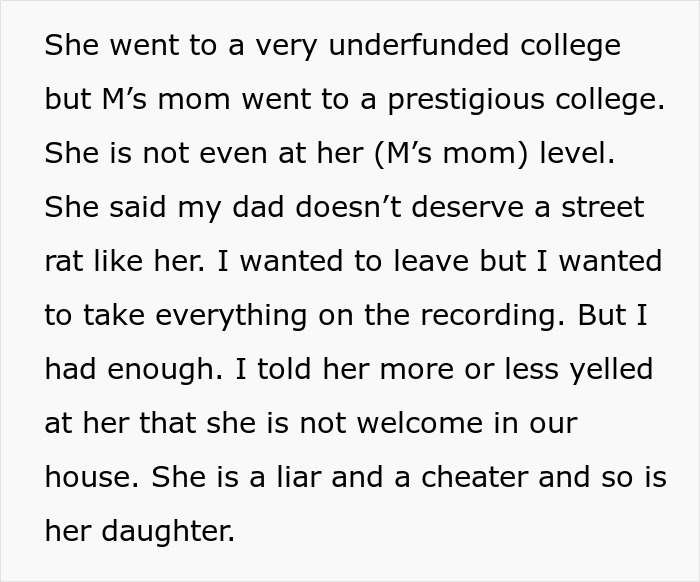
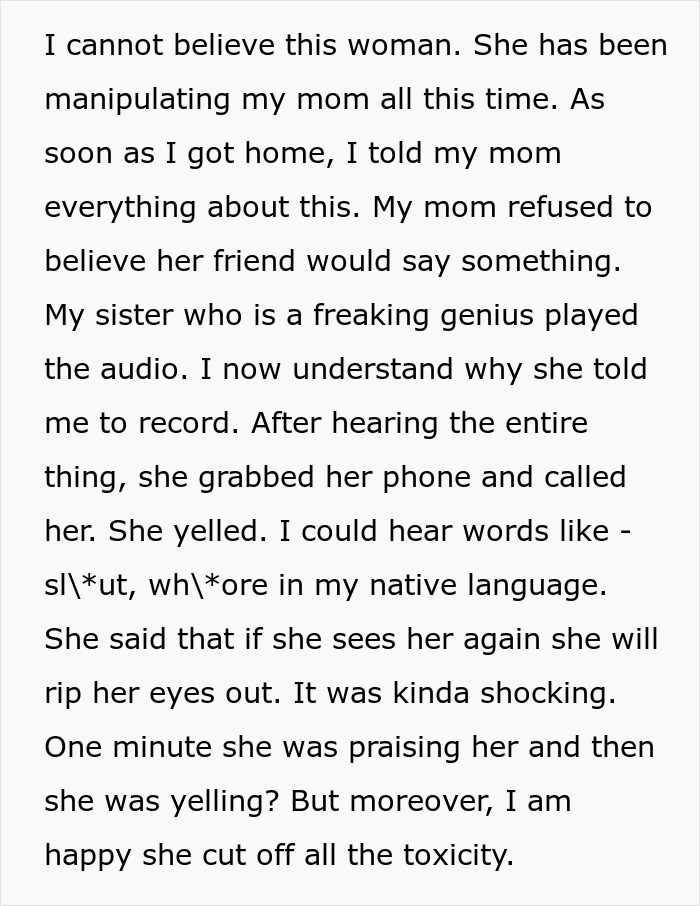
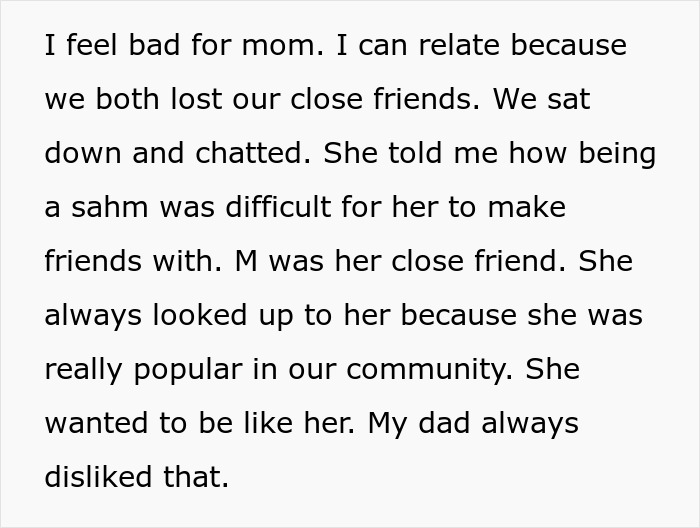
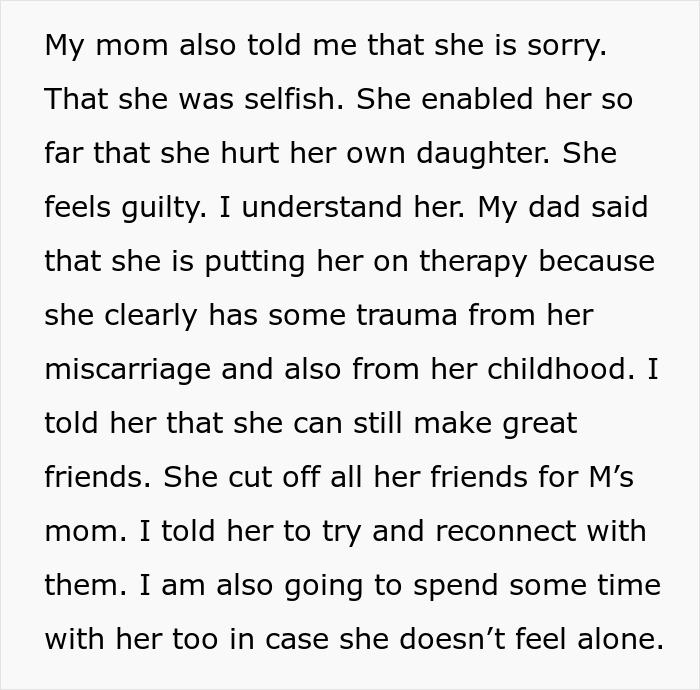
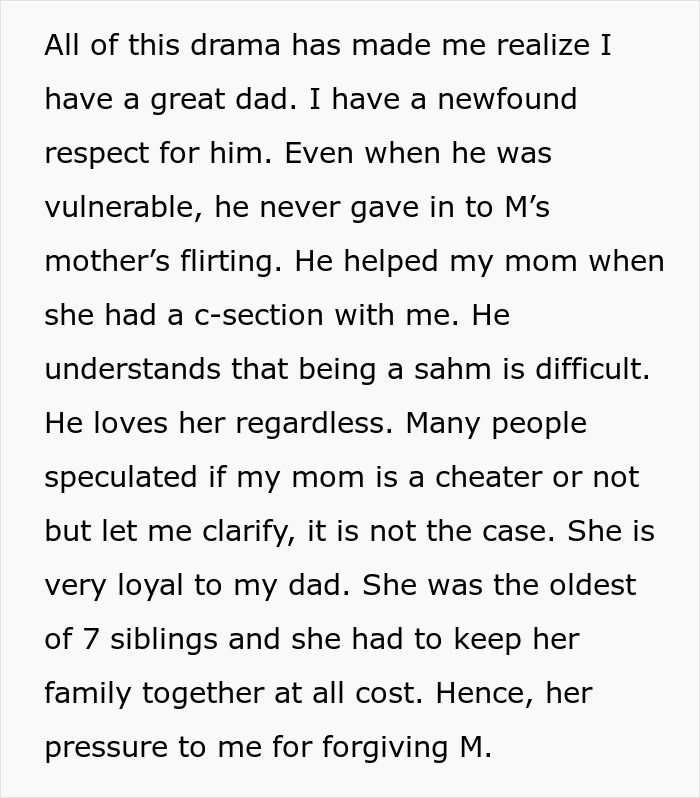
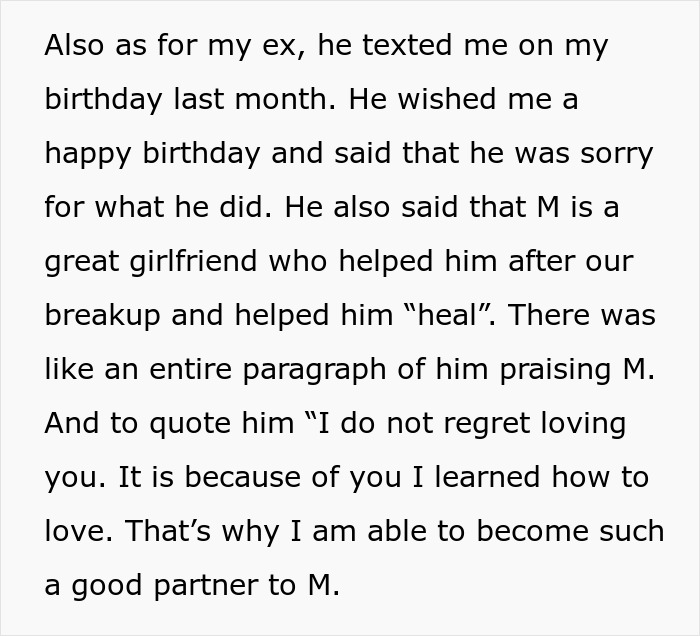

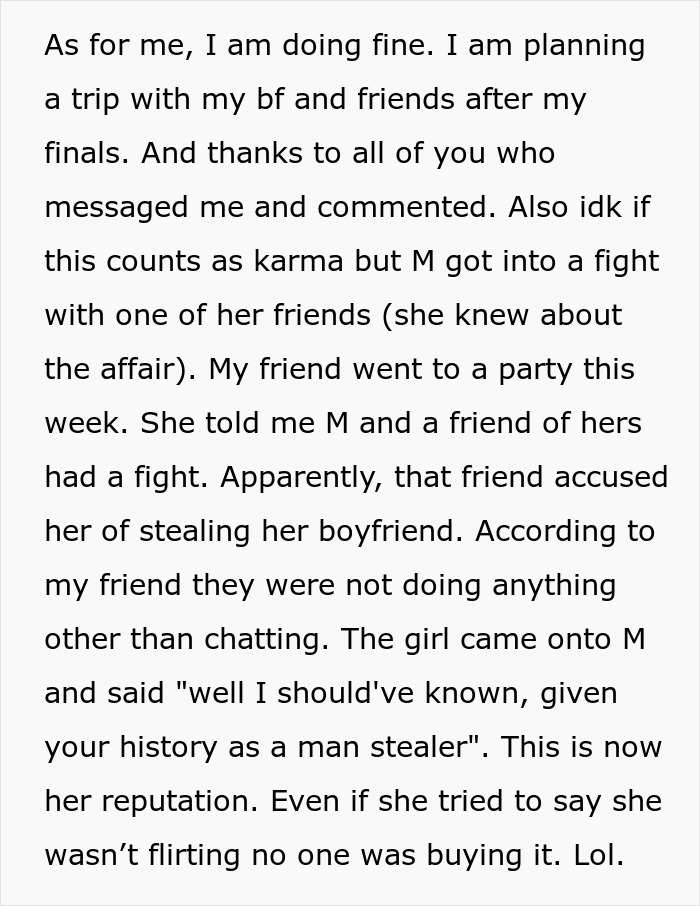
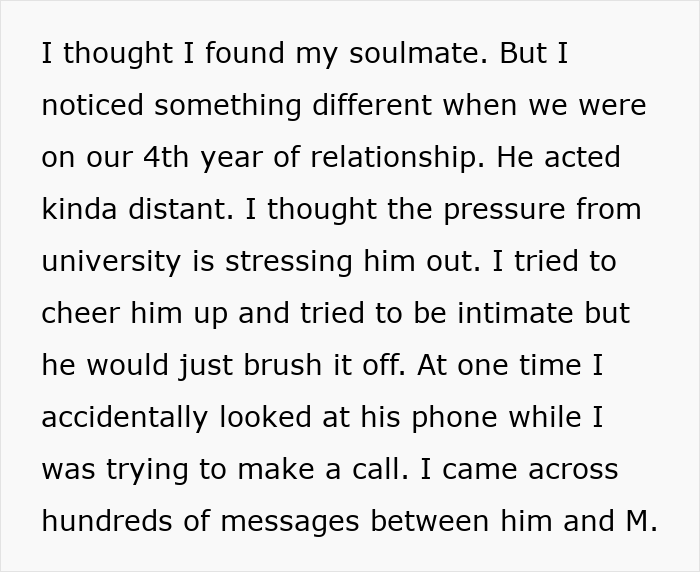
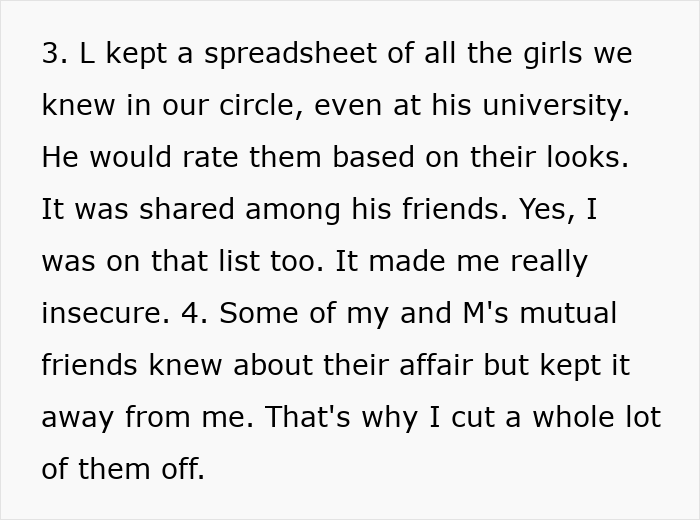
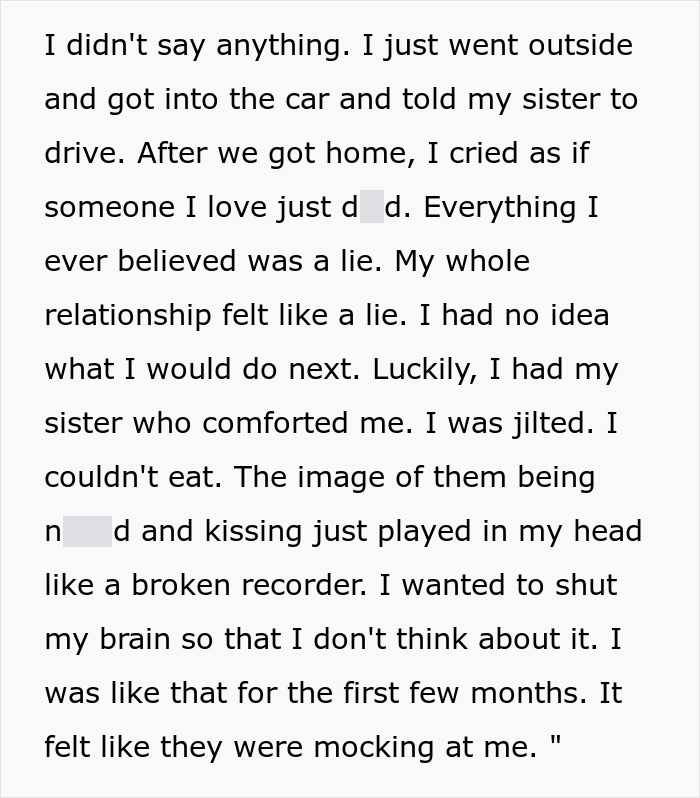
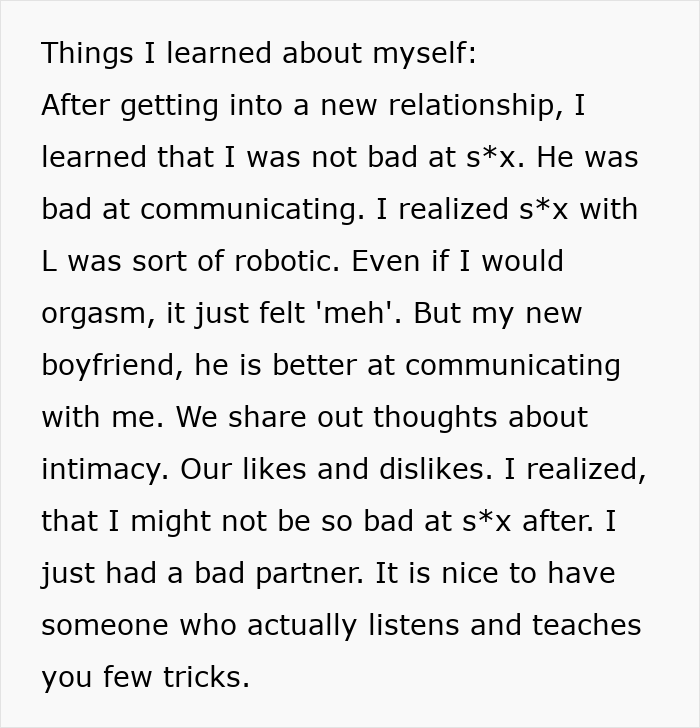
Image credits: Throwawydisappointed
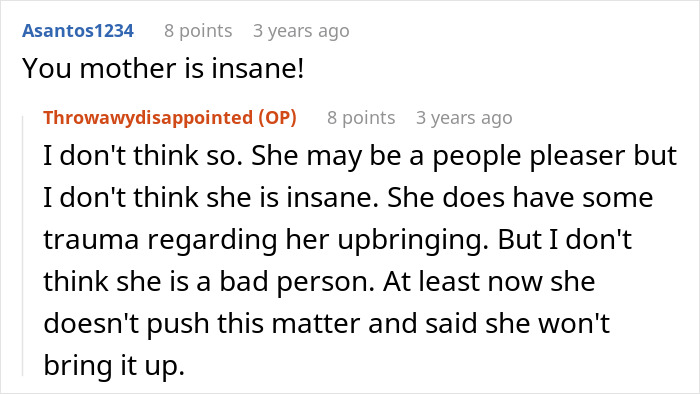
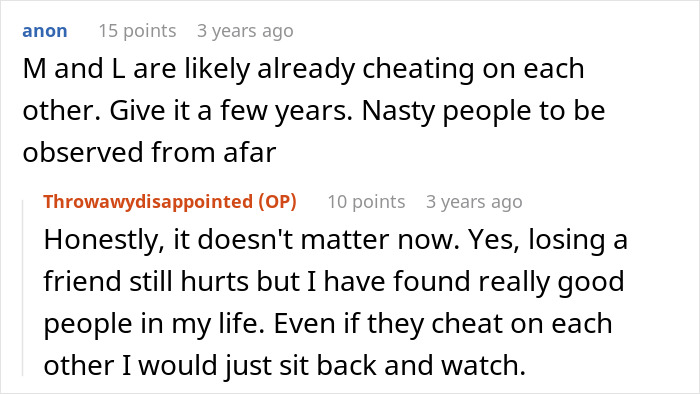
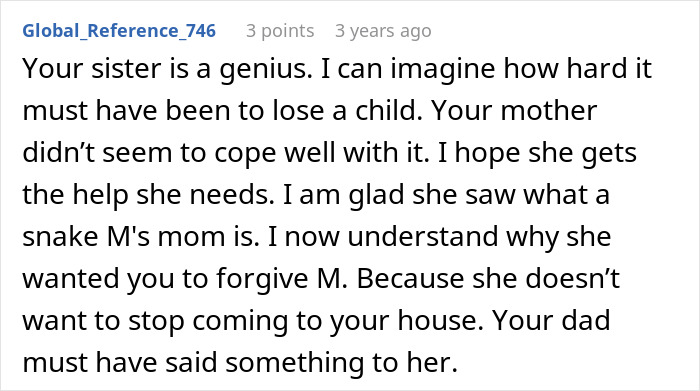


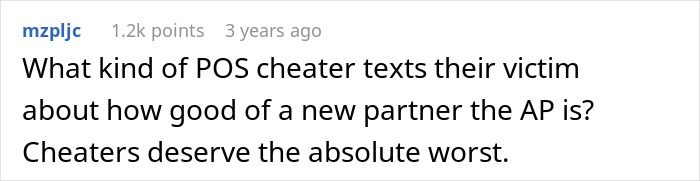



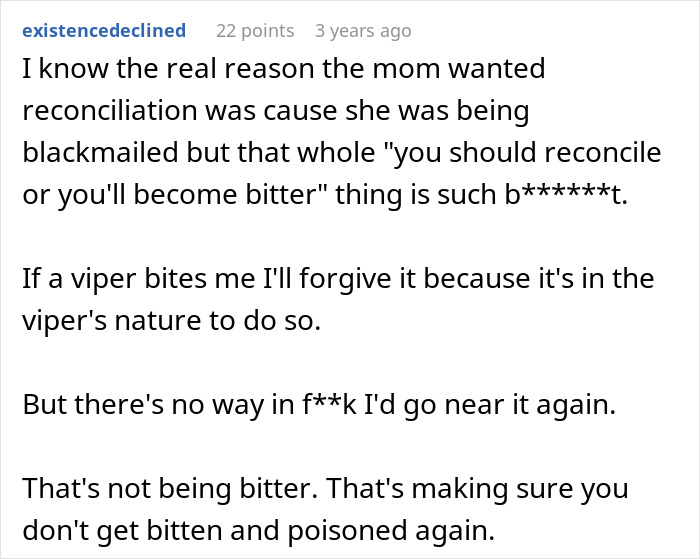
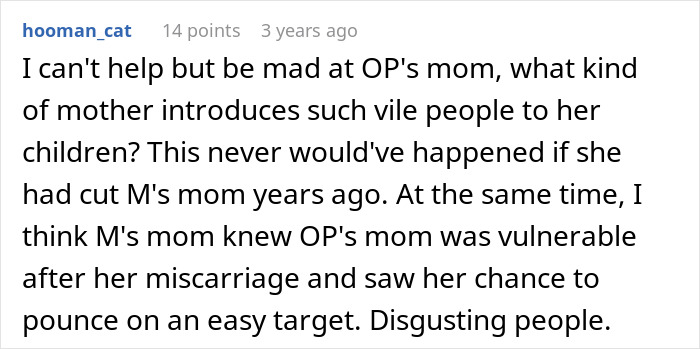
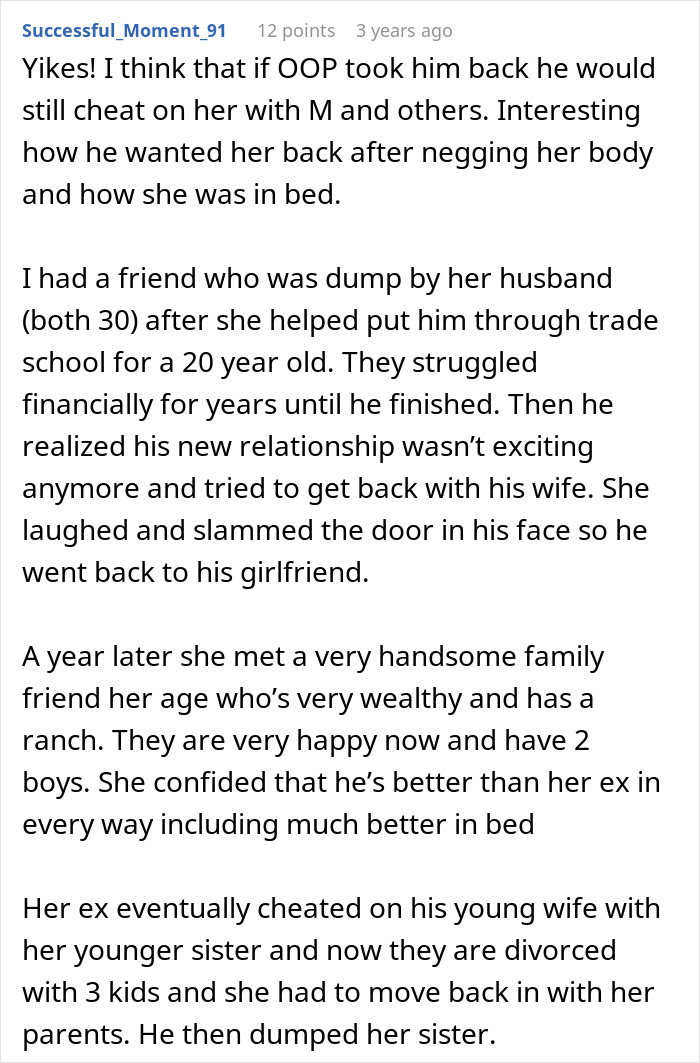
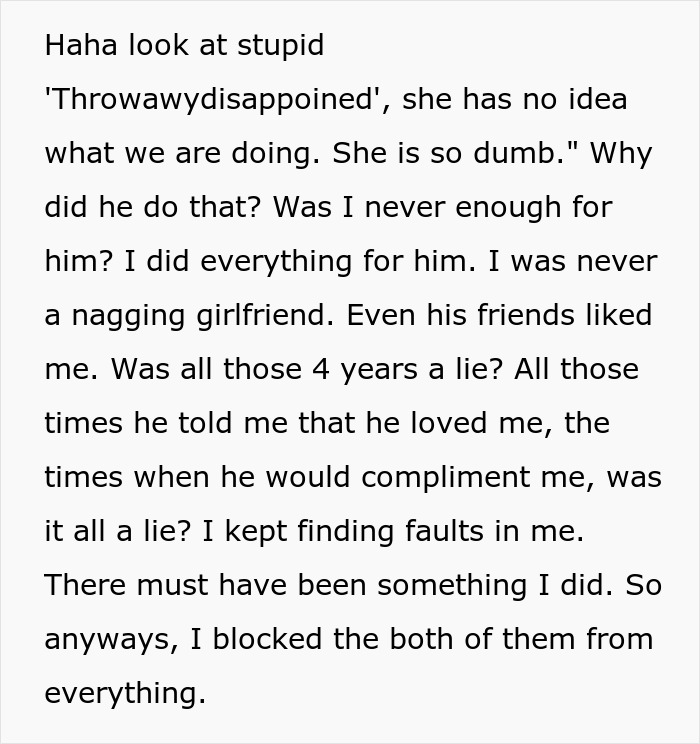
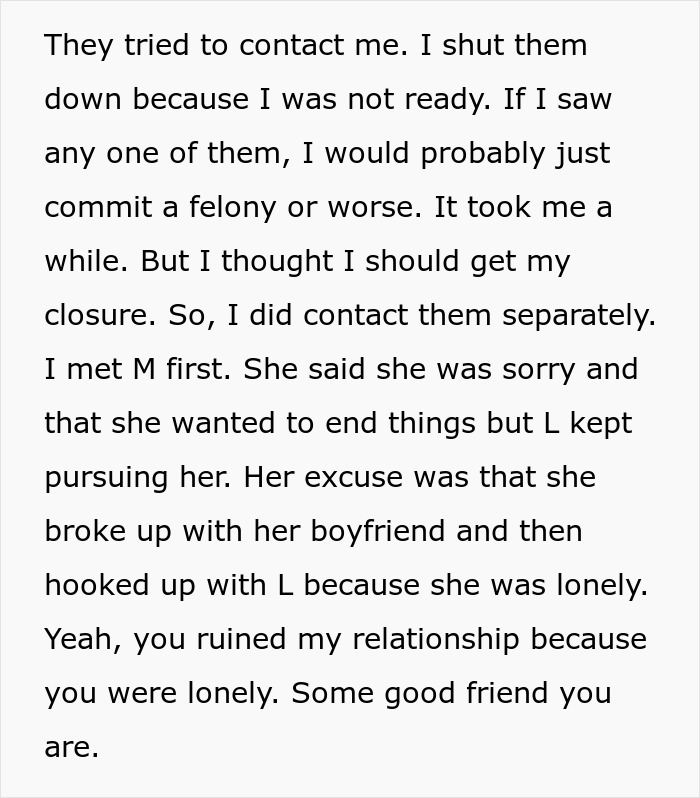
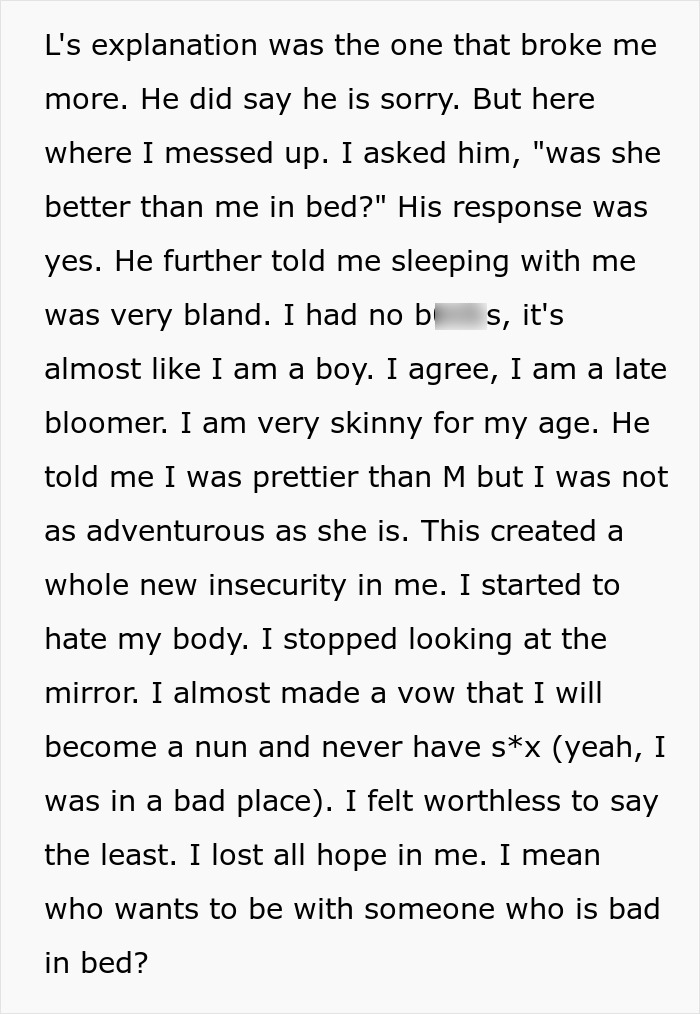
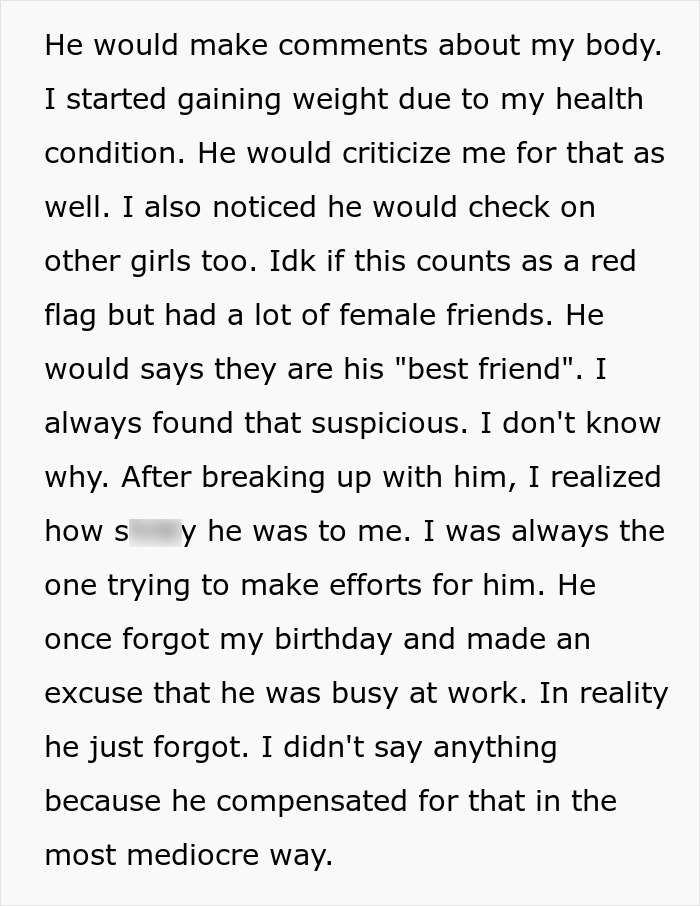
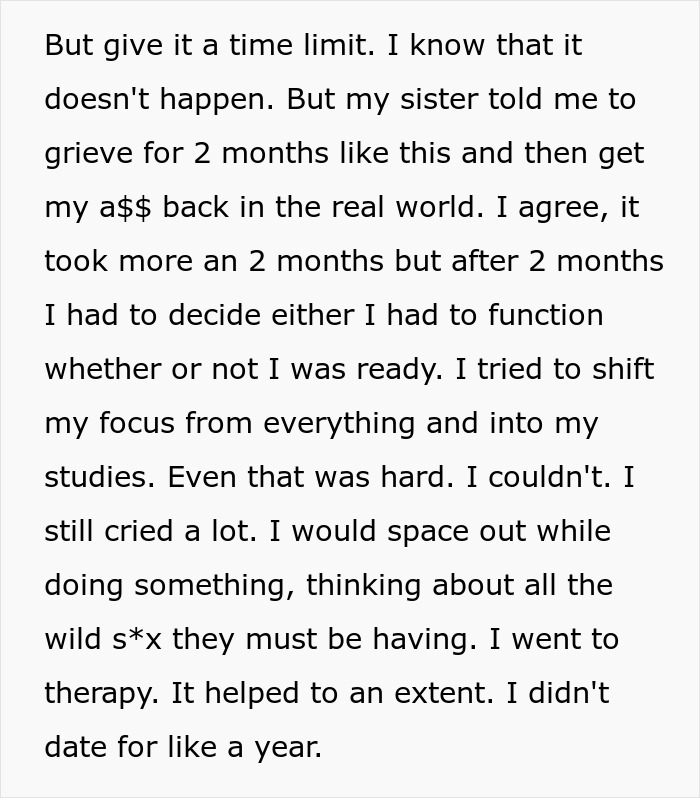
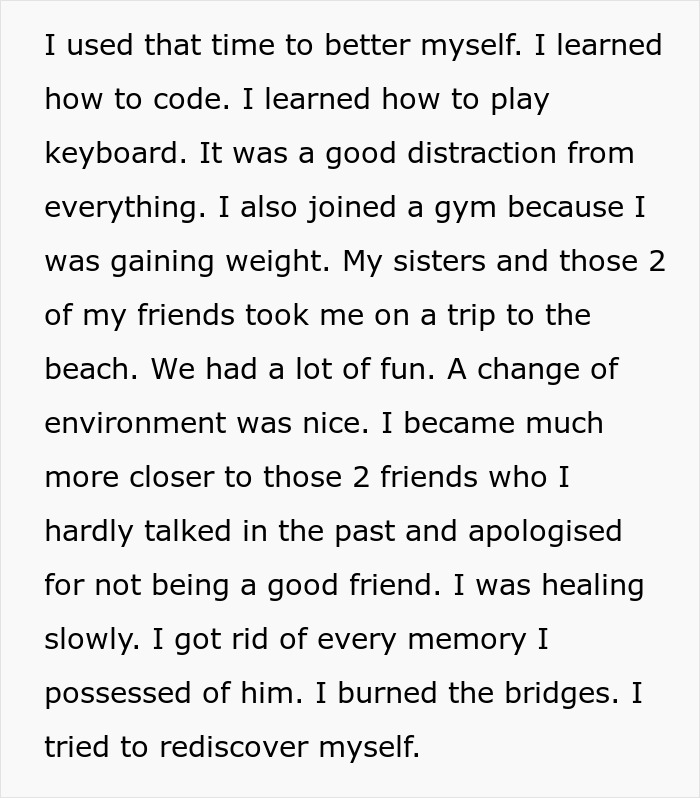
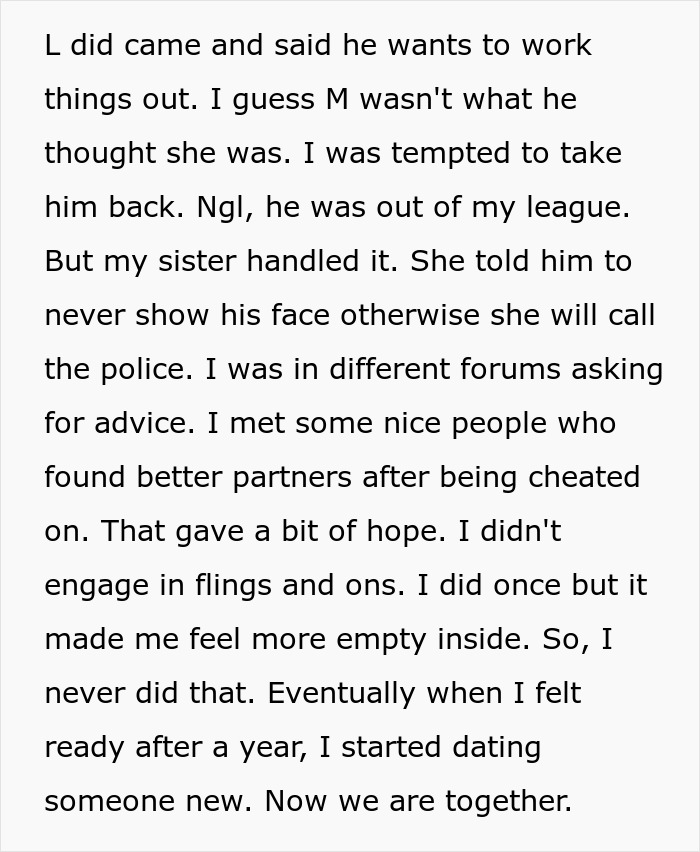
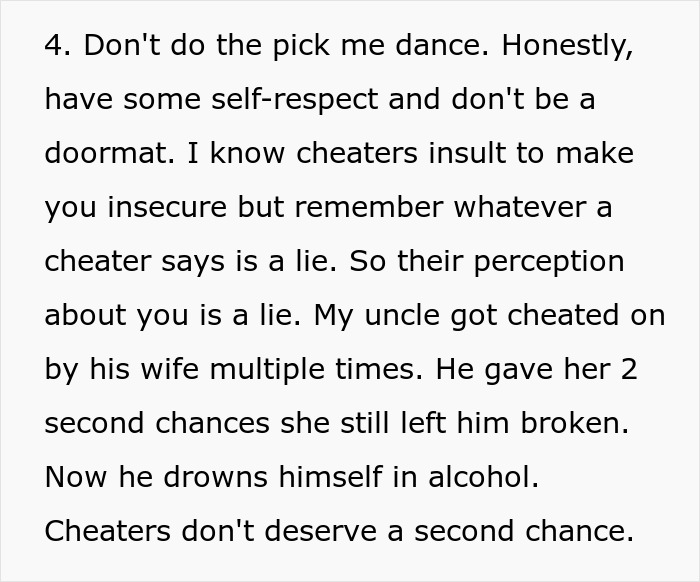
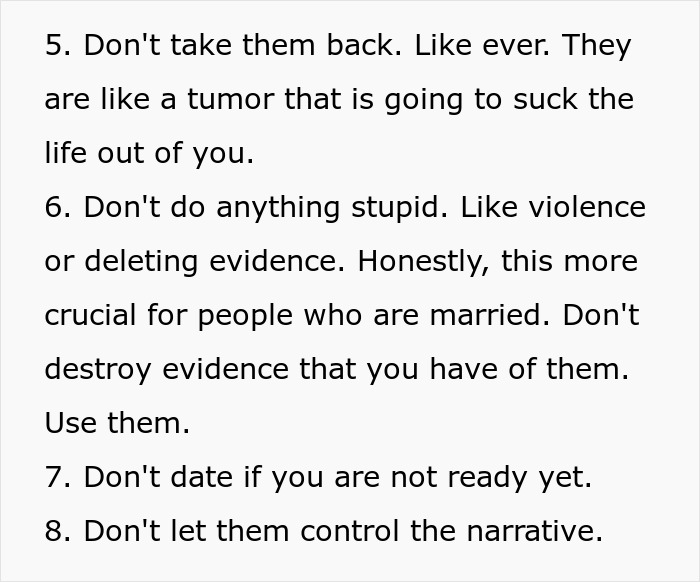
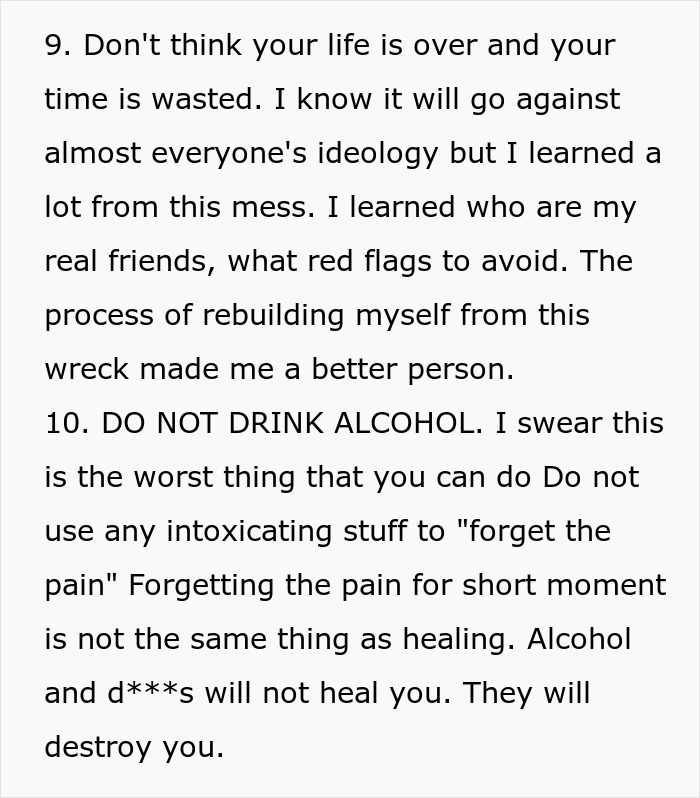
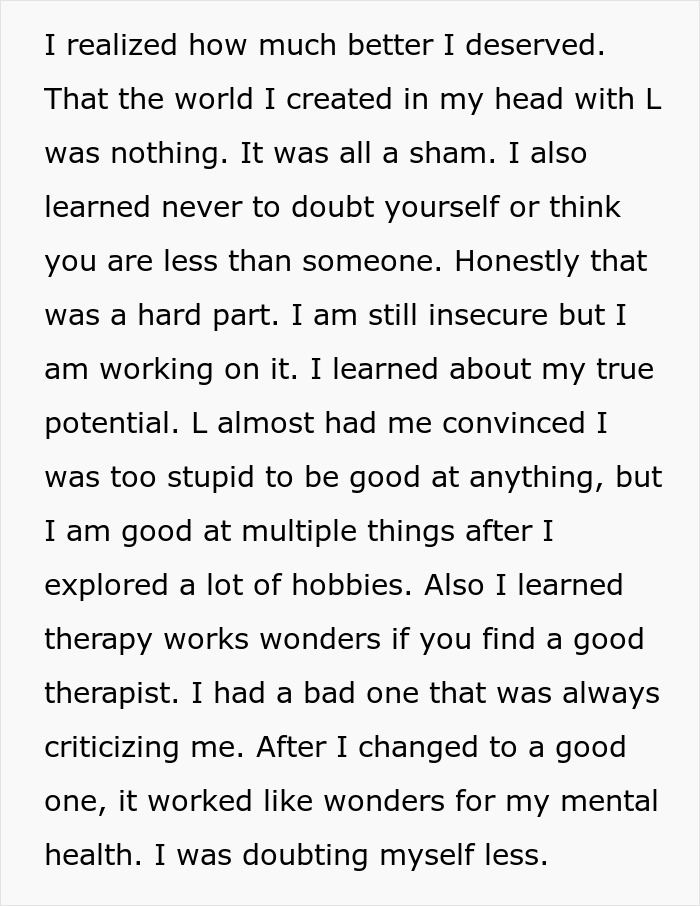
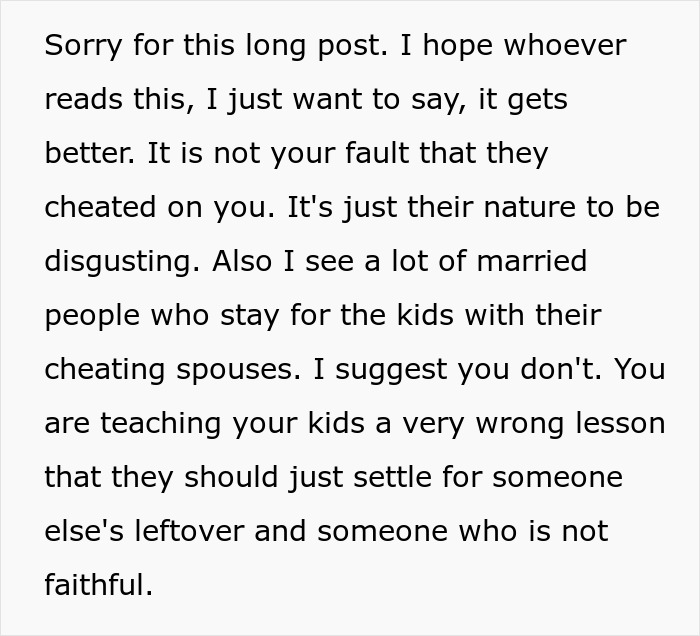
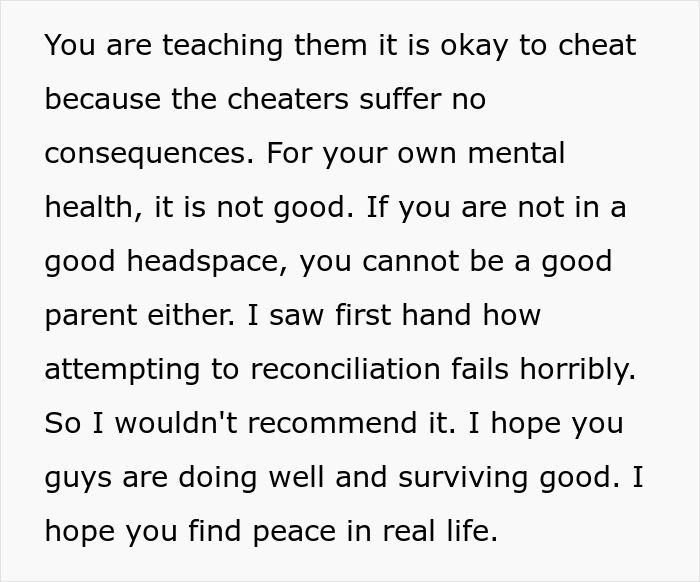
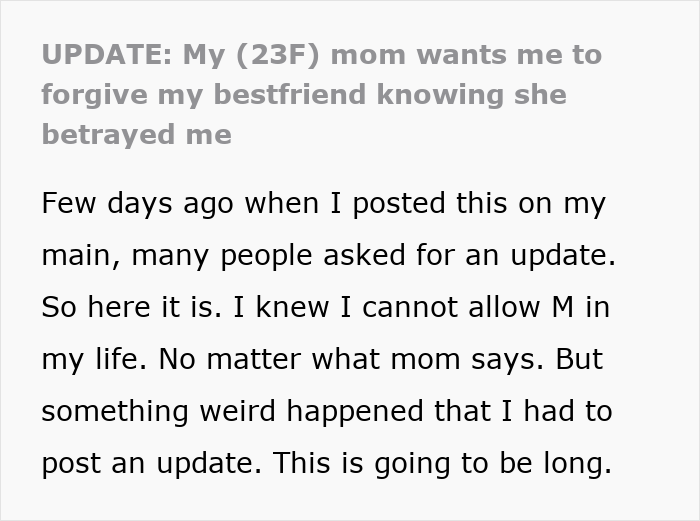
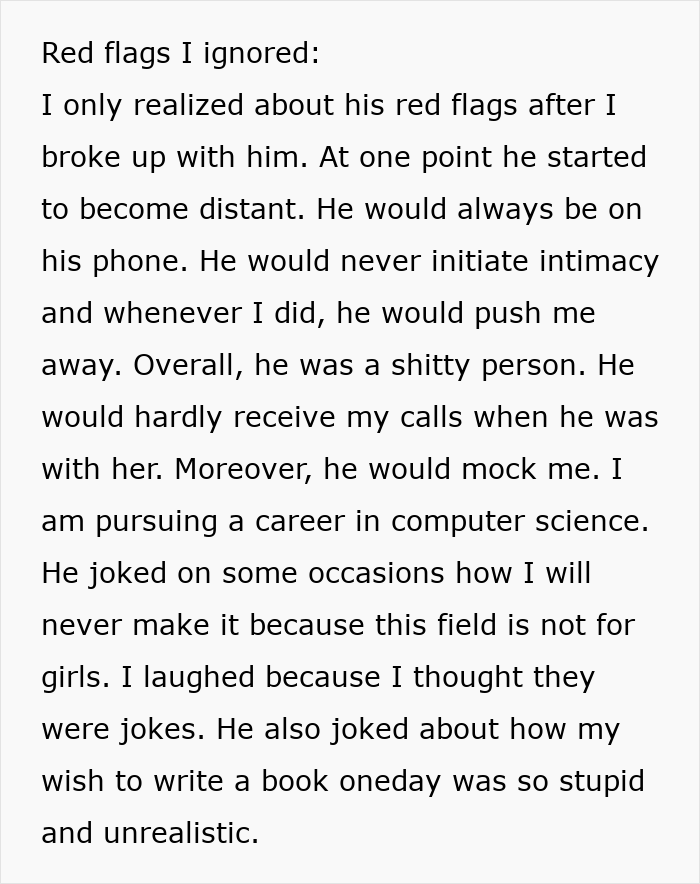
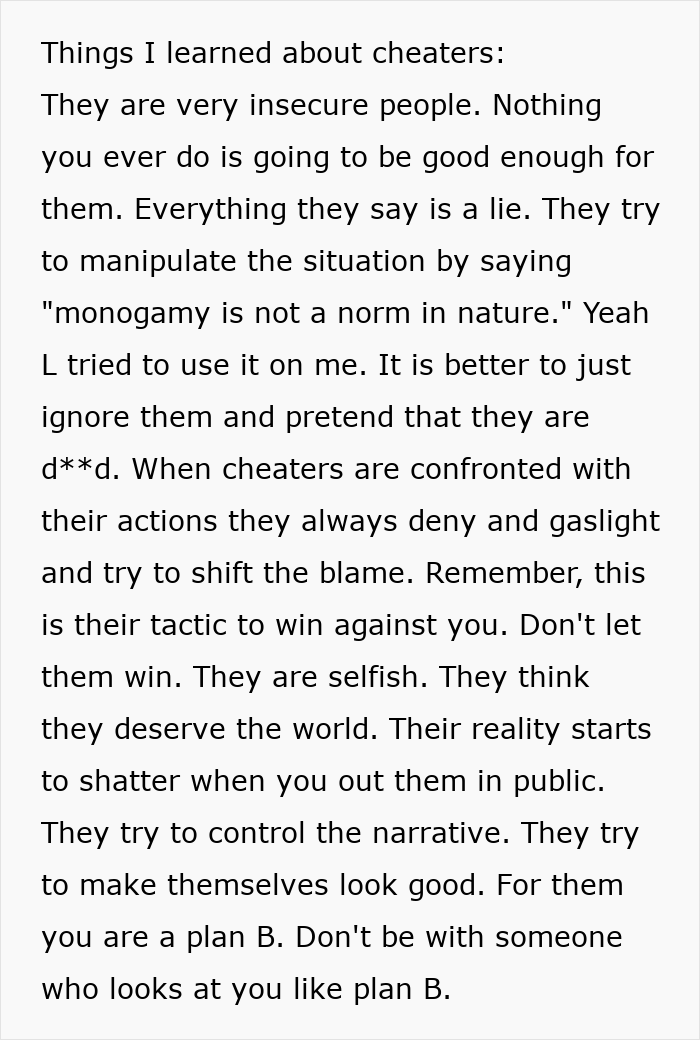
Image credits: Throwawydisappointed

By entering your email and clicking Subscribe, you're agreeing to let us send you customized marketing messages about us and our advertising partners. You are also agreeing to our Privacy Policy.
Thank you! You've successfully subscribed to newsletters!



















 No fees, cancel anytime









31
1